
How urgent is suspected liver disease in dogs? Sort the signs into one of three tiers:
| Urgency | Signs to watch for | What to do |
|---|---|---|
| Emergency now | Seizures, collapse, disorientation, head pressing, unexplained bleeding, or a belly swelling within hours | Go to the emergency clinic tonight |
| Call the vet today | Yellow gums or eyes, repeated vomiting, refusing food for 24+ hours, dark urine or pale stool | Book a same-day appointment |
| Schedule within days | Mild appetite dip, gradual weight loss, or elevated liver enzymes in a dog who feels well | Routine visit plus a daily symptom log |
Liver disease in dogs means the liver is damaged or not working properly. Liver failure means it can no longer do its job well enough to keep the body stable. That distinction, rather than the diagnosis label alone, helps determine how quickly you need to act.
Seizures, collapse, disorientation, head pressing, unexplained bleeding, or a belly that has visibly swollen in hours means a trip to the emergency room tonight. Yellow gums or eyes in a dog who is still alert and eating warrant a call to your vet today. A single flagged liver enzyme in a dog who otherwise seems completely normal usually calls for a scheduled visit within days.
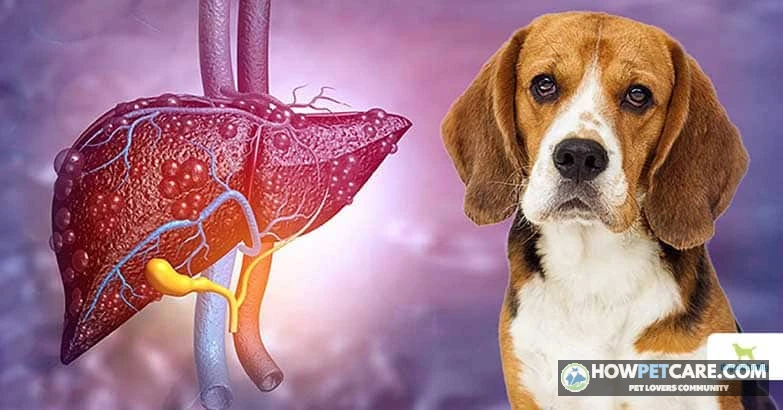
This guide is for the hours after a diagnosis or a worrying blood panel. It covers a triage table you can use in two minutes, symptom patterns, a test-by-test workup with ballpark US costs, treatment by cause, diet targets, and prognosis. It’s general information; your veterinarian’s exam and test results take priority over any article, including this one.
Is It an Emergency? When Liver Disease in Dogs Means the ER Tonight
The liver performs more than 1,000 essential biochemical functions, so problems can show up in many ways. The same disease may look urgent in one dog and incidental in another. The liver also has enormous reserve capacity and can regenerate, so clinical signs often appear only after tissue damage is already substantial. That’s why your dog’s signs matter more for triage than the label alone.
Use the table to sort your dog’s signs into one of three categories. If the signs fit two categories, choose the more urgent one.
ER now, call today, or schedule: a quick-reference triage table
ER now, call the vet today, or schedule a visit: triage by sign
| Urgency level | Signs you may see | Why it matters | What to do |
|---|---|---|---|
| ER now | Seizures, collapse, disorientation, circling, head pressing against walls or furniture; vomiting blood or black tarry stool; unexplained bruising or bleeding from the gums; a tight, rapidly enlarging abdomen; known exposure to xylitol, sago palm, wild mushrooms, rat poison, moldy food, acetaminophen, or an NSAID overdose | These point to hepatic encephalopathy, a bleeding crisis, or an active toxin — all of which can progress within hours | Call the emergency clinic while someone else drives. Do not wait for morning |
| Call the vet today | Yellow gums, skin, or eye whites in a dog who is still alert and eating; repeated vomiting or diarrhea; refusing food for 24 hours or more; very dark urine or pale gray stool; marked lethargy | Jaundice and persistent vomiting mean the liver is losing ground, but same-day care is usually enough | Phone the clinic, describe the signs, and take the first appointment offered |
| Schedule within days | Mild appetite dip, gradual weight loss, increased thirst and urination, or elevated liver enzymes found on routine bloodwork in a dog who feels well | Many of these turn out to be non-liver problems or transient rises | Book a regular visit and start a daily log of what you are seeing |
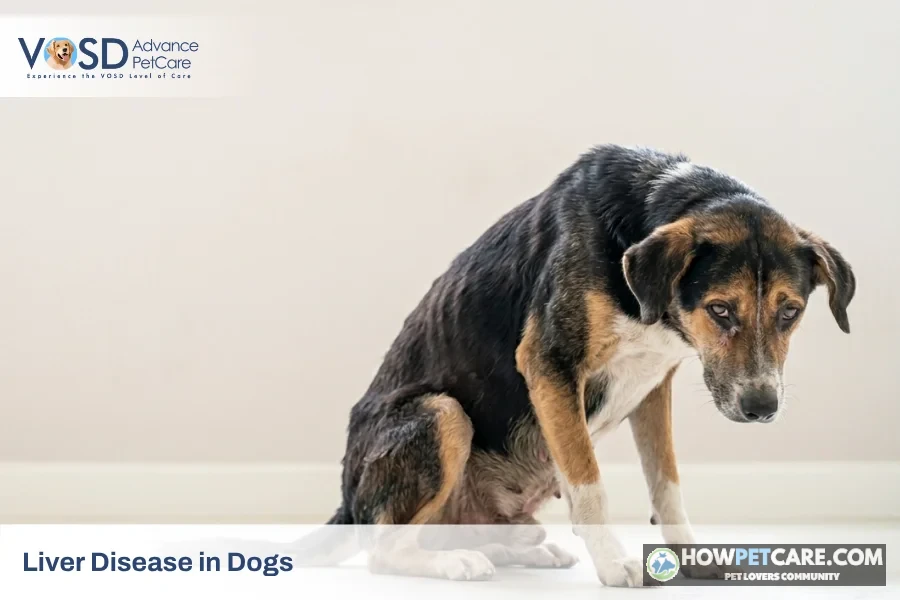
Two categories deserve particular attention because owners often misjudge them.
Neurological signs. Hepatic encephalopathy occurs when a failing liver can’t clear toxins such as ammonia and amino acid metabolism goes wrong. It can cause head pressing, seizures, disorientation, and, in severe cases, coma. Tell the clinic if your dog’s signs get noticeably worse after eating, especially after a high-protein meal. That’s a classic clue.
Ascites. A fluid-swollen abdomen develops from a mix of rising portal pressure, falling albumin, and disturbed sodium and water handling. Call your vet the same day if the belly swells over weeks. Swelling over hours, or swelling accompanied by labored breathing, calls for an ER visit.
Don’t give human pain relievers such as ibuprofen or acetaminophen, induce vomiting, or dose milk thistle or any supplement as a precaution. Several of these are themselves toxic to a compromised liver, and one changes what the vet can safely prescribe.
The 5-minute ER prep checklist — run this while someone else drives.
-
Call the clinic ahead
Give your dog’s age and breed, the exact signs you’re seeing, and any possible toxin. Ask whether to come immediately or if they advise anything first.
-
Gather every bottle
Bring the actual medications, flea products, joint chews, CBD, and herbal supplements, including anything you think is irrelevant. Toxicity questions hinge on this list.
-
Write down possible exposures
Include sugar-free gum and some peanut butters (xylitol), sago palm or other plants, wild mushrooms, rat poison, human pain relievers, and anything new in the house or yard this week.
-
Note the timeline
Write down when the first sign appeared, how fast things changed, the last meal eaten, and whether signs worsened after eating.
-
Photograph the evidence
Photograph gum and eye color, vomit, stool — especially if black or tarry — and any chewed packaging or plant remains.
-
Bring records if you have them
Prior bloodwork gives the vet a baseline for comparison and can save a repeat panel.
What to bring and tell the emergency vet

At check-in, give the vet a timeline: the first sign, what changed, and what your dog last ate. The medication and toxin lists also do much of the diagnostic work. If your dog has been on steroids, phenobarbital, or a long-term NSAID, mention it before the vet interprets any bloodwork. Those drugs can raise liver values on their own and are frequently mistaken for primary liver disease.
Give the details in this order: age and breed, first sign and when it appeared, current medications, and possible toxin. The vet can start triaging before the exam begins.
Symptoms of Liver Disease in Dogs: Early Signs vs. Advanced Warning Signs
Liver disease symptoms in dogs fall into two phases, and owners often miss the early phase. Because the liver has a large functional reserve, a dog can lose a meaningful share of liver tissue before anything looks wrong.
Early signs of liver disease in dogs that owners often miss
Early signs are vague and easy to blame on age or a bad week: reduced appetite, lethargy, intermittent vomiting or diarrhea, gradual weight loss, and increased thirst and urination. None is specific to the liver. A dog who is a little slower on walks and picks at dinner for two weeks is showing a real change, but it doesn’t point to a diagnosis on its own.
A flagged enzyme on a wellness panel is often the first hard evidence of a problem. That’s why rechecking matters more than guessing.
Advanced signs: jaundice, ascites, and brain-related changes
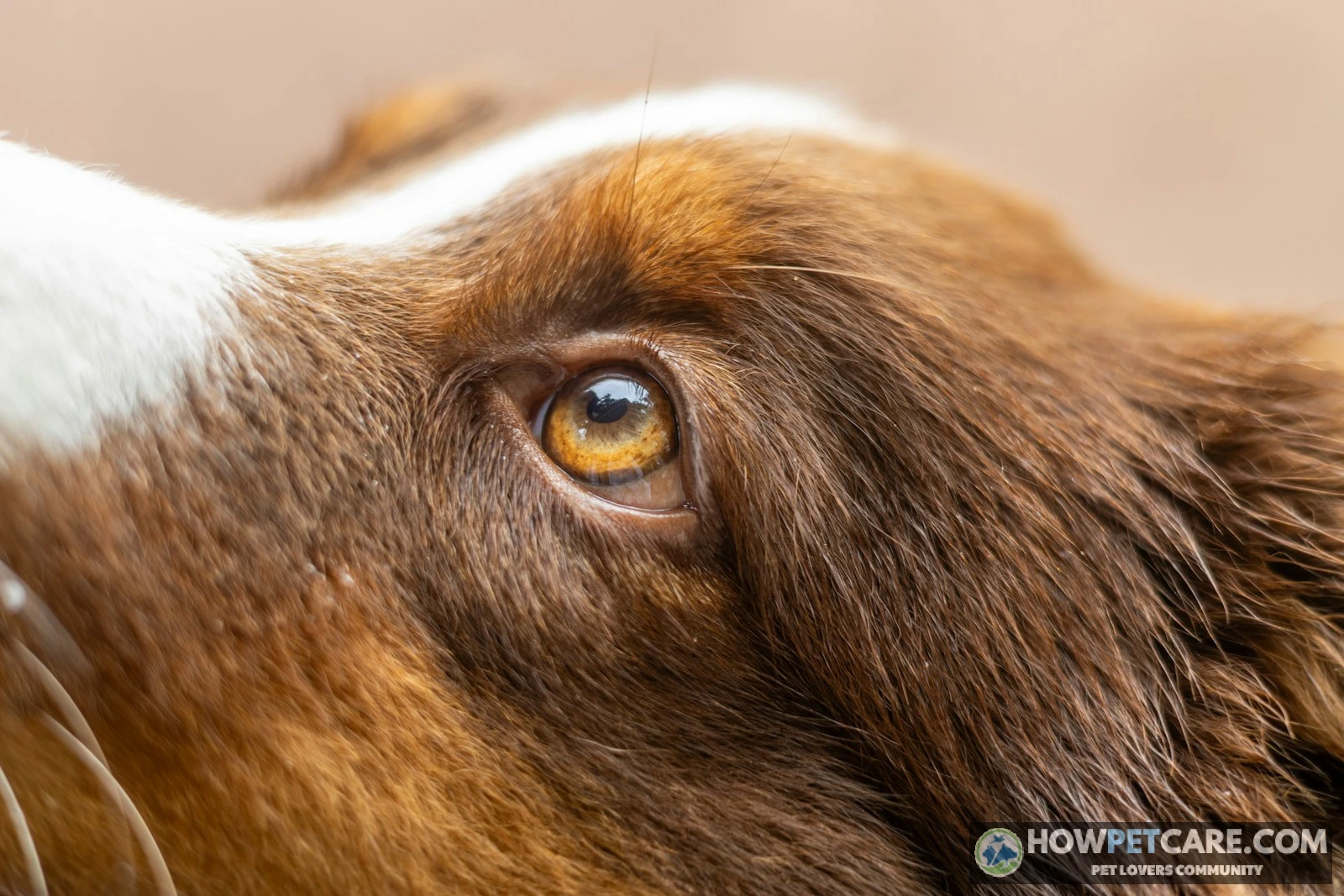
As liver disease progresses, signs become clearer. Jaundice — a yellow tint to the gums, skin, or whites of the eyes — means bilirubin is building up because the liver can no longer process it. Ascites appears as a pear-shaped, fluid-heavy belly. Stool may turn pale gray or putty-colored, urine may look orange or unusually dark, and bruising or bleeding gums point to clotting problems. Neurological changes — stumbling, circling, head pressing, seizures — signal hepatic encephalopathy and belong in the emergency column.
Why symptoms alone can’t confirm a liver problem
Liver signs overlap heavily with those of pancreatitis, kidney disease, Cushing’s disease, and heart failure. Vomiting and lethargy are common complaints in veterinary medicine. Symptoms prompt the workup, but bloodwork, function tests, and imaging make the call. Neither a symptom nor a single lab value is a diagnosis on its own.
What Causes Liver Disease in Dogs? Breed, Age, and Proactive Screening
The causes fall into five families. Knowing which one applies to your dog changes both the tests and the treatment.
Common causes of liver disease in dogs
- Inflammatory and infectious: chronic hepatitis is the most common category in dogs; leptospirosis and infectious canine hepatitis (CAV-1) are the vaccine-preventable infectious causes.
- Toxic and drug-related: xylitol, aflatoxin from moldy food, sago palm, and certain long-term medications including steroids, phenobarbital, and some NSAIDs.
- Metabolic and endocrine: copper storage disease, Cushing’s disease, and vacuolar hepatopathy.
- Vascular: congenital portosystemic shunts — abnormal vessels that bypass the liver.
- Tumors: primary liver cancer and metastatic spread from elsewhere. Primary liver tumors are mostly a senior-dog diagnosis, typically in dogs older than about 9 to 10 years.
There’s also an important secondary category: liver values that rise because of something else, such as pancreatitis, inflammatory bowel disease, heart failure, Cushing’s disease, steroids, or seizure medication. These dogs have a liver finding, not necessarily liver disease. Treating the primary problem usually resolves it.
Breeds and ages at higher risk
Copper-associated hepatopathy is a leading cause of chronic hepatitis in Bedlington Terriers, West Highland White Terriers, Doberman Pinschers, Dalmatians, and Labrador Retrievers. Scottish Terriers have a breed predisposition to vacuolar hepatopathy, and small breeds such as Yorkshire Terriers and Maltese are overrepresented among congenital shunts.

Risk also varies by age. Shunts and congenital problems show up in puppies and young dogs. Chronic hepatitis tends to appear in middle age. Tumors and age-related decline cluster in seniors, making them particular concerns for older dogs.
Should you screen a high-risk breed before symptoms start?
Yes. If your dog is a predisposed breed, ask your vet about baseline ALT and ALP at adult wellness visits, plus bile acids where indicated. It’s also worth discussing copper-specific testing for the high-risk breeds above, ideally before symptoms appear. Early copper detection is one of the places where intervention can genuinely change the trajectory. Routine bloodwork every 6 to 12 months is a reasonable early-detection schedule to discuss for older or at-risk dogs.
Prevention has its limits: keep xylitol and toxic plants out of reach, keep leptospirosis and canine hepatitis vaccines current, and never start a supplement or long-term medication without veterinary guidance. Genetic and idiopathic causes can’t be prevented, though they can be caught early.

How Vets Diagnose Liver Problems: Test Order, What Elevated Liver Enzymes Mean, and When a Biopsy Is Needed
Elevated liver enzymes in dogs mean liver cells are irritated or damaged. They don’t tell you how well the liver is working or identify a cause. A dog can have a fivefold ALT elevation from a dental infection or a steroid and a completely normal liver.
What elevated liver enzymes (ALT, ALP) do and don’t tell you
ALT and AST are leakage enzymes: they rise when liver cells are injured. ALP and GGT are cholestatic enzymes: they point to bile-flow problems but also climb with steroids, Cushing’s disease, and certain drugs. Bilirubin, albumin, cholesterol, glucose, and BUN round out the picture. Low albumin, low BUN, or low glucose can hint that the liver is failing at its job, rather than merely irritated.
A common and sensible next step is to repeat the panel in 2 to 4 weeks before any imaging. Transient and drug-related rises are common, and many dogs never need the rest of the pathway.
Bile acids, bilirubin, and ammonia: measuring liver function
Bile acids, measured fasting and after a meal, test how well the liver works. Abnormal results justify imaging. Ammonia and a clotting profile are added when there are neurological signs or bleeding concerns. A urinalysis provides information about bilirubin and crystal types that can point toward specific conditions.
Abdominal ultrasound and what it can miss
Ultrasound shows liver size and texture, the gallbladder and bile ducts, masses, free fluid, and sometimes shunt vessels. It can’t grade inflammation or confirm copper accumulation. A liver can look surprisingly unremarkable in early chronic hepatitis.

When a liver biopsy is necessary, and when it isn’t
A biopsy is the only test that confirms chronic hepatitis, copper storage disease, cirrhosis, and most tumor types. It’s indicated when enzymes stay elevated, function tests or imaging are abnormal, copper accumulation is suspected, or the result would change the treatment plan. It’s usually not indicated for a likely drug effect, a transient rise, or a dog too unstable to anesthetize. Clotting must be checked first; the risks include bleeding and anesthesia in a sick dog.
Diagnostic sequence for liver problems in dogs: what each test shows and ballpark US cost
| Step | Test | What it tells the vet | When it’s typically done | Approximate US cost range |
|---|---|---|---|---|
| 1 | History, exam, CBC and chemistry panel | ALT and AST signal cell injury; ALP and GGT point to bile flow but also rise with steroids, Cushing’s, and some drugs; low albumin, BUN, glucose, or cholesterol suggest reduced function | First visit, every workup | $150–$350 |
| 1b | Recheck bloodwork in 2–4 weeks | Separates a transient or drug-related rise from a persistent problem, often skipping the rest of the pathway | Mild elevations in a dog who feels fine | $100–$200 |
| 2 | Bile acids (fasting and post-meal), urinalysis, sometimes ammonia and clotting | Measures actual liver function; abnormal bile acids justify imaging, normal results may end the workup | Enzymes stay elevated or signs persist | $100–$250 |
| 3 | Abdominal ultrasound | Liver size and texture, gallbladder and ducts, masses, fluid, some shunt vessels — but can look normal in early chronic hepatitis | Abnormal function tests, jaundice, ascites, or suspected mass | $350–$650 general practice; $500–$800+ specialist |
| 4 | Fine-needle aspirate | Can identify vacuolar changes, fat, and some tumors such as lymphoma, but often cannot grade inflammation or confirm hepatitis | A mass is seen, or as screening before deciding on biopsy | $200–$500 |
| 5 | Liver biopsy (ultrasound-guided, laparoscopic, or surgical) | The only test that confirms chronic hepatitis, copper storage disease, cirrhosis stage, and most tumor types; requires a clotting check first | Persistent abnormalities imaging cannot explain, or when the answer changes treatment | $800–$2,500 guided; $2,500–$6,000+ surgical |
A stepwise workup helps keep costs manageable: each step is justified if the previous one stayed abnormal or raised a question it couldn’t answer. Before agreeing to the next step, ask, what will this test change?
How Liver Disease in Dogs Is Treated: What Works by Cause, Plus Home Care
Treatment follows the cause, not the enzyme number.
Treatments matched to the cause
- Toxin or drug injury: stop the exposure, then provide supportive care. This is the most reversible category.
- Infection: antibiotics for leptospirosis; some fungal liver infections require 6 to 12 months of antifungal treatment.
- Chronic hepatitis: immunosuppressive therapy in selected cases, plus antioxidants and bile-flow support.
- Copper storage disease: copper chelation such as D-penicillamine, dietary copper restriction, and zinc supplementation to limit intestinal copper absorption.
- Single congenital shunt: surgical correction is the definitive option; multiple or intrahepatic shunts are usually managed medically.
- Tumors: surgical removal when possible, plus oncology care.
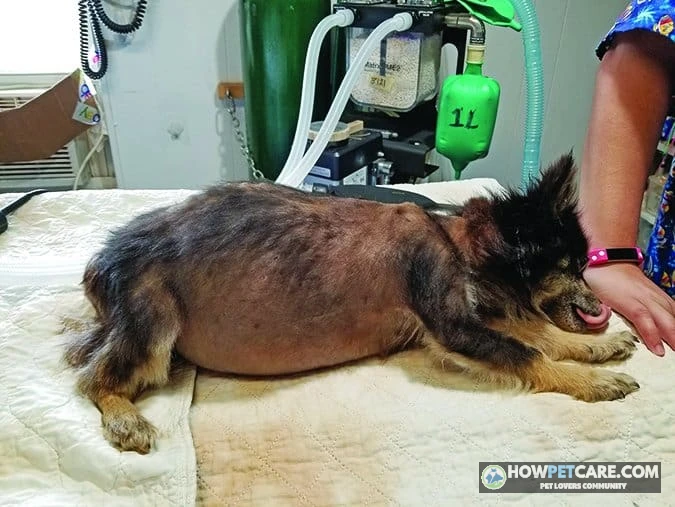
Supportive care for a sick dog includes IV fluids, anti-nausea medication, vitamin K for clotting problems, lactulose and antibiotics for hepatic encephalopathy, and diuretics or abdominal fluid removal for ascites. Gallbladder mucocele surgery is typically followed by 4 to 6 weeks of antibiotics.
SAMe, milk thistle, and ursodiol: dosing and what to realistically expect
These treatments are adjuncts, not diagnoses or cures. The typical veterinary ranges below can help you have an informed conversation, but the actual dose must come from your vet and be adjusted for your dog’s weight, condition, and other medications.
Liver supplements: what they actually do (and don’t)
| Supplement | Commonly cited veterinary range | What it’s for | Honest evidence level | What it can’t do |
|---|---|---|---|---|
| SAMe (S-adenosylmethionine) | About 20 mg/kg once daily on an empty stomach | Supports glutathione production and liver cell repair | Moderate — the best-supported over-the-counter liver supplement in dogs | Reverse cirrhosis or treat an underlying cause |
| Silybin (milk thistle extract) | About 20–50 mg/kg/day of silybin; product quality varies widely | Antioxidant and anti-inflammatory support | Weak to moderate; often combined with SAMe, and human products absorb poorly | Replace prescription treatment or compensate for a missed diagnosis |
| Ursodiol (UDCA) | About 10–15 mg/kg/day; a prescription drug, not a supplement | Improves bile flow in gallbladder sludge, bile duct problems, and some hepatitis cases | Moderate for bile-flow conditions specifically | Help when bile flow is not the problem |
| Denamarin (SAMe plus silybin) | Dosed by weight band on the label | Combines the two most-used agents in one tablet | Same as its components — practical, not proven superior | Act as a stand-alone cure |
| Vitamin E | Vet-directed dosing | Antioxidant, often paired with SAMe | Limited standalone data in dogs | Fix scarring or replace any other treatment |
Dogs with copper storage disease should not receive vitamin C supplements. Vitamin E, vitamin K, and B vitamins, however, are often added under veterinary direction.
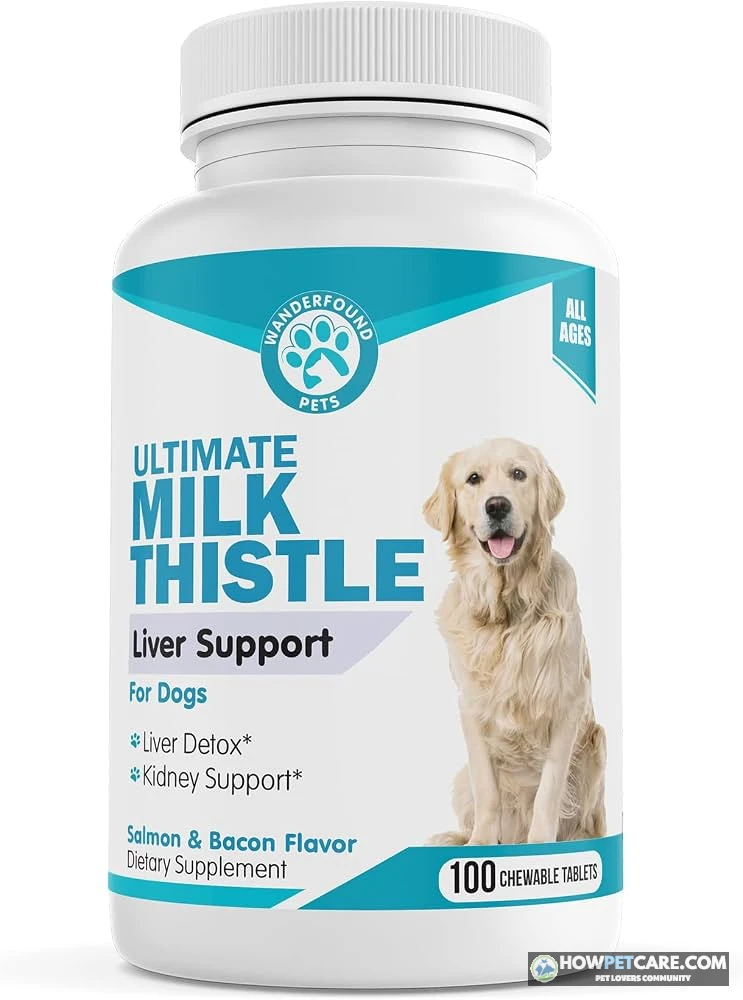
Tell your vet about every supplement, including joint chews and herbal products. Quality varies enormously between brands, some interact with medications, and a few natural products are themselves hard on the liver.
What you can safely do at home
Treating liver disease in dogs at home comes down to consistency: give medications exactly as prescribed, feed the prescribed diet, and record appetite, weight, stool and urine color, water intake, and mentation daily. A simple notebook is more reliable than memory at rechecks. Avoid all over-the-counter pain relievers, and keep appointments even when your dog seems better. Liver disease is judged on trends, not good days.

Can liver disease in dogs be reversed or prevented?
Sometimes. Acute toxic injury and some infections can resolve completely, and a single shunt can be surgically corrected. Chronic hepatitis, copper storage disease, and cirrhosis are usually managed rather than cured. The liver can regenerate, but scar tissue is permanent. Recheck bloodwork is typically done within weeks of starting treatment, then every few months once stable. Your vet sets the interval.
Best Diet for Dogs With Liver Disease: Protein, Copper, and Sodium Targets
Much of the diet advice online is outdated. Start here: protein should not be cut for every dog with liver disease.
Protein restriction is a targeted tool for hepatic encephalopathy, not a blanket rule for liver disease. Unnecessary restriction causes muscle loss, and muscle loss itself worsens the outlook.
Dogs without encephalopathy generally need adequate, high-quality, digestible protein. When encephalopathy is present, vets moderate the amount and change the source. Dairy, egg, and soy proteins are often better tolerated than red meat because they generate less ammonia.
Diet targets by situation
| Situation | Protein | Copper | Sodium | Other notes |
|---|---|---|---|---|
| Stable liver disease, no brain signs, no fluid | Adequate and highly digestible — do not restrict | Normal unless copper disease is confirmed | Normal | Ask for a gram-per-1,000-kcal target; small frequent meals help |
| Hepatic encephalopathy | Moderately restricted, with dairy, egg, or soy favored over red meat | Normal | Normal | Signs often worsen after high-protein meals; tell the vet |
| Copper-associated hepatopathy | Adequate | Restricted — no organ meat, shellfish, copper-fortified supplements, or vitamin C; ask about tap water | Normal | Zinc may be used to limit copper absorption, under veterinary direction |
| Ascites or fluid retention | Adequate | Normal | Restricted — no salty treats, processed meats, or table scraps | Monitor weight and belly size daily |
Feeding method matters as much as the numbers: give three to four small meals a day with enough calories to hold weight. Avoid raw or undercooked meat, moldy food, xylitol, high-fat table scraps, and any supplement the vet hasn’t approved.
Prescription liver diet vs. home-cooked meals
Veterinary liver diets from major brands are nutritionally complete, portion-controlled, and consistent, though they may be less palatable and cost roughly $70–$120 a month for a medium dog. Home-cooked food can be tailored to a specific copper or sodium target and often tastes better, but a board-certified veterinary nutritionist must formulate it. Generic online recipes are a common source of deficiency. Discuss the trade-off with your vet and decide together.
If your dog refuses the prescription food, treat that as a clinical problem, not stubbornness. Ask about appetite stimulants, warming the food, or an alternative formulation before letting intake drop.
What a Liver Disease Workup and Treatment Costs
Costs vary widely by region, practice type, and dog size. Treat every number below as an approximate US estimate for planning, not a quote.
The diagnostic table above covers the workup step by step. Two reference points help with budgeting. A full specialist workup that includes surgical biopsy can reach $6,000 to $8,000, but that’s the high end, not the starting point. A stepwise general-practice path often reaches a named diagnosis for far less.
Owners often underestimate ongoing care. Medications and supplements commonly run roughly $60–$150 a month depending on the combination, prescription diet $70–$120 a month, and recheck bloodwork every few months at $150–$250 per visit. Hospitalization for a decompensated crisis costs far more than months of outpatient management.
Shunt surgery is a specialist procedure and typically costs several times a medical-management plan. It’s worth pricing early because the window where surgery works doesn’t stay open indefinitely.
Worked example: a $1,880 stepwise workup versus a $7,000 one
Marley, a 9-year-old Labrador, feels fine, but senior bloodwork shows ALP and ALT roughly three times the upper limit. Her vet takes the stepwise path. A recheck panel in three weeks (about $150) confirms the rise is persistent; bile acids plus urinalysis (about $180) come back mildly abnormal. A general-practice ultrasound (about 450) shows a slightly enlarged, coarse-textured liver with no mass and no obvious shunt. An ultrasound-guided biopsy after a normal clotting check (about1,100) gives the diagnosis: early chronic hepatitis with mild copper accumulation. The total to diagnosis is roughly $1,880 over two months, followed by about $120 a month in medications and diet and recheck bloodwork every three months.
Had Marley gone straight to a specialty hospital for imaging plus surgical biopsy, the same answer could have cost $5,000 to $8,000. That path is occasionally right — for an unstable dog, a suspicious mass, or a case where laparoscopy yields a better sample. The comparison shows why what will this test change? is such a useful question. All figures are illustrative US estimates.
To control costs without compromising care, ask about stepwise testing, start with a general-practice ultrasound, request generic medications, compare a prescription diet against a nutritionist-designed home diet, and ask about payment plans. One caveat on insurance: most plans exclude conditions that showed signs before coverage began, so check the pre-existing terms before assuming a workup is covered.
| Step | Test Name | Diagnostic Findings & Purpose | Indication / Timing | Approximate Cost Range (USD) |
|---|---|---|---|---|
| 1 | History, exam, CBC and chemistry panel | ALT and AST signal cell injury; ALP and GGT point to bile flow but also rise with steroids, Cushing's, and some drugs; low albumin, BUN, glucose, or cholesterol suggest reduced function | First visit, every workup | 150–350 |
| 1b | Recheck bloodwork in 2–4 weeks | Separates a transient or drug-related rise from a persistent problem, often skipping the rest of the pathway | Mild elevations in a dog who feels fine | 100–200 |
| 2 | Bile acids (fasting and post-meal), urinalysis, sometimes ammonia and clotting | Measures actual liver function; abnormal bile acids justify imaging, normal results may end the workup | Enzymes stay elevated or signs persist | 100–250 |
| 3 | Abdominal ultrasound | Liver size and texture, gallbladder and ducts, masses, fluid, some shunt vessels — but can look normal in early chronic hepatitis | Abnormal function tests, jaundice, ascites, or suspected mass | 350–650 general practice; 500–800+ specialist |
| 4 | Fine-needle aspirate | Can identify vacuolar changes, fat, and some tumors such as lymphoma, but often cannot grade inflammation or confirm hepatitis | A mass is seen, or as screening before deciding on biopsy | 200–500 |
| 5 | Liver biopsy (ultrasound-guided, laparoscopic, or surgical) | The only test that confirms chronic hepatitis, copper storage disease, cirrhosis stage, and most tumor types; requires a clotting check first | Persistent abnormalities imaging cannot explain, or when the answer changes treatment | 800–2,500 guided; 2,500–6,000+ surgical |
Liver Disease vs. Liver Failure: Stages, Life Expectancy, and Knowing When to Discuss Euthanasia
The terms vets use are worth learning because they shape the conversation about prognosis.
Acute vs. chronic, compensated vs. decompensated: what the terms mean
Liver disease means damage or dysfunction. Liver failure means function has dropped enough to cause systemic problems — jaundice, bleeding, brain signs, or fluid accumulation. Acute means sudden onset; chronic means weeks to months. Compensated means the liver is still coping with few outward signs; decompensated means one of those systemic complications has appeared.
Dogs don’t have a single universal staging scale like those used for some cancers or kidney disease. Vets stage by cause, biopsy findings, lab values, and clinical signs. At your appointment, the useful question isn’t just what stage is this? but what does stage mean for this specific diagnosis, and what would change it?
Prognosis by cause: a table, with its limits stated
| Cause or condition | Typical course | Factors that improve outlook | Factors that worsen outlook | Management approach |
|---|---|---|---|---|
| Acute toxic injury caught early | Often reversible over days to weeks | Early decontamination, supportive care, no clotting failure | Delayed treatment, liver failure at presentation | Fluids, anti-nausea, monitoring |
| Single congenital shunt | Good after surgical correction in many dogs | Early surgery, extrahepatic shunt, experienced surgeon | Multiple or intrahepatic shunts, brain signs | Surgery or lifelong diet and medication |
| Copper-associated hepatopathy | Manageable for years if caught early | Early detection, copper restriction, chelation | Advanced fibrosis at diagnosis | Chelation, low-copper diet, zinc |
| Chronic hepatitis | Variable; often years with treatment | Responsive to therapy, mild fibrosis on biopsy | Cirrhosis, low albumin, ascites | Immunosuppression in selected cases, antioxidants, bile support |
| Cirrhosis | Managed, not cured; outlook shorter | Stable labs, good appetite, no fluid | Ascites, encephalopathy, bleeding | Supportive care and quality-of-life planning |
| Liver tumors | Depends on type and resectability | Solitary mass removable surgically | Widespread or metastatic disease | Surgery plus oncology care |
Published survival times come from studies of specific groups of dogs. They describe averages and can’t predict your dog’s course. Your vet can interpret them alongside biopsy and lab results; a number on a website can’t. Broadly, many dogs with compensated disease live months to years with good management, while decompensated end-stage disease is often measured in weeks to months. Ask your vet to frame the range for your dog’s specific cause and current labs.
There’s no single answer for life expectancy with liver disease in dogs. A shunt corrected at one year old and a cirrhotic liver at twelve are both liver disease, but they call for very different conversations.
How to judge quality of life in an end-stage dog
Track good days versus bad days rather than focusing on single moments. Look at willingness to eat, ability to stand and walk without help, uncontrolled vomiting, recurrent seizures or confusion, breathing difficulty from a large fluid volume, and whether nausea and pain can be controlled. A structured quality-of-life scale gives those impressions a number you can compare week to week.
Ask your vet directly: what would tell us it is time to reassess? Having that question on record can make a hard decision later feel less like a surprise and more like a plan you both agreed on.
Your Next Steps: A Checklist and Questions to Bring to the Vet
Understanding the disease helps you decide what to do in the next 48 hours.
Triage decision path in three lines
-
Red-flag signs
Seizure, collapse, confusion, head pressing, bleeding, or a rapidly swelling belly — go to the emergency clinic now.
-
Yellow or persistent signs
Yellow gums or eyes, repeated vomiting, or a dog who has refused food for a day or more — call your vet today.
-
Mild or incidental findings
A small appetite dip, gradual weight loss, or an enzyme flag on routine bloodwork — book a visit within days and start a daily log.
Prep checklist for the appointment: every medication and supplement (bottles if possible), a written timeline of signs, photos of gum and skin color, notes on water intake and stool color, and any recent bloodwork.
Questions to ask at your dog’s liver appointment:
- What is the likely cause, and how will we confirm it rather than guess?
- Is this disease or failure, and is my dog compensated or decompensated right now?
- What are the next tests, what does each one change, and what does each cost?
- Do we need a biopsy, and what would we do differently depending on the result?
- Which diet — and what are my dog’s specific protein, copper, and sodium targets in grams per 1,000 kcal?
- Which supplements, at what dose, and what should I realistically expect them to do?
- What does the outlook look like for this specific cause, and what signs would tell us to reassess?
If you own a predisposed breed, add one more: what screening schedule makes sense before symptoms appear? Discuss baseline bloodwork and bile acids where indicated at the next wellness visit, rather than waiting until the first jaundice episode.
1A dog presents to a clinic with head pressing, disorientation, and seizures that noticeably worsen after high-protein meals. What urgency level is required, and what underlying complication is indicated?
The liver's inability to clear metabolic toxins like ammonia leads to neurological signs that worsen after eating protein, requiring immediate emergency intervention.
2Routine bloodwork in an asymptomatic dog reveals elevated ALT and AST levels, while albumin, BUN, glucose, and bile acids remain completely normal. How should these findings be interpreted?
ALT and AST are leakage enzymes released when liver cells are injured, whereas normal function markers and bile acids demonstrate that the liver is still performing its metabolic jobs.
3Which of the following canine breeds have a documented genetic or breed predisposition to copper-associated hepatopathy?
Bedlington Terriers are well-documented as a breed at high risk for copper-associated hepatopathy.
4What is the recommended dietary protein management for a dog with stable, compensated liver disease who shows NO signs of brain dysfunction or fluid retention?
Restricting protein without neurological indications causes muscle wasting, which worsens overall prognosis in dogs with liver disease.
5An owner is driving a dog showing acute emergency signs to the ER. According to safety protocols, which of the following actions are appropriate for the owner to take during preparation and transport?
Having physical bottles allows emergency staff to conduct the fastest and most accurate toxicology screening.
6An owner considers buying over-the-counter SAMe (S-adenosylmethionine) and Silybin (milk thistle extract) for a dog diagnosed with advanced liver cirrhosis. What expectation should the veterinarian set regarding these products?
SAMe and Silybin serve as supportive adjuncts that promote cellular health, but they cannot restore tissue already lost to scarring or replace targeted medical therapy.
7A 9-year-old dog presents with mild, persistent liver enzyme elevations on bloodwork. What is the clinical rationale for taking a stepwise diagnostic path (recheck panel, bile acids, ultrasound) rather than ordering an immediate surgical biopsy?
Rechecking blood panels and assessing function prevents unnecessary anesthesia and major surgery for temporary enzyme spikes or drug-induced changes.
8Which of the following dietary adjustments correctly match the specific liver disease complication listed?
Non-meat protein sources produce less ammonia during digestion, helping reduce neurological toxin accumulation.
Appointments can pass quickly once test results are on the screen. Hand the vet your list at the start so nothing important gets crowded out.
FAQ
Is liver disease painful for dogs?
The liver itself has few pain nerves, but dogs can feel nauseated, uncomfortable from a fluid-swollen abdomen, or in pain from related problems such as pancreatitis or gallbladder disease. Ask your vet about anti-nausea and pain control, and never give human pain relievers.
Is liver disease in dogs contagious?
Most liver disease is not contagious. The exceptions are infectious canine hepatitis and leptospirosis, both of which are preventable with vaccination, and leptospirosis can spread to people.
Can a dog with a portosystemic shunt be cured?
Many dogs with a single extrahepatic shunt can be treated successfully with surgery, and some do well afterward. Dogs with multiple shunts or intrahepatic shunts are often managed with diet and medication instead.
Can medications cause elevated liver enzymes in dogs?
Yes. Steroids commonly raise ALP, and phenobarbital, some NSAIDs, and other long-term drugs can raise liver enzymes too. Tell your vet about every medication so a drug effect isn’t mistaken for primary liver disease.
Does pet insurance cover liver disease in dogs?
Coverage depends on the policy, and most plans exclude conditions diagnosed or showing signs before the waiting period ends. If your dog is already diagnosed, check the pre-existing condition terms before enrolling.