
A dog blood transfusion typically costs $500–$3,000 for the transfusion itself—the blood product, typing, crossmatching, and administration. The full emergency bill usually reaches $3,000–$5,000 or more once hospitalization, diagnostics, and treatment of the underlying condition are added.
A veterinarian recommends a blood transfusion, and prognosis is the first thing on your mind: will your dog pull through? Cost lands right behind it. A dog blood transfusion is a short-term, life-saving procedure that moves blood from a healthy donor to a severely anemic or traumatized dog, though it’s rarely a standalone service. In 2026, the dog blood transfusion cost itself—the blood product, typing, crossmatching, and administration—typically runs between $500 and $3,000 [#3, #4].
That range often covers only the transfusion episode. The full bill for an emergency or specialty visit frequently climbs higher, often into the $3,000 to $5,000+ range, once hospitalization, diagnostics, and treatment of the underlying condition enter the picture. Whether you’re insured or paying out of pocket, knowing exactly what you’re paying for is the first step toward an informed decision.
Per-unit price vs. total transfusion episode price
Veterinary billing gets confusing fast, especially in an emergency. To read the cost, separate two things: the transfusion line item and the total episode bill. The transfusion is one specific intervention. A single unit of blood product (packed red blood cells, for instance) carries a set price, but the procedure also pulls in blood typing (to confirm compatibility), crossmatching (the compatibility test between a specific donor and recipient), IV catheterization, administration, and continuous monitoring by veterinary staff.
Owners without insurance usually cover these costs with a deposit at treatment, then the balance at discharge. If you carry insurance, you generally pay the clinic directly and submit the itemized invoice for reimbursement afterward. Either way, four factors drive the final bill: your dog’s clinical condition, the number of units needed, the type of clinic (general practice versus specialty ER), and the number of hospital days.
What owners without insurance usually pay up front
If you’re uninsured, expect a hospital to require a sizeable deposit (often 50% to 100% of the high-end estimate) before the transfusion starts. Blood products are expensive to source and store, so that deposit protects the facility. Don’t treat the first estimate as the final total. Get a "best-case" and "worst-case" scenario in writing.
What’s on a Dog Transfusion Bill: Typing, Crossmatch, Blood Product, Monitoring and Extras
To read a veterinary estimate critically, know what should appear on the itemized breakdown. Some quotes bundle these fees; others bill them a la carte. You’re entitled to transparency. Ask for an itemized list of what the "transfusion fee" actually includes.
Blood typing and crossmatching: what it adds and when it is skipped
Before any transfusion, the vet has to account for blood type. Dogs have over a dozen blood groups, and DEA 1.1 is the most clinically significant. Blood typing identifies the dog’s group; crossmatching checks whether your dog’s plasma reacts to the donor blood. Both are the gold standard, yet some veterinarians skip the full crossmatch in a dire emergency when the dog has never been transfused, since most dogs tolerate a first transfusion well. Skipping these tests trims the bill by $50–$200 but raises the risk of a transfusion reaction.
Packed red blood cells vs. whole blood vs. plasma: price and purpose
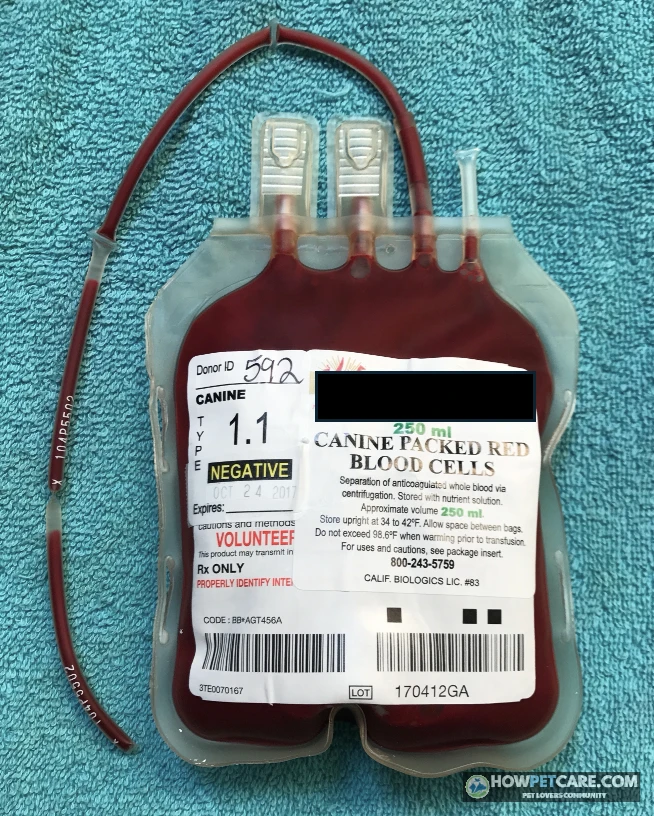
The blood product is the centerpiece. "Packed red blood cells" (pRBCs) are concentrated red cells that treat anemia and restore oxygen-carrying capacity. "Whole blood" holds red cells, white cells, platelets, and plasma, and turns up in some trauma cases. "Plasma" or "fresh frozen plasma" targets clotting disorders and toxicity—rodenticide poisoning, for one—because it delivers coagulation factors rather than oxygen-carrying red cells. Each product carries its own price, and that price swings widely depending on whether the clinic runs an in-house blood bank or sources blood from a commercial veterinary blood bank.
Charges that are usually billed on top of the transfusion
Expect "hidden" costs on the same invoice. The transfusion is an intervention, but it happens inside a hospital. You’ll almost certainly see charges for an initial emergency exam, intake diagnostics (hematocrit/PCV blood tests), IV fluids, per-day hospitalization fees, and medications. Rarely do these make it into the base "transfusion cost" quoted over the phone.
When you review an estimate and spot a single line labeled "Transfusion," ask for a breakdown. You want the blood product, the administration, and the monitoring listed separately. If the hospital can’t separate them, make sure the quoted "total" folds in the daily hospitalization rate and any repeat bloodwork you’ll need.
| Line item | What it covers | Typical price range (source or ‘ask your vet’) | Often included in the quote? |
|---|---|---|---|
| Emergency exam and triage | Stabilization assessment, initial vitals | $100–$300 | Usually billed separately |
| PCV/hematocrit and initial bloodwork | Confirms anemia severity, baseline labs | $80–$250 | Usually separate |
| Blood typing (DEA 1 status) | Identifies the dog’s blood type before transfusion | $50–$200 | Sometimes bundled |
| Crossmatching | Compatibility test between donor blood and your dog | $50–$150 per crossmatch; may be skipped on a first transfusion | Sometimes bundled |
| Packed red blood cells, per unit | Red cell replacement for anemia | $200–$600 | Core of the quote |
| Whole blood, per unit | Red cells plus clotting factors | $150–$500 | Core of the quote |
| Plasma, per unit | Clotting factors for toxin/bleeding disorders, not red cells | $200–$500 | Core of the quote |
| IV catheter and administration | Placement, fluids lines, transfusion setup | $100–$300 | Usually included in ‘transfusion fee’ |
| Transfusion monitoring | Vitals during and after, reaction watch, repeat hematocrit | $50–$150, sometimes bundled | Often included |
| Hospitalization, standard ward | Per-day nursing and kenneling | $100–$300 per day | Usually separate |
| Hospitalization, ICU/oxygen | Per-day intensive monitoring | $500–$1,500 per day | Usually separate |
| Repeat hematocrit checks | Tracking whether the transfusion is holding | $30–$80 each | Usually separate |
Why Dogs Need Transfusions and How the Cause Changes the Bill
Your dog’s underlying cause (what’s driving the anemia or blood loss) is the single biggest predictor of the total bill. Transfusion isn’t a cure. It’s a "bridge" treatment that buys the vet time to address the root problem.
Trauma and blood loss surgery: usually a single, contained event
With trauma or surgery, the transfusion is usually a one-time event to replace blood lost in the injury or procedure. It’s the most "contained" scenario. You pay for stabilization, the surgery, a unit or two of blood, and a short recovery stay. Once the site heals and the bleeding stops, the dog typically won’t need another.
IMHA and other ongoing causes: why costs stack up
Immune-mediated hemolytic anemia (IMHA) costs the most because the disease doesn’t resolve. Here the immune system destroys red blood cells faster than the body can replace them, so a dog may need several transfusions across a week-long hospitalization. The bill isn’t just blood. It folds in intensive care, daily or twice-daily bloodwork to track the hematocrit (the percentage of red cells in the blood), and costly immunosuppressive drugs that continue long after discharge.
Toxins and clotting problems: when plasma, not red cells, is the product
Rodenticide (rat poison) and certain snake bites may need plasma transfusions for the clotting factors, not red cells. These cases often mean a shorter stay than IMHA, though they demand strict monitoring of clotting times. Two things drive the bill: the number of plasma units and the antidote’s cost (Vitamin K for specific toxins, for example).
 You might be wonderingDog vaccination scheduleDog Vaccination Schedule: Puppy Shots by Week + Free ChartRead the answer
Total Episode Cost by Scenario: One-Unit Trauma vs. Multi-Unit IMHA Case
The blood product is often a minority of the total invoice, so treat the transfusion as one part of a larger episode. The table below shows how different scenarios land at wildly different totals.
| Scenario | Likely units of blood | Hospital days | Extra costs to expect | Estimated total range (labeled estimate) |
|---|---|---|---|---|
| Single-unit trauma or surgical blood loss | 1 unit pRBC or whole blood | 1–2 | Imaging, wound repair or surgery, pain meds | $1,500–$4,500 |
| Major hemorrhage with surgery | 2 units | 2–3 | Surgery, anesthesia, ICU time | $3,000–$8,000 |
| IMHA (immune-mediated hemolytic anemia) | 2–4 units over the stay | 3–7 | ICU, repeat crossmatches, immunosuppressive drugs for months | $5,000–$15,000+ |
| Rodenticide or clotting disorder | 1–3 units of plasma | 1–3 | Vitamin K or antidote course, repeat clotting tests | $1,000–$4,000 |
| Chronic anemia (cancer, kidney disease) | 1 unit per episode, possibly recurring | 1–2 per episode | Ongoing treatment of the underlying disease | $1,500–$4,000 per episode |
Worked bill 1: single-unit trauma or surgical blood loss
A hypothetical bill for a 50-lb dog hit by a car: one unit of packed red blood cells, 2 nights in hospital.
- Transfusion subtotal: (Blood typing, crossmatch, one unit of pRBC, IV catheter, administration, monitoring): ~$900
- Non-transfusion subtotal: (Emergency exam, initial bloodwork, X-rays, surgical repair under sedation, 2 nights hospitalization, medications): ~$2,500
- Total bill: ~$3,400
Worked bill 2: multi-unit IMHA with hospitalization
A hypothetical bill for a dog with active IMHA, 3 units of blood over 5 days.
- Transfusion subtotal: (Typing, initial crossmatch, 3 units of pRBC, repeat crossmatches for subsequent units, administration, monitoring): ~$2,800
- Non-transfusion subtotal: (Emergency exam, daily ICU hospitalization, multiple daily PCV/bloodwork, specialized immunosuppressive drugs, supportive care): ~$7,500
- Total bill: ~$10,300

- Transfusion subtotal: (Typing, initial crossmatch, 3 units of pRBC, repeat crossmatches for subsequent units, administration, monitoring): ~$2,800
- Non-transfusion subtotal: (Emergency exam, daily ICU hospitalization, multiple daily PCV/bloodwork, specialized immunosuppressive drugs, supportive care): ~$7,500
- Total bill: ~$10,300
,500 per day to the bill. (Source: made-in-china)
Hidden follow-up costs that raise the real total
Always account for the "tail." An IMHA dog, for instance, needs steroid and immune-modulator doses tapered over months after discharge. That means recheck appointments and repeat blood panels every few weeks. If the transfusion was for chronic kidney disease or cancer, you’re managing a lifelong condition, where transfusions become an occasional but recurring expense.
Emergency Vet vs. General Practice, and How US Region Changes the Price
Geography and clinic type are huge variables. A general practice (your daytime vet) may manage a stable, chronic anemia case using a blood product shipped in from a blood bank. But it rarely has the 24/7 staffing or ICU monitoring that a dog needs when it’s actively crashing or badly traumatized.
Same transfusion, different bill: ER, specialty and general practice
Emergency and specialty hospitals carry higher overhead: 24-hour nursing teams, on-site diagnostics, and often their own in-house donor programs or immediate access to veterinary blood banks. You’re paying for that readiness and the ability to step in fast if a transfusion reaction hits. A general practice quote may look far cheaper precisely because it skips those overheads, but it may not work if your dog needs ICU-level care.

Regional price patterns and where published prices exist
High-cost metros (New York, San Francisco, Chicago, for example) run consistently higher than rural areas. Veterinary teaching hospitals, usually tied to universities, are excellent resources but function as high-end specialty facilities. Some publish fee schedules; many don’t, since costs shift with each case’s complexity.
Questions to ask when comparing quotes
In a high-stress moment, use the script below to gather the details you need to compare hospitals.
-
Step 1: Get the basics
‘Does the quoted price include blood typing and crossmatching, or are those billed separately?’
-
Step 2: Know the product
‘What blood product would be used — packed red cells, whole blood, or plasma — and what is your per-unit price? Do you keep it in stock?’
-
Step 3: Ask about scaling
‘How many units does the estimate assume, and what happens to the price if a second unit is needed?’
-
Step 4: Clarify the stay
‘Is transfusion monitoring included, and what is your hospitalization rate per day — standard ward vs. ICU?’
-
Step 5: Demand the full picture
‘What is the best-case and worst-case total for the full stay, including diagnostics and treatment of the underlying cause?’
Is a Dog Blood Transfusion Worth the Cost? Survival Context and a Decision Framework
Money is a real constraint in pet ownership. Deciding whether a transfusion is "worth it" means weighing cost against prognosis, and that’s a hard calculation.
Survival rates by condition: what the studies report
Success depends entirely on the cause. Trauma patients who get a transfusion and surgical stabilization often have excellent long-term prognoses if they survive the initial injury. IMHA runs the other way: guarded. Many dogs respond well to the first transfusion and immunosuppressive therapy, but relapse is a real risk, and some never respond to medication at all. Prognosis isn’t a single number. It’s a clinical judgment built on your dog’s age, other conditions (heart disease or kidney failure, say), and how they respond to the first 24 hours of treatment.
Five questions to ask the vet before approving treatment
- "Based on my dog’s current bloodwork, is this a last-ditch effort or a standard part of a treatment plan with a reasonable chance of success?"
- "If we perform this transfusion, what is the realistic plan for managing the underlying condition over the next month?"
- "What does the quality of life look like for my dog if this treatment works?"
- "Is there a ‘staged’ approach—can we start with the transfusion and re-evaluate the diagnosis before proceeding to further expensive diagnostics?"
- "What are the clinical indicators that would tell us the treatment is failing?"

Does Pet Insurance Cover Dog Blood Transfusion? Reimbursement Rules and Exclusions
Pet insurance can be a lifeline, but it rarely works as a "pay-it-forward" system for emergency bills.
How reimbursement works: deductible, percentage and annual limit
Nearly every policy runs on a reimbursement model: you pay the vet in full, then file the claim. Say your plan has a $500 deductible and an 80% reimbursement rate—you’ll pay the full $3,400 bill upfront. Later, if the condition is covered, the insurer reimburses 80% of covered costs minus that deductible. Watch for annual or per-condition caps, too; a $10,000 IMHA case can burn through a low annual limit fast.

Pre-existing condition rules and waiting periods
Here’s the critical caveat: if your dog was diagnosed with anemia or IMHA before your policy’s effective date, or during the waiting period, that condition counts as "pre-existing" and stays excluded. Accident-only plans cover trauma-related transfusions (getting hit by a car, for instance) but not illness-related ones (IMHA or cancer).
Don’t assume insurance covers the bill automatically. Call your insurer from the parking lot. Confirm your policy covers the condition, check you’re under your annual limit, and ask whether they can expedite pre-authorization.
How to Lower the Cost: Payment Plans, Financing, Nonprofit Help and Donor Blood Programs
Facing an overwhelming bill, silence works against you. Vet clinics handle money conversations all the time—start one the moment you get the estimate.
Clinic payment plans and third-party financing
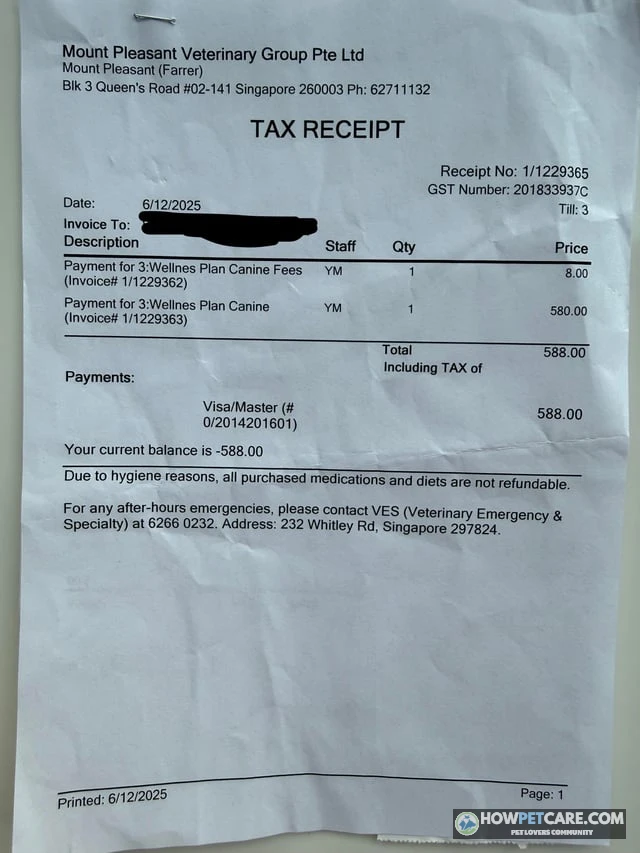
Ask whether the clinic offers internal payment plans. Some hospitals let you pay the remainder over time after a deposit, though that’s getting rarer. Third-party financing like CareCredit or Scratchpay is now standard, but read the terms. Many are "deferred interest" plans: if you don’t clear the balance within the promo window (often 6 to 18 months), you get hit with all the back-interest. Use these tools with care.
Nonprofit assistance and crowdfunding
In a dire spot financially, search for "veterinary financial assistance" or disease-specific funds (some earmarked for IMHA or cancer). Local humane societies sometimes keep emergency funds for community members. Applications take time, but they can bring in hundreds or thousands of dollars if you qualify.
Donor programs and blood banks
Ask the clinic: "Do you have resident donor dogs?" Some hospitals keep a pool of donors among staff and clients’ pets. If you can help with a donation, or if the hospital works with a nonprofit animal blood bank, the cost of the blood product itself sometimes drops compared with commercial product shipped in from across the country.
Your Next Steps: A Checklist to Get a Real Estimate and Decide Within Hours
Don’t let the pressure of an emergency stop you from thinking strategically. Work through this sequence to manage the money side of your dog’s care.
- Demand a written, itemized estimate. Non-negotiable. Never approve treatment on a verbal range.
- Ask the "best and worst" questions. Get a best-case estimate (one unit, one day) and a worst-case estimate (three units, five days, ICU).
- Identify the "Optional" items. Ask the vet: "Which of these diagnostics are absolutely necessary tonight, and which can wait for our regular vet on Monday?" Shifting diagnostics to your primary vet can save hundreds of dollars.
- Confirm your insurance status. Call your insurer now. Even before the claim is processed, knowing you have coverage gives you the confidence to approve necessary care.
- Start financing applications in parallel. Apply for CareCredit or reach out to friends and family for crowdfunding while you’re in the waiting room. Time matters, but you don’t need bank approval to ask the vet about a payment plan.
- Seek a second opinion only if stable. If your dog is unstable, moving clinics is dangerous and can cost more in transport and repeat intake fees. If the dog is stable and the quote sits far above the ranges in this guide, asking for a transfer is reasonable—provided the receiving hospital has the blood and the capability to take the case.

 You might be wonderingDog massage therapyDog Massage Therapy: Benefits, Safety, Cost & Finding a ProRead the answer
FAQ
How long does a dog blood transfusion take?
A single unit is typically given slowly over several hours, commonly up to about four hours, with vital signs checked throughout. The full process, including typing, crossmatching and monitoring afterward, takes longer, and the dog usually stays in the hospital.
Are dog blood transfusions safe, and what are the risks?
Transfusions are generally well tolerated when blood is typed and crossmatched, but reactions can occur, ranging from mild fever or hives to rarer serious complications. Staff monitor temperature, heart rate and breathing during the transfusion so a reaction can be treated quickly.
Can my dog donate blood, and does it lower my vet costs?
Healthy dogs that meet size, age, temperament and vaccination criteria can donate through veterinary blood banks or clinic donor programs. Some programs offer perks or credits, but terms vary, so ask your clinic or blood bank directly.
Do vets require payment before giving a transfusion?
Many emergency hospitals ask for a deposit or approval of a written estimate before starting treatment. Policies differ, so ask about payment plans and financing options before you agree to a plan.
Can a dog get a transfusion at a regular vet, or does it have to be an ER?
Some general practices can transfuse stable dogs if they have blood available, but many refer cases to an emergency or specialty hospital with blood stock and overnight monitoring. Call ahead to confirm before you travel.