
Pancreatitis in dogs is inflammation of the pancreas, and how urgent it is depends on the signs:
| Urgency | Signs | What to do |
|---|---|---|
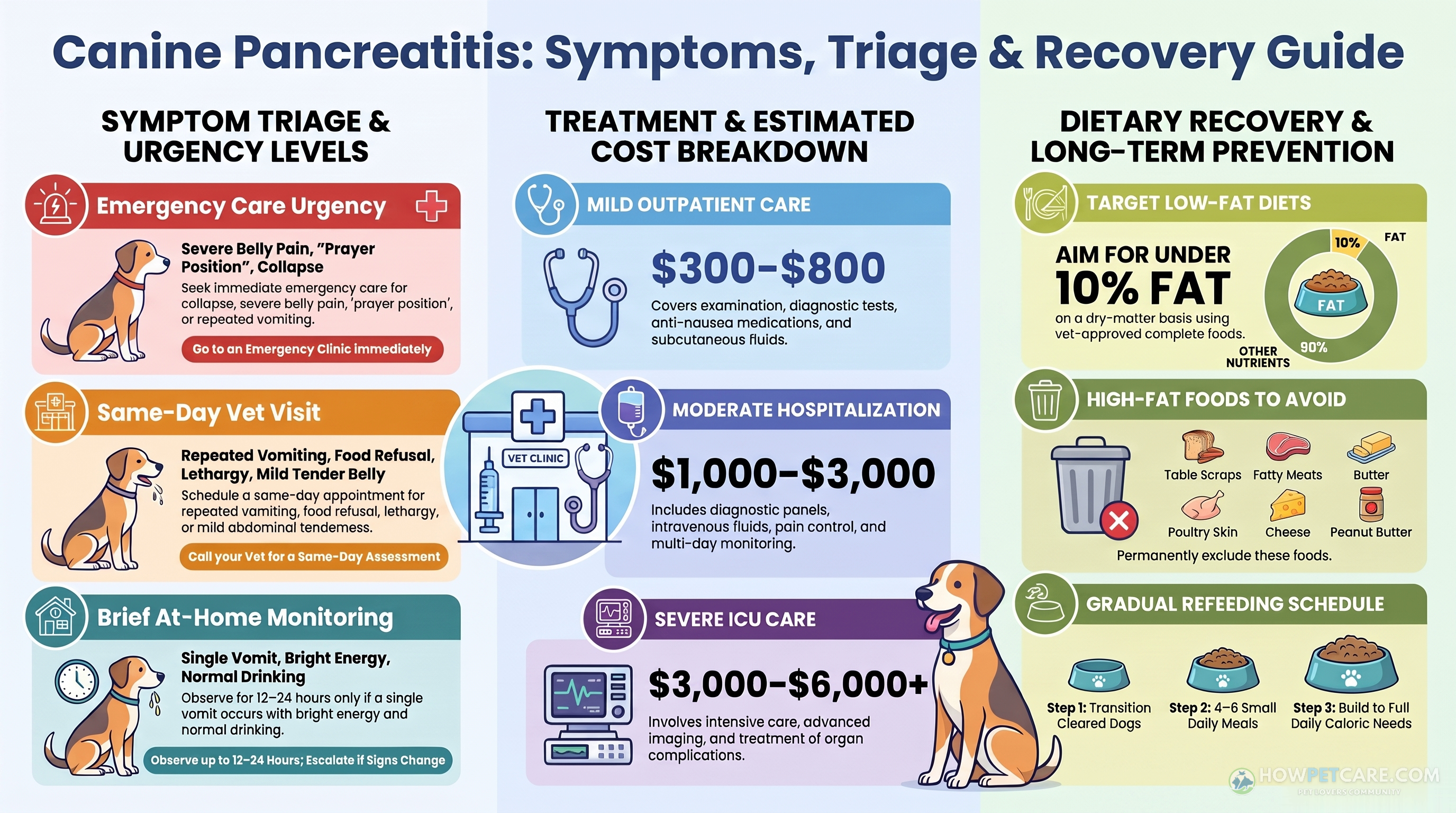
| Emergency now | Repeated vomiting, can’t keep water down, collapse, severe belly pain, pale or yellow gums | Go to an emergency vet immediately |
| Vet today | Vomiting more than once, food refusal, lethargy, mild belly discomfort | Call your vet for a same-day visit |
| Monitor briefly | One isolated vomit, otherwise bright, drinking, and pain-free | Watch up to 12–24 hours; call if anything changes |
If your dog is vomiting repeatedly, seems to have severe belly pain, collapses, or can’t keep water down, call an emergency veterinarian and go in now. Pancreatitis in dogs can be mild, but it can also become life-threatening. Its signs can look like those of other urgent conditions.
For less severe signs, call your veterinarian today for advice. If your dog vomited once but is otherwise bright and comfortable, brief observation may be reasonable—but only within the limits below. This guide is informational; it can’t diagnose your dog or replace a veterinary examination.
Is Your Dog’s Vomiting Pancreatitis? Emergency, Vet-Today, or Monitor-at-Home Triage
An inflamed pancreas can cause vomiting, poor appetite, belly pain, and lethargy. So can an obstruction, poisoning, or another illness. You can’t reliably tell the difference at home.
| Urgency level | Symptoms to look for | What to do | Time frame |
|---|---|---|---|
| Emergency now | Repeated vomiting, especially with weakness or pain; inability to keep water down; collapse; severe belly pain; pale or yellow gums; labored breathing; blood in vomit or stool | Call an emergency veterinary clinic and go in | Immediately |
| Vet today | Vomiting more than once, food refusal, unusual lethargy, or mild belly discomfort; symptoms after access to a fatty meal | Call your veterinarian for a same-day assessment; use an emergency clinic if a timely appointment is unavailable or signs worsen | Today; do not wait overnight |
| Monitor at home | One isolated vomit only, followed by normal energy and drinking, with no apparent pain or other symptoms | Watch closely; contact your vet if vomiting recurs or any new sign develops | Briefly, up to 12–24 hours; call sooner if concerned |
Emergency now: go to a veterinary emergency clinic
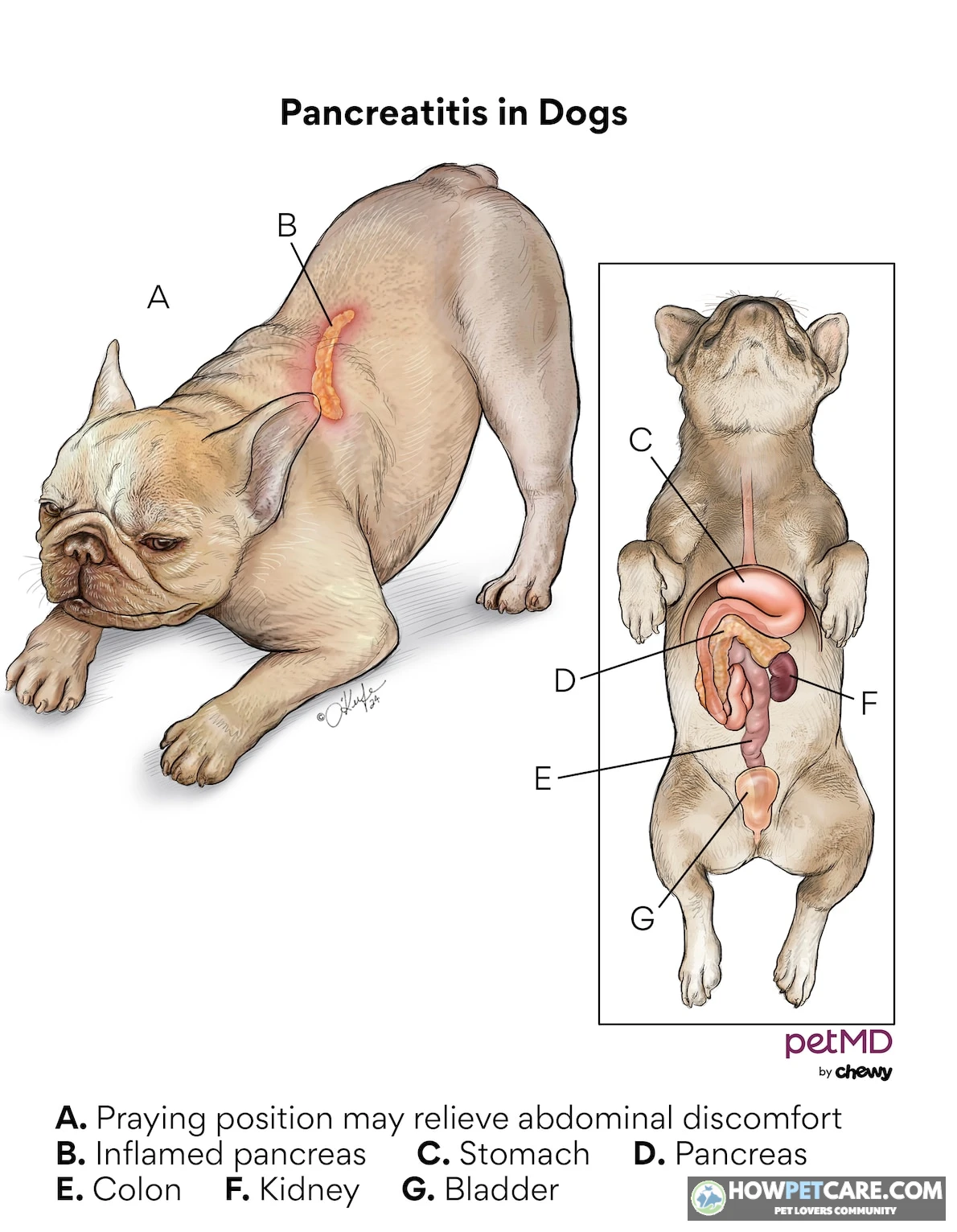
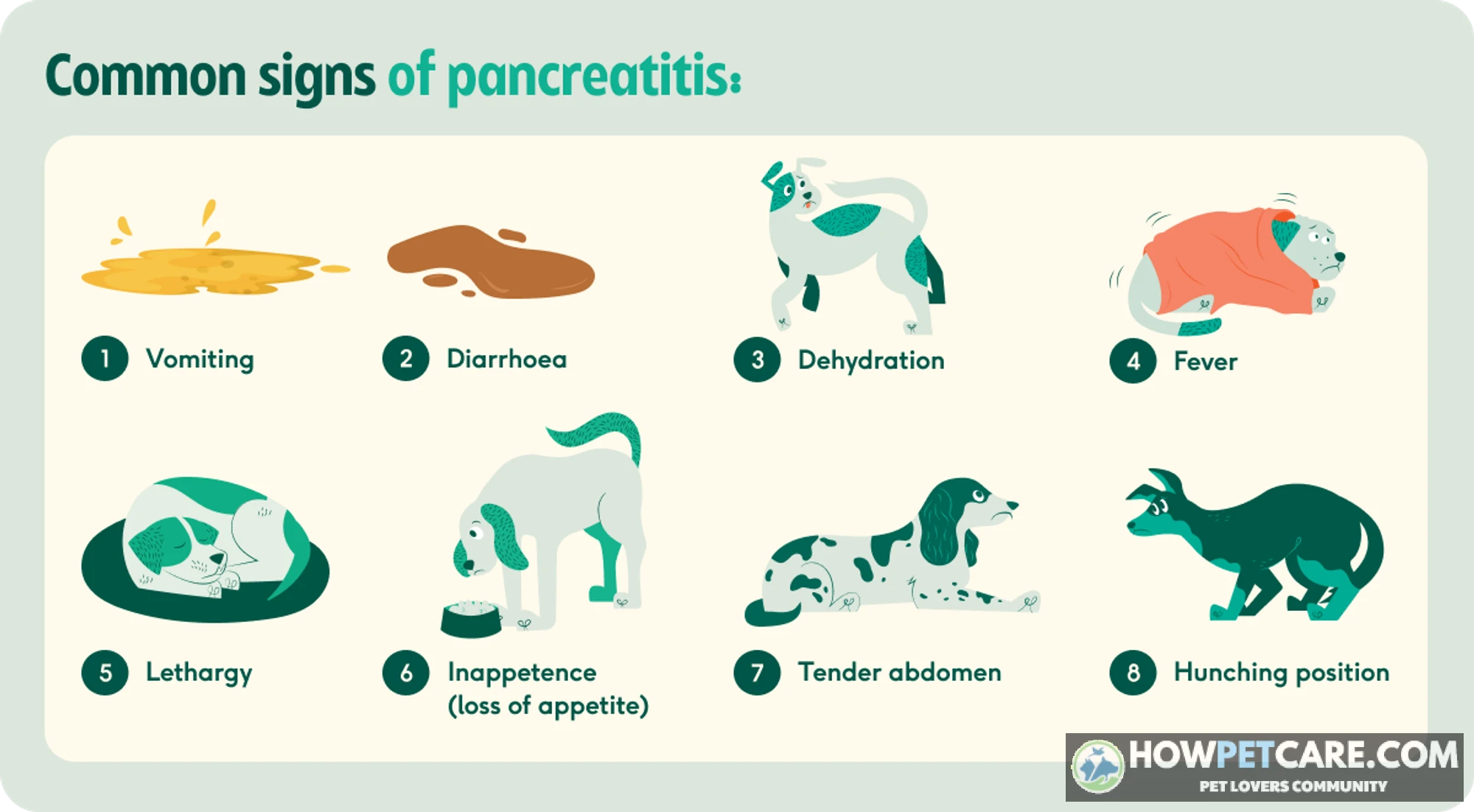
Severe pain may show up as a hunched back, a tense belly, or the repeated “prayer position”: front legs and chest lowered while the rear stays raised. Weakness, trouble breathing, or collapse calls for emergency care, even if your dog hasn’t vomited.
Vet today: call and book a same-day visit
Call your vet if your dog vomits repeatedly, won’t eat, has less energy than usual, or has a tender abdomen. If your dog ate a fatty meal but has no symptoms, ask your vet for advice specific to your dog. Don’t assume pancreatitis has developed.
Monitor at home: what to watch and when to escalate
Observe at home only if your dog is otherwise well and has vomited once, or if your vet has confirmed a mild case and provided a plan. Call sooner instead of waiting if your dog is a puppy, senior, very small, diabetic, has another significant illness, or has had pancreatitis before. If vomiting returns, your dog seems painful, or water won’t stay down, follow the table’s guidance for getting care.
Never give ibuprofen, acetaminophen, or other human pain relievers unless a veterinarian specifically directs you. Do not withhold water unless your vet instructs you to; vomiting after drinking warrants prompt veterinary care.
Signs of Pancreatitis in Dogs: How It Differs From a Mild Stomach Upset
Common pancreatitis symptoms in dogs include vomiting, loss of appetite, abdominal pain, lethargy, diarrhea, and sometimes fever or dehydration. Drooling or repeated lip-smacking can be signs of nausea.
Mild vs. moderate vs. severe symptom framework
A dog with a minor, isolated stomach upset may vomit once and still seem bright and comfortable. Vomiting alongside belly pain, lower energy, or refusal to eat calls for veterinary attention. These patterns help guide urgency; they don’t confirm a diagnosis or reliably show how severe the disease is.
Look for restlessness, a tense belly, a hunched back, or discomfort when you pick up your dog. The prayer position can signal abdominal pain, but some dogs with pancreatitis never show it.
Why the signs can be easy to miss in chronic cases
Chronic pancreatitis may cause subtle or intermittent signs, including reduced appetite, nausea, occasional digestive upset, or weight loss. Your dog may seem fine between episodes. Tell your vet about the pattern, even if your dog appears better by the time of the appointment.
What Causes Pancreatitis in Dogs and Which Dogs Are at Higher Risk
The pancreas makes digestive enzymes and hormones. Pancreatitis is inflammation of the pancreas, and digestive enzymes activating in the wrong place can contribute to inflammation and injury. Often, no single cause is found.
High-fat foods to keep away from your dog
Rich table scraps, fatty meat, skin, grease, and garbage can come before an episode. So can a sudden diet change. A fatty meal is a risk factor, not proof of what caused an individual dog’s illness.
Secure the trash, ask visitors not to share leftovers, and make sure everyone in the household follows the same treat rules. These steps matter especially after a previous episode.
Breed, age, and weight risk factors
Obesity, high blood triglycerides, diabetes, Cushing’s disease, certain medications, and recent surgery are among the factors linked with pancreatitis. Hypothyroidism and trauma may also play a role.
Miniature Schnauzers are often noted as predisposed, along with some toy breeds and terriers. Breed raises risk; it doesn’t predict what will happen. Any dog can develop pancreatitis. Ask your vet about weight management and reviewing medications. Don’t stop a prescribed drug on your own.

How Vets Diagnose Pancreatitis: cPLI Test, Ultrasound, and Bloodwork
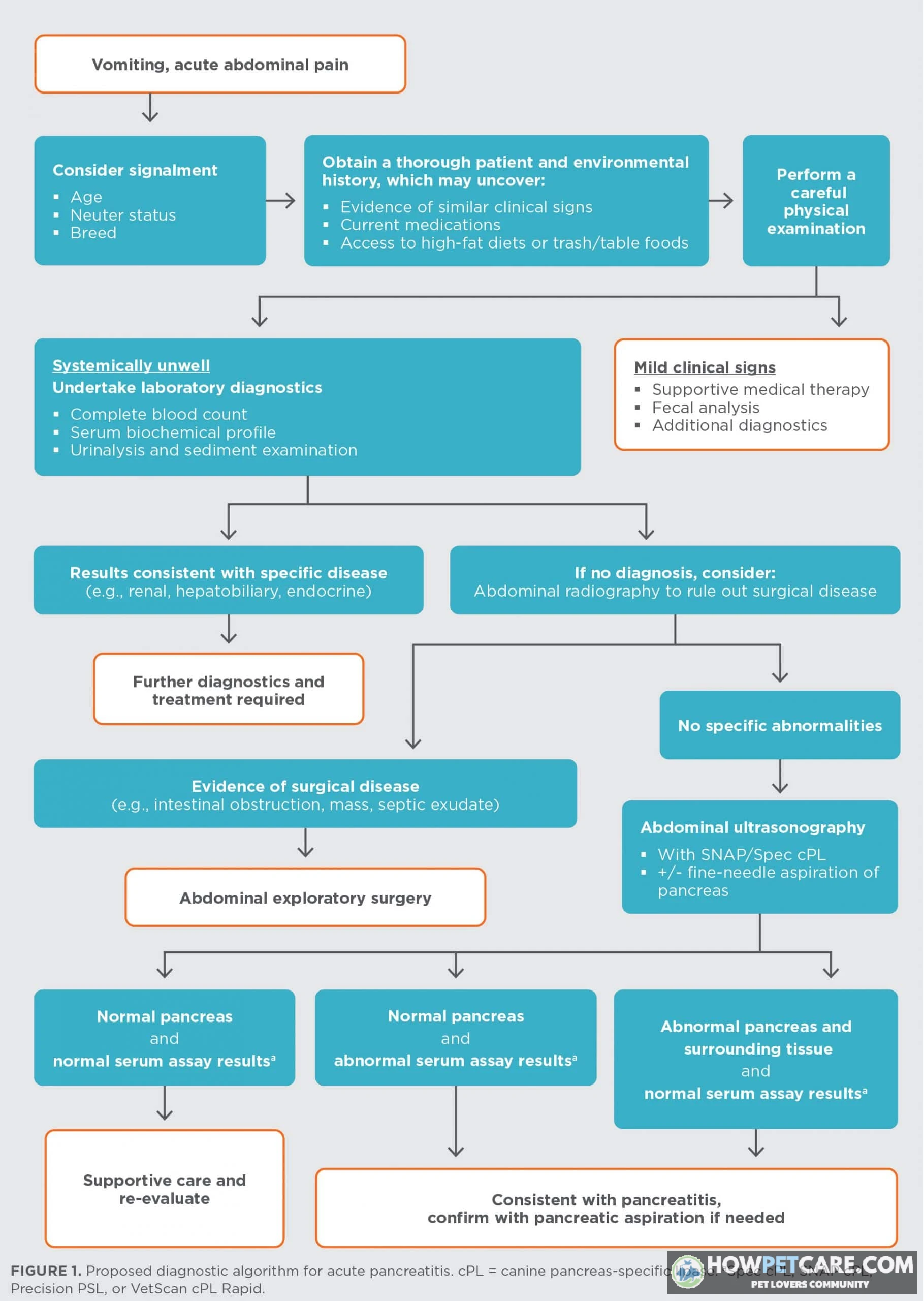
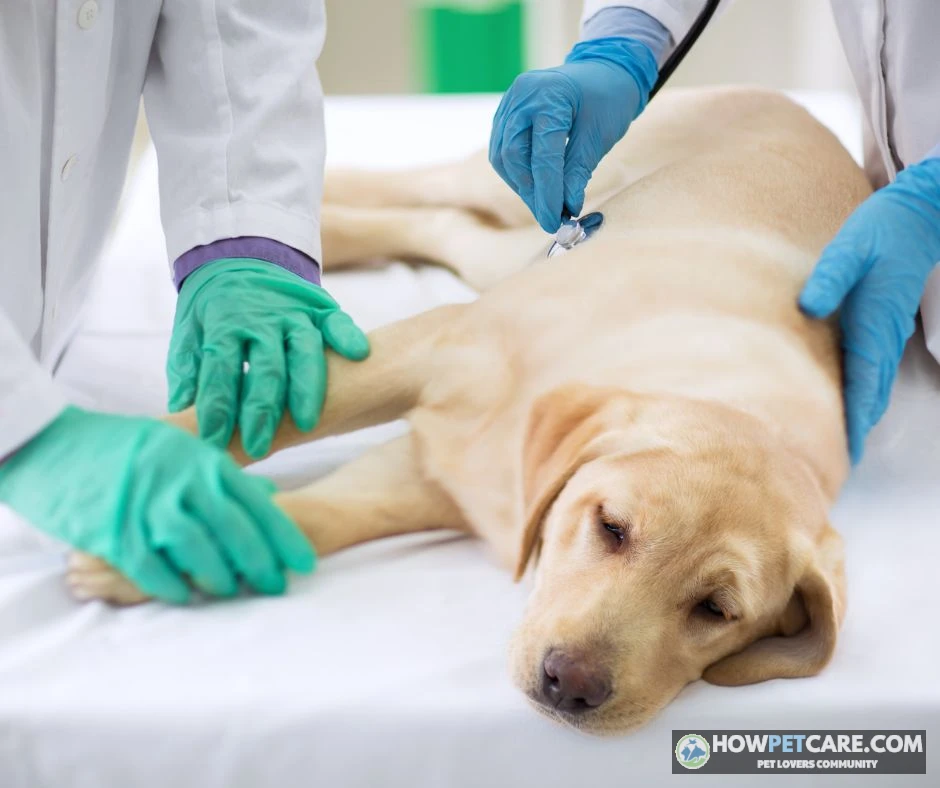
Your vet will ask when the signs began, what your dog ate, which medications they take, and whether they’ve had similar episodes. The examination helps assess pain and hydration. Because other illnesses can cause similar signs, diagnosis usually draws on the history, examination, tests, and sometimes imaging.
- General bloodwork: A blood count and chemistry panel help check hydration, organ function, and other possible problems.
- Pancreatic lipase testing: A canine pancreatic lipase immunoreactivity, or cPLI, test measures an enzyme associated with the pancreas. Options include an in-clinic SNAP cPL screening test and a quantitative laboratory test.
- Abdominal ultrasound: Imaging can reveal pancreatic changes and help investigate other causes of illness.
- X-rays: Radiographs can help check for other problems, including a possible intestinal obstruction.
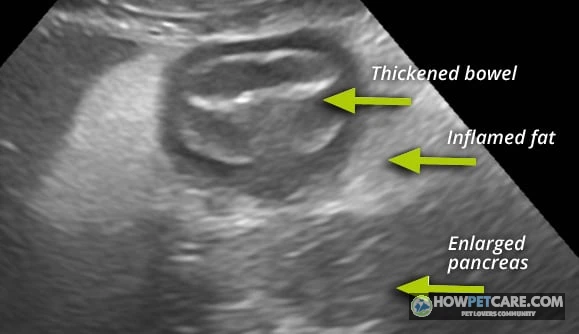
General lipase and amylase measurements are less specific for pancreatic inflammation than pancreatic lipase testing. Vets interpret a cPLI result alongside the rest of the clinical picture; no single result answers every question.
Questions to ask your vet after the cPLI result
Ask: “Does this result fit the examination?” “Do we need an ultrasound or tests for another cause?” “Is my dog stable enough for outpatient care?” and “What changes mean we should return immediately?” A normal or inconclusive result doesn’t mean it’s safe to monitor a worsening dog without more advice.
Pancreatitis Treatment for Dogs: What Vets Actually Do and Why
Treatment supports your dog while the inflammation settles and addresses complications. The plan depends on pain, hydration, vomiting, willingness to eat, and whether other organs are affected.
Hospitalized care for moderate to severe cases
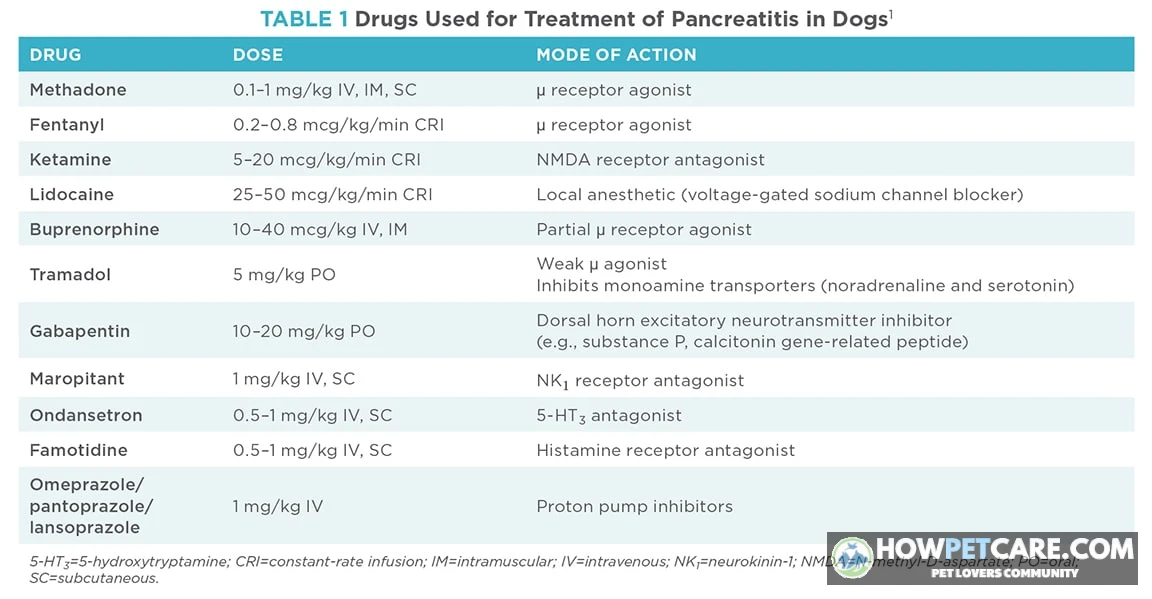
Hospital care may include IV fluids to correct dehydration and electrolyte problems, plus monitoring and medication. Vets use maropitant to treat nausea and vomiting; ondansetron is another option. Pain relief may include an opioid such as buprenorphine, fentanyl, or hydromorphone, chosen and given by the veterinary team.
Vets generally aim to restart nutrition when they can, rather than automatically fasting a dog for a prolonged period. They may consider a feeding tube if a dog can’t eat enough. Critically ill dogs may need intensive monitoring and treatment for complications. Plasma transfusion is reserved for selected circumstances, not routinely given to every dog.
Antibiotics aren’t routinely needed because pancreatitis is generally inflammation, not a bacterial infection. A vet may prescribe them if they suspect an infection or a particular complication calls for them. Don’t use leftover antibiotics or medication prescribed for another pet.
Outpatient care for mild cases: what it involves
After a veterinary assessment, some stable dogs can recover at home, especially if their pain is controlled and they can drink and eat. Depending on the case, the vet may give fluids under the skin, prescribe anti-nausea and pain medication, recommend a low-fat diet, and arrange a recheck.
Before you leave, ask for written instructions covering meals, medication, water, and what to do if your dog vomits a dose. Home care can’t replace an examination if your dog is getting worse, can’t keep water down, or is visibly painful.
What Pancreatitis Treatment Costs: Itemized by Severity
These are illustrative U.S. planning ranges, not verified clinic quotes. Fees vary by location, hospital, dog size, tests, and length of care. An emergency or specialty hospital may charge substantially more. These U.S. dollar amounts aren’t estimates for the UK or other markets. Ask your clinic for a written, itemized estimate for your dog.
| Severity / care component | What’s included | Illustrative estimated range | Factors that change the cost |
|---|---|---|---|
| Mild outpatient | Exam, selected tests, medication and possibly fluids under the skin | About $300–$800 total | Tests, medications, and rechecks included |
| Moderate hospitalization | Diagnostics, IV treatment, medication, and hospital monitoring | About $1,000–$3,000 total | Length of stay and overnight care |
| Severe emergency or ICU | Emergency assessment, intensive monitoring, imaging, and treatment of complications | About $3,000–$6,000 or more total | ICU time, procedures, complications, and specialty fees |
| Exam | General-practice veterinary examination | About $60–$150 | Emergency and specialty exam fees are often higher |
| Emergency exam | Initial emergency evaluation | About $150–$350 | Time of day and hospital |
| Pancreatic lipase screening test | In-clinic test | About $40–$80 | Clinic and whether a laboratory test is also ordered |
| General blood panel | Blood count and/or chemistry testing | About $150–$300 | Tests included and repeat testing |
| Abdominal ultrasound | Imaging of the abdomen | About $300–$600 | Specialist interpretation and location |
| IV fluids | Fluids and associated supplies | About $100–$300 per day | Dog size, monitoring, and billing practices |
| Hospitalization and monitoring | Ward or intensive care | Ask for a daily quote | Staffing level and what the daily fee includes |
| Medications and recheck | Anti-nausea or pain medication; follow-up examination | Recheck about $50–$120; medication varies | Drug, dose, duration, and dispensing fees |
Don’t add the totals and line items together. Packages and billing practices vary, and not every dog needs every service. A severe case can cost more than the broad ranges above, while an individual clinic’s charges may also fall outside the line-item estimates.
Questions to ask for a clear estimate
Ask for a low-to-high estimate, what the daily hospitalization charge includes, and which tests matter most now. If cost is a barrier, ask whether an outpatient plan is medically appropriate and what risks it carries. You can also ask about payment arrangements and check insurance coverage before assuming treatment is reimbursable.
What to Feed a Dog With Pancreatitis: Low-Fat Targets and a Day-by-Day Refeeding Plan
Ask your vet when to feed your dog and which diet to use. A veterinary low-fat, complete-and-balanced diet is often a practical choice, but the right fat restriction depends on your dog, the episode, and any other medical conditions. Don’t force-feed a nauseated dog or delay care to follow a feeding schedule.
How to read fat content on a dog food label
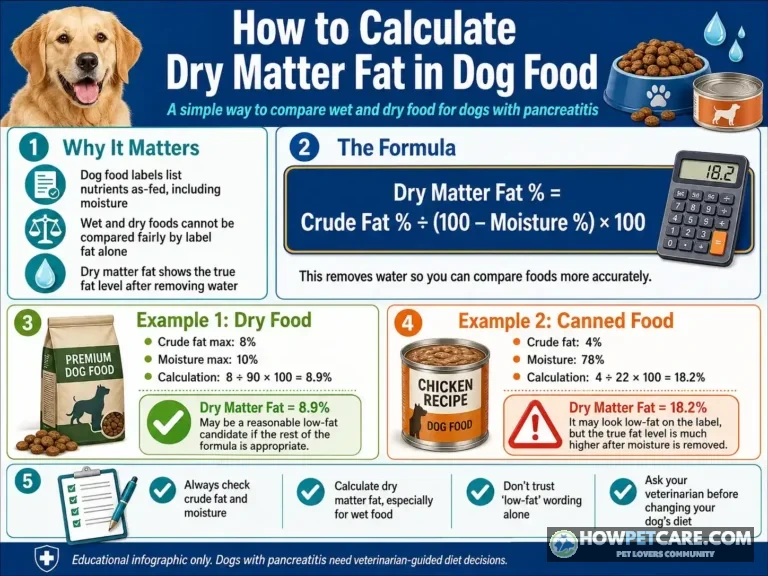
One commonly used starting point to discuss with your vet is less than 10% fat on a dry-matter basis. It isn’t a universal prescription; some dogs need a different target. Comparing foods on a dry-matter basis accounts for the different water content of canned and dry foods.
For example, a food labeled 5% fat and 75% moisture has 25% dry matter. Divide 5 by 25 and multiply by 100 to get approximately 20% fat on a dry-matter basis. That isn’t the same as a dry food labeled 5% fat. Guaranteed-analysis fat is typically a minimum, so this calculation estimates the fat content; it doesn’t guarantee the food’s maximum. Ask the manufacturer or your vet for typical fat content on a dry-matter or grams-per-1,000-calories basis.
Sample refeeding schedule after an acute episode
Use this as a discussion template, not a prescription. Start only when your vet says your dog can eat; a hospitalized dog may follow a different timeline. If your vet has prescribed a suitable complete low-fat diet, ask whether to start with that instead of switching through a bland mixture.
-
Day 1: restart as directed
Offer small, frequent portions of the vet-approved food once your vet says feeding is appropriate. Keep water available unless directed otherwise. Ask your vet for the total daily calorie target and how much to offer at each meal.
-
Days 2–3: divide meals
If food stays down and your dog is comfortable, divide the vet-directed daily amount into four to six small meals. Increase only as your vet advises.
-
Days 4–7: build toward the plan
If recovery continues, work toward the calorie amount and complete low-fat diet recommended by your vet. If a transition is needed, ask how quickly to make it.
-
Week 2 and beyond: reassess
Follow the recheck plan and ask whether the low-fat diet should continue long term and how many measured meals are appropriate.
For example, if your vet sets a target of 600 calories a day, four equal meals would each contain 150 calories once your dog is cleared to receive the full daily amount. Check the food’s calories per cup or can; the same volume of different foods won’t necessarily provide the same calories. Your vet can set the starting amount and explain how quickly to reach the target.
If vomiting returns, your dog refuses food, or pain or lethargy develops, call your vet instead of continuing or stepping back through the schedule on your own. Inability to keep water down or severe signs call for emergency care.
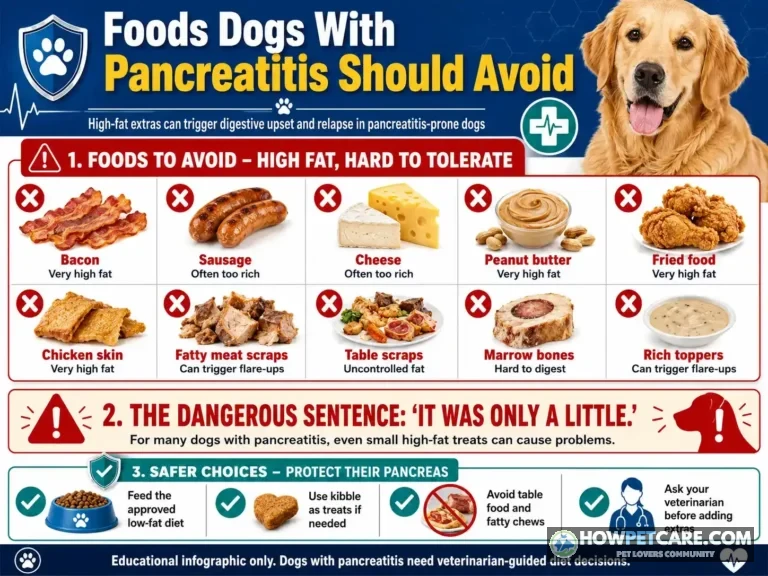
If your vet recommends a short-term bland option, examples include boiled skinless chicken breast, plain cooked white fish, and plain white rice, without oil or seasoning. These are not a complete long-term diet. A veterinary nutritionist can formulate a balanced home-cooked plan if one is needed.
Foods and treats to avoid permanently
If your dog is on a prescribed fat-restricted plan, avoid fatty meat, poultry skin, bacon, butter, oils, rich leftovers, and fatty chews unless your vet approves them. Cheese, whole eggs, and peanut butter can add substantial fat; check before offering any. Small amounts of plain green beans or carrots may work as treats if your vet agrees, but treats should fit the overall calorie and fat plan.
Recovery Time, Survival Odds, and Acute vs. Chronic Pancreatitis Outlook
Many dogs with mild pancreatitis improve with veterinary care, but severe disease can be fatal, particularly if complications affect other organs. The evidence provided here doesn’t support a reliable survival percentage for all dogs. Outcomes depend heavily on the severity, complications, and population studied. Ask your vet how your dog’s examination and test results shape their individual outlook.
Acute vs. chronic pancreatitis comparison
| Factor | Acute pancreatitis | Chronic pancreatitis |
|---|---|---|
| Pattern | A sudden episode of inflammation | Persistent or recurring inflammation that may have quieter periods |
| Signs | Can be mild or severe; vomiting, pain, and lethargy may appear suddenly | May be subtle or intermittent; flare-ups can also be severe |
| Care | Treatment of the episode, ranging from outpatient support to intensive care | Ongoing monitoring, an individualized diet, and prompt treatment of flares |
| Outlook | Mild cases often recover well; severe cases have a guarded outlook | Some dogs remain comfortable for years, but prognosis varies with flares and complications |
Chronic disease doesn’t rule out a sudden, severe flare. Emergency signs still need prompt action.
Recovery timeline by severity
As a rough guide, not a guarantee, a mild episode may improve over several days to about a week. Moderate illness may mean several days in hospital, followed by more recovery at home. Severe illness can require longer hospital care and weeks of recovery. Your vet can give a better estimate after seeing how your dog responds to treatment.

Acute pancreatitis may resolve, but another episode is possible. Chronic pancreatitis may call for ongoing management. There’s no dependable life-expectancy figure for every dog with chronic pancreatitis; overall health, severity, frequency of flares, and complications all matter.
EPI and diabetes after pancreatitis: warning signs and follow-up
Long-term pancreatic injury can contribute to exocrine pancreatic insufficiency (EPI), when the pancreas doesn’t make enough digestive enzymes, or to diabetes, which affects blood sugar regulation. The risk for an individual dog is uncertain; not every dog with pancreatitis develops either condition.
Tell your vet about unexplained weight loss, large or greasy stools, or increased appetite; these signs may prompt an EPI evaluation. Increased thirst and urination, appetite changes, or weight loss may warrant diabetes testing. Ask whether follow-up bloodwork, urine testing, or a specific EPI test is appropriate. Repeat cPLI testing may help in some cases, but it isn’t automatically needed for every dog.
Managing Chronic or Repeat Pancreatitis: Relapse Signs, Checkups, and Your Action Checklist
A long-term plan should spell out which foods and treats your dog can have, how to manage weight, whom to call after hours, and which signs mean your dog needs an examination. Review other illnesses and medications with your vet, and keep garbage and fatty scraps out of reach.
Relapse early-warning checklist
Look for changes from your dog’s usual behavior:
- Reduced appetite, slower eating, lip-smacking, or repeated swallowing
- Softer stool, mild diarrhea, or lower energy
- A hunched posture, tenderness, or reluctance to be picked up
- Vomiting or refusal of food
Call your vet promptly if you suspect a flare, especially if your dog has stopped eating, seems painful, or has vomited. Go to an emergency clinic for persistent vomiting, inability to keep water down, severe pain, collapse, extreme weakness, pale or yellow gums, breathing difficulty, or blood in vomit or stool. A veterinarian must decide whether hospitalization is needed.
Keep a simple daily log of meals eaten, stool, vomiting or nausea, energy, and treats or scraps. Bring it to appointments. If your dog is stable, discuss whether checkups and bloodwork every 6–12 months are appropriate. Your vet may suggest a different schedule, particularly after a flare or if other diseases are present.
Printable action checklist: first 24 hours, first week, long term
- ☐ First 24 hours: Follow the triage table. Contact your vet today about concerning symptoms, or call an emergency clinic now for red flags.
- ☐ Before leaving the clinic: Ask for a written medication, feeding, and recheck plan, an itemized estimate, and an after-hours contact.
- ☐ First week: Measure the recommended food, record appetite and symptoms, and call if your dog isn’t improving as expected.
- ☐ Long term: Follow the agreed diet and weight plan, keep a symptom log, and schedule the follow-up your vet recommends.
- ☐ At any point: If your dog collapses, has severe pain, can’t keep water down, or shows another emergency sign, call the nearest emergency veterinarian and go in.
FAQ
Is pancreatitis in dogs curable?
Acute pancreatitis can resolve completely with prompt supportive care, though some dogs have repeat episodes. Chronic pancreatitis usually cannot be cured, but it can often be managed with diet, medication, and monitoring.
Can a dog with pancreatitis drink water?
Usually yes, small amounts are encouraged to prevent dehydration unless your vet says otherwise. If your dog vomits after drinking, that is a reason to seek veterinary care promptly.
Can pancreatitis in dogs go away on its own?
Very mild episodes may settle, but it is hard to know the severity without veterinary testing, and pancreatitis can worsen quickly. Dogs with persistent vomiting, pain, or lethargy should be examined.
Can stress or certain medications trigger pancreatitis in dogs?
Some medications and illnesses such as diabetes or Cushing’s disease are associated with higher risk, and fatty meals are a classic trigger. Review your dog’s medications with your vet if episodes recur.
Can dogs with pancreatitis eat eggs, cheese, or peanut butter?
These foods are often too high in fat for dogs recovering from pancreatitis, so they are generally best avoided unless your vet approves a specific amount. Ask your vet for safe low-fat treat options.