

Yes, dogs can get sick from viruses, bacteria, parasites, toxins, unsafe foods, heat and chronic conditions. Warning signs include vomiting, diarrhea, coughing, lethargy and appetite changes. Trouble breathing, pale or blue gums, collapse, a swollen belly or suspected poisoning means an emergency vet visit now.
Yes, Dogs Get Sick: What Usually Causes It and What to Do First
Yes, dogs can get sick from viruses, bacteria and parasites, as well as toxins, unsafe foods, heat, allergies and chronic conditions. Signs can range from a mild stomach upset to an emergency, such as difficulty breathing or collapse.
Dogs can also catch a few infections from people, though they don’t usually catch the viruses that cause human colds. COVID-19 and certain bacteria can pass from people to dogs; transmission of human flu to dogs appears uncommon.
If your dog is struggling to breathe, has pale or blue gums, collapses, has a swollen belly with repeated attempts to vomit, or may have eaten poison, go to an emergency veterinarian now. Call ahead if you can. If your dog has a single mild symptom but is otherwise acting normally, use the triage framework and home health check below to help decide what to do next.
This guide offers general education, not a diagnosis. Contact a veterinarian whenever you’re unsure, particularly if your dog is very young, elderly or has an existing medical condition.
Common Dog Illnesses in the US, in Plain Language
Common dog illnesses include ear infections, skin allergies, dental disease, intestinal parasites, kennel cough and arthritis. More serious conditions include parvovirus, heartworm disease and cancer. Symptoms often overlap, so treat the possible causes below as starting points for a conversation with your vet, not as diagnoses.
Contagious illnesses: kennel cough, parvo, distemper, canine flu
- Kennel cough: This contagious airway illness is associated with several germs. A dry cough, sometimes followed by gagging, is one of the common kennel cough symptoms. Germs spread through respiratory droplets, close dog-to-dog contact and contaminated items. Vaccines are available for some causes, including the bacterium Bordetella, but they don’t prevent every case.
- Parvovirus, or parvo: This potentially life-threatening infection is especially dangerous for puppies. It can cause lethargy, loss of appetite, vomiting and severe diarrhea, and it spreads through infected feces and contaminated surfaces. Vaccination is essential; treatment often requires intensive supportive care.
- Canine distemper: This viral disease can cause respiratory and digestive signs, and sometimes neurological problems. It spreads mainly through respiratory secretions. Vaccination is the main form of prevention.
- Canine influenza: Dogs can get the flu, but canine influenza is caused by viruses adapted to dogs. Signs may include coughing, nasal discharge, fever and tiredness. It spreads through respiratory secretions and contaminated objects; a vaccine is available for dogs at risk.
- Rabies: This deadly viral disease usually spreads through the bite of an infected animal. It can affect the nervous system and spread to people. Rabies vaccinations are essential and required by law in many jurisdictions. If a dog may have been exposed, contact a veterinarian and local public health authorities immediately.
- Leptospirosis: This bacterial infection can damage the kidneys or liver. Dogs can encounter the bacteria through infected animal urine or contaminated water or soil. It can also spread to people. Vaccination and avoiding suspect standing water help reduce the risk.
- Ringworm: Despite its name, ringworm is a fungal infection. It can cause patches of hair loss or scaly skin and spread between animals and people through direct contact or contaminated objects. A veterinarian can diagnose and treat it.

Tick-, flea-, and mosquito-borne illnesses: heartworm and Lyme disease
Heartworm disease spreads through mosquitoes and can damage the heart and lungs. A dog may have no obvious signs early on; later, coughing and reduced exercise tolerance can appear. Preventive medication and testing on a veterinarian’s schedule are important.
Lyme disease spreads through infected ticks. Some affected dogs develop shifting lameness, fever or lethargy. Tick control reduces exposure, and a Lyme vaccine may be appropriate for some dogs.
Fleas can cause intense itching or allergic skin disease, transmit tapeworms and, in heavy infestations, contribute to anemia. Dogs can pick up intestinal parasites such as roundworms, hookworms and Giardia from contaminated environments, feces or water. Some can also affect people. Fecal testing and treatment depend on the parasite.

Non-infectious causes: toxins, heatstroke, allergies, and chronic disease
Dogs can become ill without catching an infection. Chocolate, xylitol, grapes and raisins, medications and other household substances can be dangerous. A swallowed sock or toy can cause a blockage, while overheating can cause heatstroke.
Allergies often show up as itchy skin, paw licking or recurrent ear trouble rather than sneezing. Dogs can also develop diabetes, arthritis, dental disease and other chronic illnesses. A change in thirst, mobility, appetite or weight deserves veterinary attention, even when there’s no obvious infection.

Can Dogs Get Sick From Humans? Colds, Flu, COVID, MRSA, and Norovirus
A zoonotic disease is an infection that can pass between animals and people. Some infections can travel from a person to a dog, a process sometimes called reverse zoonotic transmission. Whether that happens depends on the germ and the exposure.
Which human illnesses can and can’t affect dogs
| Human illness | Can dogs catch it? | How likely or typical signs in dogs | What owners should do |
|---|---|---|---|
| Common cold | Human cold viruses are not a usual cause of illness in dogs | A dog’s cough or sniffles are more often associated with other causes | Wash hands and have persistent respiratory signs checked rather than assuming your cold is responsible |
| Human flu | Occasionally reported, but uncommon | Dogs more commonly catch canine influenza from other dogs | Limit close face contact while sick; call a vet if your dog develops respiratory signs |
| COVID-19 | Yes | Infection after close contact with a person has been documented; affected dogs often have mild or no signs | Limit close contact while ill and ask a vet about symptoms |
| MRSA | Yes, transmission between people and pets is possible | Dogs can carry the bacteria without signs or develop infections, including skin or wound infections | Wash hands, cover wounds and prevent licking of cuts or bandages |
| Strep throat | Not a typical household infection in dogs | A sore throat or cough has many possible causes | Use normal hygiene and seek veterinary advice for difficulty swallowing or persistent symptoms |
| Norovirus or a stomach bug | Human-to-dog transmission is not established as a common cause of canine illness | Vomiting and diarrhea have many other possible causes | Clean up promptly, wash hands and contact a vet if signs persist or worsen |
| Salmonella and some parasites | Some can move between people and animals | Infection may cause digestive signs or no obvious illness | Handle feces safely, wash hands and keep food and bowls clean |

What to do if you’re sick and live with a dog
Wash your hands before and after handling your dog, food or bowls. While you’re ill, avoid face licking, sharing food and close face-to-face contact. If practical, ask another household member to provide care when you have COVID-19 or another potentially transmissible infection.
Don’t disinfect your dog with household cleaning products or put a mask on them. If your dog develops symptoms, call your veterinarian and mention any relevant household illness and exposures.
Signs Your Dog Is Sick vs. Normal Behavior
Your dog’s usual behavior is often the most useful point of comparison. A dog who naps after a long walk may simply be tired. One who is unusually lethargic, skips food and refuses a favorite activity needs closer attention.
Common signs of sickness include vomiting, diarrhea, loss of appetite, coughing, sneezing, limping, increased thirst or urination, and changes in breathing. Hiding, unusual irritability or reluctance to be touched can also signal discomfort. A warm or dry nose alone can’t tell you whether your dog has a fever.

A single skipped meal in an otherwise bright adult dog may be less concerning than a sudden change accompanied by vomiting or weakness. Consider how long a sign has lasted, whether it’s getting worse and whether other signs are appearing. Use the most urgent applicable tier in the next section.
Symptom-matching guide: kennel cough vs. allergies vs. pneumonia vs. heart disease
Use this table for orientation, not self-diagnosis. The sound of a cough alone can’t reliably distinguish these conditions.
| Condition | Typical cough or breathing pattern | Other signs | Contagious? | Urgency level |
|---|---|---|---|---|
| Kennel cough | Often a dry, harsh cough, sometimes with gagging | Some dogs remain bright and eat normally | Often; respiratory droplets and contaminated objects can spread germs | Call a vet for a persistent cough; emergency care for breathing difficulty |
| Allergies | Sneezing or watery eyes may occur; coughing is not the main sign in many dogs | Itching, paw licking or ear irritation | No | Routine vet advice unless breathing is affected |
| Pneumonia | Coughing, fast breathing or increased breathing effort | Lethargy, poor appetite or fever may occur | Depends on the cause | Prompt veterinary care; emergency care for struggling to breathe |
| Heart disease | Cough or fast breathing; signs may appear at rest or with activity | Reduced stamina, weakness or fainting may occur | No | Prompt veterinary care; emergency care for collapse or breathing distress |
| Foreign object or throat irritation | Sudden coughing, gagging or repeated swallowing | Drooling, pawing at the mouth or distress | No | Emergency care for choking, distress or persistent symptoms |
Quiet signs owners often miss
Watch for new bad breath, a lump, persistent sores, unexplained weight loss, changes in appetite or difficulty moving. These signs have many possible causes, including dental disease or cancer. If they persist, they deserve a veterinary assessment.
Emergency Now, Vet Within Days, or Monitor at Home? A Triage Framework
Start with breathing, gum color and responsiveness. If your dog is in distress, don’t delay the trip to measure vital signs. If more than one tier applies, choose the more urgent one.
| Tier | Symptoms to look for | Why it matters | What to do |
|---|---|---|---|
| Emergency vet now | Trouble breathing; pale, white, blue or gray gums; collapse; prolonged or repeated seizures; a swollen or painful belly with unproductive retching; suspected poison; repeated vomiting or blood in vomit; heatstroke; inability to urinate; severe trauma | These signs can accompany life-threatening problems that worsen quickly | Go to an emergency vet now; call ahead if possible. For suspected poisoning, also contact a pet poison service |
| Vet promptly, generally within 24–48 hours | Vomiting or diarrhea lasting more than a day; not eating for more than 24 hours; a recurring cough; limping that does not improve; eye or ear discharge; drinking or urinating much more than usual | Dehydration, pain, infection or another condition may need treatment | Call for an appointment and ask whether your dog’s particular signs warrant faster care |
| Monitor closely at home | One vomit followed by normal energy; mild soft stool; brief sneezing; slightly reduced appetite with otherwise normal behavior | An isolated, mild sign may settle, but it can also be an early warning | Keep water available and watch closely; call a vet if signs repeat, combine, worsen or do not improve within about 24 hours |
Call your veterinarian or an emergency clinic if you can’t tell which tier applies. A puppy with vomiting or diarrhea, a dog with breathing changes, or any dog deteriorating quickly shouldn’t wait for a routine appointment.
Red flags in puppies and senior dogs
Puppies, unvaccinated dogs, toy breeds, senior dogs and dogs with chronic illnesses can have less reserve when they become ill. Call sooner about vomiting, diarrhea, reduced appetite or a cough, even if the sign seems mild at first. Flat-faced dogs with breathing changes also need prompt assessment.
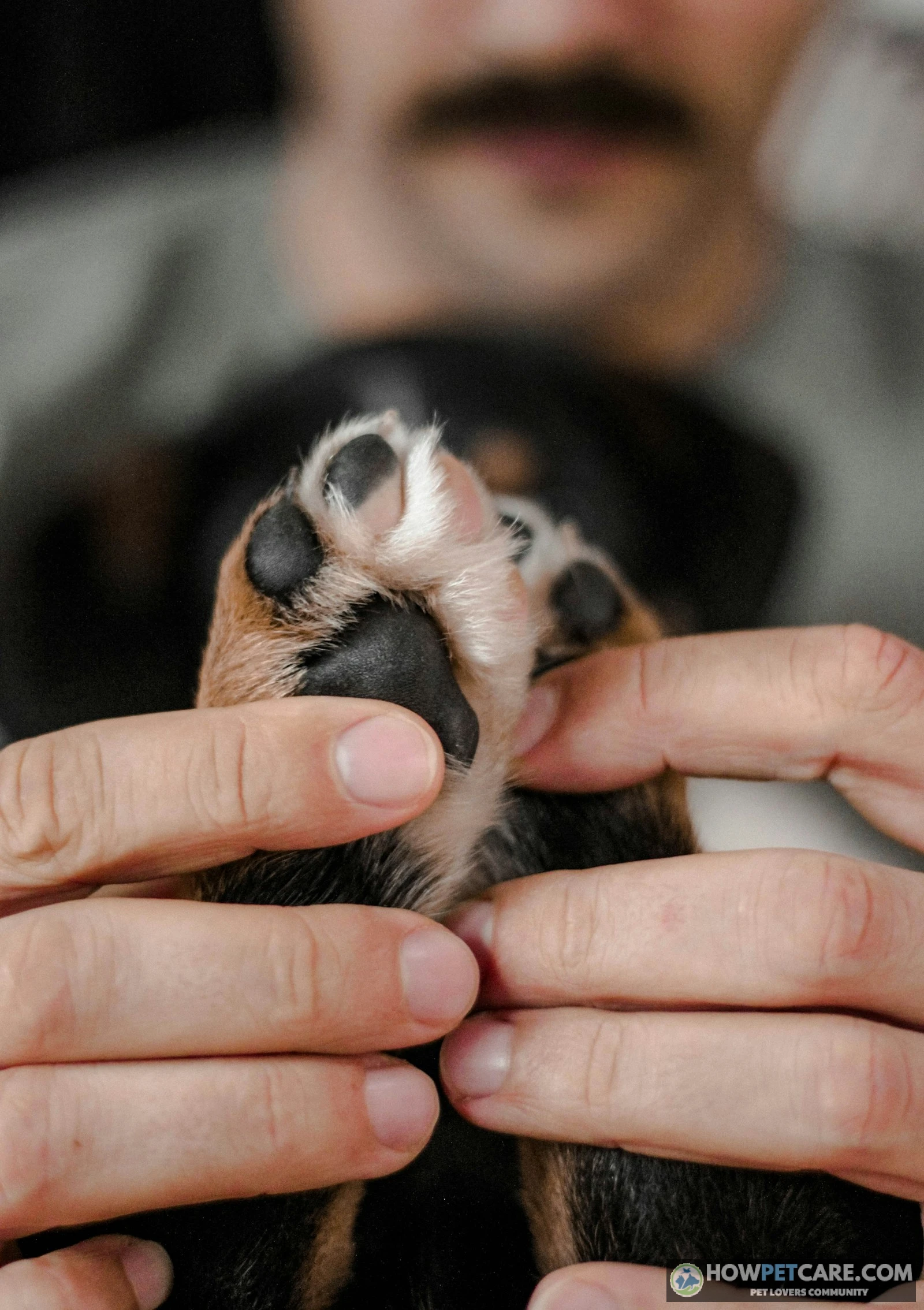
How to Do a Basic Dog Health Check at Home
A home check can help you describe what you see, but it can’t rule out illness. Check your dog while they’re calm, and stop if they’re in pain, frightened or likely to bite. Skip any step you can’t do safely.
Taking your dog’s temperature step by step
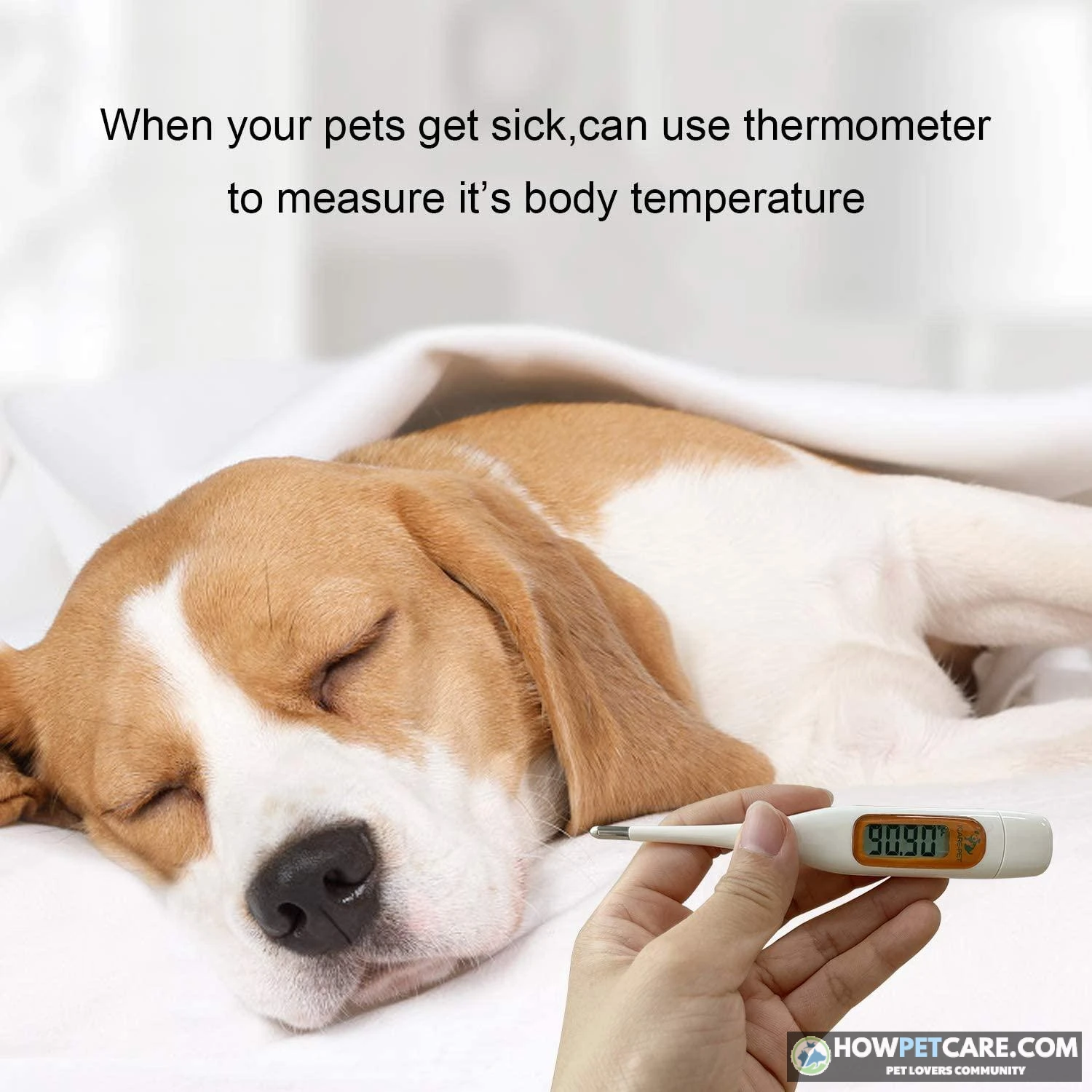
A dog’s normal temperature is roughly 101–102.5°F. Exercise, stress and measurement technique can affect the reading.
-
Prepare a thermometer
Use a digital rectal thermometer with a little water-based lubricant. If needed, ask another person to help gently steady your dog.
-
Measure gently
Lift the tail and gently insert the tip into the rectum, adjusting the depth for your dog’s size. Never force it or continue if your dog resists.
-
Record and clean
Wait for the thermometer signal, record the reading and clean the device according to its instructions. Tell your veterinarian how and when you measured it.
Call your vet about a reading above approximately 103°F or below approximately 99°F, or sooner if your dog seems unwell. A very high temperature with heat exposure or distress is an emergency. Begin cooling and travel to a vet rather than repeatedly checking the reading.
Counting breaths and checking gum color
- Count resting breaths. While your dog is asleep or resting quietly, count chest rises for 30 seconds and multiply by two. Many dogs take fewer than about 30 breaths per minute at rest. A repeatedly faster rate deserves a call; visible effort, gasping or blue gums means emergency care.
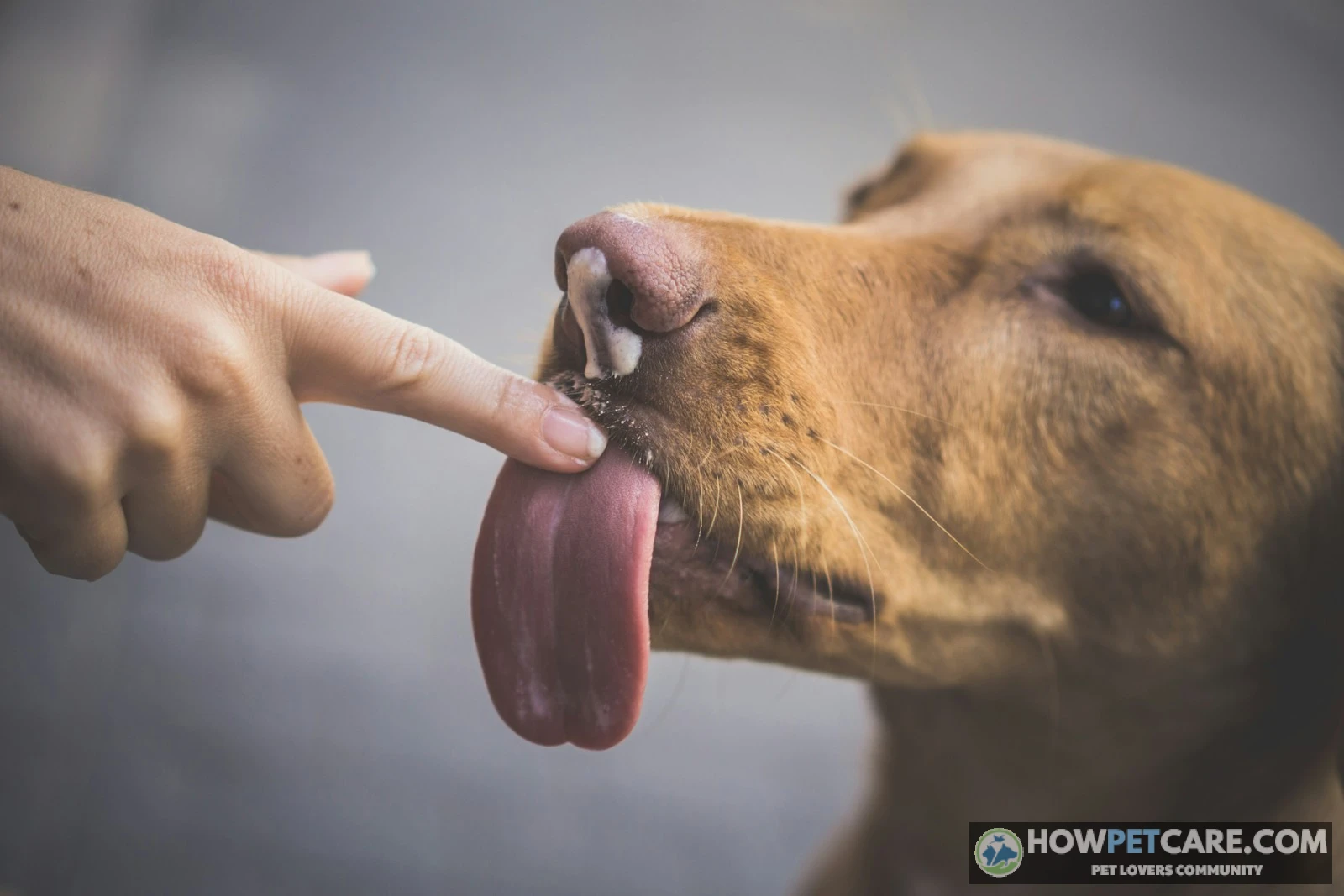
- Look at the gums. Gently lift a lip. Gums are typically pink and moist, although some dogs have naturally dark pigment. If possible, check an unpigmented area and compare it with your dog’s usual appearance. Pale, white, blue or gray gums are an emergency; unusually bright red gums also need urgent advice.
- Check capillary refill. Gently press an unpigmented area of gum for a second, then release. Color usually returns in about one to two seconds. A noticeably slow return can indicate a circulation problem; tell your vet, especially if your dog has other signs.
- Look at overall comfort. Note dry or tacky gums, sunken eyes, a painful-looking abdomen, limping and changes in appetite or energy. A skin-tent check isn’t reliable enough to rule out dehydration, particularly in older or overweight dogs.
Write down the results and when symptoms began. Heart rate varies with a dog’s size and circumstances, so ask your vet what’s normal for your dog rather than relying on one universal number.
What You Can Safely Do at Home Before the Vet
Medications and remedies to avoid
Don’t give human fever reducers, painkillers or other over-the-counter medicines unless your veterinarian specifically directs you to. Ibuprofen, naproxen, acetaminophen and aspirin can be dangerous to dogs. A medication or dose that’s safe for a person may not be safe for a pet.
Call a veterinarian, emergency clinic or pet poison service immediately. Don’t induce vomiting or give a home remedy unless a veterinary professional tells you to. Bring the packaging or a photo of it when possible.
For suspected poisoning in the United States, the ASPCA Animal Poison Control Center and Pet Poison Helpline offer telephone consultations; fees may apply. Don’t wait for symptoms to appear before calling.
Comfort and monitoring checklist
- Offer water. For a dog with mild stomach upset, offer small amounts frequently. If your dog can’t keep water down, repeatedly vomits or seems weak, seek urgent veterinary care.
- Ask before changing food. A vet can advise whether an adult dog needs a short food pause or a bland diet. Don’t routinely withhold food from puppies, very small dogs or dogs with diabetes without veterinary direction.
- Keep your dog comfortable and separated. Provide a quiet place to rest. If an infection is possible, avoid contact with other dogs, wash your hands and clean bedding and bowls.
- Cool suspected heatstroke immediately. Move your dog into shade or air conditioning, wet the body with cool—not ice-cold—water, and use airflow if available. Offer small sips only if your dog is alert and able to drink. Travel to an emergency vet even if your dog seems better.
- Prepare for the visit. Record the symptom timeline, medications, possible exposures, recent travel, vaccination history and home-check results. Photos of vomit, stool or a suspected toxin can help.

Eating poop can expose dogs to parasites or germs. Cat food can upset a dog’s stomach, while garbage may contain spoiled food, toxins, bones or objects that cause an obstruction. Repeated vomiting, a swollen or painful belly, marked lethargy or a suspected toxin or swallowed object calls for urgent veterinary help.
Rain or cold weather alone doesn’t cause an infection. Prolonged cold exposure can still be dangerous, especially for small, young, older or short-coated dogs. Dry and warm a chilled dog gently; contact a vet if shivering persists or the dog seems weak or lethargic.
What Dog Illness Treatment Typically Costs in the US
Veterinary bills vary widely by region, clinic, dog size, severity and whether a dog needs testing, hospitalization or surgery. The source material for this guide doesn’t establish reliable national price ranges for these conditions. For a particular case, ask a clinic for an estimate rather than relying on an assumed average.
Estimated US vet costs for common dog illnesses
| Condition or service | What’s typically involved | Estimated cost range | Prevention option |
|---|---|---|---|
| Basic sick visit | Examination and discussion; tests and medication may cost extra | Request a local estimate | Routine care and early attention to changes |
| Kennel cough | Examination, sometimes testing and medication | Request an outpatient estimate; complications can add costs | Risk-based vaccination and avoiding sick dogs |
| Ear infection | Examination, ear testing, medication and sometimes follow-up | Request an estimate; recurrent cases may need more care | Address allergies and follow your vet’s ear-care advice |
| Digestive upset | Examination, possible fecal testing, fluids or medication | Request an estimate based on tests and hydration needs | Secure garbage, introduce diet changes gradually and control parasites |
| Parvovirus | Testing, isolation, fluids, medications and sometimes hospitalization | Request an estimate for both hospitalization and any appropriate outpatient plan | Complete the recommended puppy vaccine series |
| Heartworm disease | Confirmatory tests, staged treatment, activity restriction and follow-up | Request an itemized estimate for the full treatment course | Year-round preventive medication and testing as advised |
| Swallowed foreign object | Imaging, anesthesia, possible endoscopy or surgery and monitoring | Request an estimate; complications and hospitalization can increase costs | Keep risky objects out of reach and supervise chewing |
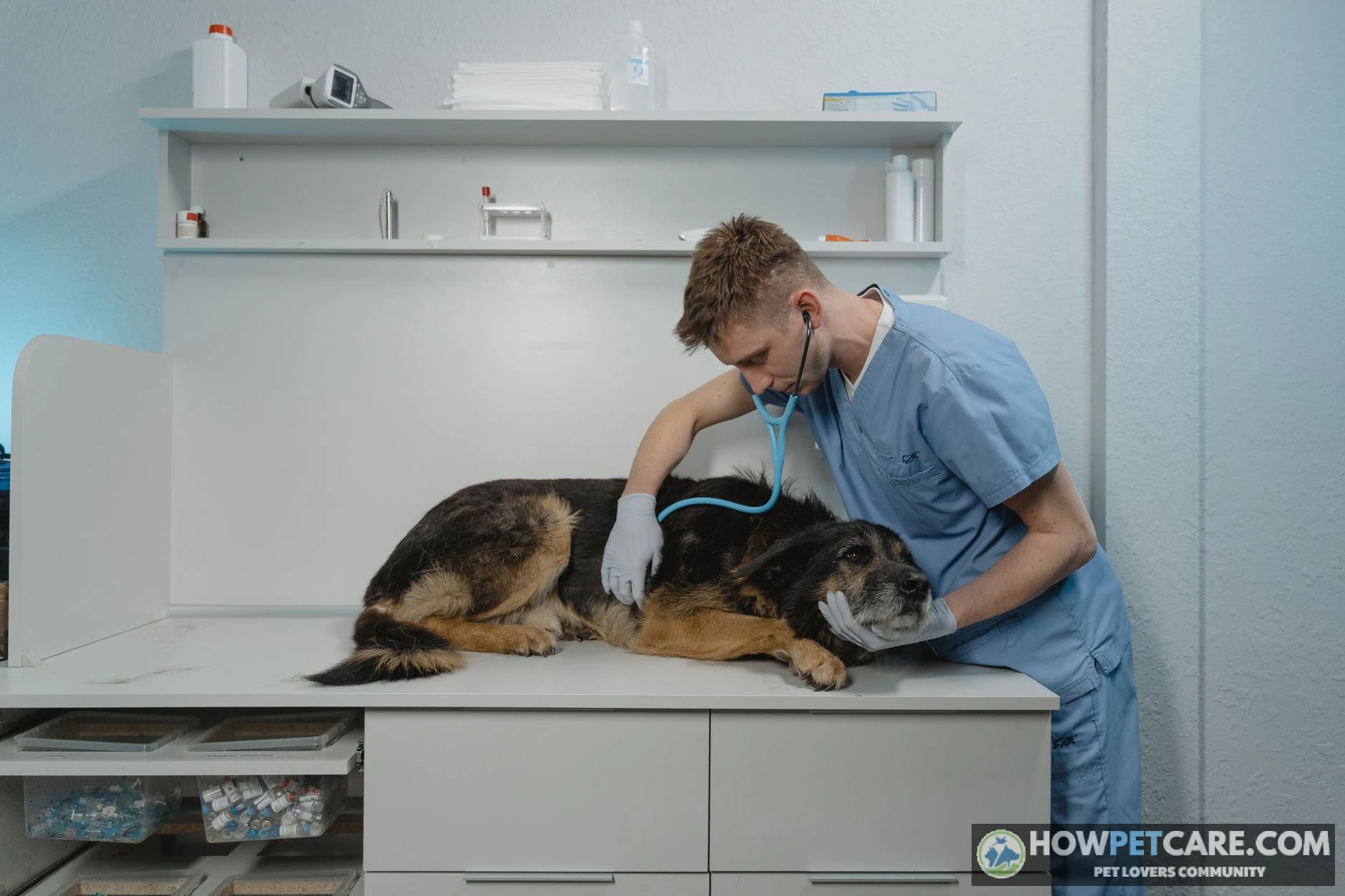
Ask for an itemized estimate and tell the clinic about financial limits early. A veterinarian may be able to explain which tests are most urgent, discuss medically appropriate alternatives or suggest a lower-cost clinic. Don’t delay emergency care while shopping for a price: call the emergency clinic on the way and discuss options there.
Preventing Illness and Staying Current: Vaccines, Parasite Control, Hygiene, and Outbreak Awareness
Vaccines and parasite prevention at a glance
Work with your veterinarian on a vaccination schedule suited to your dog’s age, health, location and activities. Core protection generally includes vaccination against rabies, distemper, parvovirus and canine adenovirus. A vet can also advise on leptospirosis, Bordetella, canine influenza and Lyme vaccines based on current professional guidance and your dog’s individual risk.
Use veterinarian-recommended heartworm prevention and flea and tick control on schedule. Ask about fecal testing and deworming, pick up waste promptly, provide clean water, and store medications, toxic foods and household chemicals securely. Avoid shared dog spaces when your dog is coughing or has diarrhea.
Reports of unusual canine respiratory illness have worried US dog owners. Respiratory signs can have several causes, and an outbreak report alone doesn’t establish a new pathogen or mean disease is widespread. For guidance relevant to your area in 2026, ask your veterinarian or check your state veterinary or animal health authority before boarding or attending dog events.
Your sick-dog action plan
- Save the numbers for your regular vet, the nearest emergency clinic and a pet poison service.
- Agree on a vaccination, parasite-prevention and testing schedule with your vet.
- Learn your dog’s normal appetite, energy, gum appearance and resting breathing rate when healthy.
- Keep a simple pet first-aid kit and your dog’s medication and vaccination records accessible.
- If symptoms appear, use the triage table first. If your dog is stable, record what you observe and call your vet when signs persist, combine or worsen.
1Which of the following human illnesses can be transmitted to dogs following close contact with an infected person?
Documented transmission of COVID-19 from infected owners to dogs after close contact has been observed, often presenting with mild or no symptoms.
2Which symptom in a dog indicates a medical emergency requiring immediate veterinary attention rather than home monitoring?
An enlarged, painful abdomen accompanied by ineffective vomiting can signal a rapidly fatal abdominal emergency needing immediate intervention.
3What is the typical baseline resting breathing rate for a healthy dog?
Healthy adult dogs at rest usually maintain a quiet breathing rate below 30 breaths per minute.
4What is the normal body temperature range for a healthy adult dog?
The typical baseline internal body temperature for healthy dogs resides within this specific range.
5During a home check, how quickly should pink color return after pressing gently on a dog's normal gum?
Capillary refill time in healthy canine gums typically resumes original pink coloration within one to two seconds after pressure is released.
6Which of the following illnesses is categorized as a core vaccine protection for all dogs?
Core vaccines are essential for all dogs and routinely cover parvovirus, distemper, rabies, and canine adenovirus.
7Why should dog owners avoid giving human painkillers like ibuprofen or acetaminophen to an unwell dog?
Canine metabolic pathways process human nonsteroidal anti-inflammatory drugs and painkillers differently, leading to severe organ toxicity.
8What is the recommended initial action while seeking emergency care for a dog with suspected heatstroke?
Applying cool water to the skin alongside active ventilation promotes safe evaporative cooling without triggering vascular constriction.
9How do dogs typically contract the bacterial infection Leptospirosis?
Leptospira bacteria are shed in the urine of infected animals, contaminating environmental water and soil accessible to dogs and humans.
10Which of the following serious diseases is transmitted specifically through mosquito bites?
Mosquitoes act as intermediate hosts that transmit heartworm larvae into the dog's bloodstream during feeding.
| Condition Name | Category | Transmission Mode or Cause | Typical Symptoms | Contagious | Prevention Strategy | Veterinary Care Level |
|---|---|---|---|---|---|---|
| Kennel cough | Contagious | Associated with several germs (including Bordetella bacterium); spreads through respiratory droplets, close dog-to-dog contact, and contaminated items | Dry, harsh cough, sometimes followed by gagging; some dogs remain bright and eat normally | Yes | Vaccines available for some causes (risk-based, including Bordetella), avoiding sick dogs and shared dog spaces when coughing | Call a vet for a persistent cough; emergency care for breathing difficulty |
| Parvovirus (parvo) | Contagious | Parvovirus infection; spreads through infected feces and contaminated surfaces | Lethargy, loss of appetite, vomiting, and severe diarrhea | Yes | Complete recommended puppy vaccine series | Prompt Vet Care |
| Rabies | Contagious | Deadly viral disease; usually spreads through the bite of an infected animal | Affects the nervous system | Yes | Rabies vaccinations (essential/required core vaccinations in many jurisdictions) | Emergency |
| Canine distemper | Contagious | Viral disease; spreads mainly through respiratory secretions | Respiratory and digestive signs, and sometimes neurological problems | Yes | Vaccination (core vaccine) | Prompt Vet Care |
| Canine influenza (canine flu) | Contagious | Dog-adapted influenza viruses; spreads through respiratory secretions and contaminated objects | Coughing, nasal discharge, fever, and tiredness | Yes | Vaccine available for dogs at risk | Prompt Vet Care |
| Leptospirosis | Contagious | Bacterial infection from infected animal urine or contaminated water or soil | Kidney or liver damage | Yes | Vaccination and avoiding suspect standing water | Prompt Vet Care |
| Intestinal parasites (Roundworms, Hookworms, Giardia) | Contagious | Contaminated environments, feces (eating poop), or water | Digestive signs or stomach upset | Yes | Fecal testing, deworming, controlling parasites, and picking up waste promptly | Prompt Vet Care |
| Pneumonia | Contagious | Infectious germs or non-infectious causes affecting the lungs | Coughing, fast breathing, increased breathing effort, lethargy, poor appetite, or fever | Depends | Not in source | Prompt Vet Care |
| COVID-19 | Contagious | Reverse zoonotic transmission from close contact with infected humans | Mild or no signs | Yes | Sick humans should limit close contact with dogs, wash hands, and have another household member provide care | Outpatient Management |
| MRSA | Contagious | Bacterial transmission between people and pets | Asymptomatic carriage or skin/wound infections | Yes | Wash hands, cover human wounds, and prevent dog from licking cuts or bandages | Prompt Vet Care |
| Salmonella | Contagious | Transmission between people and animals | Digestive signs or no obvious illness | Yes | Handle feces safely, wash hands, keep food and bowls clean | Outpatient Management |
| Ringworm | Contagious | Fungal infection; spreads through direct contact or contaminated objects | Patches of hair loss or scaly skin | Yes | Not in source | Outpatient Management |
| Heartworm disease | Tick/Flea/Mosquito-borne | Mosquitoes transmitting heartworms | No obvious signs early on; later coughing, reduced exercise tolerance/stamina, and damage to heart and lungs | No | Year-round preventive medication and testing on a veterinarian's schedule | Prompt Vet Care |
| Lyme disease | Tick/Flea/Mosquito-borne | Infected ticks | Shifting lameness, fever, or lethargy | No | Tick control/preventives and Lyme vaccine for at-risk dogs | Prompt Vet Care |
| Flea infestation / Flea allergic skin disease | Tick/Flea/Mosquito-borne | Fleas | Intense itching, allergic skin disease; can transmit tapeworms and cause anemia in heavy infestations | Depends | Year-round vet-recommended flea control | Outpatient Management |
| Toxins / Poisoning | Non-infectious | Ingestion of everyday substances like chocolate, xylitol, grapes, raisins, medications, or household chemicals | Vomiting, blood in vomit, distress, sudden collapse, or severe illness | No | Store medications, toxic foods, and household chemicals securely out of reach | Emergency |
| Heatstroke / Overheating | Non-infectious | Overheating / heat exposure | Distress, high body temperature | No | Cool dog immediately in shade/air conditioning with cool water; avoid excessive heat exposure | Emergency |
| Skin Allergies | Non-infectious | Allergens | Itchy skin, paw licking, recurrent ear trouble/irritation, sneezing or watery eyes (coughing is rare/not the main sign) | No | Address allergies and follow vet's advice | Outpatient Management |
| Foreign object ingestion / Swallowed object / Blockage | Non-infectious | Swallowing items like socks, toys, bones, or garbage | Sudden coughing, gagging, repeated swallowing, drooling, pawing at mouth, distress, choking, vomiting, swollen or painful belly, or blockage | No | Keep risky objects out of reach, secure garbage, and supervise chewing | Emergency |
| Ear infections | Non-infectious | Secondary to allergies or other causes | Ear irritation, discharge | No | Address underlying allergies and follow vet's ear-care advice | Prompt Vet Care |
| Dental disease | Non-infectious | Chronic dental decay / poor oral health | Bad breath | No | Routine dental care | Outpatient Management |
| Cancer | Non-infectious | Chronic non-infectious illness | Lumps, persistent sores, unexplained weight loss, changes in appetite | No | Early attention to changes | Prompt Vet Care |
| Heart disease | Non-infectious | Chronic cardiovascular condition/dysfunction | Cough or fast breathing (at rest or with activity), reduced stamina, weakness, or fainting | No | Not in source | Prompt Vet Care |
| Arthritis | Non-infectious | Chronic joint degeneration | Limping, difficulty moving, mobility changes | No | Not in source | Outpatient Management |
FAQ
Can dogs get sick from ticks and fleas?
Yes. Ticks can transmit illnesses such as Lyme disease, while fleas can cause allergic skin disease, tapeworms, and anemia in heavy infestations. Year-round vet-recommended preventives greatly lower the risk.
Can dogs get the flu like humans do?
Dogs can get canine influenza, which is caused by dog-specific viruses rather than the usual human flu. It spreads between dogs and causes cough, fever, and lethargy, and a vaccine is available.
Can dogs get sick from being out in the rain or cold?
Weather alone doesn’t cause infections, but prolonged exposure can chill small, short-haired, young, or senior dogs and may worsen existing conditions. Dry them off and call a vet if they shiver, seem lethargic, or cough afterward.
Can dogs get sick from eating poop or garbage?
Yes. It can cause stomach upset, parasites, or bacterial infections, and garbage may contain toxins or objects that cause blockages. Seek prompt care for repeated vomiting, a swollen belly, or marked lethargy.
How long does it take for a dog to show signs after catching something?
It depends on the illness. Some infections show signs within a few days, while others, like heartworm, can take months to cause noticeable symptoms. A vet can advise based on the suspected exposure.