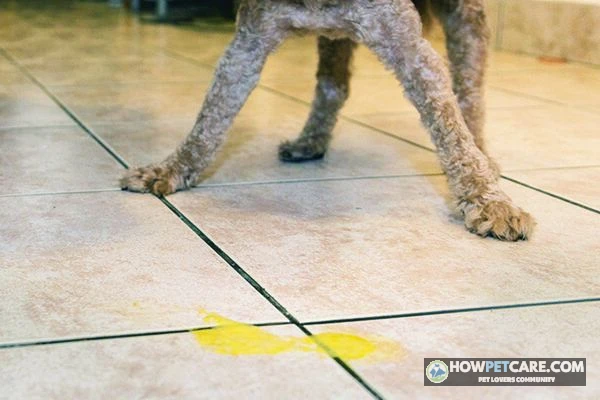

A dog throwing up yellow is usually vomiting bile from an empty stomach. One episode in a bright, alert adult dog that eats and drinks normally can usually be watched at home. Repeated vomiting, lethargy, blood, a swollen belly, or unproductive retching means see a vet now.
If you’re dealing with a dog throwing up yellow fluid, here’s the bottom line: one episode in an otherwise bright, alert adult dog is usually bile from an empty stomach and can often be watched at home. But repeated vomiting, lethargy, a swollen or painful belly, blood in the vomit, or unproductive retching means it’s time for a veterinarian or emergency clinic now. The guide opens with a symptom-to-urgency triage table so you can decide within seconds. It then explains what the yellow material likely is and ends with an exact step-by-step home-care plan for low-risk cases.
Dog Throwing Up Yellow: Vet Now, Monitor, or Home Care?
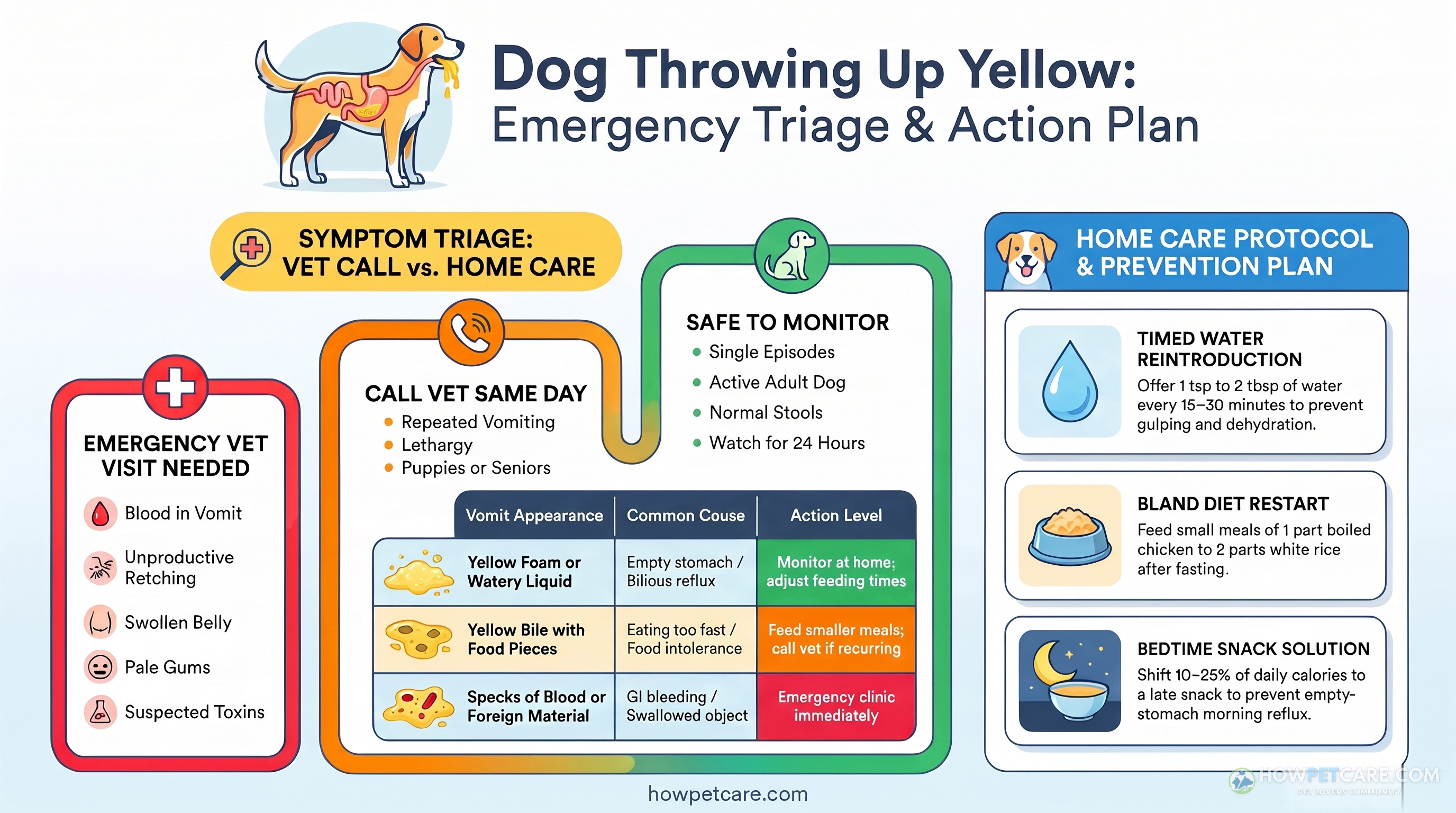
Use the table below to match what you’re seeing to an urgency level. This is guidance, not a diagnosis, and it never replaces a phone call to your own vet when you’re unsure.
| Vomit pattern | Other symptoms | Urgency level | What to do now |
|---|---|---|---|
| One episode of yellow vomit | Bright, alert, eating and drinking normally, normal stools | Monitor at home | Start the timed water plan and short food break; watch for 24 hours |
| Yellow vomit 2 to 3 times in a day, or vomiting that returns after food restarts | Mildly quieter than usual but responsive | Call your vet today | Phone for advice; do not restart food if vomiting repeats |
| Yellow vomit plus diarrhea, lethargy, or refusing food | Low energy, poor appetite, loose stools | Call your vet today | Same-day call; higher risk of dehydration and illness |
| Retching or gagging but nothing comes up | Restlessness, swollen or hard belly | Vet now / emergency | Possible bloat — go immediately, do not wait |
| Blood in vomit or dark coffee-ground material | Weakness, pale gums | Vet now / emergency | Internal bleeding risk — emergency clinic |
| Continuous vomiting or cannot keep water down | Dry gums, sunken eyes, skin that tents when pinched | Vet now / emergency | Dehydration escalating — needs fluids at the clinic |
| Vomiting after suspected toxin, toy, string, or bone ingestion | Gagging, drooling, belly pain | Vet now / emergency | Possible poisoning or blockage — do not induce vomiting yourself |
| Any vomiting in a puppy, toy breed, senior, or diabetic dog | Lethargy, trembling, skipping meals | Call your vet today (soonest) | These dogs move up one tier — call even for one episode if they seem off |
Go to a vet or emergency clinic right away for blood or coffee-ground material in the vomit, repeated vomiting, inability to keep water down, a swollen or painful abdomen, unproductive retching, pale gums, collapse, or suspected ingestion of a toxin, string, toy, or bone. Don’t wait to see if it passes.
Go to a vet or emergency clinic now if…
Signs that mean an immediate visit include blood in the vomit, dark material that looks like coffee grounds, repeated vomiting that prevents keeping water down, a swollen or hard belly, unproductive retching, lethargy or collapse, pale gums, and suspected toxin or foreign-object ingestion. Unproductive retching with a swollen belly can signal gastric dilatation-volvulus, or bloat, which is life-threatening.
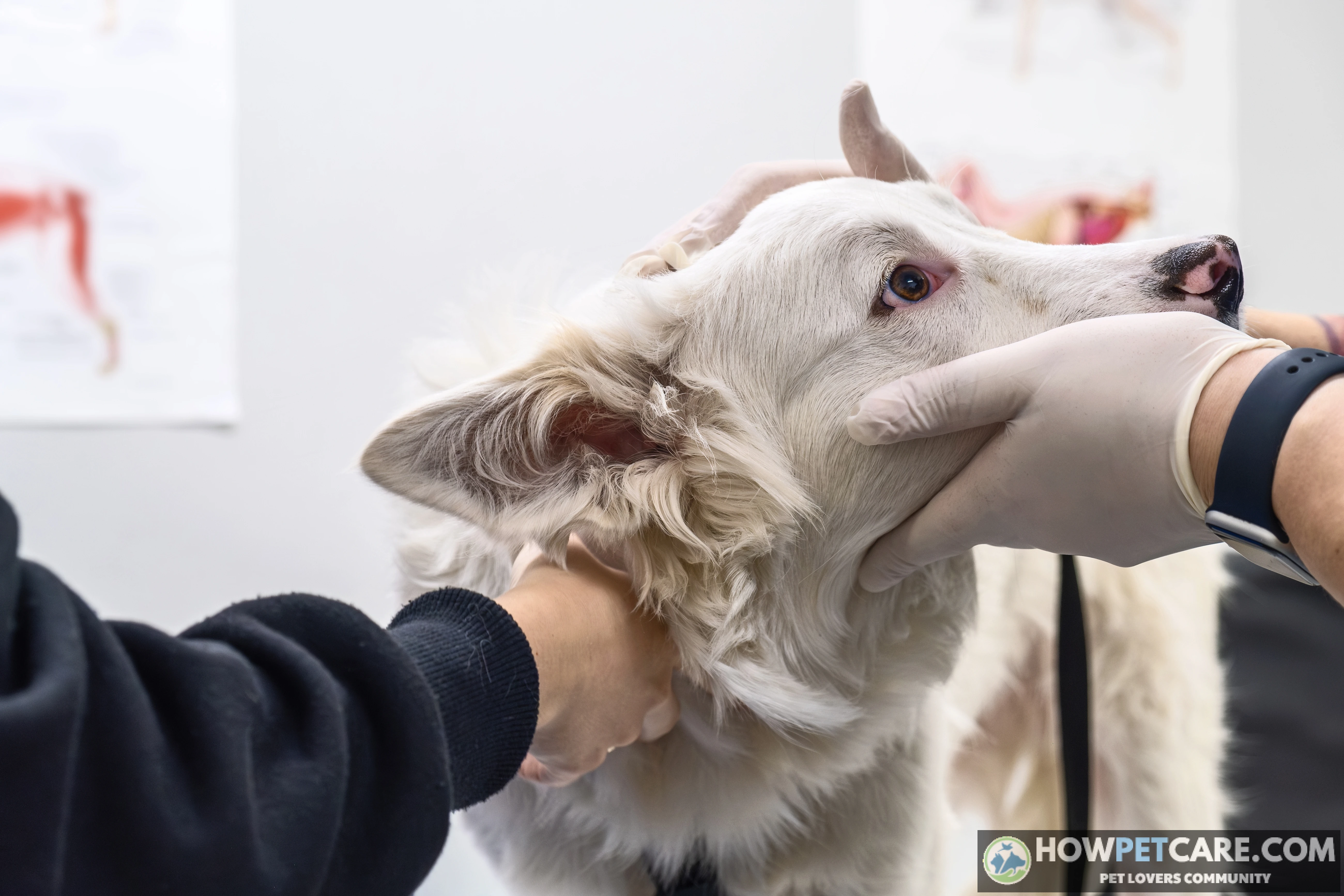
Call your vet today if…
Call the same day if your dog vomits yellow two or more times in 24 hours, vomiting returns when food is restarted, or you see diarrhea with lethargy or appetite loss. Puppies, toy breeds, seniors, and diabetic dogs should prompt a call sooner because they can deteriorate quickly.
Safe to monitor at home if…
A one-time yellow vomit in a dog that stays energetic, interested in food and water, and passing normal stools usually fits the monitor tier. Watch for 24 hours, start the home-care plan below, and escalate if anything changes. What your dog does between episodes matters more than the color of the vomit.
Note the number of episodes, the times they happened, the appearance of the vomit, anything your dog may have eaten, current medications, and any stool changes. A photo of the vomit can help the veterinary team.
What the Yellow Stuff Is and Why It Comes Up on an Empty Stomach
Yellow vomit is usually bile: a digestive fluid made in the liver, stored in the gallbladder, and released into the small intestine. If the stomach stays empty too long, bile can flow backward and irritate the stomach lining, triggering vomiting. That’s why yellow vomit often appears before breakfast or in the middle of the night.
Bile means the stomach is empty; it doesn’t name a disease by itself. The possible digestive problems behind it range from mild to serious:
- Hunger vomiting or empty-stomach irritation after long gaps between meals
- Gastritis or general gastrointestinal upset
- Dietary indiscretion, such as eating trash, table scraps, or grass
- Acid reflux
- Bilious vomiting syndrome, a recurrent pattern tied to overnight fasting
- Pancreatitis, which often brings pain, lethargy, and appetite loss
- Intestinal blockage from a foreign object, which can be life-threatening
- Other illnesses affecting the liver, kidneys, or overall health
Vomit color alone can’t diagnose the cause. Signs such as energy level, appetite, diarrhea, abdominal pain, and gums matter much more than whether the fluid is yellow, foamy, or watery.
Why bile shows up when the stomach is empty
Overnight fasting leaves hours with nothing in the stomach. In some dogs, that empty interval disrupts normal gut motility and lets bile irritate the stomach wall, producing early-morning or pre-breakfast vomiting. Dogs that fit this pattern often act completely normal between episodes.
Yellow vomit with diarrhea: what the combination suggests
Yellow vomit together with diarrhea often points to gastrointestinal upset such as dietary indiscretion, infection, or gastritis. Fluid loss from both ends causes dehydration quickly, especially in small dogs, puppies, and seniors, so a same-day veterinary call is wise.
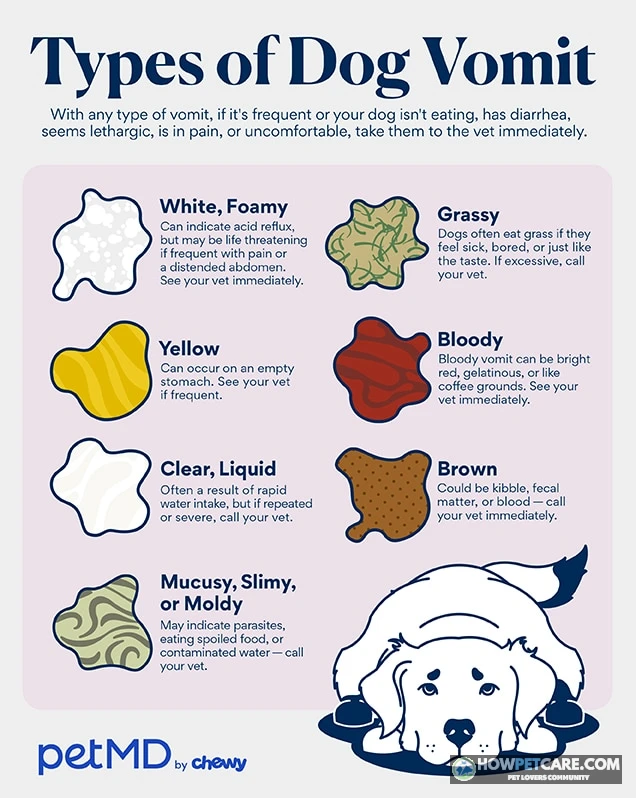
Yellow Foam, Watery Liquid, Mucus or Grass: What Each Vomit Appearance Suggests
Appearance can suggest possibilities, but it can’t confirm a diagnosis on its own. The table below compares common looks and what each may mean.
| Appearance | What it often looks like | Common possible causes | Concern level | Suggested action |
|---|---|---|---|---|
| Yellow foam | Frothy, pale yellow bubbles | Empty stomach, mild stomach irritation, bilious vomiting syndrome | Low if dog acts normal | Try feeding schedule changes; monitor |
| Watery yellow liquid | Thin, straw-colored fluid | Bile on an empty stomach, long gaps between meals | Low if single episode | Add a bedtime snack; watch for recurrence |
| Thick yellow mucus | Slimy, stringy yellow fluid | Stomach irritation, gastritis, swallowed mucus | Low to moderate | Monitor; call vet if it repeats over 24 hours |
| Yellow bile with undigested food | Food pieces in yellow fluid | Eating too fast, food intolerance, gastritis | Moderate | Slow-feed bowl or smaller meals; call vet if recurring |
| Vomit containing grass | Green blades mixed with bile or food | Grazing on an upset stomach — grass itself is not a diagnosis | Low if occasional | Monitor; check yard for chewed plants or objects |
| Vomit with fabric, plastic, string, or bone fragments | Foreign material visible in vomit | Dietary indiscretion, possible blockage | High | Call the vet the same day — blockage can be life-threatening |
| Yellow vomit with blood streaks or coffee-ground specks | Pink or red tinge or dark brown flecks | Stomach or intestinal bleeding, ulcer | Emergency | Emergency clinic now |
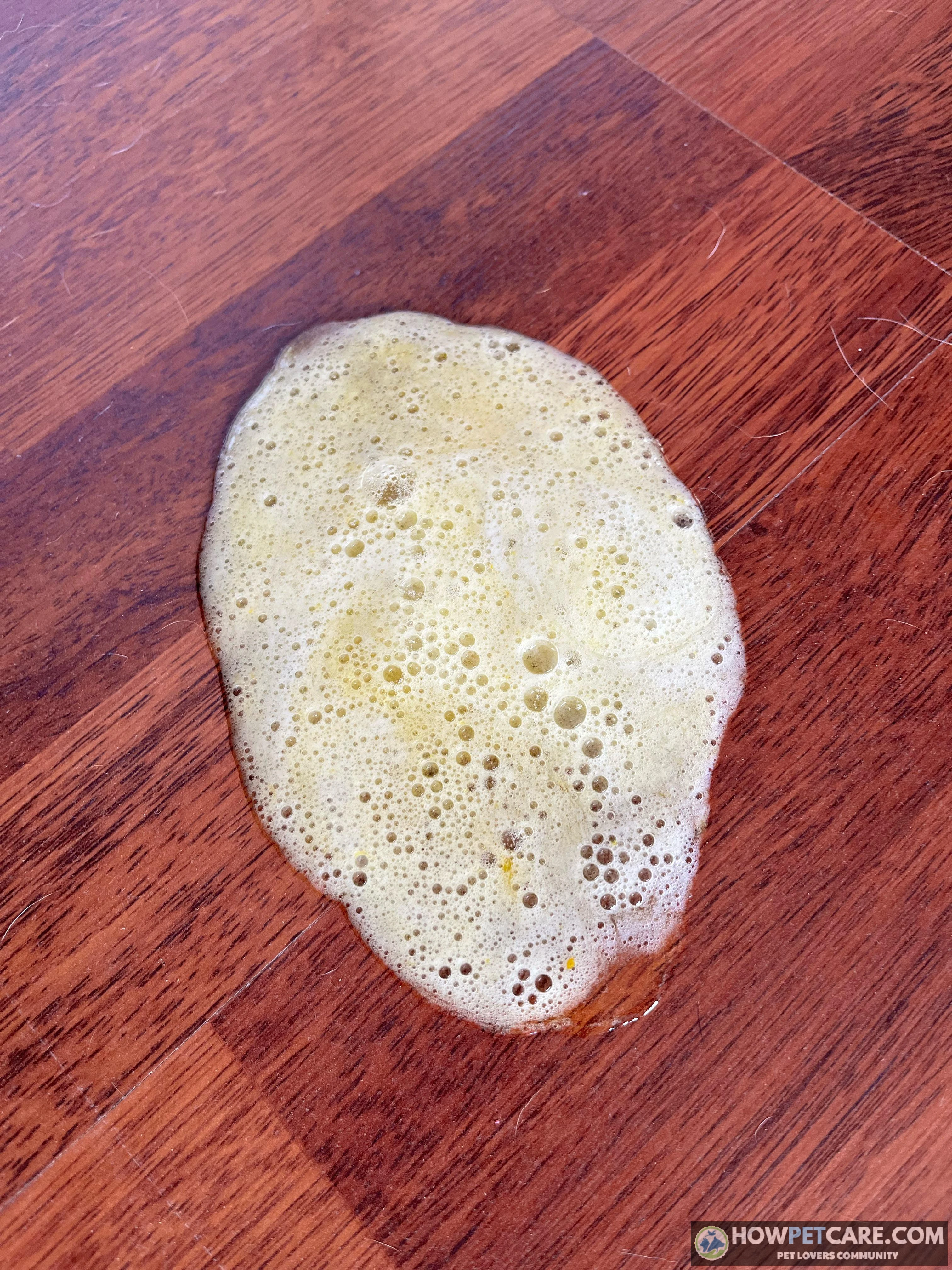
The common idea that dogs eat grass to make themselves vomit is repeated widely but is poorly supported by evidence. Finding grass in vomit is not, by itself, a diagnosis or a reason to induce vomiting.
Vomiting vs. regurgitation
Vomiting involves abdominal heaving and retching, and the material is often partially digested. Regurgitation is passive, with little or no heaving, and the food usually comes up undigested and tube-shaped. The distinction matters because regurgitation can point to esophageal problems rather than stomach irritation, and your vet will want to know which one you observed.
Why Your Dog Throws Up Yellow Bile in the Morning or at Night
A long overnight gap between dinner and breakfast is the classic setup for yellow bile vomiting. With nothing in the stomach, bile can reflux upward and cause irritation, especially if your dog is otherwise healthy. This pattern is often called bilious vomiting syndrome, or BVS.
BVS typically affects dogs that go too long without food, and the vomiting tends to happen at a predictable time, such as before breakfast or in the middle of the night. Between episodes, the dog usually eats, drinks, and acts normally.
BVS vs. pancreatitis: key differences
BVS dogs generally feel well between vomiting episodes. Pancreatitis more often brings abdominal pain, lethargy, loss of appetite, and sometimes fever. If your dog shows those signs, or if morning vomiting persists despite feeding changes, see the vet to rule out pancreatitis and other causes rather than assuming it is BVS.
Fixing Bilious Vomiting Syndrome: Snack Size, Feeding Schedule and How Long It Takes
BVS management starts with shortening the empty-stomach window. A late-evening snack is widely considered the most effective first intervention because it reduces the time the stomach sits empty overnight.
Snack size and calorie share
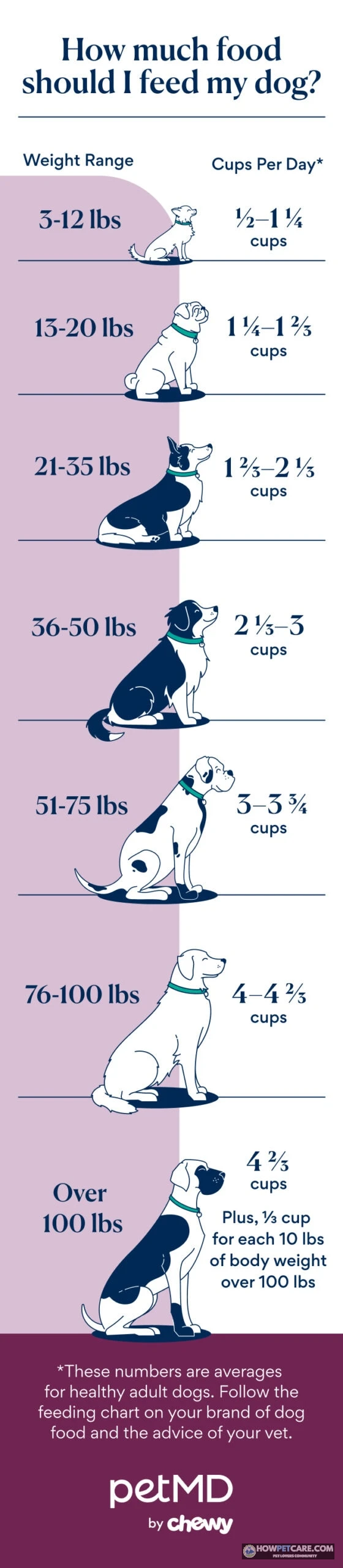
Shift roughly 10 to 25 percent of your dog’s daily calories to a bedtime snack, and reduce the evening meal by the same amount so total daily calories stay unchanged. For a typical adult dog fed twice daily, this might be a small portion of the regular kibble or a bland snack your vet approves. Avoid fatty treats late at night.
Sample 24-hour feeding schedule
For a dog fed twice a day, a workable schedule could be:
- 7:00 a.m. — breakfast, about 45 percent of daily calories
- 6:00 p.m. — dinner, about 40 percent
- 10:30 p.m. — bedtime snack, about 15 percent

For dogs prone to morning vomiting, splitting food into three or four small frequent meals—early morning, midday, early evening, and bedtime—can help even more. Puppies and toy breeds need their own schedule and should not be fasted; see the vulnerable-dogs section below.
Expected improvement timeline
Many owners see improvement within a few days to a couple of weeks of keeping the schedule consistent. If there is no improvement after about two weeks, book a vet visit to check for pancreatitis, blockage, or another condition. If vomiting returns after a missed snack, that pattern itself supports a BVS diagnosis.
Milo, a healthy 30-pound mixed breed, vomits yellow foam a few mornings a week before his 7 a.m. breakfast. His last meal is dinner at 6 p.m., leaving about 13 hours with an empty stomach. His owner shifts about 15 percent of daily calories—roughly one-third cup of his regular kibble—to a 10:30 p.m. snack and reduces dinner by the same amount. Morning vomiting stops on day 4. After two consistent weeks without an episode, the schedule is treated as the fix. If Milo had shown lethargy, belly pain, or no improvement after two weeks, the next step would be a vet visit.
Do acid reducers help BVS? Resolving the conflicting advice
You may read that acid reducers do not help BVS, and you may also see them listed as a treatment. The disagreement exists because BVS is primarily a motility and empty-stomach problem, not simple excess stomach acid, so acid reducers do not address the root cause for many dogs. Some veterinarians still prescribe them for individual cases where irritation or reflux is a factor. Do not give famotidine, omeprazole, or any human acid reducer without your vet directing the dose and product.
Home Care Step by Step: Food Break, Timed Water Plan and Restarting Meals
This protocol is for healthy adult dogs that had one or two mild vomiting episodes and remain bright, alert, and interested in food. It is not for puppies, toy breeds, seniors, diabetic dogs, or any dog with red-flag symptoms.
Hour-by-hour plan
-
Hours 0 to 2: right after vomiting
Pick up all food and withhold it for about 6 to 12 hours in a healthy adult. Keep water available, but don’t let your dog gulp a full bowl. Offer 1 teaspoon for toy or small dogs, or 1 to 2 tablespoons for medium or large dogs, every 15 to 30 minutes. Ice chips can work if your dog won’t drink.
-
Hours 2 to 6: if water stays down
Gradually increase the amount offered at each water interval, roughly doubling it while still waiting about 30 minutes between offerings. If vomiting restarts, go back to small amounts and call your vet.
-
Hours 6 to 12: if no vomiting
Offer the first small bland meal at about one-quarter of a normal meal size. If it stays down for 2 to 3 hours, offer another small bland meal. If vomiting returns, stop food and call your vet.
-
Next 24 hours
Feed 3 to 4 small bland meals instead of one or two large ones. Keep water freely available once drinking hasn’t triggered vomiting for several hours.
Water reintroduction schedule
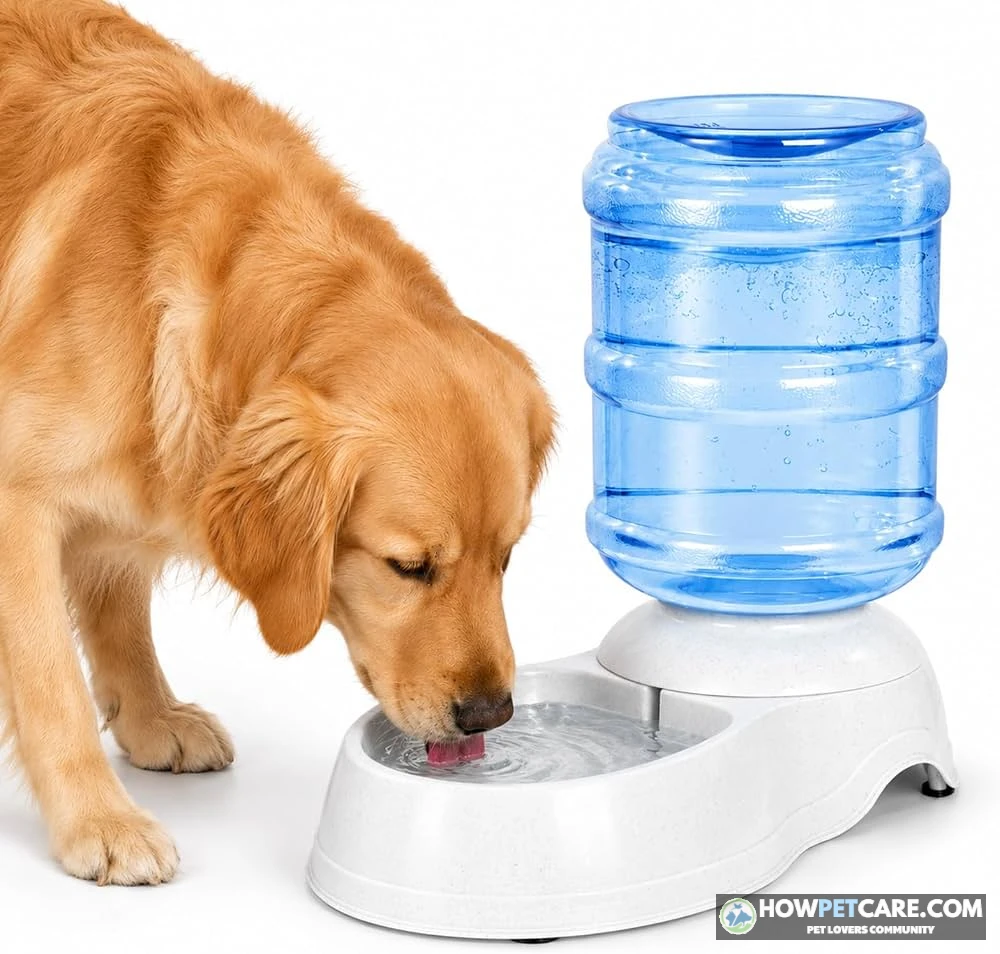
The conflicting advice about withholding water comes from two real risks: gulping a full bowl can trigger more vomiting, but withholding water entirely risks dehydration. For a healthy adult dog, do not withhold water for long. Offer small, measured amounts on a timed schedule—1 teaspoon for toy or small dogs, or 1 to 2 tablespoons for medium or large dogs, every 15 to 30 minutes—and increase only if it stays down. If your dog cannot keep even small amounts of water down, that is a reason to call the vet the same day.
Checking for dehydration
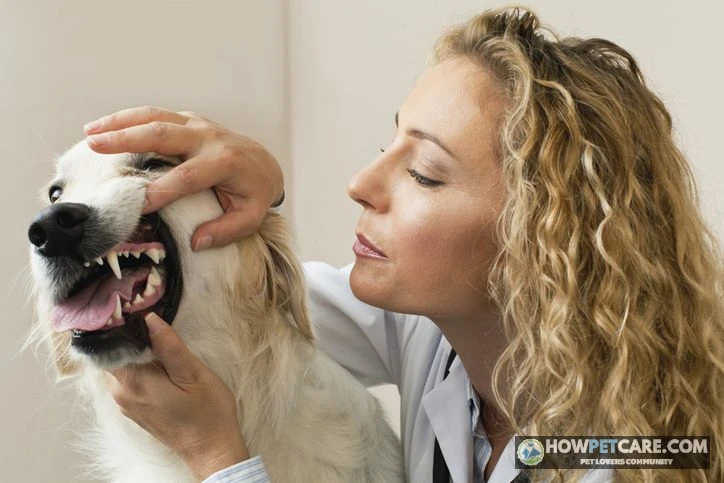
Check gums, skin, and eyes once during the food break. Gums should be moist and pink. A pinched fold of skin over the shoulder should snap back within 1 to 2 seconds. Dry or tacky gums, slow skin snap, or sunken eyes mean dehydration and warrant a vet call.
Do not give human medications such as ibuprofen, Pepto-Bismol, or omeprazole on your own. Don’t offer fatty treats to tempt appetite, and don’t force-feed a dog that is refusing food.
Bland Diet Recipe and Timeline Back to Normal Food
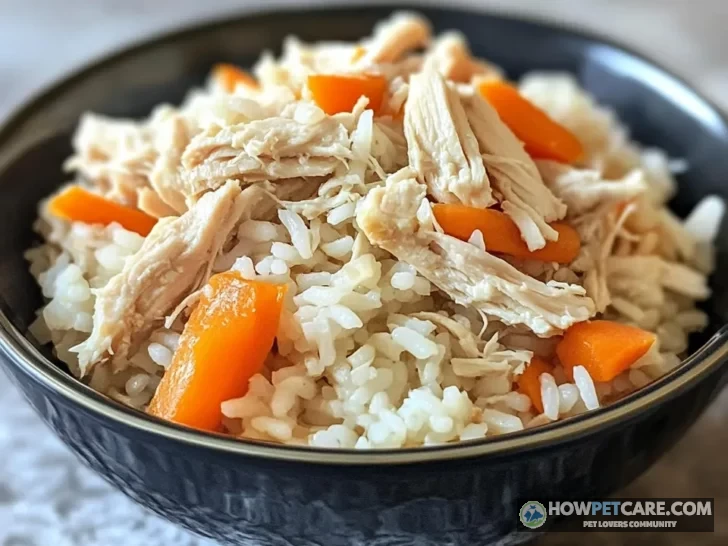
When vomiting has stopped for several hours, restart with a bland diet for your dog. The standard recipe is boiled skinless chicken breast or lean ground turkey mixed with plain white rice, commonly about 1 part protein to 2 parts rice by volume. Use no seasoning, oil, butter, onion, or garlic.
Portion guide by dog size
Start with small meals. Toy and small dogs might get 1 to 2 tablespoons per meal, medium dogs about 1/4 to 1/2 cup, and large dogs about 1/2 to 1 cup, divided into 3 to 4 small meals daily. Scale the portions to your dog’s normal daily intake rather than overfeeding after a fast.
Transition schedule back to regular food
Day 1: small bland meals only. Days 2 to 3: continue bland food if stools and appetite are normal. Then mix in regular food over about 3 to 4 days: roughly 25 percent regular food, then 50 percent, then 75 percent, then 100 percent. If you are changing to a new long-term food rather than returning to the old one, make that switch over 7 to 14 days to avoid upsetting the stomach again.
Alternatives for sensitive dogs include plain canned pumpkin, boiled potato, or a veterinarian-prescribed gastrointestinal diet. If your dog is allergic to chicken, use turkey or a vet-recommended protein instead.
Puppies, Toy Breeds, Seniors and Diabetic Dogs: Why Fasting Can Be Dangerous
Puppies and toy breeds can develop low blood sugar quickly, so withholding food is risky for them. Diabetic dogs receiving insulin need veterinary coordination before any food is skipped, because insulin without food can cause dangerous hypoglycemia. Seniors and dogs with kidney, liver, or heart disease dehydrate faster and may hide underlying illness.
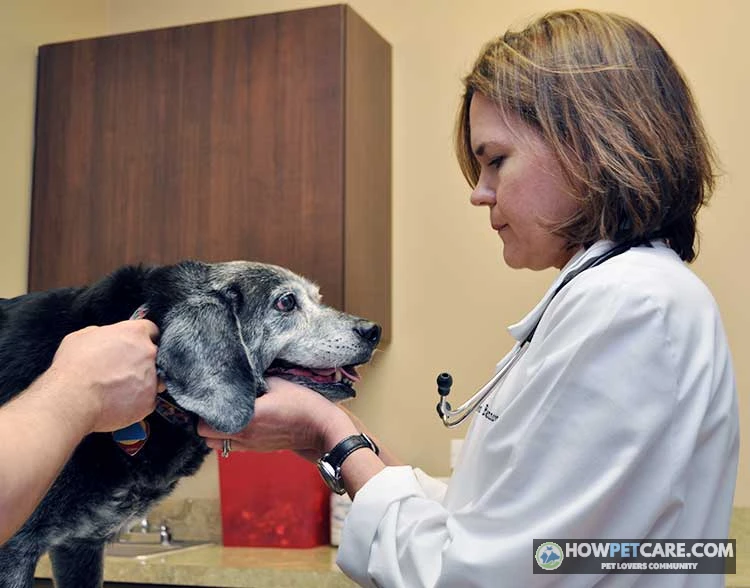
For these dogs, the threshold to seek care is lower. Call your vet the same day for repeated vomiting, any lethargy, or any vomiting in a dog that seems off, and don’t attempt a home fast without explicit veterinary guidance.
What the Vet Will Do and What It Costs
Knowing what happens at the clinic can lower the stress of a visit and help you plan for cost.
What to expect at the appointment
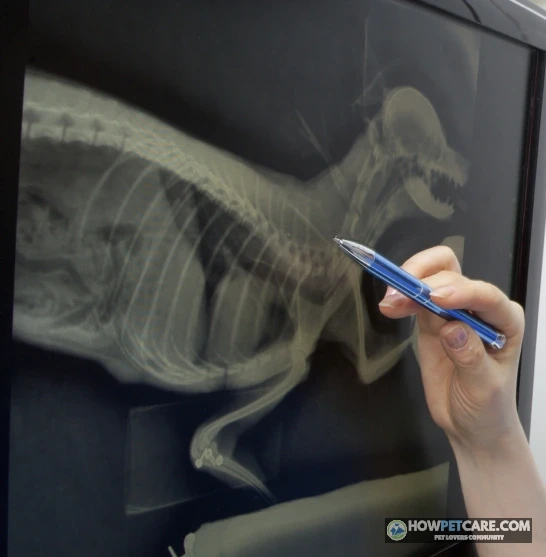
The vet will take a history, perform a physical exam, check hydration, and palpate the abdomen. Depending on findings, diagnostics may include bloodwork to check organ function and dehydration, pancreatic lipase testing for pancreatitis, X-rays or ultrasound to look for blockages, and fecal tests for parasites. Treatments range from anti-nausea medication and fluids to diet changes, hospitalization, or surgery for a foreign-body obstruction.
Cost ranges at a glance
These are broad U.S. ranges to help you plan. Actual prices vary widely by region, clinic type, and dog size, so always ask for a written estimate before approving diagnostics.
| Service | What it checks or treats | Estimated cost range | Notes |
|---|---|---|---|
| Physical exam | Hydration, abdomen palpation, overall condition | $50 to $150 | Emergency clinics often charge more for the exam alone |
| Bloodwork | Dehydration, organ function, infection | $100 to $250 | Often the first test for ongoing vomiting |
| Pancreatic lipase test | Pancreatitis | $75 to $150 | May be add-on to bloodwork |
| X-rays | Blockages, foreign objects, gas patterns | $150 to $400 | Contrast study adds cost if needed |
| Ultrasound | Organs, intestinal walls, subtle blockages | $300 to $600 | Often requires a specialist or referral |
| Fecal test | Parasites, GI inflammation | $25 to $75 | Cheap and quick to rule out |
| Fluids and anti-nausea medication | Dehydration, symptom relief | $100 to $400 | Common same-day treatment for mild cases |
| Emergency visit plus hospitalization per day | Monitoring, IV fluids, supportive care | $500 to $1,500 or more | Severe cases; multi-day stays add up fast |
| Surgery for foreign-body obstruction | Removal of blockage | $1,500 to $4,000 or more | Includes anesthesia, hospitalization, aftercare |
Emergency care can reach $1,500 or more, and delaying care for red-flag symptoms typically raises the final bill because a dehydration case caught early is cheaper than a blockage caught late. Ways to manage cost include asking the vet to stage diagnostics from cheapest to most likely, requesting an itemized estimate, and mentioning pet insurance or payment plans before treatment.
Your Next Steps: A Tonight Checklist and When to Escalate
Use this checklist tonight if your dog has had a mild yellow vomit episode.
- Check for red flags: blood, coffee-ground material, repeated vomiting, swollen or painful belly, unproductive retching, pale gums, lethargy, or suspected toxin ingestion. If any are present, go to a vet now.
- If your dog is an otherwise healthy adult acting normally, start the timed water plan and short food break described above.
- Record the time, appearance, and frequency of vomiting, plus anything your dog may have eaten.
- Reintroduce bland food in small portions only after several hours without vomiting.
- Watch for 24 hours. Escalate to the vet if vomiting continues past the first day, returns when food restarts, or your dog shows lethargy, blood, or no improvement.
Prevention going forward means keeping a consistent feeding schedule, splitting meals for dogs prone to empty-stomach vomiting, securing trash and toxins, and booking a vet visit if morning bile vomiting becomes a recurring pattern. When in doubt, a quick phone call to your vet costs little and can rule out an emergency.
FAQ
Why is my dog throwing up yellow but acting normal?
Often the stomach is empty and bile has irritated it, as in hunger vomiting or bilious vomiting syndrome. If it happens once and your dog stays bright, eating and drinking, monitoring is usually reasonable, but recurring episodes deserve a vet check.
Is yellow vomit worse than white foam?
Not necessarily. Both usually mean an empty or irritated stomach, and color alone doesn’t tell you how serious the cause is. Repeated vomiting, lethargy, pain, or blood matter much more than the color.
Can I give my dog Pepcid or an antacid for yellow vomit?
Only if your vet approves and gives the dose. Some vets use acid reducers, but evidence for helping bilious vomiting is mixed, and some human antacids and combination products can be unsafe for dogs.
What does it mean if my dog is vomiting yellow and has diarrhea?
It often points to gastrointestinal upset such as dietary indiscretion, infection, or gastritis. Because fluid loss from both ends causes dehydration quickly, call your vet the same day, especially for puppies, small dogs, or seniors.
Can stress or a change in food cause a dog to throw up yellow bile?
Yes, stress, abrupt diet changes, and long gaps between meals can irritate the stomach and trigger bile vomiting. Keep feeding times consistent and change foods gradually over several days.