
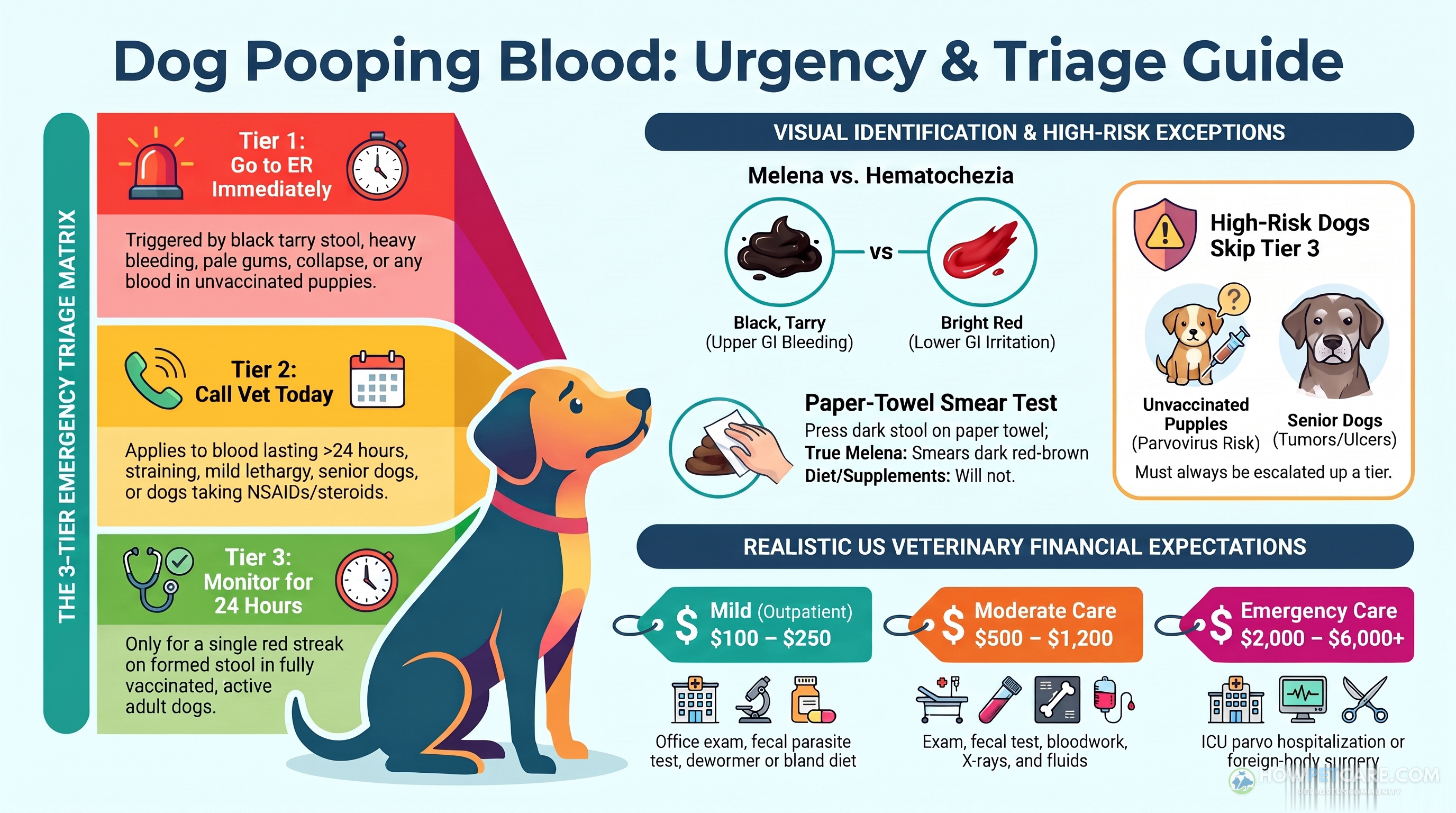
Blood in a dog’s stool falls into three urgency tiers:
- Go to the ER now: black tarry stool, stool that is mostly blood, repeated vomiting, pale gums, collapse, rat poison or foreign-object exposure, or any blood in an unvaccinated puppy.
- Call your vet today: blood on two or more stools, blood lasting over 24 hours, straining, mild lethargy, a senior dog, or a dog on NSAIDs or steroids.
- Monitor 24 hours: one small streak of bright red blood on formed stool in a bright, eating, vaccinated adult dog with a plausible trigger like a diet change.
Is Your Dog Pooping Blood an Emergency? The Three-Tier Decision Matrix
A single streak of bright red blood in an otherwise bright, eating, vaccinated adult dog can usually be watched for 24 hours with a vet call as backup. Black tarry stool, large amounts of blood, or blood paired with weakness means an ER visit. These thresholds are general guidance reviewed by our veterinarian and don’t replace an exam.
Go to the ER now: the red-flag list
If your dog shows any of the following, go to an emergency clinic immediately:
- Black, tarry, sticky stool (melena) or stool that’s mostly blood
- Multiple clots or raspberry‑jam bloody diarrhea
- Bloody diarrhea three or more times within a few hours
- Repeated vomiting, such as throwing up yellow bile
- Pale or white gums
- Collapse, extreme weakness, or a swollen, painful abdomen
- Known exposure to rat poison or a foreign object (e.g., sock, corn cob)
- Any bloody stool in an unvaccinated or partly vaccinated puppy
Call your vet today: the middle tier most pages skip
If your dog has:
- Bright red streaks or a coating of blood on formed stool, or blood mixed with mucus
- Straining during defecation
- Blood on two or more bowel movements, or any blood lasting longer than 24 hours
- Softer stool with reduced appetite or mild lethargy
- A senior dog with new blood
- Dogs currently taking NSAIDs or steroids
Book a same‑day appointment or request phone triage, and bring a fresh stool sample.
Monitor for 24 hours: who qualifies and who does not
You may monitor at home only if all of the following are true:
- One small streak or coating of bright red blood on otherwise formed stool
- A single episode (no recurring blood)
- Normal energy, eating and drinking, with no vomiting
- Up‑to‑date vaccines
- A plausible trigger such as a recent diet change, table scraps, boarding stress, or a chew item
If any of these conditions change — blood recurs, volume increases, appetite or energy drops, vomiting starts, or 24 hours pass without improvement — move up a tier right away.
Unvaccinated puppies and senior dogs move up a tier
- Unvaccinated or partly vaccinated puppies: any amount of blood, especially if accompanied by vomiting or weakness, should be treated as an emergency because of the high risk of parvovirus.
- Senior dogs: new blood, even if the dog seems normal, warrants a same‑day vet call; senior dogs are at higher risk for tumors, chronic inflammatory disease, and medication‑related ulcers.
Can a telehealth or phone triage call help decide?
A phone or telehealth consultation can help you decide whether an emergency visit is needed tonight, but it cannot replace an in‑person exam, fecal test, or imaging. Use it to:
- Describe the stool appearance, frequency, and any other symptoms.
- Share the dog’s age, vaccine status, and any known exposures.
- Get a clear recommendation: ER now, call today, or monitor 24 hours.
If the triage suggests emergency care, go to the ER immediately; if it suggests monitoring, follow the 24‑hour protocol below.
What Blood in Dog Stool Looks Like: Bright Red, Mucus, Clots, and Black Tarry Stool
Bright red blood (hematochezia) usually comes from the colon or rectum. Black, tarry, sticky stool (melena) signals digested blood from the stomach or small intestine and is more urgent. Press a white paper towel or tissue onto the stool: true melena smears dark red‑brown and feels sticky like tar, while stool darkened by bismuth products, iron supplements, or diet won’t smear that way. Also rule out look‑alikes like red‑dyed treats, beets, tomato products, and certain medications.

Bright red blood (hematochezia): lower GI source
Black tarry stool (melena): upper GI source
Mucus, jelly-like coating, and clots: what each suggests
Dog Pooping Blood but Acting Normal: How Worried Should You Be?
Many dogs with colitis, a diet change, or mild parasites keep eating, playing, and behaving normally, so a normal demeanor is reassuring but not conclusive. Check these criteria to define “acting normal”:
- Normal appetite and water intake
- Normal energy and playfulness
- Pink, moist gums
- Soft, non‑painful belly
- Only one or two small episodes of blood
Even when a dog appears normal, underlying issues like intestinal parasites, early colitis, a slow GI bleed, or other dog digestive problems can be present. Recurrence of blood on two or more consecutive stools, or any blood lasting beyond 24 hours, should prompt a vet call and a fresh stool sample.

Timing rule: if blood appears once and stops, monitor and log it. If it appears on two or more consecutive stools or persists beyond 24 hours, bring in a fecal sample and book a same‑day or next‑day appointment. Exceptions where “acting normal” shouldn’t reassure you include unvaccinated puppies, dogs that have ingested toxins or foreign objects, black tarry stool, and dogs on NSAIDs.
Why Is My Dog Pooping Blood? Common Causes, Ranked by Likelihood and Seriousness
In healthy adult dogs, the most common causes are dietary indiscretion, a sudden diet change, stress colitis, and mild gastroenteritis — these usually resolve within a few days. A rich or fatty meal can also trigger pancreatitis in dogs, which may add vomiting and belly pain to bloody stool. But several other common conditions need veterinary treatment:
- Intestinal parasites (hookworms, whipworms, Giardia, coccidia) – can cause intermittent bright red blood, especially in dogs with recent outdoor exposure.
- Infections (bacterial overgrowth, parvovirus, hemorrhagic gastroenteritis) – parvovirus is especially dangerous in unvaccinated puppies; HGE presents with large amounts of bright red blood and vomiting.
- Anal gland and rectal causes – blood on the surface of a formed stool with straining or scooting often points to irritated anal glands, perianal tears, or rectal polyps.
- Urgent causes – parvovirus (unvaccinated puppies), foreign body or intestinal obstruction, toxin exposure (rodenticide), NSAID‑related ulcers, clotting disorders, and intussusception.
Puppies face higher risk for parasites, parvo, and dietary indiscretion (including eating things they shouldn’t). Senior dogs are more likely to develop tumors, chronic inflammatory bowel disease, or medication‑related bleeding, so new blood in a senior dog warrants a prompt vet visit rather than a wait‑and‑see approach.
What to Do Right Now at Home (and What Never to Give)
Hydration and gum checks you can do in 30 seconds
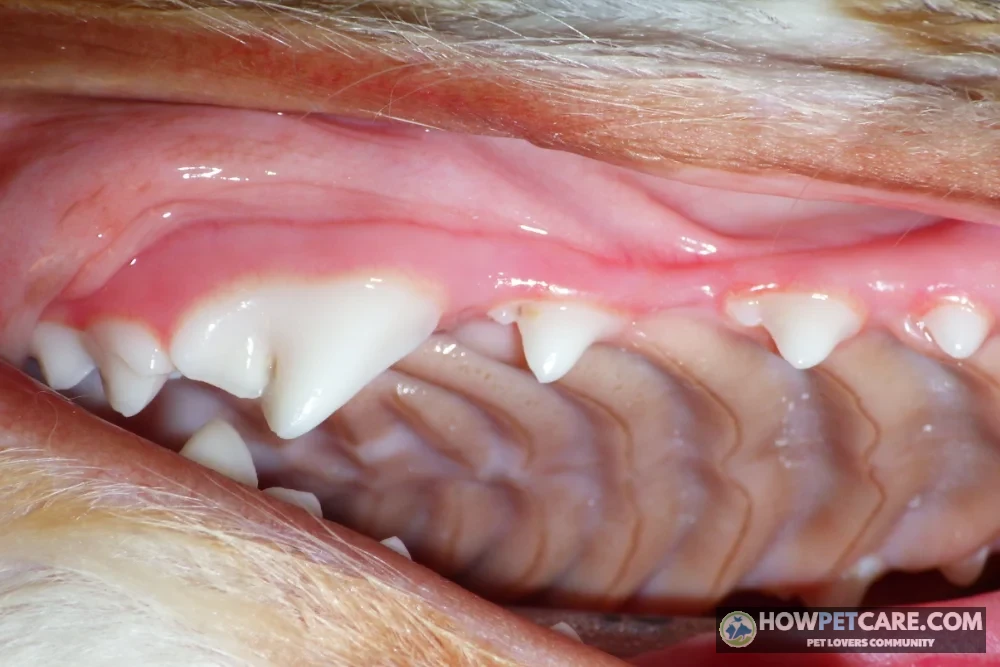
- Check the gums: they should be pink and moist. Press the skin on the back of the neck; it should snap back within 1–2 seconds. Tacky gums, sunken eyes, or slow skin return signal dehydration and move the dog to the call‑today or go‑now tier.
Should you withhold food? Water and feeding rules by dog type
- Healthy adult dog: a short rest from solid food (roughly 12 hours) is a common vet suggestion. Do not fast puppies, toy breeds, diabetic dogs, or seniors without veterinary guidance.
- Water: keep fresh water available at all times. If the dog is also vomiting, offer small, frequent sips rather than a full bowl; never force water or food.
Bland‑diet quick protocol
- After the short fast, follow a bland diet for dogs — plain boiled chicken breast and white rice in small, frequent meals (3–4 times per day) for 2–3 days. Gradually mix in the regular food over several days.
- A spoonful of plain canned pumpkin may help firm the stool, but it does not treat the underlying cause.

Do not give: risky remedies and medications
Never give ibuprofen, naproxen, or aspirin; loperamide (Imodium) or other antidiarrheals without veterinary approval (dangerous in breeds with the MDR1 mutation and with infectious causes); Pepto‑Bismol (can mask melena and contains a salicylate); leftover antibiotics; or fatty foods and bones.
Set a hard review point
Re‑check at 12 and 24 hours using the triage matrix. Any new vomiting, drop in energy or appetite, more blood, or a second bloody stool means call the vet today.
Before You Go: The Pre-Visit Checklist for Bloody Stool
- Stool photos: every episode, in natural light, with a coin or hand for scale. Capture color, mucus, and clots; the trend matters more than a single image.
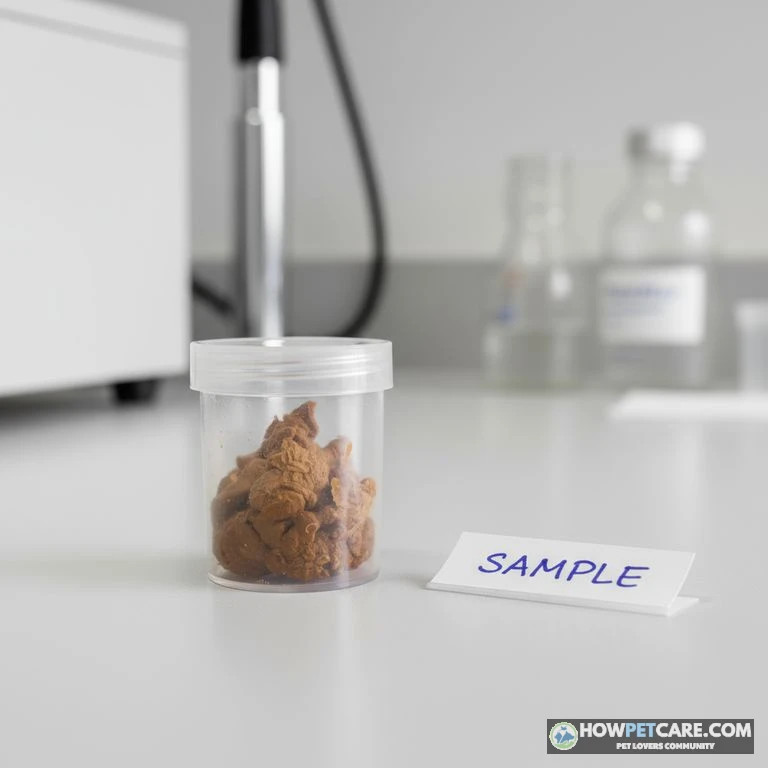
- Fresh stool sample: collected within ~12 hours, sealed in a clean bag or container, refrigerated, and kept free of dirt and grass.
- Symptom timeline: fill in before you leave:
- First blood seen: date/time __
- Number of episodes: __
- Volume per episode: streak, coating, mixed in, or mostly blood
- Vomiting? yes / no — how many times __
- Appetite and energy today vs. normal: __

Photos, a fresh sealed sample, and a timeline make the vet visit more useful. (Source: kintekdetection) - Diet and access log: new food or treats, table scraps, chews, bones, trash raids, plants, and any possible access to rat poison, socks, toys, or corn cobs.
- Medication list: all drugs and supplements, especially NSAIDs and steroids, plus vaccination and deworming dates.
- Call ahead if parvo is possible: for unvaccinated or partly vaccinated puppies, many clinics will meet you at the car to avoid spreading the virus.
- Note health history: breed, age, and chronic conditions (Addison’s, kidney, or liver disease) affect which tests the vet will prioritize.
Vet Diagnosis, Treatment, and What It Will Cost in the US
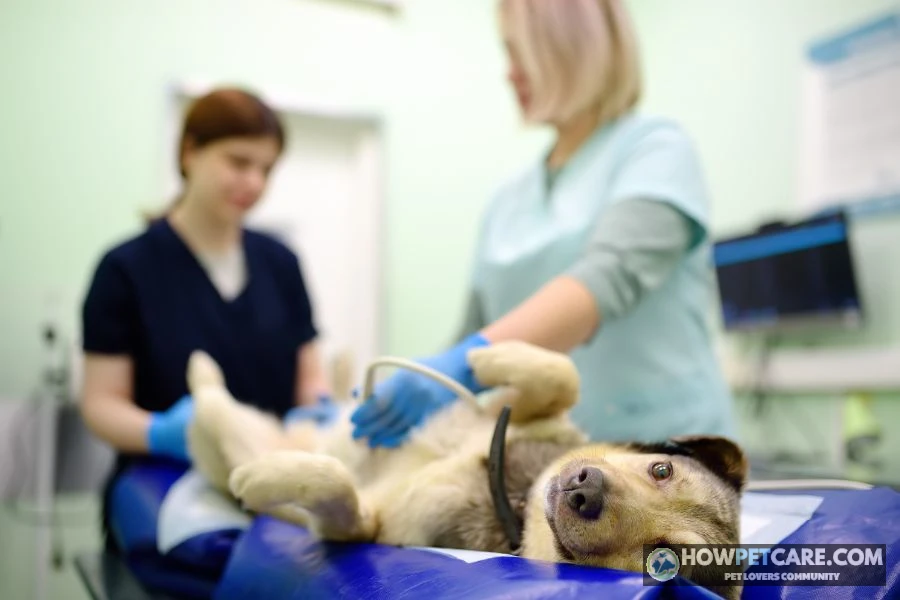
What tests the vet will likely run and why
The diagnostic process usually follows this order:
- Physical exam and history – to assess hydration, pain, and overall condition.
- Fecal flotation and parasite screen – almost always performed for bloody stool.
- Parvo SNAP test – indicated for puppies or dogs with recent exposure to parvovirus.
- Bloodwork (CBC + chemistry) – used for recurrent blood, lethargy, senior dogs, or before any surgical plan.
- X‑rays – if a foreign body or obstruction is suspected.
- Ultrasound – for chronic cases, intussusception, masses, or when X‑rays are inconclusive.
- Endoscopy – reserved for chronic or complicated cases where mucosal disease is suspected.
Common treatments by cause
- Parasites: dewormers (e.g., fenbendazole, milbemycin) for hookworms, whipworms, Giardia, or coccidia.
- Colitis or dietary indiscretion: bland diet (boiled chicken and rice) or a prescription GI diet; anti‑inflammatory medication only if inflammation is confirmed.
- Hemorrhagic gastroenteritis (HGE): aggressive fluid therapy (intravenous or subcutaneous), anti‑nausea meds, and supportive care; most dogs recover within 2–4 days.
- Parvovirus: hospitalization with IV fluids, antibiotics, and intensive monitoring; recovery typically takes about a week or longer.
- Foreign body or obstruction: surgical removal under anesthesia; postoperative care includes restricted activity and a gradual diet transition.
- NSAID‑related ulcers: gastroprotective agents (e.g., sucralfate) and fluid therapy; discontinue NSAIDs if possible.
US cost ranges: visit, fecal, parvo and Giardia tests, bloodwork, imaging, treatment
| Service or treatment | Typical US price range | When it is used | Notes on what changes the price |
|---|---|---|---|
| Office exam (general practice) | $50–$100 | Every visit | ER exam fees run $150–$300 |
| Fecal flotation / parasite screen | $25–$55 | Almost always for bloody stool | Giardia add‑on test: +$30–$60 |
| Parvo SNAP test | $50–$100 | Unvaccinated puppies or at‑risk dogs | Done in‑clinic, results in minutes |
| CBC + chemistry bloodwork | $100–$250 | Recurrent blood, lethargy, senior dogs, pre‑surgery | Larger panels cost more |
| X‑rays | $150–$400 | Suspected foreign body or obstruction | Multiple views or sedation add cost |
| Ultrasound | $300–$600 | Chronic cases, intussusception, masses | Often requires a specialist |
| Outpatient fluids + anti‑nausea meds | $100–$300 | Mild gastroenteritis, early dehydration | Subcutaneous fluids are cheapest |
| Hospitalization (per day) | $500–$1,500 | HGE, parvo, post‑surgery | ICU‑level care runs higher |
| Parvo treatment (total) | $1,500–$5,000 | Confirmed parvovirus | Depends on days hospitalized |
| Foreign‑body surgery | $2,000–$5,000+ | Intestinal obstruction | Complexity and ER timing drive cost |
Three realistic scenarios
- Mild (outpatient): exam + fecal + medication ≈ $100–$250
- Moderate: exam + fecal + bloodwork + X‑rays + fluids ≈ $500–$1,200
- Emergency: parvo hospitalization or obstruction surgery ≈ $2,000–$6,000+
Managing the bill without delaying care
- Ask for an itemized estimate before approving tests.
- When the dog is stable, the exam plus a fecal is a reasonable first step.
- A telehealth or phone triage call (often $30–$75) can tell you whether the ER is needed tonight — but it cannot run a fecal, perform a rectal exam, or take X‑rays, so blood that persists or comes with red flags still needs an in‑person visit.
- CareCredit, clinic payment plans, and pet insurance (illness coverage after waiting periods; pre‑existing conditions are excluded) can spread or offset costs.
How Long Does Bloody Dog Stool Last? Recovery Timelines and Red Flags
Typical timelines by cause
- Mild dietary upset or stress colitis: improvement usually within 24–72 hours.
- Parasite‑related blood: often improves within several days of appropriate deworming.
- Hemorrhagic gastroenteritis (HGE): most dogs feel better within 2–4 days with fluids and supportive care.
- Parvovirus: recovery commonly takes about a week or more, frequently requiring hospitalization.
- Foreign‑body surgery: postoperative recovery may be 1–2 weeks, depending on the procedure.

Normal recovery looks like
Blood decreases in amount and frequency, stool firms, appetite returns, and energy normalizes within the expected window for the underlying cause.
Red flags during recovery that mean going back in
- Blood persisting beyond 3–5 days or returning after initial improvement
- Appearance of black tarry stool
- Vomiting restarting
- Refusal to eat or drink for more than 24 hours
- Lethargy, weight loss, or signs of dehydration
- Straining without producing stool
Follow‑up care
- Finish all prescribed medications, even if the dog looks better.
- Provide a recheck fecal sample if the vet requests one (parasite treatment often needs repeating).
- Re‑introduce normal food gradually over several days.
- Recurrent episodes over weeks, especially in middle‑aged or senior dogs, call for a work‑up for chronic causes such as inflammatory bowel disease, food sensitivity, or tumors.
Your Next 60 Minutes: A Decision Checklist for Bloody Stool
- Check gums, energy, and breathing – look for pale gums, slow skin return, rapid breathing.
- Classify the stool using the appearance guide; match what you see to the likely source.
- Match to the triage matrix – ER now, call today, or monitor 24 hours.
- Photograph and collect a fresh sample; note time, color, amount, and any other symptoms.
- Call the vet or ER – use this script:
- Dog’s age, vaccine status, and breed
- Description of stool (color, consistency, blood amount)
- Number of episodes and timing
- Other symptoms (vomiting, lethargy, weakness)
- Possible ingestions (toys, plants, toxins)
If anything changes during the 12‑ or 24‑hour monitoring window, repeat the checklist and move up a tier as needed.
Vet‑reviewed and medically accurate as of November 2026.
If you are ever unsure, err on the side of calling your veterinarian or going to an emergency clinic.
Remember: this guide supports, and does not replace, a professional veterinary exam.
FAQ
Can stress cause blood in a dog’s stool?
Yes. Stress colitis, triggered by boarding, travel, or household changes, can cause soft stool with mucus and streaks of bright red blood. If blood continues for more than 24 hours or the dog seems unwell, a vet should rule out parasites and infection.
Why is there blood on the outside of my dog’s stool after straining?
Bright red blood on the surface of a formed stool, especially with straining or scooting, often points to the rectum or anal area, such as irritated anal glands or a small tear. It is usually less urgent than black tarry stool, but a vet should check it if it recurs.
Is bloody dog stool contagious to other pets or people?
It can be, depending on the cause. Parvovirus spreads between dogs, and Giardia and hookworms can pass to other pets and, less commonly, to people, so wash your hands, pick up stool promptly, and keep unvaccinated dogs away until a vet identifies the cause.
Will pet insurance cover bloody stool?
Most accident-and-illness plans cover diagnostics and treatment for a new illness once the waiting period has passed. Pre-existing conditions are usually excluded, so check your policy’s waiting period and exclusions before relying on it.
Should I collect a stool sample even if the bloody stool has stopped?
Yes, if the sample is fresh (ideally under 12 hours old) and kept sealed and refrigerated. A fecal exam can still detect parasites even after the blood has stopped, and a photo of the stool helps the vet if no sample is available.