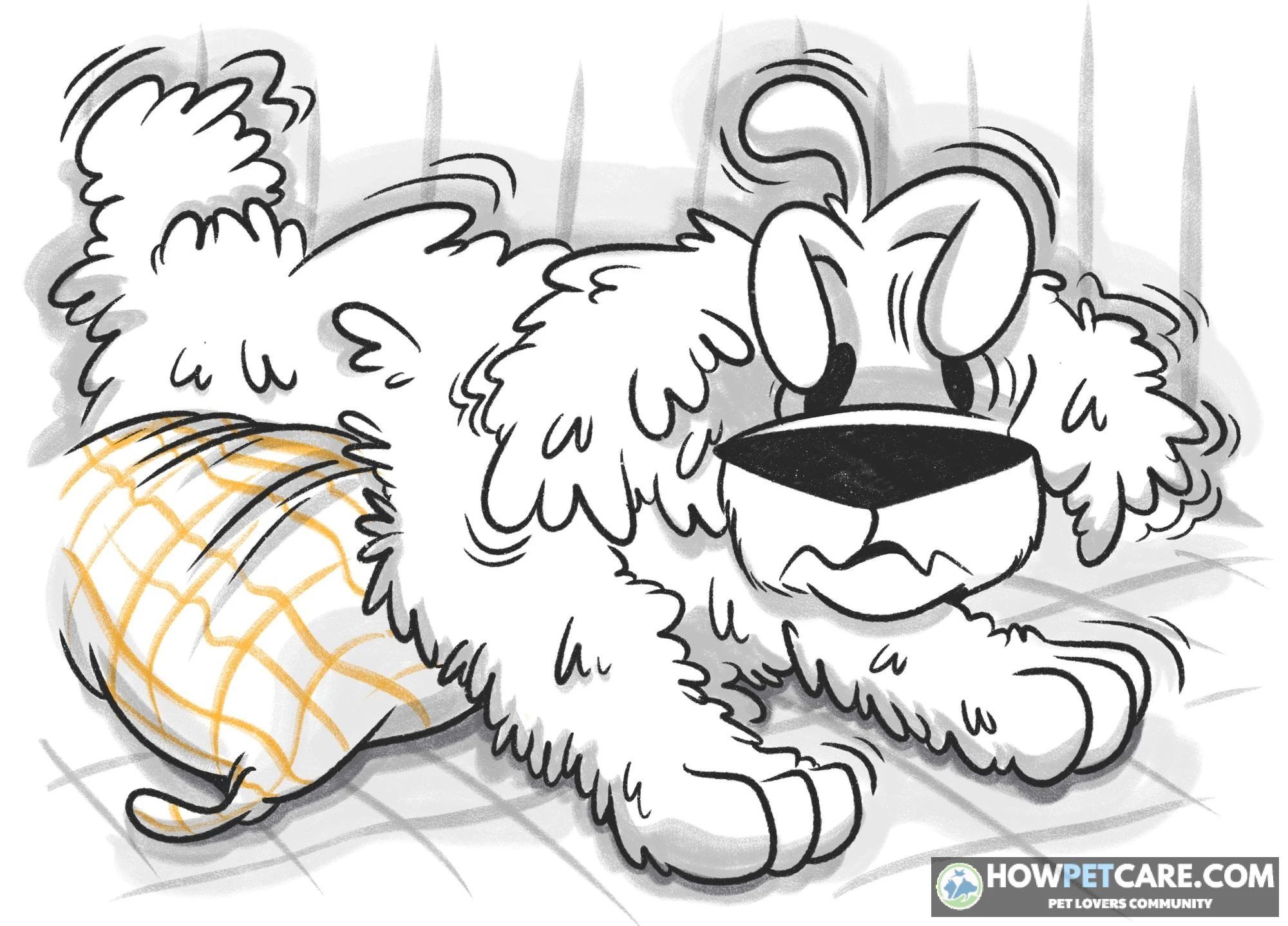

Ataxia in dogs is a loss of coordination caused by disrupted communication between the brain and body. It appears as swaying, stumbling, head tilting, circling, or falling, and it signals an underlying problem — often involving the inner ear, brain, or spinal cord — that needs prompt veterinary assessment.
If your dog is suddenly stumbling, swaying, tilting their head, or falling, contact a veterinarian promptly. Ataxia is a sign of impaired coordination, not a diagnosis, and its cause may need urgent treatment. Go to an emergency clinic now if your dog cannot stand, is collapsing, having a seizure, struggling to breathe, becoming unresponsive, in severe pain, or may have encountered a toxin. While you arrange care, keep your dog away from stairs and support them during transport. Don’t give human medication or induce vomiting unless a veterinarian tells you to.
Ataxia describes difficulty coordinating movement when communication between the brain and body is disrupted. Problems involving the inner ear, brainstem, brain, or spinal cord can cause it. A dog with ataxia may be alert and trying to walk, but unable to control their steps well. Weakness can occur at the same time, so appearance alone can’t identify the cause.
Is Your Dog’s Loss of Coordination an Emergency?
New or unexplained loss of coordination deserves veterinary advice. Sudden onset can have many causes; the timing alone doesn’t tell you which one is responsible. If signs are severe, worsening, or accompanied by other concerning changes, don’t wait to see whether they pass.
Go to an emergency vet now
Seek emergency veterinary care now if your dog has any of these signs:
- Cannot stand or walk, or suddenly collapses.
- Has a seizure, repeated shaking episodes, or an episode that is still happening.
- Seems confused, unresponsive, unusually dull, or doesn’t respond normally to you.
- Has trouble breathing or pale or blue-tinged gums.
- Cries out in pain, holds the neck rigid, or yelps when touched.
- May have eaten a toxin or medication, such as antifreeze, a pesticide, marijuana, a human drug, or moldy food.
- Develops sudden neurological signs that worsen over minutes or hours.
- Vomits repeatedly or cannot keep water down along with the wobbling.

If possible, call the emergency clinic on your way. A suspected toxin exposure calls for prompt veterinary or poison-control guidance, even if your dog still seems alert. Don’t try to make your dog vomit unless a veterinary professional directs you to do so.
Call your vet promptly for mild or stable signs
If the wobbling is mild and your dog remains bright, responsive, and able to eat and drink, call your regular veterinarian the same day for guidance. Stable signs still need assessment: some causes require treatment, and a dog can worsen after initially mild symptoms. A senior dog with a new, mild sway also needs veterinary advice. Don’t assume it’s simply aging.
While arranging care, keep your dog on one level and, if needed, use a towel under the belly as a support sling for short moves. Bring medication details or packaging from a possible exposure. When in doubt, choose urgent veterinary assessment over home monitoring.
What Ataxia Looks Like: Symptoms and Gait Changes
A coordinated dog places each foot deliberately and can adjust their stride to the ground. A dog with a gait abnormality may sway, stumble, cross their legs, spread them unusually wide, drag or scuff their paws, or fall while trying to walk. Some dogs take exaggerated high steps; others veer or lean to one side. These signs can reflect incoordination, weakness, pain, or a combination.
Balance-system problems may also cause a head tilt, circling, nausea, or nystagmus—uncontrolled, repeated eye movements. A dog may seem frightened because the room or their own body feels unstable. Not every dog shows every sign, and these observations can’t establish a diagnosis.

If it’s safe, take a short video from the front and side while your dog walks a few steps on a non-slip surface. Don’t make a wobbly dog walk for a recording. Note when the signs began, whether they’re changing, recent illness or injury, medications and doses, and any possible toxin exposure. These details can help your veterinarian assess what’s happening.
The Three Types of Ataxia in Dogs
Veterinarians describe three broad patterns based on which part of the nervous system may be affected: proprioceptive (sensory), vestibular, and cerebellar ataxia. The patterns help guide an examination, but signs overlap, and owners can’t reliably locate the problem at home.
| Type | Nervous-system site | Hallmark signs | Common causes | Prognosis considerations |
|---|---|---|---|---|
| Proprioceptive (sensory) | Spinal cord or nerve pathways that tell the brain where the limbs are | Paw scuffing or dragging, crossing legs, delayed paw placement, knuckling, or a wide stance | Spinal cord disease, injury, disc problems, or degenerative conditions | Depends on the cause and severity; some causes can be treated, while some degenerative diseases progress |
| Vestibular | Balance system in the inner ear or brainstem | Head tilt, leaning or falling to one side, circling, nystagmus, nausea, or vomiting | Inner ear infection, idiopathic vestibular disease, medication toxicity, or disease affecting the brain | Depends on the underlying cause; some vestibular problems improve, while others need specific treatment or have a guarded outlook |
| Cerebellar | Cerebellum, which fine-tunes movement | Exaggerated high steps (hypermetria), overshooting a movement, or tremor that becomes more apparent when reaching | Inherited or degenerative disease, inflammation, tumors, or some toxins | Varies; some conditions remain stable, while inherited degenerative forms may progress |
Sensory or proprioceptive ataxia involves impaired awareness of limb position. A dog may place a paw incorrectly or drag it because the brain isn’t receiving or processing movement information normally. Vestibular ataxia involves the balance system. An inner ear infection is one possible cause, but a head tilt doesn’t prove the ear is the source. Cerebellar ataxia affects the part of the brain that fine-tunes movement. Hypermetria, sometimes described as a goose-stepping gait, and intention tremors can occur.

The prognosis column is intentionally broad. A neurological examination and appropriate tests are needed to identify the cause and discuss what recovery might look like for an individual dog.
Causes of Ataxia: Sudden Illness, Medication and Age
Possible causes include inner ear disease, spinal cord disease, inflammation or infection, injury, tumors, fluid buildup on the brain, metabolic problems, and toxicity. Canine distemper and thiamine deficiency are among the conditions associated with neurological signs, including ataxia. A sudden problem can cause a sudden loss of balance, but timing alone doesn’t identify the cause. A veterinarian needs to assess the whole clinical picture.
Can gabapentin or metronidazole make a dog wobbly?
Yes. Gabapentin can cause sleepiness or unsteadiness in some dogs, and metronidazole toxicity can cause neurological signs, including ataxia. The relationship may depend on the medication, dose, duration, and the individual dog. Report wobbling that starts after a new medicine or dose change, but know that timing alone doesn’t prove the drug is responsible.
Call the prescribing veterinarian promptly with the medication name, dose, schedule, when treatment began, and when the wobbling appeared. Don’t stop or change a prescribed medication without veterinary advice. If your dog has severe signs or a possible overdose, seek emergency guidance now. The veterinarian can decide whether to adjust a dose, stop or change a drug, or pursue another evaluation. Improvement after a veterinarian-directed change varies with the cause and the dog’s condition.

Other medications and exposures can also affect coordination. Bring the packaging or a complete medication list to the appointment, including supplements and products prescribed by another clinic.
Senior dogs, inherited conditions and age of onset
A senior dog that suddenly becomes wobbly may have idiopathic geriatric vestibular disease—a balance problem with no identified cause—but don’t assume that’s the cause without an examination. Inner ear disease, medication effects, and problems in the brain can produce overlapping signs. A vet can assess for other causes and discuss whether testing is warranted. Some idiopathic vestibular cases improve, but the outlook depends on the diagnosis.
Inherited ataxias can appear at particular ages in predisposed breeds. For example, late-onset spinocerebellar ataxia (LoSCA) associated with a CAPN1 gene mutation has been described in Russell Terriers, with reported onset from 6 to 12 months. That doesn’t mean a wobbly terrier has LoSCA; breed and age are only part of a veterinary assessment. Some inherited or degenerative conditions are progressive and have no cure, while other causes may be treatable.

Ataxia vs. Seizure vs. Stroke: What Owners Can Observe
A dog that stumbles while remaining awake may look different from a dog having a partial or subtle seizure, but events don’t always fit neat categories. A stroke can also cause sudden neurological signs, including balance changes, and can resemble vestibular disease. You can’t reliably confirm or rule out a stroke or seizure by watching at home.
| What you observe | Ataxia | Seizure | Stroke or other sudden brain problem |
|---|---|---|---|
| Movement | The dog attempts to walk but sways, stumbles, crosses the legs, or falls | May include involuntary stiffening, jerking, paddling, twitching, or a vacant stare; signs vary | May include sudden loss of coordination, falling, circling, or difficulty using part of the body |
| Awareness | Often awake and responsive, though frightened or nauseated | Awareness may be altered or absent; some seizures are subtle | May remain awake but seem confused or dull |
| Pattern | Often persists or recurs as difficulty coordinating movement | Occurs as an episode; confusion or unusual behavior may follow | Often starts suddenly; signs can persist or change |
| What to do | Contact a vet promptly; emergency care for severe or worsening signs | Time the episode if safe, clear nearby hazards, and keep hands away from the mouth; emergency care for an ongoing or repeated seizure | Sudden severe neurological signs need emergency assessment |
If an episode occurs, note when it started, how long it lasted, whether your dog responded to their name, and what happened afterward. Film it only if you can do so without delaying care or putting yourself or your dog at risk. Don’t put your hands near a dog’s mouth during a suspected seizure. An ongoing seizure, repeated episodes, collapse, or severe sudden signs warrant emergency care.

How Vets Diagnose Ataxia and What Tests Cost
Diagnosis starts with a history and examination. The veterinarian may ask about the timing and progression of signs, medication changes, recent illness, injury, and possible exposures. A physical and neurological examination can include watching your dog walk, checking reflexes and nerve function, and examining the ears. The findings help determine whether bloodwork, imaging, or other tests may be useful.
From neurological examination to advanced imaging
Blood tests can help investigate some metabolic problems, infection, or other illness. X-rays may be appropriate for certain injuries or spinal disc concerns, but they don’t show every cause of neurological signs. MRI provides detailed images of soft tissues, including the brain and spinal cord; CT can be useful for structures such as bone and parts of the ear. Cerebrospinal fluid (CSF) analysis examines fluid around the brain and spinal cord for signs such as inflammation or infection. Depending on the case, it may be recommended alongside imaging.

Not every dog needs an MRI, CT, and CSF analysis. Advanced imaging may require anesthesia or sedation. Your veterinarian should explain its purpose, risks, alternatives, and expected effect on treatment decisions. Ask whether referral to a veterinary neurologist is appropriate and whether a staged workup could answer the most important questions first.
U.S. diagnostic and treatment costs
The figures below are broad, approximate U.S. planning ranges, not a national fee schedule or a quote for your dog. Actual prices vary by region, clinic type, referral status, and case complexity. Cost figures in this table are estimates and haven’t been independently verified against a cited national pricing dataset. Request a written, itemized estimate from the clinic before deciding on care.
| Service | Approximate planning range | What may be included | Potential additional charges |
|---|---|---|---|
| General physical and neurological exam | $80–$250 | Gait assessment, reflexes, and basic examination | Emergency or specialist consultation fees |
| Emergency examination | $150–$400 | Initial urgent assessment | Stabilization, hospitalization, or additional tests |
| Bloodwork | $100–$300 | Common blood counts and chemistry testing | Specialized panels or repeat testing |
| X-rays | $150–$500 | Imaging of selected areas | Sedation or additional views |
| CT scan | $1,000–$2,500 | Cross-sectional imaging | Anesthesia, specialist fees, or hospitalization |
| MRI | $2,000–$4,500 | Detailed brain or spinal imaging | Anesthesia, consultation, hospitalization; some centers may quote more than $5,000 |
| CSF collection and analysis | $500–$1,500 additional | Sample collection and laboratory analysis | Often performed with anesthesia and imaging |
| Ear infection workup and treatment | $150–$400 | Ear examination, sample testing, and medication | Sedated cleaning or follow-up care |
| Spinal disc surgery | $5,000–$10,000 or more | Surgery and some hospitalization | Imaging, extended care, and rehabilitation |
These estimates may not include every consultation, anesthesia, medication, or hospital charge, and some facilities bundle services differently. Ask what’s included, what could be added, whether lower-cost tests should come first, and whether a staged plan is medically reasonable. If cost affects your options, say so directly; the veterinary team can explain priorities and alternatives. Don’t delay emergency assessment for severe signs while trying to price every possible test.
Ataxia Treatment Options and Recovery
Treatment depends on the cause, not on the word “ataxia.” A veterinarian may treat an ear infection, address a toxin exposure, review medication, provide supportive care, or recommend treatment for a spinal or brain condition. Some causes can improve with appropriate treatment; inherited or degenerative diseases may progress or cause lasting impairment. No single treatment or timeline applies to every dog.
Treating the cause and rebuilding mobility
Follow the veterinary plan for medication, rest, rechecks, and any follow-up tests. Ask which changes should prompt an earlier call and what improvement, if any, to look for. Don’t start human medicine, alter a prescription, or begin balance exercises without veterinary direction.
Physical therapy and rehabilitation may help some dogs regain or maintain strength, mobility, and balance. A veterinarian or rehabilitation professional can tailor exercises to the diagnosis and your dog’s ability. A dog that is falling, painful, or weak may be injured by unsupervised exercises, so ask what’s safe before practicing at home.

Recovery outlook and quality-of-life decisions
Recovery depends on the underlying condition, its severity, and how your dog responds to care. Some treatable causes may improve; other conditions can leave lasting changes or progress. Your vet is best placed to discuss the likely course for your dog after examining them and reviewing test results.
For a progressive disease or a poor outlook, it’s reasonable to ask about comfort, pain, mobility, eating and drinking, enjoyment, and the amount of nursing care your dog needs. A veterinarian can help you weigh treatment and support options, including when euthanasia may be a compassionate way to prevent ongoing suffering. The decision is personal and should be made with guidance about your dog’s individual quality of life, without pressure or assumptions.
Keep a Wobbly Dog Safe: Your Home-Care Checklist
Home care can reduce fall risks while your dog awaits veterinary care or follows a recovery plan. It can’t identify or treat the underlying cause, so keep the recommended veterinary appointment and recheck.
- Create traction. Cover slippery floors with secure, non-slip rugs or mats. Keep paths clear so your dog doesn’t need to turn around furniture or dodge clutter.
- Block stairs and hazards. Use a closed door or barrier to keep your dog away from stairs, balconies, pools, and furniture they might try to jump onto. Don’t leave a wobbly dog unattended near a fall risk.
- Support short trips. Supervise outdoor bathroom breaks. If your dog needs help, ask your vet how to support them safely; a towel under the belly may help for a brief move, while a properly fitted support harness may be useful for some dogs. Avoid pulling on the neck or forcing a walk.
- Make rest and meals accessible. Provide a quiet, padded resting place. Keep food and water within easy reach. If your dog has trouble eating or drinking, ask the vet for advice rather than forcing food or water.
- Follow any rehab plan. If physical therapy or rehabilitation is recommended, do only the exercises your veterinarian or rehabilitation professional has approved for your dog; unsupervised exercises can cause a fall or injury.
- Track changes. Record mobility, appetite, water intake, medication timing, and new signs. Follow the prescribed plan and attend recommended rechecks.
- Escalate when needed. New collapse, inability to stand, seizure, breathing trouble, severe pain, suspected toxin exposure, or worsening neurological signs means urgent veterinary reassessment.

If you’re unsure how to move your dog without causing a fall or worsening pain, call the clinic for instructions. A sudden or unexplained loss of coordination always merits veterinary evaluation; home safety measures support care but don’t replace it.

| Service | Approximate planning range | What may be included | Potential additional charges |
|---|---|---|---|
| General physical and neurological exam | 80–250 | Gait assessment, reflexes, and basic examination | Emergency or specialist consultation fees |
| Emergency examination | 150–400 | Initial urgent assessment | Stabilization, hospitalization, or additional tests |
| Spinal disc surgery | 5,000–10,000 or more | Surgery and some hospitalization | Imaging, extended care, and rehabilitation |
| MRI | 2,000–4,500 | Detailed brain or spinal imaging | Anesthesia, consultation, hospitalization; some centers may quote more than $5,000 |
| CT scan | 1,000–2,500 | Cross-sectional imaging | Anesthesia, specialist fees, or hospitalization |
| CSF collection and analysis | 500–1,500 additional | Sample collection and laboratory analysis | Often performed with anesthesia and imaging |
| Bloodwork | 100–300 | Common blood counts and chemistry testing | Specialized panels or repeat testing |
| X-rays | 150–500 | Imaging of selected areas | Sedation or additional views |
| Ear infection workup and treatment | 150–400 | Ear examination, sample testing, and medication | Sedated cleaning or follow-up care |
1Which of the following clinical presentations in a wobbly dog requires immediate emergency veterinary care rather than a regular appointment?
Respiratory compromise combined with pale or discolored mucous membranes signals a life-threatening systemic crisis that requires immediate emergency intervention.
2A dog presents with hypermetria, described as an exaggerated 'goose-stepping' gait, along with tremors that intensify when reaching for food. Which pattern of ataxia does this indicate?
The cerebellum fine-tunes movement, so damage to this area leads to exaggerated stride lengths (hypermetria) and intention tremors.
3If a dog exhibits a persistent head tilt, leaning to one side, circling, and nystagmus (uncontrolled eye movements), which system is primarily affected?
Head tilting, leaning, circling, and involuntary eye movements are classic indicators of dysfunction within the vestibular balance system.
4An owner notes that their dog developed unsteadiness shortly after starting a new prescription medication. What is the correct veterinary recommendation in this scenario?
Medications like gabapentin or metronidazole can cause ataxia, but stopping or adjusting dosages without professional guidance can lead to severe adverse effects.
5When observing a sudden neurological event in a dog at home, which feature suggests ataxia rather than a classic generalized seizure?
Dogs with ataxia are typically awake and alertly trying to coordinate movement, whereas generalized seizures alter or eliminate awareness.
6Which diagnostic imaging method is specifically cited for providing detailed soft-tissue images of the brain and spinal cord, often requiring general anesthesia?
MRI provides superior soft-tissue resolution necessary for evaluating detailed brain and spinal cord structures, typically requiring anesthesia.
7What is a recommended safety technique for helping an incoordinated dog take short outdoor bathroom breaks?
A towel under the abdomen gently supports the dog's weight without putting strain on the neck or spinal column.
8Late-onset spinocerebellar ataxia (LoSCA), linked to a CAPN1 gene mutation, has been identified with onset between 6 and 12 months in which specific breed?
The source material specifically highlights Russell Terriers as a breed predisposed to LoSCA associated with the CAPN1 mutation.
9Which home environment modification should be implemented to prevent injury to an ataxia-affected dog awaiting care?
Non-slip flooring improves traction while barriers prevent dangerous falls down stairs or off elevated surfaces.
10If an owner suspects their unsteady dog was exposed to a toxin like antifreeze, pesticides, or human medication, what immediate steps should be taken?
Toxin exposures require urgent guidance, and inducing emesis without professional direction can cause chemical damage or aspiration.
FAQ
Is ataxia contagious to other dogs?
Ataxia itself is a sign, not a contagious disease. Some underlying causes, such as canine distemper, can be contagious, so ask your vet whether isolation is necessary.
Can a dog have ataxia without being in pain?
Yes. Incoordination is not necessarily painful, but some underlying causes, including certain spinal conditions or injuries, can cause pain. A vet can assess both the gait change and any discomfort.
Can a puppy be born with ataxia?
Yes. Some puppies have congenital or inherited conditions that affect coordination, although other illnesses and injuries can also cause wobbling. A veterinarian can assess the puppy and recommend appropriate testing.
How long does ataxia last in dogs?
It depends on the cause. Some conditions, such as idiopathic vestibular disease, may improve over days to weeks, while degenerative or inherited disorders can persist or progress. Your vet can discuss the likely timeline after a diagnosis.