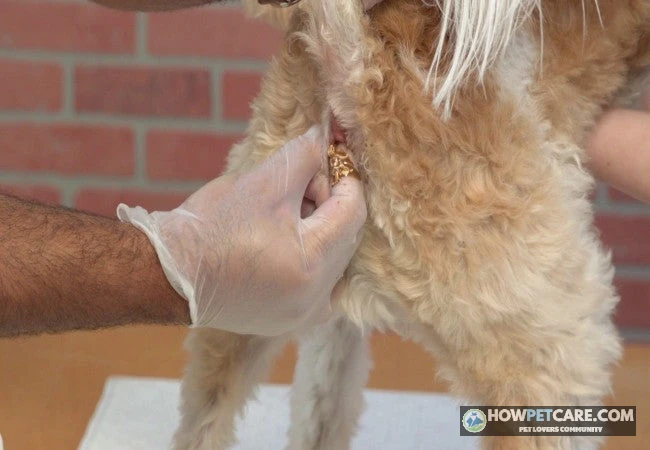

Anal glands in dogs are paired anal sacs that normally empty during bowel movements; problems range from fullness and impaction to infection or abscess, with red flags such as swelling, pain, bloody or pus-like discharge, fever, or lethargy requiring same-day veterinary care.
How to Classify Your Dog’s Anal Gland State Today
Most dogs’ anal glands work quietly, emptying a small amount of fluid during bowel movements without causing trouble. When something goes wrong, the signs are usually obvious: scooting, licking, a fishy odor, or leakage. The key is deciding whether what you see is normal behavior, a full gland that needs attention, or a problem needing same-day veterinary care.
Normal anal glands are usually silent, with only a mild odor during defecation. Full glands often cause scooting, perianal licking, fishy odor, or leakage. Impaction and infection share overlapping signs, so red flags decide escalation. Use the urgency ladder below to choose monitor, bounded home expression, or same-day veterinary care.

Normal vs. Full vs. Impacted vs. Infected
Anal sacs sit at roughly 4 and 8 o’clock around the anus and are modified sebaceous glands. Healthy glands empty partially during firm bowel movements, producing a thin, brownish or yellowish fluid with a characteristic fishy, metallic smell. When stool is soft or the ducts are narrow, fluid builds up and the gland becomes full. A full gland causes mild discomfort and leakage but no tissue damage. Impaction occurs when the gland becomes packed with thick, pasty secretions that will not flow out. Infection, called anal sacculitis, follows when bacteria multiply in the trapped material, producing pus, inflammation, and pain. Abscess and rupture are the next stage if infection is untreated.

The Anal Gland Urgency Ladder
| Level | Signs | Recommended Action | Timeframe |
|---|---|---|---|
| Monitor | Mild scooting once or twice, slight fishy odor, no swelling, dog eating and playing normally | Observe at home; note frequency in a log | 3–5 days |
| Book Soon | Repeated scooting or licking over several days, leakage between bowel movements, soft stool, dog seems mildly uncomfortable but active | Schedule routine veterinary exam | Within 1–3 days |
| Go Same Day | Swelling near the anus, visible redness or heat, yelping when sitting or defecating, bloody or pus-like discharge, fever, lethargy, reluctance to move | Same-day veterinary care or emergency clinic | Immediately |
| Stop Home Expression | Pain, bleeding, swelling, resistance, foul pus, or any sign of infection | Do not attempt expression; seek veterinary care | Immediately |
The urgency ladder above is a decision framework, not a diagnosis. If your dog shows any same-day red flag, skip home monitoring and call your veterinarian or an emergency clinic immediately.
What Anal Glands Are and Where They Sit
Anal glands, more accurately called anal sacs, are two small, fluid-filled pouches located at the 4 and 8 o’clock positions inside the anus. They are modified sebaceous glands, not the same as the anal glands used for scent marking in some species. In dogs, these sacs store an oily, strong-smelling secretion that is released during defecation.
Anal Sacs vs. Anal Glands
The terms "anal glands" and "anal sacs" are used interchangeably in everyday language, but the structures are technically anal sacs. They are paired sacs beside the anus that normally empty during defecation and produce a fishy, metallic-smelling secretion. Every dog has two anal glands that empty during defecation and can also be expressed by anal sphincter contraction for scent marking. They are fluid-filled pouches at the 4 and 8 o’clock positions inside the anus, normally emptied by pressure during defecation.

How Expression Works During Defecation
Healthy glands empty partially during firm bowel movements because stool passing through the rectum compresses the sacs. Dietary fiber and stool consistency influence normal expression: firm, bulky stool applies more pressure and empties the glands more completely, while soft or loose stool may leave fluid behind. When fluid accumulates, the gland becomes full and the dog may scoot or lick to relieve pressure. Impaction is most common in small breeds and is caused by soft stools, small gland openings, or overactive glands, producing thick pasty secretions.

 You might be wonderingAllergies in dogs foodDog Food Allergies: Signs, Elimination Diet & Zero‑Contamination GuideRead the answer
Breed and Size Risk: Who Faces Higher Anal Gland Problems?
Risk for anal gland problems is not evenly distributed across dogs. Understanding your dog’s profile helps you decide how closely to monitor and whether to discuss prevention with your veterinarian.
Higher-Risk Profiles
Small and toy breeds often need more frequent monitoring because their anal sac ducts can be narrower and their glands may overproduce secretion. Overweight dogs may have poorer natural expression because excess body fat reduces the pressure stool applies to the sacs and weakens muscle tone around the anus. Chronic soft stool, food or environmental allergies, and skin disease can increase risk by reducing the mechanical emptying that firm stool provides and by causing inflammation around the duct openings. About 12% of dogs experience anal gland issues in their lifetime, and a U.K. study found impactions were the third most diagnosed problem by primary care vets.

Lower-Risk but Not Immune Profiles
Large, healthy dogs with consistent, firm stools and no allergies face lower risk but are not immune. Even dogs that have never had a problem can develop impaction or infection after a bout of diarrhea, a change in diet, or weight gain. Risk is a probability, not a diagnosis—any dog can develop anal gland issues.
Symptoms of Full, Impacted, and Infected Anal Glands
Recognizing patterns early prevents progression from a simple full gland to a painful abscess.
Early Warning Signs
Scooting, tail chasing, and perianal licking are common early signs that the glands are full or irritated. Full glands may produce odor, leakage, or discomfort when sitting. A fishy or metallic smell that lingers beyond defecation, or a small amount of brownish or yellowish fluid on bedding or the floor, suggests the glands are overflowing. These signs often appear intermittently and may resolve briefly after a bowel movement.
Red-Flag Symptoms
Infected anal glands may show swelling, pain, heat, or discharge. Abscess or rupture can cause fever, severe pain, or open drainage. Anal gland issues can cause scooting, excessive licking, foul-smelling leakage, impaction, infection, or abscesses. Symptoms include scooting, licking or chewing the anus, redness, swelling on one or both sides, fishy or metallic fluid leakage, and bloody fluid or pus. Infected glands are recognized by blood or pus in secretions plus scooting or discomfort.

Swelling, redness, heat, bloody or pus-like discharge, fever, lethargy, or crying when sitting or defecating are same-day veterinary red flags. Home monitoring or home expression is not appropriate when any of these are present.
Safe Home Anal Gland Expression: Technique and Stop Points
Only attempt external expression on a calm dog with no red flags. Stop immediately for pain, bleeding, swelling, resistance, or foul pus. Do not force expression or repeat attempts. Routine expression is not automatically recommended, and many dogs never need manual expression because normal bowel movements empty the glands naturally.
When Home Expression Is Not Appropriate
Do not attempt home expression if the dog has any red-flag symptoms, if you have never been shown the technique by a veterinary professional, if the dog is anxious or cannot be safely restrained, if the glands were expressed recently within the last one to two weeks, or if you are unsure whether the issue is anal glands or another perianal problem. Internal expression, which involves inserting a finger into the rectum, should only be performed by a trained veterinary professional.
Step-by-Step External Technique
-
Prepare
Wear disposable gloves. Place a small amount of water-based lubricant on your gloved index finger. Have clean paper towels and a helper to gently restrain the dog standing.
-
Position
Lift the tail gently. Locate the anal sacs at approximately the 4 o’clock and 8 o’clock positions around the anus.
-
External Expression
Place your thumb and forefinger on either side of the anal opening, just outside the sacs. Apply gentle, steady pressure upward and inward, milking toward the center. Use only light pressure—about as much as you would use to check a ripe tomato.
-
Check the Result
Normal fluid is thin and brownish or yellowish. Wipe away any expression with a paper towel. Praise and reward the dog.
Manual emptying uses a warm moist cloth with thumb and index finger on the 5 and 7 o’clock positions, pressing inward and squeezing together.
Explicit Stop Points
Stop immediately if you see or feel any of the following:
- Pain: the dog flinches, whines, tries to bite, or tenses up
- Resistance: no fluid comes with gentle pressure, or the area feels hard
- Bleeding: any blood on your glove or towels
- Swelling or heat: the area feels warm or enlarged
- Foul pus: thick, yellow, green, or bad-smelling discharge
If any stop point is reached, do not try again. Clean the area, comfort the dog, and contact your veterinarian.

When to See the Vet: Urgency Criteria and Same-Day Red Flags
Urgency depends on behavior, pain, and systemic signs, not odor alone. A fishy smell by itself is not a reason for emergency care.
Monitor at Home
Monitor at home when signs are mild and short-lived in an otherwise well dog: occasional scooting less than once daily, mild fishy odor only around defecation, a small amount of leakage on bedding, and normal eating, drinking, and play. Watch for three to five days and log frequency.
Book Soon
Schedule a routine veterinary exam within one to three days for repeated scooting or licking over several days, leakage between bowel movements, soft stool, or mild discomfort with normal activity. This is also the right path for dogs that need frequent expression or have recurrent fullness.
Go Same Day
Seek same-day veterinary care or an emergency clinic immediately for swelling or a lump beside the anus, redness, heat, or tenderness around the anal area, bloody, yellow, or pus-like discharge, fever, lethargy, or loss of appetite, yelping or crying when sitting, walking, or defecating, or a visible rupture or open wound near the anus.
Treatment, Cost, Recovery, and Prognosis
Veterinary care ranges from simple expression to surgery, depending on severity and recurrence.
Medical Management
Veterinary expression may include internal technique and medication. Anal sacculitis may need flushing, antibiotics, or anti-inflammatory care. For infected glands, treatment involves emptying then filling the gland with antibiotic ointment every two days. Anal gland issues can be managed with dietary modification, semi-regular professional expression, medications or gland infusion, and anal sacculectomy in extreme cases. Five problem types are listed: impaction, infection (anal sacculitis), abscess, rupture, and cancerous tumor (less common); untreated impaction can progress to infection and abscess.
Surgical Options and Recovery
Anal sacculectomy is reserved for chronic or recurrent severe cases. It removes the anal sacs entirely and is typically considered when medical management fails, when impaction recurs every three to four weeks, or when a tumor is suspected. Recovery generally takes several weeks, and temporary fecal incontinence is a possible complication. Costs and recovery vary by region, severity, and complications.
| Treatment | When Used | Recovery Notes | Cost Range Considerations |
|---|---|---|---|
| Veterinary expression | Full or mildly impacted glands without infection | Same day; minimal recovery | Generally the lowest cost option; varies by clinic and region |
| Medical treatment for sacculitis | Infected glands with discharge or inflammation | Days to weeks; follow-up visits common | Moderate; includes medications and rechecks |
| Abscess drainage and care | Ruptured or severely infected gland | One to several weeks; wound care needed | Higher; may require anesthesia |
| Anal sacculectomy | Chronic, recurrent, or severe cases | Several weeks; possible temporary incontinence | Highest; varies widely by region and complexity |

Recurrence and Chronic-Case Management
Recurrence rates are significant in chronic cases. A worked example: Bella, a 6-year-old Cocker Spaniel at 26 pounds and overweight, had scooting every two to three weeks for eight months and was expressed by a groomer monthly with temporary relief. In month one, a vet workup confirmed recurrent impaction without infection; a weight loss goal of 3 pounds was set, canned pumpkin at 1 tablespoon daily was started, and a therapeutic high-fiber diet was introduced over seven days. In month two, weight was down 1 pound, stool was firmer, and scooting reduced to once every three weeks. In month three, weight reached goal, scooting occurred once monthly, and the vet discussed anal sacculectomy because recurrence continued despite medical management. Decision criteria for surgery included recurrence despite three or more months of fiber, diet, and weight management; impaction requiring expression every three to four weeks or more; at least one prior infection or abscess; and owner unable or unwilling to maintain lifelong monitoring. The owner elected to continue medical management for two more months with stricter weight control before revisiting the surgical decision.
Evidence-Backed Prevention: Fiber, Diet, and Long-Term Management
Firm, bulky stool supports natural anal gland emptying. Fiber sources differ in solubility, palatability, and tolerance. Diet changes may take weeks to show benefit. Chronic cases need individualized veterinary plans.
Fiber Sources Compared
| Option | How It May Help | Considerations | Typical Timeline |
|---|---|---|---|
| Canned pumpkin (plain, not pie filling) | Adds soluble fiber to bulk stool | Start with 1–2 teaspoons for small dogs, 1–2 tablespoons for large dogs; too much can cause loose stool | 3–7 days for stool changes; 2–4 weeks for symptom changes |
| Psyllium husk powder | Forms gel that firms and bulks stool | Must be mixed with plenty of water; introduce slowly to avoid gas | 3–7 days for stool changes; 2–4 weeks for symptom changes |
| Therapeutic high-fiber veterinary diet | Formulated for consistent stool bulk and anal gland support | Higher cost; requires transition over 5–7 days; may need prescription | 2–4 weeks for stool changes; 4–8 weeks for symptom changes |
| Cooked green beans or carrots | Low-calorie fiber addition for weight management | Not a primary fiber source; use as treat or meal topper | 1–2 weeks for stool changes; 3–6 weeks for symptom changes |
| Weight reduction (if overweight) | Reduces pressure and improves natural expression | Requires veterinary guidance for safe rate of loss | 8–12 weeks for measurable change |
| Omega-3 fatty acids | Supports skin and perianal inflammation | Not a fiber source; use alongside fiber, not instead of it | 4–8 weeks for inflammation changes |

Supplements and Diet-Change Timelines
Changing food may help some dogs by improving stool bulk and consistency, but it is not guaranteed prevention. Allow several weeks to assess response and involve a veterinarian for chronic cases. A fishy odor can come from anal gland fluid, but it is not proof of disease; brief odor during defecation can be normal, while ongoing leakage, scooting, or discomfort deserves closer evaluation.
Weight and Stool-Quality Habits
Maintaining a healthy body weight and consistent stool quality are the most reliable long-term habits. Monitor stool firmness, watch for weight gain, and adjust fiber gradually. Avoid abrupt diet changes, which can cause diarrhea and worsen gland emptying.
Your Next Step Checklist for Anal Gland Concerns
Document scooting frequency, odor, leakage, and pain signs. Use the urgency ladder before attempting any home expression. Schedule veterinary follow-up for recurrence or chronic signs. Track stool quality, weight, and response to diet changes.
At-Home Monitoring Checklist
- ☐ Occasional scooting (less than once daily)
- ☐ Mild fishy odor only around defecation
- ☐ Small amount of leakage on bedding or floor
- ☐ Dog otherwise eating, drinking, and playing normally
Before You Call the Vet
- ☐ Swelling or lump beside the anus
- ☐ Redness, heat, or tenderness around the anal area
- ☐ Bloody, yellow, or pus-like discharge
- ☐ Fever, lethargy, or loss of appetite
- ☐ Yelping or crying when sitting, walking, or defecating
- ☐ Visible rupture or open wound near the anus
Long-Term Follow-Up
If your dog has recurring issues, keep a log of scooting episodes, expression dates, stool quality, weight, and diet changes. Share this with your veterinarian to build an individualized management plan. Many dogs do well with fiber and weight management alone; others need periodic professional expression or, in severe chronic cases, surgical evaluation.
Many dogs never need manual anal gland expression. If your dog is comfortable, has normal stool, and shows no scooting or leakage, routine expression is not automatically recommended and may irritate healthy tissue.
 You might be wonderingYeast infection in dogsYeast Infection in Dogs: Symptoms, Care, and Treatment GuideRead the answer
FAQ
Do dogs need anal glands expressed regularly?
No. Many dogs never need manual expression because normal bowel movements empty the glands naturally. Routine expression without a veterinary reason can irritate tissue and may increase problems.
Can anal glands rupture on their own?
A severely impacted or infected anal gland can rupture through the skin near the anus. This is painful and usually needs prompt veterinary treatment, cleaning, and sometimes medication.
How long after expression should scooting stop?
Mild scooting may improve within a day or two after successful expression, but persistent or worsening scooting suggests impaction, infection, allergy, parasites, or another cause. Seek veterinary care if signs last more than 24 to 48 hours or red flags appear.
Is a fishy smell always an anal gland problem?
A fishy odor can come from anal gland fluid, but it is not proof of disease. Brief odor during defecation can be normal, while ongoing leakage, scooting, or discomfort deserves closer evaluation.
Can changing food prevent anal gland issues?
Diet changes may help some dogs by improving stool bulk and consistency, but they are not guaranteed prevention. Allow several weeks to assess response and involve a veterinarian for chronic cases.