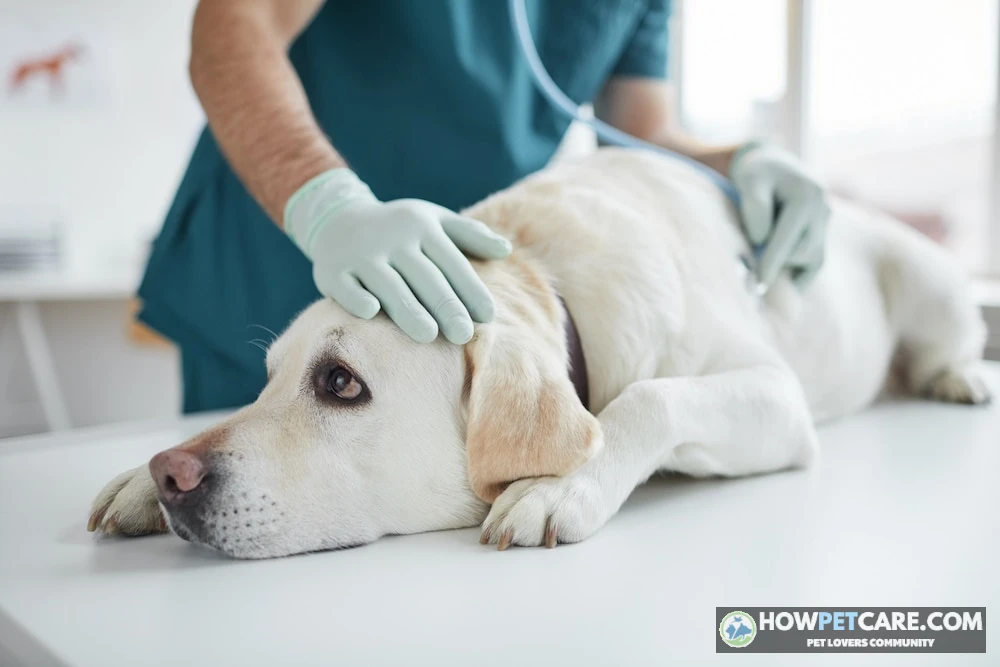

IMHA (immune-mediated hemolytic anemia) is a condition in which a dog’s immune system destroys its own red blood cells, causing dangerous anemia. It is a medical emergency: published mortality ranges from about 20% to 75%, but prompt hospital care, transfusions, and immunosuppressive medication give many dogs a real chance of recovery.
IMHA in dogs: what the diagnosis means and why time matters
IMHA in dogs is a serious disease in which the immune system destroys red blood cells. It can become life-threatening quickly. Treatment can help, and some dogs recover and enjoy a good quality of life. If your dog has pale gums, collapses, struggles to breathe, or is getting weaker, seek emergency veterinary care now.
Published reports put mortality between about 20% and 75%, averaging around 50% in the populations studied. Those figures aren’t a prediction for an individual dog. Reported relapse rates after treatment are about 6% to 15%, though studies and follow-up periods differ.
What IMHA stands for in veterinary medicine
IMHA stands for immune-mediated hemolytic anemia. The immune system attacks and destroys red blood cells, leaving fewer cells to carry oxygen through the body. You may also hear autoimmune hemolytic anemia, or AIHA. IMHA is one form of autoimmune disease in dogs in which red blood cells are the target. The terms are often used interchangeably, although IMHA is broader and can include immune destruction linked to an underlying trigger.
Your veterinarian may talk about your dog’s packed cell volume, or PCV, and hematocrit. Both describe the proportion of blood made up of red blood cells. A falling value can point to worsening anemia, but the trend and your dog’s condition matter more than any single result.
Why anemia and blood clots make IMHA an emergency
With too few red blood cells to carry oxygen, the heart and lungs have to work harder. Your dog may become weak or breathe rapidly. Severe anemia can lead to collapse and organ damage.
IMHA also raises concern about thromboembolism: a blood clot that blocks a vessel, sometimes in the lungs. Clots are a major complication and a leading cause of death in affected dogs. Even if your dog seems brighter after a transfusion, the underlying disease still needs treatment and monitoring.
Recognize IMHA symptoms and emergency warning signs
Signs of IMHA in dogs
Signs of IMHA in dogs can come on quickly or start subtly. They may include:
- Pale, white, or yellow gums.
- Tiredness, weakness, or reluctance to walk or play.
- Faster breathing or heartbeat.
- Reduced appetite.
- Red, brown, or unusually dark urine.
- Collapse in severe cases.
Yellowing of the gums, whites of the eyes, or skin is called jaundice. It can develop when bilirubin, a yellow pigment associated with red-cell breakdown, builds up. Many overlap with the wider symptoms of anaemia in dogs, but they need prompt veterinary assessment. A dog may seem normal for a moment and still be seriously ill.

When to go to an emergency clinic
Go to an emergency veterinary clinic immediately if your dog:
- Collapses or can’t stand.
- Has labored breathing.
- Becomes rapidly weaker.
- Has very pale or white gums.
- Develops newly yellow gums.
- Suddenly passes red or brown urine.
If someone can call ahead without delaying the trip, ask them to do so.
For new lethargy without collapse, a skipped meal, or vomiting or diarrhea after a medication change, contact your veterinary team the same day. They can advise whether your dog needs an urgent examination sooner.
One serious change is enough to seek help. A dog can have dangerous anemia or a clot without showing every symptom on a checklist.
A practical home check: During recovery, check your dog once or twice a day, and whenever they seem different. In good light, look at gum color, note their energy and ability to stand, and check urine color. When your dog is asleep or fully relaxed, count chest rises for 15 seconds and multiply by four to record breaths per minute. Labored breathing is an emergency regardless of the count; a sustained resting rate above roughly 40 breaths per minute also calls for urgent assessment.
A photo of your dog’s gums on a stable day can help you compare changes, but it can’t replace a blood test. If the gums are naturally darkly pigmented or difficult to assess, ask your veterinarian what else to monitor.

Why IMHA develops: primary disease, triggers, and look-alikes
Primary versus secondary canine IMHA
With primary, or idiopathic, IMHA, the veterinary team can’t identify an underlying trigger. Research summaries estimate that 60% to 80% of cases fall into this category. That doesn’t mean you did anything wrong, or that a cause can never be found.
In secondary IMHA, immune destruction is linked to another problem, such as an infection, cancer, or a suspected medication-related trigger. Some infections are vector-borne diseases, meaning they’re carried by organisms such as ticks. Babesia, a blood parasite, is a recognized infectious cause of secondary IMHA.
Certain breeds, including Cocker Spaniels and Springer Spaniels, appear predisposed, but any dog can develop IMHA. Your veterinarian will consider your dog’s travel, tick exposure, medications, and medical history when deciding which possible triggers to investigate.

Did a vaccine cause my dog’s IMHA? A diagnosis that follows vaccination doesn’t prove the vaccine caused it. Associations have been reported, but direct causation is unproven. Tell your veterinarian when the vaccination happened and discuss future vaccines individually. Don’t assume vaccination was responsible, or that your dog’s history doesn’t matter.
Conditions that can mimic immune-mediated anemia
Not every dog with red-cell destruction has IMHA. Zinc exposure, such as swallowing certain metal objects, and onion or garlic ingestion can damage red cells without the same immune process. Other metabolic problems can also damage red cells. These conditions may need different treatment, so tell your veterinarian about possible exposures, even if you’re unsure they matter.

IMHA in cats: Cats can develop immune-mediated hemolytic anemia, too, but the investigation and medication choices may differ from those for dogs. A cat with pale gums, weakness, or jaundice needs prompt veterinary assessment. Never use a dog’s medication plan for a cat.
How veterinarians diagnose IMHA and assess severity
Blood tests and the search for red-cell destruction
No single result tells the whole story. Veterinarians consider your dog’s signs, bloodwork, evidence of red-cell destruction, tests for an immune cause, and possible alternatives together.
A complete blood count, or CBC, measures red cells and other blood components. A blood smear lets the team examine cell shape. Spherocytes are small, round red blood cells that can support a diagnosis of immune destruction, but they don’t prove it by themselves.
The team may also check for regenerative anemia. This means the bone marrow is releasing young red blood cells to replace those lost. Some dogs don’t show a regenerative response when first diagnosed, so its absence early on doesn’t rule out IMHA.
Other tests may include a saline agglutination test, which checks for red cells clumping together, and a Coombs test, also called a direct antiglobulin test, which looks for immune material attached to red cells. A negative result doesn’t necessarily rule out IMHA; your veterinarian interprets it alongside the other findings.

Checking for triggers, complications, and alternative diagnoses
Repeated PCV or hematocrit measurements help show whether anemia is stabilizing or worsening. Chemistry tests can assess bilirubin and organ function. A urine test can provide more information about red-cell breakdown and other illness.
Depending on your dog’s case, the team may recommend tick-borne disease testing, chest or abdominal imaging, or tests and imaging to investigate suspected clots. Not every dog needs every test right away. Ask which findings support the diagnosis, which alternatives remain possible, and which tests could change the next treatment decision.
IMHA treatment for dogs: hospitalization, transfusions, and real costs
What happens during emergency hospitalization
Dogs with severe anemia often need to stay in the hospital for frequent checks, medication, and supportive care. The veterinary team monitors breathing, heart rate, blood values, and signs of complications while looking for possible triggers.
Immunosuppressive therapy aims to reduce the immune attack. Prednisone or prednisolone is commonly a core initial treatment. Some dogs also receive azathioprine, cyclosporine, or mycophenolate if the veterinarian considers another drug appropriate. These medications require a veterinary prescription and monitoring. The choice depends on the individual dog.
A blood transfusion supplies red blood cells and can improve oxygen delivery while other treatment takes effect. It doesn’t stop the immune attack, and some dogs need more than one transfusion. Not every dog with IMHA needs one. The decision depends on clinical signs and the veterinary team’s assessment, not just one number.

The 2019 American College of Veterinary Internal Medicine (ACVIM) consensus statement informs modern treatment. Preventing clots is an important part of care. Veterinary-prescribed clopidogrel is generally preferred over aspirin in this setting, and it requires monitoring. Depending on the case, a veterinarian may instead choose an anticoagulant such as prescription rivaroxaban, with appropriate monitoring. Cyclophosphamide is not recommended for canine IMHA.
If an infection is suspected, the veterinarian may prescribe and monitor treatment for it as well. Doxycycline, for example, is a prescription antibiotic used for certain infections; it isn’t a substitute for investigating the cause of anemia.
IMHA treatment cost for dogs, by stage
The figures below are illustrative budgeting ranges, not verified price quotes or a national price survey. Actual charges vary substantially by region, hospital type, dog size, severity, and what a package includes. Emergency and specialty care may cost more than general practice. Ask for a written, itemized estimate and request updates as the plan changes.
| Stage or service | What it may include | Illustrative cost range | What changes the estimate |
|---|---|---|---|
| Emergency exam and initial workup | Examination, CBC, smear, chemistry, and urine testing | $500–$1,500 | Imaging, infectious-disease tests, and additional immune testing may add charges. |
| Hospitalization | Nursing, medications, repeated blood checks, and supportive care | $200–$500 per day in general practice; $500–$1,200 per day in specialty or intensive care | Level of monitoring and length of stay. |
| Blood transfusion | Blood product, compatibility testing, and monitoring | $500–$1,000 per unit | Dog size, number of units, blood availability, and separate monitoring fees. |
| Prescription immunosuppressive medication | Prednisone and, if needed, another prescribed drug | $20–$300 or more per month | Body weight, drug combination, pharmacy, and formulation. |
| Follow-up testing | PCV or CBC and, when indicated, chemistry testing | $40–$200 per recheck | Tests ordered and whether an examination fee is separate. |
| First episode, including recovery | Initial care plus medication and rechecks | Roughly $3,000–$8,000 or more | Complications, additional transfusions, prolonged hospitalization, or relapse can push costs above $10,000. |
Don’t simply add these line items to estimate the total. Hospitals may bundle services differently, and not every dog needs every item. These ranges are planning examples, not a promise of what care should cost.
If money is tight, tell the team right away. Ask which interventions are essential for stabilization, which tests might be safely staged, whether financing or assistance is available, and whether your dog could transfer to your regular veterinarian once stable. If treatment is beyond reach, ask for an honest discussion about prognosis, comfort, and humane options. Don’t delay emergency stabilization while looking for a lower estimate.
Survival rate, relapse risk, and life expectancy with or without treatment
How to interpret IMHA survival statistics
Published mortality figures range from approximately 20% to 75%, with an average around 50% in the cited populations. Reported relapse after treatment is approximately 6% to 15%. Put another way, roughly half of the dogs in the populations behind that average survived. It isn’t a universal survival rate. Studies differ in which dogs they include, the treatments used, follow-up length, and how relapse is defined.
Your veterinarian can give you a more useful assessment based on your dog’s condition and how they respond over time. The factors below can help frame that conversation, but they can’t calculate an individual outcome:
| Factor | More reassuring development | More guarded development |
|---|---|---|
| Early response | PCV stabilizes or rises as treatment progresses | PCV continues to fall or repeated transfusions are needed. |
| Blood clots | No evidence of a clot | A suspected or confirmed clot, especially with breathing problems. |
| Red-cell breakdown | Signs and laboratory changes improve | Ongoing destruction or markedly abnormal results. |
| Underlying illness | A treatable trigger is identified and controlled, or no trigger is found | A serious underlying condition remains difficult to control. |
| Recovery history | Stable bloodwork through supervised medication reductions | Recurrent anemia or a previous relapse that requires renewed treatment. |
No single row determines the outcome. A dog with a guarded outlook can improve, and a dog who responds at first still needs follow-up. Ask your veterinarian what has changed since the last blood test and what they’re watching for next.

Can a dog fully recover from IMHA?
Some dogs go into remission, finish medication, and return to a good quality of life. Others need a longer course of treatment or ongoing monitoring, and relapse remains possible. There’s no fixed life expectancy for a dog who recovers. It depends on the dog’s overall health, underlying cause, complications, and whether the disease returns.
How long can a dog live with IMHA without treatment?
There’s no reliable timetable for an individual dog without treatment. Severe, active IMHA can worsen over hours to days and may be fatal; other cases progress differently. Profound anemia can deprive organs of oxygen, and dangerous clots may develop. Don’t use an estimated number of days or weeks to decide it’s safe to wait. If treatment isn’t feasible, promptly ask a veterinarian about realistic care and humane choices.
The 24-week recovery plan: tapering medication and monitoring at home
A practical steroid taper and recheck timeline
Immunosuppressive treatment commonly continues for three to six months, but that’s a framework, not a deadline. Some dogs need longer. The veterinarian adjusts the plan based on symptoms, blood results, complications, and medication tolerance. All prescription drugs below require veterinary supervision and monitoring.
| Treatment phase | Medication focus | Typical monitoring | Owner priorities |
|---|---|---|---|
| Weeks 1–2 | Initial prescribed treatment continues after discharge; some dogs also receive a second immunosuppressant or clot-prevention medication. | Frequent PCV or CBC checks as directed, sometimes every few days. | Give medication on schedule, keep activity calm, and record gum color, breathing, appetite, urine, and energy. |
| Weeks 3–6 | The veterinarian may continue the initial regimen or consider a reduction if the dog and bloodwork are sufficiently stable. | Repeat blood counts; other tests may be needed to monitor medication effects. | Keep recheck appointments and report new symptoms or troublesome side effects. |
| Weeks 7–12 | Some dogs begin or continue gradual, veterinarian-directed reductions. | Blood checks at intervals chosen by the team, including around treatment changes. | Follow the written schedule; ask what to do if a dose is missed. |
| Weeks 13–18 | The team may continue tapering one medication at a time, depending on the case. | Continued CBC or PCV checks and medication-safety testing as advised. | Discuss activity levels and report any return of weakness, pale gums, or dark urine. |
| Weeks 19–24 | Some dogs may approach the end of treatment; others need longer. | Rechecks during and after medication changes. | Confirm the longer-term monitoring and prevention plan before the last scheduled visit. |

Don’t reduce, skip, or abruptly stop prednisone or another prescribed medication just because your dog looks better. An unsupervised change can risk relapse, and abruptly stopping steroids can also be dangerous. Call the veterinary team if you can’t give a dose or side effects are difficult to manage.
Medication side effects versus possible relapse
Prednisone can cause increased thirst, urination, hunger, and panting. These effects can be distressing, but they don’t prove IMHA has returned. A medication side effect and a relapse can also happen at the same time. Use the comparison below to guide what you report, not to diagnose your dog at home.
| What you notice | More consistent with medication effect | More concerning for relapse | What to do |
|---|---|---|---|
| Drinking and urination | Increased thirst, frequent urination, or accidents after starting steroids | New red, brown, or cola-colored urine | Log increased thirst and tell the vet; sudden dark urine needs emergency assessment. |
| Appetite | Increased hunger | New refusal of food, especially with weakness or pale gums | Discuss persistent hunger at a recheck; call the same day for reduced appetite or vomiting. |
| Energy | Restlessness or difficulty settling | New or worsening weakness, tiring easily, or collapse | Call promptly about new weakness; collapse or rapidly worsening weakness is an emergency. |
| Gum color | Gums remain their usual color | Pale, white, or yellow gums | Seek emergency assessment for a new marked color change. |
| Breathing | Intermittent panting without apparent distress | Sustained rapid breathing at rest or increased effort | Labored breathing is an emergency; contact an emergency clinic for sustained rapid breathing at rest. |
A PCV or CBC can help the veterinary team determine whether anemia has returned, but one result doesn’t always settle the cause. If you suspect a relapse, call your veterinarian or an emergency clinic immediately and follow their instructions. Don’t restart, increase, or stop medication on your own.
Feeding during recovery: Offer a complete and balanced diet your veterinarian considers appropriate, with portions adjusted to your dog’s needs. Steroid-related hunger can make it easy to overfeed. Red-cell recovery depends on controlling the disease and providing adequate nutrition; extra iron, liver, vitamins, or other supplements don’t replace treatment. Use supplements only if your veterinarian identifies a need. Unnecessary products can cause harm or complicate care.

After IMHA: vaccines, tick prevention, and the next steps for your dog
Questions to ask before going home
Before discharge, ask the veterinary team for a written plan you can follow when you’re tired or worried:
- What is each prescribed medication for, when should I give it, and what should I do after a missed dose or vomiting?
- When is the next PCV or CBC, and which signs mean I should come in sooner?
- Which side effects are expected for my dog, and which require a same-day call?
- What is the after-hours emergency number, and should I call before arriving?
- What is the current itemized estimate, including likely rechecks and medications?
- What activity and diet are appropriate until the next appointment?
If the diagnosis is uncertain or recovery is complicated, ask whether a veterinary internal medicine specialist could help. Bring your medication list and copies of recent results to appointments.
Making a prevention plan after recovery
Review future vaccination with your veterinarian once your dog is stable. Explain when any previous vaccines were given and when the IMHA episode occurred, but remember that timing alone doesn’t prove causation. The plan should account for your dog’s medical history, exposure risks, and applicable legal requirements. Don’t cancel or postpone a required vaccine without veterinary guidance.
Discuss tick and parasite prevention, too, particularly if your dog lives in or travels to an area where vector-borne disease is a concern. Your veterinarian can help choose a product suited to your dog’s history and exposure, explain its use and monitoring, and advise what to do after a tick bite.

Keep your written medication and emergency plan where you can find it. If your dog collapses, struggles to breathe, becomes markedly weak, develops pale or yellow gums, or suddenly passes dark urine, contact an emergency clinic and leave for assessment rather than waiting for the next scheduled blood check.

| Stage or Service | What It May Include | Illustrative Cost Range | Cost Factors |
|---|---|---|---|
| Emergency exam and initial workup | Examination, CBC, smear, chemistry, and urine testing | 500–1,500 | Imaging, infectious-disease tests, and additional immune testing may add charges. |
| Hospitalization | Nursing, medications, repeated blood checks, and supportive care | 200–500 per day in general practice; 500–1,200 per day in specialty or intensive care | Level of monitoring and length of stay. |
| Blood transfusion | Blood product, compatibility testing, and monitoring | 500–1,000 per unit | Dog size, number of units, blood availability, and separate monitoring fees. |
| Prescription immunosuppressive medication | Prednisone and, if needed, another prescribed drug | 20–300 or more per month | Body weight, drug combination, pharmacy, and formulation. |
| Follow-up testing | PCV or CBC and, when indicated, chemistry testing | 40–200 per recheck | Tests ordered and whether an examination fee is separate. |
| First episode, including recovery | Initial care plus medication and rechecks | Roughly 3,000–8,000 or more | Complications, additional transfusions, prolonged hospitalization, or relapse can push costs above $10,000. |
FAQ
Did my dog’s vaccination cause IMHA?
A diagnosis soon after vaccination does not prove the vaccine caused IMHA, and evidence for a direct causal link is limited. Discuss your dog’s timing, health history, and future vaccination needs with the veterinarian rather than changing vaccines on your own.
Can cats get IMHA, and is it treated the same way?
Yes, cats can develop immune-mediated hemolytic anemia. The diagnostic approach and treatment choices can differ, so a cat with pale gums, weakness, or jaundice needs prompt veterinary assessment.
What should I do if I think my dog is relapsing?
Contact your veterinarian or an emergency clinic immediately if you notice pale or yellow gums, dark urine, worsening weakness, rapid or difficult breathing, or collapse. Do not adjust immunosuppressive medication unless the veterinary team directs you to.
How long does IMHA treatment take?
Treatment often lasts several months, with medication reductions guided by symptoms and repeat blood tests; some dogs need a longer course. The schedule varies, so follow the individualized taper rather than stopping medication when your dog seems better.