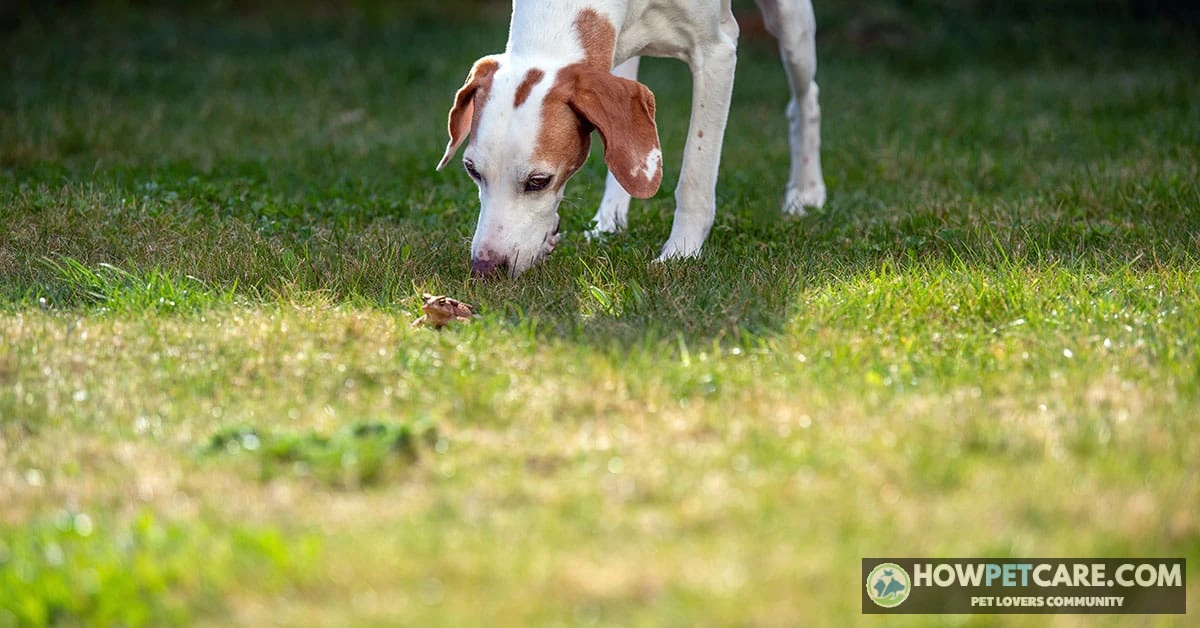

Yes. Toads can poison dogs through defensive skin secretions. Cane toads and Colorado River toads are the dangerous US species and need emergency care; most backyard toads mainly cause drooling and mouth irritation. Separate your dog, wipe the mouth only if alert and swallowing, and call a vet or poison control.
Are Toads Poisonous to Dogs? What to Do Right Now
Yes. Toads release secretions that can poison dogs. In the United States, cane toads and Colorado River toads pose the greatest risk; exposure can be fatal. Most common backyard toads are far less dangerous, but they can still irritate a dog’s mouth and make it sick.
Move your dog away from the toad now. If your dog is alert and can swallow normally, wipe its gums and tongue with a damp cloth, rinsing the cloth between passes. Call a veterinarian promptly.
Go to an emergency vet immediately if your dog collapses, has a seizure, struggles to breathe, becomes markedly weak, or may have mouthed or eaten a cane toad or Colorado River toad. Don’t wait for symptoms or a positive identification. If possible, have someone call the clinic while you drive.
For advice about a specific exposure, call the ASPCA Animal Poison Control Center at 888-426-4435 or the Pet Poison Helpline at 855-764-7661. Fees may apply. A poison specialist can advise you, while an emergency vet can examine and treat your dog.
This guide does not replace veterinary care.
Toad Poisoning in Dogs: A 0–60 Minute Action Plan
These time windows help organize your response; they’re not waiting periods. If your dog shows severe signs at any point, head to an emergency vet immediately.
| Time after exposure | Immediate action | When to call or leave for emergency care |
|---|---|---|
| 0–5 minutes | Separate your dog from the toad. If your dog is alert and can swallow normally, start wiping its mouth with a damp cloth. | Call an emergency vet and leave immediately for severe signs or suspected exposure to a cane or Colorado River toad. |
| 5–15 minutes | Contact a vet or animal poison control. Share the exposure time and location, how contact happened, your dog’s weight, and current signs. | Call as soon as you can — you don’t need to wait for the five-minute mark. Leave immediately if signs are severe or worsening. |
| 15–60 minutes | Follow the clinician’s instructions. Monitor at home only if a veterinary professional recommends it. | If they tell you to come in, leave now. If signs worsen during monitoring, call the vet and go in as directed. |
0–5 minutes: Separate, wipe, and assess
- Move your dog away. Don’t spend time trying to catch the toad.
- Check whether your dog is responsive and can swallow. Watch for drooling, wobbliness, tremors, breathing difficulty, or collapse.
- If your dog is alert and can swallow normally, wipe the gums, tongue, and inner cheeks with a damp—not dripping—cloth. Rinse and wring out the cloth between passes.
- If your dog is seizing, collapsed, or too weak to swallow, put nothing in its mouth. Protect it from injury and go straight to an emergency vet.
- If you suspect either high-risk species, head to an emergency vet immediately, even if your dog looks normal. If possible, have someone else call the clinic.

5–15 minutes: Call for case-specific advice
Call your veterinarian, an emergency clinic, or animal poison control as soon as possible, even if the signs seem mild. Explain whether your dog licked, mouthed, bit, or swallowed the toad. If it’s safe and won’t delay care, take a photo from a distance; don’t handle the animal.
Have your dog’s approximate weight, your location, the time of exposure, current symptoms, and any first aid you’ve tried ready. Don’t delay a call or emergency trip to gather every detail.
15–60 minutes: Follow the vet’s triage decision
If the clinician tells you to come in, leave immediately. If they recommend monitoring at home, ask which changes mean you should call back or go to the clinic, how long to watch your dog, and whom to contact after hours.
Don’t decide to monitor on your own just because your dog is still standing or the toad looked small. A small dog can receive a greater exposure relative to its body weight, and dogs of any size can become seriously ill.

Symptoms of Toad Poisoning in Dogs: When Is It an Emergency?
Early signs and how quickly they appear
Mouth irritation can start within seconds to minutes of contact. Excessive drooling or foaming and red, irritated gums are common. Your dog may also paw at its mouth or vomit. Many of these overlap with general poisoning symptoms in dogs, so the context of the exposure matters.
Drooling alone can’t tell you which toad was involved or how much toxin was absorbed. If your dog is alert and has mild signs after an encounter with a suspected common backyard toad, call a vet or poison control promptly. They can decide whether monitoring at home is appropriate.
Signs that mean leave for the emergency vet
Go immediately if you see any of these signs:
- Disorientation, staggering, marked weakness, or collapse
- Tremors or seizures
- Difficulty breathing
- Rapidly worsening illness or repeated vomiting

Toad toxins can also disrupt the heart’s rhythm. You can’t reliably identify an abnormal rhythm at home; your dog may need a veterinary examination and heart monitoring.
Severe poisoning can progress quickly and may be fatal within hours or sooner. Symptoms don’t follow a dependable schedule. If your dog may have encountered a high-risk toad, seek emergency assessment before severe signs appear.
Which Toads Are Dangerous to Dogs? A US Identification Guide
Toad skin and the parotoid glands behind the eyes produce defensive secretions. Some toxins, including bufotoxins, can be absorbed through the mouth and other moist tissues.
Use the table as a rough triage aid, not a diagnosis. Young toads can look different from adults, and neither location nor appearance confirms a species. Never delay treatment to inspect a toad.
| Toad | Typical adult size | Parotoid gland and other ID clues | US range | Risk to dogs |
|---|---|---|---|---|
| Cane toad, also called Bufo or marine toad (Rhinella marina) | About 4–9 inches. | Large, roughly triangular glands behind the eyes; robust body. | Parts of Florida and southern Texas; also introduced in Hawaii. | High: potentially fatal. Treat suspected exposure as an emergency. |
| Colorado River or Sonoran Desert toad (Incilius alvarius) | Up to about 7.5 inches. | Prominent oval glands behind the eyes, relatively smooth skin, and pale bumps near the corners of the mouth. | Mainly the Southwest, especially Arizona and parts of New Mexico and southeastern California. | High: potentially fatal. Treat suspected exposure as an emergency. |
| American toad and other common backyard toads | Generally small to medium; size varies by species. | Smaller glands and often warty skin; appearance varies considerably. | American toads occur across much of the eastern and central United States, including parts of PA, MI, OH, and IL. | Usually lower: mouth irritation and drooling are common, but contact a vet for advice. |
Cane toads in Florida and southern Texas
Cane toads are a particular concern for dogs in parts of Florida and southern Texas. If your dog licks, bites, or eats a suspected cane toad, get emergency veterinary care even if drooling is the only sign. Size can offer a clue, but a smaller toad isn’t automatically safe.

Colorado River toads in the Southwest
The Colorado River toad is another major concern within its southwestern range. Its secretions can cause severe poisoning that affects the nervous system and heart. If you suspect this species, wipe your dog’s mouth only if it’s alert and can swallow normally, then arrange emergency care without delay.

Common backyard toads in PA, MI, OH, and IL
If your dog mouthed a typical native backyard toad in Pennsylvania, Michigan, Ohio, or Illinois, exposure to either of the two high-risk species is generally less likely than in their established ranges. Native toads can still cause drooling and irritation, and a photo or state name can’t confirm the species.
Call a vet or poison control for advice specific to your dog, especially if it swallowed the toad, symptoms persist, or you’re unsure what it encountered. Wobbliness, tremors, collapse, or breathing problems require emergency care wherever you live.

Mouth Rinsing vs. a Damp Cloth: Safe First Aid After a Toad
The goal is to remove secretion from the mouth without sending water or other material down the throat. Veterinary advice varies: some sources, including the American Kennel Club and ASPCA, describe flushing; others recommend wiping because water could enter the lungs.
When wiping is the safer practical choice
For an alert dog that can swallow normally, wiping with a damp cloth is a practical first step while you arrange veterinary advice.
- Wet a clean cloth and wring it out until damp, not dripping.
- Keep your dog’s head angled slightly downward.
- Wipe the gums, tongue, and inner cheeks outward toward the lips.
- Rinse and wring out the cloth between passes; repeat as directed by the vet. Don’t delay leaving for emergency care to finish wiping.
Keep your fingers clear if your dog is distressed or may bite. If you can’t wipe safely, stop and get veterinary help.
When a veterinarian may advise gentle flushing
A veterinarian may instead recommend gentle running water for a calm, alert dog that can swallow normally. Keep the muzzle angled down and direct a low-pressure stream across the mouth and out through the lips—never toward the throat. Stop if your dog coughs, gags, or struggles, and tell the vet. Flushing incorrectly can send water into the airway.

Never wipe or flush the mouth of a dog that is seizing, collapsed, poorly responsive, or unable to swallow normally. Seek emergency care immediately.
What not to put in your dog’s mouth
Don’t give milk, lemon juice, egg yolk, or other folk remedies. They don’t remove the secretion or replace veterinary advice, and giving them can waste critical time. Don’t induce vomiting unless a veterinarian specifically tells you to.
If your dog ate a toad rather than merely licking one, call a vet or poison control promptly. The same applies when a dog swallows rat poison or another household toxin — treat it as an urgent call, not a wait-and-see. Swallowing doesn’t make the exposure safe, and suspected ingestion of either high-risk species requires an emergency trip.
Emergency Vet Treatment, Cost, and Recovery After Toad Exposure
What treatment may involve
The veterinary team may examine your dog, continue decontamination if appropriate, and monitor its heart rhythm. Depending on your dog’s signs, treatment may include IV fluids, medication to control seizures, or medication for abnormal heart rhythms. The plan depends on the exposure and examination.
There’s no routine specific antidote that replaces supportive and emergency treatment. Prognosis depends on the toad, the amount of exposure, your dog’s condition, and how quickly treatment begins. Prompt care improves the outlook, but severe poisoning can be fatal; no reliable survival percentage applies to every case.

How to ask about costs and prognosis
Emergency costs vary widely — ranging from an exam with outpatient monitoring to intensive care with overnight hospitalization — depending on location, the tests and medications needed, and how long your dog must stay. The evidence for this guide doesn’t provide a reliable, current price range specific to toad poisoning, so don’t assume a quote for a routine visit will cover intensive care.
Ask the clinic for an estimate once your dog is being assessed. If cost is a concern, say so and ask about immediate stabilization, expected monitoring, and available options. Don’t delay emergency care while shopping for a quote.
When you call a clinic or poison service, you can say:
My dog weighs about [weight] and [licked, mouthed, or swallowed] a toad around [time] in [city and state]. The signs are [symptoms or none yet]. I have [wiped the mouth or describe other first aid]. I [do or do not] have a photo. What should I do next?
The ASPCA Animal Poison Control Center is 888-426-4435 and the Pet Poison Helpline is 855-764-7661; fees may apply. If your dog is seizing, collapsing, or struggling to breathe, drive to an emergency vet rather than delaying the trip to call poison control.
How to Prevent Another Toad Exposure
After your dog receives the recommended care, take steps to make another encounter less likely:
- Supervise or leash your dog at dawn, dusk, and after rain, when toads may be active. Check the yard before letting your dog out — foxtails hiding in tall grass are another hazard to watch for — and practice a reliable leave-it cue.
- Bring pet food indoors, manage standing water, keep grass trimmed, and reduce debris where toads can shelter. Follow local wildlife guidance instead of handling a toad directly.
- Refresh outdoor water bowls often. If a toad was in the bowl and your dog drank from it, block access and call a vet or poison control for advice. Do the same if your dog eats suspected toad eggs or tadpoles; don’t assume the exposure is safe.
- Frogs can also produce irritating or toxic secretions. If your dog mouths or eats a frog, contact a vet or poison control, particularly if signs develop.
- Brief contact with intact skin is generally less concerning than contact with the mouth, eyes, or other moist tissues. If secretions may have reached those areas, or your dog seems ill, call a vet.
- Save your nearest emergency vet’s number alongside 888-426-4435 and 855-764-7661, and share the plan with everyone who cares for your dog.

| Toad Species | Typical Adult Size | Parotoid Gland and ID Clues | US Geographic Range | Toxicity Risk Level |
|---|---|---|---|---|
| Cane toad, also called Bufo or marine toad (Rhinella marina) | 4–9 inches | Large, roughly triangular glands behind the eyes; robust body. | Parts of Florida and southern Texas; also introduced in Hawaii. | High: potentially fatal. Treat suspected exposure as an emergency. |
| Colorado River or Sonoran Desert toad (Incilius alvarius) | Up to 7.5 inches | Prominent oval glands behind the eyes, relatively smooth skin, and pale bumps near the corners of the mouth. | Mainly the Southwest, especially Arizona and parts of New Mexico and southeastern California. | High: potentially fatal. Treat suspected exposure as an emergency. |
| American toad and other common backyard toads (Anaxyrus americanus et al.) | Small to medium (varies by species) | Smaller glands and often warty skin; appearance varies considerably. | Across much of the eastern and central United States, including parts of Pennsylvania, Michigan, Ohio, and Illinois. | Usually lower: mouth irritation and drooling are common, but contact a vet for advice. |
FAQ
Are frogs poisonous to dogs too, or only toads?
Some frogs also produce irritating or toxic skin secretions, and a dog may become ill after mouthing or eating one. Risk varies by species, so contact a veterinarian or animal poison control if exposure occurs, especially if symptoms develop.
Can a dog be poisoned just by touching a toad?
Serious poisoning usually follows contact between secretions and the mouth or other mucous membranes, rather than brief contact with intact skin. If secretions may have reached the eyes or mouth, or the dog shows signs of illness, call a veterinarian for guidance.
What happens if a dog eats a toad instead of licking it?
Eating a toad can expose a dog to toxins and may also cause gastrointestinal problems; the risk depends on the species and exposure. Call a veterinarian or animal poison control promptly, and seek emergency care immediately for severe signs or suspected exposure to a high-risk species.
Can a small dog be more seriously affected by a toad?
A smaller dog may receive a larger toxin exposure relative to its body weight, but dogs of any size can become seriously ill. Do not use size alone to decide whether to seek help.