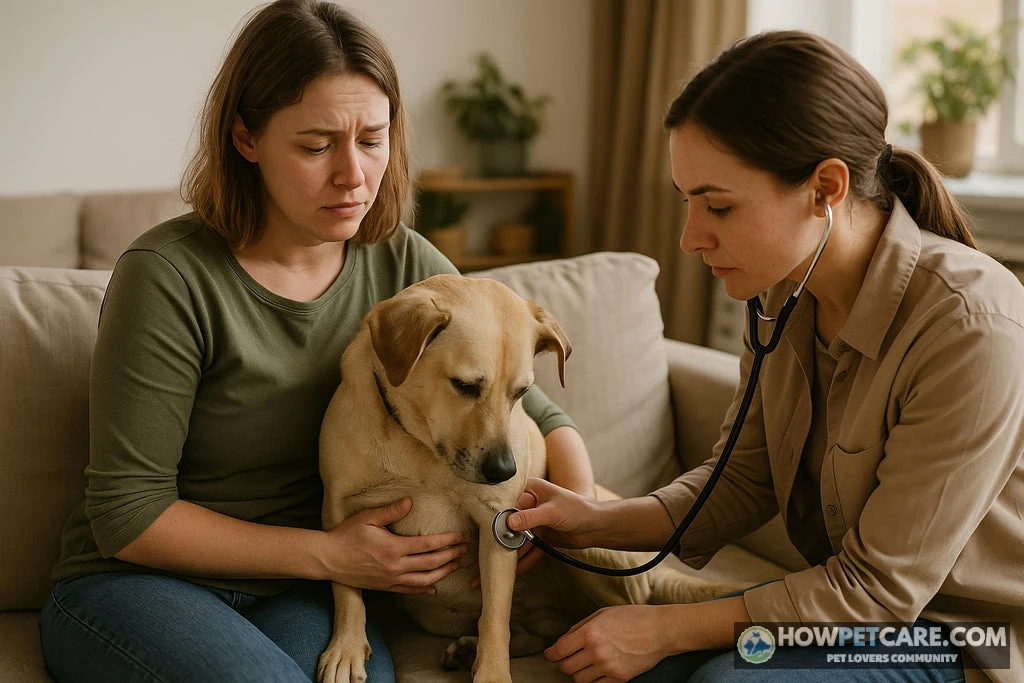

Most dog digestive problems—vomiting, diarrhea, gas—stem from dietary indiscretion and resolve within 24–48 hours. Treat it as an emergency if you see unproductive retching, a hard swollen belly, pale or white gums, collapse, black tarry stool, or nonstop vomiting that prevents your dog from keeping water down.
When your dog suddenly vomits, strains with watery diarrhea, or paces with an unsettled belly, you need to know how urgently they need care and what you can safely do now. Dog digestive problems have many possible causes, from mild dietary indiscretion to life-threatening conditions such as gastric dilatation-volvulus (bloat) or acute pancreatitis. Dogs are monogastric animals with relatively short digestive tracts where digestion proceeds quickly, so an acute disruption can quickly affect hydration, comfort, and systemic stability.
This guide starts with a triage framework to help you distinguish emergencies from mild cases you may be able to manage at home. It also covers recovery steps, what to expect at the vet, and ways to prevent future episodes.
Medically reviewed by a licensed veterinarian (DVM).
Dog Digestive Problems Triage: Go to the Vet Now or Monitor at Home?
Before looking into individual conditions or preparing a bland meal, assess your dog’s immediate risk. The symptom alone—such as a single loose stool—is rarely the whole story. Your dog’s behavior, hydration, abdominal pain, and rate of decline all matter.
If your dog has unproductive retching, a drum-tight abdomen, white or pale gums, or collapse, don’t wait. These signs can point to acute surgical crises such as gastric dilatation-volvulus (GDV) or severe internal hemorrhaging. Go directly to the nearest emergency veterinary facility.
Use this 60-second triage framework to decide what level of care your dog needs:
🚨 Go to an emergency vet NOW if your dog has any of these:
- ☐ Repeated retching or attempts to vomit without bringing anything up, especially with pacing or abdominal swelling
- ☐ A hard, drum-tight, or visibly distended abdomen
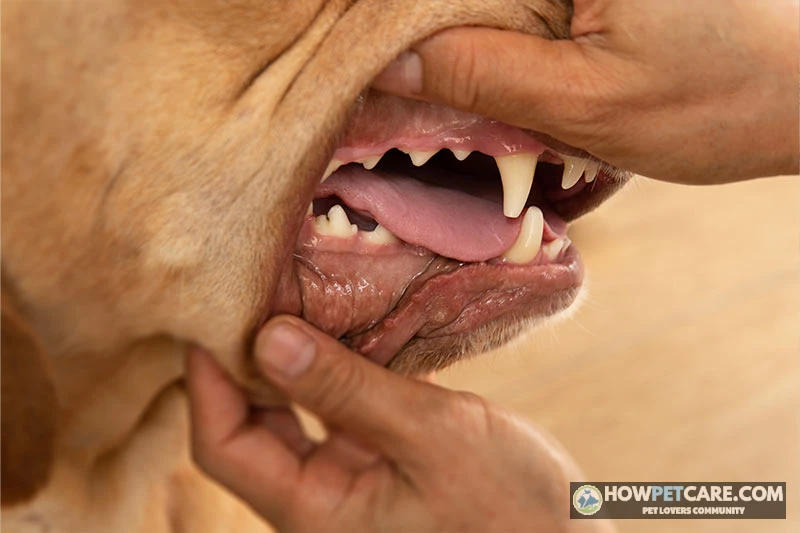
- ☐ Pale, white, muddy, or brick-red gums (a healthy dog’s gums are slippery and bubblegum pink; color should return within 1.5 to 2 seconds after pressing)
- ☐ Collapse, inability to stand, extreme weakness, or a "praying" posture (front chest on the floor with rear quarters held high in the air)
- ☐ Vomiting roughly three or more times within a span of a few hours
- ☐ Vomiting and watery diarrhea at the same time in an unvaccinated or young puppy
- ☐ Black, tarry stools (melena) or large, puddle-sized volumes of dark or bright red bloody stool
- ☐ Inability to keep even tiny sips of water down for several consecutive hours
- ☐ Confirmed or strongly suspected ingestion of a human medication, toxic plant, rodenticide, chocolate, xylitol, or a foreign object (toys, socks, bones)
📞 Call your vet today (within 12 to 24 hours) if:
- ☐ Mild vomiting or diarrhea has persisted for more than 24 hours despite withholding food
- ☐ A single stool contains small streaks of bright red blood or jelly-like mucus, but your dog is completely alert, playful, and drinking
- ☐ Total refusal of food (anorexia) lasts longer than 24 hours
- ☐ Any digestive symptoms appear in a senior dog, toy-breed puppy, or a dog diagnosed with underlying diabetes, renal disease, or Addison’s disease
- ☐ Gradual, unexplained weight loss occurs alongside chronic soft stools over several weeks
🏠 Monitor at home only if ALL of these apply — recheck every 2 to 4 hours:
- ☐ Your dog is a fully vaccinated, energetic adult acting completely normal otherwise
- ☐ They’ve had only one or two isolated vomiting episodes or a single loose stool
- ☐ They’re willing to drink water and reliably hold fluids down
- ☐ Their gums are moist and pink, and their abdomen is soft, relaxed, and pain-free when gently palpated
Upgrade rule: Switch from monitoring to "call your vet today" if loose stool or nausea persists beyond 24 hours. Go to an emergency clinic immediately if any red-flag symptom appears.
Go to an emergency vet now (red-flag checklist)
Some signs mean your dog can’t wait for a regular weekday appointment. Unproductive retching—when a dog arches their back, dry-heaves violently, and produces only thick white saliva or foam—is a classic hallmark of gastric dilatation-volvulus (GDV). Surgery is needed within hours to save the dog’s life. Severe systemic shock can also appear as pale or blue-tinged mucous membranes, a weak and racing femoral pulse, and sudden collapse.
Hemorrhagic gastroenteritis, now commonly called acute hemorrhagic diarrhea syndrome (AHDS), is another critical emergency. It causes sudden, massive fluid loss and diarrhea that resembles raspberry jam. Without rapid intravenous fluid therapy, a dog with AHDS can quickly go into hypovolemic shock. Treat vomiting accompanied by foul-smelling diarrhea in a puppy as an immediate emergency: puppies are especially vulnerable to canine parvovirus and rapid, fatal dehydration.
Call your vet today
If your adult dog isn’t collapsing but has symptoms that don’t resolve within a regular daytime cycle, arrange an evaluation during normal clinic hours. A dog who vomited once in the morning, skipped dinner, and produced soft stool may simply have an upset stomach from raiding the compost bin. But continuous fluid loss past 24 hours risks systemic dehydration, electrolyte imbalances, and mucosal damage.
An in-person physical exam and fecal screening are also necessary if your dog has persistent low-grade abdominal discomfort, mild lip-licking, continuous digestive gurgling, or mucus-coated stools for more than a day. These checks can help rule out Giardia, roundworms, or early bacterial overgrowth.
Safe to monitor at home for 12–24 hours
Healthy adult dogs can often handle a brief digestive upset. If a lively Labrador eats a small piece of non-toxic table food, throws it up an hour later, then wags their tail, looks for a toy, and drinks normally, you don’t need to rush to an emergency center.
Watch your dog closely and let them rest in a clean, quiet area indoors. Check gum moisture and skin elasticity every two to three hours to monitor hydration. If vomiting doesn’t recur and their energy stays steady, follow the resting and bland-food reintroduction protocol later in this guide.
Bloated Dog Stomach: How to Tell GDV (Bloat) From Normal Gas
An enlarged abdomen is alarming. Knowing the differences between ordinary post-meal gas and life-threatening bloat can help you act quickly.
Gastric dilatation-volvulus (GDV), commonly known as "bloat," occurs when the stomach fills with gas, fluid, or food and then twists on its axis (volvulus). The rotation pinches off the stomach’s entrance (esophagus) and exit (duodenum), trapping air and cutting off blood supply to the stomach wall and spleen. As the stomach expands, it compresses the caudal vena cava, severely restricting blood flow back to the heart and sending the dog into obstructive shock.
If your dog’s abdomen feels firm or looks enlarged and they are trying to vomit without bringing up food or bile, assume GDV until proven otherwise. Don’t wait for symptoms to resolve or give over-the-counter gas relief products like simethicone before a veterinarian evaluates your dog.
Compare these physical signs when assessing possible bloat and ordinary digestive gas:
- Abdominal palpation: With GDV, the stomach becomes distended, rigid, and drum-like in a short time. Gentle tapping on the side produces a hollow, tympanic sound. With normal gas or a full stomach after a hearty dinner, the abdomen remains soft, pliable, and comfortable to touch.
- Vocalization and posturing: A dog with GDV can’t get comfortable. They may pace endlessly, whine, pant heavily without heat or exercise, and repeatedly look at their flanks. A gassy dog may have audible intestinal rumbling (borborygmi) and pass gas freely while resting peacefully on their bed.
- Retching mechanics: GDV prevents contents from exiting the stomach. The dog retches rhythmically and distressingly, producing nothing or only scant dribbles of foamy mucus. Dogs with ordinary stomach irritation or excess gas either don’t retch or bring up the stomach contents.
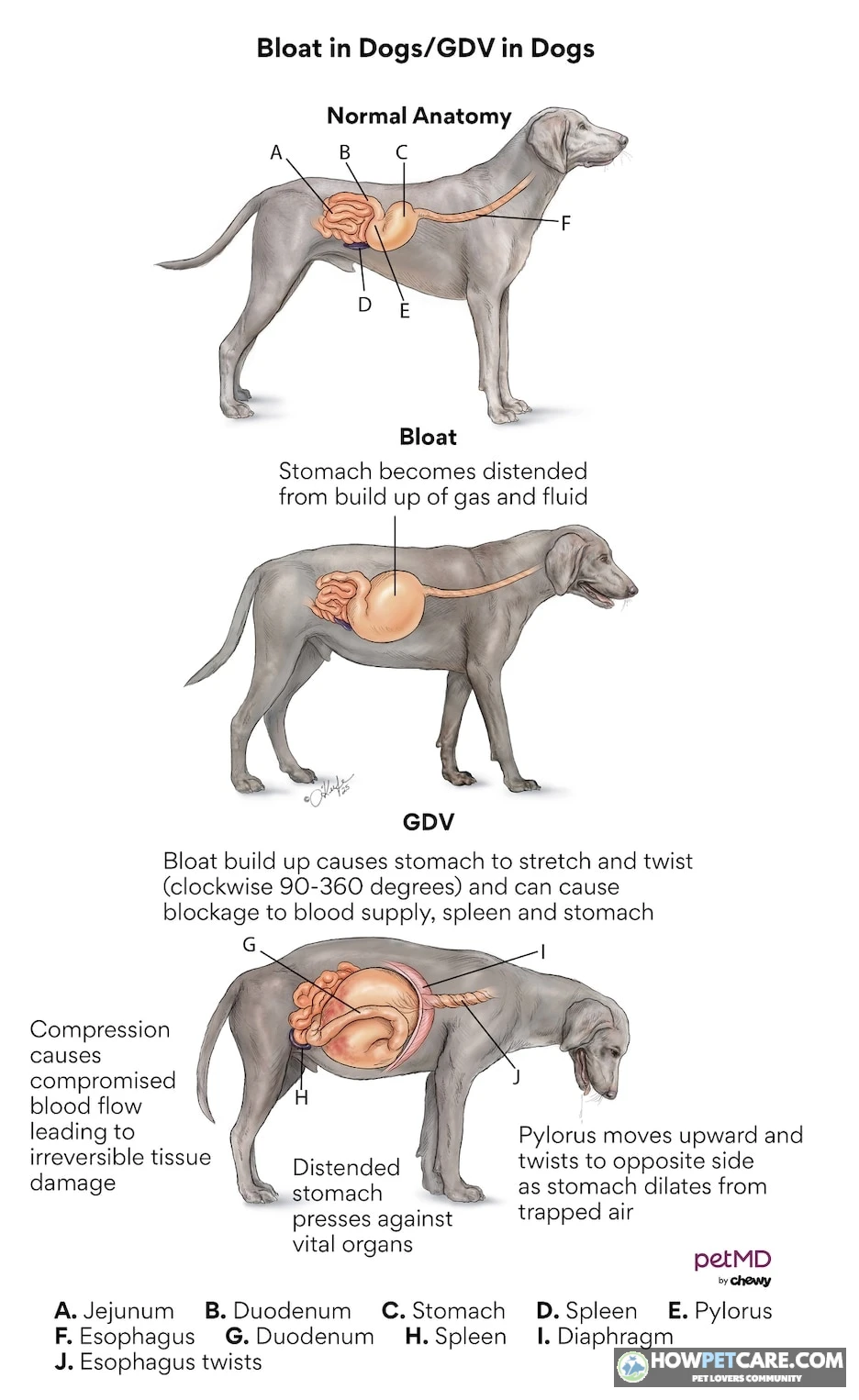
Some dogs have a much higher anatomical predisposition to GDV. Deep-chested, large, and giant breeds—whose ribcages are significantly deeper than they are wide—are at greatest risk. These breeds include:
- Great Danes (having the highest lifetime statistical risk)
- Standard Poodles
- German Shepherd Dogs
- Weimaraners
- Saint Bernards
- Irish Setters and Gordon Setters
- Doberman Pinschers
Other risk factors include advancing age, eating meals rapidly from elevated bowls, eating a single large daily meal, an anxious or fearful temperament, and having a first-degree relative (parent or sibling) with a history of bloat.
If you suspect GDV, call the veterinary hospital while you’re on the way. The surgical and critical care team can then set up IV catheters, prepare trocar decompression tools, and warm the surgical suite. Keep your dog lying flat, avoid pressure on the abdomen, and offer neither water nor home medications. Treatment involves emergency stabilization, aggressive fluid resuscitation, stomach decompression, and surgical gastropexy to untwist the stomach and permanently tack it to the internal abdominal wall.
To help prevent bloat in predisposed breeds, feed two or three smaller meals per day rather than one large feeding, use slow-feeder bowls, and restrict heavy running or strenuous exercise for an hour after eating. Discuss prophylactic gastropexy with your veterinarian during your dog’s spay or neuter procedure.
 You might be wonderingPemphigus foliaceus dogPemphigus Foliaceus in Dogs: Symptoms, Treatment & PrognosisRead the answer
Signs of Digestive Issues in Dogs and What Each Symptom Likely Means
Digestive upset can show up in a dog’s behavior, posture, vomit, or stool. Noting exactly what you see helps you assess urgency and describe the signs to your veterinary team.
Key outward signs of canine gastrointestinal issues include:
- Vomiting: An active process involving abdominal heaving, nausea, lip-smacking, and forceful expulsion of stomach contents.
- Regurgitation: A passive process in which undigested food or liquid slips out of the esophagus without abdominal contractions, nausea, or warning. It often points to esophageal dysfunction rather than a stomach disorder.
- Diarrhea: Frequent, unformed, loose, or watery stools. Signs may originate in the small intestine (large volume, watery, weight loss) or large intestine (frequent small amounts, straining, presence of mucus and blood).
- Tenesmus: Straining to defecate, often mistaken for constipation when an inflamed colon is actually causing phantom urges.
- Excessive flatulence and borborygmi: Loud gurgling or rumbling caused by gas moving through hypermotile intestines.
- Ptyalism (excessive drooling): Continuous drooling with excessive lip-licking, signaling pronounced nausea.
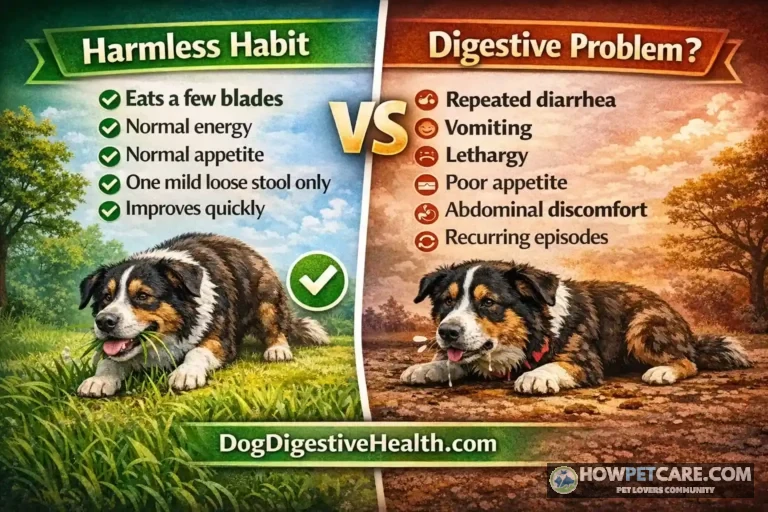
- Grass eating: Dogs are biologically classified as scavenging omnivores based on their dietary capacity, but sudden, frantic grass grazing often reflects an attempt to induce vomiting or relieve gastric acidity.
- The "Praying Posture": Dogs with acute, severe abdominal pain—most notably acute pancreatitis—stretch forward with their front paws and chest on the ground and hips raised in a play-bow stance to relieve visceral tension.
Symptom-to-likely-condition reference
Use this table to compare your dog’s symptoms with likely causes and urgency levels:
| Symptom or pattern | What it may look like | Likely causes | Urgency level | What to do |
|---|---|---|---|---|
| 1–2 vomit episodes, otherwise normal | Vomits food or yellow bile once, stays bright and playful | Dietary indiscretion (garbage, rich scraps), eating too fast, mild irritation | Low | Rest the stomach ~12 hrs, small water sips, recheck every few hours |
| Repeated vomiting + diarrhea in a puppy | Lethargy, refusing food, watery or foul/bloody stool | Parvovirus, parasites, dietary upset | Emergency | Vet same day — puppies crash fast, and parvo can be fatal |
| Straining + fresh red blood and mucus | Small amounts of stool with a jelly-like coating | Large-bowel colitis (stress, diet change, parasites) | Low–moderate | Call your vet for advice; monitor closely if the dog stays bright — vet exam if it lasts over 24–48 hrs or dog seems unwell |
| Large, soft, greasy stools + weight loss + ravenous appetite | Bulky cow-pat-like stools despite eating well | Exocrine pancreatic insufficiency (EPI), malabsorption | Moderate | Vet visit and bloodwork — needs specific diagnostic testing |
| On-and-off vomiting or soft stool for weeks | Waxing and waning signs, possible slow weight loss | Inflammatory bowel disease (IBD), chronic gastritis, food intolerance | Moderate | Vet workup — this is not a "wait it out" pattern |
| Vomiting + hunched "praying" posture after a fatty meal | Painful belly, possible fever, extreme lethargy | Pancreatitis | High | Vet today; usually needs aggressive fluids and pain control |
| Black, tarry stool (melena) | Dark, sticky, foul-smelling, coffee-ground feces | Bleeding in the upper GI tract (ulcer, toxin, NSAID damage) | Emergency | Go now — indicates digested blood from upper tract |
| Vomiting that won’t stop + can’t keep water down | Repeated retching, drooling, little or no stool passing | Foreign-body obstruction, severe acute gastroenteritis | Emergency | Go now — do not offer food or water |
| Swollen belly + unproductive retching | Tight, drum-like abdomen, pacing, foamy drool | Gastric dilatation-volvulus (GDV/bloat) | Emergency | Go now — minutes matter for surgical intervention |
| Soft stool within days of a food change or new treat | Loose stool, extra gas, normal energy and appetite | Abrupt diet change, food intolerance | Low | Return to the previous food; re-transition over 7–10 days |
| Sudden watery diarrhea after boarding, travel, or stress | Loose stool, sometimes mucus, dog otherwise active | Stress colitis | Low | Monitor 12–24 hrs, feed bland diet; vet if it worsens |
Reading vomit: color and texture clues
The color, timing, and contents of your dog’s vomit can give your veterinarian useful context:
- Clear liquid or white foam: Often associated with stomach irritation, acid reflux, or coughing up swallowed respiratory secretions. It can also appear when a dog retches on an empty stomach.
- Bright yellow or green liquid: This is bile, an alkaline digestive fluid produced by the liver and stored in the gallbladder. Bile vomiting commonly occurs in the early morning or late night after a dog’s stomach has been empty for a prolonged period (reflux gastritis). It can also occur when repeated retching empties the stomach and brings up intestinal secretions.
- Undigested food: Food that retains its kibble shape, is coated with saliva, and has no sour gastric odor suggests regurgitation from the esophagus. If it’s partially broken down and smells acidic, it was in the stomach and came up through true vomiting.
- Dark brown or "coffee-grounds" appearance: This material is partially digested blood that has reacted with stomach acid. It can indicate gastric ulceration, severe mucosal sloughing, or toxin ingestion and is an urgent diagnostic priority.
- Fresh bright red blood (hematemesis): Streaks or flecks may come from capillaries broken during violent retching. Pooling blood or clots, however, indicate significant upper gastrointestinal hemorrhaging requiring immediate veterinary evaluation.
Reading stool: fecal score, color, blood, and mucus
Veterinarians evaluate canine stool using a standard 1-to-7 fecal scoring system:
- Score 1: Individual hard, dry, bullet-like pellets. Indicates constipation or severe dehydration.
- Score 2: Firm, segmented, shapely stool that leaves no residue when picked up. This is ideal.
- Score 3: Moist, formed log with distinct segments that leaves slight residue on the grass.
- Score 4: Very moist, soft log losing its structural definition; leaves noticeable residue.
- Score 5: Very soft, distinct piles that have lost their shape; texture resembles soft-serve ice cream.
- Score 6: Moist, cow-pat style stool with no defined shape.
- Score 7: Completely watery diarrhea with no solid pieces, spraying or pooling.
Stool color can also provide clinical clues:
- Black, tarry (melena): Digested blood from the stomach or upper small intestine. Always treat as an emergency.
- **Bright red streaks (hematochezia):Fresh bleeding in the colon, rectum, or anus, commonly triggered by colitis, whipworms, or rectal irritation from passing bone fragments.
- Jelly-like mucus:** Produced by goblet cells in the large intestine in response to irritation. It often accompanies acute colitis caused by dietary indiscretion, parasites, or stress.
- Pale yellow, mustard, or orange: Suggests rapid intestinal transit, leaving bile insufficient time to undergo bacterial breakdown into its typical brown pigment. It can also point to liver or gallbladder dysfunction.
- Gray or greasy (steatorrhea): A classic indicator of unabsorbed fats, often seen in exocrine pancreatic insufficiency (EPI) or severe intestinal malabsorption.
- Green: May indicate ingestion of rodenticide (many commercial rat baits contain dye markers), large volumes of grass, or severe gallbladder issues.
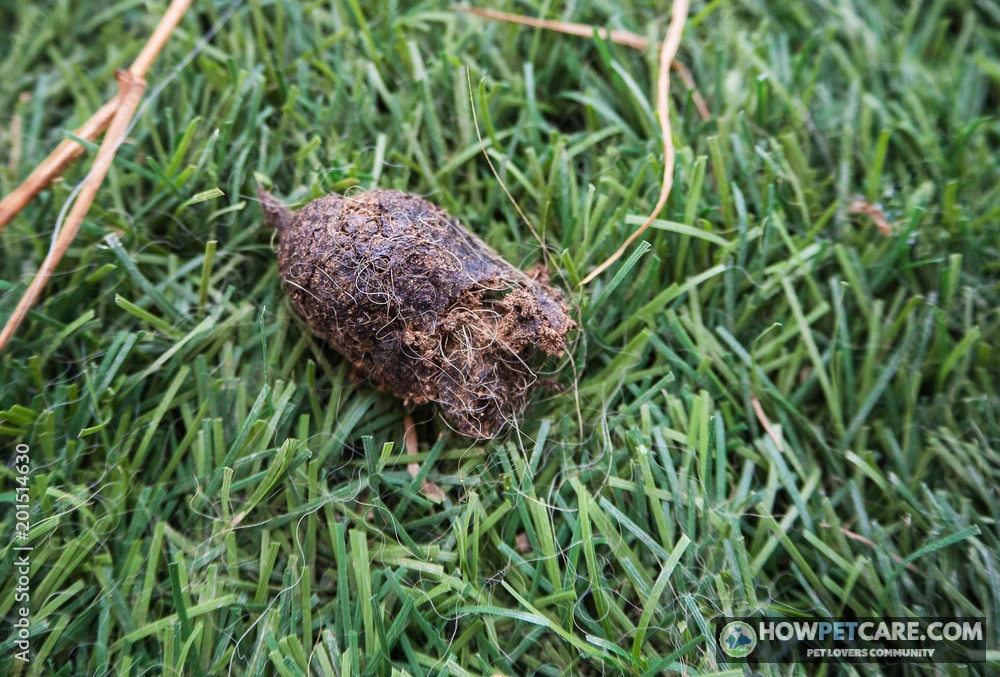
Blood in a dog’s stool is never normal. A few tiny red specks in a playful, energetic dog with mild large-bowel colitis can be monitored for 24 hours under veterinary telephone advice. Continuous bleeding, copious pooling blood, or black tarry stools require urgent intervention.
What Causes Digestive Problems in Dogs? Common Triggers by Age and Breed
A dog’s digestive anatomy can handle a variety of nutrient sources. Dogs have carnassial teeth adapted for shearing flesh and bone, yet their metabolic profile, enzymatic capacity, and nutritional needs confirm that they are biologically scavenging omnivores. Their digestive systems remain sensitive, however, to rapid nutritional shifts, systemic inflammatory triggers, and pathogens.
   [Dietary Insults]          [Pathogens]           [Systemic Illness]
   - Abrupt food changes      - Parvovirus          - Pancreatitis
   - High-fat table scraps    - Giardia / Worms     - IBD / EPI
   - Foreign bodies           - Bacterial toxins    - Renal / Hepatic disease
           │                          │                         │
           └──────────────────────────┼─────────────────────────┘
                                      ▼
                         Canine GI Tract Disruption
                         - Mucosal inflammation
                         - Motility alterations
                         - Microbiome dysbiosis
                                      ▼
                             Vomiting / Diarrhea
Everyday triggers: diet, stress, and swallowed things
Dietary indiscretion is the most frequent cause of acute gastrointestinal upset in dogs. Dogs readily scavenge decomposed matter, grease traps, compost, and discarded animal bones. High-fat human foods, such as bacon grease, butter, poultry skin, and gravy, can overwhelm digestive enzymes in the duodenum, causing severe mucosal irritation or triggering acute pancreatic inflammation.
Abrupt diet changes are another common trigger. The gut microbiome needs time to adjust its microbial populations to digest different ratios of proteins, fats, carbohydrates, and fiber. Switching kibble brands overnight often leads to osmotic diarrhea, excess gas, and cramping.
Swallowed objects pose a physical hazard. Socks, tennis balls, corn cobs, hair scrunchies, and rawhide chunks may not pass through the pylorus or ileocecal valve. These foreign bodies can cause partial or complete mechanical obstructions, cutting off local blood flow and creating necrotic bowel perforations if they aren’t removed promptly.
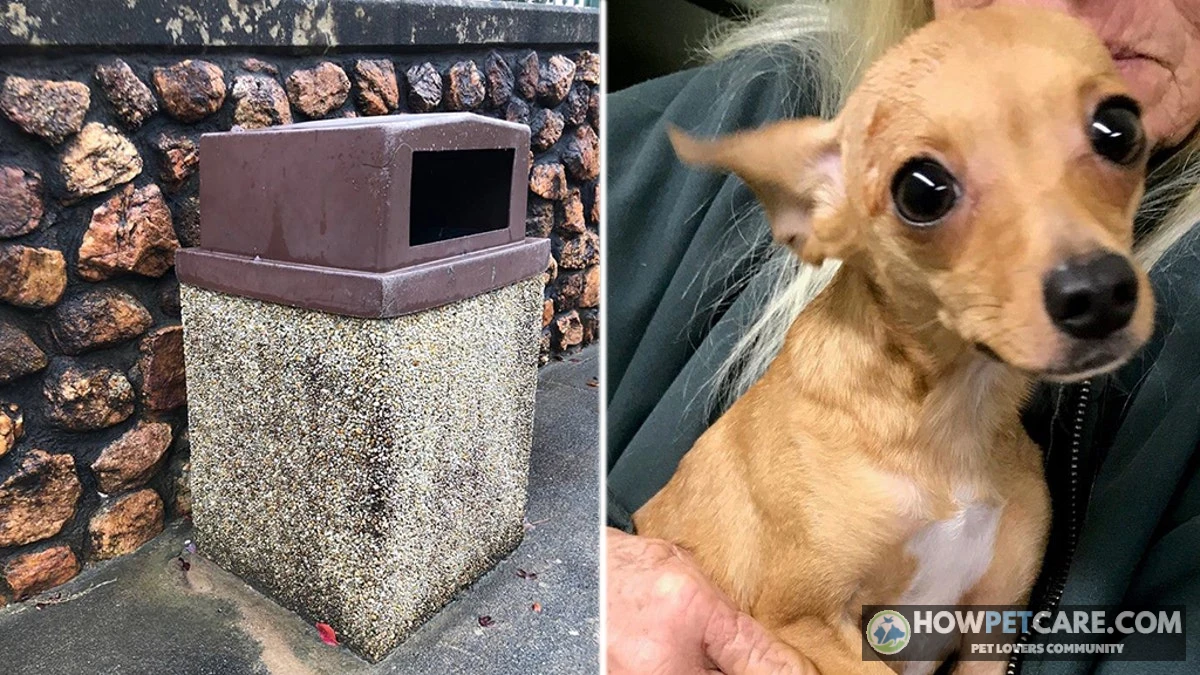
Psychological stress is an underrecognized trigger of gut dysfunction. The canine gut-brain axis responds quickly to autonomic changes. Kenneling, boarding, veterinary visits, fireworks, long road trips, or adoption into a new home frequently trigger stress colitis, which causes sudden bouts of liquid, mucus-laden stools.
Infections, parasites, and medical conditions
Infections and underlying organ disease often cause gastrointestinal signs:
- Acute gastroenteritis: Rapid inflammation of the stomach and intestinal lining. It often stems from spoiled food, mild toxin exposure, or viral pathogens and produces vomiting and loose stool together.
- Intestinal parasites: Common endoparasites include roundworms (Toxocara canis), hookworms (Ancylostoma caninum), whipworms (Trichuris vulpis), and protozoans like Giardia lamblia and Coccidia. Hookworms feed on mucosal blood vessels, causing dark melena and severe anemia. Whipworms inflame the cecum and colon, causing mucoid, bloody diarrhea.
- Viral infections: Canine parvovirus attacks rapidly dividing cells in the intestinal crypts, destroying the absorptive villi. The dog becomes unable to absorb nutrients or retain fluids, and the bloodstream is exposed to enteric bacteria.
- Pancreatitis: The pancreas produces digestive enzymes (lipase, amylase, trypsin) in inactive forms (zymogens). In pancreatitis, these enzymes activate prematurely within the delicate pancreatic tissue, causing auto-digestion, severe local necrosis, intense visceral pain, and a systemic inflammatory response.
- Exocrine Pancreatic Insufficiency (EPI): Atrophy of pancreatic acinar cells prevents the dog from producing adequate digestive enzymes. Dogs with EPI show a ravenous appetite, rapid muscle wasting, and large, gray, foul-smelling stools.
- Inflammatory Bowel Disease (IBD): A chronic syndrome in which inflammatory cells (lymphocytes, plasma cells, or eosinophils) persistently infiltrate the lamina propria of the gastrointestinal tract, causing relapsing cycles of vomiting, diarrhea, and poor nutrient uptake.
- Adverse Food Reactions (Food Intolerance vs. True Food Allergy): Food intolerances are non-immune-mediated digestive reactions to specific compounds, such as lactose, excessive fat, or specific fibers. True food allergies are immune-mediated (Type I or Type IV hypersensitivities), almost always directed against intact dietary glycoproteins like chicken or beef, and frequently appear alongside itchy skin, pododermatitis, and chronic ear infections.
Higher-risk puppies, seniors, and breeds
Life stage and breed can affect a dog’s clinical vulnerabilities:
- Puppies: Their glycogen stores and body mass are low. They dehydrate rapidly and can slip into life-threatening hypoglycemia within 12 hours of fluid loss. Their developing immune systems also leave them vulnerable to parvovirus, coronavirus, and heavy parasite loads. Puppies must never undergo long fasts.
- Seniors: Older dogs with new gastrointestinal symptoms have a higher statistical risk of chronic underlying diseases, including renal insufficiency, hepatic disease, intestinal lymphoma, adenocarcinoma, and adenocarcinoma-associated ulceration.
- Breed predispositions:
- German Shepherd Dogs: Prone to exocrine pancreatic insufficiency (EPI), antibiotic-responsive enteropathy, and chronic idiopathic colitis.
- Miniature Schnauzers: Genetically predisposed to idiopathic hyperlipidemia, making them sensitive to dietary fat and exceptionally prone to severe bouts of acute pancreatitis.
- Brachycephalic Breeds (English Bulldogs, French Bulldogs, Pugs): Anatomical airway restrictions create chronic negative intrathoracic pressure, pulling stomach acid into the esophagus and driving chronic regurgitation, hiatal hernias, and reflux gastritis.
- Deep-Chested Breeds (Great Danes, Standard Poodles): At high risk for life-threatening gastric dilatation-volvulus (GDV).

New digestive symptoms in seniors warrant a veterinary workup. (Source: made-in-china)

How to Help a Dog With an Upset Stomach at Home: A Step-by-Step Recovery Protocol
Home care may be appropriate if your adult dog meets the triage criteria above: no red flags, bright behavior, good hydration, and only one or two mild episodes.
Never attempt home management without professional veterinary direction if your dog is under six months old, weighs under 10 pounds (toy breed), has been diagnosed with diabetes mellitus, is an elderly senior with organ disease, or is currently taking prescription medications.
Follow these steps to support your dog’s recovery:
-
Step 1: Rest the Stomach
Withhold solid food for a short, controlled period to let the inflamed gastric mucosa settle.
-
Step 2: Rehydrate Safely
Offer tiny, measured portions of water on a schedule to avoid triggering further vomiting.
-
Step 3: Prepare and Feed a Bland Diet
Cook a simple, low-fat protein and carbohydrate meal, and feed small, frequent portions throughout the day.
-
Step 4: Transition Back to Regular Food
Gradually reintroduce your dog’s standard kibble over multiple days to prevent a rebound digestive upset.
Step 1: Rest the stomach (and who should not fast)
For a healthy, non-diabetic adult dog with acute vomiting, a brief gastrointestinal rest helps interrupt the cycle of mucosal irritation. Older recommendations often suggested extended 24- to 48-hour fasts, but current veterinary consensus favors shorter resting windows of approximately 12 hours (and rarely exceeding 24 hours). Prolonged fasting deprives the cells lining the intestines (enterocytes) of direct luminal nutrition, which can impair intestinal barrier function.
Never withhold food from:
- Puppies under 6 months of age (risk of dangerous hypoglycemia)
- Toy breeds like Yorkies, Chihuahuas, or Maltese (susceptible to rapid blood sugar crashes)
- Diabetic dogs (fasting without adjusting insulin doses can induce fatal hypoglycemic shock)
- Senior dogs showing signs of muscle wasting
Step 2: Rehydrate safely
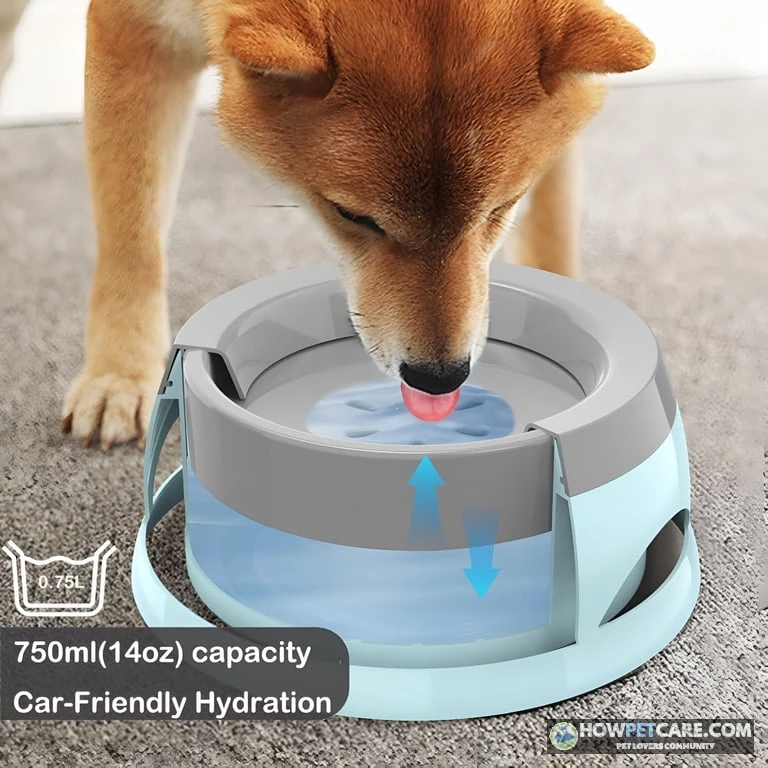
When a dog’s stomach is inflamed, gulping a large bowl of cool water can distend the stomach lining and trigger immediate vomiting. Follow this rehydration routine:
- Pick up the main water bowl. Remove uncontrolled access to liquids.
- Offer small amounts on a timer: Provide 1 to 2 tablespoons of room-temperature water per 10 pounds of body weight every 20 to 30 minutes, or offer a couple of ice chips to lick.
- Step up gradually: If your dog holds this down for three consecutive hours, double the volume per offering. After another three successful hours, return a bowl with a modest volume of water to the floor.
- Electrolyte fluids: You may offer unflavored pediatric electrolyte solution diluted 50/50 with water, or plain, low-sodium chicken broth prepared with zero onions or garlic. Check labels for artificial sweeteners, especially xylitol. Consult your veterinarian before giving electrolyte solutions to dogs with congestive heart failure or advanced kidney disease.
- Perform the physical dehydration checks:
- The Gum Test: Lift the upper lip and press your fingertip flat against the gum tissue. It should feel slick and moist. Tacky, dry, or sticky gums mean the dog is dehydrated. When you remove your finger, the pale blanch mark must turn bubblegum pink again within two seconds.
- The Skin Tent Test: Gently lift a fold of skin over the dog’s shoulders and release it. In a well-hydrated dog, the skin snaps back into place instantly. If the fold sinks slowly or remains standing like a tent, the dog requires veterinary fluid therapy.
Step 3: Bland diet recipe and portions
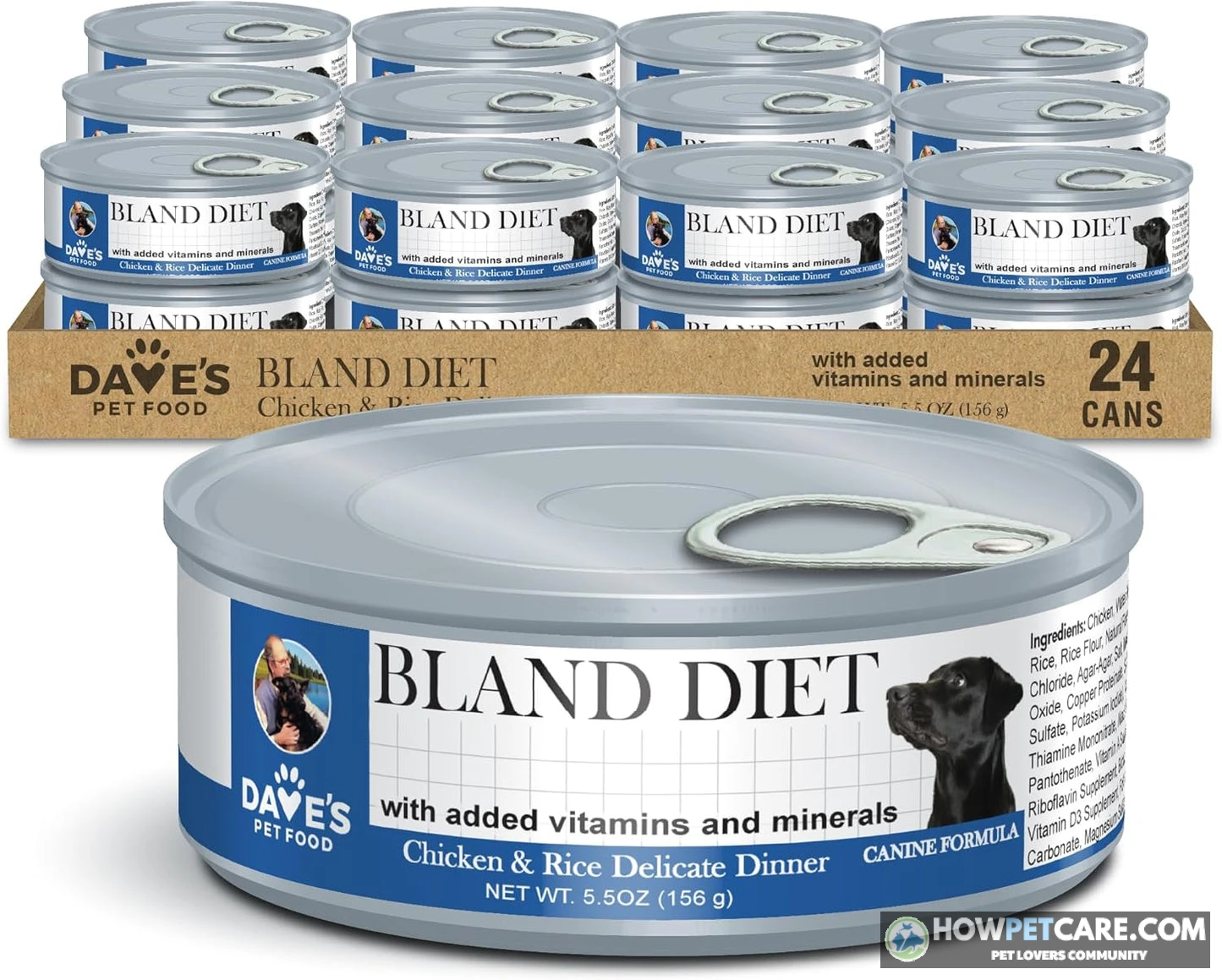
Once your dog has gone 8 to 12 hours without vomiting and has held down small amounts of water, introduce a low-fat bland diet. The standard, veterinary-approved meal uses a 1:2 ratio of lean protein to easily digestible starch.
- Protein source: Skinless, boneless chicken breast (or extra-lean 93%+ ground turkey). Boil in plain water and drain all grease. Don’t use rotisserie chicken, oils, butter, or seasonings.
- Carbohydrate source: Plain, enriched white rice. It’s low in insoluble fiber, making it easy for the inflamed small intestine to break down with minimal digestive effort. Cook it slightly softer than normal. Don’t substitute brown rice during an acute upset; its high fiber content can increase bowel motility and irritate the mucosal lining.
- Alternative for chicken-sensitive dogs: If your dog has a known poultry sensitivity, substitute plain boiled cod, lean ground turkey, or plain boiled mashed potatoes (no skins, no milk, no butter).
Feed roughly half of your dog’s normal daily food volume on Day 1, divided into four to six micro-meals spaced evenly throughout the day. Smaller portions prevent stretching of the gastric wall and minimize digestive acid production.
You can add plain canned pumpkin (100% pure pumpkin, never sugary pumpkin pie mix) in small quantities (1 teaspoon per meal for small dogs, 1 to 2 tablespoons for large dogs). Pumpkin provides soluble fiber, which helps absorb excess fluid in loose stools while retaining moisture to soften hard, dry stool. Avoid unproven home remedies such as milk, vegetable oils, raw eggs, or cider vinegar, which often worsen gastrointestinal irritation.
Step 4: Day-by-day return to regular food
A bland diet isn’t nutritionally balanced for long-term feeding; it lacks essential minerals, fatty acids, and vitamins. Once stools begin to firm up and vomiting has stopped for 24 to 48 hours, transition your dog back to regular food using this schedule:
| Day | Recovery plan (bland to regular food) | New food switch plan (old to new food) | What to watch for |
|---|---|---|---|
| 1–2 | Bland diet only, small frequent meals | 75% old / 25% new | Vomiting should have stopped and stools should be firming up — no improvement by 48 hrs = call the vet |
| 3 | 75% bland / 25% regular food | 75% old / 25% new | If stool softens, hold at this ratio an extra day |
| 4 | 50% bland / 50% regular | 50% old / 50% new | Watch appetite and energy closely |
| 5 | 25% bland / 75% regular | 50% old / 50% new (sensitive dogs: slow down here) | Any looseness = step back one ratio, don’t push forward |
| 6 | Back to 100% regular food | 25% old / 75% new | Normal, formed stool should be returning |
| 7–9 | — | 25% old / 75% new | Sensitive-stomach dogs may need 10–14 days total |
| 10+ | — | 100% new food | Soft stool beyond ~2 weeks = vet visit, not another new food |
If soft stool returns during the bland-to-regular transition, go back to the previous day’s ratio for an additional 24 to 48 hours before trying to move forward again.
Medicine for Dog Stomach Problems: What’s Safe, What’s Prescribed, and What’s Dangerous
It can be tempting to search your medicine cabinet when your dog is uncomfortable. Human gastrointestinal medications, however, can be dangerous or fatal to dogs without professional veterinary guidance.
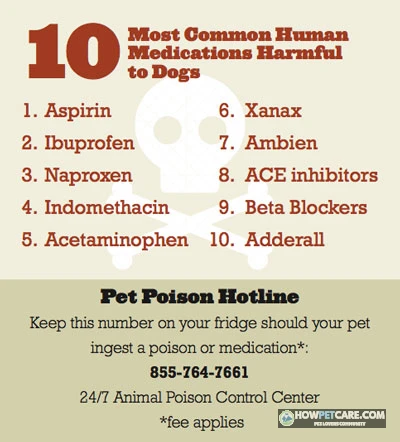
Never give your dog human non-steroidal anti-inflammatory drugs (NSAIDs) such as ibuprofen (Advil, Motrin), naproxen (Aleve), or aspirin, and never give acetaminophen (Tylenol). These compounds can cause severe gastric ulcerations, intestinal perforations, acute liver necrosis, and irreversible kidney failure in dogs, even at very low doses.
Check the safety and cautions for common medications and remedies before giving your dog anything:
| Medication or remedy | Status | Why it matters / cautions |
|---|---|---|
| Vet-formulated dog probiotics | Generally safe | Best evidence for supporting stool quality during and after diarrhea; look for labeled strains and CFU counts — human yogurt is not a reliable substitute |
| Plain canned pumpkin or psyllium | Generally safe in small amounts | Soluble fiber can firm loose stool and soften hard stool; roughly 1 tsp–1 Tbsp per meal depending on size — pumpkin, not pie filling |
| Famotidine (acid reducer) | Ask your vet first | Sometimes directed for acid-related upset; wrong choice if the cause is obstruction, toxin, or pancreatitis |
| Maropitant (Cerenia), ondansetron | Prescription only | Anti-nausea drugs a vet may use after an exam; masking nausea without knowing the cause is risky |
| Metronidazole, dewormers | Prescription only | Targeted at specific causes of diarrhea — antibiotics aren’t a cure-all |
| Bismuth subsalicylate (Pepto-Bismol) | Avoid without vet guidance | Salicylates can irritate the gut, and it turns stool black — which can hide real bleeding |
| Loperamide (Imodium) | Do not give without vet OK | Dangerous for MDR1-mutation breeds (Collies, Australian Shepherds, Shelties); can worsen some infections |
| Ibuprofen, naproxen | Never | GI ulceration and kidney damage, even at small doses |
| Aspirin | Never without vet direction | High bleeding risk and severe gastric ulcers |
| Acetaminophen (Tylenol) | Never | Liver damage and fatal red blood cell toxicity (methemoglobinemia) |
| Any human medication swallowed by accident | Emergency | Call your vet or poison control immediately — animal poison hotlines may charge a consultation fee |
Veterinarians choose treatments for the specific problem. For intractable nausea and vomiting, they frequently prescribe maropitant citrate (Cerenia), an NK1 receptor antagonist that acts directly on the emetic center of the brainstem, or ondansetron, a 5-HT3 receptor antagonist. For large-bowel colitis, a vet may prescribe metronidazole or tylosin for their combined antimicrobial and anti-inflammatory properties. Modern veterinary protocols avoid overusing antibiotics for self-limiting diarrhea to protect the gut microbiome.
Dog probiotics provide live beneficial microorganisms that help re-establish microbial equilibrium after acute diarrhea, dietary shifts, or antibiotic courses. Look for veterinary-formulated supplements (Enterococcus faecium, Bifidobacterium animalis, Lactobacillus acidophilus) with guaranteed Colony Forming Unit (CFU) counts. Human yogurt isn’t an effective substitute: it contains relatively low canine-specific bacterial counts, and its lactose can trigger diarrhea in lactose-intolerant dogs.
Digestive enzyme supplements containing concentrated amylase, lipase, and protease are primarily indicated for dogs formally diagnosed with exocrine pancreatic insufficiency (EPI). They don’t benefit dogs with routine, uncomplicated stomach upset.
What the Vet Will Do for Dog Gastrointestinal Issues: Tests, Treatments, and Typical Costs
Knowing what care may cost can help you plan with your veterinary team. The diagnostic steps depend on how ill your dog is.
Diagnostic tests and when they are used
At the clinic, the veterinary team may use the following diagnostic workup:
- Physical examination and history: The veterinarian checks hydration, gum color, and capillary refill time; auscultates the heart and lungs; and gently palpates the abdomen for pain, mass effects, fluid accumulation, or bunched intestinal loops.
- Fecal flotation and antigen testing: A fresh fecal sample is analyzed for parasite eggs (roundworms, hookworms, whipworms) and protozoal cysts. Specialized ELISA antigen tests detect Giardia and canine parvovirus within 15 minutes.
- Complete Blood Count (CBC) and serum chemistry panel: A CBC evaluates white blood cell counts for systemic infection or inflammation and red blood cell levels for internal blood loss. Chemistry panels evaluate organ function (liver, kidneys), electrolytes (potassium, sodium, chloride), blood glucose, and total protein.
- Specific pancreatic lipase testing (Spec cPL): This test quantifies canine pancreatic lipase in the bloodstream. Markedly elevated values confirm active, acute pancreatitis.
- Abdominal radiographs (X-rays): Two or three photographic views of the abdomen let veterinarians see gas patterns, detect radio-opaque foreign bodies (bones, metal, stones), identify bowel obstructions, and assess the stomach’s anatomical position.
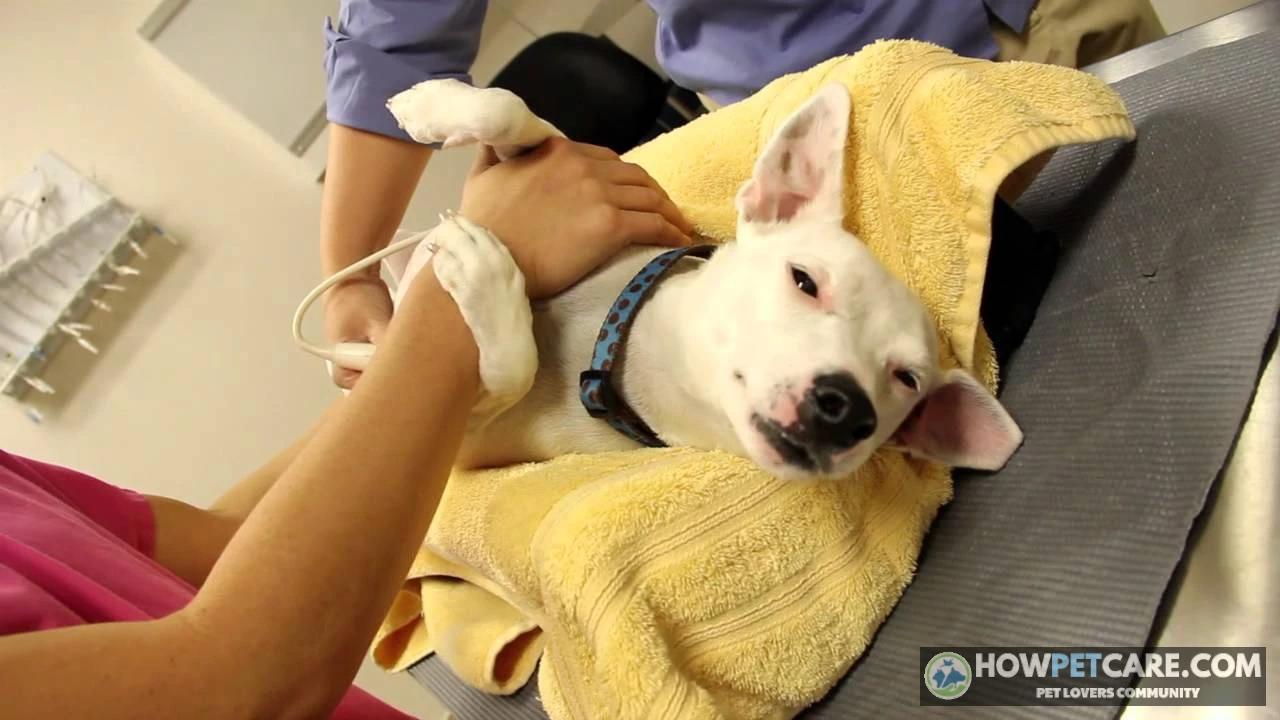
- Abdominal ultrasound: This provides high-resolution, cross-sectional views of the internal architectural layers of the stomach, intestinal walls, pancreas, mesenteric lymph nodes, and liver. It can detect soft-tissue foreign bodies (cloth, plastic), subtle tumors, or intussusception (telescoping bowel).
- Endoscopy and mucosal biopsy: Under general anesthesia, a flexible camera is advanced down the esophagus and stomach into the duodenum (or upward through the colon) to inspect the mucosa and retrieve pinch biopsies for histopathology. This is commonly performed for chronic IBD or intestinal cancer.
Treatment options and cost ranges
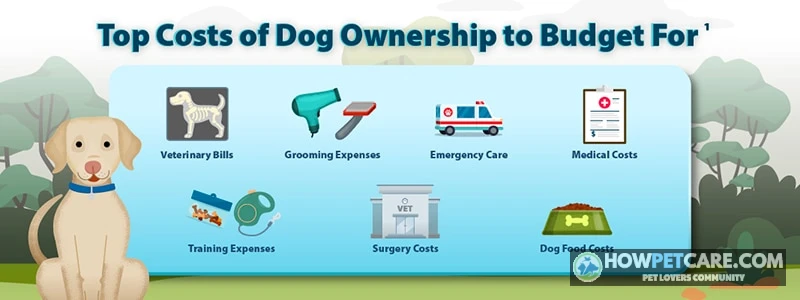
Veterinary costs in the United States vary significantly between suburban general practices, specialty referral centers, and urban 24-hour emergency hospitals. The ranges below reflect typical 2026 cost estimates across the United States:
| Test or treatment | What it checks for | When it’s usually done | Approximate cost range (2026) |
|---|---|---|---|
| Comprehensive Physical Exam | Vital signs, abdominal pain, hydration, oral gums | Standard first step for all visits | $55–$165 |
| Fecal Flotation / Giardia ELISA | Parasite ova, protozoal infections | Routine diarrhea workup | $35–$95 |
| Bloodwork (CBC + Full Chemistry) | Infection markers, organ function, electrolytes | Persistent vomiting, lethargy, dehydration | $130–$340 |
| Pancreatic Lipase Test (Spec cPL) | Quantifies active pancreatic inflammation | Suspected pancreatitis, severe abdominal pain | $90–$210 |
| Abdominal Radiographs (2–3 views) | Obstructive gas patterns, radio-opaque foreign objects | Retching, persistent vomiting, bloat suspicion | $175–$450 |
| Abdominal Ultrasound | Intestinal layer thickness, soft foreign bodies, masses | Unresolved or chronic vomiting/diarrhea | $350–$750 |
| Subcutaneous Fluids | Rehydrates mild-to-moderate fluid loss | Outpatient dehydration treatment | $45–$110 |
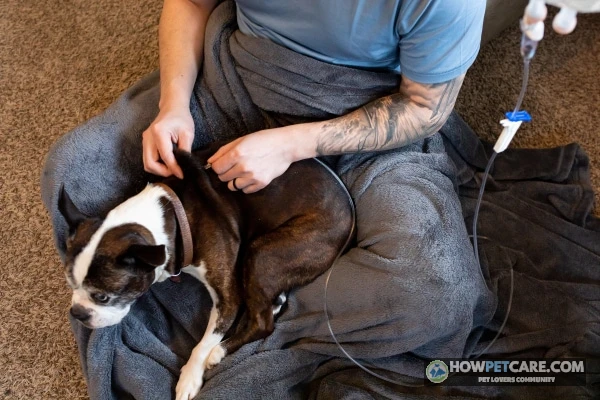
| IV Catheter + In-Hospital Fluids | Continuous intravenous hydration and electrolyte therapy | Moderate-to-severe dehydration, pancreatitis | $250–$850 / day |
| Injectable Anti-Emetics / Gastroprotectants | Halts vomiting center, soothes mucosal lining | Acute nausea, continuous vomiting | $60–$180 |
| Endoscopy with Biopsies | Visualizes mucosal lining, harvests tissue samples | Chronic gastrointestinal disease, suspected IBD | $950–$2,800 |
| Foreign Body Emergency Surgery | Removes gastrointestinal mechanical blockage | Confirmed mechanical obstruction | $2,200–$6,500 |
| Emergency GDV (Bloat) Surgery | Decompresses, untwists stomach, performs gastropexy | Confirmed gastric torsion emergency | $3,500–$9,000+ |
To manage costs without compromising your dog’s welfare:
- Request a tiered estimate: Ask for an initial, targeted diagnostic plan, such as baseline bloodwork and an X-ray, before committing to advanced imaging. Prioritize tests that directly affect the immediate treatment path.
- Address symptoms early: Care during standard daytime clinic hours when symptoms first emerge is far less expensive than emergency hospitalization at midnight after severe dehydration or shock has set in.
- Inquire about payment structures: Many clinics work with veterinary financing solutions such as CareCredit, Scratchpay, or clinic-specific payment plans.
- Prepare your clinical history: Bring photographs of stool and vomit, a precise timeline of the signs, the brand of food and treats fed, and a complete list of household toxins or medications your dog could have accessed.
Dog Food for Sensitive Stomachs: Switching Foods Safely and Preventing Repeat Episodes
After an acute digestive episode resolves, careful feeding and gradual food changes can help maintain gut stability. Chronic digestive sensitivity is often manageable through appropriate nutritional choices.
A 7–10 day food transition schedule
An abrupt switch to a new commercial dog food can cause acute digestive upset. The canine gut microbiome adapts gradually to different proportions of ingredients. Use this transition plan when changing kibble, wet food, or formulations:
Day 1–3:   [ 25% New Diet ]  +  [ 75% Current Diet ]
Day 4–6:   [ 50% New Diet ]  +  [ 50% Current Diet ]
Day 7–9:   [ 75% New Diet ]  +  [ 25% Current Diet ]
Day 10+:   [ 100% New Diet ]
For dogs with a history of recurrent sensitive stomach issues, extend the transition over 10 to 14 days. If loose stool develops at any stage, hold at that ratio for an additional two to three days until the stool normalizes, then proceed.
How to choose a food for a sensitive stomach (without the brand pitch)
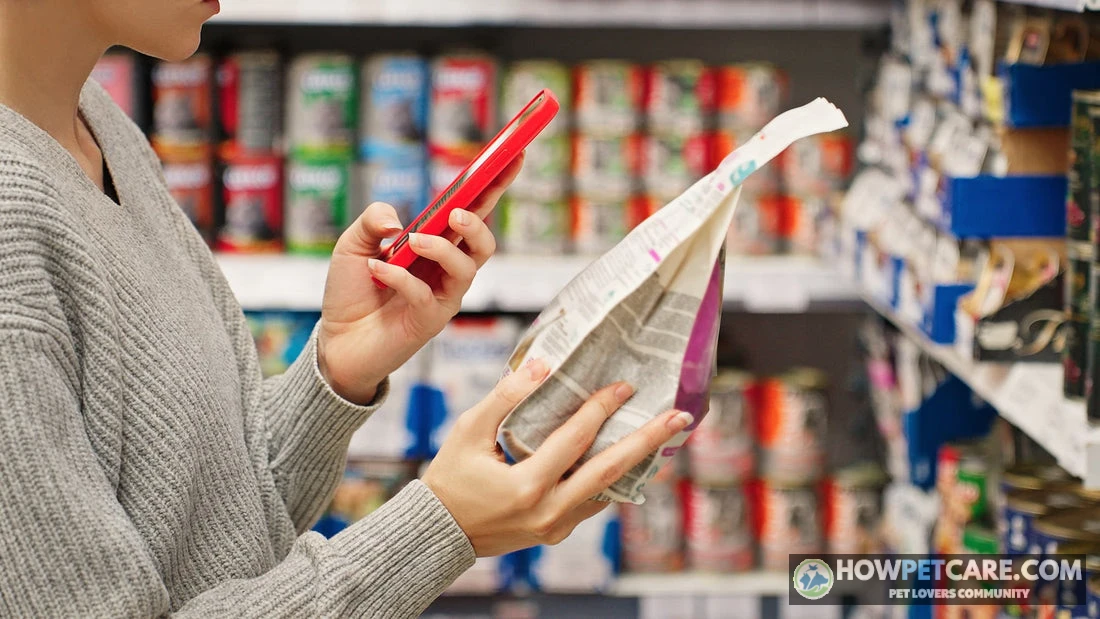
Pet food marketing can make comparisons confusing. Rather than focusing on brands, look for these functional formulation criteria on the nutritional label:
- High digestibility: Formulations centered on highly digestible ingredients produce smaller, firmer stools and support maximum nutrient uptake in the small intestine, with minimal fermentable residue reaching the colon.
- Moderate-to-low fat content: High-fat meals slow gastric emptying and can trigger pancreatic inflammation. Look for foods with moderate fat percentages (roughly 10% to 14% on a dry-matter basis for adult maintenance).
- Novel or single-source intact protein: If adverse food reactions are suspected, single novel protein diets (such as venison, duck, or lamb) or hydrolyzed protein diets (where protein molecules are enzymatically broken down below the molecular weight that triggers an immune response) help prevent allergic stimulation.
- Balanced prebiotic soluble and insoluble fibers: Soluble fiber, such as beet pulp or chicory root extract, provides prebiotic fuel for beneficial colonic microflora, generating short-chain fatty acids (SCFAs) that nourish colonocytes. Insoluble fiber adds gentle bulk to stimulate natural peristalsis.
- AAFCO nutritional adequacy statement: Check for an explicit Association of American Feed Control Officials (AAFCO) statement confirming the diet is complete and balanced for the dog’s life stage through formulation or feeding trials.
If your dog has ongoing soft stools, gassiness, intermittent morning bile vomiting, or gradual weight loss lasting more than three weeks despite a controlled diet, stop switching foods. This pattern suggests underlying medical issues like inflammatory bowel disease, exocrine pancreatic insufficiency, or chronic giardiasis. These require structured veterinary diagnostics rather than another bag of retail food.
Daily habits can help prevent recurrent digestive issues:
- Secure garbage cans behind closed cabinet doors or use heavy, latching lids.
- Avoid sharing high-fat table scraps, bacon, sausages, or seasoned gravies.
- Introduce one single variety of new treat at a time over several days to check digestive tolerance.
- Maintain year-round, veterinarian-recommended broad-spectrum internal parasite prevention.
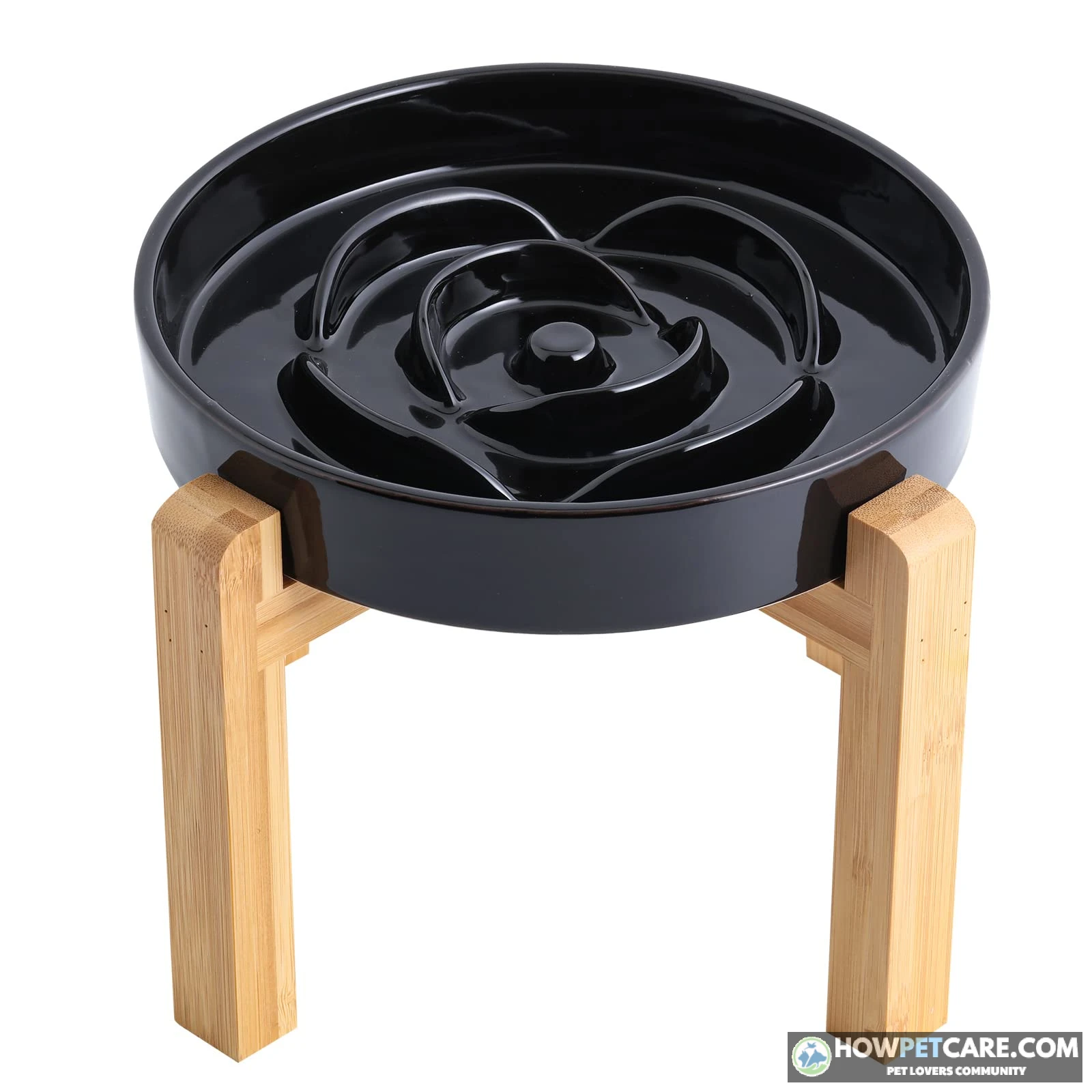
- Use interactive puzzle toys or slow-feeders for fast eaters to reduce air swallowing (aerophagia) and post-meal regurgitation.
Your Dog Digestive Problem Action Plan: A Quick Decision Checklist
When your dog shows signs of digestive upset, use this action plan:
- Perform the Red-Flag Assessment: Examine your dog’s abdomen, check gum color, look for unproductive retching, check stool for dark black color or pooling fresh blood, and observe energy levels. If any red flag is present, go to an emergency veterinary clinic immediately.
- Isolate and Remove Food: If your dog is an otherwise bright, energetic adult passing mild loose stool or has vomited once, withhold solid food for 12 hours. Don’t fast puppies, toy breeds, or diabetic pets.
- Initiate Controlled Rehydration: Offer water in small, measured amounts (1 to 2 tablespoons per 10 pounds of body weight every 20 to 30 minutes) or offer ice chips. Check hydration using gum moisture and skin-tent checks.
- Log Symptoms and Details: Note the time of each incident. Take photographs of vomit or stool for your veterinarian, and check your home and yard for chewed objects, overturned trash, or missing medications.
- Introduce a Low-Fat Bland Diet: If your dog has held water down for 8 to 12 hours, offer small portions of plain boiled skinless chicken breast and white rice (1:2 ratio) across four to six micro-meals per day.
- Observe the 24- to 48-Hour Recovery Window: If vomiting stops and stool quality improves, continue the bland diet for two to three days before following a structured transition back to regular kibble. If symptoms persist beyond 24 to 48 hours, or energy drops, schedule an in-person veterinary exam.
- Avoid Human Medications: Never give ibuprofen, naproxen, aspirin, or acetaminophen. Use only products your veterinarian has approved for your dog’s specific condition.
 You might be wonderingDog ultrasoundDog Ultrasound: Cost, Preparation and ResultsRead the answer
FAQ
How long does an upset stomach last in dogs?
Mild upset stomachs from something like dietary indiscretion usually settle within 24 to 48 hours. If vomiting or diarrhea continues beyond 48 hours, or the dog becomes lethargic or stops drinking, see a vet.
Why does my dog eat grass and then vomit?
Occasional grass eating is common and often harmless, though some dogs may do it when nauseated. Frequent grass eating with repeated vomiting, drooling, or appetite loss deserves a vet check.
Can stress cause digestive problems in dogs?
Yes. Boarding, travel, moving, or changes in routine can trigger stress colitis, with soft stool, mucus, and sometimes vomiting. It tends to resolve in a few days, but persistent or bloody diarrhea should be evaluated.
Is a gurgling stomach in dogs a sign of a problem?
Occasional gurgling (borborygmi) is usually normal gas moving through the gut, especially when the dog is hungry. See a vet if it comes with vomiting, diarrhea, a painful or swollen belly, or poor appetite.
Can I give my dog human yogurt as a probiotic?
Plain yogurt is not a reliable probiotic for dogs. Many dogs are lactose-sensitive, and the bacterial strains and counts are not matched to canine needs. A veterinary-recommended, dog-specific probiotic is a better option.