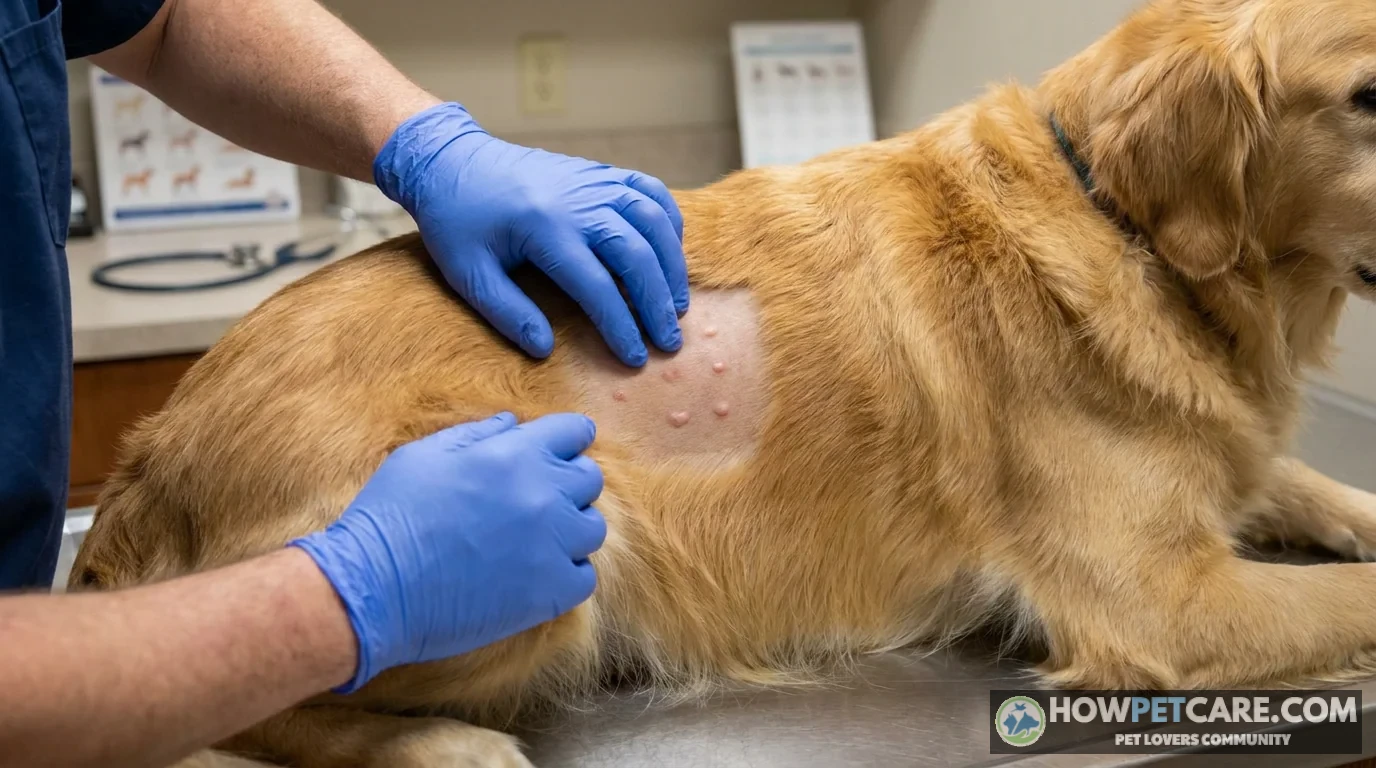

Allergy medicine for dogs includes OTC antihistamines (Benadryl, Zyrtec, Claritin) with precise weight‑based dosing, prescription JAK inhibitors (Apoquel, Zenrelia), monoclonal antibody Cytopoint, cyclosporine, and corticosteroids. Each option has specific onset times, costs, and safety considerations to match the dog’s itch severity.
Effective canine allergy treatment depends on a straightforward clinical distinction: is your pet having an acute, histamine-driven reaction or suffering from chronic, cell-mediated inflammation? When pet owners want to know which allergy medicine for dogs works best, the answer hinges on matching the root cause to the correct pharmacological pathway. Over-the-counter antihistamines offer inexpensive relief for sudden bug bites, localized hives, or minor contact reactions. They routinely fail, however, against chronic canine atopic dermatitis. Moderate-to-severe pruritus demands modern prescription dog allergy pills or targeted biologics that interrupt inflammatory cytokine pathways at the cellular level.
Finding the safest, most effective approach requires assessing symptom severity, running exact weight‑based dosage calculations, steering clear of toxic human additives, and weighing veterinary dermatology expenses. This guide breaks down dosages, side effects, relative efficacy, and realistic monthly costs for every major canine allergy medication available in 2026.
Best Allergy Medicine for Dogs by Symptom and Severity
Canine allergy treatments fall into distinct tiers based on symptom velocity, severity, and chronicity. Starting a medication without first categorizing your dog’s clinical state often leads to treatment failure, unnecessary expense, or dangerous delays during medical emergencies.
Quick treatment match: mild, moderate, severe, or emergency
- Mild, Intermittent Itching (Scratch Score 1–3/10): Characterized by occasional foot licking, mild belly redness, or seasonal face rubbing with intact skin. The best approach involves topical therapy—such as chlorhexidine or hypochlorous acid sprays—paired with strict flea prevention and, under veterinary approval, a plain single‑ingredient oral antihistamine like cetirizine.
- Moderate, Persistent Pruritus (Scratch Score 4–6/10): Characterized by daily scratching, patchy hair loss (alopecia), mild skin thickening, and interrupted sleep. Over-the-counter antihistamines fail in over 70% of these canines. Treatment typically requires veterinary intervention with targeted prescription therapies such as oclacitinib (Apoquel), ilunocitinib (Zenrelia), or lokivetmab injections (Cytopoint).
- Severe, Chronic Atopic Dermatitis (Scratch Score 7–10/10): Characterized by constant self‑mutilation, severe excoriations, generalized hyperpigmentation, secondary yeast or bacterial malodor, and chronic otitis externa. These cases necessitate comprehensive systemic management using targeted immune modulators, aggressive antimicrobial therapy for secondary infections, or short‑term anti‑inflammatory bridging with corticosteroids.
- Acute Anaphylaxis & Dermatologic Emergencies: If your dog displays rapid facial angioedema (swelling of the muzzle, eyelids, or jowls), widespread urticaria (spreading hives), respiratory distress, vomiting, pale gums, or collapse, do not attempt home treatment with oral pills. This is a life‑threatening veterinary emergency requiring immediate intramuscular epinephrine, injectable dexamethasone, and intravenous supportive care.
Why the cause of itching changes the best medication
Itching is a clinical symptom, not a diagnosis. In dogs, pruritus stems from three main triggers: flea allergy dermatitis (FAD), environmental atopy, and adverse food reactions.
On a sensitized dog, a single flea bite can launch a systemic allergic reaction that no antihistamine can touch. Recognizing distinct allergy symptoms in dogs helps narrow whether the problem originates from pests, diet, or airborne particles. Chronic allergic inflammation also breaks down the epidermal barrier, clearing the path for secondary Staphylococcus pseudintermedius (bacterial) and Malassezia pachydermatis (yeast) infections. When secondary microbes take hold, therapies like Apoquel or Cytopoint seem to stop working simply because they don’t treat infections. Diagnostic cytology must identify and clear secondary infections before you can accurately judge whether an allergy medicine for dogs is doing its job.

Safe Over-the-Counter Allergy Medicine for Dogs—and Ingredients to Avoid
Human pharmacies carry dozens of over-the-counter (OTC) allergy products, but human medications require strict caution around pets. While dogs tolerate certain active antihistamines, commercial human products often mix those antihistamines with decongestants, analgesics, or artificial sweeteners that are toxic to canines.
Human allergy medicines veterinarians may use
Under direct veterinary guidance, three primary oral antihistamines are used off‑label in canine medicine:
- Diphenhydramine HCl (Plain Benadryl Allergy): A first‑generation H1 receptor antagonist commonly used for acute allergic events, insect stings, and mild vaccine‑associated hives.
- Cetirizine HCl (Plain Zyrtec): A second‑generation H1 antagonist that barely crosses the blood‑brain barrier, providing once‑daily dosing with far less sedation.
- Loratadine (Plain Claritin): A non‑sedating second‑generation H1 blocker selected occasionally for mild, seasonal environmental irritation.
Check the packaging to make sure it lists only the single active antihistamine before giving any medication to your dog.
Never administer human over‑the‑counter allergy formulations without verifying the single active ingredient. The following additives cause fatal toxicosis in canines:
- Pseudoephedrine & Phenylephrine (e.g., Claritin‑D, Zyrtec‑D, Sudafed): The canine oral lethal dose for pseudoephedrine is remarkably low. Ingesting as little as 10–12 mg can induce severe sympathomimetic toxicity, malignant hypertension, tachyarrhythmias, hyperthermia, seizures, and cardiovascular collapse within 1 to 4 hours.
- Acetaminophen & NSAIDs (Tylenol, Advil, Aleve): Frequently compounded into "multi‑symptom," "sinus," or "cold & flu" tablets. Causes methemoglobinemia, acute hepatic necrosis, and severe gastrointestinal ulceration or perforation.
- Xylitol (Birch Bark Extract / Wood Sugar): Common in liquid elixirs, chewables, and quick‑dissolve or "melt" tablets. Induces massive, rapid endogenous insulin release in dogs, leading to profound hypoglycemia within 15 to 30 minutes and idiosyncratic acute liver failure.
- Alcohol (Ethanol / Propylene Glycol): Present in sedating nighttime liquid preparations, inducing central nervous system depression, profound metabolic acidosis, and hypothermia.
Pre‑dose label and health‑history checklist
Before administering any OTC product, verify that the formulation meets the following criteria:
- Active Ingredient Verification: The package lists exclusively Diphenhydramine HCl, Cetirizine HCl, or Loratadine.
- No Decongestant Suffixes: The product packaging is completely free of designations such as "-D", "Cold & Sinus", "Multi‑Symptom", or "D‑12/D‑24".
- Inactive Ingredient Audit: Check the inactive ingredient panel for xylitol, sorbitol combinations, birch bark extracts, or artificial sweetening complexes.
- Solid Form Advantage: Standard solid dry tablets or non‑liquid‑gel caplets are generally safer than liquids or melts, which carry higher solvent and sweetener risks.
- Medical Contraindications: Do not administer OTC antihistamines without specific veterinary clearance if your dog has been diagnosed with glaucoma, urinary retention, cardiac arrhythmias, uncontrolled hypertension, epilepsy, or severe hepatic impairment.
Dog Antihistamine Dosage by Weight: Benadryl, Zyrtec, and Claritin
Never guess dosages using whole human tablets or eye‑balled pill fractions. Safe administration requires an exact milligram calculation based on actual body weight.
| Active Ingredient | Brand Example | Veterinary Reference Dose | Dosing Frequency | 10 lb (4.5 kg) Dog | 25 lb (11.3 kg) Dog | 50 lb (22.7 kg) Dog | 75+ lb (34+ kg) Dog | Maximum Absolute Daily Cap |
|---|---|---|---|---|---|---|---|---|
| Diphenhydramine HCl | Plain Benadryl Allergy | 1 to 2 mg/lb (2.2 to 4.4 mg/kg) | Every 8 to 12 hours | 10 to 12.5 mg (~1/2 of 25 mg tab) | 25 mg (One 25 mg tab) | 50 mg (Two 25 mg tabs) | 75 mg (Three 25 mg tabs) | 100 mg per dose; Max 300 mg/24 hr |
| Cetirizine HCl | Plain Zyrtec | 0.5 mg/lb (≈1.0 mg/kg) | Every 24 hours | 5 mg (1/2 of 10 mg tab) | 10 mg (One 10 mg tab) | 10 to 20 mg (1 to 2 tabs) | 20 mg (Two 10 mg tabs) | 20 mg per 24 hours |
| Loratadine | Plain Claritin | 0.1 to 0.25 mg/lb (0.2 to 0.5 mg/kg) | Every 24 hours | 2.5 mg (1/4 of 10 mg tab) | 5 mg (1/2 of 10 mg tab) | 10 mg (One 10 mg tab) | 10 mg (One 10 mg tab) | 10 mg per 24 hours |

Note: Dosing calculations apply solely to standard, uncompounded oral preparations. Never administer extended‑release variants.
Benadryl dosage for dogs with allergies
Diphenhydramine remains the best‑known over‑the‑counter allergy medicine for dogs. Standard veterinary dosing is 1 to 2 mg per pound of body weight (2.2 to 4.4 mg/kg), given every 8 to 12 hours. Human tablets contain 25 mg of diphenhydramine hydrochloride.
For a 25‑pound dog, one 25 mg tablet provides 1 mg per pound. For dogs weighing under 12 pounds, standard 25 mg tablets cannot be split with enough accuracy. Use children’s dye‑free, alcohol‑free liquid formulations (after confirming they contain zero xylitol) or get a prescription veterinary suspension.
Cetirizine and loratadine weight‑based dosing
Cetirizine improves treatment compliance because it stays biologically active for a full 24 hours in most dogs. The standard canine reference dose is roughly 0.5 mg per pound (1.0 mg/kg) once daily. For toy breeds under 15 pounds, 5 mg (half of an adult 10 mg tablet) once a day is typical. Dogs weighing 15 to 40 pounds generally take one 10 mg tablet daily, while dogs over 40 pounds may require up to 20 mg once daily, as directed by a veterinarian.
Loratadine carries a lower dosing threshold of roughly 0.1 to 0.25 mg per pound (0.2 to 0.5 mg/kg) every 24 hours. A 10‑pound dog needs about 2.5 mg (one‑quarter of a 10 mg tablet), while dogs weighing 25 to 50 pounds typically take 5 to 10 mg daily. Loratadine should not exceed 10 mg per day regardless of weight because of hepatic saturation kinetics.

How to calculate milligrams safely from your dog’s weight
To calculate an exact dose from veterinary guidelines, use standard metric conversion:
- Determine Weight in Kilograms: Divide your dog’s confirmed body weight in pounds by 2.2.
Example: A 44‑lb dog equals 20 kg (44 / 2.2 = 20). - Calculate Total Milligrams: Multiply the weight in kilograms by the target dose per kilogram.
Example: Targeting 2 mg/kg of diphenhydramine for a 20 kg dog: 20 kg × 2 mg/kg = 40 mg total target dose. - Evaluate Practical Tablet Formats: Cross‑reference the calculated target against standard commercial increments (e.g., 25 mg tablets). Never administer dangerous fractions or exceed the calculated maximum range without explicit veterinary authorization.
What to do after an accidental overdose
Accidental overdoses occur when pets chew through pill bottles or when owners miscalculate dosages. Mild toxicity presents as extreme lethargy, dry mouth, urinary retention, dilated pupils, or paradoxical central nervous system stimulation (restlessness, pacing, vocalizing). Severe overdoses manifest as tremors, hyperthermia, seizures, cardiac tachyarrhythmias, and collapse.
- Immediately contact the ASPCA Animal Poison Control Center (888‑426‑4435) or Pet Poison Helpline (855‑764‑7661) while en route to an emergency veterinary hospital.
- Do not induce vomiting at home with hydrogen peroxide unless specifically directed by a toxicologist, as this risks aspiration pneumonia and severe hemorrhagic gastritis.
- Bring the packaging and remaining medication containers to the emergency clinic for chemical verification.
Benadryl vs. Zyrtec for Dogs: Acute Reactions vs. Atopic Dermatitis
When comparing OTC options, clinical discussions focus mainly on Benadryl (diphenhydramine) versus Zyrtec (cetirizine). Choosing between them requires distinguishing acute histamine surges from chronic skin barrier defects.
Which works better for acute hives or insect stings?
Diphenhydramine works best for sudden Type I hypersensitivity events. When a dog gets stung by an insect, bitten by a spider, or develops hives from an acute trigger, mast cells degranulate immediately and dump histamine into surrounding tissues. Diphenhydramine blocks H1 receptor sites within 30 to 60 minutes, calming histamine‑driven swelling and redness.
Diphenhydramine cannot substitute for emergency clinical care during systemic anaphylaxis. It will not reverse bronchoconstriction or stabilize crashing blood pressure. Epinephrine is the only definitive treatment for anaphylactic collapse.

Why antihistamines often fail in chronic canine atopic dermatitis
Owners often notice that an antihistamine stops helping their dog after a few weeks. In reality, antihistamines rarely control canine atopic dermatitis in the first place.
In canine atopy, severe itching is not driven primarily by histamine. It stems from inflammatory cytokines, particularly Interleukin‑31 (IL‑31). When IL‑31 binds to neuronal receptors in canine skin, it fires the Janus kinase (JAK) pathway, sending an itch signal straight to the central nervous system. Histamine plays only a minor role in that loop. Even high doses of antihistamines leave the IL‑31 pathway active, meaning the dog keeps scratching despite heavy sedation.
Side effects and convenience compared
- Sedation and Behavior: Diphenhydramine causes marked central nervous system depression in over 60 % of canines, producing profound drowsiness that owners often mistake for itch relief. In some dogs, it triggers paradoxical agitation, hyperactivity, and tachypnea. Cetirizine crosses the blood‑brain barrier poorly, yielding far lower rates of lethargy.
- Dosing Compliance: Diphenhydramine requires administration every 8 hours (three times daily) to maintain steady therapeutic blood levels. Missing a dose allows rebound itching. Cetirizine requires once‑daily dosing, resulting in superior owner adherence and continuous symptom control.
- Clinical Verdict: For sudden insect bites or pre‑treatment before scheduled veterinary antigen challenges, plain diphenhydramine remains the first choice. For baseline seasonal support of mild pruritus or low‑grade skin irritation, cetirizine provides safer, more consistent management.
Prescription Dog Allergy Pills and Injections Compared
When over‑the‑counter options fail to provide canine allergy relief, prescription therapeutics are required. Modern veterinary dermatology has shifted from broad, non‑specific immunosuppressants toward targeted molecular therapies that halt the neural itch pathway directly.
| Treatment | Active Compound | Pharmacologic Class | Best Clinical Use Case | Onset Speed | Administration Route | Key Side Effects | Major Health Restrictions | Required Lab Monitoring |
|---|---|---|---|---|---|---|---|---|
| Apoquel | Oclacitinib maleate | JAK‑1 & JAK‑3 inhibitor | Fast control of acute atopic flares and long‑term maintenance | 4 to 12 hours | Oral tablet (twice daily for 14 days, then once daily) | Vomiting, diarrhea, elevated liver enzymes, lethargy | Dogs <12 months; active severe systemic infections; demodicosis history | Baseline CBC & Chem; repeat every 6 to 12 months |
| Zenrelia | Ilunocitinib | Targeted JAK‑1 inhibitor | Once‑daily management of chronic canine atopic dermatitis | 4 to 12 hours | Oral tablet (once daily from start) | Diarrhea, vomiting, potential hematologic changes | Dogs <12 months; active infections; immunosuppressed dogs | Baseline CBC & Chem; follow‑up hematology per label |
| Cytopoint | Lokivetmab | Caninized monoclonal antibody | Continuous itch relief without hepatic or renal processing | 8 to 24 hours | Subcutaneous injection every 4 to 8 weeks | Rare lethargy, injection‑site pain, transient vomiting | None established; safe across all ages and co‑morbidities | None required |
| Atopica | Modified cyclosporine | Calcineurin inhibitor | Long‑term steroid‑sparing maintenance for severe chronic atopy | 2 to 4 weeks (slow onset) | Oral capsule (once daily until control, then tapered) | Vomiting, anorexia, gingival hyperplasia, hirsutism | Severe renal disease; history of malignant neoplasia | Baseline CBC, Chem, Urinalysis; periodic renal/hepatic monitoring |
| Prednisolone / Prednisone | Synthetic corticosteroid | Systemic glucocorticoid | Emergency break of unbearable pruritus; severe short‑term rescue | 2 to 4 hours | Oral tablet (daily, aggressively tapered to alternate‑day) | PU/PD, polyphagia, muscle wasting, panting, ulcers | Diabetes mellitus, systemic fungal infection, NSAID use | Baseline CBC/Chem; frequent glucose, hepatic, urine monitoring |
Apoquel vs. Zenrelia: JAK inhibitor benefits and monitoring
Apoquel (oclacitinib) changed veterinary dermatology by targeting Janus kinase enzymes—primarily JAK‑1—to block transmission of the itch cytokine IL‑31. It works as quickly as corticosteroids, often curbing itch within 4 hours without causing steroid‑induced drinking or urination. Apoquel requires a twice‑daily loading dose for up to 14 days before stepping down to once daily.
Zenrelia (ilunocitinib), introduced following its 2024–2025 regulatory approvals, is a next‑generation JAK‑1 inhibitor. It is labeled for once‑daily dosing from day one, skipping the loading phase. Clinical trials show comparable, rapid relief.
Because both Apoquel and Zenrelia modulate immune signaling, pets need routine laboratory monitoring. Both medications carry label warnings against use in dogs under 12 months old due to risks of demodicosis and severe pneumonia. A baseline complete blood count (CBC) and serum chemistry panel are necessary before starting either drug, followed by routine bloodwork every 6 to 12 months to check for bone marrow suppression, lymphopenia, or liver enzyme changes. Zenrelia’s FDA label includes specific safety precautions regarding concurrent vaccine administration and systemic immunosuppression that must be evaluated with your veterinarian.

Cytopoint: targeted injectable canine allergy relief
Cytopoint (lokivetmab) uses monoclonal antibody technology rather than synthetic chemical inhibition. It delivers caninized antibodies that circulate in the bloodstream, binding and neutralizing canine IL‑31 before it can stimulate peripheral nerve endings.
Given as an in‑clinic subcutaneous injection, Cytopoint provides 4 to 8 weeks of uninterrupted relief. Because it is a biologic protein, Cytopoint bypasses hepatic metabolism and renal clearance. It breaks down into basic amino acids through normal protein catabolism, making it exceptionally safe for puppies, geriatric dogs, and pets with kidney, liver, or heart disease. It requires no routine bloodwork monitoring.

Cyclosporine: slower onset with steroid‑sparing potential
Atopica (modified cyclosporine) blocks calcineurin, suppressing T‑lymphocyte activation and inhibiting interleukin‑2 (IL‑2) production. Unlike JAK inhibitors or monoclonal antibodies, cyclosporine requires 2 to 4 weeks of continuous daily administration to achieve steady therapeutic tissue concentrations.
Cyclosporine is not appropriate for an acute flare; it serves as a long‑term, steroid‑sparing maintenance medication for severe atopic dermatitis. Adverse gastrointestinal events—primarily transient vomiting and anorexia—occur in up to 30 % of dogs during the initial weeks. Strategies to reduce nausea include freezing the microemulsion capsules or administering them with a small amount of food. Long‑term risks include gingival hyperplasia (gum enlargement) and secondary opportunistic infections.
Prednisolone and corticosteroids: fast relief with larger long‑term trade‑offs
Prednisone and prednisolone remain the fastest, most economical oral medications available. They suppress inflammation across several genomic pathways at once, stopping pruritus within hours. Dogs do not always convert prednisone to its active metabolite efficiently, so veterinary dermatologists often prescribe prednisolone directly.
Despite their quick relief, corticosteroids come with significant systemic drawbacks. In the short term, dogs experience polyuria (excessive urination), polydipsia (excessive drinking), polyphagia (ravenous hunger), and heavy panting. Long‑term administration can lead to iatrogenic Cushing’s disease, hepatic lipidosis, severe muscle atrophy, thin fragile skin, secondary urinary tract infections, and diabetes mellitus. Corticosteroids should be reserved for short rescue protocols (3 to 7 days) to break severe itch cycles, followed by an aggressive taper toward modern, targeted alternatives.

What Dog Allergy Medication Really Costs Each Month
Treating allergic skin disease is an ongoing expense. Monthly costs vary by your dog’s weight, the dispensing pharmacy, and required safety monitoring.
| Treatment Approach | Small Dog (10–20 lb) Monthly Cost | Medium Dog (20–50 lb) Monthly Cost | Large Dog (50–90 lb) Monthly Cost | Prescription Status | Primary Access Channel | Associated Clinical & Lab Costs |
|---|---|---|---|---|---|---|
| Generic OTC Antihistamines (Cetirizine / Loratadine) | $5 – $10 | $8 – $15 | $12 – $25 | No Rx required | Human Pharmacy, Big‑box retailer | $0 (No bloodwork needed) |
| Apoquel (Oclacitinib) | $45 – $65 | $70 – $95 | $95 – $140 | Prescription | Vet Clinic, Pet Pharmacy | Initial exam ($60–$100); Annual CBC/Chem ($150–$250) |
| Zenrelia (Ilunocitinib) | $40 – $60 | $65 – $85 | $85 – $120 | Prescription | Vet Clinic, Licensed Pharmacy | Initial exam ($60–$100); Periodic bloodwork ($150–$250) |
| Cytopoint Injection | $50 – $75 | $80 – $115 | $120 – $180 | Prescription | Veterinary Clinic only | Clinic injection/tech fee ($15–$35 per visit) |
| Modified Cyclosporine (Generic Atopica) | $40 – $60 | $75 – $110 | $120 – $200 | Prescription | Vet Clinic, Pet Pharmacy | Baseline and annual organ panels ($150–$250) |
| Prednisolone Tablets | $10 – $18 | $15 – $25 | $20 – $35 | Prescription | Vet Clinic, Retail Pharmacy | Frequent urinalysis and organ monitoring ($100–$200) |
Veterinary clinic vs. telemedicine acquisition costs
- Veterinary Telemedicine: Virtual visits typically run $40 to $80. While convenient, veterinary regulations govern the Veterinarian‑Client‑Patient Relationship (VCPR). In many states, a veterinarian cannot legally prescribe Apoquel or Zenrelia without an in‑person physical exam. Virtual care is helpful for diet consults and dosage adjustments, but it cannot collect skin cytology to diagnose secondary infections.
- Traditional Veterinary Clinics: An initial exam runs between $60 and $120. In‑clinic markup is generally higher than online retailers, but you get medication right away.
- Licensed Online Pharmacies: Asking for a written prescription lets you order from accredited pet pharmacies. This step often trims 15 % to 30 % off monthly bills, particularly for large dogs needing higher doses.
When Medication Is Not Enough: Elimination Diets and Allergy Testing
When standard medications fail to provide durable relief, or when pruritus persists year‑round without seasonal variation, continuing to rotate through different pills is counterproductive. True refractory skin disease requires identifying the primary underlying pathology.


How to run a strict eight‑week elimination diet at home
Adverse food reactions account for roughly 10 % to 15 % of all canine allergic skin disease and up to 30 % of non‑seasonal cases. In many dogs, true allergies in dogs food triggers cannot be reliably diagnosed using commercial saliva, blood, or hair panels; these tests demonstrate high rates of false‑positive results. The sole scientifically validated method to diagnose a food allergy is an 8‑week strict dietary elimination trial followed by a dietary rechallenge.
-
Select an Evidence-Based Veterinary Elimination Diet
Under veterinary supervision, choose either a veterinary hypoallergenic dog food based on hydrolyzed protein (where chicken or soy proteins are enzymatically broken into fragments too small to cross‑link IgE on mast cells) or a strictly novel intact single‑protein veterinary diet (such as venison, kangaroo, or alligator) that the dog has never ingested before.
-
Enforce 100 % Strict Consumption Isolation for 8 Weeks
For 56 consecutive days, the dog may consume only the prescribed food and water. Eliminate all commercial dog treats, human food scraps, rawhides, flavored chew toys, and flavored medications (including beef‑flavored heartworm and flea preventatives, which must be swapped for unflavored topical alternatives). A single non‑trial treat can reset the gut inflammatory clock, invalidating the trial.
-
Assess Clinical Remission and Conduct the Rechallenge
If pruritus resolves or improves by greater than 50 % by week 8, reintroduce the dog’s original food for 14 days. If the dog flares with itching, erythema, or GI upset within hours to days of the rechallenge, an adverse food reaction is officially confirmed. Return to the elimination diet until skin stabilizes, then systematically challenge individual single proteins to identify lifetime dietary triggers.

Strict elimination diets help determine whether severe itching stems from food allergens.

Blood vs. intradermal allergy testing: cost and accuracy
If food allergies are ruled out, chronic environmental allergies in dogs represent the primary diagnosis. To identify specific environmental triggers (dust mites, tree and weed pollens, mold spores), veterinarians employ two specialized modalities:
- Intradermal Skin Testing (IDST): Performed exclusively by board‑certified veterinary dermatologists (DACVD). The dog is sedated, a patch of lateral thorax is shaved, and minute amounts of dozens of standardized allergen extracts are injected into the dermis. The presence of immediate wheal‑and‑flare reactions confirms mast cell reactivity. IDST remains the gold standard for clinical accuracy. Typical cost: $450 to $900, requiring a 2‑ to 4‑week pre‑test drug washout off all antihistamines, steroids, and Apoquel.
- Serum IgE Serology Testing: A standard venipuncture blood sample analyzed via specialized ELISA testing to detect circulating allergen‑specific IgE antibodies. Serum testing is widely accessible through general practitioners, costs less ($250 to $500), and requires shorter drug washout periods. However, serum tests yield higher rates of false positives compared to intradermal testing.
When testing supports allergen‑specific immunotherapy
It is vital to understand that neither blood nor skin allergy testing should be used as a standalone diagnostic tool to determine "if" a dog has allergies. Testing is indicated solely when an owner is committed to pursuing Allergen‑Specific Immunotherapy (ASIT)—commonly known as allergy desensitization shots or sublingual (under‑the‑tongue) drops. ASIT is the only biological treatment capable of retraining the canine immune system toward permanent allergen tolerance, reducing or eliminating the lifetime need for daily systemic medications in over 65 % of treated patients.

Your Fastest Safe Route to Canine Allergy Relief
Resolving allergic itch takes a prompt, methodical approach. Use this clinical checklist to calm your dog’s skin safely:
What to do today
- Screen for Red Flags: Examine your dog’s mouth, eyes, and respiratory pattern right now. If facial swelling, hives, or breathing changes are present, bypass oral medications and drive to the nearest veterinary emergency facility.
- Inspect and Photograph the Skin: Part the coat across the groin, armpits, and base of the tail. Check for moist dermatitis ("hot spots"), circular crusts, or black comedones. Photograph lesions today to track changes over time.
- Confirm Flea Prophylaxis: Verify that your dog is current on an isoxazoline‑class veterinary flea preventative (such as fluralaner, sarolaner, or afoxolaner). Even indoor dogs with no visible fleas can suffer catastrophic flare‑ups from an isolated flea bite.
- Verify Weight and Single‑Ingredient Formulations: If your dog’s symptoms are mild and you have discussed it with your vet, calculate a precise single‑ingredient antihistamine dose using true body weight. Confirm that the packaging contains zero decongestants, acetaminophen, or xylitol.
What to ask the veterinarian
When presenting your dog for examination, focus on these targeted clinical questions:
- "Can we perform immediate superficial skin cytology (tape preps or ear swabs) to rule out active Staphylococcus or Malassezia overgrowth before starting anti‑itch meds?"
- "Based on my dog’s age, medical history, and blood chemistry, is a targeted JAK inhibitor (Apoquel or Zenrelia) or a monoclonal antibody injection (Cytopoint) safer for long‑term management?"
- "What baseline laboratory workup is required today, and when should we schedule the follow‑up panel to monitor systemic safety?"
- "Would an eight‑week veterinary hydrolyzed elimination diet trial be appropriate before we assume these symptoms are purely environmental?"
When to reassess or escalate treatment
Do not keep your dog on an ineffective allergy medication indefinitely. If an over‑the‑counter antihistamine fails to produce measurable reduction in pruritus within 48 to 72 hours, discontinue it and consult your veterinarian.
If your dog is taking targeted prescription therapy (Apoquel or Zenrelia) or receiving Cytopoint injections and develops a sudden "breakthrough" itch flare, do not increase the medication dose on your own. Breakthrough itching almost universally indicates a secondary bacterial or fungal infection that requires targeted antimicrobial therapy. Finally, if comprehensive medical therapy fails to maintain comfort, request a referral to a board‑certified veterinary dermatologist to pursue intradermal testing and curative allergen‑specific immunotherapy. Systematic diagnostic steps, accurate dosing, and targeted therapies provide the safest, fastest path to lasting canine allergy relief.

| Treatment | Active Compound | Pharmacologic Class | Best Clinical Use Case | Onset Speed | Administration Route | Key Side Effects | Major Health Restrictions | Required Lab Monitoring |
|---|---|---|---|---|---|---|---|---|
| Apoquel | Oclacitinib maleate | JAK-1 & JAK-3 inhibitor | Fast control of acute atopic flares and long-term maintenance | 4 to 12 hours | Oral tablet (twice daily for 14 days, then once daily) | Vomiting, diarrhea, elevated liver enzymes, lethargy | Dogs <12 months; active severe systemic infections; demodicosis history | Baseline CBC & Chem; repeat every 6 to 12 months |
| Zenrelia | Ilunocitinib | Targeted JAK-1 inhibitor | Once-daily management of chronic canine atopic dermatitis | 4 to 12 hours | Oral tablet (once daily) | Diarrhea, vomiting, potential hematologic changes | Dogs <12 months; active infections; immunosuppressed dogs | Baseline CBC & Chem; follow-up hematology per label |
| Cytopoint | Lokivetmab | Caninized monoclonal antibody | Continuous itch relief without hepatic or renal processing | 8 to 24 hours | Subcutaneous injection (every 4 to 8 weeks) | Rare lethargy, injection-site pain, transient vomiting | None established; safe across all ages and co-morbidities | None required |
| Atopica | Modified cyclosporine | Calcineurin inhibitor | Long-term steroid-sparing maintenance for severe chronic atopy | 2 to 4 weeks (slow onset) | Oral capsule (once daily until control, then tapered) | Vomiting, anorexia, gingival hyperplasia, hirsutism | Severe renal disease; history of malignant neoplasia | Baseline CBC, Chem, Urinalysis; periodic renal/hepatic monitoring |
| Prednisolone / Prednisone | Synthetic corticosteroid | Systemic glucocorticoid | Emergency break of unbearable pruritus; severe short-term rescue | 2 to 4 hours | Oral tablet (daily, aggressively tapered to alternate-day) | PU/PD, polyphagia, muscle wasting, panting, ulcers | Diabetes mellitus, systemic fungal infection, NSAID use | Baseline CBC/Chem; frequent glucose, hepatic, urine monitoring |
FAQ
How quickly does allergy medicine start working in dogs?
Diphenhydramine may begin acting within one to two hours, while prescription itch treatments such as Apoquel or Cytopoint can improve symptoms within hours to a few days. Cyclosporine often requires several weeks, so a veterinarian may prescribe temporary bridge therapy.
Can puppies take allergy medicine?
Do not give a puppy OTC or prescription allergy medicine without veterinary approval. Age restrictions vary—Apoquel and Zenrelia, for example, have label limitations—and puppy itching may be caused by parasites, infection, or contagious disease rather than allergies.
Can dogs take two allergy medicines at the same time?
Some combinations are used under veterinary supervision, but owners should not combine antihistamines, corticosteroids, JAK inhibitors, or other immune‑modulating drugs on their own. Combining treatments can increase sedation, infection risk, gastrointestinal effects, or drug interactions.
Are natural allergy medicines for dogs effective?
Omega‑3 fatty acids, bathing, barrier‑support products, and environmental cleaning may complement treatment, but they rarely control moderate or severe atopic dermatitis alone. Avoid essential oils and unverified supplements, which can be toxic or interact with medication.
Should allergy medicine be given with food?
Instructions depend on the drug and formulation; some can be given with or without food, while food may reduce stomach upset. Follow the prescription label or veterinarian’s directions because meal timing can affect absorption for certain medications.