
Kidney failure in dogs is caused either by a sudden injury or by disease that develops over time. Sudden (acute) causes include antifreeze, grapes or raisins, NSAID and other medication injury, leptospirosis, severe dehydration, and urinary blockage. Chronic kidney disease develops from inherited disorders, persistent inflammation, previous injury, or an undetermined cause.
What Causes Kidney Failure in Dogs? Acute Injury vs. Chronic Disease
Understanding what causes kidney failure in dogs starts with the timing: it can result from a sudden injury, a disease that develops over time, or a sudden injury on top of existing disease. Sudden causes include antifreeze, grapes or raisins, medication injury, leptospirosis, severe dehydration, and urinary blockage. Chronic kidney disease can develop with inherited disorders, persistent inflammation, previous kidney injury, and other conditions. Its original cause is not always found.
If your dog may have swallowed a kidney toxin, is repeatedly vomiting and lethargic, or is straining to urinate or producing little or no urine, contact an emergency veterinarian now. Don’t wait for symptoms after a suspected poisoning.
Kidney failure in dogs in plain language
The kidneys filter waste from the blood, regulate water and minerals, and perform other jobs that keep the body working. Kidney failure, also called renal failure, means kidney function has declined enough that the body can’t adequately maintain those balances.
Blood tests may show a buildup of waste products called azotemia. When that buildup and the associated imbalances make a dog clinically ill, veterinarians call the resulting syndrome uremia. Abnormal kidney values need interpretation: dehydration or a urinary blockage, for example, can also affect test results.
The acute vs. chronic split
Acute kidney injury (AKI) develops over hours to days. Prompt treatment can sometimes restore some or all kidney function, although severe injury can be fatal or leave permanent damage. Chronic kidney disease (CKD) involves persistent, usually progressive kidney damage over months or years. It can’t be reversed, but it can often be managed.
This guide can help you recognize relevant exposures and prepare questions, but only a veterinarian can investigate the cause in your dog.
Acute vs. Chronic Kidney Failure in Dogs: Side-by-Side Comparison
| Feature | Acute kidney injury (AKI) | Chronic kidney disease (CKD) |
|---|---|---|
| Onset | Hours to days, sometimes after a recognizable trigger | Develops over months to years and may be silent at first |
| Typical causes | Toxins, medication injury, infection, obstruction, or reduced blood flow | Inherited disease, long-standing kidney inflammation, previous injury, or an undetermined cause |
| Common clues | Sudden vomiting, weakness, changes in urine output, or a known exposure | Increased drinking and urination, weight loss, reduced appetite, or sometimes no obvious signs |
| Reversibility | May improve substantially or completely; some dogs have lasting damage | Lost kidney tissue does not regenerate; care aims to slow progression and control complications |
| Diagnostic clues | Changes in creatinine or BUN, urine output and electrolytes; exposure history and imaging can help identify a trigger | Persistent blood or urine abnormalities, urine protein, blood pressure changes, and sometimes small or irregular kidneys on imaging |
| Treatment direction | Urgent treatment of the trigger and complications; IV fluids or dialysis may be needed | An individualized long-term plan that may include a renal diet and treatment for high blood pressure, protein loss, or nausea |
| Outlook | Varies with cause, severity, and speed of treatment | Varies with stage, complications, and response to management |
Why the distinction changes the urgency
After a toxin exposure or blockage, there may be a narrow window to prevent further harm. Chronic disease also deserves prompt evaluation, but the plan usually focuses on identifying complications and preserving remaining function. Vomiting, lethargy, and changes in thirst can occur with either condition, so symptoms alone can’t reliably distinguish them.
Acute-on-chronic: when a stable dog suddenly worsens
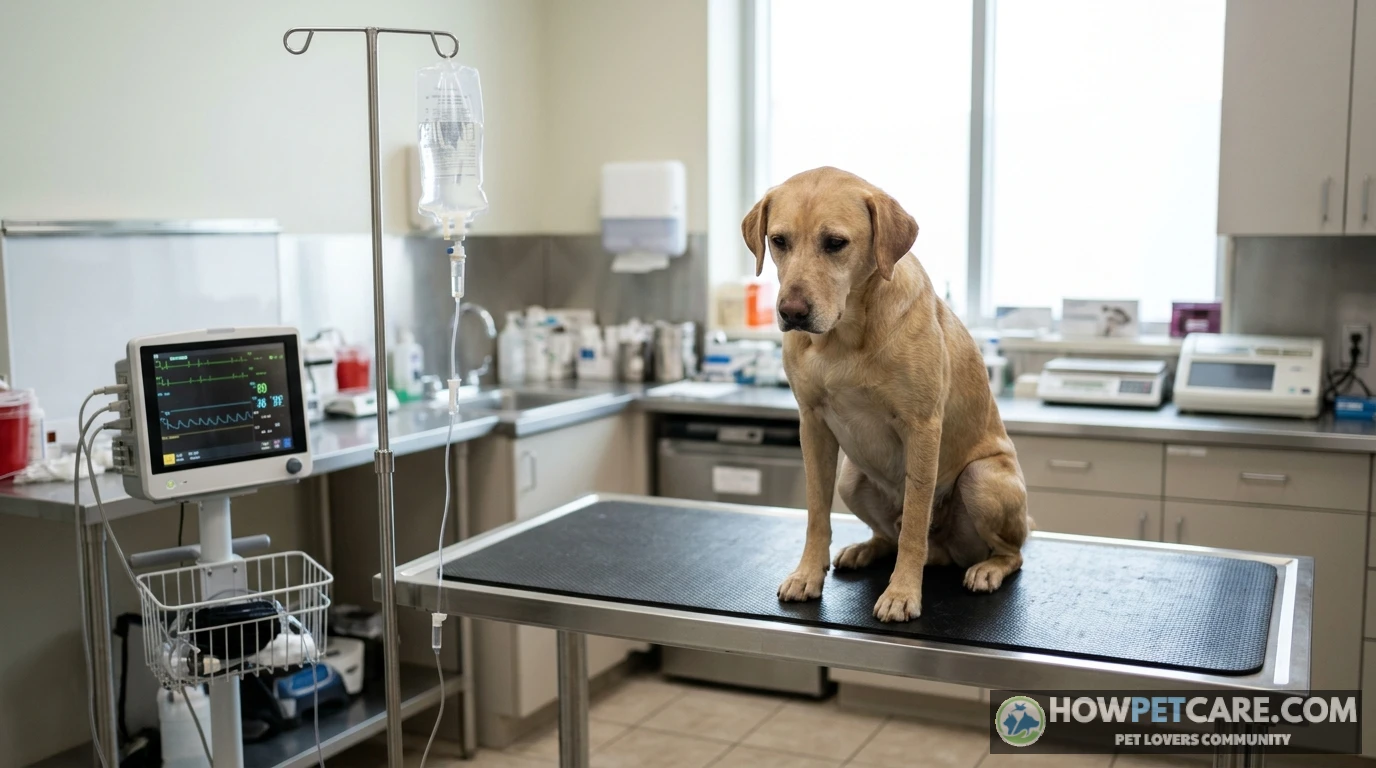
A dog with previously unrecognized CKD can have an acute setback after severe dehydration, an infection, or another injury. A sudden decline in a dog already diagnosed with kidney disease isn’t necessarily unavoidable progression. Call your veterinarian promptly, because a treatable trigger may be involved.
Toxins, Foods, and Medications That Cause Sudden Kidney Failure in Dogs
An exposure history can be as important as symptoms. Tell the veterinarian about anything your dog might have eaten, licked, or received as medication, even if you didn’t see the exposure happen.
| Substance | Where dogs encounter it | Exposure context or dose notes | What to do |
|---|---|---|---|
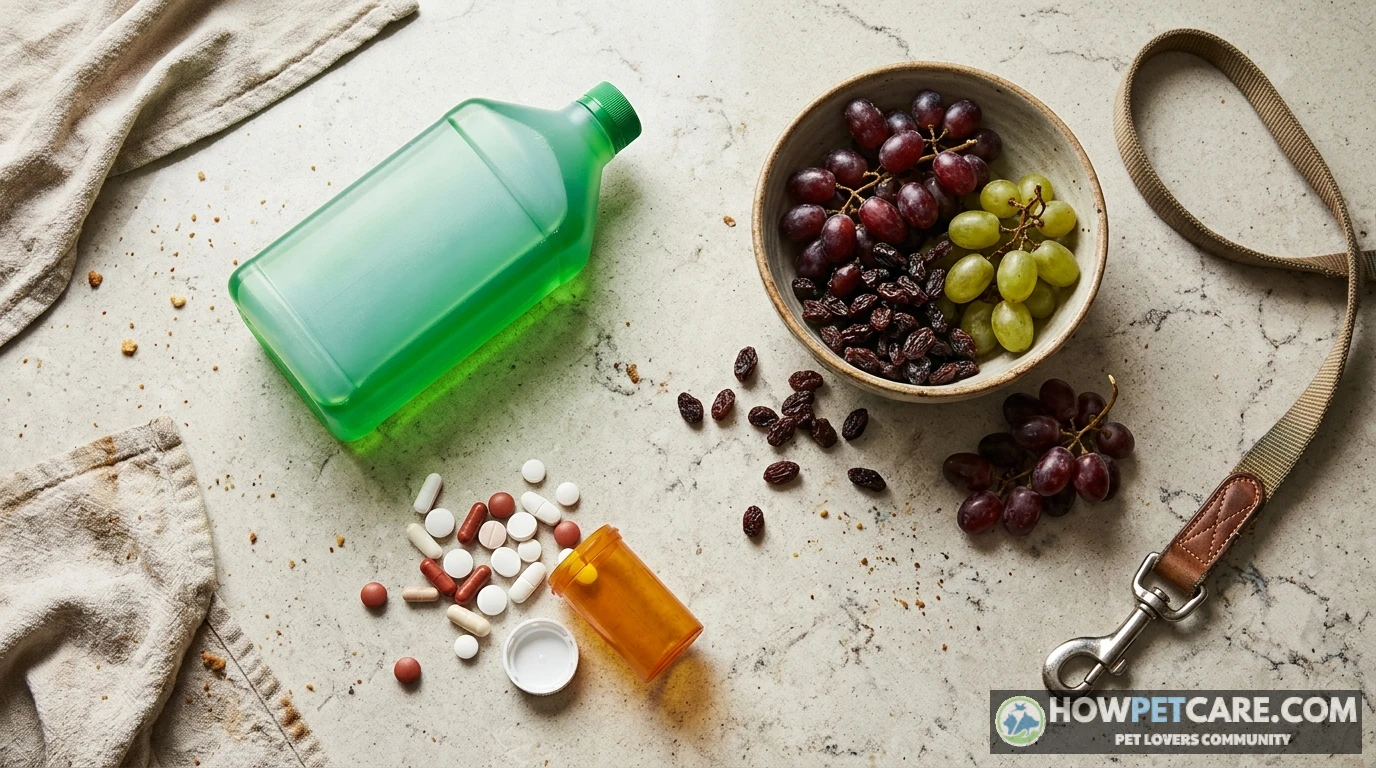
| Ethylene glycol antifreeze | Radiator leaks, garage floors, driveways, some winterizing products | Small amounts can be dangerous; risk depends on the product and dog | Emergency veterinarian immediately; bring the container if safe |
| Grapes, raisins, and dried vine currants | Fruit bowls, trail mix, raisin bread, baked goods | No proven safe amount for every dog | Call a veterinarian or poison-control service immediately after any suspected ingestion |
| Human NSAIDs, including ibuprofen and naproxen | Pill organizers, purses, dropped tablets | Risk depends on drug, dose, and the dog’s health | Call immediately; do not give another pain medication |
| Veterinary NSAIDs | Prescriptions, flavored chewable tablets, another pet’s medication | Overdose, dehydration, other drugs, or underlying illness can increase risk | Call the prescribing veterinarian promptly after an error or concerning signs |
| Aminoglycoside antibiotics, such as gentamicin | Veterinary treatment | Kidney injury is a recognized risk, particularly in vulnerable patients | Contact the prescribing veterinarian about side effects or dosing concerns |
| Cisplatin and other potentially kidney-damaging agents | Veterinary cancer treatment or other medical procedures | Risk is assessed and monitored by the treating team | Report vomiting, weakness, or reduced urine promptly |
| Lead and zinc | Old paint, batteries, metal objects, some coins | Effects depend on the object and exposure; swallowed objects can also obstruct the gut | Call a veterinarian or poison-control service immediately |
| True lilies | Bouquets and gardens | A major kidney toxin in cats, but not a leading cause of canine kidney failure | Call for plant-specific advice; identify the plant if possible |
Antifreeze: how much is dangerous and how fast should you act?
Ethylene glycol antifreeze is a serious cause of potentially fatal AKI in dogs. A dog may encounter a leak in a garage or lick liquid from its paws. Even a small exposure can be dangerous, especially for a small dog; there is no useful household amount to treat as safe.
Go to an emergency veterinarian immediately, even if your dog looks normal. Antidote treatment works best when started within hours, before the body converts ethylene glycol into damaging byproducts. Your dog may also need intensive supportive care. Don’t spend time estimating the exact dose before leaving.
Grapes and raisins: is any amount safe?
Grapes and raisins can cause acute kidney injury in dogs. Sensitivity varies, and no amount has been proven safe for every dog. Treat any suspected ingestion as urgent, including grapes, raisins, and dried vine currants hidden in foods such as cookies or trail mix. Call a veterinarian or poison-control service immediately. Early advice may make a difference even before signs appear.
NSAIDs and other medications
Human painkillers such as ibuprofen and naproxen can injure a dog’s kidneys. Veterinary NSAIDs are useful medicines when prescribed at the correct dose for an individual dog, but dosing errors and certain health conditions can increase the risk of harm. NSAID misuse and aminoglycoside antibiotics are recognized causes of acute kidney injury.
Tell your veterinarian if your dog is dehydrated, has kidney disease, takes a steroid, or is receiving another medication. Never combine drugs or change a prescribed dose without veterinary direction. Other medications, including some chemotherapy drugs, can also require kidney monitoring. Contrast agents used for imaging may be a consideration in at-risk patients; the veterinary team weighs the risks and benefits.
Lilies and other plant myths
True lilies are a well-established kidney danger primarily for cats, not a leading cause of kidney failure in dogs. A dog that chews a lily may develop stomach upset, but plant identification matters: common names can refer to different plants with different risks. Call your veterinarian after any suspected plant ingestion, and keep the plant away from cats as well.
Not every unsafe human food is a kidney toxin. Xylitol, for example, can cause dangerous low blood sugar and liver injury in dogs. That’s a different emergency, not a reason to delay a poison call.
Non-Toxin Causes: Infection, Blockage, Poor Blood Flow, Dental Disease, and Inherited Disease
Leptospirosis and tick-borne disease
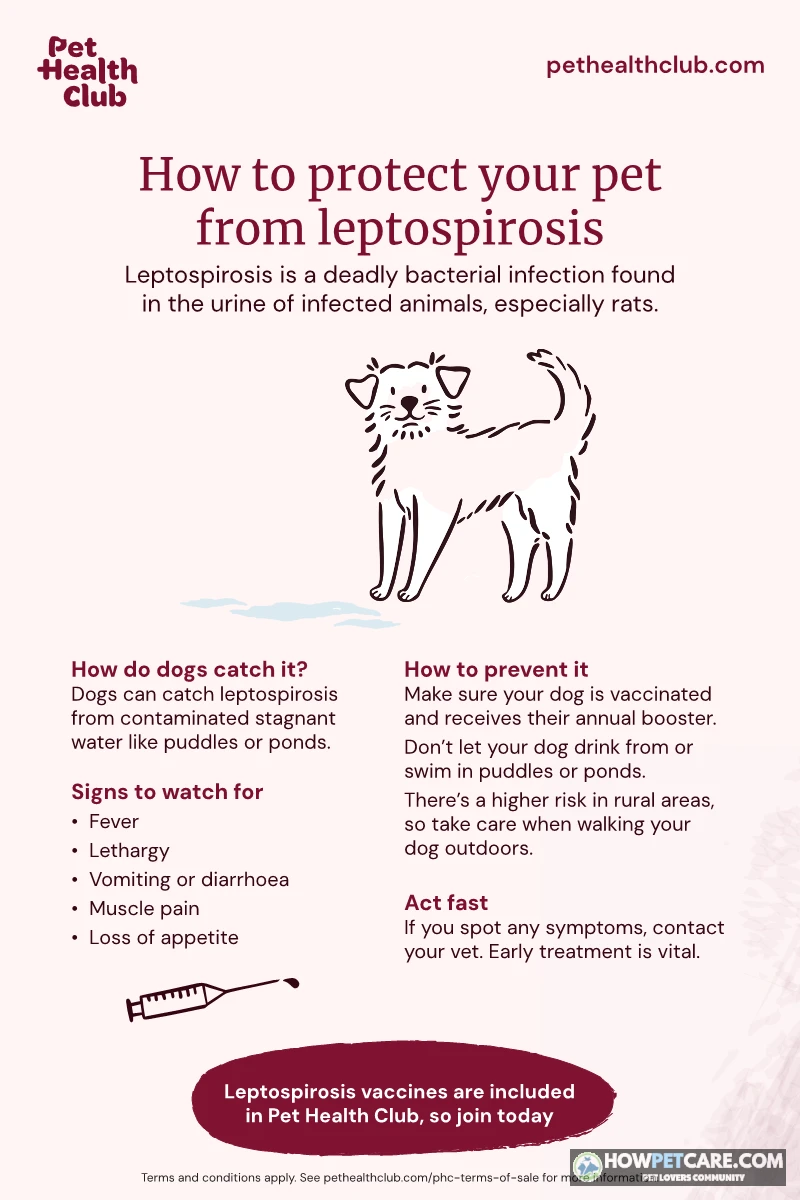
Leptospirosis is a bacterial infection that can damage the kidneys and sometimes the liver. Dogs can be exposed through water or soil contaminated with infected animal urine. The bacteria can spread to people, so follow your veterinarian’s instructions for handling urine and cleaning the environment. Vaccination reduces risk; ask your vet about it.
Other infections can affect the kidneys, too. A bacterial kidney infection, called pyelonephritis, may develop from an ascending urinary infection. Tick-borne disease is another consideration: in some dogs, Lyme disease is associated with a serious protein-losing kidney condition often called Lyme nephritis. A positive tick test alone doesn’t prove it caused kidney disease.
Obstruction and dehydration
A stone, tumor, or other blockage can prevent urine from leaving the body. A dog that repeatedly strains and passes little or no urine needs emergency care; don’t wait for a particular number of hours. Obstruction can quickly cause dangerous waste and electrolyte imbalances.
Severe dehydration can reduce blood flow to the kidneys. It may follow prolonged vomiting or diarrhea, heatstroke, shock, or another serious illness. Low blood pressure, heart disease, or complications around anesthesia can also reduce kidney perfusion. One severe or prolonged episode can cause lasting damage, even if the dog initially improves. A veterinarian can determine whether fluid loss alone explains abnormal bloodwork or whether kidney tissue has also been injured.
Dental disease and chronic inflammation: what is known and unknown
Severe periodontal disease allows bacteria and inflammation to affect tissues beyond the mouth. Kidney damage is biologically plausible, but an individual dog’s dental disease shouldn’t automatically be named as the cause of CKD. Dental care matters for comfort and general health regardless.
Other chronic problems include diseases of the kidney’s filtering units, known as glomerular disease; persistent urinary protein loss, or proteinuria; high blood pressure; stones; tumors; and long-standing infection. Proteinuria and high blood pressure can also contribute to progression after kidney disease has developed.
Why Do Older Dogs Get Chronic Kidney Disease? Age, Breed, and Genetic Screening
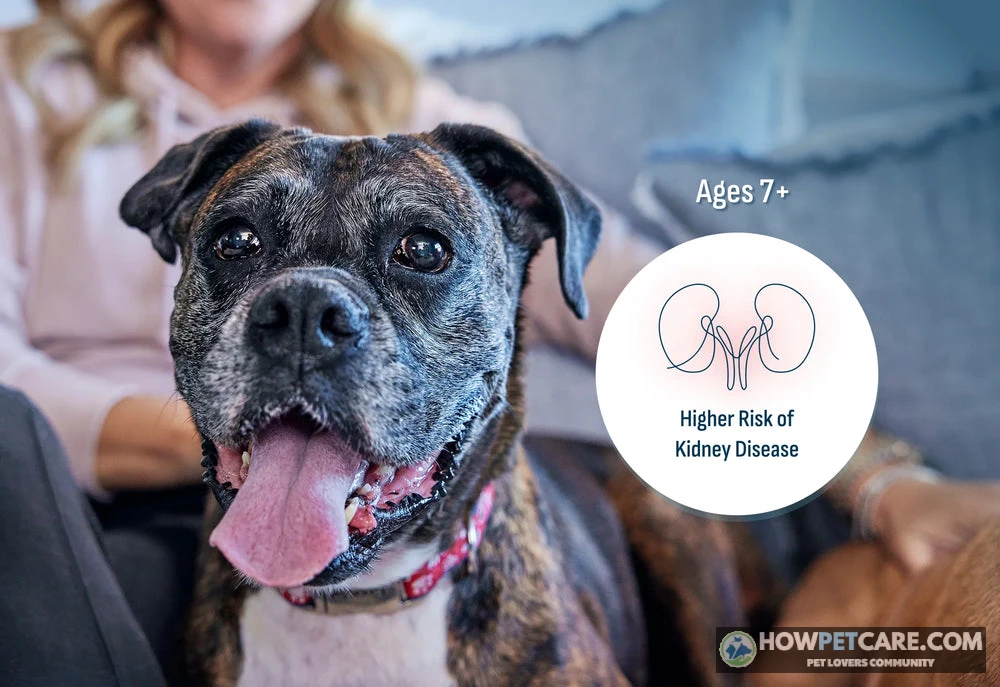
Older dogs have had more time to accumulate kidney injury, and CKD is more commonly recognized with advancing age. But kidney disease isn’t simply an unavoidable part of normal aging. Some dogs develop inherited disease when young, while many affected dogs have no identifiable inherited condition.
Documented breed predispositions
These examples are starting points for a conversation, not a diagnosis. A predisposed dog may never develop the condition, and dogs of any breed or mix can develop kidney disease.
| Breed | Condition | Typical onset | Screening available |
|---|---|---|---|
| Samoyed | X-linked hereditary nephropathy | Young; males often develop more severe disease | Genetic testing for the known variant; urine protein and kidney testing |
| English Cocker Spaniel | Familial nephropathy | Often young | DNA testing for a known variant; urine and blood testing remain useful |
| Bull Terrier | Hereditary nephritis | Variable, often young to adult | Urine protein testing and kidney monitoring; ask about genetic testing for the specific family |
| Bernese Mountain Dog | Familial glomerular disease | Young to adult | Urine protein, blood pressure, and kidney function monitoring |
| Shar-Pei | Amyloidosis associated with familial inflammatory disease | Often adult | Monitor clinical history, urine protein, and kidney values; ask about breed-specific genetic risk assessment |
| Soft Coated Wheaten Terrier | Protein-losing nephropathy | Often adult | Urine protein and blood testing; evaluation for related intestinal protein loss when indicated |
| Cairn Terrier and West Highland White Terrier | Polycystic kidney disease | Variable; cysts may precede illness | Ultrasound and urine testing; ask a genetics laboratory about testing for a relevant variant |
| Shih Tzu, Lhasa Apso, and Standard Poodle | Renal dysplasia | Often puppyhood or young adulthood | Blood and urine testing and imaging; interpretation may require specialist input |
| Basenji | Fanconi syndrome, a kidney-tubule disorder | Usually adult | DNA testing for the known variant and urine testing, including glucose |
Which breeds have DNA tests and which do not?
DNA tests are available for some specific inherited conditions, including known variants associated with Samoyed hereditary nephropathy, English Cocker Spaniel familial nephropathy, and Basenji Fanconi syndrome. A negative result for one variant doesn’t rule out every kidney disease. For other breeds and conditions, a definitive or broadly applicable DNA test may not be available.
Ask your veterinarian, a veterinary genetics laboratory, or a breed club which test applies to your dog’s family. If you’re buying a puppy, ask the breeder for documented results. Urine protein monitoring and routine laboratory testing may still be appropriate regardless of DNA results.
Blood and urine screening can reveal abnormalities before a dog appears ill. SDMA may rise before creatinine in some dogs, while urine concentration and protein measurements add different information. No single normal test guarantees that early disease is absent; your vet can recommend when to repeat screening.
Emergency Triage: When Kidney Failure Signs or Exposures Mean Go to the Vet Now
Decision tree: act now, today, or schedule a visit
Call an emergency veterinarian or a pet poison-control service immediately after suspected antifreeze, grape, raisin, or medication ingestion. Go to an emergency clinic if your dog is straining to urinate or producing little or no urine. Don’t wait for symptoms or a specific number of hours.
Go to an emergency clinic now for repeated vomiting with lethargy, collapse, seizures, severe weakness, pale gums, a painful or swollen abdomen, or suspected heatstroke. Call ahead if possible, without delaying departure.
Arrange a same-day veterinary visit for a sudden marked increase in drinking or urination, new vomiting or refusal to eat, suspected dehydration, mouth ulcers, or ammonia-like breath. If your dog also seems weak, is vomiting repeatedly, or can’t urinate, use the emergency route instead. Vomiting or reduced urine after a medication or procedure also warrants a prompt call to the treating veterinarian.
Call for an appointment soon about gradual weight loss, a mild increase in thirst, or other persistent changes. Don’t assume these are normal aging. A routine wellness visit is appropriate when your dog is otherwise well and due for screening.
Don’t induce vomiting unless a veterinarian or poison-control professional specifically instructs you to. Don’t try home detoxes, give human painkillers, or wait to see whether a suspected poisoning resolves.

What information to give your vet or poison-control service
Bring the package or a clear photograph if you can do so safely. Report:
- The product, food, medication, or plant name and its ingredients or strength, if known.
- The estimated amount and time of exposure; say if either is uncertain.
- Your dog’s weight, age, existing illnesses, and current medications and supplements.
- Vomiting, appetite, energy, drinking, and when and how much your dog last urinated.
- Relevant vaccination, tick exposure, travel, and recent procedure history.
In the United States, you can call ASPCA Animal Poison Control at 888-426-4435 or Pet Poison Helpline at 855-764-7661. Consultation fees may apply. If your dog is seriously ill, contact the emergency clinic while arranging transport; poison control can also advise your veterinary team.
How Vets Diagnose Kidney Failure and Find the Underlying Cause
Blood and urine tests explained
A veterinarian combines the examination and history with several tests rather than relying on a single value:
- Creatinine and BUN: Waste-related blood measurements that can rise when filtration decreases. Dehydration and urinary obstruction can complicate interpretation.
- SDMA: A blood marker that can help identify reduced kidney filtration, sometimes before creatinine rises. It’s interpreted alongside other findings.
- Urinalysis: Examines urine concentration and looks for findings such as blood, glucose, protein, or signs of infection.
- Urine protein-to-creatinine ratio (UPC): Helps quantify persistent protein loss in urine when appropriate.
- Electrolytes, phosphorus, and blood pressure: Help identify complications and guide treatment.
A dog can have an abnormal lab result without showing obvious illness. Early disease may also require repeat testing before its pattern becomes clear.
Imaging and infectious disease testing
Depending on the history, the veterinarian may recommend X-rays or ultrasound to look for stones, obstruction, structural abnormalities, or changes in kidney size. A urine culture can investigate bacterial infection. Leptospirosis testing may include PCR and antibody testing; tick-borne testing may help assess relevant exposure. A suspected antifreeze exposure may prompt a specific test, although timing matters. In selected cases, a kidney biopsy helps characterize disease.
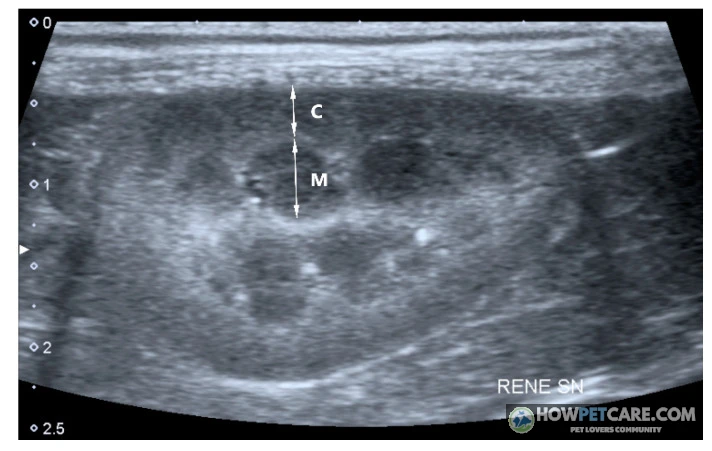
Bring previous laboratory results if you have them. A sudden change from an earlier baseline can help the veterinarian distinguish a new injury from a longer-standing problem, although the two can coexist.
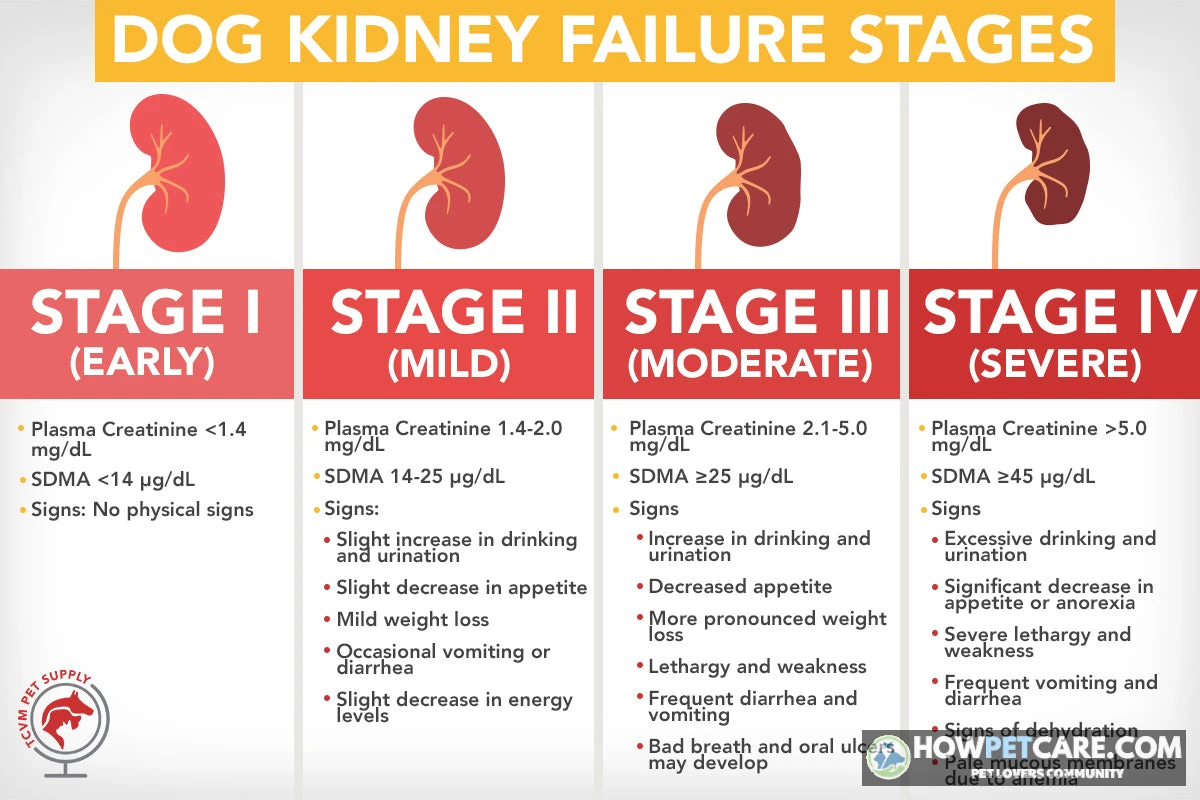
IRIS staging for chronic kidney disease
Veterinarians use the International Renal Interest Society, or IRIS, system to stage confirmed, stable CKD and consider substages based on urine protein and blood pressure. Staging helps guide monitoring and treatment; it isn’t a substitute for finding the cause. AKI is graded separately, and a dog in an unstable acute episode shouldn’t be assumed to have a permanent CKD stage from one test.
Is Kidney Failure in Dogs Reversible? Recovery, Progression, and Prognosis
AKI is sometimes partly or fully reversible, particularly when the cause is recognized and treated promptly. Other dogs need prolonged hospitalization, retain permanent kidney damage, or don’t survive. The outlook depends on the cause, severity, urine output, complications, and response to treatment.
Treatment may include IV fluids when appropriate, medication for nausea, correction of electrolyte problems, treatment of infection or obstruction, and an antidote for certain toxins. Some specialty centers offer dialysis for selected dogs. A dog producing little urine needs careful veterinary fluid management; more fluid isn’t automatically better.
Can acute kidney injury become chronic kidney disease?
Yes. A dog may survive an acute injury but lose enough functioning kidney tissue to have CKD afterward. The likelihood varies with the original cause, injury severity, recovery, and whether kidney disease was already present. There is no single reliable percentage that applies to every dog. Follow-up blood and urine testing helps determine whether abnormalities resolve or persist.
What survival and prognosis data show
Veterinary evidence describes survival of roughly half of dogs with severe AKI requiring medical intervention, but that broad estimate isn’t a prediction for an individual dog: study populations, causes, and treatment resources differ. Ask the treating team what your dog’s response and test trends mean.
CKD can’t be cured, but many dogs can be managed, sometimes for months or years. Prognosis generally depends on the IRIS stage and complications, including persistent proteinuria, high blood pressure, elevated phosphorus, and repeated acute injuries. Management may include a prescription renal diet, hydration support, medications for blood pressure or protein loss, phosphate control, and anti-nausea treatment. Your veterinarian can also help assess comfort and quality of life.

Myth Check: Do High-Protein Diets Cause Kidney Disease in Healthy Dogs?
What the evidence says about protein
There is no good evidence that a high-protein diet by itself causes kidney disease in an otherwise healthy dog. That doesn’t mean every high-protein diet is appropriate for every dog: age, health, nutritional balance, and the individual animal’s needs still matter.
When diet changes actually matter
After CKD is diagnosed, a veterinarian may recommend a therapeutic kidney diet with adjusted protein and phosphorus, depending on the dog’s condition. The goal is to support nutrition while managing complications, not to eliminate protein. Don’t start a restrictive diet on your own; dogs need adequate nutrition and muscle maintenance. Discuss any diet change with your vet, particularly if your dog is losing weight or eating poorly.
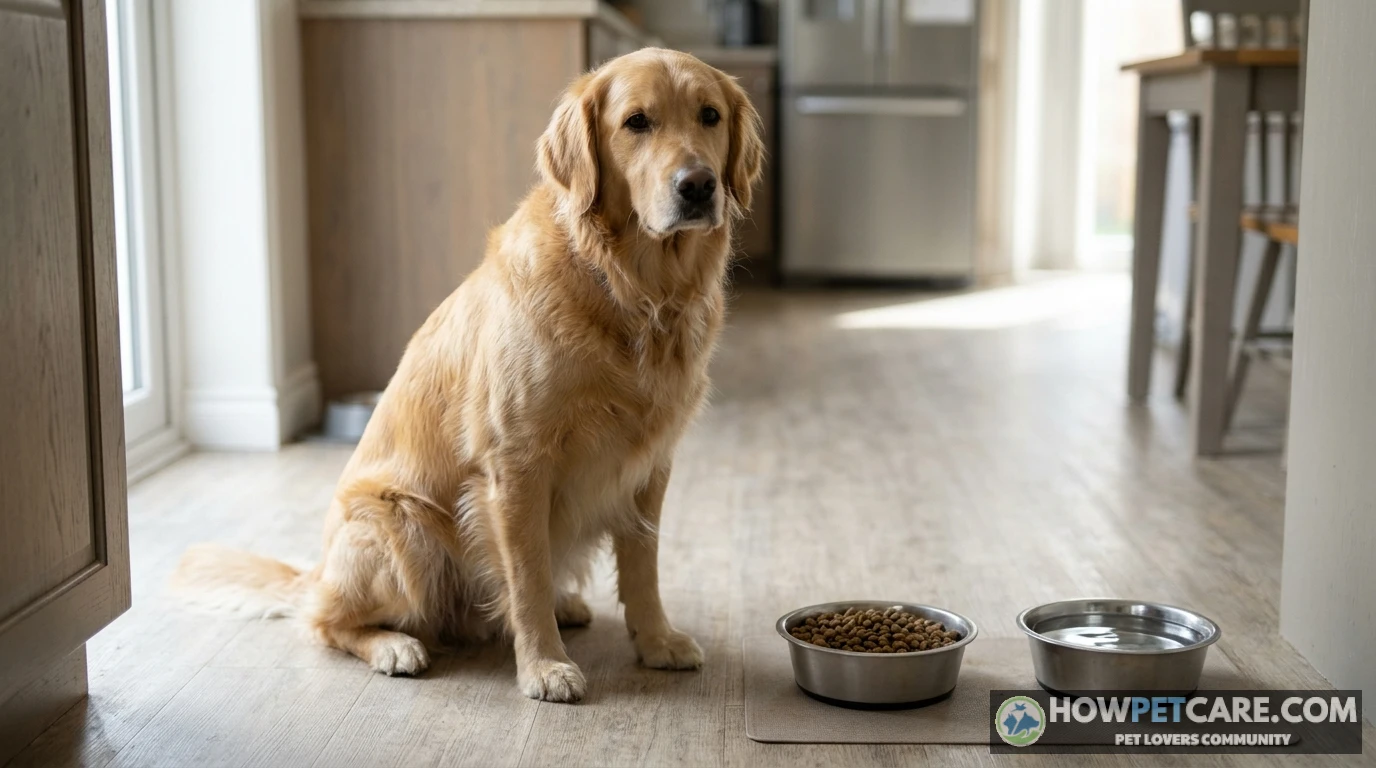
Preventing Kidney Failure in Dogs: A Household Safety and Screening Checklist
These steps reduce avoidable risks but can’t guarantee prevention or diagnose an individual dog. Inherited and unexplained kidney diseases can occur even with excellent care.
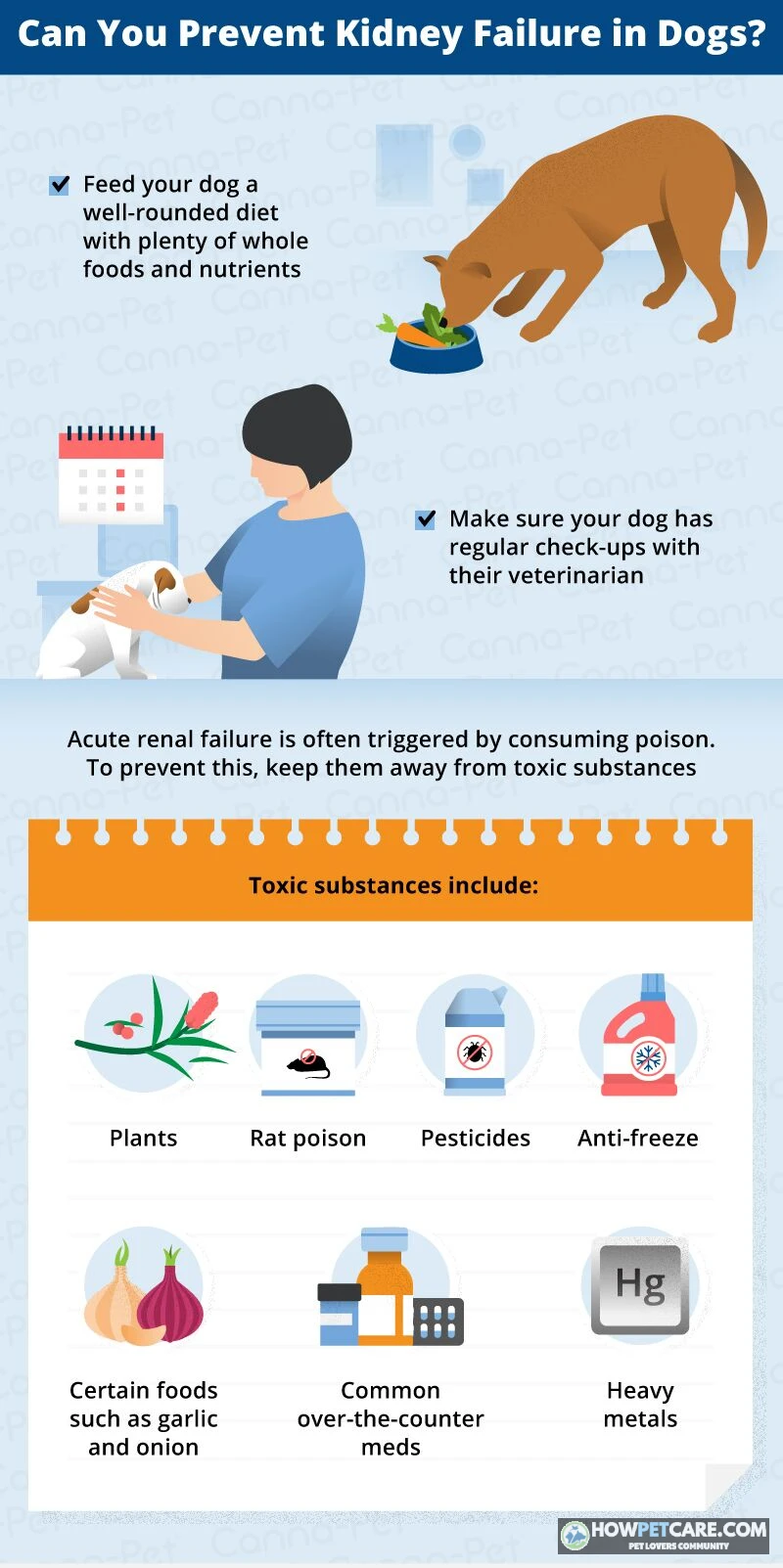
Household hazard checklist
- ☐ Keep antifreeze sealed and inaccessible; clean spills promptly and prevent pets from entering the area. Propylene-glycol products may be less hazardous than ethylene glycol, but no spill should be treated as safe to drink.
- ☐ Store human and pet medications securely. Give an NSAID only as prescribed for that dog, and ask before combining it with another drug.
- ☐ Keep grapes, raisins, dried vine currants, and foods containing them out of reach, including in lunchboxes and bags.
- ☐ Discourage drinking from stagnant water and wildlife-contaminated puddles. Ask your vet about leptospirosis vaccination, and keep tick prevention current.
- ☐ Provide fresh water, prevent heat exposure, and seek veterinary advice early for significant vomiting or diarrhea.
- ☐ Keep up dental examinations and care. Tell your veterinarian about kidney history before medications, anesthesia, or procedures.
Screening and vet-visit checklist
- ☐ Arrange regular wellness examinations. Ask whether your adult or senior dog should have annual blood and urine screening, including creatinine, BUN, urinalysis, and SDMA when appropriate.
- ☐ For a predisposed breed or a dog with previous abnormalities, ask whether earlier or more frequent urine protein checks, blood pressure measurements, imaging, or genetic testing make sense.
- ☐ Save the emergency clinic and poison-control numbers in your phone. Photograph labels of products your dog could encounter.
- ☐ Keep a short record of your dog’s weight, medications, supplements, vaccination and tick-prevention status, previous kidney results, and usual drinking and urination habits. Bring it and any suspected toxin packaging to the next veterinary visit.
1What is a primary clinical distinction between acute kidney injury (AKI) and chronic kidney disease (CKD) in dogs?
Sudden injury can respond to immediate medical care and potentially regain function before permanent damage sets in.
2Why is immediate veterinary evaluation necessary if a dog is suspected of ingesting ethylene glycol antifreeze?
Early intervention prevents the liver from metabolizing ethylene glycol into compounds that cause severe renal damage.
3What is the recommended protocol regarding grape or raisin ingestion in dogs?
Individual sensitivity varies unpredictably, meaning no established safe dose exists for dogs.
4How does true lily ingestion differ in toxicity between dogs and cats?
Feline kidney tissue is uniquely vulnerable to lily toxins, whereas canine exposure typically results in digestive irritation.
5Which of the following best describes leptospirosis and its associated precautions?
Leptospira bacteria damage the kidneys and liver and pose zoonotic risks through infected urine.
6What is the clinical value of testing SDMA levels in canine bloodwork?
SDMA serves as a sensitive biomarker that often rises prior to significant elevations in creatinine.
7Which dog breed is known to have a documented DNA test available for a specific inherited kidney variant?
Familial nephropathy in English Cocker Spaniels has a known genetic variant that can be evaluated via DNA testing.
8What does current scientific evidence reveal about high-protein diets in healthy dogs?
Dietary protein alone does not initiate renal injury in a dog with normal kidney function.
9What occurs during an 'acute-on-chronic' kidney event in a dog?
Dehydration or infection can cause a rapid setback in a dog already living with chronic renal impairment.
10Which symptom combination represents an immediate emergency requiring emergency clinic evaluation?
Systemic collapse and complete urinary obstruction are critical emergencies that threaten life within hours.
| Substance | Where Dogs Encounter It | Exposure Context or Dose Notes | Action Required |
|---|---|---|---|
| Ethylene glycol antifreeze | Radiator leaks, garage floors, driveways, some winterizing products | Small amounts can be dangerous; risk depends on the product and dog | Seek emergency veterinary care immediately; bring the container if safe |
| Grapes, raisins, and dried vine currants | Fruit bowls, trail mix, raisin bread, baked goods | No proven safe amount for every dog | Call a veterinarian or poison-control service immediately after any suspected ingestion |
| Human NSAIDs (e.g., ibuprofen, naproxen) | Pill organizers, purses, dropped tablets | Risk depends on drug, dose, and the dog's health | Call a veterinarian or poison-control service immediately; do not give another pain medication |
| Veterinary NSAIDs | Prescriptions, flavored chewable tablets, another pet's medication | Overdose, dehydration, other drugs, or underlying illness can increase risk | Call the prescribing veterinarian promptly after an error or concerning signs |
| Aminoglycoside antibiotics (e.g., gentamicin) | Veterinary treatment | Kidney injury is a recognized risk, particularly in vulnerable patients | Contact the prescribing veterinarian about side effects or dosing concerns |
| Cisplatin and other potentially kidney-damaging agents | Veterinary cancer treatment or other medical procedures | Risk is assessed and monitored by the treating team | Report vomiting, weakness, or reduced urine to the treating veterinarian promptly |
| Lead and zinc | Old paint, batteries, metal objects, some coins | Effects depend on the object and exposure; swallowed objects can also obstruct the gut | Call a veterinarian or poison-control service immediately |
| True lilies | Bouquets and gardens | A major kidney toxin in cats, but not a leading cause of canine kidney failure | Call a veterinarian or poison-control service for plant-specific advice; identify the plant if possible |
FAQ
What are the early signs of kidney failure in dogs?
Early signs include drinking and urinating more, reduced appetite, weight loss, lethargy, and vomiting, but many dogs show no signs until much kidney function is lost. Blood and urine screening, including SDMA, can detect problems earlier.
Can dehydration cause kidney failure in dogs?
Yes. Severe or prolonged dehydration from heatstroke, vomiting, or diarrhea reduces blood flow to the kidneys and can cause acute kidney injury. Prompt veterinary fluid treatment often limits damage.
What causes sudden kidney failure in dogs?
Sudden kidney failure is usually caused by toxins such as antifreeze, grapes and raisins, or NSAIDs, as well as infections like leptospirosis, severe dehydration, urinary blockage, or reduced blood flow. It is an emergency and needs immediate veterinary care.
Is kidney failure in dogs treatable?
Acute kidney injury can sometimes be reversed if treated early, while chronic kidney disease cannot be cured but can often be managed for months to years. Outcome depends on the cause and stage.
Do dogs with kidney failure suffer?
Late-stage kidney failure can cause nausea, weakness, and mouth ulcers, but symptoms can often be controlled with anti-nausea medications, fluids, and diet. Your vet can help you evaluate quality of life.