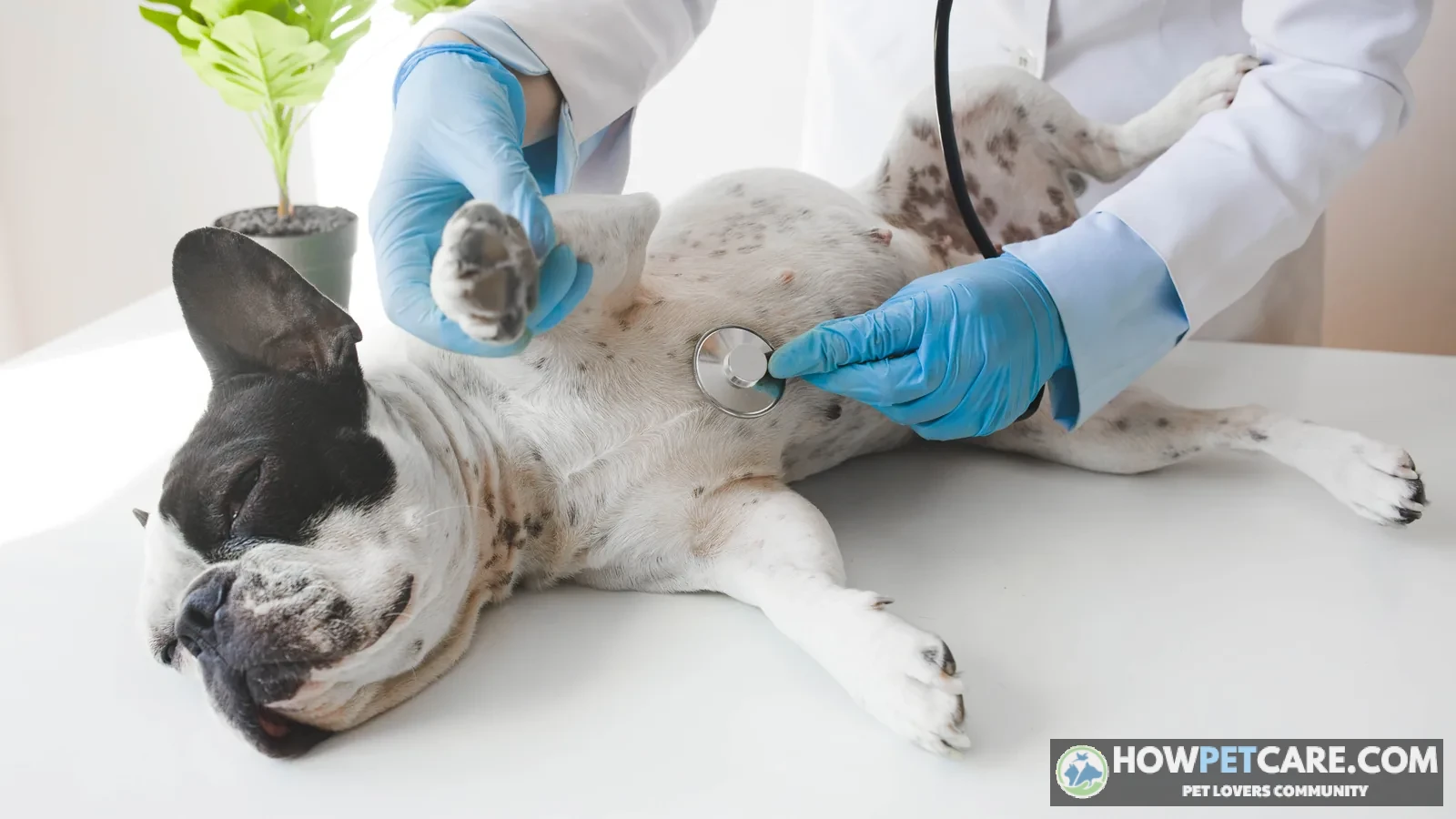

Heart disease in dogs includes valve disease (MMVD), weakened heart muscle (DCM), congenital defects, and heartworm damage. Common signs are coughing, faster resting breathing, low energy, and fainting. Many dogs live for years with monitoring or medication; once congestive heart failure develops, survival is typically months to a few years.
Heart disease in dogs can range from a condition discovered during a routine exam to a life-threatening breathing emergency. Early signs may include coughing, tiring easily, or breathing faster at rest, though some dogs show no obvious symptoms. A veterinarian can identify the cause and explain whether the heart is enlarged or the disease has progressed to congestive heart failure.
Many dogs live comfortably for a period with monitoring or treatment. As a broad pattern, dogs diagnosed before congestive heart failure often live for years, while survival after heart failure develops is more often measured in months to a few years. No figure applies reliably to every dog at a given stage — the underlying disease, its severity, other health problems, and the response to care all matter. If your dog is struggling to breathe, collapses, or has blue, gray, or very pale gums, seek emergency veterinary care now.
Heart disease in dogs: warning signs and when breathing trouble is an emergency
Symptoms of heart disease can be subtle, especially early on. Arrange a veterinary assessment if you notice a new or persistent change such as:
- Coughing, particularly if it becomes more frequent.
- Faster breathing at rest or increased effort to breathe.
- Less interest in walks, play, or exercise.
- Weakness, wobbliness, or fainting.
- A swollen abdomen or unexplained weight change.
- Reduced appetite, energy, or ability to settle comfortably.

These signs don’t prove a dog has cardiac disease. Respiratory disease and other conditions can look similar, and a dog with heart disease may cough for a separate reason. A dog can also have significant heart disease before showing obvious signs at home.
Signs that need immediate veterinary attention
Use the guidance below from the top down. If your dog has an emergency sign, don’t wait to see whether the number of breaths improves.
Go to an emergency veterinary clinic now if your dog has:
- Labored breathing, including obvious abdominal effort, flared nostrils, open-mouth breathing at rest, or elbows held away from the body.
- Blue, gray, or very pale gums or tongue.
- Collapse or fainting, even if your dog seems to recover.
- A resting breathing rate above 40 breaths per minute that remains high on a repeat check, or a rate rising rapidly. Visible distress is an emergency at any rate.
- An inability to settle or lie comfortably, especially with breathing changes.
- Sudden weakness, cold limbs, or a swollen abdomen accompanied by distress.

If possible, call the emergency clinic while someone prepares to leave so the team can get ready for your arrival. Keep your dog calm and avoid exertion. Don’t give extra heart medicine or human medication unless a veterinarian specifically directs you to do so.
Call your veterinarian today for a new daily cough, a cough that is becoming more frequent, new exercise intolerance, or a mild but noticeable drop in appetite or energy. Also call if your dog’s resting breathing rate is persistently above 30 breaths per minute or clearly above their usual baseline. An episode of unusual weakness that has resolved also warrants prompt advice; actual collapse or fainting belongs in the emergency category.
Monitor and log only when your dog is comfortable, breathing normally, and otherwise acting like themselves. Even an occasional cough deserves a discussion with your veterinarian, particularly if it’s new, persists, or worsens. A normal breathing rate doesn’t rule out heart disease.
Why a dog with heart disease may cough
A dog may cough because fluid has accumulated in the lungs during congestive heart failure or because an enlarged heart affects nearby airways. Airway disease or another non-cardiac problem can also cause coughing. The sound of a cough alone can’t tell you which explanation applies.
Don’t give an over-the-counter cough medicine unless your veterinarian approves the specific product. Cough suppressants aren’t recommended for dogs with fluid in the lungs from congestive heart failure because they can mask a symptom and may worsen fluid accumulation.
Causes, types, and breeds prone to heart disease in dogs
Heart disease describes a problem with the heart’s structure or function; it isn’t a single diagnosis. Some conditions are present at birth, while others develop later. Heartworm infection, inherited traits, rhythm problems, and certain nutritional deficiencies can also affect the heart.
MMVD vs. DCM: what differs and which dogs are at risk
Mitral valve disease and dilated cardiomyopathy are two important types of heart disease in dogs. A breed pattern can help a veterinarian decide what to investigate, but it can’t determine an individual dog’s diagnosis.
| Feature | Mitral valve disease (MMVD) | Dilated cardiomyopathy (DCM) |
|---|---|---|
| What goes wrong | The mitral valve leaks, allowing blood to flow backward between heart chambers. | The heart muscle weakens, often with stretching and enlargement of the chambers. |
| Dogs often affected | Commonly associated with small breeds, including Cavalier King Charles Spaniels, Dachshunds, Chihuahuas, and small Poodles. | Often associated with large or giant breeds, including Doberman Pinschers and Great Danes; other dogs can also be affected. |
| How it may be found | A veterinarian may hear a heart murmur before the owner notices a problem. | Screening may reveal impaired heart function or an abnormal rhythm before outward signs appear. |
| Possible progression | Some dogs remain without heart failure for a long time; others develop enlargement and eventually congestion. | Disease may be hidden before rhythm problems or heart failure become apparent. |
| Treatment direction | Monitoring, medication when indicated, and treatment of congestion if heart failure develops. | Medication to support the heart, treatment of congestion or rhythm problems when present, and investigation of contributing causes. |

If your dog belongs to an at-risk breed or has an affected close relative, ask your veterinarian whether a screening examination, echocardiogram, or rhythm monitoring is appropriate. Screening intervals should reflect the dog’s breed, age, findings, and individual risk.
Inherited, congenital, infectious, and nutritional causes
A puppy can be born with a structural defect such as patent ductus arteriosus (PDA), in which a blood vessel connection that should close after birth remains open. Some defects can be treated with a procedure, but suitability depends on the anatomy and direction of blood flow.
Heartworm disease can also cause serious cardiovascular problems. Ask your veterinarian about year-round prevention and testing appropriate to your dog’s circumstances. Not all heart disease is preventable, particularly inherited or congenital disease, but routine examinations can help identify problems before a dog becomes visibly ill.
Diet and nutrition deserve an individual assessment, too. Taurine deficiency can contribute to heart muscle disease in some dogs, and a veterinarian may investigate diet history or nutritional status when indicated. Don’t assume a supplement or change of food will correct DCM without a diagnosis and follow-up plan.
ACVIM stages A–D: what a heart disease diagnosis means
The American College of Veterinary Internal Medicine, or ACVIM, staging system describes risk and progression in dogs with chronic valvular disease and helps guide treatment decisions. It’s especially useful for discussing mitral valve disease; other heart conditions may require a different prognostic framework.
Stage definitions and what changes in care
| Stage | What it means | Typical care focus | Prognosis context |
|---|---|---|---|
| A | Increased risk, but no heart disease has been detected. | Routine examinations and screening tailored to risk. | There is no diagnosed disease to assign a disease-specific survival time to. |
| B1 | Structural valve disease is present, but there are no signs of heart failure and enlargement does not meet B2 criteria. | Follow-up examinations and imaging as recommended. | Survival is often measured in years; some dogs remain in this stage for a long time while others progress. |
| B2 | Structural valve disease and significant heart enlargement are present, but the dog has not had congestive heart failure. | Closer monitoring; pimobendan may be recommended for qualifying dogs. | Survival is still often measured in years, though progression varies. Time until heart failure is not the same as overall survival. |
| C | The dog has current or past congestive heart failure. | Treat congestion, monitor breathing and medication effects, and schedule rechecks. | Survival is commonly measured in months to a few years; some dogs respond well while others have more complicated courses. |
| D | Heart failure persists or returns despite standard treatment. | Specialist input where available, individualized treatment, and comfort-focused planning. | Prognosis is generally more guarded — often weeks to months — but duration cannot be predicted reliably from the stage alone. |

A heart murmur is an abnormal sound heard through a stethoscope; it isn’t a diagnosis of heart failure. An enlarged heart isn’t the same as congestive heart failure, either. Congestive heart failure occurs when the heart condition leads to fluid accumulation, such as fluid in or around the lungs or in the abdomen.
Life expectancy and median survival: what the estimates can and cannot tell you
How long can a dog live with heart disease? A dog whose disease is found before heart failure may live for years, while a dog with difficult-to-control failure may have much less time. Neither outcome can be predicted accurately from a stage label alone, but broad planning ranges for life expectancy in heart failure exist: survival in Stage B is often measured in years, in Stage C in months to a few years, and in Stage D in weeks to months. Individual dogs regularly fall outside any range.
There’s no single trustworthy median survival figure that applies to every dog in Stage A, B, C, or D. Published estimates depend on the condition studied, how dogs were selected and treated, and the point from which researchers measured time. A study measuring time until the first heart-failure episode, for example, doesn’t measure the same outcome as survival after that episode.
Ask your veterinarian: “What is the expected course for my dog’s specific disease and stage, and which findings make that outlook better or worse?” Your dog’s response to treatment, kidney health, rhythm abnormalities, appetite, and breathing comfort can all influence the answer. If a study is relevant, ask whether its dogs resemble yours and whether its reported number is a median rather than a promise for an individual.
How vets diagnose canine heart disease and what the tests cost
A diagnosis usually starts with your dog’s history and a physical examination. Your veterinarian may listen for a murmur or irregular rhythm, assess breathing, and ask when symptoms occur. Tests help answer different questions: Is the heart structurally abnormal? Is its rhythm abnormal? Is fluid present, and is the heart the likely cause?
What each diagnostic test can show
- Chest X-rays: Show the size and shape of the heart and can help identify fluid or other changes in the chest. They also help investigate non-cardiac breathing and coughing problems.
- Echocardiogram: An ultrasound examination that evaluates valves, chamber size, blood flow, and pumping function. It can help identify the type and severity of structural disease.
- ECG and Holter monitor: An ECG records the heart’s electrical rhythm. A Holter monitor records continuously over a longer period, commonly 24–48 hours, and may detect intermittent rhythm problems.
- Blood tests: NT-proBNP can reflect stretching or enlargement of heart tissue, while cardiac troponin I can increase with heart muscle injury. Neither result should be interpreted in isolation. General bloodwork can also help assess kidney function and other health concerns before or during treatment.

Your veterinarian may recommend a veterinary cardiologist when imaging, rhythm interpretation, advanced treatment, or a difficult diagnosis calls for specialist expertise. If your dog is in respiratory distress, stabilization may come before a complete diagnostic workup.
Planning for diagnostic costs
Prices vary substantially by location, clinic, specialist availability, and whether care is scheduled or provided in an emergency. The ranges below are approximate US budgeting estimates, not quotes. An individual bill can be higher, especially when several services are needed. Ask for a written estimate before non-emergency testing.
| Test, medication, or procedure | Purpose | Approximate US cost range | Cost factors or monitoring |
|---|---|---|---|
| General exam | Review symptoms and listen to the heart and lungs. | $50–$150 | Emergency examinations may cost more. |
| Cardiology consultation | Specialist assessment and treatment planning. | $200–$400 | Imaging may be billed separately. |
| Chest X-rays | Assess the chest, heart silhouette, and possible fluid. | $150–$350 | Views, interpretation, and sedation can affect the bill. |
| Echocardiogram | Assess heart structure and function. | $350–$800 | Specialist and regional charges vary. |
| In-clinic ECG | Check the heart’s electrical rhythm. | $50–$150 | Interpretation may be separate. |
| Holter monitor | Look for intermittent rhythm abnormalities. | $300–$600 | Ask whether fitting and analysis are included. |
| NT-proBNP test | Add information about cardiac strain. | $60–$150 | Collection and other blood tests may add costs. |
| Monitoring bloodwork | Check kidney values and electrolytes during treatment. | $80–$200 per recheck | Frequency depends on the treatment plan. |
| Pimobendan | Support heart function when indicated. | $30–$120 per month | Dog size, formulation, and pharmacy affect price. |
| Furosemide | Reduce fluid congestion. | $10–$50 per month | Needs and follow-up vary. |
| ACE inhibitor, such as enalapril | Reduce the workload on the heart in selected dogs. | $15–$60 per month | Blood pressure and kidney monitoring may be needed. |
| PDA repair or closure | Correct a suitable congenital vessel defect. | $2,500–$5,000 or more | Testing, technique, and hospitalization may add costs. |
| Pacemaker implantation | Treat selected serious slow-rhythm disorders. | $3,000–$6,000 or more | Referral, device, and follow-up costs vary. |
| Emergency stabilization | Address a breathing crisis and related complications. | $800–$2,500 or more per episode | Oxygen, intensive care, and overnight stays can increase costs substantially. |

These figures are planning ballparks rather than independently verified local price quotes. Ask your clinic for current charges and whether consultation, interpretation, medication, hospitalization, and rechecks are included. If cost is a concern, explain your budget and ask which tests are most likely to change the immediate decision and which can safely wait.
Heart disease in dogs treatment options: medications, procedures, and costs
Treatment depends on the diagnosis and whether your dog has congestion, an abnormal rhythm, or another complication. Some dogs need monitoring without medication; others need several treatments and frequent reassessment. Your dog shouldn’t automatically receive every medication listed here.
What common heart medications do and what to monitor
Pimobendan helps the heart contract and widens blood vessels, supporting blood flow in appropriate dogs with congestive heart failure caused by valve disease or DCM. It may also be recommended before heart failure for dogs with MMVD that meet specific enlargement criteria. Possible adverse effects include reduced appetite, vomiting, diarrhea, or lethargy. Tell your veterinarian about new symptoms rather than assuming the medicine is the cause.
Furosemide is a diuretic: it helps remove excess fluid when congestion develops. Increased thirst and urination are expected effects, but dehydration, weakness, appetite changes, or worsening kidney values can occur. Your veterinarian may recommend bloodwork and adjust the treatment plan based on the results. Make water available unless your veterinarian gives different instructions for a specific medical reason.
ACE inhibitors, such as enalapril or benazepril, may be used as part of an individualized plan to reduce strain on the cardiovascular system. Possible problems include low blood pressure, weakness, reduced appetite, or changes in kidney function and electrolytes. Your veterinarian will decide whether the expected benefit justifies the monitoring and whether an ACE inhibitor is appropriate for your dog.
Other medicines, including additional diuretics or drugs for abnormal rhythms, may be needed in selected cases. Don’t start, stop, or change a prescribed dose on your own. Ask what side effects require a same-day call and what to do if your dog vomits after a dose or misses one.

Surgery, procedures, and ongoing treatment costs
A procedure may correct certain congenital defects, manage an eligible rhythm disorder, or address selected valve problems. It isn’t appropriate for every dog. For example, the direction of blood flow matters in PDA: surgical closure is not appropriate for a right-to-left shunt.

The cost table above separates recurring medication expenses from one-time procedure estimates. A monthly medication total can change as prescriptions are added or adjusted, and it doesn’t necessarily include examinations, bloodwork, imaging, or emergency care. Ask for both an initial estimate and a realistic recheck plan so you can budget for the whole course of care.
Home monitoring, exercise, and diet for a dog with heart problems
Your observations at home help the veterinary team see changes between visits. They don’t replace examinations or prove that fluid is building up, but a consistent record can make a change easier to recognize.
A practical resting respiratory rate routine
A typical sleeping or resting respiratory rate is approximately 15–30 breaths per minute. Measure under similar conditions each time and ask your veterinarian what range and monitoring schedule are right for your dog.
-
Wait for true rest
Choose a time when your dog is asleep or fully relaxed, not panting, dreaming actively, or recovering from activity.
-
Count chest movements
Count each rise and fall of the chest as one breath. Count for 30 seconds; if your dog wakes or moves, wait and start again.
-
Calculate and record
Double your count to get breaths per minute. Record the result, date, and whether your dog was asleep or quietly resting.
-
Act on a change
Repeat an unexpectedly high reading when your dog is settled. Call your veterinarian today if the rate stays above 30 or is clearly above your dog’s usual baseline; follow the emergency guidance for distress or a persistently very high rate.
For example, 12 chest rises in 30 seconds equals 24 breaths per minute. A dog whose usual sleeping rate is 18 and whose repeated rate is now 32 needs a call to the veterinarian, even if the dog otherwise seems comfortable.
Keep a simple log of breathing, cough frequency, appetite, energy, weight, and medications given. Share it at rechecks and after a meaningful change. Your veterinarian may ask for more frequent measurements after a medication change or a heart-failure episode.

Safe activity and evidence-based diet decisions
Many dogs with stable heart disease can still enjoy activity. Let your dog’s comfort and your veterinarian’s advice guide the type and duration. Stop an activity that causes coughing, weakness, unusual breathlessness, or reluctance to continue, and report the change. Dogs recovering from a crisis or living with advanced disease may need a more restrictive plan than dogs without symptoms.
There’s no single best food for every dog with heart disease. A complete, balanced diet that your dog will eat is a starting point; your veterinarian can assess body condition, other illnesses, dietary history, and whether a cardiac diet is appropriate. If your dog is eating poorly, discuss it with the care team before making an abrupt change.
Strict sodium restriction should not be imposed on a dog with heart disease but no signs of congestive heart failure without veterinary guidance; excessive restriction may activate compensatory hormones. Once failure is present, the veterinarian may recommend a different sodium strategy. Ask about treats and table scraps as well as the main food, and discuss any proposed taurine or other supplement before adding it.

Advanced heart failure: comfort care and deciding when to say goodbye
Stage D means heart failure isn’t adequately controlled with standard treatment. It doesn’t mean a dog must immediately be euthanized, but it’s an important time to discuss what further treatment can realistically accomplish and what comfort looks like for your dog.
Palliative care and quality-of-life assessment
Palliative care focuses on relieving symptoms and maintaining comfort. Depending on your dog’s situation, a veterinarian may adjust medications, suggest a specialist consultation, address appetite or anxiety, and help you prepare for a breathing crisis. Some families pursue additional interventions; others choose to limit hospital visits and focus on time at home. Both decisions deserve a clear discussion of likely benefits and burdens.
Track whether your dog can breathe comfortably at rest, sleep, eat, move to a favorite spot, interact with family, and enjoy familiar activities. Note repeated crises, distress associated with medication or travel, and whether good days still outweigh difficult ones. A written record can make gradual changes easier to see and give your veterinary team a concrete basis for discussion.

Severe breathing effort, collapse, or blue, gray, or very pale gums needs emergency veterinary attention, even when your overall plan emphasizes comfort care.
Planning an informed euthanasia decision
Ask your veterinarian which signs would suggest that discomfort can no longer be adequately relieved, what an emergency visit might accomplish, and whether euthanasia at the clinic or at home is available. Consider discussing the process and practical arrangements before a crisis, when there’s more time to make a considered decision.
Persistent breathing distress, repeated frightening episodes, inability to rest, loss of appetite or interest in usual activities, and a treatment burden that outweighs relief are reasons to reassess quality of life. None is a rigid rule by itself. Your veterinarian can help you weigh the whole picture and make a compassionate decision for your dog and family.
Your next steps after a suspected or confirmed diagnosis
- For new symptoms: Arrange a veterinary assessment. Go to an emergency clinic now for severe breathing effort, collapse, or blue, gray, or very pale gums.
- For a confirmed diagnosis: Ask for the name of the disease, whether the ACVIM valve-disease stage applies, and whether your dog has had congestive heart failure.
- Before testing: Ask what each proposed test can reveal, how its result would change care, and what the itemized estimate includes.
- Before leaving with medication: Confirm its purpose, possible side effects, missed-dose instructions, bloodwork schedule, and whom to call after hours.
- At home: Record sleeping or resting breathing rates and changes in cough, appetite, energy, and comfort. Follow your veterinarian’s individual exercise and diet plan, and share the log whenever symptoms change.


| Test, Medication, or Procedure | Category (Inferred) | Purpose | Approximate US Cost Range | Cost Factors or Monitoring |
|---|---|---|---|---|
| General exam | Diagnostic Test / Examination | Review symptoms and listen to the heart and lungs. | 50–150 | Emergency examinations may cost more. |
| Cardiology consultation | Diagnostic Test / Specialist Examination | Specialist assessment and treatment planning. | 200–400 | Imaging may be billed separately. |
| Chest X-rays | Diagnostic Imaging | Assess the chest, heart silhouette, and possible fluid. | 150–350 | Views, interpretation, and sedation can affect the bill. |
| Echocardiogram | Diagnostic Imaging | Assess heart structure and function. | 350–800 | Specialist and regional charges vary. |
| In-clinic ECG | Diagnostic Test / Cardiac Rhythm | Check the heart's electrical rhythm. | 50–150 | Interpretation may be separate. |
| Holter monitor | Diagnostic Test / Cardiac Rhythm | Look for intermittent rhythm abnormalities. | 300–600 | Ask whether fitting and analysis are included. |
| NT-proBNP test | Diagnostic Blood Test | Add information about cardiac strain. | 60–150 | Collection and other blood tests may add costs. |
| Monitoring bloodwork | Diagnostic Blood Test / Monitoring | Check kidney values and electrolytes during treatment. | 80–200 per recheck | Frequency depends on the treatment plan. |
| Pimobendan | Medication | Support heart function when indicated. | 30–120 per month | Dog size, formulation, and pharmacy affect price. |
| Furosemide | Medication | Reduce fluid congestion. | 10–50 per month | Needs and follow-up vary. |
| ACE inhibitor, such as enalapril | Medication | Reduce the workload on the heart in selected dogs. | 15–60 per month | Blood pressure and kidney monitoring may be needed. |
| PDA repair or closure | Surgical Procedure | Correct a suitable congenital vessel defect. | 2,500–5,000 or more | Testing, technique, and hospitalization may add costs. |
| Pacemaker implantation | Surgical Procedure / Device Implantation | Treat selected serious slow-rhythm disorders. | 3,000–6,000 or more | Referral, device, and follow-up costs vary. |
| Emergency stabilization | Emergency Intervention | Address a breathing crisis and related complications. | 800–2,500 or more per episode | Oxygen, intensive care, and overnight stays can increase costs substantially. |
FAQ
Can heart disease in dogs be prevented?
Not all heart disease is preventable, especially inherited or congenital conditions. Routine veterinary exams, appropriate breed-based screening, heartworm prevention, and a complete diet can help identify or reduce some risks; ask your veterinarian what applies to your dog.
Can I give my dog with heart disease an over-the-counter cough medicine?
Do not give cough medicine unless your veterinarian approves it. Coughing can have several causes, and suppressing it or using an unsuitable product may delay care or create additional risks.
Does a heart murmur mean my dog has heart failure?
No. A murmur is an abnormal sound that may indicate turbulent blood flow, but it does not establish the cause, severity, or presence of heart failure. Your veterinarian may recommend imaging or other tests to determine what it means.
Can a dog with heart disease still have a good quality of life?
Many dogs do well for a time with appropriate monitoring and treatment, but the outlook depends on the disease, stage, and response to care. Ask your veterinarian how to tailor activity and track changes in breathing, appetite, energy, and comfort.