
Heartgard is a monthly ivermectin chewable that prevents heartworm disease in dogs. Heartgard Plus adds pyrantel pamoate to treat and control hookworms and roundworms. Neither product protects against fleas or ticks. Choose the weight-specific dose, give it every 30 days, and obtain the required veterinary prescription and heartworm screening.
Choosing reliable parasite prevention means balancing clinical efficacy, weight-specific dosing, and annual cost. Heartgard Plus remains a mainstay of veterinary practice across the United States, backed by over 2.5 billion administered ivermectin doses worldwide. Even so, modern veterinary medicine gives dog owners several distinct paths: classic monthly chewables aimed strictly at internal worms, or newer combination chews that handle fleas and ticks at the same time.
Selecting the right protocol requires understanding the exact active ingredient strengths in each color-coded pack, knowing why veterinarians legally mandate heartworm testing, and calculating whether older dual-ingredient formulas still make financial sense for your household. Here is how the pharmacology, dosing schedules, safety margins, and real-world costs break down for Heartgard and Heartgard Plus in 2026.
Heartgard vs. Heartgard Plus: What the clinical difference means for your dog
The fundamental distinction between original Heartgard and Heartgard Plus comes down to a second active compound: pyrantel pamoate. Boehringer Ingelheim manufactures both products, each approved by the U.S. Food and Drug Administration (FDA) as a real-beef monthly chewable to prevent heartworm disease caused by the mosquito-borne filarial nematode Dirofilaria immitis.
Original Heartgard relies solely on ivermectin. Its only clinical job is preventing canine heartworm disease by eliminating the tissue stage of heartworm larvae (Dirofilaria immitis) that entered your dog’s tissues through mosquito bites over the previous 30 days. It does not treat, eliminate, or control intestinal worms, fleas, or ticks.
Heartgard Plus combines ivermectin with pyrantel pamoate, an anthelmintic agent that paralyzes and expels intestinal parasites. Adding pyrantel expands the chew’s therapeutic scope. It treats and controls three species of hookworms (Ancylostoma caninum, Ancylostoma braziliense, Uncinaria stenocephala) and two species of roundworms (Toxocara canis, Toxascaris leonina) alongside monthly heartworm prophylaxis. Hookworms and roundworms are zoonotic—meaning they can cause cutaneous and visceral larva migrans in people—so veterinary practices in the United States generally recommend the Plus formulation for routine canine parasite control.

Both products deliver ivermectin at a prophylactic threshold of roughly 6 micrograms per kilogram of body weight (6 mcg/kg, or 0.006 mg/kg). That preventative dose is 50 to 100 times lower than the therapeutic ivermectin regimens (300 to 600 mcg/kg) historically prescribed off-label to treat generalized demodectic or sarcoptic mange. Keeping this dosage difference in mind is vital when assessing breed sensitivities and actual safety margins.
Exact weight bands, color codes, and milligram strengths of ivermectin & pyrantel
Heartgard Plus chewables are categorized by canine body weight and coded by packaging color: Blue, Green, and Brown. Giving an inaccurate dose risks treatment failure or unnecessary drug exposure, so you must match your dog’s current weight to the proper active ingredient concentration.
Heartgard Plus is approved for puppies aged 6 weeks and older with no minimum weight cutoff. Growing puppies, however, need monthly weigh-ins before each dose to confirm they have not moved into a higher bracket.

The matrix below shows the exact milligram and microgram distributions of ivermectin and pyrantel pamoate across every color band:
| Packaging Color | Canine Weight (lbs) | Canine Weight (kg) | Ivermectin Concentration | Pyrantel Pamoate (as pamoate salt) | Minimum Target Dose |
|---|---|---|---|---|---|
| Blue | Up to 25 lbs | Up to 11.3 kg | 68 mcg (0.068 mg) | 57 mg | 6 mcg/kg ivermectin / 5 mg/kg pyrantel |
| Green | 26 to 50 lbs | 11.4 to 22.7 kg | 136 mcg (0.136 mg) | 114 mg | 6 mcg/kg ivermectin / 5 mg/kg pyrantel |
| Brown | 51 to 100 lbs | 22.8 to 45.4 kg | 272 mcg (0.272 mg) | 227 mg | 6 mcg/kg ivermectin / 5 mg/kg pyrantel |

For dogs over 100 pounds (45.4 kg), combine whole chewables to reach the target dose. A 125-pound dog, for example, needs one Brown chew (51–100 lbs) plus one Blue chew (up to 25 lbs). That combination delivers 340 mcg of ivermectin and 284 mg of pyrantel pamoate. Never cut or split chewables between multiple dogs. Active ingredients within real-beef matrix chews are not distributed with guaranteed uniformity; splitting a chew can easily underdose one pet while overdosing another.
Why an annual heartworm antigen test is legally and medically required
Buying Heartgard or Heartgard Plus in the United States requires an active veterinary prescription. Online pet pharmacies, local clinics, and retail distributors cannot legally dispense ivermectin-based preventatives without authorization from a licensed veterinarian through a valid Veterinarian-Client-Patient Relationship (VCPR).
Before signing off on a prescription, veterinarians run an annual diagnostic blood screen—usually an enzyme-linked immunosorbent assay (ELISA) antigen test alongside a microfilariae check (such as a modified Knott’s test). This step protects the patient; it is not an arbitrary clinic rule.

[ Mosquito Bite (L3 Larvae) ]
              │
              ▼ (~3 to 4 days)
[ Subcutaneous Tissue (L4 Stage) ]  <── Heartgard Intercepts Here
              │
              ▼ (~50 to 70 days)
[ Vascular Migration (Juvenile Adults) ]
              │
              ▼ (~120+ days)
[ Pulmonary Arteries & Heart ]      <── Macrolides Ineffective Here
              │
              ▼ (~6 to 7 months post-infection)
[ Microfilariae Circulating in Blood ]
Heartgard acts retroactively against heartworm larvae. When a mosquito carrying infective third-stage larvae (L3) bites a dog, those larvae molt into fourth-stage larvae (L4) within subcutaneous tissue over 3 to 4 days. Ivermectin kills these vulnerable tissue-stage L3 and L4 larvae picked up over the preceding 30 days, preventing them from maturing into juvenile and adult worms that lodge in the pulmonary arteries and right side of the heart.
If an untested dog already carries mature adult heartworms (Dirofilaria immitis), fertile female worms steadily shed microscopic larvae, called microfilariae, directly into the bloodstream. Administering ivermectin to a dog with circulating microfilariae can cause a sudden, massive die-off. When millions of microfilariae break down rapidly, they dump foreign proteins and somatic antigens into systemic circulation. This can trigger life-threatening anaphylactoid shock marked by acute collapse, hypothermia, pale mucous membranes, and bradycardia.
Preventative doses of ivermectin also do not kill adult heartworms. Giving Heartgard to an adult-positive dog creates a false sense of security while mature worms continue damaging the pulmonary arteries, inducing vascular remodeling, pulmonary hypertension, and right-sided congestive heart failure. Blood screening ensures the dog is heartworm-negative, safe to receive monthly preventatives, and not in need of melarsomine adulticide therapy.

Administering any macrolide preventative to a dog with an active, high-burden heartworm infection can induce fatal anaphylactoid shock due to rapid microfilarial destruction. An annual blood screen is an indispensable medical safeguard, not a mere procedural formality.
Cost & parasite-coverage comparison: Heartgard Plus vs. all-in-one preventatives
Choosing a preventative strategy means weighing parasite coverage against annual expenses. Heartgard Plus protects against heartworms, hookworms, and roundworms. It provides zero coverage against ectoparasites like fleas, ticks, and mites, and will not clear whipworms (Trichuris vulpis) or tapeworms (Dipylidium caninum).
Because of those gaps, owners using Heartgard Plus generally pair it with an oral ectoparasiticide—such as NexGard (afoxolaner), Bravecto for dogs (fluralaner), or Credelio (lotilaner). By contrast, single-pill options combine an isoxazoline with a macrocyclic lactone to handle internal and external parasites in one chew. In international markets, NexGard Spectra pairs afoxolaner with milbemycin oxime to deliver all-in-one monthly flea, tick, heartworm, roundworm, hookworm, and whipworm coverage.

| Protocol | Active Ingredients | Spectrum (Heartworm, Flea, Tick, Hook, Round, Whip, Tape) | Est. Annual Cost (30 lb Dog) | Regimen Complexity |
|---|---|---|---|---|
| Heartgard Plus + NexGard | Ivermectin, Pyrantel Pamoate + Afoxolaner | Heartworm, Fleas, Ticks (4 spp.), Hooks, Rounds | ~$345 – $390 / yr | 2 oral chews monthly (can be given same day) |
| Simparica Trio | Sarolaner, Moxidectin, Pyrantel Pamoate | Heartworm, Fleas, Ticks (5 spp.), Hooks, Rounds | ~$280 – $320 / yr | 1 oral chew monthly (all-in-one) |
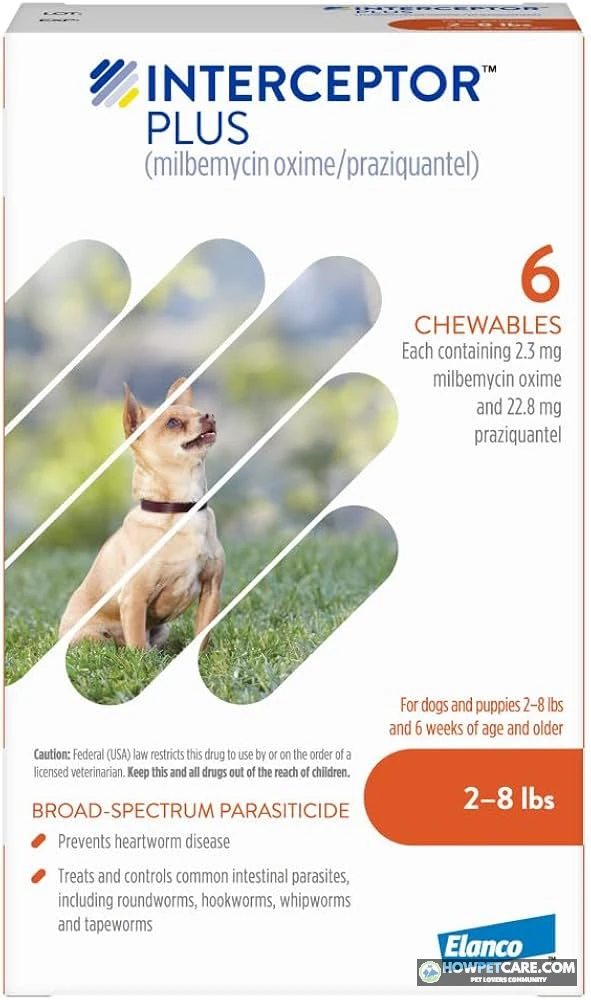
| Interceptor Plus + Credelio | Milbemycin Oxime, Praziquantel + Lotilaner | Heartworm, Fleas, Ticks (4 spp.), Hooks, Rounds, Whips, Tapes | ~$360 – $410 / yr | 2 oral chews monthly (Credelio must be given with food) |
| Heartgard Plus (Monotherapy) | Ivermectin, Pyrantel Pamoate | Heartworm, Hooks, Rounds | ~$105 – $125 / yr | 1 oral chew monthly (Zero ectoparasite/tick protection) |
For a 30-pound dog, a 12-month supply of Heartgard Plus alone costs roughly $105 to $125 at retail pricing, with single 6-dose boxes running around $75.49 (or $37.75 with first-order autoship discounts). Adding a flea and tick chew like NexGard raises the total annual expense to approximately $345 to $390. Single chews like Simparica Trio often run $280 to $320 annually for that same weight bracket, covering internal and external parasites for less total money out of pocket.
Heartgard Plus remains a strong fit if you prefer topical treatments or flea collars for flea and tick control, live where winter freezes eliminate tick exposure for months, or simply prefer separating systemic insecticides from internal worm control.
| Packaging Color | Canine Weight Range (lbs) | Canine Weight Range (kg) | Ivermectin Concentration | Pyrantel Pamoate Concentration | Target Dosage Guideline |
|---|---|---|---|---|---|
| Blue | Up to 25 lbs | Up to 11.3 kg | 68 mcg (0.068 mg) | 57 mg | 6 mcg/kg ivermectin / 5 mg/kg pyrantel |
| Green | 26 to 50 lbs | 11.4 to 22.7 kg | 136 mcg (0.136 mg) | 114 mg | 6 mcg/kg ivermectin / 5 mg/kg pyrantel |
| Brown | 51 to 100 lbs | 22.8 to 45.4 kg | 272 mcg (0.272 mg) | 227 mg | 6 mcg/kg ivermectin / 5 mg/kg pyrantel |
Safety protocols: MDR1-sensitive breeds, missed doses, and vomited chews
Knowing key safety thresholds helps you handle missed doses or breed sensitivities without putting your dog’s health at risk.
The MDR1 (ABCB1) Gene Mutation and Ivermectin Safety
Owners of herding breeds often worry about the multidrug resistance mutation in the ABCB1 gene (formerly MDR1). This mutation impairs production of P-glycoprotein, a transport pump that clears certain drugs from the blood-brain barrier. Breeds with higher rates of this mutation include Collies (up to 70% allele frequency), Australian Shepherds, Shetland Sheepdogs, Old English Sheepdogs, and Whippets.
A common myth claims dogs with the ABCB1 (MDR1) mutation cannot take Heartgard or Heartgard Plus under any circumstances. In reality, ivermectin neurotoxicity in MDR1-deficient dogs occurs at therapeutic doses prescribed for mange and ectoparasites, which range from 300 to 600 mcg/kg. Heartgard and Heartgard Plus deliver a preventative dose of just 6 mcg/kg (0.006 mg/kg). At this tiny fraction, P-glycoprotein deficiency does not lead to toxic accumulation in the central nervous system. Clinical testing at Washington State University confirmed that neurotoxicity in homozygous mutant (MDR1 mutant/mutant) dogs requires ivermectin levels at least 16 times higher than the Heartgard preventative dose.

While high-dose ivermectin used for mange treatment is neurotoxic to MDR1-mutant herding breeds, the 6 mcg/kg dose in Heartgard Plus falls well below the toxic threshold and is considered clinically safe by veterinary pharmacologists.
Adverse reactions to Heartgard Plus remain infrequent. When they occur, they usually involve mild, temporary gastrointestinal upset (vomiting or diarrhea) or short-lived lethargy. For clinical questions or reporting adverse reactions, Boehringer Ingelheim maintains dedicated technical support lines at 1-800-672-4399 and 888-637-4251. The medication also has demonstrated wide safety margins in breeding, pregnant, and nursing dogs.
Protocol for Regurgitated, Vomited, or Missed Doses
When a dog vomits a chew or you fall behind schedule, follow these practical steps to prevent coverage lapses safely.

-
Chew Vomited Within 2 Hours
Administer a fresh chew from the same weight bracket immediately. The active ingredients require transit time into the small intestine and are not completely absorbed across the gastric mucosa within this short window.
-
Chew Vomited After 2+ Hours
Do not re-dose immediately. The majority of ivermectin and pyrantel pamoate is absorbed in the upper gastrointestinal tract within 2 to 4 hours. Monitor your dog’s stool over the next 24 hours for unchewed medication fragments, and alert your veterinarian if systemic signs develop.
-
Dose Overdue by Less Than 14 Days (Days 31–44)
Administer the scheduled chewable as soon as you remember. Adjust your calendar to make this new date the permanent monthly administration day moving forward. An antigen re-test is not required because tissue-stage larvae remain vulnerable to the retroactive kill effect.
-
Dose Overdue by 15 to 30 Days (Days 45–60)
Administer a chew immediately. Because immature L3/L4 tissue larvae may have progressed beyond the preventative reach of ivermectin, set a calendar alert for a microfilariae and antigen blood screen in exactly 6 months—the pre-patent developmental window for heartworms to become detectable.
-
Dose Overdue by Greater Than 30 Days (Day 60+)
Administer a dose immediately to arrest recent exposure. You must continue monthly administration without interruption, but schedule a heartworm antigen and microfilariae knot test 6 months from the date of the lapse. Do not stop preventative administration while waiting for this testing window.
How to buy Heartgard Plus: prescription workflow, online options, coupons & the ‘discontinued’ myth
Ordering Heartgard Plus requires clear communication with your vet clinic, but it helps to clear up a few retail misunderstandings first.
Dispelling the "Heartgard Discontinued" Rumor
Rumors occasionally circulate that Heartgard was discontinued or pulled by the FDA. That confusion generally stems from package redesigns and distributor inventory shifts by Boehringer Ingelheim. Plain Heartgard (ivermectin monotherapy) is still produced, but veterinary distributors and retail pharmacies stock very little of it because most dog owners prefer the broader coverage of the Plus formula.
Heartgard Plus (ivermectin/pyrantel) has effectively taken over as the primary clinic recommendation. Neither product has been discontinued, recalled, or pulled from veterinary distribution.
Prescription Procurement and Online Ordering
Ordering your supply involves three simple steps:
- Clinical Screening: Book your dog’s annual exam and heartworm antigen blood test.
- Prescription Issuance: Ask your vet to transmit a digital authorization to your preferred pharmacy, or pick up a signed physical prescription.
- Pharmacy Submission: Upload the script or submit your vet clinic’s contact details through an accredited online pet pharmacy (such as Chewy, Petco, or 1-800-PetMeds). Under federal regulations, pharmacies must confirm approval directly with the clinic before shipping your order.

[ Annual Vet Exam & Heartworm Blood Test ]
                    │
                    ▼
[ Vet Issues Prescription (Digital or Paper) ]
                    │
                    ▼
[ Pharmacy Verifies Script with Clinic ]
                    │
                    ▼
[ Heartgard Plus Dispatched to Your Door ]
Optimizing Purchasing: Coupons and Manufacturer Rebates
Retail pricing for a 6-month supply scales directly with your dog’s weight: about $59.59 for dogs up to 25 lbs, $75.49 for dogs 26–50 lbs, and $90.69 for dogs 51–100 lbs. First-time autoship setups at major pet retailers often drop the initial box price by 30% to 50%.
Buying a full 12-month supply delivers the lowest cost per dose over time. Boehringer Ingelheim regularly provides manufacturer rebates when you buy 12 doses of Heartgard Plus, or when you bundle a year of Heartgard Plus with a 12-month supply of NexGard. You can redeem these rebates by submitting your itemized invoice through the manufacturer’s online portal. Pairing these manufacturer rebates with clinic rewards or authorized retailer sales helps keep annual costs manageable.
Decision checklist & next steps: pick the right dosage, budget, and safety plan
Before ordering your dog’s next supply, review this checklist to confirm you have selected the proper strength under safe conditions:
- ☐ Confirm Current Weight: Weigh your dog on a calibrated clinic scale. If your pet sits within 2 pounds of a dosing cutoff (such as exactly 25 or 50 pounds), ask your veterinarian whether to step up to the next bracket.
- ☐ Verify Heartworm Status: Confirm your dog passed a negative heartworm antigen blood screen within the past 12 months.
- ☐ Evaluate Regional Ectoparasite Pressure: If your pet faces high flea and tick exposure, check whether pairing Heartgard Plus with an isoxazoline chew (such as NexGard) or switching to a single monthly chew (such as Simparica Trio) better fits your routine and budget. For outdoor exposure, also ask whether dog tick repellents are appropriate.
- ☐ Assess Genetic Breed Sensitivity: For herding breeds (like Collies or Australian Shepherds), make sure concurrent medications do not interfere with P-glycoprotein function, keeping in mind that Heartgard Plus is safe at preventative dosage levels.
- ☐ Establish Administration Reminders: Set a monthly calendar alert. Heartgard Plus requires administration every 30 days year-round; skipping winter months leaves pets unprotected during unseasonably warm spells that trigger early mosquito activity.
Heartgard Plus Administration Record Template
Keep this administration log with your pet’s medical documentation to track dosing intervals and vet requirements throughout the year:
- Dog’s Registered Name: ____
- Current Body Weight: ____ lbs / ____ kg
- Assigned Package Color: [ ] Blue (≤25 lbs) [ ] Green (26–50 lbs) [ ] Brown (51–100 lbs)
- Active Ingredient mg per Chew: ____ mg Ivermectin / ____ mg Pyrantel
- Annual Heartworm Test Date: __ (Result: [ ] Negative [ ] Positive)
- Prescription Renewal Date: __
- Designated Monthly Dosing Day: ____ (e.g., 1st of every month)
Review this treatment plan during your pet’s annual veterinary wellness checkup to maintain continuous protection against internal and external parasites.

FAQ
Do I need a prescription to purchase Heartgard Plus?
Yes. Heartgard Plus requires authorization from a licensed veterinarian through a valid Veterinarian-Client-Patient Relationship. Your veterinarian will generally require current heartworm screening before issuing or renewing the prescription.
How often should Heartgard Plus be given to a dog?
Heartgard Plus should be administered every 30 days, preferably on the same date each month. Year-round dosing helps avoid coverage gaps caused by missed doses or unexpected mosquito activity.
What side effects can occur with Heartgard Plus?
Reported adverse reactions are uncommon but may include temporary vomiting, diarrhea, or lethargy. Contact a veterinarian promptly if a dog develops severe or persistent symptoms after receiving a chew.
Can pregnant or nursing dogs safely receive Heartgard Plus?
Heartgard Plus has demonstrated a wide safety margin in breeding, pregnant, and nursing dogs. Owners should still confirm the treatment plan with their veterinarian, particularly when the dog takes other medications.
Can Heartgard Plus be used in puppies?
Heartgard Plus is approved for puppies 6 weeks of age and older. Growing puppies should be weighed before each monthly dose so they receive the correct color-coded chew.
What should I do if I miss a Heartgard Plus dose?
Give the appropriate dose as soon as you remember and resume monthly administration. If the lapse is substantial, contact your veterinarian about the appropriate timing for follow-up heartworm antigen and microfilariae testing.