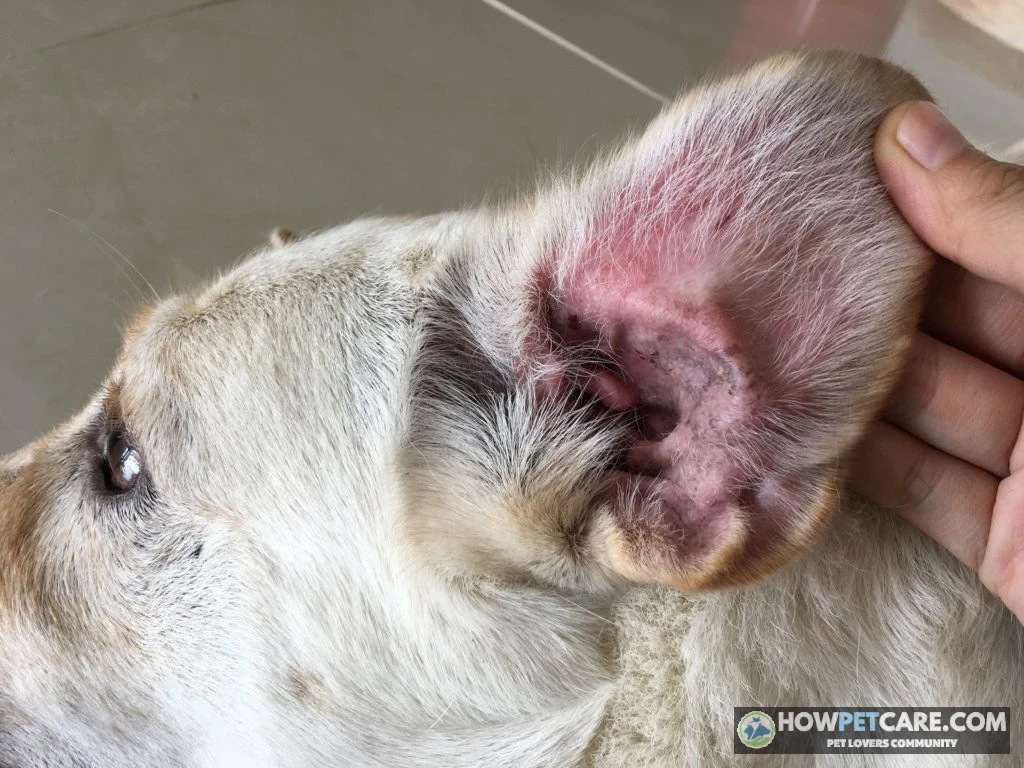

Dog food allergies are immune‑mediated reactions to dietary proteins that cause itching, ear infections, and gastrointestinal upset. The only reliable diagnosis is an 8‑12‑week elimination diet followed by a controlled food challenge; blood, saliva and hair tests are not trustworthy.
You cannot diagnose dog food allergies from symptoms alone. The only medically verified path to a diagnosis is a strictly controlled elimination diet fed for 8–12 weeks, followed by a provocative rechallenge using the pet’s previous diet or an isolated suspect ingredient. Persistent itching, recurring ear infections, and digestive trouble certainly warrant investigation, but parasites, flea bites, bacterial overgrowth, and environmental triggers produce the exact same pattern of illness.
A diagnostic trial requires eliminating every potential source of outside protein—not just changing the kibble in the bowl. A single treat, a flavored medication, a gelatin capsule, or a crumb dropped on the kitchen floor can ruin the test. Mail-order blood, saliva, and hair kits cannot bypass this work.
Clinical Hallmarks: How to Spot a True Dog Food Allergy vs. Intolerance or Atopic Dermatitis
A true food allergy involves an abnormal immune reaction to a dietary protein. Clinicians generally refer to these cases as cutaneous adverse food reactions because not every dog mounts an easily identifiable IgE-mediated response.
Typical signs of dog food allergies include:

- Nonseasonal itching focused on the paws, face, ears, armpits, groin, or perianal skin
- Recurrent otitis externa with head shaking or dark, waxy discharge
- Paw chewing, skin redness, patches of hair loss, and secondary bacterial or yeast infections
- Gastrointestinal issues like vomiting, loose stools, frequent defecation, gas, or abdominal pain
- Chronic skin disease combined with recurring digestive trouble
Dietary allergies can appear early in life. Among documented cases, 22% of dogs developed clinical signs before six months of age, and 38% showed signs before one year. Studies evaluating dogs with allergic skin conditions identify an underlying food trigger in 25%–49% of patients.
Food intolerance behaves differently. Intolerances do not engage the immune system. They typically cause dose-dependent gastrointestinal upset—such as vomiting or diarrhea—without the chronic itching or relapsing ear inflammation seen with allergies. Ingesting spoiled food, rich table scraps, or an ingredient the gut simply cannot digest usually explains an intolerance.
Environmental atopic dermatitis presents almost identically, targeting the paws, face, ears, and belly. Physical exam findings alone cannot reliably distinguish pollen allergies from food reactions. While seasonal patterns point toward weeds, grasses, or insects, year‑round discomfort can stem from food proteins, indoor dust mites, or an overlapping combination of both. Flea allergy dermatitis, by contrast, concentrates primarily on the lower back, tail base, and rear legs.
Diagnostic clarity comes down to dietary elimination and deliberate re‑exposure. Skin repairs slowly, often taking the entire 8–12 weeks to settle; swapping foods for a few days tells you nothing. Secondary yeast and bacterial infections also require immediate medical treatment, as lingering microbes will keep the dog scratching even after you remove the offending dietary trigger.
Top Proven Canine Food Allergens and Why Grains Are Rarely the Culprit
The most common proven dietary allergens in dogs are beef, dairy, chicken, egg, soy, and wheat gluten. These foods are not inherently dangerous. They top the list simply because commercial pet foods, training treats, table foods, and flavored supplements have relied on them heavily for decades.
Dogs develop immune sensitivities to proteins they have eaten repeatedly. For that reason, familiar animal meats present a far higher statistical risk than a generic grain. While corn, wheat, and rice can trigger reactions, switching to a grain‑free formula rarely solves the problem. Most commercial grain‑free foods still rely on chicken meal, meat broths, egg binders, or dairy derivatives, and many carry undeclared proteins from shared factory lines.

A novel protein diet relies on an intact animal source the dog has never tasted. Choosing one requires an exhaustive audit of everything the dog has ever eaten, from puppy formulas and rawhides to pill wraps and flavored dental chews. Venison is useless as an elimination tool if the dog previously ate venison treats; salmon will not work if the dog takes daily fish oil.
Cross‑reactivity between related animal species can also spoil a trial. To reduce that risk, veterinarians frequently select taxonomically distinct proteins like rabbit, kangaroo, or specialized nonmammalian sources. When a dog’s dietary history is incomplete or hazy, a prescription hydrolyzed diet provides a far more reliable foundation than guessing at novel proteins.
Why Blood, Saliva, and Hair Allergy Tests Are Unreliable for Dogs
Serum IgE panels, IgG testing, saliva swabs, and mail‑order hair kits have no diagnostic value for canine food reactions. Extensive clinical studies show no dependable correlation between these test results and real‑world reactions during an elimination diet. Veterinary dermatologists explicitly advise against mail‑order panels, keeping controlled feeding and rechallenge as the clinical benchmark.
A positive result on a blood panel typically reflects harmless immune sensitization, testing noise, or nonspecific antibody binding. It does not mean the food causes clinical disease. Acting on these panels often leaves pet owners with needlessly restrictive ingredient lists that complicate balanced feeding without fixing the dog’s skin. At the same time, false‑negative results can keep an active allergen in the dog’s bowl.
Hair and saliva testing lack any plausible scientific basis for identifying dietary triggers. Neither assay can distinguish between a dog that tolerates an ingredient completely and one that flares severely after eating it.
A blood, saliva, or hair result cannot confirm or exclude food allergy. Spending that budget on a veterinarian‑supervised elimination trial produces clinically interpretable evidence.

Elimination Diets Demystified: Hydrolyzed Protein, Novel Protein, and the Pitfalls of OTC Limited‑Ingredient Kibbles
There is no single best allergy food for all dogs. For diagnostic testing, the right diet is one that provides complete nutrition, eliminates every suspect antigen, and remains free from cross‑contamination throughout the trial.
Hydrolyzed vs. Novel Protein: Efficacy & Practical Considerations
Hydrolyzed protein formulas use targeted enzymes to break whole proteins into tiny peptide chains. Intact dietary allergens are typically large proteins; reducing peptide fragments below 5 kDa prevents them from cross‑linking IgE antibodies on mast cells, blunting the allergic cascade. While hydrolysis significantly lowers allergenicity, an occasional, highly sensitized dog may still react and require an alternative base protein.
Prescription novel‑protein formulas use intact meats but follow strict manufacturing protocols to prevent ingredient carryover. They perform well when an owner knows every food the dog has ever eaten. Home‑cooked single‑protein meals give owners total control over ingredients, but they cannot serve as long‑term diets unless formulated by a board‑certified veterinary nutritionist through ACVN/ACVIM Nutrition or ECVCN.
| Diet Type | Source Protein | Processing (Hydrolyzed/Intact) | Average Monthly Cost | Published Success Rate | Cross-Contamination Risk |
|---|---|---|---|---|---|
| Veterinary hydrolyzed | Common protein reduced to small peptides | Hydrolyzed, often targeting fragments below 5 kDa | Budget about $90–$145 | High diagnostic reliability when fed exclusively | Minimal relative to retail diets |
| Veterinary novel protein | One carefully selected unfamiliar protein | Intact | Budget about $80–$130 | High when the protein is genuinely novel | Low |
| Nutritionist‑formulated home‑prepared | One novel meat plus selected carbohydrate and supplements | Intact | Budget about $100–$160 | High short‑term ingredient control | Low at preparation; household handling remains a risk |
| OTC limited ingredient | Stated retail protein source | Usually intact | Budget about $55–$75 | Unreliable for diagnostic use | High; undeclared proteins have been detected |
These cost estimates represent realistic 2026 budgets for a medium‑to‑large dog, not fixed national figures. Caloric needs, dog size, geographical region, shipping fees, and veterinary pricing can change these totals.

OTC Limited‑Ingredient Diets: Hidden Contamination Data
Retail limited‑ingredient diets are poorly suited for medical diagnosis. Independent laboratory testing has uncovered undeclared animal proteins in 33%–83% of commercial novel‑protein and limited‑ingredient pet foods. Shared bulk bins, uncleaned extrusion lines, transport containers, and undisclosed palatants regularly introduce unlisted proteins into retail batches.
This contamination does not mean an over‑the‑counter food is toxic or low quality for a healthy pet. It simply means retail bags cannot function as diagnostic tools. If trace poultry residue contaminates a retail venison formula, a chicken‑allergic dog will keep scratching—leading the owner and vet to mistakenly abandon a food allergy diagnosis.
Diagnostic reliability matters more than the number of ingredients printed on the front of the bag. Phrases like "limited ingredient", "grain‑free", and "hypoallergenic" on retail packaging carry no legal guarantee of the equipment hygiene required for medical elimination diets.

Step‑By‑Step 12‑Week Elimination Trial & Provocative Rechallenge Timeline
Before launching a trial, have your veterinarian examine the dog’s skin and ears, perform cytology or skin scrapings to identify active infections, and establish continuous flea control. Never adjust or stop prescribed medications without clinical guidance. Changing therapies mid‑trial makes it impossible to know whether improvement came from the food, the infection control, or the drugs.
Before feeding the trial diet, audit flavored preventatives and medications, gelatin capsules, supplements, toothpaste, dental products, chew toys, animal‑based chews, pill wraps, shared bowls, dropped food, and treats offered by anyone who handles the dog. Replace or remove every exposure only with veterinary approval, and ensure the entire household follows the same protocol.
Milestone Tracker Spreadsheet (downloadable)
Track the dog’s progress daily in a notebook or spreadsheet. Record stool consistency, vomiting episodes, an itch rating from 0–10, ear shaking, paw licking, medications given, and accidental treat exposures. Take clear weekly photos of affected skin under consistent lighting to document visual changes.
| Trial period | What may change | What to record | Decision point |
|---|---|---|---|
| Week 0 | Establish baseline and transition as directed | Itch score, stool, vomiting, ears, lesions, medications | Confirm every household member understands the rules |
| Weeks 1–2 | Gastrointestinal signs may improve before skin signs | Daily stool and vomiting; keep itch scoring | Persistent severe GI disease requires veterinary reassessment |
| Weeks 3–5 | Early reduction in scratching, licking, redness, or head shaking may appear | Weekly photos and average itch score | Published evidence indicates 85% of responsive dogs improve by week 5 |
| Weeks 6–8 | Dermatologic improvement becomes easier to judge | Compare skin, ears, and itch with baseline | About 95% of responsive dogs improve by week 8 |
| Weeks 9–12 | Maintain strict feeding if response is incomplete or the veterinarian recommends extension | Continue exposure log without relaxing rules | Decide with the veterinarian whether improvement is sufficient for challenge |
These milestone percentages describe when responsive dogs begin showing clinical relief; they do not suggest every dog’s symptoms improve by 85% or 95%. Digestive issues usually settle within the first few weeks, but damaged skin and inflamed ears frequently require 8–12 weeks of clean feeding to resolve.

Improvement on the trial diet shows that diet may matter, but other simultaneous changes can explain it. A controlled provocative rechallenge is required to confirm the diagnosis.
How to Conduct a Safe Provocative Rechallenge
A dog must show clear clinical stability before you test suspect proteins. Consult your veterinarian about whether to reintroduce the dog’s old food or challenge single ingredients one at a time, particularly if the pet has a history of severe skin flares or concurrent medical issues.
-
Confirm a clean baseline
Wait until itching and ear disease are controlled and stable, ideally for at least 14 days, while maintaining the therapeutic diet.
-
Select one challenge
Use the original food or one pure, unseasoned suspect protein. Do not introduce several new ingredients together.
-
Feed and monitor
Introduce the challenge as directed while recording itch, ears, stool, vomiting, facial rubbing, and paw licking at least daily. Continue only as long as the veterinarian advises, up to 14 days if no reaction occurs.
-
Stop after a clear flare
Return immediately to the elimination diet and contact the veterinarian if pruritus rises by about 3 points on a 10‑point scale, otitis returns, gastrointestinal signs recur, or a marked skin flare develops.
-
Reset before another test
After signs settle, maintain the baseline diet for a clean interval before challenging one different ingredient.
Rechallenge reactions often happen fast: clinical research shows that 60.9% of food‑allergic dogs flare within 12 hours of eating a trigger. Other pets react gradually over several days, which means an ingredient cannot be declared safe after just one uneventful meal. Log all confirmed triggers directly in the dog’s medical chart. Ongoing control relies on permanently avoiding those proteins, as true canine food allergies cannot be cured.

Zero‑Tolerance Contamination Checklist: Hidden Protein Sources That Can Ruin Your Trial
Audit your home before day one. Everything that enters your dog’s mouth—or gets chewed long enough to deposit flavor extracts—must comply with the protocol.
Non‑Food Vectors Checklist (downloadable PDF)
- ☐ Review beef-, pork-, chicken-, or fish-flavored heartworm and flea/tick preventatives.
- ☐ Check gelatin capsules, softgels, compounded liquids, and medication coatings.
- ☐ Remove flavored toothpaste, dental chews, edible dental products, and mouth rinses.
- ☐ Stop unapproved chewable vitamins, probiotics, joint chews, and flavored supplements.
- ☐ Remove rawhide, bully sticks, pig ears, hooves, bones, antlers, and animal‑based chews.
- ☐ Inspect flavored rubber or nylon toys; provide clean, unflavored synthetic toys instead.
- ☐ Replace cheese, deli meat, peanut butter, pill pockets, and other medication bait with the prescribed canned diet when permitted.
- ☐ Separate bowls, scoops, feeding areas, and food storage in multi‑pet homes.
- ☐ Block access to trash, dropped family food, high‑chair crumbs, and another pet’s bowl.
- ☐ Tell dog walkers, groomers, daycare staff, trainers, neighbors, and visitors that no treats are allowed.
Maintain an honest daily log. Before feeding, double‑check that you have the right bowl, scoop, and assigned prescription batch. Aside from fresh water, the dog must consume nothing that lacks explicit veterinary approval.

How to Replace Flavored Preventatives During a Trial
Never stop parasite control or prescription therapies on your own. Instead, bring your veterinarian a complete list of your pet’s current products, active ingredients, formulations, and administration schedules. Ask to switch to topical medications, unflavored tablets, or custom‑compounded options that carry zero animal protein.
Changing the timing of a pill does not prevent an allergic flare; a beef‑flavored chew introduces the allergen regardless of the hour. Similarly, serving a flavored supplement in a clean dish does not protect your dog. The actual chemical ingredients—not the dishware—determine whether the trial succeeds or fails.
A family member offering a single treat can erase the trial’s diagnostic clarity. Post the permitted‑food list near the feeding area and attach a “STRICT MEDICAL DIET—NO TREATS” tag when the dog is in someone else’s care.
Cost‑Benefit Framework: Prescription Diets, OTC Trials, and Home‑Cooked Options Compared
Monthly Expense Spreadsheet
Calculate a six‑month projection rather than comparing bag costs at retail shelves. Use this basic formula:
Six‑month spend = (monthly food cost × 6) + veterinary visits + laboratory work + infection treatment + medications + shipping + nutrition consultation
Plan for baseline feeding expenses of $90–$145 per month for a veterinary hydrolyzed diet, $80–$130 for a veterinary novel‑protein food, $55–$75 for an OTC limited‑ingredient formula, or $100–$160 for a nutritionist‑designed home‑cooked diet. Adjust these numbers to reflect your dog’s caloric needs and regional vet costs. If your veterinarian recommends pharmaceutical support during severe flare-ups, factor in prescription options like allergy medicine for dogs alongside the monthly food budget.
Buying the cheapest bag of food often turns into the most expensive diagnostic mistake. When cross‑contamination produces an inconclusive result, you face repeat vet visits, secondary infection treatments, ear cytology fees, and the cost of restarting another 8–12‑week trial from scratch. Prescription diets cost more because you are paying for production line cleaning and verified ingredient purity.
Cooking at home is not inherently cheaper or simpler. Sourcing uncontaminated ingredients demands discipline, and feeding plain meat and sweet potatoes will cause critical nutritional deficiencies over time. Any home formulation fed beyond a short elimination window must be designed and balanced by a board‑certified veterinary nutritionist, complete with specific vitamins and minerals.

Insect‑Protein Foods: Promise and Precautions
Diets based on black soldier fly larvae or crickets offer practical alternatives because few domestic dogs have encountered these proteins. While novel, novel does not guarantee hypoallergenic. Dogs with severe environmental atopy—particularly dust mite allergies—require careful veterinary screening, as chitin and arthropod proteins share structural similarities that may cause cross‑reactions.
Commercial insect diets also run into the same quality hurdles as other retail foods. Unless the manufacturer can certify dedicated equipment and batch testing, the food carries the same contamination risks as standard kibble. Never buy a food simply because the bag displays terms like eco‑friendly or hypoallergenic.
Your Action Plan: Decision Flowchart, Resources & Next Steps
Follow this sequence to move from suspicion to an accurate medical diagnosis:
Chronic itch, recurrent ears, or GI signs → veterinary examination → rule out fleas, mites, and infection → document baseline symptoms → select veterinary hydrolyzed or genuinely novel diet → audit every hidden exposure → feed exclusively for 8–12 weeks → compare GI and skin milestones → perform supervised provocative rechallenge → record confirmed triggers → choose a complete long‑term maintenance diet.
Book a veterinary consultation before making dietary changes. Ask for complete skin and ear cytologies, confirm robust parasite prevention, and run baseline blood panels if the dog’s age or concurrent medications indicate the need. Request a referral to a board‑certified veterinary dermatologist if ear infections continually recur, initial trials fail to provide answers, or atopic dermatitis complicates the diagnosis.
Bring three records to your appointment: a lifetime dietary log of every food and treat, label photos of all current medications and supplements, and a seven‑day diary tracking itch frequency and digestive upset. Then assemble three practical documents for your household: a daily symptom tracker, the zero‑contamination checklist, and a realistic six‑month budget.
Select your trial diet for its verified production standards, not marketing claims on the bag. Stick with the protocol long enough to give inflamed skin time to heal, and never skip the rechallenge step once symptoms clear. That final rechallenge is what transforms an expensive feeding experiment into a lifelong, reliable management plan.

| Diet Type | Source Protein | Processing Method | Average Monthly Cost | Diagnostic Reliability | Cross-Contamination Risk |
|---|---|---|---|---|---|
| Veterinary hydrolyzed | Common protein reduced to small peptides | Hydrolyzed, often targeting fragments below 5 kDa | 90–145 | High diagnostic reliability when fed exclusively | Minimal relative to retail diets |
| Veterinary novel protein | One carefully selected unfamiliar protein | Intact | 80–130 | High when the protein is genuinely novel | Low |
| Nutritionist‑formulated home‑prepared | One novel meat plus selected carbohydrate and supplements | Intact | 100–160 | High short‑term ingredient control | Low at preparation; household handling remains a risk |
| OTC limited ingredient | Stated retail protein source | Usually intact | 55–75 | Unreliable for diagnostic use | High; undeclared proteins have been detected |
FAQ
What is the realistic monthly cost of hydrolyzed, novel protein, and home‑cooked allergy diets?
Hydrolyzed prescription diets typically run $90‑$130 per month, novel protein prescription foods $80‑$115, and a balanced home‑cooked regimen (including supplements) averages $100‑$150, while premium over‑the‑counter limited‑ingredient kibbles cost $55‑$75 but often require repeat trials.
How can I tell if my dog’s itching is from food versus fleas or environmental atopy?
Food‑related itch usually appears on the face, ears, and perianal area and improves only after an 8‑12‑week diet change, whereas flea allergy dermatitis is concentrated on the lower back and hind limbs, and environmental atopy persists despite diet changes and often worsens seasonally.
Are there scientific studies showing cross‑contamination in over‑the‑counter limited‑ingredient foods?
Yes—independent lab analyses have found undeclared animal proteins in 33%‑83% of marketed limited‑ingredient kibbles, with DNA testing revealing trace beef in “chicken‑only” formulas and pork in “grain‑free” blends.
Can I use probiotic powders or chewable supplements during an elimination trial without risking contamination?
Most chewable supplements contain gelatin or flavorings derived from common allergens; use a plain, powder‑only probiotic validated as free of animal proteins, or give the supplement in a separate bowl after the trial diet to avoid accidental exposure.