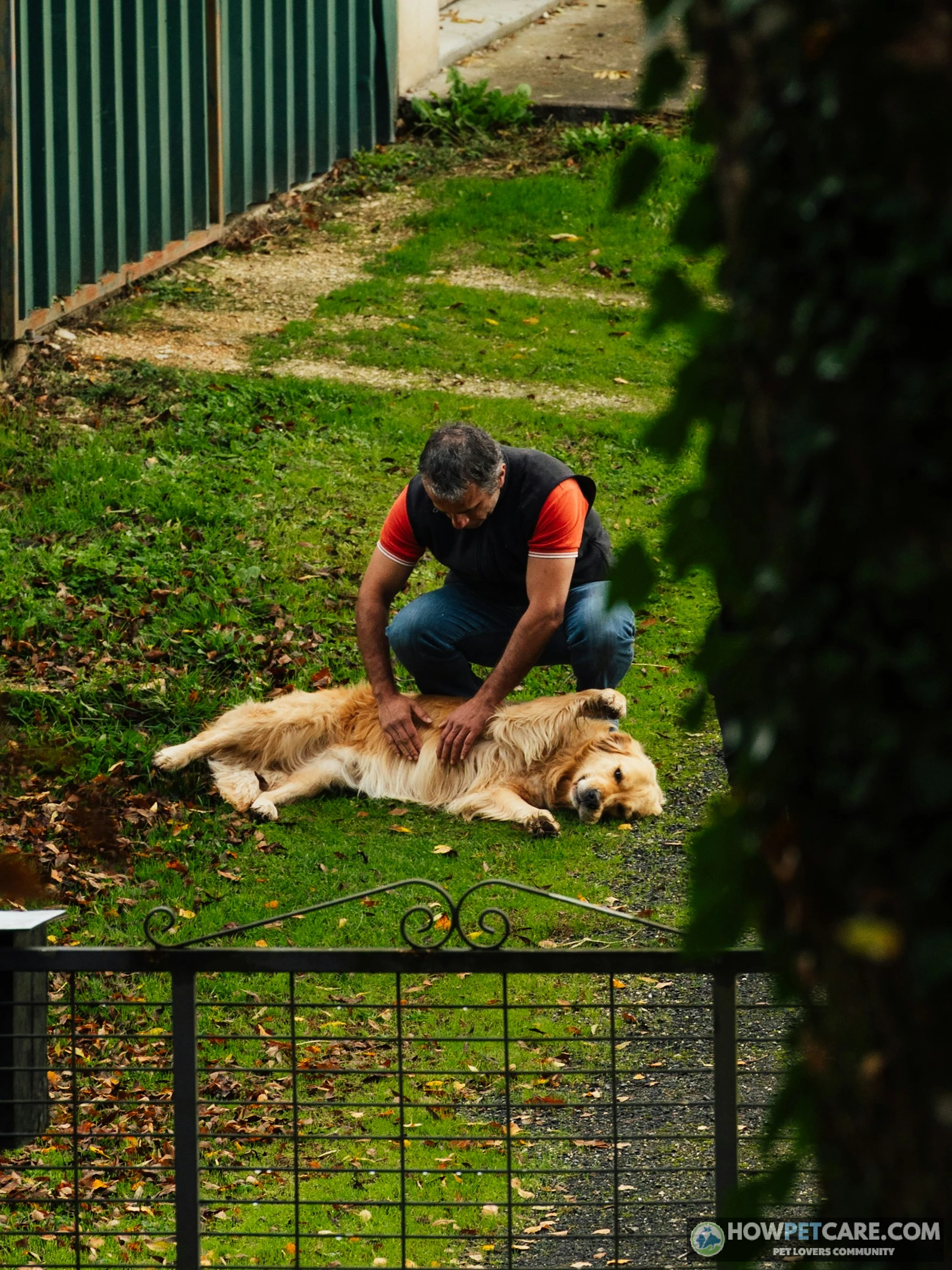

Dog massage therapy is hands-on manipulation of a dog’s muscles and soft tissue used to ease tension and support comfort. It may help senior, arthritic, anxious, or athletic dogs as a complement to veterinary care — not a replacement — and healthy dogs can usually start with gentle touch at home.
Dog massage therapy uses strokes, pressure, or gentle kneading to manipulate a dog’s soft tissues, including muscles and fascia. It may support comfort and relaxation as a complementary approach, but it doesn’t replace veterinary diagnosis, medication, surgery, or physical rehabilitation.
If your dog is healthy and enjoys touch, a short, gentle session at home is a reasonable place to start. Get veterinary clearance first if your dog has arthritis, hip dysplasia, a recent operation, or another diagnosed condition. While waiting for advice, don’t massage a dog who is acutely injured, feverish, seriously ill, or in severe pain.
Professional care comes at a cost. As a planning estimate, not a verified national average, allow roughly $40–$75 for a shorter independent session or $65–$120 for an hour. Travel or clinic-based care may cost more. A trial of four weekly $85 sessions would cost $340 before fees. These figures illustrate possible costs, not local prices or results, so get quotes before booking.
How massage works on muscle, fascia and circulation
Massage applies mechanical pressure to soft tissue. Gentle touch may feel pleasant, while gliding and kneading are intended to address muscle tension and comfort during movement. Local effects on circulation and the nervous system are plausible, but their size and clinical importance in individual dogs aren’t well established. Don’t treat improved circulation or range of motion as guaranteed outcomes.

Which dogs are the best candidates
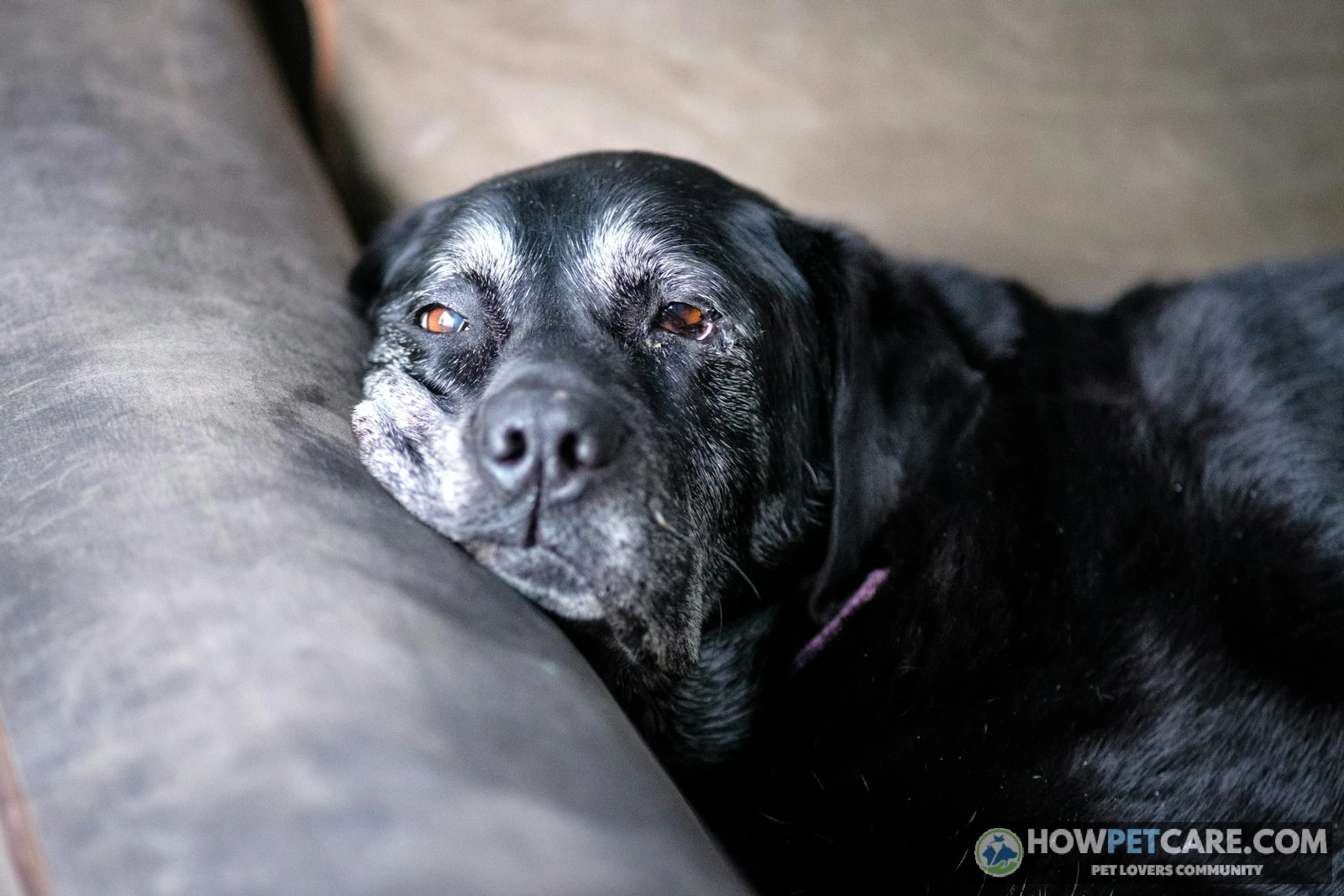
Owners often consider massage for senior dogs, dogs with arthritis or hip dysplasia, athletic dogs, anxious dogs, and dogs in a veterinary rehabilitation program. A diagnosis or description alone doesn’t make a dog a good candidate, though. The dog must also be medically suited to touch and willing to participate.
Home massage, professional sessions, or vet first: a quick decision snapshot
- Try gentle touch at home: Your dog is healthy, comfortable being handled, and has no unexplained pain or swelling.
- Ask the vet first: Your dog has a diagnosis, takes medication for pain, is pregnant, or is recovering from surgery or injury. Ask whether massage is appropriate and where to avoid touch.
- Consider a professional: Your vet has cleared massage, but your dog has complicated needs or you want help learning a safe routine.
- Pause and seek veterinary care: Your dog has a suspected fracture, fever, severe unexplained pain, a new lump, or another problem listed in the safety table below.
What the Evidence Shows About Massage for Arthritis, Anxiety, and Post-Surgical Recovery
Some evidence for massage therapy in dogs is promising, but it isn’t strong enough to predict how much an individual dog will improve. There’s a difference between a dog appearing comfortable during touch and massage changing the course of a disease.
Arthritis and hip dysplasia: realistic expectations
Evidence quality: limited. A 2021 study of practitioner case notes involving 527 dogs with chronic musculoskeletal pain reported that owners noticed less pain after a series of massages. That’s useful preliminary information, but owner reports and practitioner records don’t establish that massage caused the improvement. Other care, expectations, and changes over time can affect what owners observe.
For a dog with arthritis or hip dysplasia, the practical goal is comfort around affected areas, not joint repair. Stiffness may lessen or movement may become easier, but responses vary. Continue prescribed medication and weight-management or exercise plans unless your veterinarian changes them. Massage is not a substitute for arthritis treatment.
Post-surgical recovery: where massage fits in rehabilitation
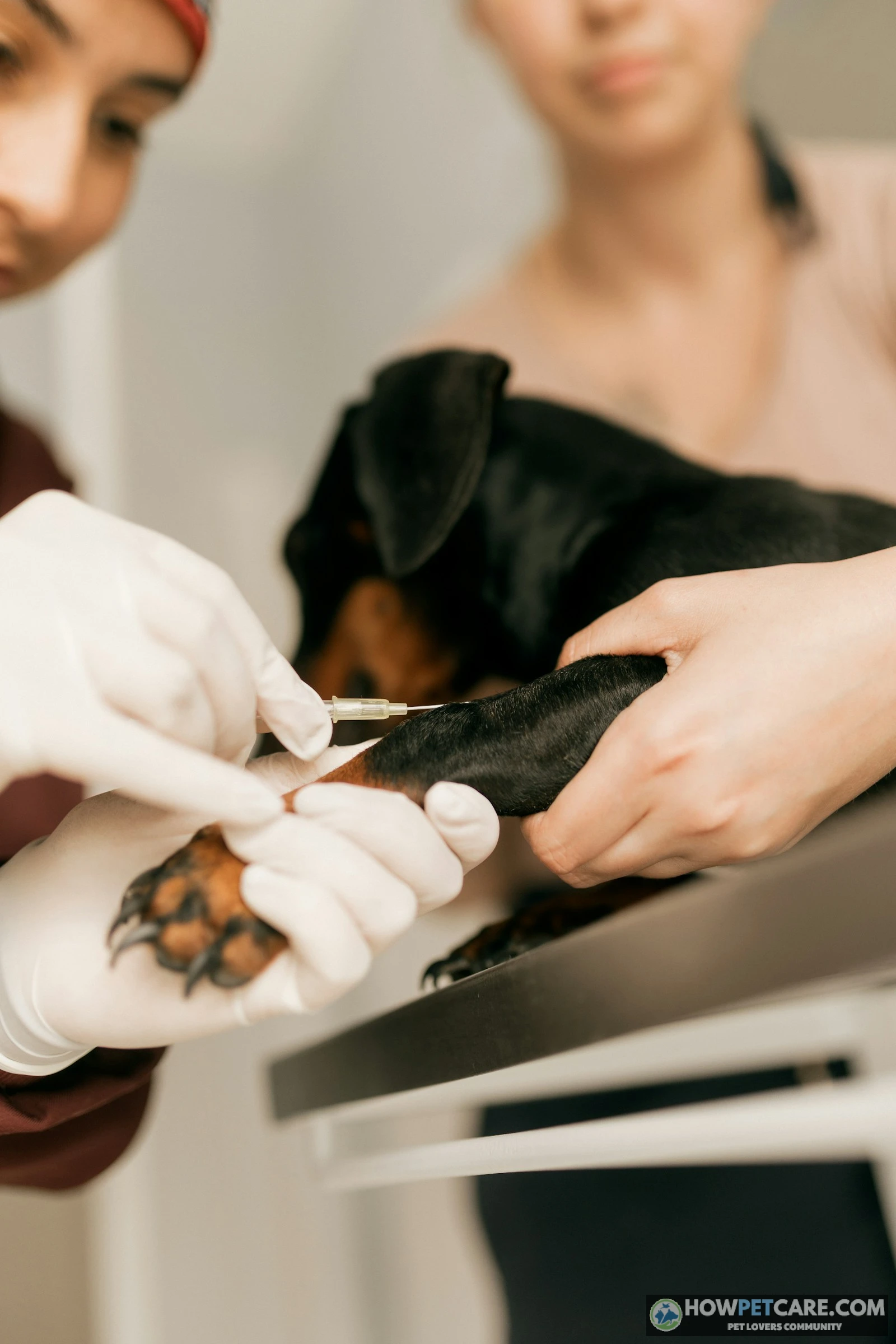
Evidence quality: limited for massage as a separate treatment. A surgeon or rehabilitation practitioner may include soft-tissue work in a broader plan, but massage alone has not been established as a replacement for post-operative care. The surgeon should determine when contact can begin and which areas are safe. An incision that looks closed doesn’t necessarily mean the tissues underneath are ready for massage.
Anxiety relief: what is and isn’t shown
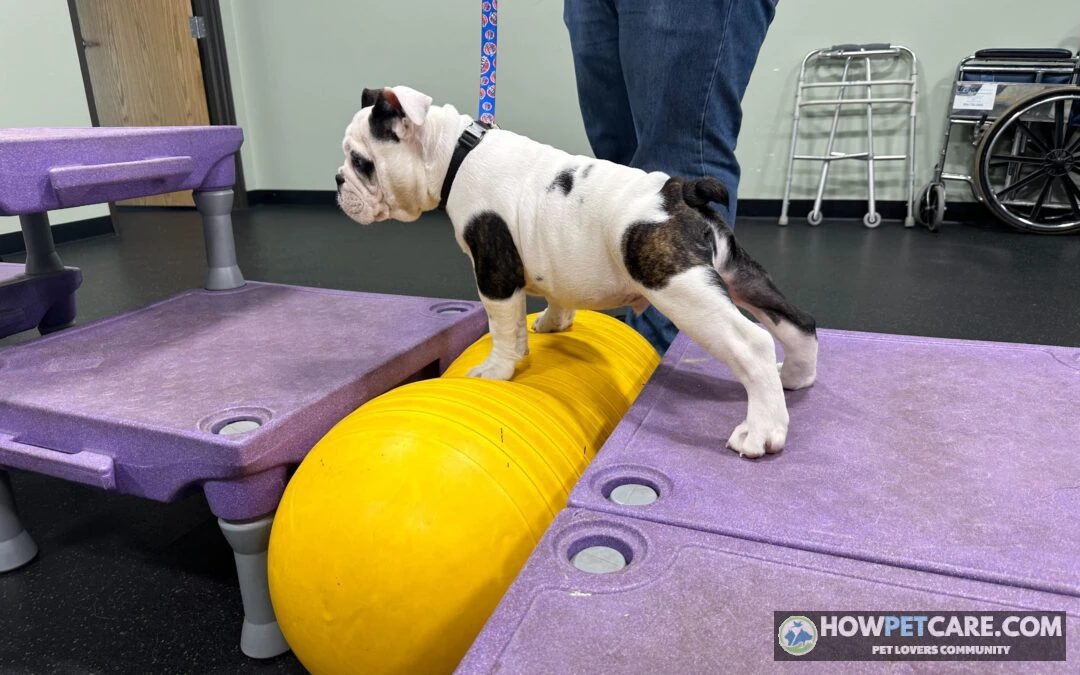
Evidence quality: preliminary and individual. Some dogs appear relaxed during gentle touch; others find it stressful or unpleasant. The evidence presented here doesn’t establish that massage reliably treats anxiety or produces a specific hormonal change. If your dog has persistent fear, separation distress, or aggression, ask your veterinarian about a behavior assessment rather than relying on massage alone.
Claims you can safely ignore: toxin release and immunity boosts
Be skeptical of claims that massage “releases toxins,” boosts immunity, guarantees faster healing, or lowers blood pressure by a precise percentage. Such claims need condition-specific evidence, not testimonials. A therapist should be able to describe a modest goal, such as helping a dog tolerate comfortable handling, without promising to cure disease.
When Not to Massage Your Dog: Hard Stops, Vet-Clearance Cases, and Behavioral Warning Signs
The table below separates reasons not to massage from situations that call for an individualized plan. For any diagnosed condition, obtain veterinary clearance before massage, even if the affected area is not listed.
Do-not-massage conditions vs. vet-clearance-first conditions
| Condition | Category | Why it matters | What to do instead |
|---|---|---|---|
| Suspected or known fracture | Do not massage | Pressure or movement may aggravate an unstable injury. | Minimize movement and contact a veterinarian or emergency clinic. |
| Fever or systemic illness | Do not massage | A sick dog needs assessment and may find handling uncomfortable. | Seek veterinary advice and wait for clearance. |
| Acute infection, abscess, or marked inflammation | Do not massage | The area may be painful or vulnerable to further irritation. | Have the cause treated; ask when handling is safe. |
| Open wound, hot spot, incision, or stitches | Do not massage over the area | Pressure can irritate or damage healing tissue. | Keep the area protected; ask the vet whether any other area is safe. |
| Recent injury or suspected sprain | Do not massage | The extent of tissue damage may be unknown. | Restrict activity as directed and obtain an examination. |
| Undiagnosed lump or swelling | Do not massage the area | Its cause and sensitivity are unknown. | Arrange a veterinary check before applying pressure. |
| Severe or unexplained pain | Do not massage | Touch may worsen distress or delay diagnosis. | Contact a veterinarian promptly. |
| Cancer, including a history of cancer | Vet clearance first | Tumor location, treatment, and other health factors affect the plan. | Ask the treating vet which areas, if any, are safe. |
| Heart or kidney disease | Vet clearance first | The dog’s overall health and tolerance need assessment. | Request an individualized plan. |
| Bleeding disorder or anticoagulant medication | Vet clearance first | Pressure can contribute to bruising or bleeding. | Use only the contact your vet approves. |
| Recent surgery | Vet clearance first | Incisions and deeper tissues heal on different schedules. | Follow the surgeon’s instructions and timing. |
| Pregnancy | Vet clearance first | Positioning and pressure may need modification. | Ask the vet before any session; avoid abdominal pressure. |
| Intervertebral disc disease or seizure disorder | Vet clearance first | Handling and positioning may require an individualized plan. | Work within veterinary guidance; do not manipulate the spine. |
| Skin disease, parasites, or a sore vaccination site | Vet clearance first | Touch may irritate skin or be uncomfortable. | Avoid the affected area and ask when it is safe to resume. |
Pain medication can make discomfort less obvious. Use especially light contact with a medicated dog, follow the vet’s instructions, and stop if the dog changes position or behavior.
What to ask your vet before the first session
Bring the diagnosis, medication list, recent surgical instructions, and the name of any practitioner you’re considering. Ask:
- Is massage appropriate for my dog now, and what is the goal?
- Which areas, joints, or positions are off-limits?
- How light should the pressure be, and how long can a session last?
- After surgery or injury, when may we start and what changes mean we should stop?
- Would you recommend a rehabilitation professional or provide a written referral?
Signs your dog wants you to stop
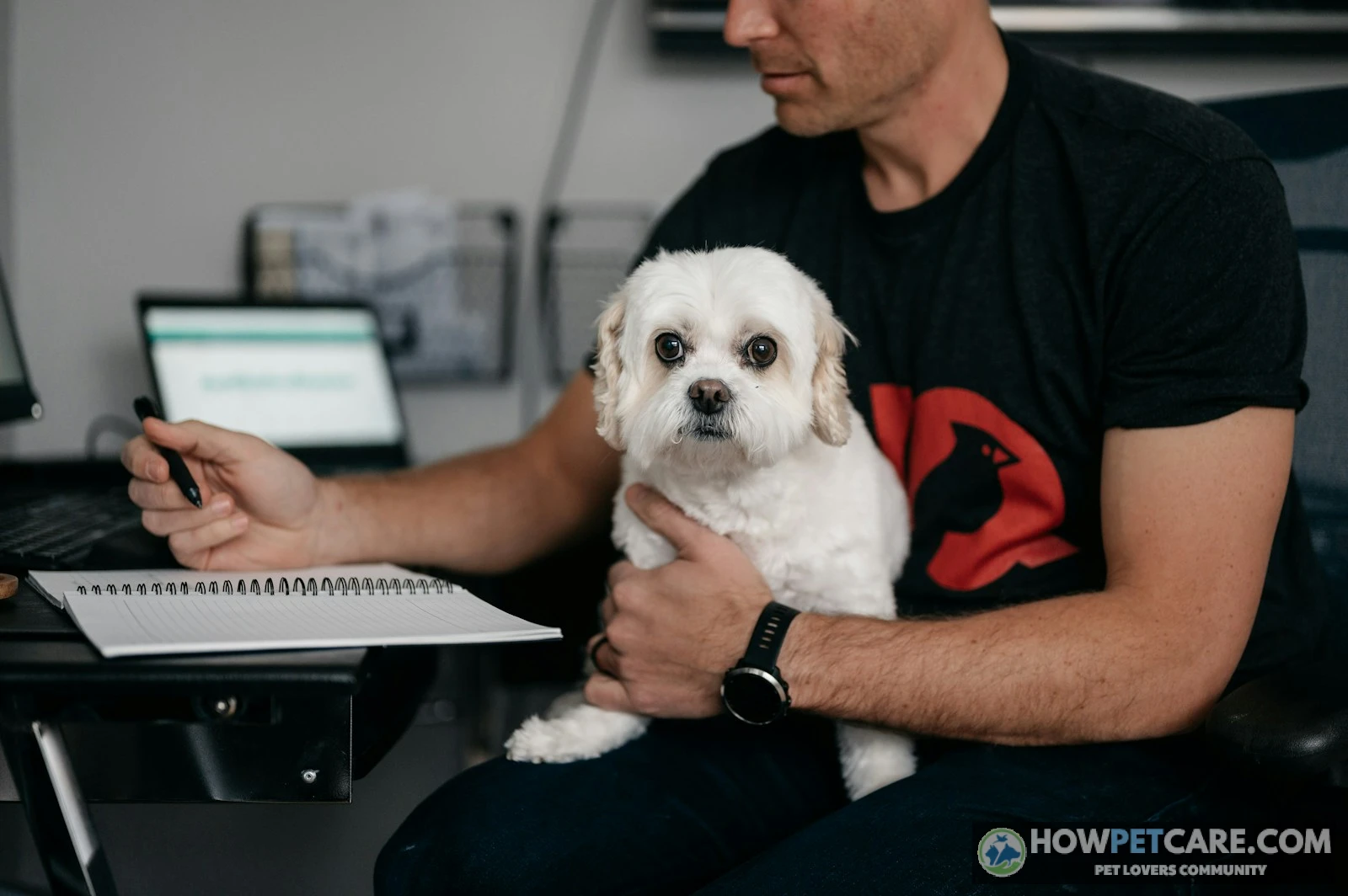
Stop immediately if your dog stiffens, flinches, shifts weight away, repeatedly licks their lips, turns their head away, shows the whites of their eyes, trembles, growls, snaps, or suddenly becomes very still. These behaviors can mean different things, but during handling they’re enough reason to pause. Don’t punish a growl: it’s useful communication.
A fearful or touch-averse dog should be free to move away. Offer a brief touch in an area the dog normally accepts, then pause. If the dog doesn’t return or invite more contact, end the attempt. For ongoing fear or a risk of biting, seek veterinary and qualified behavior support instead of trying to work through it.
How to Massage a Dog at Home: Step-by-Step Routine, Pressure, and Sequencing
This routine is a conservative handling exercise, not a prescription. The timings below are suggested maximums for a comfortable dog, not a dose proven to produce a medical benefit. A minute or two may be enough for a first attempt.
Before you start: setup and a touch-comfort check
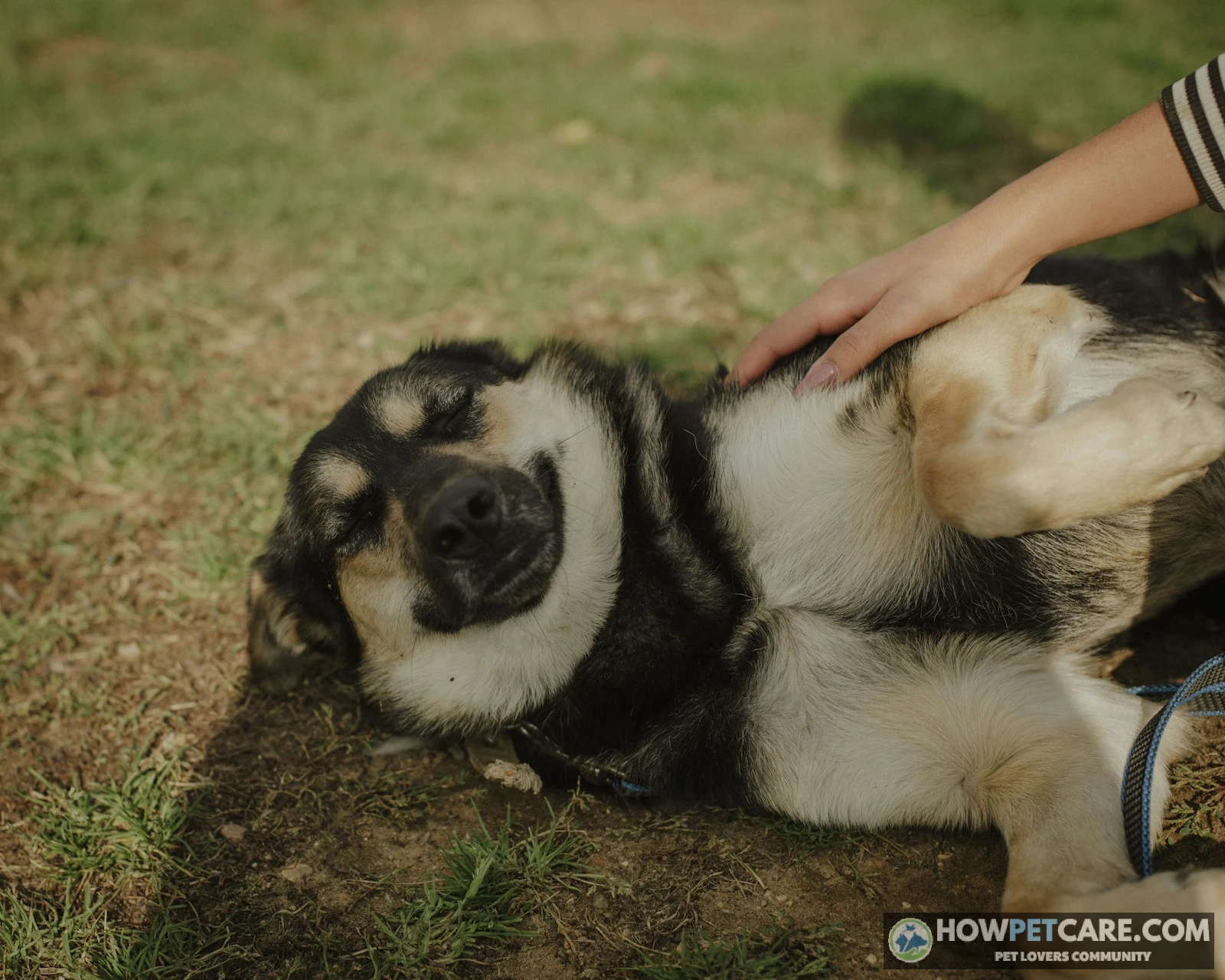
Choose a quiet space and a comfortable, nonslip surface. Let your dog stand or lie naturally; don’t hold them down. Warm your hands, remove distracting jewelry, and wait until your dog has settled after activity or a meal. Begin only if your dog approaches or otherwise welcomes contact.
Use two levels of pressure:
- Level 1: resting hand. Let the weight of your palm rest on the coat, then glide lightly. This is the starting point and the default for a vet-cleared senior or sore dog.
- Level 2: moving skin. On a healthy dog’s comfortable muscle, use just enough pressure to move the skin slightly, without digging or causing the dog to brace. It’s optional, not a target.
Avoid firm kneading, sustained pressure on a tender spot, and direct pressure over bones, joints, or the spine. A dog leaning into your hand isn’t proof that every technique is safe.
The 10-minute full-body sequence
-
Settle — about 1 minute
With a flat palm, use Level 1 strokes along the back from shoulder toward hip. Pause after a few passes and see whether your dog stays comfortable.
-
Neck and shoulders — about 2 minutes
Stroke gently from the side of the neck toward the shoulder. If welcomed, add small, light circles over shoulder muscles; avoid the throat.
-
Chest and forelimbs — about 1½ minutes
Stroke the chest lightly and, only if your dog accepts it, down the forelimbs. Do not lift, pull, or extend a leg.
-
Back and loin — about 2 minutes
Use slow strokes on the muscles beside the spine, not on the spine itself. On a healthy, comfortable dog, you may lightly move the skin with your palm.
-
Hips and hindquarters — about 2 minutes
If the dog welcomes contact, use light circles over the broad muscles of the hindquarters. Avoid direct pressure on the hip joint and any painful area.
-
Hind limbs — about 1 minute
Stroke down each hind leg only if comfortable. Let the dog keep its weight supported; do not force a position.
-
Finish — about 30 seconds
Return to a few slow, light strokes along the back, then let your dog move away.
The long gliding strokes resemble effleurage, a basic massage technique. Gentle petrissage means kneading; it isn’t necessary for this beginner routine. Skip any step your dog dislikes. If you find heat, swelling, a new lump, or a painful spot, stop and tell your veterinarian.
Pressure by dog type: senior arthritic vs. young athletic
For a senior dog with arthritis, follow the vet’s plan and start with Level 1 only. Keep sessions short, avoid joint compression, and let the dog change position. For a healthy athletic dog, Level 2 on comfortable large muscles may be acceptable, but youth and fitness aren’t reasons to use deep pressure. Persistent soreness after exercise deserves a veterinary assessment.
With a puppy, keep handling brief and gentle, and stop before the puppy becomes distressed. Touch practice should never require restraint or force.
Adjusting the routine for hip dysplasia and sore hindquarters
If your dog has hip dysplasia, ask your vet to demonstrate safe contact around the hip and lower-back muscles. Let your dog lie on a comfortable surface if standing is difficult. Don’t press into the hip, stretch the limb, or force the joint through its range of motion. Include passive joint movement only if a veterinary professional has specifically taught and approved it.
Massage Modalities Compared: Swedish, Myofascial Release, Trigger Point, TTouch, and Acupressure
Which modality fits which condition
A modality name describes an approach; it isn’t proof that the approach works for a particular diagnosis. The suggested uses below are examples of how practitioners may use each one, not established treatment matches.
| Modality | What it involves | Possible use | Pressure | Home or professional | Evidence or caveat |
|---|---|---|---|---|---|
| Swedish-style | Gliding strokes and gentle kneading | General comfortable handling or muscle tension | Light to moderate | Light strokes at home; ask for coaching before kneading | Clinical benefits in dogs remain uncertain. |
| Myofascial release | Slow, sustained contact intended to affect fascia and surrounding tissue | Tightness around muscles in a vet-cleared dog | Varies; should not be painful | Trained professional | Condition-specific canine evidence is limited; assessment matters. |
| Trigger point therapy | Focused pressure on a localized area of muscle | A vet-assessed area of persistent muscular tension | Targeted; may be firmer | Professional | A painful spot is not automatically a muscle knot; it may need diagnosis. |
| TTouch | Small, light circular touches and gentle skin movements | A dog that tolerates light contact but not firmer work | Very light | Home after instruction, if the dog welcomes it | Benefits for fear or anxiety are not established; some dogs dislike even light touch. |
| Acupressure | Finger pressure at traditional points | An optional adjunct in a vet-cleared plan | Usually light and sustained | Trained professional | Evidence is limited; it is not veterinary acupuncture. |
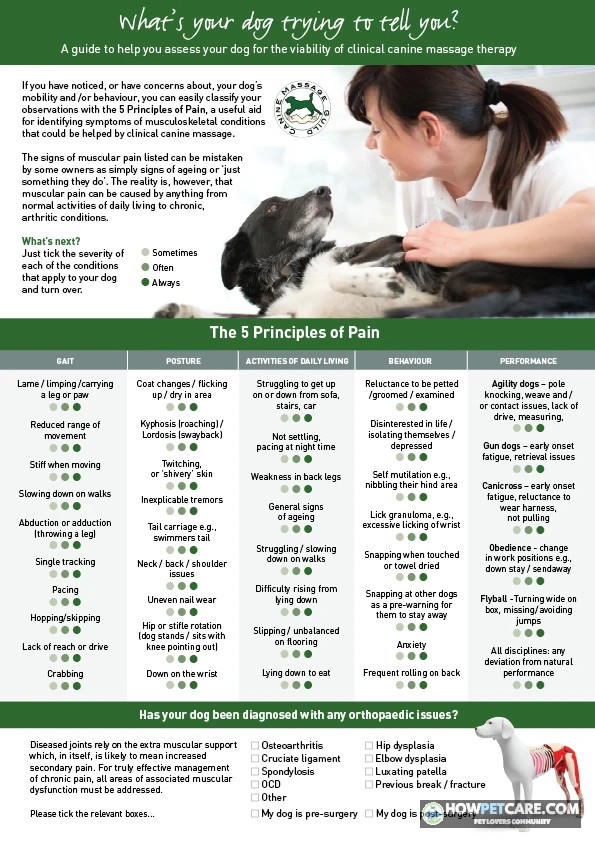
A practitioner may blend techniques. Their ability to assess comfort, respect veterinary restrictions, and stop when needed matters more than the number of modalities they advertise.
Massage vs. physical rehabilitation, hydrotherapy and laser therapy
Massage focuses on hands-on soft-tissue work. Veterinary rehabilitation can include an assessment, a progressive exercise plan, and other interventions selected for the diagnosis. Hydrotherapy uses controlled water-based activity; therapeutic laser is a separate intervention with its own evidence and cost considerations. None is automatically the best choice for every dog. Ask your vet which option addresses your dog’s specific limitation and how progress will be measured.
How Much Dog Massage Therapy Costs, How Long Sessions Last, and How Many You’ll Need
Session price ranges and package pricing
The figures below are illustrative U.S. budgeting estimates, not verified 2026 market averages or price quotes. Rates depend on location, training, travel, assessment fees, and whether veterinary services are included. Confirm the total with providers near you.
| Service type | Typical session length | Approximate planning range | Possible starting frequency | Sessions before results | Notes |
|---|---|---|---|---|---|
| Independent short session | About 30 minutes | $40–$75 | Weekly or every other week | Not established | Ask whether intake is included. |
| Independent longer session | About 60 minutes | $65–$120 | Weekly or every other week | Not established | Actual hands-on time may be shorter. |
| Mobile visit | About 30–60 minutes | Session price plus an estimated $15–$40 travel fee | As agreed | Not established | Ask about mileage and minimum charges. |
| Veterinary rehabilitation visit | About 30–60 minutes | Illustrative $90–$150 or more | Set by the rehab team | Not established | Evaluation and other treatments may cost extra. |
| Multi-session package | Varies | Ask for a written quote | As agreed | Not established | Discounts, expiration dates, and refund rules vary. |
Don’t buy a package just to secure a discount before you know whether your dog tolerates the practitioner. Ask for the per-visit price, travel charge, cancellation terms, and whether the initial evaluation is separate.
Frequency and number of sessions before results
There’s no established universal massage schedule or proven number of sessions before improvement. A practitioner might propose weekly or every-other-week visits, then reassess. That’s a planning convention, not a clinical-trial dose. Some owners may notice a change sooner, later, or not at all.
- Senior dogs with arthritis: Ask the vet for a goal and a short trial plan. Review comfort and mobility before committing to ongoing sessions.
- Healthy athletic dogs: Frequency depends on workload and tolerance; routine professional massage is optional, not a proven requirement.
- Post-surgical dogs: The surgeon sets the start date and frequency. Don’t use a generic weekly schedule in place of discharge instructions.
What happens in a professional session, from intake to aftercare
Expect to discuss medical history, medication, goals, and veterinary restrictions. Before hands-on work, the practitioner may review records, watch your dog move, and assess tolerance to gentle touch. They should explain what they’re doing, let your dog take breaks, and stop for signs of distress. Afterward, ask what they observed, what to monitor, and whether they recommend contacting the vet.
Ask whether you can stay. Many practitioners allow it, but the arrangement may depend on the dog and setting. If you want to be present, agree on that before booking.
Budget comparison: professional, at-home, and other rehab options
Consider this hypothetical example, not a prediction of clinical need. Bella is a senior dog with diagnosed hip dysplasia and arthritis whose vet has approved massage alongside her existing care. At an illustrative $85 per visit:
- Professional-heavy plan: Six weekly visits cost $510. Eleven additional monthly visits cost $935, for a year-one total of $1,445, excluding fees. Reassess whether monthly visits are worthwhile rather than assuming they are.
- Lower-cost plan: Two teaching visits cost $170. Three later check-ins cost $255, for a total of $425, with gentle owner-led contact between visits if Bella enjoys it.
Home touch has little direct cost, but it doesn’t replace a qualified assessment. Hydrotherapy, laser therapy, and rehabilitation evaluations have separate pricing. Request itemized local quotes and ask which service is most likely to help with the goal your vet identified. Some pet insurance policies may cover rehabilitation or complementary care under particular conditions; confirm referral requirements, exclusions, and reimbursement limits with your insurer before booking.
Agree on a goal and a review date before booking a series. If your dog is not more comfortable, or you cannot identify a meaningful change, ask the vet whether to stop or redirect the budget.
How to Find and Vet a Certified Canine Massage Therapist, and What State Law Says
Credentials that matter: NBCAAM and what else to look for
Start with your veterinarian or a veterinary rehabilitation clinic. You can also search “dog massage therapy near me,” then independently check each candidate’s animal-specific training, credentials, insurance, and willingness to coordinate with your vet.
The National Board for Certification in Animal Acupressure and Massage, or NBCAAM, offers animal massage and acupressure certification pathways. Ask a practitioner for the exact credential, then verify its status directly with the organization through its current verification resources or by contacting it. Certification isn’t the same as a state license and doesn’t guarantee a good fit for your dog.
A school completion certificate shows that someone completed a particular program; requirements vary. A human licensed massage therapist may have valuable hands-on training, but a human license alone doesn’t establish canine-specific knowledge. Rehabilitation credentials such as CCRP or CCRT — certified canine rehabilitation practitioner or therapist — indicate a different training pathway; check the holder’s underlying professional license and scope as well.
Questions to ask before you book
- What animal-specific training did you complete, including supervised hands-on practice?
- What credential do you hold, and how can I verify that it is current?
- Have you worked with dogs with my dog’s diagnosis, and will you coordinate with my vet?
- Will you review the diagnosis, medication list, and any restrictions before handling my dog?
- Which conditions or findings would make you postpone or stop a session?
- What will you do if you find a lump, swelling, heat, or a pain response?
- Do you carry professional liability insurance?
- What are the session length, total price, travel fee, cancellation policy, and proposed review point?
- Can I stay, and what happens if my dog wants to leave?
Red flags in a practitioner
Walk away from anyone who claims to cure arthritis or cancer, advises stopping prescribed medication, promises to release toxins, refuses to discuss contraindications, or pressures you to prepay for a large package. Be cautious if a practitioner skips the health history or offers a diagnosis outside their professional scope.
Is canine massage legal in your state, and do you need a vet referral?
Rules vary. Depending on the state and the service provided, animal massage may fall under veterinary-practice rules, require referral or supervision, or be permitted under an exemption. Certification by itself doesn’t establish permission to practice.
Check your state veterinary board’s current practice act, regulations, and guidance; contact the board if the rule is unclear. Ask the practitioner how they comply and whether they need a referral. A referral isn’t necessarily required everywhere, but it’s strongly advisable for a dog with a diagnosis or recent surgery. This is general information, not legal advice.
Becoming a Dog Massage Therapist: Certification Paths, Program Length, and Costs
Certification requirements and timeline
If you’re exploring dog massage therapy certification programs, compare the curriculum with NBCAAM’s current eligibility requirements before enrolling. Look for canine anatomy and physiology, contraindications, handling and behavior, supervised practical work, case documentation, and an assessment of hands-on skill. Programs can involve roughly 100 to several hundred hours over months, but that’s a broad planning estimate, not a certification requirement. Verify the exact hours and prerequisites with each provider and certifying body.
Tuition ranges and other costs
As an illustrative budget, training may cost from hundreds to several thousand dollars, depending on the program and practical components. This isn’t a verified market survey. Request current written tuition and fee schedules, and budget separately for examinations, continuing education, travel, equipment, and liability insurance.
Ask how much supervised work is included, who teaches it, and whether the provider publishes completion and assessment requirements. Earnings vary with location, expenses, referrals, and hours worked; don’t assume certification guarantees a full-time income. Building a client base and running a business can take substantial time.
Your Next Steps: A Decision Checklist for Starting Dog Massage Safely
A five-step checklist before your first session
- Screen for hard stops. Don’t massage a dog with a suspected fracture, fever, severe unexplained pain, or another active problem in the safety table.
- Ask your vet. For a diagnosed condition, get clearance, permitted areas, pressure limits, and a referral if appropriate.
- Offer a short home trial. Use light contact on a preferred area and let the dog leave. Stop at the first sign of discomfort.
- Choose your budget. Decide whether home handling is enough or whether a professional assessment and coaching fit your goals.
- Vet the practitioner. Verify training and credentials, discuss the medical history, and agree on cost and a reassessment point.
How to track whether massage is working
Before starting, write down your dog’s usual stiffness after rest, willingness to walk, ease with stairs or getting into the car, sleep, and any anxiety-related behaviors. Record the same observations after each session, along with other changes such as medication, exercise, or flare-ups. Don’t ask your dog to jump or climb stairs merely to test progress.
Review the log with your vet after the agreed trial—perhaps four to six sessions if that’s the plan, not because that number guarantees a result. Stop sooner for new pain, distress, or worsening mobility. If there’s no meaningful improvement, reconsider the plan and spending with your vet.
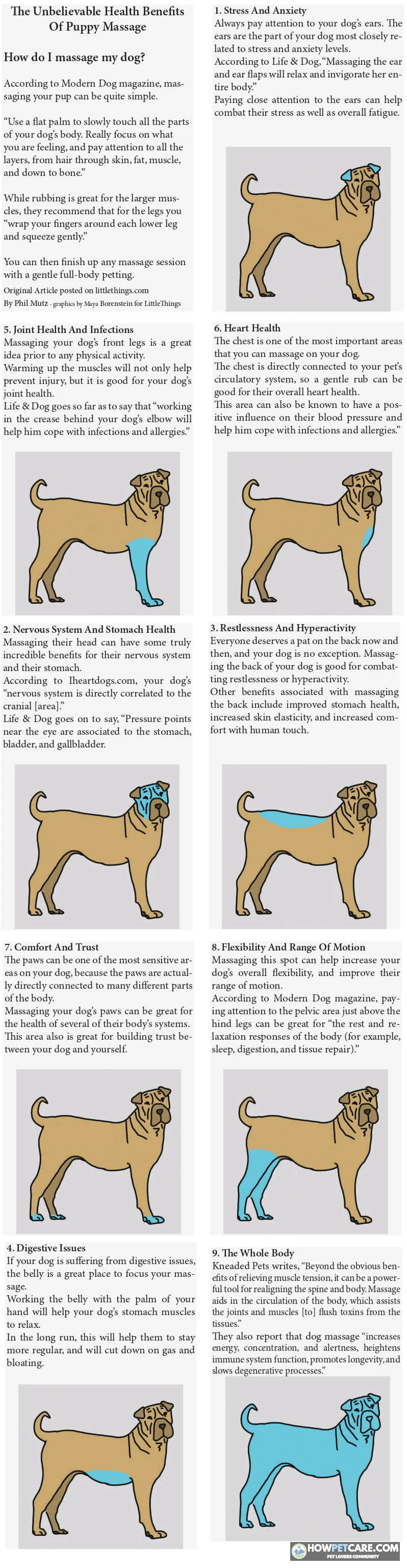
Starting points by situation
- Senior dog with arthritis: Ask the vet about safe areas and a comfort goal; continue prescribed treatment.
- Dog recovering from surgery: Follow the surgeon’s schedule before trying any touch near the surgical site or arranging rehabilitation.
- Anxious dog: Offer a choice to approach and leave; seek behavior support if touch increases distress.
- Healthy athletic dog: Start with light contact after the dog has settled, and have persistent soreness assessed rather than massaged away.
1What is the primary scope and role of dog massage therapy in canine health care?
Massage therapy focuses on manipulating muscles and fascia to promote relaxation and comfort, serving as an adjunct to professional medical management.
2Which statement accurately reflects the evidence regarding massage therapy for dogs with arthritis or hip dysplasia?
Preliminary observational evidence suggests owners note reduced pain, but practical goals center on muscle comfort around joints rather than structural disease reversal.
3According to safety guidelines, which condition requires completely pausing massage rather than seeking prior veterinary clearance?
A fever or acute systemic illness is a strict contraindication where touch should be completely avoided until the dog is assessed and medically cleared.
4If a dog stiffens, repeatedly licks its lips, or turns its head away during a session, how should the handler respond?
Behavioral signs like lip licking, stiffening, or head turning indicate discomfort or stress, signaling an immediate need to stop contact.
5In a home massage routine, how is 'Level 1' pressure correctly applied?
Level 1 pressure relies on the resting weight of the palm gliding gently over the coat, making it the safest starting point.
6When adapting massage techniques for a dog with hip dysplasia, which action is considered unsafe unless specifically trained and approved by a veterinarian?
Passive joint extension and limb stretching carry injury risks and should only occur under express professional guidance.
7Which claim made by a prospective canine massage therapist represents a significant red flag?
Promising toxin release, guaranteed cure rates, or specific immune boosts lacks scientific support and indicates unreliable claims.
8How does a certified canine massage therapist differ from a certified canine rehabilitation practitioner (CCRP/CCRT)?
Rehabilitation credentials (such as CCRP or CCRT) build upon underlying clinical licenses to design therapeutic exercise and multi-modal treatment plans.
9Which credential represents a recognized national board certification for animal acupressure and massage?
NBCAAM stands for the National Board for Certification in Animal Acupressure and Massage, offering established certification pathways.
10Which massage modality uses very light, small circular touches and gentle skin movements for dogs sensitive to firmer pressure?
TTouch utilizes very light circular touches and skin shifts suitable for dogs tolerating gentle contact.
| Category Type | Condition or Modality Name | Classification or Technique Details | Why It Matters or Possible Use | Recommended Action or Pressure Level |
|---|---|---|---|---|
| Medical Condition Safety Check | Suspected or known fracture | Do Not Massage | Pressure or movement may aggravate an unstable injury. | Minimize movement and contact a veterinarian or emergency clinic. |
| Medical Condition Safety Check | Fever or systemic illness | Do Not Massage | A sick dog needs assessment and may find handling uncomfortable. | Seek veterinary advice and wait for clearance. |
| Medical Condition Safety Check | Acute infection, abscess, or marked inflammation | Do Not Massage | The area may be painful or vulnerable to further irritation. | Have the cause treated; ask when handling is safe. |
| Medical Condition Safety Check | Open wound, hot spot, incision, or stitches | Do Not Massage over the area | Pressure can irritate or damage healing tissue. | Keep the area protected; ask the vet whether any other area is safe. |
| Medical Condition Safety Check | Recent injury or suspected sprain | Do Not Massage | The extent of tissue damage may be unknown. | Restrict activity as directed and obtain an examination. |
| Medical Condition Safety Check | Undiagnosed lump or swelling | Do Not Massage the area | Its cause and sensitivity are unknown. | Arrange a veterinary check before applying pressure. |
| Medical Condition Safety Check | Severe or unexplained pain | Do Not Massage | Touch may worsen distress or delay diagnosis. | Contact a veterinarian promptly. |
| Medical Condition Safety Check | Cancer, including a history of cancer | Vet Clearance First | Tumor location, treatment, and other health factors affect the plan. | Ask the treating vet which areas, if any, are safe. |
| Medical Condition Safety Check | Heart or kidney disease | Vet Clearance First | The dog's overall health and tolerance need assessment. | Request an individualized plan. |
| Medical Condition Safety Check | Bleeding disorder or anticoagulant medication | Vet Clearance First | Pressure can contribute to bruising or bleeding. | Use only the contact your vet approves. |
| Medical Condition Safety Check | Recent surgery | Vet Clearance First | Incisions and deeper tissues heal on different schedules. | Follow the surgeon's instructions and timing. |
| Medical Condition Safety Check | Pregnancy | Vet Clearance First | Positioning and pressure may need modification. | Ask the vet before any session; avoid abdominal pressure. |
| Medical Condition Safety Check | Intervertebral disc disease or seizure disorder | Vet Clearance First | Handling and positioning may require an individualized plan. | Work within veterinary guidance; do not manipulate the spine. |
| Medical Condition Safety Check | Skin disease, parasites, or a sore vaccination site | Vet Clearance First | Touch may irritate skin or be uncomfortable. | Avoid the affected area and ask when it is safe to resume. |
| Massage Modality | Swedish-style | Gliding strokes and gentle kneading | General comfortable handling or muscle tension | Light to moderate |
| Massage Modality | Myofascial release | Slow, sustained contact intended to affect fascia and surrounding tissue | Tightness around muscles in a vet-cleared dog | Varies; should not be painful |
| Massage Modality | Trigger point therapy | Focused pressure on a localized area of muscle | A vet-assessed area of persistent muscular tension | Targeted; may be firmer |
| Massage Modality | TTouch | Small, light circular touches and gentle skin movements | A dog that tolerates light contact but not firmer work | Very light |
| Massage Modality | Acupressure | Finger pressure at traditional points | An optional adjunct in a vet-cleared plan | Usually light and sustained |
FAQ
Can massage replace arthritis medication for my dog?
No. Massage can ease muscle tension around arthritic joints, but it does not treat the joint disease itself. Keep giving prescribed medication and talk to your vet before changing anything.
Does pet insurance cover dog massage therapy?
It depends on the policy. Some plans with rehabilitation or alternative-therapy coverage reimburse massage when a vet refers it, while many standard plans exclude it. Check your policy wording and ask the insurer before booking.
Can I massage a puppy or a pregnant dog?
Puppies can have very gentle, short sessions that double as handling practice. Pregnant dogs should only be massaged after your vet approves, and you should avoid deep pressure on the abdomen.
Is a canine massage therapist the same as a canine physical therapist?
No. Canine rehabilitation practitioners are usually veterinarians or vet-supervised therapists with rehab certification who design exercise and treatment plans. Massage therapists focus on soft-tissue work and typically do not diagnose or treat disease.
Should I massage my dog before or after exercise?
Light, brisk strokes before activity can warm up a healthy dog’s muscles. Slower, deeper work usually fits better after exercise, once the dog has cooled down and calmed.