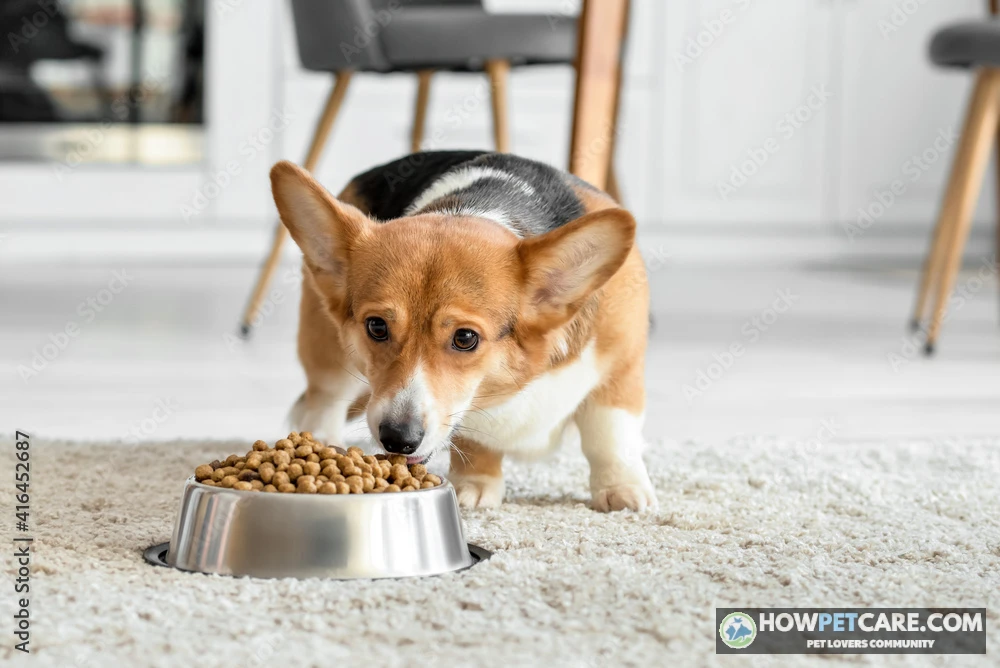

Hydrolyzed protein dog food is a complete diet in which proteins are broken into tiny peptides and amino acids, making them less likely to trigger allergic reactions. Vets prescribe it to diagnose food allergies and manage IBD; most options (Royal Canin HP, Hill’s z/d, Purina HA) require a prescription.
What Hydrolyzed Protein Dog Food Is, What It Treats, and Who Needs a Prescription
If your veterinarian has recommended hydrolyzed protein dog food, you probably want two things at once: an explanation of why the diet works and a specific product you can buy today. Hydrolyzed protein dog food is a complete diet in which water and enzymes break protein molecules into small peptides and amino acids, making them less likely to trigger an immune response in dogs with food allergies. It is most often used to diagnose food allergies and to manage inflammatory bowel disease and other gastrointestinal sensitivity. The major prescription options—Royal Canin Hydrolyzed Protein, Hill’s Prescription Diet z/d, and Purina Pro Plan Veterinary Diets HA—require veterinary authorization. A small number of over-the-counter hydrolyzed foods exist, notably SquarePet VFS. This guide explains how hydrolyzed protein dog food works, compares the leading brands side by side, breaks down monthly cost by dog size, and lays out a week-by-week elimination diet protocol you can review with your vet.
There is no single best hydrolyzed protein dog food for allergies. The right choice depends on your dog’s weight, life stage, protein history, and whether your vet has issued a prescription. Here is the full decision path, starting with the science.
How hydrolysis works, and why peptide size matters
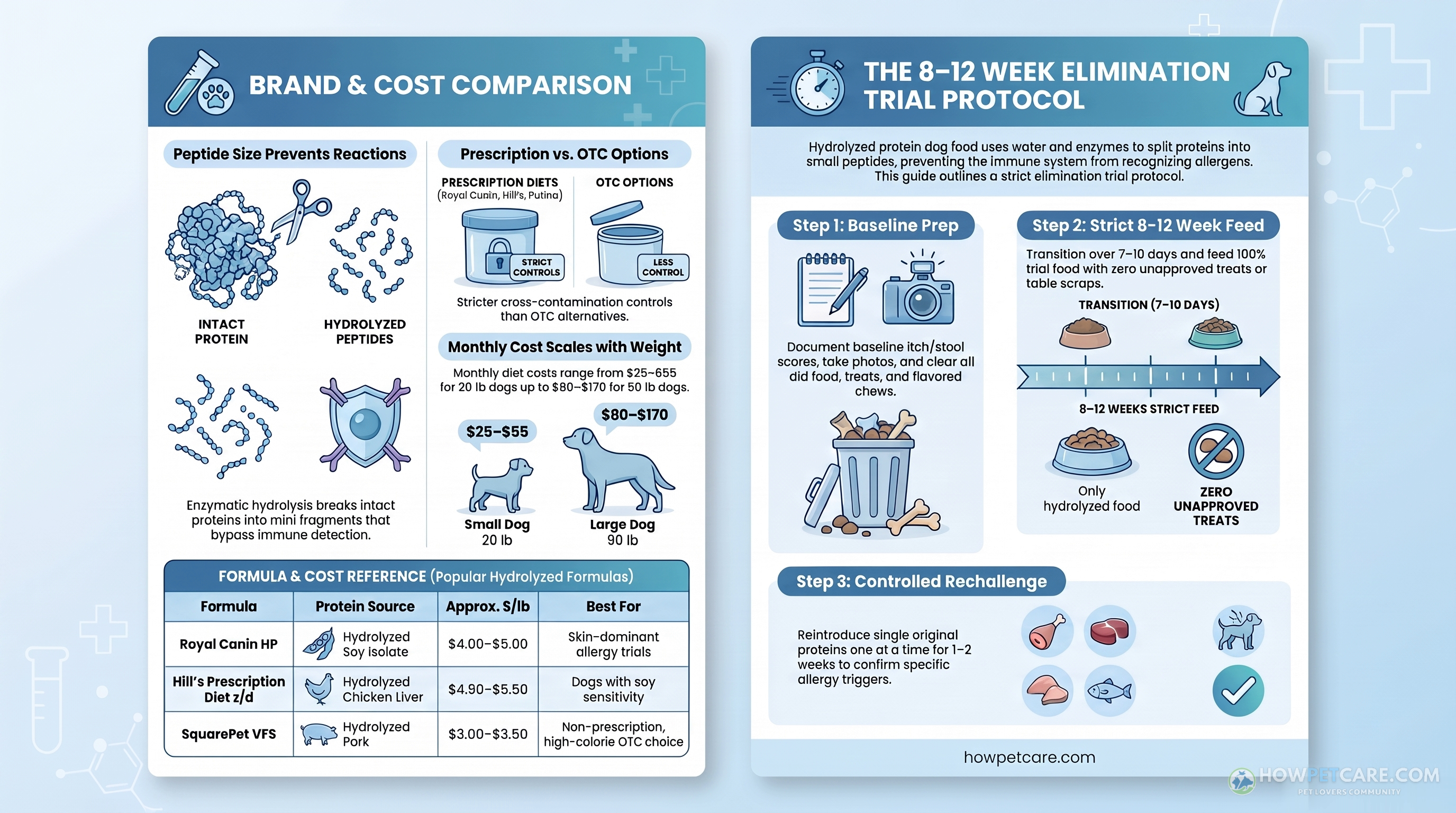
Hydrolysis uses water and enzymes to split intact protein molecules into shorter chains called peptides and free amino acids. In a normal food allergy, the dog’s immune system flags certain intact protein shapes as threats and launches an inflammatory reaction that shows up as itchy skin, ear inflammation, or digestive upset. Because hydrolyzed proteins are already fragmented, they are less likely to be recognized as allergens—which is why they sit at the center of an elimination diet trial for food allergies and atopic dermatitis. Peptide size matters: the smaller the fragments, the lower the chance of immune recognition. Manufacturers do not always publish exact molecular-weight cutoffs, so treat any specific threshold as veterinary-literature context rather than a guaranteed cutoff for every dog.
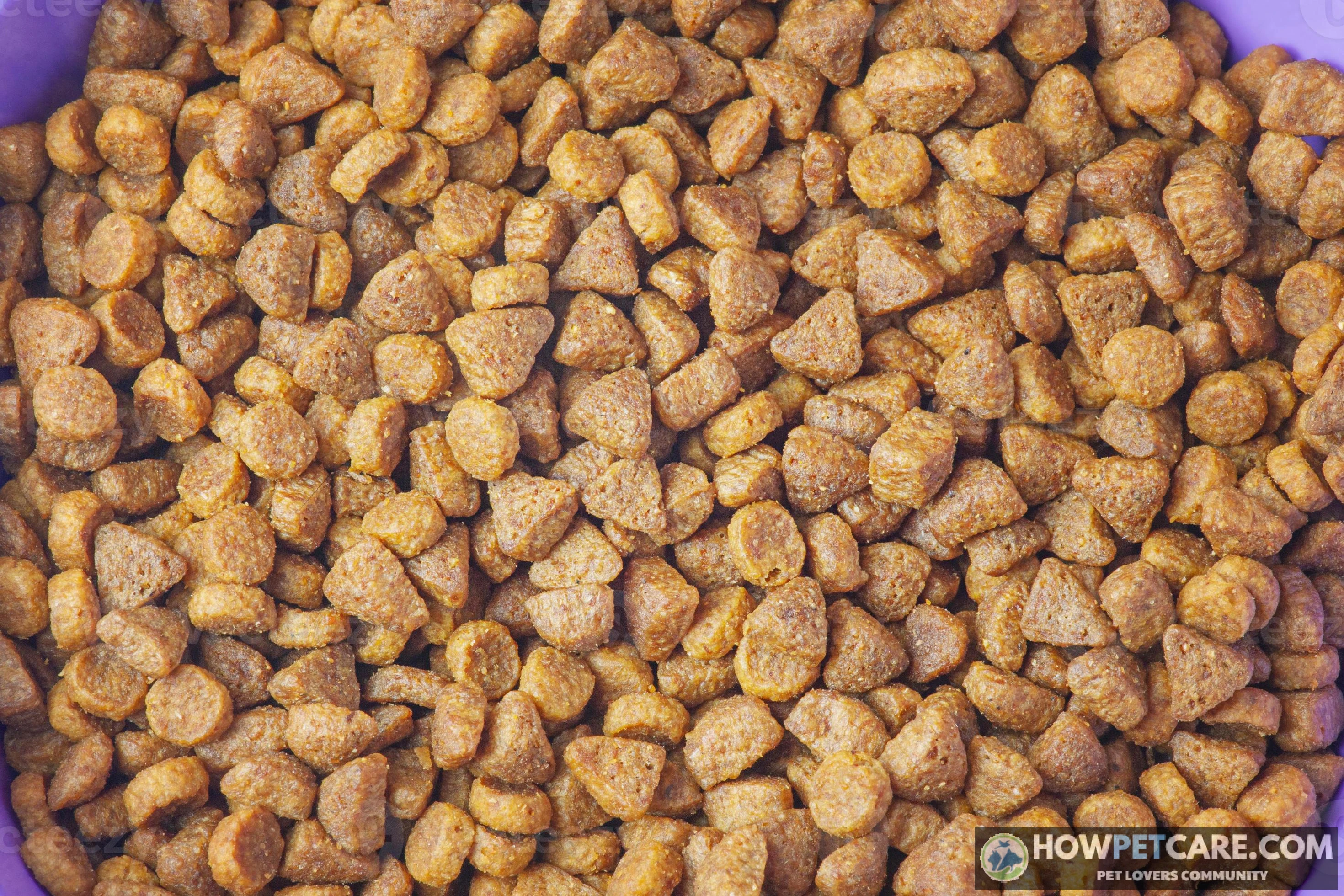
Which conditions hydrolyzed diets actually treat
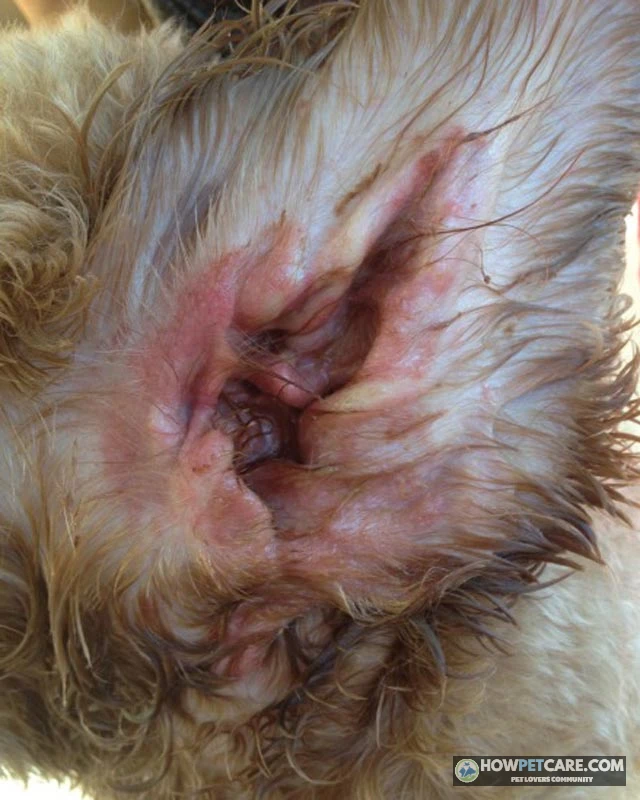
Hydrolyzed diets are used for diagnosed or suspected food allergies, which affect an estimated 1 to 2 percent of dogs. Common signs include year-round itchy skin, recurrent ear infections, licking or chewing paws, and gastrointestinal sensitivity such as loose stool or vomiting. They are also a first-line dietary tool for inflammatory bowel disease and food-responsive enteropathy: pre-digested protein is easier to absorb and may support intestinal mucosal integrity during long-term management. Hydrolyzed food can help dogs with exocrine pancreatic insufficiency during the initial control phase, though it is not a substitute for enzyme replacement therapy.
It is just as important to know what hydrolyzed food does not do. It is not a cure for allergies, it does not treat environmental allergies such as pollen or dust mites, and it is not automatically better for every dog with itchy skin. The diet is both a diagnostic tool and a management food: if symptoms improve on the trial and return when the old protein is reintroduced, you have useful evidence of a food allergy.
This article provides general information about hydrolyzed protein dog food and elimination diet trials. It does not diagnose your dog’s condition, recommend a specific medical treatment, or replace veterinary advice. Work with your veterinarian to confirm a diagnosis, select a diet, and interpret trial results.
Hydrolyzed vs Novel Protein vs Limited Ingredient Diet: Which Elimination Diet Fits Your Dog
Not every itchy dog needs hydrolyzed food, and not every elimination diet is equally reliable. The right path depends on your dog’s diet history, whether the problem is skin-dominant or gastrointestinal, and your budget.
Hydrolyzed vs limited ingredient diet
A limited ingredient diet cuts down the number of components in a recipe, but it usually still contains intact proteins. Even a single-protein LID can carry cross-contamination risk if the facility processes common proteins such as chicken or beef. Hydrolyzed diets go further: the protein source is broken down before it reaches the bag, and veterinary therapeutic diets are typically manufactured under tighter controls to limit cross-contact. For diagnosing food allergy, hydrolyzed food is generally more dependable than an LID because there are no intact protein fragments for the immune system to target. An LID may still help a dog with a mild sensitivity, but it is a weaker diagnostic test.
Owners searching hydrolyzed dog food vs limited ingredient diet are usually trying to decide whether a cheaper LID is good enough. The honest answer: an LID can work for a dog with a clearly novel protein and no history of exposure, but it cannot replace a hydrolyzed diet when the goal is a strict diagnostic trial.
Hydrolyzed vs novel protein
A novel protein diet relies on feeding a protein the dog has never eaten before—kangaroo, alligator, or duck, for example. That works only if you know the dog’s full history and can confirm the protein is truly new. Hydrolyzed diets do not depend on novelty; they make familiar proteins such as soy or chicken less recognizable to the immune system. Vets often start with hydrolyzed food when a dog has eaten several proteins, when history is unknown, or when gastrointestinal disease accompanies skin signs. If your dog has eaten only one protein since puppyhood, a genuine novel-protein trial can be a cheaper starting point, provided you can verify the ingredient list and avoid cross-contaminated manufacturing.
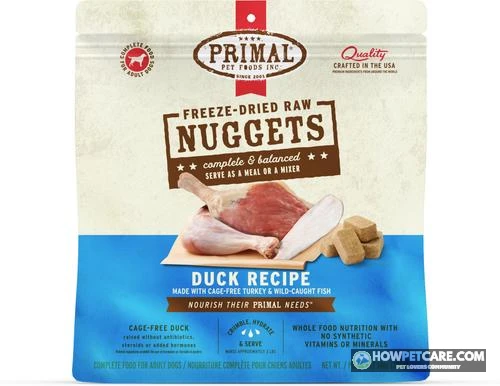
Bags labeled hypoallergenic dog food or limited ingredient are not the same as veterinary hydrolyzed diets. Unless the label states that protein has been hydrolyzed and the product is backed by manufacturing controls for a diagnostic trial, treat it as a standard maintenance food, not an elimination-diet tool.
-
Check your dog's diet history
List every protein your dog has eaten, including treats, table scraps, and flavored medications. If the list is long or unknown, hydrolyzed food is the safer starting point.
-
Match the diet to the symptom pattern
Skin-dominant itch with an unknown history points toward hydrolyzed food. GI-dominant chronic vomiting or diarrhea makes a prescription hydrolyzed diet the default choice.
-
Consider budget honestly
A novel-protein LID may cost less per month, but a failed trial wastes more money than a well-chosen first diet. If money is tight, discuss an over the counter hydrolyzed protein dog food option with your vet rather than cutting corners on treats during a prescription trial.
Hydrolyzed Protein Dog Food Brands Compared Side by Side
This section delivers the head-to-head comparison missing from most search results. The table below uses label and product-page data compiled from manufacturers. Figures vary by formula size, region, and retailer, so always confirm against the current bag’s guaranteed analysis and AAFCO statement before buying. Price per pound reflects typical U.S. online retail for the largest available bag; small bags often run 30 to 50 percent more per pound.
| Brand / Formula | Hydrolyzed Protein Source | Crude Protein / Fat % (min, as fed) | kcal per Cup (dry) | Dry / Wet Availability | Prescription Status | Approx. Price per Pound | AAFCO Life Stage | Best For |
|---|---|---|---|---|---|---|---|---|
| Royal Canin Hydrolyzed Protein Adult HP | Hydrolyzed soy protein isolate plus chicken fat | ~19% / ~17.5% | ~375–380 | Dry + wet loaf | Prescription | ~$4.00–5.00 | Adult maintenance | Skin-dominant allergy; widely studied trial diet |
| Hill’s Prescription Diet z/d | Hydrolyzed chicken liver | ~19.1% / ~15.5% | ~375–385 | Dry + wet | Prescription | ~$4.50–5.50 | Adult maintenance | Dogs suspected of reacting to soy; chicken-origin base |
| Purina Pro Plan Veterinary Diets HA | Hydrolyzed soy protein isolate | ~18.0% / ~12% | ~315–390 | Dry + canned | Prescription | ~$4.00–5.00 | Adult maintenance | Lower-fat option; flavor variants for picky eaters |
| Blue Buffalo Natural Veterinary Diet HF | Hydrolyzed salmon | ~20% / ~13% | ~365–375 | Dry primarily | Prescription | ~$4.00–5.00 | Adult maintenance | Owners preferring a salmon base |
| SquarePet VFS Skin & Digestive | Hydrolyzed pork | ~24% / ~13% | ~415–430 | Dry only | OTC | ~$3.00–3.50 | All life stages | Non-prescription path; higher protein for active dogs |
| Diamond Care Sensitive Skin | Hydrolyzed salmon | ~22% / ~12% | ~365–375 | Dry only | OTC | ~$2.00–2.50 | Adult maintenance | Budget trial candidate |
If your dog’s history or a rechallenge points to soy, the soy-based formulas such as Royal Canin HP and Purina HA are off the table—look at the chicken-liver, salmon, or pork bases instead.
How we compared the brands
Selection criteria were availability in the U.S., verified hydrolyzed protein source, AAFCO statement, dry and wet formats, prescription status, and manufacturer-published nutrient or calorie data where available. I excluded foods marketed only as hypoallergenic without a hydrolyzed claim, because they do not meet the core definition for an elimination trial. The same logic applies to human grade dog food: sourcing quality is not an allergy-trial claim. Where a brand offers several formulas, I picked the most commonly recommended adult maintenance version.
Brand-by-brand notes: what each does differently
Royal Canin Hydrolyzed Protein Adult HP uses hydrolyzed soy protein isolate and is one of the most studied diets in veterinary food-allergy trials. It comes in dry and wet forms and includes a small-breed kibble for dogs under about 22 pounds. Fat level is relatively high, which helps palatability but may not suit dogs with pancreatitis risk.
Hill’s Prescription Diet z/d is built on hydrolyzed chicken liver and guarantees at least 19.1 percent crude protein and 15.5 percent crude fat. It is a strong alternative when a soy-based diet does not fit, though a dog with a strong chicken history should be introduced cautiously.
Purina Pro Plan Veterinary Diets HA uses hydrolyzed soy protein isolate and comes in chicken flavor and vegetarian versions. The chicken dry formula lists 315 kcal per cup and the vegetarian dry formula lists 291 kcal per cup. Lower fat makes it a reasonable choice for dogs that need a less energy-dense diet.
Blue Buffalo Natural Veterinary Diet HF is a prescription hydrolyzed salmon formula sold primarily as dry kibble. It fits owners who want a non-soy, non-chicken base but still need veterinary authorization.
SquarePet VFS Skin & Digestive is a hydrolyzed pork formula sold over the counter without a veterinary prescription. It is formulated for all life stages and lists zinc at 110 mg/kg and vitamin E at 475 IU/kg. The higher protein and calorie density mean smaller daily portions, which helps explain its lower monthly cost despite being an OTC product.
Diamond Care Sensitive Skin is a hydrolyzed salmon dry food sold OTC at a lower price point. It is adult maintenance only and is the most affordable hydrolyzed path in this comparison, though its cross-contamination controls are not as publicly documented as those of veterinary therapeutic diets.
Prescription vs Over-the-Counter Hydrolyzed Dog Food: What You Can Buy Without a Vet
Most hydrolyzed diets are veterinary prescription diets because they are meant to manage a diagnosed condition under professional supervision. That does not mean they are dangerous without oversight; it means the manufacturer and your vet expect a diagnostic process, not casual snacking.
Hydrolyzed dog food without a prescription
Genuine OTC hydrolyzed options are limited. SquarePet VFS Skin & Digestive is a hydrolyzed pork formula sold without a veterinary prescription. Diamond Care Sensitive Skin is also sold OTC, though it is positioned more broadly for sensitive skin than as a dedicated diagnostic diet. These products can be reasonable structured trials for budget-constrained households when a vet agrees the case is low-risk—skin-only signs, stable weight, no severe GI disease. The trade-off: head-to-head clinical evidence against prescription diets is limited, and cross-contamination controls are less rigorously documented. Treat an OTC switch as a conversation with your vet, not a silent substitution.
Hydrolyzed protein dog treats
Treats are the most common reason a trial fails, so treat selection matters as much as the kibble. Hydrolyzed treats exist, including options made to accompany Royal Canin Hydrolyzed, Hill’s hypoallergenic treats, and Purina Gentle Snackers formulated for HA trials. During a strict elimination trial, use only the trial kibble itself, the wet version of the same formula cut into cubes, or hydrolyzed treats your vet has approved. Commercial treats labeled hypoallergenic or limited ingredient can still hide chicken meal, beef fat, or natural flavors, so read the ingredient list rather than the front of the bag.
Feeding a regular biscuit on day 40 can invalidate weeks of observation. If an accidental exposure happens, log it honestly and tell your vet; do not restart the clock silently and pretend it never occurred.
What Hydrolyzed Dog Food Really Costs per Month for a 20 lb, 60 lb, and 90 lb Dog
Prescription hydrolyzed food is expensive, and cost climbs steeply with body weight. The math below turns bag price and label calories into realistic monthly estimates so you can budget before you buy.
Monthly cost by dog size
The formula is straightforward: daily calories divided by calories per cup gives daily cups; multiply by 30 days; then convert cups to pounds using roughly four cups per pound and multiply by price per pound. Most hydrolyzed kibbles run about 370 to 400 kcal per cup, so one cup is roughly a quarter pound of kibble. If you are still learning portion and transition basics, dog food tips for beginners covers the fundamentals.
Daily calorie estimates assume a typical neutered adult dog; your veterinarian or the bag’s feeding guide may differ with activity, age, and body condition.
| Brand / Formula | 20 lb Dog | 60 lb Dog | 90 lb Dog | Assumptions / Notes |
|---|---|---|---|---|
| Royal Canin HP (~$4.50/lb, ~380 kcal/cup) | ~$50/mo | ~$115/mo | ~$155/mo | 25.3 lb bag; ~$1.13/cup |
| Hill’s z/d (~$5.00/lb, ~380 kcal/cup) | ~$55/mo | ~$125/mo | ~$170/mo | 25 lb bag; ~$1.25/cup |
| Purina HA (~$4.50/lb, ~385 kcal/cup) | ~$50/mo | ~$115/mo | ~$155/mo | 25 lb bag; ~$1.13/cup |
| SquarePet VFS (~$3.25/lb, ~420 kcal/cup) | ~$35/mo | ~$80/mo | ~$105/mo | OTC; denser calories mean fewer cups |
| Diamond Care (~$2.25/lb, ~370 kcal/cup) | ~$25/mo | ~$60/mo | ~$80/mo | OTC budget path |

Prices are 2026 retail estimates for the largest bag and vary by retailer. A 90 lb dog on a prescription hydrolyzed diet can cost roughly $155 to $170 per month—about the price of a mid-range phone plan, every month.
Ways to lower the bill without invalidating the diet
Buy the largest bag your dog can finish before the best-by date, use autoship discounts where available, and feed to ideal body condition rather than the maximum on the chart. Wet food works as a topper only if your vet approves and you count its calories; mixing in regular kibble or table scraps invalidates the trial and wastes the spend. If cost is the binding constraint and your vet agrees the case is low risk, an OTC hydrolyzed diet such as SquarePet or Diamond Care may cut monthly spend by 40 to 50 percent compared with a prescription brand. Never offset the cost by feeding hydrolyzed kibble plus ordinary treats; a contaminated trial costs more than the price difference between bags.
Week-by-Week Elimination Diet Protocol: Transition, Treats, Medications, and Rechallenge
An elimination trial is valid only if it is strict, timed, and observed. The standard veterinary target is 8 to 12 weeks. GI signs sometimes improve within a few weeks, while skin symptoms such as itching often need the full 8 to 12 weeks to settle. Work with your vet to set the exact length and to interpret partial improvement.
Before day one: baseline and prep
Start by confirming the diagnosis with your vet and ruling out parasites, skin infections, and hormonal problems that can mimic food allergy. Record baseline scores: itch on a 0 to 10 scale, stool on a 1 to 7 scale, and ear redness or head shaking. Photograph the paws, belly, and ears in the same lighting so you can compare week to week. Clear the house of all old food, treats, and supplements. Buy enough trial food for the full period plus a small buffer, and designate one scoop and one bowl exclusively for the diet.
Transition schedule
For dogs with sensitive stomachs, transition over 7 to 10 days: days 1 to 3 at 25 percent new food and 75 percent old, days 4 to 6 at half and half, days 7 to 9 at 75 percent new, and day 10 at 100 percent new. Some vets may recommend a faster switch for dogs with severe GI disease, but only under direct guidance. If loose stool appears, hold the ratio steady for two to three days before advancing; do not go backward to old food unless your vet says so.
Treat and medication rules
During the strict phase, nothing enters your dog’s mouth except the trial food, approved hydrolyzed treats, and unflavored medications. That rules out flavored heartworm or flea chewables, dental chews, rawhide, peanut butter pill pockets, table scraps, and the cat’s bowl; if that happens, whether dogs can eat cat food is a separate, amount-based question. Ask your vet before day one about unflavored or topical alternatives for monthly preventives and any flavored prescriptions. Compounded unflavored versions of many medications exist. If your dog receives Apoquel or Cytopoint for itch, your vet may continue them early in the trial to keep your dog comfortable; discuss timing so medication does not mask whether the diet itself is working.
-
Week 1–2: transition and observation
Complete the gradual switch. Expect some stool variability. Log daily itch and stool scores; do not judge the trial yet.
-
Week 3–8: strict feeding
Feed 100 percent trial food and approved treats only. Continue daily logs and weekly photos. Many dogs show partial skin improvement by week 6.
-
Week 9–12: decision point
If symptoms improved, plan rechallenge with your vet. If no improvement after 8 to 12 weeks, review the log for hidden exposures before assuming the diet failed.
Rechallenge: confirming the allergen
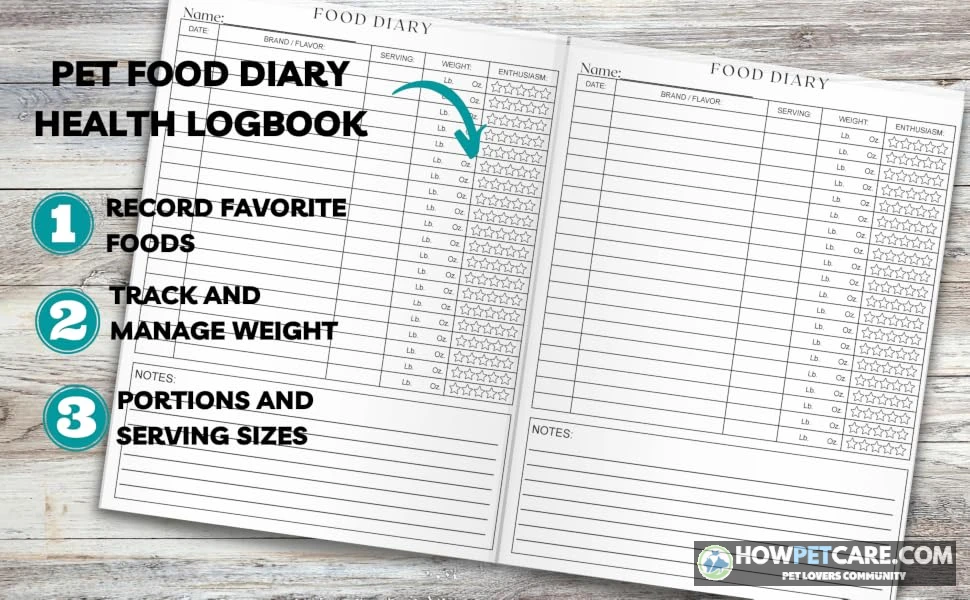
If your dog improves on hydrolyzed food, your vet may recommend a rechallenge to confirm a food allergy. Reintroduce one ingredient at a time—often the protein from the old food—and wait one to two weeks per ingredient while watching for itch, ear flares, or stool changes. Record every result in a symptom log. A confirmed reaction means the ingredient is avoided long-term; if no reaction occurs, food allergy is less likely and other causes deserve investigation.
Puppies, Seniors, and Long-Term Feeding: Do AAFCO Protein Minimums Matter?
Life stage changes which hydrolyzed food is appropriate. Many hydrolyzed formulas meet only AAFCO adult maintenance, which calls for at least 18 percent protein on a dry matter basis, while growth and reproduction require at least 22 percent. That gap matters for puppies and can influence senior feeding.
Hydrolyzed food for puppies
Puppies need nutrient profiles for growth unless a formula carries an all-life-stages statement. Several prescription hydrolyzed diets are adult maintenance only, so check the AAFCO statement before feeding one to a growing dog. Royal Canin’s small-breed hydrolyzed product is sized for dogs up to 22 pounds, but size alone does not make it suitable for growth. If a vet approves an adult-maintenance hydrolyzed food for a puppy, it should be short term and monitored with weight and growth checks. Look for an OTC hydrolyzed formula labeled for all life stages if you need a non-prescription puppy path, and confirm with your vet.
Is hydrolyzed protein dog food safe for puppies and dogs without allergies? Generally, yes, if the formula meets AAFCO standards—but healthy dogs gain no clear benefit and the cost is high. Use one only under veterinary guidance.
Hydrolyzed food for senior dogs
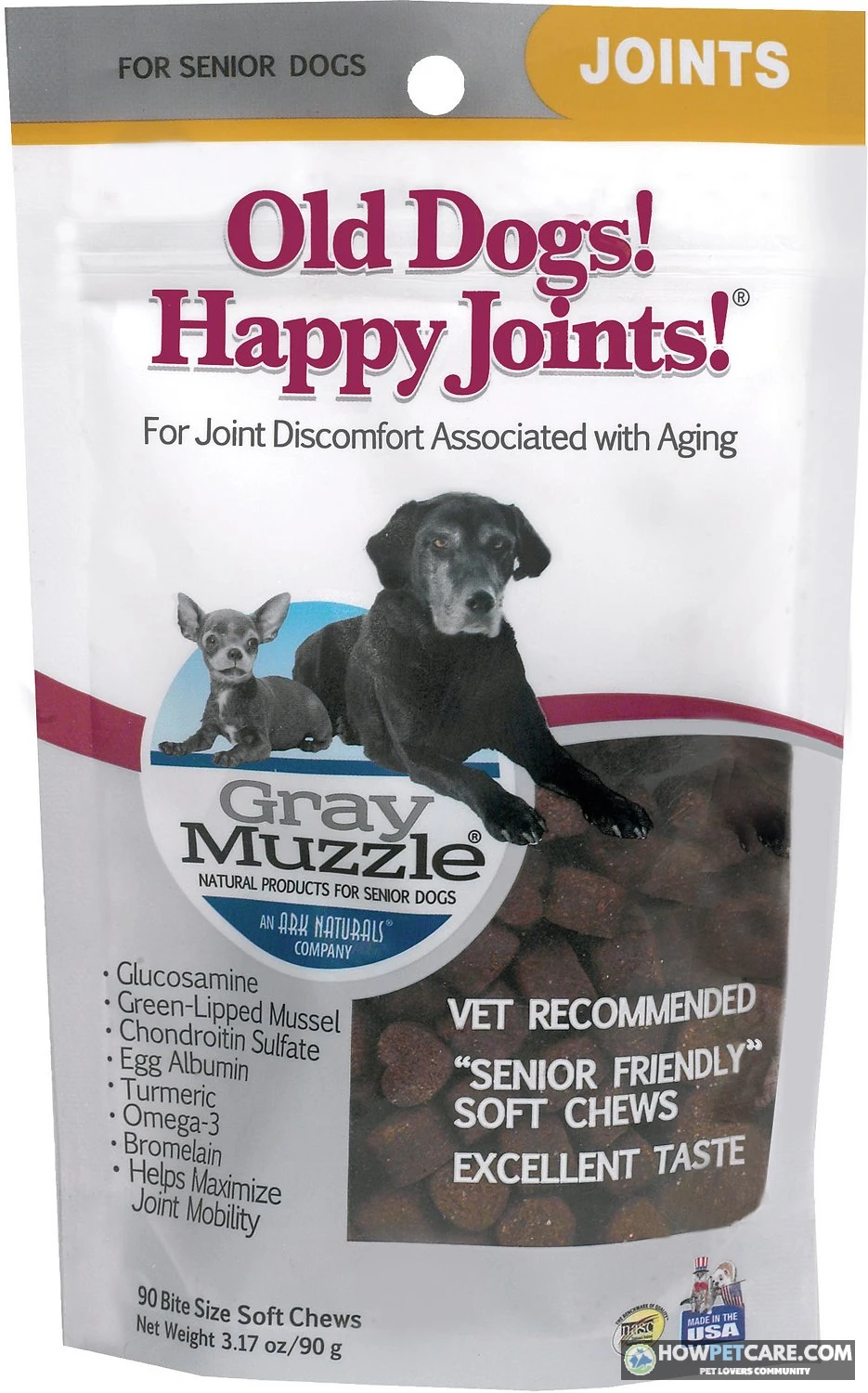
Older dogs often need highly digestible protein, but concurrent kidney disease, reduced activity, and shifting calorie needs mean the highest-protein OTC hydrolyzed food is not automatically best. General dog food for senior dogs advice still applies, but kidney and calorie checks come first. AAFCO adult maintenance minimums are often adequate for healthy seniors, but your vet should review bloodwork and body condition before you commit to long-term hydrolyzed feeding.
Long-term safety and side effects
Hydrolyzed diets that meet AAFCO standards are generally safe for long-term feeding, but they are formulated for dogs with a medical need. Hydrolyzed protein dog food side effects are usually mild—loose stool during transition or reduced palatability—but persistent vomiting, weight loss, or worsening skin warrants a vet visit. Long-term effects on the gut microbiome are not fully understood, so periodic veterinary monitoring is wise for dogs that stay on the diet indefinitely. Healthy dogs without allergies gain no clear benefit from hydrolyzed food and should not eat it solely as a premium option.
When the Trial Goes Wrong: Picky Eaters, GI Upset, and Reactions to the Base Protein
Trials fail for practical reasons, not just biological ones. Here is how to handle the most common breakdowns.
Dog refuses the kibble
Hydrolyzed kibble can taste bland to some dogs. Try warming the food slightly, mixing in the wet version of the same hydrolyzed formula, hand-feeding kibble pieces, or baking kibble at low heat into croutons. Do not add broth, yogurt, or regular treats to entice eating; those ingredients can break the trial. If refusal persists more than a few days, ask your vet about switching to a different hydrolyzed brand or formula rather than forcing the issue.

Digestive upset during transition
Loose stool or vomiting in the first two weeks often means the transition was too fast or the fat content is higher than the dog’s previous diet. Slow the schedule, split meals into smaller portions, and check whether your dog has a history of pancreatitis. If your vet thinks the issue is fiber-responsive rather than allergic, high-fiber dog food options are a different category. Red flags that need a prompt vet visit: blood in stool, repeated vomiting, lethargy, or refusal to drink. Do not experiment with over-the-counter anti-diarrhea products without veterinary guidance.
Allergic to the hydrolyzed base protein
Cross-reactivity is possible. A soy-allergic dog on a soy-based hydrolyzed formula, or a chicken-allergic dog on a chicken-liver formula, may keep reacting even though the protein is fragmented. If symptoms persist and you have confirmed no accidental exposures, ask your vet about switching to a hydrolyzed formula built on a different base—salmon or pork, for example. This is where the base-protein column in the comparison table becomes actionable.
How to Choose Your Hydrolyzed Diet and Start the Trial This Week: A Decision Checklist
Use this list to move from research to action. Review every item with your veterinarian before day one.
Decision guide by scenario
- Skin-dominant allergy with unknown diet history: start with a prescription hydrolyzed diet such as Royal Canin HP, Purina HA, or Hill’s z/d.
- GI-dominant chronic vomiting or diarrhea: prescription hydrolyzed food is the default; do not begin with an OTC limited ingredient diet without vet approval.
- Suspected soy allergy: avoid soy-based Royal Canin HP and Purina HA; consider Hill’s z/d or a salmon-based hydrolyzed formula.
- Suspected chicken allergy: use caution with Hill’s z/d; choose a soy-based or salmon-based hydrolyzed diet instead.
- Puppy: choose a formula with an AAFCO growth or all-life-stages statement.
- Tight budget: ask your vet about SquarePet VFS or Diamond Care as a structured OTC trial, and buy the largest bag to lower price per pound.
- Picky eater: select a brand with dry and wet options and flavor variants, such as Purina HA.
Questions to bring to the vet
Which hydrolyzed formula best fits my dog’s symptoms and history? How long should the trial last, and when do we rechallenge? Should allergy medications continue during the trial? Which treats and preventives are safe? What red flags should end the trial early?
Pre-purchase checklist
Confirm the AAFCO statement matches your dog’s life stage. Calculate the monthly cost using your dog’s target weight and the brand’s kcal per cup. Buy a bag size you can finish before the date expires. Clear the house of old food, treats, and flavored medications. Post the approved-treat list on the refrigerator.
Start-date checklist
Record baseline itch, stool, and ear scores. Take photos of paws, belly, and ears. Begin the 7 to 10 day transition. Start the daily symptom log. Schedule the week 8 recheck.
A successful trial means steady improvement in itch or stool with no unexplained flare-ups. If the diet works and rechallenge confirms a trigger, you and your vet can decide whether to stay on hydrolyzed food long-term or move to a carefully managed maintenance diet. If the trial fails, the log you kept will help your vet work out whether the problem was contamination, an environmental allergy, or a condition that needs a different approach entirely.
FAQ
Is hydrolyzed protein dog food safe for dogs without allergies?
Hydrolyzed diets that meet AAFCO standards are generally safe, but they are formulated for dogs with a medical need and are costly. Healthy dogs gain no clear benefit, so use one under veterinary guidance.
How long does it take for hydrolyzed dog food to work?
GI signs may improve in a couple of weeks, while skin symptoms such as itching often take 8–12 weeks to settle. Your vet may extend the trial if you see partial improvement.
Can I give my dog regular treats on a hydrolyzed diet?
Not during a strict trial. Use the hydrolyzed kibble itself or a veterinarian-approved hydrolyzed treat, because ordinary treats can contain the allergen and invalidate results.
Can hydrolyzed dog food be used with Apoquel or Cytopoint?
Yes, vets often use these medications to control itch while the diet trial runs. Ask your vet how to time them and interpret results, since they can mask improvement or relapse.
Is hydrolyzed dog food better than limited ingredient dog food?
For diagnosing a food allergy, hydrolyzed diets are typically considered more reliable because their proteins are broken down and manufacturing is more tightly controlled. LIDs can help some dogs but often still contain intact proteins.