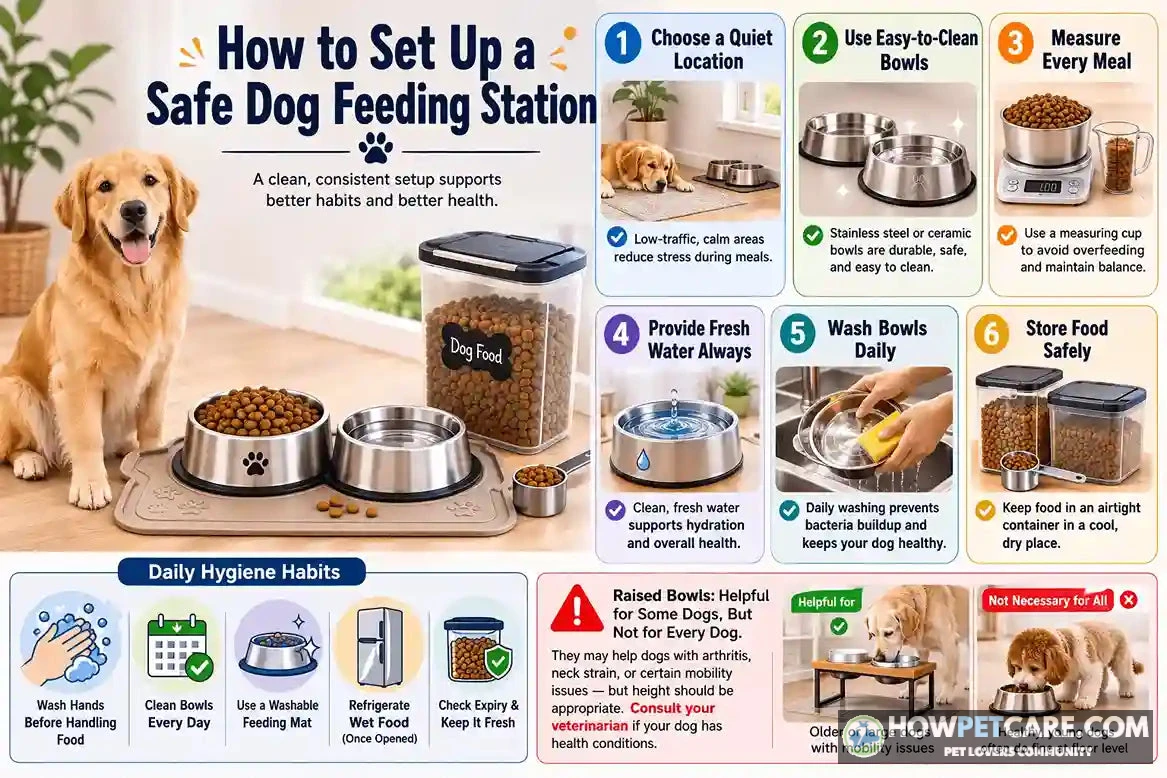

Start with a complete and balanced food matched to your dog’s life stage, check the label’s AAFCO statement and calories per cup, estimate a daily portion from your dog’s weight, split it into two measured meals, keep treats under 10% of daily calories, and switch to new foods gradually over seven days.
A good starting plan is straightforward: choose food labeled complete and balanced for your dog’s life stage, estimate a daily portion from the food’s calorie content and your dog’s weight, then adjust for body condition and veterinary advice. For most new owners, a commercially prepared food with an appropriate AAFCO nutritional adequacy statement is the simplest choice. Use the seven-day transition schedule below when changing foods, and contact a veterinarian promptly if serious symptoms appear.
Choose a complete, balanced food for your dog’s life stage
Start with your dog’s age, size, and known health needs—not package claims or ingredient buzzwords. Puppies need food formulated for growth; most healthy adult dogs need an adult-maintenance food. Food labeled for all life stages is formulated to meet growth requirements, but it may not fit every dog’s needs. Ask your veterinarian about the right food for senior dogs, large-breed puppies, pregnant dogs, or dogs with medical conditions.
How to read a dog food label and AAFCO statement
Find the nutritional adequacy statement on the package. It should say the food is complete and balanced for a specific life stage, such as growth, adult maintenance, or all life stages. AAFCO sets nutrient profiles and feeding-test standards; it does not approve, certify, or endorse brands. Check that the statement matches your dog’s needs, and ask your veterinarian if the wording isn’t clear.
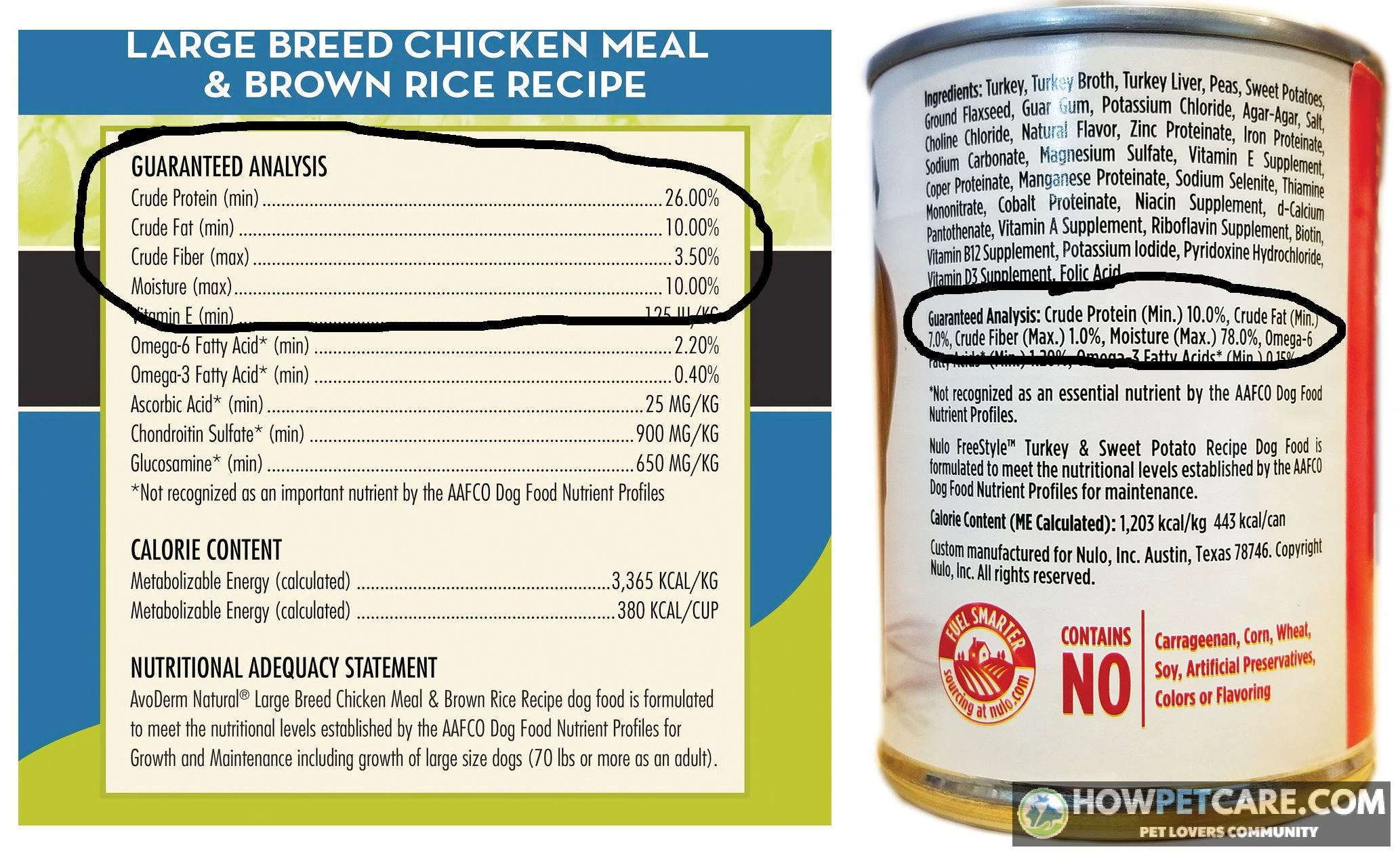
Check the calorie statement, usually given in kilocalories per cup, can, or kilogram. You’ll need it to turn a calorie target into a portion. The guaranteed analysis lists minimum crude protein and fat and maximum crude fiber and moisture. It doesn’t give a full picture of digestibility or overall quality. Ingredient lists are ordered by weight, including water, so the first ingredient alone can’t tell you whether a food is nutritionally suitable.
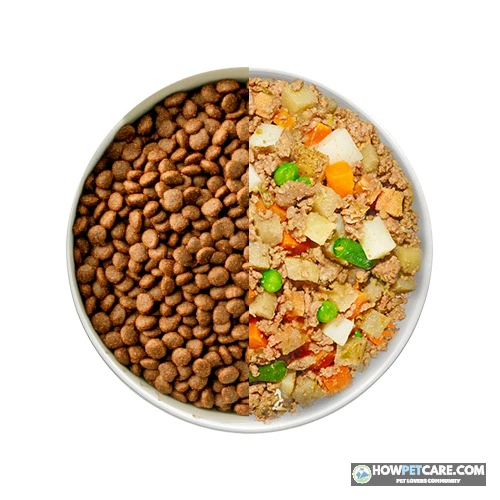
Kibble is generally easy to measure and store, and a freeze-dried option offers similar convenience. Wet food adds moisture and may appeal to some dogs, but opened food needs refrigeration. Feeding wet food as the entire diet can also cost more. You can combine wet food and kibble if both suit your dog, as long as you count calories from each. Grain-free food isn’t automatically healthier; don’t switch without a specific reason discussed with your veterinarian.
Puppy food vs. adult food: match the life stage
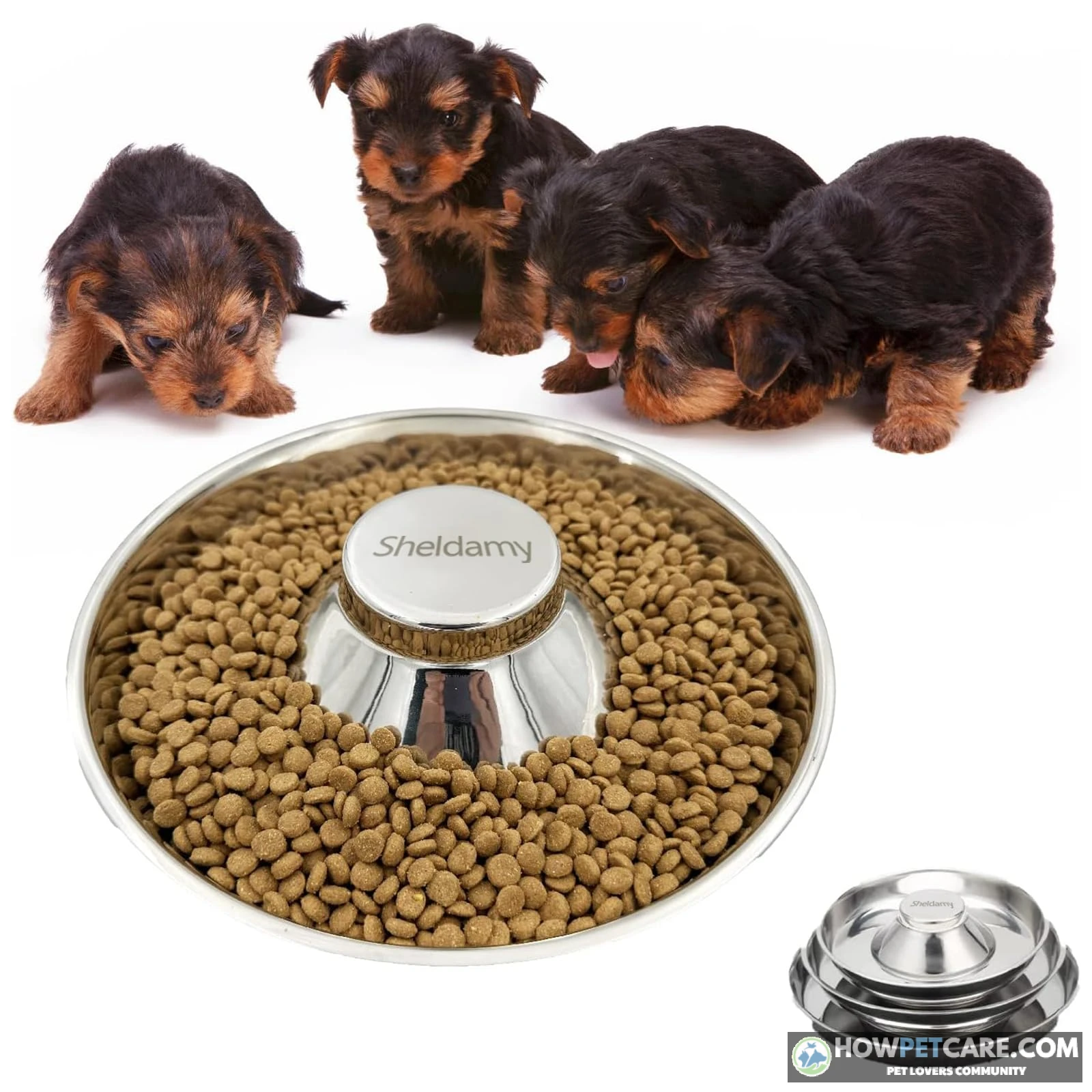
Puppy food is formulated for growth, so don’t assume adult food is an adequate substitute. Large-breed puppies have specific growth needs; ask your veterinarian which food label and feeding plan are right for your puppy. Use package directions as a starting point, not a precise prescription, and schedule regular weight and growth checks.
Calculate daily calories, portions, and meal frequency
A food label’s feeding chart gives you a useful first estimate, but dogs of the same weight can need different amounts. Activity, age, reproductive status, body condition, and calorie density all play a part. The formulas below help you make a reasonable starting estimate; they don’t replace an individualized veterinary target.
A worked RER and MER calculation
Resting energy requirement (RER) estimates energy needs at rest. Use kilograms:
RER = 70 × (body weight in kg ^ 0.75)
Maintenance energy requirement (MER) estimates daily needs after applying a factor for life stage and circumstances. Factors vary from dog to dog, so use them as starting estimates, not fixed rules.
For a 20 lb neutered adult dog with normal activity:
- Convert weight: 20 lb ÷ 2.2 = 9.1 kg.
- Calculate RER: 70 × (9.1 ^ 0.75) = about 365 kcal per day.
- Use an illustrative neutered-adult factor of 1.6: 365 × 1.6 = about 585 kcal per day.
- If the food contains 380 kcal per cup: 585 ÷ 380 = about 1.5 cups per day, split into two meals of roughly ¾ cup each.
- Subtract calories from treats and other extras from the food allowance. If treats provide 50 kcal, the food portion should provide about 535 kcal.
A puppy under four months may need a factor around 3.0, while a puppy over four months may start around 2.0; an intact adult may start around 1.8. These are broad estimates, not individual prescriptions. Ask a veterinarian to set targets for weight loss, illness, pregnancy, or unusual growth needs.
Starting portion chart by weight and life stage
This table uses the RER/MER method, a factor of 1.6 for a neutered adult and 2.0 for a puppy over four months, and dry food at approximately 380 kcal per level 8-ounce measuring cup. Treat the figures as starting estimates. The actual portion depends on the food’s calorie density and your dog’s needs.
| Dog weight | Puppy over 4 months: daily calories / approximate kibble | Neutered adult: daily calories / approximate kibble | Senior or lower-activity note | Calculation basis |
|---|---|---|---|---|
| 5 lb (2.3 kg) | ~260 kcal / ~⅔ cup | ~210 kcal / ~½ cup | Ask your veterinarian before reducing calories for a senior dog. | RER ~130 kcal |
| 10 lb (4.5 kg) | ~440 kcal / ~1⅙ cups | ~350 kcal / ~1 cup | Count treats; small extras can be a notable share of daily calories. | RER ~220 kcal |
| 20 lb (9.1 kg) | ~730 kcal / ~1⅞ cups | ~585 kcal / ~1½ cups | A lower-activity factor may reduce the estimate; monitor body condition. | RER ~365 kcal |
| 40 lb (18.1 kg) | ~1,230 kcal / ~3¼ cups | ~985 kcal / ~2½ cups | Recheck weight and body condition regularly. | RER ~615 kcal |
| 60 lb (27.2 kg) | ~1,670 kcal / ~4⅓ cups | ~1,335 kcal / ~3½ cups | Individual needs vary; seek a target if weight changes unexpectedly. | RER ~835 kcal |
| 80 lb (36.3 kg) | ~2,070 kcal / ~5½ cups | ~1,655 kcal / ~4⅓ cups | Large and giant dogs may not follow simple per-pound estimates. | RER ~1,035 kcal |
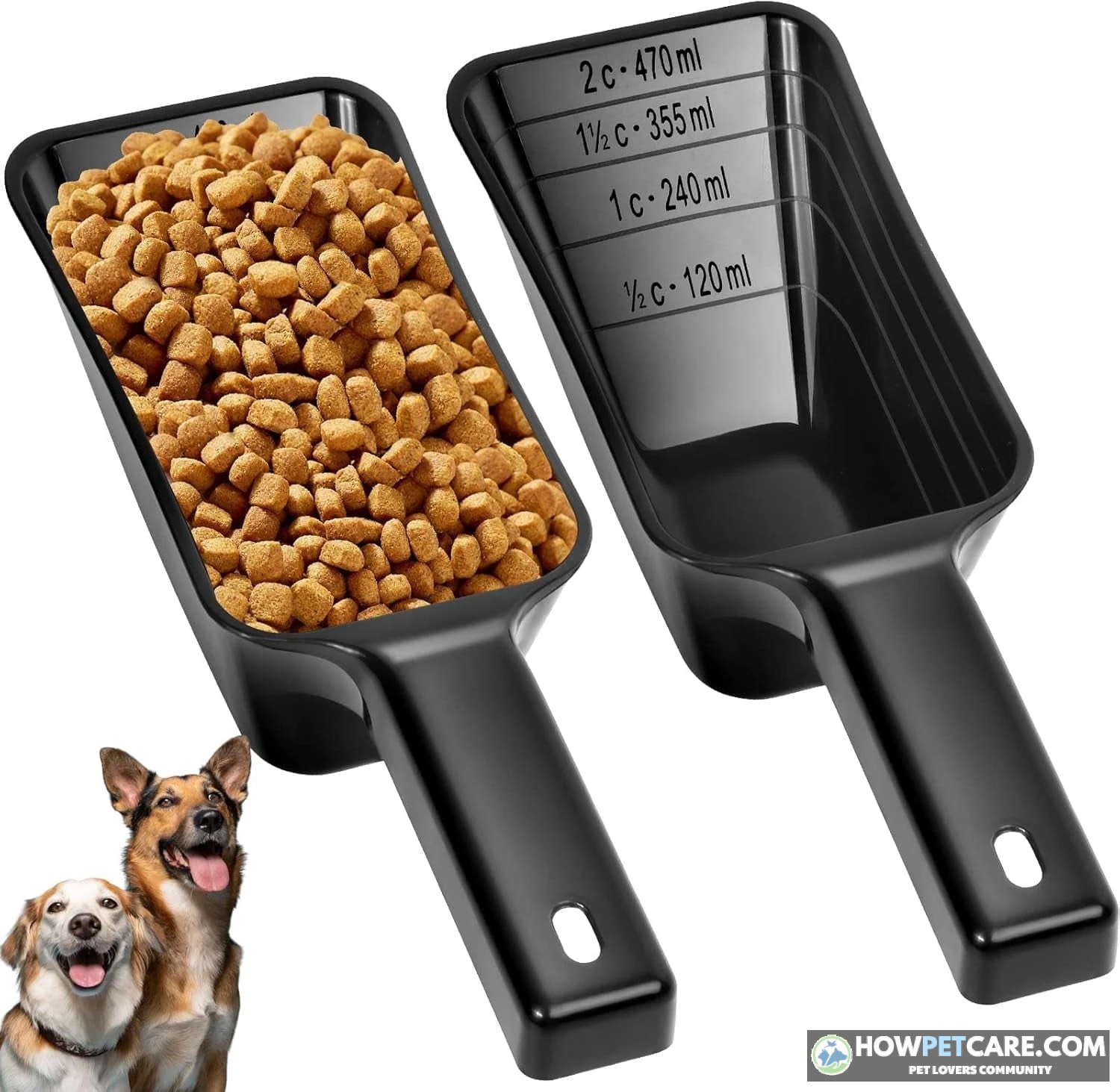
To use the chart with your dog’s food, divide the daily calorie estimate by the package’s kcal per cup. To calculate grams, divide the calorie target by kcal per gram; if the label gives kcal per 100 g, divide that figure by 100 first. Weighing food in grams can be more consistent than using cups. If you measure by cup, use a level measuring cup, not an unmarked scoop.
How often should you feed a dog or puppy?
Wondering how many times dogs should eat each day? Most adult dogs do well with two scheduled meals a day. Follow veterinary advice if your dog has a medical condition or needs a different routine. Puppies generally need more frequent meals, with the schedule changing as they grow. Ask your veterinarian for a plan suited to your puppy’s age and size. Scheduled meals make appetite changes easier to spot and help with portion control. Keep treats within about 10% of daily calories unless your veterinarian advises otherwise, and include them in the daily total.
 You might be wonderingHigh calorie dog foodHigh Calorie Dog Food: Safe Picks, Costs & Feeding PlanRead the answer
Budget for kibble, home-cooked, or raw feeding before choosing
Diet costs vary with calorie needs, local prices, food format, and any required formulation or supplements. The figures below are illustrative U.S. retail estimates, not quotes. They’re based on a 20 lb (9.1 kg) neutered adult eating about 585 kcal a day, or roughly 17,550 kcal over 30 days. Check current local prices before you commit.
Monthly cost comparison and assumptions
| Diet type | Monthly food cost | Included extras or preparation costs | Key safety and completeness considerations | Price date and assumptions |
|---|---|---|---|---|
| Complete dry kibble | ~$20–35 | Airtight storage; no formulation fee assumed. | Convenient beginner option when the AAFCO statement matches the dog’s life stage. | 2026 estimate; about 10–11 lb monthly at roughly $2–3 per lb. |
| Complete wet food | ~$120–190 | Refrigerate opened cans; some waste may occur. | Can be complete and balanced, but often costs more as a sole diet. | 2026 estimate; about 45–55 standard 13 oz cans monthly at $2.50–3.50 each. |
| Home-cooked, professionally formulated | ~$70–120 for ingredients | Add roughly $15–30 monthly for the prescribed supplement mix, several hours of preparation weekly, freezer space, and a one-time formulation consult estimated at $200–300. | Must follow a recipe formulated for the individual dog by a board-certified veterinary nutritionist. Guessing ingredients or supplements can create serious imbalances. | 2026 estimate for groceries supplying about 17,550 kcal monthly; local costs vary. |
| Commercial raw, complete formula | ~$90–160 | Freezer space and careful food handling. | Raw foods can expose dogs and people to pathogens such as Salmonella and Listeria; extra caution is warranted in households with young children, older adults, or immunocompromised people. | 2026 estimate; about 0.5 lb daily at roughly $6–10 per lb. |
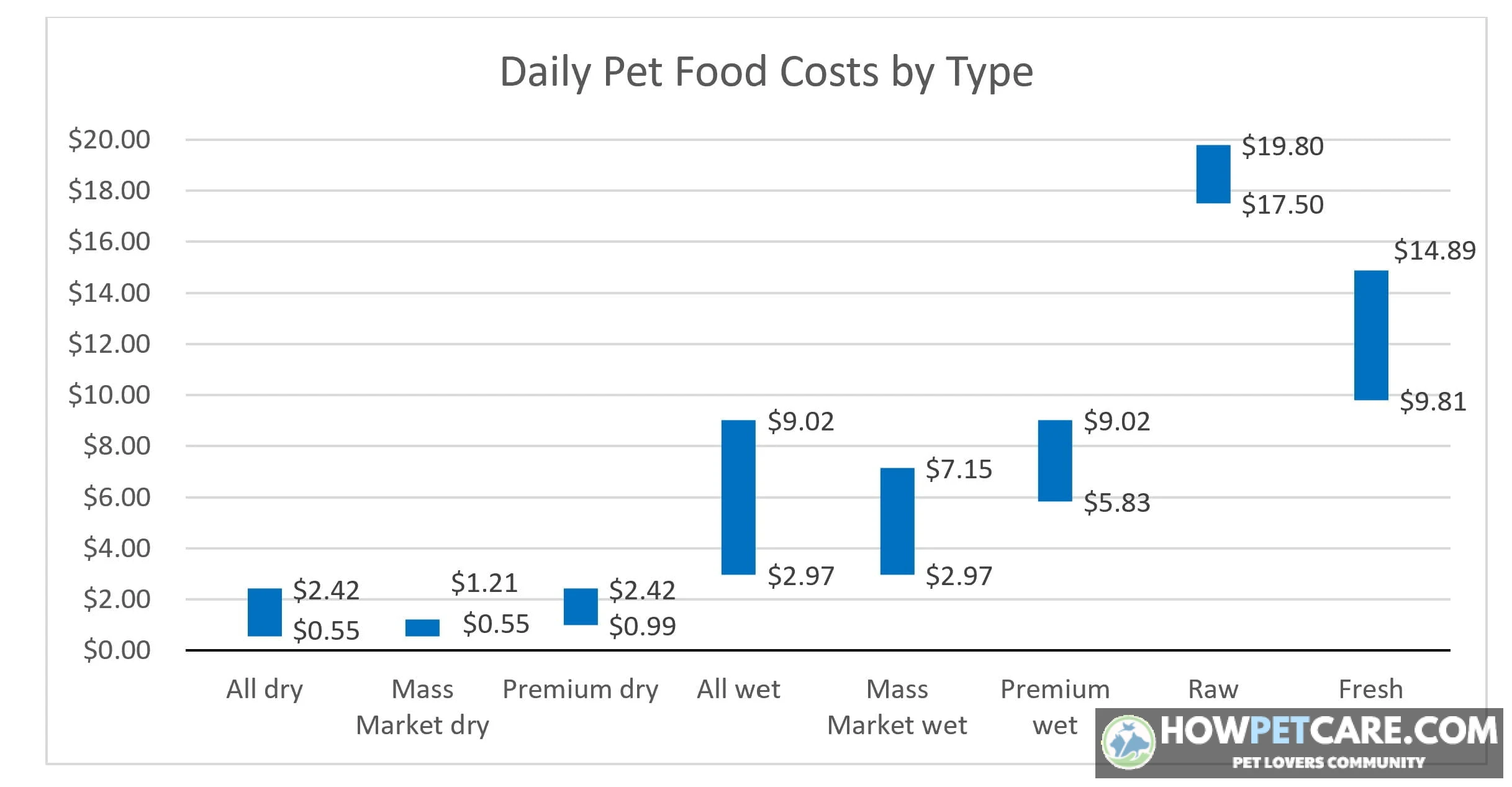
These are broad planning ranges, not a promise of what any particular dog will cost to feed. Actual spending also depends on calorie density and food waste, not just the package price. Home-cooked food isn’t automatically balanced because it contains meat and vegetables. Puppies have especially little margin for nutritional imbalance, and homemade diets need a properly formulated recipe and supplements. Raw feeding carries food-safety risks, too. For a beginner who wants a practical routine, a complete commercial food suited to the dog’s life stage and budget is often the simplest option. No single format works best for every dog.
Are homemade or raw diets a safe beginner choice?
These diets can be planned, but they aren’t good do-it-yourself nutrition projects. Don’t rely on generic ingredient ratios or guess at amounts of calcium, vitamins, or other supplements. A veterinary nutritionist can formulate a diet for a particular dog and explain how to prepare and store it. Talk with your veterinarian before considering either approach, especially for a puppy, pregnant dog, or dog with a health condition.
Switch foods with a day-by-day transition plan
A gradual change makes it easier to see whether a new diet agrees with your dog. Keep total daily calories steady, measure both foods, and hold off on new treats or supplements during the transition.
Printable seven-day food transition checklist
| Days | Old food share | New food share | What to monitor | Action if symptoms appear |
|---|---|---|---|---|
| 1–2 | 75% | 25% | Stool, appetite, and energy. | For mild soft stool, hold this ratio for a few extra days. |
| 3–4 | 50% | 50% | Stool, gas, appetite, and any new itching. | Stay at the last tolerated ratio rather than advancing. |
| 5–6 | 25% | 75% | Stool consistency and appetite. | If loose stool continues, return to 50/50 and contact your veterinarian if it persists or worsens. |
| 7 onward | 0% | 100% | Stable appetite and stool. | If symptoms recur, stop advancing and ask your veterinarian what to do next. |
For a sensitive dog, ask your veterinarian whether to spread the change over two to three weeks, with smaller increases. This schedule won’t suit every dog; your veterinarian may recommend a different plan for medical reasons.
What to do about diarrhea, vomiting, or food refusal
If your dog has one mild episode of soft stool but otherwise seems well, pause at the current ratio or go back to the last tolerated ratio. Keep a close eye on your dog and call a veterinarian if symptoms last more than a day or two, worsen, or return. Don’t give human anti-diarrhea or anti-nausea medicine unless a veterinarian tells you to.
Repeated vomiting, blood in vomit or stool, black or tarry stool, marked lethargy, belly pain or bloating, dehydration, or an inability to keep water down calls for prompt veterinary advice. Use an emergency clinic if symptoms are severe. Puppies, senior dogs, and medically fragile dogs can become unwell more quickly, so contact a veterinarian early if one refuses food or water.
If a healthy adult turns down a meal, check that the food is fresh and the bowl and feeding space are calm. Make sure treats haven’t displaced the meal, either. Offer the next scheduled meal instead of repeatedly adding toppers or changing foods; those changes can make it harder to assess the diet. If food refusal continues or comes with vomiting, diarrhea, pain, weakness, or other changes, call your veterinarian. Don’t wait to see whether a puppy or medically vulnerable dog eventually eats.
Spot toxic foods, food reactions, and feeding mistakes
Keep human food and trash out of your dog’s reach. If your dog may have eaten something toxic, contact a veterinarian or animal poison service promptly. Don’t wait for symptoms or try to induce vomiting without veterinary direction.
Food allergy vs. food intolerance: signs and next steps
A food allergy is an immune reaction. A food intolerance is an adverse reaction that doesn’t involve the same immune process. The signs can overlap, so symptoms alone can’t confirm either one.
| Clue | More consistent with food allergy | More consistent with food intolerance |
|---|---|---|
| Skin and ears | Itching, recurring ear problems, red skin, or paw chewing may occur. | Often absent or less prominent. |
| Digestion | Vomiting or loose stool can occur, sometimes alongside skin signs. | Digestive upset, such as gas or loose stool, may be the main issue. |
| Timing | Can begin after a dog has eaten the same food for a long time. | May follow a particular food or a sudden change; patterns vary. |
| Next step | Book a veterinary visit. A veterinarian may recommend a strict elimination diet followed by a controlled challenge. | Discuss the suspected food with your veterinarian and use a consistent, complete diet while monitoring. |
| Avoid | Do not rely on unverified allergy tests or keep randomly changing proteins. | Do not remove multiple food groups or assume grain is the cause without advice. |
A veterinarian may recommend a strict elimination diet—often using a hydrolyzed protein diet—for 8–12 weeks, followed by a controlled challenge to assess a suspected allergy. During the trial, other foods, treats, and flavored chews can affect the result, so follow the veterinary plan exactly. Seek veterinary care instead of experimenting if symptoms include repeated vomiting, blood, weight loss, or signs that your dog is seriously unwell.
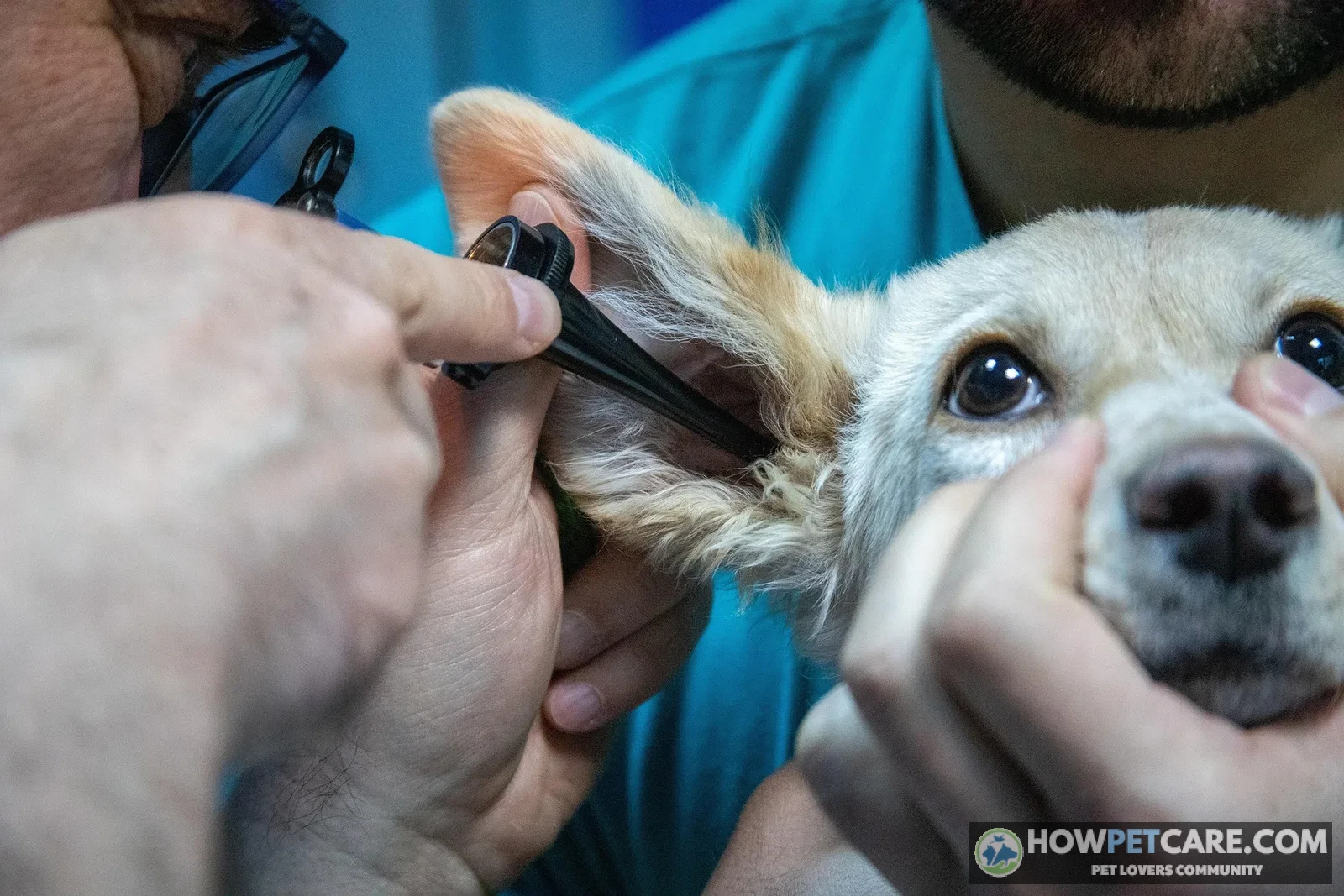
Toxic foods and when to call a veterinarian
Important hazards include chocolate, xylitol (found in some sugar-free products), grapes and raisins, onions, garlic, alcohol, caffeine, and macadamia nuts. Cooked bones can splinter and cause injury or obstruction. The risk depends on what your dog ate, how much, and the dog’s size; don’t try to work out at home whether the amount is safe. Call your veterinarian or an animal poison service immediately, with the product packaging and your best estimate of how much was eaten and when.
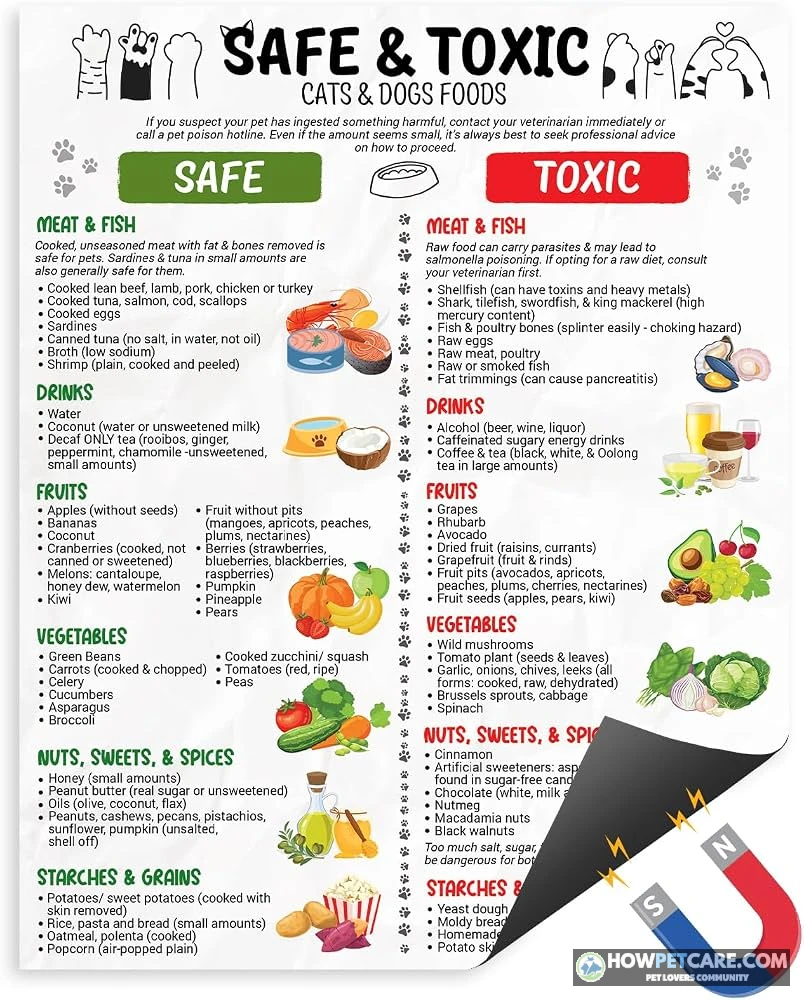
Common beginner mistakes include free-pouring kibble, giving too many treats, switching foods abruptly, assuming grain-free food is necessary, and adding supplements without veterinary advice. Measure meals consistently, keep the food label, and count every extra toward the daily calories.
Use a first-week checklist and keep food choices current
A simple routine makes feeding easier and helps you spot problems early.
Beginner feeding checklist
- Confirm that the food’s complete-and-balanced statement matches your dog’s life stage.
- Record the food’s calories per cup or gram and calculate a starting daily amount.
- Divide the daily portion into scheduled meals that fit your dog’s age and veterinary plan.
- Measure each meal and track treats, chews, and toppers.
- Change foods gradually and pause other diet changes until the transition is complete.
- Monitor appetite, stool, weight, and body condition; ask your veterinarian to help assess body condition score and set a target.
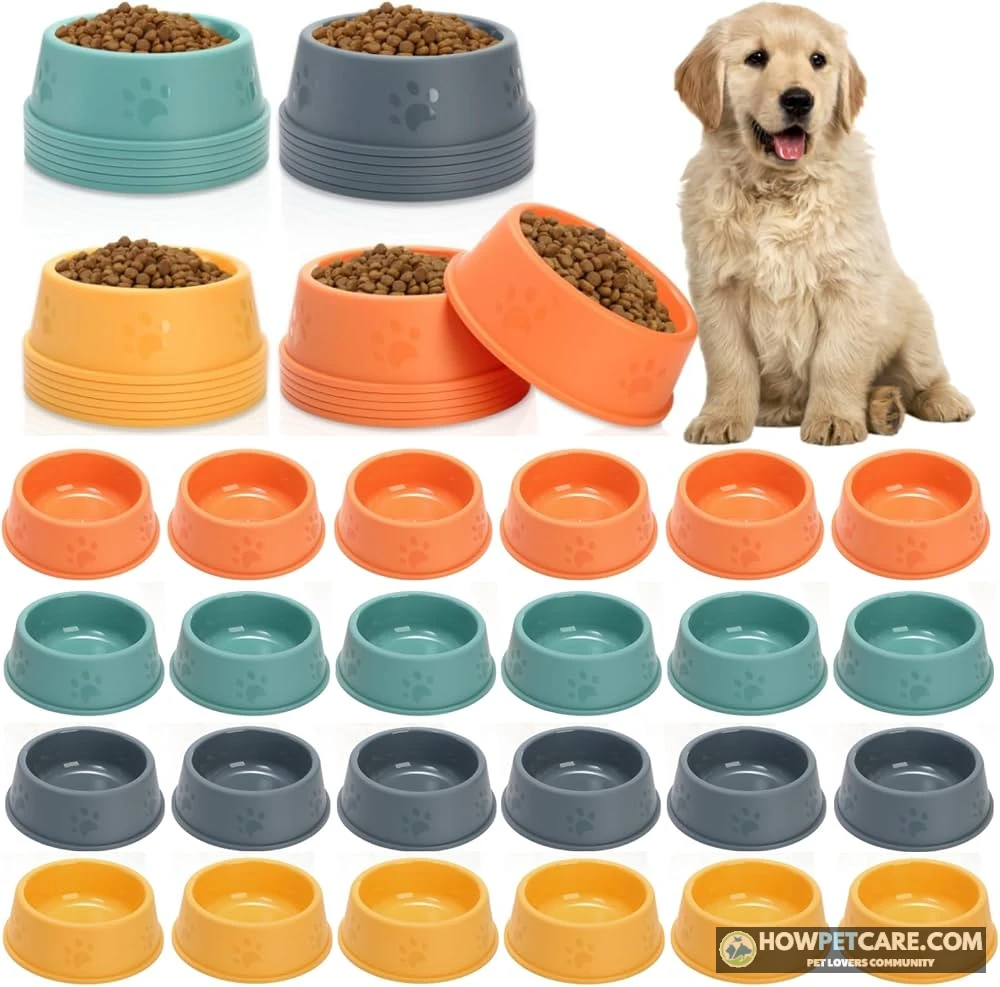
Recheck weight and body condition regularly, particularly while a puppy is growing or after activity levels change. If your dog’s weight changes unexpectedly, don’t make a major diet change based only on a chart; discuss the amount with your veterinarian. Bring the food label, feeding log, and symptom timeline to appointments for persistent digestive signs, suspected food reactions, poor growth, or a medical condition.
How to check recalls and current AAFCO guidance
Before buying, and whenever a safety concern comes up, check the U.S. Food and Drug Administration’s pet food recall notices and the manufacturer’s own notices. Compare the product name and lot details carefully; a notice may cover only certain products or batches. For current nutrient profiles, adequacy statements, and explanations of AAFCO’s role, consult official AAFCO resources rather than an undated or old article. An AAFCO statement is a useful adequacy check, not a guarantee that a food will suit every dog.
Start by choosing a complete food suited to your dog’s life stage, recording its calorie density, measuring a reasonable starting portion, and keeping a short feeding log. If your dog’s weight, appetite, digestion, or health raises concern, bring the record and food label to your veterinarian.
 You might be wonderingGrain free dog foodGrain-Free Dog Food: DCM Risks, Benefits, and Vetted BrandsRead the answer
FAQ
Can I mix wet food and kibble?
Yes, if both foods are suitable for your dog’s life stage and you account for the calories from each so the combined portion does not exceed the daily target. Introduce the combination gradually if your dog has a sensitive stomach.
Should I leave food out all day for my dog?
Scheduled meals with measured portions make it easier to track appetite and prevent overfeeding. Ask your veterinarian before changing feeding routines for a puppy or a dog with a medical condition.
Are grain-free diets better for dogs?
Not by default; most dogs do not need a grain-free diet unless a veterinarian identifies a specific reason. Discuss diet changes with your veterinarian, particularly if considering a diet that replaces grains with large amounts of pulses.
How many treats can I give my dog?
Keep treats and other extras to no more than about 10% of daily calories unless your veterinarian advises otherwise, and reduce meal portions accordingly. Choose treat sizes that make calorie tracking practical.