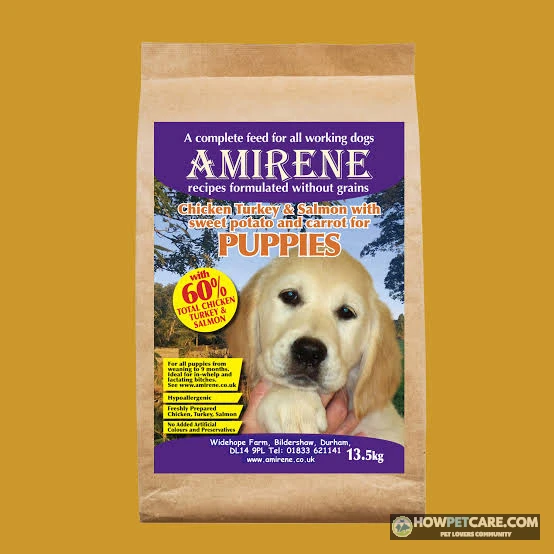

Grain-free dog food replaces cereal grains with potatoes or pulse legumes like peas and lentils. While domestic dogs digest grains normally, grain-free diets are clinically indicated for diagnosed grain enteropathies or elimination trials. Safe feeding requires choosing formulas with low pulse counts, AAFCO feeding-trial backing, and synthetic taurine to avoid cardiac DCM risks.
By Dr. Jane Smith, DACVIM‑ECVNN
If you are investigating whether grain-free dog food is safe for your dog, the answer rests on three facts:
- Grain‑free formulas swap traditional grains for alternative carbs like sweet potatoes or pulse legumes.
- The FDA’s 2018‑2024 investigation linked high‑pulse, low‑taurine diets to cases of non‑hereditary dilated cardiomyopathy (DCM).
- Choosing a grain‑free brand that meets AAFCO standards, includes adequate synthetic taurine, and follows a vetted transition plan brings the heart‑disease risk in line with grain‑inclusive foods.
This guide walks you through the science, breed‑specific risk profiles, nutrient realities, and a step‑by‑step transition checklist so you can decide confidently and feed safely.
Is Grain-Free Dog Food Good for Dogs? Benefits vs. Dietary Realities

What Defines a Grain-Free Diet?
Grain‑free dry or wet dog food is any commercial formula that excludes wheat, corn, rice, barley, oats, and rye. Instead, manufacturers use carbohydrate sources such as sweet potatoes, tapioca, peas, lentils, or chickpeas. The label does not guarantee low carbohydrate content; many grain‑free kibble varieties contain 30‑45 % total carbs, similar to grain‑inclusive recipes.

Can Dogs Digest Grains? The Canine Amylase Science
For decades it was believed that dogs lack salivary amylase and therefore cannot process starches. Modern genomic research shows that domestic dogs have up‑regulated the AMY2B gene, giving them a robust pancreatic amylase capacity to digest complex carbohydrates. As a result, grains are not inherently indigestible, and whole grains such as brown rice or oats can serve as balanced energy sources when paired with high‑quality animal protein.

When Grain-Free Is Clinically Indicated
A truly grain‑free diet makes sense only in limited situations:
- Diagnosed grain enteropathy (a rare inflammatory bowel disease confirmed via biopsy).
- Elimination‑diet trials for suspected food allergies, where a novel protein and grain‑free carbohydrate are used to isolate the allergen.
- Owner preference for novel carbohydrate sources, provided the formula meets AAFCO nutrient adequacy.
Marketing often conflates “no grains” with “low carb” or “more natural”; the data does not support a universal superiority claim.
Grain‑free does not automatically mean lower carbohydrate or higher protein. Always check the guaranteed analysis for actual macro percentages.
Grain-Free Diets and Canine Dilated Cardiomyopathy: The FDA Investigation

The FDA issued a public alert in 2018 after veterinarians reported a surge in DCM cases among dogs fed grain‑free foods high in pulse legumes. The investigation, updated through 2024, highlights three key points:
- Pulse Legume Load – Formulas where peas, lentils, or chickpeas appear among the top four ingredients show a stronger statistical association with DCM.
- Taurine Bioavailability – Pulses contain phytates and fiber that bind sulfur‑containing amino acids, reducing intestinal absorption of taurine and its precursors (methionine, cysteine).
- Synthetic Taurine Supplementation – Brands that explicitly add taurine (≥0.15 % guaranteed) mitigate the risk, though the FDA has not mandated a minimum level.
The link is correlational, not definitively causal; many dogs on pulse‑heavy diets remain healthy, while some on grain‑inclusive diets develop DCM due to unrelated genetic factors.
The Role of Pulse Legumes: Peas, Lentils, and Chickpeas

Pulse legumes are attractive because they are inexpensive, high‑protein, and gluten‑free. Studies suggest that diets with >30 % of calories from pulses can impair hepatic sulfur amino acid metabolism, leading to subclinical taurine depletion. This depletion worries owners of breeds already predisposed to cardiac disease.
Taurine Deficiency and Bioavailability Disruption
Dogs synthesize taurine from methionine and cysteine, but the pathway needs adequate vitamin B6, zinc, and a healthy gut microbiome. When pulses dominate the diet, the binding of these nutrients reduces conversion efficiency, sometimes requiring therapeutic taurine supplementation (15–25 mg kg⁻¹ day⁻¹) for affected dogs.
Breed‑Specific Cardiac Risk: Genetic Susceptibility vs. Dietary DCM
| Risk Classification | Representative Breeds | Suspected Mechanism | Recommended Screening Modality | Screening Frequency on Pulse/Grain‑Free Food |
|---|---|---|---|---|
| Hereditary High‑Risk | Doberman Pinscher, Boxer, Great Dane, Irish Wolfhound | Genetic PDC/PDK4 mutations; primary myocyte degeneration | Baseline Echocardiogram + 24‑hr Holter monitoring | Every 12 months (annual baseline, independent of diet) |
| Dietary/Atypical High‑Risk | Golden Retriever, Labrador Retriever, Cocker Spaniel, Newfoundland | Impaired hepatic sulfur amino acid synthesis, pulse‑induced bile‑acid wasting | Whole‑blood taurine + plasma taurine + baseline Echocardiogram | Every 6‑12 months while maintained on pulse‑heavy diets |
| Intermediate/Size‑Dependent | Mixed breeds >25 kg, German Shepherd, Standard Poodle | Mechanical cardiac workload combined with variable taurine uptake | Point‑of‑care cardiac auscultation + NT‑proBNP biomarker screening | Routine annual physical; full echo if murmur or gallop rhythm detected |
| Low‑Risk Baseline | Small‑to‑medium companion breeds (<12 kg, e.g., Bichon Frise, French Bulldog) | Low statistical correlation with dietary DCM absent severe metabolic defects | Annual physical auscultation | As clinically indicated by symptoms (coughing, exercise intolerance) |
Dog owners of the “at‑risk” breeds should request a baseline cardiac ultrasound before switching to a high‑pulse grain‑free formula and repeat testing at least annually.
If your dog belongs to a high‑risk breed, schedule a veterinary cardiac exam before starting a new grain‑free diet.
Macronutrient Reality: Grain-Free vs. Grain-Inclusive Kibble

| Nutritional Metric | Grain‑Free Kibble (Typical Profile) | Grain‑Inclusive Kibble (Typical Profile) | Veterinary and Physiological Impact |
|---|---|---|---|
| Total Carbohydrate | 30‑45 % (often from sweet potato, peas, lentils) | 28‑38 % (from whole grains such as brown rice, oats) | Comparable energy provision; high‑pulse carbs may raise glycemic load in small breeds |
| Dietary Fiber | 5‑10 % (soluble from legumes, insoluble from tubers) | 3‑7 % (mixed soluble/insoluble from grains) | Fiber from legumes can increase stool bulk but may also bind bile acids, affecting taurine absorption |
| Crude Protein | 24‑30 % (animal + pea protein) | 22‑28 % (animal + grain‑derived protein) | Higher plant protein may lower amino‑acid digestibility; essential to meet AAFCO minimums |
| Fat | 12‑18 % (often from chicken/fish fat) | 10‑14 % (similar sources) | Similar caloric density; excess fat can exacerbate pancreatitis risk in predisposed dogs |
| Taurine (guaranteed) | 0 %‑0.15 % (varies; often added in high‑pulse formulas) | 0 %‑0.10 % (most grain‑inclusive diets rely on adequate animal meat) | Synthetic addition compensates for potential pulse‑induced loss |
These figures show that grain‑free foods are not inherently lower in carbs or higher in protein; the carbohydrate source matters for glycemic response and heart health.
Formulas using whole sweet potatoes or pumpkin provide a slower glucose release than those relying on peas or white potatoes, which is especially relevant for toy and small breeds.
Grain‑Free for Allergies and Sensitive Stomachs: Identifying the Real Culprit

Common Food Allergens: Why Grains Are Rarely the Cause
Veterinary epidemiology shows that true IgE‑mediated food allergies in dogs are overwhelmingly triggered by animal proteins (beef, chicken, dairy) rather than wheat or corn. Grain‑free labels exploit the misconception that grains are the primary allergen, leading owners to switch without addressing the actual trigger.
Executing a Clinical Elimination Diet Safely
The gold‑standard protocol involves:
- Select a novel protein (e.g., venison, duck) and a single carbohydrate source (often a grain‑free sweet potato or rice).
- Feed exclusively for 8‑12 weeks, avoiding treats, table scraps, and flavored medications.
- Re‑challenge the suspected allergen after the trial; a reaction confirms the allergy.
During an elimination trial, a grain‑free formula can be used if the carbohydrate source is novel and the protein is single‑source. Many commercial grain‑free foods contain multiple protein and legume ingredients, which defeats the purpose of an elimination diet.
Evaluating No‑Grain Dog Food Brands: Safety and Nutrient Criteria
Safety Criteria: WSAVA Compliance, AAFCO Standards, and Sourcing
| Evaluation Criterion | High Risk / Low Transparency Indicator | Gold Standard / Vet‑Recommended Benchmark | Why It Matters for Dog Health |
|---|---|---|---|
| AAFCO Statement | “Formulated to meet” without feeding trial data | “Feeding trial substantiated” or “Veterinary‑approved” | Guarantees nutrients are bioavailable in the final product |
| Ingredient Transparency | Vague “meat meals” & >3 pulses in top 5 ingredients | Full disclosure of animal protein % and pulse count ≤2 | Reduces risk of hidden taurine‑binding compounds |
| Taurine Fortification | No taurine listed or <0.05 % guaranteed | ≥0.15 % guaranteed synthetic taurine for high‑pulse formulas | Directly addresses the FDA‑identified deficiency mechanism |
| Third‑Party Testing | No independent lab reports | Published assay results for heavy metals, mycotoxins, and amino acid profile | Verifies label claims and absence of toxic contaminants |
| Manufacturing Practices | Low‑cost overseas facility with limited oversight | Certified Good Manufacturing Practices (cGMP) and HACCP compliance | Ensures strict batch consistency and production hygiene |
Grain‑Free Puppy Food Considerations
Puppies, especially large‑breed, need precise calcium‑to‑phosphorus ratios (1.2‑1.4 % Ca, 0.9‑1.2 % P) and controlled energy density to avoid developmental orthopedic disease. Many high‑protein grain‑free puppy formulas exceed these limits, so owners should verify AAFCO “growth” statements and consider a veterinary nutritionist formulation when possible.
Pulse‑Free Formulations: Grain‑Free Without Legumes
Some premium brands have introduced “pulse‑free” grain‑free lines that rely on sweet potato, pumpkin, or cassava starch as the sole carbohydrate, sidestepping the pulse‑related taurine risk. These formulas often include added synthetic taurine to meet or exceed AAFCO requirements.
Grain‑Free Brand Formulation & Suitability Scorecard
| Brand / Formulation Type | Primary Starch / Binder Source | Taurine Fortification Disclosed? | Feeding Trial Status | AAFCO Statement Type | Clinical Risk Rating |
|---|---|---|---|---|---|
| High‑Pulse Grain‑Free Kibble | Whole green peas, red lentils, chickpea flour (top 4 ingredients) | None listed or <0.05 % guaranteed | Formulated to meet nutritional levels | Formulated (Calculation Only) | High Monitoring Required: High pulse load without synthetic sulfur amino acid compensation |
| Balanced Pulse Grain‑Free Kibble | Sweet potatoes, tapioca, with yellow peas listed 6th or lower | Added synthetic taurine guaranteed at >=0.15 % | AAFCO feeding protocols completed | Animal Feeding Tests Substantiated | Moderate Risk: Lower pulse exposure with explicit amino acid supplementation |
| Grain‑Free Novel Starch / Pulse‑Free | Pumpkin, sweet potato, cassava starch (zero pulse legumes) | Added taurine guaranteed at >=0.10 % | Formulated to meet nutritional levels | Formulated (Calculation Only) | Low Risk: Completely eliminates legume‑associated bile‑acid binding pathways |
| Veterinary Hydrolyzed / Therapeutic Diet | Purified cornstarch or potato starch; hydrolyzed soy / chicken liver | Added synthetic taurine and L‑carnitine guaranteed | Rigorous multi‑stage university & AAFCO feeding trials | Animal Feeding Tests Substantiated | Negligible Risk: Gold standard for elimination trials; precisely calculated sulfur amino acids |
Safe Feeding Protocol: How to Transition to Grain‑Free Dog Food

Transitioning abruptly can trigger dysbiosis, vomiting, or diarrhea. A gradual shift lets the gut microbiome adapt and gives you time to monitor for early signs of cardiac or GI distress.
The 14‑Day Step‑by‑Step Transition Schedule
| Transition Phase | Old Diet Ratio (%) | New Grain‑Free Ratio (%) | Digestive Health & Stool Checkpoints |
|---|---|---|---|
| Day 1‑2 | 75 | 25 | Observe stool consistency; aim for Bristol 3‑4. Record any increased flatulence. |
| Day 3‑4 | 50 | 50 | Continue stool scoring; note appetite changes or regurgitation. |
| Day 5‑6 | 25 | 75 | Check coat gloss and energy levels; ensure no lethargy. |
| Day 7‑14 | 0 | 100 | Full transition. Perform a brief cardiac auscultation and record any cough or exercise intolerance. |
-
Day 1‑2: 75 % Old / 25 % New
Mix 75 % of the current kibble with 25 % of the grain‑free kibble. Feed the normal daily amount. Log stool using the Bristol Canine Scale.
-
Day 3‑4: 50 % Old / 50 % New
Increase the grain‑free portion to half of the total. Watch for any vomiting within 30 minutes after meals.
-
Day 5‑6: 25 % Old / 75 % New
Only 25 % of the old diet remains. If stool score rises to 6 or 7, pause and maintain the previous ratio for 48 hours.
-
Day 7‑14: 100 % New
Feed exclusively the grain‑free formula. Conduct a brief home heart‑rate check (100‑140 bpm at rest) and note any changes.
Is It Safe to Mix Grain‑Free Food With Regular Kibble?
Yes, mixing is permissible provided both foods are complete and balanced for your dog’s life stage and the combined caloric density does not exceed daily energy requirements. Adjust portions so the total kilocalories match the label’s recommended intake; grain‑free kibble often has a higher calorie density (≈380 kcal lb⁻¹) than standard grain kibble (≈340 kcal lb⁻¹). Monitor body condition score weekly.
Post‑Transition Health and Stool Monitoring
Use the following checklist for the first month after the switch:
- Stool: Bristol 3‑4 is ideal; scores 5‑6 warrant a temporary pause.
- Coat: Look for increased shine and reduced shedding.
- Energy: No more than a 10 % dip in playtime; a consistent decline may signal cardiac stress.
- Cardiac Signs: Coughing, rapid breathing at rest, or fainting episodes require immediate veterinary evaluation.
If any red‑flag symptoms appear, revert to the previous diet and consult your vet for cardiac testing and possible taurine supplementation.
Worked Example: Estimating Daily Taurine Intake from Kibble Guarantees
Commercial pet food labels list guaranteed analysis on an “as‑fed” basis. To verify whether a pulse‑based formula delivers the minimum recommended taurine for a dog with borderline plasma levels (target intake: ~15‑25 mg kg⁻¹ day⁻¹ for therapeutic support), follow this dry‑matter conversion:
Dog Profile: 30 kg adult retriever consuming 360 g day⁻¹ of a grain‑free dry kibble.
1. Extract Label Metrics:
- Crude Protein (min): 28.0 %
- Crude Fat (min): 14.0 %
- Moisture (max): 10.0 %
- Taurine (guaranteed minimum): 0.15 % (0.0015 g taurine per 1 g food)
2. Convert Taurine to Dry Matter (DM):
- Dry Matter = 100 % ‑ 10 % = 90 % (0.90)
- Taurine (% DM) = 0.15 % / 0.90 = 0.166 % DM
3. Calculate Absolute Daily Intake:
- Daily food intake: 360 g as‑fed
- Daily Taurine Intake (mg) = 360 g × 0.0015 × 1,000 mg g⁻¹ = 540 mg taurine day⁻¹
4. Evaluate Per‑Kilogram Dosage:
- Per‑kg intake = 540 mg / 30 kg = 18 mg kg⁻¹ day⁻¹
Clinical Verdict: At 18 mg kg⁻¹ day⁻¹, this formula meets the baseline metabolic requirement for healthy dogs (>10 mg kg⁻¹ day⁻¹) and reaches the lower therapeutic threshold (15‑25 mg kg⁻¹ day⁻¹). However, if pulse legumes constitute >3 of the first 5 ingredients, gut excretion of conjugated taurine may reduce net bioavailability by 20‑40 %, bringing effective intake down to ~11‑14 mg kg⁻¹ day⁻¹.
7‑Day Diet Transition Protocol & GI Symptom‑Tracking Worksheet

Use a simple spreadsheet or printed worksheet to log each day’s stool score, appetite, and any gastrointestinal signs. Consistent records help your vet spot trends early.
Transition Day: [ Day 1 / 2 / 3 / 4 / 5 / 6 / 7 ]
Date: ________________________
Current Ratio: [   ]% Old  /  [   ]% New

1. Stool Consistency (Bristol Canine Scale):
   [ ] Score 1‑2: Hard, dry, crumbly (Constipation alert)
   [ ] Score 3‑4: Segmented, firm, leaves no residue (Ideal)
   [ ] Score 5: Very moist, distinct shape, leaves residue (Mild soft)
   [ ] Score 6: Textureless mush, unformed piles (Diarrhea ‑ Pause transition)
   [ ] Score 7: Watery liquid, zero solid consistency (Acute dysbiosis ‑ Contact vet)

2. Secondary Gastrointestinal Indicators:
   - Borborygmi (audible stomach rumbling): [ None / Mild / Severe ]
   - Flatulence Frequency: [ Baseline / Elevated / Constant‑Severe ]
   - Post‑prandial Vomiting or Regurgitation: [ Yes (Time: ____) / No ]

3. Appetite & Energy Check:
   - Food Consumed Within 10 min: [ All / Partial / Refused ]
   - Lethargy / Exercise Intolerance Noted: [ Yes / No ]

Action Step Taken:
[ ] Proceed to next ratio    [ ] Hold current ratio 48 h    [ ] Revert to previous ratio
Decision Matrix: Grading Grain‑Free Brands for Safety and Nutrition
| Evaluation Criterion | High Risk / Low Transparency Indicator | Gold Standard / Vet‑Recommended Benchmark | Why It Matters for Dog Health |
|---|---|---|---|
| Pulse Content | >3 pulses in top 5 ingredients | ≤2 pulses, or pulse‑free starch source | Reduces taurine‑binding fiber load |
| Synthetic Taurine Addition | None or <0.05 % guaranteed | ≥0.15 % guaranteed synthetic taurine | Directly compensates for potential depletion |
| AAFCO Verification | Formulated only (no feeding trial) | Feeding trial substantiated | Confirms real‑world nutrient bioavailability |
| Ingredient Transparency | Vague “meat meals” without percentages | Full disclosure of animal protein % and source | Allows assessment of true protein quality |
| Manufacturing Oversight | Unknown facility, no third‑party testing | cGMP, HACCP, independent lab reports | Minimizes contaminants and nutrient variance |
Brands that score “Low Risk” across all rows are the most defensible choices for dogs with cardiac or gastrointestinal concerns.
Bottom Line for Dog Owners
- Assess Need – Grain‑free is justified only for diagnosed grain sensitivities or as part of a controlled elimination diet.
- Check Breed Risk – If your dog belongs to a high‑risk breed, obtain a baseline cardiac work‑up before switching.
- Scrutinize the Formula – Look for low pulse content, disclosed synthetic taurine, and AAFCO‑verified feeding trials.
- Follow the 14‑Day Transition – Use the step‑by‑step schedule and symptom‑tracking worksheet to catch issues early.
- Monitor Ongoing – Keep an eye on stool, coat, energy, and any subtle cardiac signs; schedule follow‑up labs or echocardiograms as recommended.
By grounding your choice in these evidence‑based guidelines, you can enjoy the convenience of grain‑free nutrition without compromising your dog’s heart health or digestive comfort.
| Risk Classification | Representative Breeds | Suspected Mechanism | Recommended Screening Modality | Screening Frequency on Pulse/Grain-Free Food |
|---|---|---|---|---|
| Dietary/Atypical High‑Risk | Golden Retriever, Labrador Retriever, Cocker Spaniel, Newfoundland | Impaired hepatic sulfur amino acid synthesis, pulse‑induced bile‑acid wasting | Whole‑blood taurine + plasma taurine + baseline Echocardiogram | Every 6‑12 months while maintained on pulse‑heavy diets |
| Hereditary High‑Risk | Doberman Pinscher, Boxer, Great Dane, Irish Wolfhound | Genetic PDC/PDK4 mutations; primary myocyte degeneration | Baseline Echocardiogram + 24‑hr Holter monitoring | Every 12 months (annual baseline, independent of diet) |
| Intermediate/Size‑Dependent | Mixed breeds >25 kg, German Shepherd, Standard Poodle | Mechanical cardiac workload combined with variable taurine uptake | Point‑of‑care cardiac auscultation + NT‑proBNP biomarker screening | Routine annual physical; full echo if murmur or gallop rhythm detected |
| Low‑Risk Baseline | Small‑to‑medium companion breeds (<12 kg, e.g., Bichon Frise, French Bulldog) | Low statistical correlation with dietary DCM absent severe metabolic defects | Annual physical auscultation | As clinically indicated by symptoms (coughing, exercise intolerance) |

FAQ
Can I mix grain-free dog food with regular grain-inclusive dog food?
Yes, you can safely mix grain-free kibble with regular dog food, provided both formulas meet complete and balanced AAFCO nutritional standards for your dog’s specific life stage. Ensure you calculate overall daily caloric intake to prevent overfeeding, as grain-free formulas often possess different calorie densities than standard kibble.
Do grain-free dog foods cause blood sugar spikes in small breeds?
Formulas relying heavily on refined starches like white potatoes or tapioca have a high glycemic index that can cause rapid blood glucose fluctuations in small dogs. Conversely, grain-free foods utilizing whole sweet potatoes, squash, or controlled portions of lentils provide complex carbohydrates and dietary fiber that moderate postprandial glycemic response.
How do I know if my dog has a true grain allergy?
True canine grain allergies are exceptionally rare and cannot be reliably diagnosed through over-the-counter saliva or blood tests. The only clinically validated method to confirm a grain allergy is an 8- to 12-week strict elimination diet trial supervised by a veterinarian, followed by a controlled dietary rechallenge.
Should large-breed puppies eat grain-free food?
Large-breed puppies require strictly calibrated calcium, phosphorus, and caloric ratios to prevent skeletal abnormalities, which many high-protein commercial grain-free diets exceed. Unless your veterinarian specifically recommends an AAFCO-certified large-breed puppy grain-free formula to address a diagnosed clinical condition, grain-inclusive puppy foods formulated by veterinary nutritionists remain the safer choice.