
Limited ingredient dog food centers on one animal protein and a short ingredient list to reduce exposure to common triggers. Choose a formula by protein history, grain inclusion, life stage, and cost per day, then run a strict six-to-eight-week elimination trial with symptom tracking.
Limited ingredient dog food (LID) is built around a single animal protein and a comparatively short ingredient list. It is commonly used when a dog has suspected food allergies, itchy skin, loose stool, vomiting, or other signs that may be linked to diet. The goal is to reduce exposure to common triggers and make it easier to identify what, if anything, in the food is causing trouble.
A practical starting point is to choose one formula with one clearly named protein and one carbohydrate source, then run a six-to-eight-week elimination trial with strict treat rules and symptom tracking. Do not assume limited ingredient means grain-free; grain-inclusive LID formulas exist and may be appropriate when grains are not the suspected trigger.
What Limited Ingredient Dog Food Is and When to Use It

Limited ingredient dog food is a formulation style, not a cure. It usually centers on one animal protein, such as salmon, lamb, duck, or bison, and avoids many common triggers such as corn, wheat, soy, and by-product meals. Some recipes are designed with 10 ingredients or fewer plus vitamins, minerals, and nutrients, and may be offered in both grain-free and healthy-grains versions.
Vets often recommend LID as a first diagnostic step for suspected food allergies. It can reduce exposure to common allergens such as chicken, beef, dairy, wheat, and eggs, and may help identify sensitivities. Many formulas use a single protein and a single carbohydrate source, which makes label reading easier during a trial.
Use an LID formula when your dog has recurring symptoms that may be food-related, such as chronic itching, ear redness, paw licking, soft stool, or vomiting. It can also help when you need a simpler ingredient panel to compare formulas. It is less useful if symptoms are caused by fleas, environmental allergies, infection, or another medical issue.
When a vet may recommend an LID formula
A veterinarian may recommend LID when symptoms point toward a possible food trigger and the dog is otherwise stable. They may also suggest it as part of an elimination diet before moving to more specialized options. Seek veterinary guidance sooner if your dog has weight loss, blood in stool, severe vomiting, repeated ear infections, or signs of pain.
Limited ingredient food is a formulation style, not a diagnosis. Chronic symptoms still need veterinary evaluation, especially for puppies, senior dogs, or dogs with multiple symptoms.
Limited Ingredient vs. Grain-Free: What the Difference Means

Grain-free means grains are absent. Limited ingredient means the formula uses a shorter list and usually one protein source. These are separate ideas. A limited ingredient dog food can be grain-free or grain-inclusive, so read the full ingredient panel rather than relying on front-of-bag language.
Grain sensitivities are less common than sensitivities to chicken, beef, dairy, and eggs. If your dog has not shown signs of grain-related trouble, a grain-inclusive LID formula may be a sensible first option. Grain-free formulas often use sweet potatoes or similar carbohydrates, which can be useful when a grain trigger is suspected.
Grain-inclusive limited ingredient options
Grain-inclusive LID formulas can be a good fit for dogs that tolerate grains and need a simpler protein panel. They may also suit households that want to avoid assuming grain-free is automatically better. Choose grain-inclusive when the suspected trigger is a protein or dairy ingredient, not grain.
Do not change protein and grain source at the same time if you are trying to identify a trigger. One change at a time keeps the trial interpretable.
Match the Protein to Your Dog’s Suspected Sensitivity

The most useful comparison is not which brand sounds best, but which protein your dog has not already been eating. Common triggers include chicken, beef, dairy, eggs, and grains. If chicken is suspected, consider salmon, lamb, duck, or fish. If beef is suspected, consider duck, fish, or lamb. A single protein source label and ingredient order matter because the first ingredients usually dominate the formula.
Novel proteins are helpful because they are less likely to have been part of your dog’s previous diet. However, "novel" depends on your dog’s history, not the marketing word. A protein that is novel for one dog may be routine for another.
Life stage and breed size also matter. Puppies need a puppy life-stage statement and appropriate growth nutrition. Large breeds need controlled growth and may benefit from joint-support nutrients and a calorie density matched to body condition. Small breeds may need smaller kibble and higher calorie density per cup.
Chicken, beef, or grain sensitivity
For suspected chicken sensitivity, avoid chicken meal, chicken fat, egg products, and mixed poultry ingredients. For suspected beef sensitivity, avoid beef, beef meal, and dairy-based ingredients. For suspected grain sensitivity, compare grain-inclusive and grain-free versions while keeping the protein the same.
Puppy and large-breed considerations
Puppy LID guidance should include a puppy or all-life-stages statement, DHA when available, and controlled calcium and phosphorus for large-breed puppies. Large-breed adults may need formulas with appropriate calorie density and joint-support nutrients. Small and medium dogs may need different kibble size and feeding amounts.
| Dog profile | Suspected trigger | Grain inclusion | Life stage and breed size | Budget band | Candidate formula traits |
|---|---|---|---|---|---|
| Adult with suspected chicken sensitivity | Chicken, egg, or dairy | Grain-inclusive is acceptable if grains are tolerated | Adult, any size | Low to mid | Single novel protein such as salmon or lamb; named meat first; no chicken fat or egg products |
| Adult with suspected beef sensitivity | Beef or dairy | Grain-inclusive unless grain symptoms exist | Adult, any size | Mid | Single protein such as duck, fish, or lamb; short ingredient list; clear guaranteed analysis |
| Puppy with itchy skin | Chicken or beef | Grain-inclusive unless advised otherwise | Puppy; small or large breed | Mid to high | Puppy life-stage statement; controlled calcium/phosphorus for large breeds; DHA if available |
| Large-breed adult with loose stool | Multiple common proteins or grains | Grain-free only if grain trigger is suspected | Large-breed adult | Mid to high | Large-breed formula; joint-support nutrients; calorie density matched to body condition |
| Budget-limited household | Unknown trigger | Choose the simplest grain-inclusive option first | Adult, small to medium | Low | One protein and one carbohydrate source; compare cost per day before buying multiple bags |

Independent Comparison of Limited Ingredient Dog Food Brands
Brand-owned pages often praise their own formulas but do not compare proteins, grains, prices, life-stage fit, or next steps. An independent comparison should focus on label data, price per day, guaranteed analysis, and use-case boundaries. Brand claims and independent observations should be kept separate.
For example, one brand states that its recipes use 10 ingredients or less plus vitamins, minerals, and nutrients, are intended for adult dogs, and are available in grain-free and healthy-grains options. Another brand’s limited ingredient line spans 27 SKUs, including chicken, turkey, salmon, lamb, small-breed turkey, meaty pouches, and jerky treats, and states one high-quality meat protein with no unnecessary fillers or artificial additives. A third brand’s LID recipes are described as using a single animal protein source such as salmon, beef, duck, or bison, avoiding common triggers including corn, wheat, soy, and by-product meals, and supporting skin and stomach health.
These statements are useful starting points, but they are brand claims. Compare them against your dog’s ingredient history, AAFCO life-stage statement, and feeding cost.
Dry limited ingredient formulas
Dry LID formulas are convenient, shelf-stable, and often easier to portion. They are a common starting point for adult dogs. Check the first protein, carbohydrate source, grain inclusion, calorie content, and feeding guide. A formula may be suitable for one dog’s trigger profile but not for another.
Wet and canned limited ingredient formulas
Wet and canned LID formulas can help with palatability, hydration, and picky eaters. They may also be easier to transition for some dogs. Compare moisture, calories per can, protein source, and cost per day. Wet food can be more expensive per calorie, so calculate cost before committing.
| Formula type | Protein source | Grain inclusion | Price | Rating | Guaranteed analysis |
|---|---|---|---|---|---|
| Dry LID example | Salmon, lamb, duck, or other named single protein | Grain-free or grain-inclusive | Varies by retailer and bag size | Varies by product and retailer | Check label for protein, fat, fiber, moisture, and calories |
| Wet/canned LID example | Same named protein as dry counterpart when possible | Grain-free or grain-inclusive | Varies by retailer and can size | Varies by product and retailer | Check label for protein, fat, fiber, moisture, and calories |
| Puppy LID example | Named protein appropriate to the trial | Grain-free or grain-inclusive | Varies by retailer and bag size | Varies by product and retailer | Must include puppy or all-life-stages AAFCO statement |

Comparisons should be based on label data, AAFCO life-stage statements, ingredient panels, guaranteed analysis, and current retail prices. Ratings and availability change, so treat any product list as a snapshot rather than a permanent ranking.
Wet, Canned, Puppy, and Breed-Size LID Options

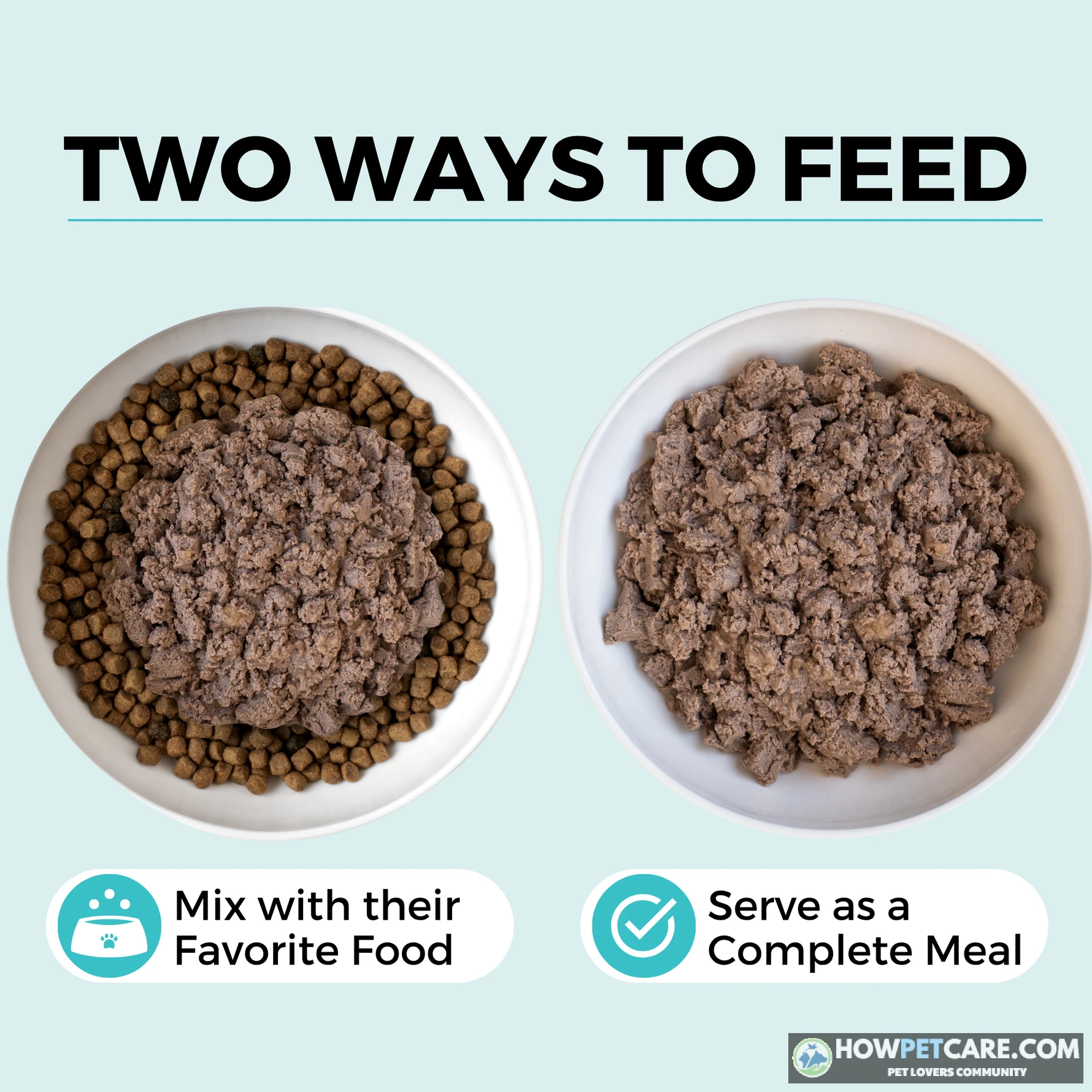
Wet and canned LID options are often overlooked despite demand for limited ingredient wet dog food. They can help dogs that need more moisture, have dental discomfort, or refuse dry kibble. They are also useful for mixing during a transition, although mixing should be planned carefully during an elimination trial.
Puppy-specific LID guidance should match life stage and breed size. A puppy formula should state that it is complete and balanced for growth. Large-breed puppies need controlled calcium and phosphorus. Small-breed puppies may need smaller kibble and higher energy density. Adult formulas should not be used as the sole food for growing puppies unless the label states all life stages.
Calorie content and feeding guidance matter more than marketing. Compare calories per cup or can, then calculate the daily amount for your dog’s body weight and activity level. For large breeds, monitor body condition and avoid overfeeding during growth.
Puppy limited ingredient guidance
Choose a puppy LID only if it has a puppy or all-life-stages AAFCO statement. Keep the protein consistent with the trial. Avoid switching formulas frequently during growth unless your veterinarian advises it.
Large-breed feeding notes
Large-breed dogs may need formulas with appropriate calorie density, joint-support nutrients, and controlled growth support. If loose stool is a problem, avoid overfeeding and transition slowly. Grain-free should be chosen only if a grain trigger is suspected.
Run a Six-to-Eight-Week Elimination Diet With Tracking
A limited ingredient diet works best as a structured elimination trial. Use one formula consistently for six to eight weeks before judging improvement. During that time, avoid treats, chews, table scraps, and flavored products that contain other proteins.
Track symptoms such as itching, stool quality, vomiting, ear redness, paw licking, and skin changes. Take weekly photos of skin, paws, and ears. If symptoms improve, your veterinarian can help plan reintroduction to identify the trigger.
Transition schedule
Transition gradually to reduce digestive upset. A common schedule is 25% new food and 75% old food in week one, 50/50 in week two, 75/25 in week three, and 100% new food by week four. Keep the protein source consistent throughout.
Treat rules and symptom log
Use only treats made from the same protein and carbohydrate sources as the trial food. Avoid flavored toothpaste, dental chews, pill pockets, chewable supplements, table scraps, and unapproved toppers. Record every unapproved bite. If contamination occurs, restart the trial clock and tell your veterinarian.
| Week | Feeding change | Treat rule | Symptoms to track |
|---|---|---|---|
| 1 | 25% LID / 75% current food | Only treats made from the new protein and same carbohydrate | Itch score, stool form, vomiting, ear redness |
| 2 | 50% LID / 50% current food | No table scraps; no flavored chews | Itch score, stool form, vomiting, ear redness |
| 3 | 75% LID / 25% current food | Single-ingredient chews only if approved by your vet | Itch score, stool form, vomiting, ear redness |
| 4 | 100% LID | Same as week 3 | Itch score, stool form, vomiting, ear redness |
| 5 | 100% LID; no changes | Recheck treat and chew list for hidden proteins | Weekly photos of skin, paws, ears; stool log |
| 6 | 100% LID; no changes | No new foods, supplements, or flavored medications | Weekly photos; energy level; appetite |
| 7 | 100% LID; optional vet check-in | Continue strict treat rules | Compare week 7 symptoms with baseline |
| 8 | 100% LID; decide next step | Begin reintroduction only if symptoms improved | Final symptom summary for vet review |

Do not add a new treat, chew, topper, supplement, or flavored medication during the trial without checking every ingredient. Hidden proteins are one of the most common reasons an elimination diet fails.
- ☐ Use only treats whose ingredient list matches the trial protein and carbohydrate.
- ☐ Avoid flavored toothpaste, dental chews, pill pockets, and chewable supplements unless approved.
- ☐ Remove table scraps, leftovers, and foods dropped during cooking.
- ☐ Check that flavored medications, omega oils, and toppers do not contain the suspected trigger.
- ☐ Keep one clearly labeled treat container for everyone in the household.
- ☐ Tell pet sitters, groomers, and family members the exact approved treat list.
- ☐ Record every unapproved bite in the symptom log with date and amount.
- ☐ If contamination occurs, restart the trial clock and tell your veterinarian.
Shortlist, Decide, and Plan Your Next Steps

Narrow your choices to one or two formulas based on protein, grain inclusion, life stage, breed size, and cost per day. Use one formula for the trial rather than rotating foods. Before buying, check the ingredient panel, AAFCO statement, guaranteed analysis, calorie content, and feeding amount.
Use this cost framework before comparing bags: cost per day equals bag price divided by bag weight in the same unit, multiplied by daily feeding amount. Monthly cost equals cost per day multiplied by 30. Cost per 1,000 kcal equals bag price divided by bag calories, multiplied by 1,000. Compare at least two formulas using the same dog, body weight, and activity level. If one costs less per day but requires a larger feeding amount, note stool volume and body condition before choosing.
After the trial, consult your veterinarian or a veterinary dermatologist if symptoms persist or are severe. If symptoms improved, reintroduce one ingredient at a time rather than multiple foods together. This helps identify the trigger without confusing the result.
- ☐ Switching proteins before the full six-to-eight-week trial is complete.
- ☐ Adding a new treat, chew, topper, or supplement without checking every ingredient.
- ☐ Judging success by one symptom while ignoring stool quality or ear changes.
- ☐ Changing protein and grain source at the same time, making the trigger unclear.
- ☐ Buying a formula without confirming it matches puppy, adult, or large-breed needs.
- ☐ Reintroducing multiple foods together instead of one ingredient at a time.
- ☐ Assuming grain-free is required when grains have not been identified as a trigger.
- ☐ Stopping the trial early because improvement is partial rather than discussing results with a veterinarian.
| Dog Profile | Suspected Trigger | Protein Source | Grain Inclusion | Life Stage and Breed Size | Budget Band | Candidate Formula Traits |
|---|---|---|---|---|---|---|
| Adult with suspected chicken sensitivity | Chicken, egg, or dairy | Salmon or lamb | Grain-inclusive is acceptable if grains are tolerated | Adult, any size | Low to mid | Single novel protein such as salmon or lamb; named meat first; no chicken fat or egg products |
| Adult with suspected beef sensitivity | Beef or dairy | Duck, fish, or lamb | Grain-inclusive unless grain symptoms exist | Adult, any size | Mid | Single protein such as duck, fish, or lamb; short ingredient list; clear guaranteed analysis |
| Puppy with itchy skin | Chicken or beef | Not in source | Grain-inclusive unless advised otherwise | Puppy, small or large breed | Mid to high | Puppy life-stage statement; controlled calcium/phosphorus for large breeds; DHA if available |
| Large-breed adult with loose stool | Multiple common proteins or grains | Not in source | Grain-free only if grain trigger is suspected | Adult, large breed | Mid to high | Large-breed formula; joint-support nutrients; calorie density matched to body condition |
| Budget-limited household | Unknown trigger | Not in source | Choose the simplest grain-inclusive option first | Adult, small to medium | Low | One protein and one carbohydrate source; compare cost per day before buying multiple bags |

FAQ
Can limited ingredient dog food help with itchy skin and allergies?
It may help when symptoms are linked to a food trigger, but it is not a cure for every allergy. A structured elimination diet and veterinary guidance are important for identifying the actual trigger.
Do I need to avoid treats during an elimination diet?
Yes, treats, chews, and table scraps can introduce new proteins and confound the trial. Use only treats made from the same limited protein and carbohydrate sources as the trial food unless your veterinarian advises otherwise.
Is hydrolyzed protein the same as limited ingredient dog food?
No. Hydrolyzed protein diets break proteins into smaller pieces to reduce immune recognition, while LID formulas reduce the number of ingredients and protein sources. Both may be used in allergy management depending on the dog’s case.
How do I know if a limited ingredient formula is nutritionally complete?
Check the label for an AAFCO nutritional adequacy statement for the appropriate life stage. This confirms the formula meets baseline nutrient requirements, not just that it has fewer ingredients.