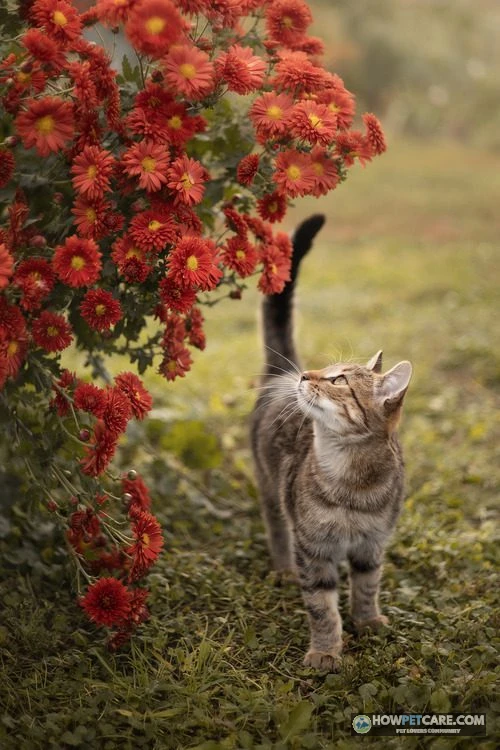

Yes — chrysanthemums (mums) are poisonous to cats. Chewing flowers, leaves, or stems can cause vomiting, drooling, diarrhea, and skin irritation. Remove the plant, then call your veterinarian or an animal poison service. Tremors, seizures, collapse, or breathing trouble mean emergency care now.
Yes, chrysanthemums are poisonous to cats—but most exposures are treatable
Yes. Chrysanthemums, often called mums, are poisonous to cats. Chewing a flower, leaf, or stem can cause vomiting, drooling, diarrhea, and other signs. Contact with the plant can also irritate the skin. If your cat has chewed a mum, move the plant out of reach and promptly call your veterinarian or an animal poison service. If your cat is trembling, struggling to breathe, collapsing, or having a seizure, seek emergency veterinary care now.
Many cats recover with appropriate care. The right response depends on what your cat encountered and how they’re acting. A mum exposure isn’t automatically the same as exposure to a true lily, which poses a separate, potentially life-threatening risk to cats.
Why chrysanthemums can make cats sick
The ASPCA toxic plant list identifies chrysanthemums as toxic to cats. The compounds of concern include pyrethrins, sesquiterpene lactones, and essential oils. Pyrethroids are related synthetic chemicals, but they aren’t the same as the naturally occurring pyrethrins in a mum. Chewing a plant and exposure to a concentrated insecticide don’t carry the same risk.
Chrysanthemums belong to the Asteraceae family. Flowers, leaves, and stems can all expose a cat to the plant, so removing just the blooms doesn’t make it safe to chew.

Mums, daisies, and lookalikes
Not every flower sold as a daisy is a chrysanthemum. Gerbera daisies are different plants and are considered non-toxic to cats; so are houseplants such as the areca palm. Common names can be confusing, so check the botanical name on the label or ask the florist. If you can’t identify a flower in an arrangement your cat has chewed, take a photo and ask a veterinarian or poison specialist for guidance.

Recognize chrysanthemum poisoning symptoms and sort them by urgency
Chrysanthemum toxicity in cats can cause digestive upset, drooling, poor coordination, or skin irritation. Signs and their severity vary. Even if your cat seems fine immediately after chewing, get advice specific to the exposure.
Mild signs to report and monitor with veterinary guidance
Report even one episode of vomiting, drooling, soft stool, or reduced appetite promptly. A veterinarian or poison specialist can help determine whether home monitoring is appropriate and explain what changes should prompt another call or a visit.
Red flags: tremors, ataxia, seizures, or collapse
Tremors, stumbling or poor coordination—called ataxia—marked weakness, seizures, collapse, and difficulty breathing call for emergency veterinary assessment. Don’t wait to see if they pass.
| Exposure or sign | Examples | Recommended action |
|---|---|---|
| Possible contact only, no chewing seen | Sniffed a flower or brushed past petals | Remove access. If residue is on the coat, prevent grooming and gently rinse it off; ask a veterinarian for advice if irritation develops. |
| Known or suspected chew, acting normal | A cat briefly chewed a leaf or petal | Call a veterinarian or animal poison service promptly for individualized advice. |
| Mild stomach signs | One episode of vomiting, drooling, soft stool, or reduced appetite | Get same-day veterinary or poison-service guidance; ask what to monitor. |
| Repeated or worsening signs | Repeated vomiting, ongoing diarrhea, refusal to eat, or visible discomfort | Seek urgent veterinary assessment, especially for a kitten or medically fragile cat. |
| Neurological or systemic signs | Tremors, stumbling, weakness, seizures, collapse, or breathing difficulty | Go to an emergency veterinarian now. |
| Uncertain bouquet | A chewed arrangement may contain lilies or unidentified flowers | Seek immediate professional advice; possible lily exposure warrants emergency care. |

Your cat chewed a mum: a first-15-minutes action plan
Act right away. If your cat shows emergency signs or may have contacted a lily, head to an emergency clinic and call ahead. Don’t delay the trip to complete these steps.
- Stop further exposure. Move your cat away from the plant, fallen petals, and vase water. Put the arrangement somewhere your cat can’t reach.
- Remove only what is easy to reach. If your cat allows it, gently remove visible plant pieces from the lips or front of the mouth. Don’t force the mouth open, reach into the throat, or force water into the mouth.
- Call for advice promptly. Contact your veterinarian or an animal poison service, even if your cat seems well. If there are emergency signs, call the clinic as you arrange transport; don’t wait at home.
- Prevent grooming if residue is present. If sap or plant material is on the paws or fur, stop your cat from licking it and gently rinse the area with lukewarm water if it’s safe to do so. Don’t delay emergency care to give a bath.
- Don’t improvise treatment. Don’t induce vomiting or give milk, oil, medication, activated charcoal, or other home remedies unless a veterinary professional specifically tells you to.
- Collect information and bring it with you. Note when the exposure happened, the estimated amount and plant part, your cat’s weight, and any symptoms. Photograph the plant and save a sample or packaging, as long as doing so doesn’t delay care.

Call the ASPCA Animal Poison Control Center at (888) 426-4435 or Pet Poison Helpline at (855) 764-7661. Consultation fees may apply. For seizures, collapse, breathing difficulty, or other emergency signs, go to an emergency veterinarian now.
What to do before you make the call
First, secure your cat and the plant. If someone else is available, ask them to photograph the bouquet or find its packaging while you call. Don’t spend time trying to calculate a safe dose or waiting for symptoms.
What information the veterinarian or poison specialist will need
Describe what you saw. Did your cat swallow a leaf, drink vase water, or just brush against the plant? If you don’t know how much was involved, say so. Mention other flowers in the arrangement, floral preservatives, pesticide products, existing medical conditions, and any signs your cat has developed. Bring the sample, photos, and product labels to the clinic if requested.

How much mum is dangerous—and when home monitoring is not enough
There is no reliable, established minimum toxic dose of chrysanthemum for cats. No one can promise that a particular number of petals or leaves is safe. The amount, plant identity, route of exposure, and individual cat all matter.
A cat acting normally after a small bite may be a candidate for home monitoring, but make that decision with a veterinarian or poison specialist. A period without symptoms doesn’t prove the exposure was harmless.
Seek urgent professional assessment if the amount was large or unknown, the plant can’t be identified, or the cat is a kitten, senior, pregnant, or has an existing illness. Repeated vomiting or diarrhea also calls for urgent assessment. For tremors, poor coordination, seizures, collapse, or breathing trouble, go to an emergency veterinarian immediately.
Vase water, bouquets, skin contact, and dried mums: overlooked exposure routes
A cat can encounter a mum without eating a fresh flower. Other flowers or products in a bouquet may also affect the risk.
Cut flowers and vase water
Don’t let your cat drink from a vase of cut mums. The water may contain plant debris or floral preservative, and it can be hard to determine exactly what your cat was exposed to. If your cat drinks from it, prevent further access and call a veterinarian or poison service. Keep the preservative packet or label so a professional can identify the ingredients.

Smelling a mum isn’t the same as eating one. If your cat brushes against a plant, check the coat for residue and prevent grooming while you gently rinse the area. Contact can cause dermatitis, or skin irritation. Seek veterinary advice if redness or discomfort develops or persists.
Mixed bouquets, dried flowers, and powders
Check every stem in a mixed bouquet. True lilies can cause life-threatening kidney injury in cats, and even pollen or vase-water exposure is an emergency concern. If a lily may be present, contact an emergency veterinarian immediately; don’t treat the incident as a mum-only exposure.

Dried mums, potpourri, powders, and supplements aren’t automatically safer than fresh plants. Ingredients and concentrations can vary, and a product may contain other substances. Keep the package and seek advice specific to the exposure if your cat eats or inhales product material.
| Exposure route | What may be involved | First step |
|---|---|---|
| Fresh potted or garden mum | Chewed leaves, stems, or flowers | Remove access and call for advice about any known or suspected ingestion. |
| Cut flowers | Plant pieces or other flowers in the arrangement | Secure the bouquet; photograph and identify its contents for the veterinarian. |
| Vase water | Plant debris or floral preservative | Prevent more drinking; save the preservative label and call for advice. |
| Mixed bouquet | Mums alongside unidentified flowers or lilies | Check the stems; seek emergency care immediately if a lily may be involved. |
| Skin or fur contact | Plant residue that may irritate skin or be groomed off | Prevent licking and rinse gently; call if irritation or other signs develop. |
| Dried mums, potpourri, or powder | Plant material plus potentially variable ingredients | Save the packaging and contact a veterinarian or poison service after exposure. |
Why sources describe mum poisoning differently—and what recovery may look like
Potential severity versus the typical reported course
Some warnings about chrysanthemum poisoning mention severe outcomes, including organ damage, coma, or death. Other veterinary sources describe the usual signs as mild to moderate, particularly digestive upset and skin irritation. These accounts describe different levels of potential harm. A severe warning doesn’t mean every small nibble will lead to a catastrophic outcome.
The evidence provided doesn’t establish how often severe outcomes occur or exactly which exposures cause them. But it would also be misleading to dismiss a known ingestion as harmless. Get professional advice if your cat chews a mum, and use emergency signs—not the plant’s reputation alone—to decide whether to seek urgent care.
Treatment, prognosis, and follow-up
There is no specific antidote for pyrethrin or chrysanthemum poisoning. A veterinarian tailors treatment to the cat’s signs and focuses on supportive care. Depending on the exposure and examination, the veterinarian may recommend observation, decontamination, or treatment for symptoms. Activated charcoal, when appropriate, is a veterinary decision, not an at-home remedy.
Many cats recover with appropriate care, but no one can promise an exact recovery time. Ask your veterinarian when to expect improvement and when to call back. Persistent signs, new neurological symptoms, or worsening vomiting need reassessment.

Don’t assume lasting effects will—or won’t—occur. Your veterinarian can advise whether follow-up or testing is needed based on the illness’s severity, any complications, and your cat’s recovery.
A quick decision checklist: who to call and how to prevent another exposure
Choose the right level of care now
- Emergency signs or possible lily exposure: Go to an emergency veterinarian now and call ahead if possible.
- Known or suspected mum ingestion, no severe signs: Call your veterinarian or an animal poison service promptly. Monitor at home only if a professional advises it.
- No known exposure: Move the plant out of reach. If you find residue on your cat or later suspect chewing, follow the guidance above and call for advice.
The ASPCA Animal Poison Control Center is available at (888) 426-4435, and Pet Poison Helpline is available at (855) 764-7661. Fees may apply; ask about availability and charges when you call.
Veterinary costs depend on your location and whether your cat needs an examination, testing, observation, or treatment. If it won’t delay emergency care, call the clinic for an estimate and ask about payment options. A poison-service consultation fee is separate from any clinic charges.
Safer flower and plant choices for pet households
Choose a confirmed cat-safe alternative, such as a gerbera daisy, and check the botanical name before bringing a plant home. Keep bouquets and fallen plant pieces away from pets. A high shelf may not be enough if your cat can climb to it.
Mums are also toxic to dogs and horses. If another pet chews the plant, contact a veterinarian or poison service for advice tailored to that animal and exposure. Before placing an unfamiliar plant or mixed arrangement where pets can reach it, verify every component.
The primary question is simple: are chrysanthemums poisonous to cats? Yes. If your cat may have chewed one, call a veterinarian or animal poison service for advice specific to the exposure.
| Exposure Route / Scenario | Symptoms or Signs | Risk Level / Urgency | Recommended Action |
|---|---|---|---|
| Neurological or systemic signs (Ingestion/Toxicity) | Tremors, stumbling, weakness, seizures, collapse, or breathing difficulty | Emergency | Go to an emergency veterinarian now. |
| Uncertain bouquet | A chewed arrangement may contain lilies or unidentified flowers | Emergency (if possible lily exposure) / Immediate | Seek immediate professional advice; possible lily exposure warrants emergency care. |
| Mixed bouquet | Mums alongside unidentified flowers or lilies | Emergency (if a lily may be involved) / Immediate | Check the stems; seek emergency care immediately if a lily may be involved. |
| Repeated or worsening signs (Ingestion) | Repeated vomiting, ongoing diarrhea, refusal to eat, or visible discomfort | Urgent (especially for a kitten or medically fragile cat) | Seek urgent veterinary assessment, especially for a kitten or medically fragile cat. |
| Mild stomach signs (Ingestion) | One episode of vomiting, drooling, soft stool, or reduced appetite | Mild / Same-day Guidance | Get same-day veterinary or poison-service guidance; ask what to monitor. |
| Known or suspected chew, acting normal (A cat briefly chewed a leaf or petal) | Acting normal / No visible symptoms | Prompt Assessment | Call a veterinarian or animal poison service promptly for individualized advice. |
| Fresh potted or garden mum | Chewed leaves, stems, or flowers | Prompt Assessment | Remove access and call for advice about any known or suspected ingestion. |
| Cut flowers | Plant pieces or other flowers in the arrangement | Prompt Assessment | Secure the bouquet; photograph and identify its contents for the veterinarian. |
| Vase water | Plant debris or floral preservative | Prompt Assessment | Prevent more drinking; save the preservative label and call for advice. |
| Dried mums, potpourri, or powder | Plant material plus potentially variable ingredients | Prompt Assessment | Save the packaging and contact a veterinarian or poison service after exposure. |
| Skin or fur contact | Plant residue that may irritate skin or be groomed off | Low / Monitor | Prevent licking and rinse gently; call if irritation or other signs develop. |
| Possible contact only, no chewing seen (Sniffed a flower or brushed past petals) | Not in source | Low / Monitor | Remove access. If residue is on the coat, prevent grooming and gently rinse it off; ask a veterinarian for advice if irritation develops. |
FAQ
Are chrysanthemums toxic to dogs as well as cats?
Yes. Chrysanthemums are also considered toxic to dogs and may cause gastrointestinal upset or skin irritation. Contact a veterinarian or animal poison service for advice specific to the pet and exposure.
Can a cat die from eating a chrysanthemum?
Severe outcomes are possible in toxicity warnings, but they should not be taken to mean that death is expected after every exposure. Prompt professional guidance is important, especially if the cat develops tremors, seizures, collapse, or breathing problems.
Is there an antidote for chrysanthemum poisoning in cats?
There is no home antidote; treatment is guided by a veterinarian and may focus on decontamination and controlling symptoms. Do not induce vomiting or give medication unless a veterinary professional instructs you to.
Are all flowers called daisies toxic to cats?
No. Common names can be confusing: true chrysanthemums are considered toxic, while some plants sold as daisies, such as gerbera daisies, are different plants. Confirm the botanical identity rather than relying on a common name.