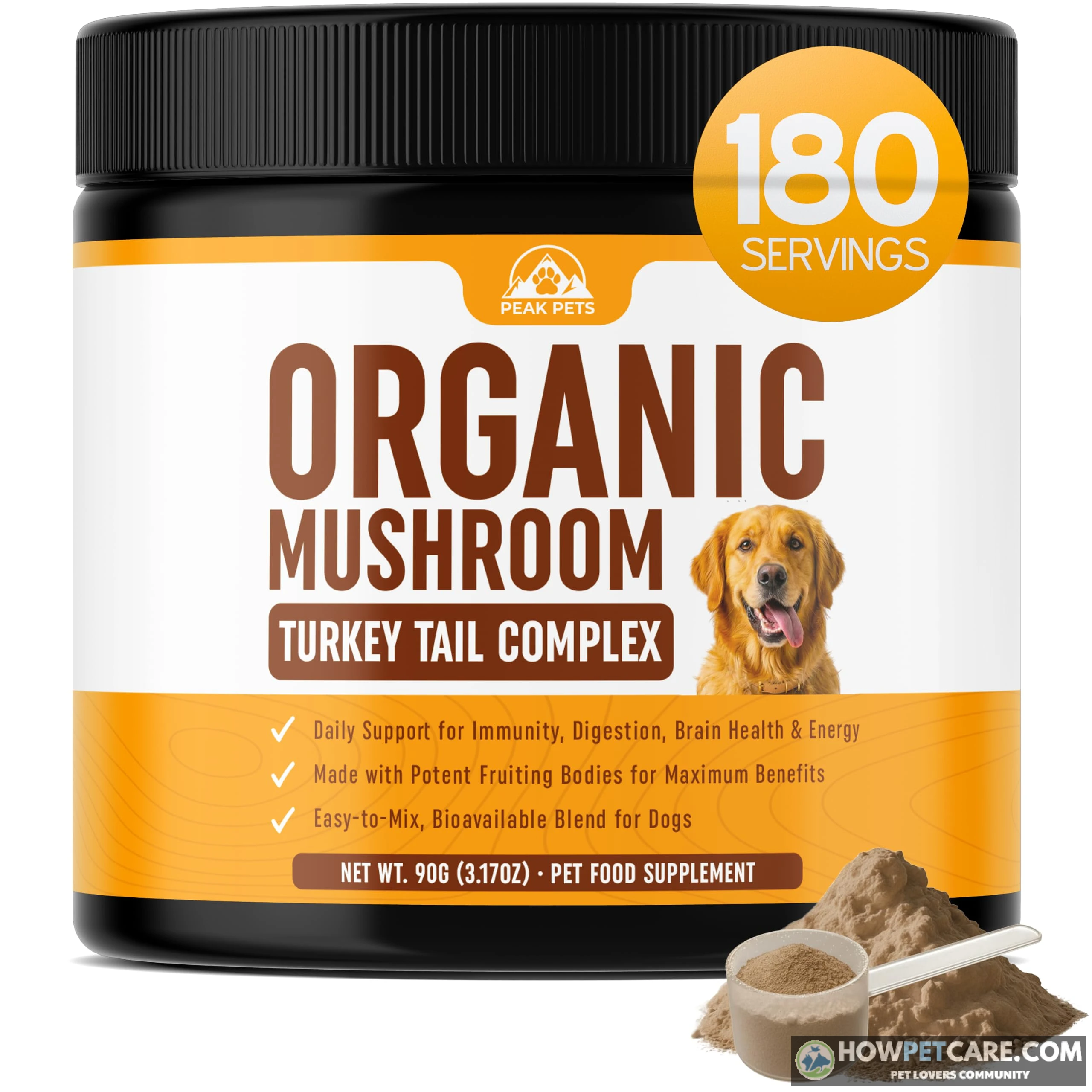

Key points on turkey tail mushroom for dogs:
- Generally safe: Well tolerated in most dogs at appropriate doses; mild GI upset (loose stool, gas, darkened stool) is the most common side effect.
- Not a cancer cure: The 2012 pilot showed survival gains in 15 dogs, but the larger 2022 follow-up found no significant added benefit over chemotherapy alone.
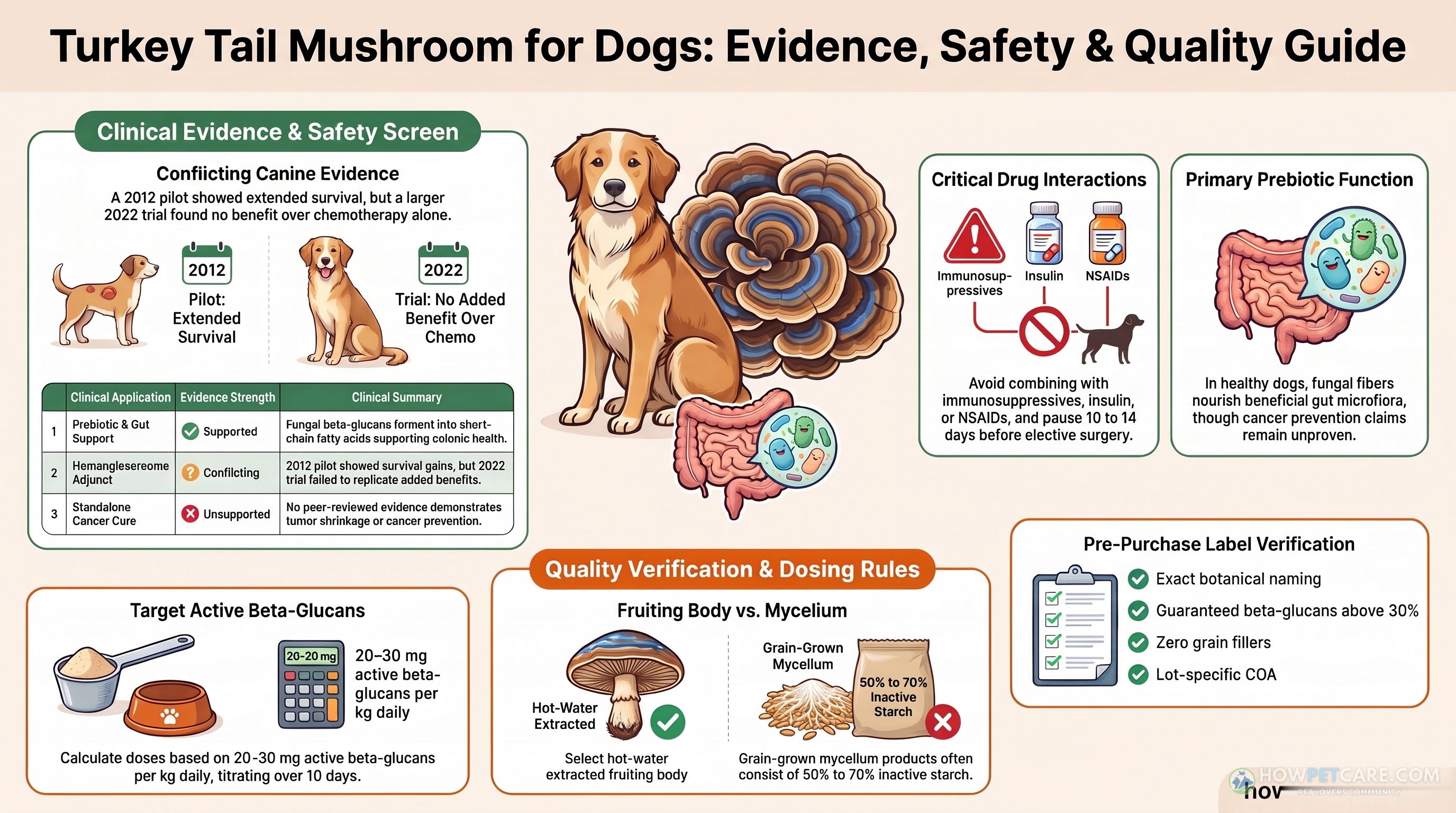
- Dose by beta-glucans: Target 20–30 mg of beta-glucans per kg of body weight daily, titrated up over 10 days.
- Quality matters: Choose hot-water extracted fruiting body products with a verified beta-glucan percentage and a lot-specific COA.
- Vet check first: Avoid in puppies, pregnant or nursing dogs, and dogs on immunosuppressives, insulin, or NSAIDs.
Turkey tail mushroom (Trametes versicolor, formerly Coriolus versicolor and known in traditional Chinese medicine as Yunzhi) comes up often among pet parents researching natural immune support. If you’re looking into this bracket fungus, you’re likely facing a serious situation — a recent canine cancer diagnosis, perhaps, or a desire to support an aging dog. Here’s the core decision upfront: turkey tail is generally safe and well tolerated in dogs, but clinical evidence that it reliably extends survival or slows cancer progression is limited and conflicting. It is not a cure, it will not shrink tumors on its own, and it should never replace standard veterinary oncology protocols.
Biologically, turkey tail acts as a biological response modifier. Its medicinal properties come from complex structural carbohydrates — specifically beta-glucans — and protein-bound polysaccharides known as polysaccharide-K (PSK) and polysaccharopeptide (PSP). Human clinical trials in Asia have used specific purified pharmaceutical extracts of PSK as an approved adjunct to cancer chemotherapy. Canine-specific research tells a more nuanced story. Ranking product pages often promote a single small study from 2012 while ignoring subsequent research, glossing over potential drug interactions, and charging steep markups for poorly verified powders. This vendor-neutral guide covers the verified canine clinical evidence, full safety parameters, complete weight-based dosing charts across every product form, and an objective brand evaluation framework.
The safety verdict, itemized in full later in this guide, in brief:
- Common side effects: transient loose stools, flatulence, darkened stool, and occasional vomiting during the first two weeks.
- Drug interactions: immunosuppressives such as prednisone and cyclosporine, insulin and antidiabetic medications, and NSAIDs or anticoagulants, plus a vet-guided pause before any scheduled surgery.
- Do-not-use cohorts: puppies, pregnant or nursing dogs, and dogs with immune-mediated disease unless a specialist prescribes it — peer-reviewed safety data in these groups does not exist.
Should You Buy Turkey Tail for Your Dog? A Decision Guide by Situation
Whether to introduce a medicinal mushroom supplement depends entirely on your dog’s individual health status, current medications, and realistic clinical goals. Rather than assuming every dog needs immune stimulation, evaluate your pet against these specific clinical scenarios before spending money.
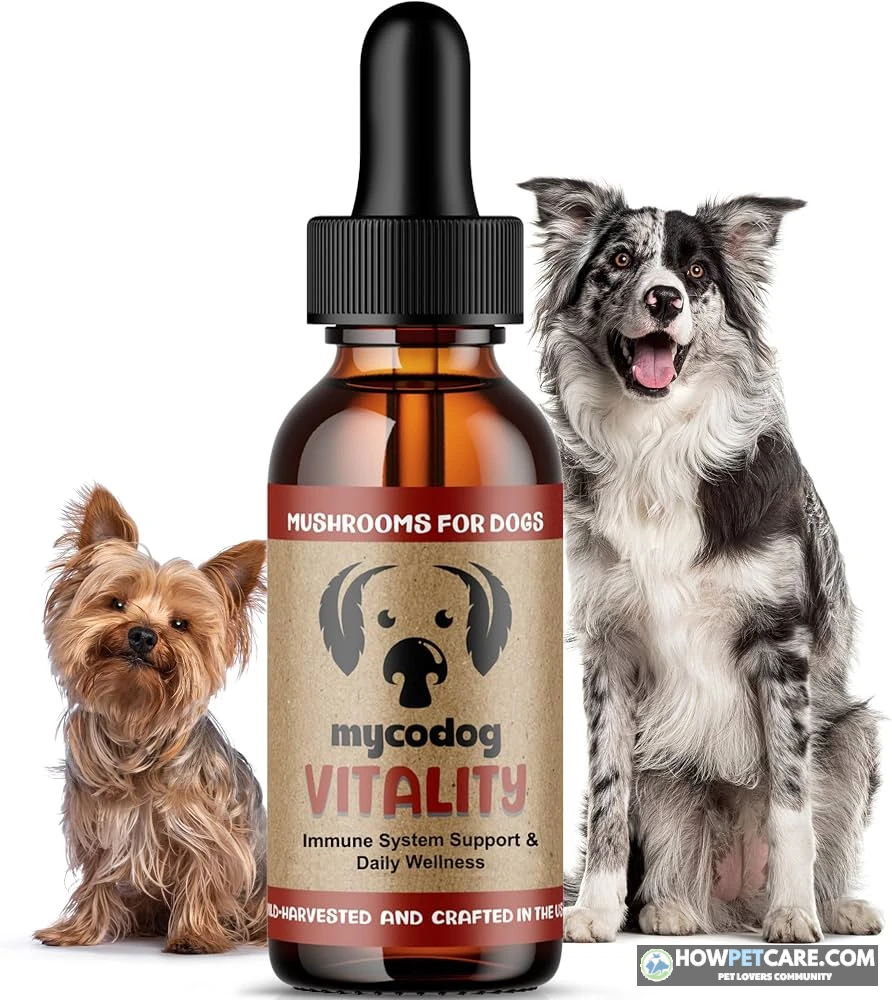
-
Step 1: Check for a Cancer Diagnosis
If your dog has a confirmed cancer diagnosis (such as splenic hemangiosarcoma, lymphoma, or mast cell tumor), turkey tail may serve as a low-risk supportive adjunct. However, it is never an alternative to surgery, chemotherapy, or radiation. Bring the exact product label, extraction details, and beta-glucan concentration to your veterinary oncologist before purchasing. Do not initiate supplementation during active chemotherapy without direct oncology approval.
-
Step 2: Screen for Immunosuppressive Medications or Autoimmune Disease
If your dog takes immunosuppressive drugs (such as prednisone, prednisolone, or cyclosporine) or has an immune-mediated disorder (such as immune-mediated hemolytic anemia [IMHA], immune thrombocytopenia [ITP], or severe atopy), skip turkey tail unless explicitly prescribed by an internal medicine specialist. Stimulating white blood cell pathways can directly counteract therapies designed to suppress aberrant immune activity.
-
Step 3: Screen for Age and Reproductive Status
If your dog is a puppy under one year of age, pregnant, or actively nursing, default to skipping the supplement. There is zero peer-reviewed safety or developmental data for turkey tail in puppies or pregnant and lactating dogs.
-
Step 4: Assess the Healthy Adult or Senior Dog
If your dog is an adult or senior with no active diagnosis, using turkey tail for general immune or gut microbiome support is an optional, elective choice. The risk of adverse effects is low, but evidence of long-term preventive efficacy is unproven. Calculate the daily cost, avoid proprietary blends, and establish a clear 60-day trial period to assess tolerance.
-
Step 5: Prioritize Diagnostic Workups for Lumps or Symptoms
If you’re considering turkey tail because you discovered a new skin lump, fatty mass, or because your dog has unexplained weight loss, lethargy, or coughing, stop and schedule a veterinary evaluation first. Supplementing with medicinal mushrooms must never delay a fine-needle aspirate, biopsy, or diagnostic workup.
If your dog has cancer
When a dog receives a cancer diagnosis — especially vascular and aggressive tumors like hemangiosarcoma — caregivers understandably search for any supportive tool available. In this context, turkey tail should be viewed exclusively as a complementary, supportive measure aimed at supporting immune competence and reducing treatment-related debility. It does not replace surgical resection of a tumor mass, nor does it replace indicated chemotherapeutic protocols. An open conversation with your veterinary oncologist is mandatory: certain natural compounds can alter hepatic cytochrome P450 enzyme activity, potentially changing how chemotherapeutic agents are metabolized.
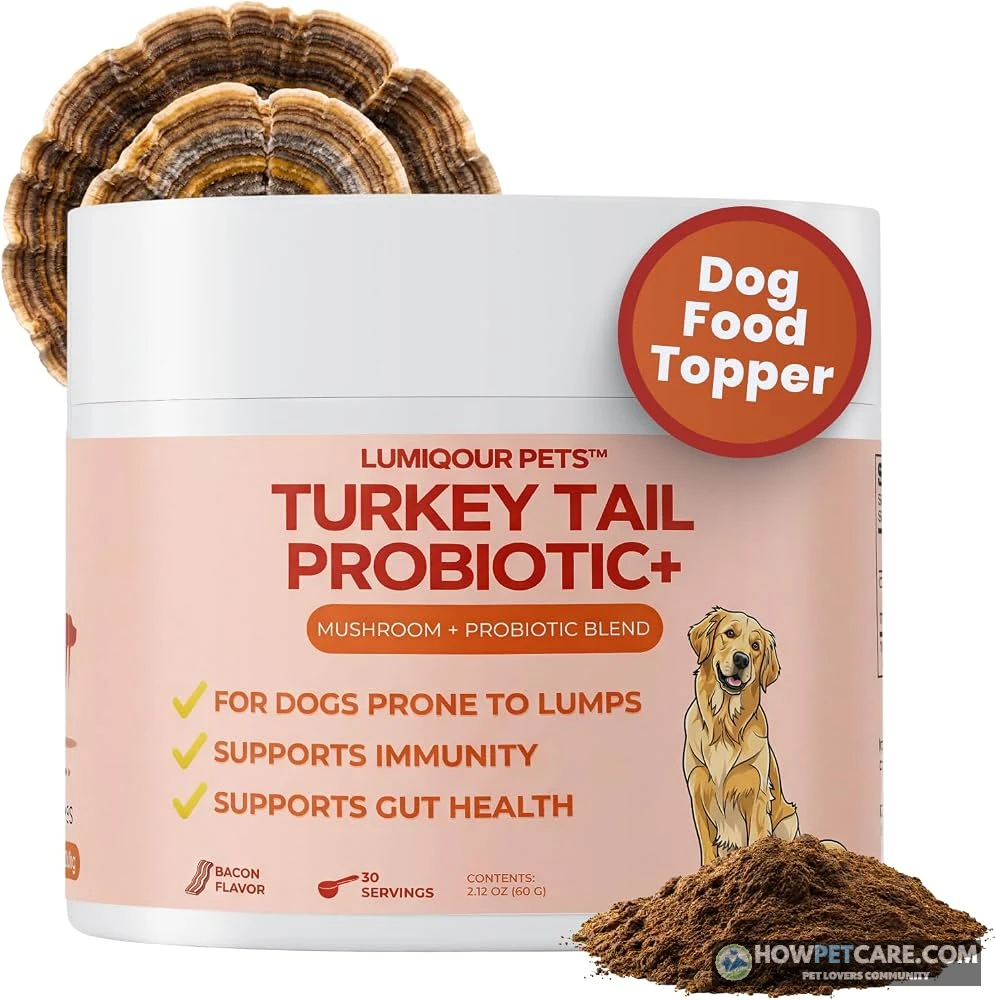
If your dog is healthy and you want prevention or immune support
Many pet parents want to bolster their healthy dog’s defenses against future illness or support a senior dog showing early signs of immunological decline. In healthy dogs, the primary validated biological action of turkey tail is prebiotic: the indigestible fungal fibers nourish beneficial bacterial strains in the colon, which in turn produce short-chain fatty acids that support intestinal barrier integrity. However, no scientific studies demonstrate that feeding turkey tail to a healthy dog prevents cancer or extends natural lifespan. If you choose to supplement a healthy dog, weigh the ongoing monthly expense against proven canine health foundations — high-quality protein nutrition, lean body weight management, and routine wellness diagnostics. If the goal is broader daily support rather than a single medicinal mushroom, compare the best supplements for dogs by need before adding extras.
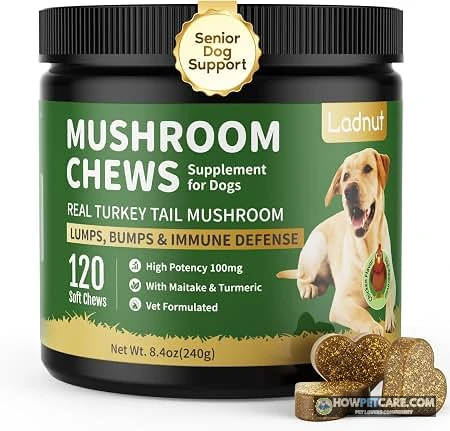
If your dog takes medication or has an immune-mediated disease
Supplements that modulate the immune system are not universally benign. In dogs with autoimmune diseases, the immune system mistakenly attacks host tissue. Administering compounds designed to upregulate lymphocyte proliferation, natural killer (NK) cell cytotoxicity, and cytokine production can theoretically trigger an autoimmune flare. Furthermore, if your dog requires pharmacologic immune suppression to control a disease state, adding an immune-stimulatory fungal polysaccharide works directly at cross-purposes with your veterinarian’s medical strategy.
What the Evidence Shows: The 2012 University of Pennsylvania Pilot vs. the 2022 Gedney Follow-Up
Virtually every commercial pet supplement brand cites a single university trial to prove that turkey tail "fights cancer." To make an informed purchase, pet owners must understand what that landmark study actually demonstrated, alongside the larger, modern follow-up trial that commercial marketing routinely ignores.
The 2012 pilot: design, dose groups, and limits
In 2012, researchers at the University of Pennsylvania School of Veterinary Medicine (Brown and Reetz) published a small pilot study investigating a proprietary polysaccharopeptide (PSP) extract derived from turkey tail mycelium, sold commercially under the brand name I’m-Yunity.
The study enrolled 15 client-owned dogs that had undergone splenectomy for confirmed splenic hemangiosarcoma. Hemangiosarcoma is an aggressive, malignant cancer of the vascular endothelium with a historical median survival time of only 30 to 86 days when treated with surgery alone. The dogs were divided into three dose groups: 25 mg/kg, 50 mg/kg, and 100 mg/kg of the PSP compound daily. Crucially, none of the dogs received standard-of-care chemotherapy (such as doxorubicin).
The researchers reported a dose-dependent increase in survival time: dogs in the 100 mg/kg group achieved a median survival time of approximately 199 days, compared to approximately 117 days in the 50 mg/kg group. Some dogs survived beyond a year without standard chemotherapy, leading the authors to conclude that the compound delayed progression of metastasis.
While these findings generated significant enthusiasm, the scientific limitations were substantial:
- Extremely small sample size: Only 15 total dogs completed the trial, meaning individual outliers heavily skewed the survival medians.
- No placebo or control arm: There was no blinded control group of dogs undergoing surgery alone in the same environment, forcing researchers to compare results against historical control literature.
- Specific formulation: The trial evaluated a specialized, highly purified pharmaceutical-grade mycelial extract (PSP), not generic fruiting body mushroom powder purchased online.
The 2022 follow-up: what changed and what it means for your decision
A decade later, veterinary oncology researchers sought to validate these early pilot findings under rigorous, real-world clinical conditions. In 2022, a larger, controlled clinical trial led by Dr. Gedney evaluated dogs with splenic hemangiosarcoma who received standard-of-care post-surgical chemotherapy alongside the mushroom extract.
Unlike the 2012 pilot, the 2022 Gedney trial found limited to no statistically significant survival benefit attributable to the addition of turkey tail extract over chemotherapy alone. When tested in a robust sample size with standardized veterinary oncology protocols, the dramatic survival extension seen in the initial 15-dog pilot did not reliably replicate.
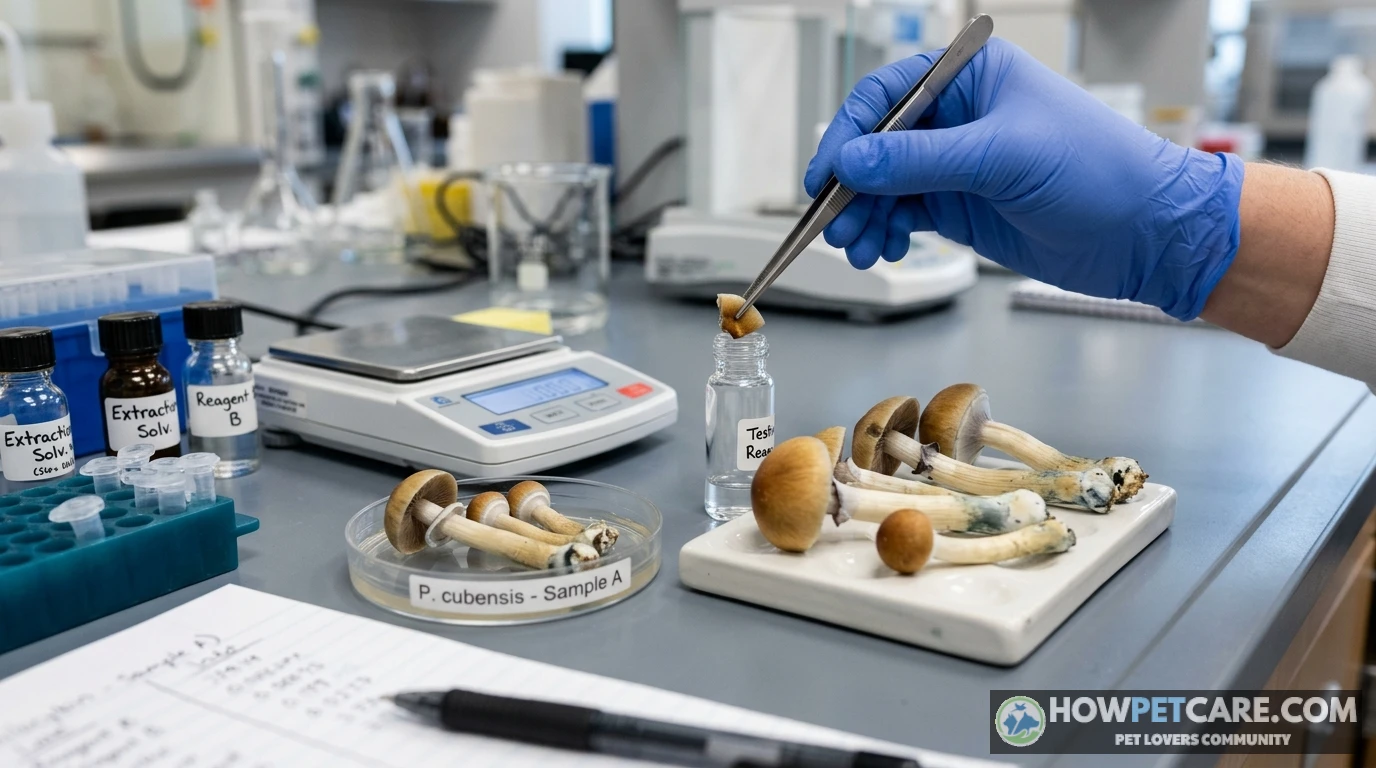
Most commercial turkey tail brands continue to cite only the 2012 University of Pennsylvania pilot in their marketing materials, claiming their powders extend cancer survival. Omitting the 2022 Gedney findings prevents pet caregivers from forming realistic expectations about clinical outcomes.
Evidence grade summary: what is supported, uncertain, or unsupported
When assessing turkey tail for canine care, separate human and in vitro pharmacology from verified veterinary outcomes. Human oncologists in Japan have utilized purified PSK (Krestin) since the 1970s as a prescription adjunct alongside gastric and colorectal cancer treatments, supported by human clinical trials. However, canine metabolic pathways, tumor biology, and bioavailability differ markedly.
| Level of Evidence | Clinical Claim | What the Canine Data Actually Shows |
|---|---|---|
| Supported | General safety and tolerability | Well tolerated across studied canine cohorts up to 100 mg/kg of purified extract daily, with minimal adverse events beyond mild gastrointestinal softening. |
| Supported | Prebiotic gut modulation | Insoluble and soluble fungal beta-glucans act as fermentable substrates for beneficial canine microflora, supporting gut barrier function. |
| Uncertain / Limited | Hemangiosarcoma survival adjunct | Pilot data showed prolonged survival in a tiny cohort without chemo, but larger subsequent trials (Gedney 2022) failed to demonstrate definitive survival extension. |
| Unsupported | Standalone cure or primary cancer therapy | No peer-reviewed canine trials show that turkey tail shrinks established tumors, prevents metastasis on its own, or cures any form of canine cancer. |
| Unsupported | Tumor prevention in healthy dogs | Zero controlled longitudinal studies exist showing lower cancer incidence in dogs fed turkey tail long-term. |
Safety, Side Effects, and Drug Interactions Product Pages Leave Out
Is turkey tail mushroom safe for dogs? Yes, commercially prepared turkey tail mushroom supplements from reputable sources are broadly safe for the vast majority of dogs when administered at appropriate dosages. However, "natural" does not mean free of physiological contraindications, side effects, or drug-herb interactions.
Side effects to watch for in the first two weeks
Most adverse events associated with turkey tail are mild, transient, and limited to the gastrointestinal tract. Because medicinal mushrooms contain dense structural fibers and chitin that canine digestive tracts break down slowly, rapid introduction can overwhelm the gut.
- Loose stools and flatulence: The most common reaction, occurring when fungal beta-glucans ferment rapidly in the colon.
- Darkened or blackish stool: Frequently reported by owners; this is typically a harmless consequence of the dark fungal pigments passing through the digestive tract, though it should be distinguished from melena (digested blood).
- Vomiting or regurgitation: Occurs primarily when powders are introduced at full dosage on an empty stomach.
- Transient lethargy or decreased appetite: Occasionally observed during the first 3 to 5 days of administration.
If your dog develops persistent diarrhea, vomiting, or signs of an allergic reaction (such as facial swelling, hives, or intense itching), discontinue the supplement immediately and contact your veterinarian.
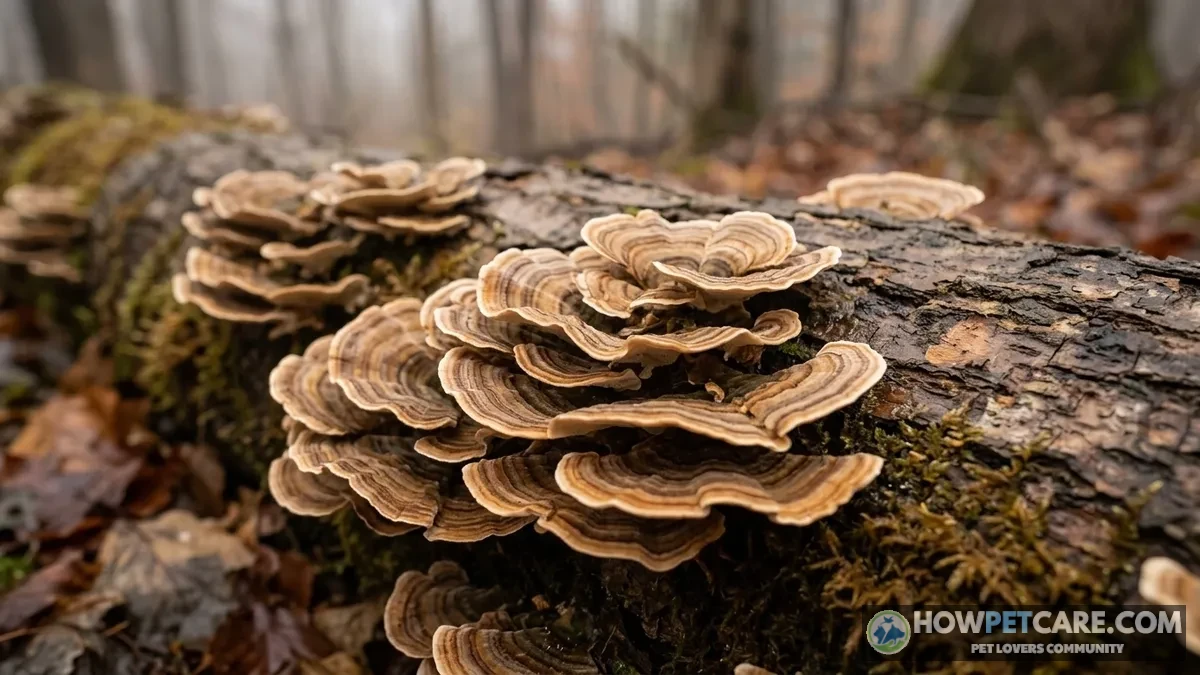
Never feed wild-harvested or raw bracket fungi found in woodlands to your dog. Turkey tail has numerous lookalikes (such as Stereum ostrea, the false turkey tail), and raw mushrooms possess indigestible chitin cell walls that can cause acute foreign-body impactions or severe gastroenteritis. Only use lab-tested, extracted products formulated for dietary use.
Medications and conditions that call for a vet check first
Before adding turkey tail to your dog’s food, cross-reference their current prescription regimen against these pharmacologic interactions:
- Immunosuppressive drugs (e.g., Prednisone, Dexamethasone, Cyclosporine, Atopica, Apoquel): Turkey tail stimulates macrophage activity and cytokine secretion. This immune enhancement can directly antagonize drugs intended to suppress immune activity in autoimmune or allergic conditions.
- Antidiabetic medications and insulin: Fungal beta-glucans can alter glucose absorption kinetics and modestly improve insulin sensitivity, potentially increasing the risk of hypoglycemia in diabetic dogs receiving exogenous insulin.
- Anticoagulants and non-steroidal anti-inflammatory drugs (NSAIDs): Certain fungal fractions exhibit mild antiplatelet activity. While rare, combining high-dose mushroom extracts with NSAIDs (such as carprofen, meloxicam, or galliprant) or anticoagulant therapies warrants veterinary monitoring.
- Upcoming scheduled surgery: Due to theoretical platelet-aggregation modulation, elective surgeries generally warrant stopping medicinal mushroom supplements 10 to 14 days prior to anesthesia.
Puppies, pregnant or nursing dogs, and long-term use in healthy dogs
Veterinary medicine currently possesses zero pharmacokinetic or safety data regarding turkey tail administration in pregnant bitches, lactating dams, or neonatal puppies. Because maternal immune modulation can theoretically affect embryonic development and neonatal immune maturation, the default clinical stance is strict avoidance in these cohorts.
Similarly, there are no published multi-year studies evaluating the continuous, uninterrupted feeding of turkey tail to healthy dogs. While chronic toxicity appears low based on rodent toxicology models, whether continuous daily immune stimulation over years can provoke immune exhaustion or subclinical dysregulation in a healthy canine remains an unstudied question.
Turkey Tail Dosage for Dogs by Weight: Powder, Capsule, and Liquid Extract
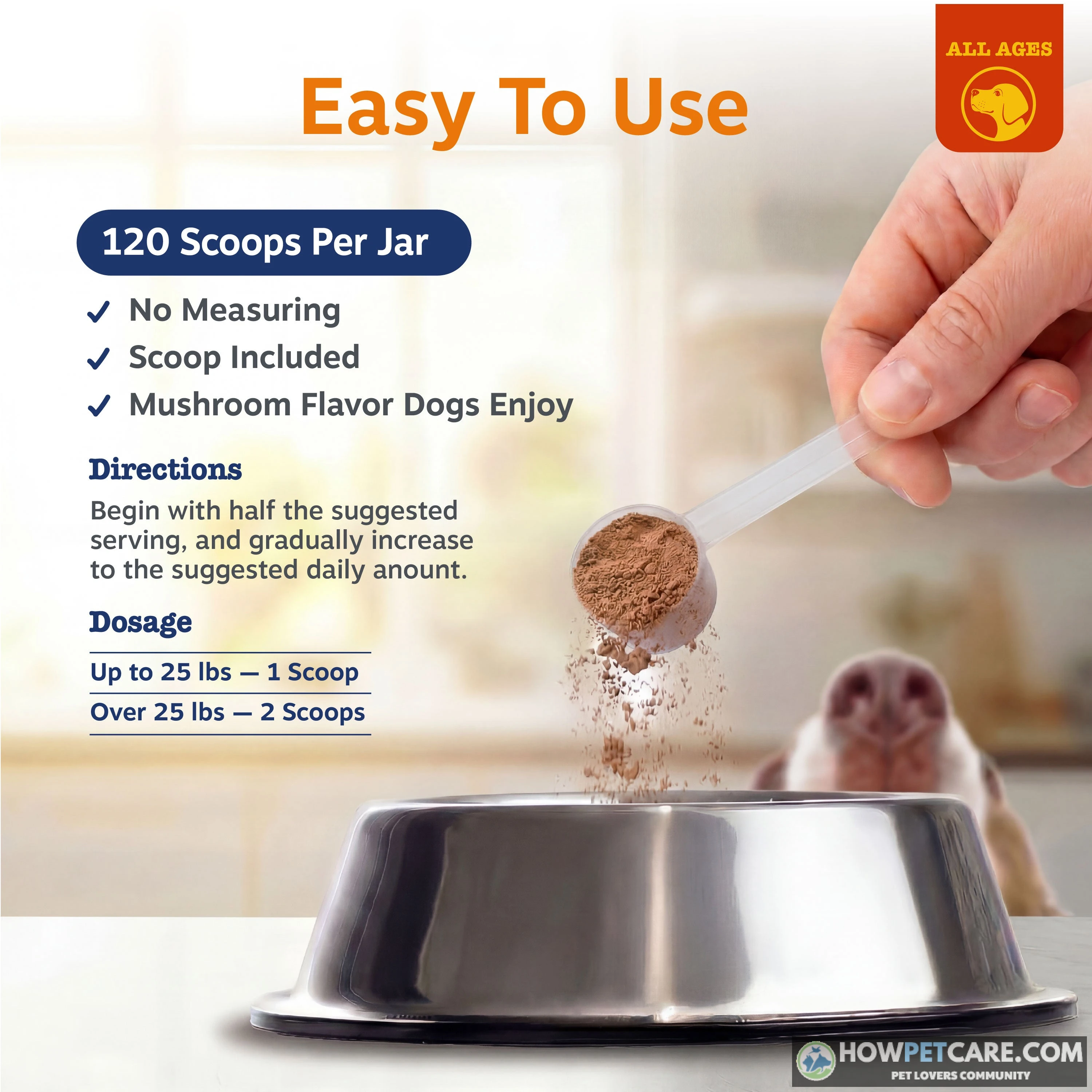
Determining how much turkey tail mushroom to give a dog depends fundamentally on the product form: whole unprocessed powder, hot-water concentrated extract powder, or alcohol-water liquid tincture. Giving "one scoop" of whole biomass powder delivers an entirely different biological dose than "one scoop" of an 8:1 concentrated fruiting body extract.
In canine clinical discussions, holistic veterinarians and oncology researchers frequently target 20 to 30 mg of pure beta-glucans per kilogram of body weight per day for therapeutic support. Because commercial supplements vary from 10% to over 50% beta-glucan concentration, you must base dosing on active compound targets rather than generic powder volume.
How to read mg/kg and convert to scoops, capsules, or mL
To calculate your dog’s target:
- Convert weight from pounds to kilograms (divide pounds by 2.2).
- Multiply kilograms by 25 mg (the midpoint therapeutic target) to determine total daily beta-glucans needed.
- Check your product label for the guaranteed beta-glucan percentage to calculate how many milligrams of powder or extract deliver that target.
For example, a 44-lb dog weighs 20 kg. At 25 mg/kg, this dog requires 500 mg of active beta-glucans daily. If using a concentrated extract powder verified at 50% beta-glucan content, the dog needs 1,000 mg (1 gram, or roughly 1/3 teaspoon) of total extract powder per day. If using an unextracted whole powder containing only 15% beta-glucans, the dog would require over 3.3 grams of powder daily to achieve the same biological exposure.
The dosing chart below outlines standardized maintenance and therapeutic dose ranges across body weight bands and product formats.
| Dog Weight (lb / kg) | Beta-Glucan Target (20–30 mg/kg/day) | Whole Mushroom Powder (Unextracted) | Concentrated Extract Powder (~30–50% Beta-Glucans) | Standard 500 mg Extract Capsules | Concentrated Liquid Extract (~100 mg beta-glucans/mL) | Administration & Split Dosing Notes |
|---|---|---|---|---|---|---|
| Under 10 lb (<4.5 kg) | ~90–135 mg | 1/4 to 1/2 tsp daily (~0.5–1.0 g) | 1/8 tsp daily (~250–350 mg) | 1 capsule daily (open and mix half if starting) | 1.0 mL daily | Split into morning and evening meals; monitor stool firmness closely. |
| 10–25 lb (4.5–11 kg) | ~90–330 mg | 1/2 to 1 tsp daily (~1.0–2.0 g) | 1/4 tsp daily (~500–750 mg) | 1 to 2 capsules daily | 1.0 to 3.0 mL daily | Start at 1/4 dose on day 1; mix thoroughly with wet food or warm bone broth. |
| 25–50 lb (11–23 kg) | ~220–690 mg | 1 to 1.5 tsp daily (~2.0–3.5 g) | 1/2 tsp daily (~1,000–1,500 mg) | 2 to 3 capsules daily | 2.5 to 6.0 mL daily | Ideal range for medium breeds; split into two equal daily administrations. |
| 50–75 lb (23–34 kg) | ~460–1,020 mg | 1.5 to 2 tsp daily (~3.5–5.0 g) | 3/4 to 1 tsp daily (~1,500–2,000 mg) | 3 to 4 capsules daily | 5.0 to 9.0 mL daily | High-dose oncology adjunct protocols may double these levels under vet supervision. |
| 75–90 lb (34–41 kg) | ~680–1,230 mg | 2 to 2.5 tsp daily (~5.0–6.5 g) | 1 to 1.25 tsp daily (~2,000–2,500 mg) | 4 to 5 capsules daily | 7.0 to 11.0 mL daily | Therapeutic cancer support often requires 50 mg/kg purified extract equivalents. |
| 90+ lb (41+ kg) | ~820–1,500+ mg | 1 tbsp daily (~7.0–10.0 g) | 1.5 tsp daily (~3,000+ mg) | 5 to 6+ capsules daily | 8.0 to 14.0+ mL daily | For giant breeds, concentrated extracts drastically reduce powder volume in meals. |
Powder vs. capsules vs. liquid extract: which form fits which dog
Each delivery format presents specific advantages and drawbacks:
- Extract powders: Provide the highest concentration of active compounds per dollar. They mix easily into canned food, raw diets, or rehydrated kibble. However, unflavored mushroom powder has an earthy, bitter profile that selective eaters may reject.
- Capsules: Best for precise dosing and preventing taste aversion. Ideal for dogs that readily take pill pockets or cheese wraps. The downside is capsule volume: a 75-lb dog requiring therapeutic dosing may need 4 to 6 capsules daily, which becomes burdensome and costly.
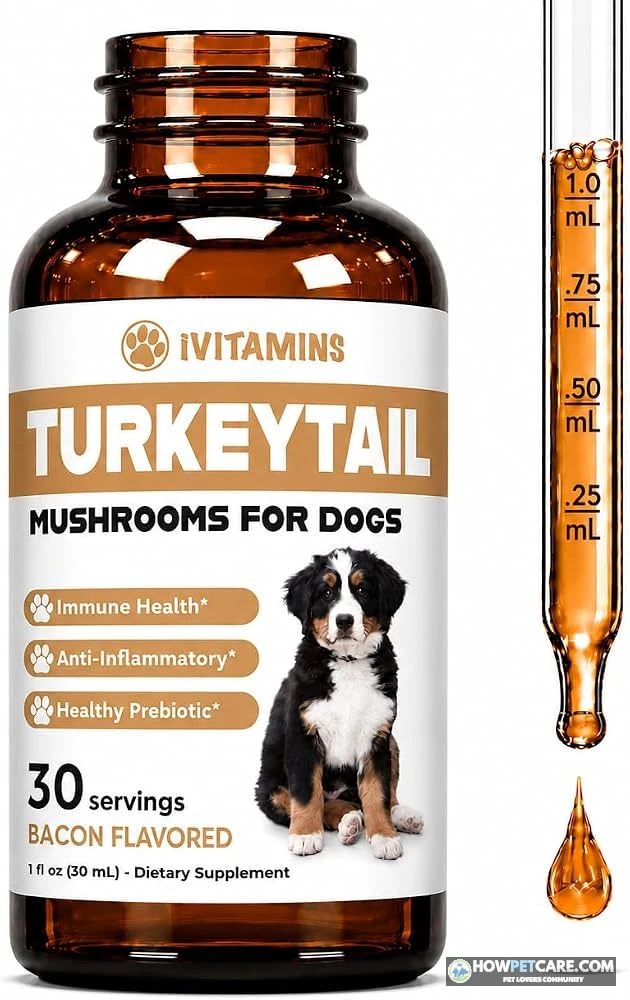
- Liquid extracts (glycerites or tinctures): Best for picky eaters, toy breeds, or dogs experiencing nausea. Liquids can be dropped directly onto the gums or blended seamlessly into food toppers. Note that many liquid tinctures contain lower absolute concentrations of beta-glucans per milliliter, requiring larger volumes that increase daily cost.
Starting low and titrating up
Never start a dog on a full therapeutic dose of turkey tail on day one. Abruptly introducing dense fungal polysaccharides can cause bacterial dysbiosis and loose stools. Use a gradual titration protocol:
- Days 1–3: Administer 25% of the calculated daily target, mixed with meals.
- Days 4–7: Increase to 50% of the target dose if stool consistency remains normal.
- Days 8–10: Increase to 75% of the target dose.
- Day 11 onward: Transition to the full calculated maintenance or therapeutic dose, ideally split evenly between morning and evening feedings.
Fruiting Body vs. Mycelium: How to Verify Beta-Glucan Content Before You Buy
The pet supplement market contains significant quality discrepancies. Knowing how to read a label and evaluate testing documentation protects you from spending premium prices on inactive grain fillers.
Fruiting body vs. mycelium: what each label tells you
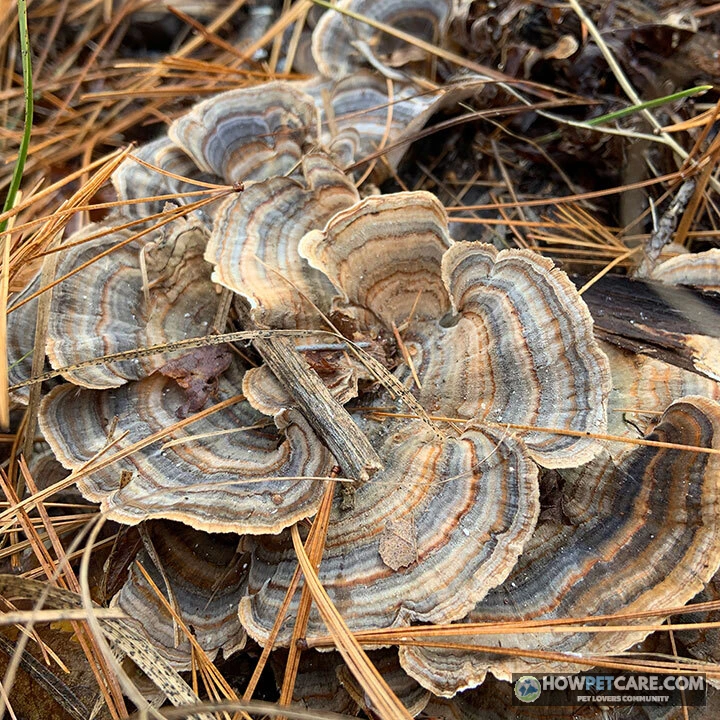
A mushroom consists of two primary components: the mycelium (the underground or sub-surface fungal network, akin to roots) and the fruiting body (the visible bracket mushroom that grows on decaying hardwood).
In North American supplement manufacturing, many commercial brands cultivate mushroom mycelium on sterilized agricultural grain substrates (typically oats, rice, or sorghum). When the mycelium colonizes the grain, separating the fungal tissue from the cereal grain is impossible. Consequently, the entire block of grain and mycelium is dried and pulverized. These products — labeled as "mycelial biomass," "mycelium on grain," or "full spectrum" — frequently consist of 50% to 70% residual grain starch rather than active fungal tissue.
Conversely, traditional wood-grown fruiting body supplements are harvested directly from hardwood substrates. They contain virtually no starch and naturally synthesize substantially higher concentrations of beta-1,3/1,6-glucans.
While fruiting body extracts provide superior purity over grain-grown biomass, note that clinical pharmaceutical compounds like PSP (I’m-Yunity) and PSK (Krestin) were originally developed through liquid-fermentation mycelial culture — a process yielding pure fungal cells without any agricultural grain starch.
Reading a COA and the beta-glucan assay
Many pet brands claim their product is "third-party tested" or contains "high polysaccharides." These phrases are marketing terms unless supported by an official Certificate of Analysis (COA) tied to a specific production lot number.
- The "polysaccharide" trap: Polysaccharide is an umbrella chemical term encompassing both therapeutic fungal beta-glucans and plain agricultural starch (alpha-glucans). A manufacturer using grain-grown mycelium can claim "40% polysaccharides," but 35% of that content may simply be oat or rice starch.
- The Megazyme enzymatic assay: A verified quality manufacturer tests their product using a specific enzymatic assay (such as the Megazyme method) that chemically differentiates between alpha-glucans (starches) and beta-glucans. Reputable brands explicitly state a guaranteed beta-glucan percentage alongside an alpha-glucan level under 5%.
- Extraction necessity: Raw dried mushroom powder cannot be digested efficiently by dogs because fungal cellular walls are constructed of chitin — the same tough structural polymer found in insect exoskeletons. Mammals lack robust endogenous chitinase enzymes. Hot-water extraction (or pressurized decoction) is required to dissolve the chitin matrix and render beta-glucans bioavailable.
Pre-purchase label checklist
Before purchasing any turkey tail product for your dog, evaluate the packaging and manufacturer disclosures against this seven-point verification checklist:
- ☐ Exact botanical species specified: The active ingredient list explicitly identifies Trametes versicolor (or Coriolus versicolor), not a vague "proprietary mushroom complex."
- ☐ Specific fungal part declared: The label clearly distinguishes between "100% fruiting body" or "mycelial biomass." Avoid products that obscure grain substrates.
- ☐ Hot-water extraction verified: The product specifies hot-water extraction or dual-extraction (water + alcohol), confirming bioavailable beta-glucans.
- ☐ Guaranteed beta-glucan percentage: The guaranteed analysis panel lists a verified minimum beta-glucan content (ideally 30% or higher), not just total polysaccharides.
- ☐ Lot-specific COA accessible: The brand provides a downloadable, lot-numbered Certificate of Analysis confirming beta-glucan content, heavy metal screening (lead, arsenic, cadmium, mercury), and microbiological clearance.
- ☐ Zero carrier starches or sweeteners: The inactive ingredient list is completely free of added grain powders, maltodextrin, silica, artificial flavorings, and xylitol.
- ☐ Third-party quality certification: The packaging carries a verified auditing seal, such as the National Animal Supplement Council (NASC) Quality Seal or USDA Organic certification.
Turkey Tail Supplement Brands for Dogs Compared by Quality and Cost per Day
To demonstrate how label claims translate into practical expenses, this comparison evaluates leading market products across verified sourcing parameters and actual cost per day. This review is vendor-neutral, contains no affiliate partnerships, and bases all evaluations strictly on publicly disclosed specifications and active compound densities.
How we compared products
Products were evaluated on six criteria:
- Fungal source: Fruiting body vs. grain-grown mycelium.
- Extraction method: Validated hot-water extraction vs. raw unextracted powder.
- Beta-glucan disclosure: Transparent percentage backed by enzymatic testing.
- Batch COA access: Verifiable laboratory documentation tied to lot numbers.
- Fillers and carriers: Complete absence of grain flours, starches, or artificial flavorings.
- Cost efficiency: Daily expense calculated using equivalent active biological dosing.
Cost-per-day math for a 10 lb, 40 lb, and 80 lb dog
A small container with a low retail shelf price often ends up being the most expensive option per day if the product is dilute or requires large serving sizes. Calculate cost per day using this standardized formula:
Daily Serving (g) = Target Beta-Glucans (g) / Labeled Beta-Glucan Fraction
Days Per Container = Total Container Weight (g) / Daily Serving (g)
Cost Per Day = Retail Price / Days Per Container
| Brand & Product Line | Form | Sourcing & Part | Extraction Method | Disclosed Beta-Glucans | Batch COA Available? | Est. Retail Price (2026) | Daily Cost: 10 lb Dog | Daily Cost: 40 lb Dog | Daily Cost: 80 lb Dog |
|---|---|---|---|---|---|---|---|---|---|
| Real Mushrooms (Turkey Tail Powder) | Pure bulk extract powder | 100% organic fruiting body | Hot-water extract | Verified ≥30% beta-glucans; ≤5% starch | Yes, batch-linked downloadable COA | ~$34.95 (100g bulk pouch) | ~$0.10 / day | ~$0.39 / day | ~$0.79 / day |
| Four Leaf Rover (Turkey Tail) | Bulk powder for dogs | 100% organic fruiting body | Hot-water extract | Verified ≥35% beta-glucans | Yes, available upon request | ~$39.99 (60g container) | ~$0.17 / day | ~$0.66 / day | ~$1.33 / day |
| I’m-Yunity (Canine Formula) | Capsules (PSP) | Pure mycelium (liquid culture, no grain) | Proprietary hot-water mycelial extract | Disclosed as standardized PSP extract | Yes, pharmaceutical-grade testing | ~$105.00 (60 x 400mg caps) | ~$1.75 / day | ~$5.25 / day | ~$10.50 / day |
| Honest Paws (Well Turkey Tail) | Flavored powder/chews | Mycelial biomass & blend | Varies by line / proprietary | Not consistently standardized as % | General brand testing shared | ~$39.95 (varies by size) | ~$0.66 / day | ~$1.33 / day | ~$2.66 / day |
| Rx Vitamins for Pets (Flite Complex) | Capsules / liquid | Fruiting body & mycelial blends | Standardized aqueous extraction | Standardized fraction disclosures | Yes, veterinarian-distributed | ~$48.00 (90 capsules) | ~$0.53 / day | ~$1.06 / day | ~$2.13 / day |
Note: Pricing and formulation values reflect disclosed market data as of 2026 and fluctuate over time. Always verify active concentrations directly on your specific product lot.
Best turkey tail picks by buyer priority
- Highest verification and budget efficiency: Pure bulk hot-water extract powders derived entirely from organic fruiting bodies (such as Real Mushrooms or Four Leaf Rover). By purchasing 100% pure extract powder without pet-branded flavorings or heavy retail packaging, large-dog owners can secure verified therapeutic beta-glucan levels for under $0.80 per day.
- Exact replication of clinical pilot protocols: If you are seeking to precisely recreate the 2012 University of Pennsylvania veterinary pilot for a canine hemangiosarcoma patient, I’m-Yunity is the exact standardized PSP formulation used in that trial. However, because it is manufactured via specialized pharmaceutical liquid culture, it commands a substantial price premium that may exceed $300 monthly for large breeds.
- Picky eaters requiring liquid delivery: Standardized practitioner-grade alcohol-free liquid glycerites allow micro-dosing directly into the mouth, avoiding mealtime refusal.
Beyond Hemangiosarcoma: Turkey Tail for Lymphoma, Mast Cell Tumors, Lipomas, and Healthy Dogs
While veterinary discussions focus primarily on hemangiosarcoma, pet owners routinely ask whether turkey tail benefits other common canine conditions. Below is an evidence-based assessment of these applications.
Cancer types other than hemangiosarcoma
- Canine Lymphoma: Lymphoma is a systemic cancer of the lymphoid tissues and lymphocytes. Because turkey tail polysaccharides stimulate lymphocyte proliferation, some veterinary oncologists express concern regarding theoretical receptor-mediated stimulation in lymphoproliferative diseases. To date, no controlled clinical trials support turkey tail as a beneficial adjunct for canine lymphoma. Standard CHOP chemotherapeutic protocols remain the only validated life-extending intervention.
- Mast Cell Tumors (MCT): Mast cell neoplasms involve hyper-reactive immune cells that release histamine, heparin, and inflammatory cytokines. While fungal polysaccharides possess general immunomodulatory properties, there is zero published canine clinical research evaluating turkey tail in mast cell disease. Caregivers should never use supplements in lieu of surgical staging and wide-margin excision.
- Osteosarcoma and Carcinomas: Clinical evidence in dogs remains purely anecdotal. While in vitro laboratory research shows turkey tail extracts inhibit various mammalian tumor cell lines, cell culture outcomes do not reliably translate into systemic tumor suppression in living dogs.
Lipomas and lumps: what is a myth
A persistent online myth claims that feeding turkey tail powder will dissolve or "shrink" benign canine lipomas. A lipoma is an encapsulated, non-malignant collection of mature adipocytes (fat cells). Fungal beta-glucans have no biological mechanism for selectively catabolizing localized subcutaneous adipose tissue. Turkey tail will not shrink a lipoma.
If you detect a new soft or firm mass on your dog’s body, never self-treat with mushroom supplements under the assumption that it is a harmless fatty deposit. Mast cell tumors and soft-tissue sarcomas frequently mimic the subcutaneous feel of benign lipomas. Schedule a veterinary appointment for a fine-needle aspirate (FNA) and cytology.
Healthy dogs, prevention, and long-term use
In disease-free dogs, turkey tail functions primarily as a functional prebiotic fiber. The indigestible beta-glucan matrix passes into the large bowel, where beneficial commensal microbes (including Bifidobacterium and Lactobacillus species) ferment it into short-chain fatty acids (SCFAs), notably acetate, propionate, and butyrate. These SCFAs support the colonic epithelial lining, reduce mucosal inflammation, and reinforce systemic gut immunity.
However, claims that feeding turkey tail continuously to a healthy dog prevents the development of neoplasia later in life are scientifically unsubstantiated. If your budget allows, occasional or cyclic use in senior dogs is clinically reasonable, but it should not supersede primary preventive care: high-quality protein nutrition, maintaining lean muscle mass, daily exercise, and twice-yearly senior blood panels. If stiffness is the main concern, evaluate Cosequin dosing and safety for dogs as a separate, joint-specific decision.
Turkey tail vs. reishi and other medicinal mushrooms
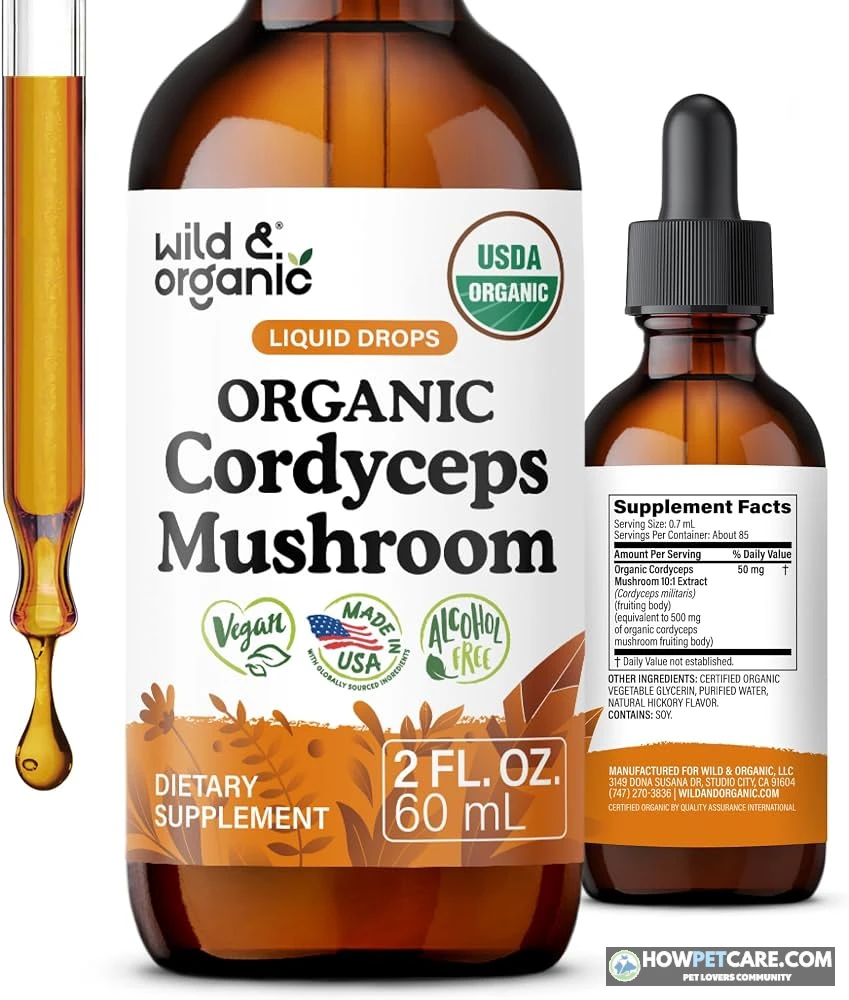
Dog owners frequently encounter multi-mushroom blends combining turkey tail with reishi (Ganoderma lucidum), maitake (Grifola frondosa), shiitake (Lentinula edodes), and cordyceps (Cordyceps militaris).
- Turkey tail: Highly specialized for immune modulation and macrophage activation due to its exceptionally high concentration of beta-1,3/1,6-glucans and PSP/PSK complexes.
- Reishi: Contains complex triterpenes (ganoderic acids) that exhibit mild antihistamine, hepatoprotective, and calming properties. It is often favored for allergic or liver-compromised dogs rather than acute oncology adjunct protocols.
- Multi-mushroom blends: While functional blends offer broad-spectrum support, they present a common drawback: by combining six to ten mushroom species into a single scoop, the actual therapeutic dosage of any single species — such as turkey tail — is diluted below clinically meaningful levels.
| Condition or Clinical Application | Best Available Canine Evidence | Evidence Strength | What Pet Owners Can Reasonably Expect | Critical Clinical Caveat |
|---|---|---|---|---|
| Splenic Hemangiosarcoma | 2012 University of Pennsylvania pilot (n=15) vs. 2022 Gedney follow-up trial | Low to Moderate (Conflicting) | Possible modest supportive adjunct to chemotherapy; unproven to reliably extend lifespan alone. | Must never replace surgical splenectomy or standard-of-care oncology protocols. |
| Canine Lymphoma | In vitro cellular assays; zero canine clinical trials | Very Low / Theoretical | No proven clinical survival benefit; mechanism of action unvalidated in lymphoproliferative cancers. | Theoretical risk of lymphoproliferative stimulation; oncologists frequently recommend avoidance. |
| Mast Cell Tumors (MCT) | Anecdotal veterinary reports; no controlled trials | Unproven | May support baseline vitality; does not slow mast cell proliferation or prevent degranulation. | Surgical removal and histopathological grading are mandatory baseline steps. |
| Benign Lipomas (Fatty Lumps) | None (biological plausibility lacking) | Refuted / Myth | Zero effect; will not catabolize, shrink, or resolve mature adipose masses. | Every new or changing subcutaneous lump requires veterinary fine-needle aspiration. |
| Prebiotic Gut Microbiome Support | Murine, human, and general canine digestive studies | Moderate | Improved stool quality, colonic mucosal integrity, and increased short-chain fatty acid synthesis. | Excess dosing or rapid introduction causes flatulence and loose stools. |
How to Give Turkey Tail, Judge Whether It Is Working, and Decide Your Next Step
Integrating turkey tail into your dog’s daily routine requires practical administration strategies, a defined monitoring protocol, and an open collaborative relationship with your primary veterinarian or oncologist.
Mixing it into food and handling picky eaters
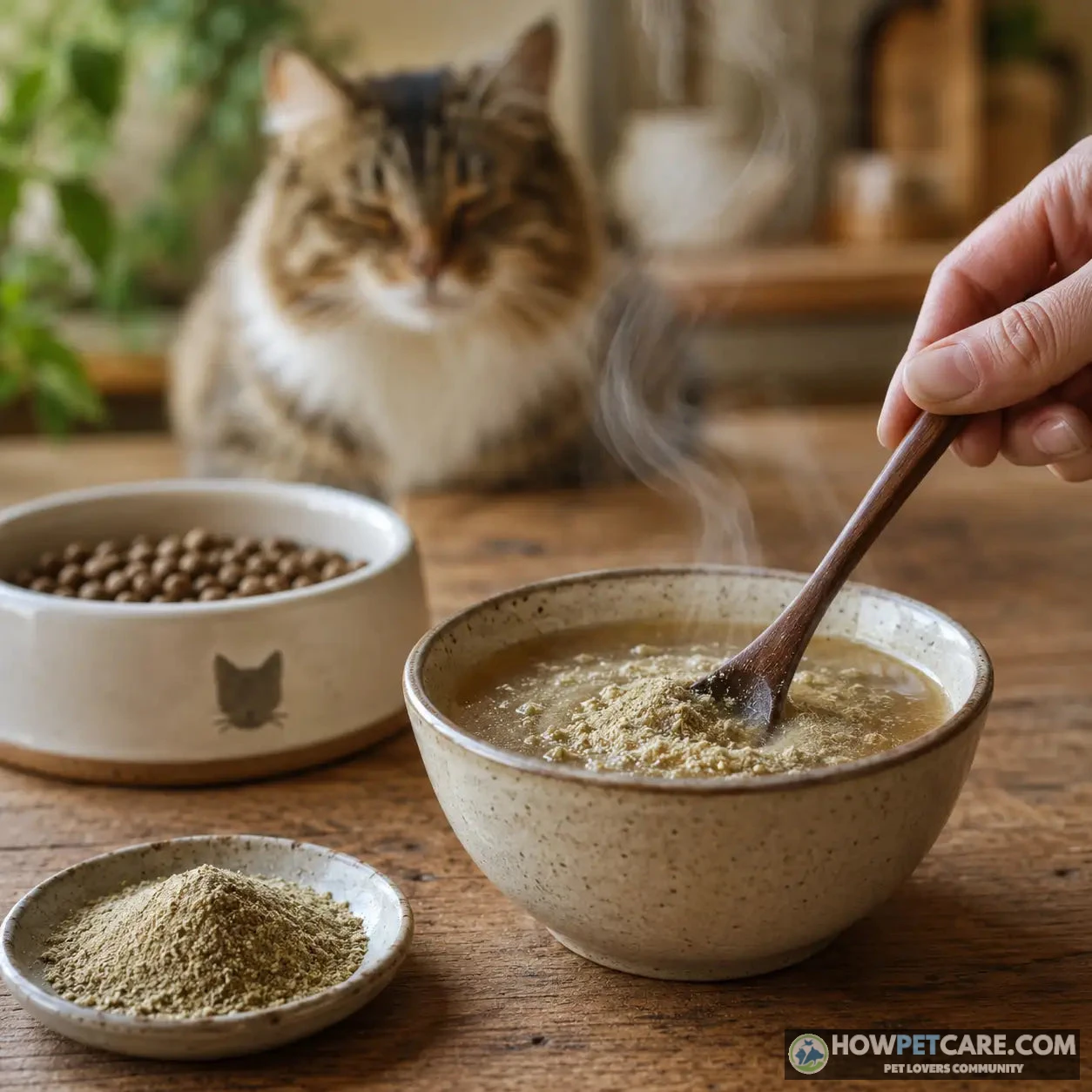
Beta-glucans are heat-stable polysaccharides. Commercial extraction requires temperatures exceeding 200°F (boiling water) to break chitin bonds. Therefore, mixing turkey tail powder into warm bone broth, warm water, or lightly warmed wet food will not degrade the active beta-glucans. However, you should avoid subjecting mushroom extracts to prolonged microwave boiling or high-heat baking (such as home-baked dog biscuits), which can damage secondary bio-compounds.
For picky dogs who object to the earthy, woodsy scent of pure mushroom powder:
- Blend the powder into plain, unsweetened kefir, Greek yogurt, or pureed pumpkin.
- Mix the dose into canned sardines or wild salmon oil; strong fish aromas effectively mask the fungal aroma.
- Empty powder into empty gelatin capsules and conceal them in fresh meat or pet-safe pill pockets.
Cycling, timelines, and signs to watch
While continuous daily administration was used in the 2012 hemangiosarcoma pilot, many integrative and holistic veterinarians advocate for supplement cycling in healthy or maintenance-phase dogs (such as 5 days on, 2 days off, or 8 weeks on followed by a 2-week break). The rationale is to avoid immune receptor desensitization, though canine pharmacokinetic data confirming this benefit remains limited. Discuss with your veterinarian whether continuous or cyclic dosing makes the most sense for your dog’s specific clinical state.
When evaluating response, maintain realistic expectations. You cannot visually verify immune enhancement or microscopic tumor suppression. The signs you can observe over an 8- to 12-week trial are general vitality markers:
- Consistent, well-formed stool quality.
- Maintained or improved appetite and daily energy levels.
- Resilience against common seasonal skin or respiratory challenges.
- Normal energy recovery following exercise.
Bloodwork and vet questions
Because no single blood test can prove a mushroom supplement is working, regular objective laboratory monitoring is essential, particularly for cancer patients or seniors.
Ask your veterinarian to run:
- Complete Blood Count (CBC) with differential: Tracks total white blood cell counts, absolute neutrophil numbers, and lymphocyte levels. While turkey tail will not correct severe chemotherapy-induced neutropenia, monitoring hematologic baselines ensures systemic safety.
- Comprehensive Metabolic Panel (Chemistry Screen): Monitors renal (BUN, creatinine) and hepatic (ALT, ALP, total bilirubin) parameters to confirm normal metabolic clearance.
- Serial Imaging for Oncology Patients: Regular thoracic radiographs (chest X-rays) and abdominal ultrasounds remain the only definitive clinical tools to monitor tumor metastasis or recurrence.
- "Based on my dog’s current prescription medications, are there any potential cytochrome P450 or immunosuppressive interactions with fungal beta-glucans?"
- "If we introduce this turkey tail extract at 25 mg/kg beta-glucans daily, what specific baseline bloodwork parameters should we monitor?"
- "Should we discontinue this supplement two weeks prior to any planned dental or surgical procedures due to mild antiplatelet effects?"
- "If my dog is undergoing chemotherapy, at what point in the treatment cycle do you prefer we pause or resume supportive mushroom extracts?"
Your buy-or-skip checklist
Before finalizing your decision, review this practical summary framework:
- Diagnosis verified: You have obtained an accurate veterinary diagnosis for any underlying lump, limp, or chronic symptom.
- Oncology plan set: You have established standard-of-care medical or surgical plans before considering supportive herbs.
- Drug interactions cleared: Your vet has confirmed turkey tail will not counteract immunosuppressive drugs, chemotherapy, or diabetes therapies.
- Product quality verified: You have confirmed the product uses pure hot-water extracted fruiting body (or pure liquid-culture mycelium), provides a guaranteed beta-glucan percentage, and offers a lot-specific COA.
- Cost-per-day calculated: You have calculated the daily cost based on active milligrams for your dog’s weight and confirmed it fits comfortably within your monthly pet care budget.
- Slow titration scheduled: You have planned a 10-day gradual introduction schedule to safeguard digestive health.
1Turkey tail mushroom acts primarily as a biological response modifier in mammals. Which structural component of the mushroom is specifically responsible for its immunomodulatory properties and prebiotic gut benefits?
Complex structural carbohydrates such as beta-1,3/1,6-glucans along with protein-bound polysaccharides (PSK and PSP) provide the primary biological activity and gut microflora nourishment.
2A 2012 pilot study on dogs with splenic hemangiosarcoma receiving a purified polysaccharopeptide (PSP) extract showed prolonged median survival times. What did a larger 2022 follow-up study evaluate and conclude when testing turkey tail extract in dogs with splenic hemangiosarcoma?
Under rigorous clinical conditions with standardized oncology protocols and a larger sample size, the survival gains observed in the 15-dog pilot study failed to reliably replicate.
3Before starting a canine patient on a turkey tail mushroom supplement, a veterinarian should screen for specific medication interactions. Which of the following drug classes present known pharmacologic contraindications or interaction concerns when combined with high-dose fungal beta-glucans?
Immune-stimulating fungal polysaccharides can directly counteract pharmaceuticals prescribed to suppress aberrant immune responses.
4When evaluating commercial mushroom supplements for dogs, products labeled as 'mycelial biomass' or 'mycelium on grain' present a common quality drawback. What is the primary reason these products contain lower active compound levels than 100% fruiting body extracts?
When mycelium colonizes grain like oats or rice, the entire block is ground together, producing a product that often consists of 50% to 70% residual grain starch rather than pure fungal tissue.
5Peer-reviewed safety and pharmacokinetic data regarding turkey tail administration are lacking in specific canine populations. Which of the following cohorts fall under a 'do-not-use' advisory unless under direct specialist care?
There is no peer-reviewed safety data regarding how exogenous fungal immune modulation affects developing immune systems in neonatal or young growing dogs.
6A dog owner discovers a soft, moveable subcutaneous lump on their senior dog and considers administering turkey tail mushroom to dissolve it. Based on veterinary pathology and biological mechanisms, why is this approach ineffective for lipomas?
Beta-glucans modulate immune pathways and nourish gut flora, but they cannot selectively metabolize localized subcutaneous adipose tissue.
7What standard introduction strategy is recommended when starting a dog on turkey tail mushroom supplements to minimize gastrointestinal side effects like flatulence and loose stools?
Stepped titration over 10 to 11 days allows the gut microbiome to adapt to dense fungal polysaccharides without causing rapid fermentation and dysbiosis.
8A dog owner wants to blend hot-water extracted turkey tail powder into their pet's food. Which preparation method safely masks the earthy taste without degrading the active beta-glucans?
Beta-glucans are heat-stable polysaccharides that withstand warming in broth or food toppers, and strong food aromas effectively cover the fungal taste.
By following this objective, evidence-based approach, you can ensure that every decision you make regarding turkey tail mushroom for dogs is clinically safe, financially sound, and genuinely aligned with your dog’s health needs.
FAQ
Can I give my dog a human turkey tail supplement?
Often yes, if the product contains only turkey tail and no xylitol, sweeteners, or added herbs, but you need to recalculate the dose by your dog’s weight and the mg per serving. Check the ingredient list and ask your vet first, especially if your dog takes medication.
Is it safe to feed my dog wild turkey tail mushrooms I find outdoors?
It is not recommended. Wild turkey tail has lookalikes, and raw mushroom is tough and poorly digested, so it does not deliver the beta-glucans that extraction releases. A tested supplement is the safer choice.
Is turkey tail better than reishi for dogs?
Neither has strong canine evidence, and they are different species with different compounds. Turkey tail is the one with dog-specific research (the 2012 and 2022 hemangiosarcoma studies), so most owners start there; ask a vet before combining mushrooms.
How long should I try turkey tail before deciding if it works?
There is no validated timeline in dogs. Many owners use 4 to 8 weeks to judge tolerance and general signs such as appetite and energy, but those signs cannot confirm any effect on a tumor, so set a review date with your vet.
Can turkey tail mushroom be given with chemotherapy?
Some oncologists allow it and others advise against it, and there is little dog-specific interaction data. Tell your oncologist about the product, dose, and brand before starting, and do not add it without their approval.