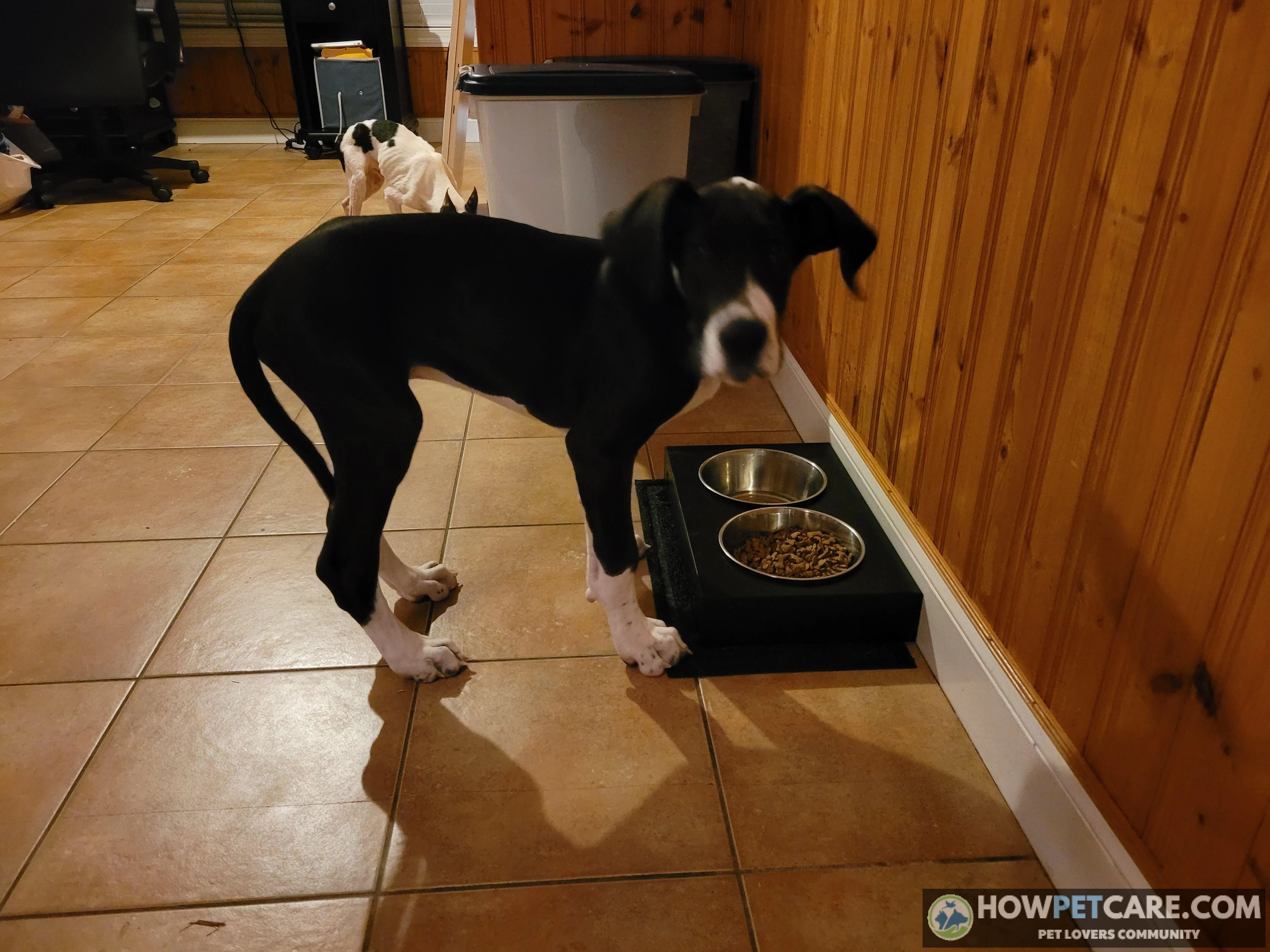

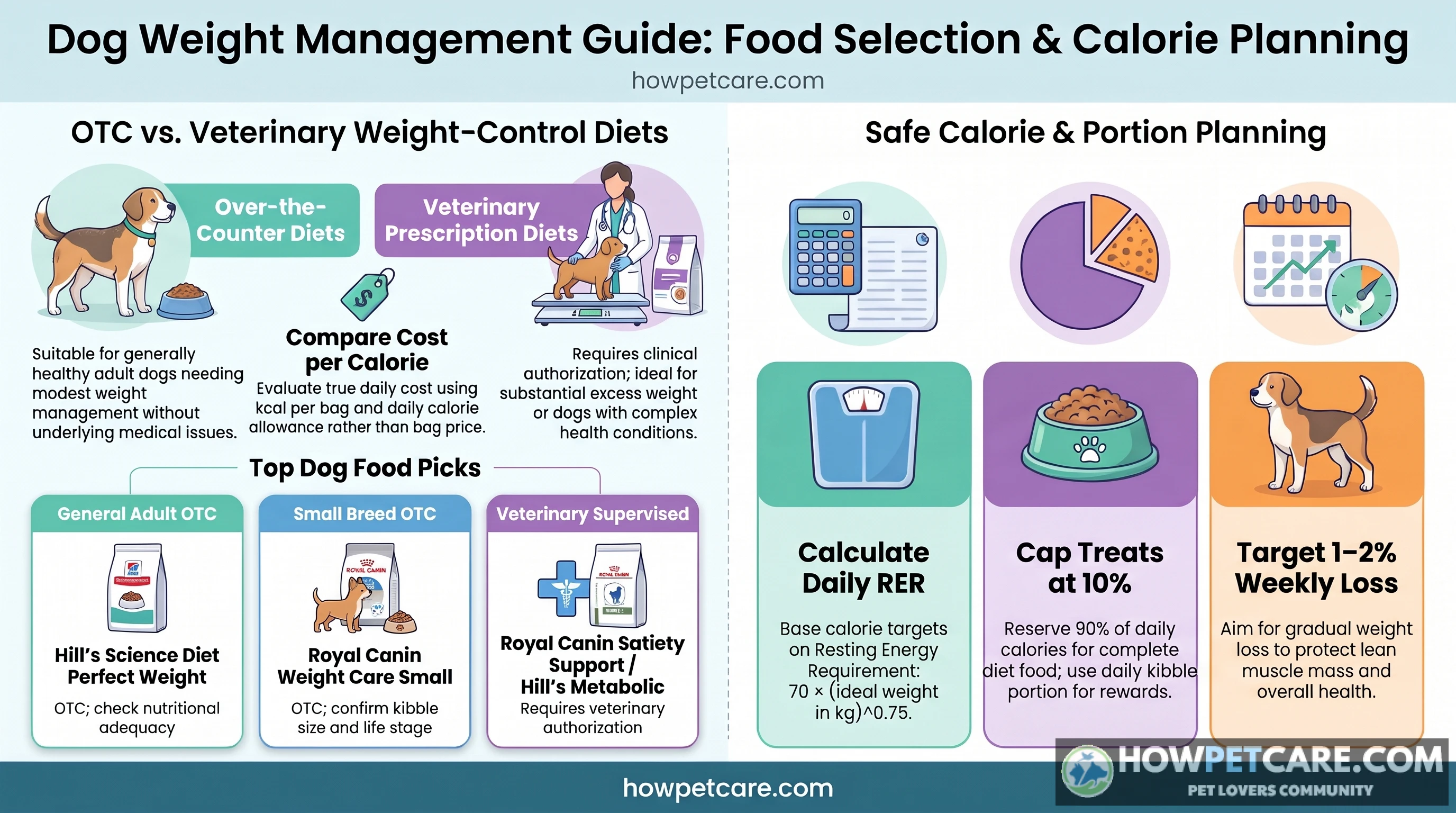
Top weight control dog food picks by use case (verify current labels before buying):
- General adult: Hill’s Science Diet Perfect Weight Adult (OTC)
- Small breeds: Royal Canin Weight Care Small (OTC)
- OTC alternative: Purina ONE +Plus Healthy Weight Formula
- Veterinary-supervised: Royal Canin Satiety Support or Hill’s Prescription Diet Metabolic / w/d (authorization required)
Choose based on calorie density, AAFCO adequacy, and your veterinarian’s calorie target.
For a generally healthy adult dog that needs to lose weight, Hill’s Science Diet Perfect Weight Adult is a reasonable over-the-counter starting point to discuss with your veterinarian. If your dog has substantial excess weight or a medical condition, ask whether a veterinary diet such as Royal Canin Satiety Support or Hill’s Prescription Diet w/d fits the whole clinical picture. The right choice depends on the exact formula, your dog’s calorie allowance, and whether the portion needed for weight loss meets nutritional needs.
The comparison below is a shortlist, not a substitute for checking the bag. The supplied product evidence does not establish current formula-specific calories, guaranteed analyses, bag sizes, prices, or ratings. Rather than guess, we’ve marked those fields unavailable. Verify them before deciding which food offers the best value for your dog.
Best weight control dog foods: ranked picks by use case
| Rank and use case | Brand and exact formula | Access | Kcal per cup | Protein min. | Fat min. | Fiber max. | Bag sizes | 2026 price and source | Cost per day / feeding | Rating and source | Key limitation |
|---|---|---|---|---|---|---|---|---|---|---|---|
| 1. General adult shortlist | Hill’s Science Diet Perfect Weight Adult | OTC | Not verified | Not verified | Not verified | Not verified | Not verified | Not verified | Not available | Not available | Check the exact recipe and whether it supplies adequate nutrition at the calculated portion. |
| 2. Small-breed shortlist | Royal Canin Weight Care Small | OTC | Not verified | Not verified | Not verified | Not verified | Not verified | Not verified | Not available | Not available | Confirm adult life stage, kibble suitability, and the full ingredient list. |
| 3. Alternative adult shortlist | Purina ONE +Plus Healthy Weight Formula | OTC | Not verified | Not verified | Not verified | Not verified | Not verified | Not verified | Not available | Not available | Verify calorie density and ingredients against your dog’s needs. |
| 4. Veterinary-supervised weight loss | Royal Canin Veterinary Diet Satiety Support | Veterinary authorization | Not verified | Not verified | Not verified | Not verified | Not verified | Not verified | Not available | Not available | Authorization is required; the appropriate formulation depends on the dog. |
| 5. Veterinary diet for selected cases | Hill’s Prescription Diet w/d Multi-Benefit | Veterinary authorization | Not verified | Not verified | Not verified | Not verified | Not verified | Not verified | Not available | Not available | Not automatically the right diet for every dog with diabetes or excess weight. |
| 6. Veterinary weight-loss alternative | Hill’s Prescription Diet Metabolic | Veterinary authorization | Not verified | Not verified | Not verified | Not verified | Not verified | Not verified | Not available | Not available | Ask the veterinarian about fit, monitoring, and cost before buying. |
How to use the ranking: This is a practical order for investigating options, not a ranking based on head-to-head feeding trials or verified 2026 prices. The first three are adult OTC candidates; the next three are veterinary diet candidates to discuss when clinical supervision is appropriate. Check availability, exact product names, and label details with the manufacturer or seller before purchase.
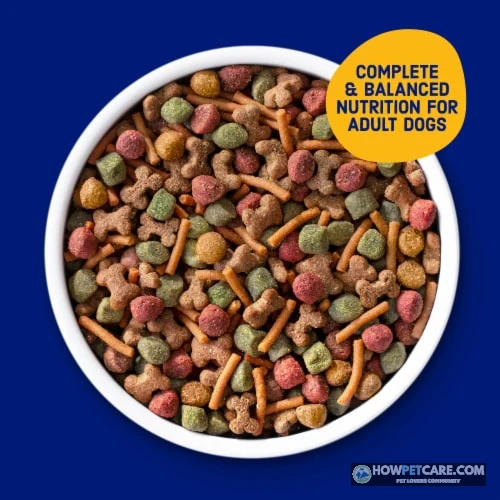
How the foods were selected and ranked
The shortlist separates everyday adult weight-management candidates from veterinary diets and gives a small-dog option its own place. For your dog, suitability matters more than position. A food that conflicts with a medical restriction or can’t be fed in a nutritionally adequate amount isn’t the best choice, even if it appears first.
Without current product data, the comparison can’t establish which formula has the lowest calorie density, highest fiber, best rating, or lowest cost. PetMD’s Chewy-employed veterinary panel recommends considering calories per cup, fiber, and lean protein when choosing a weight-loss food. Those are useful criteria, but the cited advice doesn’t verify the figures for the products in this table.
For each finalist, record the exact dry or wet recipe, life stage, kcal per cup and kilogram, guaranteed analysis, bag weight, and price from the current manufacturer label and seller listing. Don’t transfer values from a similarly named small-breed, wet, or reformulated product. Ratings are omitted because the supplied evidence contains no consistently sourced ratings.
Editorial transparency: This draft does not establish an affiliate relationship, retailer or manufacturer ownership, or an independent veterinary review. No veterinary reviewer is named because none is documented as having reviewed it. Product inclusion should not be read as a claim of endorsement, a verified feeding trial, or a financial relationship.
To compare cost fairly, use the same daily food-calorie allowance and meal count for each product:
- Convert bag pounds to kilograms: pounds ÷ 2.205.
- Multiply bag kilograms by the label’s kcal per kilogram to estimate calories per bag.
- Divide the bag price by calories per bag, then multiply by your dog’s daily food calories.
- Divide daily food cost by meals per day for cost per feeding.
For example, using purely illustrative numbers, a $60 bag containing 30,000 kcal costs $0.002 per kcal. At 500 food kcal per day, that is $1.00 per day, or $0.50 per meal when feeding twice daily. Treats, delivery, veterinary visits, and waste cost extra. Use the same 500-kcal allowance for each comparison, even if your own dog needs a different amount.
Best overall and best picks for specific needs
- General adult starting point: Hill’s Science Diet Perfect Weight Adult. Consider this OTC formula for an otherwise healthy adult after confirming its nutritional adequacy statement, calories, and ingredients. Its first-place position reflects broad intended use, not a verified claim that it outperforms every competitor.
- Small adult dogs: Royal Canin Weight Care Small. Its small-dog positioning makes it a candidate when kibble size and precise portions matter. Check that the current package is suitable for your dog’s adult size and that your dog can chew it comfortably.
- Another OTC adult option: Purina ONE +Plus Healthy Weight Formula. Compare its exact label and local cost with the first choice. Don’t assume either formula is cheaper per day based on bag price alone.
- Veterinary-supervised loss: Royal Canin Satiety Support or Hill’s Prescription Diet Metabolic. Ask your veterinarian whether either is appropriate if an OTC plan isn’t meeting your dog’s needs or a more structured weight-loss plan is warranted.
- Multiple dietary considerations: Hill’s Prescription Diet w/d Multi-Benefit. Discuss this option with the treating veterinarian; it isn’t an automatic recommendation for diabetes, digestive disease, or any other diagnosis.
Large adult dogs and seniors can also be assessed for an adult formula on this list, but the evidence supplied here doesn’t establish a separate best large-breed or senior product. None of these formulas is verified here as chicken-free, either. For a true chicken restriction, check the complete current ingredient list and involve your veterinarian before purchasing.
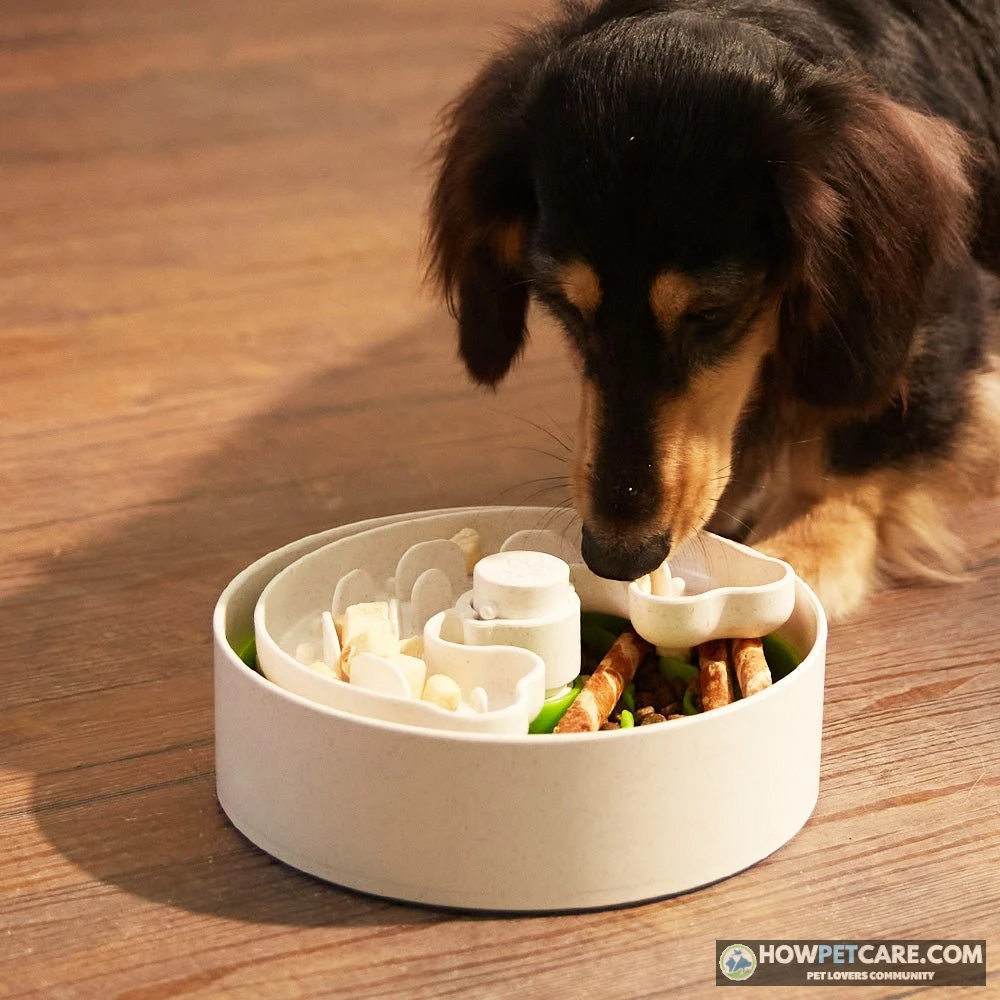
How to compare a weight management dog food label
A weight control dog food is useful only if a measured portion supports your dog’s calorie target and nutritional needs. A label claim alone doesn’t cause weight loss: calories consumed over time must fit the plan.
Calories, protein, fat, and fiber
Start with calorie density. Kcal per cup helps you estimate a portion; kcal per kilogram is especially useful when weighing food. Cups measure volume, and different kibble shapes and densities weigh different amounts. A kitchen scale makes a small daily portion easier to repeat.
The guaranteed analysis lists bounds, not exact measured nutrient contents: protein and fat are normally minimums, while fiber is a maximum. A higher listed fiber maximum doesn’t necessarily mean a food contains more actual fiber than every food with a lower maximum. Likewise, foods with the same protein minimum may contain different amounts in practice.
Protein helps support lean muscle mass during weight loss, while fiber may help some dogs feel satisfied. PetMD’s selection advice emphasizes lean protein, fiber, and calories per cup. Don’t choose a food solely because it calls itself a high protein dog food or contains L-carnitine. The complete diet, portion, medical fit, and response matter more than one front-of-bag claim.
Compare wet and dry foods carefully because their moisture differs. To estimate a guaranteed-analysis percentage on a dry-matter basis, divide the listed nutrient percentage by 100 minus the moisture percentage, then multiply by 100. This makes comparison across different moisture levels more useful, but it doesn’t turn minimums and maximums into exact nutrient values. A complete and balanced wet food can be part of a measured weight-loss plan; count its calories just as you would kibble.

AAFCO status and marketing claims
Find the AAFCO nutritional adequacy statement and confirm that the food is complete and balanced for your dog’s life stage. Check whether the statement says adequacy was established by feeding trials or by formulation to nutrient profiles. These are different substantiation routes; a feeding guide showing cups per day isn’t the same as an adequacy statement.
For a growing puppy, don’t substitute an adult diet dog food without veterinary direction. Growth requires an appropriate nutritional plan even when the puppy is gaining too quickly.
Regular adult food and weight-management food can differ in calorie density and nutrient profile, but neither label tells you the right individual serving. A low fat dog food isn’t automatically the lowest-calorie option, and a food marketed as healthy weight or weight management doesn’t guarantee weight loss. Terms such as “light” and “low calorie” have labeling criteria in relevant contexts. Still, check the actual calorie statement and feeding instructions instead of assuming two products provide the same calories.

A cup is a volume, not a universal weight. Once you have a calorie target, use the exact recipe’s kcal per kilogram to calculate grams per day and weigh the food on a kitchen scale.
Choose a weight loss food for your dog’s size, age, and health
Small breeds, large breeds, and senior dogs
| Situation | Starting point | What to check | Important limitation |
|---|---|---|---|
| Small adult dog | Investigate Royal Canin Weight Care Small | Kibble size, current kcal per cup or gram, and the AAFCO statement | Small portions make even a few uncounted treats significant. |
| Large adult dog | Compare an adult formula such as Hill’s Science Diet Perfect Weight Adult with the veterinarian’s plan | Adult adequacy, measured daily calories, mobility, and the dog’s ability to eat the proposed portion | Size alone does not determine calorie needs; do not use an adult weight-loss plan for a growing large-breed puppy. |
| Senior dog | Ask whether an adult option such as Hill’s Science Diet Perfect Weight Adult fits after a muscle and health assessment | Muscle condition, chewing ability, adequacy at the intended portion, and concurrent disease | The lowest-calorie food is not necessarily the best senior choice. |
| Chicken restriction | No formula in the shortlist is verified chicken-free here | Every ingredient in the exact recipe, including derivatives where relevant | A suspected or confirmed allergy may need a veterinary-directed elimination diet. |
| Sensitive digestion | Start with a veterinarian-approved formula whose ingredients the dog has previously tolerated | Ingredient list, fiber, previous reactions, and transition tolerance | A weight claim or grain-free claim does not establish digestive suitability. |
| Diabetes, arthritis, or heart disease | Ask the treating veterinarian to assess the shortlist, including veterinary diets such as Royal Canin Satiety Support or Hill’s Prescription Diet w/d Multi-Benefit | The disease-specific plan, medication, exercise limits, and complete nutrient profile | No single listed food is appropriate for all three conditions. |

A small dog may need only a fraction of a cup per meal, so weighing the ration is especially useful. For a large dog, a suitable adult formula and a sustainable activity plan matter more than the words “large breed” alone. If joints are painful, ask about comfortable, low-impact activity rather than pushing longer walks.
For a senior, discuss muscle as well as fat. A dog can lose weight on the scale while losing muscle needed for mobility. Dental problems may also make a smaller kibble or an appropriately portioned wet food easier to eat. Some neutered dogs need fewer calories, but individual needs vary; follow weight and body condition rather than applying an automatic cut.
Chicken-free, sensitive stomach, and medical needs
Fish on the front of a bag doesn’t prove that a recipe is free of chicken. Read the entire ingredient list for chicken and relevant derivatives, and ask your veterinarian what must be excluded. An ordinary retail food isn’t automatically appropriate for diagnosing a food allergy; a controlled elimination trial has stricter requirements.
Grain-free weight management dog food isn’t inherently better for a sensitive stomach or for weight loss. Choose based on your dog’s history, the complete recipe, nutritional adequacy, and veterinary advice—not on the absence of grains alone.
Diabetes requires particular care because changes in food or calorie intake can affect a dog’s treatment plan. With arthritis, weight management and appropriate activity need to account for pain and mobility. With heart disease, the veterinarian may have nutrient and medication considerations that take precedence over a standard weight-control claim. Don’t change insulin, other medication, or a therapeutic diet on your own.
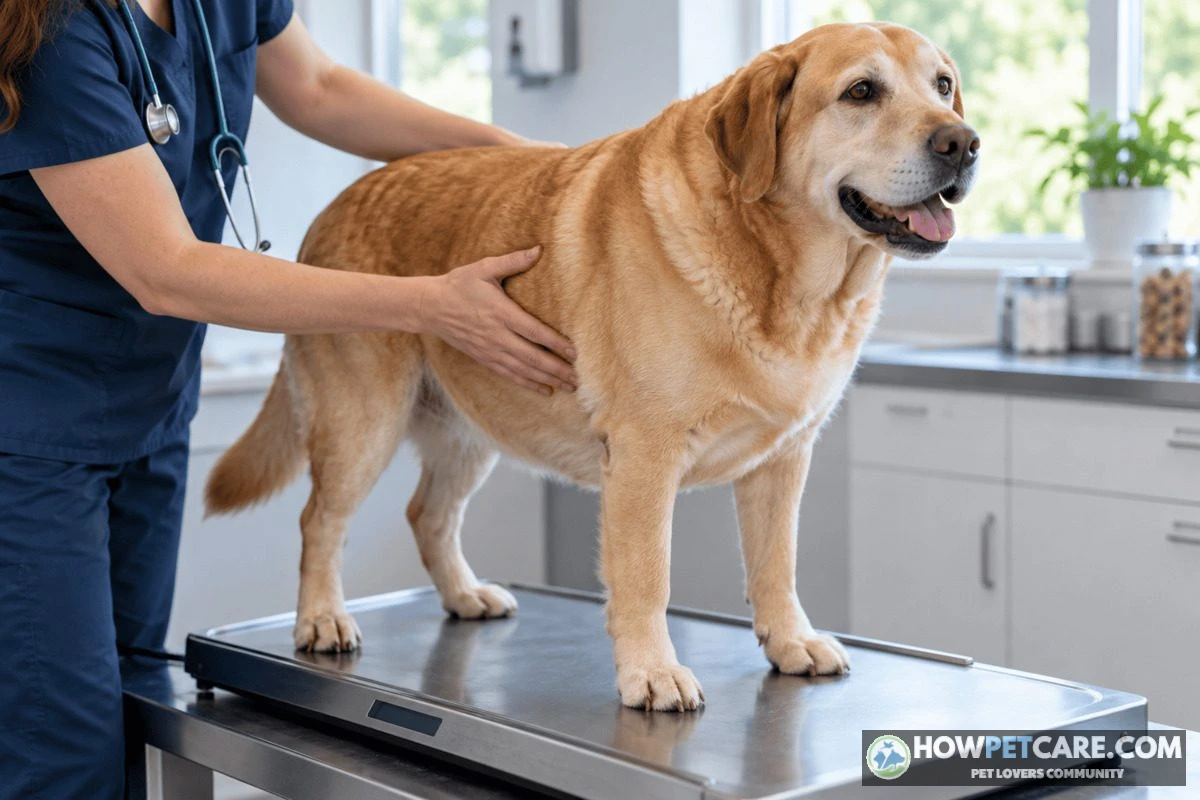
Prescription vs. OTC weight control dog food
An OTC food can be a practical choice for an otherwise healthy dog with modest weight to lose. A veterinary weight management diet can be valuable when the plan requires closer nutritional tailoring, a more structured approach, or consideration of another disease. Neither category guarantees success without measured portions and follow-up.
| Decision factor | OTC weight control food | Veterinary weight management diet |
|---|---|---|
| Nutrition during restriction | Check whether the planned portion remains appropriate; severe cuts to a maintenance food can compromise nutrient intake. | Designed for a particular nutritional purpose; the veterinarian must still match the formula and amount to the dog. |
| Calories and satiety | Calorie density, protein, and fiber vary by recipe. | Formulations vary; some are designed to support restricted feeding and satiety. |
| Evidence | Check the exact formula’s substantiation and any available studies. | Evidence varies by formula; a therapeutic label alone does not establish superiority over every OTC food. |
| Oversight and access | Available without veterinary authorization; a veterinary calorie plan is still valuable. | Veterinary authorization is required to purchase prescription-designated products. |
| Total cost | Compare food per day, treats, and any veterinary follow-up. | Compare food per day plus examination, authorization, and recheck costs; prices vary. |
| Best starting situation | An otherwise healthy adult with a manageable target and an adequate measured portion. | A dog needing clinical assessment, a tailored nutrient profile, or a different plan after a supervised attempt. |
When veterinary authorization or a tailored diet matters
Authorization is a purchase requirement for prescription-designated diets; it doesn’t mean every overweight dog medically requires one. Your veterinarian decides whether a specific diet is appropriate based on the whole dog, not a universal weight cutoff.
Arrange an assessment before selecting a plan if your dog has a diagnosed condition, significant mobility limits, suspected illness, or substantial excess weight. Excessive thirst, new hair loss, marked changes in appetite, or a pot-bellied appearance are reasons to contact a veterinarian, not signs to diagnose at home. A supervised OTC plan that stalls despite accurate feeding records is another reason to revisit the choice.
Evidence, expected timeline, and total cost
A formula-specific feeding trial can be useful, but read what it actually tested: the dogs included, whether there was a comparison group, how portions were controlled, and how long the study ran. The supplied evidence doesn’t verify a named product’s trial results or establish that prescription food produces faster loss than OTC food in comparable dogs. Don’t buy on a speed claim alone.
Estimate the timeline from the amount of weight to lose and a veterinarian-agreed rate, then adjust expectations using actual weigh-ins. A change on the scale may take more than one check-in to interpret, regardless of food category. For a dog with a 7-pound goal, the example later in this guide shows why the journey may take months rather than weeks.
Compare total costs using the same daily food calories, not just the bag price. Include treats, exams, and planned rechecks. If a veterinary diet costs more per day but reduces the need for an unsuitable trial-and-error approach, that may be worthwhile; the actual trade-off depends on your dog and local prices.
Calculate daily calories and portions for safe dog weight loss
RER, DER, and a worked portion example
Ask your veterinarian to confirm a reasonable target weight before calculating a starting allowance. Resting energy requirement, or RER, estimates energy needs at rest:
RER = 70 × ideal weight in kilograms raised to the power of 0.75.
Daily energy requirement, or DER, applies an appropriate factor to RER to estimate daily needs for a particular purpose. That factor varies with the individual and goal; maintenance estimates aren’t automatically appropriate for weight loss. A veterinarian may use RER at ideal weight as an initial weight-loss estimate and adjust it using the dog’s response. It’s a starting calculation, not a prescription.

Example: a dog with an ideal weight of 10 kg, or about 22 lb
- Calculate RER: 70 × 10^0.75 = approximately 394 kcal per day.
- For this illustration, use 394 kcal per day as the starting total weight-loss allowance, subject to veterinary adjustment.
- Reserve up to approximately 10% for treats and extras: about 39 kcal. That leaves about 355 kcal for complete food.
- If the chosen food hypothetically provides 350 kcal per cup, divide 355 by 350: approximately 1.01 cups per day.
- For two meals, divide by two: approximately 0.51 cup per meal. This is an illustration, not the calorie value of any named product.
For grams, use the exact food’s kcal per kilogram: daily food kcal ÷ kcal per kilogram × 1,000. At an illustrative 3,500 kcal per kilogram, 355 ÷ 3,500 × 1,000 is approximately 101 g per day, or about 51 g per meal for two meals. Rounding means the meal totals may differ by a gram.
Second example: a 45-lb dog with a veterinarian-confirmed 38-lb target
- Convert target weight: 38 ÷ 2.205 = approximately 17.2 kg.
- Calculate RER: 70 × 17.2^0.75 = approximately 591 kcal per day as an illustrative starting allowance.
- Reserve about 59 kcal for extras and about 532 kcal for complete food.
- At an illustrative 350 kcal per cup, 532 ÷ 350 is approximately 1.52 cups per day, or 0.76 cup per meal for two meals.
- At an illustrative 3,500 kcal per kilogram, 532 kcal is approximately 152 g per day.
These examples assume the complete food is appropriate and nutritionally adequate at the resulting amount. Don’t repeatedly cut a standard maintenance diet to chase the calculator; ask the veterinarian whether a different formula is needed.
Treat budget and safe weekly progress
A practical ceiling is roughly 10% of total daily calories from treats and other extras, leaving the great majority for the complete and balanced diet. Count training treats, dental chews, table scraps, flavored supplements, and food used to give medication. If medication must be given with food, ask the veterinarian how to accommodate it safely. Kibble taken from the measured daily ration can serve as a training reward without adding calories.
A commonly used weight-loss target is approximately 1–2% of current body weight per week, individualized by the veterinarian; slower loss can be appropriate. For the 45-lb example, that is about 0.45–0.9 lb in the first week. Losing 7 lb might therefore take roughly 8–16 weeks or longer, depending on the changing pace and individual response. Recalculate the percentage as weight changes; a neat straight-line forecast isn’t a promise.
Rapid loss, weakness, or visible muscle loss warrants reassessment. Never crash-restrict food to reach a date on the calendar.
Contact your veterinarian if weight falls unusually fast, your dog seems weak, or muscles over the spine, shoulders, or hips become more prominent. A lower number is not a success if the dog is losing needed muscle.
Transition, monitor, and troubleshoot the new diet
A 7–10 day food transition
Introduce the new diet gradually unless your veterinarian gives a different schedule. The proportions below describe the approximate share of the food calorie allowance, not interchangeable cup volumes. Calculate each food’s contribution using its own calorie density, and keep treats inside the overall daily budget.
| Days | Previous food proportion | New food proportion | What to monitor |
|---|---|---|---|
| 1 | 75% | 25% | Appetite and stool. |
| 2 | 75% | 25% | Stool, gas, and interest in meals. |
| 3 | 75% | 25% | Whether the mix is tolerated. |
| 4 | 50% | 50% | Stool and appetite after the increase. |
| 5 | 50% | 50% | Gas, loose stool, or reluctance to eat. |
| 6 | 50% | 50% | Whether signs are settling. |
| 7 | 25% | 75% | Stool and energy. |
| 8 | 25% | 75% | Meal acceptance and comfort. |
| 9 | 25% | 75% | Tolerance before the final change. |
| 10 | 0% | 100% | Confirm the weighed portion matches the plan. |

If stools are mildly soft but your dog is otherwise well, hold the current ratio or return to the last tolerated mix and transition more slowly. A sensitive dog may need longer than 10 days. Call the veterinarian for persistent diarrhea, vomiting, blood, lethargy, or concerns about hydration; severe signs deserve prompt attention. If the new food was prescribed for an urgent medical reason, ask the treating veterinarian before changing the transition schedule.
Keep a consistent feeding schedule. Dividing the measured daily ration into two or more meals can make the plan easier to follow, provided the total doesn’t increase.
Body condition score and progress tracker
A body condition score is generally more practical for this task than a human-style BMI for dogs. On the commonly used nine-point scale, the middle represents an ideal-looking condition, while higher scores indicate increasing excess body fat. Ask your veterinarian to demonstrate the score and assess muscle separately.
At home, use the same gentle checks each time:
- Feel the ribs. You should be able to feel them beneath a covering of tissue without pressing hard. Record whether they become easier to feel; don’t rely on this check alone.
- Look from above. A visible waist behind the ribs is one sign to assess. Coat length and body shape can make the outline harder to judge.
- Look from the side. Check for an abdominal tuck behind the rib cage. Ask your veterinarian if body shape, age, or another condition makes this difficult to interpret.
- Photograph and assess muscle. Take consistent side and overhead photos and ask the veterinarian to check the muscles over the spine, shoulders, and hips.
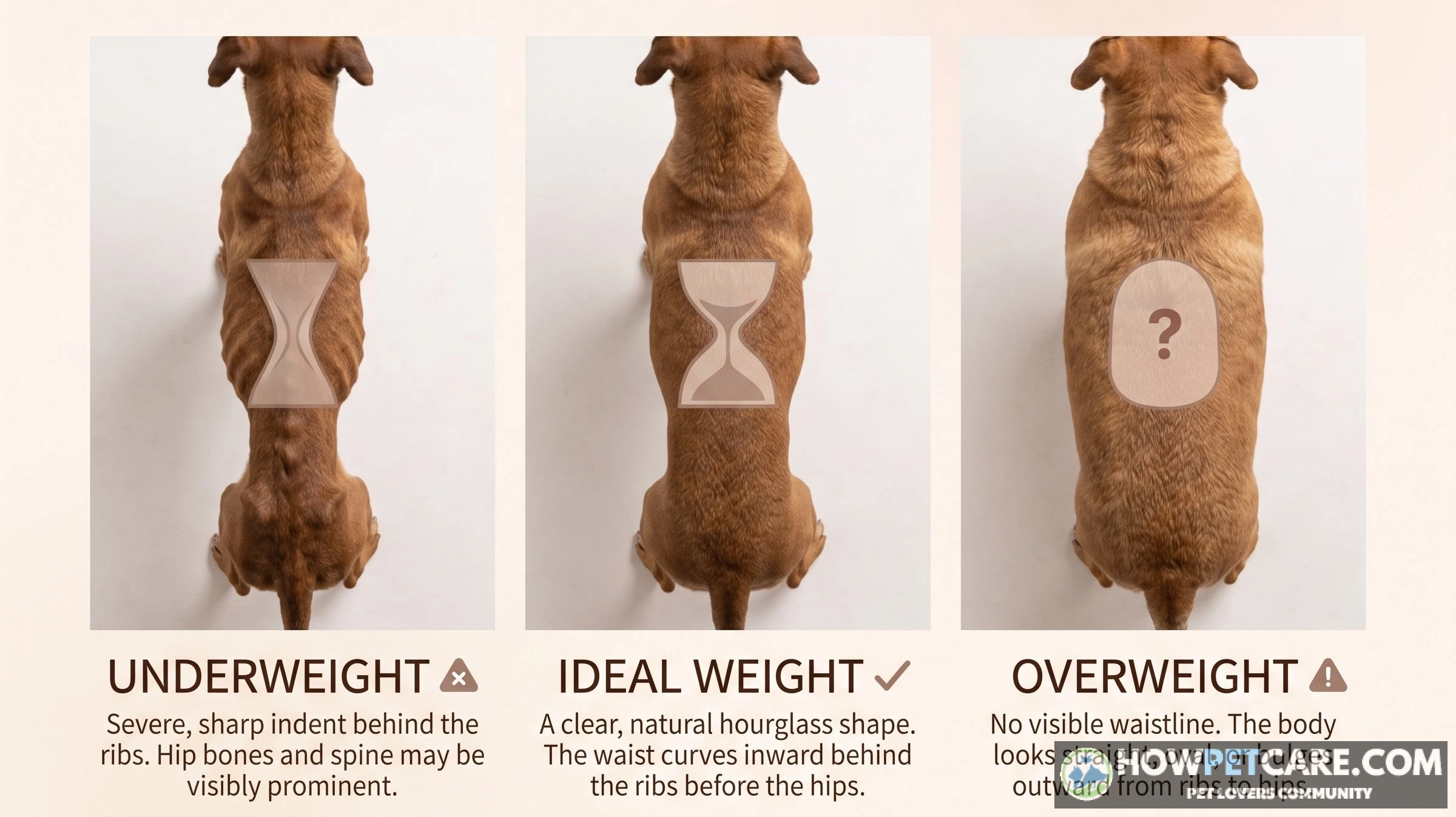
Record a baseline weight and arrange an initial weigh-in about every two weeks. Use the same scale and similar conditions when practical. Look at the trend alongside appetite, activity, stool, body condition, and muscle—not at one isolated number.

| Date | Weight | Body condition / muscle notes | Food grams and calories per day | Treats and extras | Activity | Appetite, stool, or other symptoms |
|---|---|---|---|---|---|---|
| Baseline | ||||||
| Check 1 | ||||||
| Check 2 | ||||||
| Check 3 |
Begging, plateaus, digestive upset, and muscle loss
| Problem | First check | Practical next step | When to call the veterinarian |
|---|---|---|---|
| Begging | Confirm the weighed ration and all hidden calories. | Split the same daily food into smaller meals; use reserved kibble for rewards and ask about a more satisfying suitable formula. | Appetite becomes suddenly extreme or is accompanied by other changes. |
| Plateau | Review several weigh-ins, scale consistency, portions, treats, and household feeding. | Share the log with the veterinarian before changing the calorie target or activity. | The trend remains flat despite accurate feeding, or the dog appears unwell. |
| Loss faster than about 2% per week | Check the calculation, food label, and actual amount fed. | Contact the veterinarian promptly about the ration and whether calories should increase. | Promptly if rapid loss persists; seek urgent advice for weakness or illness. |
| Visible muscle loss | Look at the whole dog, not just scale weight. | Arrange a muscle and health assessment; review the diet and rate of loss. | When muscle wasting appears, even if scale loss seems gradual. |
| Diarrhea | Check the transition speed and any new treats. | If mild and the dog is otherwise well, pause or return to the last tolerated mix. | Persistent diarrhea, blood, vomiting, lethargy, or dehydration concerns. |
| Refusal | Check freshness, storage, chewing comfort, and transition pace. | Try a slower transition if appropriate; do not conceal a large calorie increase in toppings. | The dog skips meals, seems painful or unwell, or the refusal continues; ask promptly if the dog has diabetes or another condition where missed meals affect treatment. |
For a plateau, a veterinarian may recommend a calorie adjustment after reviewing the record. Don’t make repeated cuts or add strenuous exercise without checking your dog’s health and nutritional intake. Sudden hunger or an unexpected change in weight can also have a medical cause.

Your buying and maintenance checklist
Before purchasing, work through the decision in this order:
- Choose a candidate. Start with the adult OTC or veterinary shortlist that fits your dog’s size, life stage, tolerance, and health status. Don’t assume a listed recipe is chicken-free.
- Verify the current label. Record the exact formula, AAFCO adequacy statement, kcal per cup and kilogram, guaranteed analysis, and full ingredients. Confirm availability and veterinary authorization requirements.
- Compare the real cost. Use the same daily food-calorie allowance, current bag price, and kcal per kilogram for each candidate. Add treats, visits, and rechecks to your budget.
- Set the starting plan. Confirm the target weight and daily calorie allowance with your veterinarian; calculate and weigh the food portion, including a budget for extras.
- Plan the switch and first check. Transition gradually, choose a consistent feeding schedule, record baseline photos and measurements, and arrange the first weigh-in. Pair the food plan with activity your dog can do comfortably.
- Reassess at the goal. Ask the veterinarian to check body condition and muscle and establish a maintenance calorie allowance. Depending on the dog and food, that may mean adjusting the amount of the current complete diet or gradually switching to a suitable maintenance formula. Continue periodic weigh-ins so a small regain can be addressed early.
| Rank and Use Case | Brand and Exact Formula | Access | Kcal per Cup | Protein Min | Fat Min | Fiber Max | Key Limitation |
|---|---|---|---|---|---|---|---|
| 1. General adult shortlist | Hill's Science Diet Perfect Weight Adult | OTC | Not in source | Not in source | Not in source | Not in source | Check the exact recipe and whether it supplies adequate nutrition at the calculated portion. |
| 2. Small-breed shortlist | Royal Canin Weight Care Small | OTC | Not in source | Not in source | Not in source | Not in source | Confirm adult life stage, kibble suitability, and the full ingredient list. |
| 3. Alternative adult shortlist | Purina ONE +Plus Healthy Weight Formula | OTC | Not in source | Not in source | Not in source | Not in source | Verify calorie density and ingredients against your dog's needs. |
| 4. Veterinary-supervised weight loss | Royal Canin Veterinary Diet Satiety Support | Veterinary authorization | Not in source | Not in source | Not in source | Not in source | Discover more Cats Dogs Authorization is required; the appropriate formulation depends on the dog. |
| 5. Veterinary diet for selected cases | Hill's Prescription Diet w/d Multi-Benefit | Veterinary authorization | Not in source | Not in source | Not in source | Not in source | Not automatically the right diet for every dog with diabetes or excess weight. |
| 6. Veterinary weight-loss alternative | Hill's Prescription Diet Metabolic | Veterinary authorization | Not in source | Not in source | Not in source | Not in source | Ask the veterinarian about fit, monitoring, and cost before buying. |
FAQ
Can puppies eat weight control dog food?
Do not put a growing puppy on an adult weight-loss diet unless a veterinarian directs it. Puppies need food appropriate for growth, and excess weight should be managed without compromising development.
Can wet food help a dog lose weight?
Yes. A complete and balanced wet food can support weight loss when its calories are measured within the dog’s daily allowance; its higher moisture content may also increase meal volume.
Do neutered dogs need fewer calories?
Some dogs need fewer calories after neutering, but the change varies with age, activity, and the individual dog. Monitor body condition and weight, then adjust portions with veterinary guidance.
How fast should a dog lose weight?
A commonly used target is roughly 1–2% of current body weight per week, individualized by your veterinarian. Losing several pounds typically takes months, and faster loss or visible muscle loss warrants a reassessment.
Is a prescription weight loss diet better than OTC food?
Not automatically. A veterinary diet can help when a dog needs a tailored nutrient profile or a supervised plan, but neither category guarantees results without measured portions and follow-up. Your veterinarian matches the formula to the whole dog.