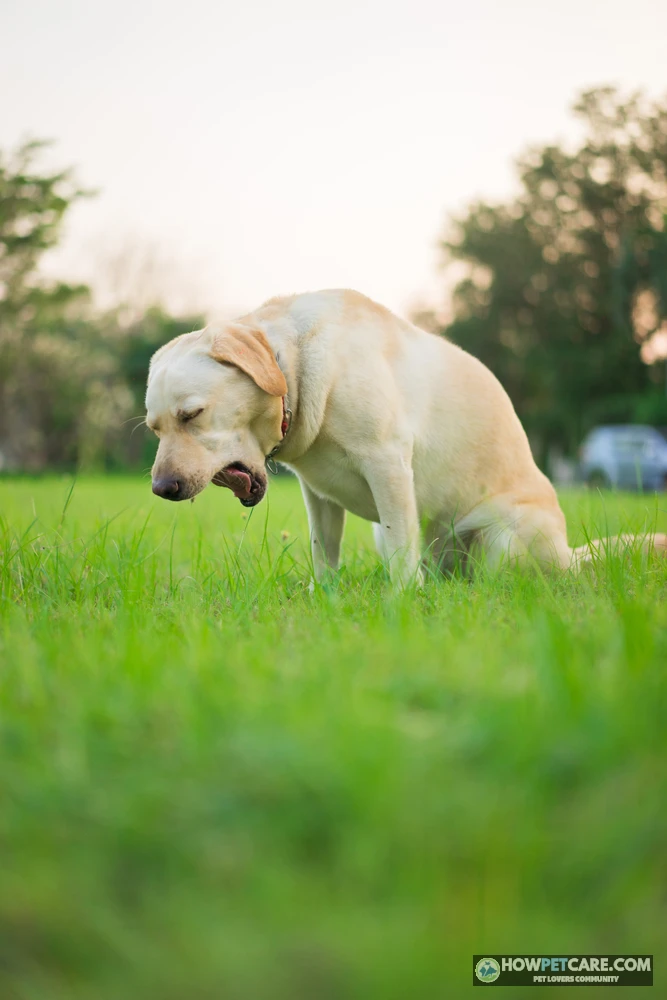

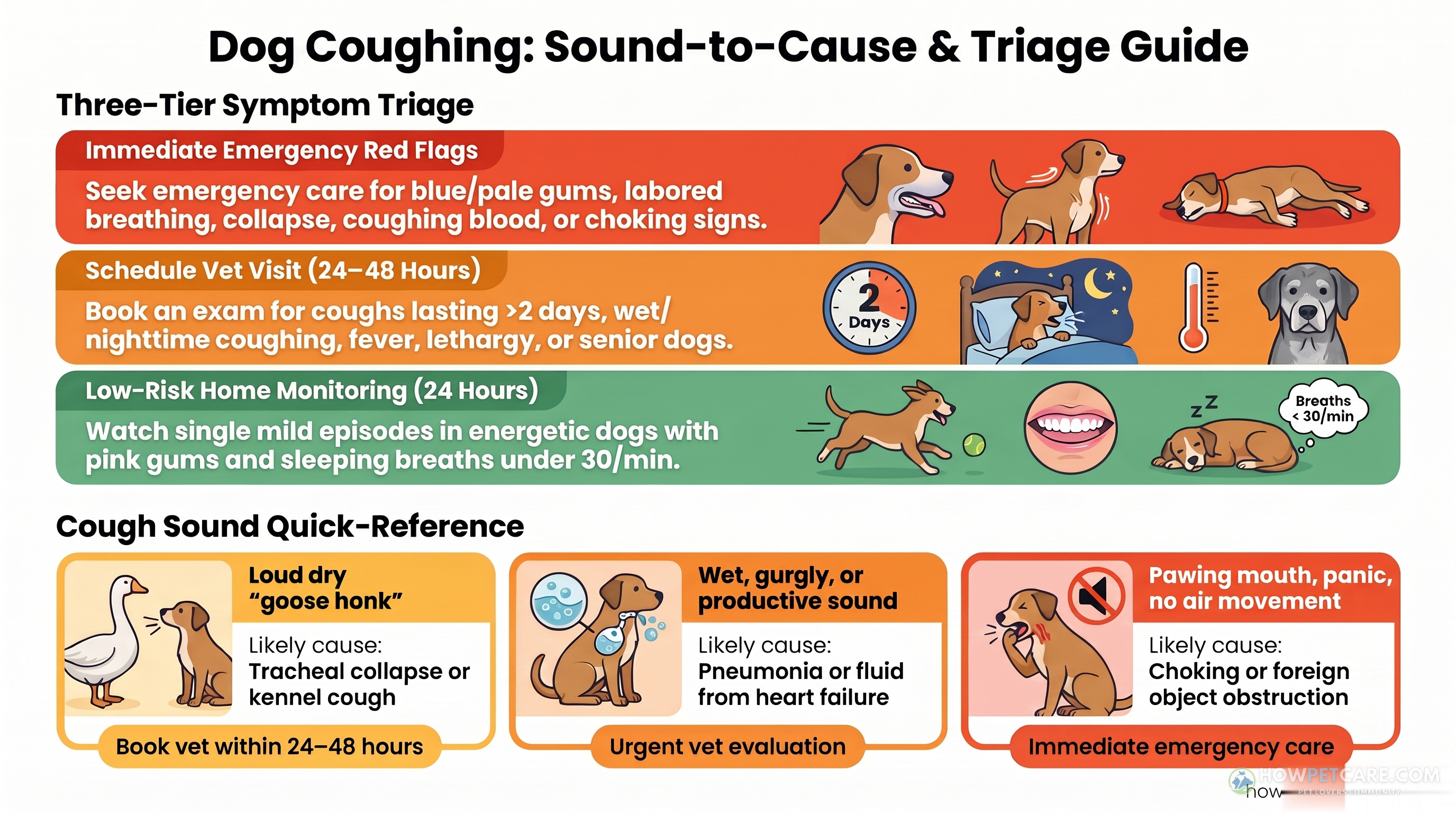
Match the cough sound to the likely cause and urgency:
| Cough sound | Likely cause | Urgency |
|---|---|---|
| Dry “goose honk” | Tracheal collapse or kennel cough | Vet within 24–48 h |
| Hacking with gagging or white foam | Kennel cough | Vet within 24–48 h |
| Wet, gurgly cough | Pneumonia or heart failure | Vet urgently |
| Soft cough at night or lying down | Heart disease | Vet soon |
| Rapid snorting, neck stretched | Reverse sneeze (usually harmless) | Monitor |
| Pawing at mouth, little/no air | Choking | Emergency now |
Most dog coughs come from airway irritation, infection, or heart and airway disease. The sound plus context usually narrows the cause fast. This guide matches what you hear to the probable problem and the right urgency level, so you can decide whether to monitor at home, book a vet visit, or head to the emergency clinic.
Dog Coughing Triage: Match the Sound to the Likely Cause and Urgency
Cough sound and cause quick-reference table
Use this as a screening aid, not a diagnosis. If more than one row fits, choose the highest urgency tier.
| Cough sound or description | Likely cause(s) | Dogs most affected | Other clues | Urgency (monitor / book vet / emergency) |
|---|---|---|---|---|
| Loud dry “goose honk,” worse with excitement or leash pressure | Tracheal collapse or tracheal irritation; kennel cough if recent exposure | Toy/small breeds; dogs that pull on collars | Gagging after the honk; triggered by drinking, heat, or exercise | Book vet if repeated; emergency if breathing effort is abnormal |
| Dry hacking cough with gagging or “something stuck in throat” | Kennel cough, throat irritation, foreign body | Recently boarded/daycare dogs; puppies/social dogs | Retching without vomiting; normal energy early | Book vet within 24–48 h; emergency if choking signs or distress |
| Wet, gurgly, or productive-sounding cough | Pneumonia, fluid in lungs, heart failure | Seniors; dogs with fever/lethargy or heart history | Faster breathing at rest, poor appetite, nasal discharge | Book vet urgently; emergency if labored breathing or pale/blue gums |
| Soft cough mainly at night or when lying down | Heart disease/early congestive heart failure; less often airway irritation | Senior dogs; predisposed breeds such as Cavaliers | Resting breathing rate trending up; tires easily; cough after rest | Book vet soon; emergency if resting rate is high and breathing looks hard |
| Coughing up white foam or white mucus | Gagging from kennel cough; empty-stomach retching; less often bloat/heart disease | Any dog; deep-chested dogs if bloat is possible | Foam after a coughing fit vs repeated unproductive retching with swollen belly | Book vet if persistent; emergency if swollen abdomen, collapse, or repeated retching |
| Rapid snorting inhalations, neck stretched, eyes wide | Reverse sneeze | Small breeds and brachycephalic dogs | Episode ends in under ~1 minute; dog is normal afterward | Monitor unless frequent/severe or paired with breathing problems |
| Sudden pawing at mouth, panic, little/no air movement | Choking/foreign body | Dogs that chew sticks, toys, bones, or grab food fast | Cannot make normal sound, pale/blue gums, collapse | Emergency now — start first-aid steps and call ER on the way |
How to record your dog’s cough to show your vet
A short video (10–30 seconds) captures the sound, body posture, and any gagging or foam. Film in a quiet room, note the time of day, what the dog was doing just before (drinking, excitement, lying down), and whether other dogs in the home are coughing. Bring vaccination records, heartworm prevention status, and any recent boarding or daycare dates.
Only a veterinarian can confirm the cause through physical exam, imaging, and lab work. If your dog shows any emergency red flag, skip the table and go straight to emergency care.
Is Your Dog Coughing, Choking, or Reverse Sneezing? What to Do Right Now
Choking: emergency steps
Choking is a true emergency. Signs include pawing at the mouth, inability to breathe or make sound, blue or pale gums, panic, and collapse. If you see these:
- Stay calm — your panic worsens the dog’s distress.
- Only check the mouth if you can do so safely without being bitten.
- Do not blindly sweep the throat with fingers; you may push the object deeper.
- Call the nearest emergency vet while en route.
- If the dog becomes unconscious, begin CPR if you are trained.
Reverse sneeze: how to recognize it and calm your dog
Reverse sneezing looks alarming but is usually harmless. The dog extends its neck, makes rapid snorting inhalations, and the episode typically resolves within a minute. It’s common in small and brachycephalic breeds. Gently stroke the throat or briefly cover the nostrils to encourage swallowing, which often stops the spasm. If episodes become frequent, prolonged, or are paired with breathing difficulty, book a vet visit.

Home Monitor, Vet Visit, or Emergency: A Decision Framework for Dog Coughing
Emergency red flags
Go to an emergency vet immediately if any of these are present:
- Gums look blue, gray, white, or very pale instead of bubble-gum pink
- Breathing is labored at rest: belly heaving, elbows out, open-mouth breathing in a dog that is not hot or just exercised
- Suspected choking or swallowed object: pawing at mouth, panic, little/no air movement
- Collapse, extreme weakness, coughing blood, or a swollen/tight abdomen with retching
- Resting breaths while asleep are consistently above about 30 per minute and rising or paired with effort
Book-a-vet signs
Schedule a veterinary appointment within 24–48 hours if:
- Cough lasts more than 2–3 days, is getting more frequent, or is changing sound
- Cough plus lethargy, fever, reduced appetite, eye/nasal discharge, or less interest in walks
- Puppy, senior, flat-faced breed, heart-history dog, or unvaccinated/not-on-prevention dog with a new cough
- Cough happens mostly at night/lying down or is wet-sounding
- Another dog in the home is coughing, or there was recent boarding/daycare/grooming exposure
When monitoring at home is reasonable, and for how long
A single brief, mild coughing episode in an otherwise bright, eating, normally breathing dog with pink gums and a resting respiratory rate under ~30 breaths per minute can be watched for 24 hours. Escalate sooner if other signs your dog is sick appear. Set a recheck time: if any new episode occurs or the cough is still present tomorrow, move to “book a vet.” Count resting breaths while the dog is asleep: watch the chest rise/fall for 30 seconds, double the number, and repeat later the same day rather than relying on one count.
A soft, wet cough that appears mainly at night or when lying down often signals early congestive heart failure. These dogs need a vet visit within days, not weeks.
Three-Tier Triage Checklist: Emergency, Vet, or Monitor
Check boxes from top to bottom. The first tier with any checked box wins.
Emergency now — go/call an emergency vet
- ☐ Gums look blue, gray, white, or very pale instead of bubble-gum pink
- ☐ Breathing is labored at rest: belly heaving, elbows out, open-mouth breathing in a dog that is not hot or just exercised
- ☐ Suspected choking or swallowed object: pawing at mouth, panic, little/no air movement
- ☐ Collapse, extreme weakness, coughing blood, or a swollen/tight abdomen with retching
- ☐ Resting breaths while asleep are consistently above about 30 per minute and rising or paired with effort
Book a vet within 24–48 hours
- ☐ Cough lasts more than 2–3 days, is getting more frequent, or is changing sound
- ☐ Cough plus lethargy, fever, reduced appetite, eye/nasal discharge, or less interest in walks
- ☐ Puppy, senior, flat-faced breed, heart-history dog, or unvaccinated/not-on-prevention dog with a new cough
- ☐ Cough happens mostly at night/lying down or is wet-sounding
- ☐ Another dog in the home is coughing, or there was recent boarding/daycare/grooming exposure
Monitor at home for 24 hours only
- ☐ One brief mild coughing episode in a dog that is bright, eating, drinking, and breathing normally afterward
- ☐ Pink gums, normal effort, sleeping resting breaths under ~30/min and stable
- ☐ No retching with swollen belly, no suspected object, no blood, no collapse
- ☐ Recheck at a set time: if any new episode occurs or the cough is still present tomorrow, move to “book a vet”
Why Is My Dog Coughing? The Most Common Causes Explained
Infectious causes
Kennel cough (Canine Infectious Respiratory Disease Complex, CIRDC) is the most common infectious cause of a dry, honking, hacking cough, often with gagging or retching white foam. It spreads through airborne droplets and shared surfaces in boarding, daycare, grooming, and dog parks. The cough typically starts 2–10 days after exposure. Many mild cases improve in 1–3 weeks, but antibiotics are sometimes prescribed for bacterial involvement, especially with fever, lethargy, or in puppies and seniors. See the dedicated Kennel Cough section below for contagiousness, isolation, and treatment details.
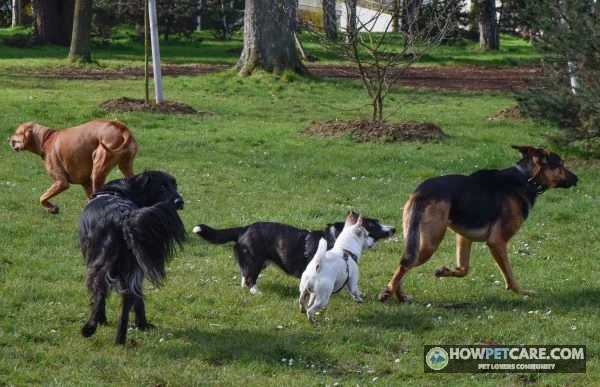
Canine influenza causes a cough that may be dry or moist, accompanied by fever, lethargy, nasal discharge, and reduced appetite. The illness can last 10–30 days. It is highly contagious; infected dogs should be isolated for at least 3 weeks.
Pneumonia produces a wet, gurgly, productive cough with fever, labored breathing, and marked lethargy. It can develop secondary to kennel cough or influenza, or from aspiration. This is a serious condition requiring prompt veterinary care, often hospitalization.
Airway and structural causes
Tracheal collapse is a progressive weakening of the tracheal rings, most common in toy and small breeds (Yorkshire Terriers, Chihuahuas, Pomeranians, Maltese). The classic sign is a dry, honking “goose honk” cough triggered by excitement, heat, drinking water, or pressure from a collar. Using a well-fitted harness instead of a collar reduces tracheal pressure and is a key management step.
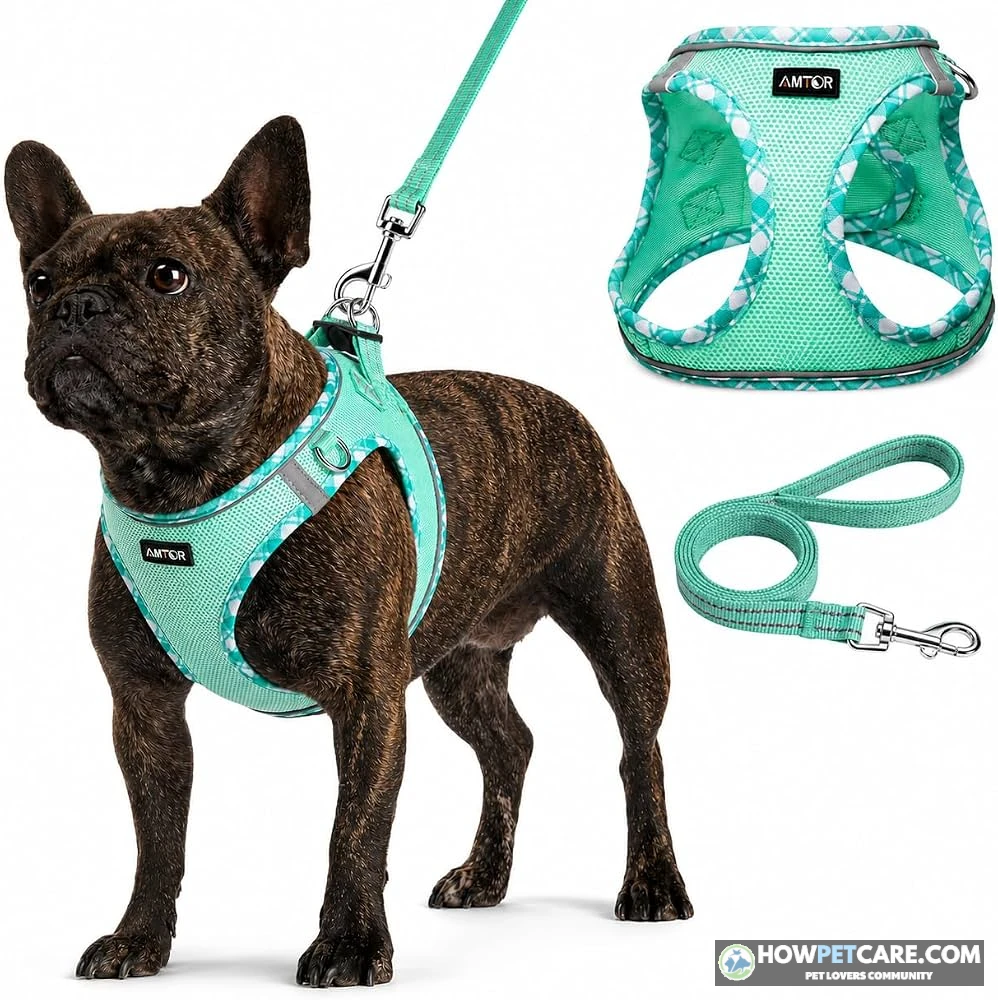
Brachycephalic obstructive airway syndrome (BOAS) affects flat-faced breeds (Bulldogs, Pugs, French Bulldogs, Boston Terriers). These dogs have narrowed nostrils, elongated soft palates, and often everted laryngeal saccules, leading to chronic gagging, noisy breathing, snorting, and coughing that worsens with heat or exercise.
Foreign body or throat irritation causes sudden onset gagging, repeated swallowing, and a cough that sounds like “something stuck in the throat.” Dogs that chew sticks, bones, or gulp food are at higher risk. If the object is not expelled quickly, veterinary removal is needed.
Heart and lung causes
Heart disease and congestive heart failure (CHF) cause a soft, often wet cough that is most noticeable at night or when the dog is lying down. The enlarged heart presses on the trachea, and fluid backs up into the lungs. Senior dogs and predisposed breeds (Cavalier King Charles Spaniels, Dachshunds, small older breeds) are at highest risk. Tracking the sleeping respiratory rate is a valuable home monitoring tool; a consistent rate above 30 breaths per minute warrants urgent veterinary evaluation.

Heartworm disease develops in dogs not on prevention in mosquito-endemic areas. The cough is often chronic, accompanied by exercise intolerance and weight loss. Annual testing and year-round prevention are essential; do not start prevention in an untested adult dog without veterinary guidance.
Irritants and allergies
Chronic bronchitis and allergic airway disease produce a persistent dry cough, sometimes seasonal or triggered by smoke, dust, aerosols, or pollen. Removing irritants, using a HEPA filter, and maintaining humidity can help. A veterinarian should rule out infection, heart, and structural disease first.
Kennel Cough: Contagiousness, Isolation, Recovery Timeline, and Treatment
How long is kennel cough contagious?
Kennel cough is typically contagious from before symptoms appear through roughly 10–14 days, and longer if bacterial infection (especially Bordetella bronchiseptica) persists. Some dogs shed organisms for weeks after the cough resolves. Confirm the contagious window with your veterinarian based on diagnostics and response to treatment.
Isolation checklist for multi-dog households
- Separate food and water bowls, bedding, and toys
- Wash hands thoroughly between handling each dog
- Skip daycare, dog parks, grooming, and group training until cleared by the vet
- Designate one caregiver for the coughing dog if possible
- Ventilate shared spaces; consider a separate room for the sick dog

Antibiotics: when they are and are not needed
Many mild kennel cough cases in healthy adult dogs self-resolve in 2–3 weeks without antibiotics. However, veterinarians often prescribe antibiotics (such as doxycycline) when bacterial involvement is suspected, when fever or lethargy is present, or in puppies, seniors, and immunocompromised dogs to prevent progression to pneumonia. The decision is case-specific; do not self-medicate with leftover antibiotics.
See our companion article on kennel cough symptoms and treatment for a deeper dive.
Why Your Dog Coughs at Night, When Lying Down, After Drinking, or Brings Up White Foam
Dog coughing at night or when lying down
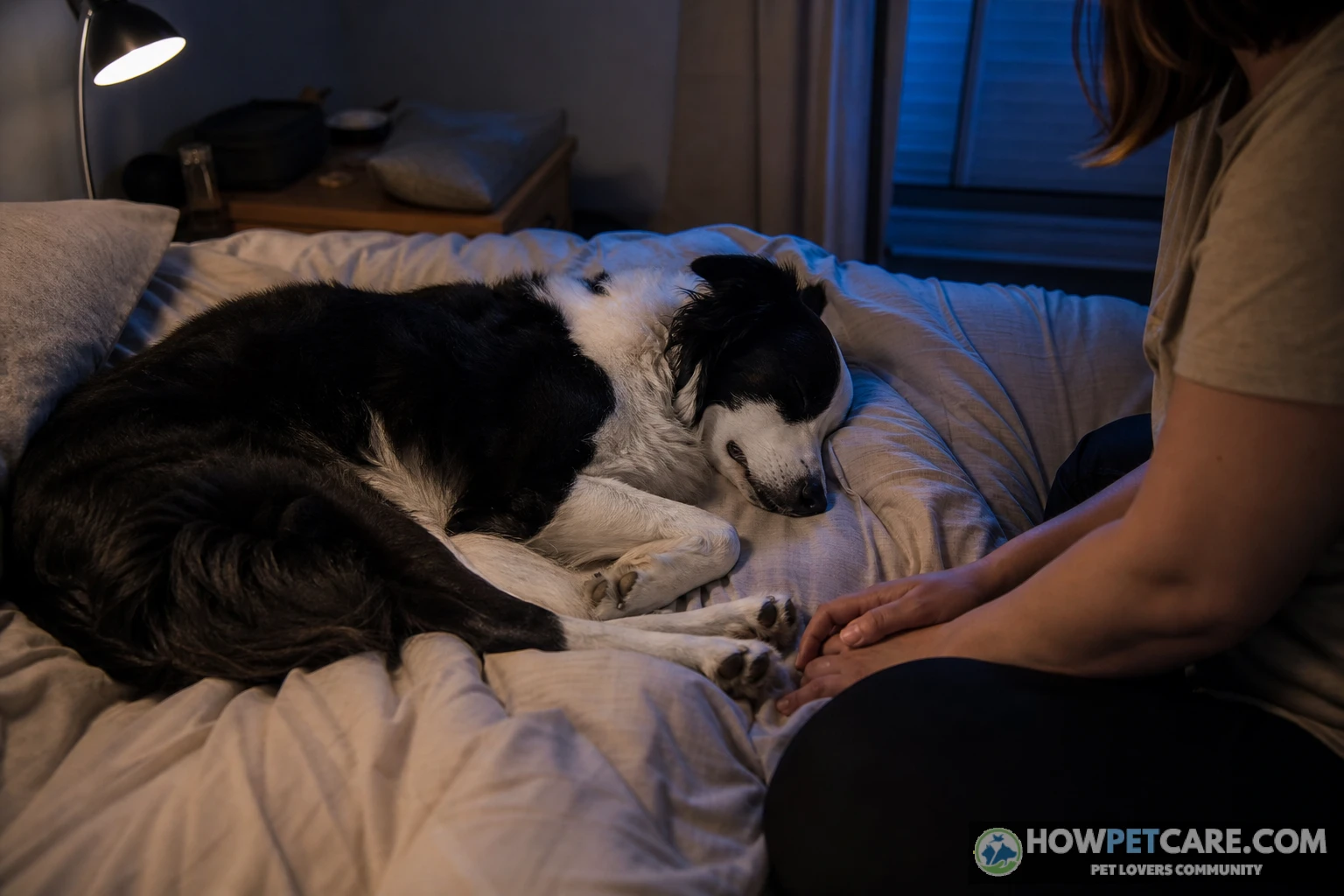
Fluid pooling from early congestive heart failure is the classic cause of a night cough in senior dogs. The cough is often soft and wet. An elevated resting respiratory rate (consistently >30 breaths/min while asleep) is a sensitive early indicator. Book a veterinary visit soon; this is not a “wait and see” situation in an at-risk dog.
Coughing after drinking or exercise
Coughing triggered by drinking water or excitement often points to tracheal collapse or laryngeal irritation. The sudden rush of water or air can provoke a honking cough or gag. If it happens repeatedly, schedule a vet exam to evaluate the airway.
White foam, white mucus, or blood
White foam or mucus is commonly produced during gagging fits with kennel cough or from an empty stomach (retching bile). However, persistent foam, especially with a swollen abdomen and repeated unproductive retching, can signal gastric dilatation-volvulus (bloat) — a surgical emergency. Coughing up blood (hemoptysis) is always an emergency vet visit.
If your deep-chested dog is retching white foam, has a visibly distended abdomen, and cannot settle, go to the ER immediately. This is the classic presentation of bloat (GDV).
Which Dogs Are Most at Risk: Breed, Age, and Size Patterns
Systematizing risk helps you weigh likelihoods for your own dog.
Risk table by breed, age, and size
| Dog profile | Most likely cause to consider | Typical cough pattern | Prevention or management note |
|---|---|---|---|
| Toy/small breeds such as Yorkie, Chihuahua, Pomeranian, Maltese | Tracheal collapse | Dry goose-honk; worse with excitement, heat, drinking, or collar pressure | Use a harness, keep weight lean, avoid overheating |
| Flat-faced breeds such as Bulldog, Pug, French Bulldog, Boston Terrier | BOAS and airway irritation | Gagging, noisy breathing, snorting, worse in heat/exercise | Avoid heat and overexertion; discuss airway screening with vet |
| Puppies, adolescent dogs, daycare/boarding regulars | Kennel cough/canine influenza | Sudden dry hacking or honking after exposure; may gag up foam | Keep vaccines current; isolate promptly if coughing starts |
| Senior dogs; predisposed breeds such as Cavalier King Charles Spaniel, Dachshund, small older breeds | Heart disease/CHF | Soft or wet cough at night/rest; reduced stamina | Track sleeping breathing rate; book cardiology workup if trending up |
| Large/deep-chested dogs retching foam | Bloat plus throat irritation | Repeated unproductive retching; restlessness; swollen belly | Treat as emergency if abdomen is swollen or dog cannot settle |
| Dogs not on heartworm prevention in mosquito-endemic areas | Heartworm disease | Chronic cough, exercise intolerance, weight loss | Test and restart veterinarian-guided prevention; do not start prevention blindly in an untested adult |
| Dogs exposed to smoke, dust, sprays, or seasonal pollen | Chronic bronchitis/allergic airway disease | Persistent dry cough; sometimes seasonal or home-triggered | Remove irritants, use HEPA/humidity control, log triggers |
Safe Home Care for a Mild Dog Cough While You Wait for the Vet
These measures are for use only while awaiting a scheduled visit or during a true low-risk monitor window. Stop and escalate if breathing changes.
What helps
- Rest and skip intense play, running, and long walks for 48–72 hours
- Swap the collar for a well-fitted harness to remove pressure from the windpipe
- Run a humidifier nearby, or sit with the dog in a steamy bathroom for 10–15 minutes
- Keep air clean: no smoking, candles, aerosol sprays, heavy dust, or perfume near the dog
- Offer fresh water often; wet food or warmed low-sodium broth can encourage drinking if the vet allows
- Isolate from other dogs if infection is possible: separate bowls/bedding, no shared toys, hand-washing between dogs
- Optional honey for soothing only: about ½ tsp for small dogs or up to 1 tbsp for large dogs, 1–2 times daily for a few days
- Start a cough log: time, sound, trigger, duration, foam/color, and sleeping breaths per minute

What to avoid
- Do not give honey to puppies under 1 year, diabetic dogs, or dogs on vet-restricted diets without asking the vet
- Do not give human cough drops or syrups: many contain xylitol, decongestants, acetaminophen/ibuprofen combinations, or dextromethorphan products that can be dangerous
- Do not suppress a wet/productive cough without vet guidance — clearing material can be protective
- Do not use essential-oil diffusers, smoke remedies, or leftover pet antibiotics
- Do not keep exercising a coughing dog to “loosen it up”
Escalation rule: any blue/pale gums, breathing effort at rest, collapse, blood, swollen abdomen, or cough worsening during home care cancels the kit and moves the dog to urgent care.
Vet-Safe Home-Care Kit for a Mild Cough
Use only while awaiting a scheduled visit or during a true low-risk monitor window. Stop and escalate if breathing changes.
Do
- ☐ Rest and skip intense play, running, and long walks for 48–72 hours
- ☐ Swap the collar for a well-fitted harness to remove pressure from the windpipe
- ☐ Run a humidifier nearby, or sit with the dog in a steamy bathroom for 10–15 minutes
- ☐ Keep air clean: no smoking, candles, aerosol sprays, heavy dust, or perfume near the dog
- ☐ Offer fresh water often; wet food or warmed low-sodium broth can encourage drinking if the vet allows
- ☐ Isolate from other dogs if infection is possible: separate bowls/bedding, no shared toys, hand-washing between dogs
- ☐ Optional honey for soothing only: about ½ tsp for small dogs or up to 1 tbsp for large dogs, 1–2 times daily for a few days
- ☐ Start a cough log: time, sound, trigger, duration, foam/color, and sleeping breaths per minute
Do not
- ☐ Do not give honey to puppies under 1 year, diabetic dogs, or dogs on vet-restricted diets without asking the vet
- ☐ Do not give human cough drops or syrups: many contain xylitol, decongestants, acetaminophen/ibuprofen combinations, or dextromethorphan products that can be dangerous
- ☐ Do not suppress a wet/productive cough without vet guidance — clearing material can be protective
- ☐ Do not use essential-oil diffusers, smoke remedies, or leftover pet antibiotics
- ☐ Do not keep exercising a coughing dog to “loosen it up”
Escalation rule: any blue/pale gums, breathing effort at rest, collapse, blood, swollen abdomen, or cough worsening during home care cancels the kit and moves the dog to urgent care.
What a Vet Visit for Dog Coughing Costs: Diagnostics and Treatment Ballpark Figures
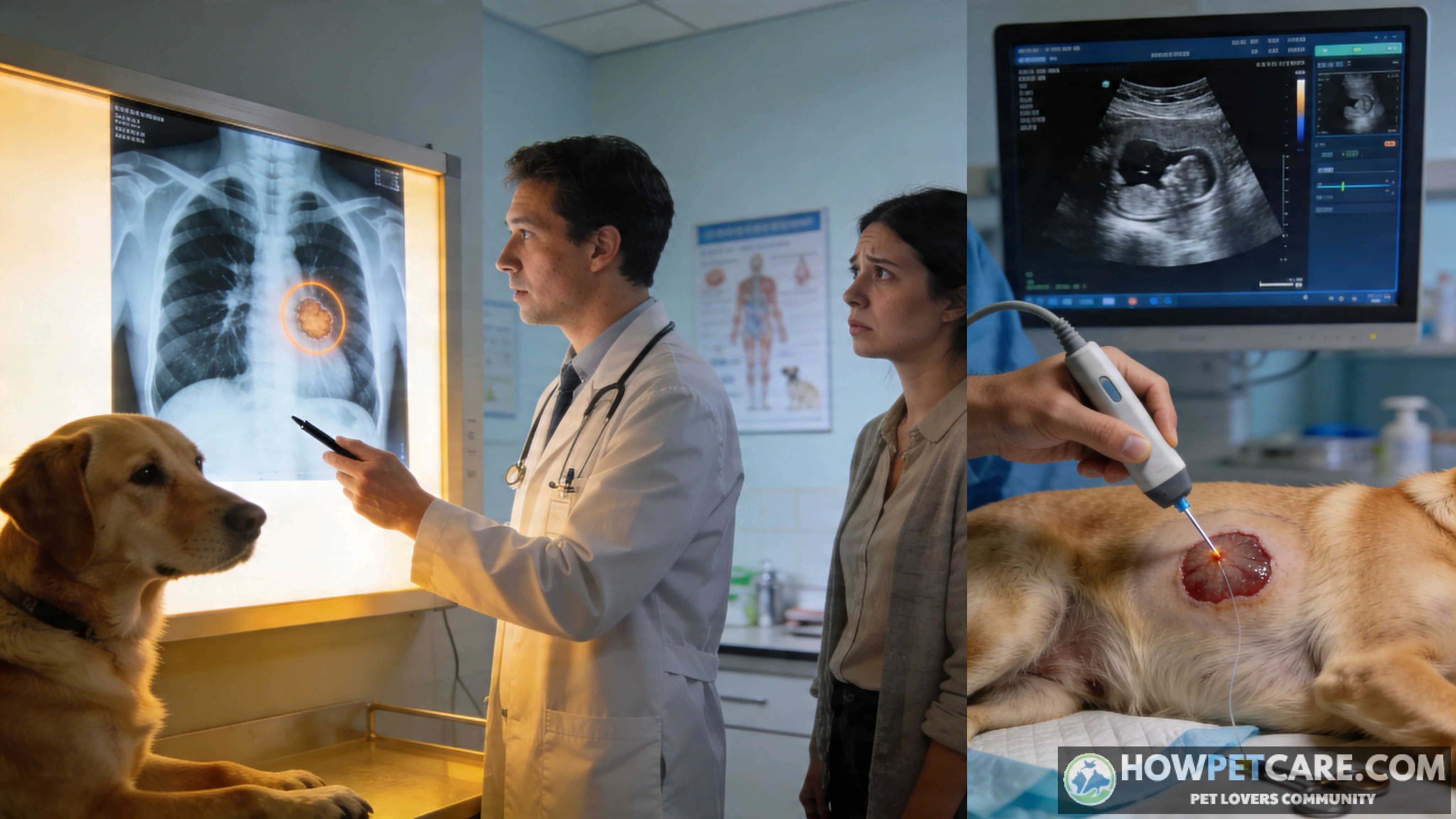
A typical workup path starts with a physical exam, then often includes chest X-rays, bloodwork, a heartworm test, and possibly an echocardiogram or tracheal imaging. Below are ballpark U.S. ranges — estimates only; prices vary widely by region, general practice vs. emergency clinic, dog size, sedation needs, and whether imaging is repeated.
Cost table: exam, x-ray, bloodwork, echocardiogram, treatment
| Service or treatment | Typical estimated range (USD) | When it is usually needed | Notes on what affects cost |
|---|---|---|---|
| General practice exam | $60–$120 | First step for most non-emergency coughs | Higher in cities; vaccine/illness visit fees may be separate |
| Emergency exam | $150–$300 | After-hours, breathing distress, collapse | ER often bundles triage/oxygen; expect higher diagnostics |
| Chest X-rays | $150–$450 | Wet cough, suspected pneumonia/heart failure, senior cough | Sedation, number of views, and radiology review change price |
| Basic bloodwork ± urinalysis | $80–$250 | Fever, lethargy, before anesthesia or long-term meds | Panels are cheaper bundled than à la carte |
| Heartworm antigen test | $30–$80 | Dogs not current on prevention or in endemic areas | Often added to blood draw; false negatives possible early after infection |
| Bordetella/respiratory PCR panel | $100–$250 | Outbreaks, multi-dog homes, unclear infectious cases | Panel size and lab fees vary; not always needed for mild classic kennel cough |
| Echocardiogram | $300–$800 | Murmur, suspected heart disease/CHF, night cough in at-risk breeds | Cardiologist scans cost more; often paired with x-rays |
| Kennel cough outpatient care/meds | $50–$200 | Mild–moderate infectious cough | Antibiotics/cough tabs add little vs exam; isolation is free but critical |
| Pneumonia treatment | $300–$1,500 outpatient; $1,500–$5,000+ hospitalized | Wet cough with fever/lethargy/abnormal chest sounds | Hospitalization, oxygen, repeat x-rays drive the jump |
| CHF initial stabilization | $800–$4,000+ | Fluid in lungs with breathing distress | Oxygen cage, injectable diuretics, monitoring, and imaging dominate cost |
| Long-term heart medications | $30–$200+/month | Confirmed heart disease | Rechecks and dose changes add ongoing cost; generics may reduce price |
Ways to manage vet costs
- Ask for an itemized estimate before authorizing diagnostics
- Approve diagnostics in priority order; ask which tests can wait 24 hours
- Use general practice for stable cases instead of the ER when possible
- Check pet insurance or wellness-plan reimbursement before authorizing add-ons
- Delaying care often raises costs through complications (e.g., kennel cough progressing to pneumonia)
For chronic bronchitis managed with inhaled corticosteroids, an AeroDawg chamber costs approximately $61.95 and replacement masks start around $21.99.
Your Next-Step Checklist: What to Do in the Next 24 Hours
- Check gum color, breathing effort, and resting breaths per minute. Pink gums? Normal belly movement? Count sleeping breaths for 30 seconds and double.
- Identify the sound and context using the triage table. Match what you hear to the likely cause and urgency tier.
- Choose your tier: emergency now, vet within 1–2 days, or monitor with a recheck date. Use the three-tier checklist above.
- Record a short video of the cough and note the timeline, exposures (boarding, daycare, new dogs), vaccine status, and heartworm prevention status.
- Begin safe home care (harness, humidifier, rest, clean air, isolation if infectious) and start the cough log.
- Call the vet or emergency clinic with the video ready. Tell them: breed, age, cough sound, duration, any fever/lethargy/appetite change, gum color, resting respiratory rate, and whether other dogs are affected.

Acting quickly on the right tier gives your dog the best outcome and often lowers the total cost of care.
FAQ
Is a dog coughing an emergency?
It is an emergency if your dog has blue or pale gums, struggles to breathe at rest, collapses, coughs up blood, or may be choking. A mild occasional cough in an otherwise normal dog can usually be watched briefly, but call a vet if it lasts more than a few days.
Can I give my dog human cough medicine?
No, not without veterinary direction. Many human products contain xylitol, decongestants, or acetaminophen, which can be toxic to dogs, and suppressing a productive cough can hide a serious problem.
Can a dog cough from allergies?
Yes. Allergies and airborne irritants such as smoke, dust, or pollen can cause a dry, persistent cough, sometimes with sneezing or itchy skin. A vet should rule out infection, heart, and airway disease first.
Can dogs catch a cough from other dogs?
Yes. Kennel cough and canine influenza spread easily through airborne droplets and shared bowls or toys, especially in boarding, daycare, and grooming settings. Keep a coughing dog away from other dogs until your vet says it is safe.
Why does my dog cough after drinking water?
It is often linked to tracheal collapse, throat or laryngeal irritation, or small amounts of water entering the airway. If it happens repeatedly, schedule a vet exam.