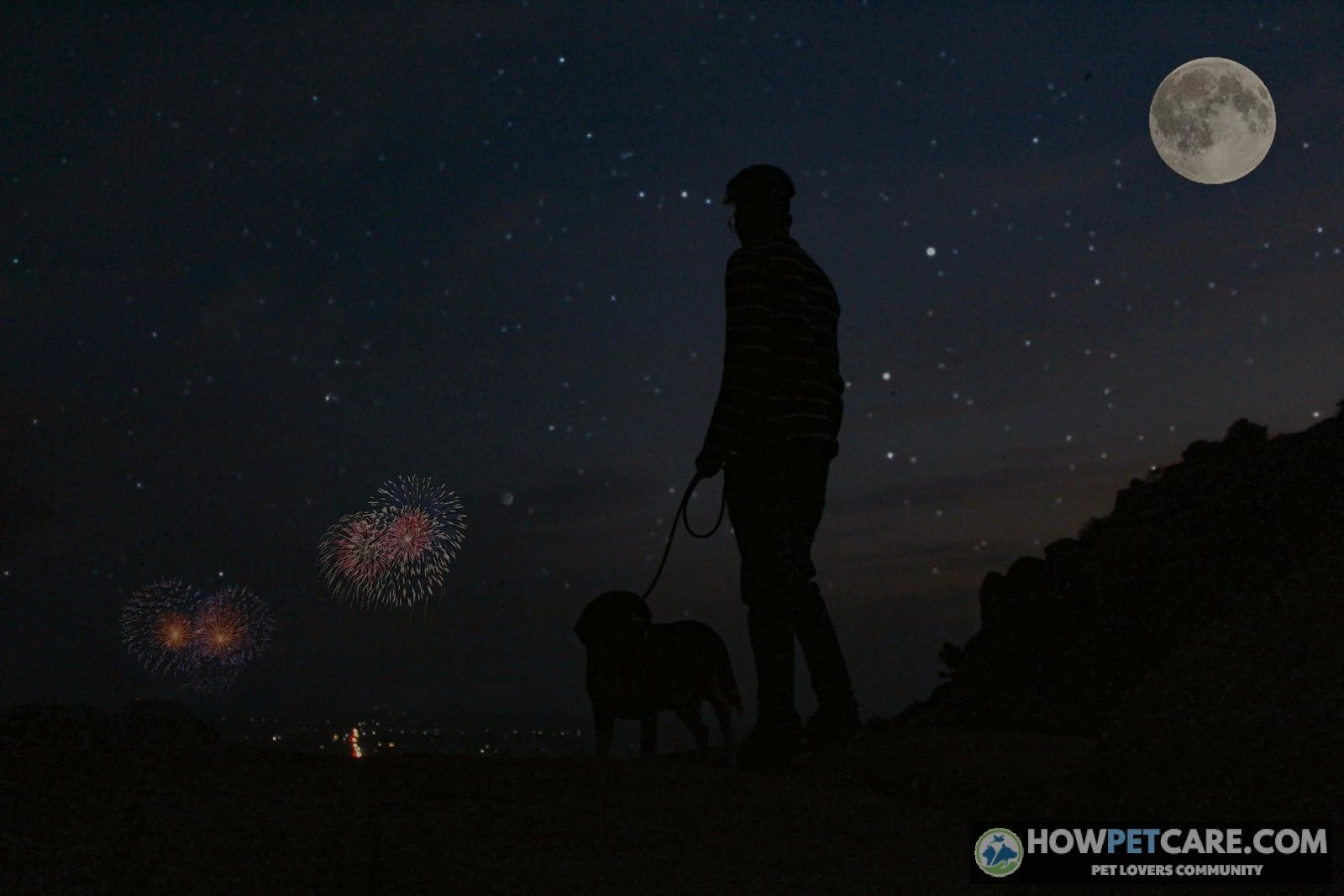

Dogs are scared of fireworks because sudden, unpredictable bangs, flashes, smells and vibrations can trigger a fight-or-flight response. The noise is hard to identify or control, so fear may show as hiding, shaking, pacing or escape attempts; history, pain and genetics shape severity.
Dogs are scared of fireworks because sudden, unpredictable bangs can sound threatening. Flashes, smells and vibrations add unfamiliar sensations to the experience. Together, these can trigger a fight-or-flight response, leaving a dog trying to hide or escape from something it can’t identify or control. Dogs react differently, though, and not every dog is afraid of fireworks.
If your dog is frightened tonight, focus on providing a quiet indoor space, staying nearby and preventing escape. For recurring fear, gradual training and veterinary support can help.
The Sensory Overload Mechanism Behind Dogs’ Firework Fear
How hearing, light, smell and vibration stack up
Dogs can hear sounds outside the range of human hearing, and the sharp booms, crackles and whistles of fireworks can startle them. That doesn’t mean every sound is painful or that a dog experiences a particular bang at a measurable multiple of its human-perceived loudness.
Sound is only part of the event. Flashes through windows, the smell of smoke and vibrations can accompany the bangs. A dog may encounter several unfamiliar sensations at once without knowing where they come from. IAABC behaviorist Nancy Tucker identifies genetics, frightening noise experiences and insufficient early sound exposure as factors that can contribute to firework fear.
When a dog perceives a threat, its fight-or-flight response prepares it to react. Stress hormones, including cortisol, are involved; breathing and heart rate can rise, and the dog may bark, pace, hide or try to flee. The dog doesn’t necessarily understand the source or know when the display will end.

Why unpredictability matters more than volume alone
A steady fan can fade into the background. Fireworks are different: a quiet gap can be followed by another bang, and the next sound may differ in pitch, intensity or direction. Even if a dog settles between bursts, the next one can startle it again.
A dog’s history and health matter too. Tucker cites a 2018 study linking noise sensitivity and musculoskeletal pain; a veterinary exam is especially useful when sensitivity is new or worsening.
Signs of Firework Anxiety in Dogs: From Subtle to Severe
Firework anxiety in dogs doesn’t always look like frantic barking. Watch for changes from your dog’s normal behavior, especially when several signs occur together:
- Early or subtle signs: yawning when not tired, lip licking, ears pinned back, showing the whites of the eyes, following you closely or becoming unusually still.
- More obvious distress: panting and pacing, trembling, drooling, whining, barking or hiding.
- Serious distress: frantic attempts to escape, damage to doors or windows, bolting, self-injury, indoor accidents or an inability to settle. Vomiting or diarrhea can also occur.

If your dog is shaking during fireworks, fear is one possible explanation, particularly when the trembling starts with the bangs and comes with other anxiety symptoms. Shaking can have medical causes too. Contact a vet if it’s unexplained, unusually severe or continues after the noise stops.
Refusing a favorite treat or remaining unable to settle can signal that your dog is too distressed for training. Some dogs also react to distant pops or familiar pre-display cues before the main event begins.
Fireworks vs. Thunder, Gunshots and Other Loud Noises (and Dogs vs. Cats)
A dog can fear one sound and tolerate another. The context, previous experiences, noise pattern and accompanying sensations can all differ. No trigger produces the same reaction in every dog.
Fireworks vs. thunder vs. gunshots
| Trigger | Sensory elements | Predictability | Possible dog reaction | Key difference |
|---|---|---|---|---|
| Fireworks | Bangs and whistles, sometimes with flashes, smoke or vibration | Bursts can be irregular and continue over a display | Startling, hiding, shaking or trying to escape | Several unfamiliar cues may arrive in clusters |
| Thunder | Rumbles or crashes, often with rain, wind and changing light | A storm may have warning cues, but individual thunderclaps can be sudden | Anything from little reaction to sustained fear | Weather cues can become associated with the noise |
| Gunshots | Sharp reports; other cues depend on distance and setting | May be isolated or repeated | Anything from a brief startle to panic | Context and prior experience vary widely |

A 2013 owner survey cited in the evidence reported fireworks as a more frequently identified noise-fear trigger than gunshots or thunder. That doesn’t mean fireworks are worse for every dog. A dog that tolerates a hunting environment may still fear neighborhood fireworks, and a dog scared of thunder may also react to fireworks. Fear can spread to other sounds or cues over time.
Are cats really less scared?
Cats can be frightened by fireworks too. A cat that retreats under a bed may be less conspicuous than a dog pacing beside the door, but quiet hiding isn’t proof of comfort. Give cats an accessible indoor hiding place and keep windows and exits secure rather than assuming they’re unaffected.
Why Your Dog’s Firework Fear Gets Worse Every Year (and How to Break the Cycle)
How sensitization compounds
Sensitization is an increase in responsiveness after an experience: instead of getting used to a frightening noise, a dog may react more strongly to a later exposure. It isn’t inevitable, but repeated, intense events can make improvement harder. Fear may also generalize, so distant pops, smoke or an evening routine associated with fireworks begin to predict trouble.
To break the cycle, reduce exposure where practical, use a quiet room and sound masking, and plan controlled training well before the next event. If your dog panics or is getting worse, ask a vet about a treatment plan rather than waiting for another holiday.
Don’t take a frightened dog to a display to make them face the noise. Forcing intense exposure is called flooding and can worsen fear. Don’t punish trembling, barking or hiding, either; protect the dog and reduce the stress instead.
Should you comfort a scared dog?
Yes. Sit nearby, speak normally and offer gentle contact if your dog seeks it. Comforting a frightened dog doesn’t reinforce the emotion of fear. Let your dog choose whether to lean against you or hide, and don’t pull it from a safe hiding place.

How to Calm Your Dog During Fireworks Tonight
If fireworks have already started, skip anything that requires an outdoor trip or an unfamiliar product. Bring your dog inside, secure the exits, reduce the sensory input and stay nearby. A quiet room, steady background sound and a familiar food toy are practical options.
Setting up a safe room that actually works
Before dusk, if possible, spend about 20 minutes preparing a space your dog can use. If your dog already prefers a safe hiding place, adapt it rather than forcing a move.
-
Choose an interior space
Use a quiet bathroom, hallway or other room away from exterior windows when available. Make sure it’s ventilated and free of hazards.
-
Reduce flashes and sound
Close windows and curtains. Turn on a fan, television, music or white noise at a comfortable level; don’t make the masking sound loud enough to frighten your dog itself.
-
Add familiar comforts
Provide bedding, water and a favorite chew or lick mat. A familiar crate can be an option if your dog likes it; leave the door open so your dog can choose whether to enter.
-
Stay available
Sit nearby or arrange for a trusted person to stay. Offer food or a calm activity, but don’t force either if your dog is too worried.
If there’s still time before the noise, exercise and feed your dog earlier and take a leashed potty break. Don’t leave a panicking dog outdoors, tied up or at a fireworks event.
Escape-proofing: ID, microchip, leash and door rules
Check that your dog’s collar and ID tag are on and that the microchip registration has your current contact information. Keep a recent photo handy. Shut doors, windows and gates, and ask visitors to follow a door-opening plan: secure your dog in another room before anyone enters or leaves.
For every necessary potty trip, attach a leash to a well-fitting collar or harness before opening the door, even in a fenced yard. Keep the trip brief and supervise your dog throughout.
If your dog bolts, begin searching nearby as soon as it’s safe. Contact local animal shelters, animal control and veterinary clinics; report your dog missing to the microchip registry; and share the recent photo and contact details locally. Ask others not to chase a frightened dog, which may run farther.
Your 4th of July and New Year’s Eve Prep Timeline
Displays and neighborhood fireworks can happen on days surrounding the holiday, so check local schedules and prepare for unscheduled noise too.
- Several weeks before: If fear was significant last time, book a vet appointment and ask whether prescription treatment needs a trial. Begin low-volume training, introduce any wrap or other aid on calm days, and update ID and microchip details.
- A few days before: Choose the safe room, gather bedding and food toys, check display schedules and arrange to stay home or have a trusted sitter present. Take a clear recent photo.
- On the day: Exercise and feed your dog while it’s quiet. Take a leashed potty break before dusk, prepare the room and start the masking sound. Follow your vet’s instructions for any prescribed medication.
- During the display: Stay with your dog, keep exits secure, offer comfort and watch for escalating distress. Use a leash for any outdoor trip.
- Afterward: Check for injuries and allow time for quiet recovery. Note what triggered the reaction, how long recovery took and what helped; share those notes with your vet before the next event.

Calming Tools Compared: Wraps, Pheromones, Supplements, CBD and Medication
A tool that helps one dog may not help another. Introduce nonprescription aids on a quiet day, and use them alongside safety measures and a behavior plan, not as a substitute for either.
| Tool or treatment | Best for severity level | How it may help | Limits or cautions | Vet needed? |
|---|---|---|---|---|
| Pressure wrap | Mild to moderate, if tolerated | Gentle pressure may help some dogs settle | Evidence is mixed; fit matters, and some dogs dislike restraint | Ask if your dog has a health or mobility concern |
| Pheromone diffuser or spray | Mild distress or as an adjunct | May provide modest support for some dogs | Effects vary; set up ahead of time according to instructions | Useful to discuss, especially alongside other treatment |
| Calming supplement | Adjunct for mild to moderate distress | Ingredients are marketed to support relaxation | Evidence and product quality vary; interactions are possible | Ask before use |
| CBD | Not a reliable stand-alone plan for any severity | Benefits for firework fear remain uncertain | Evidence is limited; products vary in contents and are not FDA-approved to treat anxiety in dogs; THC can be harmful | Discuss with a vet first |
| Prescription medication | Moderate to severe fear, or as a vet recommends | Situational anti-anxiety drugs may reduce distress during predictable events; daily anxiolytics may be considered for ongoing anxiety | Choice and timing depend on the dog; sedation alone does not necessarily relieve fear | Yes; only a vet can prescribe and direct use |
Sedatives may sometimes be part of a veterinary plan, but a dog that looks still may remain frightened. Ask your vet how a proposed treatment addresses anxiety and whether it should be tried before the event. Never give human medication unless your veterinarian specifically directs you to do so. Severe anxiety may warrant prescription treatment.
How to Desensitize an Adult Dog to Fireworks: Step-by-Step Protocol
Adult dogs can learn a different response to recorded fireworks; training isn’t limited to puppyhood. Desensitization means introducing a trigger at an intensity your dog can handle and increasing it gradually. Counterconditioning pairs that trigger with something your dog enjoys, changing its association with the sound.
Before you start: what to prepare
Choose a recording with distinct firework sounds, a device with fine volume control, and small, high-value treats or a favorite game. Work in a quiet room when no real fireworks are expected. Allow weeks to months rather than expecting a cure before tonight; the pace and result vary by dog.
The 8-step protocol
- Check health and severity. Ask your vet about pain or other medical concerns, particularly if sensitivity is new. For panic or escape attempts, seek veterinary guidance before trying recordings.
- Find a comfortable starting level. Play the recording so quietly that your dog may notice it but remains loose, responsive and willing to eat. If even the lowest audible setting causes worry, stop and ask a professional for help.
- Make the sound predict something good. Start the low sound, then offer treats or play. Stop the treats or game when the sound stops. Don’t lure a worried dog closer to the speaker.
- Keep practice brief. Aim for roughly 5 to 10 minutes a few times a week, or less if your dog tires. Finish while your dog is still relaxed.
- Increase in tiny steps. After several comfortable sessions, raise the volume slightly. Stay at that level until your dog remains relaxed across sessions; there’s no required deadline.
- Vary the recording carefully. Once your dog is comfortable, introduce different firework sounds or a different speaker position at a low level. If adding a visual cue, such as a gentle light change, introduce it separately and cautiously; avoid startling flashes.
- Respond to stress immediately. Stop the sound if you see tension, avoidance, panting or food refusal. At a later session, return to the last comfortable setting or lower. If your dog can’t relax, pause and seek professional guidance.
- Maintain the skill. Practice periodically outside holiday periods and revisit easy sessions before predictable displays. Continue real-world safety measures even if recordings go well.

Troubleshooting setbacks
Progress means your dog stays relaxed and readily engages with food or play as the sound changes gradually. A recording can’t fully reproduce real flashes, smells, vibrations or unpredictable neighborhood noise, so success indoors isn’t a guarantee during a display.
If your dog is trembling, hiding or unable to take food, the exercise is too difficult. Turn the recording off; don’t wait for your dog to get used to it. Ask your vet about a qualified behavior professional if you can’t find a comfortable starting point.
Puppies, Adults and Seniors: Matching the Approach to Your Dog’s Life Stage and Breed
Puppies benefit from gentle, positive exposure to everyday sounds during development, but they should be able to move away and remain comfortable. Don’t use a real display as a test. A frightening experience can affect a young dog’s later response.
Adults can improve through the gradual protocol, environmental management and, when appropriate, veterinary treatment. Dogs with an unknown history may need a particularly cautious starting point; their response matters more than assumptions about their past.
Senior dogs with sudden or worsening sound sensitivity should see a vet. Pain, changes in hearing or cognitive function, and other health issues deserve consideration rather than assuming the behavior is simply old age. The 2018 study linking noise sensitivity and musculoskeletal pain is one reason a physical assessment can matter.
Breed and genetics may influence sensitivity, but they can’t predict an individual dog’s response. A confident dog of any breed can develop fear, and a dog from a supposedly sensitive breed may remain comfortable. Watch the dog in front of you.
When Firework Fear Needs a Vet or Veterinary Behaviorist: A Severity-Based Action Guide
Severity ladder: mild, moderate, severe
Use this ladder as a practical guide, not a diagnosis. Consider the intensity of the reaction, whether your dog can recover and whether the pattern is worsening.
| Severity level | What you see | Recommended action | When to involve a vet or veterinary behaviorist |
|---|---|---|---|
| Mild | Brief clinginess or tension; the dog still takes treats and settles after the noise | Use a safe room and masking sound; start gentle training well before the next event | Mention it at a routine appointment, or sooner if it worsens |
| Moderate | Persistent panting, trembling, pacing or hiding; food refusal or slow recovery | Use the safety plan and arrange a structured training approach | Book a vet visit before the next event; discuss situational treatment and behavior support |
| Severe | Panic, frantic escape attempts, self-injury, bolting, or fear that persists or spreads to other sounds | Prioritize immediate safety; do not rely on home tools alone | Contact a vet promptly and ask whether referral to a veterinary behaviorist and medication are appropriate |

Seek urgent veterinary care for injury, collapse, severe breathing difficulty or extreme, persistent panting. A senior dog’s sudden new fear warrants a veterinary appointment even if the reaction doesn’t otherwise look severe.
Your next-step checklist
- Identify your dog’s current level using its most concerning signs and recovery time.
- For the next noisy night, prepare the room, update identification and agree on door and leash rules.
- Put a date on the calendar to begin low-volume training when your dog is comfortable and no display is underway.
- If distress is moderate, worsening or severe, book a vet visit; ask about a veterinary behaviorist referral when panic or safety is a concern.
1According to behaviorist Nancy Tucker, which medical condition was specifically linked to noise sensitivity in a 2018 study?
Physical discomfort in muscles or joints can heighten a dog's baseline stress and lower their tolerance for terrifying or sudden noises.
2Which behavior is categorized as an early or subtle sign of firework anxiety in dogs?
Yawning in non-restful contexts acts as a displacement signal indicating early internal tension before overt panic occurs.
3Why is taking a frightened dog directly to a fireworks display to force exposure strongly discouraged?
Forcing direct exposure to a high-intensity fear trigger, known as flooding, overwhelms the nervous system and typically worsens the phobia.
4What is the effect of providing calm physical comfort to a dog seeking contact during fireworks?
Gentle human presence helps soothe the dog's nervous system without rewarding or compounding the underlying feeling of fear.
5When setting up an indoor safe space for an anxious dog, how should a familiar crate be managed?
Providing open access gives the dog autonomy to seek shelter in a familiar den without forcing confinement.
6Why is keeping a dog on a leash recommended for potty breaks in a fenced yard during firework holidays?
Unexpected booms can cause startled dogs to scale fences or force their way through small barriers under extreme terror.
7What is a major limitation of relying solely on sedatives for a dog with severe firework phobia?
Reducing muscle movement does not guarantee psychological calm, potentially trapping a frightened dog in an immobile body.
8During recorded noise desensitization training, what step should be taken if a dog starts panting or refusing food?
Signs of stress show the audio level surpassed the dog's threshold; halting the sound keeps training safe and positive.
9Why is a physical veterinary evaluation particularly important when a senior dog shows sudden sound sensitivity?
Sudden behavioral changes in older dogs frequently connect to medical conditions, sensory shifts, or joint discomfort.
10Which combination of symptoms places a dog in the moderate distress category on the firework fear severity ladder?
Continuous panting, trembling, and an inability to eat or settle promptly signal moderate anxiety needing structured support.
| Tool or Treatment | Best for Severity Level | How It May Help | Limits or Cautions | Vet Needed? |
|---|---|---|---|---|
| Prescription medication | Moderate to severe fear, or as a vet recommends | Situational anti-anxiety drugs may reduce distress during predictable events; daily anxiolytics may be considered for ongoing anxiety | Choice and timing depend on the dog; sedation alone does not necessarily relieve fear | Yes; only a vet can prescribe and direct use |
| Pressure wrap | Mild to moderate, if tolerated | Gentle pressure may help some dogs settle | Evidence is mixed; fit matters, and some dogs dislike restraint | Ask if your dog has a health or mobility concern |
| Calming supplement | Adjunct for mild to moderate distress | Ingredients are marketed to support relaxation | Evidence and product quality vary; interactions are possible | Ask before use |
| Pheromone diffuser or spray | Mild distress or as an adjunct | May provide modest support for some dogs | Effects vary; set up ahead of time according to instructions | Useful to discuss, especially alongside other treatment |
| CBD | Not a reliable stand-alone plan for any severity | Benefits for firework fear remain uncertain | Evidence is limited; products vary in contents and are not FDA-approved to treat anxiety in dogs; THC can be harmful | Discuss with a vet first |
FAQ
Do all dogs get scared of fireworks?
No. Many dogs show little reaction, but sound sensitivity is common and varies with genetics, early experience, and health. Even dogs that seem fine can develop fear after a bad experience.
At what age do dogs develop noise phobia?
It can appear at any age. Some dogs show it in adolescence or after one scary event, while seniors may develop new sensitivity due to pain, hearing changes, or cognitive decline.
Is it safe to give my dog medication for firework anxiety?
Only under veterinary guidance. A vet can choose a suitable medication, dose it for your dog’s health, and tell you to test it before the holiday.
Are certain dog breeds more scared of fireworks?
Some breeds, especially herding and some sporting types, are often reported as more sound-sensitive. Individual history and genetics matter more than breed, so any dog can be affected.
Will playing white noise or music actually help during fireworks?
It can help by masking the bangs and making sounds less sudden, especially combined with a quiet interior room. It works best when you introduce it before the display, not after the dog is panicking.