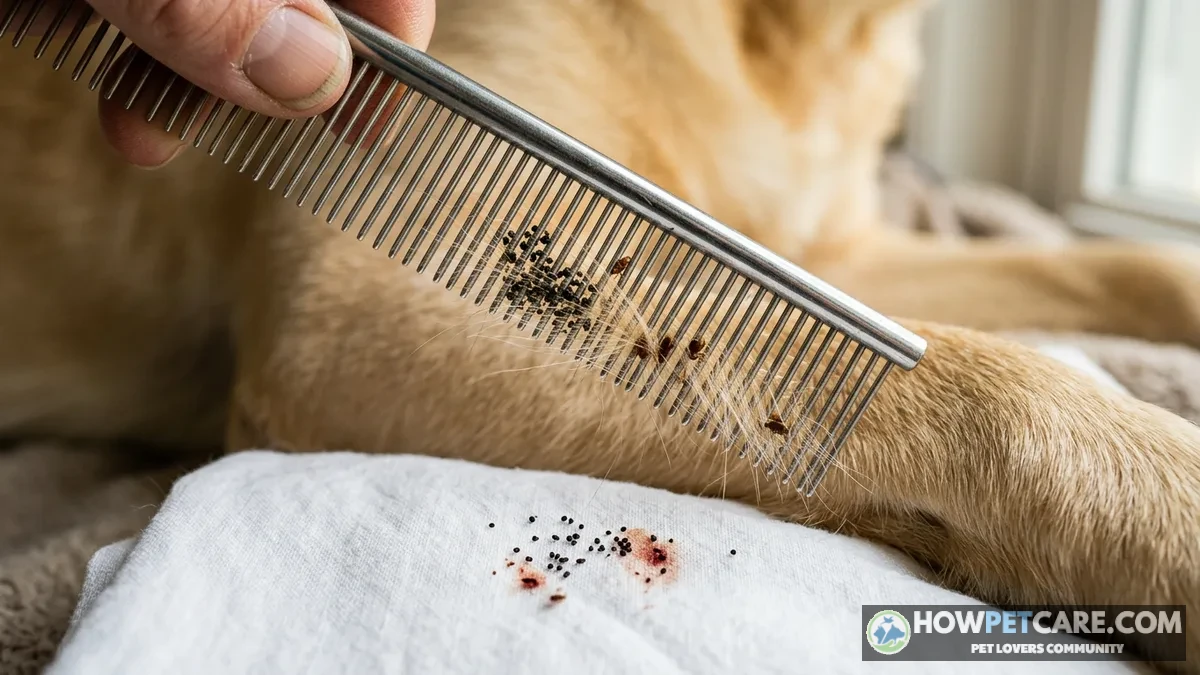

To confirm fleas on dogs, run a flea comb over the tail base, belly and groin, then press the black specks onto a damp white paper towel. A reddish-brown stain indicates flea dirt. Start a species-appropriate treatment for every pet, and wash bedding and vacuum daily.
If your dog is scratching or you’ve spotted black specks in the coat, comb the fur over a white paper towel and wet the debris. A reddish-brown stain suggests flea dirt, even if you can’t find a live flea. Start an age- and weight-appropriate treatment promptly, treat the other pets with species-appropriate products, and clean the places where they sleep and rest.
Fast-acting products can quickly reduce adult fleas, but clearing a household infestation usually takes weeks to months because new fleas can emerge from protected cocoons. You don’t necessarily need to bathe your dog or spray your entire home. Consistent pet treatment and a practical cleaning schedule are the foundation.
How to Tell If Your Dog Has Fleas: The 5-Minute Check
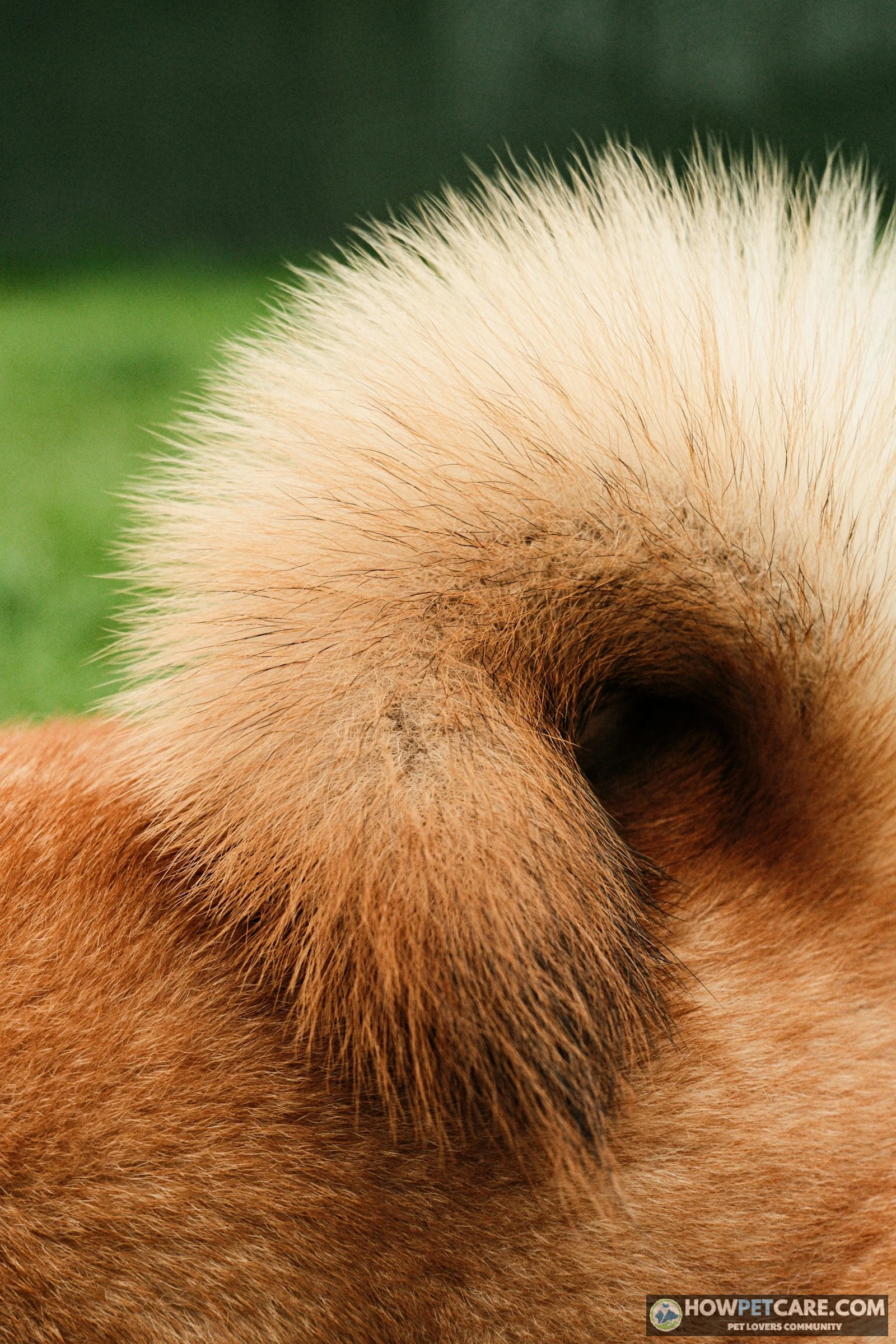
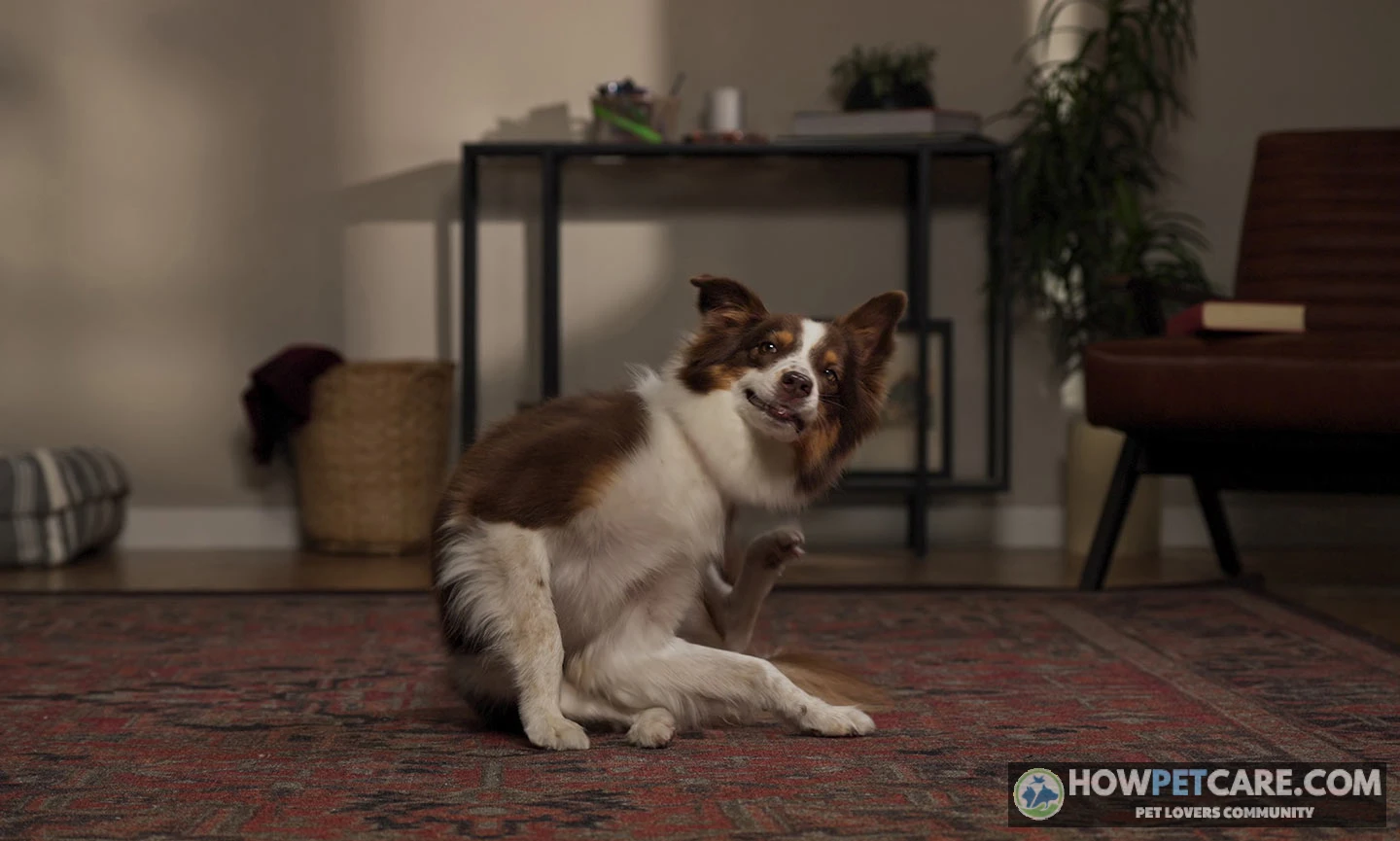
Start at the base of the tail, then check the belly, groin, neck and behind the ears. In good light, part the fur close to the skin. Look for tiny, dark insects moving through the coat or black, pepper-like debris caught in the teeth of a flea comb.
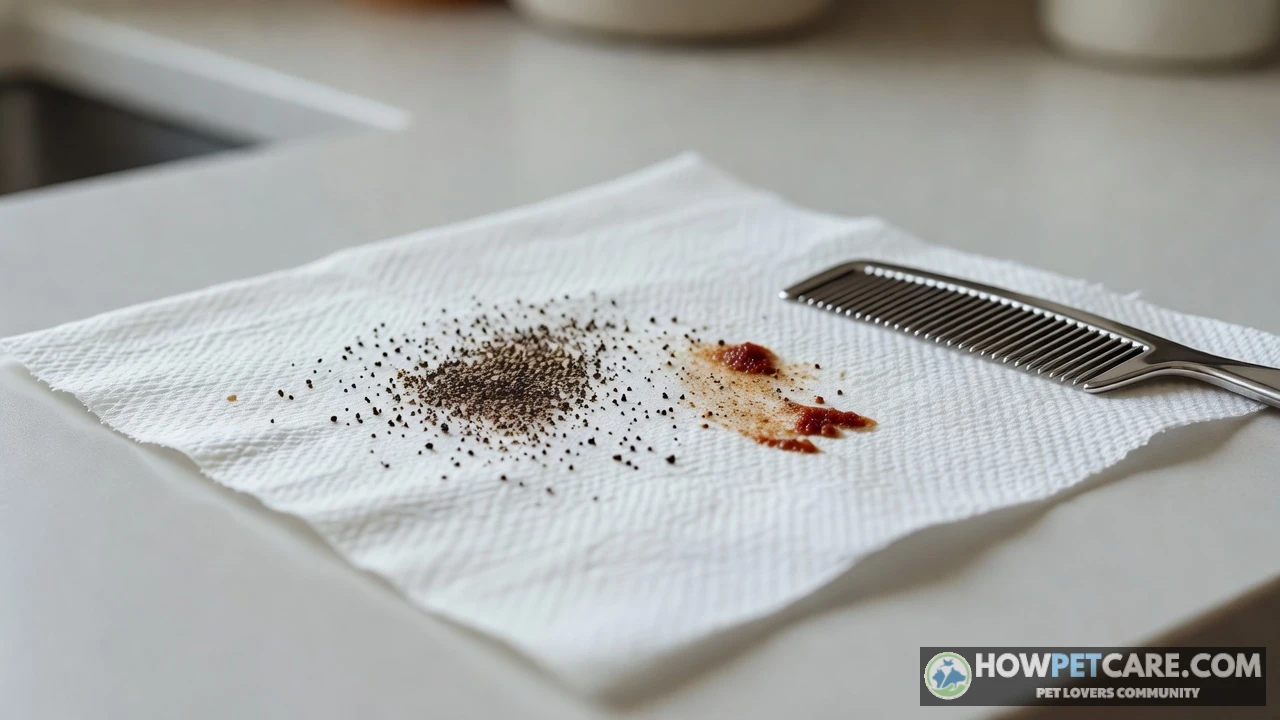
The flea-dirt test, step by step
-
Comb the coat
Run a fine-toothed flea comb through the fur, especially near the tail and over the belly. Wipe the comb onto a white paper towel.
-
Wet the specks
Add a few drops of water to the dark debris and gently press or smear it.
-
Check the color
A reddish-brown stain suggests flea dirt: flea droppings contain digested blood. Ordinary dirt can also stain, so ask your vet if the result is uncertain.
Flea dirt is evidence that fleas have fed, even when you can’t find an adult flea. If you find live fleas or convincing flea dirt, start an appropriate treatment plan today. Comb any fleas you catch into a bowl of soapy water.
Signs checklist: what you will notice at home
- Scratching, chewing or licking, especially around the tail and hindquarters.
- Restlessness or repeated grooming.
- Small red bumps, scabs, irritated skin or patches of hair loss.
- Dark specks in the coat or on bedding.
- Pale gums or unusual weakness in a heavily infested dog, particularly a puppy.
Some dogs react intensely to flea saliva. This reaction is called flea allergy dermatitis, or FAD. Others show little obvious itching, so a dog can have fleas even without scratching.
Pale gums, weakness or lethargy can signal a serious problem. Contact a veterinarian urgently, particularly if the dog is a young puppy.
If you find nothing: what else could be causing the itch
A negative comb check doesn’t rule out fleas. Adults can be difficult to catch, and immature flea stages live in the surroundings rather than in the coat. If your dog is intensely itchy, has damaged skin or keeps scratching despite a negative check, arrange a veterinary examination. Allergies and other parasites can look similar but may require different treatment.
What Fleas Look Like on Dogs (and How to Tell Them from Ticks, Lice, and Dandruff)
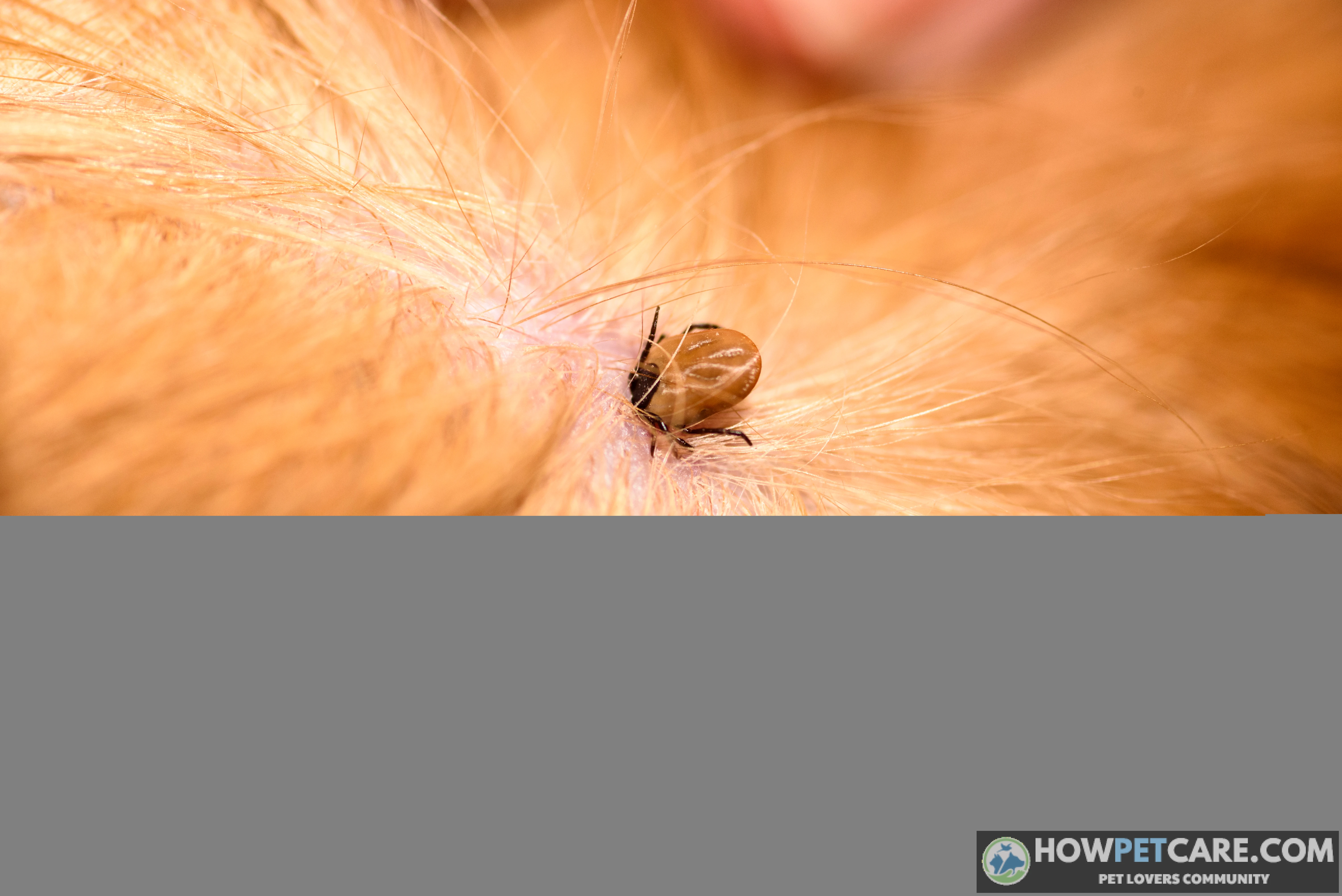
Adult fleas are small, dark reddish-brown insects with bodies flattened from side to side. They move quickly through fur and can jump. Despite the name dog fleas, the flea most commonly found on dogs and cats is the cat flea, Ctenocephalides felis; Ctenocephalides canis is a different species.
Flea vs. tick vs. lice at a glance
| Feature | Fleas | Ticks | Lice |
|---|---|---|---|
| Appearance | Small, dark and narrow from the side | Rounder or oval; can become swollen after feeding | Small, pale to tan insects; eggs may stick to hair shafts |
| Movement | Run through fur and jump | Crawl; do not jump | Crawl through fur; do not jump |
| Attachment | Move through the coat while feeding | Attach to the skin and remain in one place while feeding | Live in the coat; eggs attach to hairs |
| Where to check | Tail base, belly and groin | Skin, including ears, head and between toes | Coat and hair shafts, especially in areas of irritation |
If the object is attached to the skin and doesn’t move away through the fur, it may be a tick rather than a flea; compare what ticks look like on dogs if you’re unsure. Follow proper tick-removal guidance or ask your vet for help; don’t assume a flea comb will remove it.
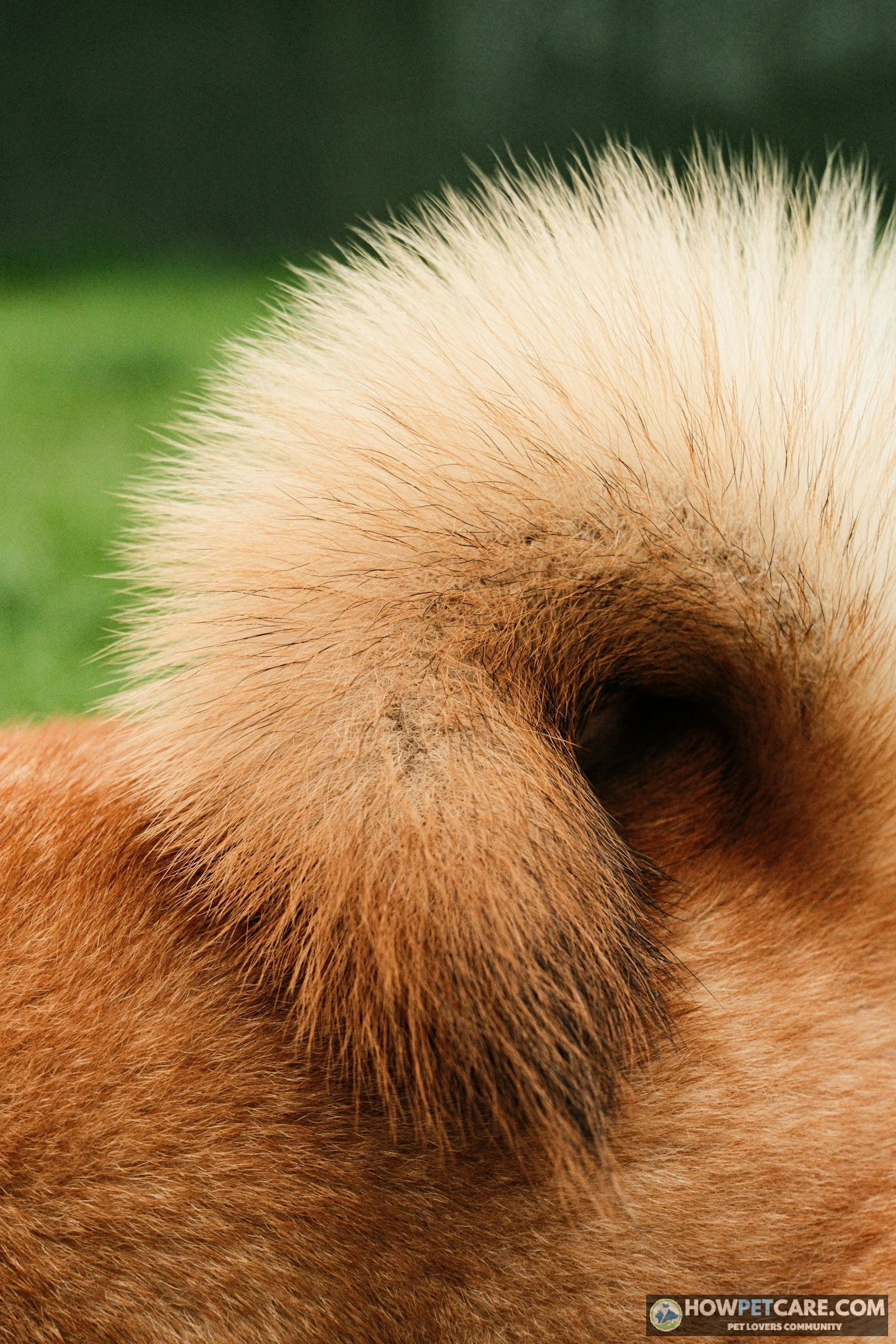
Flea dirt vs. dandruff vs. dirt
| Feature | Flea dirt | Dandruff | Ordinary dirt |
|---|---|---|---|
| Appearance | Black or dark reddish-brown specks | White, gray or translucent flakes | Irregular grit; color varies |
| What it is | Flea droppings containing digested blood | Flakes of skin | Soil, dust or other debris |
| Where you may find it | Coat, especially near the tail; pet bedding | Throughout the coat or on the back | Paws, legs or anywhere the dog gets dirty |
| Wet paper towel test | Leaves a reddish-brown stain | Usually stays pale | May leave a brown or gray smear |
A red-brown smear is a useful clue, not a laboratory diagnosis. Blood from irritated skin and some soils can make the result harder to interpret. Your veterinarian can help identify material you’re unsure about.
How to Get Rid of Fleas on Dogs Fast: The First 24 Hours
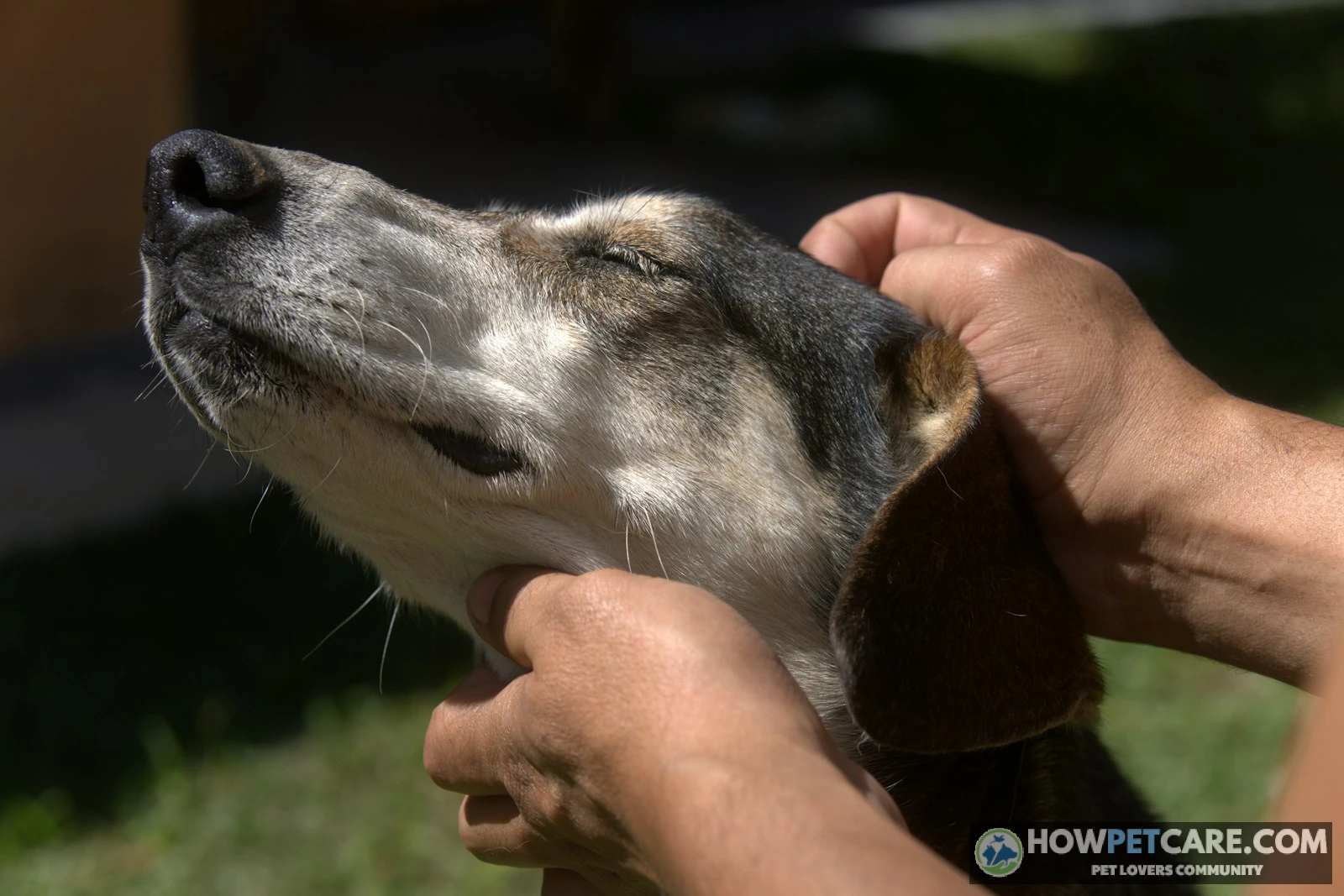
Treat the dog first, then the house
- Choose an appropriate flea treatment. A fast-acting oral medication containing nitenpyram can provide short-term adult-flea knockdown for eligible dogs. It doesn’t replace ongoing prevention. Follow the exact product label for age, weight and repeat dosing.
- Arrange lasting protection. Select a longer-acting oral medication, spot-on treatment or collar suited to your dog. If you’re also using a rapid-kill product, check with your vet or the labels before combining products; don’t assume every combination is safe.
- Treat every household pet. Use a product labeled for each animal’s species, age and weight. An untreated cat or dog can keep the cycle going.
- Comb out visible fleas. Work through the coat and dip the comb in soapy water. This removes fleas immediately while medication begins to work.
- Clean sleeping and resting areas. Wash bedding and vacuum the rooms your pets use most. Use the detailed checklist below to guide you.
A bath is optional, not a prerequisite. You can get rid of fleas on dogs without bathing by using an appropriate oral or topical preventive, combing and cleaning the environment. Flea shampoo may remove fleas present during the bath, but shampoo alone doesn’t provide the lasting control needed to break an infestation. If you use a spot-on treatment, check its label for bathing and swimming restrictions before and after application.
Room-by-room home checklist
- Pet beds and bedrooms: Wash removable bedding, blankets and washable toys. Use hot water and a high-heat dryer setting when the fabric care label permits; about 140°F is a useful hot-wash target where safely available. Include your bedding if the dog sleeps on it.
- Living areas: Vacuum rugs, hard floors, baseboards, furniture seams and under cushions. Focus on shaded places where pets nap.
- Crates and travel areas: Wash crate liners and vacuum the crate, car seats and cargo area if your dog uses them.
- After vacuuming: Empty the canister or seal the vacuum bag and put the contents in an outside trash container.
- Yard: Keep grass trimmed and remove leaf litter and debris from shady resting spots. Focus on places your dog actually uses; routine whole-yard spraying isn’t always necessary.
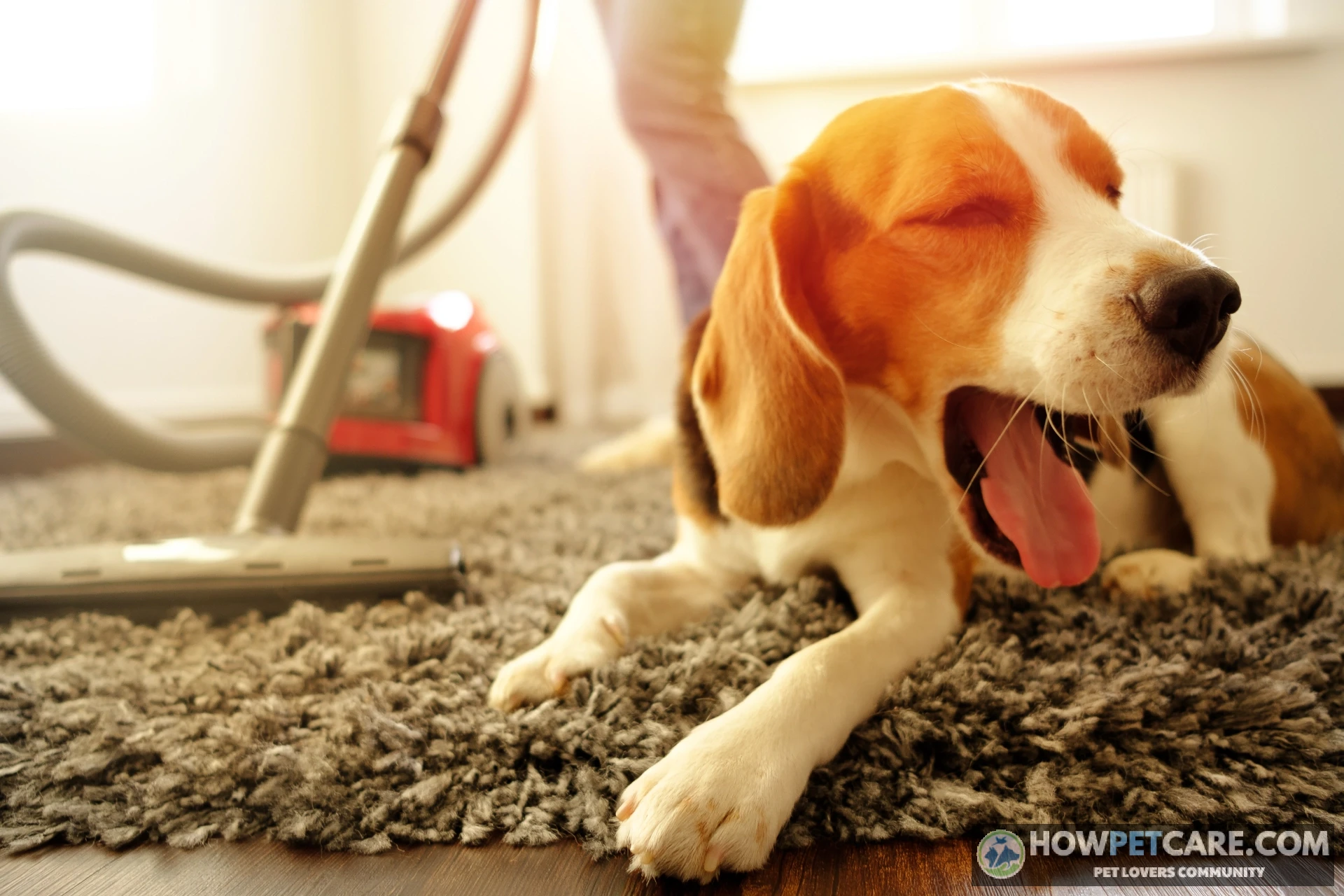
Do you need to treat the house too?
Clean the house, but you won’t always need an insecticide. Eggs, larvae and pupae accumulate in the environment, so treating only the dog while ignoring bedding and floors leaves a source of emerging adults. In a lighter infestation, effective treatment of every pet plus regular vacuuming and laundry may be enough without a household spray.
For a heavy or persistent infestation, discuss a labeled indoor flea product or a pest professional with your vet. Some environmental products contain an insect growth regulator, or IGR, intended to interrupt immature stages. Follow the label exactly, keep people and pets out for the required period, and never apply a household insecticide directly to an animal.
Why Fleas Keep Coming Back: The Flea Life Cycle Explained
The four stages and where they live
The flea life cycle runs from egg → larva → pupa → adult. Adults feed on the pet; eggs fall into the surroundings, where larvae develop and eventually form cocoons. Most of an established flea population consists of immature stages in the environment, not adult fleas visible on the dog.
Pupae in their cocoons can remain protected for months. Vibration and carbon dioxide associated with a passing host can trigger emergence, which helps explain why fleas appear after you’ve already started treatment. Control may take from several weeks to several months, depending on the infestation and conditions.

Why you still see fleas after treatment
An occasional flea early in the process doesn’t automatically mean a product has failed. A newly emerged flea may have jumped onto your dog before the treatment has had time to work. Check the product’s expected action and keep monitoring. Call your vet sooner if the dog is uncomfortable or the number of fleas isn’t declining.
Common reasons for continued trouble include a missed or late dose, an incorrectly applied product, an untreated pet, bathing too close to a spot-on application, or renewed exposure outdoors. Your vet can help assess product choice and possible resistance; don’t add another insecticide on your own.
Dogs can pick up fleas in shared outdoor spaces, from contact with other animals, or in places visited by wildlife or other infested pets. Fleas can also be carried into a home on belongings or clothing.
Can dog fleas live in carpet and bedding?
Yes. Flea eggs, larvae and cocoons can accumulate in carpet, furniture and bedding where pets spend time. Vacuuming and laundering reduce that reservoir, while continuous treatment of pets helps deal with adults that emerge later.
Flea Treatment for Dogs Compared: Oral, Spot-On, Collar, and Shampoo
Treatment format comparison table
The timing and prices below are broad planning estimates, not guarantees or verified retail quotes. Products differ substantially, so check the label for onset, duration, age and weight limits, and bathing instructions. Estimated US costs are for 2026 and vary by dog size, seller and location.
| Format | Onset speed | Typical duration | Approximate cost | Pros | Cons | Best for |
|---|---|---|---|---|---|---|
| Fast-acting oral, such as nitenpyram | Some start within hours; check label | Short-term; check label | About $5–$15 per dose | Quick adult-flea knockdown; no coat residue | Does not provide lasting prevention | Eligible dogs needing rapid relief alongside a longer-term plan |
| Long-acting oral medication | Often hours to a day, depending on product | Usually one to three months | About $15–$40 per month equivalent | Cannot wash off; no application-site residue | Many require a prescription; some dogs resist pills | Swimmers or homes where topical residue is a concern |
| Topical or spot-on treatment | Often within a day or two | Commonly about one month | About $10–$30 per month | Some products are available over the counter; no pill to swallow | Drying and bathing restrictions; product-specific cat precautions | Dogs that will not take oral medication |
| Long-lasting flea collar | Varies by product | Several months for some products | Roughly $5–$20 per month equivalent | Fewer applications | Fit, chewing and contact precautions; effectiveness varies | Households able to follow collar handling and fit instructions |
| Flea shampoo | During the bath | Usually little or no lasting protection | About $10–$25 per bottle | Removes or kills fleas present during bathing | Bathing required; not a stand-alone prevention plan | An occasional adjunct when appropriate |
| Flea comb | Immediately removes caught fleas | No residual protection | About $5–$15 once | Useful for checking and removing fleas at any age | Time-consuming; cannot clear the home alone | Monitoring and a stopgap for young puppies |
These formats are sold under many brand names and formulations; see, for example, how Frontline and Frontline Plus differ. Formulations and labels differ, so a familiar product name alone isn’t a dosing instruction.

Prescription vs. over-the-counter
Both prescription and over-the-counter products must be used as labeled. Prescription products involve a veterinarian in selection. Over-the-counter status doesn’t automatically mean a product is suitable for every dog, nor does it establish how well it will work in your household. Ask your vet about your dog’s health, local flea pressure and a product’s evidence of effectiveness.
Some oral preventives belong to the isoxazoline class. Discuss a history of seizures or other neurologic problems with your veterinarian before choosing one.
How to choose by dog and household
- Dog swims often: An oral product avoids wash-off concerns. Check water-exposure instructions before choosing a topical or collar.
- Dog refuses pills: Consider a labeled spot-on or collar, taking household contact and bathing needs into account.
- Cats or small children share the home: Ask about an oral option if appropriate; topical products and collars require careful handling.
- Heavy infestation: Ask whether a compatible short-acting product can provide immediate relief while a preventive and home-cleaning plan take effect.
- Tight budget: Compare the full cost of several months of protection, not just the purchase price. A low-cost product isn’t a saving if it’s unsuitable or used inconsistently.
Home Remedies for Fleas on Dogs: What Works, What Doesn’t, What’s Risky
Home remedies can help with removal or cleaning, but they shouldn’t replace an effective prevention plan for a dog flea infestation.
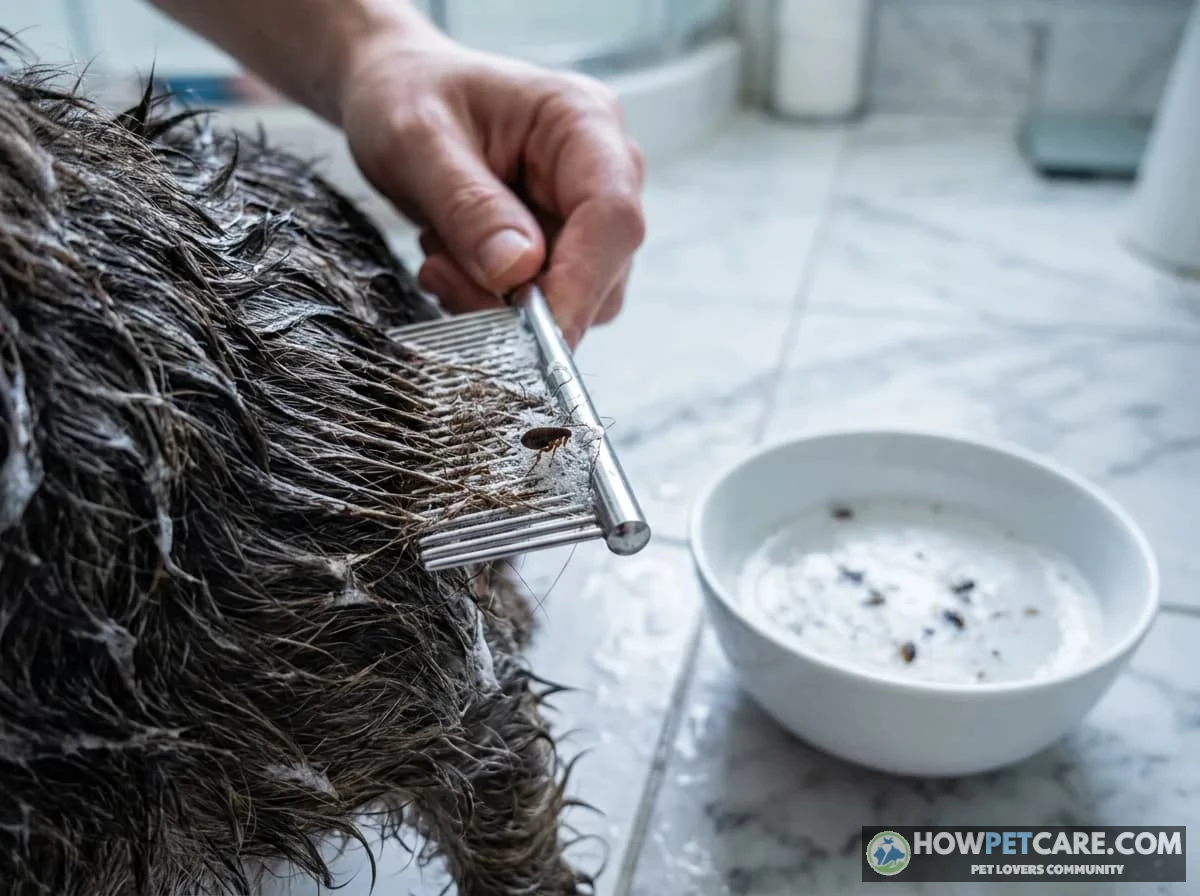
Remedy verdict table
| Method | Verdict | Safety and practical limits |
|---|---|---|
| Flea comb | Useful | Removes the fleas you catch; does not protect against new ones or clear the home. |
| Vacuuming and hot washing | Useful | Reduces environmental flea stages and complements treatment of every pet. |
| Dish soap bath | Limited stopgap | May remove or kill some adults during bathing, but has no lasting effect and can irritate skin. Ask a vet before bathing a very young or unwell puppy. |
| Diatomaceous earth | Not recommended as a routine DIY treatment | Dry powder can affect some insects, but results are unreliable and inhaling dust can irritate lungs. Do not dust your dog; even food-grade powder is not risk-free to inhale. |
| Apple cider vinegar | Skip | There is no reliable basis for using it as flea control; it can irritate sensitive or broken skin. |
| Lemon spray or herbal collars | Skip | Effectiveness is unreliable, and scented ingredients can irritate pets. |
| Essential oils, including tea tree and pennyroyal | Avoid | Oils can be toxic to dogs and cats, especially when concentrated or swallowed. |
| Garlic or brewer’s yeast supplements | Skip | They are not a reliable flea-control plan; garlic can be toxic to dogs. |
Safe stopgap measures for tonight
If you can’t obtain an appropriate medication immediately, comb the dog, put caught fleas in soapy water, wash bedding and vacuum sleeping areas. These steps reduce the immediate burden but don’t guarantee eradication. Contact your vet promptly for a safe treatment plan, especially if the dog is a puppy or has irritated skin.
Remedies to avoid
Don’t apply essential oils or household insecticides to your dog. Avoid repeated dish-soap baths, which can dry or irritate skin. A treatment doesn’t have to kill every life stage directly to interrupt the cycle: a sustained, effective pet preventive can kill emerging adults, while cleaning reduces the environmental burden.
Flea Eradication Timeline and Cost: Day 1 to Month 3
Day-by-day and week-by-week eradication plan
Day 1: Start together
- ☐ Check the coat with a flea comb and the damp-paper test.
- ☐ Start an appropriate long-acting treatment; ask about a compatible rapid-kill product if immediate relief is needed.
- ☐ Treat the other pets with products labeled for their species and circumstances.
- ☐ Wash bedding and vacuum pet resting areas, furniture and floors.
- ☐ Record each product’s next application or replacement date.
Days 2–14: Reduce the reservoir
- ☐ Comb daily and monitor the dog’s skin and comfort.
- ☐ Vacuum daily or every other day, especially around pet beds and furniture.
- ☐ Wash pet bedding weekly when fabric care permits.
- ☐ Expect that some fleas may still emerge; check whether their numbers are falling.
Weeks 3–4: Reassess
- ☐ Continue vacuuming several times a week, including under furniture and in the car.
- ☐ Check pets with the flea comb and inspect bedding for fresh debris.
- ☐ Give the next dose when the label directs; not every product follows a monthly schedule.
Months 2–3: Finish and prevent recurrence
- ☐ Keep every pet’s preventive on schedule and continue cleaning high-use areas.
- ☐ Look for a sustained absence of live fleas and new flea dirt over repeated checks; no single negative combing proves every cocoon is gone.
- ☐ Continue prevention beyond the infestation according to your veterinarian’s advice, including year-round where appropriate.

What a full flea effort realistically costs
These are illustrative US planning ranges for 2026, not verified local quotes. Prices vary with dog weight, medication, number of pets, examination fees and the extent of the infestation. Ask a veterinarian and local pest company for actual prices before committing.
| Expense | Approximate planning range |
|---|---|
| Preventive medication | $15–$40 per dog per month; some formats cost less or require an upfront purchase |
| Flea comb and cleaning supplies | $5–$30 for basic supplies, excluding equipment already owned |
| Laundry and utilities | Roughly $5–$20, depending on loads and local rates |
| Optional indoor flea product | Roughly $15–$40 |
| Veterinary examination, if needed | Roughly $50–$150 or more, before tests or medication |
| Optional professional pest control | Roughly $150–$500 or more, depending on property and visits |
For one dog treated over three months, a basic plan using medication, a comb and ordinary cleaning might cost about $55–$170, excluding a vet exam. That estimate combines approximately $45–$120 in medication with $10–$50 in supplies and laundry. A multi-pet household, veterinary care or professional treatment can raise the total substantially; a single-dog plan with an exam and pest control could be roughly $255–$820 or more. These are budgeting examples, not promises of local pricing.
When to call a vet or exterminator
Call the vet urgently for pale gums, weakness, lethargy or a heavily infested young puppy. Arrange an appointment for severe itching, open sores, suspected flea allergy dermatitis or possible tapeworms. Dogs can acquire Dipylidium caninum tapeworms by swallowing an infected flea; ask your vet whether testing or deworming is needed.
If fleas remain common after six to eight weeks of correctly timed treatment for every pet and consistent cleaning, ask your vet to review the plan. A pest professional can assess a heavy indoor infestation or persistent environmental source. Don’t simply keep repeating unsuccessful DIY spraying, and seek help rather than waiting until three months have passed.
Flea Treatment Safety for Puppies, Pregnant Dogs, Seniors, Cats, and Kids
Safety matrix by household member
| Household member | Practical approach | Avoid or check first |
|---|---|---|
| Puppy under 8 weeks | Call a vet promptly; gently comb and clean bedding while arranging care | Do not estimate a dose or assume an adult product is safe. Ask the vet before bathing a tiny puppy. |
| Puppy 8–12 weeks | Check the exact product’s minimum age and weight; ask a vet if unsure | Do not divide an adult dose by guesswork. |
| Pregnant or nursing dog | Use only a product your vet confirms is appropriate | Do not assume safety where the label lacks pregnancy or nursing data. |
| Senior dog or dog with chronic illness | Discuss health conditions and medications with a vet | Flag seizure history, neurologic problems, and kidney or liver disease before selecting treatment. |
| Cats in the household | Treat cats only with cat-labeled products; follow separation instructions | Never apply a dog product to a cat. Permethrin-containing dog products can be fatal to cats. |
| Children | Follow label contact instructions; wash hands after handling products or pets | Keep children away from a fresh spot-on site until dry, or longer if the label says so. Do not let them handle or mouth a collar. |
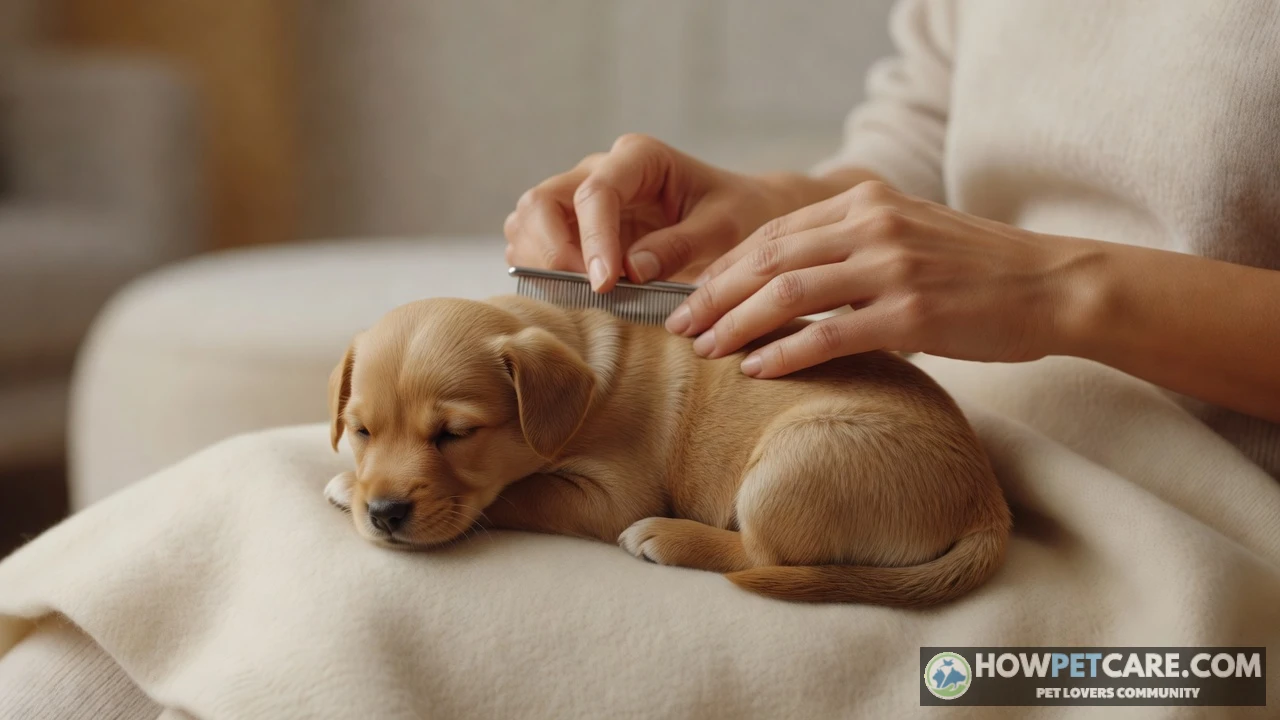
Fleas on puppies under 12 weeks: what to do
Check both age and current weight before using any flea medication on puppies; minimums vary by product. Puppies under eight weeks have limited labeled options and can become seriously ill from a heavy flea burden. Contact a veterinarian promptly for a plan tailored to the puppy and nursing mother.
While waiting for advice, gently comb the puppy and clean its bedding. Ask the vet whether a bath is appropriate and how to prevent chilling. If the puppy has pale gums, seems weak or isn’t feeding normally, seek urgent veterinary care.
Cats and kids: the rules that matter
Permethrin-containing dog flea products can be fatal to cats. Never apply them to a cat. Follow the product label and your vet’s instructions about separating cats from treated dogs, including after the application has dried.
For children, avoid contact with a freshly treated dog until the application site is dry and any longer label restriction has passed. Wash hands after handling the product or collar. If a child normally sleeps cuddled against the dog, follow the label’s contact directions and consider discussing a non-topical option with the vet.
Fleas brought in by dogs can bite people, often around the ankles, but they don’t normally establish a permanent infestation on people. Treating the pets and the home addresses the source; human bites don’t mean you should use pet flea medication on yourself.
Your Flea Action Plan: Checklist and Next Steps
Tonight
- ☐ Comb the dog, check suspicious specks on a damp white towel, and choose a product appropriate for the dog’s age and weight.
- ☐ Call a vet before treating a very young puppy, a pregnant or nursing dog, or a dog that is ill.
- ☐ Wash pet bedding and vacuum the rooms where your pets rest.
This week
- ☐ Make sure every household pet has species-appropriate protection.
- ☐ Comb and vacuum regularly, and set reminders for each product’s next dose or replacement.
- ☐ Check the label for child and cat contact precautions.
At the month-three checkpoint
- ☐ Continue prevention on schedule and look for a sustained absence of fleas and fresh flea dirt.
- ☐ If fleas persist despite correct treatment, contact your vet; if you’ve already reached six to eight weeks without improvement, don’t wait for this checkpoint.
- ☐ Keep a prevention plan in place so the next flea exposure doesn’t become another household infestation.
1How can a dog owner distinguish flea dirt from ordinary environmental dirt during a coat inspection?
Flea droppings contain digested blood, which dissolves into a reddish-brown smear when exposed to water on a white paper towel.
2Which physical feature or movement behavior distinguishes an adult flea from a tick found on a dog?
Adult fleas have narrow bodies flattened from side to side that allow them to jump and move through fur, while ticks crawl and anchor directly into skin to feed.
3What is the primary function of a fast-acting oral medication containing nitenpyram in a flea treatment plan?
Nitenpyram quickly kills adult fleas present on the animal but lacks extended residual action, requiring pairing with continuous prevention.
4When laundering pet bedding to eliminate environmental flea stages, what target water temperature is recommended where safely available?
Hot water washing targeted around 140°F combined with high-heat drying effectively kills flea eggs and larvae embedded in washable fabrics.
5Why might a dog owner continue to see adult fleas emerging weeks after starting an effective treatment plan?
Flea pupae are sheltered within cocoons in carpets and crevices, allowing newly developed adults to hatch weeks later when triggered by host warmth or movement.
6Which dog profile is best suited for an oral flea preventive rather than a topical spot-on product?
Systemic oral preventives are unaffected by water exposure, making them ideal for dogs that swim or receive frequent baths.
7Why should pet owners avoid applying essential oils such as tea tree or pennyroyal to dogs for flea control?
Essential oils contain active compounds that can be toxic to pets, especially when applied to the skin or ingested during self-grooming.
8Which clinical sign indicates that a heavily infested dog needs urgent veterinary care?
Heavy flea infestations can consume enough blood to cause life-threatening anemia in young or small dogs, requiring immediate veterinary triage.
9What is the safest immediate stopgap measure for managing fleas on a puppy under eight weeks of age?
Very young puppies have limited labeled medication options; manual combing and environmental hygiene provide safe temporary relief until a vet evaluates the pup.
10Why must dog flea products containing permethrin never be applied to or used around cats?
Cats lack specific liver enzymes to metabolize permethrin, making exposure to dog products containing this ingredient life-threatening.
| Format | Onset Speed | Typical Duration | Approximate Cost | Pros | Cons | Best For |
|---|---|---|---|---|---|---|
| Fast-acting oral | Within hours | Short-term | ~5–15 per dose | Quick adult-flea knockdown; no coat residue | Does not provide lasting prevention | Eligible dogs needing rapid relief alongside a long-term plan |
| Long-acting oral | Within hours to a day | 1–3 months | ~15–40 per month | Cannot wash off; no application-site residue | Many require a prescription; some dogs resist pills | Swimmers or homes where topical residue is a concern |
| Topical / Spot-on | Within 1–2 days | ~1 month | ~10–30 per month | Some available over the counter; no pill to swallow | Drying and bathing restrictions; product-specific cat precautions | Dogs that will not take oral medication |
| Flea collar | Varies by product | Several months | ~5–20 per month | Fewer applications required | Fit, chewing, and contact precautions; effectiveness varies | Households able to follow collar handling and fit instructions |
| Flea shampoo | Immediate (during bath) | Little to no residual protection | ~10–25 per bottle | Removes or kills fleas present during bathing | Bathing required; not a stand-alone prevention plan | Occasional adjunct treatment when appropriate |
| Flea comb | Immediate | No residual protection | ~5–15 (one-time) | Useful for checking and removing fleas at any age | Time-consuming; cannot clear home infestation alone | Monitoring and a stopgap for young puppies |
FAQ
How long does it take to fully get rid of fleas on a dog?
Most infestations take about 2-3 months to clear completely because flea pupae in the home can keep hatching for weeks. The dog may feel relief within hours of a fast-acting treatment, but consistent monthly preventives and regular vacuuming are needed to finish the job.
Can dog fleas live on humans?
Dog fleas can bite people, usually around the ankles and lower legs, but they do not live on human skin like they do on fur. Bites cause itchy red spots, and treating the pet and home stops the problem.
Are dog flea treatments safe for cats?
Not always. Some dog products, especially those containing permethrin, are highly toxic to cats, so never apply a dog product to a cat and keep cats away from freshly treated dogs until the product is dry. Use cat-specific products and ask your vet if unsure.
Do I need to treat my yard for fleas?
Usually only if the yard has shady, humid spots where wildlife or stray animals rest. Focus on the home first, and keep grass trimmed and debris cleared in areas where your dog spends time.
Can fleas cause health problems in dogs?
Yes. Fleas can cause flea allergy dermatitis, tapeworm infection if a dog swallows an infected flea, and anemia in puppies or heavy infestations. Most cases are manageable with prompt treatment, but see a vet if your dog is weak, has pale gums, or has severe skin damage.