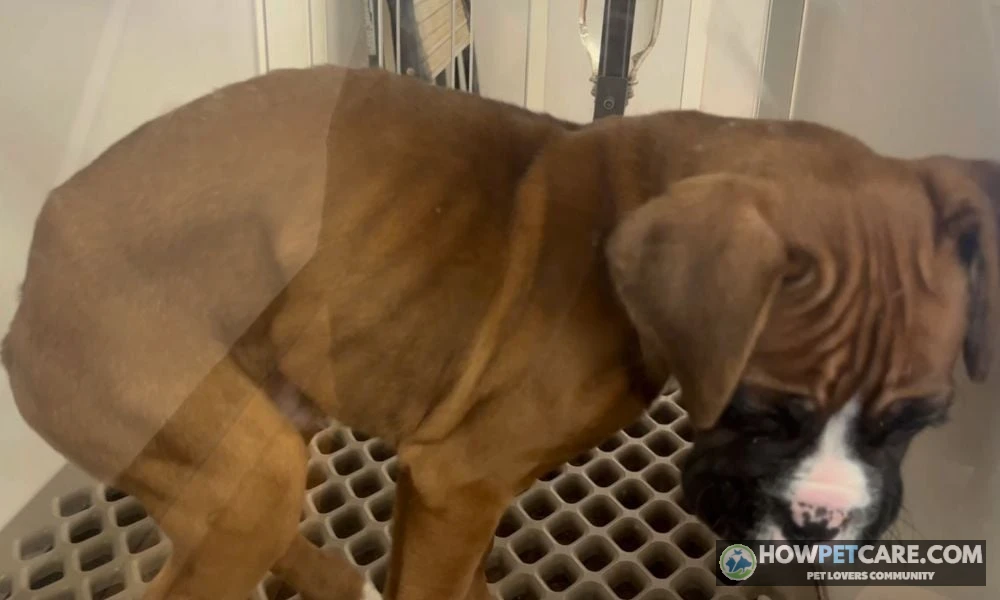

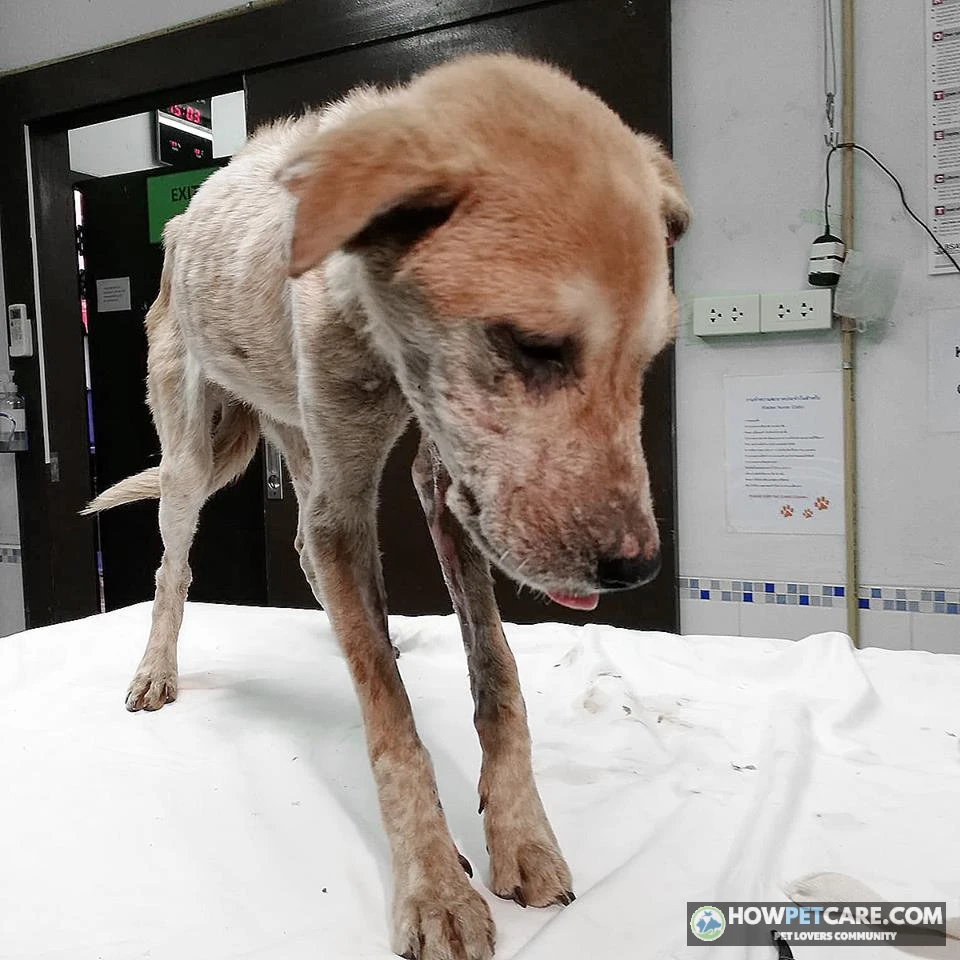
An emaciated dog has lost so much body fat and muscle that its ribs, spine and hips are clearly visible — a body condition score of 1–2 out of 9. Arrange a prompt veterinary exam; if it has collapsed, can’t stand or struggles to breathe, seek emergency care now.
Emaciated dog: what it means and what to do first
An emaciated dog has lost an extreme amount of body fat and often muscle. Bones may be conspicuous, and the body visibly wasted. If a dog looks skeletal, contact a veterinarian promptly, even if it seems alert. If it has collapsed, cannot stand, has a seizure, struggles to breathe, is unresponsive or vomits repeatedly, go to an emergency veterinarian now.
An emaciated appearance doesn’t reveal the cause or prove neglect. Illness, parasites and inadequate access to food are among the possibilities; a veterinary exam is needed to tell them apart.
Keep the dog warm and quiet while you call ahead for transport and feeding instructions. Don’t force food or water, and don’t offer a large meal. A starving dog needs carefully managed feeding: restarting nutrition too aggressively can cause dangerous complications.
Signs of malnutrition and the dog body condition score
A dog’s body condition score, or BCS, rates body fat on a nine-point scale. Scores of 1–2 indicate severe loss of condition. An emaciated dog may have visible ribs, spine and hips, along with muscle wasting. A veterinarian also assesses muscle separately, since muscle loss can matter even when some body fat remains.
Other possible signs of malnutrition include a dull or patchy coat, low energy and shivering. These signs don’t point to starvation alone. A dog can also be seriously ill without showing every sign on the list.
How to check ribs, waist and muscle without hurting the dog
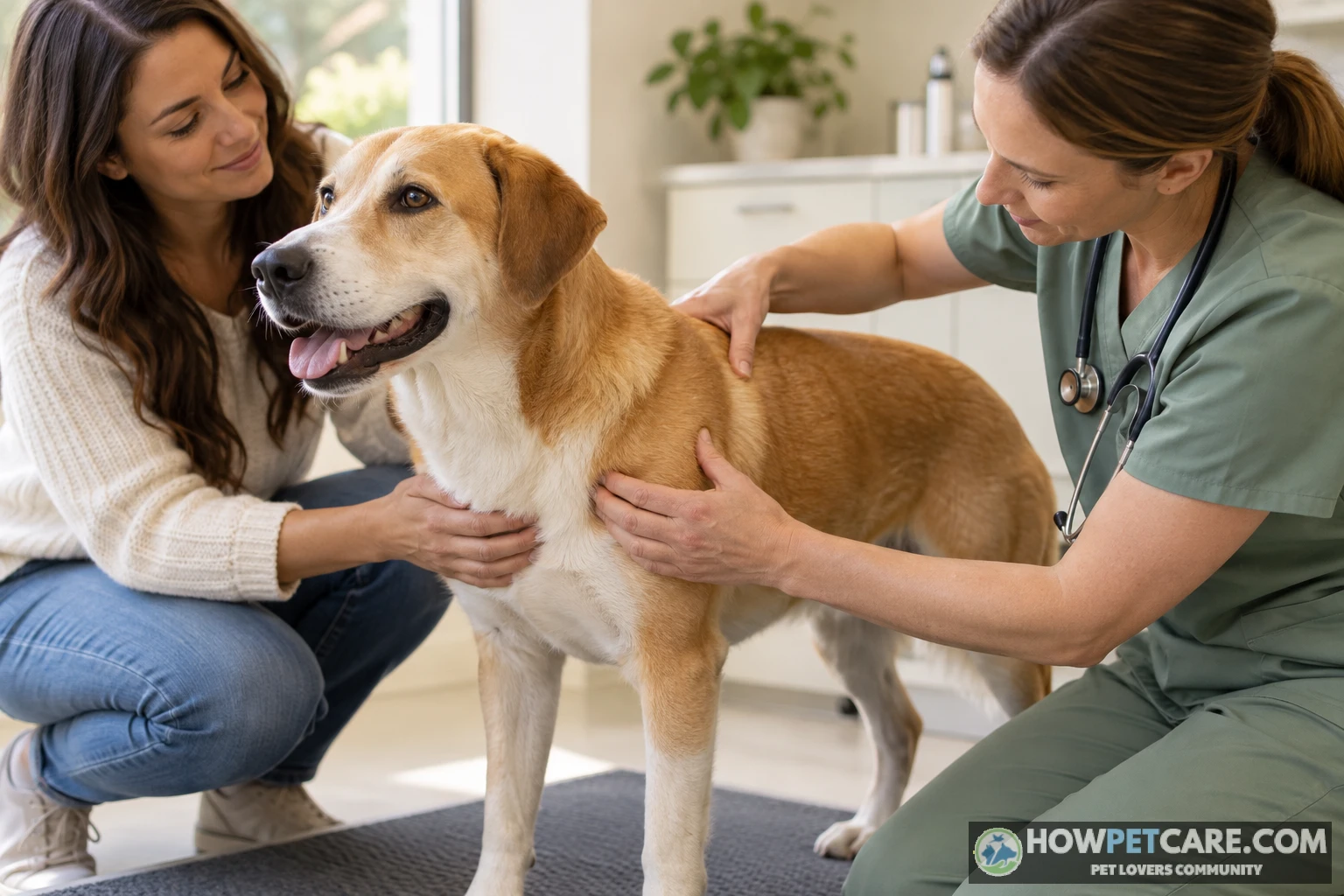
If the dog is calm and allows handling, lay flat fingers lightly over its ribs. From above, look for a waist behind the rib cage; from the side, check for an upward abdominal tuck. Notice whether the muscles over the head, shoulders and thighs look sunken. Stop if the dog seems painful or frightened. Don’t risk a bite to complete the check.
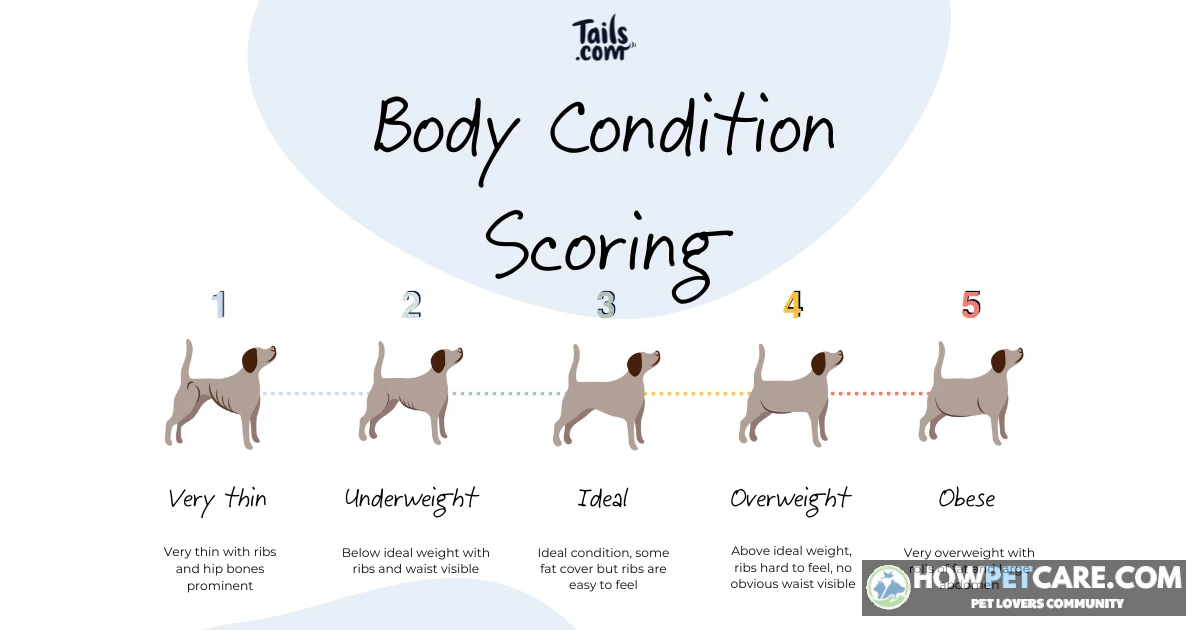
| BCS | Ribs, spine and hips | Waist and body fat | What to do |
|---|---|---|---|
| 1 — Emaciated | Ribs, spine and pelvic bones are conspicuous, often from a distance; obvious muscle loss | No discernible fat; a very pronounced tuck | Seek immediate veterinary assessment; use emergency care if the dog is unstable |
| 2 — Very thin | Ribs, spine and hips are readily visible; muscle loss may be evident | Little to no palpable fat; pronounced waist and tuck | Contact a veterinarian urgently for assessment and a feeding plan |
| 3 — Thin | Ribs are easily felt and may be visible; spine or hips may stand out | Little fat; obvious waist and tuck | Arrange a veterinary appointment to investigate weight loss |
| 4 — Lean | Ribs are easily felt with a thin fat covering | Visible waist and abdominal tuck | Often acceptable, depending on the individual; discuss concerns with a vet |
| 5 — Ideal | Ribs are easily felt without excess pressure but are not prominently visible | Defined waist and moderate tuck | A common target range; ask your vet about the individual dog |
| 6–9 — Overweight to obese | Ribs become increasingly difficult to feel under fat | Waist becomes less distinct or absent | Discuss body condition and nutrition with a vet |
Use this as a screening guide, not a diagnosis. Long fur can hide bones, and a photograph can’t reliably show how much fat or muscle a dog has lost. If the dog appears to be BCS 1–2, call a veterinarian rather than waiting until you’re certain of the score.
Lean breed or severely underweight dog?
Some dogs naturally have a narrow waist, deep chest or visible rib outlines. That’s different from prominent bones alongside disappearing muscle, weakness or continued weight loss. When possible, compare the dog with its own previous appearance, not with a dog of another breed. A veterinary exam can assess the dog’s frame, body fat, muscle and hydration together.

 You might be wonderingDog vaccination scheduleDog Vaccination Schedule: Puppy Shots by Week + Free ChartRead the answer
Why is my dog so skinny all of a sudden?
A dog can lose weight when it isn’t getting enough usable nutrition, but several things can cause that. Medical conditions linked to marked weight or muscle loss include intestinal parasites, exocrine pancreatic insufficiency (EPI), inflammatory bowel disease, diabetes, kidney disease and cancer. Dental pain and other painful conditions can also make eating difficult. A dog may be malnourished despite regular meals if an illness keeps it from eating or using food effectively.
If your dog is losing weight despite eating, call your veterinarian promptly. Get urgent advice sooner if weight loss comes with weakness, vomiting or diarrhea. There’s no dependable fixed timetable for a dog to become emaciated: its starting condition, access to food and any illness all play a part. In some circumstances, severe loss of condition can develop over weeks.
Medical causes versus possible neglect
Focus on what you can observe and report, not on deciding whether a dog has been neglected. Appearance alone can’t establish whether the dog is sick, has lacked food or both. A dog with inadequate care may also have a medical condition.
| Observation | What it can tell you | What it cannot establish |
|---|---|---|
| Appetite and drinking | Eating, refusing food, scavenging or increased thirst gives a vet useful history | Eager eating does not prove food deprivation; poor appetite does not rule it out |
| Weight history | Recent photos or weigh-ins can show the pace of change | A rapid or gradual decline alone cannot identify the cause |
| Food, water and surroundings | Conditions you can lawfully observe may warrant a welfare check | An empty bowl at one moment does not prove ongoing deprivation |
| Other animals | Their condition may provide context for an investigation | Healthy or thin companions do not diagnose this dog |
| Other symptoms | Diarrhea, vomiting, bad breath or weakness help guide a medical workup | Symptoms can overlap with inadequate nutrition and several illnesses |
Record facts without confronting anyone or entering private property. If you suspect animal neglect, report what you observed to local animal control or the appropriate humane law-enforcement agency, and let the professionals investigate.
What a veterinary exam can reveal
The veterinarian will ask about the dog’s food, appetite, medications, stools, thirst and weight history, if known. The exam may include body condition and muscle assessments, checks for dehydration and dental problems, and tests such as a fecal examination, bloodwork or urinalysis. Further testing depends on the findings. If the dog is a rescue or stray with an unknown history, say so rather than guessing.
What to do if you find an emaciated stray dog
With a found dog, prioritize safety, urgent medical assessment and notifying the appropriate local agency. You can work out who is responsible later. Use this first-response checklist:
- Check the scene. Look for traffic and other hazards. A frightened or injured dog can bite. If you can’t approach safely, don’t chase or corner it; call animal control, a shelter or the police non-emergency line for help. Call emergency services if people are in immediate danger.
- Approach only if safe. Move slowly, turn slightly sideways and speak quietly. Let the dog approach instead of reaching over its head. Stop if it freezes, growls or snaps.
- Contain gently. If the dog accepts handling, use a secure leash or carrier. A blanket can support a weak dog, but avoid pressure on its chest and keep handling to a minimum. Don’t attempt a difficult capture alone.
- Provide warmth and quiet. If it’s safe, move the dog out of wind and rain. Use dry blankets and a comfortably warm vehicle; avoid direct heat that could burn it.
- Ask about water and food. Don’t force either. If the dog is alert and can swallow, ask a veterinarian or shelter whether to offer water. Don’t give a large meal.
- Call before transport. Describe the dog’s breathing, alertness and ability to stand. An emergency clinic can advise you about immediate care; a shelter or animal control can also tell you where the dog should go. If emergency signs are present, arrange emergency veterinary care now instead of waiting for routine intake.
- Make a found-dog report. Give animal control or the designated shelter the exact location, time and description. Ask for a microchip scan and instructions for the local stray-hold process. A stray may have an owner, so ask about local procedures before keeping it.
- Record and report facts. Take photos only from a safe, lawful location. If you suspect neglect or abandonment, give the appropriate agency dates, location and observations—not a conclusion about the cause.
- Protect your own pets. Keep the found dog separate until a veterinarian advises otherwise. Wash your hands after handling the dog or its supplies.
Catch and transport a frightened dog safely
Even a weak dog may struggle or bite when touched. If you can’t safely leash it or place it in a carrier, wait for trained assistance. Tell the responding agency if the dog is near traffic, can’t stand or appears distressed. During transport, keep the dog secure and the vehicle quiet. Ask the clinic how to move a dog that’s too weak to walk.

Who to call and how to report suspected neglect
In the United States, the responsible agency varies by location. Start with municipal or county animal control, the designated public shelter, or a local humane society with enforcement authority. If you don’t know which agency handles reports, police non-emergency services may be able to direct you. Provide the location and specific observations, and ask whether the agency needs photographs or a follow-up statement. Don’t trespass, take an owned dog or confront a suspected owner.
How to help an emaciated dog gain weight safely
A veterinarian must assess whether home feeding is safe for a dog that appears severely underweight, especially at BCS 1–2. Some dogs need hospitalization, fluids, electrolyte testing or other treatment before or during refeeding. A dog that looks bright can still be at risk, so don’t choose a starting calorie target from a general chart or increase portions just because the dog is hungry.
Refeeding syndrome can develop when nutrition is restarted after severe deprivation. Follow a veterinarian’s individual feeding and blood-test plan, and seek emergency care if the dog deteriorates.
First-week feeding plan and portion calculation
Ask the veterinarian for a written plan listing the dog’s measured weight, exact food and calorie density, daily calories, meals per day, grams or cans per meal, any planned changes, water instructions and recheck dates. This framework is for planning, not a prescription. The veterinarian may choose a different schedule or recommend hospital care. The worked example below shows how to convert a prescribed daily calorie target into a measured grams-per-meal portion.
| Period | Prescribed daily calories | Meals per day and amount per meal | Monitoring and follow-up |
|---|---|---|---|
| Days 1–3 | Use the veterinarian’s starting target; no universal dose is appropriate | Use the prescribed meal count and divide the daily amount accordingly | Follow the monitoring and blood-test schedule; report new symptoms promptly |
| Days 4–7 | Continue or change calories only as the veterinarian directs | Measure each portion using the current written plan | Discuss appetite, stool, weight and any symptoms at the scheduled recheck |
| Week 2 | Use the revised target if the veterinarian approves one | Follow the revised meal count and measured portions | Continue weight, body condition and muscle checks as directed |
| Week 3 onward | Adjust only with veterinary guidance | Transition food or meal frequency only as advised | Reassess progress and investigate any stalled or worsening condition |
Worked example: A veterinarian has examined a hypothetical 11 kg rescue dog and prescribed 550 kcal per day in four meals, using a food that contains 95 kcal per 100 g. These numbers illustrate the math; they are not a recommended starting dose.
- 550 kcal per day ÷ 4 meals = 137.5 kcal per meal.
- 95 kcal per 100 g = 0.95 kcal per gram.
- 137.5 kcal ÷ 0.95 kcal per gram = approximately 145 g per meal.
Weigh the portion on a kitchen scale. If the label lists calories per can, divide the prescribed calories per meal by calories per can, then multiply by the can’s weight in grams. Ask the clinic to check the calculation and explain how treats or other foods fit into the plan. If a meal is missed or symptoms appear, don’t change the target yourself; call for advice.
Refeeding syndrome: what to watch for in the first 72 hours
During refeeding, dangerous electrolyte changes can occur before they’re visible. The first three days are especially important for close monitoring, but keep following the veterinarian’s instructions afterward. Blood tests matter even when the dog seems to be improving.
Watch for new or worsening:
- Weakness, wobbliness or unusual lethargy
- Muscle twitching or tremors
- Vomiting or diarrhea
- Refusal of a scheduled meal
- Rapid or difficult breathing
- Pale, gray or yellowish gums
- Seizures, collapse or unresponsiveness
Go to an emergency vet now for tremors or seizures, collapse, inability to stand, unresponsiveness, breathing difficulty or repeated vomiting. Call the veterinarian promptly about any other new or worsening sign, including a missed meal. If you can’t reach the vet and the dog is deteriorating, contact an emergency clinic. Don’t assume tiredness after feeding is harmless.
Keep a log of meals, vomiting or diarrhea, behavior and weight checks as instructed. Attend scheduled bloodwork and rechecks even if the dog looks better. If a concerning sign develops, ask the clinic what to do about the next meal instead of making an independent adjustment.

Best food for an underweight rescue dog
The best food is one a veterinarian selects for the dog’s medical condition and stage of recovery. Ask about complete and balanced veterinary recovery wet diets and, later, a suitable complete diet for longer-term weight gain. Recovery foods can be energy-dense, so check the label for calories per can or gram. A small-looking portion may contain substantial calories.
High-calorie dog food isn’t automatically the right first choice for every severely malnourished dog. Digestive disease, vomiting, other medical findings and the dog’s tolerance can all affect the choice. Ask the veterinarian which product is appropriate, where to get it and how to transition to another diet when the dog is ready.

Avoid large meals, fatty table scraps and abrupt food changes unless the veterinarian directs otherwise. Keep chocolate, grapes, raisins, onions and products containing xylitol away from the dog. Don’t add vitamins, high-calorie supplements, medications or dewormers without veterinary direction. The right choice and timing depend on the dog’s condition and weight.
Emaciated dog recovery timeline and veterinary costs
Some dogs recover fully, but the outlook depends on the severity of malnutrition, complications and the underlying cause. Stabilization comes before rebuilding weight and muscle. Recovery may take weeks to months, and a dog’s energy or coat may improve on a different timetable from its body condition. A brighter mood or shinier coat doesn’t prove that internal complications have resolved.
What recovery can look like over weeks and months
In the first days, the priorities are safe feeding, hydration assessment and monitoring for complications. Over the following weeks, the veterinarian can use weight checks, body condition, muscle assessments and test results to adjust the plan. Muscle rebuilding may lag behind changes on the scale. Expect gradual, supervised weight gain rather than rapid catch-up; in many dogs, energy and appetite improve before coat condition and lost muscle do. Ask the clinic what progress is realistic for this dog rather than aiming for an unsupervised weekly weight-gain rate.

Record weights on the schedule your vet recommends, using the same scale and comparable conditions if possible. Report an unexpected change rather than assuming it represents healthy tissue gain. Treatment for parasites or another underlying illness may be part of recovery, but the veterinarian should decide what’s needed and when.
Where to find low-cost veterinary help
US prices vary by location, urgency, testing and whether hospitalization is needed. The available evidence doesn’t establish reliable national price ranges for this specific situation, so ask for a written, itemized estimate rather than relying on an unsourced figure. An emergency clinic can explain its examination charge and likely initial costs before you arrive, though the estimate may change after assessment.
| Service | Sourced US cost range | Factors affecting cost | Lower-cost route |
|---|---|---|---|
| Veterinary exam | No verified range available in the supplied evidence | Location, clinic and emergency versus routine hours | Ask a community clinic or shelter for referrals |
| Initial fecal, blood and urine tests | No verified range available in the supplied evidence | Tests selected and the dog’s condition | Request an itemized estimate and discuss priorities with the vet |
| Hospitalization and monitoring | No verified range available in the supplied evidence | Length of stay, treatment and repeat testing | Ask the treating clinic about payment options and local assistance |
Contact municipal shelters, humane societies and rescue groups for local referrals. Ask community or charity veterinary clinics about eligibility and urgent appointments. Veterinary schools may also offer clinical services. The Humane Society of the United States provides pet financial-assistance resources that can help identify other options. Call ahead: a low-cost provider may not be equipped or available to treat an unstable dog. If emergency signs are present, tell the emergency clinic about your financial limits right away and ask what options are available rather than delaying the call.
Your next steps for a severely underweight dog
- Check for emergency signs. Collapse, inability to stand, seizures, breathing difficulty, unresponsiveness or repeated vomiting mean the dog needs emergency veterinary care now.
- Call a veterinarian promptly, even if the dog is alert. Describe its condition, recent food intake and any weight loss or symptoms. If it appears to be BCS 1–2, ask whether it needs immediate assessment or hospitalization.
- For a found dog, contact animal control or the designated shelter. Arrange safe transport, request a microchip scan and follow local found-animal procedures.
- Follow the veterinarian’s written feeding plan. Measure prescribed meals, record symptoms and weight as directed, and keep blood-test and follow-up appointments. Seek urgent help if the dog worsens.
- Raise cost concerns on the first call. Ask for an itemized estimate, payment options and referrals to a local shelter, rescue or community clinic.
 You might be wonderingDog thermometerDog Thermometer Guide: Best Picks, Accuracy & Safe Home UseRead the answer
FAQ
How long does it take for a dog to become emaciated?
There is no fixed timeline: food intake, hydration, illness, age and starting body condition all affect how quickly a dog loses weight and muscle. Rapid or unexplained weight loss warrants prompt veterinary assessment.
Can a dog be malnourished even if it eats regularly?
Yes. An inadequate diet, parasites, digestive disease or other medical conditions can prevent a dog from getting or absorbing enough nutrients despite regular meals.
Should I deworm a severely underweight dog myself?
Ask a veterinarian first. The appropriate treatment depends on the dog’s condition, weight and suspected parasites, and a severely debilitated dog may need stabilization and testing.
Can I keep an emaciated stray I found?
Local rules vary, and a found dog may have an owner or be subject to a mandatory stray hold. Report the dog to the local animal control agency or designated shelter and ask about the legal process before keeping it.