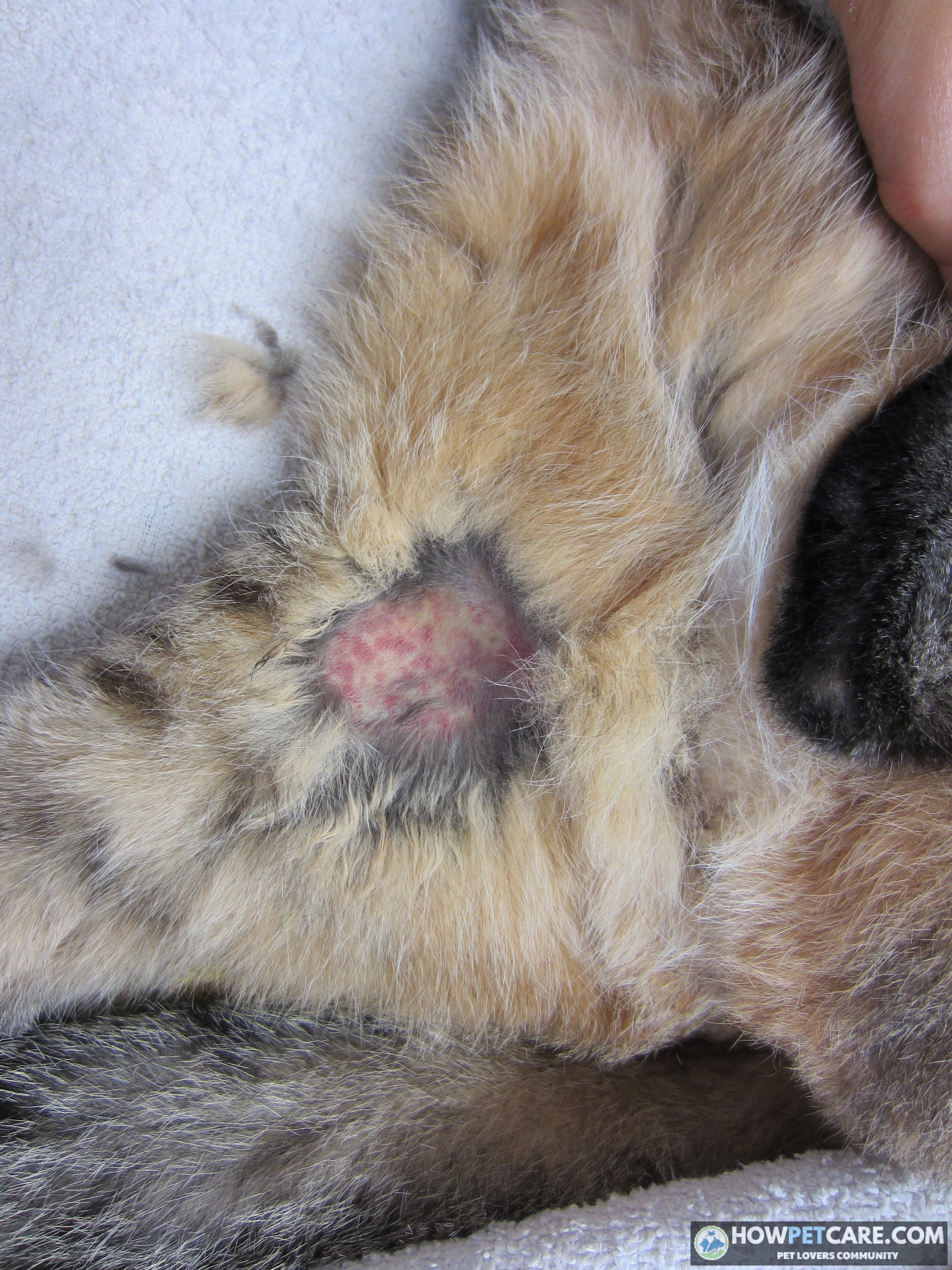

Common warning signs of liver disease in cats include:
- Loss of appetite or refusing food
- Weight loss, low energy, or hiding more than usual
- Vomiting, diarrhea, drooling, or other signs of nausea
- A yellow tint to the gums, eyes, ears, or skin (jaundice)
- Increased thirst or urination
- A swollen belly or behavior changes
- Confusion, stumbling, head pressing, or seizures — an emergency
Medical review: Clinical information checked November 8, 2026. Sources and evidence notes appear at the end. This article can help you prepare for veterinary care, but it cannot diagnose or treat your cat.
If your cat’s gums or eyes have turned yellow, if they are vomiting repeatedly, refusing food, or seem weak or confused, contact a veterinarian today. Collapse, seizures, head pressing, severe disorientation, or a known toxin exposure mean emergency care now. A cat that skips one meal but stays bright and otherwise normal can usually be watched briefly; if the missed meal happens again or any other symptom shows up, call the vet. Cats can develop hepatic lipidosis after just a few days of inadequate food, and overweight cats are especially at risk. Clinical lipidosis has been reported after two to seven days without eating, so don’t wait for a specific cutoff before asking for advice.
Signs of Liver Disease in Cats and When to Go to the Emergency Vet
Liver disease in cats can start with vague changes: a smaller appetite, lower energy, weight loss, vomiting, drooling, or drinking more than usual. More advanced illness may bring jaundice, diarrhea, a swollen belly, or behavior changes. These signs are not specific to the liver, but they deserve veterinary attention—especially when they appear together or get worse.
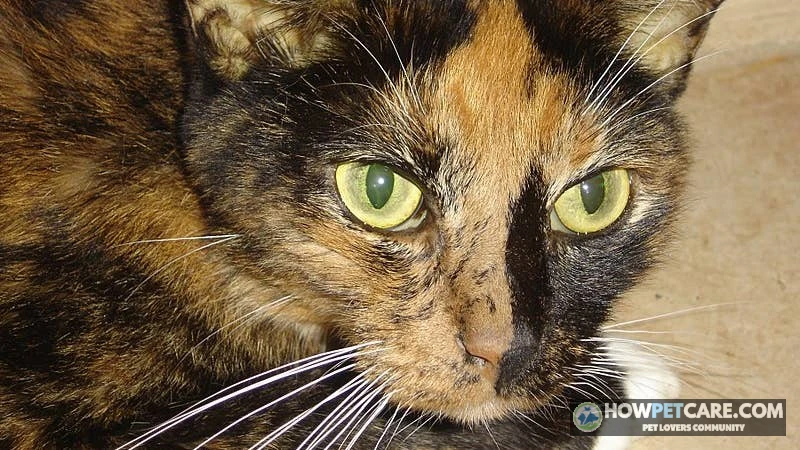
Early warning signs most owners miss
Watch for changes from your cat’s normal routine. A cat that hides, stops greeting you, leaves food behind, loses weight, or vomits repeatedly can be ill even if the eyes and gums still look normal. Drooling, lip-licking, and approaching food again and again without eating can signal nausea. Increased thirst or urination has several possible causes and should be mentioned, especially if it comes with appetite loss.
Neurologic changes can happen when the liver cannot clear substances from the blood well enough. This is called hepatic encephalopathy. Watch for unusual confusion, staring, stumbling, circling, pressing the head against a wall, or seizures. These are not signs to monitor at home; get emergency veterinary advice.
Jaundice (icterus): how to check your cat’s gums, ears and eyes
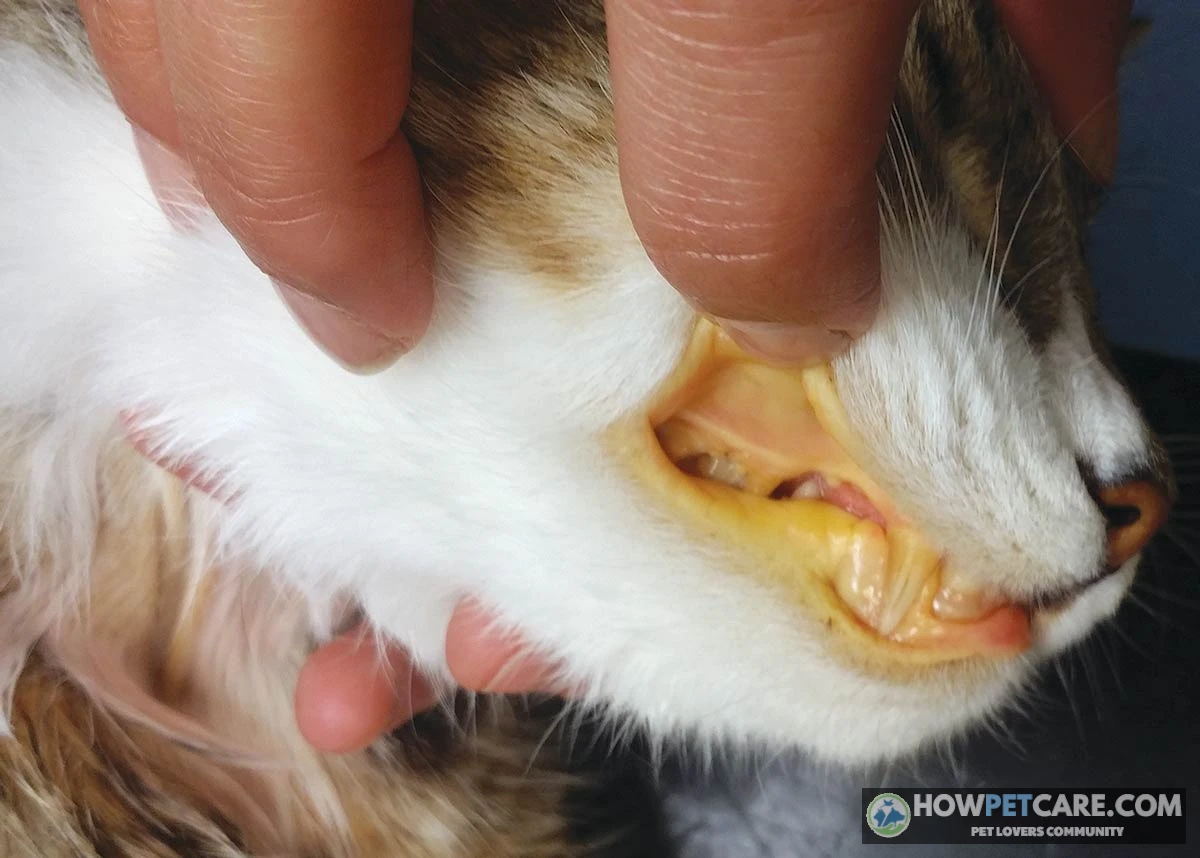
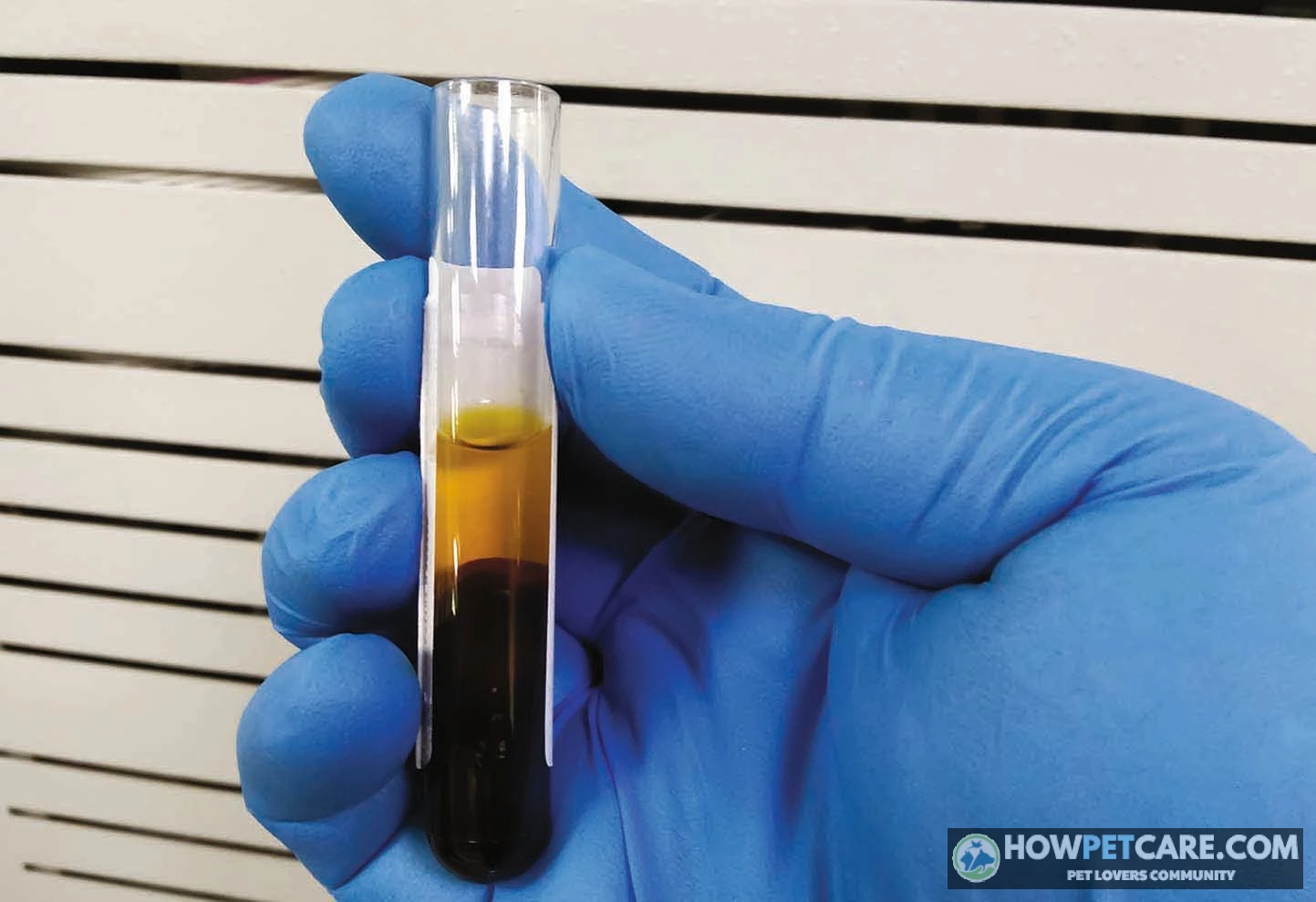
Jaundice, also called icterus, is a yellow tint caused by bilirubin building up in the body. In daylight, look at the gums, the skin inside the ears, and the whites of the eyes. Dark pigmentation or poor lighting can make a subtle change hard to spot. Do not delay care while trying to confirm it. A yellow tint should prompt a same-day call, and jaundice together with weakness, vomiting, or food refusal is an emergency.
Emergency now vs. call tomorrow vs. monitor: a triage guide
Judge the cat in front of you, not the worst case you read about online. If you are unsure which tier fits, call an emergency clinic and describe the symptoms.
| Situation or symptom | Urgency level | What to do | Why it matters |
|---|---|---|---|
| Collapse, inability to stand, unresponsiveness, or extreme weakness | Emergency now | Go to an emergency veterinarian | May indicate severe illness or poor circulation |
| Seizure, head pressing, circling, stumbling, or sudden severe disorientation | Emergency now | Go now; call while traveling if possible | Could reflect neurologic effects of liver dysfunction or another emergency |
| Known or suspected exposure to acetaminophen, lilies, essential oils, pesticides, human medication, or chemicals | Emergency now | Call an emergency veterinarian or animal poison service; bring the packaging | Some exposures can cause rapid, severe injury |
| Deep yellow gums or eyes with vomiting, weakness, or refusal to eat | Emergency now | Go to an emergency veterinarian | Jaundice with other illness needs prompt assessment |
| Repeated vomiting with lethargy, a swollen or painful belly, or pale/white gums | Emergency now | Go now | Dehydration, pain, bleeding, or obstruction may need urgent care |
| No food for about 24 hours; sooner if overweight, diabetic, very young, senior, or already ill | Same-day vet | Call now and arrange an exam today | Appetite loss can lead to worsening illness and fatty liver |
| More than two or three vomiting episodes, diarrhea plus poor appetite, or drooling with nausea | Same-day vet | Call and describe the frequency and timing | Persistent symptoms can quickly affect hydration and nutrition |
| Faint yellow tint in gums, inner ears, whites of eyes, or skin | Same-day vet at minimum | Call for same-day guidance; use ER if weakness or vomiting is present | Jaundice needs investigation |
| One skipped meal in an otherwise bright cat that drinks and acts normally | Monitor briefly | Offer fresh food, note the time, reduce stress, and call if it repeats or another symptom appears | A single missed meal is different from ongoing food refusal |
| Mild appetite dip after a move, new pet, or food change, with otherwise normal behavior | Monitor briefly and set a firm check-in | Track intake; call if it continues, worsens, or reaches about 24 hours | Stress can affect appetite, but prolonged refusal is risky |
When you call, be ready to say when your cat last ate, how many times they have vomited, whether the gums or eyes look yellow or pale, any changes in drinking, urination, or stool, any possible toxin exposure, current medications and supplements, and whether your cat is overweight or has lost weight recently.
How long can a cat safely go without eating?
Call your veterinarian if your cat has eaten nothing for about 24 hours; ask for advice sooner for a kitten, an overweight cat, or a cat with diabetes or another illness. There is no safe universal waiting period. Clinical hepatic lipidosis has been reported after two to seven days of fasting, and sudden fasting in an obese cat is a particularly important risk. Do not force-feed, and do not respond by putting an overweight cat on a crash diet. A veterinarian should figure out why the cat is not eating and decide how to restore nutrition safely.
What Causes Liver Disease in Cats, and Why Fatty Liver Is the Most Common
“Feline liver disease” is an umbrella term, not a single diagnosis. Some conditions start in the liver or bile ducts; others develop when another illness causes appetite loss, inflammation, or changes in blood flow. Pancreatitis, inflammatory bowel disease (IBD), diabetes, and hyperthyroidism are common associated problems. The underlying trigger matters because treating liver changes alone may not fix the problem.
How a skipped-meals spiral becomes fatty liver
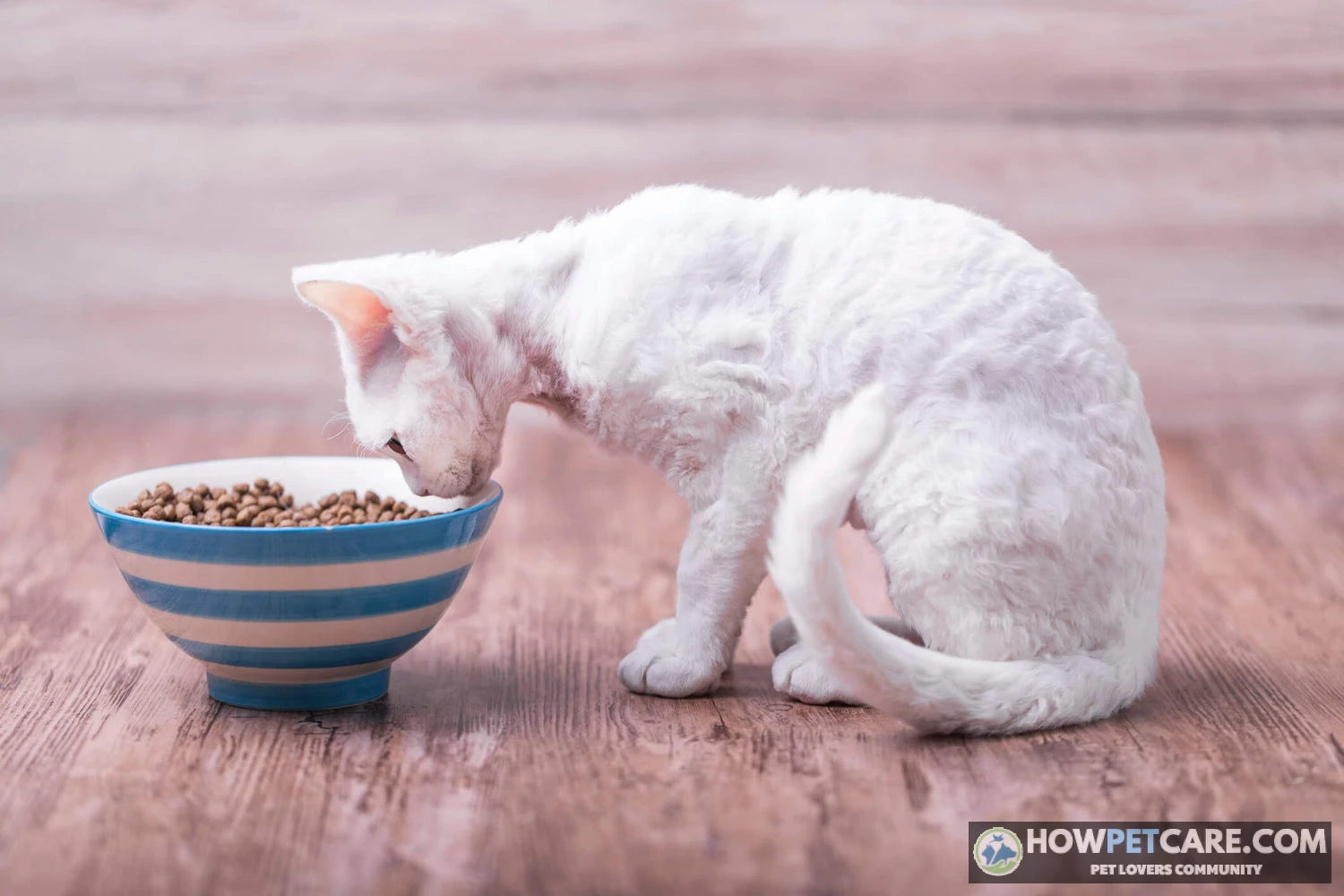
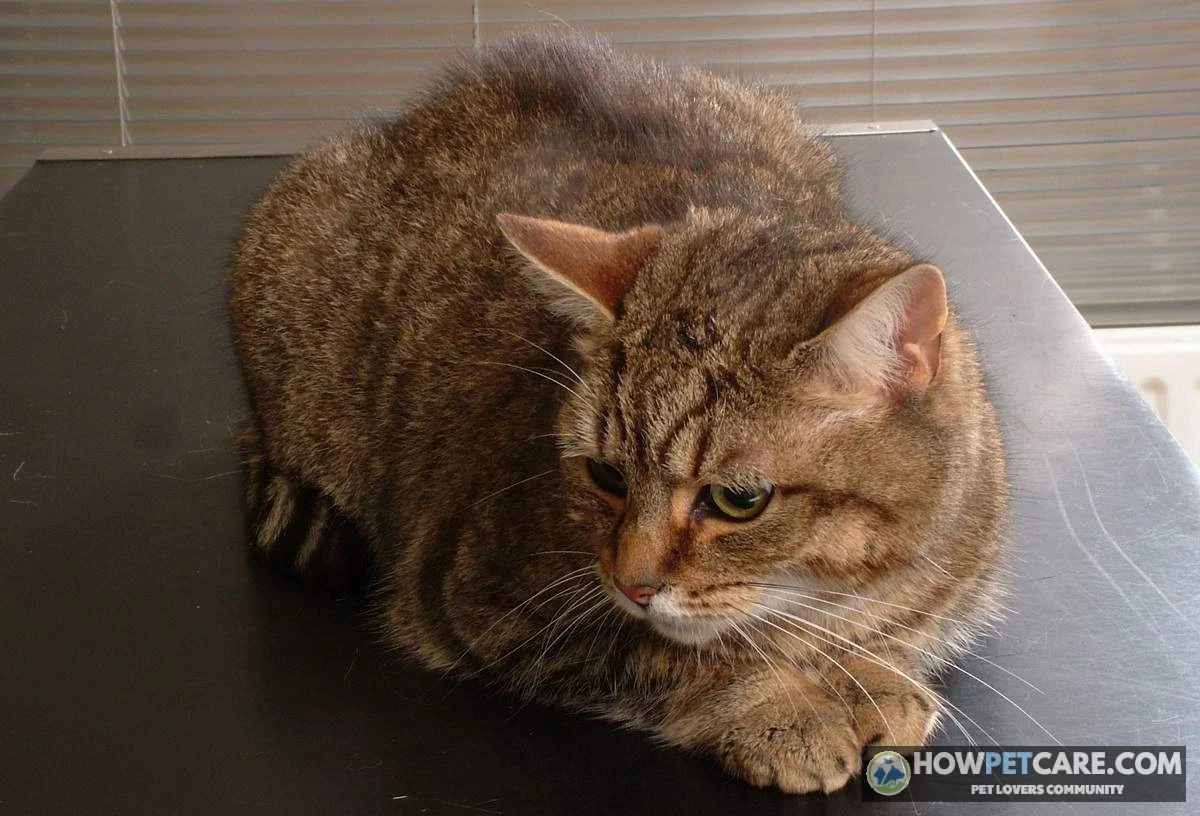
Hepatic lipidosis, also called fatty liver disease, happens when a cat’s body sends stored fat to the liver faster than the liver can process it. Fat builds up inside liver cells and interferes with normal function. It often starts after a cat eats too little or stops eating, especially if the cat is overweight. Hepatic lipidosis is the most common single feline liver diagnosis, accounting for about 26% of feline liver disease cases in the evidence summarized here.
The illness that caused the food refusal may matter just as much as the liver changes. In one evidence summary, about 85% of cats with hepatic lipidosis had an associated primary disease or trigger. That is why a veterinary workup looks for problems such as pancreatitis, dental pain, stress, or another illness rather than assuming fatty liver is the whole story.
Cats are vulnerable to this cycle because they can become seriously ill when they do not eat enough. An overweight cat that suddenly stops eating is at particular risk: obesity and abrupt fasting are recognized risk factors for hepatic lipidosis. Moves, a new pet, boarding, a diet change, or grief can also coincide with appetite loss. These events do not prove the cause; they are useful details to share with the vet.
Feline hepatic lipidosis symptoms often include sudden food refusal, weight loss, vomiting, lethargy, and jaundice. Report the timing and amount of food eaten, not just whether your cat “seems off.” The veterinarian will also investigate the condition that started the appetite decline.
Which cats are most at risk
Overweight cats, cats that have lost weight quickly, and cats that stop eating during an illness deserve early attention. Middle-aged cats are commonly affected, but any age can be at risk. Do not assume an overweight cat can safely skip meals because they have stored energy. A rapid, unplanned drop in food can make matters worse.
Underlying illnesses that trigger liver damage
Pancreatitis and intestinal inflammation may occur alongside bile-duct and liver inflammation. When cholangitis, pancreatitis, and IBD occur together, the combination is called triaditis. Cholangitis cases have been reported with concurrent pancreatitis in 60–83% of cats, and one evidence summary reports triaditis in 32%. These figures describe reported groups, not the likelihood for an individual cat.
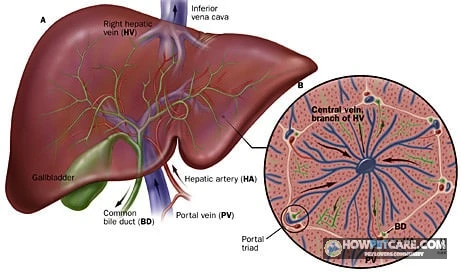
Other causes include an abnormal blood vessel that bypasses the liver, cancer, toxin exposure, and a blockage of bile flow. Your vet may use the term “hepatopathy” for liver disease generally. The specific diagnosis and any other illness determine the treatment plan.
The Other Feline Liver Diseases: Cholangitis, Shunts, Cancer, Toxins and Bile Duct Blockage
The table below compares six important causes of cat liver problems. Lab patterns can guide testing, but no enzyme pattern alone confirms a diagnosis. ALT and AST are enzymes that can rise when liver cells are injured; ALP and GGT can help identify bile-flow problems. Bilirubin may rise with jaundice.
Side-by-side comparison of the six main diseases
| Disease | Main cause | Cats most at risk | Typical symptoms | Typical lab or imaging findings | Main treatment | Outlook |
|---|---|---|---|---|---|---|
| Hepatic lipidosis (fatty liver) | Fat accumulates in the liver after inadequate food intake; often follows another illness or stress | Overweight cats and cats that stop eating | Appetite loss, weight loss, vomiting, lethargy, jaundice | Bilirubin may rise; ALP can be prominent; ultrasound may show an enlarged or unusually bright liver | Nutritional support, often a feeding tube, plus treatment of the trigger | Often recoverable with timely, sustained nutritional support; severe or delayed cases are more concerning |
| Cholangitis or cholangiohepatitis | Inflammation of bile ducts and liver; bacterial, inflammatory, or parasitic forms | Adult cats; some also have pancreatitis or IBD | Appetite loss, vomiting, jaundice, sometimes fever; flares may recur | Enzymes vary; imaging may show bile duct or gallbladder changes; biopsy may help identify subtype | Cause-specific medication and treatment of related disease | Many cases can be managed, but relapses may occur |
| Portosystemic shunt | Abnormal vessel lets blood bypass the liver | Often young cats; some grow poorly | Poor growth, drooling, and unusual behavior or neurologic signs, sometimes after meals | Bile acids or ammonia may be abnormal; imaging may locate the vessel | Surgery when appropriate; selected cases receive diet and medication management | Depends on the shunt and whether it can be corrected |
| Liver cancer or lymphoma | A primary liver tumor, spread from elsewhere, or lymphoma involving the liver | Often older cats, though any cat may be affected | Vague weight loss, poor appetite, lethargy, abdominal swelling | Ultrasound may show masses; a sample may be needed to identify the type | Surgery, cancer treatment, or comfort-focused care depending on diagnosis | Varies substantially by cancer type and extent |
| Toxic hepatopathy | Injury from a medication, plant, chemical, or other toxin | Any cat with access to toxic substances | Sudden vomiting, drooling, weakness, jaundice, or neurologic changes depending on toxin | Liver enzymes and bilirubin may change; exposure history is important | Emergency toxin-specific care, supportive treatment, and antidotes where available | Depends on the substance, amount, and speed of treatment |
| Extrahepatic biliary obstruction | Bile flow blocked by inflammation, stones, sludge, narrowing, or a mass | Cats with pancreatitis, gallbladder disease, or abdominal masses | Jaundice, vomiting, and sometimes abdominal pain or fever | Bilirubin and bile-associated enzymes may rise; ultrasound may show enlarged ducts | Treat the cause and restore bile flow; some cases need intervention or surgery | Depends on the cause and whether the blockage can be relieved |
Cholangitis (cholangiohepatitis)
Cholangitis is inflammation of the bile ducts and nearby liver tissue. Neutrophilic cholangitis is associated with bacterial infection in some cases; lymphocytic cholangitis is an inflammatory form that may be chronic; parasitic forms are associated with flukes in regions where they occur. The signs can overlap, so a vet may need more than bloodwork to distinguish them. Some cats also have pancreatic and intestinal disease, as in triaditis.
Portosystemic shunt
A portosystemic shunt is an abnormal vessel that diverts blood around the liver instead of through it. Because the liver does not filter that blood normally, waste products can affect the brain and behavior. Affected cats may be small for their age, drool, or act strangely after meals. Imaging helps find the vessel. Surgery may be considered, while some cats need medical and dietary management.
Liver cancer and lymphoma
Cancer involving the liver can start in the liver or spread from another site. Lymphoma is a separate cancer category, so its outlook and treatment are not interchangeable with those of a removable liver mass. Signs may be vague, such as reduced appetite, weight loss, or low energy. Imaging can identify suspicious areas, but sampling is often needed to establish what they are.
Toxic hepatopathy
Human medicines, plants, household chemicals, and some veterinary drugs can harm a cat’s liver. Acetaminophen is especially dangerous to cats. A suspected exposure is an emergency even if your cat looks normal; do not wait for symptoms or try a home remedy. Bring the product container or a photo of its label and tell the vet when exposure may have occurred.
Extrahepatic biliary obstruction
This condition blocks bile flow outside the liver. Pancreatitis, stones, inflammation, or a mass may be involved. Jaundice and vomiting are common warning signs; some cats also seem painful. Ultrasound can help identify a blockage, and treatment depends on the cause and how it can be relieved.
How Vets Diagnose Liver Disease in Cats, Step by Step
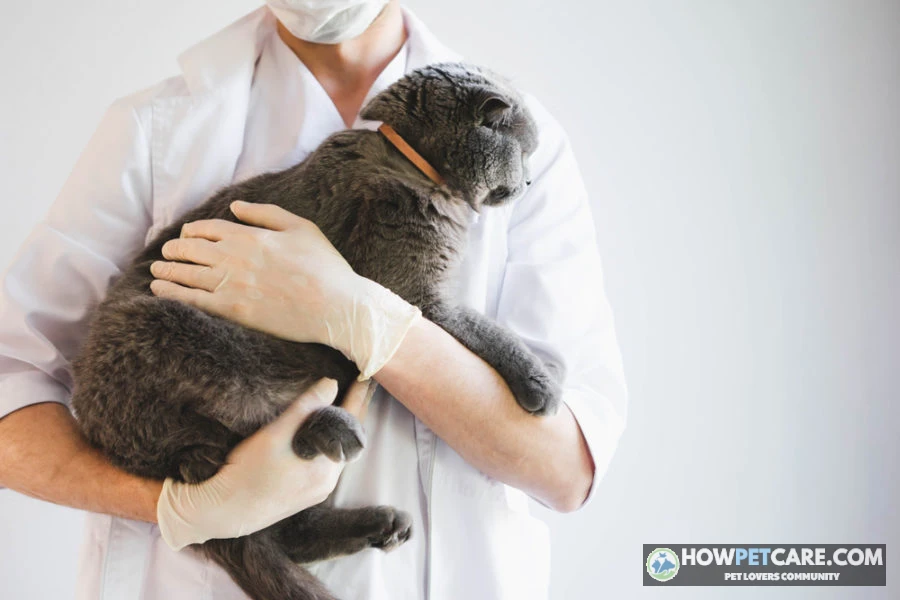
Diagnosis usually starts with an exam and history, followed by blood and urine tests. Imaging and tissue sampling may be recommended depending on the findings. The sequence varies: a very sick cat may need stabilization before some tests, while a suspected toxin exposure calls for rapid, exposure-specific action.
Bloodwork: what ALT, AST, ALP and bilirubin tell your vet
A complete blood count and chemistry panel can show anemia, inflammation, dehydration, electrolyte changes, and patterns of liver injury. ALT and AST can rise when cells are damaged; ALP and GGT may point toward impaired bile flow; bilirubin can rise when it is not being processed or excreted normally. An enzyme result is a clue, not a diagnosis. Other illnesses can affect results, and the full pattern matters.
Bile-acid testing may help assess liver function or investigate a shunt. Ammonia testing may also be used in some cases. Urine testing adds information about hydration, kidney function, and other possible explanations for signs. Clotting tests may be needed before a biopsy or procedure because liver disease can affect bleeding risk.
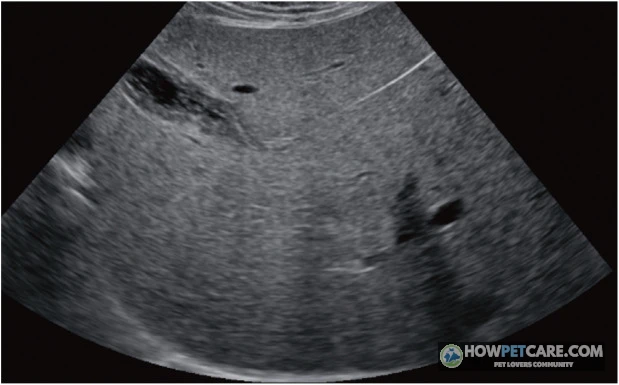
Abdominal ultrasound
An abdominal ultrasound can assess liver size and texture, gallbladder and bile ducts, pancreas, and some masses or blood-vessel abnormalities. It can guide sampling. It cannot always identify the precise disease, and a normal or unclear scan does not necessarily rule out liver disease.
Needle aspirate vs. liver biopsy
A fine-needle aspirate collects cells, often from a mass. It may help identify some cancers, but it does not show the full tissue structure. For cholangitis, cytology and histopathology have shown only about 30% agreement in the cited evidence, so an aspirate may not reliably establish the inflammatory subtype.
A liver biopsy removes a small tissue sample for examination and may be recommended when the diagnosis remains uncertain or when the result would change treatment. It is more invasive and may require anesthesia. Your veterinarian will weigh the information it could provide against bleeding risk, the cat’s stability, and other options.
Why the vet may want a clotting test first
A clotting test helps assess bleeding risk before an invasive procedure. Ask whether the result would change the plan, whether the procedure is safe for your cat now, and whether a less invasive test could answer the immediate question.
Costs vary widely across the United States, and the planning ranges in the treatment section below are estimates, not quotes. Emergency and specialty hospitals may charge more than a regular daytime practice. Confirm local prices and what is included before agreeing to a procedure.
Cat Liver Disease Treatment: Feeding Tubes, Medications, Hospitalization and What Each Costs
Treatment depends on the cause, but nutrition and stabilization are often urgent. In fatty liver, a feeding tube may be needed to deliver enough calories consistently. Appetite stimulants can help some cats, but they do not replace a nutrition plan when a cat cannot eat enough.
Nutritional support comes first
A sick cat may need fluids, correction of electrolyte problems, anti-nausea treatment, and monitoring as nutrition is restarted. Cats with prolonged poor intake may need gradual feeding and observation for refeeding complications. Your vet will set the calorie goal and increase food according to the cat’s condition. Do not force-feed by syringe unless the vet specifically instructs you; force-feeding can create stress and food aversion.
Feeding tube options
A nasoesophageal tube passes through the nose and is generally used for shorter-term feeding. An esophagostomy tube enters the esophagus through the side of the neck and can support feeding at home over a longer recovery. The placement method, expected duration, and home-care instructions depend on the cat. Many cats tolerate a properly managed tube, and it can be a reliable way to provide nutrition when voluntary eating is inadequate.
Medications and supplements your vet may prescribe
Treatment may include anti-nausea medication, appetite stimulants, antibiotics for bacterial infection, or anti-inflammatory or immune-modulating medication for selected forms of cholangitis. Ursodiol (ursodeoxycholic acid) may be considered to support bile flow in appropriate cases; it is not suitable for every obstruction. Lactulose may be used for hepatic encephalopathy. Vitamin K or B12 may be recommended when indicated. SAMe and milk thistle are sometimes used as veterinarian-directed adjuncts, but they are not substitutes for diagnosis, feeding, or treatment of the cause. Do not start supplements or human medicines without veterinary approval.
A shunt may be treated surgically or managed medically in selected cases. Cancer treatment depends on the tumor type and extent. Toxin treatment may involve decontamination, an antidote when one exists, and hospital support. Obstruction may require a procedure or surgery to restore bile flow.
Itemized cost ranges for diagnosis and treatment
The following are broad US planning estimates for 2026. Actual prices vary by region, clinic, urgency, anesthesia, and complications; ask for a written, itemized estimate.
| Service or item | What it tells you or does | Typical cost range | What raises or lowers the price |
|---|---|---|---|
| Exam or consultation | Checks symptoms, hydration, pain, and jaundice; sets a plan | $80–$250 office; $200–$450 ER or specialty | After-hours care and specialist consultation |
| CBC and chemistry panel | Checks blood cells, electrolytes, and liver-associated values | $150–$400 | In-house versus send-out testing; added tests |
| Bile acids, with or without ammonia | Helps assess liver function and possible shunting | $80–$250 | Sample timing and specialty lab fees |
| Urinalysis | Adds information about hydration and other possible problems | $40–$120 | Collection method or added culture |
| Clotting tests | Assesses bleeding risk before procedures | $60–$200 | Test range and urgent processing |
| Abdominal ultrasound | Images the liver, ducts, gallbladder, pancreas, and abdomen | $300–$900 | Specialist interpretation, sedation, and scope of scan |
| Fine-needle aspirate | Collects cells from a target area | $250–$800 | Ultrasound guidance, sedation, and lab review |
| Surgical liver biopsy | Provides tissue for diagnosis | $1,000–$3,000+ | Anesthesia, surgical approach, hospitalization, and pathology |
| Hospitalization | Provides fluids, medications, nutrition, and monitoring | $500–$1,800 per day | Intensive care, length of stay, and complications |
| Esophagostomy tube placement | Creates a route for reliable feeding at home | $500–$1,500 | Anesthesia, required tests, and supplies |
| Tube-feeding supplies | Food, syringes, and site-care items | $10–$60 per week | Prescription diet and equipment needs |
| Medications and supplements | Treats nausea, infection, inflammation, or related problems | $30–$250 per month | Drug choices, compounded products, and duration |
| Recheck visits and labs | Tracks response and medication safety | $120–$450 per visit | Repeat testing or imaging |
| Non-surgical fatty-liver episode | Illustrative ER-to-home treatment scenario | $2,000–$8,000+ | Hospital days, tube placement, and underlying illness |
| Surgical or complex episode | Illustrative workup and intervention scenario | $4,000–$15,000+ | Specialty surgery, intensive care, and complications |
These estimates are not a promise of what any clinic will charge. Costs can differ a lot even within one region. Ask what is included, what is urgent today, what could safely wait, and what finding would change the treatment plan. A written low-to-high estimate can help you compare options without delaying care your veterinarian considers time-sensitive.
Ways to manage the bill without cutting corners
Ask about staged diagnostics when medically appropriate, payment plans, financing, insurance claim paperwork, or local veterinary assistance funds. Ask the clinic to separate essential stabilization from tests that can be scheduled later. Do not skip feeding support, prescribed monitoring, or follow-up because an online cost range looks lower than your estimate; your cat’s needs and local prices may differ.
Cat Liver Disease Prognosis: Recovery Rates, Timelines and Quality of Life by Disease Type
Whether cats recover from liver failure depends on the cause, how quickly treatment begins, how severely liver function is affected, and whether nutrition can be restored. “Liver failure” describes serious loss of function; it does not by itself tell you whether recovery is possible. The veterinarian can give a more useful outlook once the cause and response to initial treatment are clearer.
Outlook by disease type
For hepatic lipidosis, reported treatment success with early nutritional intervention is about 75–90% in the evidence summarized here. This is a group-level range, not an individual prediction. Delayed treatment, severe complications, and the illness that caused food refusal can change the outlook.
Cholangitis may be manageable over the long term, but some types flare or require ongoing treatment. A shunt’s outlook depends on anatomy and whether surgery is feasible. Cancer prognosis varies by whether the diagnosis is lymphoma, a primary liver tumor, or cancer that has spread. Toxic injury depends on the substance, exposure, and speed of treatment. Biliary obstruction depends on its cause and whether bile flow can be restored. Reliable survival percentages for these conditions are not established in the evidence provided for this article, so a universal percentage would be misleading.
Why recovery timelines vary so much
Hospital stay, return of appetite, tube-feeding duration, and full recovery are different milestones. A cat may leave the hospital while still needing a tube, or begin eating before bloodwork has returned to normal. Your vet will set recheck timing based on the diagnosis and the trend in symptoms and test results.
For hepatic lipidosis, a falling bilirubin can be an encouraging sign: a 50% reduction during the first 7–10 days of treatment was associated with a favorable survival signal in the evidence summarized here. It is one measure, not a guarantee, and the treating veterinarian should interpret it with the whole clinical picture.
Will fatty liver come back?
Hepatic lipidosis can recur if a cat again stops eating or loses weight too quickly. Cholangitis can also flare. Preventing a repeat episode means addressing the original trigger, maintaining a safe feeding plan, and calling promptly when appetite drops. Follow the recheck schedule rather than stopping care as soon as your cat looks brighter.
When treatment stops helping: quality-of-life questions
Ask your veterinarian what improvement would look like, what signs would indicate the treatment is not working, and when the plan should be reassessed. Track whether your cat is eating or receiving feeds comfortably, staying hydrated, resting without distress, moving around, interacting with family, and having more good days than bad. A quality-of-life scale can help organize observations, but it should support—not replace—a conversation with your vet. Decisions about comfort and continued treatment are personal and should be made with clear information and compassionate support.
Caring for a Cat With Liver Disease at Home: Tube Feeding, Medications and a Daily Checklist
Your veterinarian sets the diet, total daily amount, schedule, water flushes, and medication doses. The steps below explain general technique for an esophagostomy tube; follow your clinic’s specific instructions if they differ. If you were not given a flush volume or feeding plan, call before guessing.
Esophagostomy tube feeding: a step-by-step walkthrough
- Wash your hands and gather the prescribed food, syringes, warm water, a towel, site-care supplies, and dose log.
- Inspect the tube site before feeding. Stop and call the vet if you notice new redness, swelling, discharge, a bad smell, loose stitches, or a tube that looks pulled out.
- Warm the food to about body temperature. Check it carefully so there are no hot spots.
- Confirm the amount scheduled for this feeding. Use the feed amount—not the total daily amount—unless your written plan says otherwise. Feeding amounts may build gradually.
- Flush with the amount your clinic prescribed. Do not guess if the instructions are missing.
- Draw up the food and remove large air bubbles. Keep your cat upright or resting on their chest on a towel, never on their back.
- Feed slowly in small portions, following the clinic’s pace and volume instructions. Stop if your cat gags, retches, vomits, lip-licks repeatedly, or seems distressed; keep them upright and call the vet for advice.
- Flush afterward with the prescribed amount, cap the tube, and wipe the outside as instructed.
- Keep your cat calm and upright for a short period after feeding, following your vet’s guidance.
- Record the time, amount fed, flush, medications, vomiting or retching, stool, energy, and tube-site appearance.
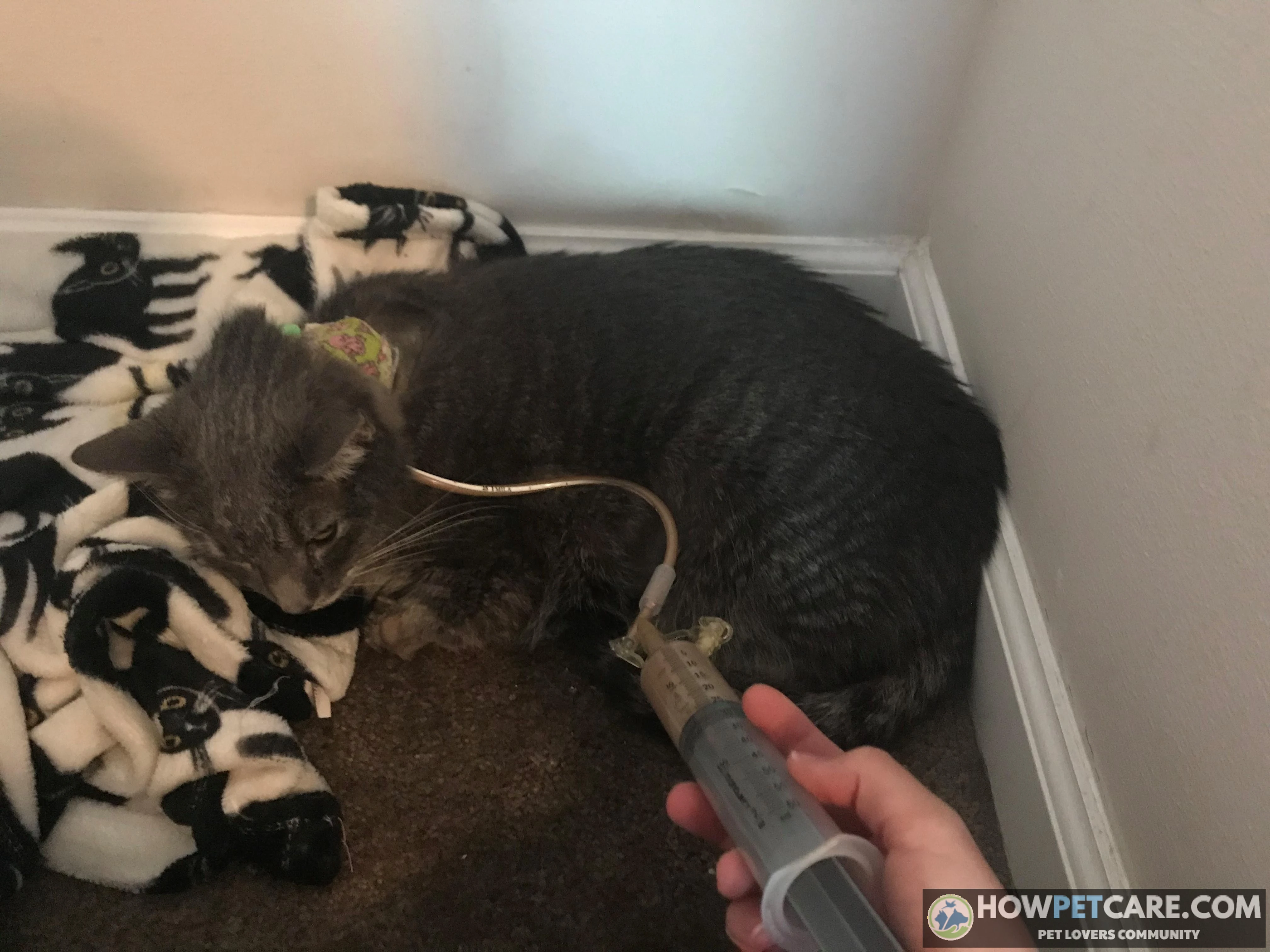
What to do if the tube clogs or comes out
If food meets resistance, stop. Never force the plunger, push a wire or other object into the tube, or continue feeding through resistance. Follow the clinic’s clog instructions; if gentle warm-water flushing does not clear it, call. If the tube comes out, is chewed, leaks, bleeds, or the site looks infected, do not reinsert it. Cover the area cleanly if instructed and contact your veterinarian or an emergency clinic promptly.
Giving medications and supplements safely
Use the route and timing on the prescription label. Ask whether a pill can be given with food, whether a liquid or compounded form is available, and whether a specific medication may go through the feeding tube. Do not crush pills or mix medicines into tube food unless the vet or pharmacist confirms it is safe. Keep a written dose log to avoid missed or repeated doses. Give supplements only when the treating veterinarian approves them.
Daily monitoring checklist and red flags
Record your cat’s weight as often as the clinic recommends, along with food eaten voluntarily, tube-feed amounts, water intake, vomiting, stool, energy, medications, and gum or eye color. Check the tube site daily and note any redness, swelling, odor, discharge, or discomfort. Bring the log to rechecks; patterns can be more useful than a single observation.
Call the vet for worsening appetite, repeated vomiting, new jaundice, a change in energy, difficulty giving feeds, or a tube-site problem. Seek emergency care for collapse, seizures, head pressing, severe confusion, repeated vomiting with weakness, or suspected toxin exposure. Ask the clinic for a written plan for missed feeds, tube blockage, and after-hours concerns before you go home.
Best Diet for Cats With Liver Disease, and How to Slim an Overweight Cat Without Triggering Fatty Liver
The best diet depends on the diagnosis. For many cats recovering from hepatic lipidosis, the immediate goal is reliable calories from a palatable, nutritionally complete food with adequate protein. Do not restrict protein unless the veterinarian recommends a specific plan, such as for a cat with hepatic encephalopathy. A prescription liver diet, recovery food, or liquid formula may be appropriate, but the choice should match the cat’s condition and feeding route.
What to feed a cat with liver disease
Use the food and feeding schedule recommended by your veterinarian. If your cat refuses a new food, tell the clinic rather than letting intake fall while trying repeated diet changes. Some cats do better with small, frequent meals; tube-fed cats need the written volume and timing plan. Food should be handled and stored as directed, especially if it is prepared for tube feeding.
Foods, treats and supplements to avoid
Avoid raw diets for a sick cat, sudden food switches, fatty treats, dog food, human medications, and unapproved herbal products. Raw food can carry infectious risks, while a sudden diet change may further reduce intake. SAMe or milk thistle may be considered as veterinarian-directed additions, but neither is a home cure and supplements can vary in quality. Ask before adding any product or changing the prescribed diet.
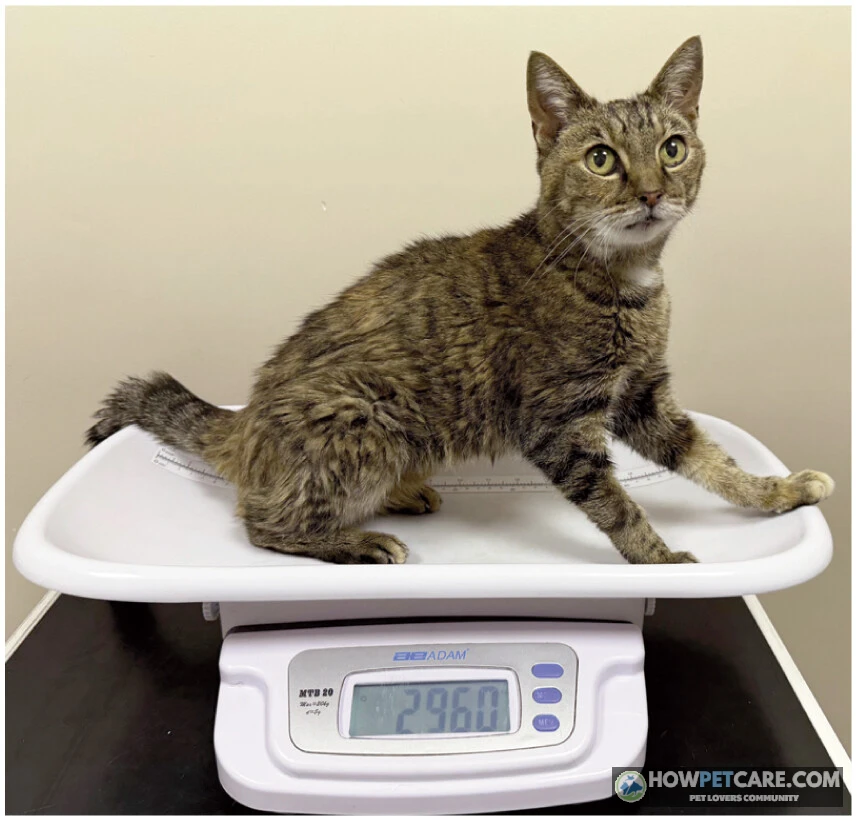
Safe weight loss for an overweight cat
Have your veterinarian assess your cat before starting a weight-loss plan. The clinic can set a target weight, calorie amount, appropriate food, and safe rate of loss. Never fast an overweight cat or abruptly slash portions. Clinical lipidosis has been reported after two to seven days without food, and obese cats are among those at highest risk.
Measure portions, use a nutritionally complete diet, and consider several small meals or puzzle feeders if they do not create stress. Weigh your cat regularly using the schedule and target set by the vet. If your cat skips meals, vomits, becomes lethargic, or loses weight faster than planned, stop adjusting food on your own and call the clinic. A gradual, supervised plan protects health better than a crash diet.
Your Next Steps: A Decision Checklist and Vet Visit Prep Guide
Tonight, tomorrow, this week: a quick action plan
- Tonight: Go to an emergency clinic for collapse, seizures, head pressing, severe disorientation, toxin exposure, or repeated vomiting with weakness. Call an ER if you are uncertain.
- Within 24 hours: Contact a vet for food refusal approaching a day, jaundice, repeated vomiting, or a significant appetite and behavior change. Call sooner for an overweight, diabetic, very young, senior, or already ill cat.
- This week: Track meals, vomiting, water, stool, energy, and weight if your cat is stable and the vet has advised monitoring. A new or worsening symptom changes the plan; do not wait for a scheduled check-in.
Questions to ask your veterinarian
Bring a timeline of appetite and symptoms, photos of any suspected yellowing in daylight, current medication and supplement labels, food and treat packaging, details of possible plant or chemical exposure, and previous bloodwork. Ask:
- What diagnosis is most likely, and what else are you checking for?
- Which test should happen next, and what result would change treatment?
- Does my cat need hospital care or a feeding tube? What is the home plan?
- What is the low-to-high estimate, and which costs are urgent today?
- What signs should make me call during the day or go to an emergency clinic?
- When should we recheck appetite, weight, bilirubin, or other bloodwork?
If your cat was just diagnosed, confirm the exact condition and ask for written feeding, medication, and tube-care instructions before leaving. Set the recheck schedule and make sure you know whom to call after hours. If cost is a concern, say so directly and ask the vet to prioritize safe, effective options.
Sources and review information
Numerical findings in this article are drawn from veterinary evidence on feline liver disease and describe reported groups rather than predictions for an individual cat. The cost ranges are broad US planning estimates and require confirmation with local clinics. This guide supports—not replaces—the advice of the veterinarian treating your cat.
1Neurologic symptoms such as head pressing, stumbling, and seizures in a cat with liver dysfunction are indicative of which specific condition?
Occurs when the compromised liver fails to adequately clear waste products from the bloodstream, allowing substances to build up and impair brain function.
2An owner notices their overweight cat has completely stopped eating for 24 hours but is not vomiting or showing yellowing. What is the appropriate triage step according to veterinary guidelines?
Prolonged food refusal in an overweight cat rapidly elevates the risk of developing hepatic lipidosis, making prompt professional evaluation necessary today.
3According to veterinary evidence summaries on feline hepatic lipidosis, what percentage of affected cats have an underlying primary disease or trigger?
Most cases of fatty liver disease develop secondary to an initial trigger like pancreatitis, IBD, stress, or dental pain that causes appetite loss.
4Triaditis in cats refers to the concurrent presence of which three inflammatory conditions?
Involves simultaneous inflammation across the bile ducts, pancreas, and intestinal tract due to their close anatomical relationship.
5Why might a fine-needle aspirate (FNA) be insufficient for diagnosing the exact subtype of cholangitis in cats?
Sampling individual cells does not reveal overall tissue architecture, leading to low agreement with detailed biopsy histology for inflammatory liver subtypes.
6In cats being treated for hepatic lipidosis, which bloodwork trend during the first 7 to 10 days of treatment serves as an encouraging sign of recovery?
Reflects improving biliary processing and clearance of waste products during early sustained nutritional support.
7When feeding a cat via an esophagostomy tube at home, what action should be taken if the cat starts lip-licking repeatedly, gagging, or retching?
Nausea or distress signals potential regurgitation or tube discomfort, requiring an immediate pause and patient stabilization.
8What is the primary reason protein restriction should generally be avoided in cats recovering from hepatic lipidosis unless specifically prescribed?
Feline metabolism depends on adequate dietary protein to support liver repair and body tissue maintenance during caloric restoration.
9Which blood chemistry values are primarily monitored to detect liver cell injury (hepatocellular damage) in cats?
Alanine aminotransferase and aspartate aminotransferase are intracellular enzymes released into the bloodstream when liver cells are damaged.
10If a cat is suspected of consuming acetaminophen, what is the required urgency level even if the cat currently appears normal?
Acetaminophen causes rapid, life-threatening toxic damage in cats, requiring immediate veterinary intervention regardless of visible signs.
| Disease | Main Cause | Cats Most at Risk | Typical Symptoms | Typical Lab or Imaging Findings | Main Treatment | Outlook |
|---|---|---|---|---|---|---|
| Hepatic lipidosis (fatty liver) | Fat accumulates in the liver after inadequate food intake; often follows another illness or stress | Overweight cats and cats that stop eating | Appetite loss, weight loss, vomiting, lethargy, jaundice | Bilirubin may rise; ALP can be prominent; ultrasound may show an enlarged or unusually bright liver | Nutritional support, often a feeding tube, plus treatment of the trigger | Often recoverable with timely, sustained nutritional support; severe or delayed cases are more concerning |
| Cholangitis or cholangiohepatitis | Inflammation of bile ducts and liver; bacterial, inflammatory, or parasitic forms | Adult cats; some also have pancreatitis or IBD | Appetite loss, vomiting, jaundice, sometimes fever; flares may recur | Enzymes vary; imaging may show bile duct or gallbladder changes; biopsy may help identify subtype | Cause-specific medication and treatment of related disease | Many cases can be managed, but relapses may occur |
| Portosystemic shunt | Abnormal vessel lets blood bypass the liver | Often young cats; some grow poorly | Poor growth, drooling, and unusual behavior or neurologic signs, sometimes after meals | Bile acids or ammonia may be abnormal; imaging may locate the vessel | Surgery when appropriate; selected cases receive diet and medication management | Depends on the shunt and whether it can be corrected |
| Liver cancer or lymphoma | A primary liver tumor, spread from elsewhere, or lymphoma involving the liver | Often older cats, though any cat may be affected | Vague weight loss, poor appetite, lethargy, abdominal swelling | Ultrasound may show masses; a sample may be needed to identify the type | Surgery, cancer treatment, or comfort-focused care depending on diagnosis | Varies substantially by cancer type and extent |
| Toxic hepatopathy | Injury from a medication, plant, chemical, or other toxin | Any cat with access to toxic substances | Sudden vomiting, drooling, weakness, jaundice, or neurologic changes depending on toxin | Liver enzymes and bilirubin may change; exposure history is important | Emergency toxin-specific care, supportive treatment, and antidotes where available | Depends on the substance, amount, and speed of treatment |
| Extrahepatic biliary obstruction | Bile flow blocked by inflammation, stones, sludge, narrowing, or a mass | Cats with pancreatitis, gallbladder disease, or abdominal masses | Jaundice, vomiting, and sometimes abdominal pain or fever | Bilirubin and bile-associated enzymes may rise; ultrasound may show enlarged ducts | Treat the cause and restore bile flow; some cases need intervention or surgery | Depends on the cause and whether the blockage can be relieved |
FAQ
Can I treat my cat’s liver disease at home without a vet?
No. Liver disease needs a diagnosis and a treatment plan from a veterinarian, and waiting can make fatty liver worse. Once a vet has set the plan, much of the care (feeding, medications, monitoring) happens at home.
Does a high ALT or AST always mean my cat has liver disease?
No. These enzymes rise when liver cells are irritated or damaged, but other conditions such as hyperthyroidism, pancreatitis or inflammatory bowel disease can raise them too. Your vet uses the pattern, other tests and imaging to decide what is going on.
Is liver disease painful for cats?
It depends on the type. Fatty liver mostly causes nausea and weakness, while cholangitis, pancreatitis and bile duct blockage can cause abdominal pain. Tell your vet if your cat hides, hunches, or reacts when the belly is touched.
Is feline liver disease contagious to other pets or people?
Liver disease itself is not contagious. A few underlying infections can spread between animals, so ask your vet whether any testing or precautions apply to your household.
Should I give my cat milk thistle or SAMe for liver health?
Only if your vet recommends it. SAMe is often prescribed as a veterinary-formulated product, and unregulated supplements vary in quality and may not suit every liver condition.