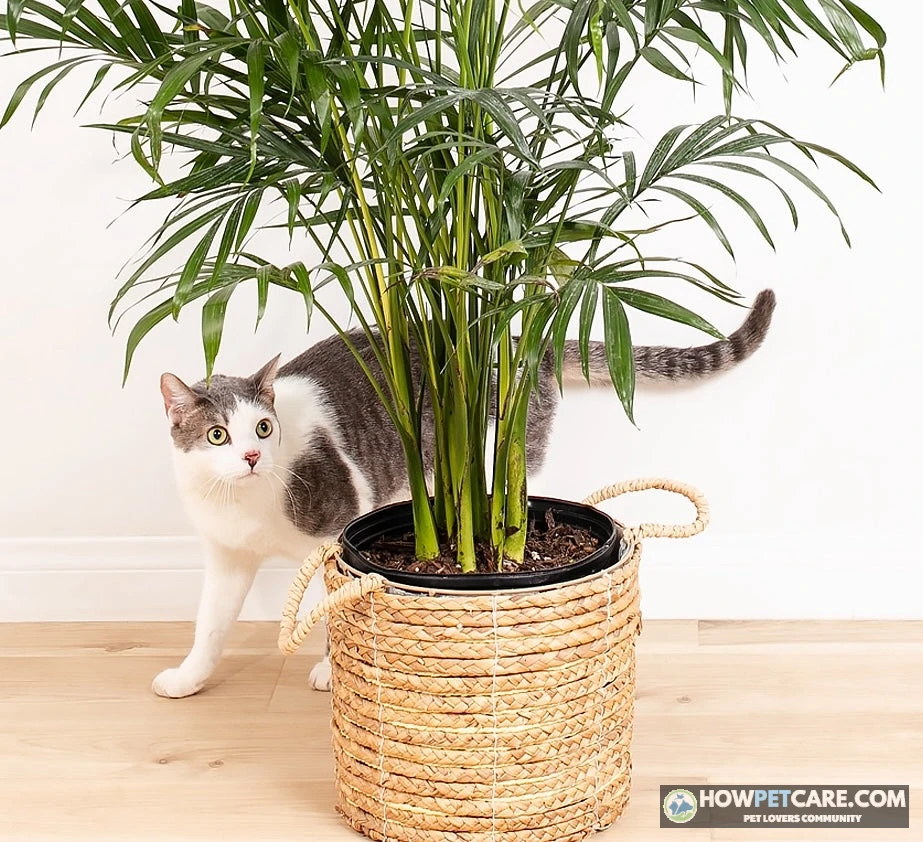
Popular houseplants verified non-toxic to cats include:
Spider plant (Chlorophytum comosum)
Boston fern (Nephrolepis exaltata)
Parlor palm (Chamaedorea elegans)
Prayer plant and calatheas (Maranta and Goeppertia species)
Peperomia varieties, including watermelon peperomia
Areca palm (Dypsis lutescens)
Always confirm the botanical name before buying—toxic look-alikes such as sago palm are sold under similar common names, and true lilies are fatal to cats.
Indoor greenery can make a room feel finished, but cat owners need to choose carefully. Cats explore with their noses and paws, groom themselves often, and chew what moves or smells interesting, so houseplants get plenty of attention. Many species brighten a room without posing any danger. Others contain toxins that can cause organ failure or death within hours.
Before any houseplant comes inside, confirm that it’s safe for cats. A plant labeled non-toxic won’t cause systemic chemical poisoning, but non-toxic doesn’t mean edible. Eating a lot of fibrous plant material can still cause temporary stomach upset or mild vomiting. Real safety means matching verified non-toxic plants to your home, knowing which common species pose lethal risks, and setting up the room so both pets and plants can thrive.
25 Cat-Friendly Indoor Plants at a Glance
To find non-toxic plants for cats, look past generic trade names and check botanical classifications against veterinary toxicology records, such as those kept by ASPCA Animal Poison Control. Nurseries and online plant shops now curate pet-safe collections—Planet Desert features 34 cat-friendly varieties, and The Sill catalogs 73 pet-safe options. The 25 species below have been confirmed safe for indoor spaces shared with cats and dogs.
Common and botanical name
Cat safety status
Light range (lux/foot-candles)
Watering trigger
Humidity preference
Growth habit and size
Best placement
Spider plant (Chlorophytum comosum)
Non-toxic
1,500–3,500 lux (150–350 fc)
Top 50% of soil dry
40–60%
Arching foliage, 12–24 in spread
High ceiling hangers, secure wall sconces
Boston fern (Nephrolepis exaltata)
Non-toxic
1,000–2,500 lux (100–250 fc)
Surface dry to the touch
60–80%
Dense arching fronds, 2–3 ft wide
Bathrooms, hanging baskets away from ledges
Parlor palm (Chamaedorea elegans)
Non-toxic
800–2,000 lux (80–200 fc)
Top 50% of soil dry
50–70%
Upright feathery palm, 2–4 ft tall
Heavy floor pots, low-light corners
Zebra haworthia (Haworthiopsis attenuata)
Non-toxic
3,000–8,000 lux (300–800 fc)
Entire pot dry
30–50%
Compact pointed rosette, 3–6 in
High window ledges, narrow floating shelves
African violet (Saintpaulia ionantha)
Non-toxic
2,000–4,000 lux (200–400 fc)
Top 25% dry; bottom-water
50–60%
Low compact rosette, 6–9 in wide
Stable desks, glass plant cabinets
Watermelon peperomia (Peperomia argyreia)
Non-toxic
1,500–3,000 lux (150–300 fc)
Top 50–75% of soil dry
50–65%
Clumping peltate leaves, 8–12 in
Bookshelves, elevated tabletops
Baby rubber plant (Peperomia obtusifolia)
Non-toxic
1,500–3,500 lux (150–350 fc)
Top 75% of soil dry
40–60%
Semi-succulent upright, 10–14 in
Desks, credenzas, side tables
Rattlesnake plant (Goeppertia insignis)
Non-toxic
1,200–2,500 lux (120–250 fc)
Top 25% dry; keep moist
60–80%
Erect patterned foliage, 18–30 in
Humid bedrooms, wide plant stands
Prayer plant (Maranta leuconeura)
Non-toxic
1,000–2,500 lux (100–250 fc)
Top 25% of soil dry
60–75%
Sprawling clumper, 8–12 in tall
Hanging macramé, elevated stands
Cast iron plant (Aspidistra elatior)
Non-toxic
500–1,500 lux (50–150 fc)
Top 50–75% of soil dry
35–60%
Upright leathery blades, 2–3 ft
Entryways, deep interior floor spaces
Ponytail palm (Beaucarnea recurvata)
Non-toxic
3,000–8,000 lux (300–800 fc)
Top 75–100% of soil dry
30–50%
Swollen caudex with curls, 3–6 ft
Broad floor planters with heavy bases
Areca palm (Dypsis lutescens)
Non-toxic
2,500–6,000 lux (250–600 fc)
Top 50% of soil dry
55–75%
Tall clumping bamboo palm, 4–7 ft
Sunny corners, spacious living rooms
Moth orchid (Phalaenopsis spp.)
Non-toxic
1,200–2,800 lux (120–280 fc)
Bark medium completely dry
50–70%
Epiphytic arching blooms, 12–20 in
High display shelves, bright bathrooms
Air plants (Tillandsia spp.)
Non-toxic
2,000–4,000 lux (200–400 fc)
Weekly 30-min water soak
50–70%
Clumping rosettes, 2–8 in
Wall-mounted slatted boards, enclosed globes
Friendship plant (Pilea involucrata)
Non-toxic
1,200–2,500 lux (120–250 fc)
Top 50% of soil dry
60–80%
Trailing textured leaves, 6–12 in
Terrariums, narrow display shelves
Calathea orbifolia (Goeppertia orbifolia)
Non-toxic
1,200–2,500 lux (120–250 fc)
Top 25% dry; evenly moist
60–80%
Broad rounded foliage, 2–3 ft
Dedicated humid plant nooks
Lipstick plant (Aeschynanthus radicans)
Non-toxic
2,000–4,000 lux (200–400 fc)
Top 30% of soil dry
50–70%
Trailing cascading vine, 2–3 ft
Secure ceiling hangers away from ledges
Blue star fern (Phlebodium aureum)
Non-toxic
1,200–2,800 lux (120–280 fc)
Top 50% of soil dry
55–75%
Glaucous finger-like fronds, 1–2 ft
Wall mounts, elevated plant stands
Staghorn fern (Platycerium bifurcatum)
Non-toxic
1,500–3,500 lux (150–350 fc)
Mount dry; soak weekly
60–80%
Forked shield fronds, 2–3 ft
Flush-mounted cedar boards on open walls
Polka dot plant (Hypoestes phyllostachya)
Non-toxic
2,000–4,500 lux (200–450 fc)
Top 25–50% of soil dry
50–65%
Compact bushy habit, 8–12 in
Enclosed display cases, high desktops
Money tree (Pachira aquatica)
Non-toxic
1,500–3,500 lux (150–350 fc)
Top 50–75% of soil dry
50–65%
Braided trunk canopy, 3–6 ft
Sturdy floor planters in filtered light
Aluminum plant (Pilea cadierei)
Non-toxic
1,200–2,800 lux (120–280 fc)
Top 50% of soil dry
50–70%
Bushy metallic-leaf stems, 8–15 in
Shelves, compact home-office desks
Fishbone cactus (Disocactus anguliger)
Non-toxic
2,000–5,000 lux (200–500 fc)
Top 75% of soil dry
40–60%
Zig-zag trailing stems, 2–3 ft
Hanging pots away from cat climb paths
Swedish ivy (Plectranthus verticillatus)
Non-toxic
1,500–3,000 lux (150–300 fc)
Top 50% of soil dry
40–60%
Creeping scalloped foliage, 1–2 ft
High wall sconces, hanging baskets
True bamboo (Phyllostachys aurea / potted)
Non-toxic
3,000–7,000 lux (300–700 fc)
Consistently moist; well-drained
45–65%
Upright woody canes, 4–8 ft
Massive weighted floor containers
Key data
Common and botanical name
Cat safety status
Light range (lux/foot-candles)
Watering trigger
Humidity preference
Growth habit and size
Best placement
Spider plant (Chlorophytum comosum)
Non-toxic
1,500–3,500 lux (150–350 fc)
Top 50% of soil dry
40–60%
Arching foliage, 12–24 in spread
High ceiling hangers, secure wall sconces
Boston fern (Nephrolepis exaltata)
Non-toxic
1,000–2,500 lux (100–250 fc)
Surface dry to the touch
60–80%
Dense arching fronds, 2–3 ft wide
Bathrooms, hanging baskets away from ledges
Parlor palm (Chamaedorea elegans)
Non-toxic
800–2,000 lux (80–200 fc)
Top 50% of soil dry
50–70%
Upright feathery palm, 2–4 ft tall
Heavy floor pots, low-light corners
Zebra haworthia (Haworthiopsis attenuata)
Non-toxic
3,000–8,000 lux (300–800 fc)
Entire pot dry
30–50%
Compact pointed rosette, 3–6 in
High window ledges, narrow floating shelves
African violet (Saintpaulia ionantha)
Non-toxic
2,000–4,000 lux (200–400 fc)
Top 25% dry; bottom-water
50–60%
Low compact rosette, 6–9 in wide
Stable desks, glass plant cabinets
Watermelon peperomia (Peperomia argyreia)
Non-toxic
1,500–3,000 lux (150–300 fc)
Top 50–75% of soil dry
50–65%
Clumping peltate leaves, 8–12 in
Bookshelves, elevated tabletops
Baby rubber plant (Peperomia obtusifolia)
Non-toxic
1,500–3,500 lux (150–350 fc)
Top 75% of soil dry
40–60%
Semi-succulent upright, 10–14 in
Desks, credenzas, side tables
Rattlesnake plant (Goeppertia insignis)
Non-toxic
1,200–2,500 lux (120–250 fc)
Top 25% dry; keep moist
60–80%
Erect patterned foliage, 18–30 in
Humid bedrooms, wide plant stands
Prayer plant (Maranta leuconeura)
Non-toxic
1,000–2,500 lux (100–250 fc)
Top 25% of soil dry
60–75%
Sprawling clumper, 8–12 in tall
Hanging macramé, elevated stands
Cast iron plant (Aspidistra elatior)
Non-toxic
500–1,500 lux (50–150 fc)
Top 50–75% of soil dry
35–60%
Upright leathery blades, 2–3 ft
Entryways, deep interior floor spaces
Ponytail palm (Beaucarnea recurvata)
Non-toxic
3,000–8,000 lux (300–800 fc)
Top 75–100% of soil dry
30–50%
Swollen caudex with curls, 3–6 ft
Broad floor planters with heavy bases
Areca palm (Dypsis lutescens)
Non-toxic
2,500–6,000 lux (250–600 fc)
Top 50% of soil dry
55–75%
Tall clumping bamboo palm, 4–7 ft
Sunny corners, spacious living rooms
Moth orchid (Phalaenopsis spp.)
Non-toxic
1,200–2,800 lux (120–280 fc)
Bark medium completely dry
50–70%
Epiphytic arching blooms, 12–20 in
High display shelves, bright bathrooms
Air plants (Tillandsia spp.)
Non-toxic
2,000–4,000 lux (200–400 fc)
Weekly 30-min water soak
50–70%
Clumping rosettes, 2–8 in
Wall-mounted slatted boards, enclosed globes
Friendship plant (Pilea involucrata)
Non-toxic
1,200–2,500 lux (120–250 fc)
Top 50% of soil dry
60–80%
Trailing textured leaves, 6–12 in
Terrariums, narrow display shelves
Calathea orbifolia (Goeppertia orbifolia)
Non-toxic
1,200–2,500 lux (120–250 fc)
Top 25% dry; evenly moist
60–80%
Broad rounded foliage, 2–3 ft
Dedicated humid plant nooks
Lipstick plant (Aeschynanthus radicans)
Non-toxic
2,000–4,000 lux (200–400 fc)
Top 30% of soil dry
50–70%
Trailing cascading vine, 2–3 ft
Secure ceiling hangers away from ledges
Blue star fern (Phlebodium aureum)
Non-toxic
1,200–2,800 lux (120–280 fc)
Top 50% of soil dry
55–75%
Glaucous finger-like fronds, 1–2 ft
Wall mounts, elevated plant stands
Staghorn fern (Platycerium bifurcatum)
Non-toxic
1,500–3,500 lux (150–350 fc)
Mount dry; soak weekly
60–80%
Forked shield fronds, 2–3 ft
Flush-mounted cedar boards on open walls
Polka dot plant (Hypoestes phyllostachya)
Non-toxic
2,000–4,500 lux (200–450 fc)
Top 25–50% of soil dry
50–65%
Compact bushy habit, 8–12 in
Enclosed display cases, high desktops
Money tree (Pachira aquatica)
Non-toxic
1,500–3,500 lux (150–350 fc)
Top 50–75% of soil dry
50–65%
Braided trunk canopy, 3–6 ft
Sturdy floor planters in filtered light
Aluminum plant (Pilea cadierei)
Non-toxic
1,200–2,800 lux (120–280 fc)
Top 50% of soil dry
50–70%
Bushy metallic-leaf stems, 8–15 in
Shelves, compact home-office desks
Fishbone cactus (Disocactus anguliger)
Non-toxic
2,000–5,000 lux (200–500 fc)
Top 75% of soil dry
40–60%
Zig-zag trailing stems, 2–3 ft
Hanging pots away from cat climb paths
Swedish ivy (Plectranthus verticillatus)
Non-toxic
1,500–3,000 lux (150–300 fc)
Top 50% of soil dry
40–60%
Creeping scalloped foliage, 1–2 ft
High wall sconces, hanging baskets
True bamboo (Phyllostachys aurea / potted)
Non-toxic
3,000–7,000 lux (300–700 fc)
Consistently moist; well-drained
45–65%
Upright woody canes, 4–8 ft
Massive weighted floor containers
Popular non-toxic picks like spider plants, palms, and peperomias share one sunny shelf. (Source: allaboutplanties)
Best low-light plants safe for cats
Rooms with little natural light create a double challenge: many shade-tolerant plants are also toxic to cats. For apartments or rooms with small north-facing windows, choose cast iron plants (Aspidistra elatior), parlor palms (Chamaedorea elegans), and prayer plants (Maranta leuconeura).
No houseplant survives in pitch darkness. Low-light plants need at least 500 to 1,000 lux (roughly 50 to 100 foot-candles) of indirect light to keep photosynthesizing and avoid root rot. A parlor palm placed six to eight feet back from an east- or west-facing window will stay lush, and curious cats won’t be exposed to toxic sap.
Parlor palms tolerate rooms far from bright windows. (Source: webvet)
Cat-safe hanging and trailing plants
Hanging greenery adds visual depth and lifts foliage out of a cat’s usual path. Boston ferns (Nephrolepis exaltata), lipstick plants (Aeschynanthus radicans), and spider plants (Chlorophytum comosum) do well in baskets.
Spider plants send out arching runners tipped with tiny plantlets that sway in drafts, and that motion can trigger a cat’s predatory instincts. The leaves are non-toxic—see spider plant safety facts—but they invite batting and chewing. Hang baskets from structural ceiling joists with secure toggle hooks, and keep them at least three to four feet from any bookshelf, sofa arm, or windowsill that could serve as a launch point.
Hanging baskets keep trailing spider plant leaves out of reach. (Source: plantfixx)
Compact plants for shelves and apartments
If you live in an apartment and share limited space with a curious pet, compact plants fit safely on narrow floating shelves, mantels, or enclosed vitrines. Zebra haworthia (Haworthiopsis attenuata), watermelon peperomia (Peperomia argyreia), African violets (Saintpaulia ionantha), and epiphytic air plants (Tillandsia spp.) stay small for life.
These species rarely exceed 6 to 12 inches in mature height or spread. Their sturdy, self-contained roots fit into 3- to 5-inch pots, so they’re easy to place on wall-mounted ledges that give a cat no horizontal footing.
Small species stay compact and fit on ledges cats cannot reach. (Source: catastrophicreations)
Pet-safe statement plants for brighter rooms
If your home has expansive windows or an open floor plan that needs a strong focal point, safe floor plants include areca palm (Dypsis lutescens), money tree (Pachira aquatica), and ponytail palm (Beaucarnea recurvata).
These statement plants can reach 4 to 7 feet indoors. Unlike dangerous look-alikes such as fiddle-leaf figs or umbrella trees, they produce non-toxic foliage. Their larger containers hold a lot of soil, so use heavy ceramic or terra cotta planters with wide bases to prevent tipping if a cat brushes against the trunk.
Statement palms add height without risking feline health. (Source: nurserynearme)
Houseplants That Are Dangerous or Fatal to Cats
Learn the high-risk plants before you bring a new species home. Plant poisoning can range from localized, self-limiting irritation of the mouth to fatal failure of the kidneys, liver, or heart. Cats process foreign compounds differently than humans or dogs; they lack key hepatic glucuronyl transferase enzymes, which leaves them vulnerable to plant alkaloids, saponins, and glycosides.
Plant
Highest-risk parts
Toxic principle
Typical early signs
Primary organ or tissue affected
Emergency priority
True lilies and daylilies (Lilium and Hemerocallis species)
Every part, including pollen and vase water
Unidentified nephrotoxin
Vomiting, drooling, reduced appetite; signs can briefly improve
Kidneys; acute kidney injury can follow
Immediate emergency: call and travel now, even if the cat seems normal
Sago palm (Cycas revoluta)
All parts; seeds are especially concentrated
Cycasin and related cycad toxins
Vomiting, diarrhea, weakness, black or bloody stool
Liver; can progress to liver failure, bleeding, neurologic signs
Immediate emergency
Oleander (Nerium oleander)
All parts; dried leaves remain hazardous
Cardiac glycosides
Drooling, vomiting, weakness, slow or irregular heartbeat
Heart and gastrointestinal tract
Immediate emergency
Kalanchoe (Kalanchoe species)
All parts, especially flowers
Cardiac glycosides
Vomiting, diarrhea, lethargy; larger exposures may affect heart rhythm
Gastrointestinal tract and heart
Urgent same-day veterinary/poison-service call
Autumn crocus (Colchicum autumnale)
All parts, especially bulbs
Colchicine alkaloids
Severe vomiting, diarrhea, abdominal pain
Gastrointestinal tract; can cause delayed multi-organ injury
Immediate emergency
Castor bean (Ricinus communis)
Seeds, especially chewed or broken seeds
Ricin
Severe vomiting, diarrhea, dehydration, weakness
Gastrointestinal tract and multiple organs
Immediate emergency
Cyclamen (Cyclamen species)
Roots and tubers
Terpenoid saponins
Drooling, vomiting, diarrhea
Gastrointestinal tract; large root/tuber exposures may affect heart
Urgent; emergency for tuber ingestion or severe signs
Pothos, philodendron, Dieffenbachia, peace lily
Leaves and stems; sap
Insoluble calcium oxalate crystals
Immediate mouth pain, pawing at mouth, drooling, vomiting
Mouth, tongue, throat, gastrointestinal tract
Call promptly; emergency if breathing or swallowing is difficult
Aloe vera (Aloe vera)
Leaf latex/outer leaf material
Anthraquinone glycosides and saponins
Vomiting, diarrhea, reduced appetite
Gastrointestinal tract
Call veterinarian if eaten or symptomatic
Tulip and daffodil
Bulbs are most concentrated; leaves and flowers also matter
Tulipalin and related alkaloids
Drooling, vomiting, diarrhea; bulb ingestion can be more severe
Gastrointestinal tract; severe exposures can affect heart or breathing
Urgent; emergency for bulb ingestion or severe signs
Lilies, sago palms, and oleander are emergency-tier hazards. (Source: parade)
Emergency-level plants linked to kidney, liver, heart, or neurologic injury
Even a small bite of an emergency-tier plant calls for immediate veterinary care, before symptoms appear. Cycads such as sago palm (Cycas revoluta) contain cycasin, which causes severe gastrointestinal distress before damaging liver tissue and leading to acute liver failure, coagulopathy, and death. Seeds hold the highest concentration of cycasin, but chewing a single frond can be fatal.
Oleander (Nerium oleander) and decorative indoor kalanchoe varieties contain potent cardiac glycosides. These compounds inhibit the sodium-potassium ATPase pump in feline heart muscle cells. Ingestion disrupts cardiac conduction and can cause life-threatening arrhythmias, marked bradycardia, hypotension, and sudden collapse. Autumn crocus (Colchicum autumnale) contains colchicine, which stops cell division and triggers multi-system organ collapse over 24 to 72 hours.
Insoluble calcium oxalates and other primarily irritating plants
A common group of indoor plants—pothos (Epipremnum aureum), monstera (Monstera deliciosa), philodendrons, dumb cane (Dieffenbachia spp.), and peace lilies (Spathiphyllum spp.)—uses a mechanical defense: insoluble calcium oxalate crystals packed inside specialized cells called idioblasts.
When a cat bites a leaf or stem, pressurized idioblasts fire microscopic needle-shaped crystals (raphides) into the oral mucosa, tongue, pharynx, and esophagus. The result is intense burning pain, heavy drooling, pawing at the mouth, vocalization, and localized swelling.
It’s rarely fatal, but a large ingestion or marked swelling can sometimes compromise the upper airway. Unlike systemic poisons, insoluble oxalates cause immediate discomfort that usually stops a cat before it eats a lethal dose.
Which plant parts carry the greatest risk
Toxic secondary metabolites are rarely spread evenly through a plant. In geophytes such as tulips and their bulbs, daffodils, and cyclamens, the underground bulbs or tubers hold the highest concentrations of toxic alkaloids and saponins. Cats that dig in potting soil and gnaw on exposed bulbs get a much larger chemical dose than those nibbling leaves.
In flowering species, reproductive structures often hold peak toxin levels. Kalanchoe blossoms contain significantly more cardiac glycosides than the thick leaves. Cycad seeds carry peak levels of cycasin. Sap and milky latex from broken stems—such as the latex in Ficus elastica or Euphorbia species—contain concentrated proteolytic enzymes and irritant esters that trigger chemical contact dermatitis and severe mucosal ulceration.
Why true lilies are the silent killer cat owners must recognize
True lilies in the genus Lilium—Easter lilies, Stargazer lilies, Asiatic lilies, and Oriental lilies—and daylilies in the genus Hemerocallis are lethal to cats. They’re an urgent toxin category in feline veterinary medicine because they trigger rapid, severe acute kidney injury that leads to anuric renal failure.
Zero-Tolerance Hazard: True Lilies and Daylilies
All parts of plants from the genera Lilium and Hemerocallis are deadly to felines. Exposure to less than two leaves, a small petal, a dusting of microscopic pollen groomed from the fur, or water licked from a cut-flower vase can trigger irreversible kidney failure within 24 to 72 hours. Never keep lilies inside a cat-inhabited home.
Veterinary toxicologists haven’t identified the specific nephrotoxic compound, but the mechanism is clear: it causes necrosis of the renal tubular epithelial cells. Initial signs—vomiting, lethargy, and anorexia—usually appear within 1 to 6 hours after exposure. These early symptoms often fade temporarily after 12 hours, which can give owners a false sense of security.
Behind that deceptive recovery, nephron damage keeps progressing. Without aggressive veterinary decontamination and high-rate intravenous fluid therapy started within 18 hours of ingestion, anuric renal failure develops, and the prognosis is grave.
Even lily pollen or vase water can trigger feline kidney failure. (Source: catsonbroadwayhospital)
What to Do If Your Cat Eats a Toxic Plant
If a cat bites, chews, or swallows an unknown or confirmed toxic houseplant, stay calm and take structured action. The minutes right after exposure can determine how well veterinary treatment works.
Step 1: Separate safely
Move the cat into a secure room away from the plant. Carefully remove any loose leaves, stems, or blossoms from the feline’s mouth using a soft, damp washcloth, but only if the animal is cooperative. Never risk a bite or force your fingers down the throat.
Step 2: Prevent a second dose
Inspect the coat, whiskers, and paws for sticky sap, milky latex, or loose pollen. Wipe these areas thoroughly with a dry paper towel or damp rag to prevent the cat from ingesting residual toxins while grooming. If lily pollen covers the fur, crate the cat immediately for transport rather than giving a bath at home.
Step 3: Capture evidence
Use your phone to take clear, focused photos of the whole plant, the leaf structure, and any nursery tags. Safely collect a representative sprig, flower, or chewed fragment and seal it in a plastic bag to bring to the veterinary hospital.
Step 4: Document the exposure profile
Quickly record the exact timeline: time of ingestion, specific plant part consumed (leaf, bulb, petal, root, or vase water), estimated quantity swallowed, visible symptoms, and your cat’s approximate weight, age, and existing health conditions.
Step 5: Call veterinary poison services while preparing transport
Contact your primary veterinarian, your regional veterinary emergency clinic, or a dedicated toxicology helpline. Have your exposure notes ready. If the plant is an emergency-tier toxin like a true lily or sago palm, begin traveling to the clinic immediately while calling en route.
The first five actions to take
These first steps stop further exposure. While wiping your cat’s mouth, check for signs of oxalate crystal irritation: heavy drooling, swollen lips, or red, inflamed gums. Don’t rinse the mouth with high-pressure water, which can cause accidental pulmonary aspiration. Keep the cat calm, confined in a comfortable carrier, and warm during the drive.
Why inducing vomiting at home is contraindicated
Contraindication: Never Administer Home Emetics to Cats
Never give 3% hydrogen peroxide, table salt, baking soda, milk, or cooking oil to induce vomiting in a cat. Unlike dogs, felines are susceptible to severe, life-threatening hemorrhagic gastritis, gastric ulceration, and fatal aspiration pneumonia following oral hydrogen peroxide administration.
Hydrogen peroxide is a harsh foaming chemical irritant in the feline gastrointestinal tract. Research in veterinary emergency medicine shows that cats given oral hydrogen peroxide often develop severe hemorrhagic and necrotizing gastritis. Table salt carries a high risk of fatal hypernatremia and cerebral edema.
Veterinary hospitals induce vomiting with controlled injectable alpha-2 adrenergic agonists such as dexmedetomidine, which are dosed precisely and reversed quickly once the stomach is empty. Trying to induce vomiting at home wastes valuable time and adds severe medical complications.
Information to collect before calling poison control
When you call an animal poison helpline or veterinary hospital, organized details help toxicologists calculate exposure risk accurately. Have these ready:
Botanical identification: Scientific name (genus and species), common name, and clear photos of leaves and stems.
Exposure details: Estimated plant parts swallowed, chew marks found, and whether vase water was consumed.
Timeline: Time since exposure, time symptoms began, and any changes in behavior.
Patient profile: Cat’s weight, age, sex, existing chronic conditions (especially chronic kidney disease), and current medications.
Toxicology contacts: Keep the ASPCA Animal Poison Control Center (888-426-4435) or Pet Poison Helpline (855-764-7661) accessible. Note that professional consultation fees may apply.
Symptoms that require immediate emergency transport
Some clinical signs point to severe systemic toxicity. If your cat shows any of the following, skip home observation and go to the nearest 24-hour veterinary emergency center:
Respiratory distress, rapid shallow breathing, or open-mouth panting
Sudden collapse, profound weakness, or loss of motor coordination (ataxia)
Continuous tremors, muscle rigidity, or seizures
Persistent, intractable vomiting or retching with blood
Marked bradycardia (slow heart rate) or visible cardiac arrhythmia
Extreme lethargy, stupor, or total unresponsiveness
Known or suspected exposure to any true lily (Lilium or Hemerocallis) or sago palm (Cycas revoluta)
Suspected toxic ingestion means immediate transport to a vet. (Source: realhomes)
Safe vs. Toxic Look-Alikes: How to Tell Them Apart
Common names often blur the line between a harmless houseplant and a dangerous species. Misidentifications are common at big-box stores and retail nurseries, where generic tags like "Fern," "Palm," or "Foliage Plant" hide the true botanical identity. Basic plant-identification apps can be risky too, because small differences in leaf venation or stem structure can separate a cat-safe plant from a toxic one.
Arching green sprays; often sold in hanging baskets
Boston fern has soft, flat feather-like fronds with many leaflets. Asparagus fern has wiry stems, fine needle-like cladodes, and may form small berries.
Asparagus fern: sapogenins; gastrointestinal upset and skin irritation
Do not buy a plant labeled only “fern.” Confirm Nephrolepis exaltata on the tag.
Parlor palm (Chamaedorea elegans) or areca palm (Dypsis lutescens)
Sago palm (Cycas revoluta)
Stiff green, divided fronds; palm-like silhouette
True palms have flexible fronds arising from cane-like stems or trunks. Sago has a dense, symmetrical crown of rigid fronds around a stout trunk; orange-red seeds may appear at its center.
Cycasin; severe liver injury
Reject any “palm” without a botanical name. Never assume Sago is safe because it is sold as a palm.
Haworthia (Haworthiopsis/Haworthia species)
Aloe vera (Aloe vera)
Compact succulent rosette with pointed, fleshy leaves
Haworthia is usually smaller, often with raised white bands or translucent leaf-tip windows. Aloe vera generally has larger, broader leaves with toothed edges and yellowish latex beneath the skin.
Aloe: gastrointestinal irritants
Read the species label; if absent, keep it inaccessible until a nursery identifies it.
Watermelon peperomia (Peperomia argyreia) or baby rubber plant (Peperomia obtusifolia)
Rubber plant (Ficus elastica)
Thick, glossy oval leaves; “rubber plant” marketing language
Peperomia leaves grow from soft, compact stems and the plant stays small. Ficus elastica develops woody stems, larger alternate leaves, and exudes milky latex when damaged.
Ficus latex and proteolytic compounds; mouth and gastrointestinal irritation
Ask for the full name: Peperomia obtusifolia is not the same plant as Ficus elastica.
Cast iron plant (Aspidistra elatior)
Peace lily (Spathiphyllum species)
Dark green, lance-shaped leaves from the base
Cast iron plant has plain green leaves and inconspicuous low flowers. Peace lily usually produces a white hood-like spathe surrounding a central spike.
Treat an unlabeled white-flowering “leaf plant” as questionable until identified.
Generic nursery tags make look-alike identification essential. (Source: webvet)
Boston Fern vs. Asparagus Fern
Boston fern (Nephrolepis exaltata) is a true fern and safe for cats. It produces long, arching fronds lined with soft, paper-thin leaflets (pinnae). It thrives on humidity, produces no flowers or seeds, and reproduces by microscopic spores on the undersides of its fronds.
Asparagus fern (Asparagus densiflorus) is not a true fern; it belongs to the asparagus family (Asparagaceae). Its delicate, feathery foliage is made of modified stem structures called cladodes.
The stems are wiry and tough, and older growth often carries sharp microscopic spurs. It produces tiny white flowers followed by green-to-red berries. Those berries and the plant tissue contain steroid sapogenins that cause vomiting, diarrhea, abdominal pain, and allergic dermatitis in cats.
The safe Boston fern has soft flat fronds, unlike the asparagus fern. (Source: nurserynearme)
Parlor Palm and Areca Palm vs. Sago Palm
True palms in the family Arecaceae, such as parlor palm (Chamaedorea elegans) and areca palm (Dypsis lutescens), grow pliable, soft fronds from slender, clumping stems or bamboo-like canes. Their tissue is non-toxic to cats.
Sago palm (Cycas revoluta) is an ancient cycad in the family Cycadaceae, completely unrelated to true palms. It has an extraordinarily rigid, symmetrical crown of dark green, needle-tipped leaflets radiating from a thick, shaggy, woody trunk. The fronds feel stiff and plastic-like, and mature specimens can produce large cones or bright orange-red seeds.
Every part of Cycas revoluta contains cycasin, a potent chemical that causes acute hepatic necrosis. Never buy a plant tagged generically as an indoor palm without verifying the botanical genus.
Haworthia vs. Aloe Vera
Succulent collectors often confuse safe haworthias with toxic aloes because both grow as clumping rosettes. Haworthia species such as zebra haworthia (Haworthiopsis attenuata) stay compact, rarely exceeding 4 to 6 inches in diameter. Their fleshy leaves have raised, pearly white horizontal ridges or tuberculate bands on the outer surface, and the tissue lacks irritating bitter sap.
Aloe vera (Aloe vera / Aloe barbadensis) forms much larger rosettes with fleshy, blue-green lanceolate leaves lined with sharp, serrated teeth. Just beneath the outer leaf epidermis is a layer of specialized cells that produce aloin, a bitter, yellow-brown latex containing anthraquinone glycosides.
Ingesting aloe latex triggers severe intestinal cramping, secretory diarrhea, nausea, and dark-colored urine in cats. Not every aloe look-alike carries the same risk, but keep medicinal aloes out of feline reach.
Peperomia vs. Toxic Rubber Plants
Nurseries often sell Peperomia obtusifolia as "baby rubber plant." That name creates dangerous confusion with the classic rubber plant (Ficus elastica), which contains irritating ficin and ficusin compounds.
Peperomia obtusifolia is a herbaceous, non-toxic plant in the Piperaceae family. Its smooth, fleshy stems stay flexible, and its thick, spoon-shaped leaves snap cleanly when bent, exuding clear, water-like sap. It stays compact, rarely growing taller than 12 to 14 inches indoors.
Ficus elastica, in the Moraceae family, is a woody indoor tree that can reach the ceiling. It develops stiff, thick, leathery leaves with prominent central midribs. Snap a ficus leaf and it releases thick, opaque milky white latex that irritates feline mucous membranes and causes skin redness and vomiting on contact.
Haworthia stays small with pearly white bands, unlike aloe. (Source: mytastefulspace)
Plant-by-Plant Care for Cat-Safe Houseplants
Keeping pet-safe houseplants healthy indoors means matching each species to its natural conditions. When plants face chronic stress—root rot from overwatering or leaf scorch from too much direct sun—they become vulnerable to pests and secondary mold.
Healthy houseplants handle occasional chewing damage much better than stressed ones. The care sheets below give precise lighting, watering triggers, and pet placement notes for common cat-safe houseplants.
Low-light care sheets: Parlor Palm, Cast Iron Plant, and Calathea
PARLOR PALM (Chamaedorea elegans)
Light: 800–2,000 lux (80–200 foot-candles); medium to low indirect light; protect from direct sun
Water: Allow the top 50% of potting volume to dry completely; never leave the pot sitting in pooled saucer water
Humidity: 50–70% relative humidity; prone to spider mites in dry air
Temperature: 65°F to 80°F (18°C to 27°C); avoid drafty exterior doors
Potting Medium: Peat or coco-coir base amended with 25% perlite for internal aeration
Feline Considerations: Upright, arching fronds move gently in air currents, which can attract playful batting; secure the planter base with heavy stones
CAST IRON PLANT (Aspidistra elatior)
Light: 500–1,500 lux (50–150 foot-candles); exceptional tolerance for dim interior locations
Water: Allow top 50–75% of potting mix to dry; tolerates underwatering far better than overwatering
Humidity: 35–60% relative humidity; adapts well to standard indoor household air
Temperature: 55°F to 75°F (13°C to 24°C); tolerates cool temperature drops
Potting Medium: Standard well-draining indoor potting blend with coarse pumice
Feline Considerations: Tough, leathery leaf blades resist occasional chewing; broad, low leaves may collect cat fur, so wipe them clean with a damp cloth monthly
RATTLESNAKE CALATHEA (Goeppertia insignis)
Light: 1,200–2,500 lux (120–250 foot-candles); filtered medium indirect light; direct rays scorch foliage
Water: Keep soil consistently moist but never waterlogged; water when top 25% of medium feels slightly dry
Humidity: 60–80% relative humidity; requires a humidifier nearby to prevent brown, crispy margins
Temperature: 68°F to 82°F (20°C to 28°C); highly sensitive to cold drafts below 60°F (15°C)
Potting Medium: Rich organic mix containing 40% peat, 30% perlite, and 30% pine bark
Feline Considerations: Leaves raise and lower rhythmically between day and night (nyctinasty); this subtle movement can catch a cat's attention at dusk
Humidity-loving care sheets: Boston Fern and Prayer Plant
BOSTON FERN (Nephrolepis exaltata)
Light: 1,000–2,500 lux (100–250 foot-candles); bright, dappled morning light or gentle indirect exposure
Water: Surface dry to the touch; maintain consistent moisture throughout the root zone; do not allow the root ball to desiccate
Humidity: 60–80% relative humidity; thrives in well-ventilated bathrooms with shower steam
Temperature: 60°F to 75°F (16°C to 24°C)
Potting Medium: Moisture-retentive potting mix with sphagnum peat moss and vermiculite
Feline Considerations: Sheds dried leaflets when humidity drops; clean fallen debris regularly to prevent curious cats from ingesting dried plant matter
PRAYER PLANT (Maranta leuconeura)
Light: 1,000–2,500 lux (100–250 foot-candles); bright, indirect filtered sunlight
Water: Water when the top inch of soil feels dry; sensitive to fluoride and chlorine in municipal tap water
Humidity: 60–75% relative humidity; misting is insufficient; use dedicated evaporative humidifiers
Temperature: 65°F to 80°F (18°C to 27°C)
Potting Medium: Equal parts potting soil, perlite, and coarse peat moss
Feline Considerations: Sprawling, low growth habit makes it easy for curious pets to reach on coffee tables; position on elevated shelves or in hanging planters
Bright-light care sheets: Haworthia, Air Plants, and Ponytail Palm
ZEBRA HAWORTHIA (Haworthiopsis attenuata)
Light: 3,000–8,000 lux (300–800 foot-candles); bright, indirect sun; tolerates 2–4 hours of gentle morning direct sunlight
Water: Soak thoroughly, then allow the root ball to dry out completely before watering again; reduce watering to once a month during winter dormancy
Humidity: 30–50% relative humidity; thrives in dry indoor air
Temperature: 65°F to 85°F (18°C to 29°C)
Potting Medium: Mineral-rich gritty succulent mix with 60% pumice, poultry grit, or perlite
Feline Considerations: Stiff, pointed leaves can be dislodged if pawed; plant in broad, low-profile ceramic pots that resist tipping
AIR PLANT (Tillandsia ionantha / Tillandsia xerographica)
Light: 2,000–4,000 lux (200–400 foot-candles); bright, filtered, indirect light; 12–16 hours daily lighting preserves vigor
Water: Submerge completely in a bowl of room-temperature rainwater or spring water for 30 minutes once weekly; shake off excess water and dry upside down for 4 hours to prevent rot
Humidity: 50–70% relative humidity; requires good air circulation
Temperature: 60°F to 80°F (15°C to 27°C)
Potting Medium: None (epiphytic); mount on untreated wood, cork bark, or within open wire frames
Feline Considerations: Small and unrooted, air plants resemble lightweight cat toys; mount them securely to wall displays or house them inside ventilated glass terrariums
PONYTAIL PALM (Beaucarnea recurvata)
Light: 3,000–8,000 lux (300–800 foot-candles); bright, indirect sun to full sun exposure
Water: Water deeply only when the potting mix is dry throughout; the swollen bulbous caudex stores water for weeks
Humidity: 30–50% relative humidity; tolerates dry winter heating well
Temperature: 65°F to 80°F (18°C to 27°C)
Potting Medium: Fast-draining cactus and succulent mix amended with 30% coarse horticultural pumice
Feline Considerations: Long, cascading foliage ribbons can entice cats to chew; elevate on heavy, wide-based plant stands to prevent pets from pulling on the fronds
Easy tabletop and hanging care sheets: Peperomia and Spider Plant
WATERMELON PEPEROMIA (Peperomia argyreia)
Light: 1,500–3,000 lux (150–300 foot-candles); moderate to bright indirect sunlight; avoid harsh midday sun
Water: Allow top 50–75% of potting medium to dry before bottom-watering; fleshy leaves store reserves
Humidity: 50–65% relative humidity; tolerates average household air
Temperature: 65°F to 75°F (18°C to 24°C)
Potting Medium: Light, well-aerated potting mix containing 50% peat and 50% perlite
Feline Considerations: Semi-succulent petioles snap easily under physical pressure; position on stable, elevated surfaces away from feline traffic lanes
SPIDER PLANT (Chlorophytum comosum)
Light: 1,500–3,500 lux (150–350 foot-candles); adaptable from medium indirect to bright filtered light
Water: Water thoroughly once the top half of the soil dries; highly tolerant of occasional dry spells
Humidity: 40–60% relative humidity
Temperature: 60°F to 75°F (15°C to 24°C)
Potting Medium: Standard, high-drainage houseplant potting soil
Feline Considerations: Spider plants produce mild chemical compounds related to opium that can have a mild stimulating effect on some felines, encouraging repeated chewing; always suspend high in ceiling macramé hangers
Hidden Risks in Soil, Fertilizer, and Pest Control
Creating a pet-safe plant collection means looking beyond the leaf. A verified non-toxic plant can still become hazardous if it grows in soil with dangerous amendments, gets treated with chemical pesticides, or sits in stagnant saucer water. Cats take in these compounds by drinking runoff, chewing soil particles, or licking residue from their paws after digging.
The record sheet below gives you one place to log each plant’s identity, care rules, soil covers, and risk controls before problems start.
PLANT ID
Common name:
Botanical name exactly as printed:
Second source used to verify cat safety:
Look-alike ruled out:

ROOM CONDITIONS
Room and intended location:
Light at leaf position: ____ lux / ____ foot-candles
Light tier: low indirect / medium indirect / bright indirect
Distance and direction from window:
Humidity normally: under 35% / 35-50% / over 50%

CARE RULES
Water only when this condition is met:
Pot drainage hole present? yes / no
Saucer emptied after watering? yes / no
Fertilizer product and next application date:
Pest product used in the last 30 days:

CAT-INTERACTION DESIGN
Reachable from furniture or windowsill? yes / no
Pot is wider/heavier than the plant canopy? yes / no
Soil cover: fitted mesh / stones too large to swallow / none
No loose fertilizer spikes, cocoa mulch, glass, or sharp stakes? yes / no
Separate cat grass or approved chew alternative available? yes / no

EMERGENCY RECORD
Plant-label photo saved? yes / no
Veterinarian number saved? yes / no
Nearest emergency clinic:
Poison-service number saved? yes / no
Choosing potting mix and top dressing
Standard commercial indoor potting mixes usually contain sphagnum peat moss, coconut coir, perlite, vermiculite, and aged pine bark. These core ingredients have low systemic toxicity, though perlite dust can irritate feline airways during indoor repotting.
Avoid potting soils with organic amendments such as blood meal, bone meal, or processed fish emulsion. These slaughterhouse byproducts emit strong odors that attract cats.
Cats often dig into soils enriched with bone meal to eat the protein-scented medium. Bone meal can cause compact mineral impactions in the gastrointestinal tract, and blood meal can trigger acute, painful pancreatitis.
Never use cocoa mulch (Theobroma cacao byproduct) as an indoor top dressing. It contains residual theobromine and caffeine, which can cause severe cardiac and neurological poisoning if ingested.
Fertilizer ingredients and storage risks
Synthetic and liquid plant foods contain concentrated mineral salts: nitrogen, phosphorus, potassium, iron, zinc, and copper. Mixed with water at standard label dilutions, the poisoning risk is low. Undiluted concentrates, granular pellets, and solid slow-release spikes are hazardous.
Slow-release fertilizer spikes and granular pellets look like treats or kibble to a curious pet. Chewing a concentrated spike exposes the feline gastrointestinal tract to caustic mineral salts, which can cause severe chemical pharyngitis, gastric ulceration, and systemic iron poisoning. Store concentrated liquid and granular fertilizers in heavy, bite-proof plastic bins with latching lids on high utility shelves.
Systemic insecticides and lower-risk pest management
Product choice matters when treating common indoor pests such as fungus gnats, mealybugs, thrips, and spider mites. Systemic insecticides containing imidacloprid, dinotefuran, or other neonicotinoids are absorbed by the roots and moved through the plant’s vascular tissue, which makes leaves and stems toxic to pets that chew them.
Pyrethroid sprays such as permethrin, cypermethrin, or deltamethrin are common in pest control but extremely neurotoxic to cats. Cats lack the liver enzymes needed to break down synthetic pyrethroids, and exposure can cause muscle tremors, hyperthermia, seizures, and death.
Use low-risk pest management instead:
Mechanical isolation: Move infested plants into a closed room away from pets during every treatment phase.
Physical barriers: Place sticky yellow insect cards deep inside the plant canopy, where curious paws can’t reach them.
Biological insect control: Apply beneficial nematodes (Steinernema feltiae) to the soil to kill fungus gnat larvae naturally.
Gentle washes: Wash foliage with dilute, unscented castile soap or pure horticultural oils such as mineral oil or pure neem oil. Let the foliage dry completely before returning the plant to shared living space.
Saucer water, mold, and other overlooked hazards
Water that collects in drainage saucers is an overlooked feline health hazard. As irrigation water drains through the soil, it dissolves fertilizer salts, pesticide residues, and natural soil bacteria. Thirsty or curious cats often drink this stagnant water, which can cause bacterial gastroenteritis or chemical toxicity.
Consistently damp potting soil in humid rooms also encourages saprophytic molds and mold gnats. These molds break down decaying organic matter, but inhaling or ingesting mold-laden soil crusts can trigger allergic airway inflammation, coughing, and digestive upset in sensitive cats. Empty drainage saucers within 15 minutes of watering, and adjust your schedule so the soil surface dries appropriately between waterings.
How to Stop Cats Chewing Plants or Digging in Pots
Living with plants safe for cats takes practical behavior management. Cats investigate indoor greenery out of boredom, play drive, a desire for dietary fiber, or a preference for loose, sandy soil as an alternate litter substrate. Punishment and stressful verbal corrections rarely work. Success comes from physical separation, stable design, and positive redirection.
☐ Choose a pot with a drainage hole and a heavy, broad base; for a tall plant, use a planter whose base is at least one-third as wide as the plant’s expected canopy.
☐ Use a plain commercial potting mix matched to the species. Do not add cocoa mulch, fertilizer spikes, blood meal, bone meal, fish meal, manure, or loose slow-release pellets where a cat can reach them.
☐ Keep the original fertilizer bag and pest-treatment label out of reach; record the active ingredient and application date on the plant’s setup sheet.
☐ Cover exposed soil with a fitted rigid-plastic or metal mesh disc cut around the stem, or with smooth river stones that are individually too large for the cat to swallow. Leave a 2-3 cm ring around the stem for watering and airflow.
☐ Test drainage after adding the barrier: water slowly, wait 10 minutes, then empty the saucer. Do not create a sealed, constantly wet soil surface.
☐ Place pots away from launch points: move them at least one cat-body length from a sofa arm, bookcase edge, windowsill, or counter that provides a jumping route.
☐ Secure hanging pots with hardware rated above the combined weight of the pot, wet soil, and plant; tug-test the installed hardware before allowing cat access to the room.
☐ Redirect rather than repel: place cat grass and an approved scratching or climbing option away from ornamental plants. Do not use essential oils, cayenne, mothballs, or citrus-oil concentrates as deterrents.
☐ Reassess after one week: look for paw prints, displaced stones, chewed leaves, water in the saucer, and a changed access route as the cat learns the room.
Physical barriers and secure vertical placement
Physical barriers reliably protect plants in pet households. To stop cats from using potting soil as a litter box or digging out roots, install a barrier across the soil surface.
Smooth river stones at least 2 to 3 inches in diameter make an attractive, cat-proof barrier that keeps pets from scratching the soil while letting water and air reach the roots. Or trim circular sheets of durable plastic hardware mesh to fit inside the pot rim, cutting a single radius to fit around the stem.
For vertical placement, use wall-mounted floating shelves with smooth laminate surfaces that offer no landing space for pets. When hanging spider plants or ferns, anchor heavy-duty ceiling hooks directly into structural ceiling joists rather than drywall anchors. Keep the base of the hanging planter at least three to four feet above nearby furniture to prevent ambitious leaps.
Offering cat grass redirects chewing away from ornamentals. (Source: reddit/r/cats)
A small-apartment layout for cats and plants
Designing cat-safe plant placement in an apartment starts with vertical sightlines and jumping paths. Cats read a room as connected landing zones: floor to sofa arm, sofa arm to low console, console to windowsill, windowsill to plant stand.
Break that chain by rearranging furniture. Keep floor plants in tall, heavy pots made of dense ceramic, weighted terracotta, or cast stone, which resist tipping during play.
Save the best window perches for your cat, and put sun-loving houseplants on wall-mounted shelves on the opposite wall. Glass display cabinets, such as converted vitrines, let you grow delicate, humidity-loving species under full-spectrum grow lights while creating a physical barrier that keeps pets out.
Safe redirection and enrichment
Cats naturally chew fibrous plant matter to help digestion, pass swallowed hairballs, and obtain micronutrients. Instead of trying to suppress that instinct, redirect it toward safe chewing options.
Grow dedicated indoor trays of fresh cat grass—usually young sprouts of wheat (Triticum aestivum), oats (Avena sativa), barley (Hordeum vulgare), or rye—at floor level near feeding dishes. Catnip (Nepeta cataria) also provides safe enrichment.
When your cat has regular access to clean, non-toxic grass grown for chewing, interest in ornamental houseplants drops significantly. Pair these safe greens with active daily play sessions and puzzle feeders to curb boredom-driven chewing.
Deterrents not to use around cats
Many home remedies for keeping pets out of houseplants can harm cats. Avoid these dangerous deterrents:
Essential oil sprays: Spritzing foliage with essential oils (such as eucalyptus, tea tree, citrus, cinnamon, or peppermint) poses severe risks. Cats lack the liver enzymes needed to metabolize volatile essential oils. Inhaling these fine mists can trigger acute bronchospasm, while grooming the oils off their coat can cause toxic liver failure.
Cayenne pepper and chili powders: Dusting soil or leaves with ground chili peppers causes severe chemical irritation. When a cat grooms its paws after stepping on pepper, the capsaicin can cause painful burning of the oral mucosa and temporary corneal ulceration if transferred to the eyes.
Citrus peels and concentrated extracts: While placing whole citrus rinds on top of potting soil is generally safe, concentrated citrus oil extracts (d-limonene and linalool) are known feline neurotoxins.
Mothballs (naphthalene or paradichlorobenzene): Never place mothballs in or near plant pots. Inhaling their chemical vapors or taking a single bite can trigger hemolytic anemia, liver damage, seizures, and respiratory failure in cats.
Your Cat-Safe Plant Shopping and Setup Checklist
Before you buy a new plant or reorganize your indoor garden, run through this checklist to verify safety at every stage. Consistent checks protect your cat and help your cat-friendly indoor plants flourish.
Verify botanical names before any plant enters your home. (Source: nurserynearme)
Before you buy
☐ Cross-reference botanical names: Check the scientific name (genus and species) against the ASPCA Animal Poison Control database. Never rely on generic retail tags such as "Fern," "Palm," or "Tropical Foliage."
☐ Check for toxic look-alikes: Confirm that your selected plant is not an anatomical look-alike of a toxic species (for example, ensure you are buying a true parlor palm (Chamaedorea elegans) rather than a toxic sago palm cycad (Cycas revoluta)).
☐ Evaluate your home lighting: Match the plant’s light needs to your space. Ensure low-light varieties receive at least 500 to 1,000 lux, or install dedicated full-spectrum LED grow lights for species requiring brighter conditions.
☐ Review supplier treatments: Ask greenhouse or nursery staff whether systemic neonicotinoid pesticides, chemical leaf shines, or persistent synthetic fertilizers were applied within the past 30 days.
Before the plant enters the home
☐ Inspect and wipe the foliage: Carefully examine the plant for hitchhiking pests like spider mites or mealybugs. Wipe all foliage thoroughly with a damp paper towel to remove nursery dust, shipping residues, and chemical deposits.
☐ Prune dead tissue: Remove yellowing or dying leaves, broken stems, and spent blooms that might drop to the floor and attract playful pets.
☐ Flush the root ball: If you suspect chemical fertilizers or pesticides were recently used, thoroughly flush the potting medium with clean room-temperature water, draining the saucer completely.
☐ Secure the potting mix: Install smooth river stones (at least 2 to 3 inches in diameter) or fitted hardware mesh over exposed soil to prevent digging and keep pets away from fertilizers.
After placement
☐ Verify stability and placement: Ensure the planter has a wide, heavy base that cannot be knocked over during play. Confirm that hanging baskets are anchored to ceiling joists and clear of feline jumping routes.
☐ Empty drainage trays promptly: Pour out standing drainage water within 15 minutes of watering to prevent pets from drinking concentrated mineral salts and soil bacteria.
☐ Provide safe chew alternatives: Set up a tray of organic cat grass (Triticum aestivum) or catnip at ground level to satisfy your cat’s natural desire for greens.
☐ Monitor initial interactions: Watch your cat’s behavior around the new plant for the first 48 hours. If you notice persistent batting, stalking, or chewing, move the plant to a more secure, inaccessible location.
Emergency information to save
Keep critical emergency contacts close: save them in your phone and post a physical copy near your first-aid kit:
Primary Veterinary Clinic: Record clinic name, street address, standard operating hours, and direct telephone number.
24-Hour Regional Animal Emergency Hospital: Save the facility name, address, transit directions, and phone number for immediate after-hours care.
ASPCA Animal Poison Control Center (APCC): 888-426-4435 (available 24 hours a day, 365 days a year; consultation fees may apply).
Pet Poison Helpline: 855-764-7661 (available 24 hours a day; incident consultation fees may apply).
Identification Photos: Keep clear photos of all houseplant species, botanical nursery tags, and potting soil labels saved in a dedicated photo album on your phone for quick reference during a veterinary consult.At a glance(Source: howpetcare)
FAQ
Can a non-toxic plant still make a cat vomit?
Yes. Chewing fibrous leaves can mechanically irritate the stomach and cause mild vomiting or diarrhea even when the plant has no recognized feline toxin. Contact a veterinarian if symptoms recur, the cat cannot keep water down, stops eating, becomes lethargic, or may have swallowed a large or stringy piece.
Are Spider plants safe for cats?
Spider plants are generally classified as non-toxic to cats, but their dangling leaves can encourage repeated chewing. Eating enough foliage may still cause temporary gastrointestinal upset, so place the plant securely and redirect the behavior.
What flowers can I keep in a home with cats?
Common cat-safe choices include roses without chemical residues, Phalaenopsis orchids, African violets, sunflowers, gerbera daisies, and zinnias. Verify the exact species and avoid mixed bouquets unless every flower and greenery stem has been identified, especially because true lilies are an emergency-level hazard.
Are all plants labeled pet-friendly safe for both cats and dogs?
Not necessarily. Toxicity can differ by animal species, and retail labels may be incomplete or refer only to the plant rather than pesticides and fertilizers used on it. Confirm the botanical name in a veterinary toxicology database for each pet in the household.
Are air-purifying plants safe for cats?
Air-purifying is not a safety classification: some plants marketed that way are non-toxic, while others contain irritating or harmful compounds. Choose by verified botanical identity and feline toxicity, not by an air-quality marketing label.