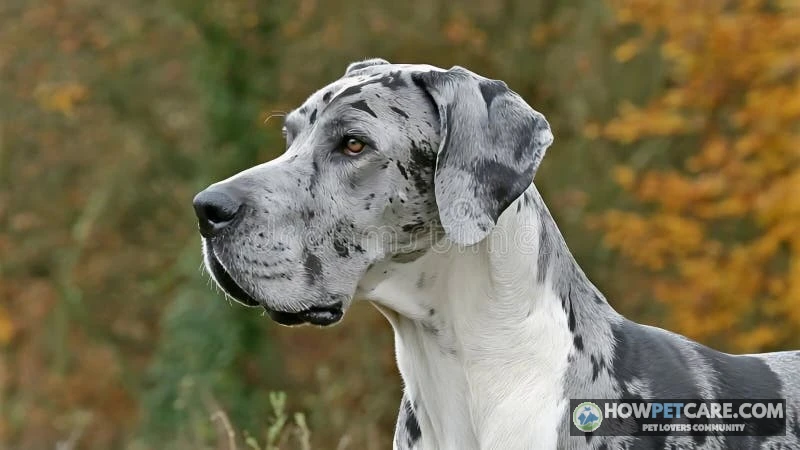

Big dogs are generally divided into large breeds (50–99 lb / 23–45 kg, standing 24–27 in) and giant breeds (100+ lb / 45+ kg, standing 28+ in). They require specialized puppy nutrition to protect slow-closing growth plates, sturdy housing accommodations, and higher budgets for weight-dosed medications and heavy-duty gear.
Defining Big Dogs: Size Thresholds, Weight Classes, and Growth Timelines
While no single universal cutoff exists across all kennel clubs and registries, the veterinary community uses widely recognized weight and height thresholds to categorize big dogs into distinct large and giant classes. In the United States, a large dog typically weighs 50–99 lb (23–45 kg) and stands 24–27 in (61–69 cm) at the withers. Any dog exceeding 100 lb (45 kg) and 28 in (71 cm) is classified as a giant breed.
These thresholds matter because they correspond to distinct growth patterns, joint‑stress loads, and metabolic rates. Large dogs usually reach skeletal maturity between 14–18 months, while giants may continue developing bone for up to 24 months. Because their growth plates close later, nutrition and exercise require careful management during the first two years to reduce the risk of orthopedic problems.
Large Dogs vs. Giant Breeds: Weight and Height Benchmarks
- Large dogs: 50–99 lb (23–45 kg), 24–27 in (61–69 cm) height. Example breeds – Labrador Retriever, German Shepherd, Golden Retriever.
- Giant dogs: 100 lb + (45 kg+), 28 in + (71 cm+) height. Example breeds – Great Dane, English Mastiff, Saint Bernard.

Growth Plate Development and Skeletal Maturity Timelines
Large‑breed puppies generally develop solid growth plates (physes) around 14 months; giants may not finish until 24 months. During this period, balanced calcium‑phosphorus ratios (≈1.2:1) and controlled calorie intake are essential for preventing developmental orthopedic disease. Over‑feeding speeds growth and increases the likelihood of hip dysplasia and elbow dysplasia later in life.
The 20 Most Popular Large and Giant Dog Breeds: Profiles and Key Metrics
The side‑by‑side matrix below puts the most relevant data for each breed in a consistent format. Height and weight appear in both imperial and metric units, along with lifespan, exercise needs, and shedding level. The table draws on current AKC registration trends and breed‑standard specifications (2026).
| Breed Name | Size Category | Height (in / cm) | Adult Weight (lb / kg) | Average Lifespan (Years) | Daily Exercise Need | Shedding Level |
|---|---|---|---|---|---|---|
| Great Dane | Giant | 28–32 in / 71–81 cm | 110–175 lb / 50–79 kg | 7–10 | 45–60 min (moderate) | Low‑Moderate |
| English Mastiff | Giant | 27–30+ in / 69–76+ cm | 120–230 lb / 54–104 kg | 6–10 | 30–45 min (low) | Moderate |
| Saint Bernard | Giant | 26–30 in / 66–76 cm | 120–180 lb / 54–82 kg | 8–10 | 45–60 min (low‑moderate) | High |
| Newfoundland | Giant | 26–28 in / 66–71 cm | 100–150 lb / 45–68 kg | 9–10 | 45–60 min (moderate) | Very High |
| Irish Wolfhound | Giant | 30–35 in / 76–89 cm | 105–120 lb / 48–54 kg | 6–8 | 60 min (moderate bursts) | Moderate |
| Bernese Mountain Dog | Large‑to‑Giant | 23–27.5 in / 58–70 cm | 70–115 lb / 32–52 kg | 7–10 | 60 min (moderate) | Very High |
| Great Pyrenees | Giant | 25–32 in / 64–81 cm | 85–100+ lb / 39–45+ kg | 10–12 | 45–60 min (low‑moderate) | Very High |
| Bullmastiff | Giant | 24–27 in / 61–69 cm | 100–130 lb / 45–59 kg | 7–9 | 40–50 min (low‑moderate) | Moderate |
| Cane Corso | Large‑to‑Giant | 23.5–27.5 in / 60–70 cm | 90–110 lb / 41–50 kg | 9–12 | 60–90 min (high) | Low‑Moderate |
| Labrador Retriever | Large | 21.5–24.5 in / 55–62 cm | 55–80 lb / 25–36 kg | 11–13 | 60–90 min (high) | High |
| Golden Retriever | Large | 21.5–24 in / 55–61 cm | 55–75 lb / 25–34 kg | 10–12 | 60–90 min (high) | High |
| German Shepherd | Large | 22–26 in / 56–66 cm | 50–90 lb / 23–41 kg | 7–10 | 90+ min (very high) | Very High |
| Rottweiler | Large | 22–27 in / 56–69 cm | 80–135 lb / 36–61 kg | 9–10 | 60–90 min (moderate‑high) | Moderate |
| Doberman Pinscher | Large | 24–28 in / 61–71 cm | 60–100 lb / 27–45 kg | 10–12 | 90+ min (very high) | Low |
| Boxer | Large | 21.5–25 in / 55–64 cm | 50–80 lb / 23–36 kg | 10–12 | 60–90 min (high) | Low‑Moderate |
| Rhodesian Ridgeback | Large | 24–27 in / 61–69 cm | 70–85 lb / 32–39 kg | 10–12 | 60–90 min (high) | Low‑Moderate |
| Alaskan Malamute | Large‑to‑Giant | 23–25 in / 58–64 cm | 75–85+ lb / 34–39+ kg | 10–14 | 90+ min (very high) | Very High |
| Siberian Husky | Large | 20–23.5 in / 51–60 cm | 35–60 lb / 16–27 kg | 12–14 | 90+ min (very high) | Very High |
| Bloodhound | Large | 23–27 in / 58–69 cm | 80–110 lb / 36–50 kg | 10–12 | 60–90 min (moderate) | Moderate |
| Akita | Large‑to‑Giant | 24–28 in / 61–71 cm | 70–130 lb / 32–59 kg | 10–13 | 60 min (moderate) | High |
World’s Tallest and Heaviest Breeds
The Irish Wolfhound and Great Dane lead the height charts, routinely standing more than 30 in (76 cm) at the shoulder. By mass, the English Mastiff and Saint Bernard top the rankings. Adult males average 180 lb (82 kg), and some individuals surpass 200 lb (91 kg).

High‑Energy Working Breeds vs. Low‑Key Family Companions
Working‑type breeds such as the German Shepherd and Alaskan Malamute need sustained physical exercise and mental challenges. The Great Dane, Bullmastiff, and Bernese Mountain Dog, by comparison, often have a more relaxed indoor demeanor. They may suit households that prefer a calm giant to a tireless herder.
Housing Requirements: Apartment Suitability, Yard Space, and Fence Heights
Big dogs are often assumed to need acres of land, but physical size and energy density don’t always align. Many giant breeds are content to lounge indoors once their daily exercise needs are met. Meanwhile, some medium‑sized breeds burn more calories than a sedentary Mastiff.
Big Dog Breeds That Can Adapt to Apartment Living
Low‑reactive large‑breed dogs with moderate stamina—Mastiff, Great Dane, Bullmastiff, and Boxer—can adapt to apartment living if they get at least 30–45 minutes of brisk walking or play each day. A predictable routine and quiet indoor setting matter more than square footage alone. Excessive barking or drooling, which is common in the Saint Bernard, may still cause problems in shared buildings.

Fencing and Containment Specifications by Breed Energy Tier
| Energy Tier | Recommended Fence Height | Construction Notes |
|---|---|---|
| Low‑to‑Moderate (Mastiff, Great Dane) | 4–5 ft solid wood or metal | Emphasize sturdy posts; dogs may lean or sit against the fence. |
| High‑Energy (German Shepherd, Husky) | 6 ft non‑climbable, vertical slats | Include a dig‑proof footer; consider a secondary inner barrier. |
| Guard‑oriented (Cane Corso, Akita) | 5–6 ft reinforced with concrete footings | Must resist full‑body pressure and occasional jumping. |

If you own a breed with a strong bite, such as a Rottweiler, consider a chew‑resistant fence material. A basic wooden fence can be compromised quickly.
Don’t rely on fence height alone to contain a powerfully built giant breed. Secure anchoring is essential to prevent escapes and protect the dog’s joints during sudden lunges.
Large‑Breed Nutrition: Caloric Needs, Life‑Stage Transitions, and Portions
Feeding a giant dog isn’t simply a matter of serving “more kibble”. Metabolic rate scales with lean body mass, not just total weight, and the energy density of food varies by brand.
[kdlx_template title=”Large‑Breed Daily Caloric Intake and Feeding Calculator”]
Use this three‑step formula to establish an initial daily feeding baseline for an adult large or giant dog. Always give your veterinarian’s body condition scoring (BCS) priority over standard calculations.
Step 1: Calculate Resting Energy Requirement (RER)
RER (kcal/day) = 70 * (body weight in kg)^0.75
Conversion tip: Divide weight in pounds by 2.2 to get weight in kilograms.
Quick Reference Benchmarks:
- 55 lb (25 kg): 783 kcal/day base RER
- 75 lb (34 kg): 985 kcal/day base RER
- 100 lb (45 kg): 1,215 kcal/day base RER
- 130 lb (59 kg): 1,484 kcal/day base RER
- 160 lb (73 kg): 1,739 kcal/day base RER
Step 2: Apply the Life‑Stage & Activity Multiplier (MER)
Multiply the base RER by the factor that most closely reflects your dog’s lifestyle:
- Neutered adult with low‑to‑moderate activity:
RER * 1.6 - Intact adult with moderate activity:
RER * 1.8 - Active working or high‑exercise adult:
RER * 2.0 to 3.0 - Senior or low‑mobility giant breed:
RER * 1.2 to 1.4
Step 3: Convert Calories to Daily Cup Portions
Daily Cups = Target Daily Calories (MER) / Food Calorie Density (kcal/cup)
Worked Example: 100 lb (45 kg) Neutered Golden Retriever
- RER = 70 * (45)^0.75 = 1,215 kcal/day
- MER = 1,215 * 1.6 = 1,944 kcal/day
- Food density = 375 kcal/cup (check the guaranteed analysis panel on your kibble bag)
- Daily portion = 1,944 / 375 = 5.2 cups per day (split into 2 meals of 2.6 cups)
Caution: Large and giant dogs need strict portion control. Overfeeding accelerates orthopedic breakdown, raises bloat risk, and shortens lifespan. Confirm exact portions with your veterinarian and adjust according to regular body condition monitoring.

[/kdlx_template]
Critical Puppy Development: Calcium Ratios and Growth Control
Giant‑breed puppies should eat a large‑breed puppy formula until their growth plates close (≈18‑24 months). These foods maintain a calcium‑to‑phosphorus ratio between 1.1:1 and 1.3:1, helping limit the rapid bone mineralization that can lead to dysplasia. Serving 2–3 small meals per day spreads out calorie intake and reduces the chance of gastric dilatation‑volvulus (GDV).
Adult Caloric Requirements and Senior Dietary Transitions
After a dog reaches adult weight, move to a maintenance formula with balanced omega‑3 fatty acids to support joint health. Seniors (≈10 years for giants, 12 years for large breeds) benefit from lower fat content (≈15 % of calories) and added glucosamine/chondroitin. Lower the MER multiplier to 1.2–1.4 to account for reduced activity.
The Monthly Cost of Owning a Big Dog: Realistic Budget Breakdowns
The financial commitment of owning a giant dog tends to rise with body mass. This itemized cost model reflects 2026 U.S. pricing averages. Actual prices vary by region and brand, so use these figures as range estimates.
| Expense Category | Large Breed (50–90 lb / 23–41 kg) | Giant Breed (100+ lb / 45+ kg) | Primary Cost Drivers & Notes |
|---|---|---|---|
| Food (dry kibble, 30‑60 lb/month) | $80‑$130 | $130‑$210 | Calorie density, brand premium, bulk discounts |
| Preventive Vet Care (vaccines, flea/heart guard, annual exam) | $45‑$70 | $70‑$110 | Dose‑based medication pricing; larger dogs need more product per month |
| Routine Medications (joint supplements, occasional anti‑inflammatories) | $15‑$30 | $30‑$55 | Joint‑support dosage scales with weight |
| Grooming (professional wash, nail trim) | $30‑$55 | $55‑$90 | Coat type influences frequency; double coats need more visits |
| Equipment (heavy‑duty leash, harness, crate, bedding) | $40‑$80 (amortized) | $80‑$130 (amortized) | Larger dogs require sturdier, larger‑sized gear |
| Total Estimated Monthly Cost | $210‑$340 | $335‑$595 | Higher weight = higher veterinary drug doses & food volume |
Check your dog’s body condition score (BCS) monthly. A 5 % shift in body fat can change food needs by 50–100 kcal, directly affecting your budget.
Routine Preventive Care and Weight‑Dosed Medication Costs
Vaccines and heartworm preventatives are sold by the pill or chew, with dosages based on weight per kilogram. A 150‑lb Mastiff needs ~68 % more medication than a 90‑lb Labrador, which raises the monthly cost of preventive care.
Food Volume and Heavy‑Duty Equipment Expenses
A 120‑lb Saint Bernard may consume 30–35 lb of kibble each month, requiring twice the bag size used for a 70‑lb Retriever. Equipment costs differ as well. A four‑by‑six‑foot crate built for a 180‑lb Mastiff costs roughly $120, while a standard crate for a 40‑lb breed averages $45.

Major Health Risks in Large Dogs: Early Detection and Preventive Strategies
Large and giant breeds share several hereditary and size‑related health concerns. Recognizing the signs and arranging early screening can improve outcomes considerably.
Identifying and Preventing Gastric Dilatation‑Volvulus (GDV/Bloat)
Bloat occurs most often in deep‑chested giants such as Great Danes, Mastiffs, and Saint Berns. Warning signs include restless pacing, unproductive retching, a swollen abdomen, and drooling. Gastropexy, the surgical fixation of the stomach, is the only definitive prevention. Many breeders now arrange a prophylactic laparoscopic gastropexy for puppies aged 6–8 weeks.
Managing Hip Dysplasia and Long‑Term Joint Health
The prevalence of hip dysplasia increases with adult weight. Both the Orthopedic Foundation for Animals (OFA) and PennHIP provide radiographic screening, so look for a breeder with clear hip scores. Daily low‑impact exercise, such as leash walks on soft surfaces, can help slow progression when paired with an optimal BCS and omega‑3 supplementation. For senior dogs, physiotherapy and controlled swimming offer low‑stress ways to stay active.

Cardiac Concerns and Breed‑Specific Screening
Doberman Pinschers and Great Danes experience higher rates of dilated cardiomyopathy (DCM). For high‑risk breeds, annual echocardiograms and baseline bloodwork (troponin I) are recommended after age 5.
Grooming Matrix: Coat Types, Shedding Levels, and Essential Tools
Coat care can have a substantial effect on day‑to‑day life with a large dog. The following matrix connects each coat category with its grooming frequency and necessary tools.
| Coat Category | Representative Breeds | Shedding Pattern | Weekly Grooming Time | Essential Tools Required |
|---|---|---|---|---|
| Double Coat (heavy) | Newfoundland, Great Pyrenees, Alaskan Malamute | Seasonal “blow‑out” + moderate year‑round | 45‑60 min | Undercoat rake, high‑velocity dryer, deshedding blade |
| Short Dense Coat | Labrador Retriever, Rottweiler, Boxer | Low‑moderate year‑round | 20‑30 min | Slicker brush, rubber grooming glove |
| Smooth Single Coat | Great Dane, Doberman, Akita | Low year‑round | 15‑20 min | Soft‑bristle brush, nail clipper |
Double‑Coated vs. Short‑Coated Maintenance
Double‑coated breeds shed heavily twice a year. Weekly undercoat raking helps prevent mats and reduces the amount of hair that accumulates indoors. Short‑coated dogs still need brushing 2–3 times weekly to manage loose hair and distribute natural skin oils.

Essential Grooming Equipment for Heavy Canines
- High‑velocity dryer (minimum 1100 CFM) to shorten the time needed to dry a 150‑lb dog’s thick coat.
- Heavy‑duty nail grinder (large surface area) to manage thicker nails without causing fatigue.
- Anti‑slip bathing platform to give the dog stable footing during baths.
Selecting Your Ideal Large Dog Breed: A Household Matching Checklist
Choosing a big dog calls for a decision matrix rather than a gut feeling. Use this scenario‑based shortlist to see how practical lifestyle factors narrow the range of suitable breeds.
[case_example title="Breed Shortlist Adjustments Across Three Realistic Living Scenarios"]
These examples show how lifestyle trade‑offs change the shortlist when dog size, drive, and housing environment are considered together.
Scenario A: The Ground‑Floor Apartment Dweller
- Profile: Single professional in an 850 sq ft apartment, elevator access, 45 minutes of daily walking, zero tolerance for constant barking.
- Poor Match: Siberian Husky or German Shepherd. Frequent vocalization, an intense need for mental stimulation, and sustained pent‑up energy can lead directly to destructive chewing and neighbor complaints.
- Ideal Match: Bullmastiff or Great Dane.
- Why It Works: Despite their physical size, these breeds tend to have low indoor reactivity, spend much of the day resting, and need low‑to‑moderate sustained cardio. Soft orthopedic bedding is essential for preventing joint pressure sores on hard floors.
Scenario B: The Active Suburban Household
- Profile: Family of four with kids ages 6 and 9, fully fenced 5‑foot yard, 90 minutes of active daily outdoor time, moderate budget for grooming.
- Poor Match: Akita or Cane Corso. Strong guardian instincts and wariness of unfamiliar visiting children call for experienced handling and strict liability management.
- Ideal Match: Labrador Retriever or Golden Retriever.
- Why It Works: These breeds are naturally biddable, generally tolerant of lively household activity, and enthusiastic about active family outings. They are also less inclined to show territorial aggression toward neighborhood playmates.
Scenario C: The Rural Smallholder
- Profile: Experienced handler on 5 acres with perimeter fencing, variable winter weather, seeks natural predator deterrence for small livestock.
- Poor Match: Doberman Pinscher or Boxer. Their short single coats don’t provide enough insulation in freezing rain or snow, while high prey drive may put poultry at risk.
- Ideal Match: Great Pyrenees or Bernese Mountain Dog.
- Why It Works: Weatherproof double coats, independent decision‑making instincts, and calm perimeter‑patrol behavior suit large physical spaces.
[/case_example]

Before settling on a breed, complete the Big‑Dog Structural & Safety Mismatch Audit to confirm that your home, vehicle, and finances can accommodate a dog that may exceed 60 lb.
[checklist title="The Big‑Dog Structural & Safety Mismatch Audit"]
Before bringing home a dog projected to exceed 60 pounds, compare your household setup with these structural realities across budget, exercise time, housing, grooming tolerance, children or pets, and health-risk tolerance:
- ☐ Emergency Transport Capacity: Can your vehicle physically accommodate a rigid, non‑ambulatory 100+ pound dog lying flat, and can you lift that dead weight unassisted into the cargo area?
- ☐ Stairway and Ingress Logistics: If your home features steep staircases, do you have a plan or ramp ready when the dog develops arthritis, hip dysplasia, or recovers from cruciate ligament surgery?
- ☐ Fencing Engineering: Is your fence matched to physical mechanics? Athletic working breeds require 6‑foot non‑climbable vertical barriers; guardian and mastiff breeds require high‑gauge posts anchored in concrete to withstand full‑body leaning.
- ☐ Traction Security on Slick Floors: Have you placed rubber‑backed runners across hardwood, laminate, or tile? Slick flooring causes repetitive micro‑trauma to developing juvenile growth plates and exacerbates adult dysplasia.
- ☐ Heat Management Infrastructure: If choosing a brachycephalic giant (Mastiff) or heavily coated arctic breed (Malamute, Pyrenees), does your home have dedicated climate control to prevent heat stroke above 80°F (27°C)?
- ☐ Financial Stress Buffer: Can your emergency fund absorb a $4,000–$7,000 emergency gastropexy or cruciate repair bill, plus monthly medication costs scaled strictly to body mass?
[/checklist]
This framework can help you narrow the 20‑breed list to the few options that genuinely fit your lifestyle, budget, and living environment. Every dog is still an individual. Treat the data as a starting point, then visit a reputable breeder or rescue, arrange a veterinary wellness exam, and take a trial walk to assess temperament.

| Breed Name | Size Category | Height (in / cm) | Adult Weight (lb / kg) | Average Lifespan (Years) | Daily Exercise Need | Shedding Level |
|---|---|---|---|---|---|---|
| Great Dane | Giant | 28–32 in / 71–81 cm | 110–175 lb / 50–79 kg | 7–10 | 45–60 min (moderate) | Low-Moderate |
| English Mastiff | Giant | 27–30+ in / 69–76+ cm | 120–230 lb / 54–104 kg | 6–10 | 30–45 min (low) | Moderate |
| Saint Bernard | Giant | 26–30 in / 66–76 cm | 120–180 lb / 54–82 kg | 8–10 | 45–60 min (low-moderate) | High |
| Newfoundland | Giant | 26–28 in / 66–71 cm | 100–150 lb / 45–68 kg | 9–10 | 45–60 min (moderate) | Very High |
| Irish Wolfhound | Giant | 30–35 in / 76–89 cm | 105–120 lb / 48–54 kg | 6–8 | 60 min (moderate bursts) | Moderate |
| Bernese Mountain Dog | Large-to-Giant | 23–27.5 in / 58–70 cm | 70–115 lb / 32–52 kg | 7–10 | 60 min (moderate) | Very High |
| Great Pyrenees | Giant | 25–32 in / 64–81 cm | 85–100+ lb / 39–45+ kg | 10–12 | 45–60 min (low-moderate) | Very High |
| Bullmastiff | Giant | 24–27 in / 61–69 cm | 100–130 lb / 45–59 kg | 7–9 | 40–50 min (low-moderate) | Moderate |
| Cane Corso | Large-to-Giant | 23.5–27.5 in / 60–70 cm | 90–110 lb / 41–50 kg | 9–12 | 60–90 min (high) | Low-Moderate |
| Labrador Retriever | Large | 21.5–24.5 in / 55–62 cm | 55–80 lb / 25–36 kg | 11–13 | 60–90 min (high) | High |
| Golden Retriever | Large | 21.5–24 in / 55–61 cm | 55–75 lb / 25–34 kg | 10–12 | 60–90 min (high) | High |
| German Shepherd | Large | 22–26 in / 56–66 cm | 50–90 lb / 23–41 kg | 7–10 | 90+ min (very high) | Very High |
| Rottweiler | Large | 22–27 in / 56–69 cm | 80–135 lb / 36–61 kg | 9–10 | 60–90 min (moderate-high) | Moderate |
| Doberman Pinscher | Large | 24–28 in / 61–71 cm | 60–100 lb / 27–45 kg | 10–12 | 90+ min (very high) | Low |
| Boxer | Large | 21.5–25 in / 55–64 cm | 50–80 lb / 23–36 kg | 10–12 | 60–90 min (high) | Low-Moderate |
| Rhodesian Ridgeback | Large | 24–27 in / 61–69 cm | 70–85 lb / 32–39 kg | 10–12 | 60–90 min (high) | Low-Moderate |
| Alaskan Malamute | Large-to-Giant | 23–25 in / 58–64 cm | 75–85+ lb / 34–39+ kg | 10–14 | 90+ min (very high) | Very High |
| Siberian Husky | Large | 20–23.5 in / 51–60 cm | 35–60 lb / 16–27 kg | 12–14 | 90+ min (very high) | Very High |
| Bloodhound | Large | 23–27 in / 58–69 cm | 80–110 lb / 36–50 kg | 10–12 | 60–90 min (moderate) | Moderate |
| Akita | Large-to-Giant | 24–28 in / 61–71 cm | 70–130 lb / 32–59 kg | 10–13 | 60 min (moderate) | High |
FAQ
What is currently the most popular large dog breed in the United States?
According to American Kennel Club registration statistics, the Labrador Retriever and the German Shepherd consistently rank as the most popular large dog breeds in the United States, celebrated for their trainability, versatile working drives, and suitability for active family households.
Which large dog breeds are considered the easiest for first-time owners?
Breeds like the Golden Retriever, Labrador Retriever, and Bernese Mountain Dog are generally best suited for first-time owners due to their high biddability, forgiving temperaments, and lower propensity for territorial aggression compared to intense guardian or livestock-protection breeds.
What is the single heaviest dog breed in the world?
The English Mastiff is recognized as the heaviest dog breed in the world by average mass, with mature males routinely weighing between 160 and 230 pounds (73 to 104 kg), occasionally exceeding 200 pounds in healthy, large-framed individuals.
Can big dogs live harmoniously with cats and smaller pets?
Yes, but success depends heavily on the breed’s predatory drive; breeds with low prey drive like the Bernese Mountain Dog, Newfoundland, or Great Dane typically cohabitate well with cats, whereas high-prey-drive breeds such as Rhodesian Ridgebacks, Akitas, or Alaskan Malamutes require intensive socialization and strict management.