
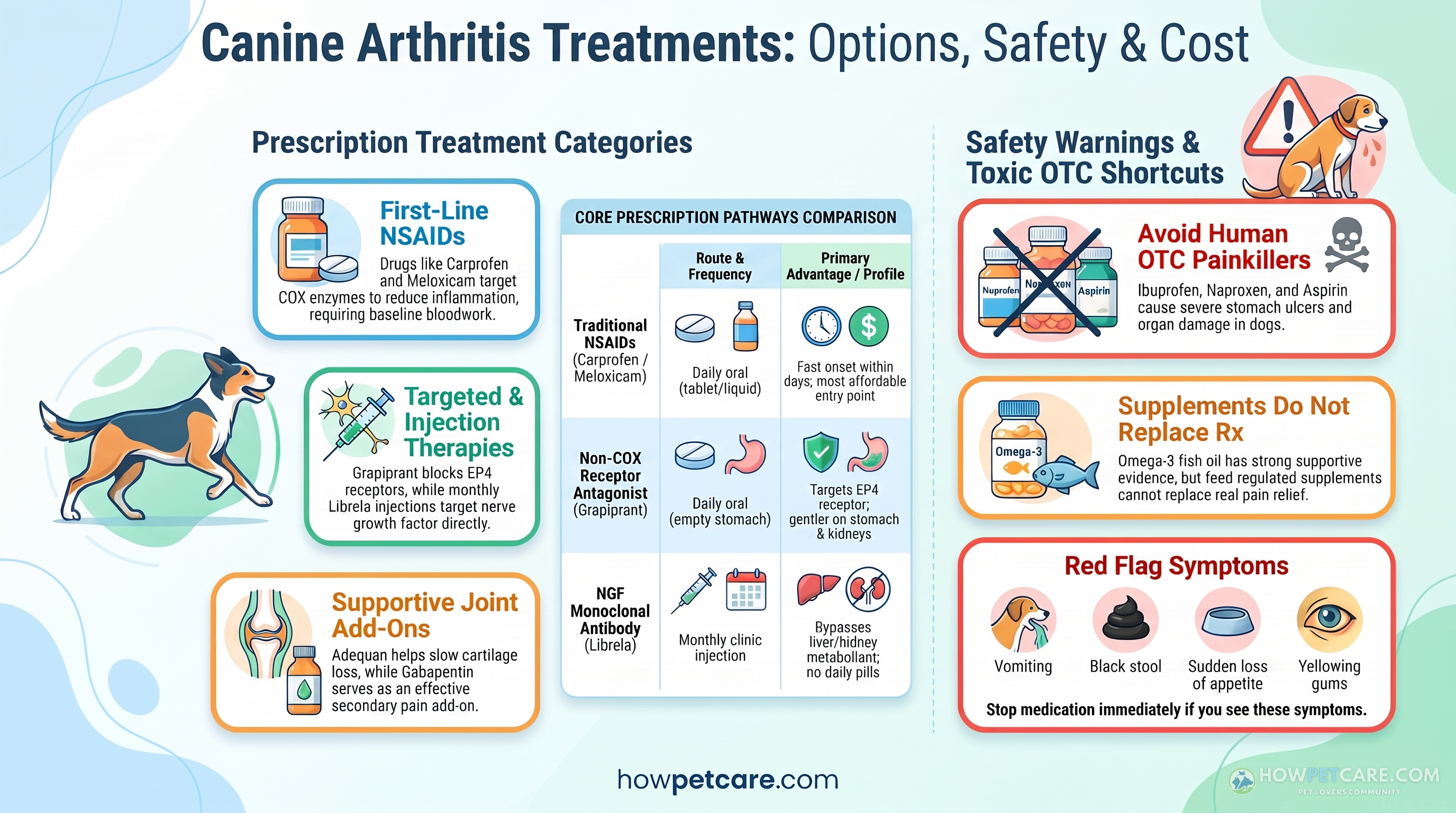
Prescription canine arthritis drugs fall into a few practical groups:
- First-line NSAIDs: carprofen, meloxicam, deracoxib, firocoxib.
- Non-COX option: grapiprant (Galliprant), often considered for sensitive stomachs.
- Monthly injection: bedinvetmab (Librela), given at the clinic.
- Supportive injectable: Adequan, given as a loading series then maintenance.
- Add-ons: gabapentin or amantadine when one drug is not enough; steroids only in selected vet-directed cases.
Canine Arthritis Drugs at a Glance: What Vets Prescribe and What to Skip
Effective arthritis medicine for dogs requires a prescription. Options that reliably reduce osteoarthritis pain include the NSAIDs carprofen (Rimadyl, Vetprofen, and generics), meloxicam (Metacam and generics), deracoxib (Deramaxx), and firocoxib (Previcox). Other options are grapiprant (Galliprant), which works outside the COX pathway; the monthly antibody injection bedinvetmab (Librela); and injectable polysulfated glycosaminoglycan (Adequan). Gabapentin, amantadine, and corticosteroids appear in some treatment plans as add-ons or second-line choices rather than everyday first picks. NSAIDs remain the first-line treatment for canine osteoarthritis because they inhibit the cyclooxygenase (COX) enzymes that drive pain and inflammation. The sections below compare these options, their costs, and the monitoring they need.
No human over-the-counter painkiller is a safe arthritis treatment for dogs. Ibuprofen and aspirin can poison dogs, sometimes fatally. If your dog has swallowed one, the next section explains what to do.
The short list of prescription arthritis medication for dogs
- NSAIDs: carprofen (Rimadyl), meloxicam (Metacam), deracoxib (Deramaxx), firocoxib (Previcox) — daily oral tablets, liquids, or chewables.
- Grapiprant (Galliprant): a daily oral tablet that targets the EP4 prostaglandin receptor rather than the COX enzyme.
- Bedinvetmab (Librela): a monthly clinic injection that blocks nerve growth factor (NGF), a protein involved in pain signaling.
- Adequan (polysulfated glycosaminoglycan): an injectable given as a loading series and then maintenance; it is the only FDA-approved injectable of its class labeled to slow cartilage degeneration and support joint repair.
- Add-ons when NSAIDs alone fall short: gabapentin, which is particularly useful for older dogs that cannot tolerate NSAIDs, plus amantadine and, in carefully chosen cases, corticosteroids.
Why there is no safe over-the-counter shortcut
These drugs require prescriptions for good reasons. Doses depend on a dog’s weight, dogs metabolize medications differently than people do, and the drugs that work best can damage the stomach, kidneys, or liver without baseline bloodwork and follow-up monitoring.
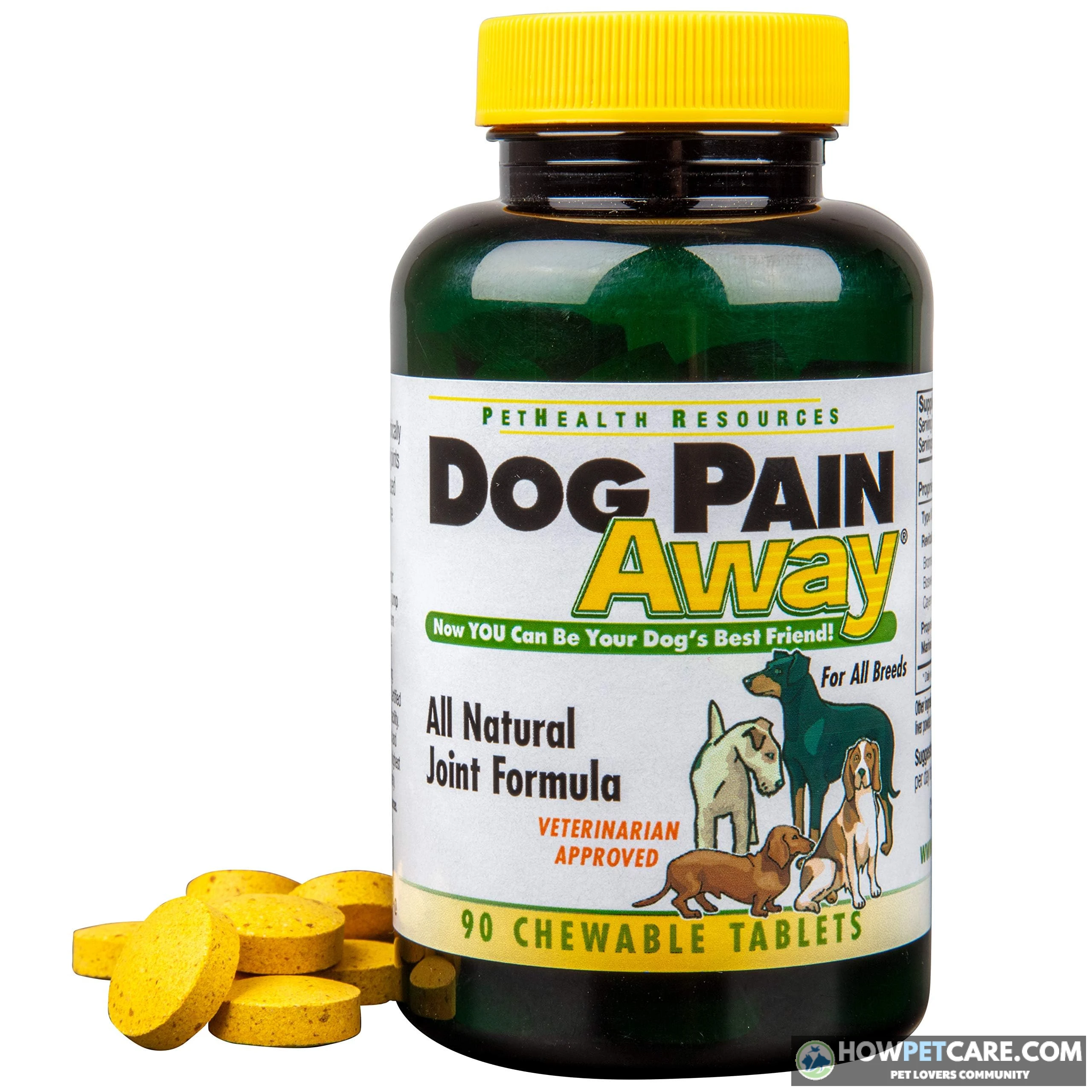
Over-the-counter products sold for dog joint pain are supplements, not drugs. They’re regulated as feed or food products, so manufacturers don’t have to prove that they reduce pain before selling them. Some can be useful alongside a prescription plan, but none replace one.
Over-the-Counter Arthritis Medicine for Dogs: Aspirin, Ibuprofen, Naproxen and Supplements
There is no over-the-counter arthritis medicine for dogs that is safe to use without veterinary direction. Several common human painkillers are toxic to dogs at a fraction of a person-sized dose.
Human pain relievers to avoid
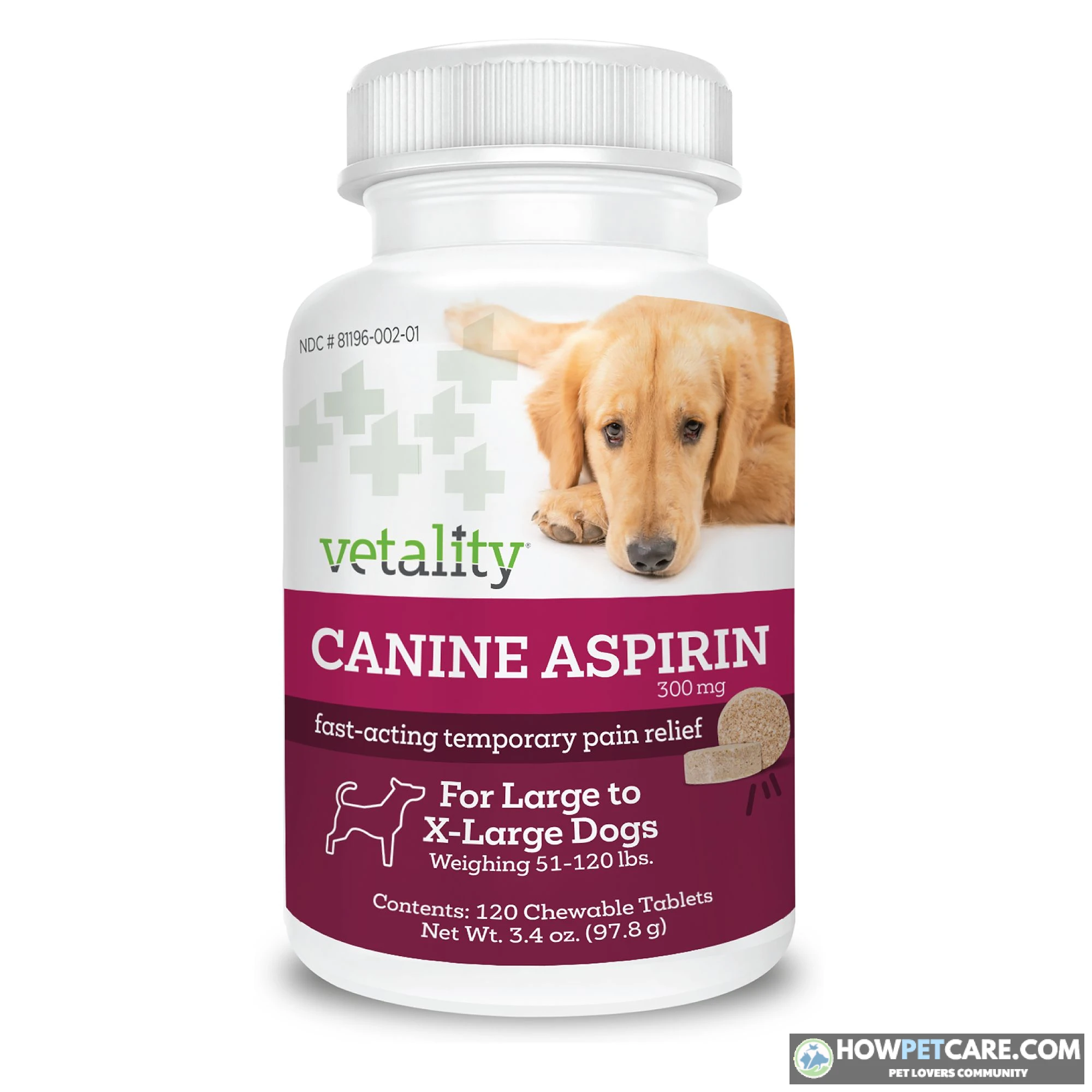
Ibuprofen (Advil, Motrin) and naproxen (Aleve) are human NSAIDs. They can cause gastrointestinal ulceration and kidney injury in dogs, and the gap between a helpful amount and a harmful one is narrow. Naproxen stays in a dog’s system far longer than in a person’s, so damage can continue after a single tablet. Many owners remember old advice about aspirin, but vets rarely recommend it today. There’s no safe dose to guess at home, and it must never be layered on top of a prescription NSAID or a corticosteroid. Acetaminophen (Tylenol) is also off-limits unless a veterinarian specifically directs its use. Even products owners think of as mild have dog-specific rules — confirm the safe Benadryl dose for your dog’s weight with a vet before assuming any household pill is fair game.
- Ibuprofen (Advil, Motrin) — gastrointestinal ulceration and kidney injury are common at small overdoses.
- Naproxen (Aleve) — long-acting in dogs, so toxicity can escalate after one pill.
- Aspirin — no safe home dose, and a serious interaction risk with prescription NSAIDs and steroids.
- Acetaminophen (Tylenol) — off-limits unless a vet explicitly instructs it.
Emergency signs after any exposure: vomiting (especially with blood), black or tarry stool, refusal to eat, weakness, belly pain, or sudden changes in drinking and urination.
-
Call for guidance immediately
Phone your vet, an emergency clinic, or a pet poison hotline. Do not wait for symptoms to appear.
-
Have the facts ready
The exact product name and strength, how many pills or milligrams are missing, your dog’s weight, and the time of ingestion.
-
Do not induce vomiting on your own
Only do it if the vet or poison hotline tells you to. Some exposures get worse with vomiting.
-
Bring the bottle if you go in
The label answers most of the questions the clinic will ask.
Supplements: what the evidence supports
Supplements can have a role in arthritis care, but they support treatment rather than replace a prescription drug when a dog needs one.
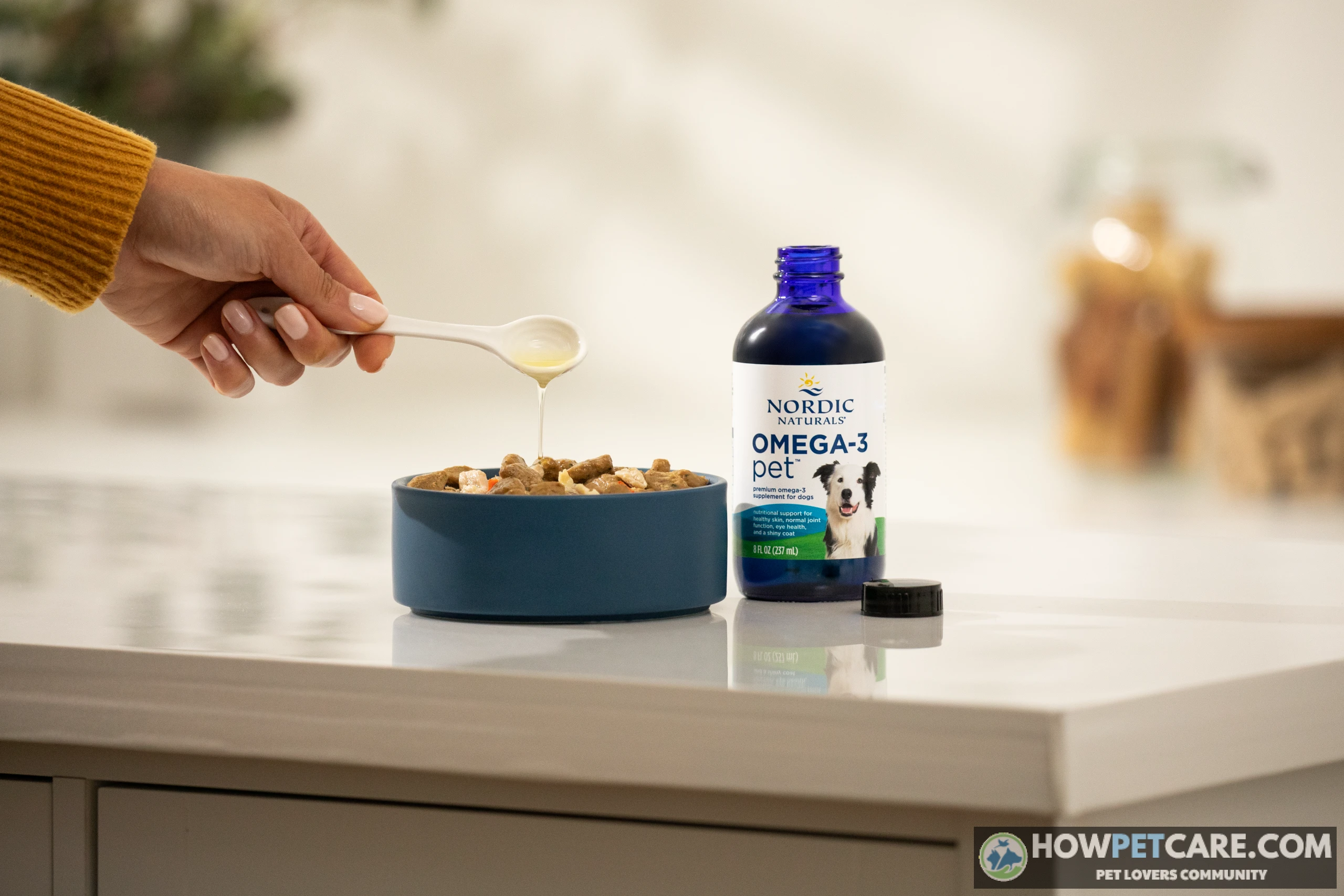
Omega-3 fatty acids from fish oil have the strongest evidence of any supplement in dogs. The EPA and DHA content matters more than the total oil volume. Flaxseed oil is a poor substitute: only about 10% of it converts to usable omega-3 in dogs and cats. When comparing fish oil products, an EPA to DHA ratio in the area of 3:2 is a reasonable reference point. Glucosamine and chondroitin are widely used, but study results are inconsistent, and any visible benefit can take four to six weeks or longer. Green-lipped mussel has some positive studies behind it, though product quality varies widely.
Whatever you choose, look for third-party testing such as the NASC seal and tell your vet everything your dog takes. Supplements aren’t a reason to delay the medication conversation. If your dog is limping badly enough that you’re researching drugs, a supplement alone is unlikely to be enough.
Side-by-Side Comparison of Dog Arthritis Medications
This table compares every named drug by route, onset, monitoring, cost tier, and warning signs. Dosing is described by route and form only: the milligram amount depends on weight and is a decision for your vet.
| Drug (generic / brand) | Class | Route and frequency | Typical onset | Dosing and administration notes | Monitoring needs | Relative cost tier | Red flags to report |
|---|---|---|---|---|---|---|---|
| Carprofen / Rimadyl, Vetprofen, generics | NSAID (COX-2 preferential) | Oral tablet or chewable, once or twice daily | Often improvement within days | Vet sets dose by weight; usually given with food to reduce stomach upset | Baseline kidney and liver bloodwork before starting, then periodic rechecks | Low (generic) to moderate (branded) | Vomiting, black stool, appetite loss, lethargy, yellow gums; rare liver reactions reported |
| Meloxicam / Metacam, generics | NSAID (COX-2 preferential) | Oral liquid, once daily | Often within days | Liquid makes small-dog dosing flexible; give with food per label | Baseline and periodic kidney and liver bloodwork | Low — one of the cheapest options | Same NSAID red flags, plus thirst and urination changes |
| Deracoxib / Deramaxx | NSAID (COX-2 selective) | Oral chewable, once daily | Often within days | Flavored chewable; arthritis dosing differs from post-surgical dosing — follow the label your vet prescribes | Baseline and periodic bloodwork | Moderate | GI signs and kidney changes; label has a minimum body weight |
| Firocoxib / Previcox | NSAID (COX-2 selective) | Oral tablet, once daily | Often within days | Scored tablets sized mainly for medium-to-large dogs | Baseline and periodic bloodwork | Moderate | Same NSAID class warnings |
| Grapiprant / Galliprant | EP4 prostaglandin receptor antagonist (non-COX pathway) | Oral tablet, once daily | Often within days | Give on an empty stomach per label — a key difference from the other daily pills | Vet-directed check-ins; bloodwork commonly still done | Moderate to high | GI signs are still possible; it is not risk-free |
| Bedinvetmab / Librela | Monoclonal antibody targeting nerve growth factor | Injection at the clinic, once monthly | Often within the first few weeks | No daily pills; weight-banded dosing; not handled like an NSAID | Vet assesses response and reviews reported adverse effects | High | New or worsening mobility problems, urinary or neurological changes — report promptly |
| Polysulfated glycosaminoglycan / Adequan | Injectable joint-support agent | Injection, loading series about twice weekly for several weeks, then maintenance | Gradual over the loading series, measured in weeks | Clinic visits, or some owners are taught to inject at home | Vet rechecks; no routine organ bloodwork required | Moderate to high, depending on series or maintenance | Injection-site reactions; cautions in dogs with bleeding disorders |
| Gabapentin | Adjunct pain medication | Oral capsule or liquid, typically two to three times daily | Within days for some dogs | Add-on for chronic pain; dose tailored by the vet; sedation is common early | Watch for wobbliness and sedation | Low | Excessive sedation, unsteadiness; disclose all other medications |
| Amantadine | Adjunct pain medication (NMDA antagonist) | Oral capsule or liquid, once daily | Days to weeks | Usually added when an NSAID alone is not enough | Watch for agitation or GI upset early | Low to moderate | Agitation, diarrhea; interaction review needed |
| Corticosteroids (e.g., prednisone) | Steroid anti-inflammatory | Oral, vet-directed only | Fast, but used selectively | Not a routine arthritis drug, and never stacked with an NSAID — a washout is required when switching | Vet-directed; steroids carry their own side-effect profile | Low | Increased thirst and urination, panting; serious risk if combined with an NSAID |
Use the table to shortlist two or three candidates before your appointment. Your vet’s exam and bloodwork, rather than the table, guide the final choice. The cost tiers correspond to the pricing section further down. For the bigger picture beyond arthritis, our guide to common dog medications maps each drug class to the conditions it treats.
NSAIDs for Dogs: Per-Drug Safety Profiles and Long-Term Use
Many dogs take an NSAID for months or years. That can be appropriate when the drug is chosen for the individual dog and monitored. Both extremes miss the mark: NSAIDs aren’t so dangerous that a dog in pain should automatically avoid them, but they aren’t so routine that bloodwork and owner vigilance are optional.
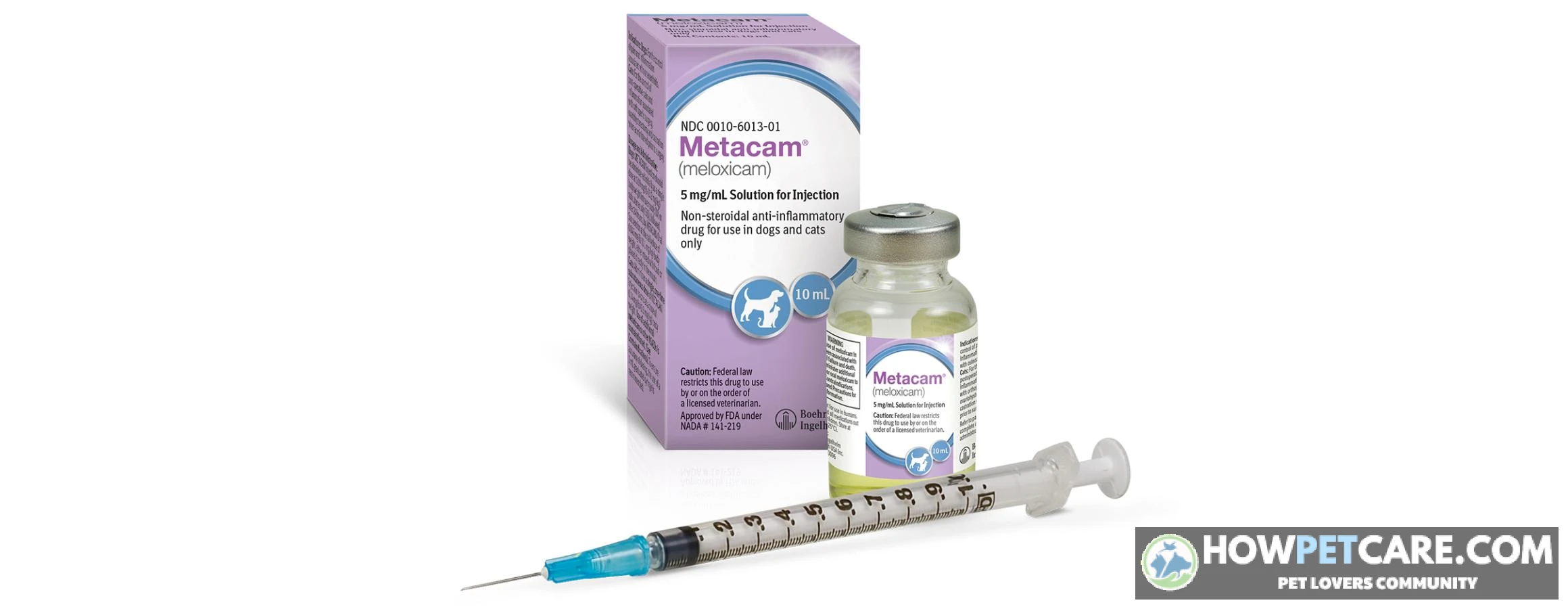
Carprofen / Rimadyl and meloxicam / Metacam
Carprofen is the most familiar name in the category and usually the cheapest branded option. As a COX-2 preferential NSAID, it’s kinder to the stomach than older drugs, but rare serious liver reactions have been reported in some dogs. These reactions are uncommon. Your vet should run baseline liver and kidney bloodwork, and you should watch your dog closely during the first weeks. Report appetite loss, lethargy, or yellow gums immediately rather than waiting for the next scheduled visit.
Meloxicam is typically given as a flavored liquid once daily, making precise dosing easy in small dogs. It’s usually one of the least expensive prescription options, and generics have widened the price gap further.
Deracoxib / Deramaxx and firocoxib / Previcox
Deracoxib is a COX-2 selective NSAID given once daily as a flavored chewable. Its label has a minimum body weight, so it isn’t a drug for a five-pound dog. Firocoxib is also COX-2 selective and comes as scored tablets aimed mainly at medium and large dogs. It’s a common choice for big seniors whose owners want one tablet a day.
Both carry the same class-level cautions as carprofen and meloxicam: GI upset, kidney changes in a dog that is dehydrated or already has kidney disease, and the need for baseline and periodic bloodwork.
GI, kidney, and liver warning signs checklist
- Gut signs: vomiting (especially repeated or with blood), diarrhea, black or tarry stool, or a sudden refusal to eat.
- Kidney signals: a clear jump in drinking and urination, or unusual lethargy alongside either.
- Liver signals: yellow tinge to the gums, whites of the eyes, or skin; appetite loss with sluggish behavior.
- General: collapse, weakness, or belly tenderness when you pick your dog up.
These matter more than any mobility score. One vomit after a pill on an empty stomach can be minor; repeated vomiting, black stool, or a dog that stops eating is a same-day call.
Bloodwork is central to long-term safety. A baseline panel before the first dose gives the vet a reference point, and a recheck after the initial trial helps confirm how the drug is being tolerated. Long-term monitoring is commonly done about every six months. Dogs with existing kidney or liver disease, or those taking other drugs, may need a tighter schedule.
Best arthritis medication for senior dogs: how vets match drug to dog profile
There’s no single best arthritis medication for senior dogs. The right match depends on your dog’s pain level, organ health, and temperament, as well as your budget. Osteoarthritis is common with age: roughly 20% of dogs over one year and about 80% of dogs over eight show it, so most senior dog owners face this decision eventually.
- Prior GI sensitivity or a history of stomach upset on NSAIDs: ask about grapiprant, or about a different NSAID with a lower dose and a stomach-protectant plan.
- Kidney concerns: NSAIDs deserve extra caution, and some vets prefer alternatives such as Librela or a carefully monitored lowest-effective NSAID dose.
- Liver concerns: baseline and follow-up liver values become decisive when choosing among NSAIDs.
- Very old or frail dogs: vets often start lower and add gabapentin, which is well suited to older dogs that cannot tolerate NSAIDs.
- Dogs that fight every pill, or owners who cannot dose twice daily: a monthly clinic injection changes the whole daily routine.

Galliprant vs Rimadyl vs Librela: How the Newer Options Differ
Galliprant (grapiprant) explained
Grapiprant isn’t a COX inhibitor. It blocks the EP4 prostaglandin receptor directly, taking a different route to the same pain pathway. It was designed to reduce the stomach and kidney side-effect risk associated with traditional NSAIDs. It’s still a prescription drug that can cause GI upset, so gentler doesn’t mean harmless.
One administration detail is easy to miss: label guidance says to give grapiprant on an empty stomach, unlike the other daily arthritis pills, which are generally given with food.
Is Galliprant or Rimadyl better for dog arthritis? The answer depends on three things: the severity of the pain, whether the dog has a GI or organ history that makes a traditional NSAID riskier, and what the owner can spend. Grapiprant is often a better fit for a dog with a sensitive stomach. Carprofen is often a better fit for a tight budget or a dog with more intense pain, where some vets find grapiprant alone isn’t enough. The choice is about your dog, not a general ranking.
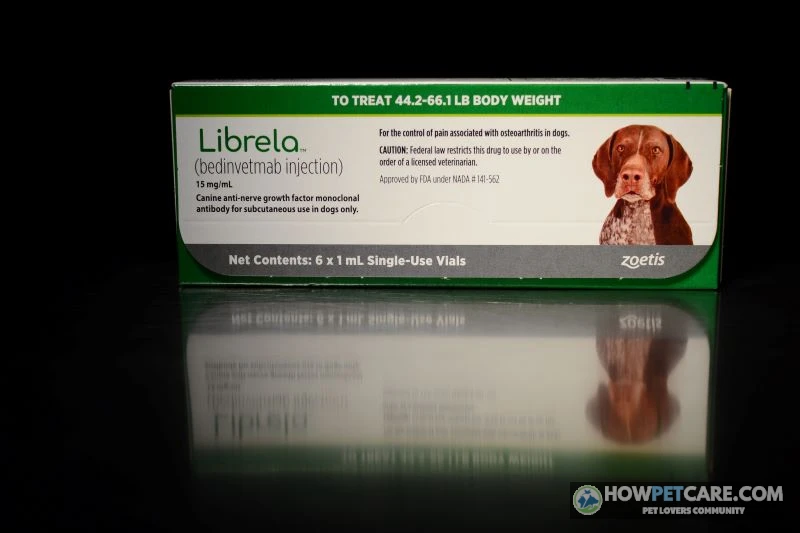
Librela (bedinvetmab) explained
Librela is a monoclonal antibody against nerve growth factor, given as a monthly injection at the clinic. It blocks a pain-signaling protein rather than an inflammatory enzyme, so it isn’t metabolized through the same liver and kidney routes as an NSAID. That can be a practical advantage for owners who can’t reliably pill a dog and for dogs that can’t take NSAIDs.
Onset is usually measured in weeks rather than days, and the vet assesses response over successive monthly injections. Post-approval safety reporting has prompted label updates in the US and elsewhere. Ask your vet to explain the current warnings and note any urinary, neurological, or mobility changes after an injection. The decision calls for a discussion of benefits and risks; neither is guaranteed.
Adequan: where it fits
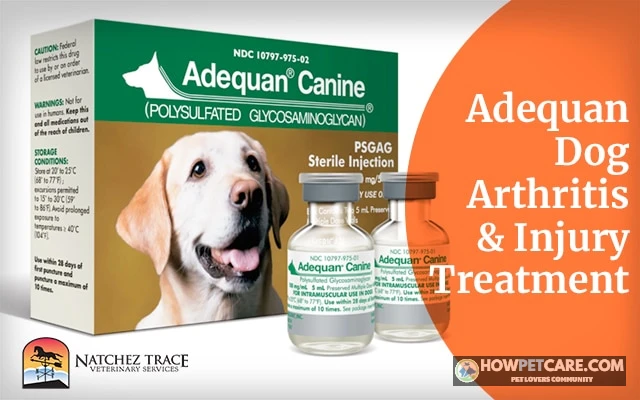
Adequan is an injectable polysulfated glycosaminoglycan given as a loading series, often about twice weekly for several weeks, followed by maintenance injections. It’s the only FDA-approved injectable of its type labeled to slow cartilage degeneration and support joint repair. Improvement is gradual and measured across the loading series, and Adequan doesn’t require the routine organ bloodwork that NSAIDs do.
A related injectable, pentosan polysulphate (sold as Cartrophen in some markets), follows a similar approach with a one-per-week, four-week course and up to three courses a year in published veterinary guidance. Availability varies by country.
Is Librela better than Adequan? They aren’t interchangeable. Librela targets pain signaling with a monthly injection; Adequan is positioned as joint-supportive with a loading series. For a dog in significant pain, Librela is usually worth discussing. For a dog with mild-to-moderate stiffness whose owner wants a supportive injectable course, the conversation often turns to Adequan. Some plans use both, and some combine an NSAID with one of them.
How Much Dog Arthritis Medication Costs: Small vs Large Dogs, Generics, and Insurance
Cost is a common reason owners delay treatment, yet published numbers can be hard to find. The figures below are approximate US ranges per month, for 2026 budgeting purposes. They vary by region, clinic, pharmacy, and dose, so use them for planning rather than as quotes.
| Medication pathway | Small dog (~20 lb, monthly range) | Large dog (~80 lb, monthly range) | Added costs (visits, bloodwork, injection fees) | Cost-saving or insurance notes |
|---|---|---|---|---|
| Generic NSAID (carprofen or meloxicam) | ~$10–$35 | ~$35–$90 | Baseline bloodwork panel (~$100–$250) plus periodic rechecks | Cheapest entry point; ask for a written prescription and compare pharmacies |
| Branded NSAID (Rimadyl, Metacam, Deramaxx, Previcox) | ~$30–$70 | ~$70–$150 | Same bloodwork and recheck costs as generics | Manufacturer rebate programs sometimes apply; 90-day fills can trim cost |
| Galliprant (grapiprant) | ~$45–$80 | ~$90–$160 | Recheck visits; bloodwork commonly still done | Price is weight-tiered, so large dogs pay meaningfully more |
| NSAID plus gabapentin add-on | Generic NSAID cost plus ~$10–$25 | Generic NSAID cost plus ~$20–$50 | Same monitoring as the NSAID alone | One of the most affordable step-up combinations |
| Adequan (polysulfated glycosaminoglycan) | Loading series ~$150–$300 total, then maintenance roughly monthly | Loading series ~$200–$400 total, then maintenance | Clinic injection fees unless your vet teaches you to inject at home | Home injection, where offered, cuts the per-dose cost substantially |
| Librela (bedinvetmab) monthly injection | ~$60–$100 per monthly visit | ~$80–$140 or more per monthly visit | Clinic-administered, so the visit fee is usually bundled in | Flat-ish pricing by weight band, so the small-versus-large gap is smaller than with pills |
Monthly cost snapshot by dog size
Two worked examples make the ranges concrete.
A 20-pound senior on generic meloxicam. The liquid itself runs roughly $10 to $35 a month. The first month’s total is higher: a baseline bloodwork panel commonly costs between $100 and $250 depending on the clinic, plus the office visit. If the trial goes well, ongoing cost settles near the low end, with bloodwork added about twice a year.
An 80-pound dog on Librela. Budget roughly $80 to $140 per monthly visit, with the injection fee usually included. There’s no daily pill to buy and no monthly pharmacy run, but there’s no generic shortcut either. The price doesn’t drop materially when the dog loses weight because dosing is banded.
A 55-pound dog stepping up from generic carprofen to generic carprofen plus gabapentin. Generic carprofen for that weight sits in the middle of the $35 to $90 band, and gabapentin adds roughly $20 to $50. That makes the combination one of the least expensive ways to add pain relief before moving to a higher-cost injectable.
Why big dogs cost more: every oral drug above is dosed per pound, so an 80-pound dog may need roughly four times the medication of a 20-pound dog. The gap shrinks only for weight-banded injections.

Insurance and pharmacy notes
Pet insurance generally covers arthritis medication only if arthritis wasn’t already diagnosed or showing signs before the policy started; pre-existing conditions are typically excluded. Before assuming you’re covered, check whether the plan includes prescription drugs, clinic-administered injections such as Librela and Adequan, and monitoring bloodwork. Those are often separate line items. Some plans also apply waiting periods for joint conditions in older dogs.
- Ask for a written prescription and price it at a few pharmacies, including online ones, before buying at the clinic.
- Ask specifically for the generic version of whatever is prescribed; carprofen and meloxicam generics are dramatically cheaper than the brand names.
- Ask whether a 90-day fill is cheaper per dose for a stable dog.
- If cost is the limiting factor, ask for a tiered plan: what is the lowest-cost effective option today, and what is the next step up when we can afford it?
Never skip doses or split pills to stretch a supply — an underdosed NSAID gives you the risks without the relief.
Giving Arthritis Drugs Safely: Dosing Gotchas, Washouts, Missed Doses, and Trial Tracking
Washout rules when switching
Switching between NSAIDs is a veterinary decision that involves a waiting period. A minimum of 48 hours between different NSAIDs is commonly cited, and some drugs and some dogs need longer.
- NSAID plus NSAID: stacking two NSAIDs multiplies GI and kidney risk without adding much relief.
- NSAID plus corticosteroid: this pairing carries a risk of serious toxicity and should not happen without explicit veterinary direction and a washout.
Ask your vet for the specific washout interval whenever a drug is added, removed, or swapped, and disclose every product your dog takes, including supplements and anything from a previous prescription.
What to do if your dog misses a dose or vomits
- Missed dose, remembered within a few hours: give it when you remember and shift the schedule forward. Do not double up at the next dose.
- Missed dose, remembered close to the next one: skip it and resume the normal schedule.
- One vomit right after a pill: note whether the pill was given on an empty stomach, especially with grapiprant, and call the vet for guidance before redosing. Do not re-give an unknown quantity.
- Repeated vomiting, black or tarry stool, appetite loss lasting more than a day, marked lethargy, or collapse: stop the medication and seek same-day veterinary care.
What to track during the first 2–4 weeks
It’s hard to judge a new arthritis drug by impression alone because owners adapt to gradual improvement. A written log makes the recheck appointment more productive and gives the vet evidence to help decide whether to keep, adjust, or switch the drug.
-
Set the baseline before the first dose
Score rising from rest, stairs, walk length, limp, appetite, stool, and energy on day zero so you have something to compare against.
-
Give the drug exactly as labeled
With food or on an empty stomach as directed, at the same time each day, and never with a second painkiller from the cabinet.
-
Log daily for the first two weeks
One row per day: dose given, mobility scores, appetite, stool, vomiting, energy, and a short note about anything unusual.
-
Judge at 2 to 4 weeks, not day two
NSAIDs often show improvement within days, while injectables and supplements take weeks. Bring the log to the recheck and ask for a clear verdict.
-
Schedule bloodwork and a recheck
Baseline panel before starting, a recheck after the initial trial, then long-term monitoring roughly every six months for NSAIDs.
- Which drug fits my dog’s age, weight, GI history, kidney values, and liver values — and why that one over the alternatives?
- What baseline bloodwork are we running, and what is the recheck schedule?
- What is the realistic monthly cost at my dog’s weight, including bloodwork and visit fees?
- What are the specific side effects to watch for with this drug, and which ones mean stop and call?
- If this does not work in two to four weeks, what is the next step — dose change, drug switch, or add-on?
- If we switch drugs, what washout interval do you want?
- What should I do if I miss a dose or my dog vomits after taking it?
- Are there any non-drug therapies you would prioritize for this dog?
- ☐ Pain returns consistently before the next dose is due, or the dog is worse at the end of the dosing interval.
- ☐ Mobility declines despite an adequate trial of two to four weeks at a vet-set dose.
- ☐ New side effects appear, or bloodwork trends in the wrong direction.
- ☐ The dog is still struggling on stairs, rising, or after rest even though the owner sees some improvement.
- ☐ The daily routine has become a battle, which is a quality-of-life issue for both of you.
- Shortlist two or three options from the comparison table that fit your dog’s health profile and budget.
- Clear the cabinet of ibuprofen, naproxen, aspirin, and acetaminophen — none of them belong in a dog’s plan.
- Set trial metrics using the log above before the first dose, and pick a recheck date two to four weeks out.
- Ask about bloodwork at the same visit, so monitoring starts on schedule rather than after a problem appears.
DOG ARTHRITIS MEDICATION LOG
Dog: __________ Drug + dose: __________ Start date: __________
Scoring: 1 = worst / no difficulty seen ... 5 = best / fully comfortable
DateDose given (Y/N, time) Rising from rest (1-5) Stairs (1-5)
Walk length before slowing (min)Limp (0 none - 3 severe)
Appetite
(normal/less/none)Stool (normal/soft/black) Vomiting?
Energy &
mood (1-5) | Notes
Example filled row:
Mar 4Y, 7am w/ food 3 2 20 min 1 normal normal no 3
Hesitated on stairs, better after walk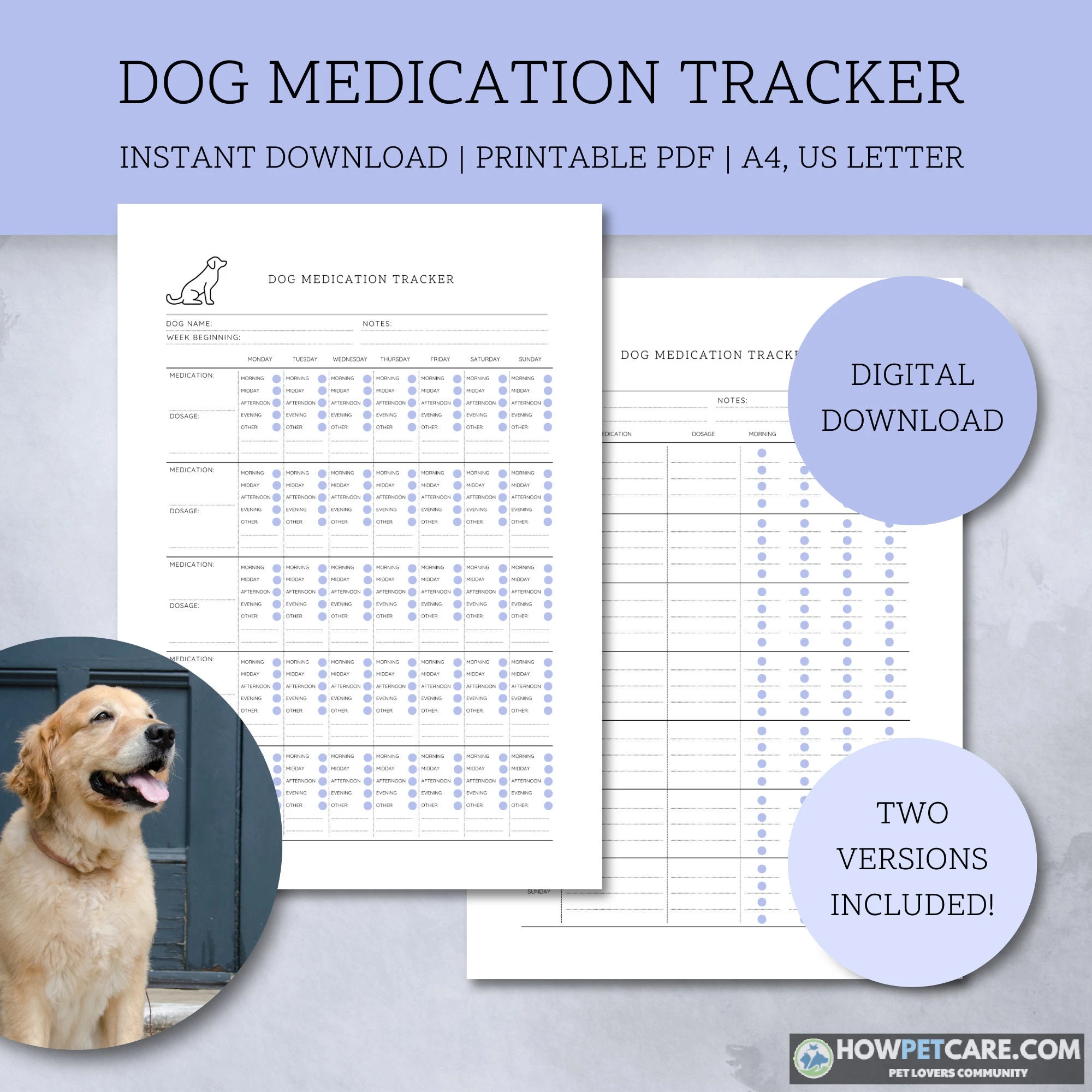
Weekly summary to read out at the recheck: average rising score, average stairs score, longest comfortable walk, number of days with GI signs, and one judgment — better, same, or worse than before the medication. GI entries matter more than mobility scores; vomiting more than once, black stool, or refusing food for a day means a phone call that day.
Gabapentin, Amantadine, CBD, PRP, Stem Cells, Synovetin OA, and Laser: Evidence Verdicts
Owners encounter many claims about these treatments. The table separates established options from those worth discussing and those that aren’t yet worth your medication budget.
| Therapy | What it is | Evidence strength | Best-fit dogs | Cautions or interactions | Verdict |
|---|---|---|---|---|---|
| Omega-3 fatty acids (EPA/DHA fish oil) | Anti-inflammatory dietary supplement | Moderate — the strongest supplement evidence in dogs | Almost any arthritic dog; pairs with every drug plan | Quality varies; look for third-party-tested products; high doses can cause GI upset | Established adjunct |
| Weight management | Structured diet to reduce joint load | Strong — measurable mobility gains | Overweight dogs; often the single biggest lever | None, but it is a commitment rather than a pill | Established |
| Gabapentin | Oral add-on pain medication | Moderate to limited in dogs; widely used | Chronic pain not controlled by an NSAID alone; seniors that cannot tolerate NSAIDs | Sedation and wobbliness early; disclose all other medications | Reasonable adjunct |
| Amantadine | Oral NMDA-receptor pain add-on | Limited but plausible; common in multimodal plans | Dogs needing a second agent beyond an NSAID | Early agitation or GI upset; the vet reviews interactions | Reasonable adjunct |
| Tramadol | Oral opioid-like pain medication | Weak — studies show little benefit for canine osteoarthritis | Rarely recommended for arthritis today | Sedation, interactions; largely fallen out of favor with vets | Unproven / needs caution |
| Rehab, physical therapy, acupuncture, therapeutic laser | Professional mobility and pain services | Variable; rehab has the best practical track record | Post-injury dogs, seniors, dogs that cannot take full NSAID doses | Cost and travel; practitioner quality matters a lot | Reasonable adjunct |
| Glucosamine and chondroitin | Oral joint supplements | Mixed; studies are inconsistent | Mild arthritis, or alongside medication; allow four to six weeks before judging | Low risk, low certainty; choose third-party-tested brands | Mixed / limited evidence |
| Green-lipped mussel | Marine-derived supplement | Mixed; some positive studies, variable quality | Similar role to glucosamine | Product quality is the main variable | Mixed / limited evidence |
| PRP (platelet-rich plasma) | Concentrated platelet joint injection | Promising; positive studies but protocols vary widely | Dogs needing more than oral medication, per vet or specialist | Cost, sedation for the procedure, no standard protocol | Promising, limited data |
| Stem cell therapy | Cell-based joint treatment | Promising in selected studies; highly variable preparation | Specialist-managed cases | Expensive; standardization and regulation are thin | Promising, limited data |
| Synovetin OA | Targeted radiation-based joint injection | Newer; limited long-term data | Specialist-referred candidates | Availability is limited; candidacy is a specialist decision | Promising, limited data |
| CBD products | Cannabidiol oils and treats | Limited and inconsistent; regulatory gray area | None established yet | Product quality is unreliable; possible liver-enzyme effects and drug interactions | Unproven / needs caution |

Proven or commonly used adjuncts
Weight management and omega-3s are the two non-drug interventions with strong support, and weight loss in an overweight arthritic dog often produces mobility gains that rival a drug change. Gabapentin and amantadine are standard second agents vets turn to when an NSAID alone isn’t enough. Both can be combined with an NSAID, but the combination needs veterinary sign-off because sedation, agitation, and interactions are all possible. For a side-by-side look at approved options, our comparison of which pain meds are safe for dogs covers NSAIDs, Librela, costs, and washout rules.
Promising but still limited
PRP, stem cell therapy, and Synovetin OA belong in specialist care. They’re reasonable options to ask about at a referral practice if a dog has stopped responding to a well-managed oral plan. Ask what the procedure involves, too — sedation is common, and acepromazine dosing and its risks are worth understanding beforehand. Be wary, though, of a walk-in clinic promising a cure.
Mostly hype or unclear
CBD evidence in canine osteoarthritis is limited and inconsistent, product potency labels are frequently inaccurate, and cannabinoids can affect liver enzymes and interact with other drugs. If you want to try it, do it with your vet’s knowledge, not instead of a drug that works.
Acupuncture and therapeutic laser are low-risk and worth trying for a dog that tolerates handling, but no credible source presents them as replacements for analgesia in a dog in real pain.
1Why are non-steroidal anti-inflammatory drugs (NSAIDs) such as carprofen and meloxicam considered the standard first-line choice for managing canine osteoarthritis pain?
Blocking COX enzymes directly curtails the generation of inflammatory mediators, making NSAIDs the primary pharmacological tool for rapid joint pain reduction.
2Unlike traditional oral NSAIDs which are commonly administered with food to prevent stomach upset, how must grapiprant (Galliprant) be given according to its label guidance?
Grapiprant's specific pharmacokinetic requirements dictate administration without food, distinguishing it from traditional COX-inhibiting NSAIDs.
3Which of the following over-the-counter human pain relievers pose severe toxicity risks to dogs and must never be administered without explicit veterinary direction? (Select all that apply)
Canine physiology is highly sensitive to ibuprofen, where even small human doses can trigger severe gastrointestinal ulceration and acute kidney injury.
4What is a key principle to keep in mind when evaluating omega-3 fish oil supplements for canine joint health?
Active eicosapentaenoic acid (EPA) and docosahexaenoic acid (DHA) provide the anti-inflammatory joint benefits, making their specific amounts more important than total fluid volume.
5When transitioning a dog from one NSAID to another, what critical safety rule must veterinarians and pet owners follow?
Allowing a dedicated washout period prevents drug overlap, which significantly reduces the risk of cumulative gastrointestinal and renal toxicity.
6A dog taking daily carprofen begins showing potential side effects. Which of the following symptoms are critical red flags indicating possible internal organ toxicity that require stopping the medication immediately and contacting a veterinarian? (Select all that apply)
Gastrointestinal mucosal damage leads to internal bleeding, which manifests as dark tarry feces or bloody vomitus.
7Why are corticosteroids such as prednisone used only selectively in canine arthritis care rather than as everyday first-line choices alongside NSAIDs?
Corticosteroids interact dangerously with NSAIDs to cause severe gastrointestinal ulceration and organ injury, requiring careful selection and strict washout protocols.
8Which of the following non-drug interventions are supported by evidence as effective components of a canine osteoarthritis management plan? (Select all that apply)
Reducing excess body mass directly minimizes mechanical stress on damaged joint cartilage, yielding mobility improvements comparable to pharmaceutical relief.
When to Switch, Combine, or Escalate Arthritis Medication: Your Vet-Visit Action Plan
Questions to bring to your vet
Bring these questions to your appointment to help you and your vet settle on a plan:
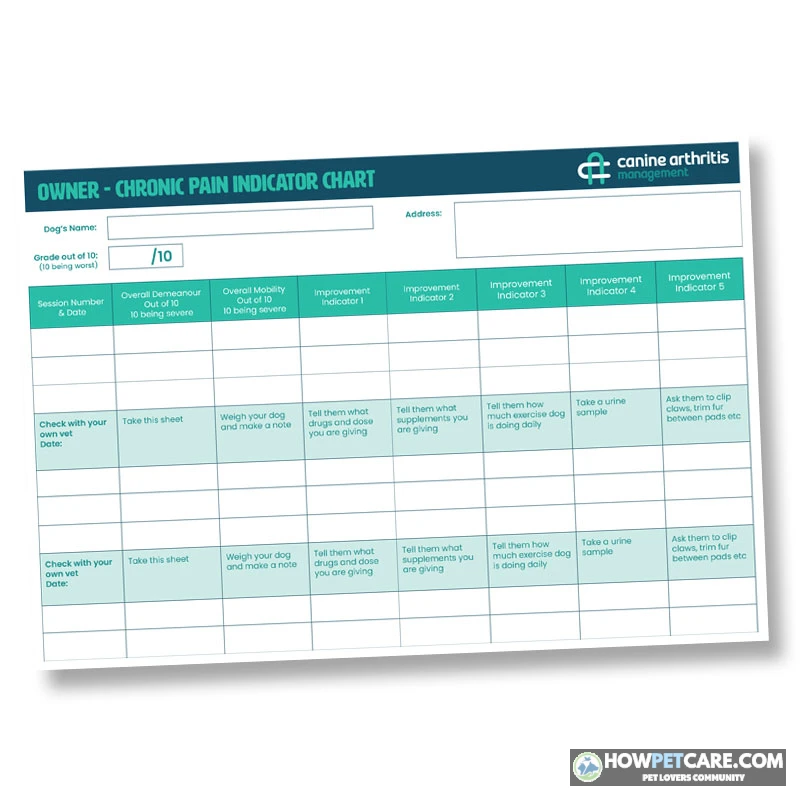
Escalation criteria checklist
The usual progression is to confirm that the dose and weight are optimized, add or switch drug class, add a second agent such as gabapentin, then consider an injectable or referral to a pain specialist or rehabilitation practice. Corticosteroids sit apart from that progression. They’re effective anti-inflammatories, but they aren’t routinely stacked with an NSAID because the combination can cause serious toxicity. When a vet does move a dog from one to the other, the washout question comes first.
When quality of life becomes the priority
At some point, the question shifts from which drug to choose to whether the current plan keeps your dog comfortable enough to enjoy daily life. For senior dogs and end-of-life care, useful measures are simple: eating, sleeping comfortably, moving without distress, interacting with the household, and having more good days than bad. Palliative options include opioid-based analgesia prescribed by a vet, nerve blocks, and specialist pain management when first-line drugs stop working. Anxiety that spikes around handling or clinic visits is managed separately — trazodone dosing and timing for dogs follows different rules than daily pain control. A quality-of-life scoring conversation with your vet can help you weigh them.
Arthritis in dogs is managed, not cured. A well-chosen drug, monitored properly and reviewed honestly, is what turns a stiff, reluctant senior back into a dog that takes the stairs again.
Save the comparison table, the cost bands, and the log template for your next appointment, and update the numbers with your own clinic’s quote — regional pricing in 2026 varies enough that your vet’s estimate is always the one that counts.
FAQ
What is the best arthritis medicine for dogs?
There is no single best drug; the right choice depends on your dog’s pain level, age, kidney, liver, and GI health, and cost. Vets commonly start with an NSAID such as carprofen or meloxicam, or choose Galliprant or Librela when an NSAID is not a good fit.
Can I give my dog aspirin or ibuprofen for arthritis pain?
No. Ibuprofen and naproxen are dangerous for dogs, and aspirin carries GI and kidney risks and shouldn’t be given without veterinary direction. Call your vet for a safe prescription option.
What can I do at home to help my arthritic dog besides medication?
Weight management, non-slip flooring, ramps, orthopedic bedding, and low-impact regular exercise can all improve comfort. Ask your vet about omega-3 supplements and rehabilitation exercises.
Are arthritis drugs safe for dogs long term?
Many dogs take NSAIDs or other arthritis drugs for months or years when monitored with periodic exams and bloodwork. Safety depends on the specific drug and the dog’s health, so report vomiting, black stool, appetite loss, or increased thirst promptly.
What is Librela and how does it work?
Librela (bedinvetmab) is a monthly vet-administered injection that blocks nerve growth factor, a protein involved in osteoarthritis pain signaling. It is not processed like NSAIDs, but your vet should review your dog’s other health conditions first.