

| Form | How long it lasts | Rx or OTC | Best for |
|---|---|---|---|
| Oral chewable | Monthly or every 12 weeks | Rx | Healthy adults; dogs that swim |
| Topical spot-on | Monthly | OTC or Rx | Owners who want flexibility; some are cat-safe |
| Collar | Up to 8 months | OTC | Forgetful dosers; tight budgets |
| Injectable | Up to 12 months | Vet-administered | Dogs that refuse chews; hands-off owners |
Choosing flea prevention for dogs in 2026 means balancing your dog’s health profile, your household, and your budget. No single product is best for every dog. Before you pick a method, weigh five factors: age and weight; health history, including seizures or the MDR1 gene mutation; whether cats share your home; tick exposure; and how reliably you can keep up with dosing.
Prevention comes in four forms: oral chewables, topical spot-ons, collars, and long-acting injectables. Each form trades off duration, water resistance, and side-effect risk. For a healthy adult dog with heavy outdoor exposure, an isoxazoline chewable is often a strong fit. In a multi-cat home, avoiding permethrin-containing topicals is a safety rule, not a preference. If monthly dosing slips your mind, the Seresto collar or the newer Bravecto Quantum injection may fit your routine better.
Which Flea Prevention Fits Your Dog? Quick Picks by Profile
Start by matching your dog’s lifestyle to a form. Treat this table as a starting point, then confirm the final choice with your veterinarian.
| Your dog’s profile | Recommended form | Named examples | Key watch-out |
|---|---|---|---|
| Healthy adult, heavy tick exposure | Isoxazoline chewable, or a repellent collar | NexGard, Simparica Trio, Credelio, Bravecto chew; or Seresto | Isoxazolines are Rx-only and kill ticks after attachment — still do tick checks |
| Puppy under 6 months | Only products labeled for the puppy’s exact age AND weight | Capstar (from 4 weeks / 2 lb), Simparica (from 6 weeks); NexGard or Credelio (from 8 weeks) | Weigh the puppy the week you buy — weight bands shift fast |
| Seizure history or neurologic disease | Non-isoxazoline product, chosen with your vet | Revolution, Frontline Plus, Advantage Multi, Seresto | Some alternatives drop tick coverage — ask your vet how to fill that gap |
| Pregnant or nursing | Only a product whose label explicitly covers breeding/lactating dogs | Varies by product — read each label’s breeding statement | Several products lack pregnancy data entirely; this is a vet conversation |
| Multi-cat household | Any permethrin-free product — chewable or collar | NexGard, Simparica Trio, Credelio, Bravecto, Seresto | Never use K9 Advantix II (permethrin); cats can be poisoned by grooming a treated dog |
| Forgetful doser / dog spits out chews | Long-duration form | Seresto (up to 8 months), Bravecto chew (every 12 weeks), Bravecto Quantum injection | The injection can’t be reversed if the dog reacts — rule out isoxazoline concerns first |
Chewable vs Topical vs Collar vs Injectable: Side-by-Side Comparison
Learn how each method delivers protection, then use the matrix to compare current options.
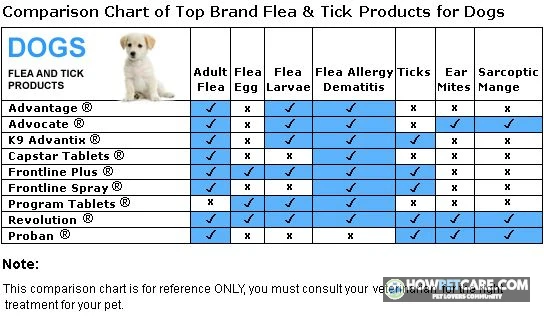
The Master Comparison Matrix: 10 Named Products Side by Side
| Product | Form | Active ingredient (class) | Fleas / ticks covered | Duration & dosing | Rx or OTC | Tick action | Cat-safety note |
|---|---|---|---|---|---|---|---|
| NexGard | Chewable | Afoxolaner (isoxazoline) | Fleas + several tick species | Monthly | Rx | Kills after attachment | No permethrin — no cat contact risk |
| Simparica Trio | Chewable | Sarolaner (isoxazoline) + moxidectin | Fleas + ticks; heartworm | Monthly | Rx | Kills after attachment | No permethrin |
| Credelio | Chewable | Lotilaner (isoxazoline) | Fleas + ticks | Monthly | Rx | Kills after attachment | No permethrin |
| Bravecto chew | Chewable | Fluralaner (isoxazoline) | Fleas + ticks | 1 dose every 12 weeks | Rx | Kills after attachment | No permethrin |
| Bravecto Quantum | Injectable | Fluralaner (isoxazoline) | Fleas + ticks | Up to 12 months | Rx / clinic | Kills after attachment | No permethrin |
| Frontline Plus | Topical | Fipronil + (S)-methoprene | Fleas + ticks | Monthly | OTC | Kills after attachment | Safe near cats once dry |
| K9 Advantix II | Topical | Imidacloprid + permethrin | Fleas + ticks + mosquitoes | Monthly | OTC | Repels and kills | Permethrin — toxic to cats |
| Seresto | Collar | Imidacloprid + flumethrin | Fleas + ticks | Up to 8 months | OTC | Repels and kills | No permethrin |
| Revolution | Topical | Selamectin | Fleas + Am. dog tick; heartworm | Monthly | Rx | Kills after attachment | Labeled for cats as well |
| Advantage Multi | Topical | Imidacloprid + moxidectin | Fleas + heartworm | Monthly | Rx | No tick coverage | Cat formulation exists — do not swap |
Chewables: fast and waterproof, but prescription-only
Chewables work systemically: the drug travels through the bloodstream, so fleas and ticks that bite the dog ingest it. They are fully waterproof, which makes them a practical pick for dogs that swim often. The catch is that they require a veterinarian’s prescription.
Topicals: OTC and flexible, but sensitive to water and cat contact
You apply a spot-on between the shoulder blades. Many are available OTC, but frequent bathing or swimming within 48 hours of application can weaken their effectiveness. A few permethrin topicals also repel mosquitoes, so owners weighing mosquito bites on dogs should still avoid permethrin in cat homes.
Collars: long duration, with a fit and skin-irritation trade-off
Collars such as Seresto release protection slowly and consistently for months. The trade-off is fit: the collar needs to sit snug against skin without irritating it.
Injectable: one vet visit, but the least flexible
Bravecto Quantum gives a long-acting systemic dose of fluralaner. It removes the monthly dosing chore, but a vet must administer it, and the dose can’t be undone if the dog has an adverse reaction.
Safe Flea Prevention for Puppies, Seizure History, Pregnant Dogs, MDR1 Breeds, and Cat Homes
Weigh your dog right before you buy any flea preventative. Guessing the dose is dangerous: it can cause toxic overdoses or leave the dog underdosed.
Puppies: age and weight minimums by product
Most puppy-safe products require the puppy to be at least 6 to 8 weeks old and weigh at least 2 to 4 pounds. Check the specific box every time, because those ranges vary widely by brand.
Dogs with a seizure history or other health conditions
In 2018, the FDA issued an alert about neurological events, including tremors and seizures, in dogs treated with isoxazoline-class drugs. If your dog has epilepsy or another neurological disease, ask your veterinarian about non-isoxazoline options, such as products containing selamectin (for example, Revolution) or imidacloprid.
Herding breeds and the MDR1 gene mutation
Some herding breeds, including Collies, Australian Shepherds, and Shetland Sheepdogs, may carry the MDR1 (ABCB1) gene mutation. These dogs can react badly to certain medications. If a product is not specifically cleared for MDR1-mutant dogs, check its safety profile with your veterinarian or through genetic testing before you use it.
Pregnant and nursing dogs
Not every preventative has been tested for safety in breeding, pregnant, or lactating dogs. If your dog is expecting, choose a product whose label explicitly says it is safe for breeding females. Don’t assume safety; read the package insert.
Homes with cats: the permethrin danger
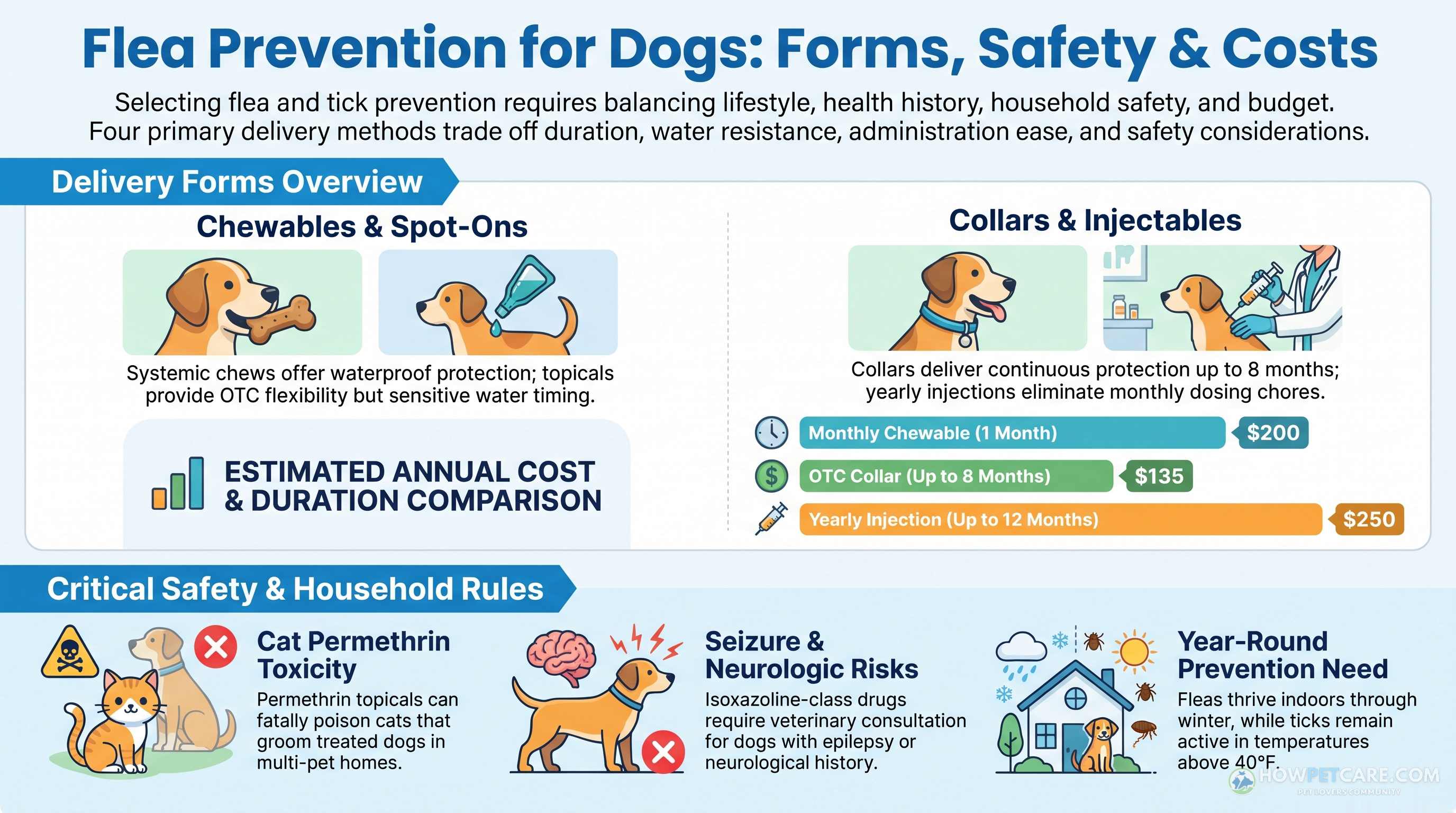
Products containing permethrin, such as K9 Advantix II, are highly toxic to cats. If you own a cat, avoid these products entirely, or keep the dog in a separate room until the topical is completely dry. A cat that grooms a treated dog can suffer fatal poisoning.

Flea Prevention Without a Prescription, and Why Winter Doesn’t Mean a Break
Many owners stop flea prevention in winter. The American Veterinary Medical Association (AVMA) and the Companion Animal Parasite Council (CAPC) point out that fleas thrive year-round in temperature-controlled homes. Ticks also stay active whenever temperatures rise above 40°F, so risk continues on mild winter days, particularly in regions where tick-borne illness in dogs is common.
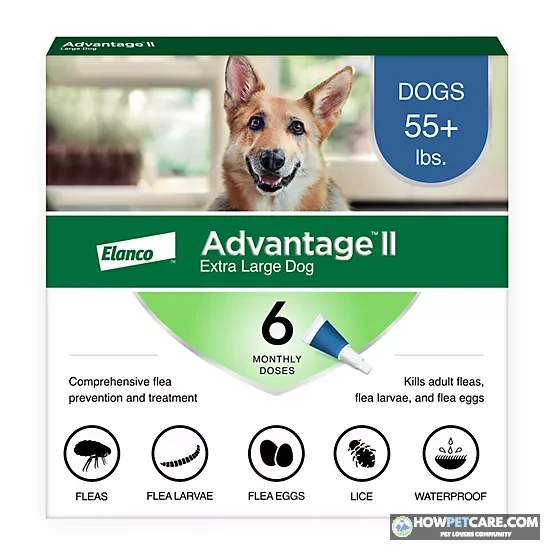
Oral isoxazoline chews require a prescription; topicals such as Advantage II, Frontline Plus, and the Seresto collar do not. Over-the-counter is a regulatory status, not a verdict on effectiveness.
Bravecto Quantum: What the Yearly Flea and Tick Injection Is and Who It Suits
Bravecto Quantum is an extended-release injectable form of fluralaner. It is built for owners who have trouble keeping up with monthly dosing and for dogs that are hard to medicate by mouth. As a systemic isoxazoline, it carries the same neurological warnings as oral chews. It generally suits stable adult dogs with no seizure history.
What Flea Prevention Really Costs Per Month and Per Year
To find the true cost, divide the package price by the number of months of coverage, then multiply by 12. Add the cost of a routine veterinary visit if the product needs a prescription or professional administration.
Cost-Per-Month Worksheet: Compare Any Two Products Fairly
| Product | Package price (approx) | Months per package | Cost per month | Annual cost |
|---|---|---|---|---|
| Monthly chewable | $100 | 6 | $16.66 | $200 |
| 12-week chewable | $80 | 3 | $26.66 | $320 |
| Yearly injection | $250 | 12 | $20.83 | $250 |
| OTC collar | $90 | 8 | $11.25 | $135 |
Note: These prices are estimates for comparison purposes only. Always check local retailer pricing in 2026.
Using Flea Prevention Correctly: Topical Application, Baths and Swimming, and What to Do If Something Goes Wrong
-
Application
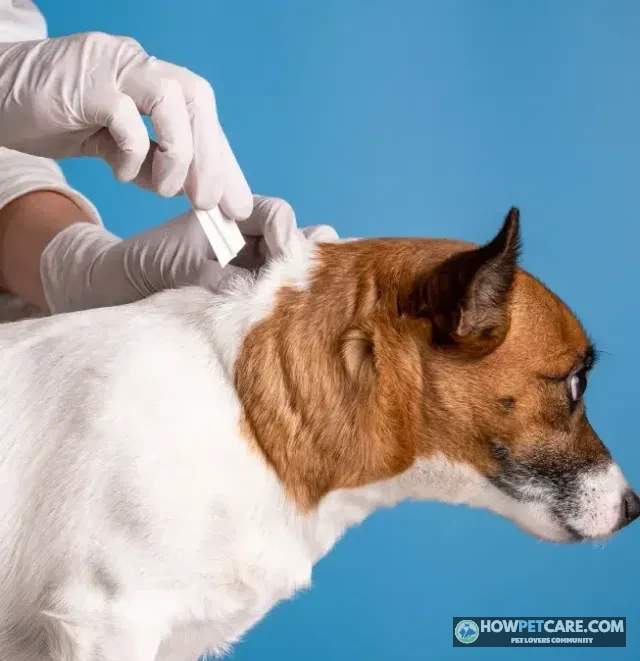
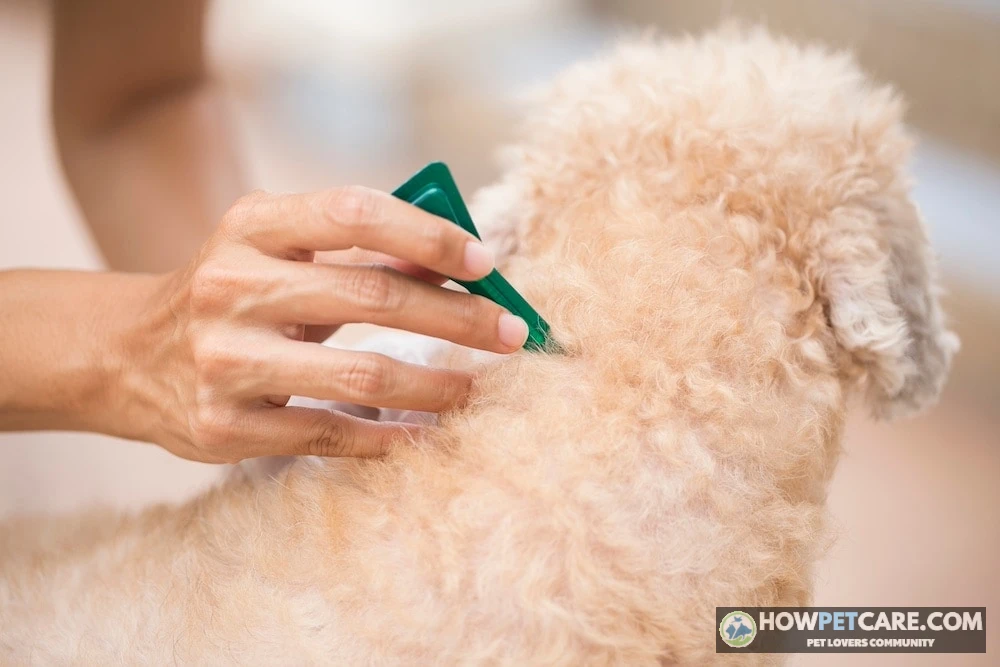
Part the fur between the shoulder blades and put the full dose on the skin, not on the hair.
-
Drying
Keep the dog from being petted, bathed, or groomed until the site is completely dry, so no one ingests the product or touches it.
-
Monitoring
Watch for neurological distress, such as stumbling or tremors, for 24-72 hours after application.
What to do if your dog licks a wet topical
If your dog licks a wet topical, wipe out the mouth, offer fresh water, and watch for drooling or vomiting. If tremors or other neurological signs appear, call a pet poison control hotline right away. These services charge a fee, but they give expert guidance in an emergency.
Fleas Already on Your Dog: A Step-by-Step Clearing Plan and What Natural Methods Can Do
Online forums often cite natural repellents such as essential oils or apple cider vinegar. They generally don’t work for active infestations, and some, like tea tree oil, are toxic to pets.
The 90-Day Infestation Clearing Plan
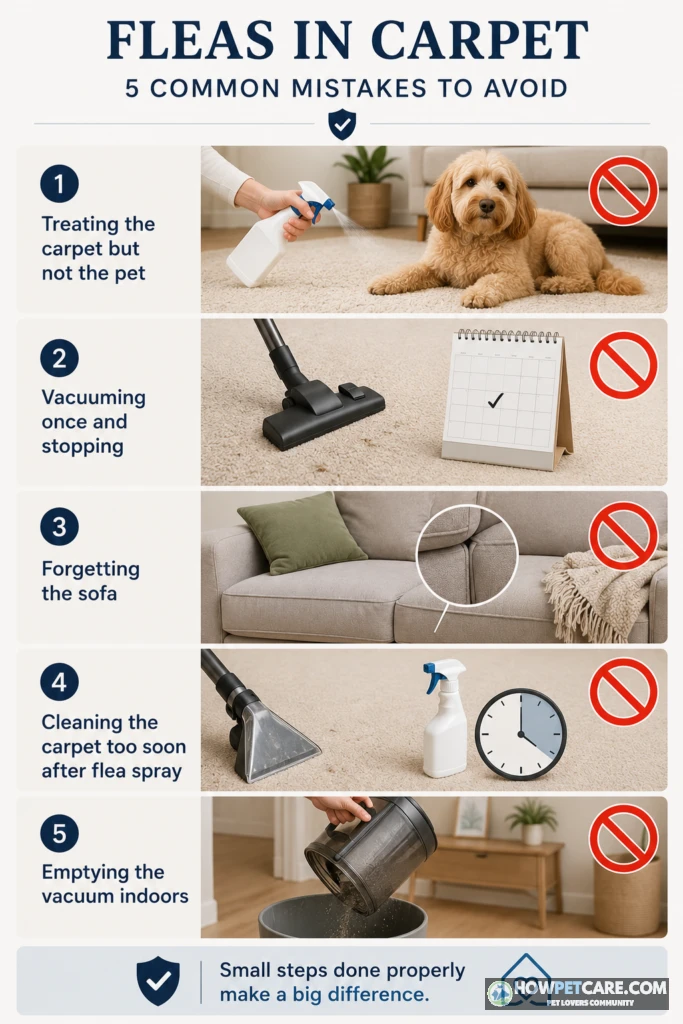
To clear an infestation, you have to break the flea life cycle, including the eggs and pupae in your home.
- Day 1: Give an immediate knockdown product (like Capstar) to kill existing adult fleas.
- Weeks 1-4: Vacuum carpets and wash all bedding in hot water weekly to physically remove larvae and eggs.
- Weeks 5-12: Keep up the prescribed monthly preventative so newly hatched pupae are killed as soon as they bite the host.
Your Next Steps: A Checklist for Choosing and Starting Flea Prevention
- Weigh your dog and confirm the exact weight class.
- Assess your household: Do you have cats? Avoid permethrin. Is there a seizure history? Ask your vet about isoxazoline alternatives.
- Set your schedule: Pick a method that fits how well you remember monthly doses versus a long-term option such as a collar or injection.
- Schedule the visit: If you choose a prescription product or the injectable, call your vet to check availability and get a current prescription.
- Automate: Set a phone reminder so you don’t miss a dose and risk an infestation.
1A dog diagnosed with idiopathic epilepsy requires flea and tick protection. Which class of active ingredients should be avoided due to safety alerts regarding neurological events, and what is a recommended alternative class or ingredient?
The FDA issued an alert regarding neurological events like seizures in dogs treated with isoxazolines, making non-isoxazoline formulations safer for dogs with underlying neurological disease.
2An owner lives in a multi-pet household containing both dogs and cats. Which of the following considerations are critical when choosing parasite preventatives for the dogs? (Select all that apply)
Permethrin is highly toxic to feline physiology, making cross-grooming contact a severe hazard in mixed-pet homes.
3An owner who struggles with monthly compliance is considering Bravecto Quantum (a 12-month injectable fluralaner). What critical drawback distinguishes this long-acting injectable form from short-duration oral chews?
Because the injectable formulation provides extended drug release over up to 12 months, any adverse effect cannot be reversed by stopping treatment.
4Why do veterinary organizations such as the AVMA and CAPC advise maintaining flea and tick protection year-round, even during cold winter months? (Select all that apply)
Modern indoor heating maintains optimal ambient temperatures for flea breeding cycles regardless of freezing outdoor weather.
5An owner evaluates two flea preventative options for a full 12-month period: - Option 1: A 12-week chewable priced at 80 per single-dose box. - Option 2: An OTC collar priced at 90 that lasts up to 8 months.Which option offers lower annual expenditure, and what is the approximate difference in annual cost?
The 12-week chewable costs 80 / 3 months = 26.66/month (320/year). The collar costs 90 / 8 months = 11.25/month (135/year). 320 - 135 = 185 in annual savings.
6If a dog manages to lick a wet topical spot-on treatment immediately after application, what is the appropriate first-aid protocol prior to monitoring for clinical signs?
Rinsing/wiping the oral cavity removes unabsorbed chemical residue, while offering water helps dilute remaining bitter agents before neurological monitoring.
7An owner realizes they missed a monthly preventative dose that provides combined protection against fleas and heartworms by several weeks. What is the standard medical recommendation?
Resuming administration protects against immediate pest exposure, while extended heartworm coverage lapses require vet consultation to rule out underlying microfilaria infection.
FAQ
Do indoor dogs need flea prevention?
Yes. Fleas can enter on people’s clothing, other pets, or wildlife, and a few can start an indoor infestation. Indoor dogs also face less tick exposure, so the choice of product may differ from an outdoor dog’s.
How fast do flea chewables start working?
Most oral flea medications start killing fleas within a few hours, though the exact time depends on the product label. Capstar acts fastest and is often used for short-term knockdown, while the monthly chewables provide ongoing protection.
Can I use two flea products on my dog at the same time?
Do not combine products without asking your vet, because overlapping active ingredients can increase side-effect risk. The common exception is a short-acting product such as Capstar used for a quick knockdown alongside an ongoing preventative, which a vet can confirm for your dog.
What should I do if I miss a monthly flea dose?
Give the dose as soon as you remember, then return to your regular schedule and check your dog and home for fleas. If your dog’s product also protects against heartworm and the gap was long, ask your vet whether a heartworm test is needed.
Do flea collars actually work?
Collars from established brands, such as Seresto, are labeled for months of flea and tick protection, but cheap collars of unknown brand often perform poorly. Fit matters, and some dogs develop skin irritation under the collar.