
National Sleepover Day falls on May 9 each year in the United States. The informal observance celebrates spending the night with friends through activities, conversation, food, and rest. If May 9 is inconvenient, you can celebrate on a nearby weekend instead.
When Is National Sleepover Day? The Date and Whether It Is Always May 9
National Sleepover Day falls on May 9 each year in the United States. It’s a chance to spend the night with friends, sharing activities, conversation, food, and rest.
The date stays the same, but the weekday changes. If May 9 lands on a school night or another inconvenient day, celebrate on the nearest weekend instead.
| Year | Date | Day of the week |
|---|---|---|
| 2026 | May 9 | Saturday |
| 2027 | May 9 | Sunday |
| 2028 | May 9 | Tuesday |
| 2029 | May 9 | Wednesday |
| 2030 | May 9 | Thursday |
U.S. calendar listings report May 9 annually. If you’re planning a celebration elsewhere, check local listings rather than assuming the observance falls on the same date in every country.
What National Sleepover Day Celebrates and What Can Actually Be Verified About Its Origin
A sleepover might be a lively group event or a quiet night with one friend. The point is to spend time together and make memories; there’s no required set of activities.
Is National Sleepover Day officially recognized?
National Sleepover Day is an informal observance, not a confirmed federal holiday. Available research doesn’t establish a government proclamation, statute, or other legal recognition. A listing on a national-day calendar, on its own, doesn’t show that the government recognizes the occasion.
Documented evidence vs. calendar-site repetition
National Day Calendar credits bareMinerals and Cosmopolitan with founding the observance in 2017. Other calendar coverage names additional participants, including Sephora and Olivia Culpo. The accounts don’t agree on who should receive founding credit.
The supplied sources don’t establish the founder or first year with a primary document, such as an original announcement or proclamation. Treat the 2017 attribution as a reported claim, not a settled historical fact.
To check a national-day claim, look for an original announcement, a dated registry entry, or a proclamation that identifies the issuing authority. Compare independent sources and see whether they provide evidence or simply repeat another listing.
Fun, Age-Appropriate Ways to Celebrate National Sleepover Day
Choose activities that suit the guests, the space, and the supervision available. Have an indoor plan ready, even if you hope to spend time outside.
Younger children
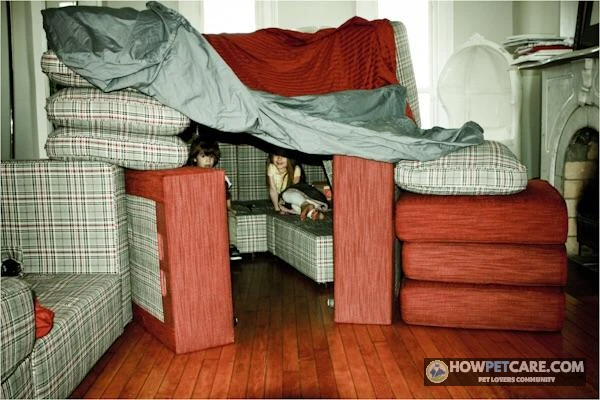
- Build a blanket fort: Give the group a short time to build with chairs and blankets already at home. Keep exits and the bathroom route clear, and ask an adult to check that the structure is stable.
- Choose a movie together: Offer two or three age-appropriate options and let guests vote. Agree on the viewing time with caregivers beforehand.
- Make a simple craft: Set out paper, washable markers, and stickers at a table. Put small craft pieces away from pets and young children who might swallow them.
Younger guests may need an earlier bedtime, regular adult check-ins, and reassurance that a caregiver can pick them up if they’d rather go home.
Tweens and teens
Consider a board-game tournament, collaborative playlist, or craft station for decorating paper bookmarks. A snack bar can work, too, once you’ve checked every ingredient with guests or caregivers.
Set expectations for screen time, devices, and lights-out before the party. For the last hour, switch to a quiet card game, drawing, or a story. On a school night, shorten the activity block or move the overnight portion to a weekend.

Best friends or adults
For a two-person celebration, plan dinner, let each person nominate a movie, then finish with a favorite game or relaxed conversation. Breakfast can be something you already enjoy making at home.
Keep noisy games, costumes, and floor-level snacks away from animals. A pet doesn’t have to join a photo or game for the evening to be pet-friendly.
Overnight Planning Checklist: Invitations, Sleeping Spaces, Schedules, and Supervision
Before the day: invitations and caregiver communication
Send invitations at least a week ahead when possible. That gives everyone time to discuss food, pets, and overnight arrangements. For children, share details directly with a parent or caregiver.
Copy-and-send invitation:
Hi! We are planning a sleepover on [date] from [drop-off time] to [pick-up time] at [address]. We expect [number] guests and plan to [activities]. Please bring [items]; we will provide [items].
Please tell me about any dietary needs or allergies, accessibility needs, medication instructions, and anything that would make [guest’s name] more comfortable. What emergency number should I use, and who is authorized to pick them up?
We have [resident animals]. They will be [pet arrangements]. Are there pet allergies or fears we should plan around? Please ask before bringing an animal so we can decide whether the visit works for everyone. You can reach me at [phone number].
Sleeping spaces and lights-out routine
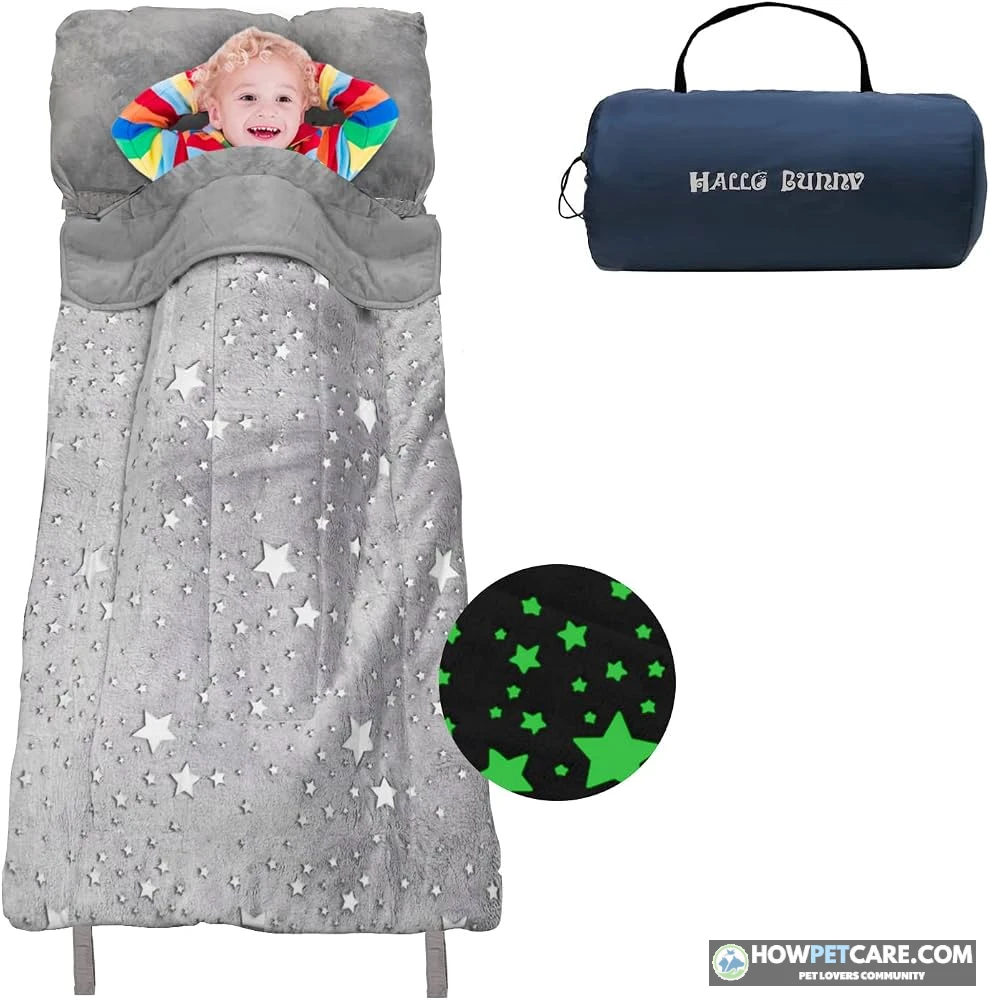
Give each guest an agreed sleeping spot with enough room for their bedding. Consider age, privacy, accessibility, and personal comfort when assigning spaces. Provide a night light, a clear route to the bathroom, and a quiet place for anyone who needs a break.
Tell guests where pets will sleep. Separate pet spaces are often the simplest option, especially when animals or people don’t know one another.
Schedule and supervision plan
A workable sequence might be arrival, dinner, an activity, a snack, wind-down time, lights-out, and breakfast before pickup. Name the adult responsible for supervision and plan check-ins to suit the guests’ ages and needs. Set rules for devices, outdoor access, and opening doors.
Before guests arrive
- ☐ Confirm drop-off and pickup times, authorized pickup people, and emergency contacts.
- ☐ Check dietary needs, medications, accessibility needs, comfort items, and any worries about staying overnight.
- ☐ Tell guests about resident and visiting animals; ask about allergies and fear of pets.
- ☐ Prepare bedding, a night light, a clear bathroom route, and a quiet area.
- ☐ Agree on supervision, check-in times, house rules, and a pickup plan if someone wants to go home.
- ☐ Prepare separate pet spaces and clear away accessible food, wrappers, and small objects.
During the sleepover
- ☐ Keep the supervising adult reachable and follow the check-in plan.
- ☐ Keep ingredient information available and use separate serving utensils.
- ☐ Supervise approved pet contact; keep guests out of pet-only rooms unless invited by the responsible adult.
- ☐ Follow the wind-down plan and keep the bathroom route lit and clear.
After guests leave
- ☐ Check floors and bedding for food, wrappers, medication, and small objects.
- ☐ Wash shared dishes and return borrowed supplies.
- ☐ Check on resident pets and return to their usual routine.
- ☐ Tell caregivers about any incident or item needing follow-up.
Allergy-Aware Snacks on a Budget: A Step-by-Step Food Plan
Collecting allergy and diet information
Before choosing a menu, ask each guest or caregiver about allergies, dietary restrictions, and foods they can safely eat. Aim for one shared menu that works for everyone, but make an individual arrangement if that’s what a guest needs.
Don’t guess whether an ingredient or substitute is suitable. Ask the caregiver to review the plan, including any food another guest brings.
Cross-contact and labeling basics
Cross-contact occurs when an allergen unintentionally gets into another food, including through shared utensils or preparation surfaces. Read ingredient labels each time, clean preparation areas and equipment, and give each dish its own serving utensil. Keep packaging for caregivers to inspect, and place an ingredient card beside homemade dishes.

| Need to plan for | What to ask the caregiver | Safe-handling step | Low-cost food option |
|---|---|---|---|
| Food allergy | Which foods, labels, and preparation conditions are acceptable? | Check every label and prevent cross-contact; do not promise an allergen-free environment without verification. | Fruit or another food the caregiver confirms is suitable. |
| Dietary restriction | Which ingredients or preparation methods should be avoided? | Keep packaging and identify each dish’s ingredients. | A simple rice, pasta, or vegetable dish made with agreed ingredients. |
| Severe allergic reaction | What is the guest’s emergency plan, and where is prescribed medication kept? | Agree on who will administer medication and how to contact the caregiver. | Serve only foods the caregiver has approved. |
Have the guest’s emergency instructions and prescribed medication available as agreed with the caregiver. If a serious reaction is suspected, follow the emergency plan and call 911.
Low-cost menu building blocks
Choose a few flexible foods, such as fruit, oatmeal, pasta, or make-your-own pizza, after checking ingredients and handling requirements. Store brands can save money if their labels meet the guest’s needs. Borrow serving bowls and skip single-use decorations; don’t cut corners on food checks.
Keep human snacks, candy, and wrappers out of animals’ reach. The pet section covers specific hazards.
Example Sleepover Budget: What a Modest Plan Might Cost and What Is Optional
This is an illustrative U.S. budget, not a quote of current prices. It assumes four guests plus one host, dinner, an evening snack, and breakfast. Bedding and basic kitchen equipment are already available. Replace the amounts with prices from your local store, and adjust for dietary needs.
| Expense category | Essential or optional | Low-spend example | Mid-spend example | Money-saving swap or note |
|---|---|---|---|---|
| Dinner | Essential | $12 | $22 | Make a simple pasta dish or pizza with checked ingredients. |
| Evening snack | Essential | $5 | $10 | Choose fruit or another suitable snack; retain packaging. |
| Breakfast | Essential | $8 | $16 | Consider oatmeal, fruit, or toast if appropriate for everyone. |
| Activity supplies | Basic activity | $0 | $10 | Borrow a game or use paper and markers already at home. |
| Decorations | Optional | $0 | $12 | Reuse safe household items or skip them. |
| Party favors | Optional | $0 | $15 | Skip favors or make a shared craft. |
| Estimated total | $25 | $85 | The low-spend plan uses existing supplies and skips extras. |

A higher-spend illustration is $120: the $85 mid-spend plan plus $35 for optional extras such as a rented movie, additional decorations, or approved pet treats. Those extras aren’t necessary for a successful night.
Use library media or a game you already own. If guests offer to bring food, coordinate ingredients and preparation with caregivers before accepting it.
How to Keep Pets Safe During a Sleepover: Assess, Introduce, and Separate
A pet-friendly sleepover respects the animal’s needs; the animal doesn’t have to join the party. Decide on pet arrangements before sending a final invitation.
Should the visiting animal come at all?
Ask the visiting pet’s owner about vaccination status, health concerns, temperament around children and unfamiliar animals, and any history of fear, reactivity, or aggression. Consider resident animals’ needs as well. Check vaccination questions with your veterinarian, and postpone the visit if important information is unclear.
Get consent from the host and everyone responsible for the animals. Ask human guests about pet allergies or fears, too. Separation and cleaning can’t guarantee an allergen-free home, so discuss whether attending is appropriate with the guest or caregiver before the event.
The visiting pet can stay home. If a resident or visiting animal is ill, highly stressed, or has a concerning behavior history, don’t force a meeting. Ask a veterinarian or qualified behavior professional for advice tailored to that animal.
Introducing a guest’s dog to a resident cat
Before the dog arrives, prepare a cat safe room with a closed door, litter box, water, food, bedding, and places to hide. Give the cat a route to a high perch and an exit from any planned meeting area. Never hold the cat in place or force it toward the dog.
A party may be too busy for an introduction. Keeping the animals apart throughout is a valid plan. If both owners agree that a cautious meeting is appropriate, start with a secure barrier and keep the dog under adult control on a leash. Let the cat decide whether to approach or leave. Keep the session short. Separate the animals if the dog fixates or strains toward the cat, or if the cat hides, hisses, or can’t retreat.
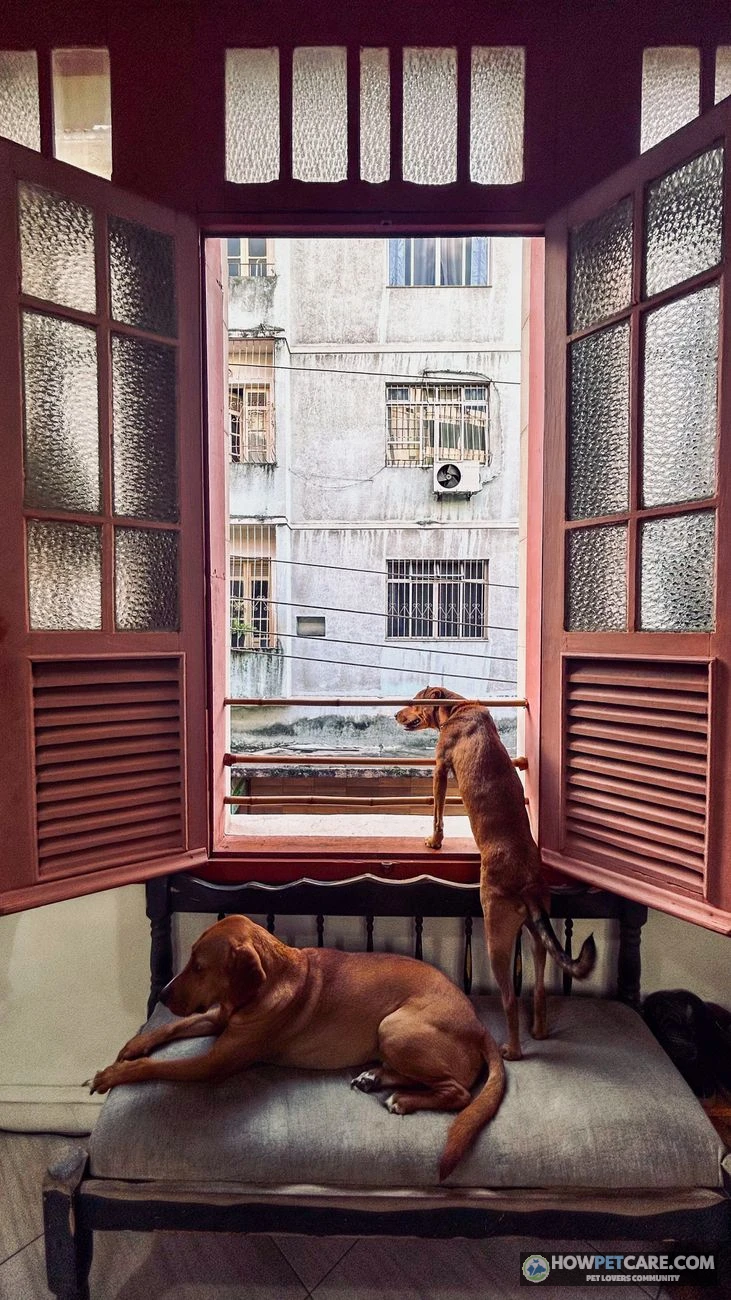
For dogs meeting dogs, consider a calm, neutral outdoor location with a responsible handler for each animal, if both owners agree. Keep food and toys separate. A calm first meeting doesn’t guarantee later compatibility.
Stress signals that mean it is time to separate
Watch the dog’s body language and the whole situation, not just one signal. Stiff posture, a tucked tail, repeated lip licking or yawning, and showing the whites of the eyes can indicate discomfort. A cat may flatten its ears, hide, or hiss. Signals can mean different things in context; when in doubt, give the animal space.
End the interaction calmly and move the animals to separate secure areas. Don’t punish warning signals or insist they try again during the party.
When to keep animals apart overnight
Assign a named adult to supervise pets and prepare separate sleeping spaces behind closed doors or other secure barriers. Don’t leave unfamiliar animals together overnight just because a brief introduction went well.
| Situation | Warning signs to look for | Recommended action | Overnight arrangement |
|---|---|---|---|
| Fear, illness, past aggression, or unclear compatibility | A concerning history is enough reason for caution. | Skip the visit or keep animals apart; seek professional advice when needed. | Separate closed rooms with an adult checking each animal. |
| A brief meeting is agreed and animals initially seem relaxed | Stiffness, avoidance, tucked tail, hissing, or repeated stress signals. | End contact calmly at signs of discomfort. | Separate sleeping spaces, even after a calm meeting. |
| A visiting dog encounters a resident cat | Dog fixation or straining; cat hiding, hissing, or unable to leave. | Use a barrier and controlled leash; let the cat choose whether to approach. | Keep them securely separated. |
| A pet enjoys people but is unfamiliar with other animals | Guarding, avoidance, or escalating excitement. | Limit interaction to calm people if the pet chooses; separate food and toys. | A secure quiet room away from guests and other pets. |
To prevent escapes, decide who controls the doors as guests arrive and leave. Use secure gates, closed doors, and properly fitted leashes or harnesses as appropriate. Choose pet-safe decorations, and keep cords, small craft pieces, wrappers, and other choking hazards out of reach.
Ask guests not to feed pets without the owner’s approval. Keep chocolate, grapes and raisins, onions, alcohol, and products containing xylitol away from animals, along with bones, wrappers, and loose food. If a pet eats something questionable, contact a veterinarian or animal poison-control service promptly; do not wait for symptoms.
Pet-Friendly Sleepover Ideas for Pets That Prefer Quiet or Stay Out of the Party
A quiet room setup for pets that need space
Give the animal a secure room away from the gathering with water, a familiar bed, and appropriate supplies. Cats also need a litter box. A familiar, suitable chew or puzzle may help if the owner knows the animal can use it safely; don’t leave a new item unattended. Gentle background sound may mask party noise if the animal tolerates it.
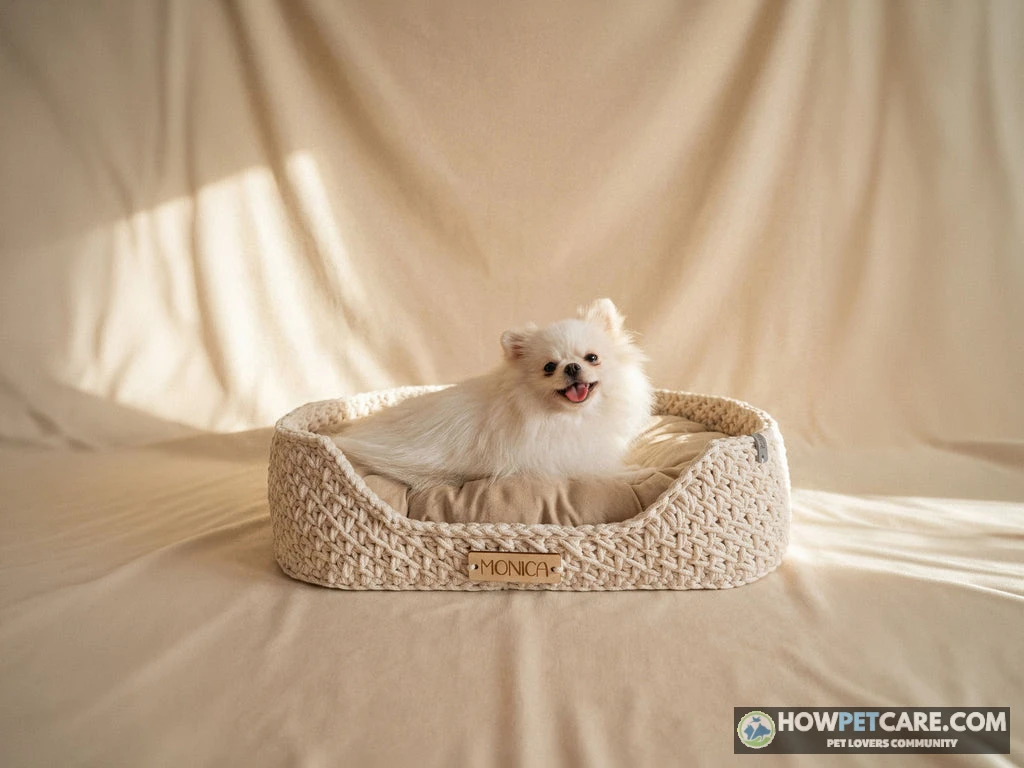
Plan a responsible adult’s check-ins, exercise, and bathroom breaks around the pet’s usual routine. Guests shouldn’t enter the quiet space unless the supervising adult says it’s appropriate.
Low-stress ways to include sociable pets
A comfortable pet might choose a brief, supervised greeting or rest near a quiet activity. Let the animal leave whenever it wants. Skip forced costumes, crowding, and photo poses.
| Guest activity | Pet-free arrangement | Optional low-stimulation involvement |
|---|---|---|
| Movie vote | Offer guests a quiet seat and let the pet rest in its familiar space. | A relaxed pet may settle nearby without being surrounded. |
| Craft station | Draw a pet or make a pet-care card at a table away from the quiet room. | No animal handling is needed. |
| Blanket fort | Keep exits and the route to the pet’s room clear. | Let the pet choose its own resting place outside the fort. |
| Wind-down game | Switch to a quiet card game or story. | Allow a relaxed pet to remain nearby if it chooses. |
If a visiting animal becomes stressed, move it to its prepared separate space or arrange for its caregiver to pick it up. Agree on that plan before arrival.
Your National Sleepover Day Action Plan: Final Checks Before Guests Arrive
- One week before: Confirm the date and guest list. Send invitations and collect dietary, caregiver, accessibility, and pet information.
- One or two days before: Check food labels, shop against the budget, and set up sleeping areas and separate pet spaces.
- On the day: Name the supervising adult, keep emergency contacts and allergy instructions accessible, label food, and check doors and barriers to prevent escapes.
- Make the pet decision: Confirm vaccination information and temperament. Choose a controlled introduction only when appropriate; otherwise limit contact or keep animals apart. Separate them overnight.
- Afterward: Use the checklist to inspect the space, restore pets’ routines, and follow up with caregivers.
Reuse the invitation, checklist, and budget table for your group. Check the cited calendar and origin claims when confirming details for your celebration.
1Based on sleepover history research standards, why should claims attributing the 2017 founding of National Sleepover Day to bareMinerals and Cosmopolitan be treated as a reported claim rather than a settled historical fact?
Historical claims for informal observances require verified primary documentation or legal registry entries to be confirmed beyond calendar repetitions.
2A host is preparing homemade personal pizzas for sleepover guests with varying food allergies. Which action should the host take specifically to prevent cross-contact during preparation and serving?
Cross-contact occurs when trace allergens transfer via shared surfaces or equipment; dedicated utensils and clean surfaces mitigate this risk.
3During a sleepover where animals are present, which of the following body language signals indicate that a pet is experiencing stress or discomfort and requires immediate separation?
Stiffness and showing the whites of the eyes (whale eye) are direct canine indicators of anxiety and heightened stress.
4When organizing the activity schedule for a tween or teen sleepover, what transition is recommended during the final hour before lights-out?
Transitioning to quiet, screen-free activities lowers stimulation levels, helping guests wind down calmly before sleep.
5According to overnight planning recommendations, what physical environmental detail should be provided along the walkway between guest sleeping areas and the restroom?
Providing illumination prevents trips and falls while ensuring guests can navigate unfamiliar surroundings safely at night.
6Based on sleepover budgeting guidelines, which of the following expense items represent optional extras that can be eliminated to achieve a low-spend party plan?
Party favors are non-essential extras that can easily be omitted or replaced with a shared home craft to reduce costs.
| Expense Category | Requirement Type | Low-Spend Cost | Mid-Spend Cost | Cost-Saving Tips and Notes |
|---|---|---|---|---|
| Dinner | Essential | $12 | $22 | Make a simple pasta dish or pizza with checked ingredients. |
| Evening snack | Essential | $5 | $10 | Choose fruit or another suitable snack; retain packaging. |
| Breakfast | Essential | $8 | $16 | Consider oatmeal, fruit, or toast if appropriate for everyone. |
| Activity supplies | Basic | $0 | $10 | Borrow a game or use paper and markers already at home. |
| Decorations | Optional | $0 | $12 | Reuse safe household items or skip them. |
| Party favors | Optional | $0 | $15 | Skip favors or make a shared craft. |
FAQ
Can pets sleep in the same room as sleepover guests?
An adult should decide ahead of time whether the animals and guests are comfortable together. A separate quiet space is often the simplest overnight arrangement, and unfamiliar animals should sleep apart.
What should I do if a sleepover guest is allergic to or afraid of pets?
Ask the guest or caregiver about allergies and fears before the event, and discuss whether attending is appropriate. Separating animals and cleaning shared areas may help, but neither guarantees an allergen-free home.
Do I need to ask about a visiting dog’s vaccination status?
Yes. Ask the owner about the dog’s vaccination status and check vaccination questions with your veterinarian. Postpone the visit if important information is unclear.
How early should I send sleepover invitations?
When possible, send invitations at least a week ahead so caregivers have time to discuss schedules, allergies, and pet arrangements. The right timing depends on the guests’ needs and availability.
Which party snacks are risky for pets?
Keep chocolate, grapes and raisins, onions, alcohol, and products containing xylitol away from pets; bones and wrappers can also be hazards. If an animal eats something questionable, contact a veterinarian or animal poison-control service promptly.