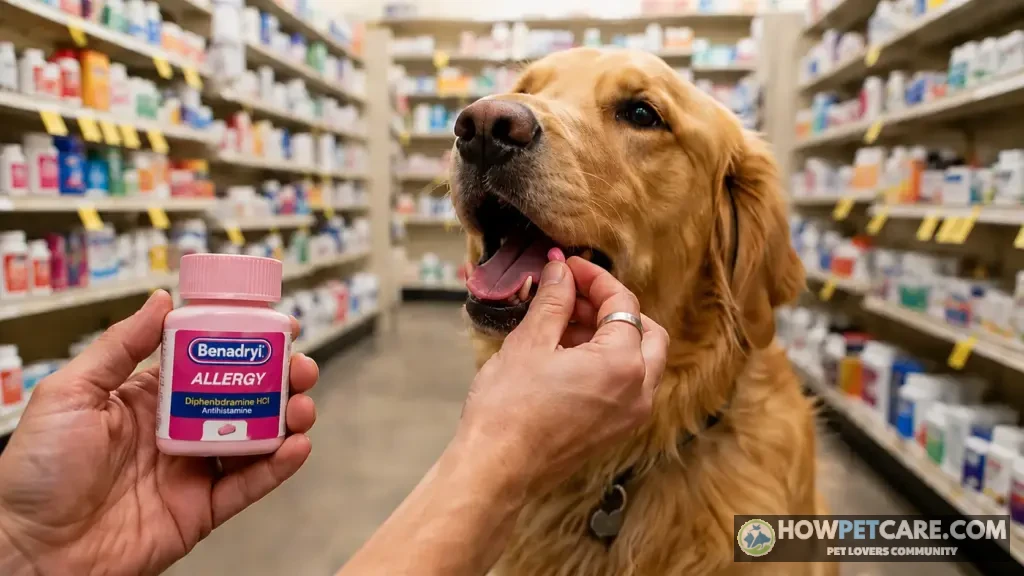

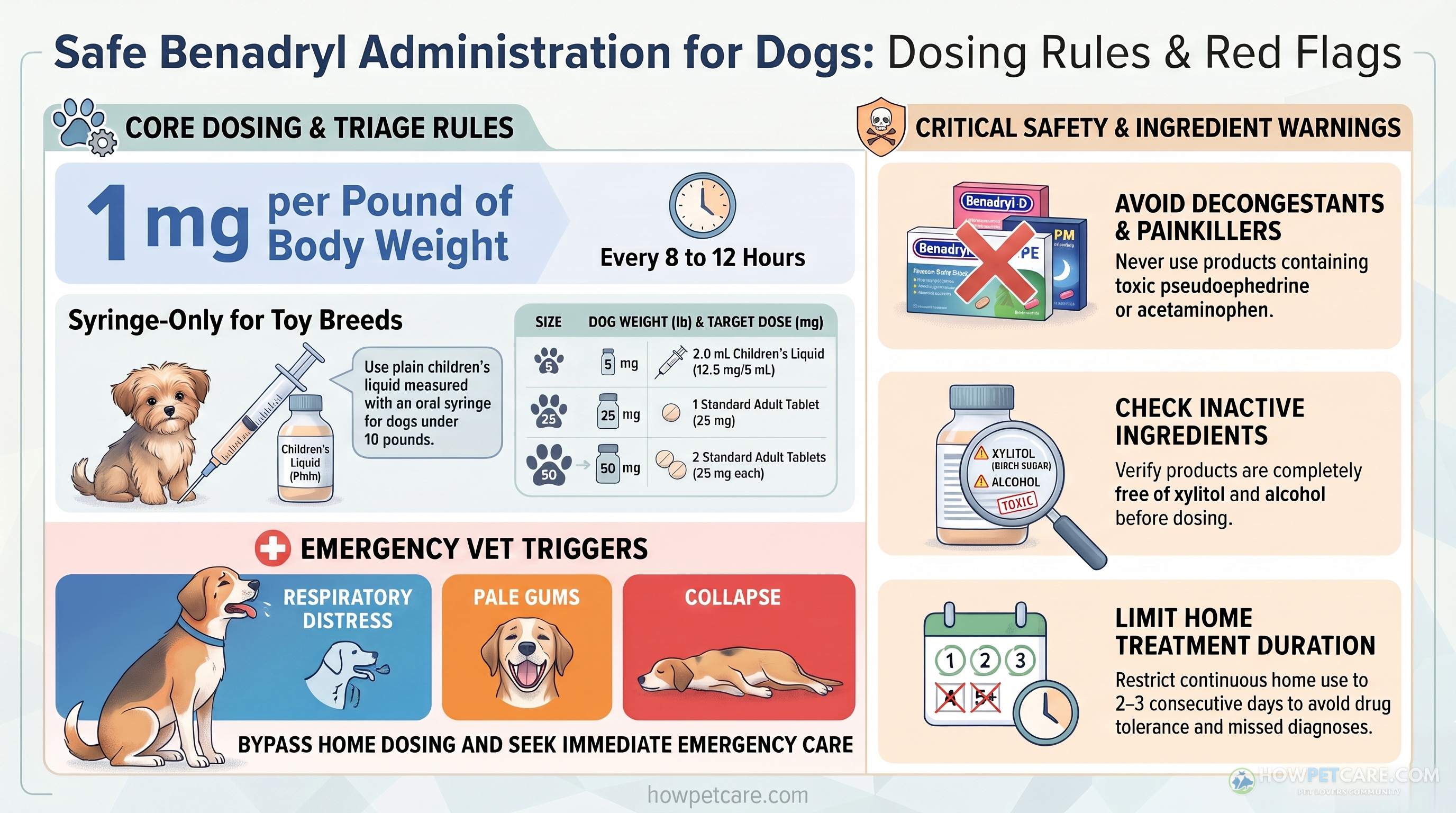
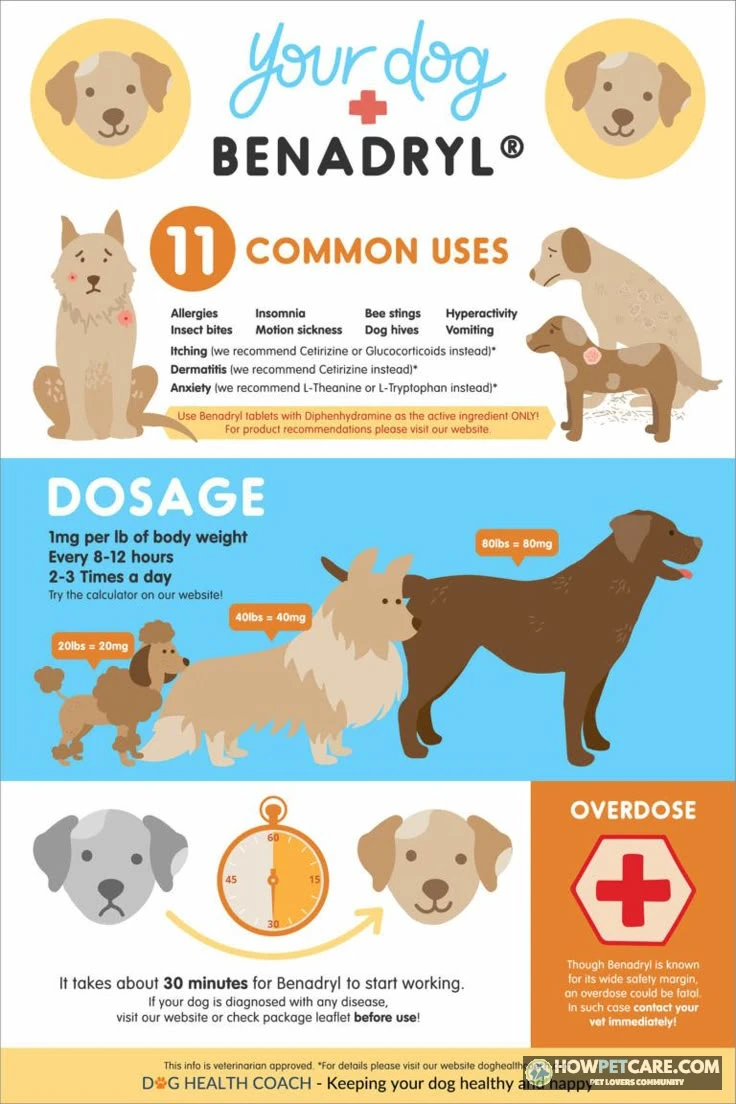
Yes—plain diphenhydramine is generally safe for healthy adult dogs at about 1 mg per pound of body weight, given every 8 to 12 hours. Only use products where diphenhydramine is the sole active ingredient; skip dosing entirely and go to an emergency vet if breathing, gums, or alertness are abnormal.
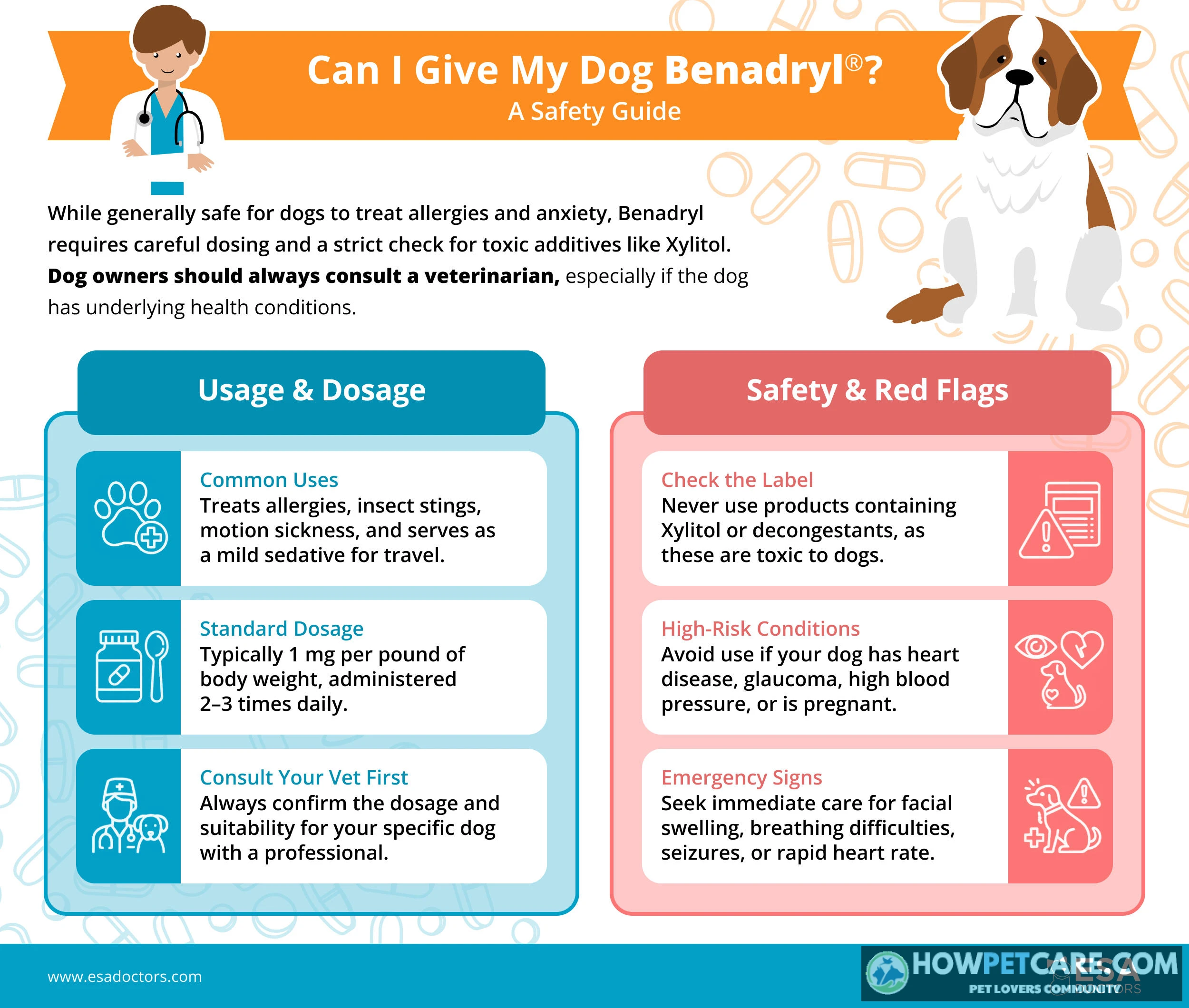
Yes, plain diphenhydramine (Benadryl) is generally safe for most healthy adult dogs when dosed correctly by body weight, but it is not safe in every commercial formula or for every pet. The standard veterinary dosage rule is approximately 1 milligram (mg) per pound of body weight (roughly 2 mg per kilogram), administered orally every 8 to 12 hours [#N]. For example, an average 25-pound dog receives one standard 25 mg tablet. However, if your dog shows severe facial swelling, labored breathing, collapse, or pale gums, skip home dosing and drive immediately to an emergency veterinarian.
Only products containing plain diphenhydramine hydrochloride as their sole active drug should ever be given to a canine. Diphenhydramine is a first-generation H1-receptor antihistamine that works by blocking histamine from binding to cellular receptors, reducing acute allergic responses while crossing the blood-brain barrier to produce mild to moderate sedation. Clinical effects typically begin within 30 to 60 minutes after oral ingestion and persist for approximately 4 to 8 hours. While common veterinary practice endorses diphenhydramine for acute reactions, this is an extra-label (off-label) use of a human medication that has not received specific FDA approval for dogs. If your dog has underlying medical diagnoses or takes concurrent prescriptions, consulting a veterinarian before administration is essential.
Mild Reaction or Anaphylaxis? A Decision Tree Before You Give Anything
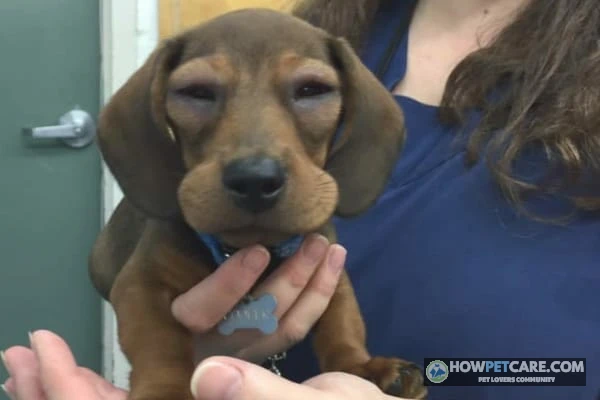
When a dog suddenly develops hives, facial puffiness, or intense itching, deciding whether to reach for a medicine bottle or grab the car keys is the most critical choice you will make. Oral diphenhydramine takes up to an hour to absorb and reach peak systemic concentrations. True anaphylaxis, by contrast, can become fatal within minutes. Giving an oral tablet to a dog with a compromised airway or cardiovascular collapse delays life-saving care and poses an immediate choking hazard.
-
Step 1: Check Vital Systems (Airway, Gums, Consciousness)
Look directly at your dog’s chest, gums, and overall posture. Are they struggling to inhale, wheezing, or making raspy throat sounds? Are the gums pale, white, or bluish-gray rather than healthy bubblegum pink? Has the dog collapsed, become uncoordinated, or started vomiting repeatedly? If yes to any of these, stop reading and drive to the nearest veterinary emergency hospital immediately.
-
Step 2: Inspect the Head, Muzzle, and Throat
Examine the face, lips, eyes, and neck. Is the muzzle swelling rapidly? Are the eyelids swelling shut, or is the dog drooling excessively while extending their neck to breathe? Rapidly spreading angioedema of the head and throat indicates a severe systemic reaction that warrants immediate emergency intervention.
-
Step 3: Evaluate Skin and General Behavior
If the airway is completely clear, gums are bright pink, energy is normal, and symptoms are restricted to skin-level hives (urticaria), localized redness, paw chewing, or moderate itching, your dog is in the mild-to-moderate reaction category. A home dose of plain diphenhydramine is generally reasonable here.
-
Step 4: Check Timing and Multi-System Involvement
If the reaction began within seconds or minutes of an insect sting or vaccination and is escalating rapidly across multiple body systems (for example, hives paired with sudden diarrhea or lethargy), treat this as an emergency. If a single insect bite caused localized paw swelling without breathing changes, monitor closely after a home dose.
Signs you can treat at home
A home dose of diphenhydramine is appropriate only when symptoms remain isolated to the skin or superficial tissues and the dog remains fully stable. Signs safe for home monitoring include:
- Scattered hives (raised circular welts where the fur stands up in tufts) across the trunk or back
- Mild redness (erythema) inside the ear flaps, belly, or groin
- Moderate facial or localized paw itching following outdoor activity
- Bright, alert demeanor with normal interaction and appetite
- Normal respiratory effort (chest moves smoothly without abdominal effort or open-mouth gasping)
- Moist, pink gums that return to color within 1.5 to 2 seconds after gentle pressure (normal capillary refill time)
Signs that mean drive to the emergency vet now
Anaphylaxis is an acute, life-threatening multi-system allergic crisis. Histamine release causes massive vasodilation, fluid leakage into tissues, bronchoconstriction, and shock. Benadryl cannot reverse systemic anaphylaxis; only injectable epinephrine, intravenous fluids, injectable corticosteroids, and supplemental oxygen can stabilize a crashing patient.
Drive to the emergency clinic immediately if you observe:
- Labored, rapid, shallow, or noisy breathing (stridor)
- Bluish, purple, pale, or brick-red mucous membranes
- Sudden profound weakness, unsteadiness, or total collapse
- Acute, explosive vomiting or watery, bloody diarrhea
- Severe swelling of the tongue, soft palate, or throat tissues
- Sudden hypothermia (the dog feels cold to the touch, particularly paws and ears)
- Seizures or loss of consciousness
If you must transport a dog in respiratory distress, call the emergency clinic while in transit so their trauma team can prepare oxygen cages and injectable epinephrine before your arrival. Do not force oral liquids or tablets down the throat of a dog that is struggling to breathe or vomiting; doing so creates an immediate risk of fatal pulmonary aspiration.
Bee stings, bug bites, and post-vaccine reactions
Insect stings from bees, wasps, and hornets inject venom containing active proteins, enzymes, and vasoactive amines that trigger immediate mast-cell degranulation. For a single localized sting on a paw where the dog is limping and licking but breathing comfortably, carefully scrape away the stinger with a credit card edge (avoid squeezing the venom sac with tweezers) and administer an oral weight-appropriate dose of diphenhydramine.
Post-vaccine reactions present a unique timing profile. Mild lethargy and low-grade injection-site soreness during the first 24 hours are normal physiological immune responses. However, if your pet develops acute facial swelling, hives, vomiting, or breathing difficulty within 15 minutes to 4 hours following clinic vaccination, that is an acute type-I hypersensitivity reaction requiring immediate veterinary evaluation, consistent with the adverse-event classifications in AAHA’s canine vaccination guidelines. If your dog has a known history of vaccine sensitivity, your veterinarian may elect to administer an injectable antihistamine or steroid in the clinic 15 to 30 minutes prior to administering future vaccines.
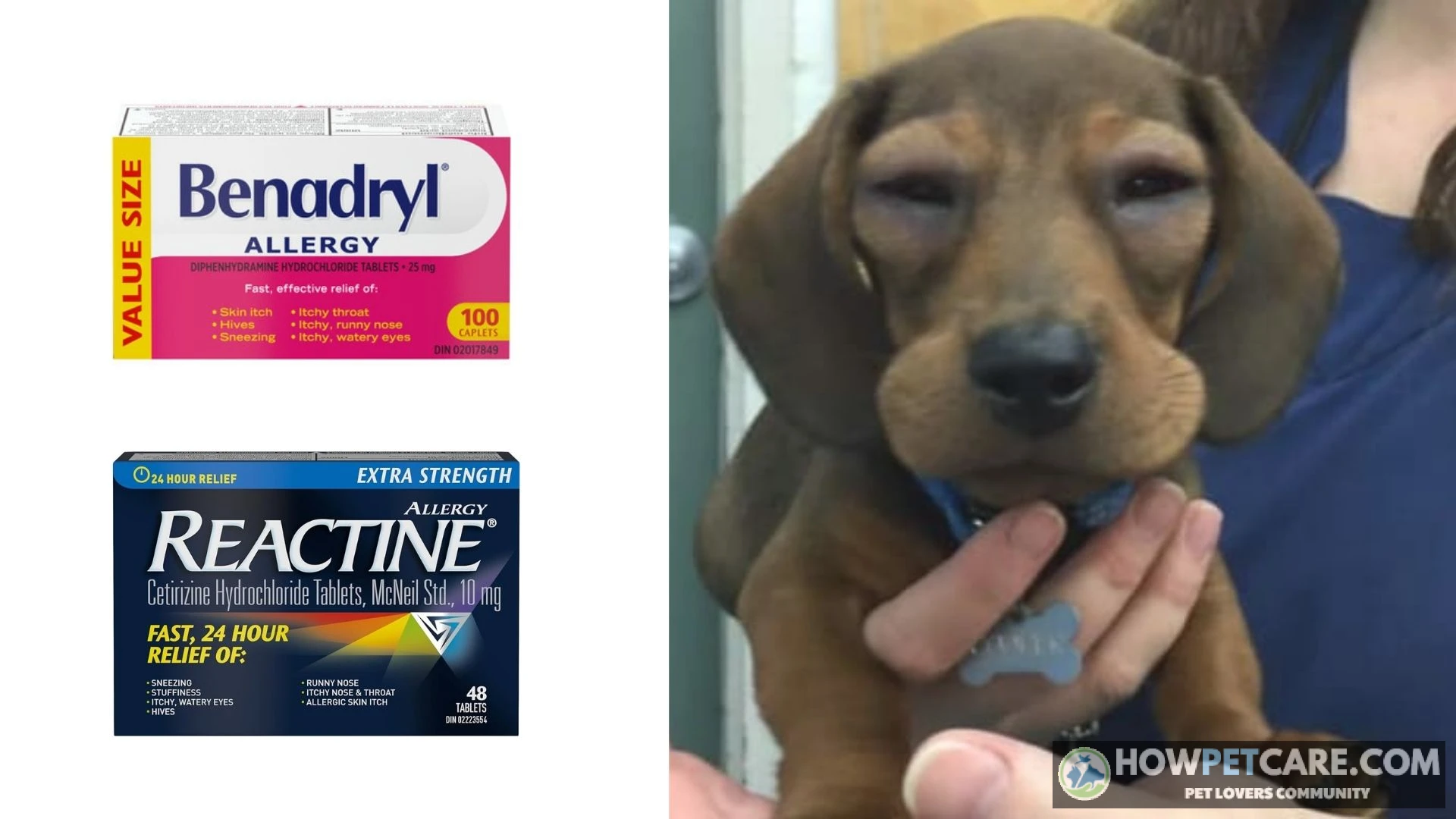
Benadryl Dosage for Dogs by Weight: Tablet and Children’s Liquid Chart
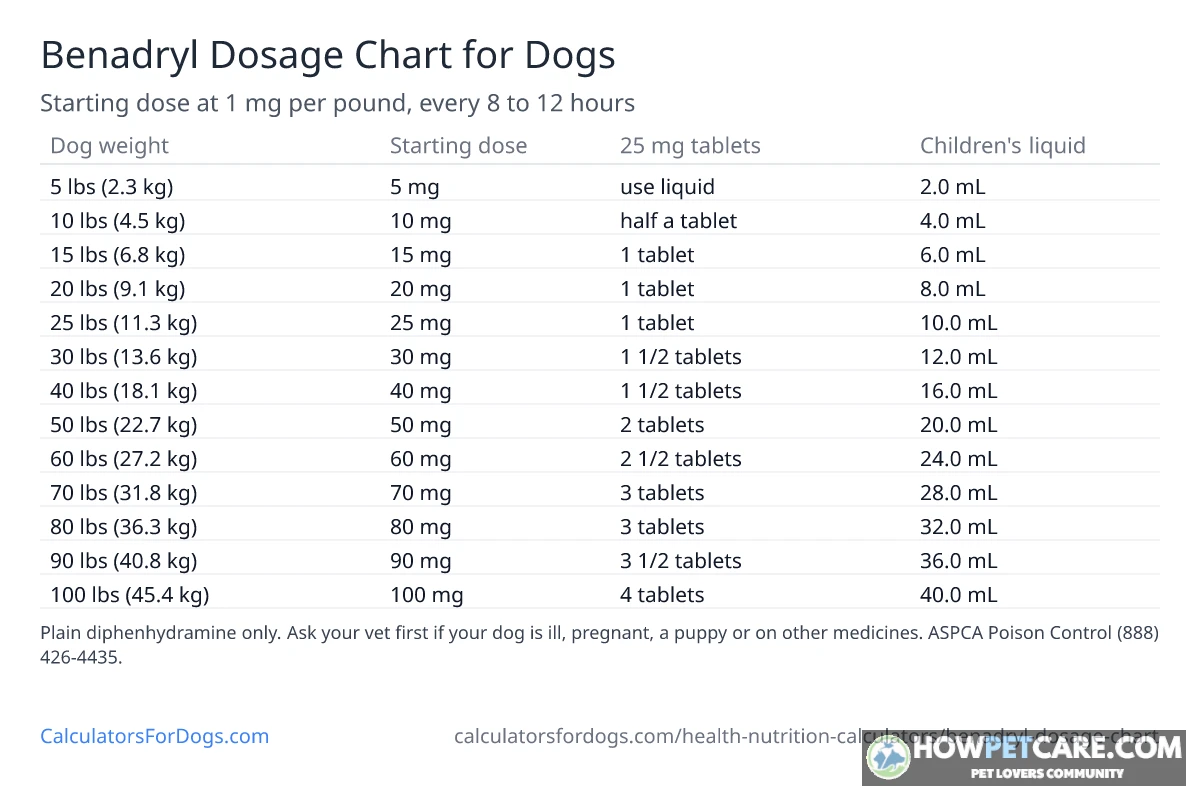
The fundamental clinical guideline for oral diphenhydramine administration in dogs is 1 mg per pound of body weight (1 mg/lb), which corresponds to 2.2 mg per kilogram. The broader reference range recognized by the Merck Veterinary Manual is 2 to 4 mg/kg per dose, administered two to three times daily [#N].
For practical home administration, adhering to the 1 mg/lb baseline provides a safe, effective therapeutic margin for the vast majority of healthy dogs. Adult human tablets are standardized at 25 mg per tablet. Children’s liquid formulations are standardized at 12.5 mg per 5 mL, which reduces to a concentration of 2.5 mg per 1 mL.
To calculate the liquid dose in milliliters (mL) for any dog weight:
Target Dose in mg ÷ 2.5 mg/mL = Total Volume in mL
| Dog weight (lb) | Dog weight (kg) | Dose at 1 mg/lb (mg) | 25 mg tablets | Children’s liquid 12.5 mg/5 mL (mL) | Notes |
|---|---|---|---|---|---|
| 2 | 0.9 | 2 | Do not use tablets | 0.8 | Liquid-only row: use an oral syringe |
| 5 | 2.3 | 5 | Do not use tablets | 2.0 | Liquid-only row: half a tablet is already too much |
| 10 | 4.5 | 10 | Not practical | 4.0 | Liquid preferred; tablet halves are inaccurate |
| 15 | 6.8 | 15 | Not practical | 6.0 | 1/2 tablet is low, 3/4 is high; use liquid |
| 20 | 9.1 | 20 | About 3/4 tablet if needed | 8.0 | Liquid is cleaner than splitting |
| 25 | 11.3 | 25 | 1 tablet | 10.0 | Clean tablet dose |
| 30 | 13.6 | 30 | 1 tablet plus 2 mL liquid | 12.0 | Or all-liquid for accuracy |
| 40 | 18.1 | 40 | 1 1/2 tablets if needed | 16.0 | 1 1/2 tablets = 37.5 mg, close enough for many vets |
| 50 | 22.7 | 50 | 2 tablets | 20.0 | Clean tablet dose |
| 60 | 27.2 | 60 | 2 1/2 tablets if needed | 24.0 | 2 1/2 tablets = 62.5 mg |
| 70 | 31.8 | 70 | Confirm exact rounding | 28.0 | Between 2 1/2 and 3 tablets; liquid avoids overshoot |
| 80 | 36.3 | 80 | 3 tablets if needed | 32.0 | 3 tablets = 75 mg |
| 90 | 40.8 | 90 | 3 1/2 tablets if needed | 36.0 | 3 1/2 tablets = 87.5 mg |
| 100 | 45.4 | 100 | 4 tablets | 40.0 | Do not exceed this range without vet direction |
| 120 | 54.4 | 120 | Vet check first | 48.0 if approved | Do not extrapolate blindly past 100 lb |
| 150 | 68.0 | 150 | Vet check first | 60.0 if approved | Large-giant dogs need a confirmed cap and monitoring plan |
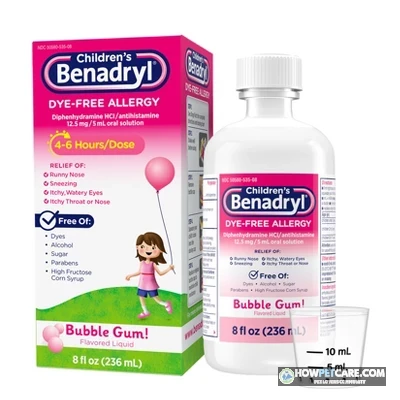
How much Benadryl to give a dog under 10 lb
Administering medication to toy breeds, such as Chihuahuas, Pomeranians, and Yorkshire Terriers weighing under 10 pounds, presents serious dosing risks. Standard 25 mg tablets should never be used for these animals. Cutting a tiny, non-scored 25 mg tablet in half yields 12.5 mg—a dose that exceeds the safe therapeutic target for a 5-pound dog by 150%. Splitting tablets further into quarters results in crumbly, uneven fragments with unpredictable drug content.
For dogs under 10 pounds, always use an alcohol-free, xylitol-free children’s liquid diphenhydramine suspension (12.5 mg/5 mL). Use a calibrated 1 mL or 3 mL needleless oral dosing syringe rather than a household teaspoon or medicine cup. Household teaspoons vary in volume from 3 to 7 mL and lack the precision necessary for small animals. A 4-pound dog requires exactly 1.6 mL; measure this precisely on the syringe barrel before gently administering.
How often can you give a dog Benadryl, and for how many days
Diphenhydramine is cleared relatively quickly by canine hepatic metabolism. The standard administration frequency is every 8 to 12 hours (two to three times per 24-hour period), consistent with the diphenhydramine drug monograph published by VCA Animal Hospitals. You must never give doses closer together than 8 hours unless explicitly instructed by a treating veterinarian.
If your dog continues to scratch, chew, or exhibit hives after receiving a properly measured dose, do not increase the quantity or shorten the time interval. Stacking doses causes rapid accumulation of the active drug, elevating systemic toxicity without improving antihistaminic relief.
Limit continuous home use to 2 to 3 consecutive days for acute reactions. Diphenhydramine is not designed for chronic, open-ended administration. Dogs rapidly develop pharmacological tolerance (tachyphylaxis) to antihistamines, meaning the drug loses its anti-allergic and sedative effectiveness after several days of continuous exposure. If clinical signs persist beyond 72 hours, an underlying parasitic, bacterial, or fungal skin infection is frequently present and requires targeted prescription treatment.
How to measure and give the dose
Proper administration technique prevents choking, vomiting, and inaccurate dosing:
- Administering Tablets: Conceal the tablet inside a small teaspoon of dog-safe wet food, plain cream cheese, or a commercial pill-paste treat. Ensure the vehicle food is completely free of toxic ingredients (such as onions, garlic, or xylitol). Avoid heavy meals, which can delay gastric absorption.
- Administering Liquid: Draw the exact volume into an oral syringe. Have your dog sit calmly. Gently insert the syringe tip into the side pouch of their mouth (the cheek pouch behind the canine teeth), pointing angled slightly toward the back of the tongue. Depress the plunger slowly in small increments (0.5 to 1 mL at a time), allowing the dog to swallow between pushes. Never squirt liquid forcefully down the back of the throat, as this can trigger coughing and tracheal aspiration.
- Capping Doses for Giant Breeds: For dogs weighing over 100 pounds, do not extrapolate the 1 mg/lb rule indefinitely. Dogs carrying substantial body fat or giant frames metabolize drugs differently; arbitrary linear scaling can lead to excessive central nervous system depression. Cap the initial unmonitored home dose at 100 mg (four 25 mg tablets) and obtain veterinary clearance before administering larger amounts.
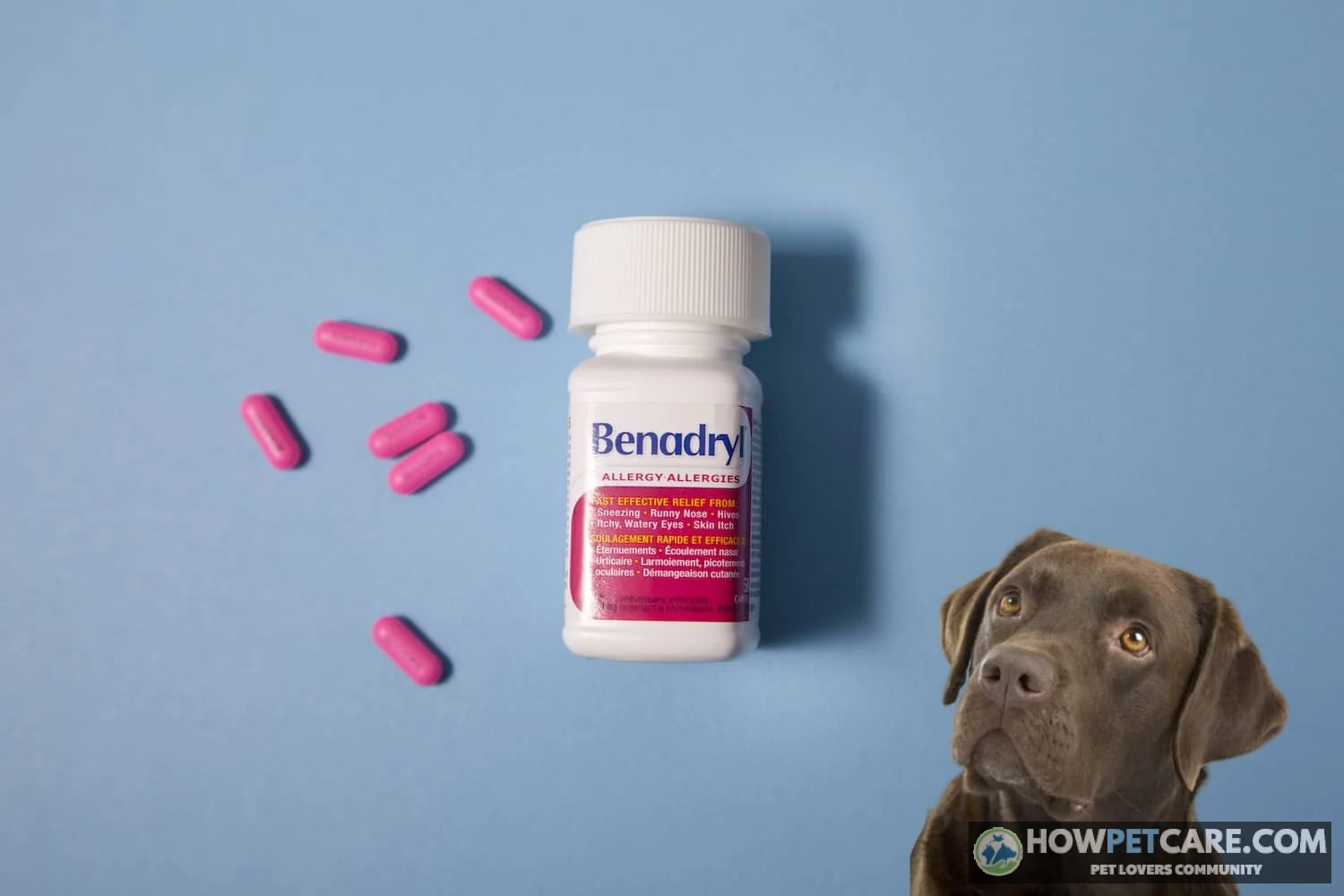
Benadryl Products That Are Dangerous for Dogs: Exact Ingredients to Avoid
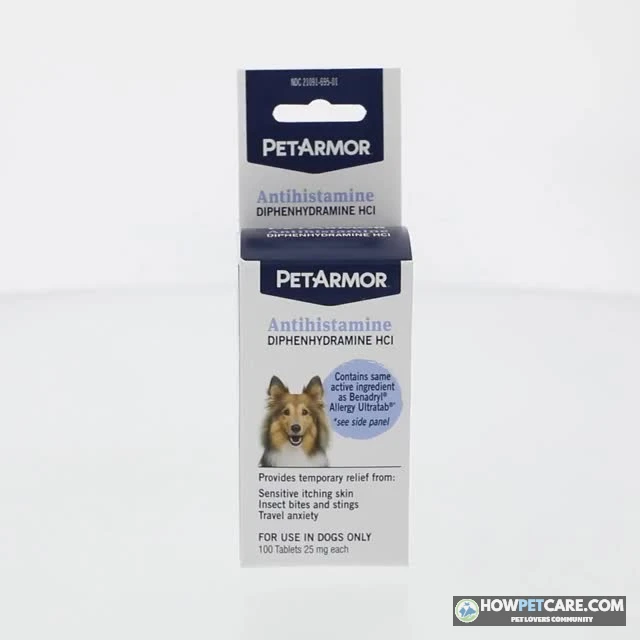
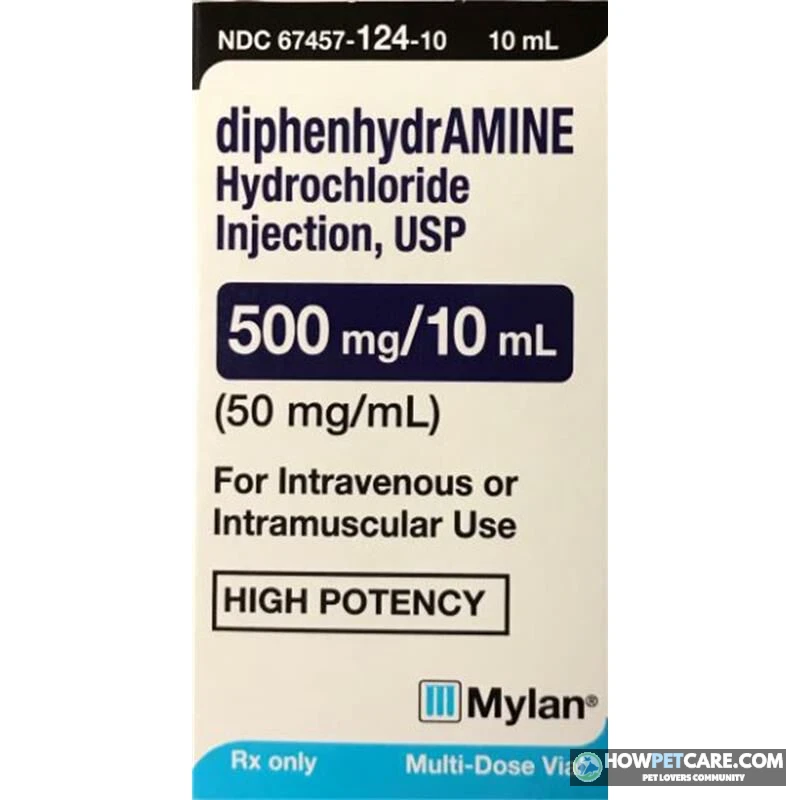
The brand name "Benadryl" is applied by manufacturers to a wide variety of human over-the-counter products, many of which contain active pharmaceuticals and chemical excipients that are highly lethal to canines. Grabbing the wrong box from your home medicine cabinet can transform a minor allergy treatment into a catastrophic poisoning event.
Active ingredients that make a product unsafe
Never administer any product that includes decongestants, analgesics, or expectorants alongside diphenhydramine.
- Pseudoephedrine and Phenylephrine: Commonly marketed under suffixes and line names like "Benadryl-D", "PE", "Allergy & Sinus", or "Allergy & Congestion". Sympathomimetic decongestants cause severe systemic vasoconstriction, profound hypertension, life-threatening cardiac arrhythmias, hyperthermia, tremors, and fatal seizures in canines. Ingestion of pseudoephedrine by dogs is an acute toxicology emergency.
- Acetaminophen (Tylenol): Found in "Benadryl PM", "Nighttime Allergy Relief", and multi-symptom cold preparations. Dogs lack sufficient specific glucuronidation enzyme pathways to metabolize acetaminophen safely. It causes methemoglobinemia (a condition where red blood cells can no longer carry oxygen, turning gums a chocolate-brown color), acute hepatic necrosis, facial edema, and death.
- Dextromethorphan and Guaifenesin: Present in cough formulations. These agents can cause central nervous system excitation, serotonin syndrome, severe nausea, and cardiovascular instability in dogs.
Xylitol and other inactive-ingredient red flags
Always turn the package over and inspect the Inactive Ingredients panel. This is critical when using children’s liquids, chewable tablets, fast-dissolving strips, and gummies.
- Xylitol (Birch Bark Extract / Birch Sugar / Wood Sugar): Xylitol is a sugar alcohol used as an artificial sweetener in many sugar-free and pediatric formulations. While safe for human consumption, xylitol triggers an immediate, massive release of insulin from the canine pancreas. This causes severe, refractory hypoglycemia within 30 to 60 minutes of ingestion, followed by acute, often fatal hepatic necrosis (liver failure) within 24 to 72 hours. Even minute quantities (0.1 grams per kilogram of body weight) can induce clinical hypoglycemia.
- Alcohol (Ethanol): Certain adult liquid formulations and elixirs contain substantial alcohol percentages as a solvent. Dogs are exceptionally vulnerable to alcohol poisoning, which manifests as profound central nervous system depression, metabolic acidosis, hypothermia, and respiratory failure.
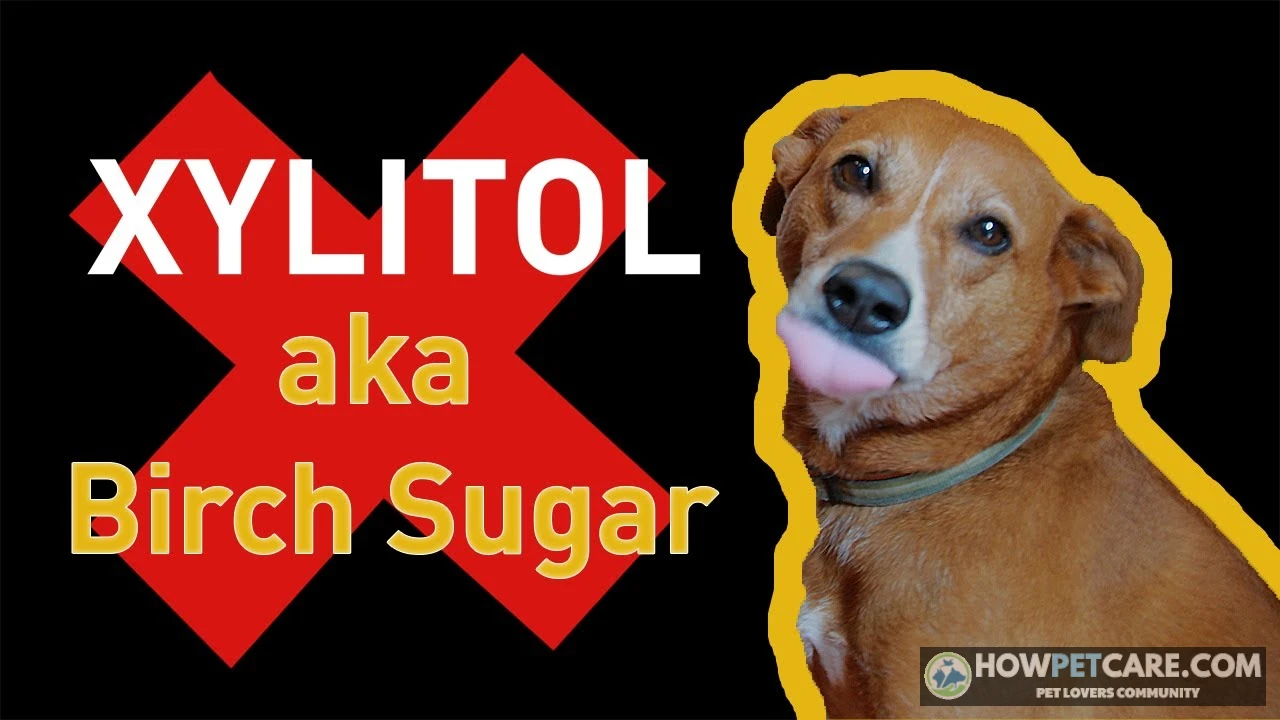
Time-release and ‘PM’ formulas
- Extended-Release (ER/SR) Caplets: Never use 12-hour or sustained-release diphenhydramine formulations. Canine gastrointestinal tracts are significantly shorter than human digestive tracts, leading to erratic, unpredictable absorption. If a dog bites or chews an extended-release tablet, the protective polymer matrix is destroyed, triggering "dose dumping"—a sudden, massive release of the full 12-hour drug payload directly into the bloodstream at once.
- PM Formulas: Products bearing a "PM" designation universally contain combination ingredients, typically pairing diphenhydramine with acetaminophen, aspirin, or ibuprofen, all of which present severe organ toxicities in dogs.
Use this practical screening checklist on your physical package before giving any dose:
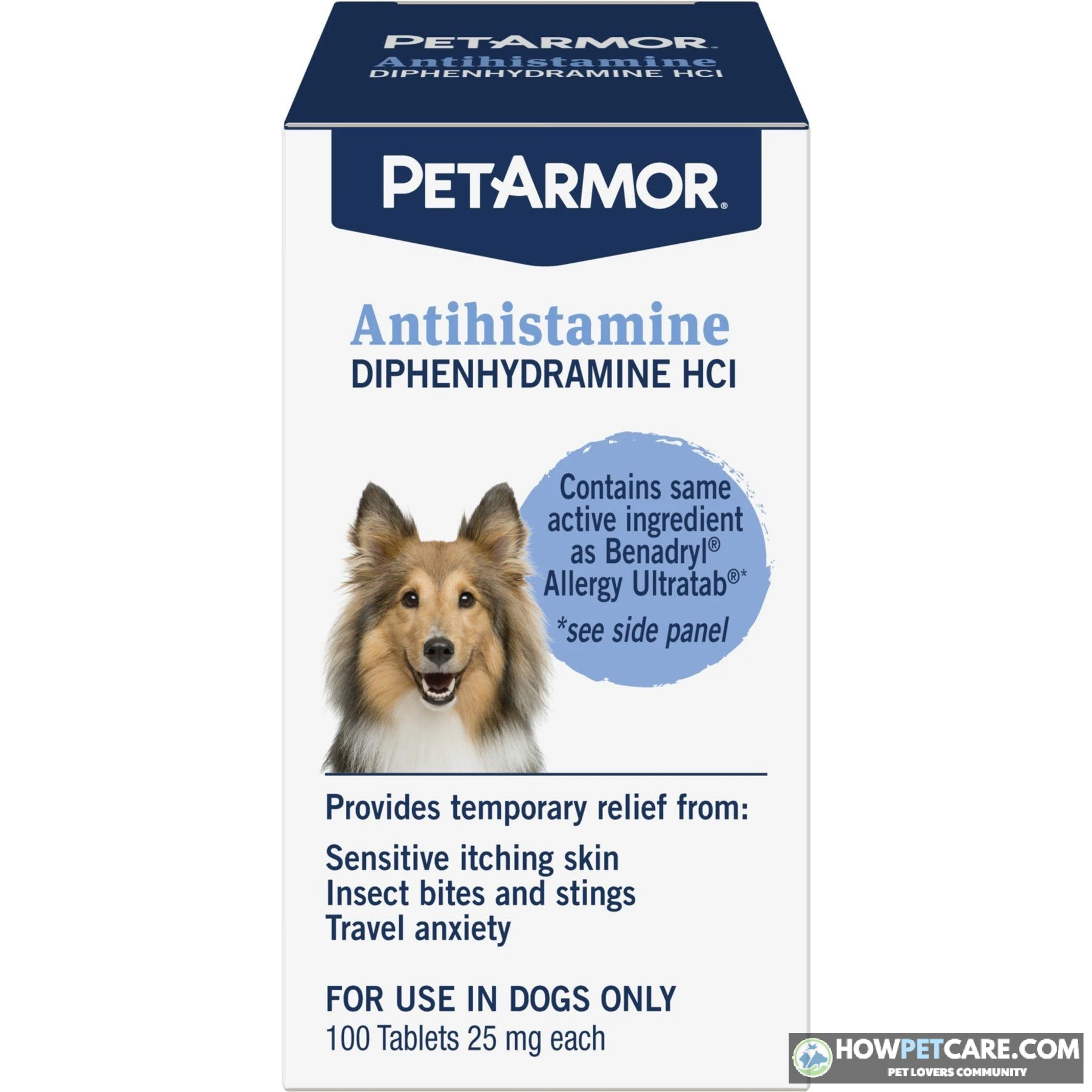
- ☐ Check Active Ingredients: Does the box list only Diphenhydramine Hydrochloride? If any other chemical appears, discard it.
- ☐ Scan for Decongestant Cues: Reject any box marked with "-D", "PE", "Sinus", "Congestion", "Severe", or "Multi-Symptom".
- ☐ Scan for Pain Relievers: Reject any packaging that mentions "PM", "Pain", "Headache", or "Cold & Flu".
- ☐ Inspect Inactive Ingredients: For liquids, gummies, or melts, confirm that xylitol, birch sugar, or alcohol are absent.
- ☐ Verify Delivery Format: Use plain, immediate-release swallowable tablets or plain children’s liquid. Reject extended-release caplets.
Benadryl Side Effects, Overdose Signs, and Toxic Doses in mg/kg
Even when plain diphenhydramine is administered at standard therapeutic doses, pharmacological side effects occur frequently due to the drug’s first-generation antihistaminic and anticholinergic properties. Understanding the line between expected physiological responses and dangerous overdose symptoms is vital.
Common side effects and what’s normal
Most healthy dogs tolerate standard doses well, but you should anticipate several classic pharmacological reactions:
- Sedation and Lethargy: Drowsiness is the most common response, occurring because diphenhydramine crosses the blood-brain barrier and suppresses histaminergic arousal pathways in the brain. Your dog may nap heavily or move sluggishly for 4 to 8 hours.
- Anticholinergic Drying Effects: Diphenhydramine blocks muscarinic acetylcholine receptors, which temporarily reduces saliva and mucous secretions. This causes dry mouth (xerostomia), frequent lip licking, increased thirst, and mild urinary retention.
- Mild Gastrointestinal Discomfort: Transient nausea, mild drooling, or soft stool can occur, especially if the tablet is administered on an empty stomach.
- Paradoxical Excitation: A small percentage of dogs display an idiosyncratic central nervous system reaction. Instead of becoming sleepy, they experience paradoxical hyperactivity, vocalization, pacing, widened eyes, and agitation. If this happens, keep the dog in a quiet, dimly lit room to prevent injury, and do not administer diphenhydramine in the future.

Overdose warning signs
An overdose of diphenhydramine causes extreme anticholinergic toxicity and central nervous system disruption. Clinical signs typically escalate along a clear trajectory based on the quantity consumed:
Mild Toxicity (Exaggerated Side Effects)
  │   • Extreme lethargy, profound dry mouth, dilated pupils
  ▼
Moderate Toxicity (Anticholinergic Crisis)
  │   • Rapid resting heart rate (tachycardia > 160-180 bpm)
  │   • Severe agitation, pacing, vocalizing, disorientation
  │   • Muscle tremors, twitching, uncoordinated stumbling gait (ataxia)
  ▼
Severe Life-Threatening Toxicity
      • Body temperature over 104°F (hyperthermia due to muscle tremors)
      • Tonic-clonic seizures, cardiac arrhythmias
      • Respiratory depression, sudden collapse, coma
How much is too much: toxicity thresholds in plain numbers
In canine veterinary toxicology, the therapeutic window for oral diphenhydramine is 2 to 4 mg/kg. According to data compiled by the ASPCA Animal Poison Control Center and the Merck Veterinary Manual, early toxicosis symptoms often manifest when doses exceed 4 to 8 mg/kg, moderate-to-severe neurotoxicity and seizures can emerge between 10 to 16 mg/kg, and published oral median lethal dose (LD50) benchmarks in experimental canine models begin above 24 to 30 mg/kg.
To translate these clinical veterinary metrics into tangible terms:
- 10-Pound Dog (4.5 kg):
- Standard dose: 10 mg (0.4 of a tablet)
- Mild toxicity threshold (~8 mg/kg): 36 mg (approx. 1.5 tablets)
- Severe toxic/seizure threshold (~14 mg/kg): 63 mg (approx. 2.5 tablets)
Takeaway: In a toy-breed dog, accidentally dropping two 25 mg tablets on the floor can trigger life-threatening neurotoxicity.

In a toy breed, two dropped tablets can cause life-threatening toxicity. (Source: homeskooling4dogs) - 25-Pound Dog (11.3 kg):
- Standard dose: 25 mg (1 tablet)
- Mild toxicity threshold (~8 mg/kg): 90 mg (approx. 3.5 tablets)
- Severe toxic/seizure threshold (~14 mg/kg): 158 mg (approx. 6.5 tablets)
- 50-Pound Dog (22.7 kg):
- Standard dose: 50 mg (2 tablets)
- Mild toxicity threshold (~8 mg/kg): 181 mg (approx. 7 tablets)
- Severe toxic/seizure threshold (~14 mg/kg): 317 mg (approx. 12.5 tablets)
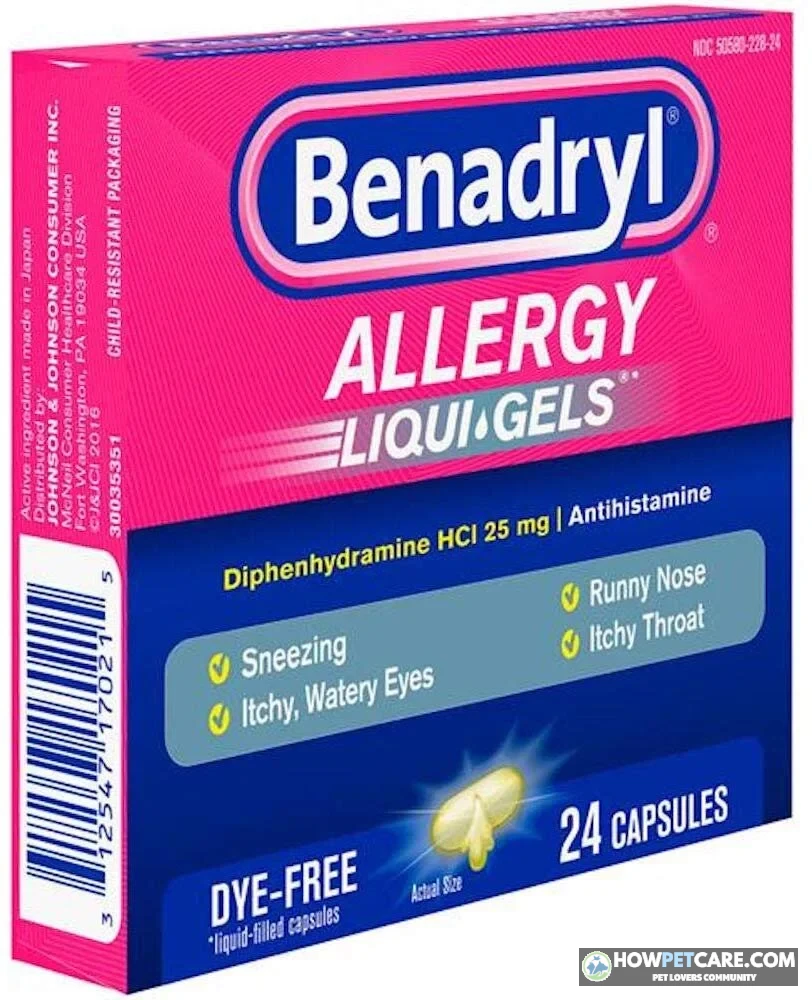
If your dog ate a xylitol-containing Benadryl product
Accidental ingestion of a medication containing xylitol is an immediate, zero-delay emergency.
Do not attempt to induce vomiting at home using hydrogen peroxide. Inducing vomiting in a dog that is already developing rapid hypoglycemia can trigger immediate seizures, airway aspiration, and severe chemical gastritis. Preserve the exact product bottle or packaging, note the estimated time and amount ingested, and drive directly to an open veterinary facility.
While en route or if you are uncertain of the formulation, contact a veterinary poison emergency hotline immediately:
- ASPCA Animal Poison Control Center (APCC): (888) 426-4435 (a consultation fee applies)
- Pet Poison Helpline: (855) 764-7661 (a consultation fee applies)
Veterinary emergency teams manage xylitol poisoning with immediate IV dextrose infusions, serial blood glucose checks every 1 to 2 hours, aggressive hepatoprotectants (such as N-acetylcysteine and S-adenosylmethionine), and continuous liver function monitoring over a 72-hour period.
Giving Benadryl With Apoquel, Trazodone, NSAIDs, and Other Medications
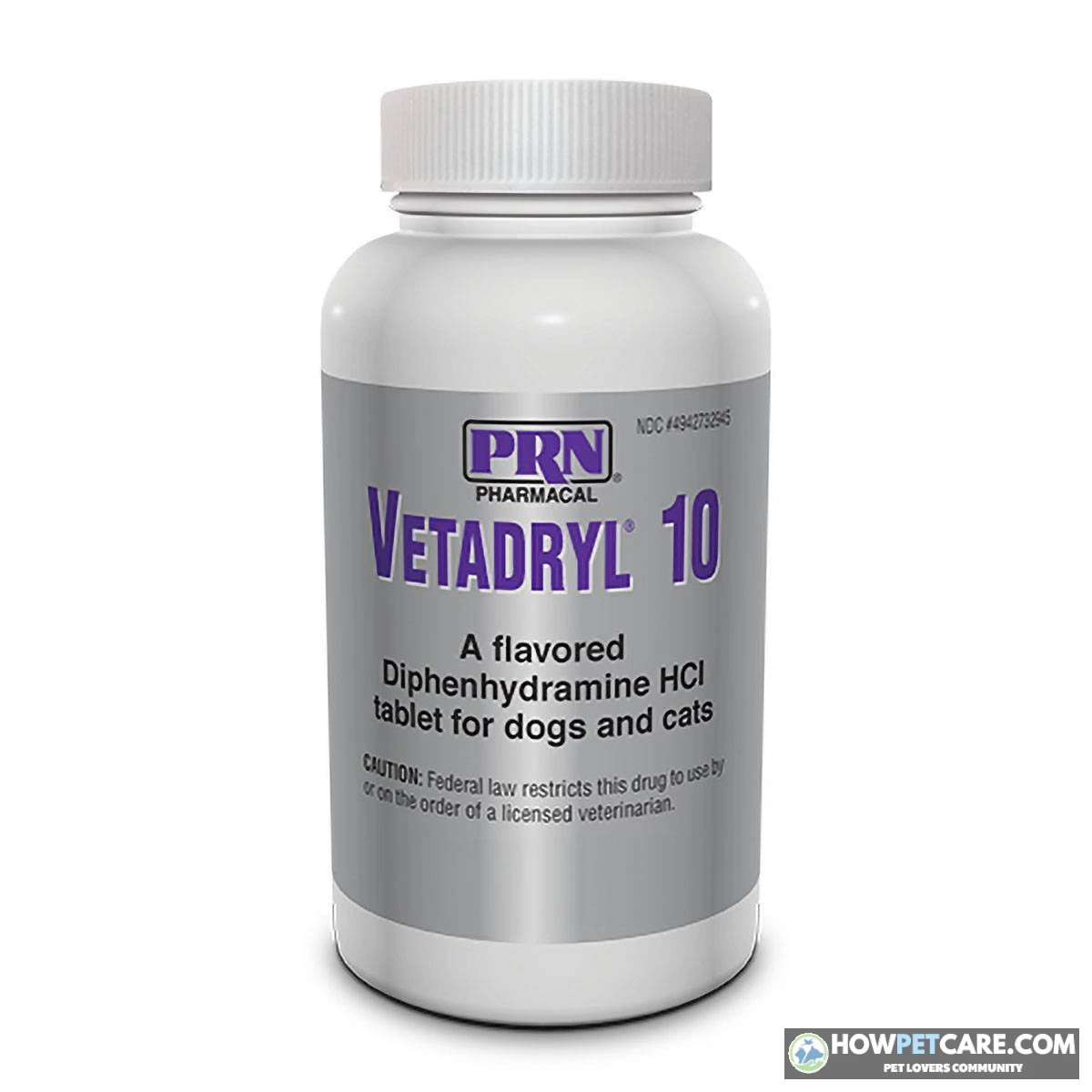
Many modern dogs regularly take prescription pharmaceuticals for behavioral anxiety, chronic pain, or allergic skin disease. Combining diphenhydramine with other drugs can create pharmacological interactions, additive central nervous system depression, or cardiovascular strain.
| Medication | Used for | Interaction with diphenhydramine | Practical guidance | Ask your vet first? |
|---|---|---|---|---|
| Apoquel (oclacitinib) | Allergic pruritus, atopic dermatitis | Different biochemical mechanisms; diphenhydramine blocks H1 receptors while Apoquel inhibits Janus kinase (JAK-1/JAK-3) enzymes | Frequently co-prescribed safely during sudden allergic flares; does not cause dangerous metabolic clashes | Yes, if the flare is sudden or worsening |
| Cytopoint (lokivetmab) | Canine atopic dermatitis | None; Cytopoint is an injectable monoclonal antibody that targets interleukin-31 (IL-31), bypassing hepatic metabolism | Fully compatible; Benadryl will not interfere with Cytopoint injections | No, unless dealing with a severe multi-system reaction |
| NSAIDs (carprofen, meloxicam, Galliprant) | Osteoarthritis, systemic inflammation | No direct receptor interference, but both classes undergo hepatic metabolism; illness or dehydration increases renal risks | Generally safe in healthy dogs; avoid stacking if the dog is vomiting, dehydrated, or has renal/hepatic compromise | Yes, if any kidney or gastrointestinal history exists |
| Trazodone | Behavioral anxiety, phobias | Additive central nervous system depression; combined serotonin receptor effects | Causes pronounced sedation, severe lethargy, ataxia, or paradoxical agitation; monitor mobility carefully | Yes, mandatory prior to combining |
| Acepromazine | Surgical sedation, severe tranquilization | Extreme additive central nervous system depression and profound peripheral vasodilation | High risk of dangerous hypotension (low blood pressure) and severe hypothermia; do not combine without direct veterinary supervision | Yes, mandatory |
| Gabapentin | Neuropathic pain, chronic anxiety | Additive sedation and motor incoordination | Dogs may become unsteady on their feet; elevated fall hazard for senior dogs or dogs with hip dysplasia | Yes, especially in older or compromised dogs |
| Cardiovascular / Blood pressure drugs | Heart failure, hypertension | Diphenhydramine exerts anticholinergic effects that elevate heart rate (tachycardia) and can destabilize blood pressure regulation | Can counteract cardiac therapy; dangerous for patients with congestive heart failure or arrhythmias | Yes, strict veterinary clearance required |
| Other antihistamines (Zyrtec, Claritin) | Allergies, itching | Receptor saturation and compounded side effects | Never "double up" antihistamines; stacking increases anticholinergic toxicity without boosting allergy control | Yes, do not combine without instruction |
Apoquel and Cytopoint during an acute flare
A common scenario involves a dog maintained on daily Apoquel or receiving monthly Cytopoint injections who suffers a sudden bee sting or acute flare of facial hives. Because Apoquel functions downstream by inhibiting JAK pathways and Cytopoint neutralizes the specific itch cytokine IL-31, neither therapy immediately prevents acute, mast-cell-driven histamine cascades.
Administering a short course of diphenhydramine to manage an acute histamine event in a dog already taking Apoquel or Cytopoint is common clinical practice and generally safe. However, diphenhydramine should never be used as a cheap substitute to replace long-term Apoquel or Cytopoint therapy for chronic atopic dermatitis.
Benadryl before vaccines
Veterinarians frequently instruct owners of dogs with known histories of post-vaccination hives or facial angioedema to administer diphenhydramine orally 30 to 60 minutes before their appointment, or the clinician will administer an intramuscular injection in the clinic prior to inoculation.
A common question from dog owners is whether pre-treatment blunts or weakens the protective immune response generated by the vaccine. Current veterinary immunological evidence demonstrates that first-generation H1 antihistamines target peripheral vascular and smooth muscle histamine receptors rather than suppressing the primary antigen-processing pathways of dendritic cells, B-lymphocytes, or the subsequent production of protective neutralizing antibodies. Pre-medicating blocks the acute, dangerous mast-cell degranulation response without compromising long-term vaccine immunity.
Benadryl Dosing for Puppies, Seniors, Pregnant or Nursing Dogs, and Dogs With Liver or Kidney Disease
Standard dosing charts assume a mature, structurally sound canine with fully functional organ systems. When dealing with vulnerable populations, standard rules must be carefully adjusted.
Special Population Clinical Risk Summary:
┌────────────────────────────────────────────────────────┐
│ Puppies (<12 weeks / <5 lb): High Risk -> Syringe Only  │
│ Senior Dogs (>10 years): Moderate Risk -> Fall Hazard   │
│ Pregnant / Nursing: High Risk -> Vet Clearance Needed  │
│ Liver / Kidney Failure: Severe Risk -> Avoid or Reduce │
│ Glaucoma / Heart Disease: High Risk -> Anticholinergic │
└────────────────────────────────────────────────────────┘
Puppies
Young puppies under 12 weeks of age possess immature hepatic cytochrome P450 enzyme complexes and reduced renal filtration rates. They clear diphenhydramine far more slowly than adult dogs, making drug accumulation and accidental toxicity much more likely. Furthermore, puppies under 5 pounds cannot be accurately dosed with split tablets. Always obtain veterinary clearance and use children’s liquid measured with an oral syringe for pediatric patients.
Senior dogs
Geriatric canines frequently suffer from subclinical kidney disease, decreased hepatic perfusion, and varying degrees of canine cognitive dysfunction. The strong sedative properties of diphenhydramine can cause prolonged disorientation, severe grogginess, and urinary retention. In dogs with underlying osteoarthritis, lumbosacral disease, or degenerative myelopathy, medication-induced sedation can cause hindlimb weakness, slips, and joint injury. If dosing a senior dog, begin at the lower end of the veterinary range (0.5 to 0.75 mg/lb) and monitor mobility closely.
Pregnant or nursing dogs
Diphenhydramine crosses the placental barrier. While veterinary studies have not firmly established high rates of canine teratogenicity, high-dose rodent studies link first-generation antihistamines to fetal resorption and skeletal abnormalities. Furthermore, diphenhydramine passes directly into maternal milk, which can cause excessive sedation or respiratory depression in nursing neonates. Diphenhydramine should be avoided in pregnant or lactating females unless the treating veterinarian deems it essential to manage a life-threatening allergic crisis.
Dogs with liver, kidney, or pre-existing medical conditions
Diphenhydramine undergoes extensive hepatic metabolism before being eliminated through the kidneys. Dogs with pre-existing organ compromise require dosage reductions or alternative therapies:
- Hepatic Disease / Portosystemic Shunts: The liver cannot metabolize diphenhydramine efficiently, leading to prolonged drug half-lives, pronounced sedation, and potential accumulation of toxic metabolites.
- Chronic Kidney Disease (CKD): Reduced clearance increases active drug levels in the bloodstream.
- Closed-Angle Glaucoma: Anticholinergic properties cause pupillary dilation (mydriasis), which blocks the iridocorneal drainage angle, causing dangerous spikes in intraocular pressure.
- Cardiac Disease and Arrhythmias: The anticholinergic inhibition of vagal tone can trigger severe sinus tachycardia, placing dangerous physiological strain on dogs with underlying heart disease or dilated cardiomyopathy.
- Urinary Obstruction or Prostatic Hyperplasia: Muscarinic blockade weakens bladder detrusor muscle contraction, potentially precipitating complete urinary retention.
What Benadryl Actually Helps, and When to Move On to Zyrtec, Apoquel, or Cytopoint
One of the most persistent misconceptions in canine pet care is that Benadryl is an effective primary therapy for chronic itchy skin and environmental allergies. Decades of canine pharmacological research contradict this assumption.
Canine oral bioavailability studies demonstrate that dogs absorb less than 10% of orally administered diphenhydramine into active systemic circulation [#N]. In humans, bioavailability is approximately 40% to 60%. Because dogs absorb the drug poorly and metabolize it rapidly, standard human doses produce inconsistent therapeutic blood concentrations.
Furthermore, double-blind veterinary dermatological studies published in the Journal of the American Veterinary Medical Association (JAVMA) show that diphenhydramine achieves a meaningful clinical response rate of only 6.7% to 7% in managing canine atopic dermatitis. In dogs, chronic allergic skin disease is driven primarily by complex cytokine signaling cascades—most notably interleukin-31 (IL-31), interleukin-4 (IL-4), and interleukin-13 (IL-13)—rather than simple histamine release. Consequently, using Benadryl for chronic itch primarily makes a dog too sleepy to scratch, without resolving the underlying cutaneous inflammation.
Anxiety, fireworks, and car rides
Pet owners frequently administer Benadryl to calm dogs during thunderstorms, fireworks displays, or stressful road trips. Using diphenhydramine as a behavioral anxiolytic is largely ineffective.
Sedation is not anxiolysis. While a sedated dog may look physically calm because their motor function is depressed, their underlying fear, neurological panic, and physiological distress remain fully active. In some dogs, the groggy, disoriented sensation induced by antihistamines actually worsens panic. For situational phobias, modern veterinary medicine relies on true, targeted behavioral medications such as trazodone, gabapentin, or dexmedetomidine oromucosal gel.
For car sickness, diphenhydramine offers modest utility. It eases motion-induced nausea primarily through mild anticholinergic action on the vestibular apparatus in the inner ear and central sedation. However, if your dog experiences true motion sickness, maropitant citrate (Cerenia) is an FDA-approved veterinary medication that blocks neurokinin-1 (NK1) receptors in the emetic center of the brain, completely preventing nausea and vomiting without causing sedation.
Benadryl vs Zyrtec, Claritin, Apoquel, and Cytopoint
When managing allergic skin disease, understanding where diphenhydramine fits among modern therapies clarifies when you should escalate care.
| Option | How it works | Onset and duration | Best use | Limits and cautions | When to escalate |
|---|---|---|---|---|---|
| Benadryl (plain diphenhydramine) | First-generation H1 antihistamine; highly sedating | Onset: 30–60 min; Duration: 4–8 hours | Acute hives, insect stings, mild facial swelling, contact reactions | Pronounced drowsiness or agitation; poor choice for chronic atopy (<10% bioavailability) | Swelling spreads, breathing changes, or itching recurs continuously |
| Zyrtec (cetirizine) | Second-generation H1 antihistamine; minimally sedating | Onset: 1–2 hours; Duration: 12–24 hours | Mild seasonal environmental itch, chronic allergic rhinitis | Less sedating; never use "Zyrtec-D" (contains toxic pseudoephedrine) | Ineffective after a 14-day trial; severe scratching or open sores |
| Claritin (loratadine) | Second-generation H1 antihistamine; non-sedating | Onset: 1–2 hours; Duration: 12–24 hours | Mild skin maintenance when directed by a veterinarian | Inconsistent absorption in dogs; strictly avoid "Claritin-D" | Continued licking, hair loss, or secondary ear infections |
| Apoquel (oclacitinib) | Targeted Janus kinase (JAK) inhibitor; blocks itch cytokines | Onset: 4–12 hours; Duration: 12–24 hours | Moderate to severe allergic and atopic dermatitis; chronic itch | Prescription only; requires periodic blood monitoring; not for acute insect stings | Itching persists despite therapy, or signs of demodicosis/infection emerge |
| Cytopoint (lokivetmab) | Monoclonal antibody that neutralizes interleukin-31 (IL-31) | Onset: 24–48 hours; Duration: 4–8 weeks | Long-term management of environmental and atopic dermatitis | Prescription in-clinic injection; does not manage acute anaphylaxis or insect stings | Flare-up occurs before the 4-week window ends, indicating secondary infection |
If your veterinarian suggests an over-the-counter antihistamine for mild seasonal maintenance, second-generation options like cetirizine (Zyrtec) or loratadine (Claritin) are often preferred over Benadryl because they offer convenient once-daily dosing and significantly less sedation. Just like Benadryl, you must ensure the product contains only the single active antihistamine and never a "-D" decongestant.
How long is too long, and stopping before allergy testing
If your dog requires daily diphenhydramine for more than 3 to 5 consecutive days, stop administering the drug and schedule a comprehensive veterinary appointment. Continuing to dose an unmanaged allergic condition allows secondary staphylococcal bacterial pyoderma or Malassezia yeast dermatitis to flourish within damaged skin barriers, leading to severe discomfort, foul odor, and extensive hair loss.
1A dog owner notices localized hives and moderate itching on their dog's abdomen following outdoor play. The dog remains bright and alert, with normal pink gums and smooth, effortless breathing. What is the most appropriate immediate course of action?
Isolating symptoms to the skin while vital signs and airway remain completely normal allows safe home management with plain diphenhydramine.
2Why are standard adult 25 mg diphenhydramine tablets considered unsafe for a 5 lb dog exhibiting mild allergic hives?
A 5 lb dog requires 5 mg; cutting a tablet yields crumbly fragments that significantly exceed the safe therapeutic target.
3Why is plain oral diphenhydramine generally ineffective as a primary long-term monotherapy for chronic canine atopic dermatitis?
Poor oral absorption combined with complex cytokine signaling cascades (like IL-31) means H1-blockers rarely resolve underlying chronic cutaneous inflammation.
4A dog owner is reviewing human over-the-counter allergy medications in their cabinet. Which of the following ingredients or product features make a formulation dangerous or fatal to dogs? (Select all that apply.)
Sympathomimetic decongestants cause severe systemic vasoconstriction, profound hypertension, arrhythmias, and fatal seizures in canines.
5What is the primary concern when co-administering diphenhydramine with trazodone in a dog?
Combining drugs that exert sedative and serotonergic/antihistaminic effects amplifies central nervous system depression and increases unsteadiness.
6Why does pre-medicating a vaccine-sensitive dog with diphenhydramine 30 to 60 minutes prior to inoculation effectively prevent acute hypersensitivity without reducing vaccine efficacy?
First-generation antihistamines block peripheral histamine receptors during mast-cell degranulation without inhibiting dendritic cell or B-cell antigen recognition.
7For which of the following pre-existing canine health conditions is diphenhydramine administration high-risk or contraindicated due to its anticholinergic properties? (Select all that apply.)
Mydriasis caused by anticholinergic blockade can obstruct iridocorneal drainage angles, elevating intraocular pressure.
8Which cluster of clinical signs represents moderate-to-severe diphenhydramine toxicity resulting from an accidental overdose in a dog?
Toxic doses trigger an anticholinergic crisis, escalating from severe agitation and rapid heart rate to muscle tremors and dangerous hyperthermia.
Furthermore, if you intend to pursue definitive veterinary intradermal skin testing (IDST) or serum allergy testing with a board-certified veterinary dermatologist to identify your pet’s exact environmental allergens, antihistamines will suppress positive mast cell reactions and invalidate the results. Veterinary dermatologists typically require a strict antihistamine withdrawal period of at least 14 days (2 full weeks) prior to diagnostic skin testing. Always consult your dermatologist for their specific drug withdrawal protocol before scheduling diagnostics.

Your Next Steps: A Dose-or-Go Checklist for Your Dog Right Now
If your dog is showing allergic symptoms right now, follow this systematic action sequence to ensure safe, effective care:
-
1. Triage the Reaction
Check breathing effort, examine gum color, and look inside the mouth. If you see signs of respiratory distress, throat swelling, vomiting, or collapse, proceed immediately to the nearest veterinary emergency hospital. If symptoms are restricted to mild hives or skin itching, proceed with home management.
-
2. Verify Your Medication Package
Inspect the box. Confirm that the only active pharmaceutical ingredient is Diphenhydramine HCl. Check the inactive ingredients list to ensure the product is completely free of xylitol, birch sugar, and alcohol. Reject any extended-release formulations.
-
3. Determine Your Dog's Accurate Weight
Do not estimate weight based on memory from a clinic visit six months ago. Weigh your small dog on a home scale or confirm your larger dog’s weight before dosing. Use the 1 mg per pound rule to determine the target dose.
-
4. Select Format and Measure with Precision
For dogs 25 pounds and over, select plain 25 mg tablets. For dogs under 10 pounds, use plain children’s liquid (12.5 mg/5 mL) and measure the precise volume with a calibrated oral syringe. Log the exact milligram dose and time of administration on your phone.
-
5. Monitor Closely for 4 to 6 Hours
Keep your dog indoors in a calm, temperature-controlled environment. Check them every 20 to 30 minutes during the first two hours. Look for reduction in hives, monitor respiratory rate, and watch for unexpected side effects such as severe tremors, paradoxical agitation, or spreading facial edema.
Keep emergency veterinary contact numbers programmed into your phone before an urgent situation arises. Maintain the phone numbers and physical street addresses for your primary care veterinarian, the nearest 24-hour emergency animal hospital, and national pet poison control hotlines in an easily accessible location. If your dog’s reaction does not show noticeable improvement within 1 to 2 hours after dosing, or if symptoms recur as the medication wears off, contact your veterinarian for professional guidance.
FAQ
How long does Benadryl take to work in dogs, and how long does it last?
Effects usually start within about 30 to 60 minutes and last roughly 4 to 8 hours. That is why dosing is typically spaced 8 to 12 hours apart.
Can I give my dog Benadryl cream or spray for itchy skin?
Topical diphenhydramine is not recommended for most dogs because they lick it off, and some products also contain other ingredients. Ask your vet about a dog-safe topical or medicated shampoo instead.
Should I give Benadryl with food?
Yes, a small amount of food can reduce stomach upset and does not interfere with the dose. Do not use food containing xylitol, such as some peanut butters, to hide a pill.
What if my dog vomits after taking Benadryl?
Do not repeat the dose right away, because it can lead to an accidental overdose. Call your vet for advice, especially if the dog vomits again or the reason you gave Benadryl was a serious reaction.
Can I give my dog an expired Benadryl tablet?
Expired tablets may lose strength, and the label should be checked first. Replace them with a fresh plain diphenhydramine product instead of giving a larger dose.