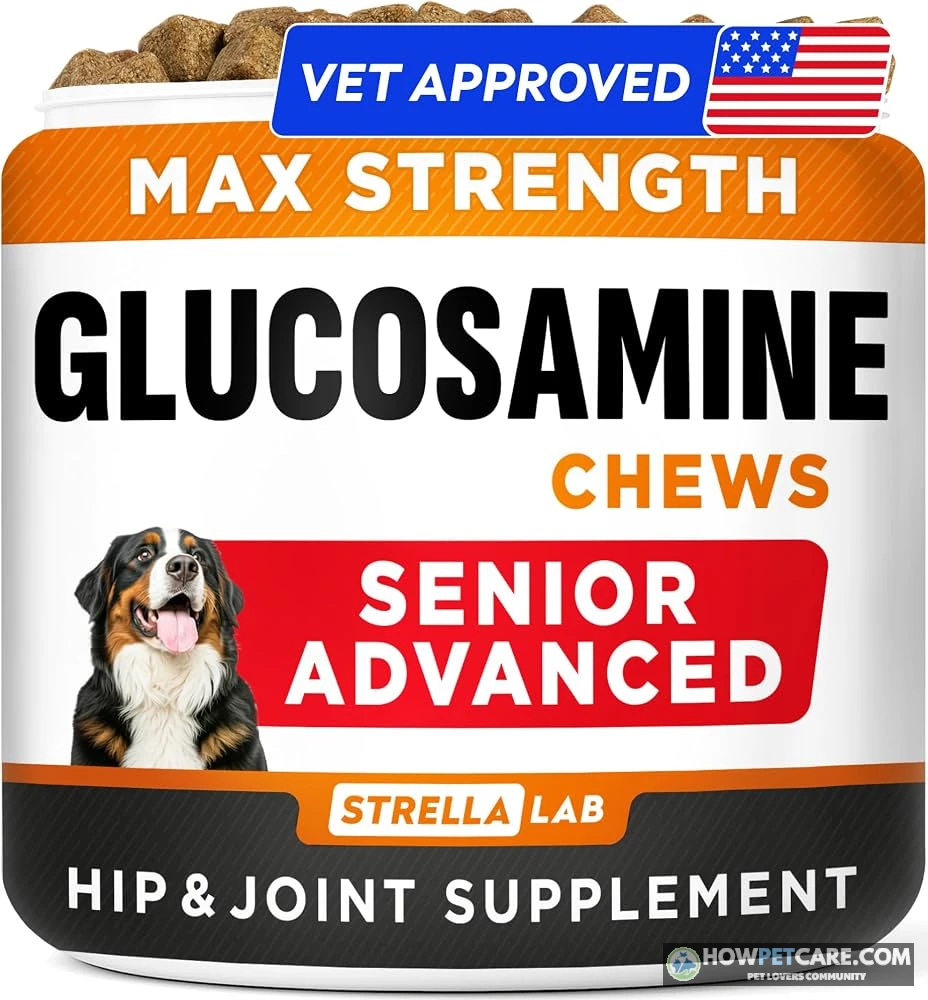

Only veterinarian-prescribed, dog-approved pain medications are safe for dogs. The main options are:
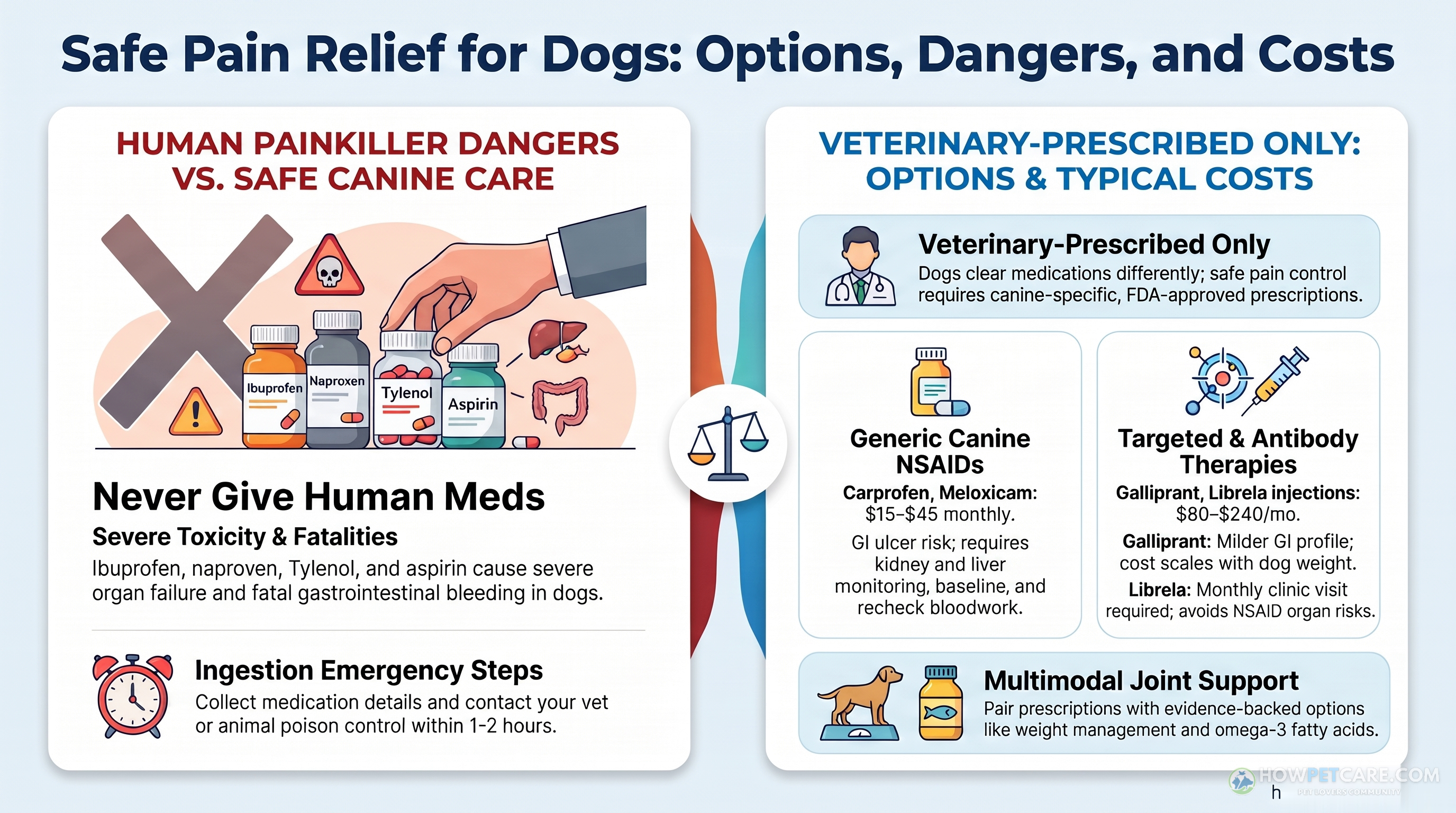
- Dog-specific NSAIDs: carprofen (Rimadyl), meloxicam (Metacam), deracoxib, firocoxib, robenacoxib
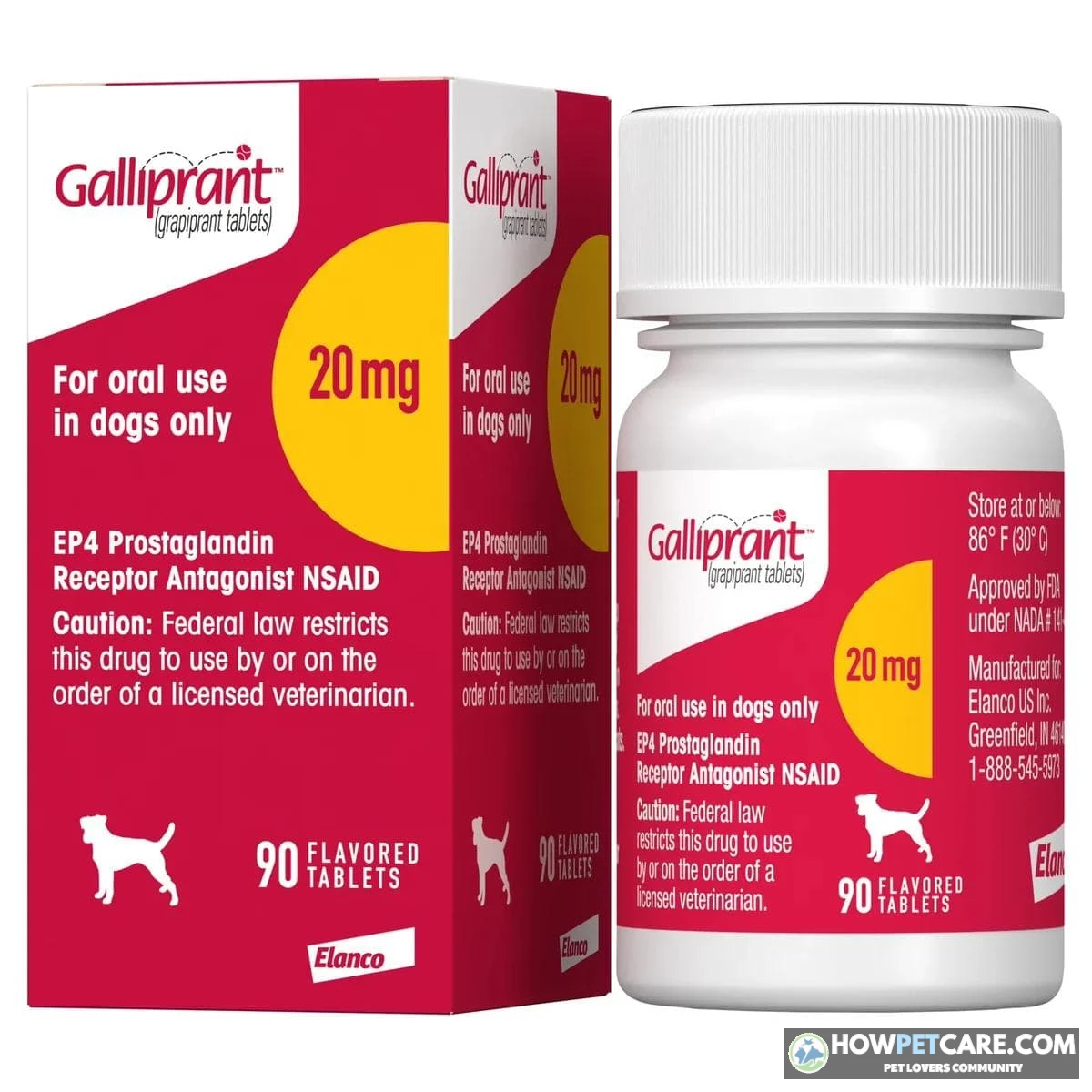
- Grapiprant (Galliprant), a narrower-target NSAID-class drug
- Librela (bedinvetmab), a monthly antibody injection for arthritis
- Off-label add-ons such as gabapentin or amantadine, under veterinary direction
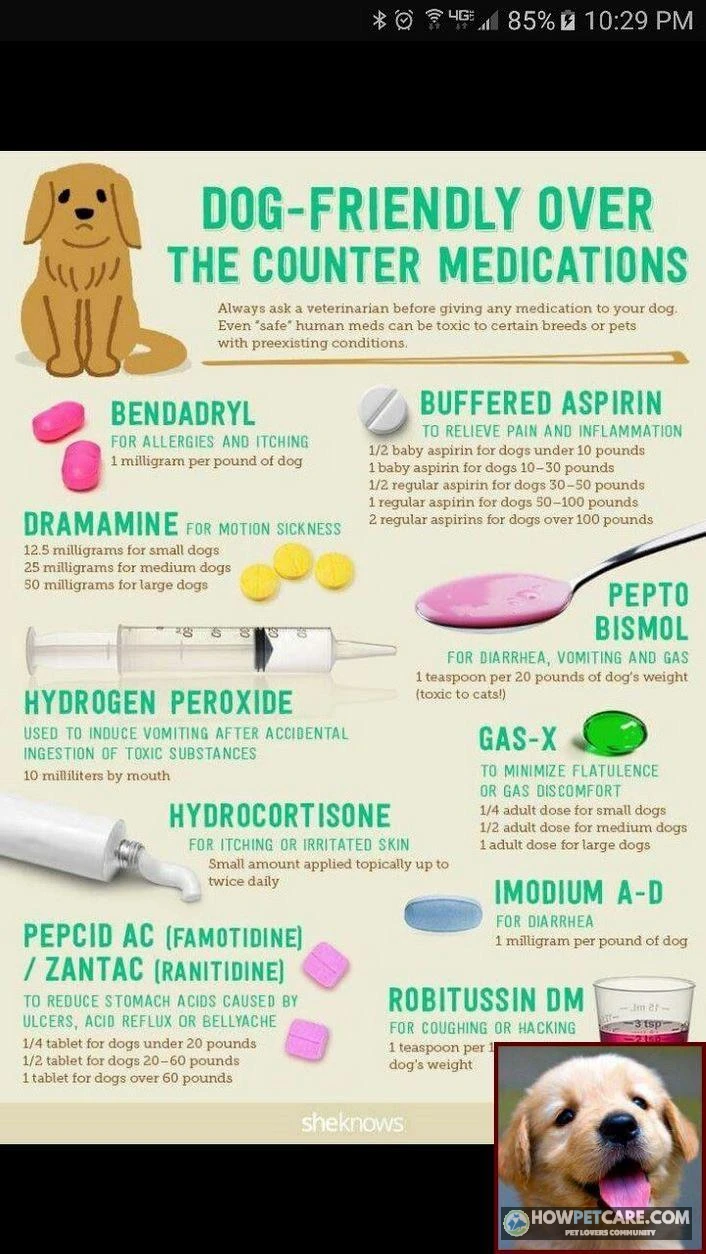
Human painkillers—ibuprofen, naproxen, acetaminophen, and aspirin—are unsafe for dogs and can be toxic even in small doses.
If your dog seems to be in pain, consider only medicines prescribed by a veterinarian and approved for dogs. The main FDA-approved options are dog-specific NSAIDs such as carprofen (Rimadyl), meloxicam (Metacam), and grapiprant (Galliprant), along with the monthly injection Librela (bedinvetmab). All require a veterinary prescription. Human over-the-counter painkillers—including ibuprofen, naproxen, acetaminophen, and aspirin—aren’t safe for dogs and can cause severe toxicity, even in small amounts. Joint supplements such as glucosamine and omega-3 fatty acids may support comfort, but they don’t replace prescription pain medication.
Here’s what to do now:
- Your dog is limping, stiff, or slowing down but otherwise stable: book a veterinary visit.
- Your dog ate a human painkiller: go to the emergency section below now.
- Your dog shows severe signs such as collapse, crying out, a rigid abdomen, or labored breathing: go to an emergency veterinary clinic immediately.
This article is organized by situation, so you can go straight to what matters most: arthritis and senior joint pain, post-surgical pain, unconfirmed pain, accidental ingestion, or kidney, liver, or pancreatic disease.
Start with a veterinary visit. Pain has a cause, and the right medication depends on your dog’s age, weight, organ function, and current medications. The wrong drug—or the wrong dose—can turn a manageable problem into an emergency.
Never give your dog human ibuprofen, naproxen, acetaminophen, or aspirin unless a veterinarian explicitly directs you to do so.
Can You Give a Dog Ibuprofen, Aspirin, Naproxen, or Tylenol? Why Human Painkillers Are Dangerous
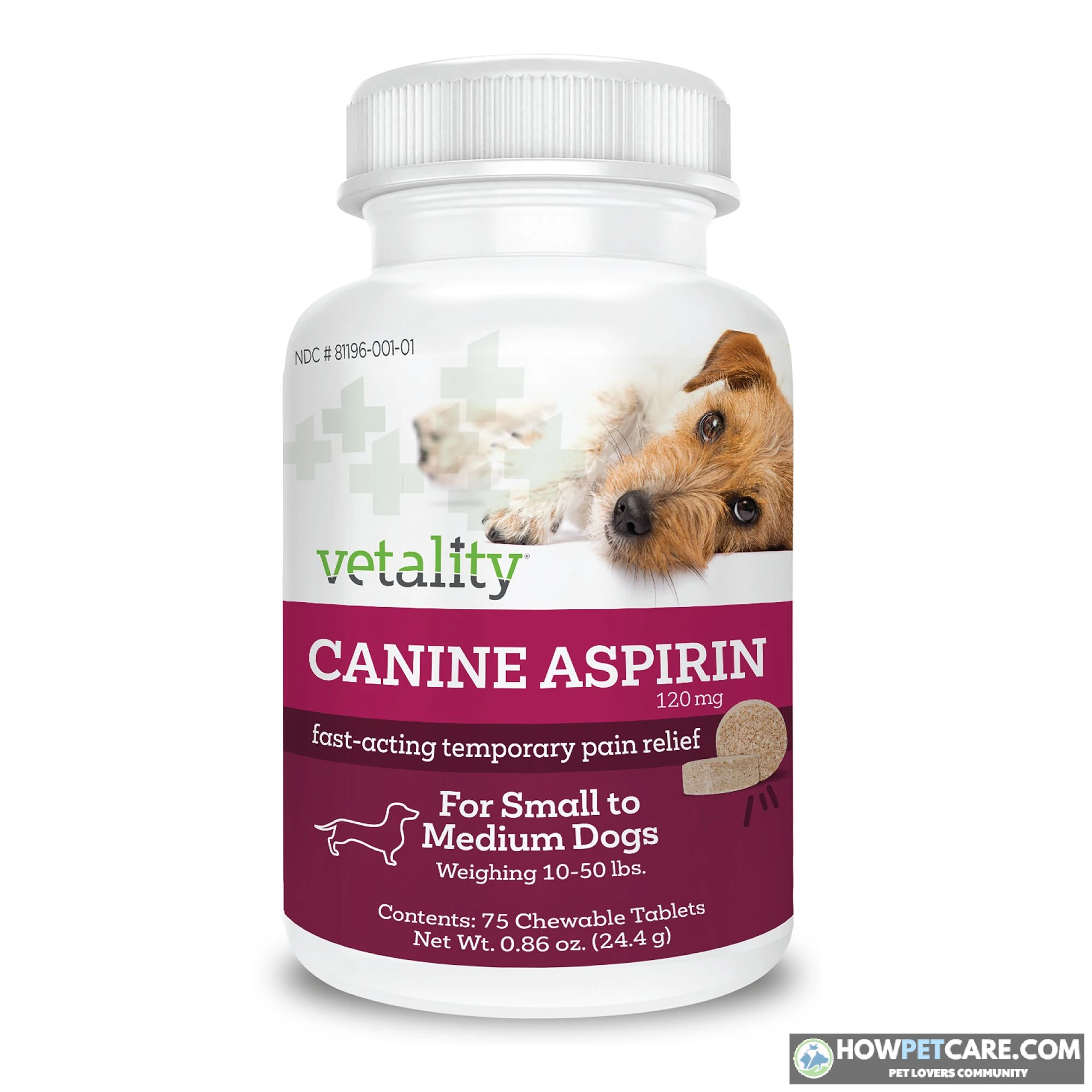
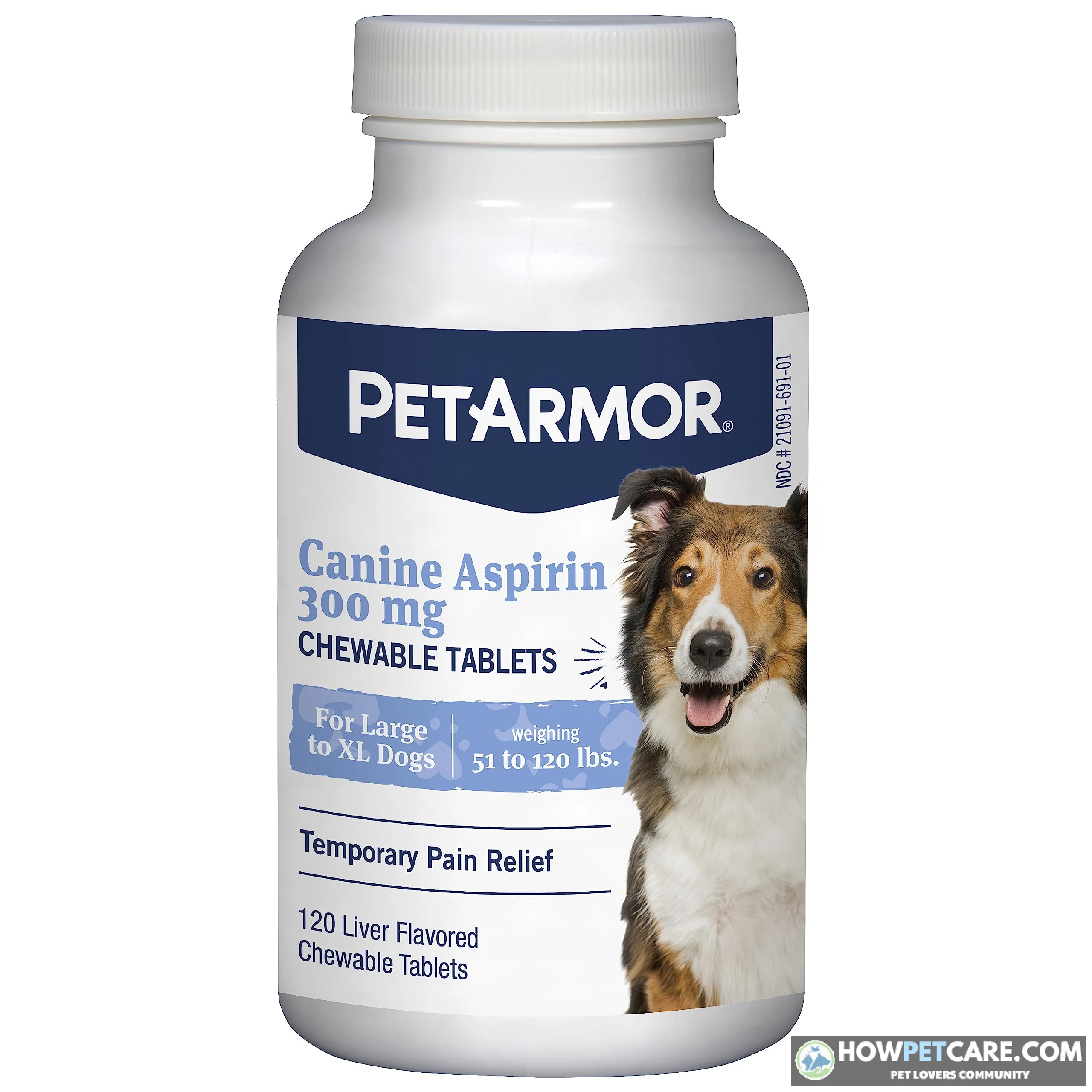
Ibuprofen and naproxen are among the most dangerous human painkillers for dogs. Dogs are highly sensitive to ibuprofen: toxicity can begin at around 25 milligrams per kilogram of body weight, and a single 200-milligram tablet can be toxic to a small dog. Naproxen is toxic at roughly 5 milligrams per kilogram. It also stays in a dog’s system much longer—its half-life can reach 72 hours—so the risk of stomach ulcers, kidney injury, and gastrointestinal perforation can build over time.
Acetaminophen, the active ingredient in Tylenol and many cold and flu products, can damage the liver and red blood cells, potentially causing methemoglobinemia. Toxicity can begin at around 75 milligrams per kilogram in dogs. Because acetaminophen is found in combination products, a dog may ingest it without the owner realizing.
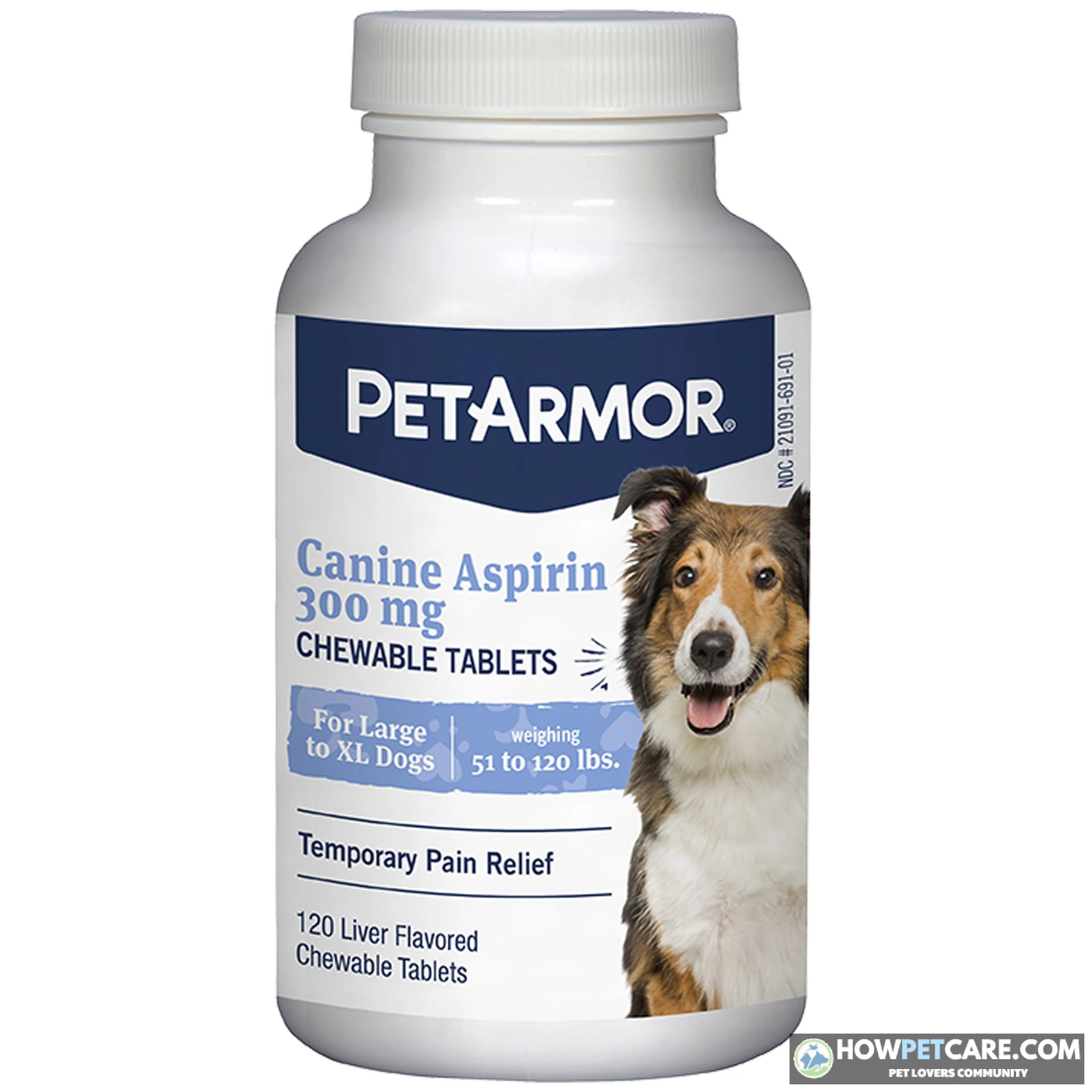
Aspirin sometimes comes up as a baby aspirin home remedy, but that advice is outdated. Aspirin isn’t FDA-approved for dogs, carries gastrointestinal and bleeding risks, and can complicate matters if your veterinarian later needs to start a prescribed NSAID. Don’t prescribe it yourself.
The idea that “a little won’t hurt” doesn’t hold up: dogs clear these drugs differently from people, and scaling a human dose by weight isn’t safe.
Hidden sources include combination cold remedies, topical pain patches and gels, pills dropped on the floor, and medication given by well-meaning pet sitters or family members.
What to do right now if your dog ate a human painkiller
Follow these steps in order. Don’t wait for symptoms; serious damage can begin before you notice anything.
-
Step 1 — Secure and collect (2 minutes)
Move your dog away from the pills. Gather the bottle, packaging, or any remaining tablets. Count what’s missing if you can.
-
Step 2 — Write down five facts
Note the drug name and strength, the number of pills or amount possibly eaten, the approximate time it was eaten, your dog’s weight, and any symptoms so far.
-
Step 3 — Decide who to call first
If your dog looks normal and your regular vet is open, call your vet now. If it’s after hours or your vet is unavailable, call a poison line: ASPCA Animal Poison Control at 888-426-4435 or Pet Poison Helpline at 855-764-7661. A per-case fee usually applies, so have a card ready. If your dog shows vomiting, tremors, wobbliness, pale gums, collapse, or labored breathing, skip the phone queue and drive to an emergency clinic; call ahead if someone else can drive.
-
Step 4 — While you wait, do NOT
Don’t induce vomiting with hydrogen peroxide, salt, or fingers unless a veterinarian or poison specialist explicitly tells you to. Don’t give food, water, milk, or home remedies, and don’t give another medication to counteract it.
-
Step 5 — If you go in, bring
Bring the pill bottle or packaging, your written facts from Step 2, and your dog’s current medication list.
The first one to two hours after ingestion are the window where decontamination helps most. Call fast rather than waiting to see if symptoms appear.
Why the first hours matter and what vets may do
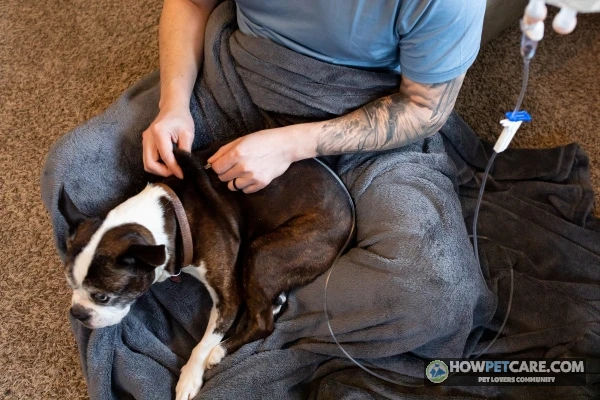
If you arrive within the safe window, veterinarians may induce vomiting, give activated charcoal, run intravenous fluids to protect the kidneys, use an antidote where one exists, and monitor blood values over the next 24 to 72 hours. Acting quickly can make the difference between outpatient care and hospitalization.
What to tell poison control and your vet
Have the exact drug name and strength, the amount possibly eaten, the time or time window, your dog’s weight, and any symptoms ready. Keeping the packaging in hand can save critical minutes.
How to Tell Whether Your Dog Is in Pain (Not Just Getting Older)
Chronic pain often goes unnoticed because its signs can look like normal aging. A dog reluctant to climb stairs, stiff after resting, or suddenly irritable may be hurting—not simply getting older. Note that repeatedly licking or chewing one spot can also signal itch rather than pain; in that case your veterinarian may discuss options such as Cytopoint injections for allergic dogs.

Body-language checklist by body region and behavior
Take 10 minutes to watch your dog get up, walk, and rest. Mark anything you’ve noticed in the last two weeks.
Mobility:
- Hesitates before stairs, the car, or jumping on furniture
- Stiff or slow for the first few minutes after lying down
- Shorter strides, bunny-hopping, or limping, even mildly
- Slips more on floors or avoids smooth surfaces
- Lags behind on walks or sits down mid-walk
Body language and posture:
- Stands or sits in a hunched, tucked, or unusual position
- Pants while resting in a cool room
- Licks, chews, or stares at one spot repeatedly
- Flinches, tenses, or turns away when touched in one area
- Trembles or shivers without an obvious cause

Behavior and mood:
- Withdraws and sleeps away from the family
- Becomes irritable, growls, or flinches around people or other pets
- Is restless at night, changes sleeping spots, or can’t settle
- Shows less interest in play or favorite toys
Appetite and routine:
- Eats more slowly, leaves food, or eats lying down
- Hesitates to bend down to the bowl
- Has accidents in the house or resists posturing to toilet
How to score it:
- Zero checks: pain is less likely, but recheck weekly if something still feels off.
- One to two checks: start a two-week log with video of your dog walking and rising, plus short daily notes. Book a vet visit if the signs persist.
- Three or more checks, or anything getting worse week over week: book a vet appointment this week and bring the log.
- Any red flag—cannot bear weight on a leg, a swollen or hard abdomen, crying out, repeated vomiting, pale gums, or pain with collapse: seek same-day veterinary care. Skip the log.
Using the CBPI at home and why it helps your vet
Developed at the University of Pennsylvania, the Canine Brief Pain Inventory is a validated owner questionnaire that scores pain severity and how much pain interferes with daily life. Completing it before an appointment gives your veterinarian a baseline to compare with after treatment starts. You can also keep a simple log: video your dog rising and walking once a day, and note activity level, sleep, and any signs from the checklist.

Ask your veterinarian about the Canine Brief Pain Inventory or Helsinki Chronic Pain Index. Bringing a completed score to the visit can shorten the diagnostic conversation.
Pain signs that mean see a vet today
Sudden inability to bear weight, a swollen or distended abdomen, crying out, pale gums, repeated vomiting, or pain combined with collapse all call for same-day care. Don’t wait and see.
FDA-Approved and Vet-Prescribed Pain Medications for Dogs, Compared by Class
This table covers the major prescription classes used for dog pain, along with FDA status, typical use, onset, and relative cost tier. The cost section later gives detailed monthly ranges.
| Drug / class | Examples (brand and generic) | How it works | Typical use | Onset | FDA status for dogs | Main organ or safety risk | Relative cost tier |
|---|---|---|---|---|---|---|---|
| Traditional NSAIDs | carprofen (Rimadyl, Novox), meloxicam (Metacam), deracoxib (Deramaxx), firocoxib (Previcox), robenacoxib (Onsior) | Block COX enzymes that produce inflammatory prostaglandins | Osteoarthritis; post-surgical pain — the mainstay class | Hours; full effect over days | All FDA-approved for dogs | GI ulcers and bleeding, kidneys, liver | $- |
| Grapiprant | Galliprant | Blocks only the EP4 prostaglandin receptor, a narrower target than traditional NSAIDs | Osteoarthritis, especially long-term use in senior dogs | Days | FDA-approved for dogs | Milder GI profile on paper; kidneys and liver still monitored |
–
$ |
| Nerve-growth-factor antibody | bedinvetmab (Librela) | Monoclonal antibody that neutralizes NGF, a key pain-signaling molecule | Monthly injection for osteoarthritis pain | Days to about two weeks | FDA-approved for dogs (2023) | Injection-site reactions; neurologic events flagged in FDA communications |
–
$ plus monthly visit |
| Gabapentin | generic | Quiets overactive nerve signaling | Nerve-related pain; add-on in multimodal plans | Hours; benefit builds over days to weeks | Human drug used off-label in dogs | Sedation and wobbliness; dose adjustment needed in kidney disease | $ |
|---|---|---|---|---|---|---|---|
| Tramadol | generic | Weak opioid-like action plus serotonin and norepinephrine effects | Once routine for arthritis; now limited by weak evidence | Hours | Used off-label | Sedation, serotonin effects; unreliable pain relief | $ |
| Amantadine | generic | Blocks NMDA receptors involved in chronic pain amplification | Add-on for chronic pain NSAIDs alone do not control | Days to weeks | Used off-label | Generally well tolerated; caution with kidney disease | $ |
| Corticosteroids | prednisone, prednisolone, dexamethasone | Powerful broad anti-inflammatory | Short-term inflammation and specific diagnoses | Hours | Veterinary-approved products exist | GI, immune, and metabolic effects; never combine with an NSAID | $ |
| Opioids | buprenorphine, methadone, fentanyl | Act on opioid receptors in the nervous system | Severe acute pain and surgery, mostly in-hospital | Minutes to hours | Some approved; tightly controlled | Sedation, constipation; controlled-substance handling | Varies |
| Adequan | polysulfated glycosaminoglycan | Injectable agent that inhibits cartilage-degrading enzymes | Osteoarthritis support alongside pain control | Weeks after loading series | FDA-approved for dogs | Rare bleeding-disorder caution |
plus injection visits |
In this table, off-label means veterinarians commonly and legally prescribe the drug, but it hasn’t been FDA-reviewed specifically for dogs. The veterinarian’s experience and monitoring matter more as a result. Cost tiers cover the drug alone; exams, bloodwork, and injection visits change the monthly total.
Never combine an NSAID with a corticosteroid or a second NSAID unless your veterinarian directs it. The combination sharply raises the risk of serious gastrointestinal ulcers and kidney injury.
Best pain relief for dogs with arthritis: what a typical vet plan includes
For osteoarthritis, veterinarians usually start with an FDA-approved canine NSAID. If the dog is overweight, the plan may also include weight management, with joint supplements as add-ons. A typical plan might include carprofen or meloxicam, regular bloodwork, controlled exercise, and home changes such as traction rugs and ramps. If an NSAID isn’t tolerated, the veterinarian may consider grapiprant, Librela, gabapentin, or amantadine as an add-on. Multimodal pain management pairs drugs that work through different mechanisms, so each can be used at a lower dose. A veterinarian must direct any combination.

Pain meds for senior dogs with joint pain: age-related considerations
Senior dogs may have reduced kidney or liver function. A veterinarian might choose grapiprant or Librela instead of a traditional NSAID, or order more frequent bloodwork before and during treatment. Age alone doesn’t rule out pain medication, but it does make a tailored drug and monitoring plan important.
Post-surgical pain: what is typically sent home and for how long
After surgery, veterinarians often send home a short course of an NSAID such as carprofen or meloxicam, sometimes with gabapentin for nerve-type discomfort. Robenacoxib is approved for dogs for up to three days. Muscle atrophy can begin within 72 hours of immobility after surgery, so controlled movement guided by your veterinarian is part of recovery. Most post-surgical prescriptions last days, not months. Rechecks help confirm healing before anyone considers a longer plan.

Is tramadol still worth asking your vet about?
Tramadol was once routinely used for arthritis, but controlled research in dogs with osteoarthritis found little benefit over placebo. Current evidence doesn’t support it as a standard long-term option. Your veterinarian may still prescribe it for specific cases, such as certain cancer-related or nerve pain. Before starting, ask about the evidence and alternatives.
NSAID Side Effects, Monitoring, Dosing by Weight, and How to Switch Safely
Side effects of Rimadyl and Metacam: what is common and what is an emergency
Common NSAID side effects include vomiting, diarrhea, reduced appetite, lethargy, and increased thirst. Stop the drug and call your veterinarian immediately if you see black or tarry stools, repeated vomiting, yellowing of the gums or eyes, or sudden changes in urination. These signs can point to gastrointestinal bleeding, liver injury, or kidney injury.
What bloodwork and rechecks to expect
Veterinarians typically recommend baseline bloodwork before starting an NSAID, followed by kidney and liver value checks on a schedule based on the drug label and your dog’s health. Dogs taking NSAIDs long term usually need rechecks at least once or twice yearly, and more often if they’re seniors or have other conditions. Ask your veterinarian about timing rather than guessing.
Dosing by weight: context, not a calculator
A veterinarian calculates NSAID doses per kilogram of body weight. Tablet strengths and chewable formulations vary by product, and a dose that suits one dog could overdose or underdose another. Don’t rely on a chart, another dog’s prescription, or internet dosage lists. Follow the exact dose your veterinarian specifies, and check the label and strength with every refill.
Practical administration
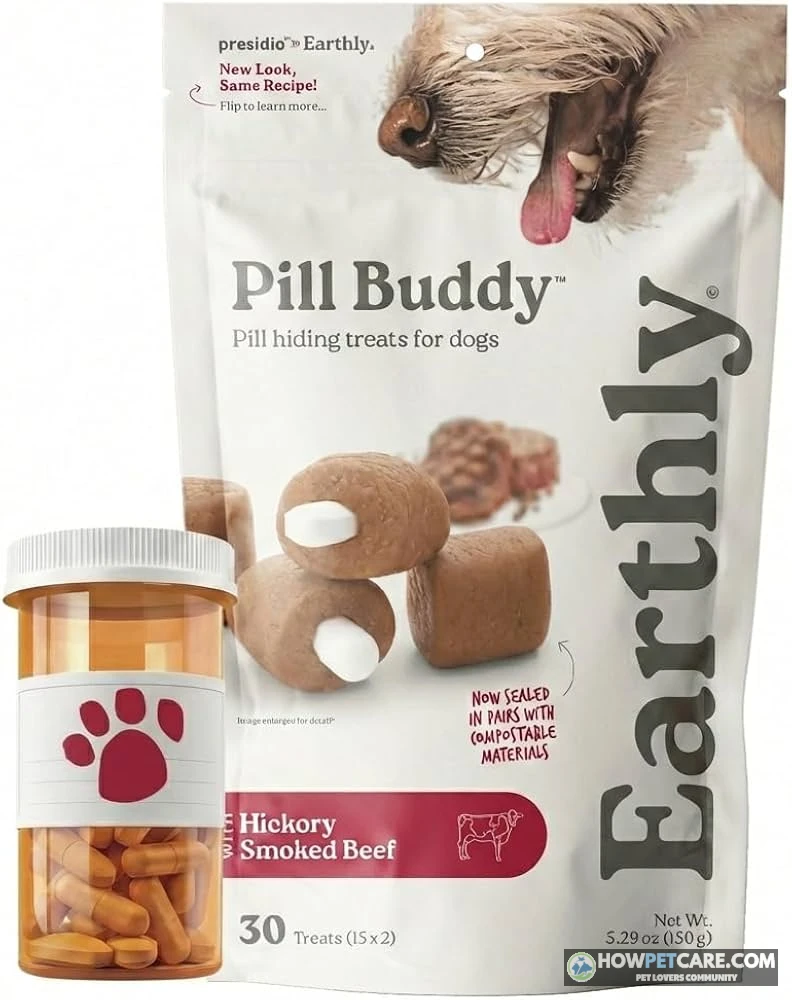
Give NSAIDs with food as directed. If you miss a dose, don’t double up next time. Don’t crush extended-release tablets unless your veterinarian says it’s safe. Keep all medications out of reach of dogs and children.
Switching from aspirin or between NSAIDs: the washout rules and who decides
A veterinarian must direct any switch between NSAIDs, including a change from aspirin to a prescribed NSAID. A washout period helps prevent additive gastrointestinal and kidney injury. The minimum washout when moving from aspirin to a veterinary NSAID is generally seven days, but your veterinarian sets the exact interval based on your dog’s history. The same washout principle applies when moving directly from one veterinary NSAID to another: the drugs must not overlap, and your veterinarian sets the length of the gap. Switching from a steroid to an NSAID usually requires a longer gap. Don’t time a switch yourself.
Drug interactions to flag for your vet
Tell your veterinarian about every medication and supplement your dog takes, including heart medications such as pimobendan, diuretics, steroids, and joint supplements. NSAIDs combined with diuretics or ACE inhibitors can raise the risk of kidney injury. Combining pain drugs without guidance can also cause serious toxicity.
Natural and Over-the-Counter Pain Relief for Dogs: What the Evidence Supports
No over-the-counter drug safely replaces prescription pain medication for dogs. Some non-drug options have evidence behind them; others rely mostly on marketing.
Natural pain relief for dogs at home: what to do and what to skip
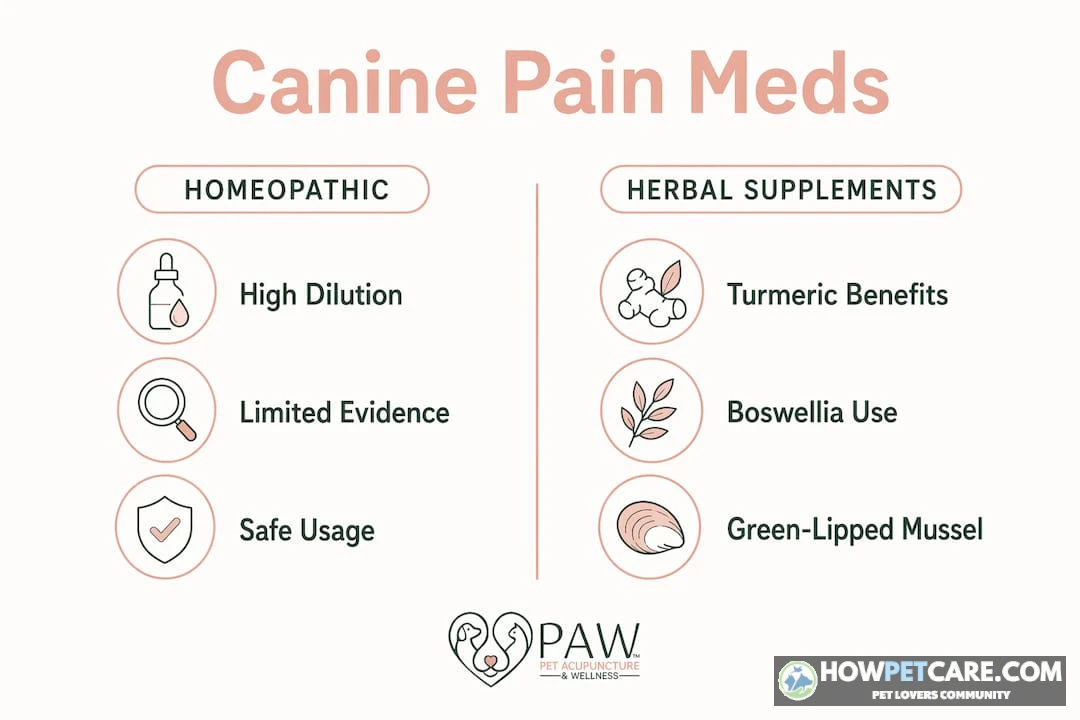
Omega-3 fatty acids from fish oil are generally the best-supported supplement for canine osteoarthritis. Prescription joint diets are another evidence-backed option. Product quality and dose matter, so ask your veterinarian which product is appropriate. Curcumin has been studied at roughly 30 milligrams per day for mild anti-inflammatory effects.

Evidence for glucosamine and chondroitin is mixed and generally weak, though these supplements carry a low risk profile. They may help some dogs, but they haven’t been proven as standalone pain relief.
Early, small studies suggest CBD may offer some benefit, but products are unregulated, aren’t FDA-approved for dogs, and vary widely in quality. Liver-enzyme changes and drug interactions are possible. Talk with your veterinarian before using CBD.
Non-drug approaches with strong support include weight loss for overweight dogs, controlled exercise, physical therapy and rehabilitation, and home changes such as ramps and orthopedic bedding. Veterinary-administered options, including Adequan injections or acupuncture, may also be appropriate.
Evidence verdict table-style summary: glucosamine, omega-3s, CBD
| Option | Evidence status | Role for dog pain |
|---|---|---|
| Omega-3 fatty acids | Generally best-supported supplement | Add-on for osteoarthritis joint support |
| Glucosamine and chondroitin | Mixed, generally weak | May help some dogs; low risk, unproven alone |
| CBD | Early, small studies; unregulated | Discuss with vet; not FDA-approved for dogs |
| Weight loss and exercise | Strong support | Reduces joint load and improves mobility |
| Adequan injections | FDA-approved for dogs | Injectable joint support alongside pain control |
Skip human painkillers, leftover prescriptions from another pet, and any supplement that claims to cure arthritis. No over-the-counter product is a substitute for a veterinary pain plan.
How Much Do Dog Pain Medications Cost? Generic NSAIDs vs. Galliprant vs. Librela
Monthly costs vary by region, pharmacy, dog weight, and clinic fees. The ranges below are U.S. ballparks for 2026, based on pharmacy listings and published veterinary fee ranges. Treat them as estimates, not quotes.
Monthly cost comparison by drug
| Medication | Administration | FDA status for dogs | Typical monthly cost range | How cost changes with dog weight | Extra costs | Ways to lower cost |
|---|---|---|---|---|---|---|
| Generic carprofen | Chewable or tablet | FDA-approved | About $20-$45 per month | Higher weight = higher dose and cost | Exam, baseline and recheck bloodwork | Ask for generic; compare outside pharmacies with a prescription |
| Generic meloxicam | Liquid or tablet | FDA-approved | About $15-$35 per month | Higher weight = higher dose and cost | Exam, baseline and recheck bloodwork | Ask for generic; 90-day fills where appropriate |
| Galliprant (grapiprant) | Tablet | FDA-approved | About $80-$130 per month at a 60-pound dose | Scales with weight; large dogs cost more | Exam and NSAID monitoring bloodwork | Manufacturer savings programs; compare pharmacies |
| Librela (bedinvetmab) | Monthly injection at clinic | FDA-approved | About $120-$240 per monthly visit | Flat per-visit fee plus exam | Injection administration and exam fees | Ask whether visit frequency can be reduced after stabilization |
| Gabapentin | Capsule or tablet | Off-label in dogs | About $10-$30 per month | Dose scales with weight | Exam and recheck fees | Generic widely available |
Worked example: yearly cost snapshots for a 60-pound dog
These figures are rough U.S. ballparks for comparison, not quotes. Prices vary by region, pharmacy, and supply, so get current prices before deciding. Doses are weight-based per each drug’s label, which is why bigger dogs cost more.
Option A — Generic carprofen (the budget baseline)
- Drug: roughly $20-$45 per month, about $240-$540 per year
- Baseline bloodwork before starting: about $100-$250
- Recheck bloodwork, one to two times per year: about $80-$150 each
- One exam: about $60-$120
- Year-one ballpark: about $500-$1,050
Option B — Generic meloxicam (liquid, easy to fine-tune)
- Drug: roughly $15-$35 per month, about $180-$420 per year
- Same bloodwork and exam costs as above
- Year-one ballpark: about $440-$930
Option C — Galliprant (gentler-profile NSAID-class drug)
- Drug: roughly $80-$130 per month at a 60-pound dose, about $960-$1,560 per year
- Same monitoring expectations as other NSAIDs
- Year-one ballpark: about $1,200-$1,950
Option D — Librela (monthly injection)
- Injection plus administration or office fee: roughly $120-$240 per monthly visit, about $1,440-$2,880 per year
- Antibody, not an NSAID, so routine NSAID bloodwork is not the same requirement, but exam fees apply at each visit
- Year-one ballpark: about $1,440-$2,900
What the numbers show:
- Generic NSAIDs run roughly two to five times cheaper per year than Galliprant or Librela before counting a complication. The gap narrows if a cheaper drug causes a GI problem; one ulcer workup can erase a year of savings. That’s why organ-risk information matters alongside price.
- Librela’s hidden cost is time and logistics: 12 vet visits a year rather than picking up a 90-day refill.
- The most expensive outcome isn’t on this list: skipping monitoring or using leftover human pills. One emergency visit for NSAID toxicity can exceed the entire year-one cost of the prescription.
Generic carprofen and meloxicam are usually the lowest-cost prescription options. Branded products and monthly injectables cost more because of formulation, convenience, and administration fees. Monthly cost usually depends on your dog’s weight, so a 90-pound dog costs more to treat than a 30-pound dog on the same drug.
Whether Galliprant’s gentler organ profile is worth the higher price for a senior dog depends on kidney or gastrointestinal history, tolerance of prior NSAIDs, and long-term monitoring costs. If your dog has had NSAID side effects or borderline kidney values, your veterinarian may find the higher cost worthwhile. If your dog tolerates generic NSAIDs well, the savings can be substantial.
You can reduce costs safely by asking about generics, filling prescriptions at outside pharmacies with a written veterinarian prescription, requesting 90-day supplies, checking manufacturer savings programs, and reviewing pet insurance coverage for chronic conditions. Don’t buy unregulated drugs online or use human pills to save money; one emergency visit for toxicity can erase years of prescription savings.
The most expensive outcome is not a premium drug. It is skipping monitoring, using leftover human medication, or choosing the wrong drug for a dog with kidney or liver disease.
Questions to ask your vet about cost
- Is there a generic version of this medication?
- Can I fill this at an outside pharmacy with a written prescription?
- Does my dog need monthly visits, or can we recheck quarterly?
- What are the monitoring bloodwork costs over the first year?
Pain Relief for Dogs with Kidney Disease, Liver Disease, or Pancreatitis
Dogs with chronic kidney disease, liver disease, or pancreatitis still need pain relief, but the options are more limited. Use the table below to guide a conversation with your veterinarian, not as a prescription. Your veterinarian needs to confirm every option based on bloodwork and your dog’s specific values.
Comorbidity pain-management table
| Condition | NSAID suitability | Options vets may consider | Main risk to discuss | Monitoring needed | Question to ask your vet |
|---|---|---|---|---|---|
| Chronic kidney disease | Often avoided or used very cautiously | Gabapentin, amantadine, grapiprant sometimes, Librela, Adequan, weight loss and rehab | NSAIDs reduce protective blood flow to kidneys | Baseline kidney values, rechecks, hydration, blood pressure | Are my dog’s kidney values stable enough for any NSAID, or should we skip that class entirely? |
| Liver disease | Some NSAIDs may be reduced or avoided | Grapiprant, gabapentin with dose adjustment, non-drug measures | Slower drug clearance can cause buildup to risky levels | Liver enzymes before starting and during treatment | Which drugs does my dog’s liver handle, and which are off the table? |
| Pancreatitis (acute episode) | Home NSAIDs are not appropriate | In-hospital opioids such as buprenorphine, anti-nausea treatment, IV fluids | Pain is severe; under-treating slows recovery | Hospitalization and repeated pain scoring | Does my dog need injectable pain control in the hospital, and what is the plan for going home? |
| History of GI ulcers or bleeding | High risk; frequently ruled out | Grapiprant, non-NSAID adjuncts, possible gastroprotectant cover | Ulcer recurrence; bleeding can be silent at first | Stool color, appetite, vomiting | Given the ulcer history, what is our early-warning sign list? |
| Heart disease on diuretics or ACE inhibitors | NSAID plus diuretic raises kidney risk | Carefully selected NSAID with tighter monitoring, or non-NSAID plan | Kidneys are squeezed from two directions | Kidney values, water intake, weight checks | Do my dog’s heart medications change which pain drugs are safe? |
| Currently on a steroid or another NSAID | Combining is never acceptable without vet direction | Non-NSAID bridge during the washout gap | Serious GI and kidney damage from overlapping drugs | Veterinarian sets the gap; do not self-time | How long is our washout, and what can we use for pain during it? |
| Senior dog on three or more medications | Case-by-case; interaction load is the issue | Multimodal low-dose plans, Librela, physical rehab, environmental changes | Small interactions can stack into a big problem | More frequent rechecks than a young healthy dog | Can we review the full medication and supplement list before adding anything? |
Chronic kidney disease makes NSAIDs a concern because they reduce blood flow the kidneys need to filter waste. Your veterinarian may avoid them altogether or use them only if kidney values are stable, with close monitoring. With liver disease, drugs cleared by the liver may build up, so the drug and dose may need to change; some medications are avoided entirely. Pancreatitis during an acute episode usually calls for hospital-level pain care, including injectable analgesia and IV fluids. Home NSAIDs aren’t the right treatment for an active flare.
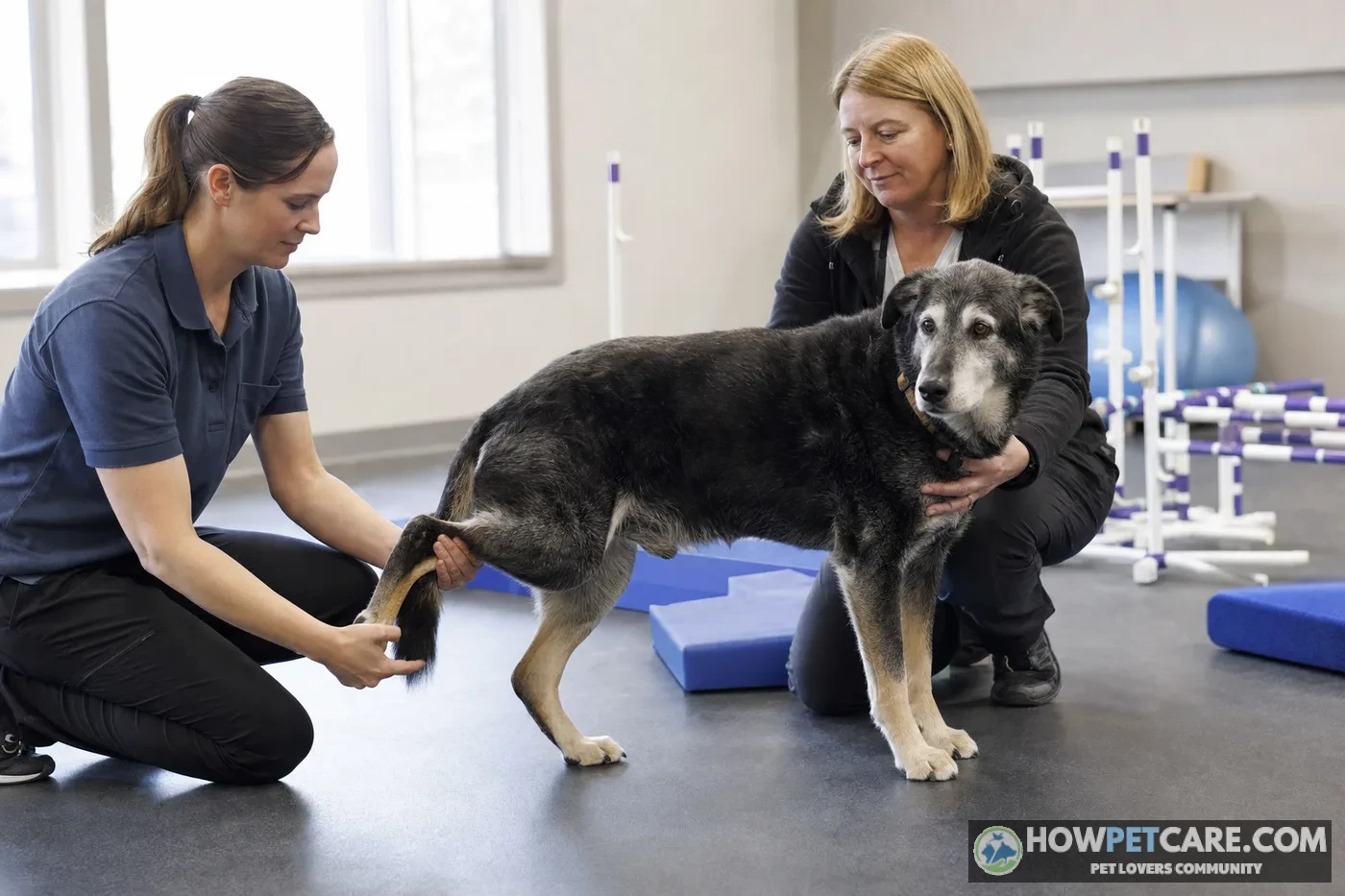
Other factors include a history of gastrointestinal ulcers, heart disease, and taking several medications as a senior dog. Bring your dog’s full medication and supplement list, recent bloodwork, and notes on the condition’s current status. This helps your veterinarian make a safer choice.
What to bring so your vet can choose safely
- Complete list of everything your dog takes, including supplements and anything already given this week
- Most recent bloodwork, if you have it
- Notes on current status, such as latest kidney values or the date of the last pancreatitis flare
- Pain log and video from your home check
- Name and strength of any human painkiller your dog may have taken
Your Pre-Vet Visit Checklist: What to Bring, Ask, and Decide
Coming prepared helps make the appointment a shared decision, rather than a conversation where you simply accept a plan. If vet visits themselves make your dog anxious, ask your veterinarian about trazodone for vet-visit anxiety beforehand.
Questions to ask your vet
- Which drug are you recommending, and why this one over the alternatives?
- What monitoring and bloodwork schedule should we follow?
- Which side effects mean I should stop the drug and call immediately?
- What does this cost per month, and are there generic options?
- Does this interact with my dog’s other medications or supplements?
- When do we reassess whether it is working?
Safety rules to keep at home
- Never give human painkillers unless a veterinarian explicitly directs it.
- Never combine or switch pain drugs without veterinary direction.
- Keep poison control numbers handy: ASPCA Animal Poison Control, 888-426-4435; Pet Poison Helpline, 855-764-7661.
- Store all medications out of reach of dogs and children.
- If you suspect ingestion, act in the first hour or two rather than waiting for symptoms.
Decision guidance by situation
- Suspected pain but not confirmed: complete the home pain checklist, start a two-week log, and book a veterinary exam.
- Already on an NSAID and not improving: schedule a recheck before changing anything; don’t switch drugs on your own.
- Accidental human painkiller ingestion: follow the emergency steps above and call your vet or poison control immediately.
- Kidney, liver, or pancreatic disease: bring bloodwork and the full medication list so your veterinarian can weigh the risks.
- Cost constraints: ask about generics, outside pharmacies, and 90-day fills before leaving the clinic.
Your dog’s comfort depends on finding the right drug for that dog. Start with a veterinary exam, not the medicine cabinet.
FAQ
Can I give my dog Benadryl for pain?
No. Benadryl (diphenhydramine) is an antihistamine and does not treat pain, so any calming effect can hide worsening discomfort. If your dog seems to be hurting, a veterinarian needs to find the cause and choose a pain medication.
How long do dog pain medications take to work?
It depends on the drug. Many NSAIDs improve comfort within a few days, and some drugs, like injectable monoclonal antibodies, can take longer to show their full effect. Your vet should tell you what to expect and when to recheck.
Can I give my dog pain medication prescribed for another dog?
No. Dose is based on each dog’s weight, age, organ function, and other medications, and a drug that suits one dog can harm another. Always get a prescription for the specific dog.
Is it safe for dogs to take NSAIDs long term?
Many dogs with osteoarthritis take veterinary NSAIDs for years, but only with a vet’s guidance, the lowest effective dose, and regular bloodwork and rechecks. Dogs with kidney, liver, or GI problems may need different options.
Can dogs take gabapentin and an NSAID together?
Vets often combine them because they work in different ways, but only under veterinary direction. Never combine an NSAID with another NSAID or a steroid on your own.