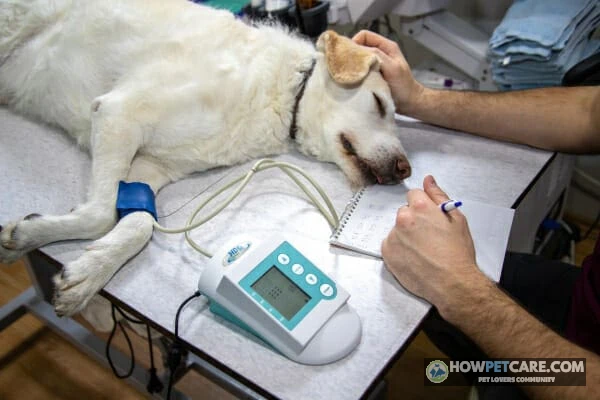

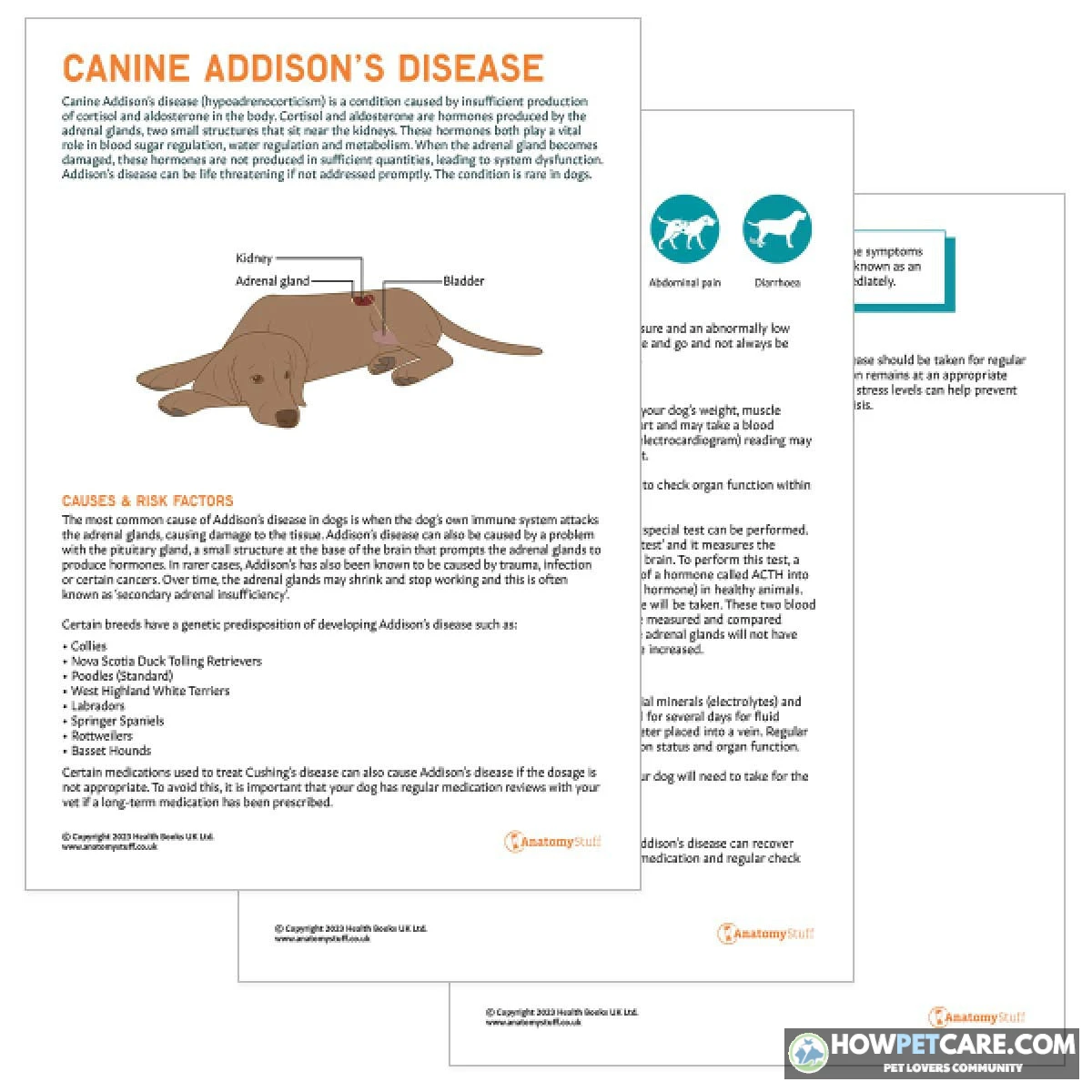
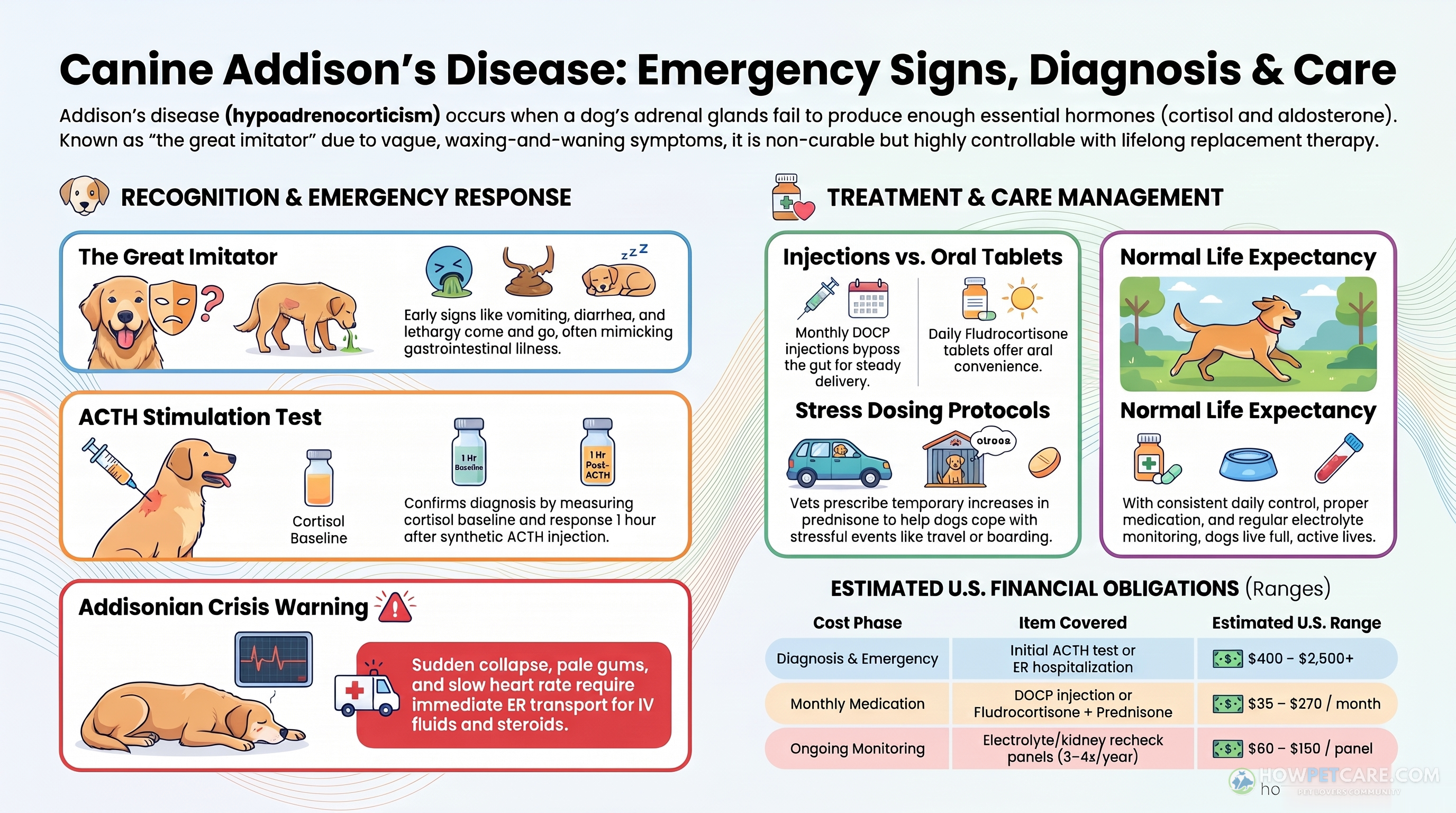
Addison’s disease (hypoadrenocorticism) in dogs means the adrenal glands produce too little cortisol and often too little aldosterone. It causes waxing-and-waning vomiting, diarrhea, weakness, and lethargy, is confirmed with an ACTH stimulation test, and is controlled for life with hormone replacement—most treated dogs live a normal lifespan.
Addison’s disease, also called hypoadrenocorticism, means a dog’s adrenal glands don’t produce enough cortisol and often not enough aldosterone. It’s a lifelong condition, but with consistent hormone replacement, most treated dogs live normal, active lives.
The disease is known as "the great imitator" because its early signs are vague and wax and wane—improving for days or weeks, then returning. That pattern can delay diagnosis. If your dog was just diagnosed, or has recurring vomiting, diarrhea, or unexplained weakness, this guide explains how vets confirm the disease, what treatment costs, and what to do in an emergency.
Addison’s Disease in Dogs: Symptoms That Come and Go
Addison’s disease occurs when the adrenal glands fail to release enough cortisol and, in most cases, aldosterone. Cortisol helps the body manage stress, regulate metabolism, and control inflammation. Aldosterone manages sodium and potassium balance. When both hormones are low, dogs can develop lethargy and weakness, gastrointestinal upset, and electrolyte imbalances that may become life-threatening. The condition isn’t curable, but it’s controllable: lifelong hormone replacement keeps levels steady, and most well-regulated dogs have a normal or near-normal lifespan.
Symptoms and the waxing-and-waning pattern
Signs of canine Addison’s disease often start subtly. They come and go, which is why the disease is called the great imitator. A dog may seem fine for a week, then develop what looks like a "stomach bug" with vomiting and diarrhea. The symptoms may ease after fluids or a bland diet, only to return days later.
Common Addison’s disease symptoms in dogs include:
- Lethargy and weakness
- Reduced appetite or picky eating
- Vomiting and diarrhea
- Weight loss
- Shaking or trembling
- Increased thirst and urination
- Depression or quiet behavior
- Collapse in severe cases

These signs can also point to kidney disease, gastrointestinal illness, or a simple stomach upset. As a result, Addison’s is often misattributed to another cause at first. Routine bloodwork may suggest kidney failure because kidney values are elevated, even when the kidneys are healthy.
Early signs owners often miss
Subtle early warning signs are easy to overlook:
- A drop in energy after a stressful event, such as boarding or a long car trip
- Recurring soft stool or vomiting that resolves on its own
- Unusual tiredness that disappears, then returns
- Mild dehydration that seems to improve with water or fluids
If these episodes keep happening, ask your veterinarian about testing for adrenal insufficiency rather than treating each one as an isolated upset stomach.
Addison’s vs. Cushing’s in one paragraph
Addison’s and Cushing’s diseases differ in one key way: Addison’s means too little cortisol, while Cushing’s means too much. Dogs with Cushing’s often drink and urinate excessively, develop a potbelly, and have thin skin. Dogs with Addison’s more often show weakness, vomiting, and weight loss. These conditions need different tests and opposite treatment approaches, so an accurate diagnosis matters. The same need for accurate testing applies when learning about hyperthyroidism signs and treatment in dogs.
Addisonian Crisis in Dogs: Emergency Signs and What to Do Right Now
Warning signs that mean go now
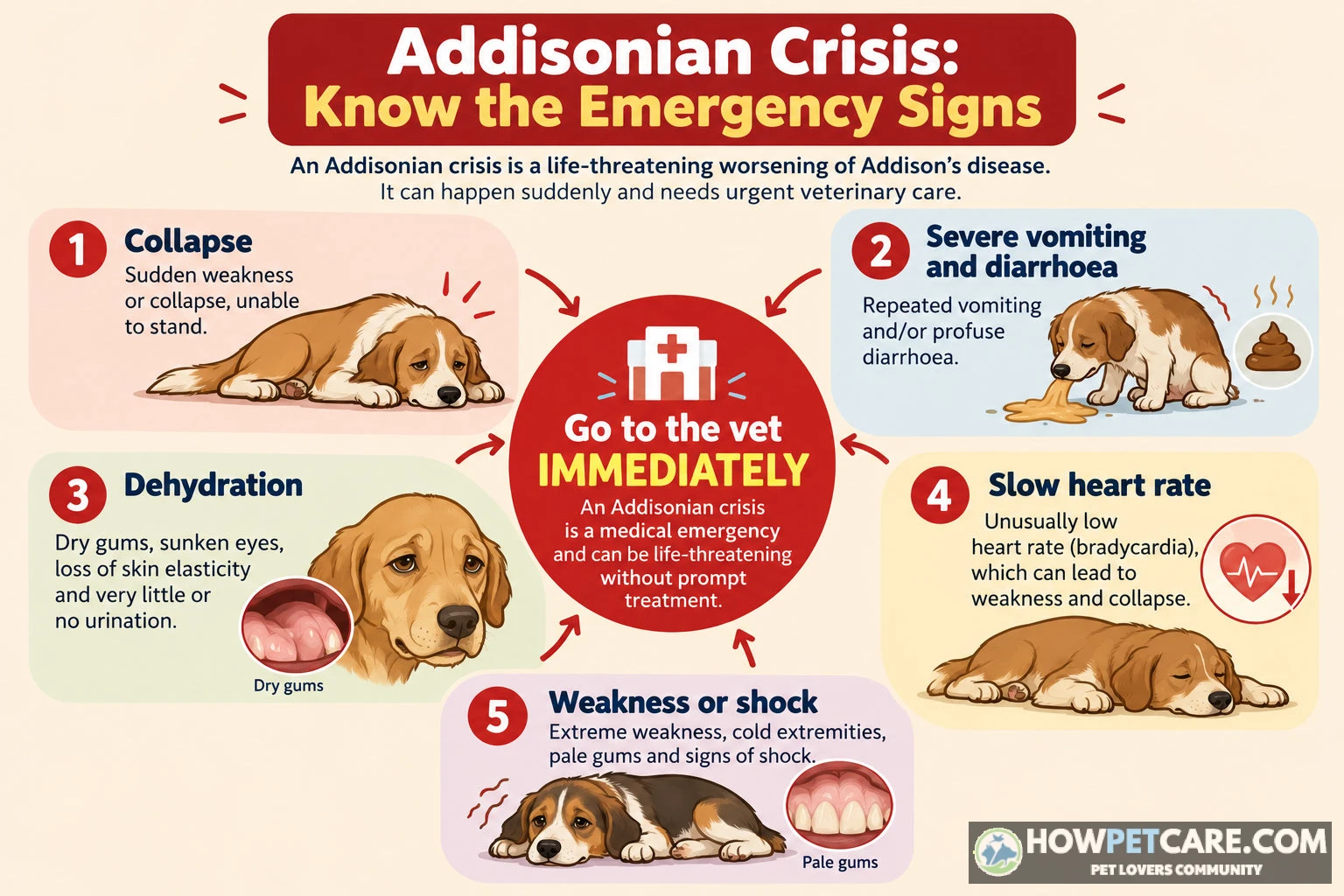
An Addisonian crisis is a sudden, life-threatening collapse caused by a severe drop in cortisol and aldosterone, dehydration, high potassium, low sodium, and sometimes low blood sugar. If present, low blood sugar may require emergency hypoglycemia treatment. Without emergency treatment, it can be fatal within hours.
Go to the nearest emergency veterinary clinic immediately if your dog has:
- Sudden collapse or inability to stand
- Severe weakness or inability to rise
- Pale or white gums
- Slow, irregular, or very weak heartbeat
- Repeated vomiting or bloody diarrhea
- Cold limbs, ears, or paws
- Extreme lethargy or unresponsiveness
Emergency action checklist
Do not attempt to manage an Addisonian crisis at home. Seek emergency veterinary care immediately.
Suspect a crisis if your dog suddenly collapses, cannot stand, has pale gums, a slow or irregular heartbeat, repeated vomiting or bloody diarrhea, cold paws and ears, or is unresponsive. Follow these steps in order:
- Call your nearest emergency vet while you get ready to leave. Say "my dog has Addison’s disease" or "we suspect Addison’s disease" so the team can prepare IV fluids and injectable steroids such as dexamethasone before you arrive.
- Keep your dog lying down, warm, and calm. Wrap them in a blanket. Don’t offer food or water on the way—a collapsed dog can inhale fluid into the lungs.
- Grab the medication kit before you leave. Bring all current medications and note or photograph the date and time of the last DOCP injection or prednisone tablet. The emergency team will ask.
- Tell the vet exactly what you gave and when. Bring pill bottles or vial labels, not just your memory.
- Do NOT give an extra or double dose of prednisone or DOCP on your own, unless your veterinarian has already written emergency instructions for your dog. More isn’t automatically safer, and it can complicate the ER’s bloodwork.
- Do NOT "wait it out." Early IV fluids and injectable steroids turn most crises around quickly, but delay can be fatal.
- Bring prior bloodwork or diagnosis paperwork if you have it. It may save the emergency team a step.
After the emergency, ask your vet to write a stress-dose and emergency plan. Put an "Addison’s emergency card" on the fridge and in the car with the diagnosis, medications, your vet’s number, and the nearest 24-hour ER.
What happens at the ER
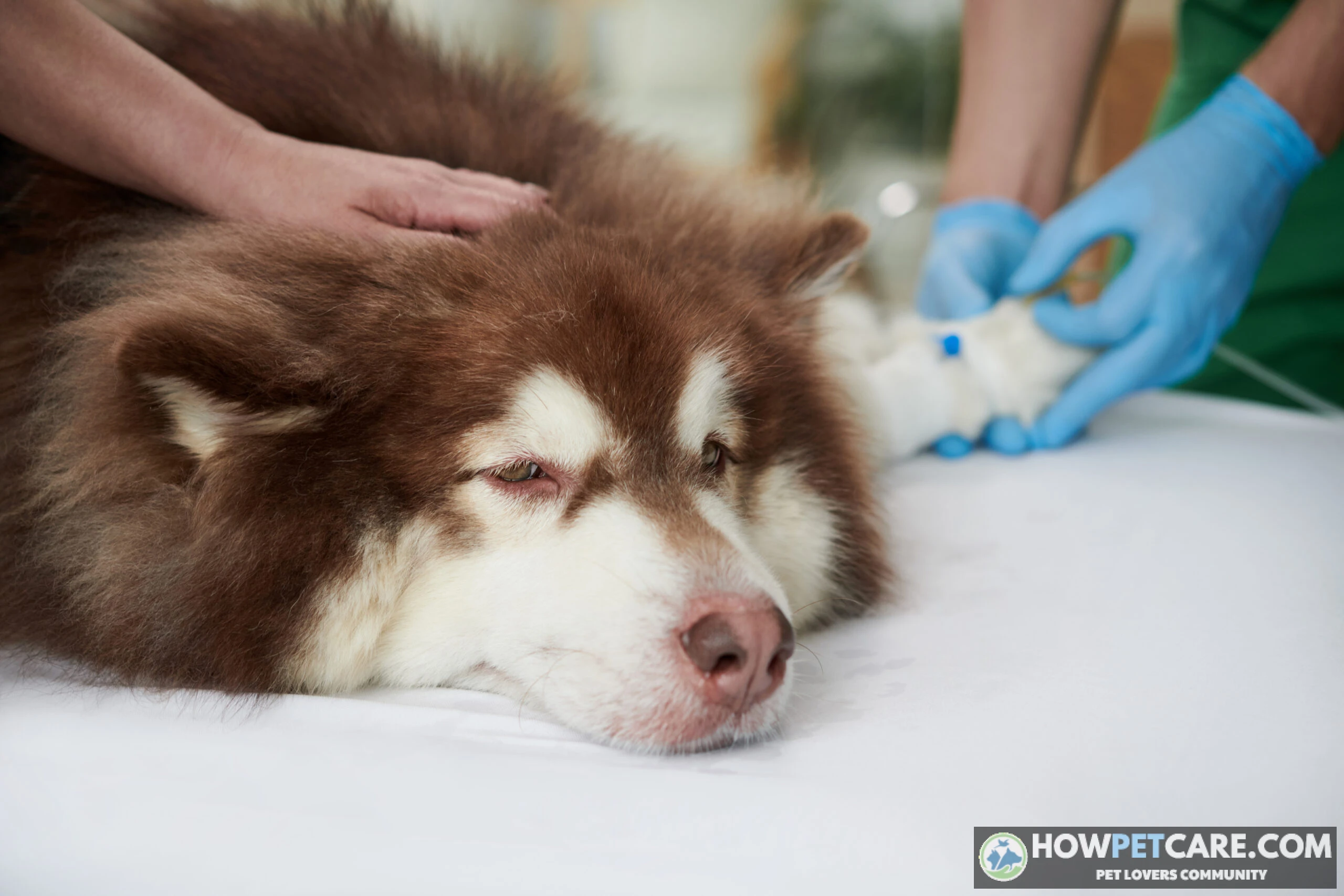
Emergency treatment for an Addisonian crisis usually includes intravenous fluids to correct dehydration and electrolyte imbalance, injectable steroids, and close monitoring of the heart and electrolytes. Most dogs respond quickly when treatment starts promptly. That’s why rapid recognition and transport matter more than anything you can do at home.
How Addison’s Disease Is Diagnosed: Bloodwork, Na:K Ratio, and the ACTH Stimulation Test
What routine bloodwork can show
Routine bloodwork can raise suspicion, but it can’t confirm Addison’s disease. Common clues include high potassium (hyperkalemia), low sodium, a low sodium-to-potassium ratio, mild anemia, low blood sugar, elevated calcium, and kidney values that can mimic kidney disease. A sodium-to-potassium (Na:K) ratio below 27 is a classic clue, though not every dog has one.
A resting cortisol test can help rule out Addison’s: a baseline cortisol level above a certain threshold makes the disease unlikely. But a low resting cortisol alone doesn’t confirm it; stress and illness can temporarily suppress cortisol.
The ACTH stimulation test: what to expect
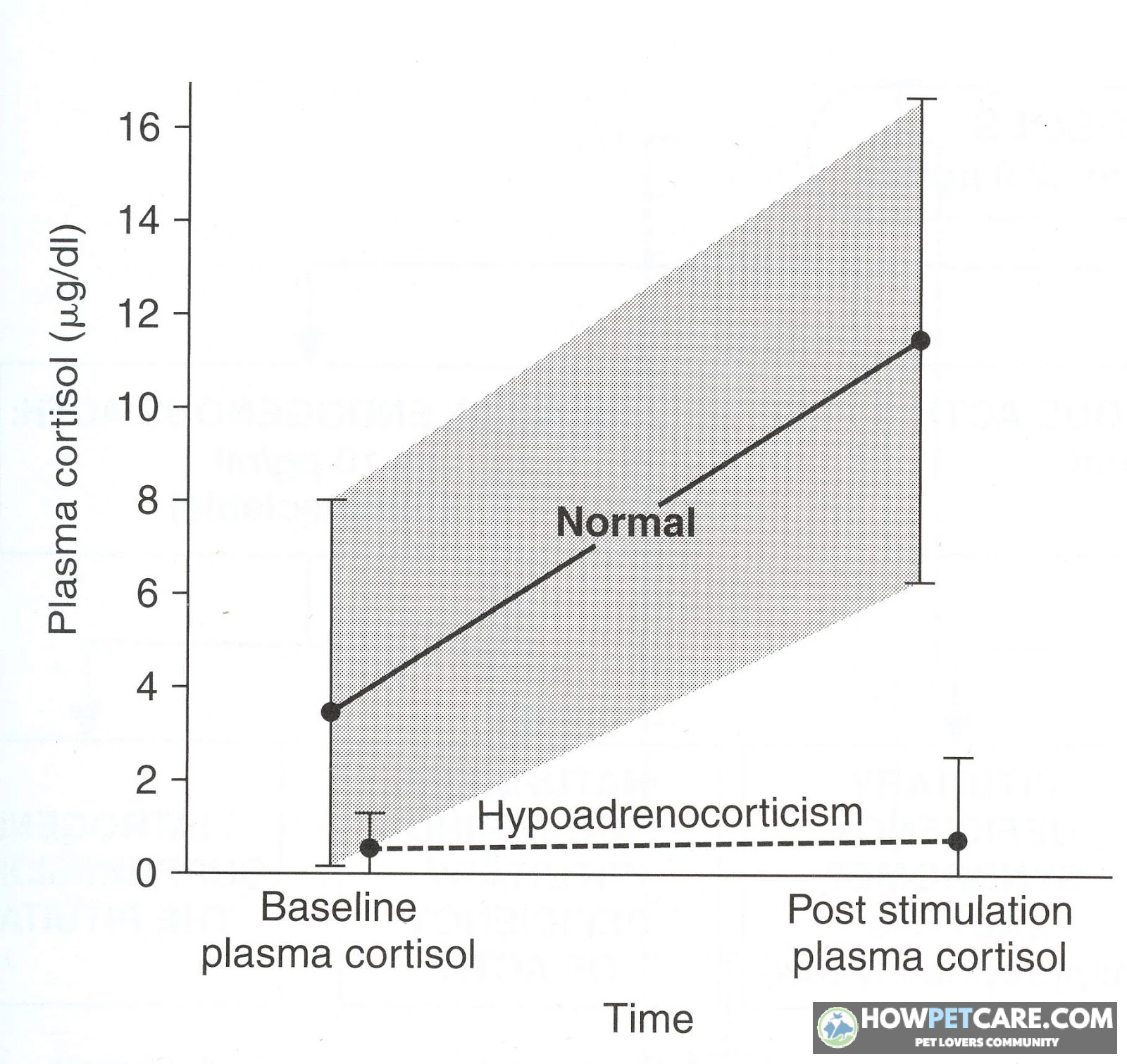
The ACTH stimulation test is the definitive diagnostic test for Addison’s disease. Your vet takes a baseline blood sample to measure cortisol, injects synthetic ACTH (cosyntropin), then takes a second sample about an hour later. If cortisol remains flat—typically below about 2 mcg/dL after stimulation—the diagnosis is confirmed.
Tell your vet if your dog has recently received prednisone, dexamethasone, or other steroids, since these medications can interfere with the results. Your vet may ask you to fast your dog, though protocols vary by clinic.
Atypical Addison’s with normal electrolytes
In atypical Addison’s disease, the dog has a glucocorticoid-only deficiency: cortisol is low, but aldosterone production is still sufficient, so sodium and potassium remain normal. Because routine panels focus largely on electrolytes, atypical Addison’s can be missed. The ACTH stimulation test can still detect it, which is why testing is warranted when a dog has chronic waxing-and-waning illness despite normal electrolytes.
Atypical cases can progress to typical Addison’s over time, with electrolyte abnormalities appearing later. Even after an atypical diagnosis, it’s important to recheck electrolytes at intervals.
What Causes Addison’s Disease in Dogs, and Which Breeds Are Most at Risk
Immune-mediated, secondary, and steroid-withdrawal causes
Most cases of Addison’s disease in dogs are primary, meaning the immune system destroys adrenal tissue. Less often, the cause is adrenal damage from trauma or tumors, or a pituitary problem that prevents the pituitary from signaling the adrenals (secondary adrenal insufficiency).
Iatrogenic adrenal insufficiency can happen when long-term steroids are stopped abruptly instead of tapered. Never stop prednisone or similar medications suddenly without guidance from your veterinarian.
Breeds and age most affected
Addison’s disease is most often diagnosed in young to middle-aged dogs, typically around 4 to 6 years of age. Females are affected more often than males, but dogs of any sex and age can develop it.
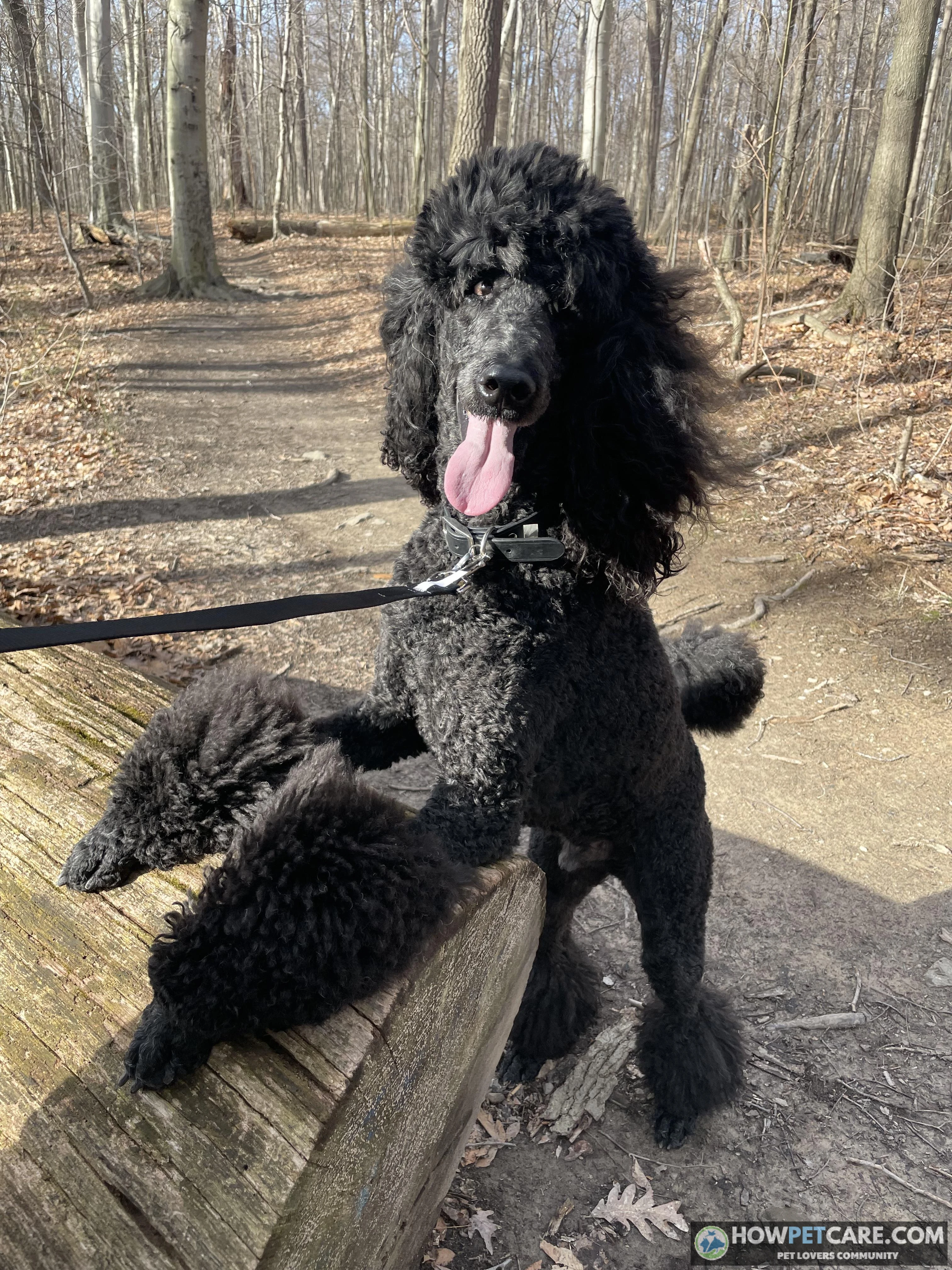
Breeds commonly reported as predisposed include the Standard Poodle, Portuguese Water Dog, Bearded Collie, West Highland White Terrier, and Great Dane. In one reference population, roughly 8% of Standard Poodles were affected, compared with under 0.5% of dogs overall. If your dog is one of these breeds and has recurring, unexplained illness, mention the breed connection to your vet.
Hereditary risk and breeding decisions
Evidence of familial clustering in several breeds suggests a heritable immune-mediated component. No simple, universally validated genetic test can predict Addison’s risk. For practical breeding guidance, consult your breed club and a veterinary geneticist or veterinary endocrinologist before breeding an affected dog or a close relative. Affected dogs generally shouldn’t be bred, and relatives warrant careful screening, but a specialist’s advice should guide decisions for individual dogs.
DOCP vs. Fludrocortisone: Choosing Your Dog’s Addison’s Treatment
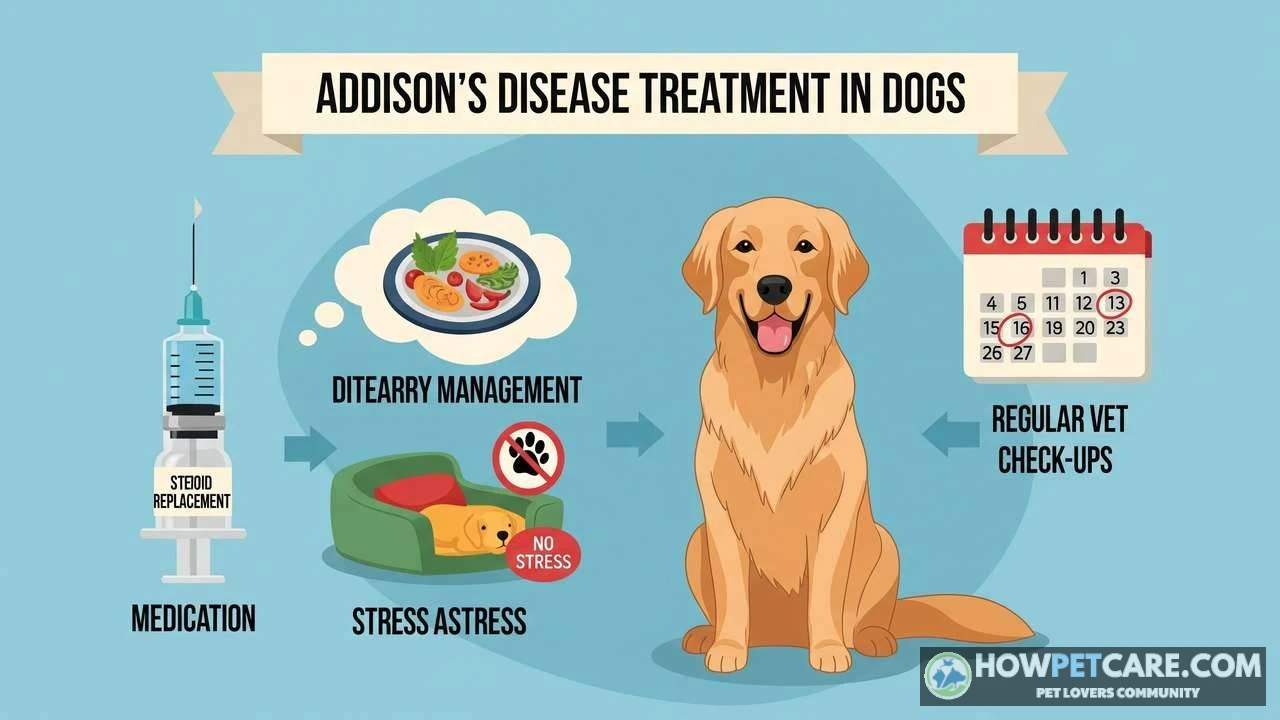
Treatment for dog Addison’s disease replaces the missing hormones. Mineralocorticoid replacement comes from either DOCP injections or daily fludrocortisone tablets. Glucocorticoid replacement comes from prednisone, or from fludrocortisone’s activity in some dogs. Your veterinarian tailors each dose to your dog’s weight, electrolytes, and response.
DOCP (sold as Percorten-V or Zycortal) is an injection given roughly every 25 to 30 days. It’s usually paired with a small daily dose of prednisone. Fludrocortisone (Florinef) is a daily oral tablet, sometimes split into two doses; some dogs don’t need extra prednisone.
| Factor | DOCP (Percorten-V / Zycortal) + prednisone | Fludrocortisone (Florinef) | Best suited for |
|---|---|---|---|
| Dosing frequency | One injection about every 25–30 days, plus a small daily prednisone pill | Oral tablets every day, often split into two doses | Owners who prefer one monthly event versus daily pills, or the reverse |
| Who gives it | Veterinary clinic, or at home after the vet teaches you the injection | You, at home | Home injection works if you are needle-comfortable; clinic visits work if you are not |
| Glucocorticoid coverage | Needs a separate daily prednisone, usually at a low dose | Often built into the tablet itself; some dogs need no extra prednisone | Dogs needing a lower total steroid dose often do better on DOCP |
| Common owner-noticed side effects | Mostly from prednisone: extra thirst, urination, and appetite | More thirst and urination, panting, appetite and weight gain, because the dose often rises over time | Dogs prone to weight gain or urinary accidents may favor DOCP plus low prednisone |
| Stability of absorption | Injection bypasses the gut—steady delivery | Depends on gastrointestinal absorption; vomiting or bowel disease can interfere | Dogs with chronic GI problems often stabilize more easily on DOCP |
| Cost pattern | Higher per-event cost that scales with body weight; can be significant for giant breeds | Lower, steadier monthly pill cost, though large dogs need more tablets | Small and medium dogs are cost-flexible; giant-breed owners should compare quotes both ways |
| Adjustment method | Dose and interval tuned using electrolytes before each injection | Tablet dose adjusted upward over months as needed | Both need bloodwork—there is no "set it and forget it" option |
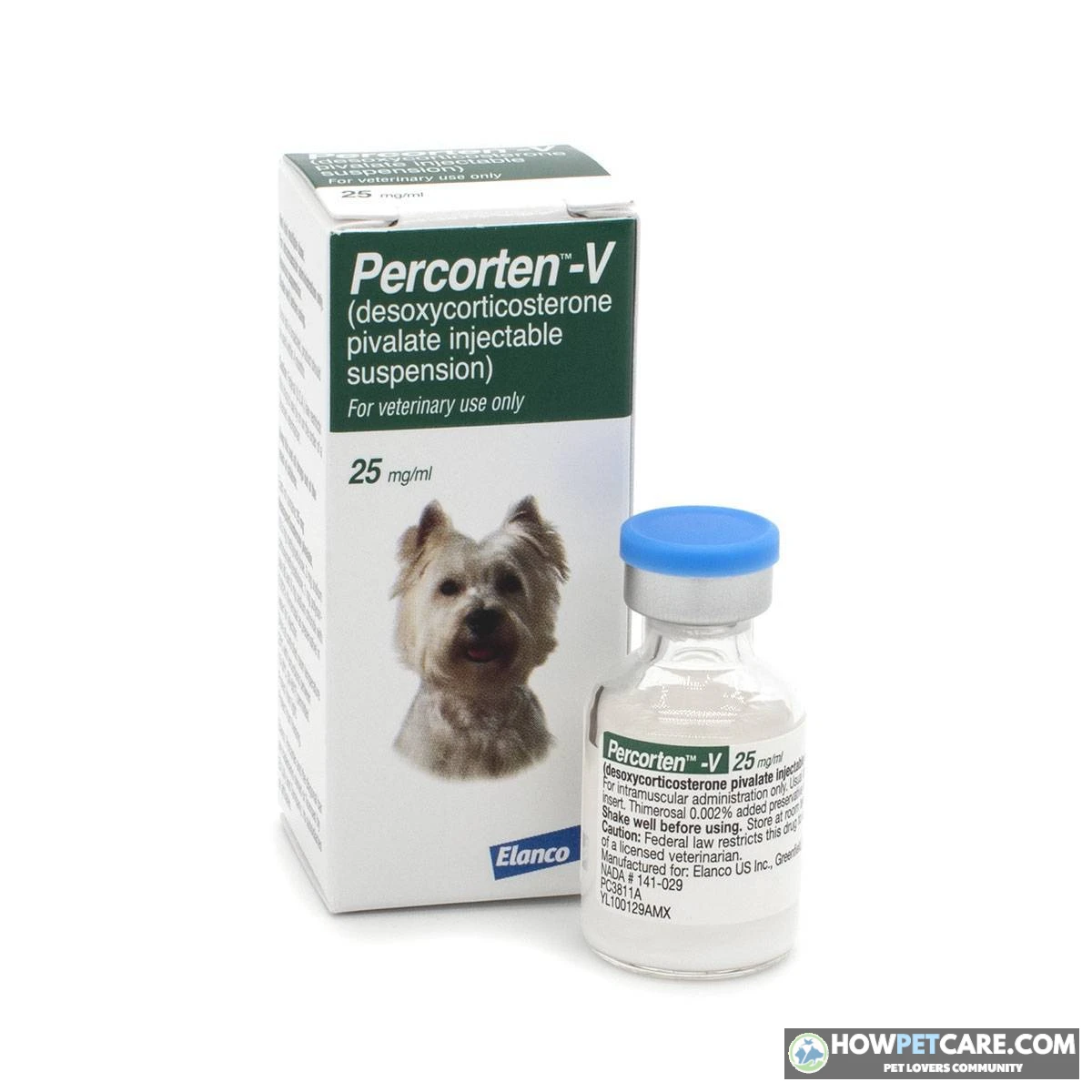
One rule either way: your veterinarian will individualize the dose and adjust it based on recheck electrolytes. Never change or stop either medication on your own.
Cost is part of this decision, not a minor detail. As a rough U.S. planning range, a clinic-administered DOCP injection often runs about $100–$250 per injection depending on the dog’s weight, plus roughly $5–$20 per month for low-dose prednisone. Daily fludrocortisone tablets often cost roughly $30–$80 per month, though large dogs need more tablets. The next section covers full first-year and stable-year totals.
Vet-given DOCP, at-home DOCP, or daily tablets: how to decide
Choose the option that fits your household’s schedule, budget, and comfort level:
- Vet-administered DOCP: A good choice if injections make you uncomfortable or you’d rather have a professional handle dosing. Expect a monthly clinic visit and an exam fee each time.
- At-home DOCP: A good choice if you’re comfortable with needles and want to avoid monthly visit fees. Your vet must teach you the technique and confirm the correct dose first.
- Daily fludrocortisone: A good choice if you want to avoid injections and prefer a daily pill routine. Note that vomiting or bowel disease can make tablet absorption less predictable.
Large dogs cost more to treat with DOCP because the dose scales with weight. Fludrocortisone tablet costs tend to rise more slowly. Ask your vet:
- DOCP injection or daily Florinef—which do you recommend for my dog, and why?
- If DOCP, can I learn to give it at home, or should we do clinic visits?
- What is the expected monthly medication cost for each option?
- What recheck schedule comes with each choice?
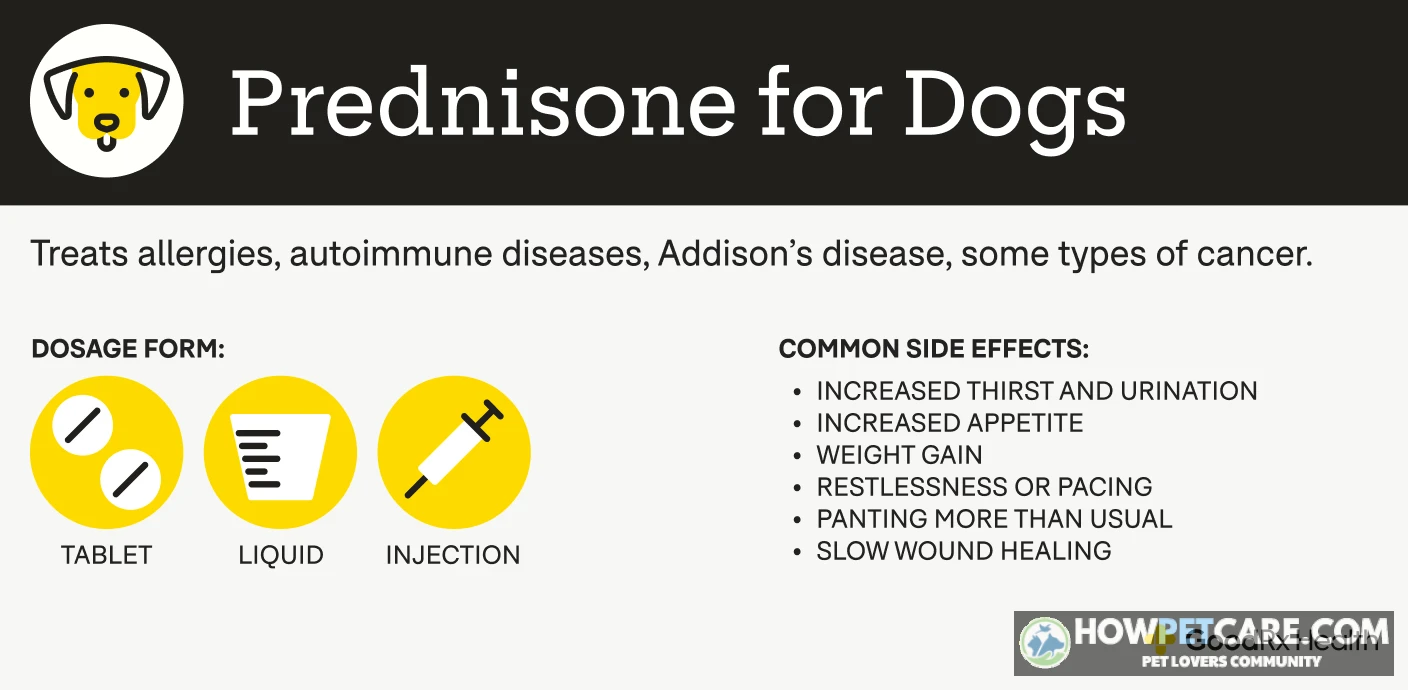
What prednisone does and why the dose should stay low
Prednisone replaces cortisol. Dogs treated with DOCP usually take a low daily dose. Keeping the dose as low as effective helps limit side effects such as increased thirst, urination, appetite, and panting. Some dogs taking fludrocortisone don’t need separate prednisone. Don’t increase prednisone for stress unless your vet has given you a written plan.
Addison’s Disease in Dogs: Life Expectancy and Prognosis With Treatment
Dogs diagnosed with Addison’s disease and stabilized on appropriate hormone replacement generally have a normal or near-normal lifespan. The condition can’t be cured, but it can be controlled, and treatment continues for life even after the dog feels completely well.
The outlook depends on avoiding an Addisonian crisis, giving medication consistently, and keeping electrolyte recheck appointments. The question of how long a dog with diabetes lives has a similar answer: daily control and monitoring matter more than the diagnosis alone. Delayed diagnosis, repeated crises, concurrent illnesses, and missed doses can worsen it. Most dogs return to their usual exercise, appetite, and play within weeks of stabilization, though finding the right dose may take several rechecks.

What Addison’s Disease Costs and the Recheck Calendar for the First Year and Beyond
Monthly and yearly cost ranges
The table gives estimated ranges for common U.S. costs. Prices vary by region, clinic, and your dog’s weight; these figures aren’t guarantees. Ask your clinic for an itemized 12-month estimate.
| Cost item | What it covers | Estimated U.S. range | How it scales / notes |
|---|---|---|---|
| Initial exam, bloodwork, and ACTH stimulation test | Diagnosis phase | Roughly $400–$900 | One-time; varies by clinic |
| Emergency crisis visit | ER visit, hospitalization, IV fluids | Roughly $800–$2,500+ | Biggest variable in year one |
| DOCP injection (clinic-administered) | Mineralocorticoid replacement every ~28 days | Roughly $100–$250 per injection | Scales with body weight |
| DOCP injection (at-home administration) | Same medication, owner-administered | Lower than clinic fee; drug cost plus supplies | Requires vet training and dose confirmation |
| Fludrocortisone tablets | Daily mineralocorticoid replacement | Roughly $30–$80 per month | Large dogs need more tablets |
| Prednisone tablets | Daily glucocorticoid replacement | Roughly $5–$20 per month | Low cost at typical maintenance doses |
| Electrolyte/kidney recheck panel | Sodium, potassium, kidney values | Roughly $60–$150 per panel | Usually 3–4 per year once stable |
| Recheck exam fee | Veterinarian visit | Roughly $50–$90 per visit | Often bundled with panel |
Worked example: one year with a 55-lb (25 kg) dog on vet-administered DOCP.
These are broad U.S. estimate ranges drawn from commonly reported pet-care cost data, not quotes. Use them as a planning worksheet.
Diagnosis phase (one-time):
- Initial exam, bloodwork, and ACTH stimulation test: roughly $400–$900
- If the dog presents in crisis—ER visit, hospitalization, IV fluids: roughly $800–$2,500+
Steady-state monthly costs (example dog):
- DOCP injection every ~28 days at the clinic: roughly $100–$250
- Daily low-dose prednisone: roughly $5–$20
- Estimated monthly total: roughly $105–$270
Steady-state yearly extras:
- Electrolyte/kidney recheck panels, about 3–4 per year once stable: roughly $60–$150 each
- Exam fees at rechecks: roughly $50–$90 per visit
Realistic first-year total: roughly $2,300–$6,000+, depending heavily on whether a crisis occurred and on local pricing. Stable years after that: roughly $1,600–$4,000.
For a comparable dog taking generic fludrocortisone tablets, medication often runs roughly $30–$80 per month, putting stable-year totals closer to $800–$1,800. Cost is a reasonable part of the DOCP-versus-Florinef conversation.
Ways to lower the bill without cutting corners
- Ask your veterinarian about generic or compounded options, and confirm quality and consistency before switching.
- Learn to administer DOCP at home if your vet approves; this removes monthly visit fees.
- Request 90-day prescription fills where appropriate.
- Compare clinic quotes, especially for large dogs where DOCP cost scales with weight.
- Most pet insurance policies exclude pre-existing conditions, so a policy bought after diagnosis usually won’t cover Addison’s. A dog insured before signs appeared may have coverage as a chronic illness; check your policy wording.
Recheck schedule: week 1 to year 1 and beyond
| Milestone | Typical timing | What the vet checks | What may change |
|---|---|---|---|
| Diagnosis day | Day 0 | Confirm ACTH stimulation result; record baseline sodium, potassium, kidney values | Treatment choice and starting doses |
| First recheck | About 10–14 days after starting treatment | Sodium and potassium response; hydration; how the dog feels at home | DOCP or fludrocortisone dose and prednisone amount |
| Early adjustments | Roughly every 2–4 weeks during months 1–3 | Repeat electrolytes; weight; signs of too much steroid (thirst, panting) | Dose fine-tuning; this is the most lab-visit-heavy stretch |
| Pre-injection check (DOCP dogs) | Just before or around each monthly injection | Whether sodium/potassium are drifting | Injection dose or the 25–30 day interval |
| Stable maintenance | Every 3–6 months once regulated | Electrolytes, kidney values, weight, symptom log review | Usually nothing—that is the goal |
| Extra, unscheduled check | Any time there is illness, a new medication, a weight change, a dose change, or returning symptoms | Same panel, plus whatever the trigger requires | Possible stress-dose plan update |
Bring your symptom log—appetite, energy, thirst, and stool—to every recheck. A few "off" weeks between visits can prompt a dose adjustment.
Once your dog is stable, rechecks usually move to every 3 to 6 months. Illness, a new medication, weight change, or dose change calls for an extra check.
Living With an Addisonian Dog: Stress Dosing, Travel, Boarding, and Daily Care
Stress dosing: what it is and what to ask your vet
Stress dosing means temporarily increasing prednisone before or during a stressful event. A dog with Addison’s can’t release extra cortisol on demand. Follow only a plan your vet has made for your dog; don’t adjust the dose on your own.
Before an event, ask your vet:
- Should we increase prednisone for this event, and if so, how much?
- How many days before the event do we start, and when do we return to normal?
- What do we do if the dog vomits the dose or misses one?
Travel, boarding, surgery, and fireworks
Travel: Carry extra medication, vet records, and the emergency card. Find out where the nearest ER is at your destination.
Boarding or pet sitters: Leave written instructions with medication times, crisis signs, and your vet’s and ER’s numbers. Ask sitters to call you and the vet if your dog vomits, refuses food, or seems unusually lethargic.
Surgery, anesthesia, or dental procedures: Tell the anesthetist your dog has Addison’s before scheduling. Ask whether perioperative steroid coverage is needed.
Fireworks, thunderstorms, and predictable noise events: These events recur on a calendar. Ask in advance whether your dog needs coverage for July 4th or storm season.
Major household changes: Moves, new pets, new babies, and owner absences can all be genuine stressors. Ask your vet whether a planned adjustment is warranted.
Diet and daily routine
There’s no special Addison’s diet. A Cushing’s diet for dogs raises different feeding questions; no therapeutic food is required here. Feed a complete, balanced diet consistently, keep fresh water available, and avoid abrupt diet changes. Dogs on proper replacement therapy don’t routinely need extra salt unless your veterinarian advises it.
Give medication at the same time every day. Keep a spare supply, set refill and injection reminders, and log appetite, energy, thirst, and stool. If your dog vomits, misses a dose, or becomes suddenly lethargic, call your vet promptly rather than waiting.
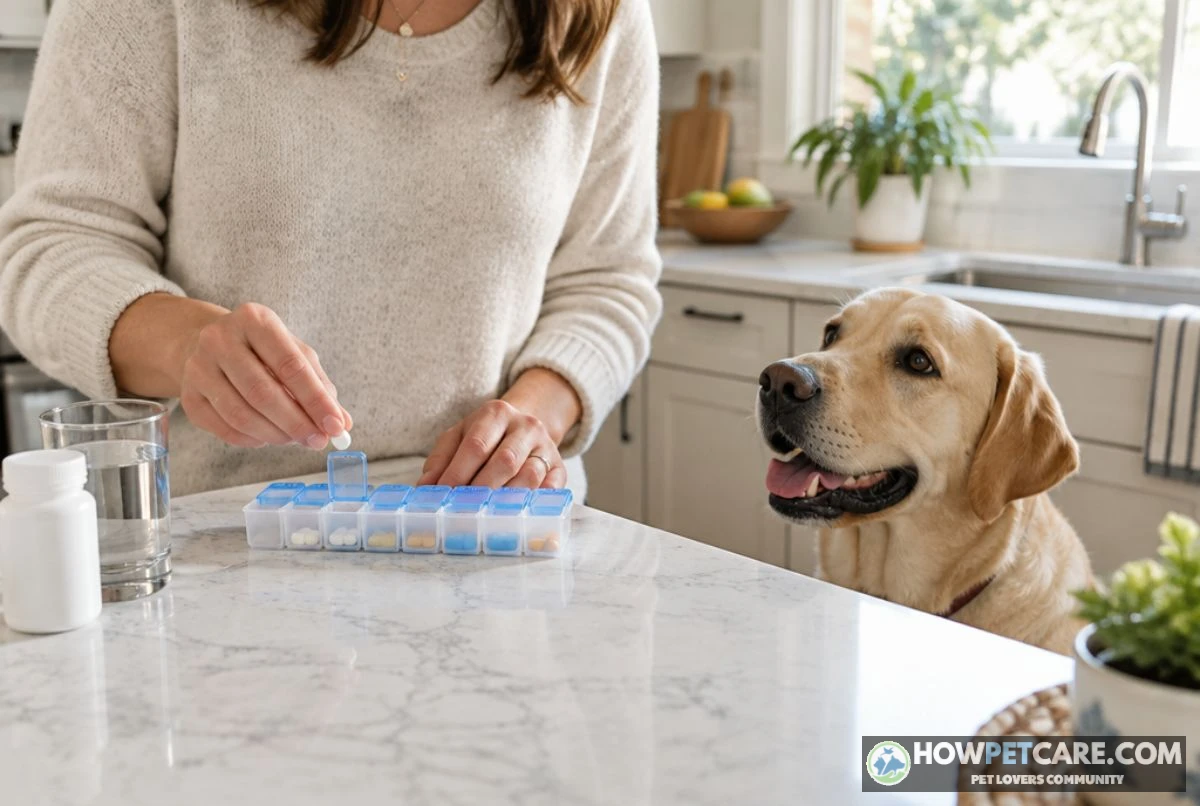
A phone note or notebook entry taking 30 seconds each day—date, appetite, energy, thirst, stool, anything unusual—gives your vet useful information to fine-tune doses between bloodwork visits.
Your First 30 Days After an Addison’s Diagnosis: A Practical Action Plan
Use this checklist and the questions below to guide your first month.
Home supply checklist
- 30 or more days of medication on hand; refill before you run low, not after
- Written emergency or stress-dose instructions from your vet, if prescribed
- Filled-in emergency card on the fridge and in the car: diagnosis, medications and doses, your vet’s number, nearest 24-hour ER
- A shared calendar or phone reminders for daily pills and the next DOCP injection date
- A simple symptom log (notebook or phone note): date, appetite, energy, thirst, stool, anything unusual
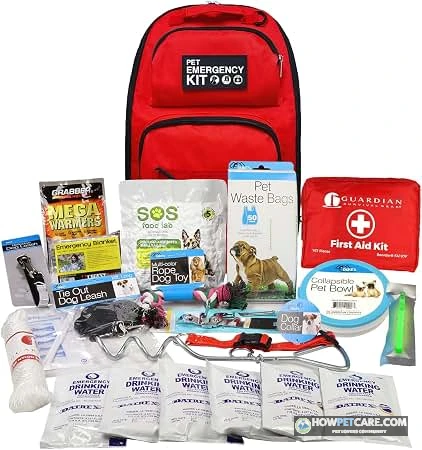
- A small "go bag": medication copies, records printout, emergency card
Questions to bring to your next appointment
- What is my dog’s stress-dose plan, in writing?
- What are the exact dates of the next two rechecks?
- Who do I call after hours—you, or which emergency clinic?
- What early warning signs should make me call versus drive straight to emergency?
- Can I get an itemized 12-month cost estimate so I can budget?
Prepare the household
Find the nearest 24-hour emergency clinic and keep a spare supply of medication. Tell sitters, boarding staff, and family members about crisis signs and where the emergency card is. Ask your vet for an itemized estimate for the next 12 months. If electrolytes remain unstable, the case is atypical, or crises repeat, ask for a referral to a veterinary endocrinologist.
Addison’s disease is a serious diagnosis, but it’s also one of the most manageable endocrine conditions in dogs. With a clear treatment plan, a recheck calendar, and an emergency card, you and your dog can look ahead to a normal life together.
FAQ
Can Addison’s disease in dogs be cured or prevented?
Addison’s disease can’t be cured, and the typical immune-mediated form can’t be prevented. It is controlled with lifelong hormone replacement, and most well-managed dogs live a normal lifespan.
What is the difference between Addison’s and Cushing’s disease in dogs?
Addison’s disease means the adrenal glands make too little cortisol (and often aldosterone), while Cushing’s disease means the body makes too much cortisol. The symptoms and treatments differ, and the two conditions require different diagnostic tests.
At what age do dogs usually develop Addison’s disease?
Most dogs are diagnosed when young to middle-aged, and females are affected more often. It can still occur in dogs of any age or sex.
Does pet insurance cover Addison’s disease in dogs?
Most policies exclude pre-existing conditions, so a plan bought after diagnosis generally won’t cover it. A dog insured before any signs appeared may have the condition covered as a chronic illness, so check your policy’s wording.
What should I do if I miss my dog’s Addison’s medication dose?
Call your vet for instructions instead of doubling the next dose. If the dog is vomiting, weak, or lethargic after a missed dose, treat it as a possible emergency and contact an emergency vet.