
The most common medications for dogs fall into a few major drug classes:
- NSAIDs (carprofen, meloxicam) — arthritis pain and inflammation
- Antibiotics (amoxicillin-clavulanate, doxycycline) — bacterial infections
- Allergy and itch treatments (Apoquel, Cytopoint, diphenhydramine) — allergic itching
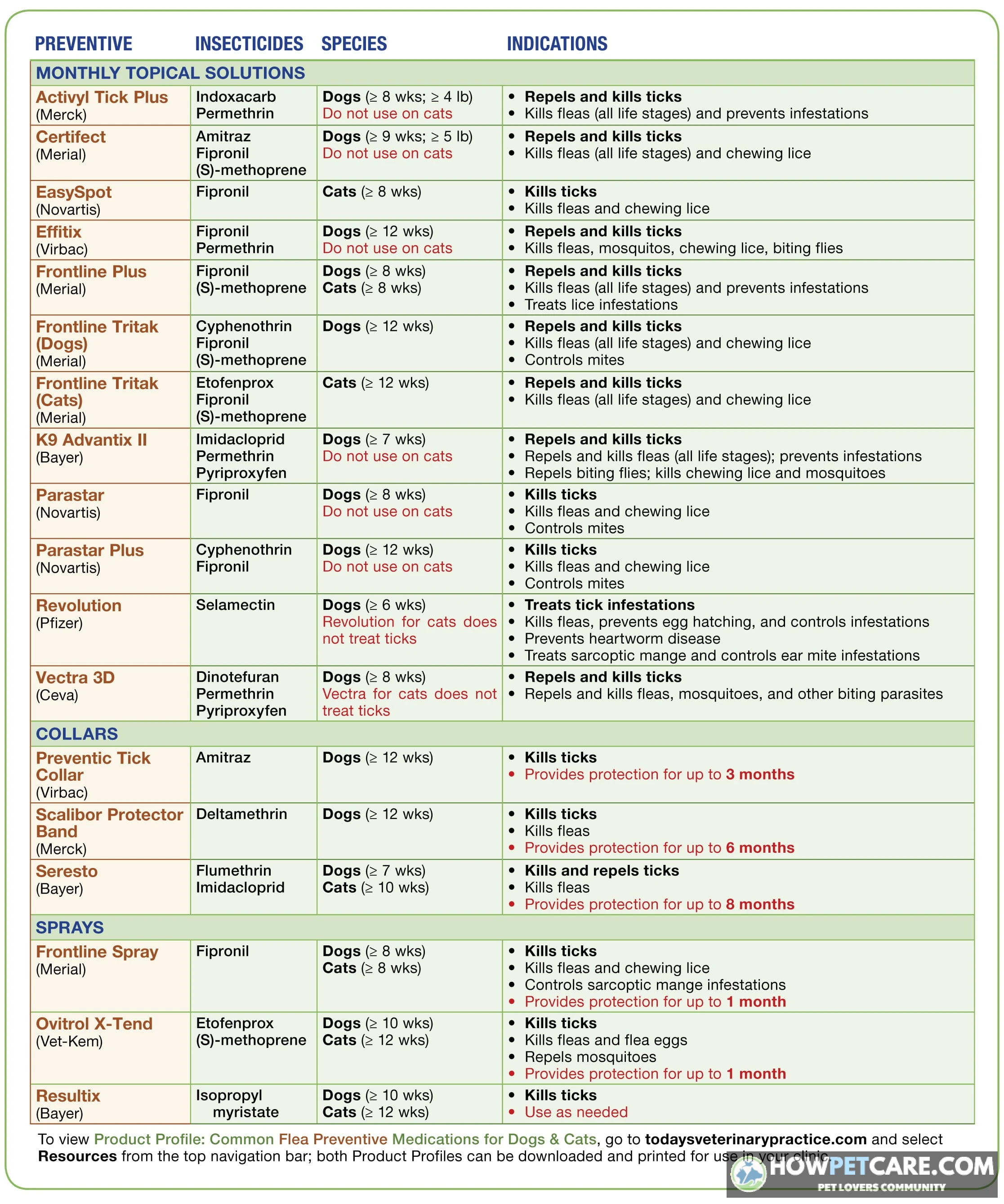
- Antiparasitics (NexGard, Bravecto, Heartgard Plus) — fleas, ticks, and heartworm
- Anxiety and seizure drugs (trazodone, gabapentin, phenobarbital) — situational anxiety and epilepsy
- GI drugs and steroids (famotidine, prednisone) — stomach upset and inflammatory disease
Most require a prescription, and the right choice depends on the diagnosis and your dog’s health.
Common medications for dogs include anti-inflammatory pain relievers, antibiotics, allergy medicines, antiparasitics, anxiety and seizure medications, gastrointestinal drugs, and steroids. The right medication depends on the diagnosis, your dog’s health, and a veterinarian’s direction when a prescription is needed. This guide is for education; it doesn’t replace a veterinary exam or provide personalized dosing.
The Most Common Medications for Dogs, Matched to the Condition They Treat
This dog medicine list links familiar drug names to the conditions they may treat. A medication used for a condition isn’t necessarily right for every dog with the same symptom.
| Drug class | Conditions treated | Generic and brand examples | Rx or OTC status | Key cautions |
|---|---|---|---|---|
| NSAIDs | Osteoarthritis pain, inflammation, and some post-surgical pain | Carprofen (Rimadyl), meloxicam (Metacam), grapiprant (Galliprant) | Prescription | Don’t combine with another NSAID or a steroid unless a veterinarian specifically directs a transition; watch for vomiting, appetite loss, or black stool. |
| Antibiotics | Certain bacterial skin, urinary, dental, respiratory, and other infections | Amoxicillin-clavulanate (Clavamox), doxycycline, cephalexin, metronidazole | Prescription | They don’t treat every cause of diarrhea or illness. Follow the prescribed course and report adverse effects. |
| Allergy and itch treatments | Allergic itching and atopic dermatitis | Oclacitinib (Apoquel), lokivetmab (Cytopoint), diphenhydramine (Benadryl) | Apoquel and Cytopoint: prescription; diphenhydramine: OTC, vet-guided only | The cause of itching matters. Confirm the formulation and dose of any antihistamine with your vet. |
| Anxiety medicines and sedatives | Situational anxiety, noise aversion, and some longer-term behavior problems | Trazodone, gabapentin, fluoxetine (Reconcile), dexmedetomidine oral gel (Sileo) | Prescription | Sleepiness and wobbliness can occur; other medications may increase sedation or cause interactions. |
| Anticonvulsants | Epilepsy and other seizure disorders | Phenobarbital, levetiracetam (Keppra), potassium bromide | Prescription | Missed doses can have serious consequences. Some dogs need blood tests and drug-level checks. |
| Gastrointestinal treatments | Selected causes of nausea, diarrhea, acid-related problems, or ulcers | Probiotics, famotidine (Pepcid), maropitant (Cerenia), sucralfate | Probiotics and famotidine: OTC, vet-guided; maropitant and sucralfate: prescription | Persistent diarrhea, blood, or repeated vomiting calls for veterinary advice rather than repeated home treatment. |
| Corticosteroids | Allergic inflammation, immune-mediated disease, and other conditions | Prednisone, prednisolone | Prescription | Increased thirst and urination are common. Don’t change or stop treatment without your vet’s instructions. |
| Antiparasitics | Fleas, ticks, heartworm, and certain intestinal worms | Afoxolaner (NexGard), fluralaner (Bravecto), ivermectin-pyrantel (Heartgard Plus) | These examples are prescription; some other flea products are OTC | Products cover different parasites. Tell your vet about any seizure history and discuss heartworm testing. |
| Chronic-condition drugs | Heart disease, hypothyroidism, and Cushing’s disease | Pimobendan (Vetmedin), levothyroxine, trilostane | Prescription | Follow-up and monitoring depend on the disease and drug; needs can change over time. |
Itching and allergies: Apoquel, Cytopoint, and antihistamines
Allergies can make a dog itchy, but fleas, infections, and other skin problems can look much the same. Apoquel helps control allergic itch; Cytopoint for allergic dermatitis is an injection used for itching related to allergic and atopic dermatitis. If your dog also has a skin or ear infection, your vet may recommend treating that too.
Antihistamines such as diphenhydramine help some dogs in specific situations, but they aren’t a reliable fix for every itchy dog. Before giving one, ask your vet whether the plain product is suitable and what dose to use.
Pain and arthritis: NSAIDs like carprofen, plus gabapentin
Veterinary NSAIDs such as carprofen reduce pain and inflammation. Vets often use them for arthritis or after surgery. Gabapentin may be added for certain types of pain or included in a broader pain-management plan; it isn’t interchangeable with an NSAID. Tramadol is another prescription pain medicine, but its usefulness depends on the type of pain and the individual dog.
If your dog is limping or reluctant to move, don’t reach for a human painkiller—ibuprofen, naproxen, and acetaminophen are toxic to dogs. An injury, arthritis, or another problem could be causing the symptoms, and each may need a different approach.
Infections: common antibiotics for dogs and what they treat
Vets may prescribe amoxicillin-clavulanate or cephalexin for susceptible bacterial infections, and doxycycline for certain infections, including some tick-borne diseases. Metronidazole has specific uses against certain bacteria and parasites; it isn’t automatically the right treatment for diarrhea.
Antibiotics are appropriate when a veterinarian judges that a susceptible bacterial infection is present or likely—not simply because a dog has loose stool. Depending on the problem, an exam, urine test, skin sample, or culture can help guide treatment.
Anxiety and seizures: trazodone, gabapentin, and anticonvulsants
Vets may use trazodone for noise and visit stress or gabapentin for stressful events such as veterinary visits. Fluoxetine may be part of a longer-term behavior plan. Medication works best alongside a management and behavior plan tailored to the dog.
Seizure medicines serve a different purpose. A veterinarian may prescribe phenobarbital or levetiracetam to control seizures. Ask what to do about a missed dose before one happens.

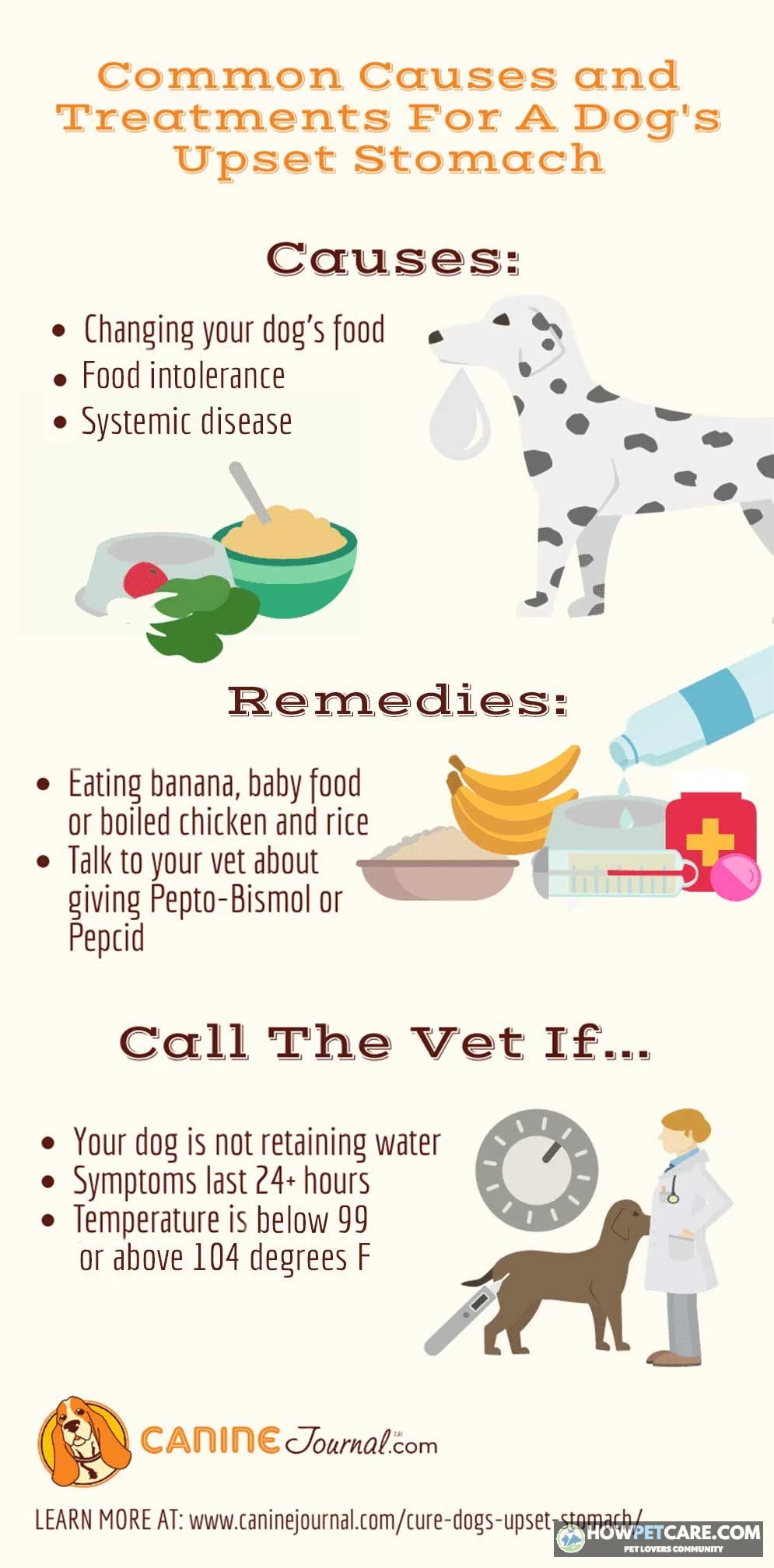
Stomach upset and diarrhea: probiotics, famotidine, and metronidazole
A vet may recommend a probiotic for digestive support, famotidine for a particular acid-related problem, or maropitant for nausea and vomiting. None of these treats every cause of an upset stomach. Before giving an OTC option, confirm the product, its suitability, and the dose with your vet. A dog with blood in the stool, repeated vomiting, marked lethargy, or abdominal pain needs prompt assessment.
Heart, thyroid, and other chronic-condition drugs
Pimobendan may be prescribed for certain heart conditions, levothyroxine for hypothyroidism, and trilostane for certain cases of Cushing’s disease. These medicines aren’t interchangeable symptom fixes. The diagnosis, follow-up tests, and treatment plan matter as much as the name on the bottle.
Newer Dog Medications Vets Prescribe Now: JAK Inhibitors, Monoclonal Antibodies, and Isoxazoline Parasiticides
Older lists of commonly prescribed dog medications may miss therapies that have expanded options for itch, arthritis pain, and parasite control. That doesn’t make any one of them the right choice for every dog.
Apoquel and Cytopoint for allergic itching
Apoquel is a JAK inhibitor, meaning it interferes with signals involved in itch and inflammation. Cytopoint is a monoclonal antibody: a targeted protein that binds an itch-signaling molecule. Apoquel is given by mouth; Cytopoint is given by injection.
Apoquel can start easing itch within hours, though skin recovery and management of underlying triggers may take longer. Your vet will consider your dog’s age, health history, infections, and pattern of itching when recommending treatment. Apoquel can increase susceptibility to infection, so report new or recurring skin, ear, or urinary problems.
Librela for osteoarthritis pain
Librela, or bedinvetmab, is an injectable monoclonal antibody for osteoarthritis pain. It targets nerve growth factor, which plays a role in pain signaling. Unlike a daily oral NSAID, Librela is given as a veterinary injection on a prescribed schedule.
Discuss your dog’s medical history and any changes in mobility, appetite, behavior, or urination with your vet. Report new or worsening signs promptly so your vet can assess whether to continue treatment or consider another pain plan. Improvement can take time and varies by dog.
Flea and tick preventatives and heartworm prevention today
NexGard, Bravecto, Simparica, and Credelio are examples of isoxazoline flea and tick medications. These products can be effective, but the FDA warns about possible neurologic adverse reactions, including tremors and seizures, even in some dogs with no previous history. Tell your vet if your dog has had seizures or reacted to a parasite product.
Heartworm prevention is a separate need, although some combination products cover several parasites. No single product covers every parasite. Ask your vet about testing before starting or restarting prevention, and about a year-round plan that fits your location, travel, and dog’s history.
Why vets prescribe drugs that aren’t labeled for animals
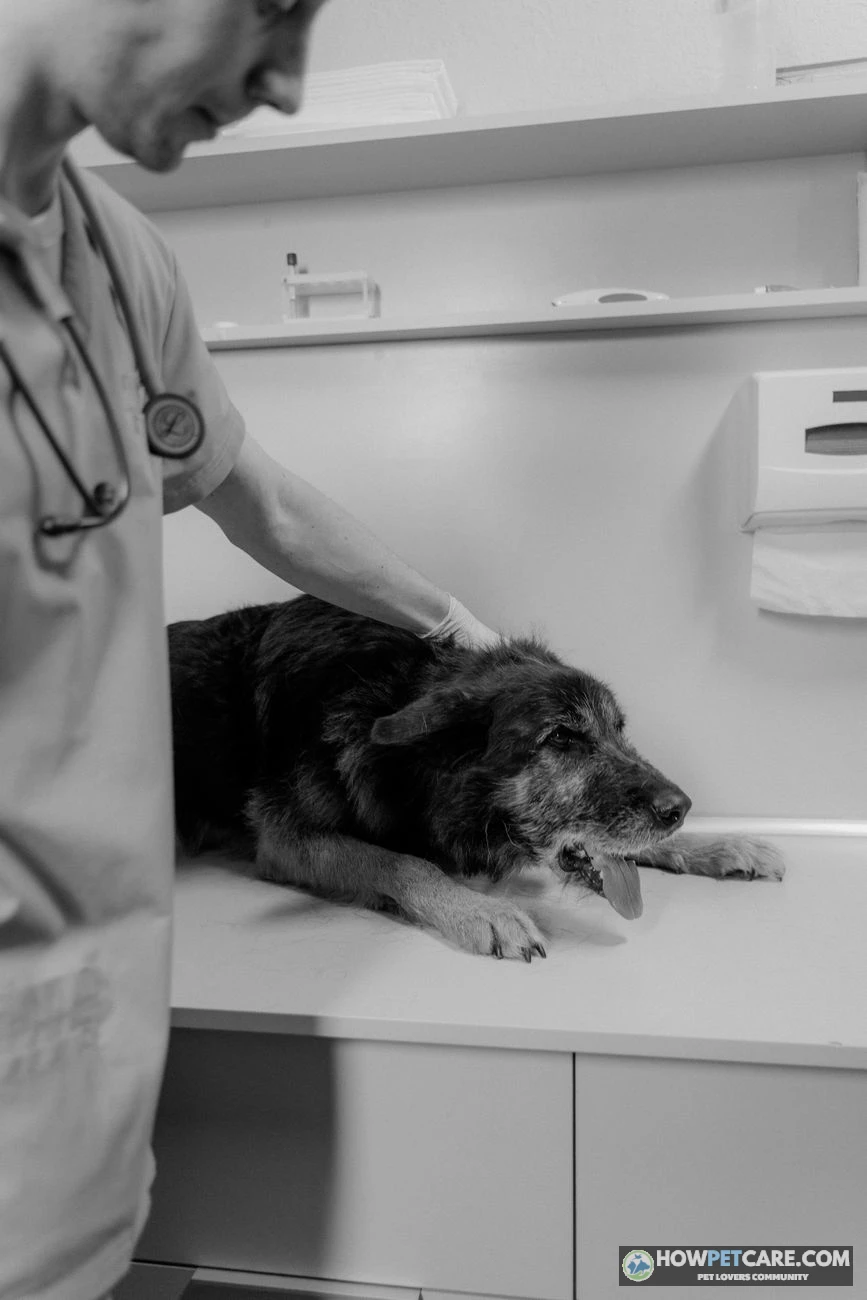
When appropriate under extra-label prescribing rules, a veterinarian may prescribe a human drug or use a drug in a way not described on its animal label. Metronidazole and doxycycline are examples commonly used in dogs despite not being officially approved for animal use. Approval can depend on the specific product and formulation. An off-label prescription should still reflect veterinary judgment, not an owner’s substitution.
 You might be wonderingActivated charcoal for dogsActivated Charcoal for Dogs: Safety, Dosing & When to CallRead the answer
Prescription vs. Over-the-Counter Dog Medications: What’s the Difference?
Prescription drugs require veterinary authorization and generally a valid veterinarian-client-patient relationship. OTC products can be sold without a prescription, but that doesn’t mean a particular product is safe for your dog. Some flea treatments, probiotics, and human antihistamines are available OTC; your vet should still check whether each is suitable.
Treating a problem without a diagnosis can delay care or hide a worsening condition. For instance, suppressing diarrhea at home doesn’t address every possible cause. A compounded or flavored medication may help when an approved product can’t meet a dog’s needs, but compounded products aren’t FDA-approved in the same way as approved drugs. Ask your vet whether a specific formulation is appropriate.
Dog Medication Side Effects: What’s Normal and What Needs a Call to Your Vet
When your dog starts a prescription, make sure you know what to watch for, when to call, and whether to give the next dose if a problem appears. Digestive upset—including vomiting, diarrhea, or reduced appetite—can occur with many oral medications. Even a mild symptom can matter if it worsens or your dog has another illness.
Side effects by medication class
- NSAIDs: Watch for reduced appetite, vomiting, diarrhea, or black, tarry stool. Long-term use can also affect the kidneys or liver, so vets may recommend baseline and periodic bloodwork. If these signs occur, stop the NSAID and contact your vet promptly.
- Steroids: Increased thirst, urination, appetite, and panting can occur. Tell your vet if these changes are severe or your dog seems unwell.
- Antibiotics: Soft stool, vomiting, or reduced appetite can occur. Call about persistent signs; repeated vomiting or bloody diarrhea needs prompt attention.
- Gabapentin and trazodone: Sleepiness and wobbliness can occur. Contact your vet if your dog stumbles, falls, or is more sedated than expected.
- Apoquel: Vomiting or diarrhea can occur. Report possible infections or new skin changes during treatment.
Don’t combine an NSAID with another NSAID or a corticosteroid unless your veterinarian directs a change in treatment. The combination increases the risk of serious gastrointestinal ulceration and perforation. Your vet can advise whether a transition period is needed.
Red flags that mean call the vet or go to the ER
Difficulty breathing, facial swelling with breathing changes, collapse, seizures, repeated vomiting, bloody vomit or stool, black tarry stool, yellow gums or eyes, or straining without producing urine warrant urgent veterinary care. Call the emergency clinic as you arrange transport. Hives or facial swelling can signal an allergic reaction and deserve prompt veterinary advice even if breathing appears normal.
For the first 72 hours after starting a medication, keep a brief daily log of appetite, drinking, energy, stool, vomiting, and behavior. Note when you gave the medication and when any change appeared. Keep watching after that period, too; adverse effects can arise later.
Sleepiness or mild digestive upset may be a known drug effect; hives, swelling, collapse, or breathing difficulty can signal an acute allergic reaction. Do not wait at home with breathing trouble or collapse.
Which Human Medications Are Safe for Dogs and Which Are Toxic?
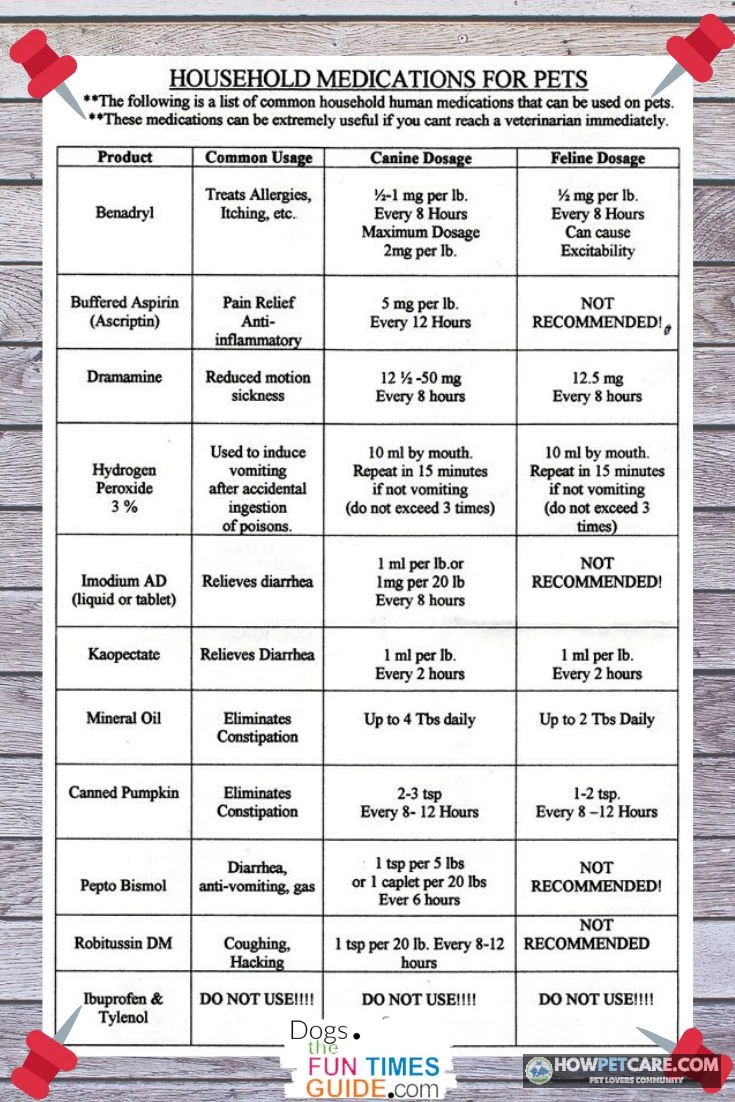
Very few human medicines should be given to a dog without an individual veterinary recommendation. In particular, ibuprofen, naproxen, and acetaminophen are dangerous or toxic to dogs: never give them from your medicine cabinet. If your dog swallows one, call a vet or poison-control service immediately, even if the dog looks well. Human OTC pain relievers can cause serious harm, including gastrointestinal ulceration and kidney injury.
Never-give list: ibuprofen, naproxen, acetaminophen, and others
| Medication or product | Status for dogs | Why it matters | What to do |
|---|---|---|---|
| Ibuprofen (Advil, Motrin) | Never give; toxic | Can cause stomach ulcers and kidney damage. | Call a vet or poison control immediately after possible ingestion. |
| Naproxen (Aleve) | Never give; toxic | Can cause severe gastrointestinal injury and kidney damage. | Call immediately; don’t wait for signs. |
| Acetaminophen (Tylenol) | Never give at home; toxic | Can damage the liver and red blood cells. | Call immediately, including after combination-product exposure. |
| Decongestants such as pseudoephedrine | Never give without veterinary direction; potentially toxic | Can cause agitation and dangerous heart effects. | Call with the exact product name and ingredients. |
| Human antidepressants, ADHD stimulants, and sleep aids | Never give your own prescription | Depending on the drug and amount, ingestion can cause severe sedation, agitation, tremors, seizures, or heart problems. | Call immediately; effects differ by ingredient. |
| Xylitol-containing medicines, gum, or other products | Never give; toxic | Xylitol, also called birch sugar, can cause a dangerous drop in blood sugar and liver injury. | Call immediately and bring the packaging. |
| Plain diphenhydramine (Benadryl) | Vet-guided only | May help in select situations, but suitability, dose, and formulation matter. | Ask your vet first; avoid combination products and xylitol-containing formulations. |
| Famotidine (Pepcid) | Vet-guided only | May be used for selected acid-related problems but can delay diagnosis if used indiscriminately. | Confirm the product, dose, and need with your vet first. |
| Loperamide (Imodium) | Vet-guided only | Unsuitable for some causes of diarrhea; dogs with an MDR1 gene variant can be especially sensitive. | Ask your vet before giving it, particularly for herding breeds. |
| Aspirin | Vet-directed only; not a substitute for dog pain medicine | Can cause bleeding or ulcers and complicate switching to another anti-inflammatory. | Don’t give it unless your vet specifically directs you to. |
Vet-guided only: Benadryl, famotidine, and a few more
A vet may approve plain diphenhydramine (Benadryl) for a particular dog, but confirm the dose and exact product first. Heart, eye, or urinary conditions and other medications can affect that decision. Benadryl isn’t a substitute for emergency care if a dog has trouble breathing or collapses.
The same rule applies to famotidine and loperamide: OTC availability doesn’t provide a diagnosis or dosing instructions. Tell your vet about any product you’ve already given before starting another treatment.
Hidden ingredients in combination products
Cold, flu, and nighttime products may contain several active ingredients, including acetaminophen or a decongestant. Sugar-free liquids and chewables may contain xylitol. Check the full ingredient list instead of relying on the brand name, and keep the package for your vet if an exposure occurs.
Emergency Protocol: What to Do If Your Dog Eats Human Medication or Overdoses
Don’t wait for symptoms. Harm from an ingestion can develop even when a dog initially looks normal, and the window for early treatment may be limited.
The first 10 minutes: a step-by-step checklist
- Secure the scene. Move your dog away from the medication. Collect the container, remaining pills, and fragments; separate other pets if needed.
- Gather the facts without delaying the call. Identify the drug and strength, estimate how much is missing and when it was swallowed, and note your dog’s weight and any signs. If you’re unsure, say so rather than guessing.
- Call immediately. Contact your veterinarian, the nearest emergency veterinary clinic, or ASPCA Animal Poison Control at (888) 426-4435 or Pet Poison Helpline at (855) 764-7661. Consultation fees may apply. If your dog is collapsing, seizing, or struggling to breathe, head to an emergency clinic and call on the way.
- Follow the professional’s instructions. Don’t induce vomiting unless a vet or poison-control professional tells you to for this specific exposure. Don’t give milk, food, or home remedies unless instructed.
- Travel with the evidence. Bring the bottle, packaging, and any remaining material to the clinic. Tell the team about all other medicines your dog takes.
When inducing vomiting is dangerous
Don’t make your dog vomit on your own. It can be especially dangerous if your dog is already vomiting, sedated or difficult to rouse, seizing, or having trouble breathing, or if your dog swallowed a corrosive substance or sharp object. Hydrogen peroxide can cause harm, too, and the wrong timing or amount can make matters worse. Use it only if a veterinary professional specifically directs you to do so.
What to expect at the emergency vet
Depending on the substance, timing, and your dog’s condition, the team may induce vomiting under supervision, give activated charcoal when appropriate, provide IV fluids, and recommend bloodwork or observation. Bring the medication package even if your dog seems to have recovered.
Keep bottles, pill organizers, handbags, and supplements out of reach. A child-resistant cap isn’t a dog-proof storage plan.
Dosing Dog Medications Safely: Why DIY Weight Charts Fail, and How to Give Pills, Handle Missed Doses, and Taper Steroids
Why a DIY dosage-by-weight chart is a risk
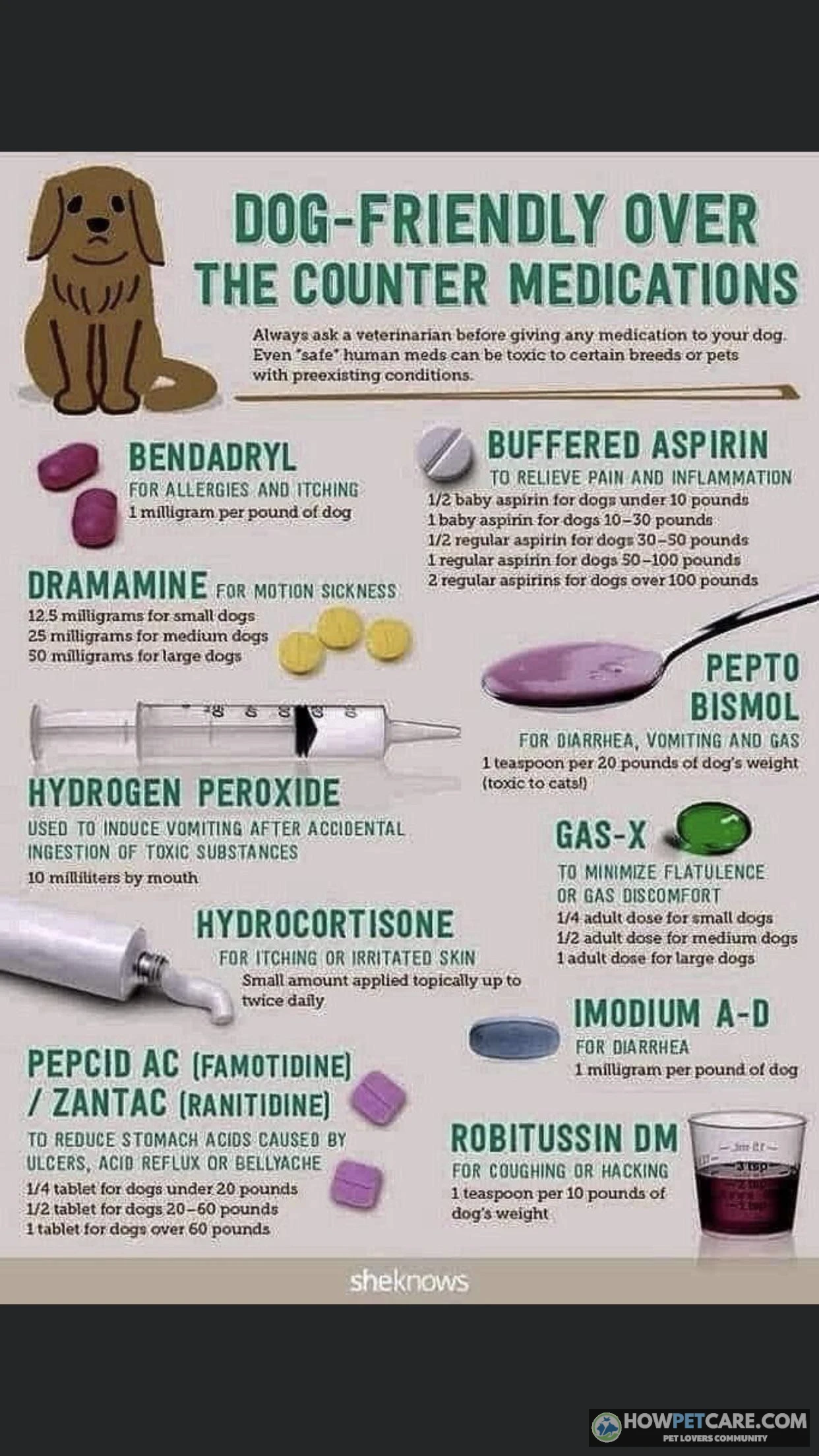
Weight is only one part of a dosing decision. The condition being treated, drug strength and formulation, age, kidney and liver function, other medications, and individual sensitivities can all affect what’s appropriate. Some dogs, including certain herding breeds, may have an MDR1 gene variant that affects sensitivity to particular drugs.
A veterinarian must determine the dose for your dog. Follow the dispensing label, and ask the clinic to clarify the amount in tablets or milliliters, timing, duration, and food instructions. Tell your vet if your dog’s weight changes; don’t adjust the prescription yourself. Never crush, split, or open a tablet or capsule without checking first, particularly an extended-release or coated product.
How to get your dog to take a pill
Try a small amount of vet-approved food or a pill pocket if the medicine can be given with food. Offer an unmedicated treat, the pill-containing bite, and another treat; check that your dog swallowed the pill. Avoid xylitol-containing foods, and ask about food interactions—dairy can interfere with absorption of some antibiotics.
If food doesn’t work, ask the veterinary team to show you safe manual pilling or how to use a pill-giving tool. Don’t force the issue with a frightened dog or one who may bite. Ask whether an approved liquid, chew, different medication, or appropriate compounded formulation is available. Not every medication works reliably in every compounded form.
Missed doses and vomited pills
Ask your vet for drug-specific missed-dose instructions when the prescription is dispensed. For some medications, the general advice is to give a forgotten dose when you remember unless the next one is nearly due—but that isn’t a universal rule. Never double up without veterinary direction. Call promptly about missed seizure medication, insulin, or heart medication; the right response depends on the drug and circumstances.
If your dog vomits after a pill, don’t automatically give another one. Note when you gave it, when vomiting happened, and whether you can see an intact pill, then call your vet. Some medication may already have been absorbed, and repeating the dose could be excessive.
Tapering steroids and finishing antibiotic courses
Follow your vet’s exact plan for prednisone and other steroids. Depending on the dose and duration, stopping suddenly can be unsafe because the body’s own adrenal hormone production may be suppressed. Not every short course needs a taper, so let the prescriber decide; don’t make up a schedule.
Give antibiotics for the prescribed duration unless your vet tells you otherwise. If your dog has a reaction, contact the clinic rather than silently stopping, extending, or saving the remaining pills for another illness.
Dangerous Drug Interactions and the ‘Tell Your Vet Everything’ Checklist
A drug that’s appropriate on its own may become risky alongside another prescription, an OTC medicine, or a supplement. If a drug appears in the table, don’t stop a critical medicine on your own; call the prescribing vet for a plan.
Interaction matrix for common dog drug combinations
| Drug or supplement combination | Risk | Warning signs | What to tell your vet |
|---|---|---|---|
| NSAID plus steroid, or two NSAIDs | Increased risk of gastrointestinal ulcers and bleeding | Vomiting, appetite loss, black stool, weakness | Name both drugs and when each was last given; ask about a safe transition. |
| Trazodone plus another serotonergic drug | Excess serotonin activity can occur | Agitation, tremors, diarrhea, elevated temperature | List antidepressants, pain medicines, and supplements such as St. John’s wort. |
| Gabapentin or trazodone plus other sedatives | Sedation and impaired coordination can increase | Excessive sleepiness, stumbling, difficulty waking | Report anxiety medicines, pain medicines, sleep aids, and CBD products. |
| Seizure medicine plus a drug that changes its blood level | Seizure control or adverse effects can change | Breakthrough seizures, unusual sedation or wobbliness | Give the names and timing of all medicines; ask whether monitoring is needed. |
| Certain antibiotics plus antacids or mineral supplements | Absorption of some antibiotics can decrease | Infection may not improve as expected | Mention antacids and calcium, iron, or other mineral products; ask about timing. |
| NSAID or other medicines plus supplements | Some supplements can add risks or complicate treatment; effects vary | Bleeding, digestive upset, or unexpected sedation | Disclose fish oil, glucosamine blends, CBD, and all other supplements, including ingredients. |
Medications for senior dogs: managing multiple prescriptions
A senior dog may take an arthritis drug alongside treatment for heart disease, seizures, or another chronic condition. More products create more chances for interactions, duplicate ingredients, and administration mistakes. Ask for a periodic medication review and whether bloodwork or other monitoring is due. Age alone doesn’t determine the right prescription; your dog’s health and treatment goals do.
What to tell your vet about everything your dog takes
Keep one up-to-date list on your phone and share it with every veterinarian and pharmacy involved in your dog’s care. Include:
- Prescription names, strengths, amounts, and schedules, including injections.
- OTC medicines and supplements, with product names and ingredients where possible.
- Flea, tick, heartworm, and deworming products and when they were last given.
- Recent vaccines, known allergies, and previous medication reactions.
- Any human medicine or other substance your dog may have swallowed accidentally.
Bring the bottles or clear photos of their labels if you’re unsure. Your vet needs to know about a dose already given, even if it was accidental or you’re worried about mentioning it.
Your Dog Medication Action Plan: A Safety Checklist Before You Give the Next Dose
- Check the prescription: Confirm the name, strength, amount, timing, duration, food instructions, and expected side effects. If the label is unclear, call before giving it.
- Check the category: Follow your dog’s prescription label. Before giving a human OTC product, call your vet. Don’t give ibuprofen, naproxen, or acetaminophen from your medicine cabinet.
- Check the whole list: Tell your vet about every medicine, parasite preventative, and supplement before adding or changing a product.
- Prepare for an accident: Save your emergency vet’s number, ASPCA Animal Poison Control at (888) 426-4435, and Pet Poison Helpline at (855) 764-7661 in your phone.
- Store and dispose safely: Keep medicines out of reach. Use a drug take-back program or pharmacy kiosk when available. If neither is available, follow FDA disposal guidance: for medicines not on the FDA flush list, mix uncrushed medication with used coffee grounds or cat litter, seal it in a bag, and put it in household trash. Remove personal information from the container. Flush only when the label or FDA flush list directs it.
- Arrange follow-up: Ask when your dog’s next medication review and any recommended monitoring are due, and bring your updated list.
 You might be wonderingDhpp vaccine for dogsDHPP Vaccine for Dogs: Schedule, Costs, and Safety GuideRead the answer
FAQ
Can I give my dog Benadryl?
Plain diphenhydramine (no decongestants, no xylitol) is sometimes approved by vets for mild allergic reactions, but only at a dose your vet confirms for your dog. Call your vet first, because Benadryl can mask serious reactions and is risky for dogs with certain heart, eye, or urinary conditions.
How do I safely dispose of leftover or expired dog medication?
Use a drug take-back program or a pharmacy kiosk when possible. If none is available, mix the medication with used coffee grounds or cat litter, seal it in a bag, and put it in household trash. Scratch out personal information on the label. Flush only drugs that the label or FDA list says to flush.
Why do vets prescribe human drugs that aren’t FDA-approved for dogs?
Many effective drugs, such as metronidazole and doxycycline, were developed for people and have long safety records in dogs. Veterinarians can legally prescribe them extra-label when no approved animal drug fits the condition.
How long does it take for dog medications to start working?
It depends on the drug. Apoquel can ease itching within hours, while NSAIDs and Librela may take days to weeks for full pain relief. Antibiotics often show improvement within a few days, but you should still finish the full course unless your vet says otherwise.
Do dogs need flea, tick, and heartworm medication all year?
Most vets recommend year-round heartworm prevention and flea/tick control, because parasites can survive in mild weather or indoors. Ask your vet to match the product to your region and your dog’s health history.