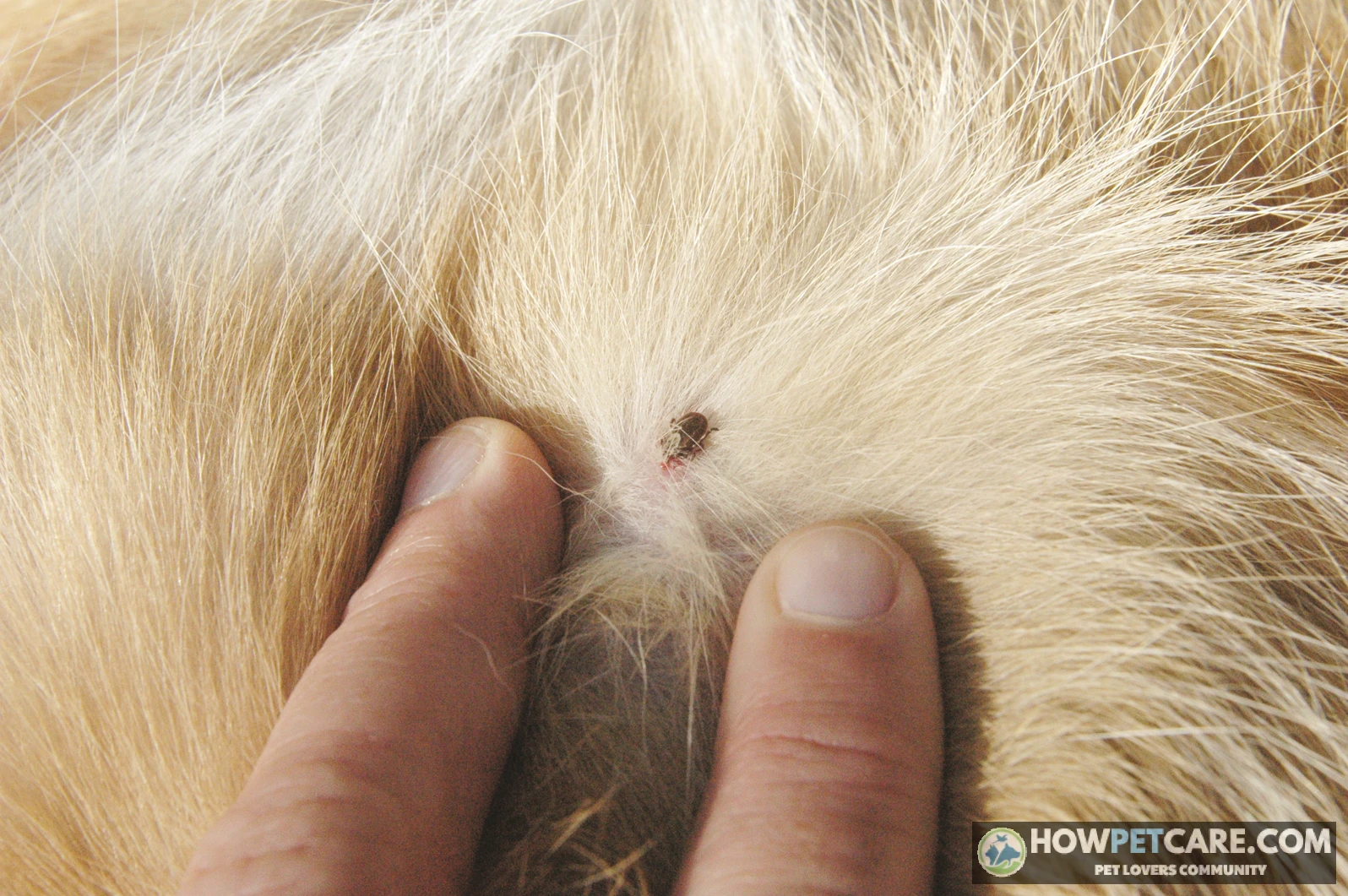

The most common canine tick-borne diseases in the US, with their hallmark signs:
- Lyme disease — deer tick; fever, lethargy, shifting-leg lameness (often 2–5 months post-bite)
- Ehrlichiosis — brown dog and lone star ticks; fever, nosebleeds, low platelets
- Anaplasmosis — deer and brown dog ticks; fever, joint pain, lethargy
- Rocky Mountain spotted fever — American dog tick; sudden high fever, neurological signs, progresses fast
- Babesiosis — various ticks and dog bites; anemia, pale gums, dark urine
- Hepatozoonosis — acquired by eating an infected tick; fever, muscle pain and wasting
Found a Tick or Seeing Symptoms? What to Do Right Now
If you’ve found a tick on your dog, remove it promptly. If your dog also seems off — lethargic, limping, or possibly feverish — use the signs below to decide how quickly to seek care.
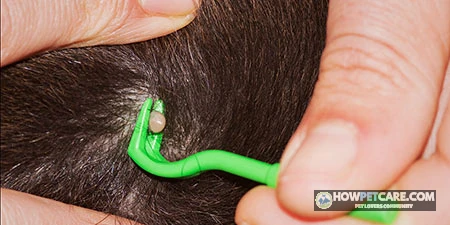
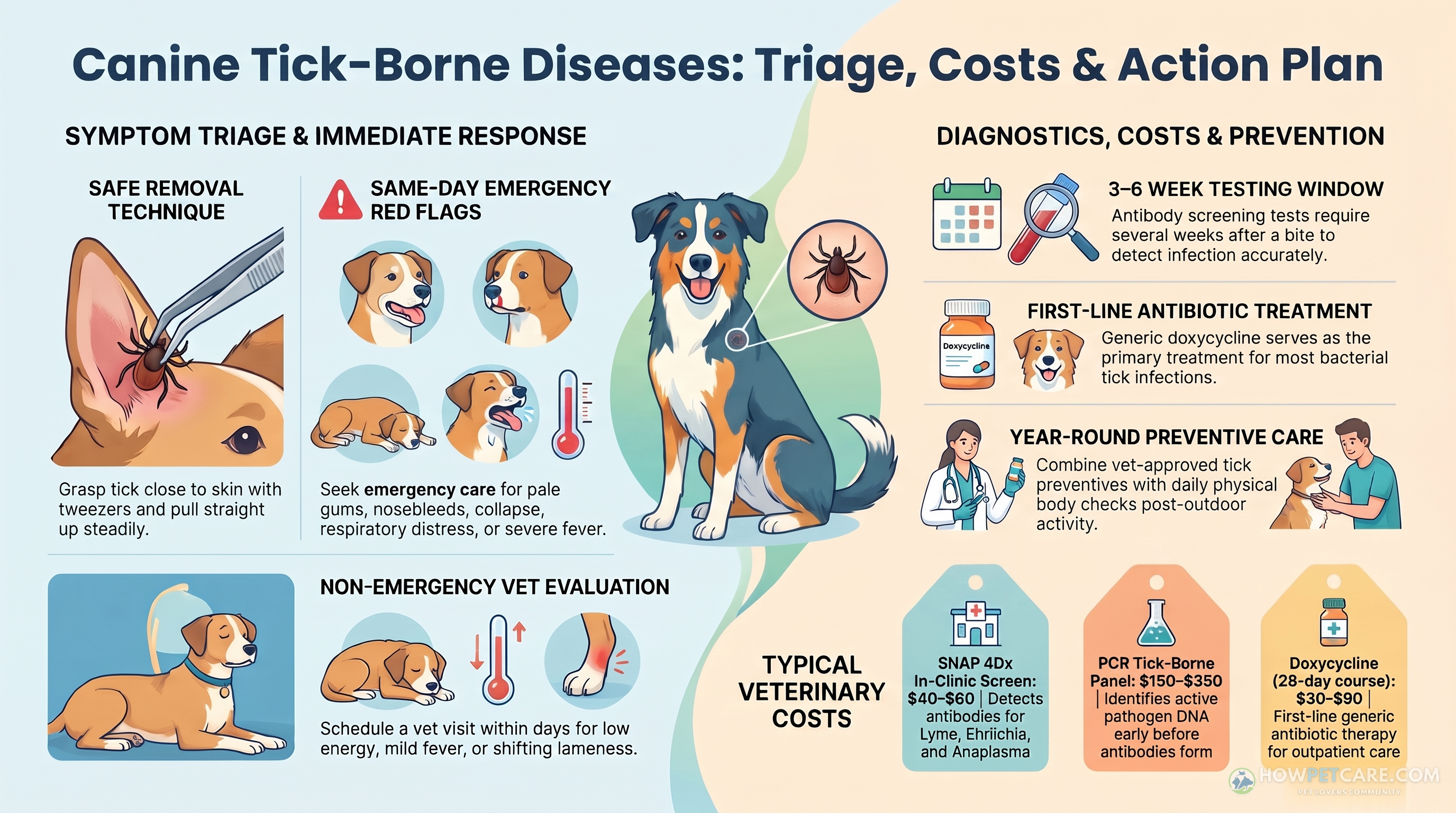
First, remove the tick now. With fine-tipped tweezers or a tick-removal tool, grasp it as close to the skin as possible and pull straight up with steady pressure. Don’t twist or squeeze the tick, or apply anything to it while it’s attached, including petroleum jelly, heat, or alcohol. Clean the bite area and your hands afterward. Save the tick in a sealed bag or container with a damp cotton ball; your vet may want to identify it.
Next, decide how quickly to act based on what you’re seeing.
Same-day emergency signs
Go to an emergency vet today if your dog has any of the following:
- Pale, white, or yellow-tinged gums, or unexplained bruising or pinpoint red spots on the gums or belly
- Nosebleeds, bleeding that won’t stop, or blood in urine or stool
- Collapse, severe weakness, or trouble standing
- Difficulty breathing or rapid labored breathing
- High fever (over 103.5°F / 39.7°C if you can take a rectal temperature) with obvious sickness
- Refusing all food and water for more than a day
- Sudden swelling of the face, limbs, or joints
These signs can point to severe anemia, clotting failure, organ involvement, or rapidly progressing Rocky Mountain spotted fever. Don’t wait.
Call-the-vet-this-week signs
Call your veterinarian within a few days if you notice:
- Low energy or unusual tiredness
- Mild fever or just seeming “off”
- Limping, stiffness, or lameness that moves from leg to leg
- Swollen or warm joints
- Reduced appetite (still eating some)
These can be early signs of Lyme disease, ehrlichiosis, or anaplasmosis. Your dog needs an evaluation, but an ER visit typically isn’t necessary unless the signs worsen.
Watch-and-monitor scenarios
Monitor at home if:
- You removed a tick but your dog acts completely normal — log the date and body location, and watch closely for 4–6 weeks
- The bite site is slightly red or has a small bump but your dog is otherwise fine — other insect bites on dogs can look similar
Many bitten dogs never get sick, but symptoms can appear days to months later. Feeling well today doesn’t guarantee your dog is in the clear.
Use this list to sort what you’re seeing right now. When in doubt, call your vet — describing symptoms costs nothing.
Go to an emergency vet today if your dog has:
- ☐ Pale, white, or yellow-tinged gums, or unexplained bruising or pinpoint red spots on the gums or belly
- ☐ Nosebleeds, bleeding that won’t stop, or blood in urine or stool
- ☐ Collapse, severe weakness, or trouble standing
- ☐ Difficulty breathing or rapid labored breathing
- ☐ High fever (over 103.5°F / 39.7°C if you can take a rectal temperature) with obvious sickness
- ☐ Refusing all food and water for more than a day
- ☐ Sudden swelling of the face, limbs, or joints
Call your vet within a few days if your dog has:
- ☐ Low energy or unusual tiredness
- ☐ Mild fever or seeming ‘off’
- ☐ Limping, stiffness, or lameness that moves from leg to leg
- ☐ Swollen or warm joints
- ☐ Reduced appetite (still eating some)
Monitor at home if:
- ☐ You removed a tick but your dog acts completely normal — log the date and body location, and watch closely for 4–6 weeks
- ☐ The bite site is slightly red or has a small bump but your dog is otherwise fine
Remember: many bitten dogs never get sick, but symptoms can show up days to months later. A normal dog today is not a guaranteed all-clear.
The guide below compares canine tick-borne diseases and regional risks, explains likely costs, and offers a daily tick-check checklist and action plan. If the bill is on your mind: in US clinics, a SNAP 4Dx screen typically runs about $40–$60, a PCR tick-borne panel about $150–$350, and a 28-day course of generic doxycycline about $30–$90 — the diagnosis section below has a full cost table.
The Most Common Tick-Borne Diseases in Dogs in the US, Side by Side
Six major diseases account for the vast majority of canine tick-borne illness in the United States. A single tick can carry more than one pathogen, so co-infections are possible. The table compares symptoms, testing, treatment, and outlook; it also explains terms such as thrombocytopenia, or low platelets that impair clotting.
| Disease | Pathogen | Tick vector | Typical symptoms | Diagnosis | Treatment | Prognosis |
|---|---|---|---|---|---|---|
| Lyme disease | Borrelia burgdorferi (bacteria) | Deer tick / blacklegged tick | Often none; fever, lethargy, joint pain, lameness that shifts legs; rare severe kidney form | SNAP 4Dx or C6 antibody test; urine protein check if kidney form suspected | Doxycycline (~4 weeks); kidney cases need hospital care | Good for mild cases; guarded for Lyme nephritis |
| Ehrlichiosis | Ehrlichia canis and related species | Brown dog tick; lone star tick | Fever, lethargy, nosebleeds, low platelets (poor clotting), weight loss | SNAP 4Dx antibodies; PCR; CBC showing low platelets | Doxycycline (~4 weeks) | Good if caught early; chronic phase is harder to treat |
| Anaplasmosis | Anaplasma phagocytophilum; A. platys | Deer tick; brown dog tick | Fever, joint pain, lethargy, sometimes vomiting or diarrhea | SNAP 4Dx antibodies; PCR; CBC | Doxycycline (~2–4 weeks) | Usually very good; most dogs improve within days |
| Rocky Mountain spotted fever | Rickettsia rickettsii | American dog tick; brown dog tick | Sudden high fever, neurological signs (wobbliness, confusion), can worsen fast | PCR; paired antibody titers; clinical signs matter because waiting is risky | Doxycycline started promptly, often before test results | Good with fast treatment; poor if delayed |
| Babesiosis | Babesia species (protozoa) | Various ticks; also spread dog-to-dog via bites | Anemia, pale gums, dark urine, weakness, collapse | Blood smear; PCR | Antiprotozoal drugs (not doxycycline); transfusion if severe | Variable; can relapse and become a carrier |
| Hepatozoonosis | Hepatozoon americanum | Acquired by eating an infected tick, not a bite | Fever, muscle pain and wasting, reluctance to move, eye discharge | Muscle biopsy; PCR | Long-term antiprotozoal combination therapy | Chronic management; guarded long-term |
| Bartonellosis | Bartonella species | Fleas and ticks suspected | Vague: fever, lameness, heart or liver involvement | PCR and antibody panels at reference labs | Prolonged antibiotic combinations | Variable; diagnosis itself is challenging |
One tick can carry more than one pathogen, so vets sometimes test and treat for co-infections at the same time.
Canine Lyme disease
Lyme disease is caused by Borrelia burgdorferi and transmitted by the deer tick (blacklegged tick). National seroprevalence in dogs is about 5.1%, but in the Northeast it reaches 11.6%. Most infected dogs never show signs. Those that do typically develop fever, lethargy, and shifting-leg lameness 2–5 months after the bite. A rare but serious complication is Lyme nephritis (kidney inflammation), which carries a guarded prognosis. The Lyme vaccine targets only B. burgdorferi and doesn’t protect against other tick-borne diseases.
Ehrlichiosis in dogs
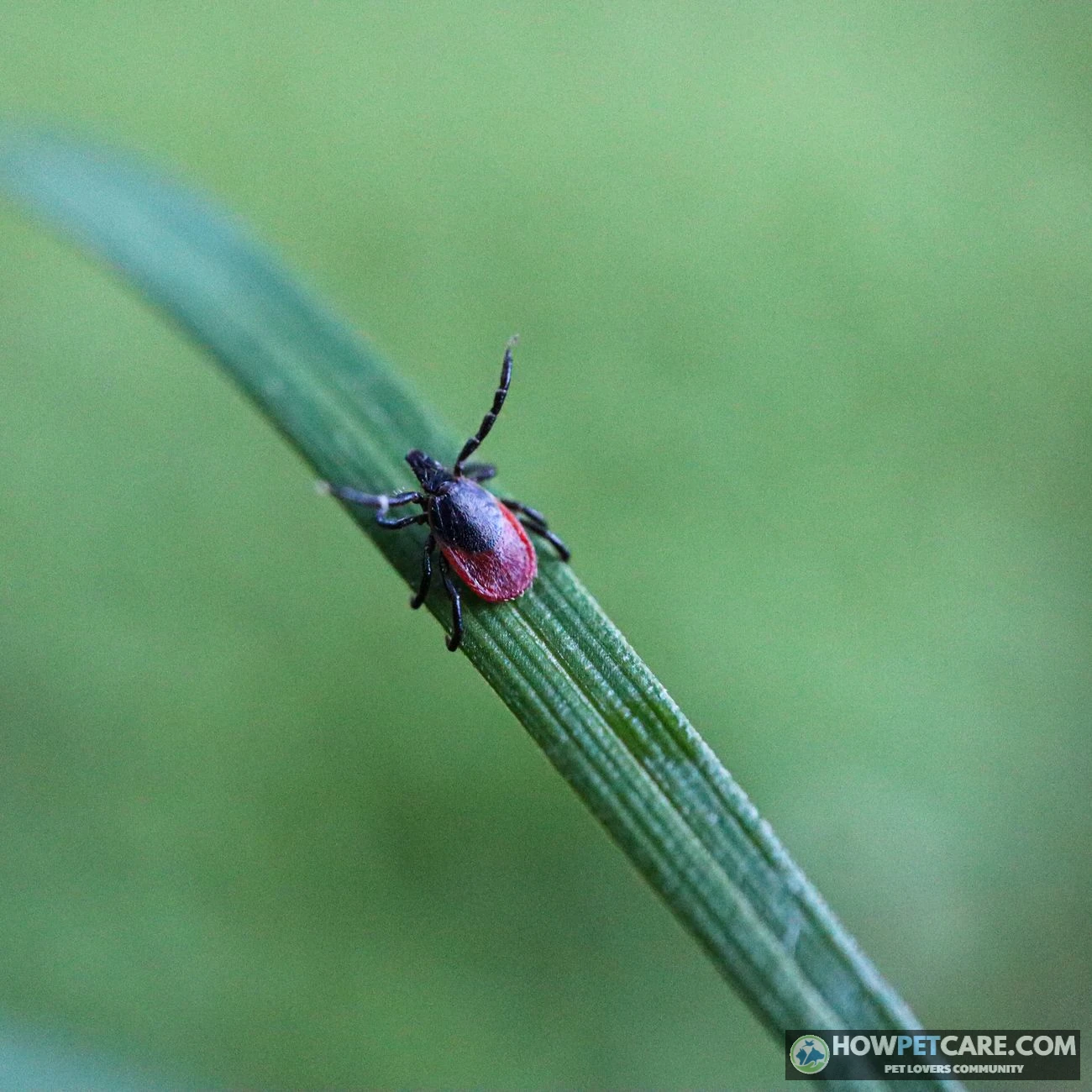
The brown dog tick primarily carries Ehrlichia canis; the lone star tick spreads E. chaffeensis and E. ewingii. National seroprevalence is roughly 0.6%. During the acute phase, dogs may develop fever, lethargy, and bleeding tendencies such as nosebleeds and bruising because of low platelets. Untreated infection can progress through a subclinical phase to a chronic phase with bone-marrow suppression. Doxycycline for about four weeks is standard.
Anaplasmosis in dogs
The main agents are Anaplasma phagocytophilum, carried by the deer tick, and A. platys, carried by the brown dog tick. National seroprevalence for A. phagocytophilum is about 4.8%. Signs overlap with Lyme disease and include fever, joint pain, lethargy, and sometimes gastrointestinal upset. Most dogs respond quickly to a 2–4 week doxycycline course.
Rocky Mountain spotted fever and babesiosis
Rocky Mountain spotted fever (Rickettsia rickettsii) is transmitted by the American dog tick and brown dog tick. It can progress within hours to days, causing sudden high fever, neurological signs such as ataxia (unsteady movement) and confusion, and vascular damage. Doxycycline must be started based on clinical suspicion; waiting for test results worsens outcomes. Transmission can occur in as little as 3–6 hours of attachment.
Babesiosis (Babesia spp.) is a protozoal infection that causes hemolytic anemia, or destruction of red blood cells. Signs include pale gums, dark urine, and weakness. It can also spread dog-to-dog through bites. Treatment requires antiprotozoal drugs (e.g., atovaquone + azithromycin or imidocarb), not doxycycline. Severe cases need a blood transfusion.

Which one does my dog’s situation match?
Use the table above to compare tick species and symptom patterns with your region and what you’re seeing. Shifting-leg lameness in the Northeast puts Lyme and anaplasmosis high on the list. Sudden high fever with neurological signs in the South-Central or Mountain West points to Rocky Mountain spotted fever. Bleeding signs, such as nosebleeds or bruising, in a dog exposed to brown dog ticks or lone star ticks suggest ehrlichiosis. Always confirm with your veterinarian.
Which Tick Diseases Threaten Your Dog Where You Live, and When
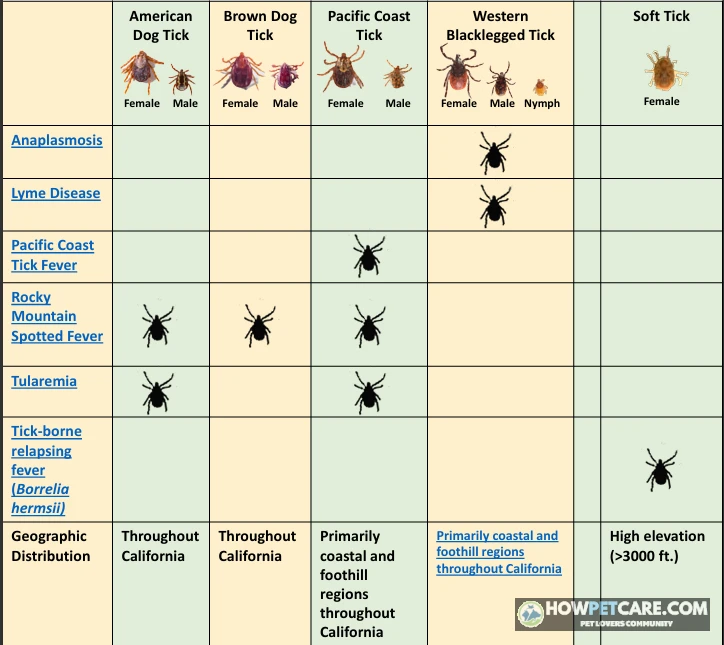
Risk varies across the country. The table below summarizes the main ticks, the diseases they carry, peak activity periods, and a prevention note for each region. Tick ranges are shifting northward, and ticks can be active whenever temperatures rise above freezing. Year-round prevention is therefore the safe default in many areas. Check current CDC and CAPC county-level prevalence maps rather than relying on decade-old data.
| Region | Main ticks | Diseases of greatest concern | Peak activity | Prevention note |
|---|---|---|---|---|
| Northeast & Upper Midwest (New England, NY, PA, MN, WI) | Deer tick (blacklegged tick) | Lyme disease, anaplasmosis | Nymphs late spring–summer; adults in fall and warm winter days | Highest Lyme risk in the country; discuss the Lyme vaccine plus year-round prevention with your vet |
| Southeast & South-Central (VA to TX, TN, AR, OK) | Lone star tick, American dog tick | Ehrlichiosis, Rocky Mountain spotted fever | Spring through fall; long warm season | Watch for bleeding signs and sudden fevers; lone star nymphs are easy to miss |
| Southwest & border states (AZ, NM, TX border areas) | Brown dog tick | Ehrlichiosis, Rocky Mountain spotted fever | Often year-round; can infest homes and kennels indoors | Indoor infestations mean ticks aren’t just a trail problem — check bedding and crates |
| Mountain West (CO, UT, ID, MT, WY) | American dog tick, Rocky Mountain wood tick | Rocky Mountain spotted fever, tick paralysis | Spring and early summer | Higher-elevation hiking still carries risk in season |
| Pacific Coast (CA, OR, WA) | Western blacklegged tick | Lyme, anaplasmosis (lower but real rates, especially northern CA) | Fall through spring in mild coastal areas | Mild winters mean a shorter ‘off season’ than owners expect |
Tick ranges are shifting northward and tick season now starts whenever temperatures rise above freezing — check current CDC and CAPC county-level prevalence maps rather than assuming last decade’s maps still apply.
Northeast and Upper Midwest
Deer ticks dominate here. Nymphs, which are poppy-seed size, are active from late spring through summer. They’re the primary Lyme transmitters because they’re easily missed. Adult deer ticks are active in fall and on warm winter days. Adult infection rates with B. burgdorferi in New England range from 35% to 65%.
Southeast and South-Central
Lone star ticks and American dog ticks drive the risk of ehrlichiosis and Rocky Mountain spotted fever. The long warm season extends exposure, and lone star nymphs are tiny and aggressive.
Southwest and Mountain West
Brown dog ticks thrive indoors and in kennels, creating year-round risk for ehrlichiosis and Rocky Mountain spotted fever even in desert climates. At higher elevations, American dog ticks and Rocky Mountain wood ticks are seasonal, appearing in spring/early summer.
Pacific Coast
Western blacklegged ticks transmit Lyme and anaplasmosis, though prevalence is lower than in the Northeast. Northern California coastal areas see the highest rates. Mild winters shorten the “off season.”
Peak season at a glance
In most regions, nymphal activity peaks from late spring to mid-summer. Disease risk is highest then because nymphs are tiny. Adult ticks often have a second peak in fall. Any day above freezing can bring tick activity, especially in the South and indoors.
How Long Until Symptoms Show and Can a Dog Be Infected Without a Found Tick?
Timing of signs after a tick bite
The time between infection and signs varies by pathogen:
- Lyme disease: typically 2–5 months for clinical signs (many dogs stay asymptomatic)
- Ehrlichiosis: acute signs 1–3 weeks after bite
- Anaplasmosis: 1–2 weeks
- Rocky Mountain spotted fever: 2–14 days, can progress rapidly
- Babesiosis: 2–3 weeks (or longer for chronic carrier states)
Transmission time differs, too. Lyme generally requires the tick to be attached for roughly 24–48 hours, while Rocky Mountain spotted fever can transmit in 3–6 hours. Prompt removal matters for every tick.
Dogs with no tick found
Most dogs diagnosed with tick-borne illness never had a tick discovered on them. There are several reasons:
- Nymph-stage ticks are the size of a poppy seed and hide in ear folds, between toes, under collars, and in the groin.
- Ticks drop off on their own once engorged.
- Asymptomatic infections are common: a positive antibody test only means exposure, not necessarily active disease.
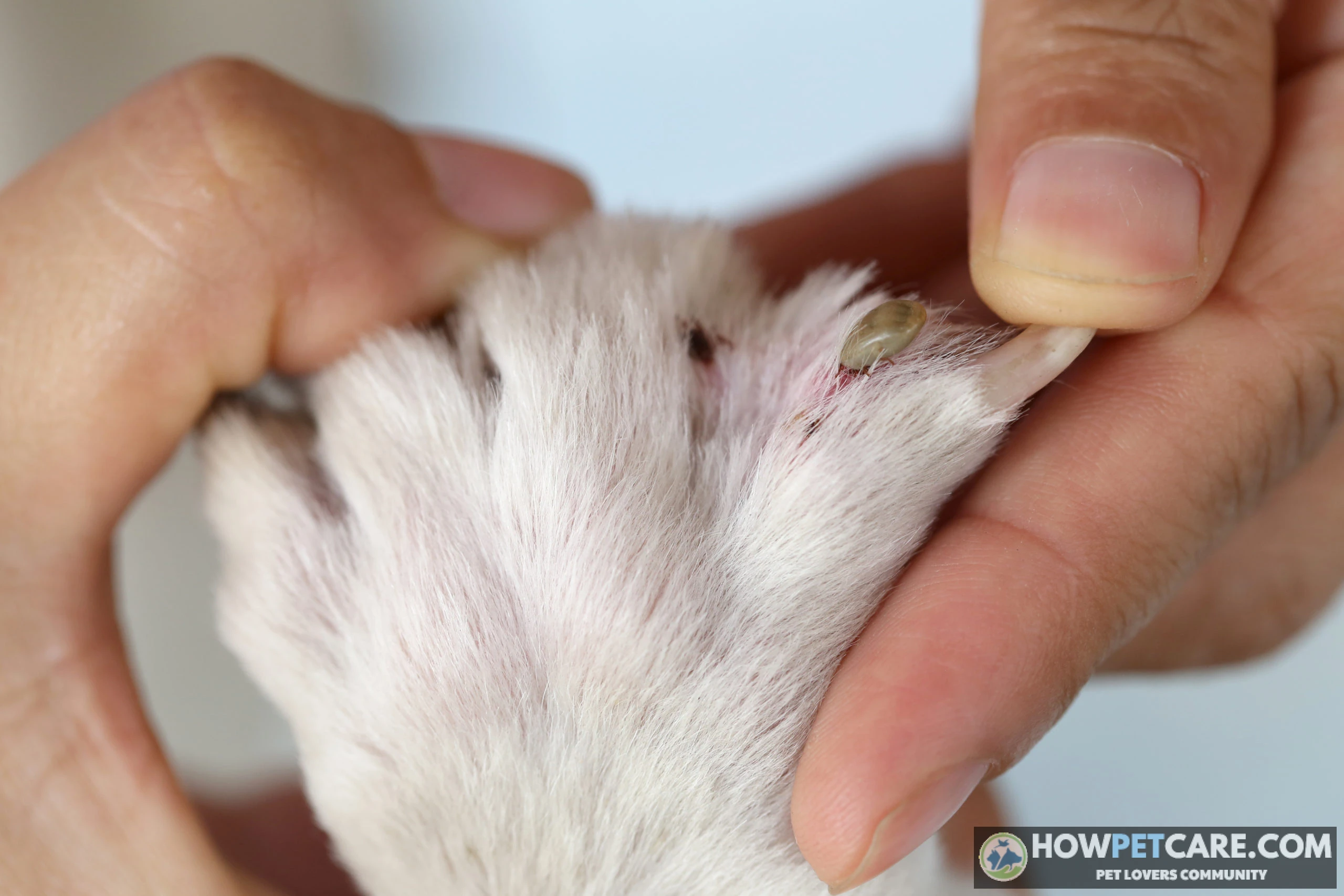
If you know your dog was bitten, ask your vet about screening 3–6 weeks post-bite, since antibody tests need that window to turn positive. If your dog stays symptom-free, you can also ask about screening at the next annual visit. Testing too soon can produce a false-negative result that looks reassuring but means nothing.
How to Remove a Tick Safely and Run a Daily Tick Check
Step-by-step tick removal
-
Gather tools
Fine-tipped tweezers or a dedicated tick-removal tool (hook or loop style), gloves, antiseptic, and a sealed container with a damp cotton ball.
-
Grasp close to skin
Part the fur. Grab the tick as close to the skin surface as possible — aim for the mouthparts, not the body.
-
Pull straight up
Apply steady, even pressure straight out. Do not twist, jerk, or squeeze the tick’s body.
-
Clean and save
Disinfect the bite site and your hands. Place the tick in the container; label with date and body location.
-
What if mouthparts remain?
Tiny mouthparts left behind usually work out like a splinter. Keep the area clean; call your vet if redness or swelling persists beyond a couple of days.
What not to do: Don’t use petroleum jelly, matches, nail polish, or alcohol on an attached tick. Don’t crush it with bare fingers.
Body-area tick-check checklist
After every walk in tick habitat, such as woods, tall grass, or leaf litter, run your hands through the coat against the grain. Visually inspect these areas in order:
- Ears and ear folds (inside and out)
- Around eyes and chin
- Neck and under collar (remove collar to check)
- Armpits (front legs)
- Chest and belly
- Between toes and paw pads (including the large central pad)
- Groin and inner thighs
- Around the tail base and under the tail
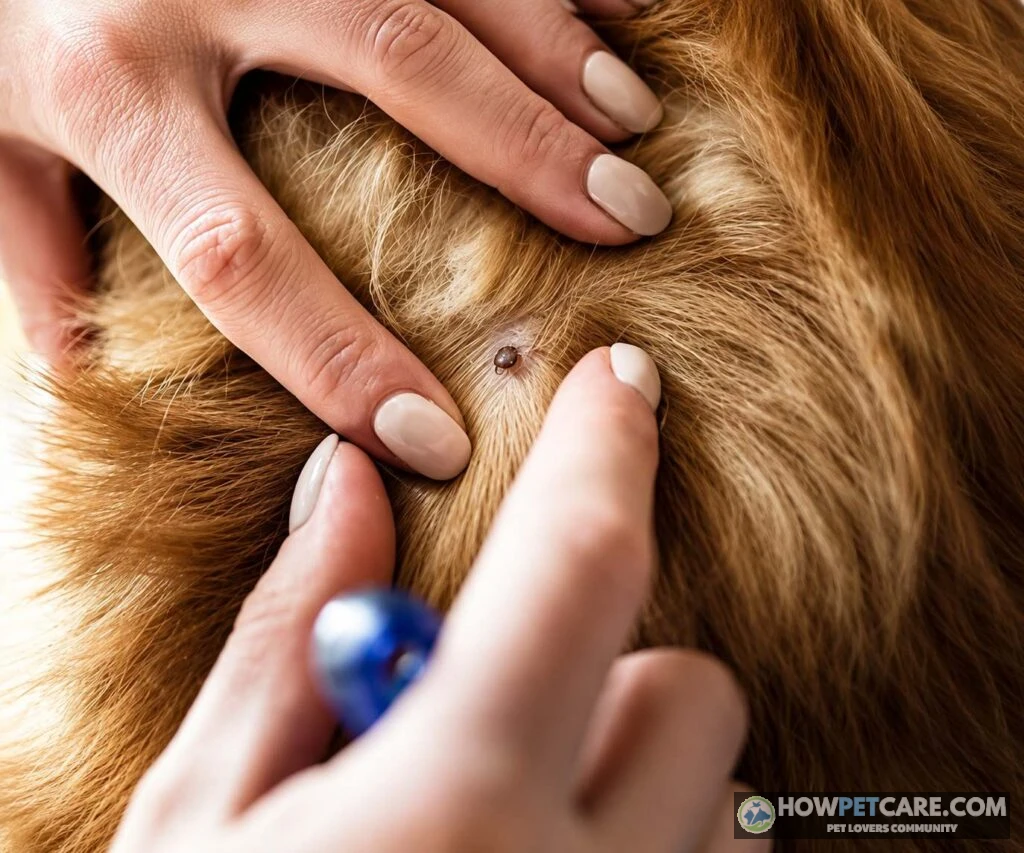
Wear gloves. For thick-coated dogs, follow the hands-on check with a fine-toothed comb. Check daily during tick season; it takes 2–3 minutes. While you’re at it, learn how to spot fleas on your dog so you can catch both pests early.
What to do with the tick afterward
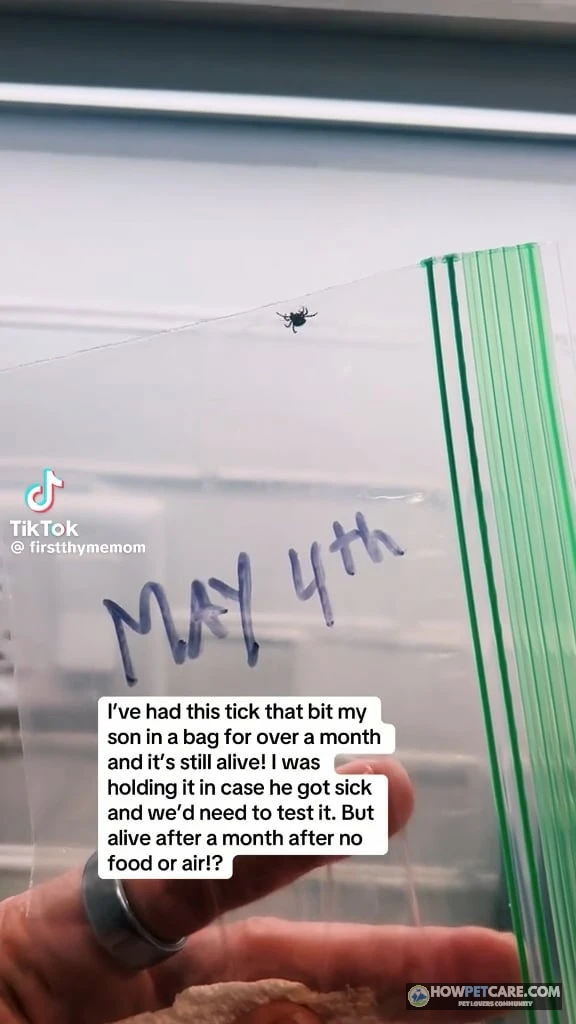
Keep the tick in the refrigerator in a sealed container with a damp cotton ball to prevent it from drying out. Your vet or a state lab can identify the species and sometimes test it for pathogens. If you discard it, tape it to an index card with the date/location and throw it in the trash. Don’t flush live ticks; they can survive.
How Vets Diagnose Tick-Borne Disease in Dogs and What Tests Cost
Screening tests vs confirmatory tests
A workup usually starts with the following:
- Physical exam and history — Travel, tick exposure, and the symptom timeline.
- In-clinic screening — SNAP 4Dx (or similar) detects antibodies to Borrelia burgdorferi (Lyme), Ehrlichia spp., and Anaplasma spp., plus heartworm antigen. A positive result means exposure, not necessarily active disease. The C6 antibody test is a quantitative Lyme-specific test.
- Follow-up for Lyme positives — Quantitative C6 and urine protein-to-creatinine ratio (UPC) to evaluate kidney involvement (Lyme nephritis).
- PCR panels — These detect pathogen DNA. They’re useful early in illness before antibodies develop and help distinguish active infection from past exposure.
- Bloodwork — CBC (platelets, red and white cells), chemistry panel (kidney, liver), and urinalysis.
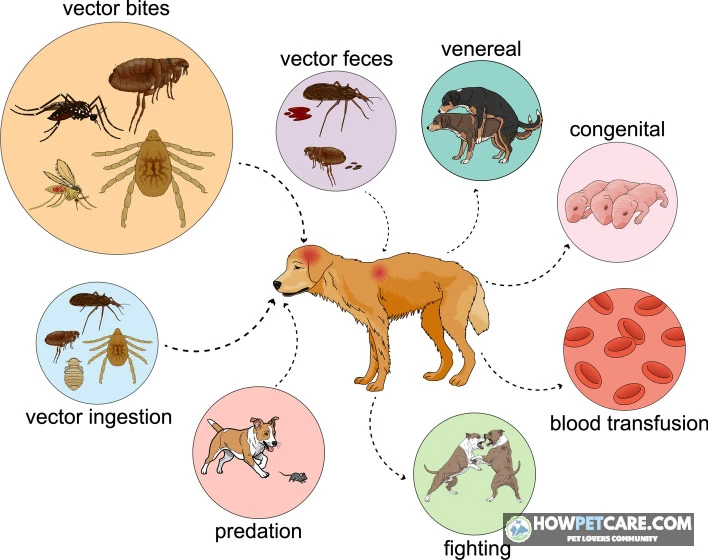
A negative SNAP 4Dx shortly after a bite can be falsely reassuring because antibodies take 3–6 weeks to develop. Your vet will time testing accordingly.
What diagnostics typically cost
These are typical US ranges; prices at your local clinic may be higher or lower. Ask for an itemized estimate before agreeing to testing.
| Service | What it includes | Typical price range | What affects the price |
|---|---|---|---|
| Office exam | Physical exam, tick and travel history | $50–$100 | Region; emergency vs. scheduled visit |
| SNAP 4Dx in-clinic screen | Antibodies to Lyme, Ehrlichia, Anaplasma + heartworm antigen | ~$40–$60 | Sometimes bundled into annual wellness visits |
| Quantitative C6 / urine protein test | Follow-up for Lyme-positive dogs to check kidney involvement | $80–$150 | Sent to outside lab; often paired with urinalysis |
| CBC + chemistry panel | Platelet count, anemia, kidney and liver values | $100–$250 | In-house vs. reference lab pricing |
| PCR tick-borne panel | Detects active infection DNA, useful early before antibodies form | $150–$350 | Number of organisms in the panel |
| Doxycycline, ~28-day course | First-line antibiotic, generic tablets | $30–$90 | Dog’s weight (dose size); generic vs. brand; pharmacy vs. clinic |
| Outpatient treatment total (mild case) | Exam + screen + bloodwork + medication | $200–$500 | How many tests your vet runs on the first visit |
| Hospitalization for severe illness | IV fluids, monitoring, possible transfusion | $1,000–$3,500+ per stay | Days hospitalized; transfusion adds $500–$1,000+ |
Ways to manage the bill: ask about generic doxycycline at a retail pharmacy (often far cheaper than clinic markup), check whether your pet insurance or wellness plan covers tick-borne illness testing, and request the exam fee and each test listed separately so you can prioritize.
Questions to ask your vet before testing:
- Which tests are you recommending and why?
- What will a positive or negative result change about the plan?
- Can we start with the SNAP 4Dx and add PCR or bloodwork only if needed?
- What is the itemized cost for each test?
Treating Tick-Borne Disease in Dogs: Doxycycline, Supportive Care, and Costs
Outpatient treatment for mild to moderate cases
Doxycycline is the first-line antibiotic for Lyme, ehrlichiosis, anaplasmosis, and Rocky Mountain spotted fever. Typical courses run about 4 weeks (2–4 weeks for anaplasmosis). Give it with food or water to reduce stomach upset and esophageal irritation, and finish the full course even if your dog seems better. Most dogs improve within 24–48 hours of starting doxycycline.
At home, supportive care includes rest, encouraging hydration, and any prescribed pain relief, such as NSAIDs for joint pain. Never give human medications without veterinary direction.
Hospital care for severe illness
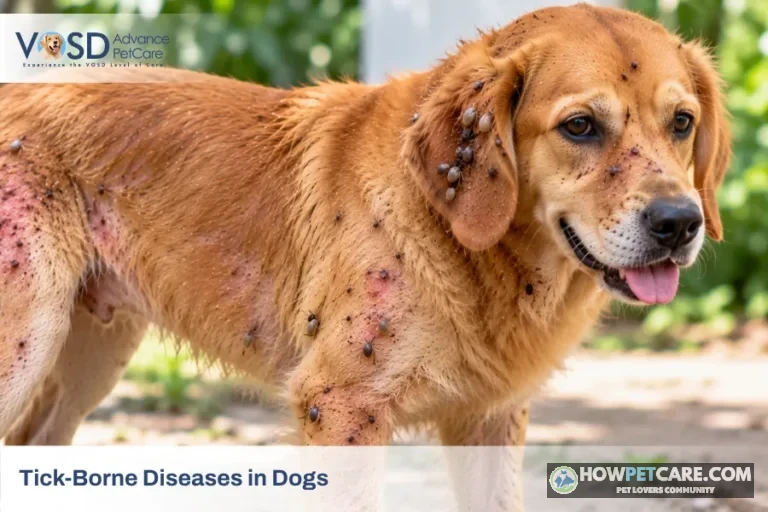
Severe cases require hospitalization. These include marked anemia in babesiosis, profound thrombocytopenia (low platelets) in ehrlichiosis, Rocky Mountain spotted fever with neurological signs, or Lyme nephritis. Hospital care can involve IV fluids, injectable antibiotics, pain management, monitoring, and possibly blood or plasma transfusions. Babesiosis requires specific antiprotozoal therapy, not doxycycline.

What treatment typically costs
The diagnostics section has a full cost table. Outpatient care for a mild case often totals $200–$500, while hospitalization for severe illness can run $1,000–$3,500+ per stay. Ask your vet about generic doxycycline at a human pharmacy, often $30–$90 for a 28-day course, versus clinic dispensing. Pet insurance may cover diagnostics and treatment; wellness plans sometimes include annual screening.
Untreated Tick Disease, Long-Term Damage, and Aftercare
Complications of untreated infection
If tick-borne disease goes unrecognized or untreated, complications can include:
- Lyme disease: Chronic joint pain, recurrent lameness, and, in rare cases, Lyme nephritis (immune-mediated kidney failure), which is often fatal.
- Ehrlichiosis: Progression from acute to subclinical to chronic phase, with bone-marrow suppression, severe thrombocytopenia, and secondary infections.
- Anaplasmosis: Usually self-limiting, but it can cause persistent joint pain or bleeding disorders.
- Rocky Mountain spotted fever: High mortality if treatment is delayed; survivors may have permanent neurological deficits.
- Babesiosis: Relapsing anemia and a carrier state with intermittent shedding.
Follow-up bloodwork and monitoring
After treatment, your vet will typically recommend:
- Recheck exam in 2–4 weeks
- Repeat CBC (especially platelets) and chemistry (kidney values)
- Urine protein monitoring for Lyme-positive dogs (every 3–6 months for at least a year)
- Repeat quantitative C6 in 6 months to assess treatment response (a drop of 50% or more suggests clearance)
- PCR if clinical signs return
Supporting recovery at home
- Restrict exercise during acute illness; return gradually over 2–4 weeks.
- Support sore joints with soft bedding, non-slip floors, and weight control.
- Use a vet-approved diet; some dogs benefit from renal-support diets if kidney values are elevated.
- Watch for signs of relapse, including returning fever, limping, appetite loss, and weight loss.
- Ask about referral to a veterinary internist or nephrologist if kidney involvement is confirmed or signs persist.

Can Your Dog Give You a Tick-Borne Disease? Household Precautions
How people actually get infected
Dogs don’t pass these infections directly to people. Humans acquire tick-borne diseases through tick bites, not from contact with an infected dog. The risk is environmental: a tick-positive dog signals that infected ticks are in your shared yard or neighborhood, or that unattached ticks may be hitchhiking indoors on the dog.
Protecting family and other pets
- Check yourself and children for ticks after outdoor time; shower within two hours.
- Run clothing through a hot dryer cycle for 10 minutes to kill hitchhiking ticks.
- Keep all household pets on veterinarian-recommended tick preventives.
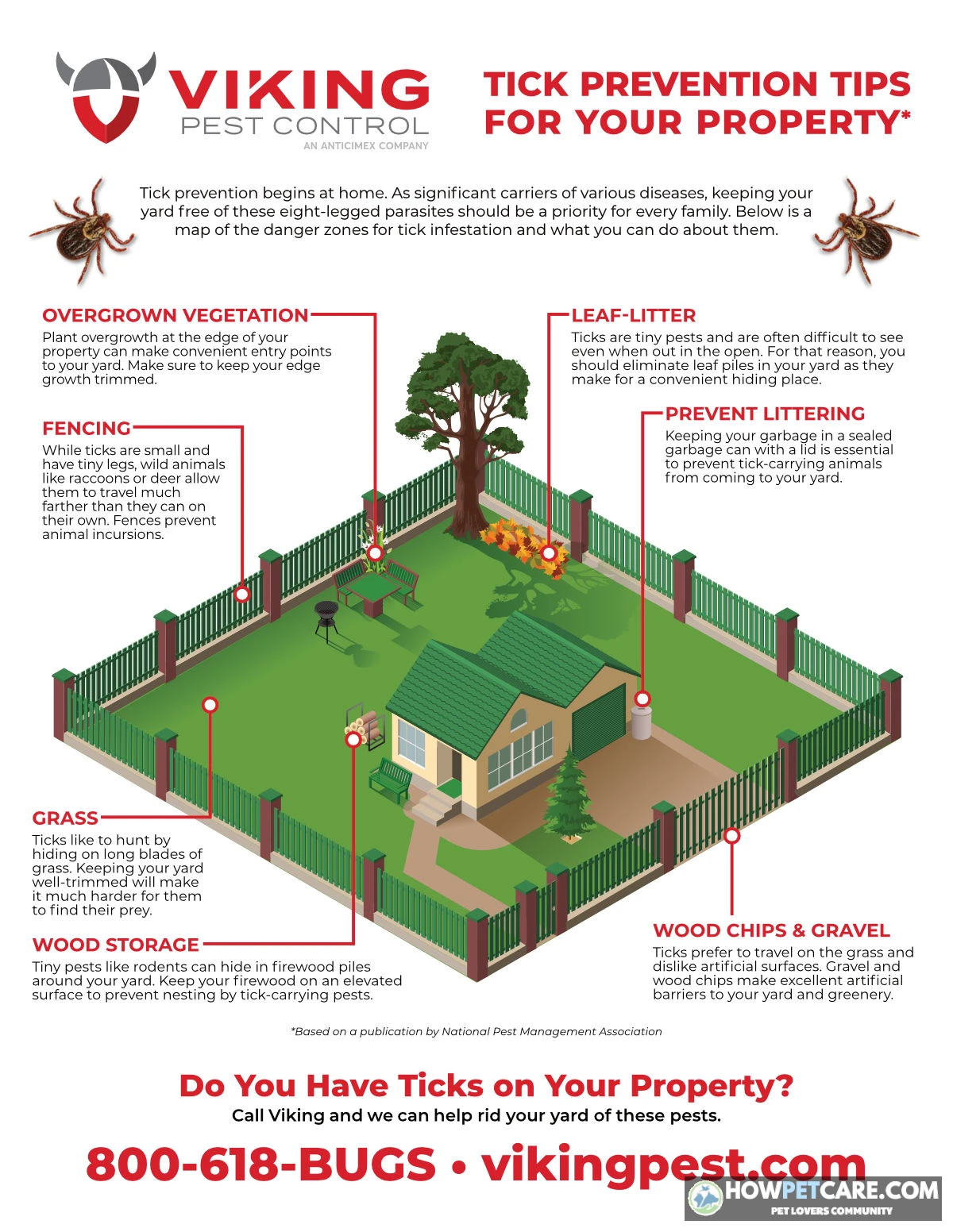
- Mow the yard short, remove leaf litter, and create a 3-foot wood-chip or gravel barrier between woods and lawn.
- Avoid crushing ticks with bare hands; use tweezers or gloves.
- If you develop fever, rash, or joint pain after a tick bite, see your physician.
- Ticks aren’t the only biting pest that matters — mosquitoes bite dogs too and can transmit heartworm, so keep that prevention current as well.
Rare exceptions involve direct blood contact: for example, a bite wound from an infected dog could theoretically transmit Babesia or Bartonella. This is exceedingly uncommon in household settings.
Preventing Tick-Borne Diseases in Dogs: Preventive Drug Classes, Safety, and the Lyme Vaccine
Preventive drug classes explained
No preventive is a 100% shield, so tick checks remain essential. The main classes are:
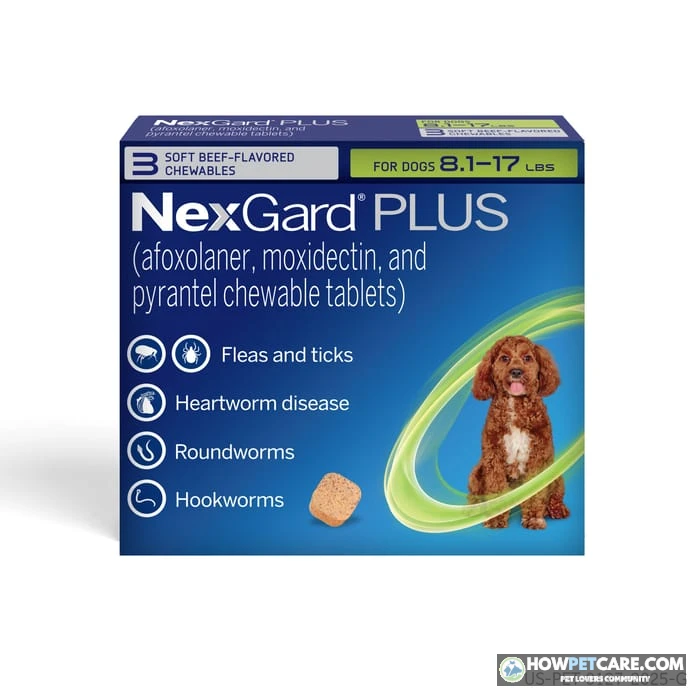
- Isoxazolines (oral/chewable): Fluralaner, afoxolaner, sarolaner, lotilaner. These systemic products kill ticks after they bite; fast kill reduces the transmission window. Caution: Neurological adverse reactions, including tremors, ataxia, and seizures, have been reported. Use carefully in dogs with a seizure history.
- Topical spot-ons: Fipronil, permethrin, imidacloprid/permethrin combos. Some repel and kill on contact. Warning: Permethrin is toxic to cats; separate treated dogs from cats until dry.
- Collars: Flumethrin/imidacloprid, deltamethrin. These provide months of repellency/kill. Ensure a proper fit (two fingers under collar).
- Sprays and powders: Shorter residual; useful for situational exposure (e.g., camping).
Year-round use is recommended in most of the US because ticks can be active any month. Seasonal use may be acceptable in regions with hard, sustained winter freezes; discuss it with your vet. If you prefer plant-based repellents, first check whether neem oil is safe for dogs before relying on them.
Safety for sick, senior, and pregnant dogs
- Isoxazolines: Avoid or use with caution in dogs with seizure disorders or neurological disease. Consult your vet for geriatric, pregnant, nursing, or very young puppies.
- Permethrin products: Contraindicated in households with cats.
- Fipronil: Generally well-tolerated, but rare skin reactions occur.
- Sick dogs: Immune-compromised or organ-compromised dogs may need individualized protocols; always involve your veterinarian in product selection.
What the Lyme vaccine does and does not cover
The Lyme vaccine targets only Borrelia burgdorferi. It does not protect against ehrlichiosis, anaplasmosis, Rocky Mountain spotted fever, babesiosis, or any other tick-borne disease. It’s an extra layer for dogs in high-risk areas (Northeast, Upper Midwest, northern California) and should be used alongside a tick preventive, never instead of one. Talk to your vet about vaccination based on your dog’s lifestyle, travel, and local prevalence.

Myth: "The Lyme vaccine means my dog can’t get a tick disease."
Fact: The Lyme vaccine only targets Borrelia burgdorferi — the Lyme bacterium. It does nothing against ehrlichiosis, anaplasmosis, Rocky Mountain spotted fever, or babesiosis. It’s a useful extra layer for dogs in high-risk areas, but it works alongside a tick preventive, never instead of one.
Myth: "I’ve never found a tick on my dog, so tick disease isn’t possible."
Fact: Most dogs diagnosed with tick-borne illness never had a tick found on them. Nymph-stage ticks are the size of a poppy seed, hide in ear folds, between toes, and under collars, and drop off on their own once fed. A positive antibody test with no known bite is common — which is why vets recommend screening based on where you live, not on what you’ve seen.
Myth: "If my dog has a tick disease, my family can catch it from him."
Fact: Dogs don’t pass these infections directly to people — humans get them from tick bites, not from dogs. The real risk is that a tick-positive dog signals ticks are in your shared environment, and a dog can carry unattached ticks into the house. Check yourself and your kids after outdoor time, and run clothes through a hot dryer cycle to kill hitchhiking ticks.
Myth: "A negative test right after a bite means my dog is clear."
Fact: Antibody tests like the SNAP 4Dx take roughly 3–6 weeks after a bite to turn positive. Testing too soon gives a false-negative result that looks reassuring but means nothing. Ask your vet about screening at the right window — or at the next annual visit if your dog stays symptom-free.
Your Tick Action Plan: Decision Guide and Checklist
If you just found a tick
- Remove it correctly (see step-by-step above).
- Save it in a sealed container with the date and body location noted.
- Set a calendar reminder for 4–6 weeks post-bite to watch for symptoms and discuss screening with your vet.
- Start or verify that your dog is on a veterinarian-recommended tick preventive.
- Do a full body tick check today and daily thereafter.
If your dog is already sick
- Use the red-flag triage (emergency / this week / monitor) to decide how urgently to act.
- Call your vet with the symptom timeline, tick exposure history, travel history, and the tick (if saved).
- Ask about itemized costs for the exam, SNAP 4Dx, CBC/chemistry, and doxycycline before the visit.
- Bring a list of current medications and any prior test results.
Ongoing prevention routine
- Year-round preventive chosen with your vet for your dog’s health status and your region.
- Daily tick checks using the body-area checklist after outdoor activity.
- Yard maintenance: Mow, clear leaf litter, and maintain barrier zones.
- Annual screening (SNAP 4Dx or equivalent) at the wellness visit, even if your dog seems healthy.
- Regional awareness: Check CDC and CAPC maps each season; adjust prevention if you travel.
- Household coordination: Keep all pets on flea and tick preventives and check people for ticks after shared outdoor time.
Where to find current data: CDC Division of Vector-Borne Diseases, Companion Animal Parasite Council (CAPC) prevalence maps, ACVIM consensus statements on Lyme, ehrlichiosis, and anaplasmosis.
Keep the regional risks, symptom guide, and testing and treatment costs in mind as you make a plan for your dog. When in doubt, call your veterinarian; early action changes outcomes.
1A dog presents with pale gums, unexplained pinpoint red spots on its belly, and a sudden nosebleed 5 days after its owner removed a tick. Based on these clinical signs, how quickly should the owner seek veterinary care?
Pale gums, pinpoint red spots (petechiae), and spontaneous bleeding signal critical complications such as severe anemia, clotting failure, or rapidly progressing disease requiring immediate emergency evaluation.
2Which of the following are recognized clinical characteristics or complications associated with canine Lyme disease?
Shifting-leg lameness, fever, and general tiredness are hallmark clinical signs seen in symptomatic canine Lyme disease cases.
3How does the primary medical treatment for canine babesiosis differ from that of most other major tick-borne bacterial infections in dogs?
Because Babesia species are protozoal organisms that cause hemolytic anemia, treatment requires antiprotozoal drugs rather than the standard antibiotic doxycycline used for bacterial tick-borne pathogens.
4What is the proper step-by-step technique for safely removing an attached tick from a dog's skin?
Pulling straight up with fine-tipped tweezers near the mouthparts prevents squeezing infectious fluids into the dog's bloodstream or breaking off mouthparts inside the skin.
5Why is tick-borne disease transmission—specifically ehrlichiosis—a year-round concern in the Southwest and border states, even in dry climates?
Unlike ticks that depend strictly on outdoor moisture, brown dog ticks adapt well to indoor environments, establishing year-round infestations inside buildings.
6Which of the following areas should be carefully inspected during a daily hands-on tick check on a dog?
The thin skin and crevices of ear folds provide an ideal hidden attachment site for ticks.
7Which statement accurately describes the scope of protection provided by the canine Lyme vaccine?
The Lyme vaccine is pathogen-specific for Borrelia burgdorferi; it offers zero cross-protection against other bacterial or protozoal tick-borne illnesses.
FAQ
Can tick-borne diseases in dogs go away on their own?
Some dogs clear mild or subclinical infections without obvious illness, but you cannot tell which dogs will, so a dog with symptoms or a positive test should be evaluated by a vet. Untreated infections can become chronic or cause organ damage.
Does the Lyme vaccine protect against ehrlichiosis or anaplasmosis?
No. The Lyme vaccine targets only Borrelia burgdorferi, so tick preventives and tick checks are still needed for other tick-borne diseases.
Should I take my dog to the vet after every tick bite?
Not always. If the dog is acting normally, call your vet to discuss monitoring and screening timing, but go in promptly for fever, lethargy, limping, loss of appetite, or bleeding.
Can indoor dogs get tick-borne diseases?
Yes, though the risk is lower. Ticks can hitchhike in on people, other pets, or clothing, and brown dog ticks can infest homes and kennels.
Is a positive SNAP 4Dx test the same as active disease?
No. It shows exposure to the pathogen, and many positive dogs have no symptoms. Your vet uses bloodwork, urine tests, and sometimes PCR to decide whether treatment is needed.