
Yes — fleas bite humans, but the cat and dog fleas that infest pets can’t live or reproduce on human skin. A flea may jump on you for a quick meal, yet ongoing bites almost always point to fleas in your pet’s fur, bedding, or carpets — not a colony living on you.
Can Humans Get Fleas? Yes, They Bite You but Can’t Live on You
Yes, fleas bite people, but the species that infest cats and dogs can’t survive or reproduce on human skin for long. A flea may hop onto you for a quick meal, yet that’s not the same as becoming your permanent host. Most bites are just an itchy annoyance, not a medical emergency. Ongoing bites usually point to fleas in a pet’s fur or around the house, not a colony on you.
This guide covers how bites occur, what they look like versus other pest bites, whether fleas can reach your hair, and how to eliminate the source. It also outlines what to expect once treatment begins and when calling a professional makes sense. The goal is to protect people and stop bites; your vet should handle pet treatment.
Why Fleas Can’t Live or Reproduce on Human Bodies
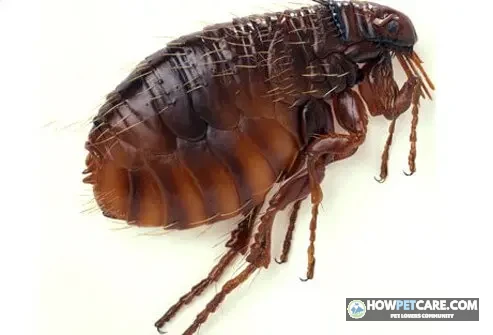
The cat flea (Ctenocephalides felis) drives most household infestations, even in homes with dogs. It can bite people, but it’s built to live and feed in the dense coats of cats, dogs, and other furry mammals. Humans lack that cover, and regular bathing, clothing changes, and movement make us a poor long‑term host.
The flea life cycle also shows why bites can keep appearing even if you don’t see fleas on yourself. Adults feed on an animal, lay eggs that drop into the environment, and those eggs hatch into larvae. Larvae spin cocoons and become pupae; new adults emerge later. Pet bedding, carpets, and furniture harbor these immature stages, so the house — not a person’s skin — is usually where the infestation lingers.
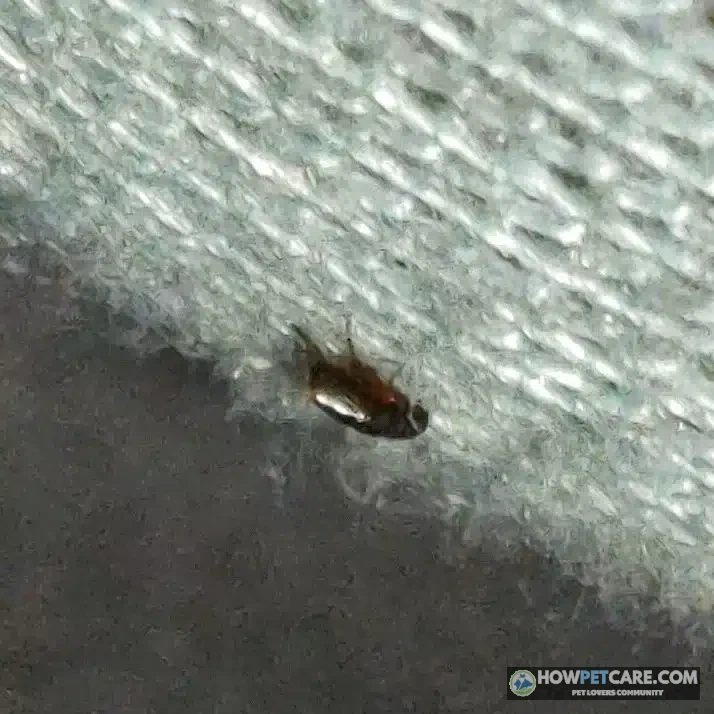
An adult flea that lands on a person or clothing may linger briefly while searching for a proper host. Survival time varies with conditions and whether it finds an animal; there’s no universal countdown. Clothing isn’t a breeding ground, and a flea on your shirt doesn’t mean it’s set up shop on you. However, pupae hidden in the home can stay dormant and emerge later, so clearing the source often takes far longer than picking off a single flea.
How long can fleas live on humans or clothing without a pet?
A flea may land on a person, bite, or hitch a ride on clothing, but it doesn’t live on human skin as a stable host. A separate guide covers how long fleas last on people and the steps to fix the problem. A flea on fabric can be carried to another room before it drops off or finds an animal. Don’t count on a set number of hours or days to declare a room clear — the real issue is the flea life stages hiding in the environment.
What about the human flea (Pulex irritans)?
Pulex irritans, the human flea, exists but rarely causes bites in modern pet‑owning homes. The cat flea is far more often the culprit, even in dog‑only households. Unlike head lice, the human flea doesn’t cement eggs to hair shafts or form a scalp colony. If bites persist, have a pest professional or clinician identify the insect instead of assuming fleas are breeding on you.
Can Humans Get Fleas From Their Cat or Dog?
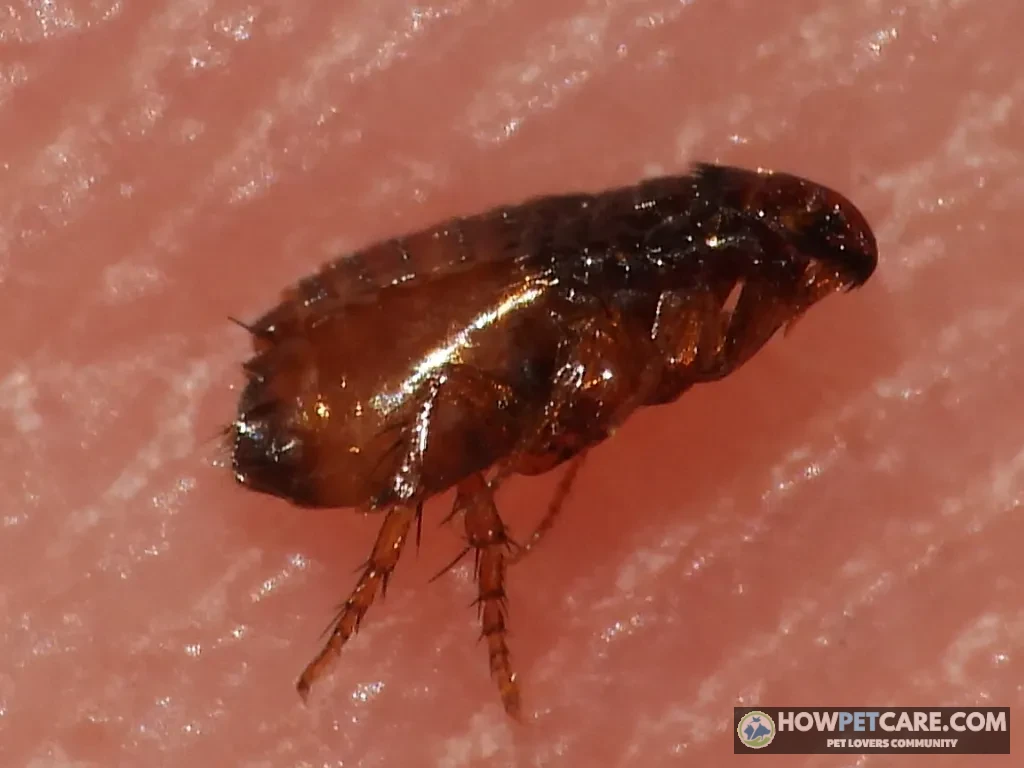
Yes. Fleas can travel from a cat or dog into the home and then bite people. They usually reach people by jumping from pet bedding, carpets, or furniture rather than jumping straight from the animal’s fur. Both dog and cat fleas can bite humans, but the cat flea is the species most often behind household bites.
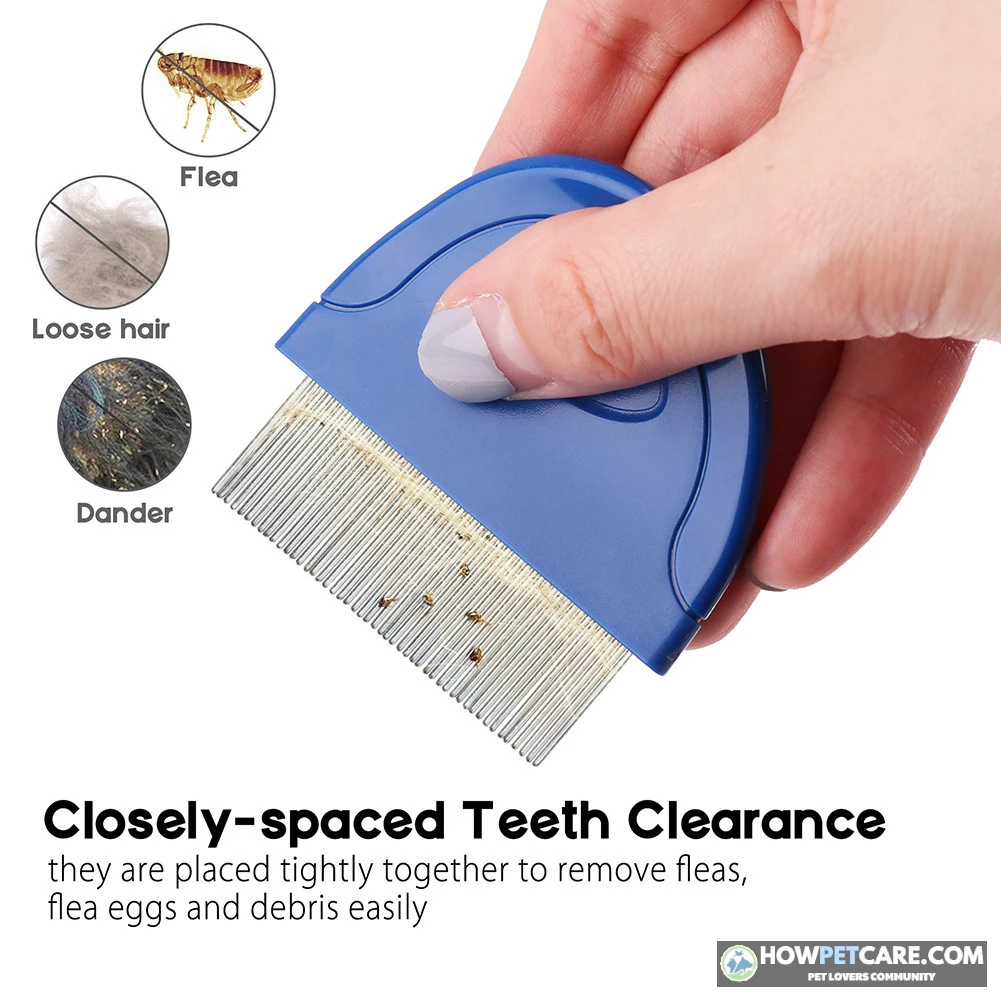
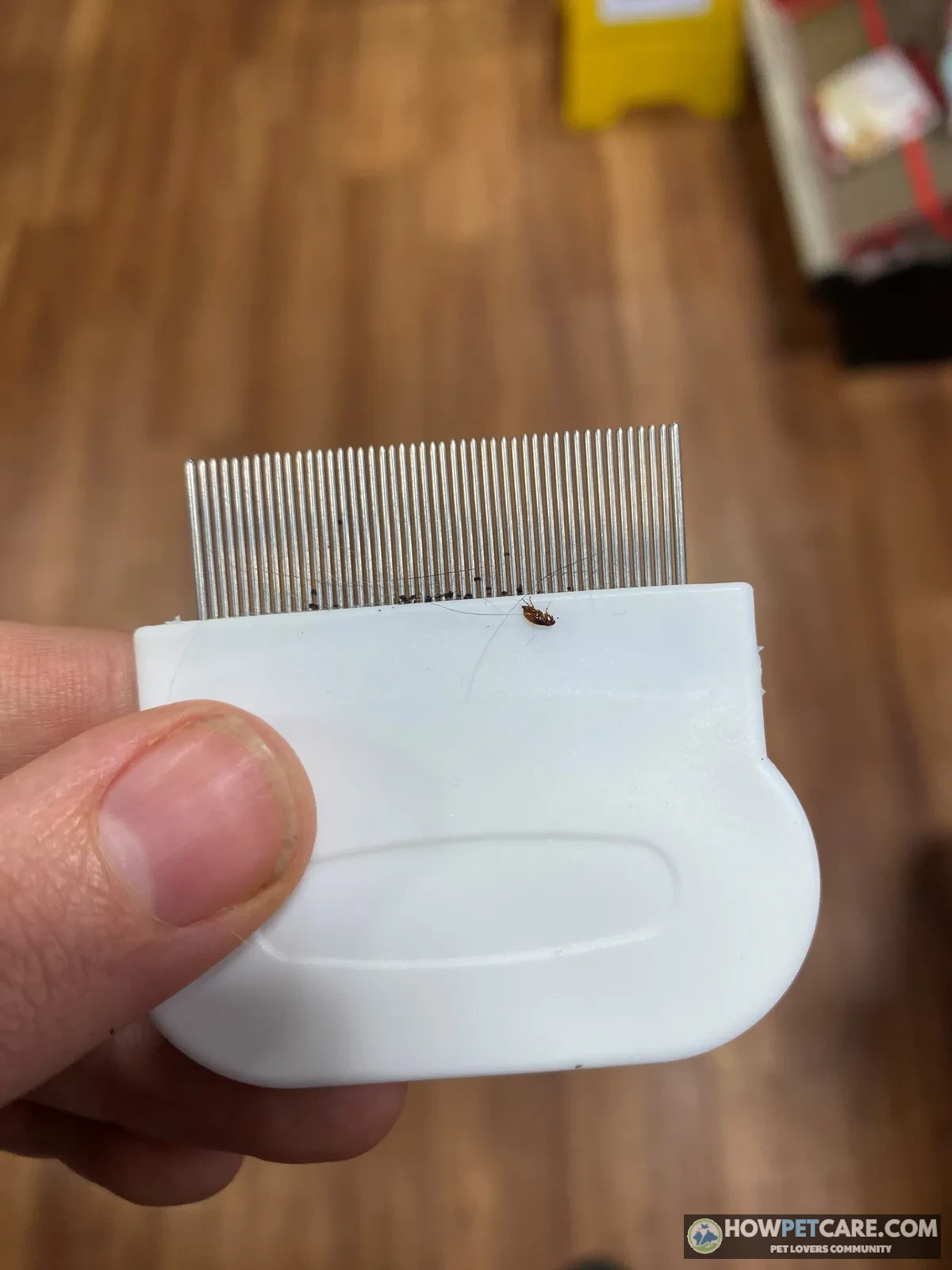
Even an indoor‑only pet can pick up fleas from other animals, visitors, shared spaces, or rodents. Frequent scratching or tiny dark specks in the coat suggest fleas. A visual ID guide to adult fleas, eggs and flea dirt makes confirmation easier. To test suspected flea dirt, dab a few specks on a damp white paper towel — flea dirt leaves a reddish‑brown stain. A flea comb helps inspect the coat, but your vet should direct any pet treatment.
People can also transport a flea briefly on clothing or a bag. That’s possible, but a flea can’t start a household infestation on a person alone — it needs a proper host and an environment where its life cycle can continue.
Swallowing an infected flea can transmit the tapeworm Dipylidium caninum to a person, though this is rare and mainly a worry for young children who put fingers or objects in their mouths. If a child may have ingested a flea or shows symptoms such as belly pain, diarrhea, or visible worm segments, call the pediatrician. Your vet can advise on flea control and any deworming needed for pets.
What Flea Bites Look Like on Humans, and How to Tell Them From Other Bites
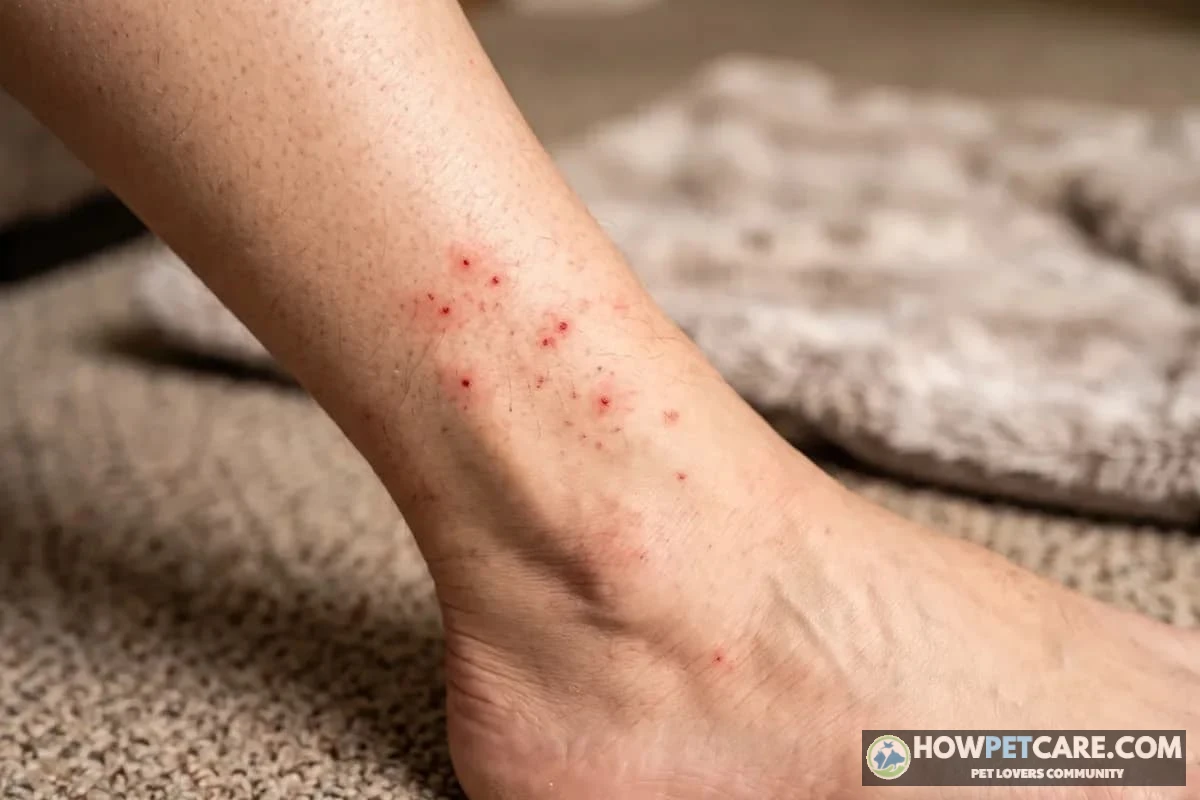
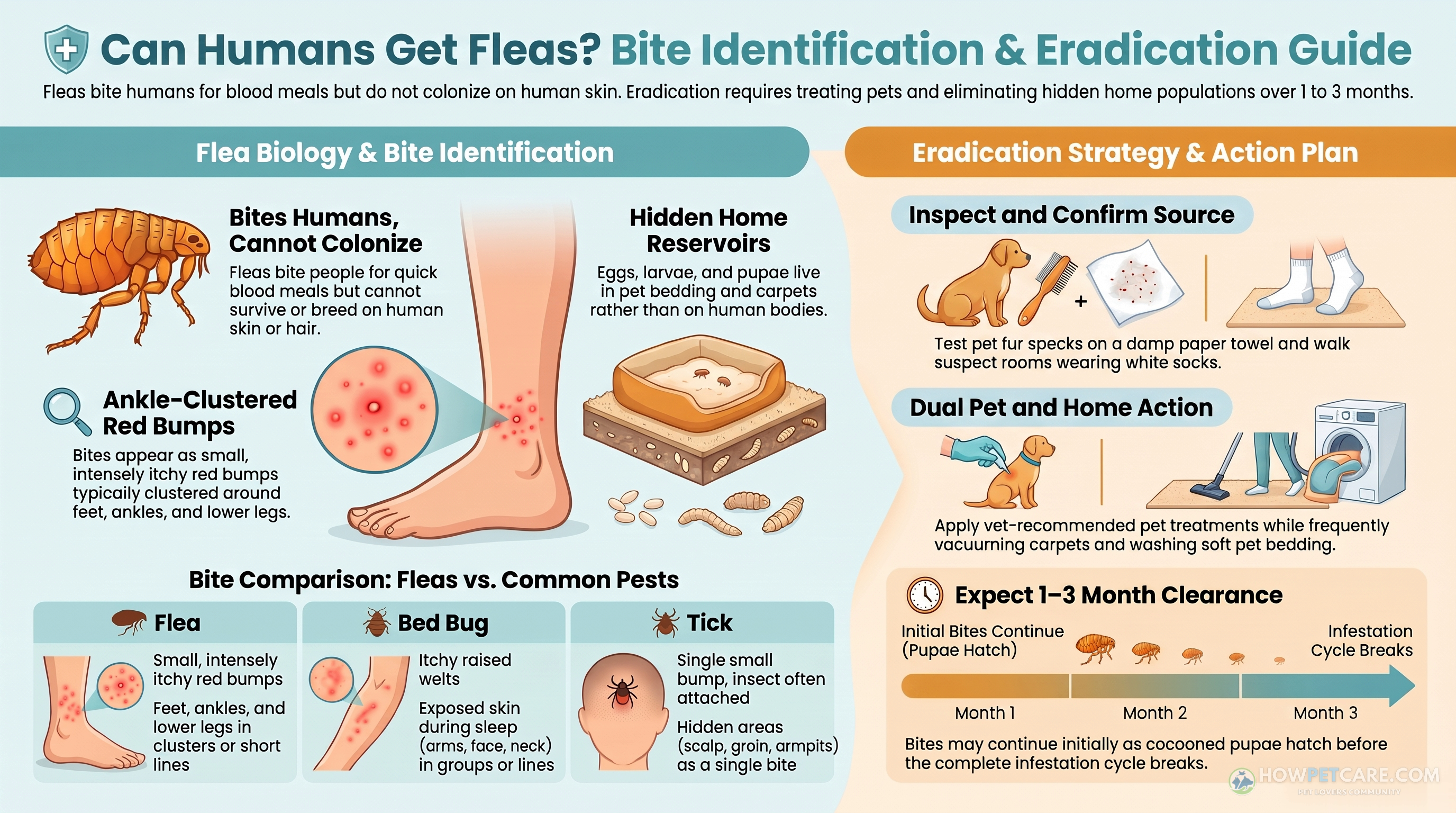
Flea bites usually appear as small, red, raised bumps that itch intensely, sometimes with a darker center. They tend to cluster or form short lines on the ankles, feet, and lower legs, though they can also show up behind the knees, at the waist, or in the armpits. Reactions vary widely — one person may develop obvious welts while another barely reacts.
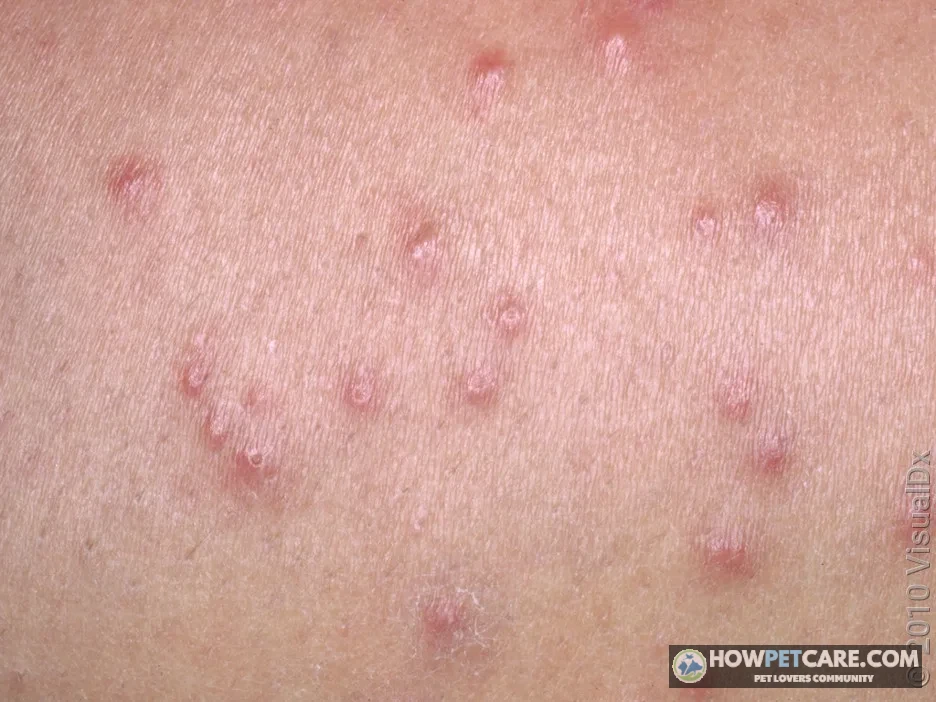
Bites alone can’t reliably identify the pest. Match location and pattern with other clues, then search for the insect or its signs around the house.
| Pest | What the bite looks like | Typical body location | Pattern | When bites appear or are noticed | Other clues and next step |
|---|---|---|---|---|---|
| Flea | Small, very itchy red bumps, sometimes with a darker center | Feet, ankles, and lower legs; sometimes waist or skin folds | Clusters or short lines | Any time; often noticed after time near pet bedding or carpet | Check pets and bedding for fleas or flea dirt; try walking through the room in white socks to spot jumping fleas |
| Bed bug | Itchy raised bumps or welts; appearance varies | Often exposed skin during sleep, such as arms, neck, or face | Sometimes grouped or arranged in a line, but not always | Often noticed after sleeping | Look for bugs, shed skins, or dark spots around mattress seams and bed frames; bites alone do not confirm bed bugs |
| Mosquito | Itchy, raised welt; reaction varies | Any exposed skin | Often scattered rather than a tight cluster | Can appear soon after exposure, including outdoors | Consider recent outdoor exposure and look for mosquitoes; a bite’s appearance is not definitive |
| Mite | Can range from small bumps to a persistent, very itchy rash | Depends on the mite; scabies often affects skin folds and finger webs | Scabies may spread over time; other mite bites vary | Scabies itching can be worse at night | Persistent, spreading itch or symptoms in household members needs medical assessment; a clinician can determine the cause |
| Tick | A small bump; the tick may still be attached | Anywhere, including hidden areas such as the scalp, groin, or armpit | Usually a single bite | Often found after time outdoors | If attached, remove the tick with fine-tipped tweezers close to the skin; seek medical advice for an expanding rash or fever after a tick bite |
A handy rule of thumb: itchy bites clustered on the ankles plus a pet showing flea signs point to fleas; bites on exposed skin after sleep suggest checking the bed and bedroom. An attached tick looks different from a flea bite. A persistent, spreading rash — especially if multiple household members are affected — should be evaluated by a clinician, not diagnosed from a table.
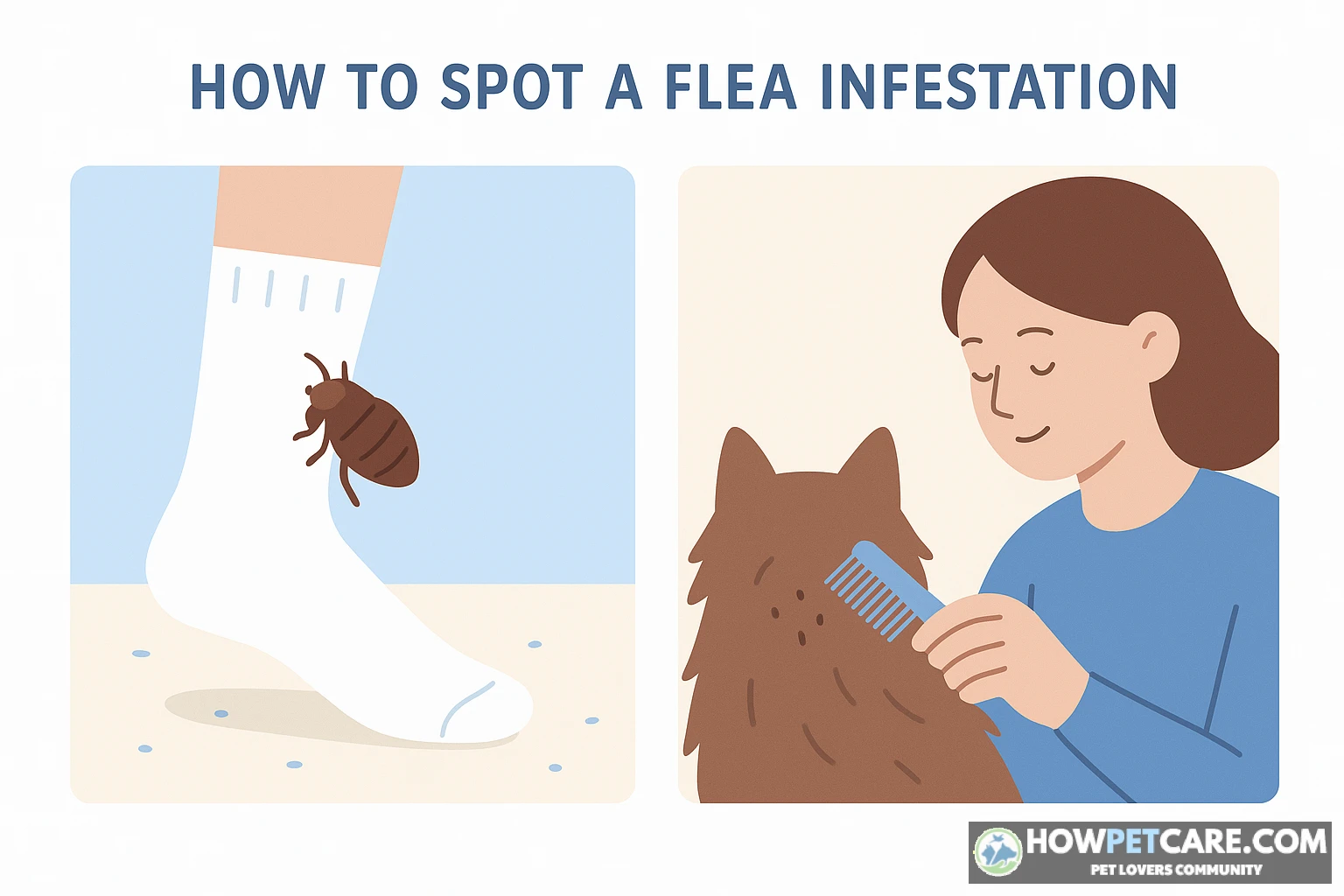
To check for fleas, comb your pet with a flea comb and examine its bedding. Walking through a suspect room in white socks and watching for jumping insects also helps. Those clues beat trying to identify a pest from bite marks alone.
Typical flea bite appearance and locations
Flea bites are usually intensely itchy and appear in groups, especially on the lower legs. Some people develop larger welts or blisters, while others see little reaction. Scratching can break the skin and invite infection, so relieving the itch and keeping nails short helps protect the area.
Flea bites vs. bed bug, mosquito, mite and tick bites
Consider more than one clue — location and timing, for example — before deciding what’s biting you. Bed‑bug marks often appear after a night in bed but can mimic other insect bites. If bed bugs are confirmed in a home with cats, the steps for treating bed bugs on cats safely differ from flea cleanup. Mosquitoes tend to hit exposed skin, while fleas favor feet and ankles. Mites can cause lingering rashes, and a tick may stay attached. If a rash spreads, hurts, or comes with other symptoms, seek medical advice rather than relying on appearance alone.
Can Fleas Live in Human Hair or on the Scalp?
Fleas can land in or crawl through human hair and may bite near the hairline or scalp, but they don’t nest, lay eggs, or form a lasting colony there. Fleas aren’t head lice — lice live on the scalp and glue their eggs (nits) to hair shafts.
If you find a flea in your hair, regular shampoo and a fine‑toothed comb will remove it. Medicated shampoo isn’t a flea treatment for people. Check pets and their resting spots, because an ongoing household source can keep sending fleas your way. If scalp itching persists after the home infestation is cleared, see a clinician for lice or another scalp condition. Never apply a pet flea product to a person, including a child.
How to Treat Flea Bites and Stop the Itching (and What Repellents Actually Do)
For simple bites, wash the area gently with soap and water and apply a cold compress to reduce discomfort. Avoid scratching; keep nails short, especially on kids. Over‑the‑counter calamine lotion, hydrocortisone cream, or an oral antihistamine can ease itching — follow label age limits and ask a pharmacist if unsure. Some antiseptics irritate sensitive skin, so use them only as directed.

Itch relief that works while bites heal
Most bite reactions clear up with basic skin care once new bites stop. Never apply pet flea shampoo, spray, or topical treatment to human skin. For babies, young children, pregnant people, or anyone with a medical condition, consult a clinician or pharmacist before using medicated creams or oral medicines.
Do DEET, picaridin or oil of lemon eucalyptus work on fleas?
Human repellents like DEET, picaridin, and oil of lemon eucalyptus are meant to cut bites from certain insects, but evidence for reliable flea protection is limited compared with mosquitoes and ticks. Don’t count on them to solve a home flea problem or guarantee protection. If you use a repellent, pick an EPA‑registered product labeled for people and follow the instructions, including age limits. This advice applies only to human products — not pet flea treatments.
While you tackle the source, closed shoes and long pants reduce exposed skin in infested rooms. Wash clothes and bedding from pet resting areas, and shower if you find fleas on yourself. These steps help but won’t eliminate eggs, larvae, or pupae from the house.
Are Flea Bites Dangerous? When to See a Doctor and Who Is at Higher Risk
Most flea bites cause only local itching and irritation. Serious flea‑borne illness is rare in typical U.S. homes, but don’t ignore a bite if signs point to infection, a severe allergic reaction, or systemic illness.
Signs that mean call a doctor
Call a clinician promptly for spreading redness, increasing warmth or pain, pus, red streaks, or fever around or after bites. Also seek care if a large area blisters or bites haven’t improved after one to two weeks. These signs can have other causes, so a clinician should evaluate them.
Go to emergency care for trouble breathing, facial or throat swelling, dizziness, or widespread hives — these can signal a serious allergic reaction.
Fleas can carry pathogens, but risk varies by location and exposure — don’t assume disease from an itchy bump. Fever, headache, body aches, or a rash after flea exposure deserve medical advice, especially if they appear days or weeks later. Murine typhus and plague are rare in most U.S. areas; plague is linked to specific regions and contact with rodents or outdoor fleas. A clinician can assess symptoms and local risk. Fleas may also factor into cat‑scratch disease transmission, but a flea bite alone doesn’t mean you have it.
Infants, children, pregnant people and immunocompromised household members
Infants and young children: Keep pets and pet bedding out of the sleep area while the infestation is active. Wash crib bedding and play‑mat covers, vacuum floors where the child plays, and keep nails short. Use a cold compress for a baby’s itch while you ask the pediatrician about creams or antihistamines — don’t assume adult products are safe. Young children often put fingers or objects in their mouths, so rapid household and pet source control matters.
Pregnant people: Never apply pet flea products to your skin. Ask your OB or pharmacist before using medicated creams, antihistamines, or repellents, even over‑the‑counter ones. Contact your provider for fever or a spreading rash.
Immunocompromised people: Contact a clinician promptly for fever, spreading redness, warmth, or pus after a bite. Faster source control may be wise if you can’t safely manage home treatments.
For any household, follow the product label during treatment. Keep children, pregnant people, and pets out of treated areas for the time stated on the label; don’t assume a spray or fogger is safe just because it’s marketed for home use.
How Long Until the Bites Stop? Eradication Timeline, Costs and DIY vs. Professional Help
Bites can persist after treatment starts because pupae stay protected in cocoons and emerge later. Newly emerged fleas may bite before they meet a treated pet or a home product. A few early bites don’t mean treatment failed, but ongoing bites signal a need to verify every step is being followed consistently.
| Time since treatment started | What is happening in the flea life cycle | What you may notice | What to do |
|---|---|---|---|
| First few days | Existing eggs, larvae, and pupae in the home may remain while treatment begins | Bites can continue | Begin veterinarian-recommended pet treatment, wash bedding, vacuum, and use household products only as labeled |
| Weeks 1–2 | Protected pupae may emerge as adults | Bites may continue and can briefly seem more noticeable | Keep vacuuming and maintain pet treatment on schedule; do not add extra doses unless the label or veterinarian directs it |
| Weeks 3–4 | The emerging population should start declining if the source is controlled | Many households notice fewer bites, but timing varies | Continue cleaning and follow product instructions for any repeat treatment |
| Weeks 5–8 and beyond | Stragglers may still emerge, especially after a larger infestation | Occasional bites may persist | Keep prevention consistent; if bites continue despite careful treatment, reassess the source and seek help |
Expect some improvement within days, more noticeable change over two to four weeks, and full clearance in one to three months. These are estimates, not guarantees; infestation size and treatment consistency matter. Keep pets on a vet‑recommended product without gaps — prescription topicals like Revolution for cats are one option your vet may suggest — wash pet bedding, vacuum carpets and furniture regularly, and empty the vacuum outside. Apply household flea products only as labeled. Year‑round prevention from your vet helps stop another cycle.
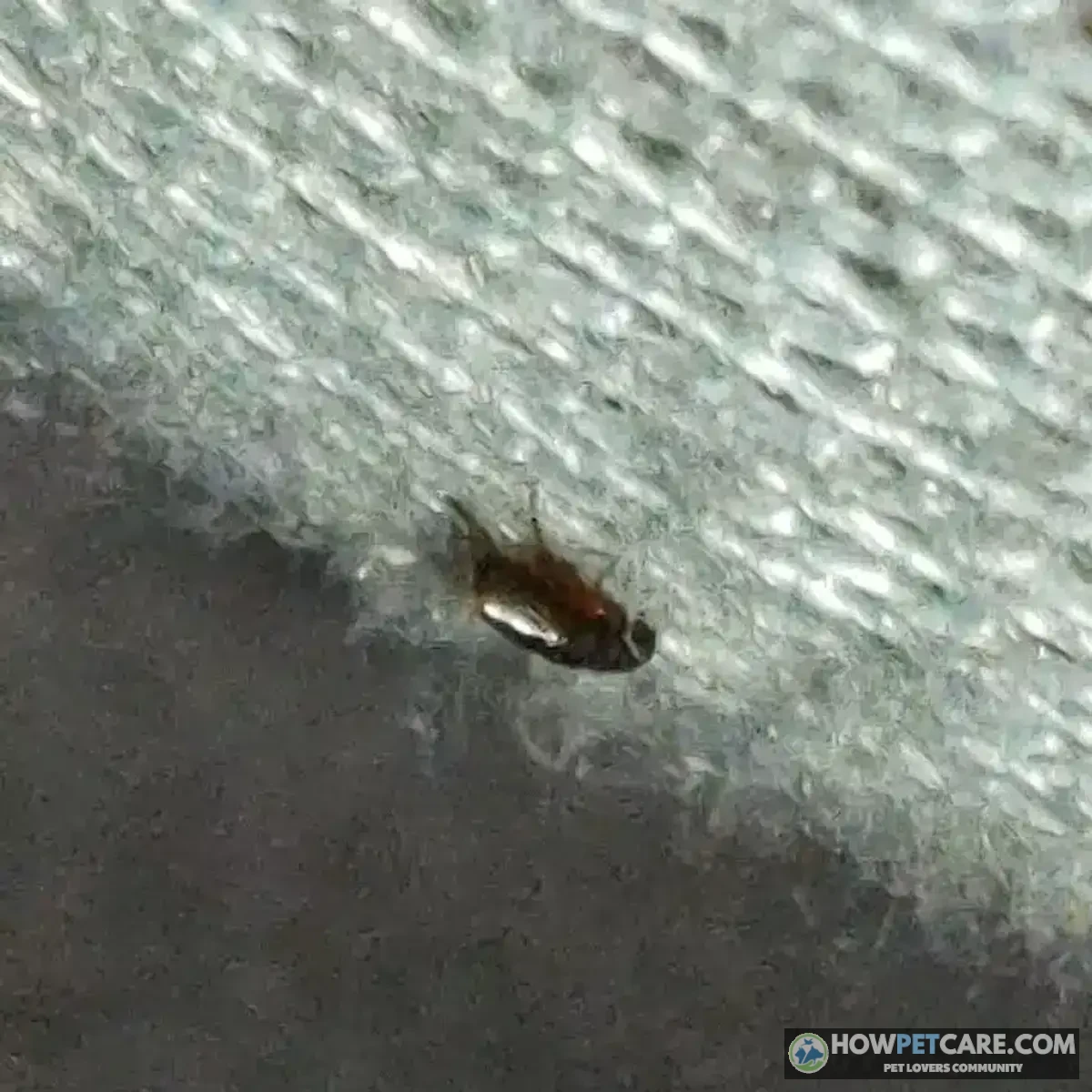
| Approach | What it includes | Typical cost range | Best for | Limitations |
|---|---|---|---|---|
| DIY: mild or early | Pet treatment recommended by a veterinarian, laundry, vacuuming, and an appropriate household product | Roughly $80–$200 over one to three months | Early, limited problems in a household able to follow the routine | Requires consistent cleaning and keeping pet treatment on schedule |
| DIY: moderate | The same steps, possibly a steam-cleaner rental and additional treatment if the label calls for it | Roughly $150–$350 | Fleas across several rooms when household members can safely manage treatment | Takes time; cleaning alone may not reach every protected flea stage |
| Professional pest control | Inspection and household treatment, often with follow-up visits | Roughly $200–$600 total, depending on home size and visits | Persistent or widespread infestations, or households where DIY treatment is difficult or unsafe | Pets still need appropriate treatment through a veterinarian; request multiple quotes and confirm what follow-up includes |
These are broad U.S. cost estimates, not quotes — local prices, home size, number of pets, and the treatment plan can shift the total. Consider a professional if fleas persist after four to six weeks of consistent effort, multiple rooms are affected, you suspect a wildlife or rodent source, or a household member’s health makes DIY treatment unsafe. A pest‑control company can treat the home but can’t replace veterinary care for pets.
Your Flea Action Plan: What to Do Today, This Week and This Month
Today
- Comb your pet with a flea comb and check its bedding for fleas or flea dirt. Walk through a suspect room in white socks to spot jumping insects.
- Wash bites gently, apply a cold compress, and avoid scratching. Call a pharmacist or clinician if you need advice on itch relief.
- Call your veterinarian for a pet flea‑treatment recommendation. Never use pet flea products on people.
Within the week
Wash pet bedding and other washable soft items, vacuum carpets and furniture — including edges and under pieces — and empty the vacuum outside. If you use a household flea product, follow the label exactly, including ventilation and keeping people and pets out of the treated area.
Weeks two to six
Keep vacuuming regularly and maintain the pet’s treatment schedule without gaps. Track whether new bites are tapering off. A brief continuation of bites can occur while protected pupae emerge; if bites persist despite consistent effort, reassess the source and treatment plan.
Get medical advice for spreading redness, warmth, pus, fever, a severe rash, or other worrying symptoms. Seek emergency care for trouble breathing, facial or throat swelling, dizziness, or widespread hives. Consider professional pest control if a heavy or multi‑room infestation persists or you can’t safely treat the home yourself.
Once the problem clears, keep pet prevention on your vet’s recommended schedule and wash pet bedding routinely. The key is tackling the pet and the home together: clearing fleas from your skin brings relief, but breaking the household flea life cycle stops repeat bites.
FAQ
Why do fleas bite me but not other people in my house?
Fleas will bite anyone, but skin reactions vary a lot. Some people develop obvious itchy welts while others barely notice the bites. Sleeping or sitting closer to pet areas also raises exposure.
Can I carry fleas on my clothes to someone else’s home?
Yes, a flea can hitch a ride on clothing or a bag for a short time. It cannot start an infestation without an animal host and a place to lay eggs, so the risk is low but not zero.
Can my indoor-only cat give me fleas?
Yes, if the cat has fleas. Indoor cats can pick up fleas from other pets, visitors, clothing, or rodents, and cat fleas will bite people in the home.
Do fleas bite at night?
Fleas can bite at any time of day. People often notice bites in the morning or after resting near pet bedding or carpet, which makes it seem like a nighttime pattern.
Can humans give fleas to pets?
Humans are not hosts, but they can carry a flea or two on clothing. Most pet infestations start from other animals, the yard, or fleas already living in the home.
Can flea bites leave scars?
Usually no, if the bites heal without being scratched open. Heavy scratching or infection can leave dark marks or small scars, which is a reason to keep nails short and treat the itch.