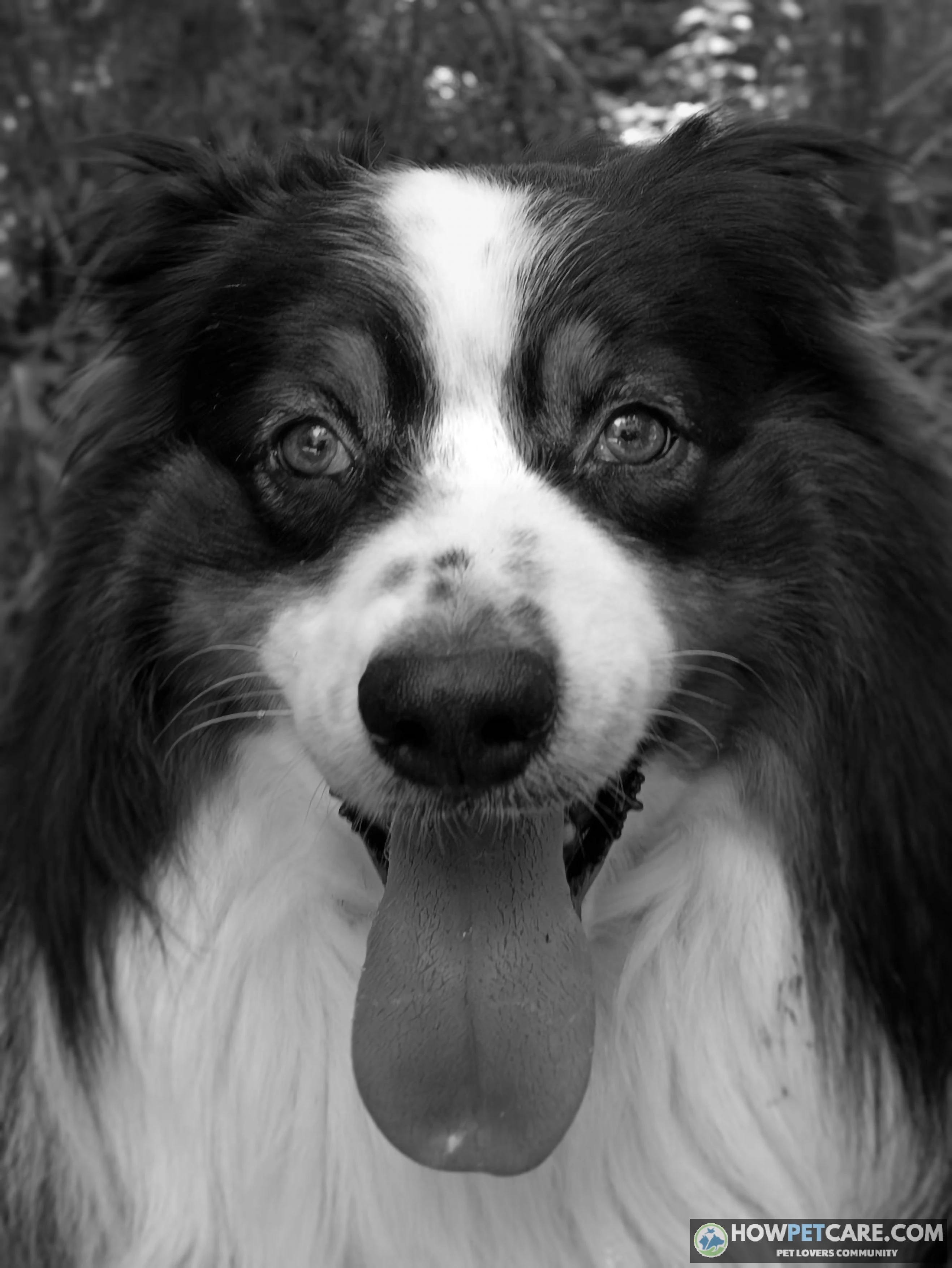

A Border Collie dog is a high-drive herding breed best suited to active owners who can provide roughly 90–120+ minutes of daily exercise and training. It’s a poor match for sedentary households, long alone hours, or anyone expecting a yard alone to meet its needs.
Is a Border Collie Right for You? The Short Answer and Spec Snapshot
A Border Collie can be a rewarding companion if you want an active training partner and can make room every day for substantial exercise, mental stimulation, and supervision. For a typical adult dog, plan on roughly 90 minutes to two hours or more of combined activity and training, then adjust for the individual dog. The Royal Kennel Club recommends more than two hours of daily exercise for the breed.
If you want a dog who’s content with a short walk and time alone in the backyard, look elsewhere. Border Collies were developed to herd livestock, and that working drive doesn’t disappear in a suburban home.
Who a Border Collie fits and who it doesn’t
This breed is most likely to suit a household that enjoys teaching, walking, and playing, and can build a predictable routine around a dog. First-time owners can succeed, but should be ready to get training help and plan realistically for workdays.
A sedentary home, frequent long absences without a break, or the expectation that a yard will provide enough exercise makes a Border Collie a risky choice. Individual dogs vary. An adult rescue with a known history may be easier to assess than a puppy.
Border Collie at-a-glance specs
| Trait | Typical range or rating | What it means for daily life |
|---|---|---|
| Height | Males 19–22 inches; females 18–21 inches | A medium-sized dog with room to move and reach counters. |
| Weight | Males about 30–45 pounds; females about 27–42 pounds | Builds vary; assess body condition rather than aiming for one number. |
| Lifespan | About 12–15 years | Plan for a long-term financial and lifestyle commitment. |
| Energy and drive | High | Daily exercise and purposeful activities are central to care. |
| Coat and shedding | Rough or smooth double coat; seasonal shedding | Expect regular brushing and dog hair in the home. |
| Breed group | Herding, called Pastoral by the Royal Kennel Club | Movement, training, and environmental management matter. |
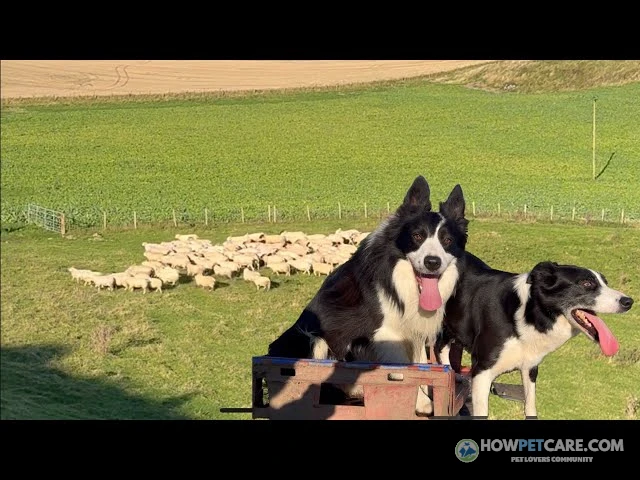
The breed developed from sheepdogs in the Anglo-Scottish border region. Old Hemp is recognized as an influential foundation sire. Selection for livestock work helps explain the Border Collie’s close attention to movement and readiness to respond to a handler.
Border Collie Temperament and Personality: What Living With One Is Like
Border Collies are often attentive, quick to learn, physically capable, and sensitive to their surroundings. One may enjoy meeting everyone; another may be reserved with strangers. Expect an individual personality, not a guarantee based on breed.
Intelligence and trainability: are Border Collies easy to train?
Border Collies often learn cues quickly, but that doesn’t make them maintenance-free. They can also learn that barking brings a ball or that chasing a child is exciting. Stanley Coren ranked the breed first for working and obedience intelligence. That ranking measures learning and responding to commands, not every kind of dog intelligence.
Keep training sessions short and reward-based. Teach everyday skills as well as tricks: coming when called, resting on a mat, walking on a loose leash, and disengaging from movement. Adolescence can bring renewed excitement and inconsistent responses. Dogs develop maturity and an off switch at different rates.
Herding instinct at home
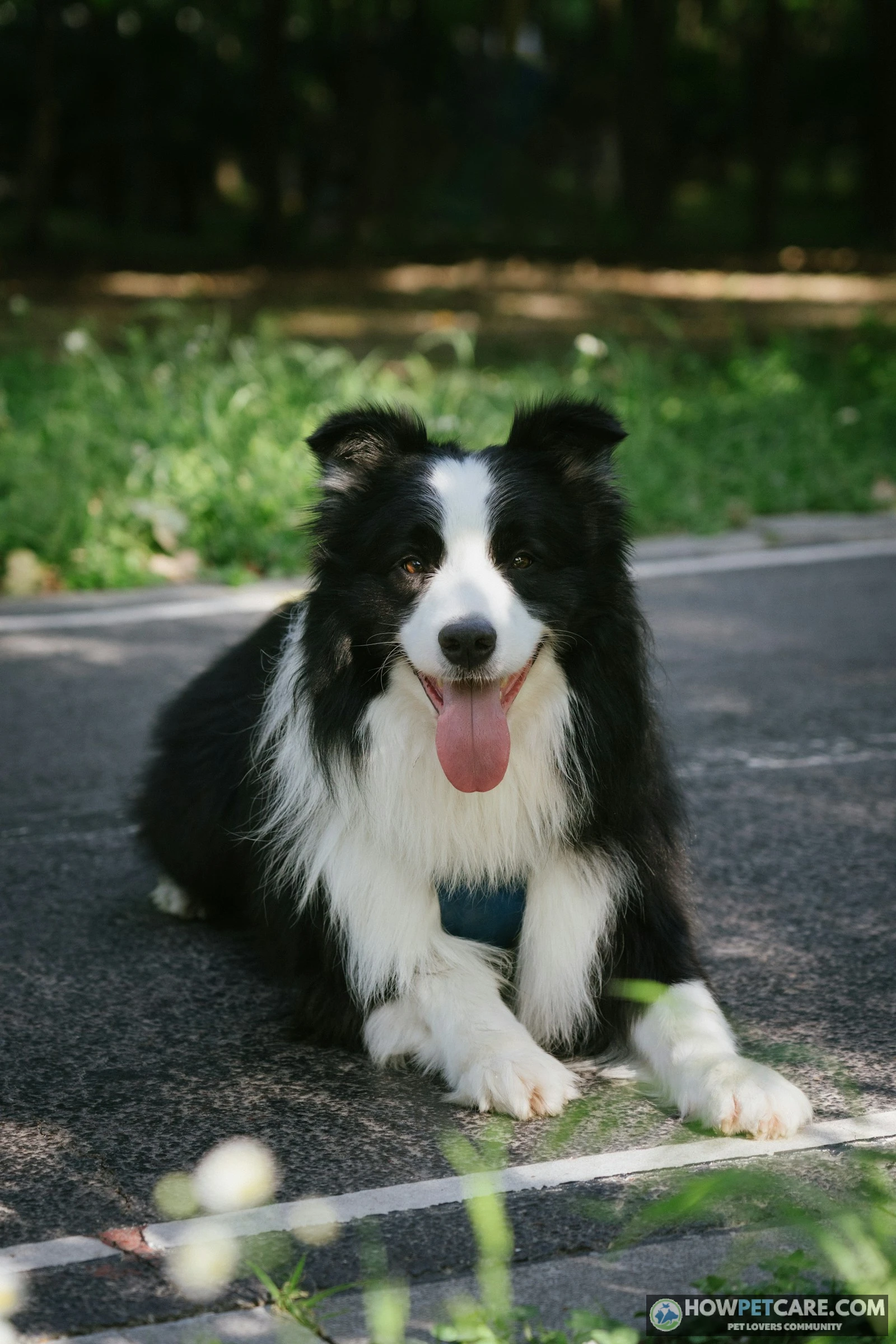
A Border Collie may stare, crouch, circle, or pursue movement. Children, cats, bicycles, and passing cars can trigger behaviors that were useful around livestock. The AKC notes that the breed may instinctively herd people and animals. Block access to traffic and supervise interactions; don’t assume training alone will override instinct.
Working lines vs show lines vs pet lines
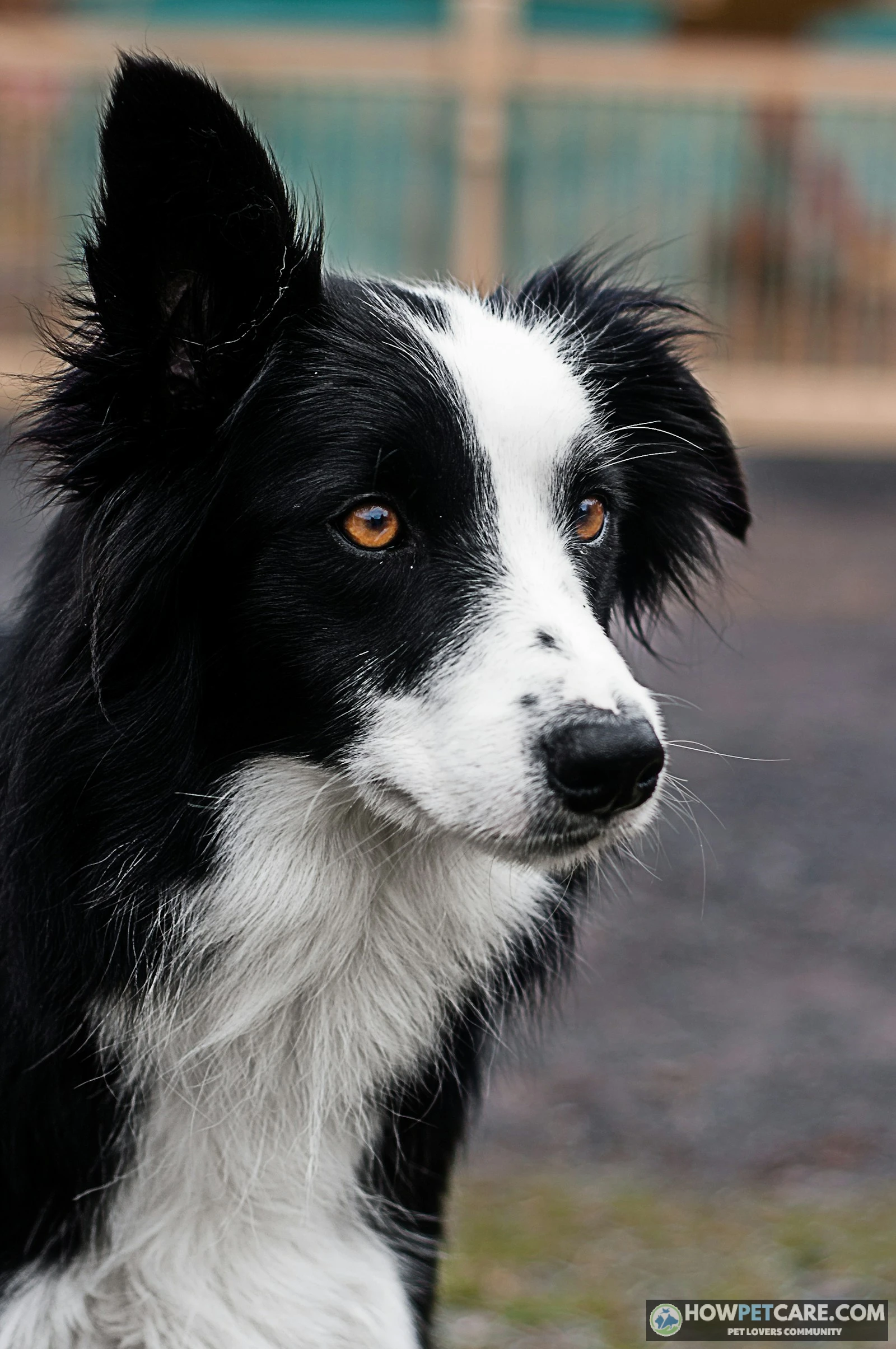
Dogs bred primarily for livestock work, conformation, sport, or companionship can differ in drive and sensitivity. Those labels don’t guarantee a particular temperament. Ask how the parents behave at home, how they recover from excitement, and what their daily routines look like. Meet available relatives where practical, and choose the individual rather than relying on the label.
 You might be wonderingPon dog breedPON Dog Breed Guide: Costs, Care, Temperament and FitRead the answer
Border Collie Health Problems, Lifespan, and Grooming
A typical Border Collie lifespan is about 12–15 years. Good breeding, preventive care, appropriate exercise, and prompt veterinary attention can support health, but none guarantees a particular lifespan.
Common Border Collie health problems and screening tests
Ask a veterinarian about hip dysplasia, eye disease including collie eye anomaly, epilepsy, inherited neuronal ceroid lipofuscinosis, trapped neutrophil syndrome, MDR1 drug sensitivity, and hearing problems. These are possibilities to discuss, not diagnoses or predictions for an individual dog.
Different conditions call for different checks. Hip screening uses veterinary imaging, and an eye examination checks the dog’s eyes. DNA tests are available for several inherited conditions, including collie eye anomaly, trapped neutrophil syndrome, neuronal ceroid lipofuscinosis, and the MDR1 variant. A DNA result doesn’t replace an eye exam or screen for every condition. Ask whether a hearing test is appropriate, particularly for dogs with extensive white or merle coloring.

Athletic dogs can injure joints or soft tissues, too. Build fitness gradually and allow time to recover. Consult a vet about limping, persistent stiffness, or reluctance to exercise.
A breeder’s promise that the parents are healthy isn’t the same as documented screening. Ask to see the results, and have your veterinarian explain anything you don’t understand.
Coat types, shedding, and grooming time
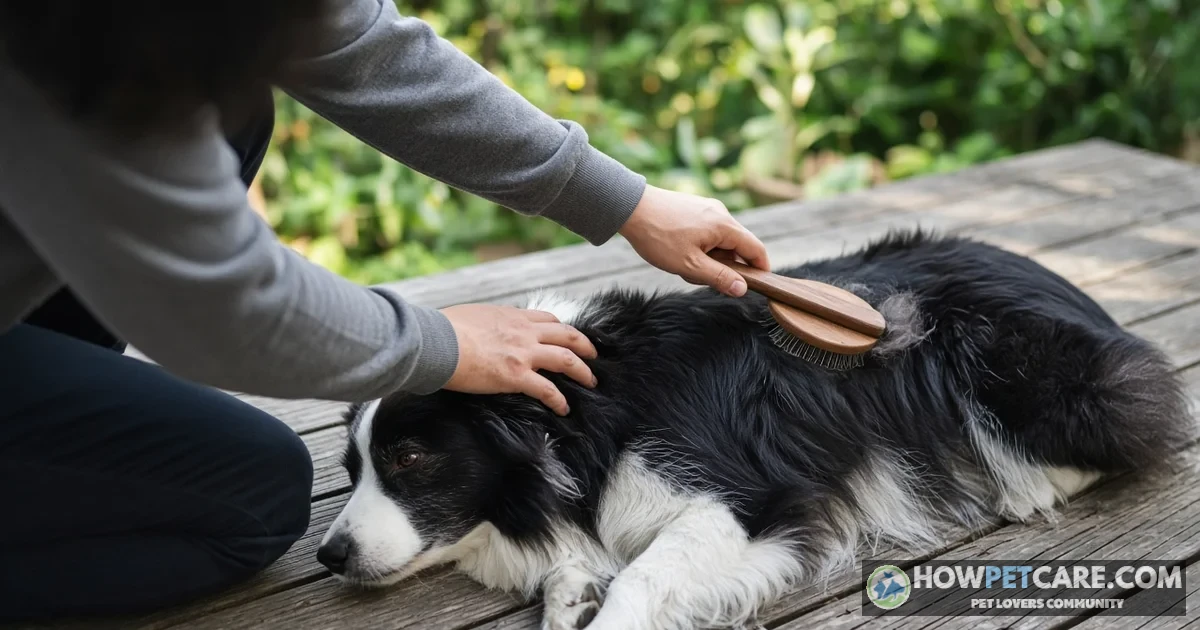
Both rough-coated and smooth-coated Border Collies shed. The rough coat has longer feathering; the smooth coat is shorter. The AKC recommends brushing about once or twice a week, and seasonal shedding is to be expected. Brush more often when loose coat builds up or feathering tangles.
Most owners can manage routine grooming at home: trim nails as needed, check ears, and establish a tooth-brushing routine. Black and white is familiar, but the breed comes in many colors and patterns. Choose for health and suitability, not color alone.
How Much Exercise Does a Border Collie Need? A Real Weekday Schedule
For a healthy adult, use roughly 90 minutes to two hours or more of combined physical activity and training as a starting point, not a prescription. The Royal Kennel Club’s breed guide lists more than two hours of daily exercise. Some dogs need more. Age, health, fitness, weather, and activity intensity all matter.
Physical exercise and mental stimulation can overlap, but they aren’t interchangeable. A sniff walk uses both; a short training session challenges attention without replacing all outdoor exercise. Rest matters, too. Repeatedly escalating ball games can leave a dog expecting more excitement instead of learning to settle.
A sample Tuesday for a working owner
This example schedule totals 150 minutes: 70 minutes of walking or physical activity, 45 minutes of training, and 35 minutes of food-based enrichment. Training may involve movement, so the blocks aren’t separate minimums.
| Time | Activity | Duration |
|---|---|---|
| Morning | Brisk walk with sniffing, or an appropriate run for a conditioned adult | 40 minutes |
| Before work | Scatter breakfast or offer a food puzzle; reward calm on a mat | 15 minutes |
| Midday | Walker, neighbor, or owner provides a walk and bathroom break | 30 minutes |
| Evening | Reward-based obedience, controlled play, or sport foundations | 45 minutes |
| Later evening | Hide part of dinner for a scent game, then settle | 20 minutes |
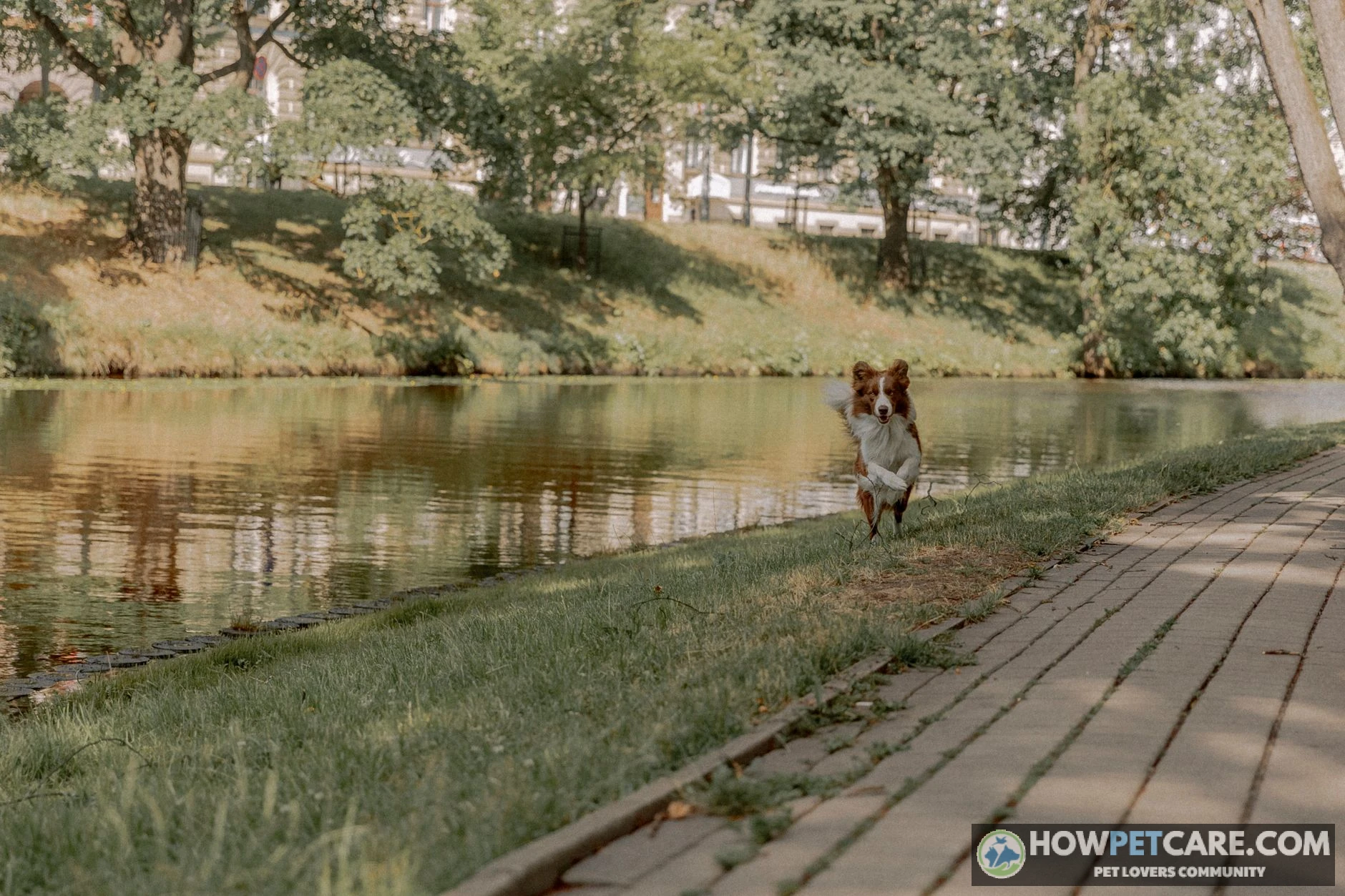
This is an example, not a daily test every dog must pass. Some activity can be gentler, and a walker can provide part of it. If nobody can give the dog a break during a long workday, solve that before bringing the dog home. Puppies need more frequent chances to go outside and much shorter activity sessions.
Weekend and sports options: agility, flyball, herding trials
A longer hike, a class, or an introductory sport session can add variety. Border Collies commonly take part in agility, herding, obedience, tracking, flying disc, and flyball. Increase duration and difficulty gradually, and provide water, breaks, and quiet time. A demanding weekend won’t make an unsuitable weekday routine work.
Mental stimulation routines that take 10–20 minutes
Try a food puzzle, hide kibble in one room, practice a few repetitions of a new trick, or work on obedience during a walk. Rotate activities and stop while the dog can still respond. Use some of the dog’s normal food allowance for games rather than adding unlimited treats.
For puppies, favor short, age-appropriate play, sniffing, and training sessions. Avoid forced repetitive running and repeated jumping; ask your veterinarian how to build activity as your puppy grows.
Signs your dog isn’t getting enough
Pacing, chewing, barking, or chasing heels can point to an activity or management gap. They can also reflect stress, pain, fear, or another problem. Shadow chasing or fixation deserves particular attention; don’t assume the answer is simply a longer run. Review the routine and consult a veterinarian or qualified behavior professional if the behavior persists or escalates.
Are Border Collies Good Family Dogs? Verdicts for Kids, Cats, First-Timers, and Apartments
A Border Collie can be a good family dog if the household can meet the dog’s needs and manage interactions. The key word is can: age, individual behavior, supervision, and the family’s routine matter more than a blanket verdict about the breed.
Border Collies with children
Conditional fit. Older children who can follow dog-safety rules may be easier to accommodate than toddlers who run unpredictably. An adult should supervise interactions, and gates can separate the dog from energetic play. Teach children not to chase, corner, or disturb a resting dog. Never leave a young child alone with any dog.
Border Collies with cats and other dogs
Conditional fit. Some live comfortably with cats and other dogs; others may chase or become overaroused. Introduce a cat behind a secure barrier, provide escape routes and elevated spaces, and reward the dog for calmly looking away. Don’t allow chasing just to see what happens.
For other dogs, arrange controlled introductions and watch for comfortable body language. Shared space, toys, and food may need management even when the dogs generally get along. A rescue that knows an adult dog’s history with cats or dogs can help with matching, though past behavior isn’t a guarantee.

First-time owners
Possible, but demanding. Budget for a reward-based class, practice daily, and arrange help before the dog arrives. A first-time owner who enjoys learning and can manage the schedule may be a better match than an experienced owner seeking a low-effort companion.
Apartment living: can it work without a yard?
Possible under the right conditions. A yard isn’t mandatory, and a yard alone won’t exercise or train a dog. Apartment owners need reliable outdoor activity, bathroom breaks, enrichment, and a plan for barking and shared hallways. Long unbroken absences, no safe walking options, or an inability to manage noise make the arrangement a poor fit. Consider the individual dog’s sensitivity and your building’s rules before committing.
How to Manage Nipping, Chewing, Barking, and Obsessive Behavior
Prevent the behavior from being rehearsed, teach a safer alternative, and reward that alternative. Harsh corrections can increase fear or arousal. If a dog bites, seems panicked, or injures itself, contact a veterinarian and a credentialed reward-based trainer or veterinary behaviorist promptly.
Redirecting herding behavior toward kids before it becomes a problem
Use gates or a leash held by an adult to keep the dog apart from running games. Teach children to stop moving and call an adult if the dog starts to chase. Practice a calm mat behavior away from children first. Then reward the dog for staying relaxed at a safe distance from mild movement.
If the dog starts to fixate, calmly call it away before a chase begins. Redirect it to a toy or simple cue, then give it a quiet break. Don’t ask a child to manage the dog. If nipping breaks skin, stalking continues, or the dog can’t disengage, separate them and get professional help.
Destructive chewing and boredom
First, keep shoes, cords, and other unsafe items out of reach. Offer suitable chews and introduce a pen or crate properly for short, comfortable periods; confinement won’t solve panic. If the routine lacks an outlet, add a planned walk, food search, or training session.

If chewing happens during absences alongside drooling, frantic escape attempts, or self-injury, consult a vet. Separation-related distress needs a different plan from ordinary exploration. A sudden behavior change also warrants a health check.
Barking and noise sensitivity
For alert barking, block the view of a busy window and reward the dog for moving away or becoming quiet. For demand barking, don’t routinely deliver the ball or open the door while the dog barks. Reward a brief quiet pause and teach another way to ask. If barking happens during long periods alone, address the schedule and investigate possible distress rather than relying on a cue alone.
Give a noise-sensitive dog a quiet retreat. With professional guidance, pair low-intensity recorded sounds with food only while the dog remains comfortable. Don’t expose a frightened dog to overwhelming noise in an attempt to make it adapt.
Obsessive focus and teaching an off switch
Avoid laser-pointer play and endless ball throwing. End games clearly, put equipment away, and reward relaxed behavior on a mat. If a dog fixes on shadows or can’t disengage, calmly move it away when safe and offer an easy alternative, such as finding food on the floor. Persistent fixation, injury, or inability to eat or rest calls for veterinary and behavior support.
Border Collie Cost: Puppy Price, Rescue Fees, and Yearly Expenses
A purchase or adoption fee is only the beginning. The figures below are illustrative U.S. planning estimates, not verified 2026 price quotes. Costs vary by location, dog, provider, and coverage, so get local quotes before committing. Breed-club guidance doesn’t establish breeder prices or ownership costs.
Border Collie puppy price from a breeder
For initial budgeting, a breeder puppy might cost roughly $800–$2,500 or more, but that broad estimate isn’t a verified market average. Ask what the price includes and compare current local listings. A high price doesn’t prove responsible breeding, and a low price alone doesn’t prove poor care. Check health records and living conditions independently.
Rescue and adoption costs
A working estimate of $150–$600 for adoption may help you start a budget, but ask the organization for its current fee and inclusions. Some rescues provide vaccinations, a microchip, or spay/neuter; others may not include every service. An adult rescue may come with useful information about behavior and household compatibility. A puppy gives you more opportunity to shape early experiences, but its adult temperament isn’t a blank slate or a guarantee.
Annual cost of ownership, line by line
These ranges are scenarios to price locally, not sourced averages. The totals add the displayed rows; acquisition alternatives aren’t added together. Walker costs and unexpected veterinary treatment can change the result substantially.
| Expense category | First-year estimate range | Ongoing annual estimate range | Notes |
|---|---|---|---|
| Breeder puppy | $800–$2,500+ | — | Alternative to adoption, not an additional fee. |
| Rescue adoption | $150–$600 | — | Ask which veterinary services are included. |
| Veterinary visits and initial procedures | $300–$900 | $150–$400 | Initial care may include vaccines and spay/neuter; avoid double-counting services included in adoption. |
| Food | $300–$700 | $400–$900 | Varies with diet, size, and activity. |
| Preventatives | $150–$400 | $200–$500 | Ask your vet what is appropriate locally. |
| Training | $200–$800 | $150–$600 | Classes and sport fees vary. |
| Walker or daycare | $0–$3,000+ | $0–$6,000+ | Price your actual workday plan. |
| Insurance premium or dedicated vet savings | $240–$720 | $300–$900 | Insurance terms, deductibles, and exclusions vary. |
| Gear, toys, and chews | $200–$500 | $100–$300 | Initial setup includes items such as a leash and gates. |
| Grooming supplies | $40–$150 | $50–$150 | Professional grooming is optional and extra. |
| Total with rescue | $1,580–$7,770+ | $1,350–$9,750+ | Arithmetic sum of the ranges above; not a quote. |
| Total with breeder puppy | $2,230–$9,670+ | $1,350–$9,750+ | Same running costs, with breeder price instead of adoption. |
The upper ends include a substantial walker/daycare allowance; households without that expense will spend less. Neither total covers every possible emergency, boarding bill, specialist visit, or insurance deductible. Build a separate emergency fund or understand exactly what your policy pays, including hereditary-condition and orthopedic exclusions. Over a 12–15-year lifespan, even ordinary recurring costs add up.
If your weekday plan requires a walker, get a local quote for the number of visits you actually need. That cost can affect affordability more than the adoption fee.
Breeder checklist and health tests to ask for
- Ask to see documented hip and eye screening results for both parents, and discuss them with your veterinarian.
- Ask which DNA tests were performed and how the results informed the breeding decision; a panel should be relevant to the breed and the individual dogs.
- Meet the mother and, when possible, the father or other close relatives. Ask about their behavior, health, and daily routines.
- See where the puppies are raised and ask how they experience ordinary household sights, sounds, people, and handling.
- Read the contract, including the return policy. A responsible breeder should welcome questions and ask about your plans, too.

Socialization windows and puppy feeding basics
Early puppyhood is an important socialization period. Plan safe, positive exposure to people, surfaces, sounds, handling, and appropriate dogs without forcing contact. Ask your veterinarian how to balance exposure with vaccination and local disease risks; a well-run puppy class can help.
The best dog food for a Border Collie is a complete and balanced diet suited to the dog’s life stage and individual needs, not a product chosen only for its breed label. Start with the package feeding guide for your dog’s weight, measure meals, and adjust with your veterinarian based on body condition and weight trends. A working dog may need more calories than a similarly sized companion; a puppy needs food formulated for growth. Treats and training food count toward daily intake.
Border Collie vs Australian Shepherd, Sheltie, and Rough Collie
All four are herding breeds, but none is automatically easy. The table describes broad tendencies, not promises about an individual dog. Size descriptions and comparisons are approximate; meet adults from the lines or rescue population you’re considering.
| Factor | Border Collie | Australian Shepherd | Shetland Sheepdog | Rough Collie |
|---|---|---|---|---|
| Size | Medium | Medium, often sturdier | Small | Large |
| Activity and drive | High; often focused on work | High; often active and exuberant | Active and responsive | Often moderate relative to the others |
| Training | Quick learner; needs consistent outlets | Highly trainable; benefits from structured work | Often sensitive and responsive | Trainable; individual motivation varies |
| Coat and grooming | Rough or smooth; regular brushing | Double coat; regular brushing | Abundant coat; frequent brushing | Abundant long coat; frequent brushing |
| Shedding | Seasonal shedding | Sheds | Sheds | Sheds |
| Barking | Can bark at movement or activity | Can be vocal and watchful | Often vocal | May alert bark |
| Children | Supervise; manage herding and nipping | Supervise; manage excitement and herding | Supervise; consider sensitivity and small size | Supervise; consider the dog’s larger size |
| Apartment | Possible with substantial daily activity and noise management | Possible with a strong activity and management plan | Can work if exercise and barking are managed | Can work if individual needs and space are managed |
| Lifespan | About 12–15 years | Ask breed club and vet about typical range | Ask breed club and vet about typical range | Ask breed club and vet about typical range |
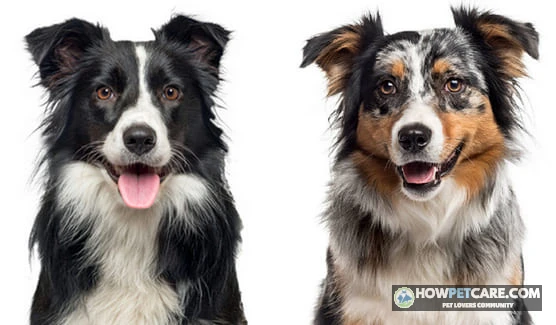
Border Collie vs Australian Shepherd: what’s actually different
Neither is a low-activity substitute for the other. A Border Collie may appeal to someone seeking a highly focused sport or livestock partner; an Australian Shepherd may suit someone looking for a sturdier active companion. Both need training, exercise, and an individual temperament assessment. Compare actual adults and breeders instead of assuming one breed will be friendlier or easier.
If a Border Collie is too intense: Sheltie or Rough Collie
A Sheltie’s smaller size can make handling and housing easier, but its coat and potential for barking are still real commitments. A Rough Collie may suit someone looking for a generally less intense herding-breed companion who’s comfortable with a larger dog and substantial coat care. If daily training and exercise don’t appeal to you, consider a lower-drive dog outside the herding group as well.
Your Border Collie Fit Test and Next Steps
The 10-question Border Collie fit checklist
Answer yes or no based on your ordinary week, not an ideal vacation. Count a maybe as no until you have a workable plan. If a question about children or other pets doesn’t apply, answer yes only if you can manage those encounters when they arise.
- Can I reliably provide around 90–120 minutes or more of combined activity and training on weekdays, adjusted to the dog?
- Can I arrange a bathroom and activity break when my workday requires one?
- Do I want to teach and interact with a dog every day, rather than rely on a yard?
- Can I cover local food, preventive care, training, and any necessary walker costs, plus emergency care or suitable insurance?
- Can I patiently manage adolescent chewing, excitement, and inconsistent training?
- Can I supervise around children and separate the dog from running games when needed?
- Can I prevent repeated chasing or fixation and teach calm breaks from play?
- Am I willing to use reward-based training and seek qualified help when needed?
- Can I use gates, secure walking equipment, and a practical noise-management plan in my home?
- Do I have a backup for illness, travel, a schedule change, or a missed walk?
What to do if you’re a yes, a maybe, or a no
Eight to ten yes answers: A good fit is plausible, not guaranteed. Meet adult Border Collies at a rescue, class, or sport event, and ask about their ordinary days as well as their performances. Interview breeders or rescues, review health records, and arrange training before the dog arrives.
Six or seven yes answers: Identify and address the gaps first. An adult rescue with a known history may be worth discussing with the organization. Fostering may also help you assess the commitment if a suitable program is available.
Five or fewer yes answers: Consider a lower-drive dog or wait until your circumstances change. Whatever your score, unresolved limits on daily time, a necessary workday break, safe child management, or a humane training plan are reasons to pause rather than proceed.
 You might be wonderingPug dog breedPug Dog Breed Guide: Size, Health, Costs & Is It Right for You?Read the answer
FAQ
Are Border Collies the smartest dog breed?
They are ranked first for working and obedience intelligence in Stanley Coren’s well-known rankings, which are based on how quickly dogs learn new commands and how often they obey. That ranking measures trainability, not every kind of intelligence, and it comes with a need for daily mental work.
How long can a Border Collie be left alone?
Adults who get enough exercise and mental work before and after can often handle a typical workday of about 4-6 hours, but longer absences raise the risk of chewing, barking, and anxiety. Puppies need much shorter stretches and a midday break, which can be a walker or daycare.
What colors do Border Collies come in?
The most common pattern is black and white, but the breed also comes in colors such as red, blue, tricolor, sable, and merle. Coat can be rough or smooth, and color is not tied to temperament.
At what age do Border Collies calm down?
Most dogs mature emotionally between about 2 and 3 years old, and the teenage period at roughly 6-18 months is often the most challenging. Their drive for work and play usually stays high for life, so calm comes from training and routine rather than age.
Do Border Collies bark a lot?
They are not constant barkers by nature, but boredom, alertness to noises, and herding excitement can all trigger barking. Enough exercise, a trained quiet cue, and managing triggers usually keep it in check.