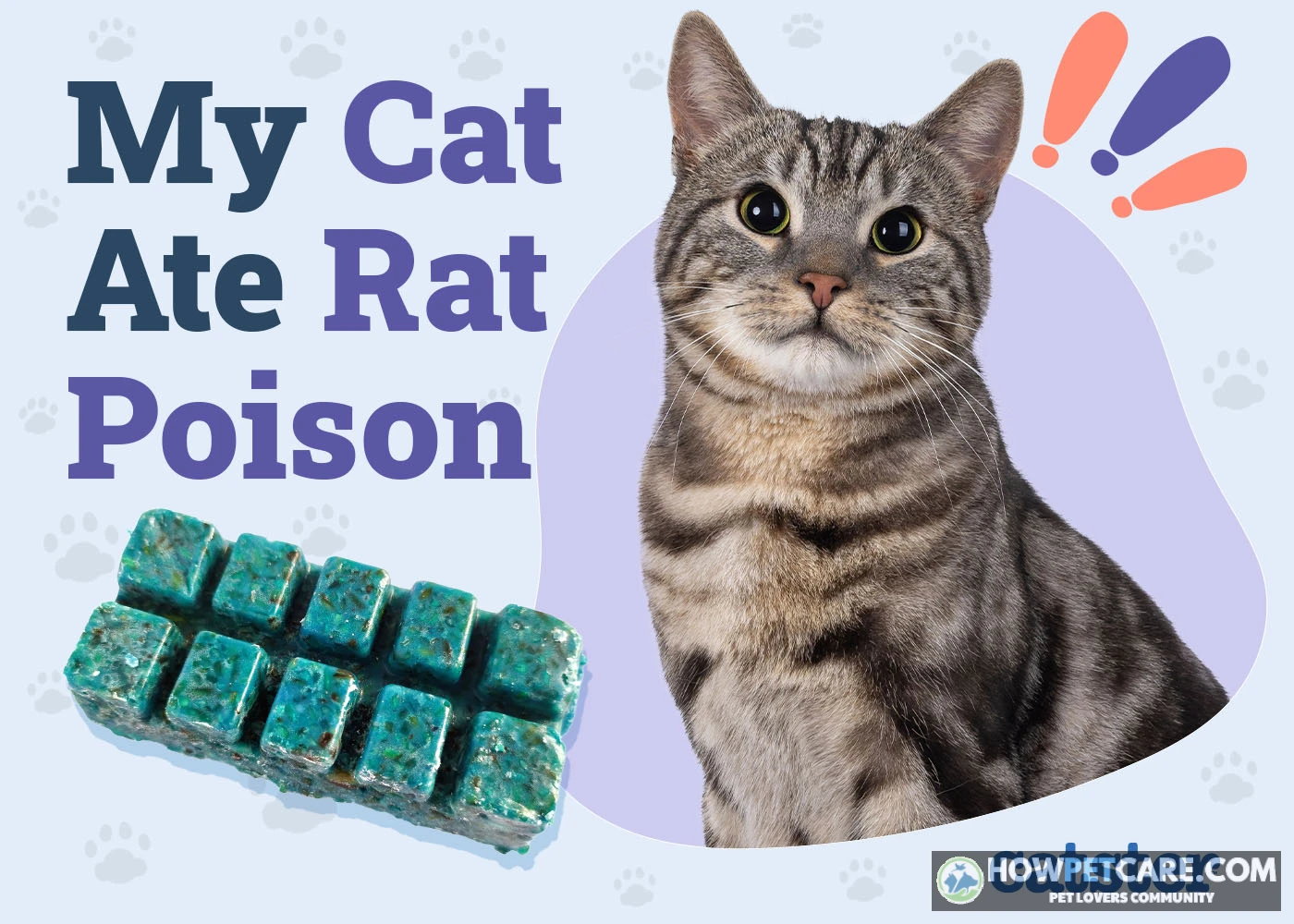

Yes, rat poison can kill cats — either from eating bait directly or from eating a poisoned rodent. Anticoagulant baits cause fatal internal bleeding, while bromethalin and cholecalciferol have no antidote. Call a vet or poison hotline immediately; with prompt treatment, survival rates reach roughly 80–100%.
Yes, Rat Poison Can Kill Cats: What to Do in the Next 30 Minutes
Yes, rat poison can kill a cat. A cat can be poisoned by eating bait directly or by eating a rodent that has already eaten it. If there’s any chance your cat got into rodenticide, act in the next 30 minutes.
Early treatment can make a substantial difference. With prompt diagnosis and treatment, reported survival rates for anticoagulant rodenticide poisoning are roughly 80% to 100%. Without treatment, a cat that has begun showing signs typically dies within 1 to 6 days. How quickly you act matters.
Call now. If your cat ate bait, ate a rodent that may have eaten bait, licked residue off its paws, or you can’t confidently rule any of those out, call an emergency veterinarian or poison-control line. Don’t wait for symptoms. Anticoagulant signs commonly take 3 to 5 days to appear, so a cat that looks normal tonight could still be in serious trouble.
Call one of these while you get your cat into a carrier:
- ASPCA Animal Poison Control: (888) 426-4435
- Pet Poison Helpline: (855) 764-7661
Both are staffed around the clock, and both may charge a consultation fee.
Anticoagulant rodenticides cause delayed bleeding. Signs usually appear 3 to 5 days after ingestion, and sometimes later. A normal-looking cat on day one isn’t necessarily safe. Call first, then decide with a professional whether to go to the clinic.
Have this ready before you dial: the product name, active ingredient, EPA registration number printed on the package, roughly how much bait is missing, the time of exposure (or the earliest it could have happened), and your cat’s weight. Mention kidney disease, liver disease, and any medications during the first call.
This guide covers how much of each active ingredient is lethal to a cat, compares the main rodenticide classes, and explains symptom timelines and secondary poisoning. It also covers survival odds and what emergency treatment costs in 2026.
Emergency Checklist: What to Do (and Never Do) If Your Cat Ate Rat Poison
If your cat ate rat poison, work down this list. Don’t stop to research between steps.
-
Confine the cat and cut off the source
Move your cat into a carrier or a small room with no bait. Pick up or block off every remaining bait block, pellet, and wrapper so no other pet or child can reach it.
-
Preserve the evidence
Bag the packaging, or photograph the label clearly enough to read the fine print. You’ll need the active ingredient name and the EPA registration number. The brand name alone isn’t enough because manufacturers reformulate.
-
Write down the dose and the clock time
Estimate how much bait is missing (number of blocks or roughly how much of a pile), note the time of exposure or the window in which it could have happened, and write down your cat’s weight. Even a rough figure lets the vet calculate a dose.
-
Call the vet or a poison hotline
Call your emergency clinic, ASPCA Animal Poison Control at (888) 426-4435, or Pet Poison Helpline at (855) 764-7661. Hotline fees may apply. Describe the product, the amount, the timing, and your cat’s weight.
-
Transport, and bring the evidence with you
Bring the package, any vomit, and the rodent itself if your cat caught one, sealed in a bag if you can do it safely. Keep your cat warm, calm, and still; a cat bleeding internally can deteriorate quickly with exertion.
-
Give the vet the full history
Give the vet your cat’s age and weight, any kidney or liver disease, current medications, whether there are other pets in the home, and whether the bait belongs to a neighbor or a pest-control company. Each detail can affect the plan.
- Never induce vomiting at home unless a veterinarian or poison-control specialist tells you to. Cats that are already drowsy, wobbling, or seizing can aspirate vomit into their lungs and die from that alone.
- Never give milk, salt, cooking oil, or any home remedy.
- Never give vitamin K from your own supplements. Vitamin K1 is a prescription antidote with a specific dose and a multi-week course. It does nothing for bromethalin or cholecalciferol, and giving it can muddy the clotting tests the vet needs.
- Never wait for symptoms to develop. By the time a cat poisoned by an anticoagulant looks sick, it’s usually already bleeding.
- Never assume a dead or sluggish rodent is harmless. Secondary poisoning is real and is covered in detail below.
Information to Have Ready Before You Call
Six details help the specialist assess the risk: the active ingredient, the concentration on the label (for example 0.005%), the EPA registration number, the estimated amount eaten, the exposure time, and your cat’s weight. If you have the packaging, read the small print rather than relying on the marketing name. If the bait came from a pest-control company, ask in writing which active ingredient it applied. Color and form don’t identify the poison: green blocks, pellets, and paste are used across many formulas and can’t tell you what’s inside.
Should You Induce Vomiting? When It Helps and When It Is Dangerous
The window for removing the poison is short. Decontamination by a veterinarian works best within about 2 hours of ingestion. That’s why you should call immediately rather than watch and wait.
Even within that window, a vet or poison-control specialist should induce vomiting, not you. There are several reasons:
- Aspiration risk. Sedated, wobbly, or seizing cats can inhale vomit, which can be fatal on its own.
- Timing. If ingestion was hours ago, the bait has moved out of the stomach, and vomiting achieves nothing except stress.
- Product type. Inducing vomiting is the wrong move for some bait formulations. For bromethalin, the decision about decontamination belongs to the vet.
- Other interventions. Activated charcoal and other decontamination methods are clinical decisions, not home remedies.
A shocked or bleeding cat is at risk of hypothermia. A body temperature below 98°F (36.7°C) is a danger sign. Wrap the carrier in a blanket, keep the car warm, and skip the detour to a second store.
 You might be wonderingCan cats have cinnamonCan Cats Have Cinnamon? Safety, Doses & First AidRead the answer
Symptoms of Rat Poison Poisoning in Cats and How Long They Take to Appear
The signs depend on the ingredient your cat ate. Grouping them by how each poison works is more useful than relying on a single symptom list.
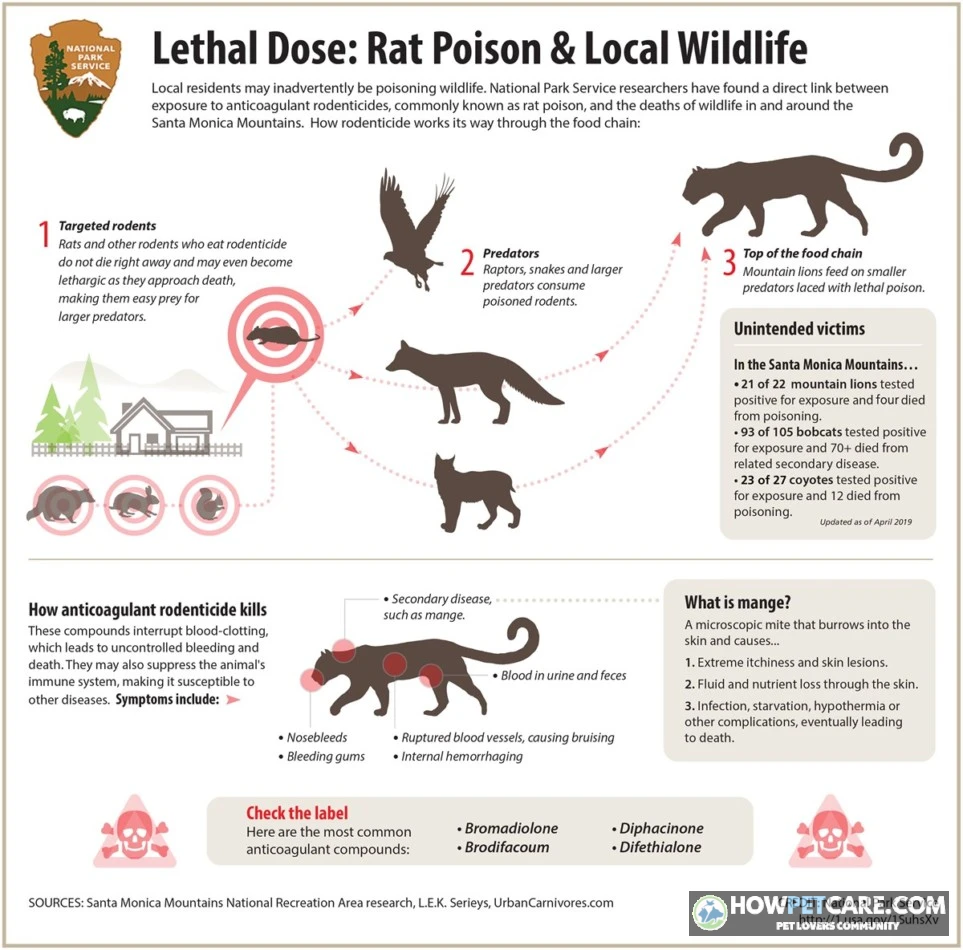
Anticoagulant rodenticides (warfarin, diphacinone, chlorophacinone, brodifacoum, bromadiolone, difethialone): Signs appear once vitamin K-dependent clotting factors have been depleted, commonly 3 to 5 days after ingestion and sometimes later. Early on, there may be no signs at all.
Bromethalin: This neurotoxin causes brain swelling. At high doses, tremors and weakness can start within hours. At low doses, signs may be delayed by several days, making those exposures easy to miss.
Cholecalciferol (vitamin D3): Vomiting, excessive thirst, and excessive urination usually begin within 12 to 48 hours. Kidney injury develops over the following days as blood calcium rises.
Early signs are vague. A cat may be quiet, skip a meal, or hide; none of these signs is diagnostic. No symptoms in the first 24 hours doesn’t mean your cat is safe, and it isn’t a reason to skip the call.
Signs of Internal Bleeding From Anticoagulants
Watch for lethargy, pale or white gums, weakness, bruising under the skin, nosebleeds, blood in the urine or stool, coughing, labored breathing, a swollen or painful joint, and collapse. Bleeding into the chest causes difficulty breathing rather than visible blood. In a clinical setting, hemoglobin below 4 g/dL flags life-threatening anemia, and transfusion becomes urgent at a hematocrit under 15%. Internal bleeding is an emergency even when you can’t see it.
Neurologic and Kidney Signs From Bromethalin and Cholecalciferol
Bromethalin can cause stumbling, hind-limb weakness, tremors, seizures, paralysis, unusual behavior, and, in severe cases, coma. Cholecalciferol can cause vomiting, drinking liters of water, increased urination, dehydration, and progressive lethargy as the kidneys are damaged. In both cases, signs that have already appeared mean significant tissue injury has occurred.
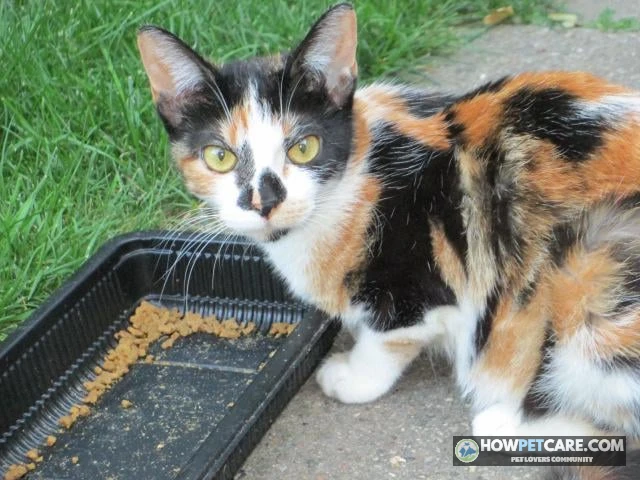
Timeline from exposure to danger:
- Hour 0–2: Usually no signs. This is the window in which decontamination is most effective.
- Hour 12–48: Cholecalciferol gastrointestinal signs typically begin; bromethalin neurologic signs may appear after large exposures.
- Day 2–5: Anticoagulant bleeding signs generally appear in this window.
- Day 3–7: Kidney injury from cholecalciferol becomes measurable; delayed bromethalin neurologic signs can still appear.
Which Rodenticide Was It? Poison Types, Mechanisms, Antidotes, and Prognosis Compared
Identifying the active ingredient is especially useful. It determines whether there’s an antidote, how the cat is monitored, and the level of concern.
| Active ingredient | Class | How it harms the cat | Typical onset | Main symptoms | Antidote or treatment | Prognosis if treated early |
|---|---|---|---|---|---|---|
| Warfarin, diphacinone, chlorophacinone | First-generation anticoagulant | Blocks vitamin K recycling, shutting down clotting-factor production and causing internal bleeding | 3–5 days | Lethargy, pale gums, bruising, nosebleeds, blood in urine or stool, labored breathing, joint swelling | True antidote: vitamin K1, typically around 5 mg/kg/day for 3–5 weeks with a clotting recheck | Good — treated survival commonly cited at 80–100% |
| Brodifacoum, bromadiolone, difethialone | Second-generation anticoagulant | Same mechanism, far more potent, and persists in liver tissue for weeks | 3–5 days, sometimes later | The same bleeding signs, often more severe | Vitamin K1 for 4+ weeks, longer recheck; transfusion if actively bleeding | Good if treated before bleeding begins |
| Bromethalin | Neurotoxic uncoupler | Causes cerebral edema — fluid swelling of the brain | Hours at high doses; several days at low doses | Tremors, hind-limb weakness, wobbling, seizures, paralysis, behavior change | No antidote — decontamination, activated charcoal, supportive care | Guarded; poor once seizures begin |
| Cholecalciferol (vitamin D3) | Vitamin D analog | Raises blood calcium and phosphorus, calcifying soft tissue and causing acute kidney injury | GI signs in 12–48 hours, kidney injury over following days | Vomiting, heavy thirst, frequent urination, lethargy | No antidote — IV fluids, calcium-lowering drugs, kidney monitoring | Guarded to fair, depending on kidney damage |
| Zinc phosphide, strychnine (rare in US retail bait) | Miscellaneous | Phosphine gas forms in the stomach; strychnine is a convulsant | Minutes to hours | Vomiting with a phosphine odor, rigidity, seizures | No specific antidote; rapid supportive care | Poor without very fast treatment |
Which one is worst for cats? Bromethalin. It has no antidote, it causes brain swelling that can’t be reversed once it starts, and cats are more sensitive to it than dogs. Vitamin K1 is an antidote for anticoagulants, but it has no effect on bromethalin or cholecalciferol.
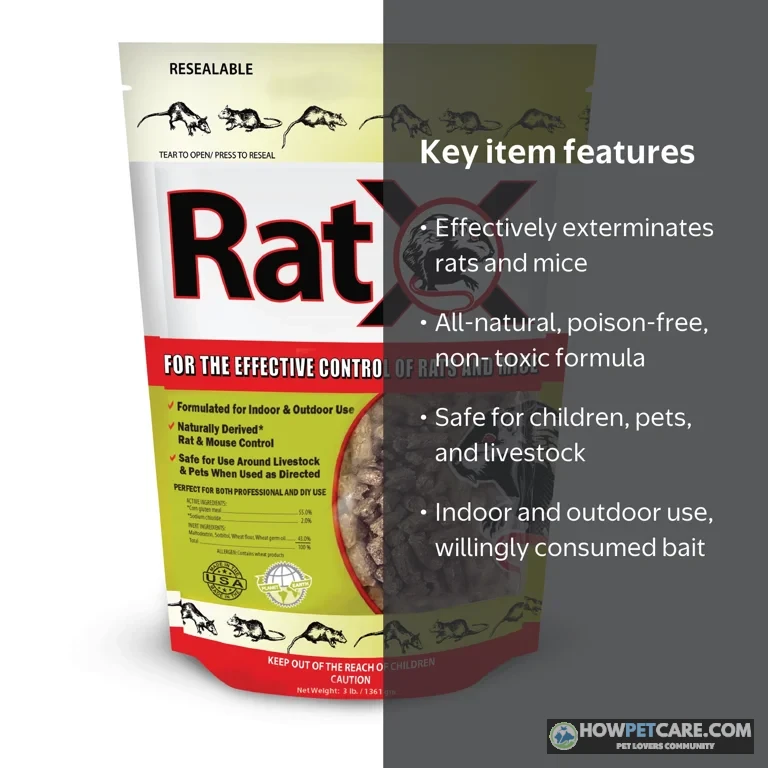
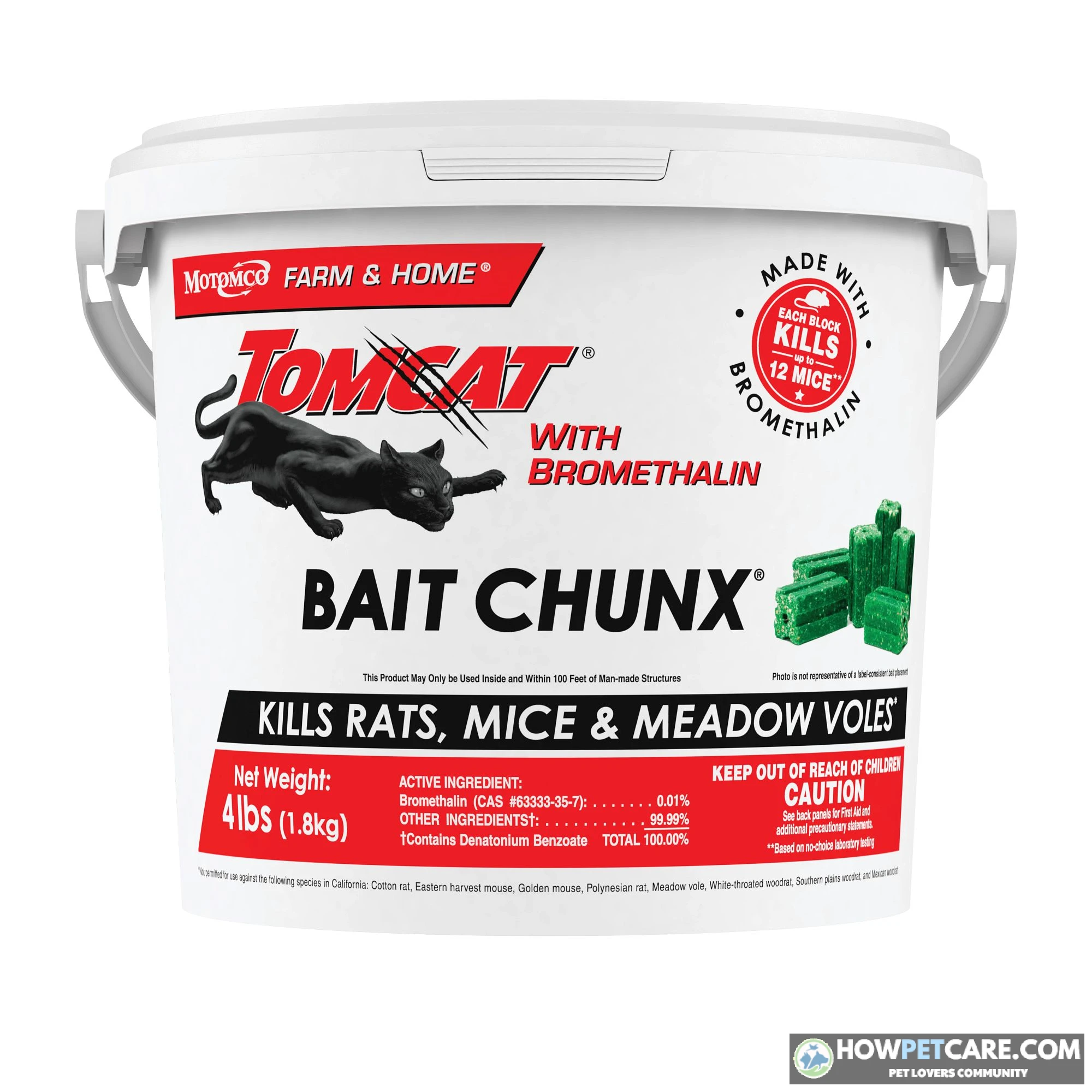
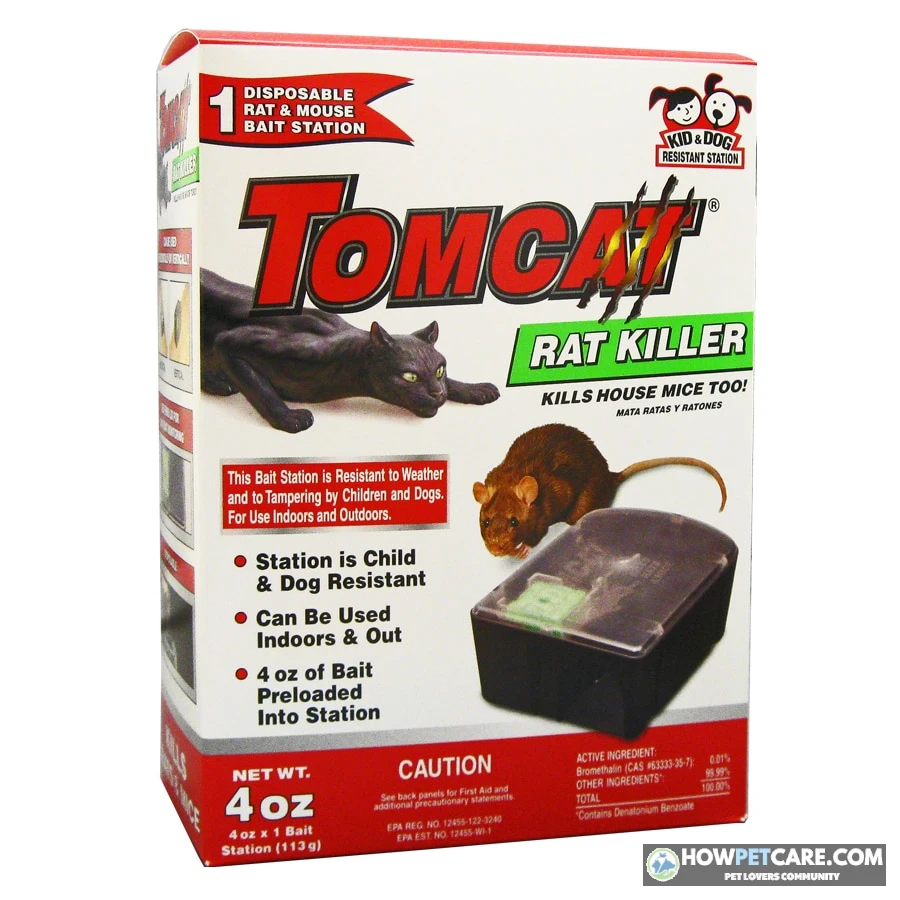
Find the ingredient, not the brand. Tomcat, d-CON, and similar names cover multiple formulations. A product can also be reformulated without the packaging changing shape. Read the active ingredient line. If the label is gone, check the EPA registration number with the poison hotline or manufacturer.
How Much Rat Poison Is Lethal to a Cat? Toxic Doses by Active Ingredient
Many pages stop at “any amount is dangerous.” The distinction between ingredients matters, though, particularly when a worried owner is weighing a $200 exam against a $3,000 hospital stay. For second-generation anticoagulants, a cat’s threshold is generally far higher than a dog’s, so a small taste is lower risk than it would be for a dog. For bromethalin, the relationship reverses: cats are more sensitive, and even a small amount is an emergency.
Lethal Dose Chart by Active Ingredient
| Active ingredient | Cat toxic dose or LD50 (mg/kg) | Dog comparison (mg/kg) | Approximate bait amount for a 4–5 kg cat | Source and confidence |
|---|---|---|---|---|
| Brodifacoum | LD50 reported near ~25 mg/kg — cats are notably less sensitive than dogs | ~0.2–3.6 | At 0.005% bait, a 4.5 kg cat would theoretically need roughly 2+ kg of bait. A crumb is rarely lethal — still call | Merck Veterinary Manual and veterinary toxicology literature; moderate confidence |
| Bromadiolone | Reported around ~25 mg/kg; cat-specific data limited | ~10 | A similarly large theoretical quantity at typical 0.005% bait | Toxicology references; low-to-moderate confidence |
| Bromethalin | Clinical signs reported from ~0.3–0.54 mg/kg — cats more sensitive than dogs | Dog LD50 ~3.7 | At 0.01% bait, roughly 14–27 g — about one standard bait block or less. Treat any ingestion as an emergency | ASPCA APCC and Pet Poison Helpline toxicology data; moderate confidence |
| Cholecalciferol | Not well established in cats | Signs reported from ~0.1 mg/kg upward | Cannot be estimated reliably — any ingestion warrants a call | Cat data thin; low confidence |
| Warfarin | Cat data limited; a single small dose is rarely toxic, repeated exposure is the concern | ~5–50 cited in dogs | Not meaningfully calculable from one feeding | Historical toxicology data; low confidence |
| Zinc phosphide | ~40 mg/kg cited across species; no established cat-specific figure | Similar range | Highly toxic per gram — treat any ingestion as urgent | General toxicology references; low confidence |
Read the table with care. An LD50 is the dose that killed half of the animals tested; it isn’t a safety line. Bait concentration varies by product, the amount eaten is almost always an estimate, and individual cats differ. Treat any suspected ingestion as potentially toxic and let the vet or poison hotline calculate the risk. The numbers are context, not reassurance.
Estimating Your Cat’s Exposure From Bait Blocks or Pellets
You can do the arithmetic on a phone: bait concentration × bait weight = milligrams of active ingredient.
- A label showing 0.005% means 50 mg of active ingredient per kilogram of bait (50 ppm).
- One typical 28 g (1 oz) block therefore contains about 1.4 mg of brodifacoum.
- At a reported cat LD50 near 25 mg/kg, a 4.5 kg cat would need roughly 112 mg — around 80 blocks, or more than 2 kg of bait — to reach that statistical midpoint.
- For bromethalin, a 0.01% bait carries 100 mg per kilogram. For a 4.5 kg cat, signs have been reported from roughly 1.4–2.4 mg, or 13–24 g of bait — one block, or a fraction of one.
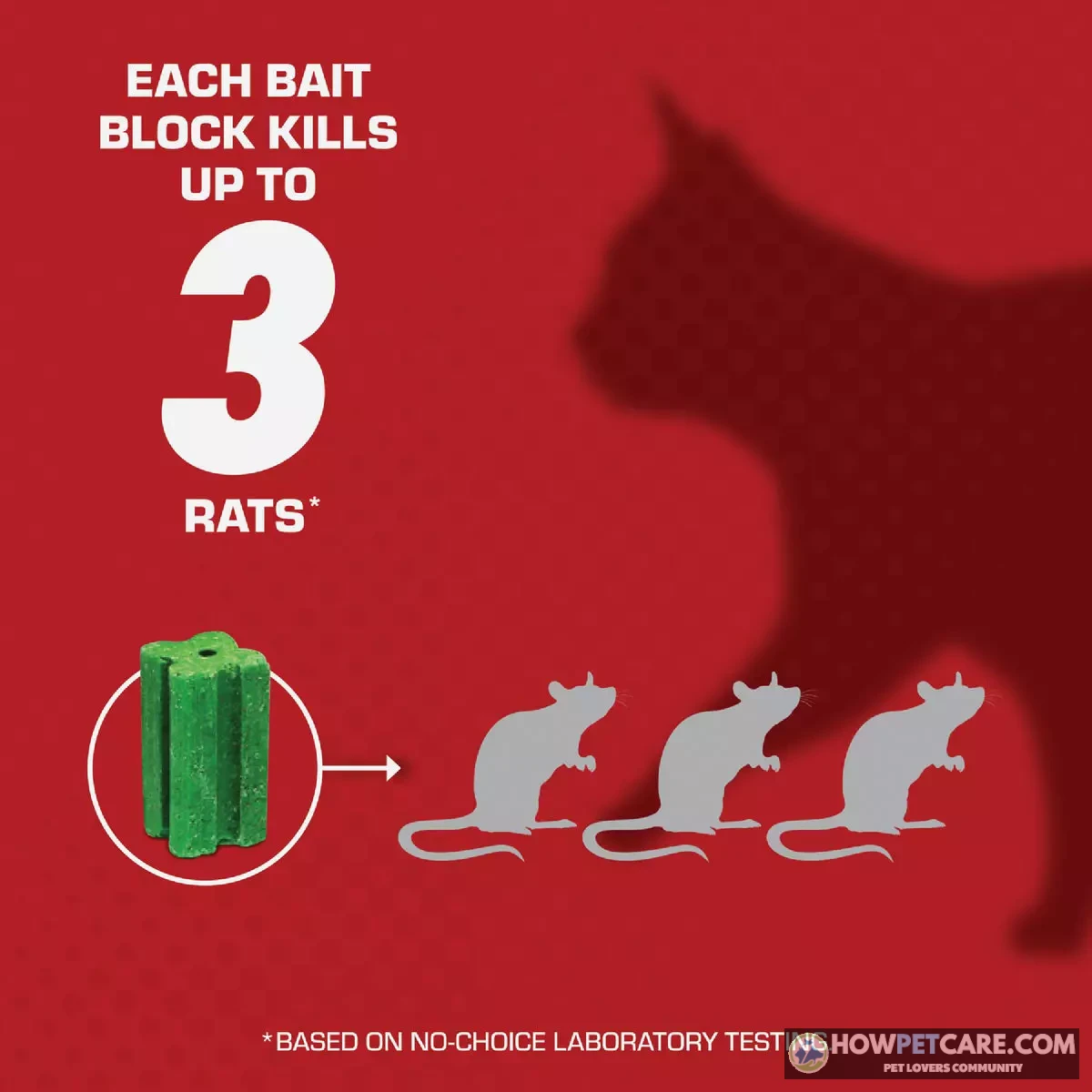
The contrast matters. The anticoagulant calculation helps explain why a cat that nibbled a corner of a block is usually watched rather than treated aggressively. The bromethalin calculation shows why eating a single block of the wrong product is an emergency.
Can Cats Get Poisoned by Eating a Poisoned Rat or Mouse? Secondary Poisoning Explained
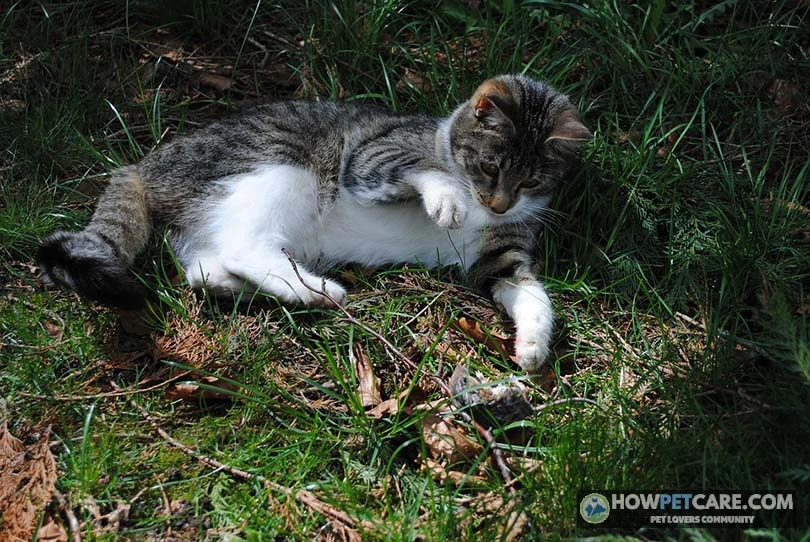
Yes. Outdoor cats that hunt are the group most exposed. The dose per rodent is generally lower than the dose from eating bait directly because the cat receives only what’s in the rodent’s body and gut. But the risk is real.
Second-generation anticoagulants such as brodifacoum and bromadiolone persist in rodent liver tissue. A rodent can keep feeding at a bait station for days after taking a lethal dose, so the animal your cat catches may carry far more than a single feeding’s worth. Vitamin K1 reverses the effect in the cat, but only if someone recognizes the exposure.
Sorting Out the “Rare vs. Real Risk” Contradiction
Myth: “A cat can’t get a lethal dose from one mouse.” It’s possible, and hunting cats are the group most exposed. The dose per rodent is lower than from eating bait directly, but brodifacoum and bromadiolone persist in rodent liver tissue for weeks. A rodent can also feed repeatedly after a dose that will eventually kill it.
Myth: “Secondary poisoning is basically an internet scare.” It’s documented, mostly in wildlife. Raptors, owls, and mammalian predators turn up repeatedly in poisoning studies, and veterinary case reports exist for cats. What’s less clear is frequency: confirmed cat deaths from eating poisoned rodents are rare in the published literature. Both alarmist and dismissive pages cite real but incomplete evidence.
Myth: “Once the rat is dead, the danger passes quickly.” Anticoagulants degrade slowly in tissue. Animal studies have reported a brodifacoum liver half-life measured in weeks, so a carcass or a slow, dying rodent near an active baiting program can remain hazardous as long as it’s available to your cat. The precise clearance window for cats isn’t published. Treat a dead or sluggish rodent in a baited area as a risk until it’s removed; you can’t tell by looking which rodent is contaminated.
Cats Versus Dogs: Who Is at Greater Risk From Secondary Poisoning?
Their exposures differ. Dogs more often eat bait directly, such as when they get into a bucket in the garage. Cats are less sensitive to several anticoagulants, but rodents are a normal part of a hunting cat’s diet. An outdoor cat may therefore face repeated low-dose exposure across an entire baiting season. That accumulation is why “my cat eats mice all the time and is fine” isn’t evidence of safety. For bromethalin, the picture flips: cats are the more sensitive species.
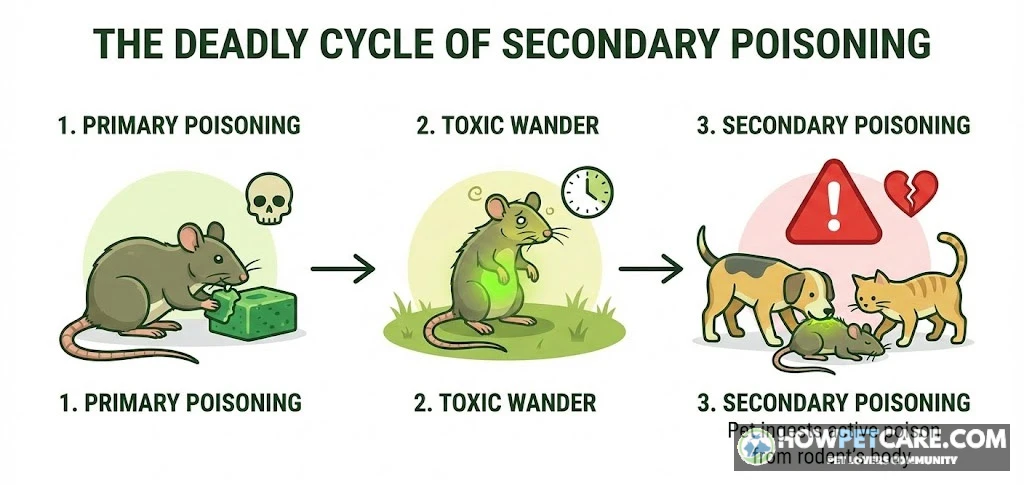
If your cat ate a rodent from an area with bait, call the vet the same day and name the bait type if you know it. If the bait is bromethalin or cholecalciferol, treat it as urgent because neither has an antidote. If you don’t know the product, ask the neighbor, landlord, or pest-control company what they use, in writing, along with the EPA registration number.
Will My Cat Survive? Treatment, Survival Odds, and Long-Term Outcomes
The outlook for anticoagulant poisoning is good with prompt treatment: reported survival is roughly 80% to 100% when the case is caught and treated promptly. Without treatment, death typically follows within 1 to 6 days of signs appearing. For other classes, published data is thinner, and your vet may describe the outlook as “guarded” rather than give a percentage.
| Scenario | Treated outlook | Untreated outlook | What drives the difference |
|---|---|---|---|
| Anticoagulant, treated before bleeding starts | Good — 80–100% survival commonly reported | Often fatal once bleeding begins | Time to the first dose of vitamin K1 |
| Anticoagulant, already bleeding on arrival | Fair to guarded; may need transfusion, oxygen, chest drainage | Poor; death can occur within the 1–6 day window | Volume and location of blood loss |
| Bromethalin, decontaminated before neurologic signs | Guarded — some cats recover with charcoal and supportive care | Poor | Dose absorbed before treatment; no antidote exists |
| Bromethalin, seizures or paralysis already present | Poor to guarded; survivors may have lasting deficits | Usually fatal | Degree of brain swelling |
| Cholecalciferol, treated before kidney injury | Fair — calcium can often be controlled | Guarded to poor | Whether the kidneys sustain permanent damage |
| Cholecalciferol, kidney failure established | Guarded; chronic kidney disease possible after survival | Poor | Extent of tissue calcification at presentation |
| Secondary poisoning from a poisoned rodent | Generally favorable with prompt vitamin K1 | Variable; confirmed cat deaths poorly documented | Ingredient involved and how many rodents were eaten |
Factors that affect prognosis: time from ingestion to treatment, the active ingredient, the dose, whether the cat is already bleeding or seizing on arrival, age, and pre-existing organ disease. Body weight matters mostly through dose per kilogram, which puts kittens and small cats at higher risk.
What Emergency Treatment Involves, Step by Step
For anticoagulants, treatment can include decontamination if the cat is within the window; baseline and serial clotting tests (PT/PTT, and PIVKA where available); and vitamin K1 at roughly 5 mg/kg/day for 3 to 5 weeks, with a clotting recheck before stopping. A cat with active bleeding may need plasma or whole-blood transfusion, oxygen, and chest drainage if blood has collected around the lungs.
For bromethalin, care includes activated charcoal if exposure was recent, supportive care, temperature and seizure control, and monitoring for brain swelling. There is no antidote.
For cholecalciferol, treatment includes aggressive IV fluids, drugs to lower blood calcium, and serial kidney panels. There is no antidote; the goal is to protect the kidneys.
Cats With Kidney or Liver Disease: How the Risk Changes
Tell the vet immediately if your cat has either condition. Liver disease affects clotting-factor production and vitamin K handling, so anticoagulant exposure can cause a stable cat to bleed faster. Kidney disease makes cholecalciferol exposure more dangerous because the toxin causes kidney injury; it also limits how aggressively fluids can be given. The same kidney-focused urgency applies to antifreeze poisoning in cats, another exposure that can present with heavy thirst and rapid renal decline. These cats often need inpatient monitoring rather than an outpatient vitamin K prescription.
Can a Cat Have Lasting Damage After Recovering?
Most anticoagulant survivors recover completely once they finish the vitamin K1 course and clotting normalizes. The toxin is cleared, not stored permanently. Cholecalciferol can leave permanent kidney damage, sometimes leading to chronic kidney disease that needs lifelong management. Bromethalin survivors can have lasting neurologic deficits, depending on how much brain swelling occurred. Where evidence is thin, the long-term outcome depends on how much tissue was damaged before treatment began.
What Rat Poison Treatment Costs, Whether Insurance Covers It, and What to Do If Someone Else’s Bait Was Responsible
The mean cost of treating rodenticide poisoning in a cat is about $3,000, with a range from roughly $500 to $10,000. The spread is wide: the low end is an exam plus decontamination, while the high end is an ICU stay with transfusions.
| Care level | What it includes | Typical cost range | Usually covered by accident-and-illness insurance? |
|---|---|---|---|
| Exam and decontamination only | Physical exam, poison-risk assessment, induced vomiting or activated charcoal, monitoring at home | Roughly $150–$500 | Typically yes, subject to deductible |
| Outpatient vitamin K1 course | Clotting tests, vitamin K1 for several weeks, recheck PT/PIVKA | Often $500–$1,500 depending on drug quantity and recheck count | Typically yes |
| Hospitalization with supportive care | IV fluids, calcium control or seizure management, serial bloodwork, 1–3 days inpatient | Commonly $1,500–$4,000, near the reported average of about $3,000 | Typically yes, subject to annual limits |
| ICU, transfusion, or chest drainage | Blood products, oxygen, drainage of blood around the lungs, extended stay | $4,000–$10,000 at the top of the reported range | Yes if the policy limit is high enough |
What Drives the Price
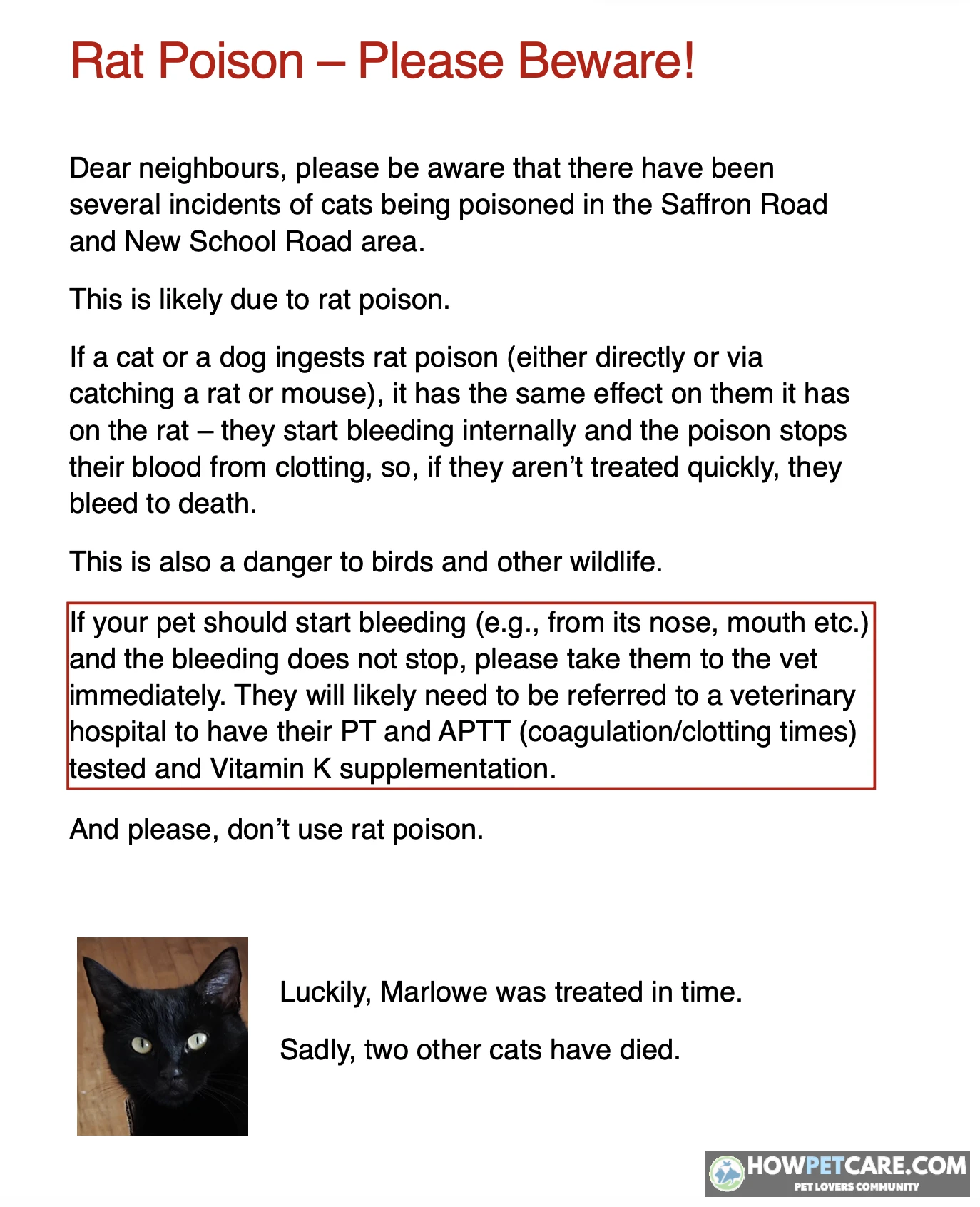
Four factors drive the bill: how late the cat arrives, whether blood products are needed, how many nights it stays, and whether you arrive at an emergency hospital at 2 a.m. versus your regular vet at 10 a.m. Early treatment is reliably cheaper than treating a bleeding cat. A hotline consultation and decontamination visit cost a fraction of an ICU stay.
Does Pet Insurance Cover Rodenticide Poisoning?
Most accident-and-illness policies cover poisoning as an accident, subject to waiting periods, deductibles, annual limits, and pre-existing-condition rules. Wellness-only plans generally don’t. Check your specific policy rather than assuming. Ask the clinic for a tiered estimate before admission, and ask about payment plans or medical-financing options if the estimate is out of reach. Don’t skip the visit on cost grounds before getting an estimate; discussing treatment beforehand can help you manage the expense.
If a Neighbor or Pest-Control Company Placed the Bait
This happens more often than owners expect. First, stop your cat’s access to the area. Then photograph the bait station and label, record the date and location, note the product name and EPA registration number, keep every vet record and receipt, and get the pest-control company’s name and applicator license number. Ask the company in writing which active ingredient it used, and pass that information to your vet. Recovering costs from a third party is a civil matter. Talk to local consumer or legal advisers rather than relying on a forum answer.
Your Next Steps: A Decision Guide and Cat-Safe Rodent Control
What to Do Based on Your Situation
- You saw the cat eat bait: Go to the emergency vet now, with the package. Don’t wait for signs.
- Bait is missing and you suspect a cat ate it: Call the hotline or vet immediately; the amount missing is the dose estimate they need.
- Your cat ate a rodent from a baited area: Call the same day, name the bait type if you can find it, and treat bromethalin or cholecalciferol exposures as urgent.
- Your cat has symptoms but no known exposure: Treat it as an emergency and tell the vet that rodenticide is on the differential list. Bleeding, seizures, and sudden heavy thirst all point in that direction.
- Exposure was more than a day ago and the cat looks fine: Still call. Anticoagulant signs commonly appear 3 to 5 days in, and clotting tests can catch a problem before it becomes a hemorrhage.
Pet-Safe Rodent Control Options for Homes With Cats
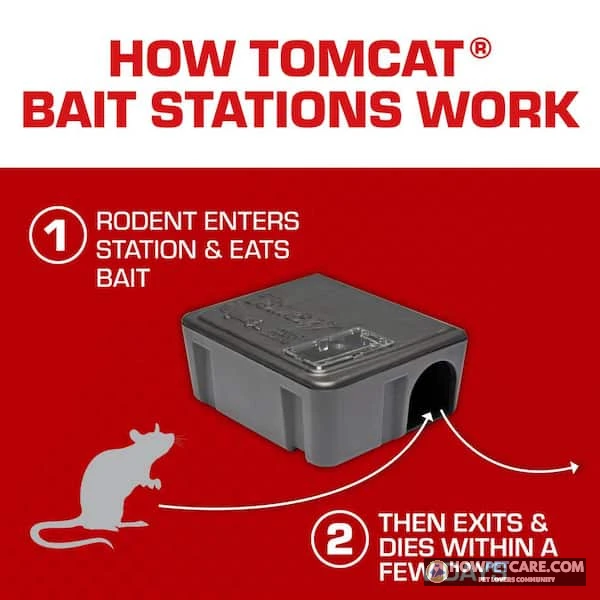
You don’t need rodenticide to address a rodent problem in a house with cats. Covered snap traps and electronic traps keep the mechanism away from paws. Sealing entry points removes the reason rodents come inside, sanitation removes the food source, and professional integrated pest management handles infestations without free-feeding poison. Tamper-resistant bait stations reduce direct access but don’t eliminate secondary-poisoning risk: a cat can still catch and eat a poisoned rodent. If a neighbor or landlord baits, keep cats indoors while the program is active and ask what’s being used.
Add ASPCA Animal Poison Control (888) 426-4435 and Pet Poison Helpline (855) 764-7661 to your phone before you need them, and tell anyone who shares your home where they’re stored. Consultation fees may apply, and a call is still far cheaper than an ICU stay.
Screenshot checklist: active ingredient photographed · amount missing estimated · exposure time written down · cat’s weight noted · hotline or vet called · package, vomit, and rodent taken to the clinic · no home vomiting, no home remedies, no home vitamin K · full vitamin K1 course completed if prescribed · recheck clotting test booked.
If there’s any chance your cat ate rat poison or a poisoned rodent, call a vet or poison hotline before doing anything else. Early treatment gives your cat the best chance.
FAQ
Can a cat get poisoned by walking through or licking rat poison residue?
Yes. Cats groom, so bait dust or crumbs on paws and fur can be swallowed. Call a vet or poison-control line if you find residue on your cat, and do not bathe it at home before getting advice.
Should I bring the dead mouse or the poison package to the vet?
Bring the package or a clear photo of the label, because the active ingredient decides treatment. If the cat ate a rodent, bring it only if you can do so safely in a sealed bag, and tell the vet where it was found.
Are tamper-resistant bait stations safe around cats?
They greatly reduce the chance a cat eats bait directly, but they do not remove the risk of secondary poisoning from rodents that fed there. Place them out of reach of pets and check them regularly.
Can I give my cat vitamin K from the pharmacy if I think it ate rat poison?
No. Vitamin K1 for anticoagulant poisoning is prescribed at specific doses for weeks, and it does nothing for bromethalin or cholecalciferol. Get veterinary advice first.
Can kittens or older cats be harmed more by rat poison?
Kittens and senior cats are generally at higher risk because of smaller body weight and, in older cats, existing kidney or liver disease. Tell the vet your cat’s age and any health conditions at the first call.