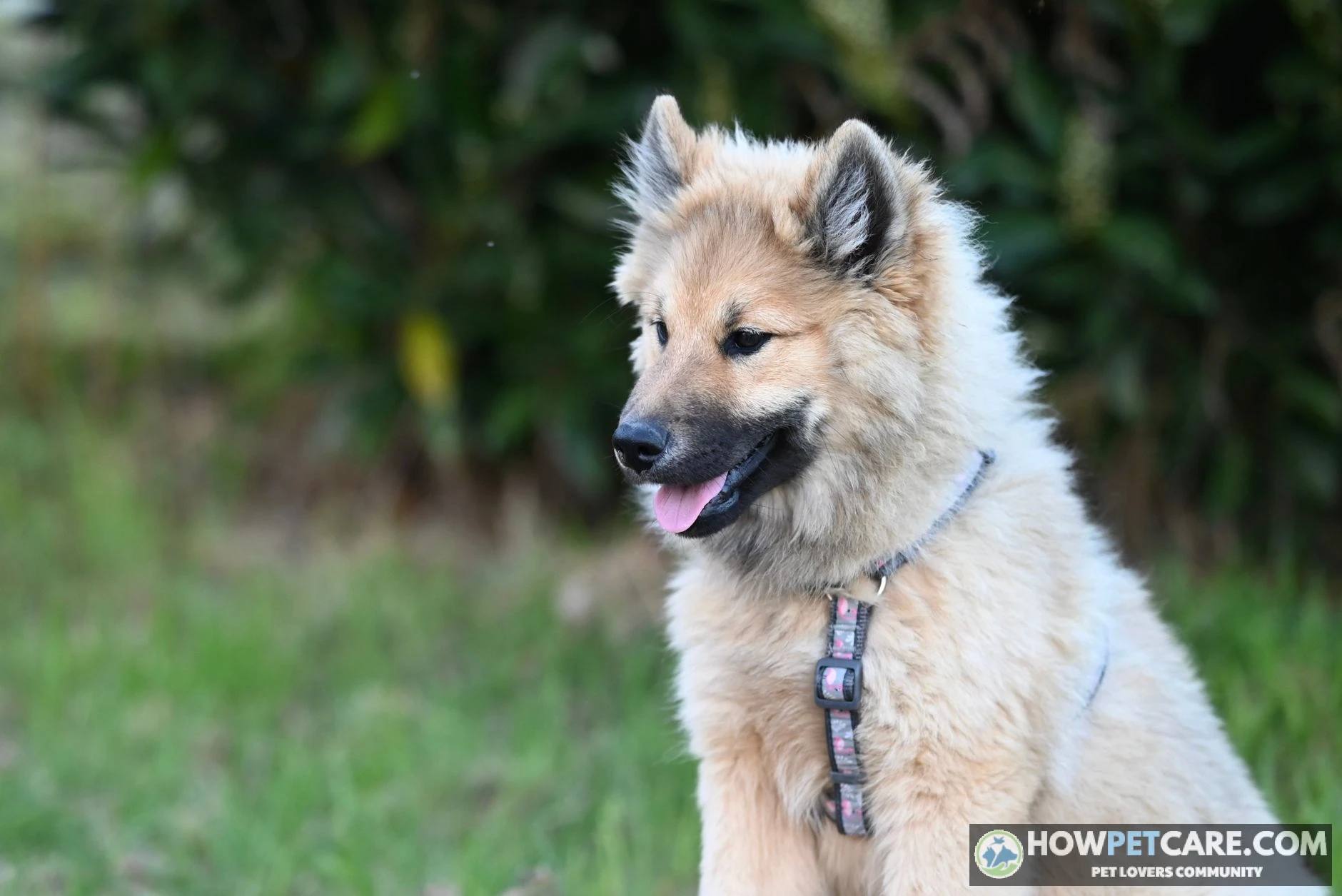

Eurasier puppies in the US typically cost $2,000–$2,500 from some reputable breeders or $4,750–$5,250 on Good Dog, with waits of several months to over a year. Start with a USEC breeder referral, verify both parents’ health tests independently, and get deposit and refund terms in writing before paying.
Eurasier puppies in the United States may cost roughly $2,000–$2,500 through some reputable breeders or $4,750–$5,250 on Good Dog. The gap reflects different sources and potentially different inclusions, so ask for an itemized quote instead of treating either range as a universal price. Expect to wait several months to more than a year, depending on litter plans and availability. A practical starting point is to contact the United States Eurasier Club (USEC) for breeder referrals, then evaluate each breeder directly. Pet stores and generic classified listings are poor substitutes.
A Eurasier is a spitz-type companion dog developed from Chow Chow, Keeshond, and Samoyed lines. The breed may suit buyers looking for a calm, family-bonded dog who are comfortable with a reserved temperament, a breeder interview, and a flexible timeline. It’s a poor fit if you need a puppy quickly, require a specific coat color, or want a dog that eagerly greets every stranger. This guide covers the US buying process: cost, waitlists, health-test verification, and rescue alternatives. Confirm price figures and club or registry details with the relevant organization before paying; AKC status below is stated as of 2026.
Is a Eurasier a Good Family Dog? Temperament, Care, and Who Should Skip the Breed
Eurasiers can be good family dogs when they’re treated as close companions and socialized thoughtfully. They’re typically devoted to their household and reserved with unfamiliar people. “Reserved” doesn’t mean fearful or unfriendly by default. A Eurasier may watch a visitor before choosing to engage, rather than rushing over for attention.
That temperament makes early, positive puppy socialization important. Introduce your puppy gradually to people, places, sounds, handling, and other animals; don’t force interactions. Ask breeders how they socialize puppies and what support they offer after placement. Harsh corrections and chaotic exposure can be a poor match for a sensitive dog.
Eurasiers generally do best when their people are home for a substantial part of the day. If your household leaves a puppy alone for long stretches, make a realistic plan for gradual alone-time training, midday care, and enrichment. They need regular walks and play, but many buyers looking for a companion rather than a high-intensity working dog will find their exercise needs manageable. Adult Eurasiers are medium-sized: males are typically about 50–70 pounds and females about 40–60 pounds.

Temperament in daily life: what “reserved” really means
Expect a dog that bonds closely with its family but may take time to warm up to visitors. That can suit a quieter household with predictable routines. It may frustrate someone who wants a universally sociable dog for crowded events or expects a dog to greet strangers on demand. Ask the breeder how the parents behave around visitors, during handling, and in new environments. Temperament varies by dog; a breed label isn’t a guarantee.
Families with children should plan supervised, respectful interactions and teach children not to crowd, chase, or disturb a resting dog. The same care applies when introducing other pets: ask about the puppy’s experience, then manage introductions carefully at home.
Eurasier vs Keeshond vs Chow Chow vs Samoyed: quick fit comparison
These breeds share spitz-type features, but that doesn’t make them interchangeable. Eurasiers are generally bred as close household companions with a reserved disposition. Keeshonds are often more visibly outgoing and alert. Chow Chows are known for independence and can be especially selective about social contact. Samoyeds are commonly more energetic and socially demonstrative. These are broad tendencies, not promises about an individual dog.
All have substantial coats, though grooming needs and coat texture differ. Availability also varies by breed and region, so check local breeders and rescues rather than assuming another breed will be easier to find. If you’re comparing a Eurasier with a related breed, meet adult dogs where possible and ask owners what daily life is like.

Grooming and exercise: the double coat in practice
A Eurasier’s double coat needs regular brushing to remove loose undercoat and prevent tangles, with more work during seasonal shedding. Set aside time for coat care; occasional brushing won’t maintain a long coat. Ask the breeder to demonstrate suitable tools and handling. Routine walks, play, and time with family are part of the commitment. A yard alone doesn’t replace interaction.

Consider a different breed if your household is away most of the day without a care plan, you want a dog who welcomes every stranger, or you’d be unhappy with a breeder matching a puppy by temperament rather than letting you choose by color or sex.
How Much Do Eurasier Puppies Cost? Why Quotes Range From $2,000 to $5,250
The available figures don’t establish one standard Eurasier puppy price. One source gives a typical range of $2,000–$2,500 for puppies from reputable breeders, citing pedigree and titles among the factors. Good Dog gives an estimated national range of $4,750–$5,250. These figures come from different sources and may reflect different breeders, contracts, services, or marketplace conditions. Use them to frame questions—not as proof that a higher quote buys a better puppy.
Ask each breeder for the full price, what it includes, the deposit amount, and refund terms in writing. Compare health documentation and contract terms alongside the price. A low price isn’t automatically a scam, and a high price doesn’t automatically indicate careful breeding.

What explains the price spread
| Price factor | Lower-end quotes (~$2,000–$2,500) | Higher-end quotes (~$4,750–$5,250) | What to ask the breeder | Deposit and refund notes |
|---|---|---|---|---|
| Source and quote basis | Reported by a breed-price source | Reported as a Good Dog estimate | Is this the total pet price or a starting figure? | Ask whether the deposit is included in the stated total |
| Health testing and documentation | Confirm the specific tests and records; don’t assume they’re missing | Confirm the same tests and records; don’t assume the price proves them | Can I look up both parents’ results independently? | Deposit terms are separate from health-test claims |
| Contract and registration | Ask what registration and restrictions apply | Ask what registration and restrictions apply | Is this a pet contract? What paperwork comes with the puppy? | Get all conditions in the signed contract |
| Included services | Vaccines, microchip, and other inclusions vary | Vaccines, microchip, and other inclusions vary | Please itemize veterinary care, microchip, and take-home items | Clarify what happens if a puppy isn’t available |
| Travel and other fees | May be quoted separately | May be quoted separately | Are transport, health certificates, or platform charges extra? | Don’t pay a separate fee without written terms |
Don’t treat “club-approved,” “champion lines,” or “premium” as substitutes for records. Ask what the label means in practice, and verify the parents’ health results and litter status with the club when relevant. Breeding rights may affect price or contract terms; ask whether the quote is for a companion placement or a breeding prospect.
Deposits, refund terms, and what’s included in the price
A deposit might reserve a place on a waiting list, express interest in a future litter, or hold a puppy after matching. Those are different arrangements. A deposit doesn’t necessarily guarantee a puppy from the next litter, a particular sex, or a particular color. Ask whether it’s refundable if no suitable puppy is available, the breeder cancels a planned litter, or your circumstances change. Get the answer in writing.
A written puppy agreement should spell out the total price and payment schedule, what happens to the deposit, health guarantees and return provisions, registration paperwork, and any spay or neuter requirements. Ask whether the puppy goes home with age-appropriate veterinary records, deworming information, a microchip and transfer instructions, a signed contract, and a take-home guide. Confirm what’s included; breeder packages vary.
Beyond the sticker price: first-year cost of owning a Eurasier
A first-year budget includes more than the purchase price. This worked example uses planning estimates, not guaranteed local quotes. Costs vary by distance, provider, insurance, and the puppy’s needs. The deposit is generally credited toward the puppy price when the agreement says so; don’t add it twice when calculating the total.

| Line item | Low estimate | High estimate | Notes |
|---|---|---|---|
| Waitlist deposit | $200 | $500 | Often applied to the purchase price; confirm refund terms in writing |
| Puppy purchase price | $2,000 | $5,250 | Confirm contract type and inclusions |
| Transport: drive yourself | $100 | $400 | Fuel and lodging depend on distance |
| Transport: flight nanny or in-cabin | $400 | $800 | Airline pet fee and health certificate may be additional |
| Transport: ground shipper | $300 | $700 | Check insurance, schedule, and references |
| Puppy vet series | $200 | $450 | First vaccines may be included; confirm with the breeder and vet |
| Spay or neuter | $300 | $800 | Timing and contract requirements vary; discuss with your veterinarian |
| Crate, pen, leash, bowls, bed, grooming tools | $300 | $600 | Include suitable coat brushes |
| Puppy class and follow-up course | $150 | $400 | Prioritize positive socialization and training |
| Pet insurance for 12 months | $360 | $720 | Illustrative estimate; obtain quotes for your dog |
| Food for 12 months | $600 | $1,200 | Depends on food and feeding needs |
| Approximate year-one total | ~$4,900 | ~$11,400 | Planning range; avoid double-counting a credited deposit |
The endpoints are broad planning figures, not a promise that every listed high or low cost will apply. Get local estimates before committing. Planning travel ahead may reduce costs; cutting corners on health testing isn’t a safe way to save.
 You might be wonderingStandard schnauzer puppiesStandard Schnauzer Puppies: 2026 Prices & Breeder Vetting GuideRead the answer
Where to Find Eurasier Puppies in the US: Club Referral, Named Breeders, and Marketplaces
The United States Eurasier Club (USEC) breeder-referral route is a practical starting point for buyers who want to identify member breeders and ask about litter approval. Contact the club through its current official channels for referral information, planned litters, and guidance on whether a specific litter has Gold or Silver approval. A club referral is a lead, not a substitute for checking a breeder’s records and contract yourself.
Individual US breeders are another option, but availability changes and public websites may not reflect current plans. North River Eurasiers and Exquisite Eurasier are names that appear in breed searches; this guide can’t verify their current locations, club status, health records, or litter availability. Treat any breeder name in search results as a lead to investigate, not an endorsement or evidence that puppies are available. Don’t send money based on a directory mention.
US breeder directory: locations, referral path, and availability signals
| Pathway or breeder/kennel | State or region | How to apply or request a referral | Litter or waitlist status (date checked) | Affiliation or verification signal | Pros and cautions |
|---|---|---|---|---|---|
| United States Eurasier Club breeder referral | National | Request the current breeder-referral information through USEC’s official channels | Changes; ask directly | Club referral; confirm membership and specific litter status with USEC | Useful starting point; referral is not a guarantee of quality or availability |
| Individual USEC-member breeders | Varies across the US | Contact breeders directly and complete their application process | Not verified here; ask about planned litters | Confirm membership with USEC and search parent results yourself | Direct answers and records; small-scale websites may be out of date |
| North River Eurasiers | Location and current status not independently verified here | Find the breeder’s official contact details and verify identity before applying | Not verified here; don’t assume puppies are available | Ask USEC to confirm any claimed affiliation; verify parent records | A search lead only, not a recommendation |
| Exquisite Eurasier | Location and current status not independently verified here | Find the breeder’s official contact details and verify identity before applying | Not verified here; don’t assume puppies are available | Ask USEC to confirm any claimed affiliation; verify parent records | A search lead only, not a recommendation |
| Good Dog | Online marketplace, US-wide | Apply through the platform and contact breeders directly | Listings change; check at the time of inquiry | Platform screening claims don’t replace independent OFA/CHIC checks | Convenient discovery and comparison; screening depth and individual practices vary |
| Petfinder and spitz or northern-breed rescues | National | Set alerts for “Eurasier” and related breeds or mixes | True Eurasiers are uncommon in rescue | Evaluate the rescue organization and dog’s records | A parallel adoption route; beware sellers using “rescue” to bypass breeder checks |
| Generic classified ads | Online | Use extreme caution; verify seller and dog before any payment | Listings change constantly | Minimal or inconsistent screening | High impersonation and scam risk; not a preferred route |
No row here claims a currently available litter. For a real “near me” search, widen your radius and compare travel options; a responsible breeder farther away may be a better prospect than an unverified nearby seller. Ask USEC for current referral details, then contact several breeders and keep notes on their answers.

Club referral vs marketplace platforms: honest tradeoffs
A club referral can help you find breeders connected to the breed community and ask about approved litters. Communication may be slower, and the application may be formal. Good Dog can make listings easier to find and breeder profiles easier to compare, but a platform profile doesn’t prove that every health test is complete or that the person messaging you owns the puppies. Use marketplaces to find leads, then verify the breeder and parent records independently.
Pet stores and broad classified listings are poor shortcuts for a rare breed. Scrutinize sellers who offer constant availability, multiple breeds, or immediate shipping without screening. Canadian or European breeders may be another possibility, but importing a puppy adds transport, entry, paperwork, and veterinary requirements. Confirm current rules and total costs before treating an overseas listing as a simple alternative.
The Eurasier Waitlist Step by Step: Application to Take-Home Day
A Eurasier waitlist isn’t always a queue where the first person automatically gets the first puppy. Breeders may match puppies to households after observing their temperaments, and a litter may produce fewer puppies—or a different mix of sexes—than expected. Treat a published or quoted wait estimate as a planning range, not a delivery date. US waits can be several months to more than a year.
Application, interview, and deposit
- Research and shortlist. Ask USEC for current referrals and identify several breeders whose practices and location might work for you. Confirm whether they plan litters and accept applications.
- Send an inquiry and complete the application. Expect questions about your household, schedule, experience with dogs, other pets, and what you want from a companion. Give honest, specific answers.
- Have a two-way interview. A breeder may speak with you by phone or video and ask about your training, socialization, and plans for time at home. Ask about health testing, parent temperaments, litter plans, contract terms, and references.
- Review the contract before paying. Confirm the total price, deposit amount, refund conditions, what the deposit holds, and what happens if the litter doesn’t produce a suitable puppy.
- Join the waiting list if the terms fit. Ask where you stand relative to planned litters and how often the breeder will update you. The breeder may not be able to promise an exact date.
- Wait for breeding and birth. The timing depends on whether a litter is planned, whether breeding proceeds, and how many puppies are born. Keep a parallel rescue search if timing matters.
- Discuss matching after the litter arrives. Share your household and activity preferences, but expect the breeder to make the final match based on puppy development and fit.
- Arrange pickup or transport. Agree on the take-home date, final payment, records, microchip transfer, and travel plan before pickup day.

The wait can be slow because Eurasier breeding is limited. Evidence reports a typical US wait from several months to over a year. Ask about the actual status of a planned litter rather than relying on a generic estimate.
Matching and take-home: age, visits, and what to bring
Puppies shouldn’t leave the breeder before eight weeks of age; eight weeks is the minimum cited in available breed guidance. Breeders may keep puppies longer, depending on their practices and arrangements. Ask when visits are welcome. Some allow a visit before or after birth; when distance or biosecurity makes an in-person visit impractical, request a live video call showing the puppies with their mother and in their environment.
Bring the signed agreement, the payment method agreed in advance, a carrier or crate, and a safe travel plan. Collect veterinary and deworming records, feeding instructions, registration details, microchip information, and the breeder’s contact details. Before leaving, make sure you know whom to contact if the puppy seems unwell or struggles to settle.

Shipping and transport options with typical costs
Driving to collect a puppy lets you meet the breeder directly and control the trip. A flight nanny or in-cabin flight may be an option where airline rules allow it; ground transport is another possibility. These routes can add several hundred dollars, as the planning estimates in the budget table show. Get a written quote, confirm who accompanies the puppy, ask about rest stops and insurance, and check airline and veterinary-document requirements well before travel. Avoid sellers who insist on shipping but refuse a live conversation or verifiable pickup details.

A deposit should follow an application, identity checks, a written agreement, and a clear explanation of what the payment reserves. Use a traceable payment method and keep copies of the contract and receipts.
Why You Can’t Pick Your Eurasier’s Color, and What AKC FSS and USEC Litter Approval Mean for Buyers
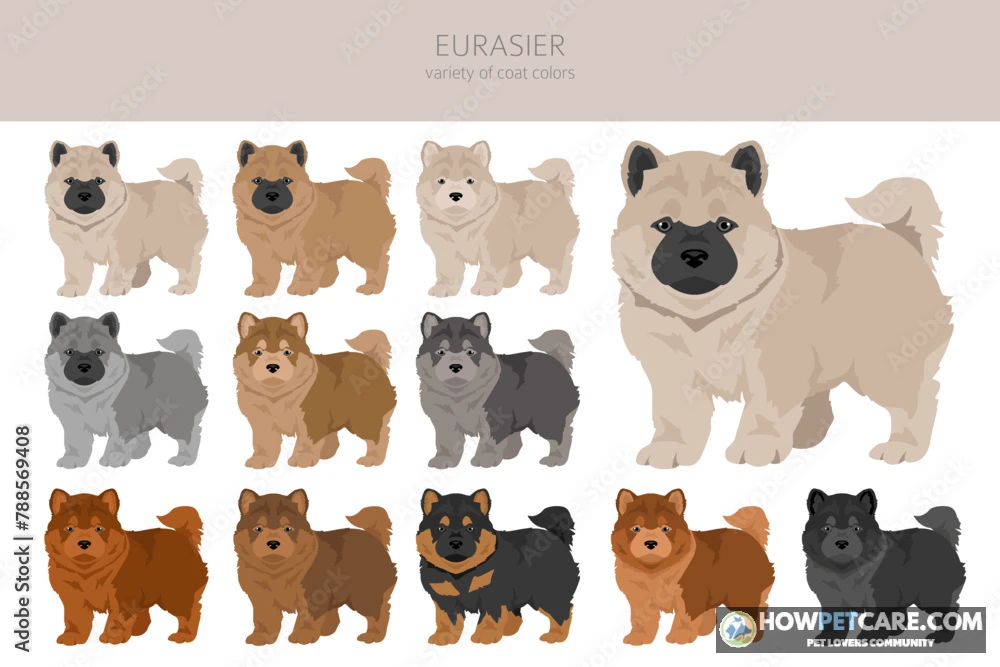
A Eurasier puppy’s coat color can change as it grows; the color at around six weeks may not reliably predict the adult coat at twelve weeks. A breeder may avoid promising a particular finished color for that reason. More importantly, matching typically prioritizes temperament and household fit over a buyer’s first choice of coat. Share your preferences, but be prepared to accept a different color—or wait for another litter.
Why breeders choose your puppy, not you
Tell the breeder about your activity level, children, other pets, training plans, and preferred sex, if you have one. Those details help assess fit. Don’t assume that a deposit guarantees first choice. Ask when matching happens and what factors guide it.
A breeder’s refusal to guarantee a color isn’t, by itself, a warning sign. If a seller promises a particular adult color before the puppy’s coat develops, ask how they can make that promise. At the same time, “the breeder chooses” shouldn’t shut down reasonable questions about health, temperament, or contract terms.
AKC Foundation Stock Service vs full AKC recognition
As of 2026, the Eurasier is listed in the American Kennel Club’s Foundation Stock Service (FSS), rather than as a fully AKC-recognized breed. FSS is a record-keeping and development pathway for rare breeds; it isn’t the same status as full recognition. Registry status can change, so verify the current entry directly with the AKC before relying on it for an event or registration decision.
FSS documentation can help with pedigree records and participation in eligible AKC activities, subject to current AKC rules. It doesn’t certify that a breeder has completed health testing or that a puppy is well bred. Ask what registry paperwork you’ll receive and what rights or restrictions the contract places on the puppy.
The Eurasier breed standard describes the breed’s expected structure and characteristics. Use it as a reference when discussing the parents, not as a substitute for health records or observing their behavior. Registration, a standard, and club affiliation each tell you something different; none alone proves that a particular puppy is the right match.
USEC Gold/Silver approved litters vs non-approved litters
USEC approval tiers are intended to identify litters whose breeding plans meet the club’s documented requirements. The club is reported to review health testing and coefficient of inbreeding (COI), and to assign Silver or Gold recognition to qualifying litters. Reported criteria also require breeding parents to be at least two years old, to have normal or negative results for hips, patellas, eyes, and thyroid before breeding, and to undergo DNA testing for Dandy-Walker-like malformation (DWLM) and epidermolytic bullosa (EB).
Don’t infer more than the club’s current published criteria support. Ask USEC what distinguishes Gold from Silver under its current rules and whether a specific litter is approved. A non-approved litter doesn’t automatically indicate poor breeding, but it lacks that particular club approval signal. In every case, request the parents’ results and verify them yourself.

How to Vet a Eurasier Breeder: Verify Health Tests and Spot Puppy Mill and Scam Red Flags
A reputable breeder should identify the puppy’s parents, explain their health testing, answer questions about the litter, and provide a written contract. Verify the records rather than relying on a website badge, verbal claim, or screenshot. Breed-club criteria and individual testing protocols can change, so confirm current requirements with USEC.
Health tests Eurasier breeders should perform (and how to verify each)
| Health test or condition | What it screens for | Why it matters in Eurasiers | Where to verify | Red flag if missing |
|---|---|---|---|---|
| Hips: OFA or PennHIP | Hip-joint structure and risk of hip dysplasia | Hip evaluation is among the tests in reported USEC criteria | Search parent registered names in OFA records; request PennHIP documentation if used | “The vet checked them” without an identifiable result |
| Patellar luxation | Kneecap instability | Patella results are included in the reported breeding criteria | Ask for the named dog’s recorded result or certificate | Evasion or no documentation |
| Eye examination | Eye conditions assessed by a qualified examiner | Eye results are included in the reported breeding criteria | Request the report and confirm its date and dog identity | No report or an unclear, mismatched certificate |
| Thyroid testing | Thyroid abnormalities | Thyroid results are included in the reported breeding criteria | Request the test report and match it to the parent | A verbal “normal” with no test record |
| DWLM DNA test | Dandy-Walker-like malformation-associated status | DNA testing is part of the reported breeding criteria | Request the laboratory report for each parent | Breeder can’t explain or document the result |
| EB DNA test | Epidermolytic bullosa-associated status | DNA testing is part of the reported breeding criteria | Request the laboratory report for each parent | No report or unclear claims about carrier status |
| Elbows, if offered or recommended | Elbow-joint concerns | Ask the breeder and club whether elbow testing applies to this pairing | Request records and verify the registered name | Unexplained claims that all testing is unnecessary |
Reported USEC breeding criteria specifically cover hips, patellas, eyes, thyroid, and DNA testing for DWLM and EB. Ask the club to confirm current requirements rather than treating every row as a universally mandated panel. For any OFA or CHIC record, search the parents by registered name and compare the result with the breeder’s documents. A CHIC listing indicates completion of a specified health-test protocol, not that every result is normal; read the underlying records. If a test isn’t searchable in a public database, ask for the original laboratory or examiner report and confirm it names the correct dog.
Breeder verification questions that cut through the sales pitch
Ask how the breeder chooses pairings, how many litters they plan, how they socialize puppies, and what support they provide after take-home. Request the registered names of both parents and their test reports. Ask what happens if a puppy develops a serious inherited condition and whether the breeder will take the dog back at any age if you can’t keep it. Read the contract before paying, including its return, health, registration, and breeding-rights provisions.
A legitimate breeder will ask you questions, too. Expect to discuss your schedule, household, previous dogs, and plans for a reserved companion. An application and interview can be normal screening, but they don’t replace your own due diligence.
Puppy mill and scam red-flag checklist
Normal scarcity behaviors:
- A wait measured in months rather than immediate delivery.
- No guarantee of coat color and breeder-led puppy matching.
- An application and interview before placement.
- A small online footprint or an older website, provided the breeder will verify identity and records.
- Questions about your household and plans for the dog.
Walk away or pause payment if you see:
- Multiple breeds or puppies always available, especially with pressure to buy quickly.
- A price dramatically below the documented range, or a discount for immediate payment.
- Requests for gift cards, cryptocurrency, or an irreversible transfer before a contract and identity checks.
- Refusal to have a live video call or show the puppies and their mother when appropriate.
- Photos that appear elsewhere online; run a reverse-image search.
- “Shipping only” with no application, interview, or questions about your home.
- No registered names for the parents, no health-test records, or refusal to share a contract before payment.
- A claim of USEC membership or litter approval that the club can’t confirm.
Scarcity alone doesn’t prove a scam: real rare-breed breeders may have waitlists and may choose a puppy for you. The warning sign isn’t a slow process; it’s pressure to pay while the seller avoids identity checks, documentation, and reasonable questions.
Before paying, verify the breeder’s identity and location, contact USEC independently to check any claimed affiliation, and search the breeder’s name alongside terms such as “scam.” Use a payment method that leaves a record. If you suspect fraud, contact your payment provider promptly, report the listing to its platform, and report suspected fraud to the appropriate consumer-protection authorities.
Eurasier Rescue and Adoption: Options If You Can’t Wait a Year or Pay Breeder Prices
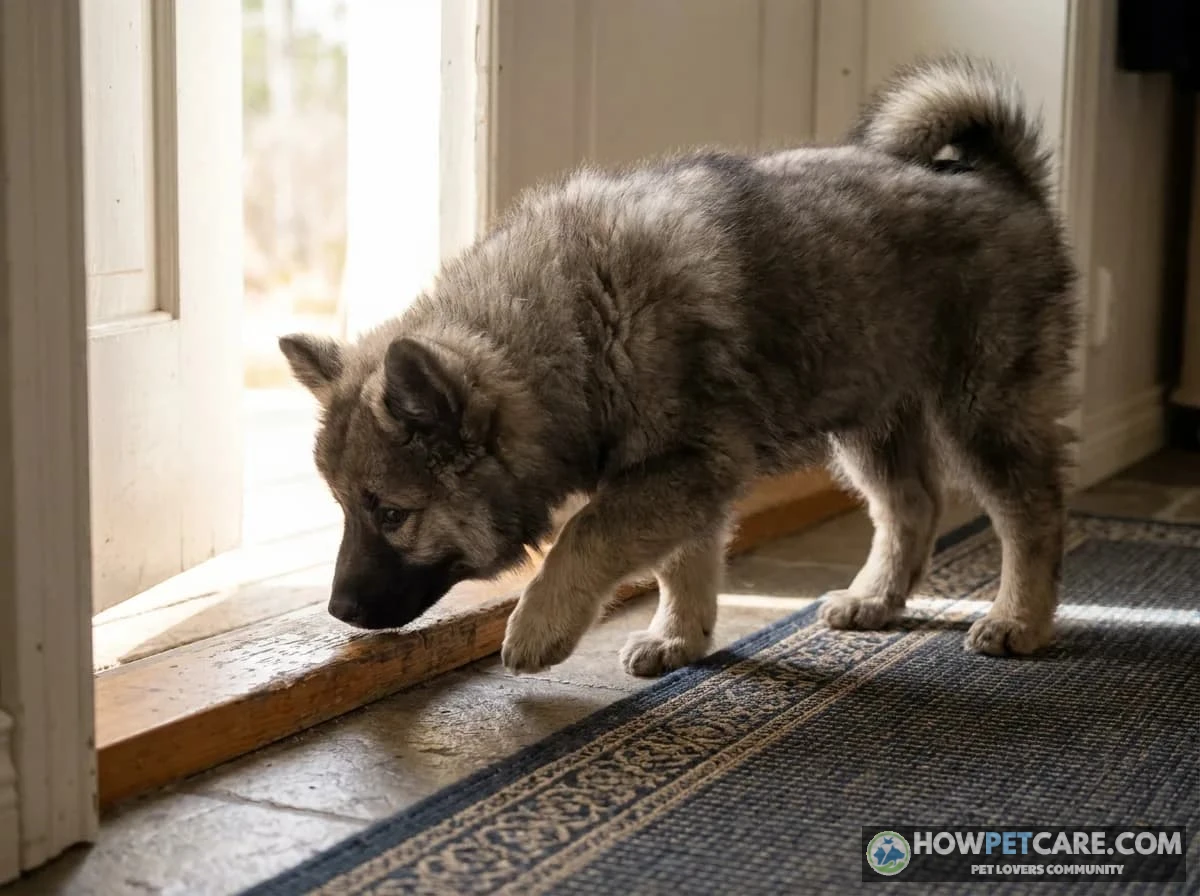
Eurasiers are uncommon in US rescue, so adoption isn’t a dependable shortcut to getting a puppy quickly or cheaply. Start by asking USEC and established breeders whether they keep a rehoming list for adult dogs, returns, or retired breeding dogs. Set alerts on general adoption services for “Eurasier,” and consider spitz and northern-breed rescues where mixes may appear.
An adult dog may give you a clearer picture of size and temperament and may already have basic training. You’ll still need to assess the dog’s history, health, behavior, and adjustment needs. Ask why the dog is being rehomed, what veterinary records are available, and whether the organization or breeder will support the transition.
Adoption fees vary by organization and dog; ask for an itemized explanation rather than assuming a low fee means a low total cost. Be cautious of sellers who label puppies “rescue” while charging a breeder-like price and refusing to disclose the source, records, or screening process. A legitimate rescue should be transparent about its procedures and the dog’s known history.
Where Eurasiers for adoption appear in the US
The most plausible routes are breed-community rehoming contacts, breeder returns, and occasional general-rescue listings. If your timeline is flexible, keep the breeder and rescue searches running in parallel. Ask about Keeshond, Samoyed, and Chow Chow rescues or mixes only if you’re genuinely open to their different temperaments and care needs; a related appearance doesn’t make another breed a behavioral substitute.

Your Eurasier Buying Plan: A Checklist to Go From Research to Reserved Puppy
Before applying, decide whether you can accept the breed’s reserved temperament, regular coat care, and a wait that may extend beyond a year. Set a budget covering the puppy, travel, veterinary care, training, supplies, and ongoing food and grooming. Be flexible about color and timing. If those conditions don’t fit, keep the rescue route open or choose a breed that better suits your schedule.
- Request current breeder-referral information from USEC and ask how to confirm litter approval.
- Shortlist several breeders and contact each with a thoughtful inquiry and completed application.
- Ask for both parents’ registered names and health-test documentation; verify results independently.
- Discuss temperament, socialization, planned litters, puppy matching, and take-home age.
- Request an itemized price, deposit and refund terms, and the full written contract before paying.
- Confirm identity, location, and any claimed USEC affiliation through independent channels.
- Pay only after the checks and contract are complete, using a traceable method.
- Plan pickup or transport, find a veterinarian, and arrange a positive puppy class before take-home.
Before sending money, answer yes to each question: Have I spoken with the breeder live? Do I know who owns the puppy and where it’s raised? Have I seen the parents’ health results or learned how to verify them? Have I read the contract and deposit terms? Can I confirm any club claim directly? Do I understand that color and exact timing aren’t guaranteed? Do I have a safe travel plan? If any answer is no, pause and resolve it before paying.
Use the waiting period to prepare for puppy socialization, choose a veterinarian, and budget for the first year. If the wait, price, or matching process doesn’t work for your household, pursuing a suitable adult rescue or another breed is a sound decision—not a failure to secure a Eurasier.

 You might be wonderingSmall puppies for rescueSmall Puppies for Rescue: Find, Cost & Adopt Near YouRead the answer
FAQ
How big do Eurasiers get?
Adult Eurasiers are medium-sized, typically around 40–70 pounds and roughly 19–24 inches at the shoulder, with males larger than females. Ask the breeder for the parents’ sizes to get a realistic estimate for your puppy.
Do Eurasiers shed a lot?
Yes. The double coat sheds lightly year-round and heavily in seasonal ‘blowouts’ a couple of times a year. Weekly brushing, with daily brushing during heavy shedding, keeps it manageable. The breed is not hypoallergenic.
Can a Eurasier be left alone during the workday?
Eurasiers bond closely with their families and generally do poorly with long stretches of isolation. A dog who is regularly left alone for full workdays may develop stress behaviors, so most breeders look for homes with someone around much of the day or a solid midday plan.
How long do Eurasiers live?
Eurasiers typically live about 11 to 13 years. Lifespan and health depend heavily on the parents’ health testing and the breeder’s practices, so ask for documentation on both.
Are Eurasiers good with children and other pets?
Well-socialized Eurasiers are generally gentle and patient with children in their own family, and they usually get along with other pets when raised with them. Their reserved nature means they may be wary of unfamiliar visitors, so supervised introductions and early socialization matter.