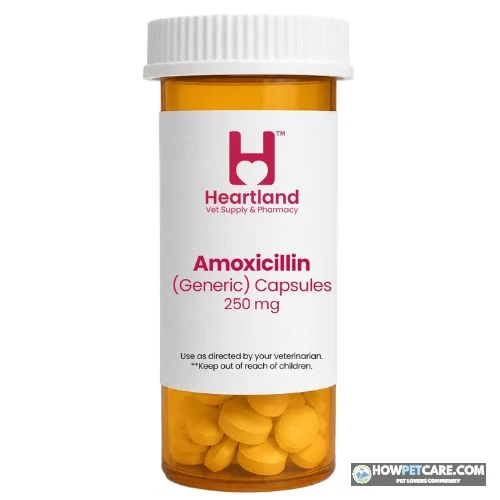

A typical veterinary dose of amoxicillin for dogs is about 5 mg per pound of body weight per dose, given twice daily; some prescriptions use up to about 10 mg per pound. It is prescription-only—your veterinarian chooses the drug, dose, and duration, and the full course should be finished.
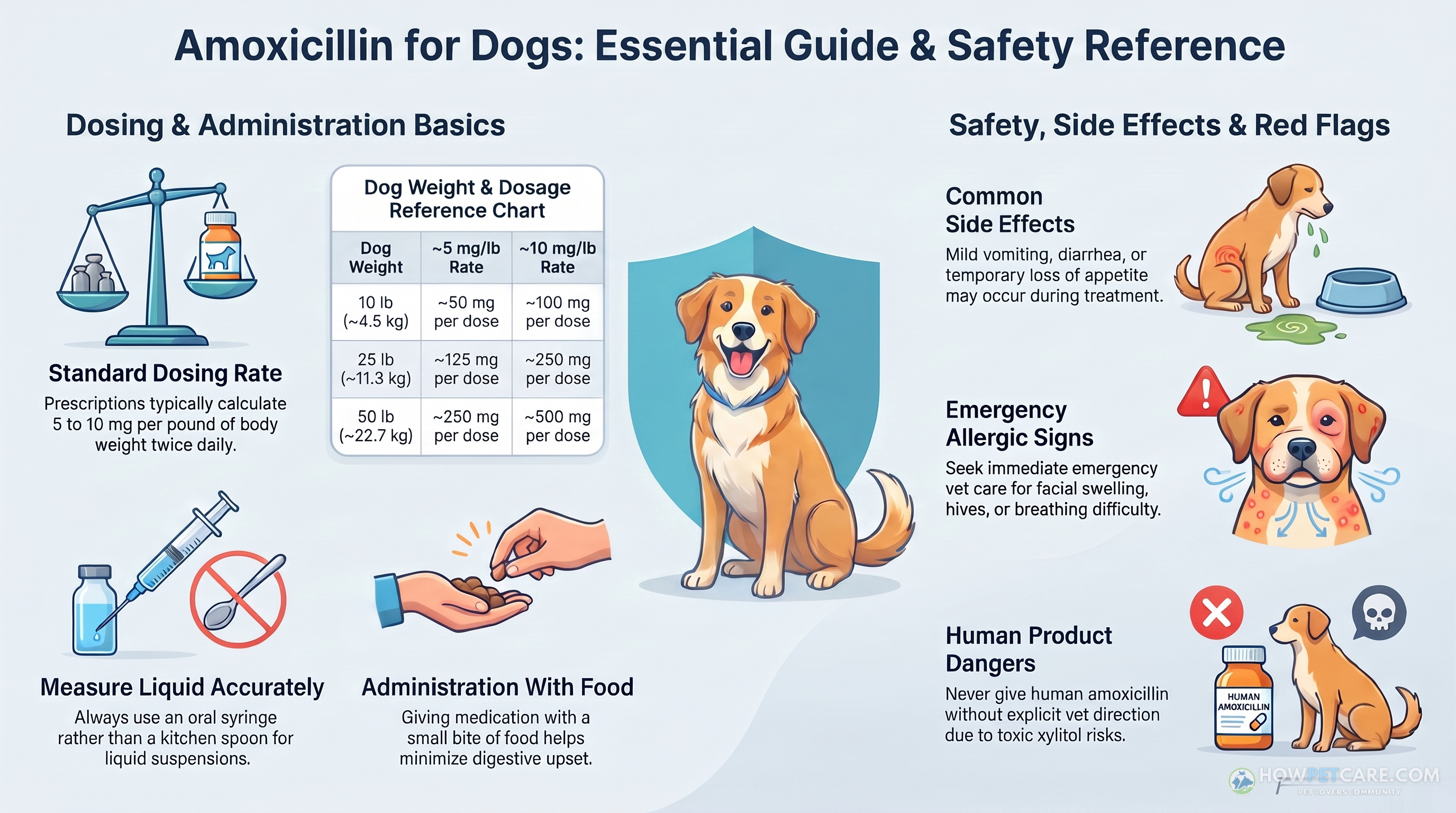
Amoxicillin is a prescription penicillin-class antibiotic used for certain bacterial infections in dogs. A typical veterinary dose of amoxicillin for dogs is about 5 mg per pound of body weight per dose, given twice daily. Some prescriptions use up to about 10 mg per pound, depending on the infection and the dog. Use the chart below only to check a prescription; your veterinarian must choose the drug, dose, and duration. A prescription is required. Complete the full prescribed course, even if your dog seems better, to help prevent relapse and antibiotic resistance.
Amoxicillin does not treat viral or fungal infections, and it may not work against bacteria that are resistant to it. If your dog develops hives, facial swelling, or trouble breathing after a dose, seek emergency veterinary care. If you already have a prescription, see the dosage chart, side effects, or action plan below.
Amoxicillin Dosage for Dogs by Weight (10, 25, 50 and 75 lb Chart)
This table gives typical reference calculations, not dosing recommendations. The dose on your dog’s prescription takes priority. Your vet may adjust the dose or interval based on the infection, its severity, test results, and your dog’s kidney function. Typical doses are given twice daily, about 12 hours apart, unless the label says otherwise; some dogs may be prescribed a different interval.
| Dog weight (lb) | Dog weight (kg) | Dose at about 5 mg/lb (mg per dose) | Dose at about 10 mg/lb (mg per dose) | Example amount to discuss with your vet or pharmacist |
|---|---|---|---|---|
| 10 lb | ~4.5 kg | ~50 mg | ~100 mg | At 50 mg: one 50 mg tablet or 1 mL of 250 mg/5 mL suspension. At 100 mg: one 100 mg tablet or 2 mL of that suspension. |
| 25 lb | ~11.3 kg | ~125 mg | ~250 mg | At 125 mg: 2.5 mL of 250 mg/5 mL suspension. At 250 mg: one 250 mg capsule or 5 mL of that suspension. |
| 50 lb | ~22.7 kg | ~250 mg | ~500 mg | At 250 mg: one 250 mg capsule. At 500 mg: one 500 mg capsule or two 250 mg capsules. |
| 75 lb | ~34 kg | ~375 mg | ~750 mg | At 375 mg: 7.5 mL of 250 mg/5 mL suspension; a tablet split is suitable only if the product is scored and your vet or pharmacist confirms it. At 750 mg: the exact combination depends on the available product and prescription. |
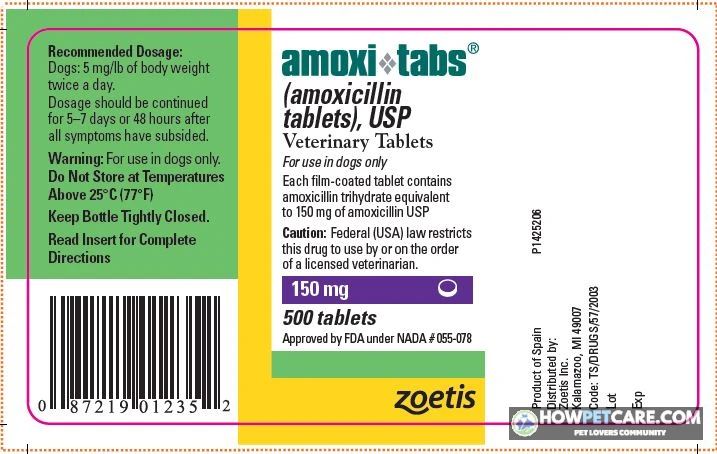
How to check a prescription label against the chart
To check the arithmetic, multiply your dog’s weight in pounds by the prescribed mg-per-pound rate. Compare that amount with the strength of the tablet or capsule, or convert it using the liquid’s stated concentration. For example, at 5 mg per pound, a 50 lb dog calculates to 250 mg per dose. This calculation is for checking a prescription, not choosing a dose yourself.
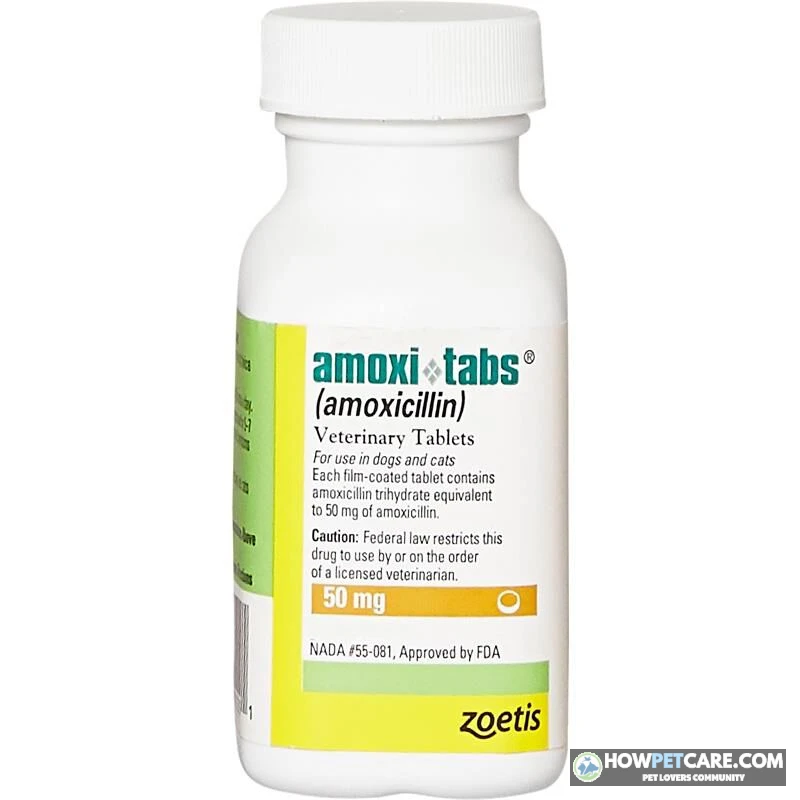
If the label lists a dose in milligrams, follow it rather than estimating a rate from the chart. If the label is unclear or the arithmetic seems inconsistent, call the prescribing vet or dispensing pharmacist before giving the medicine. Tablet and capsule strengths vary; products may include strengths such as 50, 100, 150, 200, 250, or 500 mg. Liquid strength varies too, so check the actual mg per mL rather than assuming a concentration.
Get a recent weight for your dog, especially if you have a growing puppy or your dog has gained or lost weight. Use the weight your veterinarian used when prescribing, and ask whether a new weight means the dose should be reviewed.
Tablets vs. liquid: converting mg to mL
For a liquid, divide the prescribed milligrams per dose by the concentration in mg per mL. A suspension labeled 250 mg/5 mL contains 50 mg per mL. A 250 mg dose would therefore equal 5 mL of that particular suspension. Other concentrations produce different volumes.
Measure liquid with an oral syringe, not a kitchen spoon. Shake the bottle well before measuring. Pharmacy-mixed suspensions may need refrigeration, so follow the label’s storage and discard instructions.
Give amoxicillin with food or on an empty stomach?
Amoxicillin can generally be given with or without food. A small amount of food may help reduce stomach upset, but check with your vet if your dog has a special diet or the label gives different instructions.
What Amoxicillin Treats in Dogs, How Long Treatment Lasts, and When to Expect Improvement
Amoxicillin is an aminopenicillin antibiotic. It kills susceptible bacteria by interfering with the formation of their cell walls. Vets use it for some bacterial urinary, skin, respiratory, wound, and oral infections. The right choice depends on the suspected organism and, when appropriate, test results. Amoxicillin does not treat viral illness, fungal or yeast infections, or parasites. Some bacteria are resistant, so an antibiotic that worked for another dog—or for an earlier infection—may not work now.
| Infection | Why amoxicillin may or may not fit | General course context (vet decides) | Improvement and follow-up |
|---|---|---|---|
| Urinary tract infection (UTI) | May be used when the bacteria are susceptible; urine testing or culture can guide selection. | Duration varies with test results and whether the infection is uncomplicated or complicated. | Contact the vet if signs are not improving within about 48–72 hours. The vet may recommend follow-up urine testing. |
| Skin infection, wound, or abscess | Can fit some susceptible bacterial infections. Deep, recurrent, or resistant cases may need a different antibiotic and additional care. | Course length depends on depth, cause, and response; follow the specific prescription. | Ask when the skin should be rechecked. Improvement at the surface does not always mean the infection has cleared. |
| Respiratory infection | Amoxicillin may be selected for some bacterial infections, but many coughs and respiratory illnesses are not bacterial. | The veterinarian sets duration after assessing the cause. | Contact the vet if symptoms worsen or fail to improve within about 48–72 hours. |
| Dental or oral infection | May be used for susceptible bacterial infections, sometimes alongside dental treatment. Antibiotics alone do not correct a diseased tooth. | Duration and dental follow-up depend on the underlying problem. | Ask what dental procedure or recheck is needed to address the source. |
| Ear infection | Often not the right treatment by itself: ear infections may involve yeast or need topical medication. An ear examination and testing help identify the cause. | Highly variable; do not use leftover oral antibiotics for an ear problem. | Follow the vet’s recheck plan to confirm the infection has resolved. |
Course lengths vary substantially by diagnosis and the dog’s response. There is no safe universal duration for a UTI, ear infection, or skin infection. Your vet may select a shorter or longer course based on the examination and test results. Do not stop early, extend the course, or save doses for later without veterinary direction.
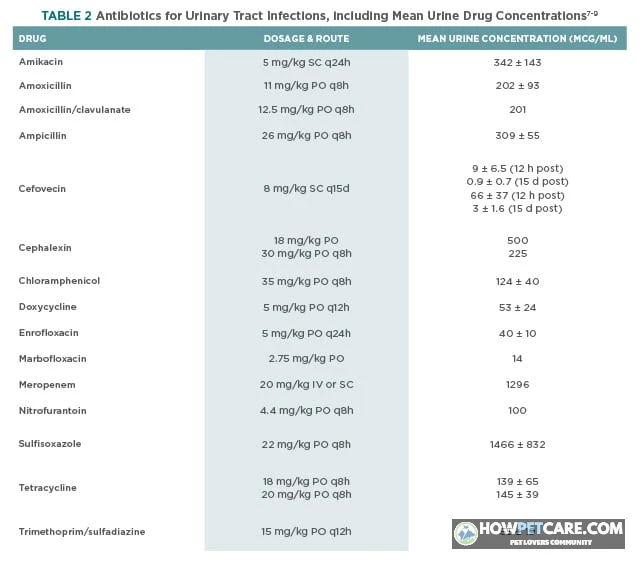
Amoxicillin for dog UTI treatment
A urinary tract infection can cause frequent urination, accidents, or discomfort, but those signs can have other causes. A vet may test a urine sample and, when needed, use a culture to identify bacteria and determine which antibiotic is likely to work. If signs persist or return, call the clinic rather than restarting leftover medication.
Amoxicillin for dog ear infections
An ear infection is not automatically a reason to give oral amoxicillin. Yeast, bacteria, and other ear problems can look similar to an owner, and treatment may involve prescription ear drops such as Tresaderm or another medication. The vet may examine a sample from the ear before choosing treatment.
Amoxicillin for skin infections and wounds
Amoxicillin may be prescribed for some susceptible skin and soft-tissue infections, wounds, or abscesses. The vet may also need to clean or drain a wound, look for a foreign object, or test a recurring infection. Do not assume a wound needs antibiotics—or that an old prescription will cover it.
How long does amoxicillin take to work in dogs?
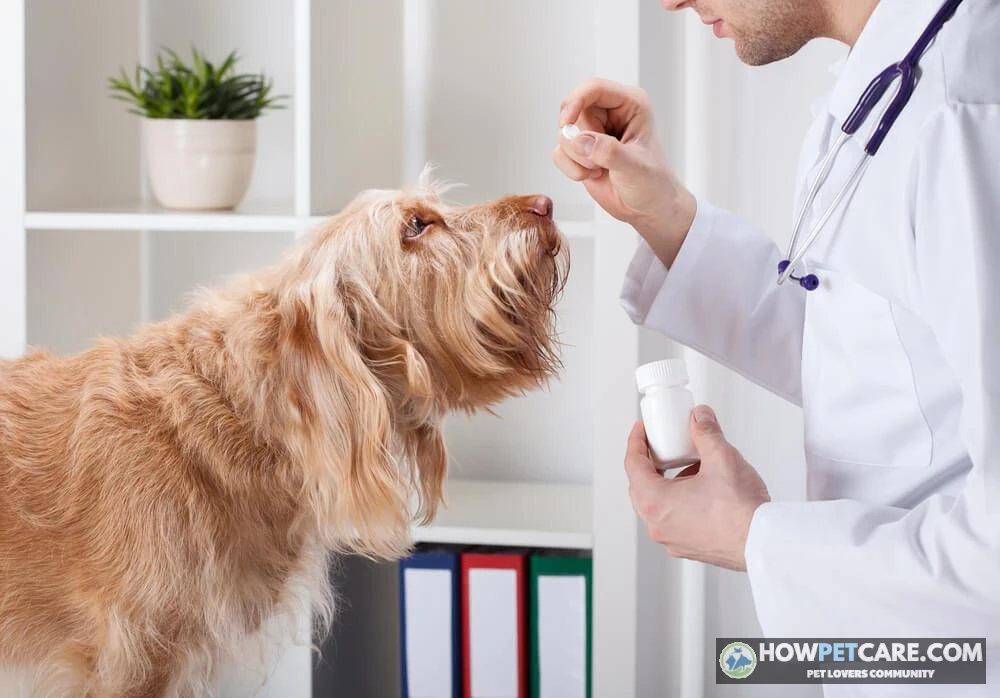
The drug begins working in the body within about 1–2 hours, but visible improvement can take a few days. Call the vet if your dog gets worse or is not starting to improve after about 48–72 hours. The diagnosis may need review, or the bacteria may not be susceptible to the medicine.
Antibiotic resistance means bacteria can survive a medicine that would normally kill them. Unnecessary antibiotics and stopping a prescribed course early can make treatment less reliable and contribute to resistance. Give only the medicine prescribed for this dog and this infection, exactly as directed.
Amoxicillin vs. Clavamox for Dogs: Which One Will the Vet Choose?
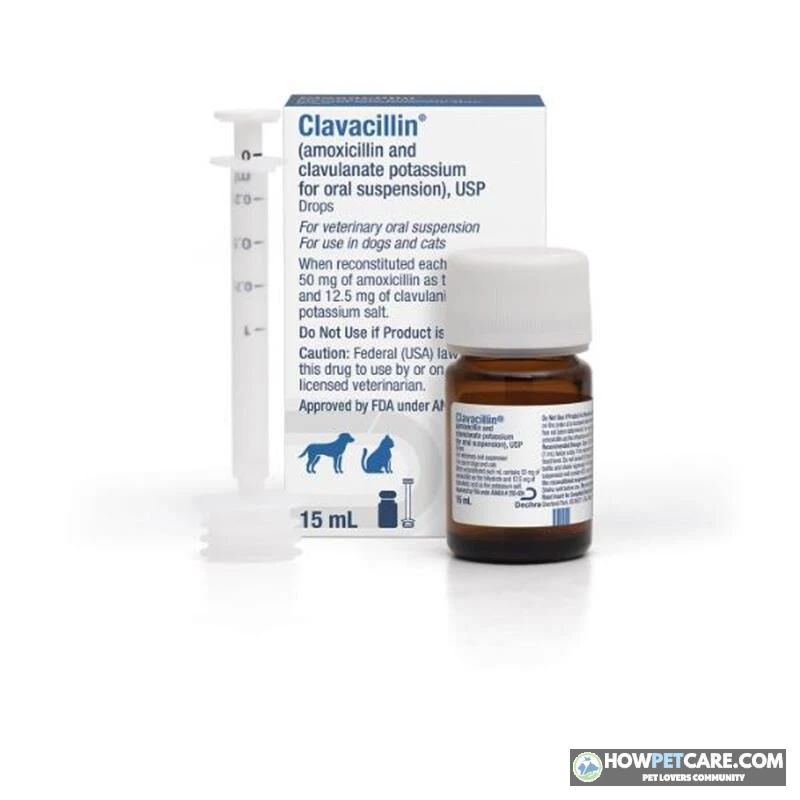
Clavamox is a brand of amoxicillin-clavulanate. It combines amoxicillin with clavulanate, which blocks certain bacterial enzymes that can make bacteria resistant to amoxicillin alone. The added ingredient can broaden coverage, but it does not make Clavamox the right choice for every infection.
| Feature | Amoxicillin | Amoxicillin-clavulanate (Clavamox) | When vets may choose it |
|---|---|---|---|
| Composition | Amoxicillin alone | Amoxicillin plus clavulanate | The choice depends on the suspected bacteria and test results. |
| Coverage | Treats susceptible bacteria. | Adds activity against some bacteria that resist amoxicillin through beta-lactamase enzymes. | Plain amoxicillin may suit a susceptible infection; Clavamox may be considered when broader coverage is needed. |
| Possible uses | Some susceptible urinary, respiratory, skin, or wound infections. | May be selected for some skin and soft-tissue infections, wounds, bites, abscesses, or mixed infections. | The vet decides based on the exam and, when indicated, culture or other testing. |
| Side effects | Stomach upset, vomiting, or diarrhea can occur. | Similar digestive effects can occur; individual dogs vary. | Tell the vet if your dog has had antibiotic-related stomach problems. |
| Cost | Generic options may be available. | Often costs more, though actual prices vary. | Ask for the full-course price for each prescribed option. |
| Allergy | Penicillin-class drug. | Also contains a penicillin-class drug. | A prior serious penicillin reaction must be discussed before either is used. |
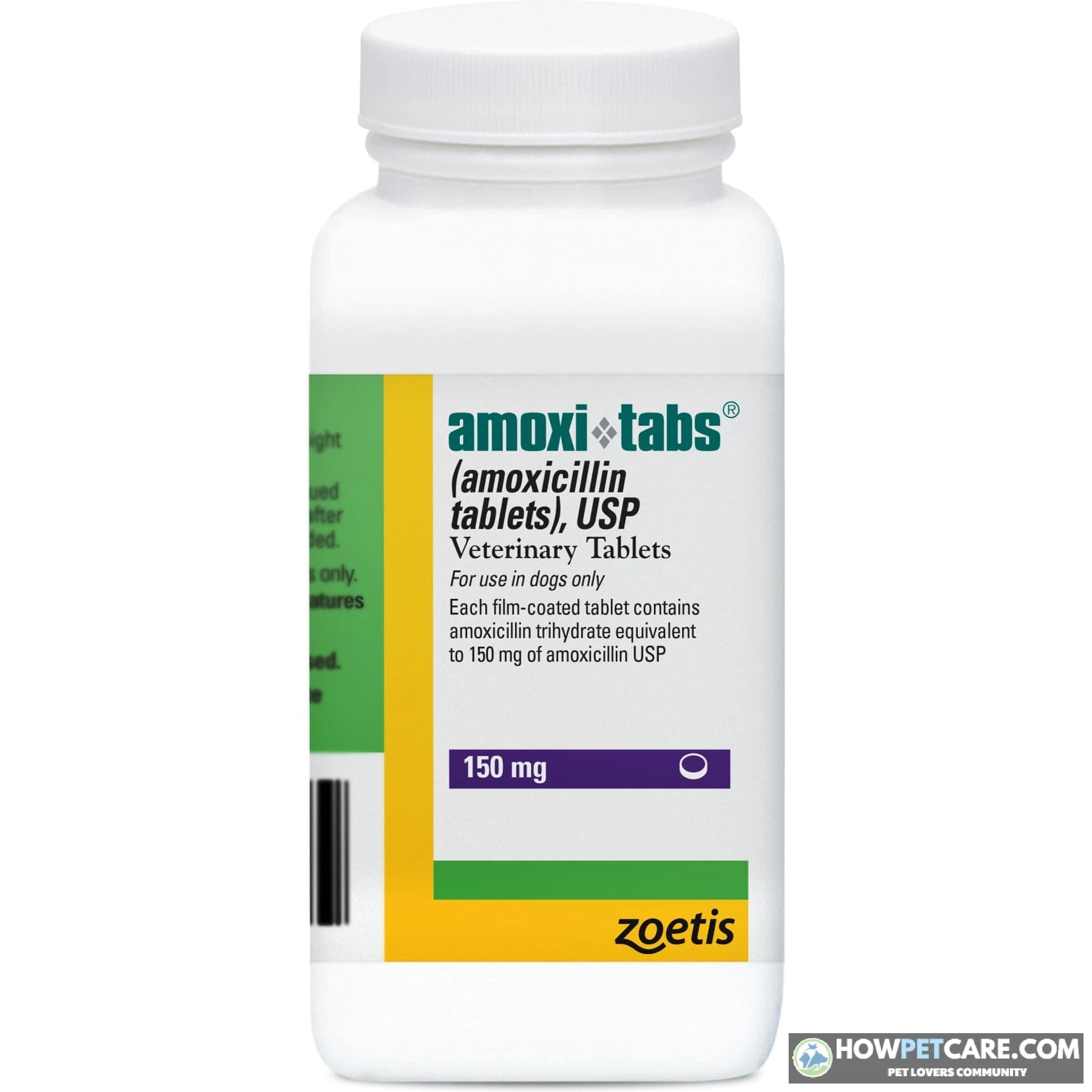
A vet might choose Clavamox instead of plain amoxicillin when the suspected bacteria may resist amoxicillin alone or when the infection calls for broader coverage. Both drugs can cause digestive side effects, and both are unsuitable for a dog with a relevant serious allergy unless a veterinarian has assessed the risk. They are not interchangeable. Do not substitute one for the other or use leftovers without asking the vet.
Cephalexin is a different antibiotic that may be chosen for some infections, including some skin infections. The right antibiotic depends on the likely organism, the infection site, test results, allergy history, and the dog’s health—not on which medicine is already in the cabinet.
Is Amoxicillin Safe for Dogs? Human Amoxicillin, Puppies, Pregnancy, Kidney Disease and Drug Interactions
Amoxicillin is used in dogs under veterinary direction, but safe use depends on the right diagnosis, product, dose, and schedule. FDA-approved veterinary products exist; a veterinarian may also prescribe a human-labeled product or use a medicine extra-label when appropriate. Follow the prescription and your vet’s instructions in either case.
Can I give my dog human amoxicillin?
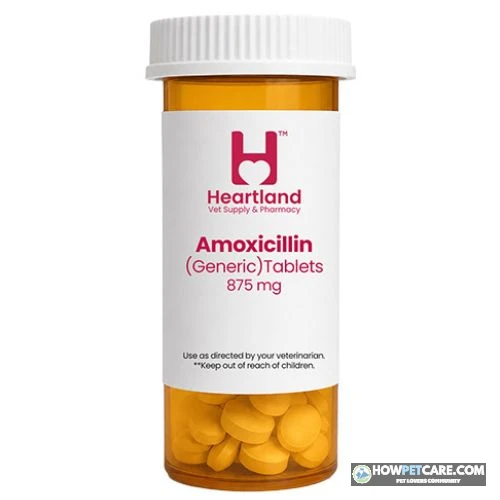
The active ingredient, amoxicillin trihydrate, is the same drug, but that does not make a human product safe to dose for a dog on your own. Human products can have different strengths, inactive ingredients, or flavorings. Some liquid products may contain xylitol, which is toxic to dogs. Never give a human product unless your veterinarian specifically approves that exact product and tells you the dose.
Do not use leftover human amoxicillin. It may be expired, the wrong strength, the wrong choice for the infection, or insufficient to complete the course. It can also delay diagnosis while symptoms worsen. A veterinarian may authorize a human-pharmacy fill, but that is different from self-prescribing.
Amoxicillin for dogs without a vet prescription: rules and risks
Amoxicillin is a prescription antibiotic in the United States. Do not buy it from a seller offering it without a prescription or give a product marketed for fish or other animals. Without veterinary assessment, you risk using the wrong drug or dose, missing a more serious problem, and contributing to antibiotic resistance. Online sellers that bypass prescription requirements may also sell products of uncertain quality.
Puppies, pregnant or nursing dogs, and dogs with kidney disease
- Puppies: A veterinarian may prescribe amoxicillin, but growing puppies need an accurate, current weight and a dose reviewed as they grow. Do not scale a sibling’s dose or reuse a previous prescription.
- Pregnant or lactating dogs: The vet should weigh potential benefits and risks before treatment. Tell the clinic about pregnancy or nursing before the first dose.
- Kidney disease: Kidney function can affect how the body handles medication, so the vet may need to adjust the dose or interval. Provide your dog’s diagnosis and recent test information if available.
- Allergy history: Tell the vet about any past reaction to amoxicillin, penicillin, cephalosporins, or other antibiotics. A previous severe reaction needs particular attention.
Medications and supplements to tell the vet about
Give the vet a complete list of prescription drugs—including treatments for other conditions, such as Zenrelia for dogs—over-the-counter medicines, supplements, and recent antibiotics. Potential interactions or treatment concerns may involve other antibiotics such as tetracyclines, methotrexate, probenecid, or allopurinol. This is not a complete interaction list; the clinic or pharmacist should check the specific combination for your dog.
Amoxicillin Side Effects in Dogs, Allergic Reactions and What to Do After an Overdose
Common side effects are digestive: vomiting, diarrhea, reduced appetite, or stomach discomfort. Mild stomach upset may improve if the dose is given with a small amount of food, provided your vet confirms that is suitable. Call the clinic if symptoms persist, your dog will not eat, or you see blood in vomit or stool.
Normal vs. concerning side effects
One episode of soft stool or mild nausea may be something to monitor, but report it to the vet if it continues or gets worse. Do not stop or change the dose without advice unless you suspect an emergency allergic reaction. In that case, seek urgent care and do not give another dose while you wait for instructions.
Signs of an allergic reaction (emergency)
Hives, sudden intense itching, swelling of the face or muzzle, pale gums, weakness, collapse, wheezing, or difficulty breathing can signal a serious allergic reaction. Go to an emergency veterinarian immediately; do not wait to see whether symptoms pass.
What to do if your dog gets too much amoxicillin
If your dog gets an extra dose or chews into the bottle, call your veterinarian, an emergency clinic, or a pet poison-control service for instructions specific to your dog. Have the medication package, your dog’s weight, the amount taken, and the time of exposure ready. Do not induce vomiting unless a veterinary professional or poison specialist instructs you to.
How to Give Amoxicillin to a Dog: Pilling Tricks, Liquid and Compounded Options, and Missed Doses
Amoxicillin is usually given by mouth as a tablet, capsule, or liquid suspension. Follow the schedule on the prescription and keep doses as evenly spaced as practical. Do not double a dose to make up for one that was missed.
Pilling a dog that refuses
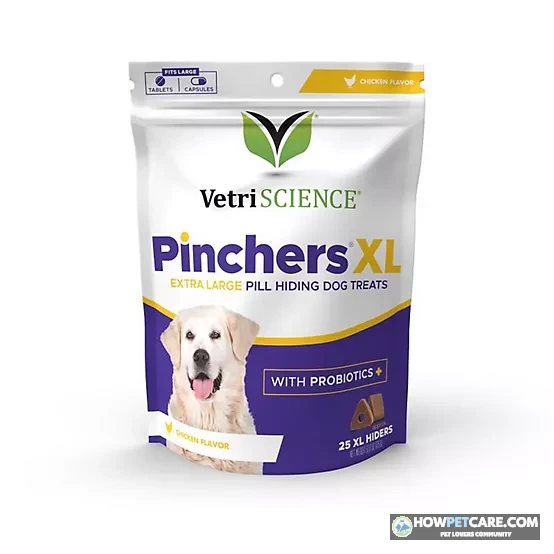
Try hiding the pill in a small bite of food or a pill pocket, if the vet says that is okay. Offer a treat afterward and check that your dog swallowed the medicine rather than spitting it out. If hiding it in food fails, ask the clinic to demonstrate a pill popper or safe direct-pilling technique. Do not crush tablets or open capsules unless the vet or pharmacist confirms that is appropriate for that product.
Liquid, flavored and compounded amoxicillin
Shake liquid suspension well and measure it with an oral syringe. Store and discard it exactly as directed on the pharmacy label; mixed liquids may have a limited shelf life. If your dog refuses a tablet or needs a dose that is hard to measure with available strengths, ask whether a vet-authorized flavored or compounded product is suitable. Compounded products are not automatically interchangeable with the prescribed product, so confirm the concentration and instructions before using one.
What to do if you miss a dose
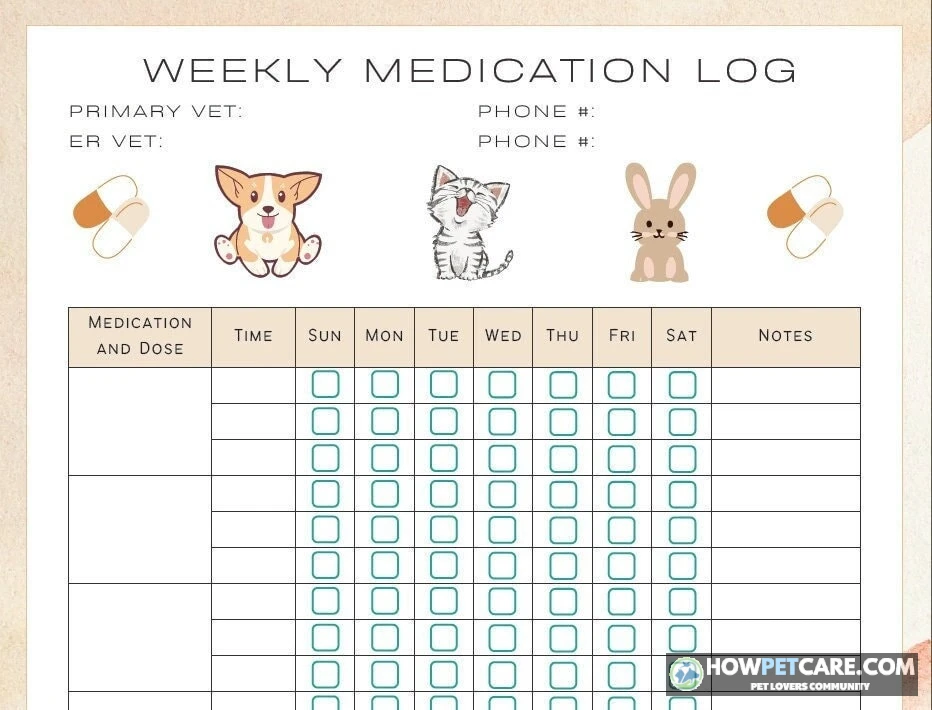
Give a missed dose when you remember unless it is nearly time for the next scheduled dose. If the next dose is near, skip the missed one and continue the usual schedule; never give two doses at once. If you’re unsure what “near” means for your dog’s schedule, call the prescribing clinic or pharmacist. A phone alarm and a written dose log can help prevent missed or repeated doses.
How Much Amoxicillin for Dogs Costs and Where to Fill the Prescription for Less
The price depends on your dog’s dose and weight, the product and formulation, the course length, and the pharmacy. Prices vary, and a quote for one dog or location is not a reliable estimate for another. Ask for the total cost of the prescribed course rather than comparing only the per-tablet price.
Vet clinic vs. human pharmacy vs. online pharmacy
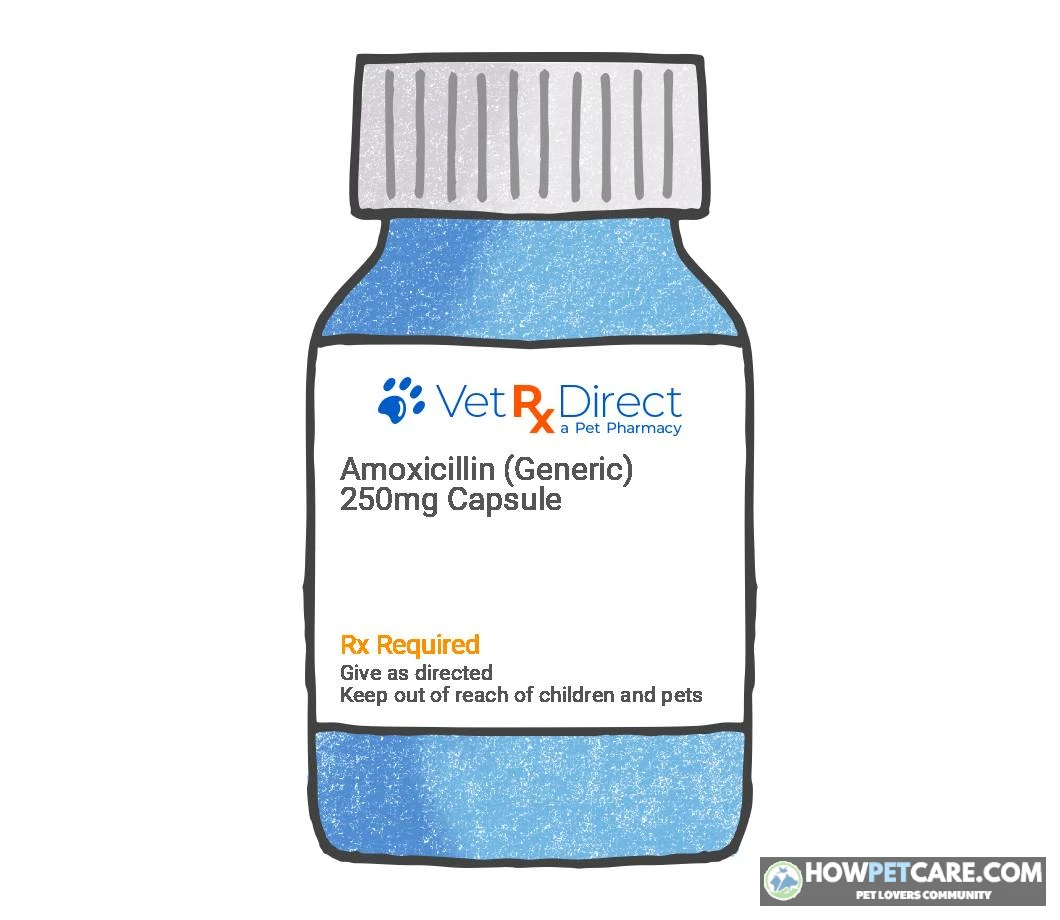
A clinic pharmacy can be convenient, but it may cost more than other options. If your veterinarian authorizes it, a human retail pharmacy may be able to fill a generic amoxicillin prescription; discount programs may reduce the price. Online veterinary pharmacies are another option—our guide to buying pet medications safely online covers price checks and legitimacy—and compounding pharmacies may be useful for a vet-authorized flavored or custom formulation. Do not change the prescribed drug, strength, or form just because another option is cheaper.
Ask your vet for a written prescription and whether a human-pharmacy fill is appropriate. Ask if a different generic tablet strength can safely match the prescribed dose, and compare the total course cost. Your vet can help you avoid a false saving that leaves you with an unusable quantity or the wrong formulation.
How to spot an unsafe online seller
Use a pharmacy that requires the prescription, provides verifiable contact information, and is licensed where required. Check state pharmacy licensing or recognized accreditation, such as VIPPS, rather than relying on a website’s own claims. Avoid sellers advertising prescription antibiotics with no prescription required. Confirm that the dispensed drug, strength, and form match the vet’s order, and contact the vet if the pharmacy proposes a substitution.
Your Amoxicillin Action Plan: A Checklist for the Vet Visit, Dosing and Finishing the Course
Pre-visit checklist
Before calling or going to the clinic, note your dog’s symptoms, when they began, and whether they’re getting worse. Write down your dog’s current weight, previous antibiotic reactions, current medications and supplements, and any doses already given. If you suspect an emergency—especially facial swelling, trouble breathing, collapse, or severe weakness—go to an emergency veterinarian now.
Questions to ask your vet
Ask why amoxicillin is being considered and whether Clavamox or another antibiotic would fit better. Confirm the dose in milligrams, the number of tablets or milliliters per dose, how often to give it, how many days to continue, whether to give it with food, and how to store it. Ask when improvement should begin, what to do about a missed dose, and whether a recheck or test is needed.
Home dosing and monitoring checklist
- Read the prescription label each time, and use the prescribed amount—not a dose copied from another dog or a chart.
- Set reminders and record each dose so no one in the household accidentally repeats it.
- Store the medicine as directed and keep it away from pets and children.
- Monitor appetite, vomiting, stool, and the original infection signs.
- Call the vet if your dog gets worse, has persistent side effects, or is not improving within about 48–72 hours.
- Finish the prescribed course, even if your dog appears well; do not save or share leftover antibiotics.
- Ask the clinic how to dispose of unused medicine safely.
FAQ
Is amoxicillin the same as penicillin for dogs?
No. Amoxicillin is a penicillin-class antibiotic with a broader spectrum than plain penicillin. A dog allergic to one is generally considered allergic to the other, so tell your vet about any prior reaction.
Can I give my dog probiotics while on amoxicillin?
Many vets recommend a dog-specific probiotic to ease stomach upset, usually given a couple of hours apart from the antibiotic dose. Ask your vet which product and timing they prefer.
How long does liquid amoxicillin last once mixed?
Pharmacy-mixed amoxicillin suspension is typically refrigerated and discarded after about 14 days, but follow the date and storage instructions on your label. Throw out leftovers instead of saving them.
Is amoxicillin for dogs the same as amoxicillin for cats?
The drug is the same, but dosing, forms and cautions are set by the vet for each species and each animal. Never use a dog’s prescription for a cat or the reverse.
Does amoxicillin make dogs sleepy?
Sleepiness is not a typical side effect. A dog that seems very lethargic, weak or unresponsive on an antibiotic should be checked by a vet promptly, since it could signal worsening infection or a reaction.