
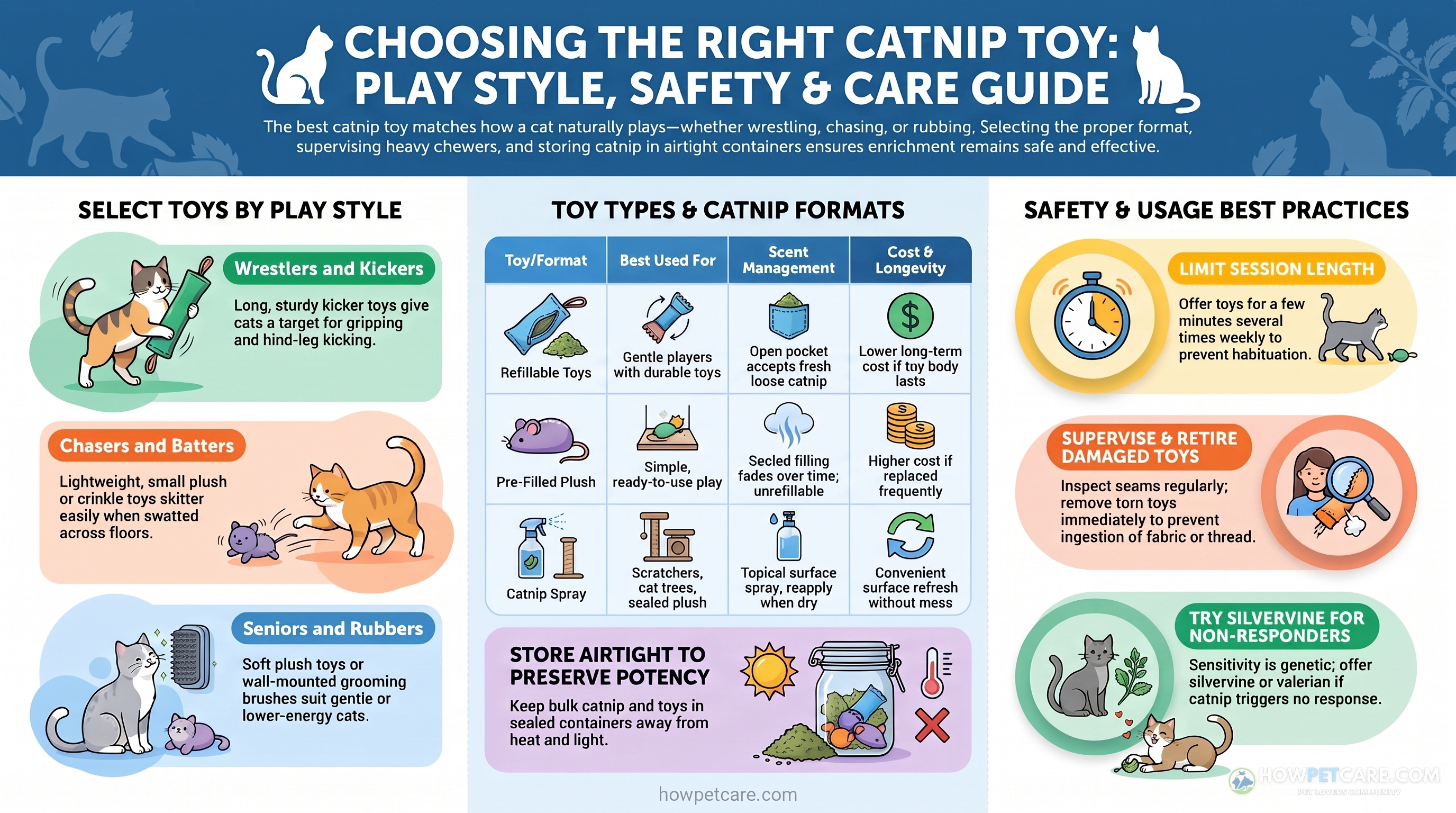
The best catnip toy matches how your cat already plays:
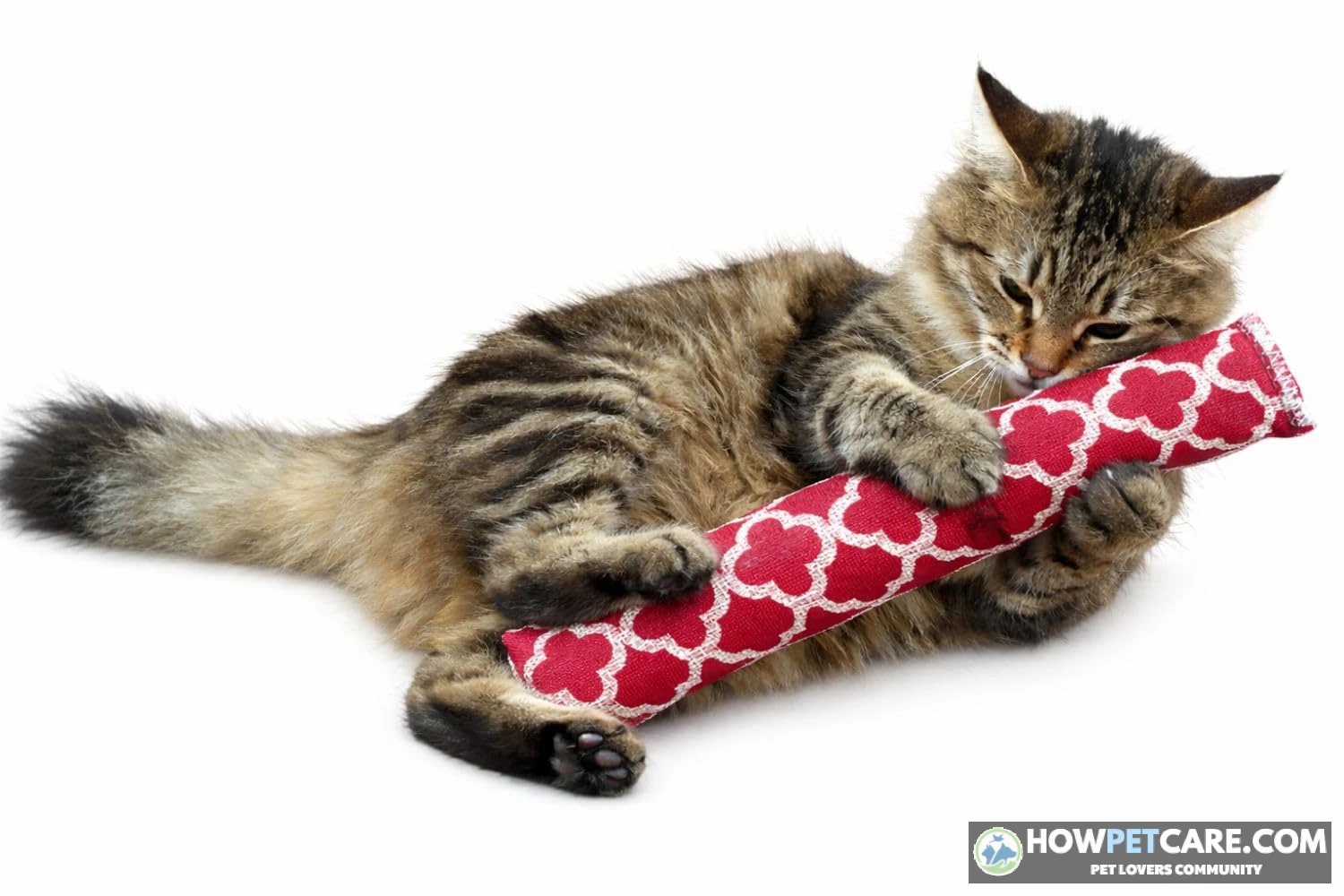
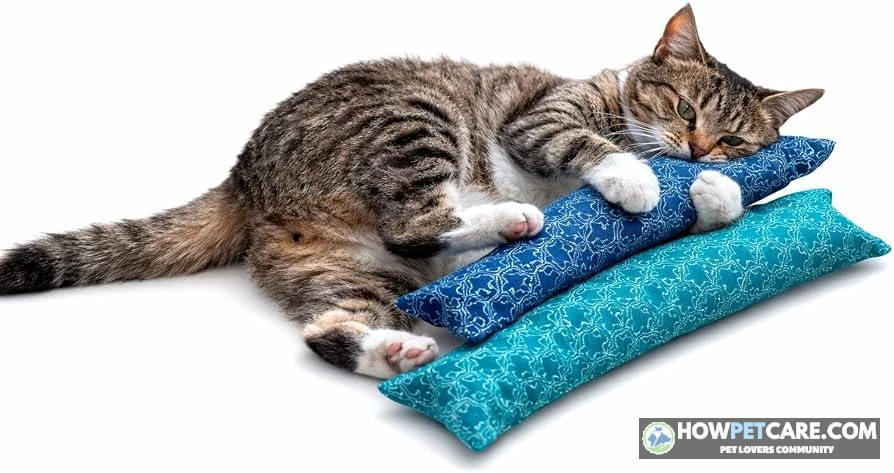
- Wrestlers and kickers: a long, sturdy kicker toy they can grab and bunny-kick
- Chasers: a small, light toy that skitters when batted, like a crinkle fish
- Scratchers and rubbers: a catnip scratcher or catnip-compatible grooming station
- Seniors and gentle cats: a soft, easy-to-grab plush, ideally refillable
- Heavy chewers: a simple, reinforced design used only under supervision
The best catnip toy matches the way your cat already plays. Pick a long kicker for a wrestler, a small plush for a chaser, a scratcher for a furniture-scratcher, and a soft, easy-to-grab toy for a lower-energy cat. For a refillable choice, the KONG Refillable Hedgehog is listed below $7. The Catit Senses Self Groomer, a catnip-compatible grooming station rather than a conventional toy, is listed below $5. Prices can change, so confirm the listing before you buy.
The picks below use construction, play-style fit, filling access, washability, durability, and price as selection criteria. They are criteria-based picks, not a claim that every item was hands-tested. No invented ratings or test results are used. Where the available product information does not confirm a specification or current price, that uncertainty is stated rather than filled in with a guess.
Best Catnip Toys by Play Style: Kickers, Chasers, Scratchers and Seniors
Kicker and wrestler cats: long, sturdy kicker toys
A long kicker gives a cat something to grasp with the front paws and bunny-kick with the hind legs. That movement is the point of the shape. The West Coast Pet Products kicker is 15 inches long, making it a plausible fit for cats that like to grab and kick a substantial toy. Check the current price and filling details on the product listing before purchase; neither is confirmed in the available product information.
Pros: long format suits wrestling; gives the cat a target for kicking rather than hands or ankles; a distinct choice from small plush toys. Cons: the price, filling, washability, and seam construction need checking on the listing; a determined chewer can still tear a fabric toy.
For a more familiar plush option, the Yeowww! Catnip Yellow Banana is a widely recognized catnip-filled shape. It has a 4.7-out-of-5 average from 15,103 Chewy reviews in our product research, but that rating is not a substitute for checking current price, size, or construction. Choose it if your cat likes grabbing and rubbing a soft, curved toy; avoid assuming it is suitable for a cat that routinely eats fabric.
Chaser cats: small, light, throwable toys
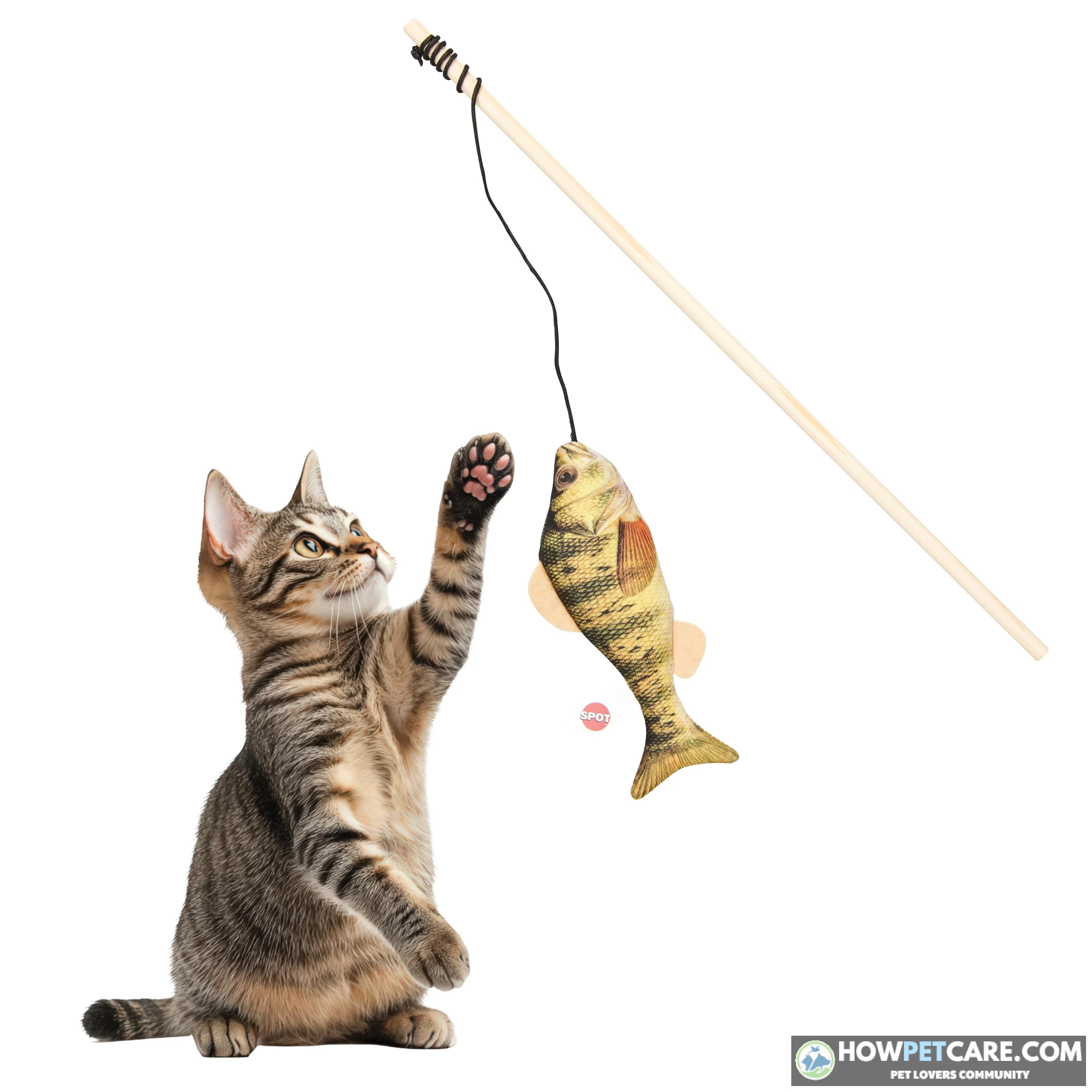
Cats that bat, chase, and carry toys often do better with a light object that skitters when tapped than with a bulky kicker. Potaroma’s Crinkle Fish is 9.4 inches long. Its crinkle texture may appeal to cats who like sound as well as scent, but check that the material and seams suit your cat’s chewing habits. The current price and exact catnip format are not verified here, so confirm them before buying.
A small pre-filled plush is convenient for a cat that plays gently and for owners who want a ready-to-use toy. It is less practical if your cat tears toys open quickly: sealed filling cannot be refreshed, and a damaged toy should be retired.
Scratcher cats: catnip scratchers and infused surfaces
If your cat returns to the same chair leg or rug to scratch, a flat or angled scratcher puts the scent at the place where the behavior already happens. The Catit Senses Self Groomer is a wall-mounted grooming brush that can hold catnip; it is not a scratching surface, but may suit a cat that rubs its cheeks and body against furniture. It is listed below $5 in our product research. Confirm current availability and whether catnip is included before ordering.
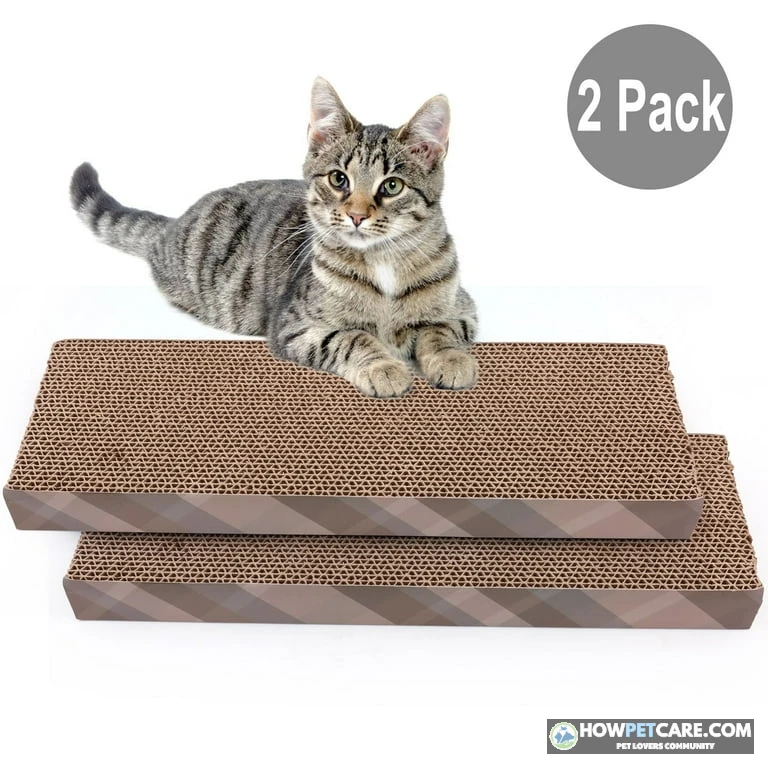
For actual scratching, look for a stable cardboard or other scratchable surface and use a small amount of dried catnip or catnip spray if the product allows it. A scratcher is not a substitute for a toy that can be inspected and replaced when worn down.
Senior and low-energy cats: soft, easy-to-grab catnip plush
A senior cat may prefer a soft plush that is easy to reach and grab rather than a fast-moving toy. Choose a light toy with no hard attachments, and keep sessions short enough that the cat can disengage. For cats with mobility limits, pain, or a medical condition, ask a veterinarian what kind of play is appropriate before adding regular high-energy sessions.
The KONG Refillable Hedgehog is listed below $7 and offers a refillable format. It may suit a gentle player who enjoys soft contact and whose owner wants to replace the scent. Confirm the pocket closure, size, and cleaning instructions on the current listing; the available evidence does not establish those specifications.
Aggressive chewers: choose supervision over a “tough” label
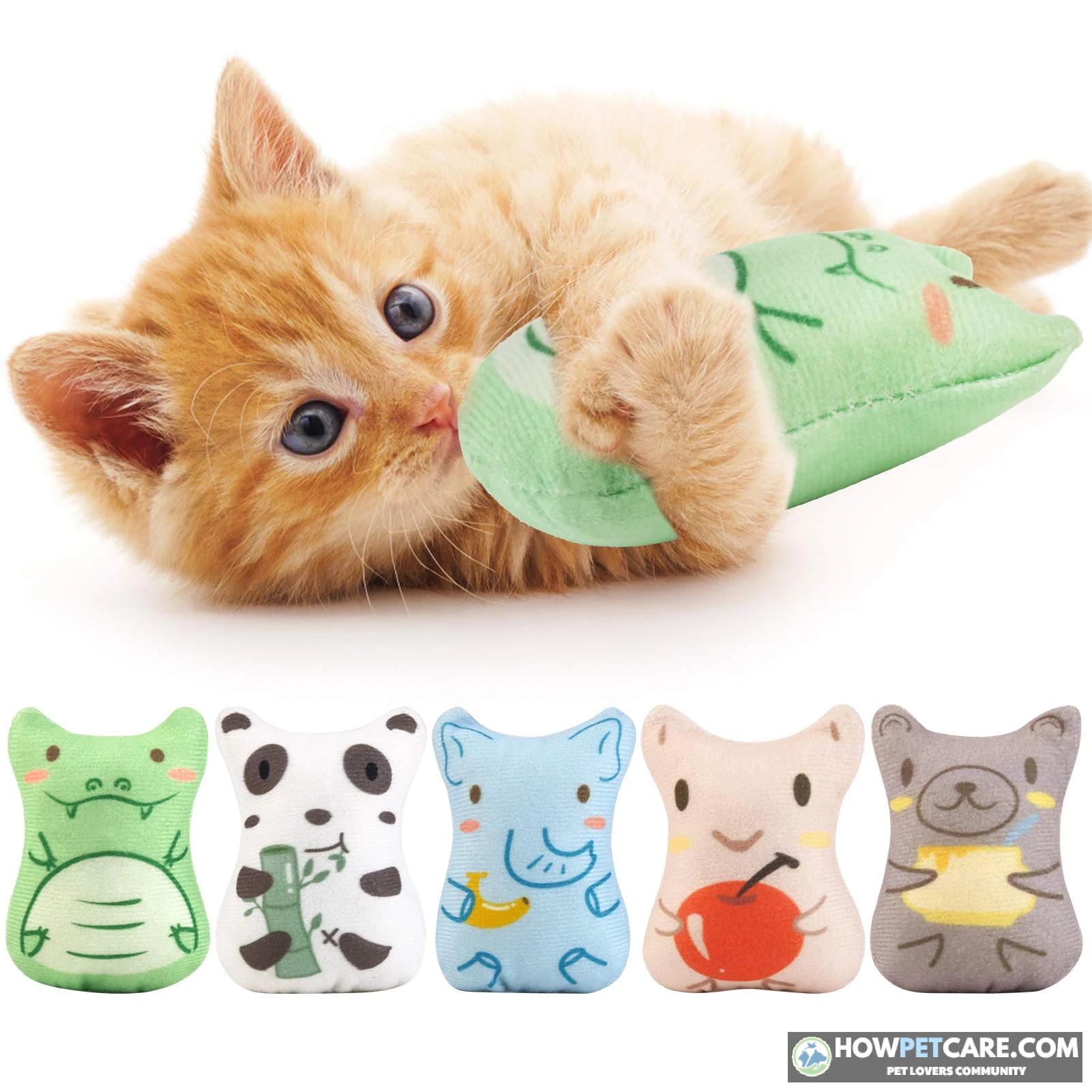
No plush catnip toy should be treated as indestructible. For cats that bite through seams or swallow fabric, prioritize a simple design with reinforced stitching, no glued-on eyes or loose attachments, and a secure closure. Supervise play and remove the toy at the first tear. If your cat routinely destroys and ingests toys, ask your veterinarian about safer enrichment options rather than relying on a stronger marketing claim.
Match Your Cat to a Toy Type: A 3-Step Decision Checklist
Work through these steps after watching how your cat plays:
- Match the action. Front paws gripping and hind legs kicking call for a long kicker. Chasing and batting point to a light throwable toy. Repeated scratching suggests a scratcher. Gentle contact and low-energy play point to a soft, easy-to-grab plush. A cat that chews seams needs a simple, closely supervised design.
- Choose refillable or pre-filled. If your cat plays gently and toys last, refillable can spread the cost across multiple refills. If the cat destroys toys quickly, a refill pocket may not repay its extra cost.
- Check the details. Look for sturdy seams, no swallowable parts, an identified filling, and care instructions. Factor refills or replacements into the price.
Organic catnip toys can be a reasonable preference, but “organic” does not mean stronger. Check whether the label identifies catnip rather than an unspecified filler, and avoid added fragrance if you want the catnip scent to be the main attractant.
Catnip Toy Comparison Table: Price, Size, Refillability, Washability and Durability
| Toy | Best for (play style) | Price (2026) | Size | Refillable or pre-filled | Washable | Durability for chewers | Catnip type and potency notes | Main pro | Main con |
|---|---|---|---|---|---|---|---|---|---|
| West Coast Pet Products kicker | Kicker and wrestler | Current price not verified | 15 inches | Filling format not verified | Care instructions not verified | Inspect seams; not verified as chew-proof | Filling type and potency not verified | Long shape for kicking | Verify price, filling, and care before buying |
| Yeowww! Catnip Yellow Banana | Plush play and wrestling | Current price not verified | Current size not verified | Pre-filled format; verify listing | Spot-cleaning is the cautious default unless the label says otherwise | Not a heavy-chewer guarantee | Catnip-filled; scent fades over time | Established plush format; 4.7/5 from 15,103 Chewy reviews | Rating does not establish durability or current price |
| Potaroma Crinkle Fish | Chaser or crinkle-toy fan | Current price not verified | 9.4 inches | Verify current listing | Care instructions not verified | Supervise chewers; construction details not verified | Filling type not verified | Light fish shape with crinkle appeal | Confirm filling and seams |
| KONG Refillable Hedgehog | Gentle player; refillable-toy shopper | Below $7 in our research; confirm current price | Current size not verified | Refillable | Remove any insert; follow label for washing | Pocket and seam strength not verified | Refill format; confirm accepted refill | Lower stated entry price for a refillable pick | Refill access may be a weak point for chewers |
| Catit Senses Self Groomer | Rubbing and grooming behavior | Below $5 in our research; confirm current price | Current size not verified | Catnip-compatible; not a conventional toy | Follow product care instructions | Not intended as a chew toy | Catnip use; verify whether supplied | Low-cost scent-and-rub option | Does not replace a scratcher or interactive toy |
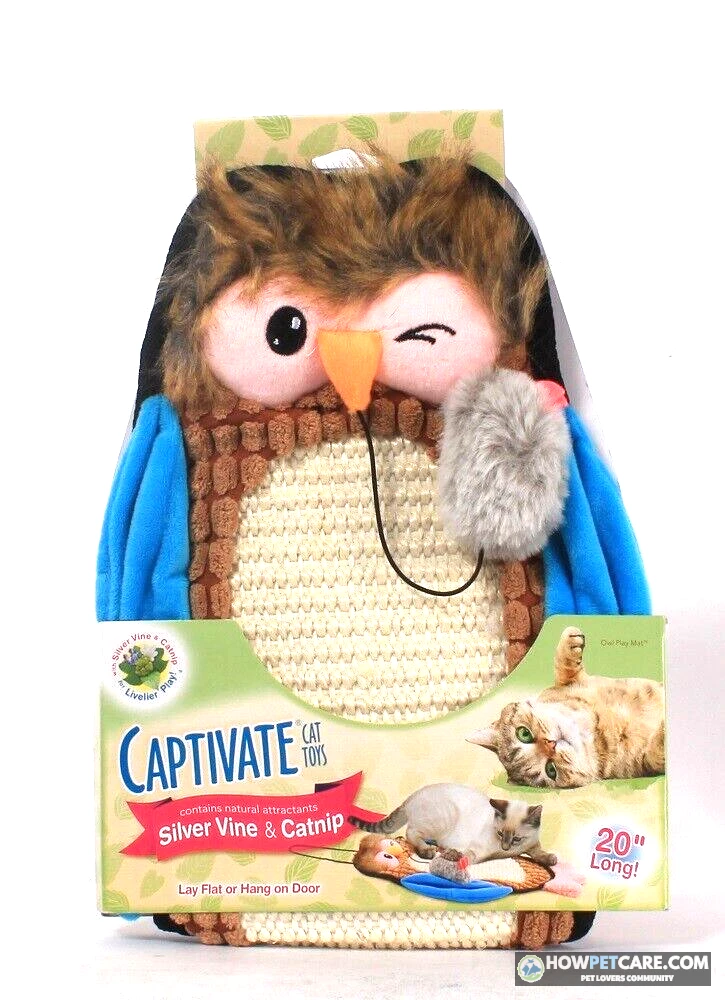
For a chewer, seam construction and the absence of detachable parts matter more than a low price. For a multi-cat home, refillability may matter if the toy body lasts. For a budget buyer, compare total replacement and refill costs rather than the sticker price alone. Unverified specifications above are intentionally labeled instead of guessed.
Are Catnip Toys Safe? How Often to Offer Them, and What Changes for Kittens and Seniors
Catnip toys are generally used as short, supervised enrichment, but safety depends on both the cat and the toy. Catnip contains nepetalactone, which cats detect through the olfactory system; responsive cats may rub, roll, pounce, or become more active. The catnip response is temporary.
How often can a cat play with a catnip toy?
Offer a session for a few minutes, a few times a week, and put the toy away afterward. This is a practical starting routine, not a veterinary-prescribed limit. Cats can become temporarily less responsive after exposure; the research we reviewed gives about 10 minutes for this temporary refractory period. Constant access can also make the toy less novel, so storing it between sessions is sensible. The evidence we reviewed does not establish a precise long-term tolerance schedule.
Stop the session if your cat seems distressed, overstimulated, or unusually aggressive. In a multi-cat home, offer the toy separately if scent-driven play creates tension. Cats with health conditions should have an individual plan from their veterinarian rather than a universal frequency rule.
Kittens: when catnip response starts and which toys are appropriate
Many young kittens show little or no response to catnip; responsiveness commonly develops over the first several months, often around 3 to 6 months, but the exact timing varies. The sources we reviewed do not include a veterinary source establishing that age range, so treat it as a general rule of thumb, not a precise threshold. A kitten ignoring catnip is not evidence of a problem.
Catnip itself is not the main toy-safety issue for a kitten. Choose a toy with secure seams and no loose strings, ribbons, bells, buttons, or glued-on parts. Supervise play, especially with small toys that could be swallowed. Wand play, climbing, and simple chase games provide kitten enrichment whether or not the kitten responds to catnip.
Senior cats and cats with medical conditions
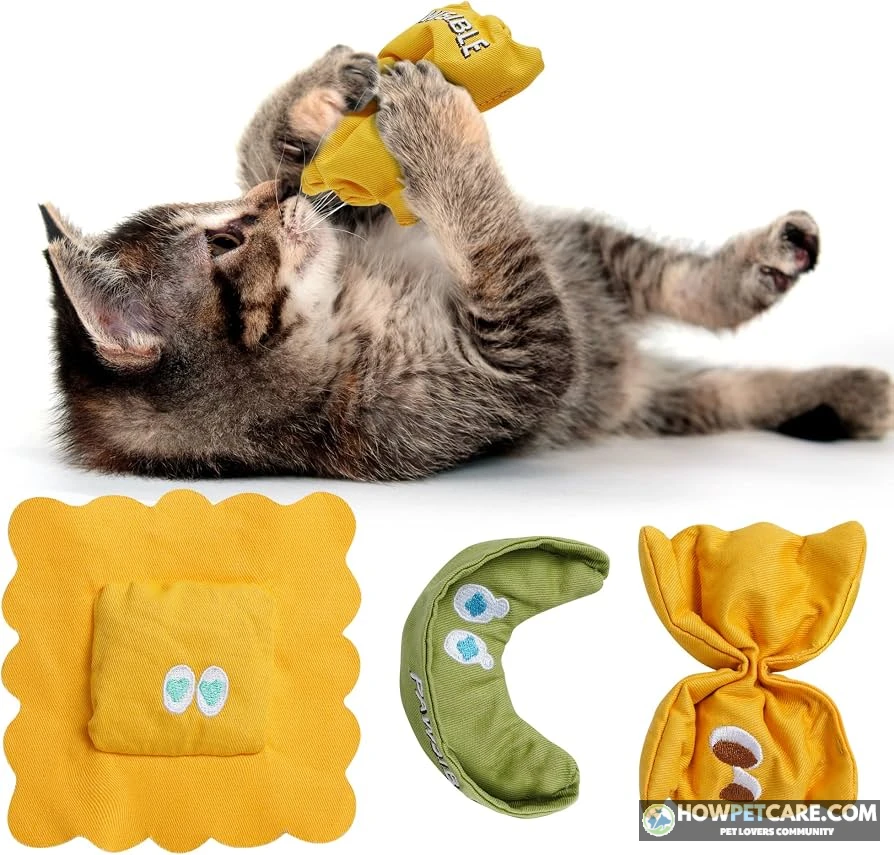
A senior cat may enjoy catnip, but age alone does not tell you whether a particular toy or play session is appropriate. Use a soft toy that is easy to reach, allow the cat to stop, and avoid encouraging strenuous chasing if mobility is limited. Ask a veterinarian before regular catnip play if your cat has a seizure disorder, heart or digestive condition, is pregnant, or takes medication that could affect behavior or activity.
Sensitivity to catnip varies between cats and is inherited; some cats never show a noticeable response. For those cats, fresh catnip, silvervine, or a different kind of play may be more useful than buying another catnip toy.
What to Do If Your Cat Tears Open a Catnip Toy and Eats Catnip or Stuffing
Eating a little catnip is different from swallowing fabric, stuffing, thread, or plastic. A large amount of catnip may cause stomach upset, while swallowed toy material can create a more serious obstruction risk. If you are unsure what your cat swallowed, call your veterinarian for guidance rather than waiting for symptoms.
First 10 minutes: what to do
Remove the toy and spilled material. Gather the remaining pieces and packaging, and estimate what is missing. Do not induce vomiting unless a veterinarian tells you to. If the cat may have swallowed fabric, thread, or a plastic part, contact your vet or an animal poison-control service promptly for case-specific advice; do not wait for symptoms to appear.
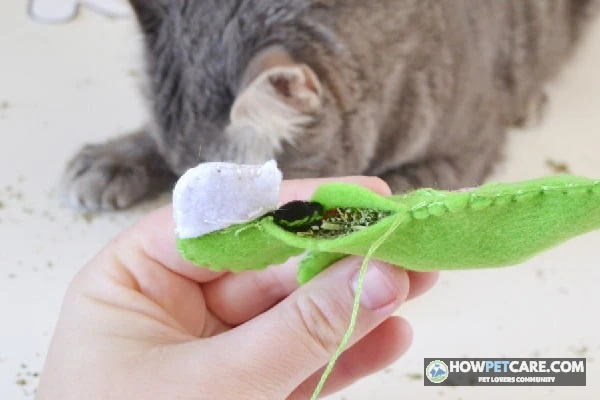
If the cat ate only a small amount of catnip and is acting normally, remove the rest and monitor. Do not withhold food or give a home remedy unless a veterinarian advises it. The amount eaten, the cat’s size and health, and any other swallowed material can change the advice.
Warning signs and when to call the vet
Call a veterinarian urgently if you see repeated vomiting, lethargy or hiding, refusal to eat, straining or no stool, a hunched posture or apparent abdominal pain, drooling, or gagging. These signs can have multiple causes, but after possible ingestion of foreign material they warrant professional advice. If you know fabric, string, or a hard attachment was swallowed, call even if your cat appears normal.
How to prevent torn-toy ingestion
Inspect seams regularly and retire a toy as soon as it opens, sheds material, or exposes filling. Supervise heavy chewers. Read labels for the fabric, filling, and attached parts; avoid toys with easily detached eyes, bells, or feathers if your cat mouths them. A sealed refill pocket can keep loose catnip contained, but check that the closure itself is secure.
Refillable vs. Pre-Filled Catnip Toys: What Each Costs Over a Year
A refillable toy has a pocket or opening for fresh catnip; a pre-filled toy has sealed filling that usually cannot be refreshed. Refillable can be cheaper when the toy body outlasts several refills. Pre-filled can be simpler for a one-off purchase or for a cat that quickly destroys the toy.
How to calculate your own yearly cost
Here is an illustrative calculation, not a claim about a verified product’s current price or lifespan. Suppose a refillable kicker costs $12 and a 1-ounce bag of catnip costs about $8. If that bag covers the year, year-one spending is about $20. Suppose a pre-filled toy costs $7 and you replace it six times during the year: six purchases cost $42. If you buy an initial toy and then replace it six more times, that is seven purchases, or $49. The difference depends on what six times means in your household, so count actual purchases rather than relying on a generic lifespan claim.
The reusable formula is: upfront toy price + (refills or replacement toys purchased during the year × price per refill or toy) = year-one cost.
| Toy type | Upfront price | Yearly refill or replacement cost | Total year-one cost | Best for | Watch out for |
|---|---|---|---|---|---|
| Refillable example | $12, illustrative | One $8 bag, illustrative | About $20 if the toy survives the year | Gentle players and owners who store catnip well | A chewer may destroy the body or open the pocket |
| Pre-filled example | $7, illustrative | Six additional $7 purchases in this example | $49 for seven purchases | Simple, ready-to-use toys and short-lived play | Replacement frequency drives the total |
The KONG Refillable Hedgehog is listed below $7 in our product research, but refill compatibility and current price should be checked before purchase. The example above uses different illustrative prices and should not be mistaken for a cost calculation for this product.
Which type fits which household
Refillable is most attractive when the toy stays intact, you already have loose dried catnip, and you can store it in an airtight container. Pre-filled is often more practical when your cat destroys fabric toys quickly, you want a ready-to-use gift, or you do not want loose leaves around the house. A refill opening can also become a weak point for a determined chewer.
How Long Catnip Stays Potent, and How to Store, Wash and Refresh Catnip Toys
Catnip loses aroma as its natural compounds break down and escape into the air; toys gradually become less appealing as that scent fades. As a practical rule of thumb, potency may last weeks to months, depending on the freshness and quality of the catnip, the toy’s construction, and how it is stored. This is a range, not a measured shelf-life guarantee.
Potency lifespan and the signs it has faded
If your cat stops responding, first check whether the toy has lost its scent. Crush a small pinch of fresh dried catnip between your fingers and offer it separately. If your cat responds to the fresh sample but not the toy, the toy may need a refill or a scent refresh. If the cat ignores fresh catnip too, it may be a non-responder rather than a toy problem. A practical refill schedule is to test the toy’s scent every few sessions and refresh or refill it as soon as your cat’s interest fades; there is no fixed calendar, since potency varies with the catnip and the toy.
Storing catnip toys and bulk catnip
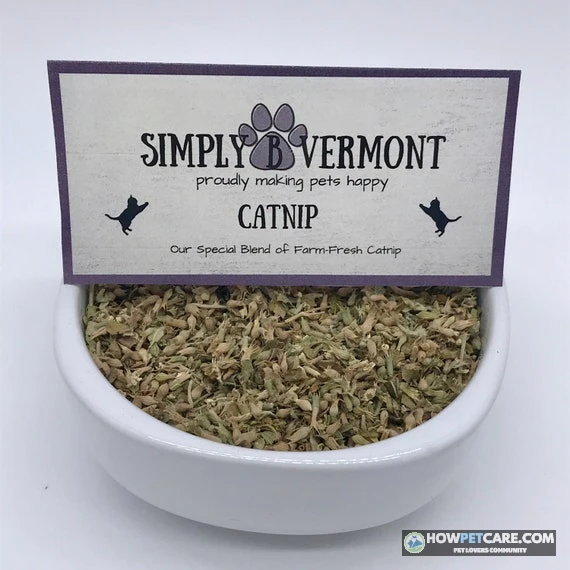
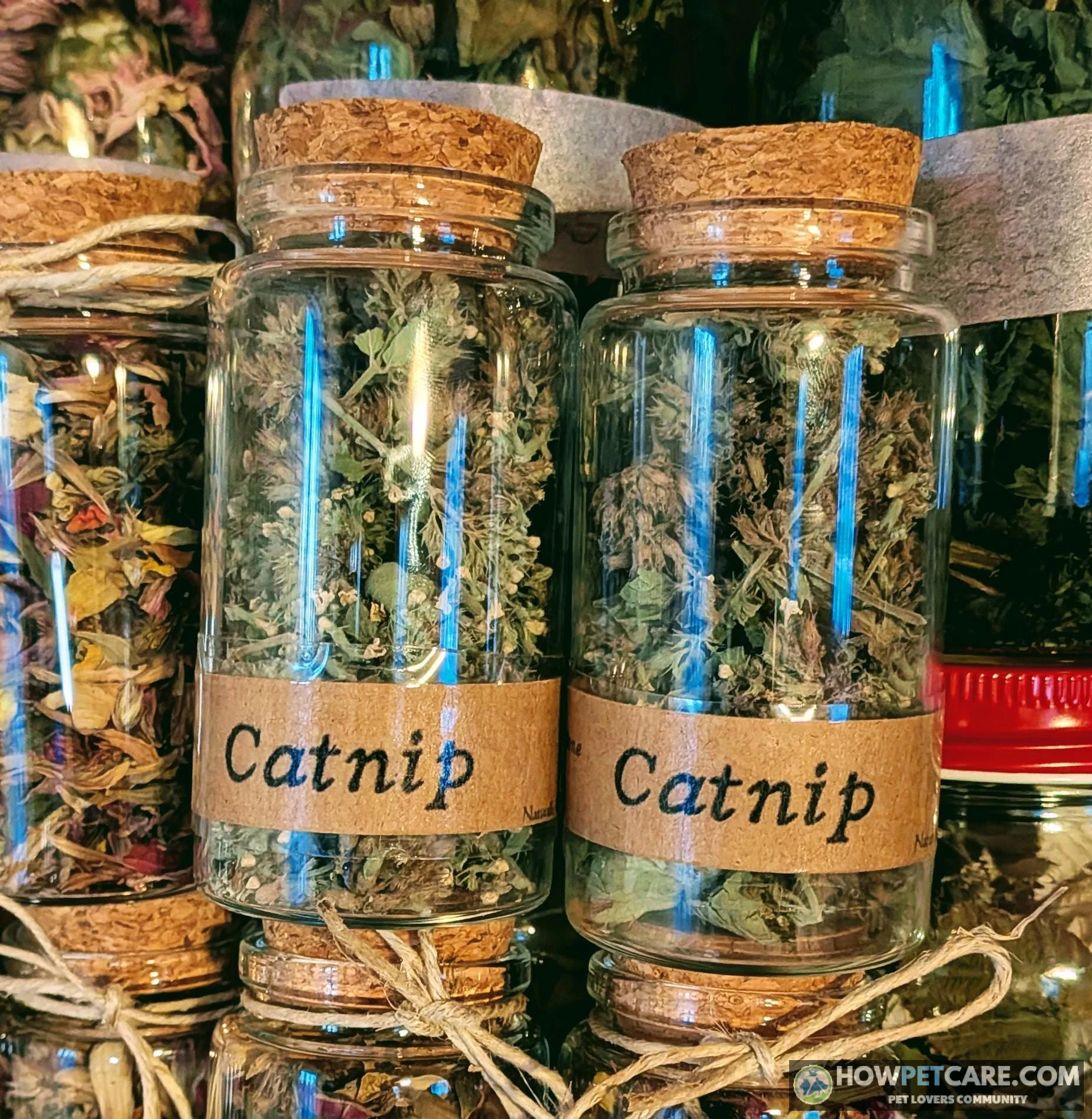
Keep bulk catnip in an airtight bag or container in a cool, dark place. A refrigerator or freezer can help preserve bulk catnip if it is sealed against moisture and odors. Put toys away between sessions, ideally in a sealed bag or container, and keep them out of direct sun and heat. These steps slow scent loss; they do not guarantee a specific number of weeks or months.
Washing a catnip toy without ruining it
Remove the catnip insert from a refillable toy before washing. Spot-clean or hand-wash the fabric only when needed, follow the manufacturer’s label, and let it dry fully before refilling. Avoid machine-washing a sealed, pre-filled toy unless its care instructions explicitly allow it; water and detergent can remove the scent and leave the filling damp. A toy with matted, damp, or contaminated filling should be replaced rather than refreshed.
Catnip spray vs. dried catnip for reviving a toy or scratcher
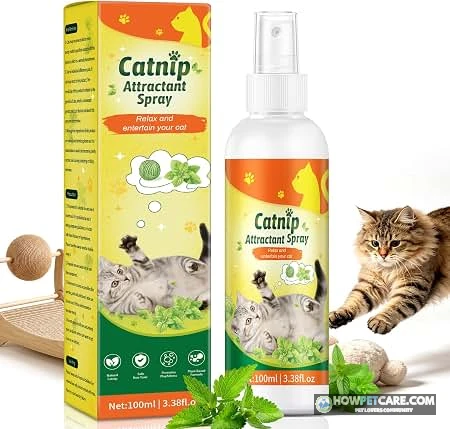
Dried catnip is the most direct choice for a refill pocket or scratcher. Spray is convenient for a non-refillable plush, cat tree, or carrier, but strength varies by product and it may need reapplication. Refill pellets or compressed inserts suit toys designed for that exact format. Do not spray a toy and immediately give it to your cat; follow the label and let the surface dry.
| Format | Best used on | Strength and duration | Mess and ease of use | Cost | Storage tips |
|---|---|---|---|---|---|
| Dried catnip, loose leaf or ground | Refillable toys, scratchers, DIY toys | Direct scent; fades with air and handling | Can spill; a folded paper funnel helps | Often economical in bulk; check local prices | Seal airtight; store cool and dark |
| Catnip spray | Scratchers, non-refillable plush, cat trees | Convenient surface treatment; duration varies | Easy to apply; allow to dry | Compare bottle size and label directions | Cap tightly; store away from heat and light |
| Pellets or compressed inserts | Toys with a matching refill pocket | Format-specific; strength and duration vary | Low mess when correctly sized | Check brand and refill compatibility | Keep sealed and follow package directions |
A simple rule: use spray on surfaces you cannot open, dried leaf in refillable pockets, and pellets only in toys designed for them. Refreshing a toy does not make a torn or dirty toy safe.
If Your Cat Ignores Catnip Toys: Silvervine, Valerian Root and Other Options
Why doesn’t my cat respond to catnip?
Catnip sensitivity is inherited, so some cats show little or no reaction. Age and stale catnip can also explain a weak response. Test with fresh catnip before deciding the toy itself has failed, and avoid buying several products based on one trial.
Silvervine and valerian toys: picks and trade-offs
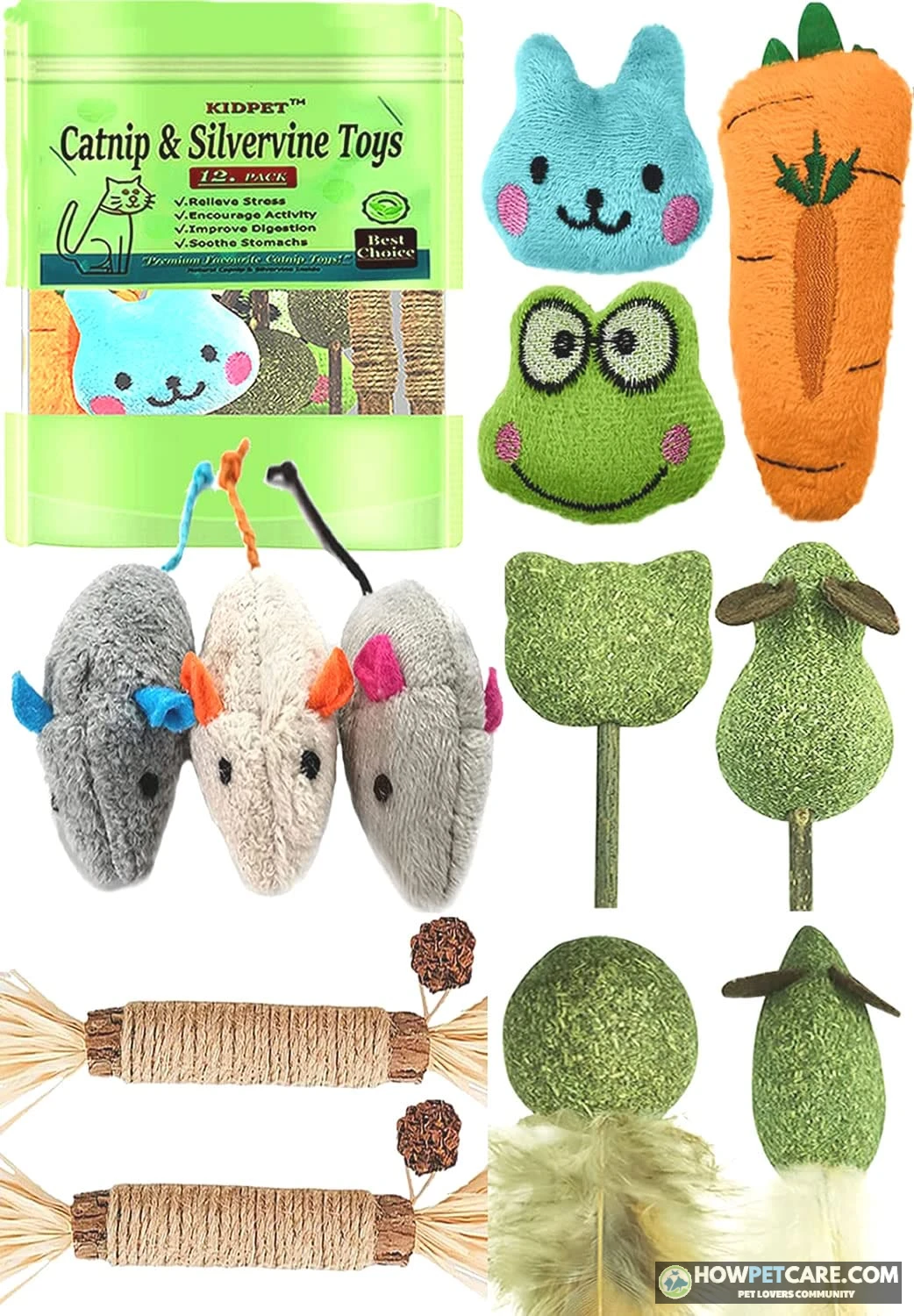
Silvervine is used as an alternative or complement for cats that do not respond to catnip. Some cats respond to silvervine when catnip does not, but individual reactions vary and no scent works for every cat. Products may contain powder, sticks, or a toy with a scented insert; check the ingredient and toy-safety details. Valerian root is another option some cats respond to, though its smell may be strong for people. Honeysuckle products are also available, but check the exact plant and product ingredients.
Introduce one scent at a time for a short, supervised session and observe your cat before buying multiples. If scented toys do not interest your cat, try a wand toy, a food puzzle, or climbing and exploration opportunities instead.
DIY Catnip Toys and Budget Setups for Multi-Cat Homes
How to make a catnip toy at home
A simple sewn pouch uses ordinary materials and avoids glued-on parts.
- Gather supplies: a clean cotton sock or a fabric scrap, needle, thread, scissors, and 1 to 2 teaspoons of dried catnip.
- Make the pouch: if using a sock, cut above the heel and keep the toe section as the pouch. If using a fabric scrap, fold it in half.
- Add the catnip: crush it gently between your fingers to release the scent, then place it inside. Skip loose filler; if you need shape, use a small amount of clean cotton fabric scraps.
- Sew it shut: use small, tight stitches and sew around the opening twice. Do not use glue, tape, staples, or a tied rubber band.
- Supervise and inspect: watch the first play sessions and check the seam afterward. Retire the toy at the first loose thread or hole.
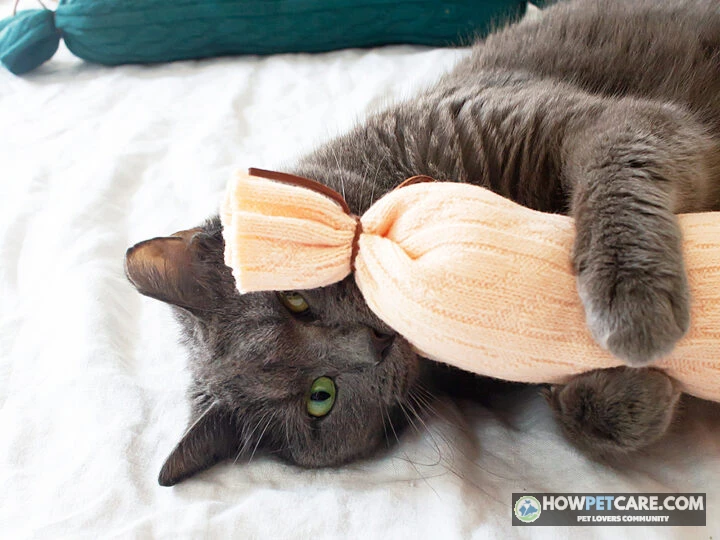
Avoid string, ribbon, buttons, beads, bells, glitter, foam, and loose synthetic stuffing that a cat could swallow. Choose clean, unscented fabric. Homemade toys need the same inspection as store-bought ones.
Sharing toys in multi-cat homes
Offer toys in separate spaces if cats compete over them or become tense. One toy per cat can reduce competition, but watch how your cats actually interact rather than assuming they will share safely. Put toys away after the session and separate cats if play turns into chasing or aggression.
Stretching a small budget
A durable refillable toy plus stored bulk catnip can be economical if your cat does not tear the toy apart. Rotate toys to keep them novel, use spray on scratchers that cannot be refilled, and replace damaged toys rather than trying to repair a chewed seam. For a cat that destroys toys quickly, a low-cost pre-filled option may be less wasteful than a premium refillable body.
Your Catnip Toy Shopping Checklist and First-Week Plan
Before buying, identify the behavior you want to support: kicking, chasing, scratching, or gentle contact. Then check your cat’s age, health, chewing habits, toy seams, filling, washability, and likely refill or replacement costs. Choose one toy that fits the behavior rather than several different products at once.
For the first week, offer the toy for 5 to 10 minutes while you watch your cat’s reaction. Put it away afterward in a sealed container, and repeat a few times through the week if your cat enjoys it. These session lengths are a practical introduction plan, not a medical limit. Stop if the cat seems distressed or overstimulated.
If your cat ignores the toy, test fresh catnip before switching to silvervine or another activity. If your cat chews it open, retire it and choose a simpler, safer form of supervised enrichment. If the scent fades, refresh a refillable toy or use spray where appropriate; never use scent as a reason to keep a damaged toy in circulation.
FAQ
Why do cats like catnip toys?
Catnip contains nepetalactone, a compound that cats detect through the nose and that triggers a short burst of playful or relaxed behavior in responsive cats. A toy gives that scent something to rub, kick, and chew.
Can catnip toys make a cat aggressive?
Some cats become overstimulated and swat, bite, or vocalize while under the effect. If that happens, remove the toy, give the cat space, and keep sessions short. In multi-cat homes, separate cats during catnip play.
Are organic catnip toys better?
Organic means the catnip was grown without synthetic pesticides. It does not guarantee a stronger effect. Choose by freshness (strong smell, green leaf), no added fragrance or fillers, and sound construction.
Do indoor cats need catnip toys?
They are not essential, but they are a low-cost way to add stimulation and exercise for indoor cats. Offer them a few times a week alongside other play, such as wand toys and climbing.
Can cats become immune to catnip?
Cats do not become addicted, but constant access can reduce how strongly they react. Limiting sessions and storing the toy between uses helps keep the response consistent.