
Feline infectious peritonitis (FIP) is a serious viral disease that develops when the common, usually harmless feline coronavirus mutates inside an individual cat and invades white blood cells, triggering damaging inflammation. It isn’t contagious, occurs in about 5–10% of exposed cats, and is now often treatable with antivirals.
Feline infectious peritonitis (FIP) is a serious viral disease that can affect multiple organs. It develops when feline coronavirus (FCoV), a common and usually harmless intestinal virus, mutates inside an individual cat and triggers widespread, damaging inflammation driven by the immune system. For decades, an FIP diagnosis was considered a terminal sentence. Today, targeted antiviral treatments give many affected cats a realistic chance of lasting remission.
Hearing the term from your veterinarian can be frightening. Learning what is feline FIP, how it differs from ordinary feline coronavirus, and what care options exist can help you make timely decisions for your cat.
What Is Feline FIP? A Plain-Language Definition and How It Differs From Ordinary Coronavirus
Simply put, FIP involves an abnormal immune response triggered by a mutated virus. Nearly all domestic cats encounter feline coronavirus at some point, especially if they’ve spent time in a shelter, cattery, foster network, or multi-cat household. In its ordinary form, known clinically as feline enteric coronavirus (FECV or FCoV), the virus stays in the epithelial cells lining the gastrointestinal tract. For most cats, infection causes mild, temporary loose stool or no symptoms at all.
FIP occurs when that enteric virus undergoes specific mutations inside an individual cat. The mutations change which cells the virus can infect, allowing it to enter white blood cells called monocytes and macrophages. Carried by these immune cells, the mutated virus travels through the vascular system to organs, lymph nodes, the eyes, and the central nervous system. As the immune system tries to fight the virus inside the cells, it triggers intense lymphocytic-plasmacytic inflammation around blood vessels. This can cause fluid to leak or produce inflammatory tissue masses called granulomas.
FCoV vs FIP: the difference in one glance
The distinction is between a widespread virus and the uncommon disease it can cause:
- Feline Coronavirus (FCoV): A common, contagious intestinal virus spread through microscopic fecal matter, mainly via shared litter boxes. In multi-cat environments, an estimated 80% to 90% of cats carry antibodies indicating past or ongoing exposure.
- FIP: A complex disease that isn’t directly contagious — it can’t spread to other cats, people, dogs, or other pets — and develops in only about 5% to 10% of FCoV-exposed cats when the virus mutates and invades macrophages inside their own body.
A positive blood antibody titer or fecal PCR test confirms exposure to feline coronavirus. It doesn’t mean your cat has FIP or will ever develop it.
Why most cats with coronavirus never get FIP
Most cats infected with feline coronavirus live normal lives without developing FIP. Viral load, individual genetics, and the strength of the immune system all play a part.
For FIP to arise, specific genetic mutations must occur as the virus replicates inside the cat’s gut. Cats that clear the virus quickly or maintain strong cell-mediated immunity keep viral replication low, making the chance of a spontaneous mutation small. If a mutation does occur, an adult cat with a mature, balanced immune response can often neutralize the altered cells before widespread blood vessel inflammation, or vasculitis, takes hold. FIP develops primarily when intense viral replication coincides with immature, stressed, or genetically vulnerable immune defenses. Instead of clearing infected white blood cells, those defenses mount an ineffective, inflammatory antibody response.
Don’t panic if a routine blood panel or fecal test shows that your cat has antibodies to feline coronavirus. High antibody titers show that your cat encountered the harmless enteric virus at some point, as the vast majority of domestic cats have.
Wet vs Dry FIP: Symptoms, Early Signs, and How Kittens Show It
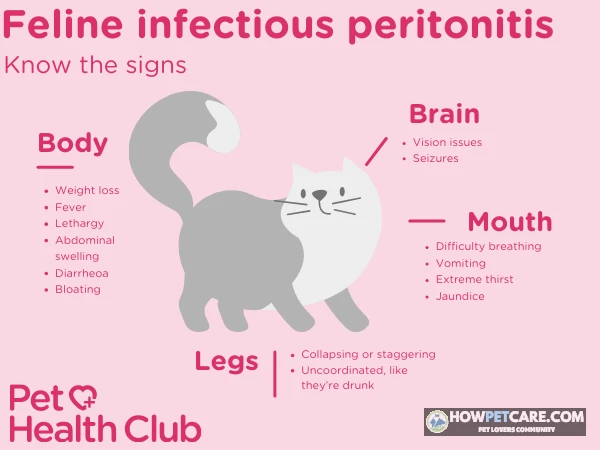
Clinicians describe two major forms of FIP: wet (effusive) and dry (non-effusive). They share early signs that affect the whole body, but their visible symptoms differ depending on how much the cat’s blood vessels leak.
Early signs of FIP in cats
Before fluid builds up or granulomas damage specific organs, both forms typically cause nonspecific early signs. These can be easy to mistake for a minor illness that will clear up on its own:
- Fever of unknown origin: A persistent or fluctuating fever that rises above 103°F (39.4°C) and doesn’t respond to broad-spectrum antibiotics.
- Lethargy and withdrawal: Gradual loss of interest in play, excessive sleeping, and hiding in unusual places.
- Appetite changes and weight loss: Leaving food unfinished, picking at meals, or failing to gain weight despite adequate calorie intake.
- Dull coat: Scruffy, unkempt fur caused by reduced self-grooming.
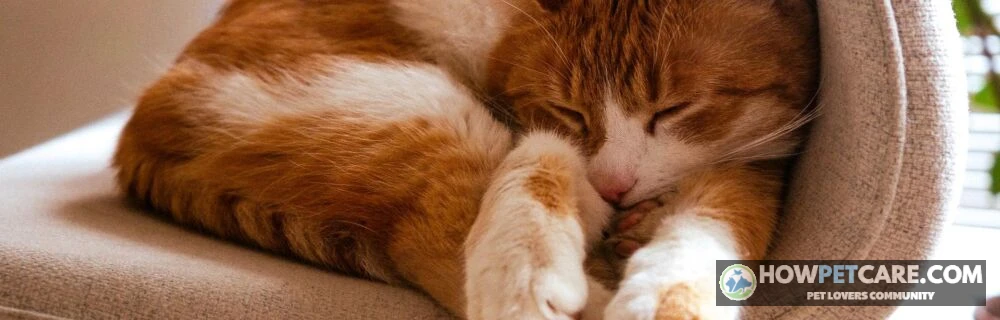
Wet (effusive) FIP
Wet FIP is the most common form, accounting for roughly 60% to 70% of diagnosed cases. Circulating immune complexes make blood vessels more permeable, allowing protein-rich plasma to leak into body cavities.
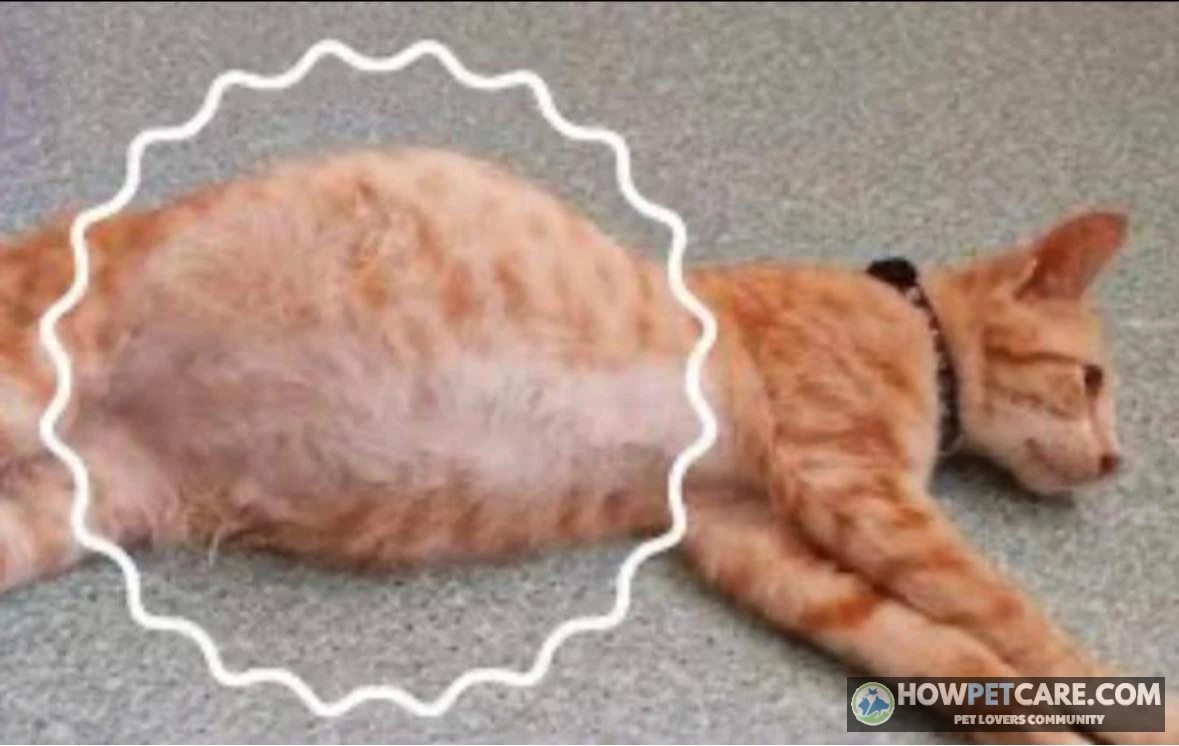
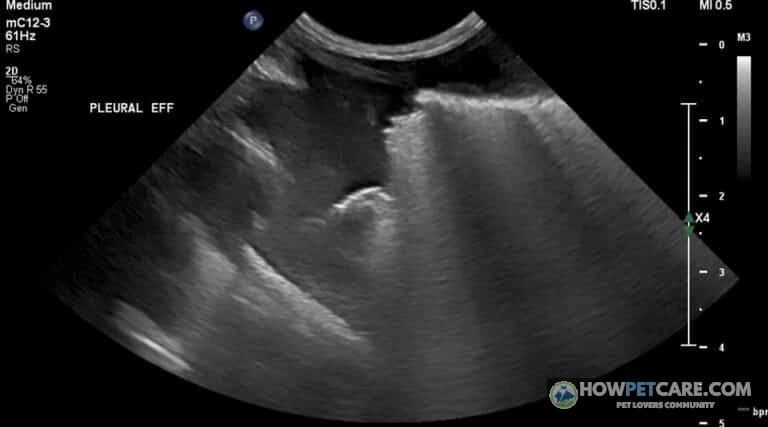
In roughly 62% of wet cases, fluid collects in the peritoneal cavity (ascites). This creates a pear-shaped or pot-bellied appearance, while muscle loss makes the cat’s spine and ribs increasingly prominent. Fluid around the lungs in the pleural cavity (pleural effusion) can cause rapid, shallow, or open-mouth breathing, an extended neck posture, and extreme exercise intolerance. Pericardial effusion, or fluid around the heart, is less common but can cause acute cardiovascular compromise.
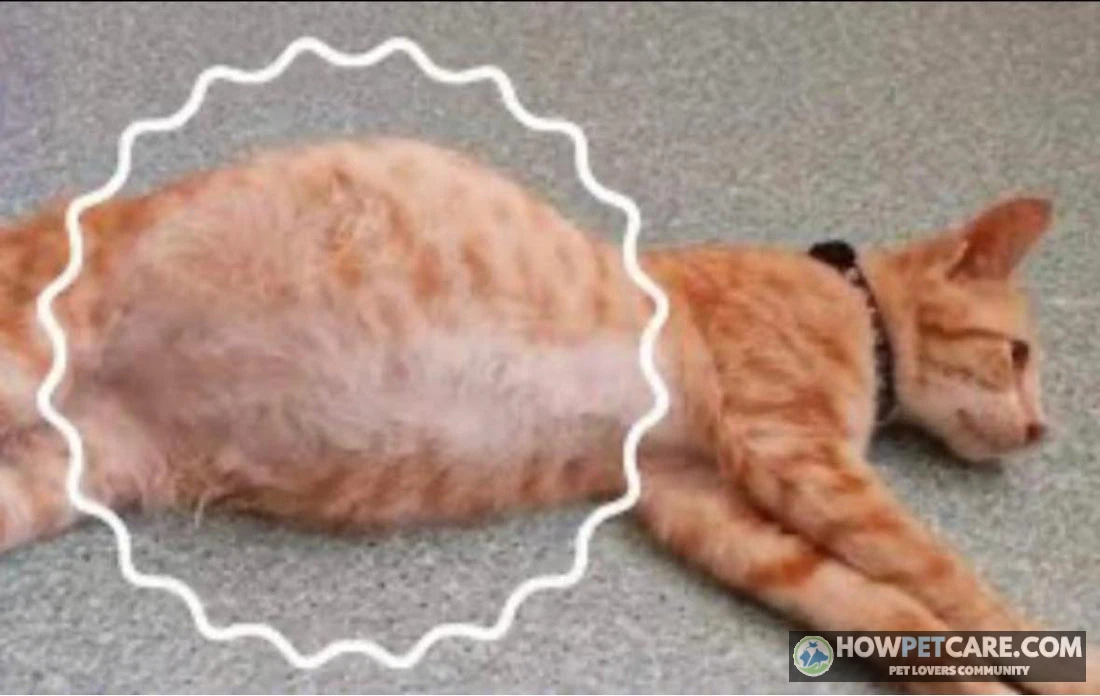
Dry (non-effusive) FIP
Dry FIP occurs when the immune system partially contains the virus. This prevents massive fluid leakage but leads to localized inflammatory nodules (pyogranulomas) on organs. Without obvious fluid swelling, dry FIP can develop quietly over weeks or months. Signs depend on the organs affected:
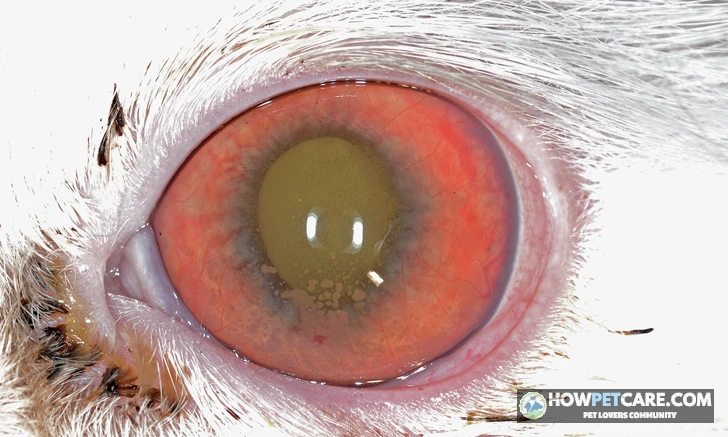
- Ocular involvement: Inflammation inside the eye (uveitis) can cause cloudiness, hyphema (blood in the anterior chamber), keratic precipitates on the cornea, or sudden changes in iris color.
- Neurological involvement: Granulomas in the brain or spinal cord can cause ataxia (a wobbly gait or hind-limb weakness), head tilts, nystagmus (involuntary eye twitching), behavioral changes, or seizures. Roughly 13% of cats with FIP show neurological signs.
- Abdominal organ compromise: Granulomas on the liver often cause jaundice (icterus), visible as yellowing of the sclera, gums, and inner ear flaps. Kidney involvement can cause kidney enlargement that can be felt, increased thirst, and elevated kidney values.
Many cats don’t fit neatly into either category. Mixed forms are common, and a cat initially showing dry FIP can develop fluid effusions as the disease progresses.
FIP symptoms in kittens
Young immune systems are still developing, so kittens under two years of age are at the highest risk of FIP. Veterinary studies show that up to 70% of diagnosed cases occur in cats under 1.5 to 2 years old.
In kittens, FIP can look like failure to thrive. While littermates grow rapidly, an affected kitten may have stunted skeletal growth, muscle loss across the back, and persistent dullness. A suddenly round belly may be mistaken for intestinal parasites. If deworming doesn’t resolve the swelling, or if the swollen abdomen comes with recurring fevers and stunted growth, effusive FIP should move to the top of the veterinarian’s list of possible diagnoses.
| Feature | Wet (effusive) FIP | Dry (non-effusive) FIP |
|---|---|---|
| Hallmark sign | Fluid buildup: swollen, pot-bellied abdomen or fluid in the chest causing rapid, labored breathing | No obvious fluid; signs depend on which organs are inflamed (granulomatous lesions) |
| Typical symptoms | Distended belly, breathing difficulty, fever, lethargy, poor appetite | Eye changes (cloudiness, uveitis, iris color change), wobbliness, seizures, behavior changes, enlarged lymph nodes, jaundice |
| Speed of progression | Usually faster — days to a few weeks | Usually slower and more gradual — weeks to months |
| How obvious it is at home | Fairly obvious once fluid accumulates | Easy to miss or confuse with other illnesses |
| How easy to diagnose | Easier — fluid can be sampled and tested (Rivalta, PCR) | Harder — may need imaging, eye exams, spinal fluid, or biopsies |
| Prognosis notes | Often responds well to antivirals when caught in time | Neurological and ocular forms are generally harder to treat and may need higher doses or longer treatment |
 You might be wonderingHeart disease in catsHeart Disease in Cats: Symptoms, Stages, Costs & Life ExpectancyRead the answer
How Do Cats Get the FIP Virus? Causes and Which Cats Are Most at Risk
To understand how cats get FIP, it helps to separate transmission from mutation. Cats don’t catch the FIP virus directly from another cat in the usual sense. They catch the common feline coronavirus, which can later change inside their own body.
[ Cat encounters FCoV via shared litter box ]
                    │
                    ▼
[ FCoV infects gut cells — mild or no diarrhea ]
                    │
         ┌──────────┴──────────┐
         ▼                     ▼
 [ 90-95% of cats ]     [ 5-10% of cats ]
 Immune system clears    Virus mutates inside gut;
 or suppresses FCoV;     invades white blood cells
 cat stays healthy       (macrophages)
                               │
                               ▼
                       [ FIP develops ]
From FCoV to FIP: what ‘mutation’ means for your cat
Feline coronavirus is shed mainly in infected cats’ feces. The main route of transmission is fecal-oral: a cat steps into a litter box containing microscopic virus particles, grooms its paws, and swallows the virus. FCoV can remain infectious in dried feces or contaminated dust for up to 7 weeks.
Once swallowed, the virus replicates in the intestinal lining. In roughly 5% to 10% of infected cats, intense viral replication leads to copying errors, or mutations, in specific viral spike proteins or accessory genes. The mutated virus gains an affinity for macrophages. Once inside these cells, it leaves the gut lumen and circulates through the bloodstream. This mutation occurs within the individual cat; it isn’t caused by a lack of hygiene or care.
Risk factors: age, environment, stress, breed
Any cat can develop FIP, but clinical records show that some are more vulnerable:
- Age: Cats between 3 months and 2 years of age are at highest risk because their cell-mediated immunity is immature. A smaller, secondary peak occurs in geriatric cats over 10 years, whose immune surveillance naturally declines.
- Housing density: In multi-cat settings such as shelters, breeding catteries, and rescue foster networks, the virus can circulate continuously. An estimated 80% to 90% of cats in high-density facilities carry FCoV antibodies. Greater exposure increases viral replication, raising the chance of mutation.
- Physiological and environmental stress: Events that suppress immune function often precede clinical FIP. These include recent adoption, rehoming, elective surgery (spaying/neutering), and concurrent viral infections such as feline leukemia virus (FeLV).
- Genetic lineage: Certain purebred lines are more susceptible, including Abyssinians, Bengals, Birmans, Ragdolls, and Rex breeds. There is no single "FIP gene," but inherited differences in cell-mediated immunity influence whether a cat can suppress mutated viral variants.
Don’t blame yourself if your cat receives an FIP diagnosis. You didn’t cause the virus to mutate. A cat can receive immaculate care, high-end nutrition, and daily affection and still experience the spontaneous mutation that drives this disease.
How Is FIP Diagnosed? The Step-by-Step Test Pathway and Why No Single Test Confirms It
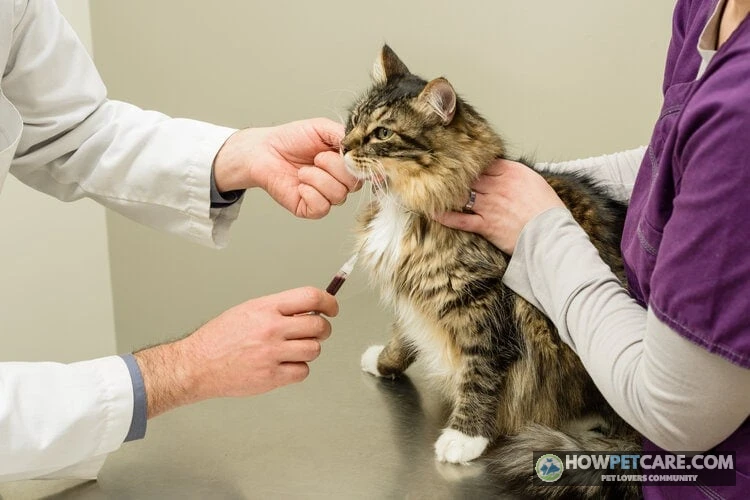
There is no single, simple blood test that delivers an instant "positive" or "negative" FIP result, which can be frustrating for owners. Instead, veterinarians bring together clinical signs, laboratory markers, fluid analysis, and imaging findings to look for a consistent pattern.
What the vet checks first: exam and bloodwork
Diagnosis starts with a thorough physical exam and baseline lab work:
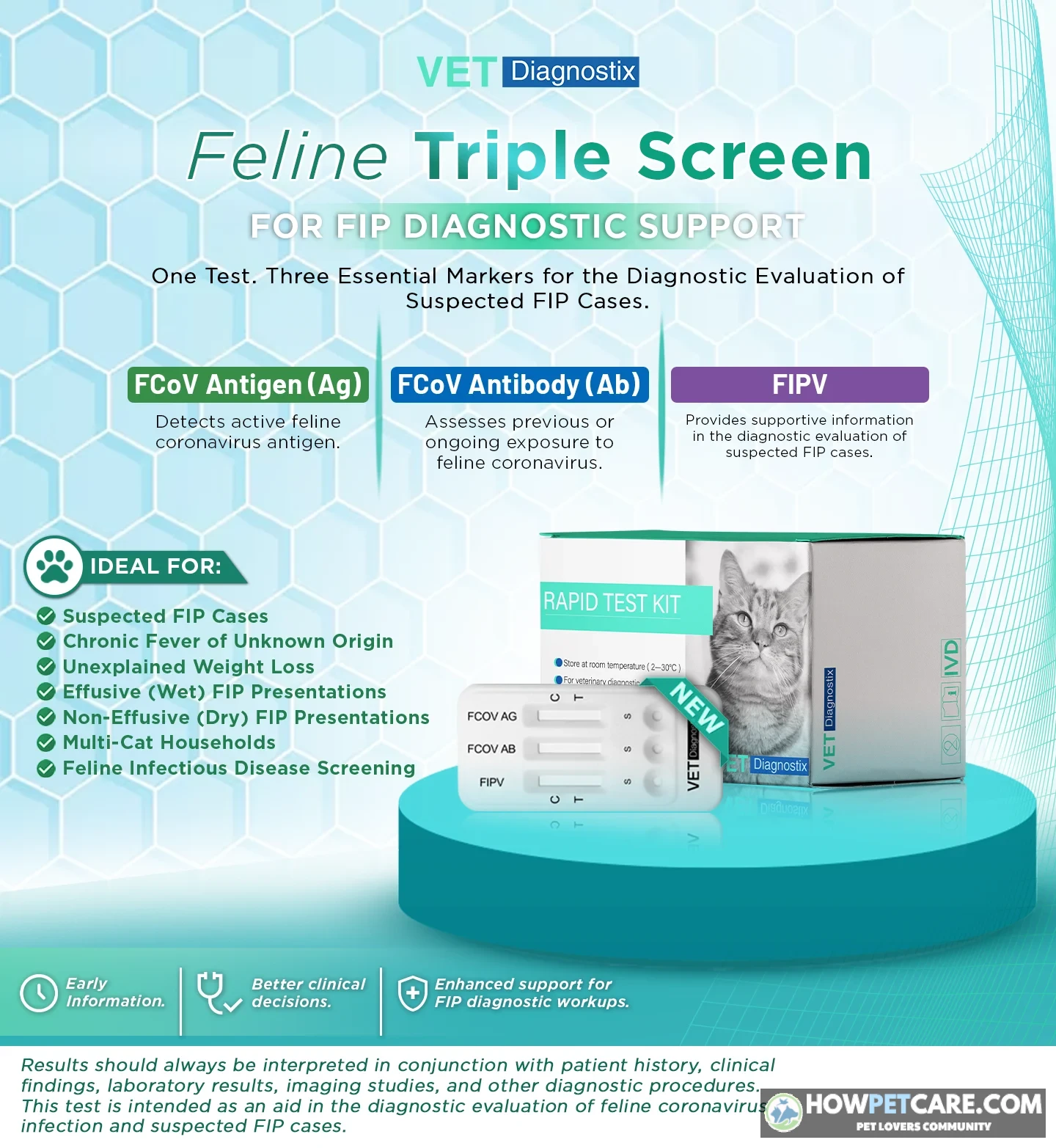
- Complete Blood Count (CBC): This often shows non-regenerative anemia (low red blood cells due to chronic inflammation) and absolute lymphopenia (low lymphocyte counts as white blood cells are consumed or sequestered).
- Serum Chemistry Profile: Veterinarians look closely at serum proteins. Total protein is often high because uncontrolled immune activation produces high globulins (hypergammaglobulinemia). Albumin falls at the same time, substantially reducing the albumin-to-globulin (A:G) ratio. A ratio below 0.6 is a strong red flag for FIP, while a ratio above 0.8 makes FIP considerably less likely.
- Bilirubin Elevation: Serum bilirubin often rises in FIP even when liver enzymes (ALT, ALP) are only modestly elevated, reflecting red blood cell destruction and localized hepatic vasculitis.
Testing fluid: Rivalta test and FCoV PCR
If fluid is present in the abdomen or chest, collecting a sample through abdominocentesis or thoracocentesis provides the clearest diagnostic information. Classic FIP effusion is thick and sticky, straw-yellow to golden, and high in protein (typically >3.5 g/dL), with relatively few cells.
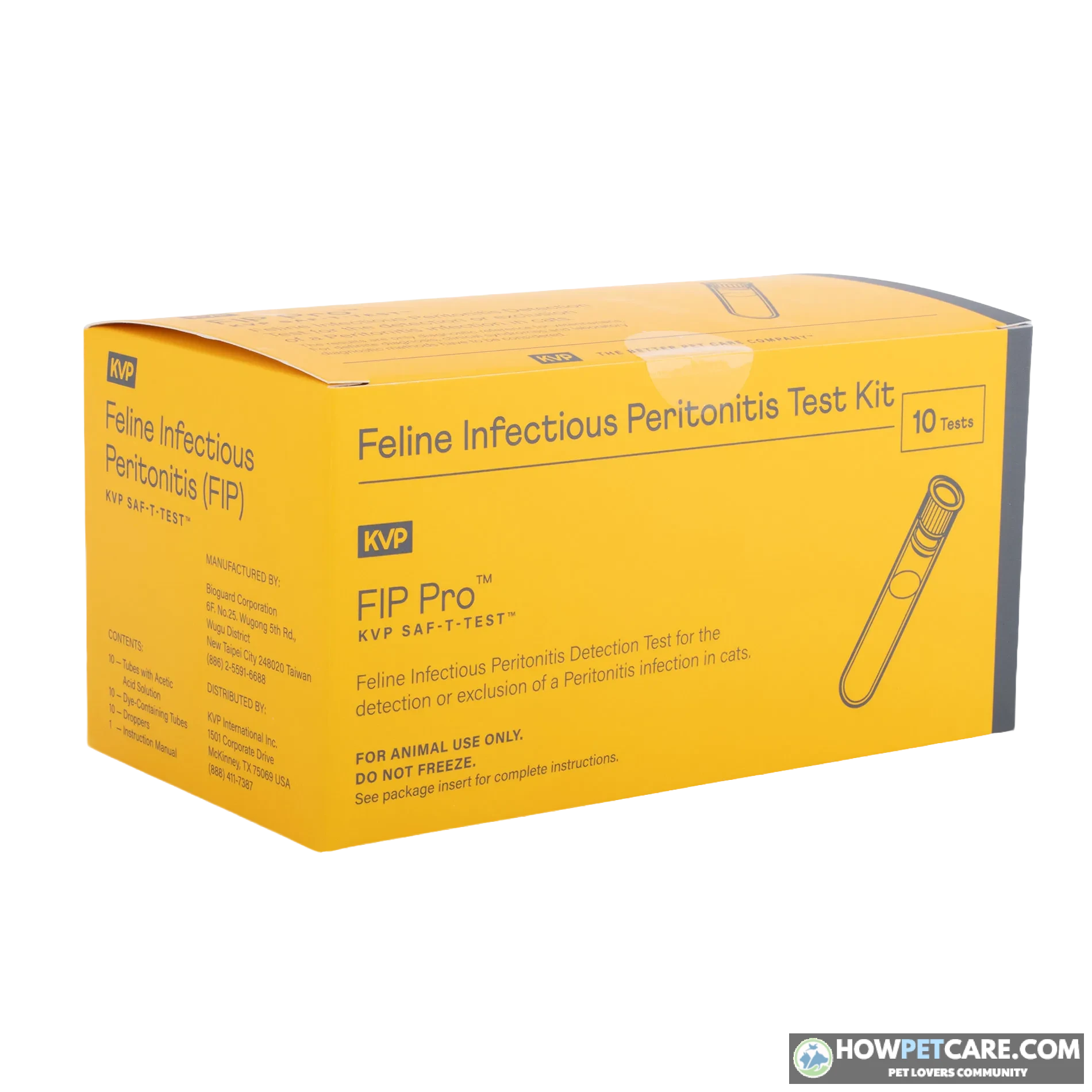
- The Rivalta Test: This simple, inexpensive chemical screening test is performed in the clinic. A tube is filled with distilled water and a drop of glacial acetic acid, followed by a drop of effusion fluid. If the drop dissipates, the test is negative. If it keeps its shape, forms a jellyfish-like precipitate, or slowly floats down like a coin, the test is positive, indicating high protein and inflammatory mediators. Although it isn’t 100% specific, a negative Rivalta test strongly argues against wet FIP.
- RT-PCR on Effusion: Fluid samples can be sent to diagnostic reference laboratories for reverse transcriptase-polymerase chain reaction (RT-PCR) testing to detect FCoV RNA. High viral loads in fluid within a body cavity, where enteric coronavirus should never be present, provide compelling support for an FIP diagnosis.
Diagnosing dry FIP when there is no fluid
Dry FIP is harder to diagnose because there is no effusion to sample. Veterinarians must assess organ structure using diagnostic imaging and targeted pathology:
- Abdominal Ultrasound: This can reveal enlarged, hypoechoic mesenteric lymph nodes, irregular kidney borders, disrupted liver architecture, or subtle thickening of the ileocecal junction.
- Ophthalmic Exam: A veterinarian can look directly at the retina and anterior chamber for cloudy keratic precipitates, flare, or retinal hemorrhages characteristic of pyogranulomatous vasculitis.
- Immunohistochemistry (IHC): The gold standard for confirming FIP is identifying FCoV antigen within macrophages in affected tissue biopsies using immunohistochemistry. Organ biopsies carry significant anesthetic risk for a systemically fragile cat, however, so clinicians rarely wait for surgical histopathology before starting life-saving treatment.
Why a positive coronavirus test isn’t an FIP diagnosis
Some owners receive a positive result from an "FIP test," only to learn that it was an FCoV antibody titer. These tests measure circulating antibodies against enteric coronavirus. Up to 90% of shelter-sourced or cattery cats have encountered coronavirus, so high antibody titers simply show past exposure. They can’t determine whether the virus inside the cat has mutated into the lethal FIP variant. Relying on an antibody titer alone risks misdiagnosing other conditions, including toxoplasmosis, lymphoma, cholangiohepatitis, or heart failure.
When clinical signs, an A:G ratio below 0.6, characteristic fluid, and compatible ultrasound changes align, veterinarians may make a presumptive diagnosis of "highly suspected FIP" and start targeted antiviral treatment. A rapid positive response within 48 to 72 hours of starting antivirals provides valuable therapeutic confirmation.
Can FIP Be Cured Now? Treatment Options Compared: GS-441524, Remdesivir and Molnupiravir
For nearly seventy years, veterinary textbooks stated that FIP was 100% fatal. Research into small-molecule antivirals that stop the virus replicating inside macrophages changed that outlook.
FIP is now considered treatable. Published clinical field studies report sustained remission rates between 80% and 90% when treatment begins before end-stage organ collapse. Veterinarians generally avoid the word "cure" until a cat has completed treatment and an extended observation period without relapse. Thousands of cats treated with modern antivirals live normal, active lives.
[ Suspected / Confirmed FIP Diagnosis ]
                   │
                   ▼
   [ Select Antiviral Protocol ]
   ├─ GS-441524 (Compounded Oral / SQ) ── standard first-line
   ├─ Remdesivir (Injectable IV / SQ)  ── critical / inpatient start
   └─ Molnupiravir (Oral Capsules)     ── secondary / refractory option
                   │
                   ▼
      [ Complete 12-Week Course ]
                   │
                   ▼
   [ 12-Week Observation Window ]
   ├─ Sustained normal labs & weight ── Remission confirmed
   └─ Return of fever / fluid / neuro  ── Extend or adjust protocol
What survival and remission look like with modern antivirals
How quickly treatment starts is the primary determinant of survival. Cats treated while they’re still able to walk, hydrated, and free of advanced neurological deficits consistently have the highest remission rates. Prognosis is poorer if a cat is comatose, severely hypothermic, or experiencing uncontrolled seizures before receiving the first dose.
Treatment takes patience. Standard antiviral protocols require at least 12 consecutive weeks (84 days) to eradicate intracellular viral reservoirs and allow damaged blood vessels to heal.
GS-441524, remdesivir, molnupiravir: what’s the difference
Three primary antiviral compounds are used in modern FIP treatment protocols:
- GS-441524: This nucleoside analog acts as a molecular decoy. When the mutated coronavirus copies its genetic material inside feline macrophages, it incorporates GS-441524 into its RNA chain, stopping viral replication. GS-441524 is the most thoroughly studied and widely used compound for FIP. It’s given daily as oral tablets, capsules, or subcutaneous injections.
- Remdesivir (GS-5734): This chemical prodrug of GS-441524 was developed for human viral infections. The body metabolizes remdesivir into GS-441524. Because it’s available as a sterile intravenous or subcutaneous injection, vets often use it for critically ill hospitalized cats that are vomiting or can’t absorb oral medication. Once the cat is stable, they transition to oral GS-441524.
- Molnupiravir (EIDD-2801): This mutagenic ribonucleoside analog was originally developed for human influenza and COVID-19. It introduces catastrophic copying errors into viral RNA during replication. In cats, it’s primarily an alternative, particularly when resistance to GS-441524 develops or severe neurological relapses call for a different mechanism. Less feline-specific long-term safety data is available for molnupiravir than for GS-441524.
| Antiviral | Form | Typical use | Legal/availability notes | Pros | Cons |
|---|---|---|---|---|---|
| GS-441524 | Oral tablets/capsules or subcutaneous injection; standard course is 12 weeks (84 days) | First-line treatment for effusive, non-effusive, ocular, and neurological FIP | Legally compounded through veterinary prescription via licensed 503A/503B pharmacies in the US; availability varies internationally | Most extensively documented; high remission rates (80–90%); manageable oral dosing at home | Cost scales directly with cat weight; injectable form can sting upon administration |
| Remdesivir | Injectable solution (intravenous or subcutaneous) | Hospitalized, emergency, or critically ill cats unable to absorb oral medication | Approved human drug; veterinary prescribing access governed by national drug compounding and off-label rules | Fast absorption; ideal for ICU stabilization before switching to oral drugs | Subcutaneous injections can cause discomfort; higher initial clinical cost; primarily clinic-administered |
| Molnupiravir | Oral capsules | Secondary or rescue therapy; refractory cases or GS-441524 relapse | Human antiviral used off-label in veterinary practice; legal availability varies by region | Broad antiviral activity; useful against resistant strains; often economical | Thinner published feline safety profile; potential risks of bone marrow suppression at high doses |
Cost scales with body weight and required dose: a complete 12-week course of compounded GS-441524 typically falls in the $1,000 to $6,000 range, with a full breakdown in the cost section below.
The 2024 legal change and the gray-market history
Between 2019 and early 2024, American cat owners faced a difficult choice. Research showed that GS-441524 effectively treated FIP, but the pharmaceutical patent holder declined to seek animal approval. Legal commercial veterinary formulations therefore didn’t exist in the United States. Owners turned to an unregulated online gray market, buying unverified imported vials and pills, dosing their cats without formal veterinary oversight, and spending thousands of dollars without quality guarantees.
In mid-2024, the U.S. Food and Drug Administration (FDA) issued guidance saying it did not intend to enforce certain compounding restrictions on GS-441524 for feline patients. This allowed licensed veterinary compounding pharmacies across the United States to legally synthesize and dispense quality-controlled GS-441524 tablets, oral suspensions, and injectables with a valid prescription from a licensed veterinarian.
Today, owners no longer need to rely on messaging groups or imported, unlabeled vials. A primary care or emergency veterinarian can diagnose a cat, calculate an appropriate weight-based dose, write a prescription, and order verified medication from domestic compounding pharmacies.
How Much Does FIP Treatment Cost? Realistic Price Ranges for Diagnosis and a 12-Week Course
FIP treatment can put considerable pressure on a household budget. The cost of a full 12-week course varies with your cat’s body weight, clinical presentation, and need for inpatient stabilization.
[ Initial Diagnostics: $300 – $1,500 ]
                  │
                  ▼
[ 12-Week Antiviral Medication: $1,000 – $6,000 ]
  (Scales by cat weight and neurological involvement)
                  │
                  ▼
[ Recheck Bloodwork (Weeks 4, 8, 12): $300 – $900 ]
                  │
                  ▼
[ Estimated Total Investment: $1,600 – $8,400+ ]
What the diagnostic workup typically costs
Confirming an FIP diagnosis typically costs between $300 and $1,500. A basic workup—physical exam, complete blood count, internal organ chemistry panel, and in-clinic Rivalta testing of abdominal fluid—usually falls in the $300 to $600 range. Costs can rise toward $1,000 to $1,500 if the workup includes a comprehensive abdominal ultrasound by a board-certified radiologist, reference-lab RT-PCR testing, fluid cytology, or specialized eye exams.
Approximate cost of a full 12-week antiviral course
Antiviral doses depend strictly on weight and are calculated in milligrams per kilogram. As a result, a growing 4-pound kitten costs considerably less to treat than a 14-pound adult cat. Cats with ocular or neurological lesions also need higher daily doses to penetrate the blood-brain and blood-ocular barriers, effectively doubling or tripling medication requirements.
| Cost item | Approximate range (confirm locally) | What changes the price |
|---|---|---|
| Diagnostic workup | ~$300 – $1,500 | Imaging choices, external PCR testing, specialist consultations |
| GS-441524 course (~12 weeks) | ~$1,000 – $6,000 | Cat weight (4 lb kitten vs. 12 lb adult), clinical form (ocular/neuro requires higher doses), pharmacy source |
| Molnupiravir course (~12 weeks) | ~$500 – $2,500 | Weight and dose; lower drug cost but thinner feline safety documentation |
| Initial emergency stabilization | ~$500 – $3,000 | Oxygen therapy, pleural fluid drainage, IV remdesivir, ICU hospitalization |
| Monitoring bloodwork (3 visits) | ~$300 – $900 total | Frequency of rechecks, comprehensive chemistry panels vs. abbreviated protein checks |
| Post-treatment observation labs | ~$200 – $500 | Follow-up evaluations at weeks 6 and 12 post-treatment |
For a standard, non-neurological adult cat weighing 8 to 9 pounds, expect to spend roughly $1,500 to $3,000 on legally compounded GS-441524 over the 84-day period. With diagnostic tests and periodic monitoring bloodwork, the total out-of-pocket cost commonly ranges between $2,500 and $5,000.
Ways to manage the cost
Facing thousands of dollars in medical costs on short notice is daunting. These options may help you manage the expense:
- Itemized Estimates: Ask your veterinarian for a written, itemized estimate covering the full 12 weeks. Find out which recheck blood tests are mandatory and which can be combined.
- Medical Financing: Veterinary credit lines such as CareCredit or Scratchpay allow owners to split large initial diagnostic and pharmacy charges into promotional interest-free monthly installments.
- Pet Health Insurance: If your cat was insured before clinical symptoms began, many major providers now cover legally compounded FIP antivirals, hospitalization, and diagnostic workups. Check your policy’s pre-existing condition rules.
- Non-Profit Grants and Rescue Assistance: Established animal charities, feline-focused foundations, and non-profit rescue organizations often provide micro-grants or emergency subsidies to owners pursuing documented veterinary FIP treatment.
Is FIP Contagious? What It Means for Your Other Cats, Your Dog, and You
A common misconception is that a cat with FIP poses an immediate, lethal danger to other animals in the home. This can lead to unnecessary panic and painful decisions to isolate or surrender pets.
FIP itself is not considered directly contagious between cats. The mutated virus that causes organ damage remains inside the sick cat’s white blood cells and isn’t shed in saliva, urine, or feces.
FCoV vs FIP: what actually spreads
The virus cats shed and the disease that can develop from it are different:
- What is contagious: Feline enteric coronavirus (FCoV). This harmless-to-mild gut virus is shed in large quantities in fecal material. In a multi-cat household, if one cat carries FCoV, the others have almost certainly already been exposed through shared litter boxes, long before the first cat became visibly sick.
- What is not contagious: The mutated FIP virus itself. Once the virus mutates and invades macrophages, it stops shedding in stool in significant quantities. The mutated virus can’t jump from cat to cat. Transmission of FIP would require direct transfer of infected macrophages, which doesn’t happen during ordinary household interactions.
Very rare clusters of FIP do occur in high-stress, overcrowded environments. Research shows that these outbreaks reflect shared exposure to an exceptionally virulent circulating strain of enteric coronavirus combined with shared environmental stress, not direct cat-to-cat transmission of FIP.
Isolation and household hygiene in a multi-cat home
Your other cats were almost certainly exposed to the underlying feline coronavirus weeks or months earlier, so strict medical isolation of a sick cat is rarely helpful or necessary. Isolation can cause acute behavioral stress, raise cortisol levels, and impair the immune system when the cat needs it to fight.
Rather than quarantine, focus on hygiene to reduce the total coronavirus load for all cats in the home:
- Litter Box Maintenance: Provide one litter box per cat plus one extra. Scoop waste twice daily and change litter completely every 7 to 10 days, scrubbing boxes with mild detergent. FCoV is enveloped and easily broken down by soap and water.
- Litter Placement: Keep litter boxes away from food and water stations to prevent cross-contamination from microscopic dust.
- Stress Reduction: Keep established daily routines, avoid introducing new pets, and provide plenty of vertical space, scratching posts, and resting areas.
If you have a cat with severe immune suppression (such as active FIV or FeLV) or unvaccinated foster kittens under 8 weeks old, keeping them in a separate room is a sensible precaution while the sick cat stabilizes.
Risk to people, dogs, and other pets
Feline coronavirus and FIP pose zero health risk to humans, dogs, or other non-feline household pets. Feline coronavirus belongs to the Alphacoronavirus genus and is species-specific: it can’t infect human cells and is completely unrelated to SARS-CoV-2 (the Betacoronavirus responsible for human COVID-19). Dogs have their own canine enteric coronavirus, but they can’t contract FCoV or develop FIP.
If you’ve lost a beloved cat to FIP and want to adopt again, standard veterinary guidance recommends thoroughly cleaning litter boxes, scratching posts, and washable bedding. Then wait roughly 4 to 8 weeks before bringing a new kitten home, allowing any remaining environmental coronavirus to become non-viable.
What ‘Cured’ Really Means: Remission Benchmarks, Monitoring, and Relapse Risk
Completing antiviral medication is the first phase of recovery. Knowing what recovery looks like and which markers your veterinarian monitors can help you follow your cat’s progress over the longer term.
Remission vs cure: why the wording matters
Veterinarians deliberately use the term "sustained remission" rather than immediately declaring a "cure." FIP is caused by a virus inside macrophages deep in tissues throughout the body, and no available diagnostic test can confirm that every viral particle has been eliminated. A cat is medically considered in complete remission when they maintain normal energy, body weight, and blood parameters throughout a mandatory 12-week post-treatment observation period after medication stops.
Bloodwork and exam benchmarks that signal remission
Recovery is tracked through measurable milestones. Your veterinarian will typically assess your cat at specific checkpoints during the 12-week treatment journey:
-
Days 1–3: The Initial Turnaround
Fever usually resolves within 24 to 72 hours of starting antivirals. Appetite improves, and the cat starts moving around and showing interest in grooming.
-
Weeks 2–4: Fluid Absorption and Energy
In wet FIP cases, peritoneal or pleural effusions typically reabsorb completely without manual drainage. The cat begins gaining measurable weight steadily, and hematocrit starts rising toward normal ranges.
-
Weeks 4–6: Protein Normalization
At the first mid-treatment blood recheck, serum globulin levels should be declining steadily, and the albumin-to-globulin (A:G) ratio should rise above 0.6.
-
Week 8: Dose Recalibration
This is a critical milestone, especially for kittens. Successful treatment can lead to rapid growth, so your vet must re-weigh your cat and adjust the daily milligram dose upward to prevent under-dosing during late-stage therapy.
-
Week 12: End-of-Treatment Assessment
The vet performs a comprehensive physical exam and full bloodwork (CBC and chemistry profile). Total proteins, globulins, A:G ratio, liver enzymes, and white blood cell counts must all be within standard reference intervals before medication stops.
Relapse risk and warning signs
Although between 80% and 90% of cats treated with adequate doses of GS-441524 achieve permanent remission, relapses can occur. Most appear during the first 4 to 8 weeks after the 84-day treatment protocol ends. Relapse is more common in cats that had neurological or ocular involvement, whose medication doses weren’t increased as they gained weight, or whose treatment stopped before blood proteins had fully normalized.
Watch for these post-treatment warning signs:
- A return of unexplained fever
- A subtle drop in appetite or an end to weight gain
- Behavioral changes, dilated pupils, head tilt, or hind-end wobbliness
- A returning swollen abdomen or labored breathing
A relapse is not a death sentence. In most cases, cats with a viral flare-up can be successfully retreated with an adjusted protocol—typically another 8 to 12 weeks at a higher daily dose or a switch to molnupiravir under strict veterinary guidance.
Suspected FIP? Your Next-Steps Plan: Red Flags, Questions for Your Vet, and a 12-Week Home Checklist
A suspected FIP diagnosis can feel overwhelming. Time matters: prompt treatment preserves organ function and substantially improves your cat’s chances of reaching remission.
Red flags: emergency vet now vs book an appointment
Use this triage guide to decide how quickly your cat needs medical attention:
Go to an emergency veterinary hospital NOW if your cat exhibits:
- Labored, rapid, or open-mouth breathing (indicates pleural effusion or severe anemia)
- Complete collapse, inability to stand, or hind-leg paralysis
- Seizures, uncontrolled tremors, or severe disorientation
- Inability or refusal to swallow food or water for more than 24 hours
- Gums that appear stark white, blue, or vivid yellow
- Severe hypothermia (cat feels cold to the touch and remains curled up, unresponsive)
Book a same-day or next-morning priority appointment if your cat exhibits:
- A fever that has persisted for several days despite previous antibiotics
- A steadily enlarging abdomen paired with weight loss along the spine
- Visible cloudiness, redness, or color changes in one or both eyes
- Progressive lethargy and gradual refusal of meals
Questions to ask your vet
Bring these questions to your consultation so you leave with a clear plan:
- "Based on my cat’s bloodwork and exam, is FIP your top working diagnosis, or are there other conditions (such as lymphoma or toxoplasmosis) we need to rule out?"
- "Does my cat show signs of wet FIP, dry FIP, or a mixed form? Do you see any ocular or neurological involvement?"
- "Can your clinic prescribe legally compounded GS-441524 through a licensed compounding pharmacy, and how quickly can we start the first dose?"
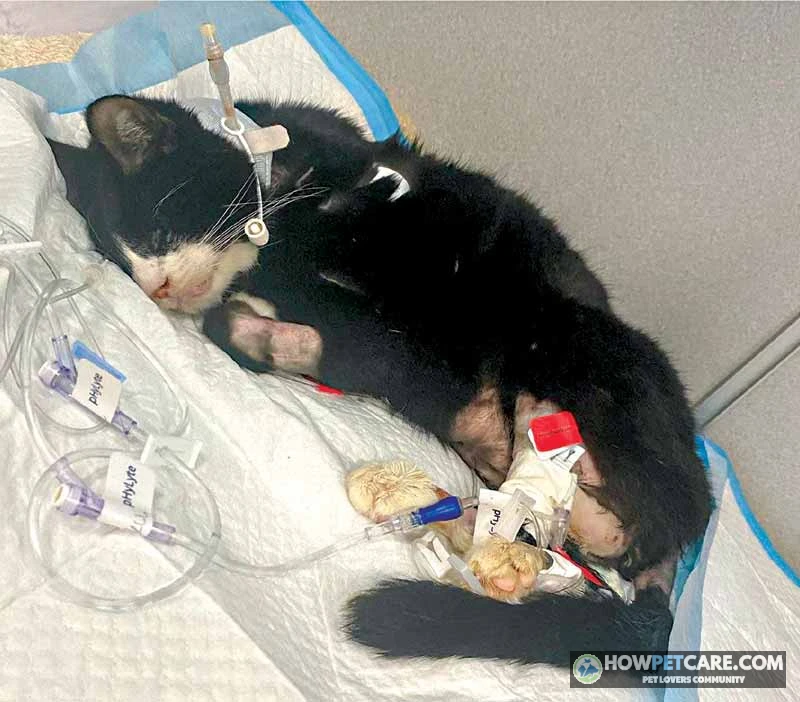
- "Does my cat need immediate in-hospital supportive care—such as thoracocentesis, IV fluids, or injectable remdesivir—before transitioning to oral medications at home?"
- "Can you provide an itemized financial estimate covering the medication, initial stabilization, and required recheck blood panels over the next 12 weeks?"
- "What specific clinical signs should prompt me to contact your emergency line during our first week of home treatment?"
The 12-week at-home treatment and monitoring checklist
Once your veterinarian prescribes an antiviral protocol, home care depends on following the daily dosing instructions and recording your cat’s progress.
Daily Administration Rules (All 84 Days):
- Consistent Timing: Give your cat’s antiviral medication at the same hour every day (24-hour intervals for once-daily protocols, or precise 12-hour intervals if twice-daily dosing is prescribed).
- Fasting Window: Give oral compounded GS-441524 tablets on an empty stomach (withhold food for 30 minutes before and after dosing) unless your veterinarian specifically instructs otherwise, since food can impede optimal gastrointestinal absorption.
- Administration Technique: If giving pills is stressful, use a tiny smear of commercial pill paste or a pill wrap only if your prescribing pharmacy permits it. Never crush enteric-coated tablets without explicit veterinary confirmation.
- Daily Weigh-Ins: Weigh your cat daily on a sensitive digital baby scale or postal scale. Record the weight in a notebook or smartphone app and share the log with your vet at every recheck. Doses must be adjusted upward as your cat gains weight.
- Log Critical Metrics: Record daily food consumption, water intake, stool consistency, and energy level on a 1-to-5 scale.
- Handling Missed Doses: If your cat vomits within 30 to 45 minutes of an oral dose, contact your veterinarian immediately for advice on whether to redose. Never double up a future dose on your own.
[ Suspected Case ] ──► Complete targeted tests (A:G ratio, ultrasound, Rivalta)
       │
       ├─► Unstable/Dyspneic? ──► Emergency hospitalization & fluid drainage
       │
       └─► Stable? ───────────► Begin compounded GS-441524 promptly
                                         │
                                         ▼
                           [ Daily 84-Day Protocol ]
                           - Consistent 24-hr schedule
                           - Weekly weight checks & dose recalibration
                           - Blood rechecks: Wk 4, Wk 8, Wk 12
                                         │
                                         ▼
                           [ 12-Week Observation Window ]
                           - Monitor for relapse warning signs
                           - Full remission confirmed
FIP remains serious, but it is no longer the hopeless diagnosis it once was. Early detection, accurate diagnosis, legally accessible antiviral medication, and attentive daily care give your cat an opportunity to recover and return to a healthy life. Stay in close contact with your veterinary team and begin treatment as soon as the clinical evidence points the way.
 You might be wonderingIs rosemary safe for catsIs Rosemary Safe for Cats? Plant, Oil & Exposure GuideRead the answer
FAQ
Is there a vaccine for FIP, and should I ask for it?
A vaccine exists in a few countries, but evidence for how well it protects is limited, and major feline veterinary groups do not recommend it as a routine or core vaccine. Ask your vet about your cat’s individual risk, and focus on hygiene and low-stress housing as better prevention.
How fast does FIP progress without treatment?
Wet FIP often worsens within weeks, while dry FIP can drag on for weeks to months before organs or the nervous system are badly affected. Either form is serious, and a delay in treatment lowers the chance of a good outcome.
Can I prevent my cat from getting FIP?
No method is guaranteed, but you can lower the risk by keeping litter boxes clean and plentiful, avoiding overcrowding, reducing stress, and getting kittens from low-risk, well-managed sources. Because most cats carry or meet FCoV at some point, the goal is lower viral load and healthy immunity.
Can cats live a normal life after FIP treatment?
Many cats that reach remission return to normal energy, weight, and appetite, and go on to live normal lives. Cats with prior neurological or eye involvement may have lasting effects, and all treated cats should have follow-up exams and bloodwork for the period your vet recommends.
Is it safe to buy FIP medication online without a vet?
Unregulated products can vary in potency and purity, and without a vet you lose proper diagnosis, dosing, and monitoring. Ask your vet about legal, quality-controlled options in your country, such as licensed compounding pharmacies where available.