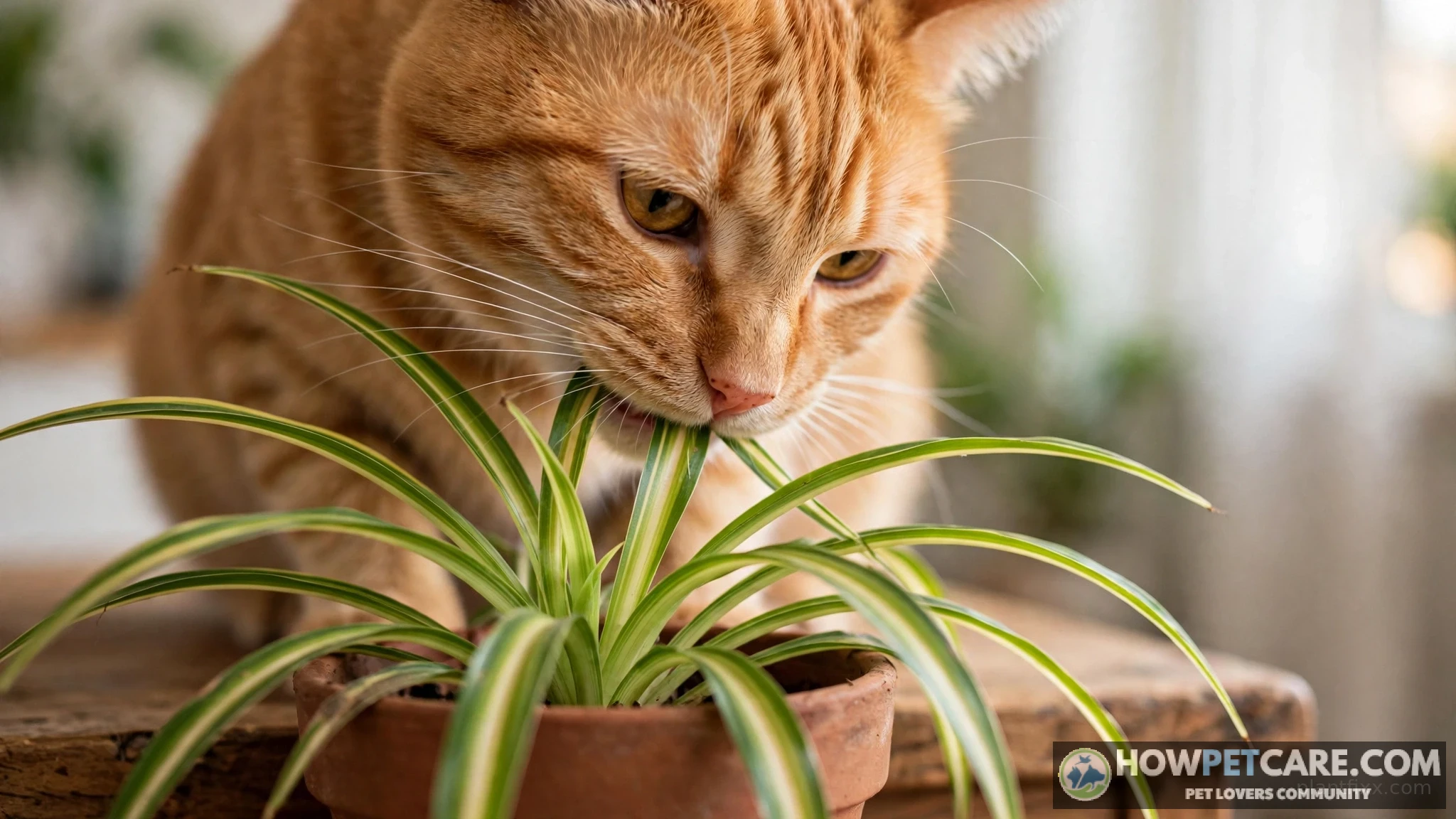

Spider plants (Chlorophytum comosum) are non‑toxic to cats. While eating the leaves can cause mild vomiting, loose stool, or brief loss of appetite due to the plant’s tough fibers, they do not cause organ damage. Watch for red‑flag symptoms and seek veterinary care if they appear.
Are Spider Plants Toxic to Cats? The ASPCA Safety Verdict
Spider plants are not toxic to cats.
Chlorophytum comosum, commonly known as the spider plant, is classified as non‑toxic to cats and dogs by the ASPCA and leading veterinary toxicologists. Simply put, a cat that eats a leaf faces no risk of organ failure, cardiac complications, or systemic poisoning. That does not make the foliage an ideal snack. Cats are obligate carnivores, and eating tough plant matter often triggers mild digestive upset. Kittens follow the same rule: their developing digestive systems react more quickly to plant matter, but the plant itself remains non‑toxic. Keep an eye on any brief vomiting or loose stool.
Why Cats Vomit After Eating Spider Plants: Mechanical vs. Chemical Irritation
The Obligate Carnivore Stomach: Why Leaves Cause Regurgitation
Cats evolved to digest animal protein, not plant fiber. Spider plant leaves consist primarily of tough cellulose and lignin, materials feline stomachs cannot break down. Swallowing this coarse foliage physically irritates the lining of the stomach wall. Vomiting is simply the body’s fastest way to clear that indigestible mass.
Normal Post‑Ingestion Symptoms vs. Dangerous Reactions
Most cats show one or more of these mild reactions within a few hours of eating a leaf:
- A single bout of clear or pale green vomit, often holding leaf fragments.
- A brief bout of loose stool or mild diarrhea.
- Temporary lack of appetite that lifts within 2–4 hours.
These symptoms usually clear up on their own as the fiber clears the digestive tract.
Red‑flag signs demand immediate veterinary care. Watch for repeated dry heaving, blood in the vomit, deep lethargy, total refusal to drink, or signs of abdominal pain. If you see any of these signs, contact your vet or an animal poison hotline right away.

| Symptom Category | Expected / Mild Reaction (Monitor at Home) | Red Flag Reaction (Seek Veterinary Care) |
|---|---|---|
| Vomiting Frequency | 1–2 episodes of clear fluid, white froth, or visible intact leaf fragments within 1–3 hours of ingestion. | Persistent, repeated retching (>3 episodes), unyielding dry heaves, or fluid rejection lasting past 4 hours. |
| Stool & Bowel Function | Formed stool, or 1 transient episode of soft stool/mild diarrhea resolving within 12 hours. | Watery diarrhea, black tarry stool (melena), or frank red blood in feces. |
| Energy & Posture | Normal curiosity, active movement, typical loaf or stretched sleeping postures. | Marked lethargy, hiding in dark corners, hunched "pain posture" with squinted eyes, or refusal to move. |
| Appetite & Hydration | Cat accepts water after stomach rests for 1–2 hours; shows interest in food within 4–6 hours. | Complete food refusal exceeding 12 hours, inability to keep water down, or tacky/dry gums signaling dehydration. |
| Vomit Appearance | Clear saliva, greenish digestive fluid, intact spider‑plant ribbons. | Dark coffee‑ground appearance, pink/red blood tinges, or foul‑smelling brown liquid. |
Do Spider Plants Get Cats High? Examining the Hallucinogen Myth
Spider plants are not a cat‑nipping alternative.
The Myth: Claims circulate online that spider plants carry opium‑like chemicals or cannabinoids that produce a mild feline "high."
The Botanical Reality: Zero peer‑reviewed research supports this idea. Chlorophytum comosum contains no opiate alkaloids, opioid receptor agonists, or psychoactive terpenes. Unlike catnip (Nepeta cataria), which contains nepetalactone that targets feline scent receptors, spider plants possess no known compounds that alter brain chemistry.
Why the Myth Persists:
- Sensory stimulation: The arching, dangling plantlets sway in drafts, triggering an intense prey drive that looks like sudden wild excitement.
- Chewing feedback: Felines enjoy biting tough textures. That physical activity releases endorphins, producing a short burst of energy owners mistake for intoxication.
- Post‑vomit relief: Cats often feel immediate comfort after regurgitating irritating fiber, which can look like a wave of euphoria.

The idea that spider plants get cats high is an unverified anecdote, not botanical fact.
Hidden Hazards: Soil, Fertilizers, and Toxic Lookalikes
Pesticides, Synthetic Fertilizers, and Soil Mold Risks
A non‑toxic plant can still pose risks if its potting mix or surface treatments carry harmful chemicals. Key secondary hazards include:
- Liquid or granular synthetic fertilizers packed with nitrogen, phosphorus, potassium, or concentrated micronutrients.
- Systemic pesticides (such as imidacloprid) that enter root systems and travel directly into the leaves.
- Commercial leaf‑shine products formulated with oils and chemicals never intended for pets to ingest.
- Soggy soil containing mold (like Aspergillus species). Eating or inhaling moldy potting mix can upset the gut or cause airway irritation.
If you treat your plant with any commercial product, save the packaging and let the foliage dry completely before placing it near your cat.
Spider Plant vs. Snake Plant & Lilies: Identification Check
Confusing a safe spider plant with a toxic houseplant can lead to serious emergencies. Use these physical traits to verify what you have.
| Plant Name | Botanical Name | Toxicity to Cats | Key Distinguishing Visuals |
|---|---|---|---|
| Spider Plant | Chlorophytum comosum | Non‑toxic | Arching, green leaves with white central stripe; produces long, thin stolon “babies” that dangle. |
| Snake Plant | Dracaena trifasciata (formerly Sansevieria trifasciata) | Toxic (causes vomiting, heart arrhythmia) | Stiff, upright sword‑shaped leaves; deep green with lighter cross‑banding; very rigid and succulent. |
| True Lily | Lilium spp. (e.g., Easter lily) | Highly toxic (acute renal failure) | Elegant, trumpet‑shaped flowers; large, broad, often spotted leaves; strong fragrance. |
| Peace Lily | Spathiphyllum spp. | Toxic (causes oral irritation, drooling) | Glossy, deep‑green leaves; white spathe surrounding a spadix; grows in a rosette. |

If you are unsure of a plant’s identity, photograph its leaf arrangement, growth shape, and flowers. Compare them to this chart before assuming it is safe. A guide explaining whether orchids are poisonous to cats can also help prevent dangerous orchid and lily mix‑ups.
Clinical Ingestion Triage: When to Call the Vet or Pet Poison Control
Emergency Red Flags Requiring Immediate Intervention
- Continuous vomiting that lasts more than 4 hours.
- Blood visible in vomit or stool.
- Severe weakness, collapse, or trouble standing.
- Signs of pain, such as a hard belly or growling when touched.
- Dehydration, marked by dry gums, sunken eyes, or slow skin snapback.
If you notice any of these signs, contact the ASPCA Animal Poison Control Center (888‑426‑4435) or your nearest animal hospital without delay. If the exposure may have involved a different flower, check the specific risks of tulip toxicity in cats before assuming the reaction will remain mild.
The Poison Control & Triage Intake Checklist
-
1. Identify the Plant
Take a clear photo of the plant, confirming it is Chlorophytum comosum and not a look‑alike.
-
2. Estimate Amount Consumed
Measure the missing foliage (e.g., “three 4‑inch leaf tips” or “one full spiderette”).
-
3. Note Timing
Record when the cat was last seen unexposed and when symptoms began.
-
4. List Recent Treatments
List any fertilizers, pesticides, leaf‑shine sprays, or soil additives applied in the past 30 days.
-
5. Assess Vital Signs
Check gum colour (healthy = pink), respiration rate (<30 breaths/min), and responsiveness to name.
Sharing these details right away helps clinicians assess the risk faster and advise you on exact next steps.
How to Protect Spider Plants and Stop Cats from Chewing Foliage
- Use Physical Barriers – Mount spider plants from ceiling hooks at least 5 feet high and 24 inches clear of bookcases or counters. Choose secure wire hangers or macramé; skip stretchy cords that bounce when pawed.
- Apply Taste Deterrents – Mist outer foliage lightly with bitter apple spray or homemade rosemary water. Never use essential oils like citrus, eucalyptus, or tea tree, which damage feline livers.
- Set Out Safe Greens – Place a small planter of cat grass (wheatgrass or oat grass) near food bowls. Its soft texture satisfies chewing urges without irritating the stomach.
- Prune Promptly – Snip yellowing or drooping foliage that catches your cat’s eye. Sweep up fallen leaf scraps so your pet cannot graze on the floor.
- Redirect Gently – When your cat targets the plant, guide them toward their grass planter. Reward that shift in attention with calm praise or a small treat.

Combining physical height, deterrent sprays, and safe chewing alternatives keeps your greenery intact and protects your cat from upset stomachs. When adding more greenery, choose from plants safe for cats to reduce the risk of accidental poisoning.
If your cat just chewed on a spider plant, pick up any loose scraps, pause meals for two hours while keeping fresh water available, and observe your pet for mild stomach upset. If you see any red‑flag signs, call poison control or your local vet with the details from your checklist. The plant itself poses no toxic threat; coarse plant fiber and soil chemicals are the only real concerns.

FAQ
Can spider plant berries or flowers harm cats?
Spider plant flowers and small seed capsules are biologically non-toxic to cats like the foliage. However, ingesting concentrated flower buds or seed pods can cause denser mechanical irritation and mild stomach upset.
How long does stomach upset last if a cat ate a spider plant?
Mild gastrointestinal upset typically resolves on its own within 4 to 12 hours once the fibrous leaf matter passes through the digestive tract. If vomiting or lethargy persists beyond 24 hours, consult a veterinarian to rule out secondary issues or foreign body obstruction.
Are spider plants safe for dogs as well?
Yes, spider plants are completely non-toxic to dogs according to ASPCA veterinary standards. Similar to cats, large amounts of ingested leaves can cause temporary nausea, gas, or mild vomiting due to plant fiber.
Can eating spider plants cause an intestinal blockage in cats?
Spider plant leaves are soft and generally digest or pass without causing mechanical obstructions. However, if a kitten or small cat swallows a large, tangled mass of leaves along with hanging stolon stems, it could potentially form a partial blockage requiring veterinary evaluation.