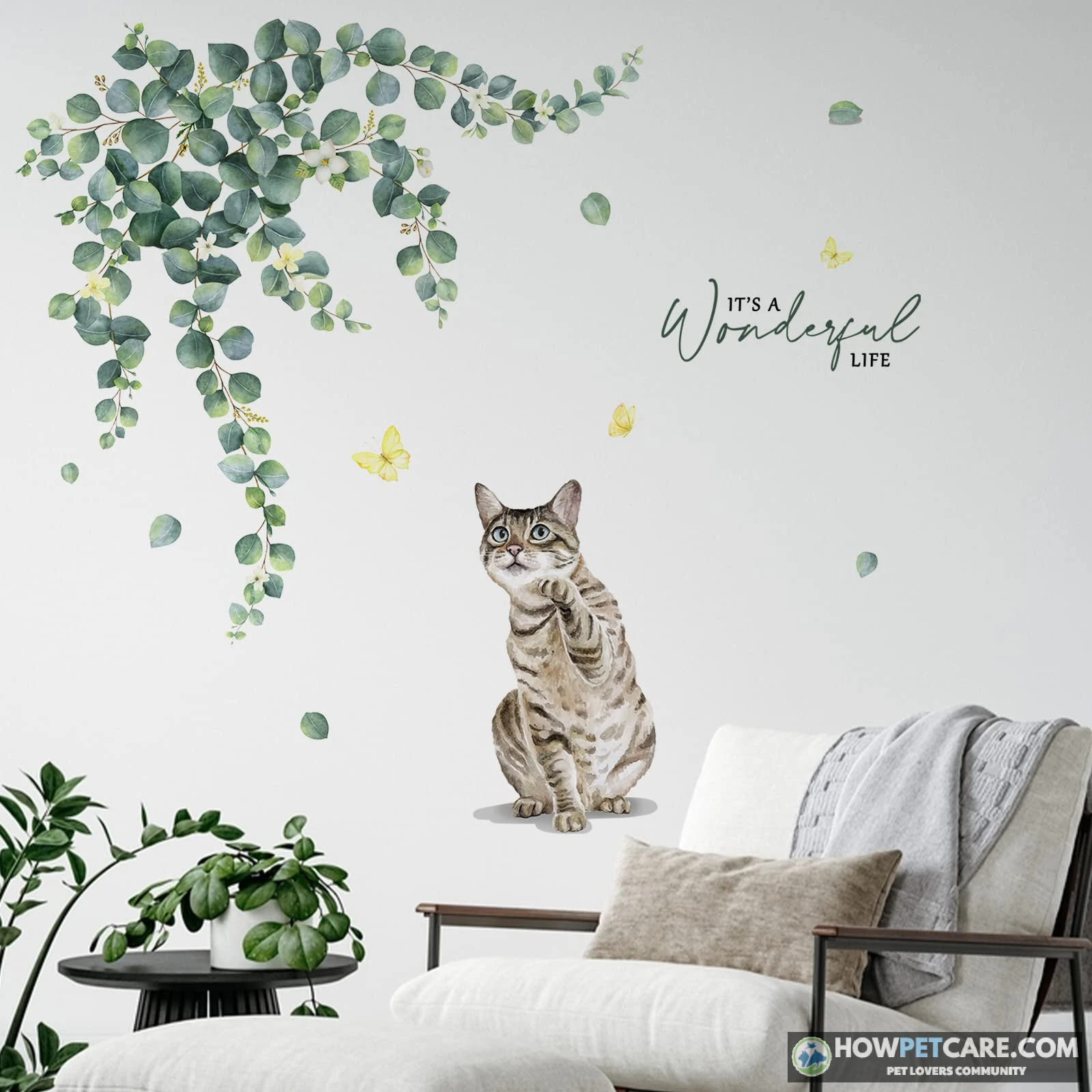

Eucalyptus is toxic to cats in every common form, and essential oils are the most dangerous. Even small exposures can cause drooling, vomiting, or breathing changes. Remove the source, move your cat to fresh air, and contact your veterinarian or poison control if symptoms appear or oil was involved.
Eucalyptus is toxic to cats. Every common form—fresh leaves, dried stems, shower bundles, essential oils, and diffusers—carries risk, and essential oils are the most dangerous because they’re highly concentrated. No amount should be considered completely safe, especially for kittens, seniors, small cats, or cats with respiratory or liver disease. If your cat has chewed eucalyptus, licked oil, or shows drooling, vomiting, coughing, weakness, tremors, or breathing changes, contact your veterinarian or a poison-control service now. This is not veterinary advice; it’s a practical risk guide for owners who need a fast, trustworthy next step.
Yes. Eucalyptus plants are toxic to cats if ingested and can cause vomiting, diarrhea, drooling, and lethargy. Cats usually need to eat a large amount to become very sick, but any suspected ingestion should prompt contact with a veterinarian and poison control. Eucalyptus essential oils are more concentrated, toxic if eaten, and can also pose risks through inhalation or skin or fur contact. The ideal course after exposure is a veterinary visit. When in doubt, call Pet Poison Helpline or your veterinarian before waiting for symptoms to worsen.
The risk isn’t limited to chewing a leaf. Dried stems shed fragments, shower steam carries aromatic oils, and diffusers create repeated airborne exposure. Cats are also more sensitive than dogs to many essential-oil compounds, with symptoms that can include drooling, vomiting, lethargy, breathing difficulty, watery eyes, and loss of coordination. A cat may groom oil from its fur, turning a skin exposure into an ingestion exposure.
What Toxic Compound in Eucalyptus Harms Cats
Eucalyptus species contain eucalyptol, also called 1,8-cineole, a fragrant essential oil that is the toxic principle. The compound irritates the gastrointestinal tract and can affect the nervous system and respiratory tract, especially when concentrated. Cats lack efficient glucuronidation, the liver pathway that helps clear many plant and essential-oil compounds, so they metabolize these substances more slowly than humans and many other animals. That metabolic limitation is why an exposure that seems minor to a person can be more serious for a cat.
Essential oils are more concentrated than plant material, which raises risk even when the amount looks small. Concentration matters as much as volume: a few drops of oil can contain far more eucalyptol than a nibbled leaf. Species differences also matter. Eucalyptus globulus and eucalyptus radiata are both eucalyptus species, but oil composition and concentration vary by species, growing conditions, and product formulation. Don’t assume one species or "gentler" product is safe for cats; the safest approach is to keep eucalyptus oils and heavily scented eucalyptus products out of rooms cats use.
No form of eucalyptus should be treated as harmless. Fresh plant, dried decor, and essential oil all require caution, and oil exposure is the highest concern.
Clinical Signs of Eucalyptus Poisoning in Cats
Watch for vomiting, hypersalivation, diarrhea, lethargy, ataxia, tremors, coughing, watery eyes, weakness, or breathing difficulty. These signs can appear after chewing leaves, licking oil, or inhaling concentrated vapor. Respiratory irritation from inhalation may show up as drooling, coughing, squinting, or restlessness. Skin or fur contact can lead to grooming, redness, or irritation, followed by stomach signs.
Onset is often within minutes to a few hours after exposure, especially with oils. A cat that chewed a small leaf may show mild stomach upset, while a cat that licked oil may deteriorate faster. The severity window isn’t limited to the first hour: monitor for 24 hours after any suspected exposure, because delayed vomiting, lethargy, or breathing changes can occur. Escalating signs—tremors, wobbling, repeated vomiting, coughing, labored breathing, or collapse—need urgent care rather than home monitoring.
Exposure-Form Risk Ladder: Fresh Leaves to Essential Oils
Risk rises as concentration and exposure route become more intense. Use this ladder to classify what happened, then match it to the triage steps later in the article.
| Form | Relative Risk | Key Concern | Recommended Action |
|---|---|---|---|
| Fresh leaves or garland | Lowest (still toxic) | Chewing or swallowing plant pieces | Remove access; monitor for 24 hours |
| Dried arrangement | Low to moderate | Fragments and oil residue on stems | Move to a cat-inaccessible room; clean debris |
| Shower bundle with steam | Moderate | Warm steam carries aromatic oils | Keep cat out of bathroom; ventilate fully |
| Diffuser or humidifier | High | Continuous airborne exposure | Turn off; air out room before cat returns |
| Undiluted essential oil | Highest | Skin contact, ingestion, or heavy inhalation | Call veterinarian or poison control now |

Fresh and Dried Plant Material
Fresh eucalyptus leaves are lower risk than oils, but they’re still toxic if chewed or ingested. A single nibble may cause only mild stomach upset, while repeated chewing can lead to vomiting, diarrhea, and lethargy. Dried arrangements aren’t automatically safer. Dried stems can crumble into small pieces that a cat can lick or swallow, and oil residue can remain on the surface. Keep garlands, wreaths, and dried bouquets where a cat can’t bat them down or chew them.

Essential Oils and Diffusers
Essential oils are the highest-risk form because they concentrate eucalyptol and other volatile compounds. Eucalyptus oil can harm cats if eaten, inhaled, or contacted on fur or skin. Diffusers and humidifiers that disperse oil into the air create a prolonged exposure, especially in small rooms or near a cat’s resting area. Scents that seem light to humans can be intense to a cat with a much more sensitive nose and smaller body size.

Outdoor Trees and Mulch
Outdoor eucalyptus trees and mulch are mainly a risk if a cat chews leaves, bark, or mulch, or grooms contaminated fur. Sap and leaves can be hazardous if ingested. Outdoor exposure is usually less concentrated than indoor oil use, but curious cats, kittens, and cats that chew plants can still become sick. Remove fallen leaves and keep mulch out of play areas if your cat shows interest in chewing.

Kittens, seniors, and small cats face higher severity because a smaller body size means a larger relative dose from the same amount of plant material or oil. Cats with asthma, chronic respiratory disease, or liver problems also deserve extra caution.
Is Eucalyptus Safe for Cats to Smell or Be Around?
Brief incidental sniffing of dried eucalyptus is usually low risk, but it isn’t zero risk. A cat walking past a dried bundle and taking one sniff is different from sleeping next to a diffuser for hours. Same-room presence with a diffuser is riskier than dried decor because the airborne concentration and duration are greater. Ventilation, room size, diffusion time, and oil concentration all affect inhalation risk.
Don’t assume a cat will avoid eucalyptus by smell alone. Some cats are attracted to dangling leaves or stems, and others may investigate quietly. If a cat shows drooling, coughing, lethargy, pawing at the mouth, or behavior changes, move it to fresh air and remove the source. Incidental sniffing isn’t a license to diffuse eucalyptus oil in shared spaces.
Eucalyptus in Diffusers, Humidifiers, and Shower Bundles
Avoid diffusing eucalyptus essential oil in rooms cats can access. If you use a diffuser for your own comfort, keep it in a cat-free room with the door closed and ventilate before the cat returns. Humidifiers with added oils pose a similar inhalation risk; use plain water for pets and keep scented additives out of shared rooms.
Shower bundles are a common household exposure. Steam carries aromatic oils into the air, and leaves or fragments can fall where a cat can reach them. Keep the cat out of the bathroom while the shower runs, close the door, and ventilate fully afterward. Hydrosols are less concentrated than essential oils but aren’t proven safe for cats, so use caution and avoid direct exposure.

First-Aid and Triage: Mild vs Severe Exposure
The first 30 minutes should focus on stopping exposure, checking the cat, and deciding whether to monitor or call for help. Don’t induce vomiting unless a veterinarian or poison-control professional directs it.
Mild Exposure Steps
For a cat that sniffed briefly, touched a dry stem, or sat in a room with mild scent and has no symptoms:
- Move the cat away from the source and into fresh air.
- Remove the plant, bundle, diffuser, or oil from the area.
- Check the mouth, fur, and paws for residue, chewing, or oil.
- Offer fresh water, but don’t force drinking.
- Wipe the lips and chin with a damp cloth if residue is present.
- Monitor closely for 24 hours for vomiting, drooling, coughing, lethargy, or behavior changes.
If oil or plant residue is on fur, wipe gently with a dry paper towel first, then wash only the affected area with lukewarm water and a small amount of mild cat-safe shampoo. Rinse thoroughly and towel-dry. Don’t use essential oils, solvents, or harsh cleaners. Cats exposed on fur or skin may need decontamination with a dish detergent such as Dawn, but only in consultation with a veterinarian.
Severe Exposure Steps
Call now if the cat ingested oil, chewed several leaves, has oil on fur and is grooming, or shows any of these signs: vomiting, drooling, tremors, wobbling, coughing, breathing changes, watery eyes, or lethargy. Move the cat to fresh air, keep it calm and warm, and gather the product label, ingredient list, and estimated amount. If residue is on fur, begin gentle dry wiping while arranging care, but don’t delay contacting help.

- Move the cat away from the source and into fresh air.
- If oil or plant residue is on fur, wipe gently with a dry paper towel first.
- Wash only the affected area with lukewarm water and a small amount of mild cat-safe shampoo.
- Rinse thoroughly and towel-dry; don’t use essential oils, solvents, or harsh cleaners.
- If residue is near the mouth, wipe the lips and chin with a damp cloth.
- Keep the cat calm and warm, and monitor breathing and behavior.
- Don’t induce vomiting unless a veterinarian or poison-control professional directs it.
- Contact your veterinarian or Pet Poison Helpline if ingestion, tremors, breathing trouble, or worsening signs occur.
Emergency Contacts
- ASPCA Animal Poison Control Center: 888-426-4435
- Pet Poison Helpline: 855-764-7661
A quick-reference risk ranking for dogs and cats places fresh eucalyptus leaves, undiluted essential oil, scented soy candles, and diffusers at different risk levels, with cats treated as more sensitive than dogs. If a cat is exposed, the recommended response is to move it to fresh air, wash skin contact with mild soap and water, avoid induced vomiting, and contact a veterinarian or ASPCA Animal Poison Control Center.
A real case illustrates the gray zone: a 15 lb, 13-year-old cat named Tian had two days of diarrhea and one possible hairball-related vomit after likely licking a eucalyptus bouquet over several days. The veterinary nurse stated plainly that eucalyptus is toxic to cats and the ideal course is a vet visit. A home-care fallback was a stomach-calming medication followed a few hours later by a bland, higher-fiber diet to settle the gut and restore appetite, with instructions to seek veterinary examination if there is no marked improvement or if symptoms worsen. This is a reminder that mild cases can still need professional guidance, especially for older cats.
Don’t wait for severe symptoms if oil was ingested or your cat has tremors, breathing trouble, or repeated vomiting. Call a veterinarian or poison control immediately.
Cat-Safe Plant Alternatives to Eucalyptus
If you want greenery, texture, or scent without eucalyptus, choose non-toxic options and verify each plant through the ASPCA toxic and non-toxic plants database before bringing it home.
| Eucalyptus Item | Cat-Safe Swap | Why It Works | Check Before Buying |
|---|---|---|---|
| Eucalyptus garland | Spider plant or areca palm | Non-toxic decor with similar greenery | Confirm plant name on ASPCA list |
| Dried eucalyptus bundle | Boston fern | Full, textured foliage without toxic oils | Ensure no added fragrance or preservatives |
| Eucalyptus shower bundle | Cat grass or fresh mint for enrichment | Provides scent interest without eucalyptus oil | Use only cat-safe herbs; avoid concentrated oils |
| Eucalyptus diffuser scent | Open-window ventilation and clean litter area | Reduces odor without airborne oils | Avoid all essential-oil diffusers in cat rooms |
Cat-safe options include spider plant, areca palm, and Boston fern, plus cat grass and catnip for scent enrichment. Avoid other toxic aromatics such as tea tree and pennyroyal. Cat grass and catnip are not a substitute for veterinary care, but they can redirect chewing and sniffing interest away from risky decor.

Prevention: Storage, Placement, and Keeping Cats Away
Prevention is easier than triage. Store all essential oils in closed cabinets, not on counters or shelves. Keep dried arrangements and garlands in rooms cats cannot access. Place shower bundles where steam and leaves stay out of the cat’s reach. Never diffuse eucalyptus oil in rooms cats use, even briefly. Ventilate shared spaces before allowing the cat to return. Inspect plants, stems, and floors weekly for chew marks or oil spills. Offer cat grass, scratching posts, and play sessions to redirect chewing. Verify any new plant through the ASPCA toxic and non-toxic plants database.

Store oils out of reach, avoid diffusers in rooms where cats spend time, ventilate candles and steam, and never apply products directly to pets or bedding. These habits remove most accidental exposure routes without requiring you to memorize every plant or product.
If you are unsure whether an exposure is dangerous, err on the side of calling your veterinarian or poison control. Quick action is more useful than perfect certainty, especially with concentrated oils. Keep the eucalyptus source, label, and estimated amount ready so the professional can assess the situation faster.

| Eucalyptus Form | Relative Risk Level | Primary Exposure Route | Key Concerns & Clinical Signs | Recommended Immediate Action |
|---|---|---|---|---|
| Undiluted essential oil | Highest | Skin contact, ingestion, or heavy inhalation | Highly concentrated toxic eucalyptol; rapid deterioration | Call veterinarian or poison control now |
| Diffuser or humidifier | High | Continuous airborne exposure (inhalation) | Respiratory irritation from continuous airborne exposure | Turn off; air out room before cat returns |
| Shower bundle with steam | Moderate | Inhalation (warm steam carries aromatic oils) | Respiratory and systemic exposure from warm steam carrying aromatic oils | Keep cat out of bathroom; ventilate fully |
| Dried arrangement | Low to moderate | Ingestion (fragments and oil residue on stems) | Licking or swallowing crumbled pieces, fragments, and oil residue on stems | Move to a cat-inaccessible room; clean debris |
| Fresh leaves or garland | Lowest (still toxic) | Ingestion (chewing or swallowing plant pieces) | Mild stomach upset, vomiting, diarrhea, lethargy from chewing or swallowing plant pieces | Remove access; monitor for 24 hours |
FAQ
Is eucalyptus safe for cats to smell?
Brief incidental sniffing of dried eucalyptus is usually low risk, but concentrated oil vapors are not. If your cat shows drooling, coughing, or lethargy, move them to fresh air and call your vet.
What should I do in the first 30 minutes after my cat chews a eucalyptus leaf?
Remove remaining plant material, gently wipe the mouth, offer fresh water, and monitor closely. Contact your veterinarian or poison control if vomiting, tremors, or lethargy develop.
Is dried eucalyptus safe for cats?
Dried eucalyptus is less concentrated than essential oil but still contains irritant compounds. Keep arrangements out of reach and watch for chewing or ingestion.
Can cats be in a room with a eucalyptus diffuser?
It is safest to avoid diffusing eucalyptus oil in rooms cats can access. If used, ensure strong ventilation and remove the cat during and after diffusion.
Which non-eucalyptus plants are safe to keep around cats?
Cat-safe options include spider plant, areca palm, and Boston fern. Always verify plants against the ASPCA database before bringing them home.