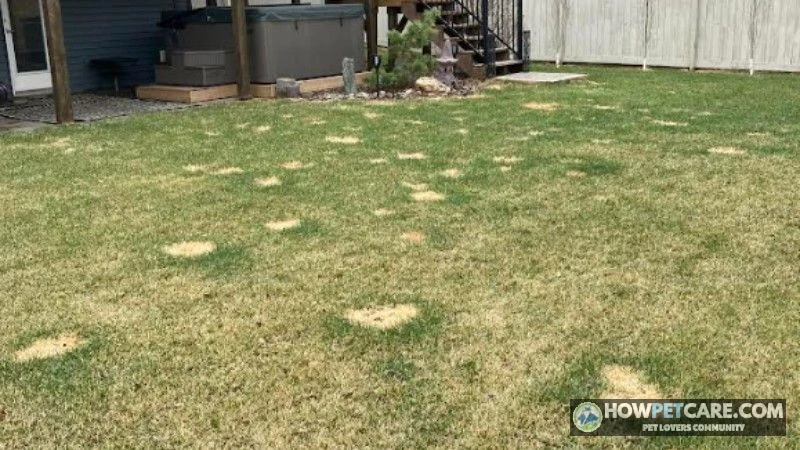

Dog urine kills grass through nitrogen burn: a concentrated deposit of nitrogen and salts overwhelms the grass, like a fertilizer overdose — acidity is not the cause. Water the spot promptly to dilute fresh urine; dead patches need flushing, reseeding and roughly 14–21 days of protection.
Dog urine can kill grass when a concentrated dose of nitrogen and salts overwhelms a small patch of soil. Acidity isn’t the main problem. The damage is nitrogen burn: more nitrogen than the grass can tolerate in one place, much like a fertilizer overdose.
You can often dilute fresh urine with water, but a dead patch usually needs reseeding. Check the pattern of damage first, so you don’t mistake a pest or lawn-care problem for a urine spot.
Why Dog Urine Kills Grass: Nitrogen Burn and Salts, Not Acidity
Nitrogen burn: the fertilizer-overdose mechanism
Dog urine contains nitrogen, a normal byproduct of protein metabolism. A little nitrogen can feed grass, but a concentrated deposit can damage it. Salts add stress by making it harder for roots to take up water. The center of a spot may turn yellow or straw-colored, while the more diluted edge grows darker green.
Dog pee can burn grass, but damage isn’t inevitable. Urine volume and concentration, repeated visits, soil moisture and lawn conditions all affect the outcome. Even a small dog can damage a favorite spot through repeated use, though a larger dog typically deposits more urine at once.
Why soil pH is not the culprit
The usual cause is the concentrated nitrogen load, not acidic urine. Applying lime, baking soda or other treatments to change acidity doesn’t address that primary cause.
Changing urine pH with medications can contribute to urinary crystals or stones. Ask your veterinarian before giving your dog any product intended to change its urine.
Does female dog urine kill grass more? Squatting, volume and repeat spots
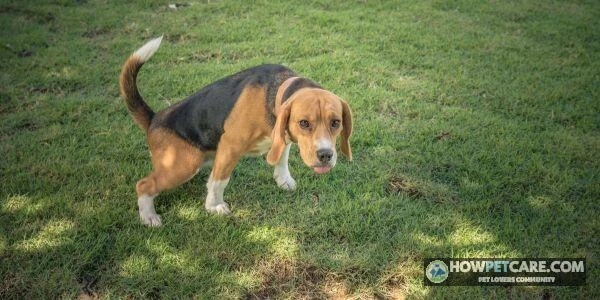
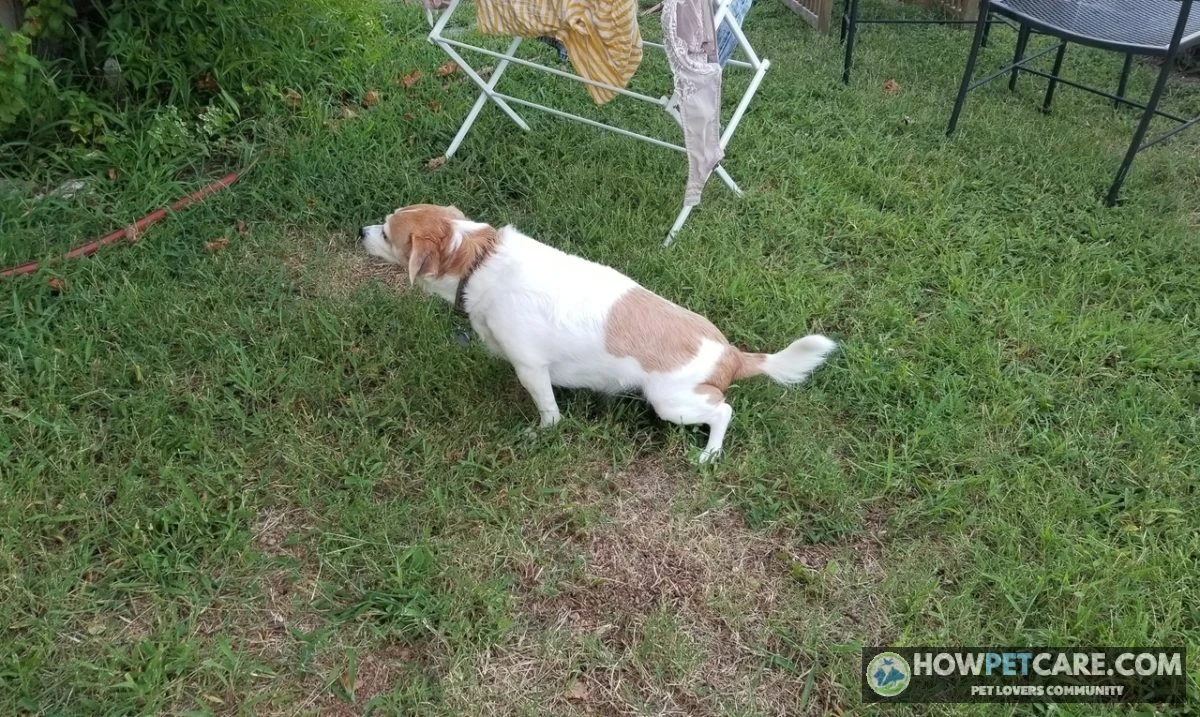
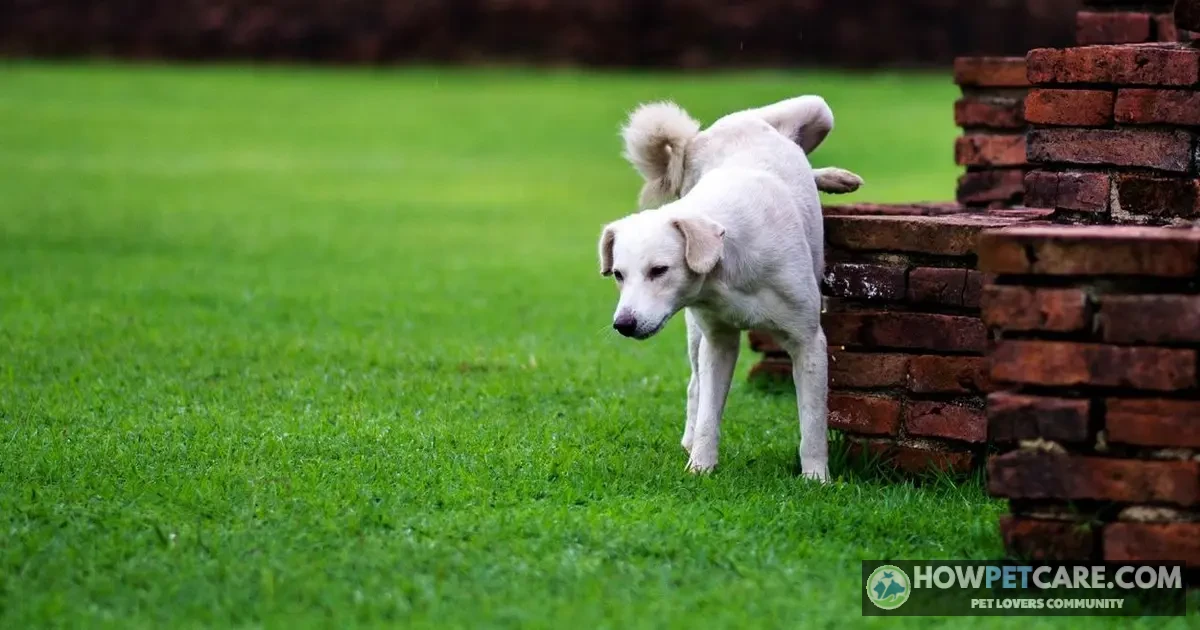
Female dogs don’t have inherently more damaging urine. Dogs that squat—often females, but also some males—tend to deposit urine in one concentrated area. A dog that marks several locations may spread the same kind of load over a wider area. Regardless of the dog’s sex, a large deposit or frequent return visits can still burn grass.
Is It Really Urine Burn? A Checklist to Rule Out Fungus, Grubs, Chinch Bugs, Salt and Fertilizer
What classic urine burn looks like
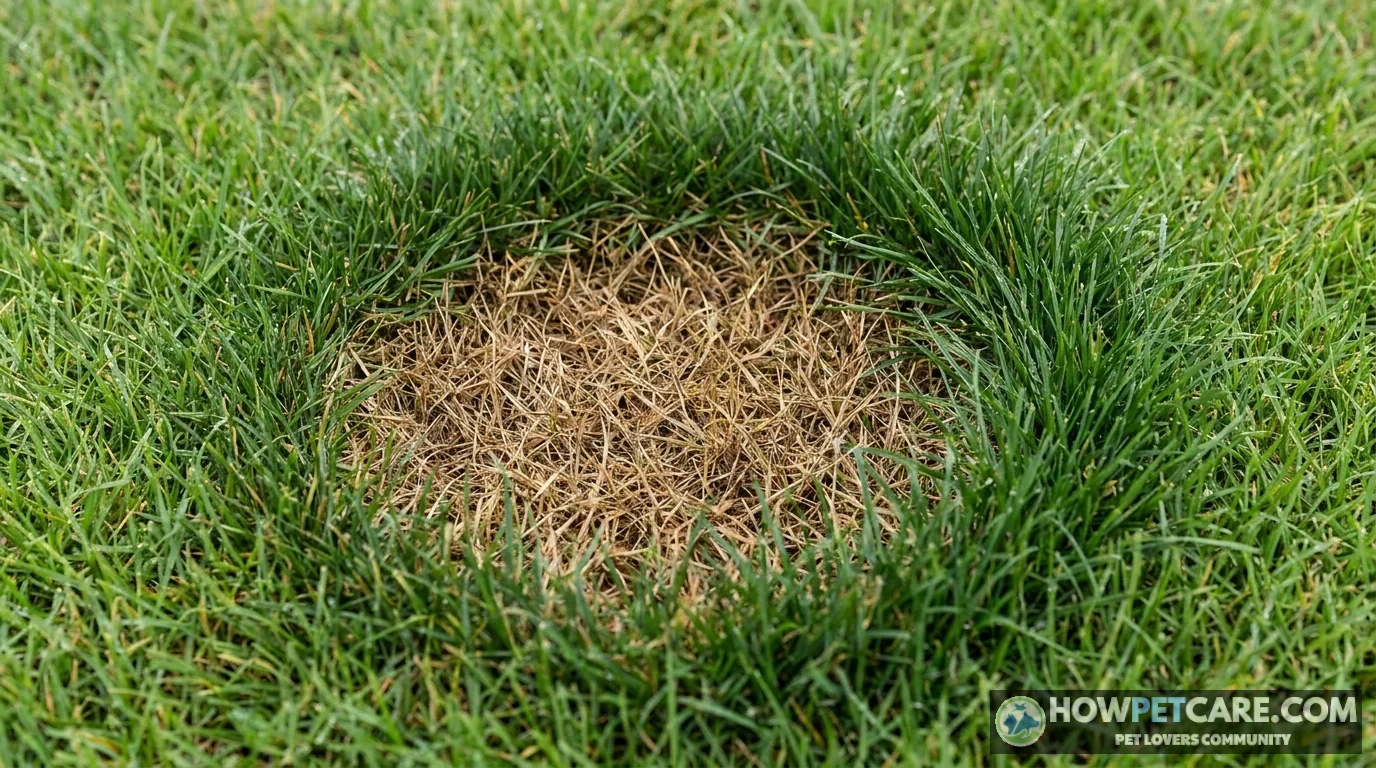
A classic spot has a round or oval straw-colored center, roughly a few inches across, with a darker green rim. Grass at the rim receives a smaller, fertilizing dose of nitrogen. The pattern suggests urine damage, especially in a dog’s favorite toilet area, though the green ring isn’t always present.
A patch may look different if the dog has visited repeatedly, the lawn is already dry or several deposits overlap. Yellow grass may recover if its growing points are alive; a completely dead center generally needs replacement.
Side-by-side: urine burn vs. look-alike lawn damage
| Cause | Pattern and shape | Edge of the damage | Quick test | Likely timing |
|---|---|---|---|---|
| Dog urine | Small round or oval spots where the dog goes | Sometimes a dark green ring | Watch where the dog urinates and compare locations | Develops after deposits; dry conditions can make damage more noticeable |
| Fungus | Irregular or expanding patches; pattern varies by disease | Blades at the edge may have spots, lesions or visible growth | Inspect both healthy and affected blades closely | Often associated with conditions favorable to the particular disease |
| Grubs | Irregular areas that wilt or turn brown | No characteristic green ring | Lift the turf and inspect the soil for grubs and missing roots | Damage appears as root feeding progresses |
| Chinch bugs | Patches often begin in hot, sunny areas and expand | Boundary may spread into apparently healthy turf | Inspect the bases of grass at the edge for small insects | Common during hot, dry conditions |
| Road salt | Bands along curbs, roads or driveways | Follows the treated pavement rather than dog routes | Compare damage with areas exposed to winter deicing runoff | Often becomes apparent after winter |
| Fertilizer burn | Stripes, overlaps or a concentrated spill | May follow a spreader pass or spill | Check the pattern against recent application | After an excessive application |
Urine spots can resemble damage from road salt, fertilizer spills and chinch bugs, so consider the location and any recent lawn care. None of these visual checks alone proves a diagnosis.
Three quick tests you can do in 10 minutes
- Check shape and location. A defined spot in a frequently used toilet area is more suspicious than a patch the dog never reaches. Look for a green rim, but don’t rule out urine just because there isn’t one.
- Tug and inspect. If turf lifts like loose carpet, look underneath for grubs and damaged roots. Loose turf is a clue, not proof: other root problems can loosen it too.
- Examine the edge and the wider pattern. Blade lesions may suggest disease; insects at the grass bases may point to chinch bugs. Straight spreader lines or curbside bands suggest a different cause.
Contact your county cooperative extension office if damage keeps spreading, appears where the dog never goes or doesn’t match the checks. The office can help identify the problem and advise whether a soil test or sample would be useful.
How Soon and How Much to Water After Your Dog Pees
The dilution rule: how much water per dog size
Water the entire deposit and a little of the surrounding area as soon as practical, ideally within minutes. The goal is to dilute the concentrated nitrogen and salts and move them through the soil, not to neutralize their pH.
Use the following amounts as practical starting points, not tested guarantees. Actual urine volume, soil and drainage matter more than a dog’s weight alone.
| Approximate dog size | Starting amount of water | Timing |
|---|---|---|
| Small, under 20 pounds | About ½ gallon | As soon as practical |
| Medium, 20–50 pounds | About 1 gallon | As soon as practical |
| Large, over 50 pounds | About 2 gallons or more | As soon as practical |
Apply water slowly enough to soak in rather than run onto pavement. Use more for a visibly large deposit or a repeatedly used spot, provided the soil can absorb it. Avoid runoff and follow local watering restrictions.
What to do if you miss the window
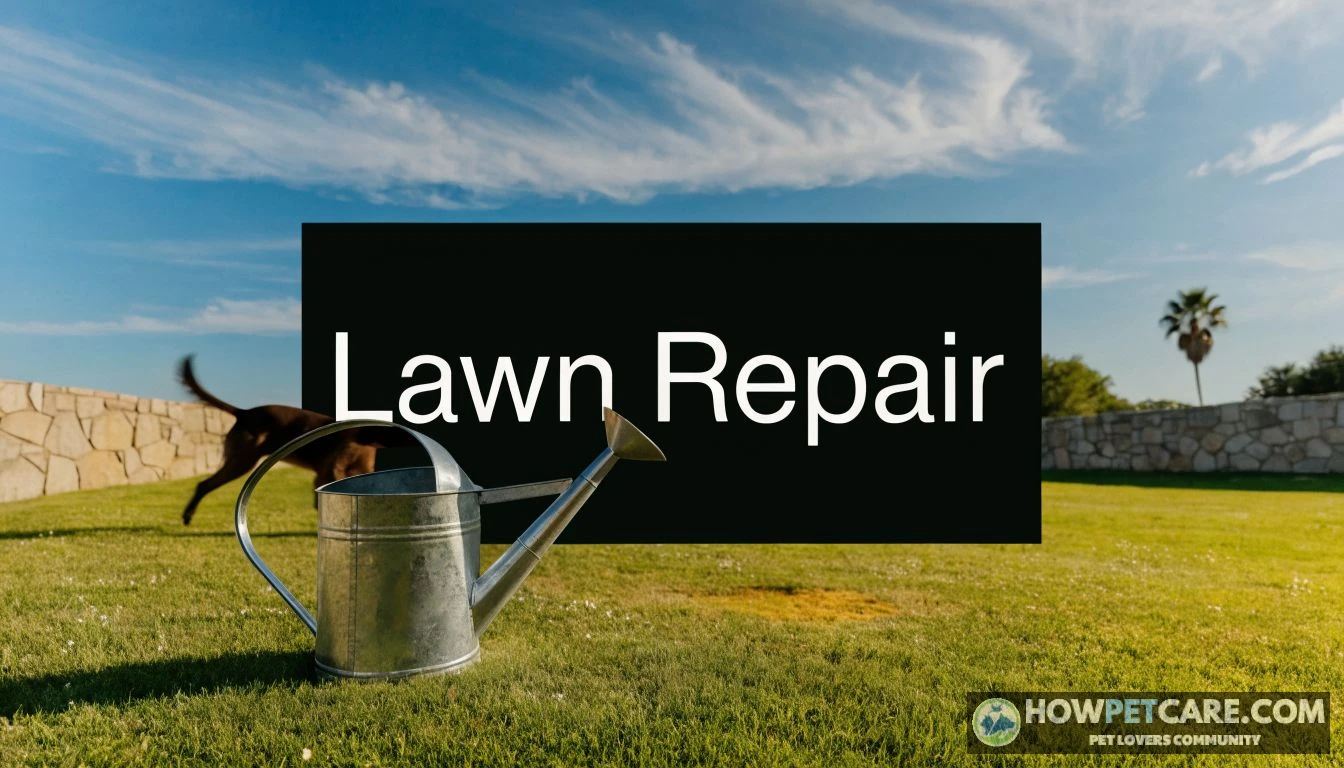
If you can, water later the same day. Prompt dilution is preferable, though, and a delayed rinse may not prevent a burn. Keep a filled watering can by the door or use a hose sprayer. A timer-controlled sprinkler can be a fallback for a regularly used zone, but check that it reaches the area and doesn’t waste water.
Watering helps prevent new damage; it can’t bring truly dead grass back to life. Brown grass that’s merely dormant or stressed, however, may recover when conditions improve.
How to Stop Dog Urine From Killing Grass: Dog-Side and Lawn-Side Prevention
Dog-side: training a pee spot, pee posts and hydration
For a manageable long-term approach, combine a designated toilet area with dilution of any lawn deposits. To train your dog to use the spot:
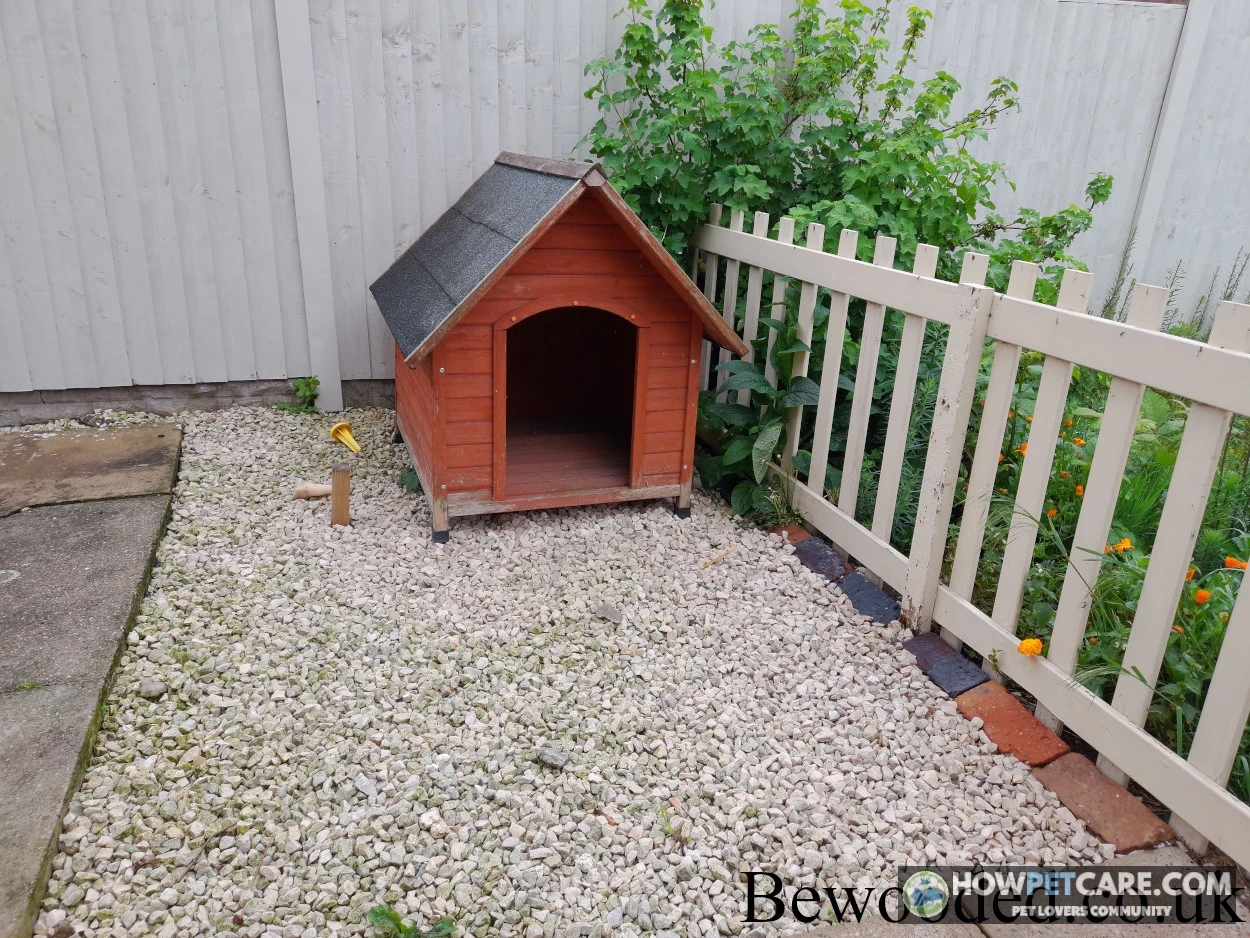
- Choose an accessible spot with a surface your dog is comfortable using, such as suitable mulch, gravel or a sacrificial grass area.
- Take the dog there on a leash when it’s likely to need a bathroom break. Allow time to sniff.
- Reward the dog immediately after it urinates in the chosen area. Repeat consistently; an existing scent can help cue the location.
- Gradually offer more freedom as the habit becomes reliable. A stable pee post can give a marking dog a target, but it’s optional.
Keep fresh water available. Additional bowls, wet food or water added to meals can encourage intake and dilute urine. Don’t restrict water to reduce bathroom trips.
There’s no need to cut protein from a balanced diet simply to save grass. Avoid unnecessary high-protein extras and discuss any substantial diet change with your veterinarian, especially if your dog has a medical condition.
When concentrated or unusually damaging urine is a reason to call the vet
A burned lawn alone doesn’t diagnose a health problem. Contact your veterinarian if you notice a change in drinking or urination, frequent attempts to urinate, accidents, blood or apparent discomfort. If your dog strains and produces little or no urine, seek prompt veterinary care. A change in your dog’s normal behavior is more useful to note than the lawn’s appearance.
Lawn-side: mowing height, aeration and fertilizer restraint
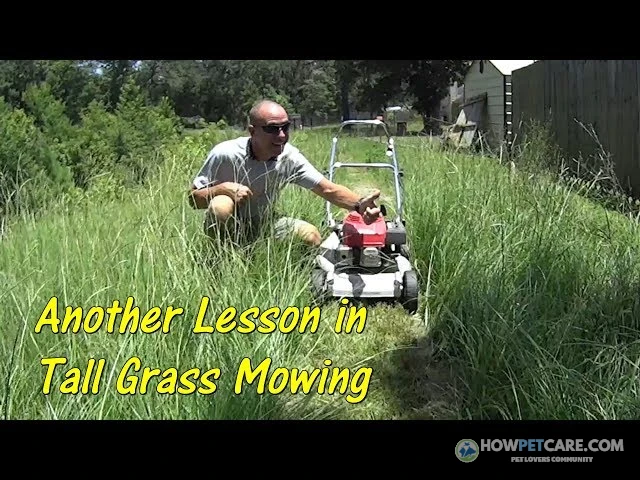
A healthy lawn is better equipped to tolerate ordinary stress, although no mowing height makes it urine-proof. As a general starting point, mow tall fescue around 3–4 inches and Kentucky bluegrass or perennial ryegrass around 2½–3½ inches; adjust for the grass variety and local extension advice.
Avoid excessive fertilizer, particularly in your dog’s preferred area. If soil is compacted, lawn aeration can improve conditions for roots. Do it when the grass is actively growing, rather than automatically on a yearly schedule. A soil test can guide fertilizer or lime needs instead of guesswork.
Creating a lawn-safe dog area
Fence or otherwise designate a portion of the yard if you’d rather manage wear in one place than protect every blade. Provide shade and a comfortable surface, remove waste regularly, and rinse or refresh the surface as needed. Check gravel for heat and sharp edges, and supervise dogs that chew or swallow mulch or stones.
Best Grass Types and Lawn Alternatives for Dog Urine Spots
Urine-tolerant grasses ranked by climate
No grass is dog-proof. Fescue and ryegrass are often cited as more tolerant of nitrogen than Bermuda grass and Kentucky bluegrass, but recovery, climate and matching the existing lawn also matter. Use the table as a practical comparison, not a guarantee that any grass will survive every deposit.
| Grass or alternative | Climate and region | Urine tolerance and recovery | Approximate germination | Mowing height | Trade-offs |
|---|---|---|---|---|---|
| Tall fescue | Cool-season; North and transition zone | A useful first choice for tolerance; most types do not spread much into a dead center | 7–14 days | 3–4 inches | Coarser texture can look different from an existing lawn |
| Perennial ryegrass | Cool-season; North and transition zone | Useful for quick seedling cover; damaged areas may still need reseeding | 5–10 days | 2½–3½ inches | Can struggle in sustained heat; does not spread much |
| Kentucky bluegrass | Cool-season; North | Can show burn, but spreads sideways and may fill small gaps | 14–30 days | 2½–3½ inches | Slow establishment; water needs vary by variety and conditions |
| Bermuda or zoysia | Warm-season; South | Spreading growth can help recovery; Bermuda may be sensitive to urine | Bermuda often 10–30 days; zoysia varies and is often installed as sod or plugs | Commonly about 1–2 inches, depending on type | Winter dormancy; spreading growth may invade beds |
| Clover or a clover mix | Varies by species and region | May tolerate some lawn conditions, but concentrated urine can still damage it | Often 7–14 days | Often unmowed or about 3 inches | Different appearance; flowers attract pollinators and wear tolerance varies |
| Mulch or gravel run | Any region, with suitable site preparation | No grass to burn | Not applicable | Not applicable | Needs cleaning, edging and comfortable footing |
Germination estimates assume suitable temperatures and consistent moisture; follow labels and account for local conditions. Seed cool-season grass in early fall where practical, with spring as another option. Establish warm-season turf in late spring or early summer when soil is warm. Ask your extension office about timing and varieties for your area.
Is clover a viable alternative?
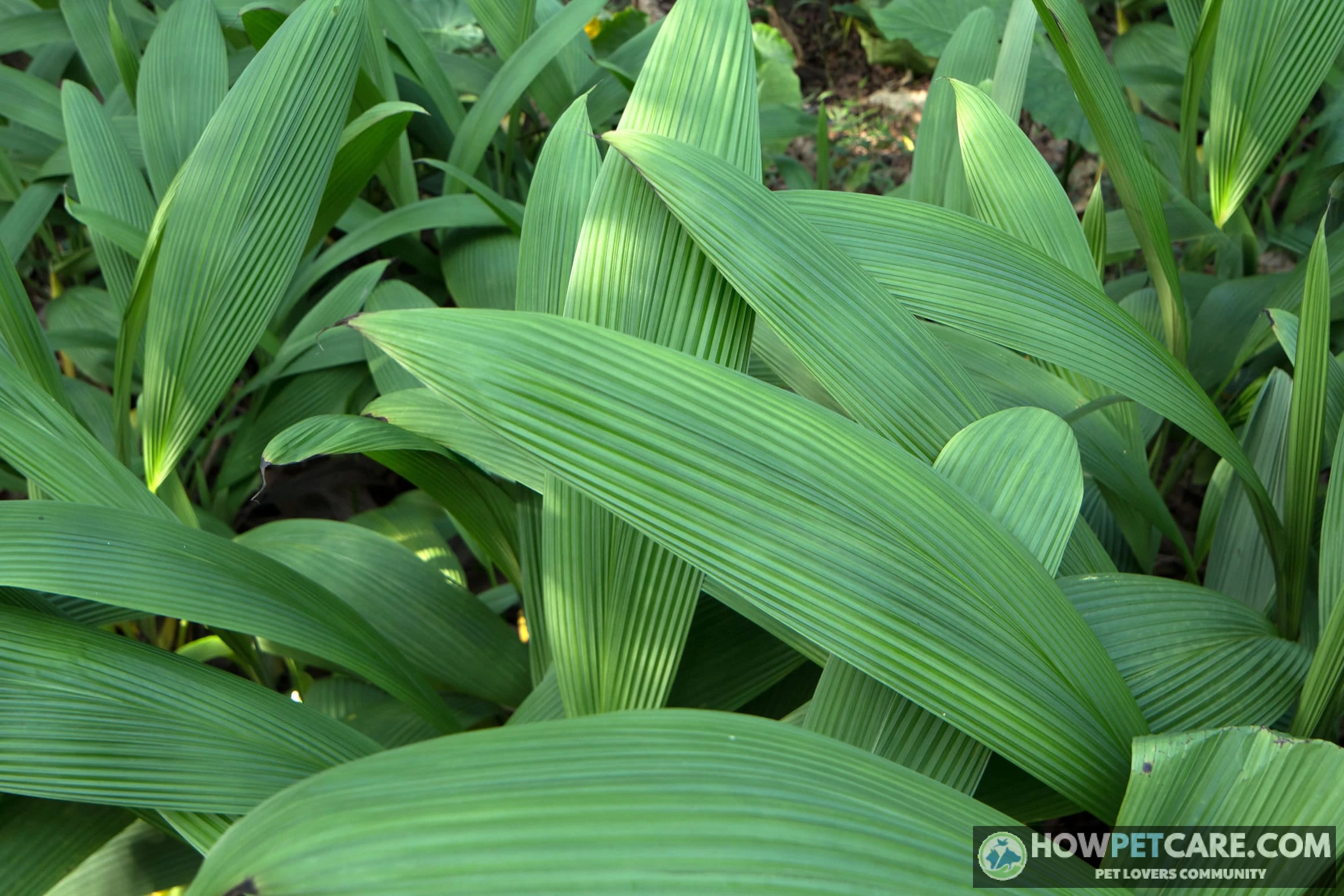
Clover can work in a mixed lawn or less heavily used area, but it isn’t immune to urine or constant traffic. It looks different from turfgrass, can stain clothing and may attract bees when flowering. Consider whether those trade-offs suit your household before replacing a large area.
Mulch runs and other lawn-free options
A designated mulch or gravel run means you won’t need to reseed each toilet spot. It still needs drainage, regular cleaning and occasional replenishment. Artificial turf is another option, but it requires rinsing and odor management and can become hot in direct sun.
How to Fix Yellow Spots on Your Lawn From Dog Pee: A Step-by-Step Repair Plan
Before you start: tools and a 20-minute prep list
Gather a rake, hand cultivator or garden fork, watering can, matching grass seed, a little clean topsoil or finished compost, and a temporary barrier. A small patch may take about 20 minutes of hands-on work, spread over the flushing and planting steps.
First, check whether the grass is actually dead. Look for green shoots at the base and give the blades a gentle tug. The tug test alone can’t establish whether every plant is dead, but green growth is a reason to wait and monitor before removing it.
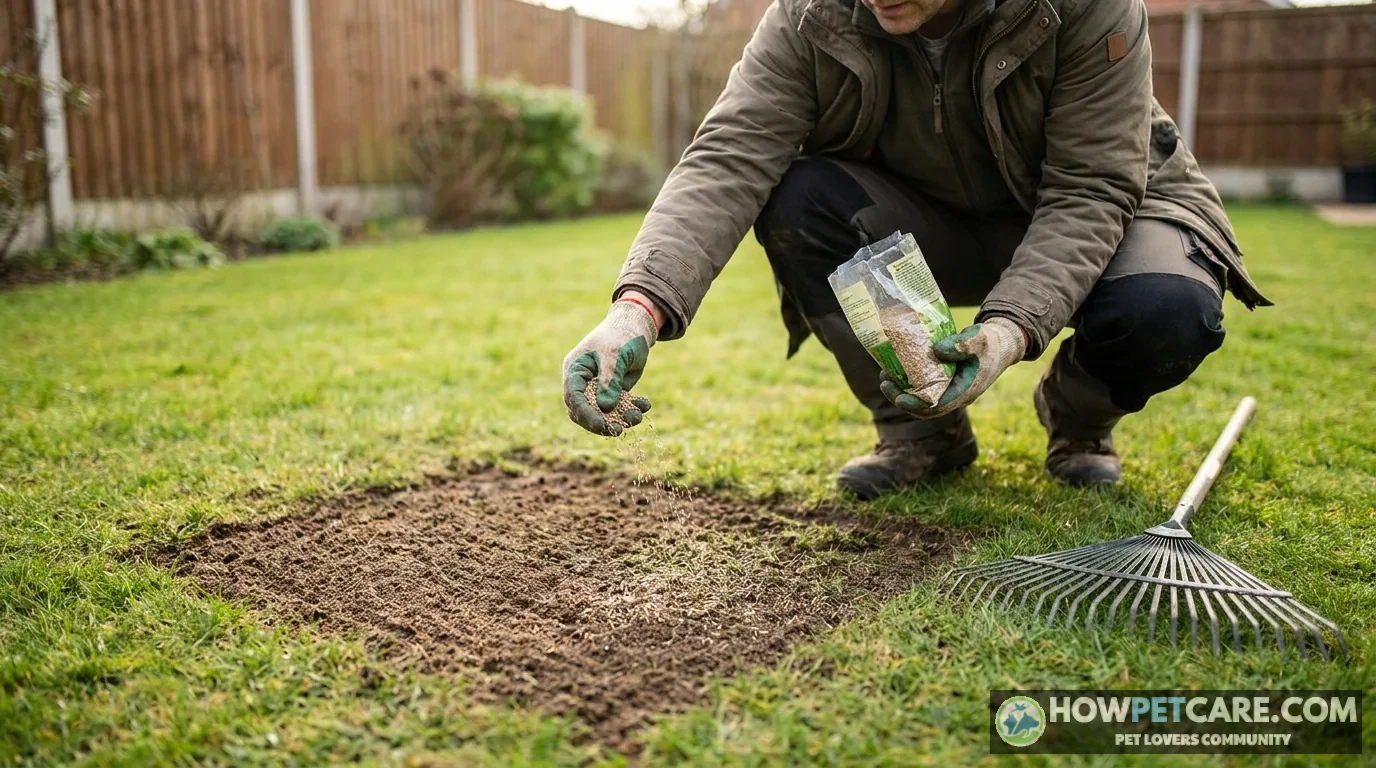
Steps 1–6 with quantities and depths
-
Flush the patch
Slowly apply roughly 3–4 gallons of water to a dinner-plate-sized spot and its immediate edge, allowing it to soak in rather than run off. Use less at a time on slow-draining soil. Let the area drain before working it, typically until the soil is no longer soggy.
-
Remove dead material and loosen soil
Rake out dead grass. Loosen approximately the top 1–2 inches of soil, then work in a thin layer—about ¼ inch—of clean topsoil or finished compost. Avoid adding fertilizer to the freshly burned spot.
-
Apply matching seed
Follow the seed label’s bare-patch or new-lawn rate: seed size and recommended rates vary substantially by species. For scale, a dinner-plate-sized circle is roughly ½ square foot; divide the label rate accordingly. Scatter evenly rather than piling seed into clumps.
-
Press and cover lightly
Press seed into contact with the soil. Cover according to the label, generally with no more than a thin dusting of soil or a light layer of clean straw. Deeply buried seed may not emerge.
-
Keep the surface moist
Water gently once or twice a day as a starting point, adjusting for heat, rain and soil. Keep the seedbed consistently moist, not waterlogged; do not let a hard spray wash the seed away. As seedlings root, gradually water less often and more deeply.
-
Mow when ready
For a cool-season lawn maintained around 3 inches, wait until new grass is approximately 3–4 inches tall, then mow with a sharp blade without removing more than one-third of its height. Follow the appropriate height for other grass types and keep the mower off soggy soil.
For example, if a seed bag specifies 6 pounds per 1,000 square feet for a new lawn, a ½-square-foot patch needs only about 0.05 ounce by weight. A kitchen scale is more dependable than a tablespoon because seed sizes and blends differ. Don’t substitute a generic seed count for the label rate.
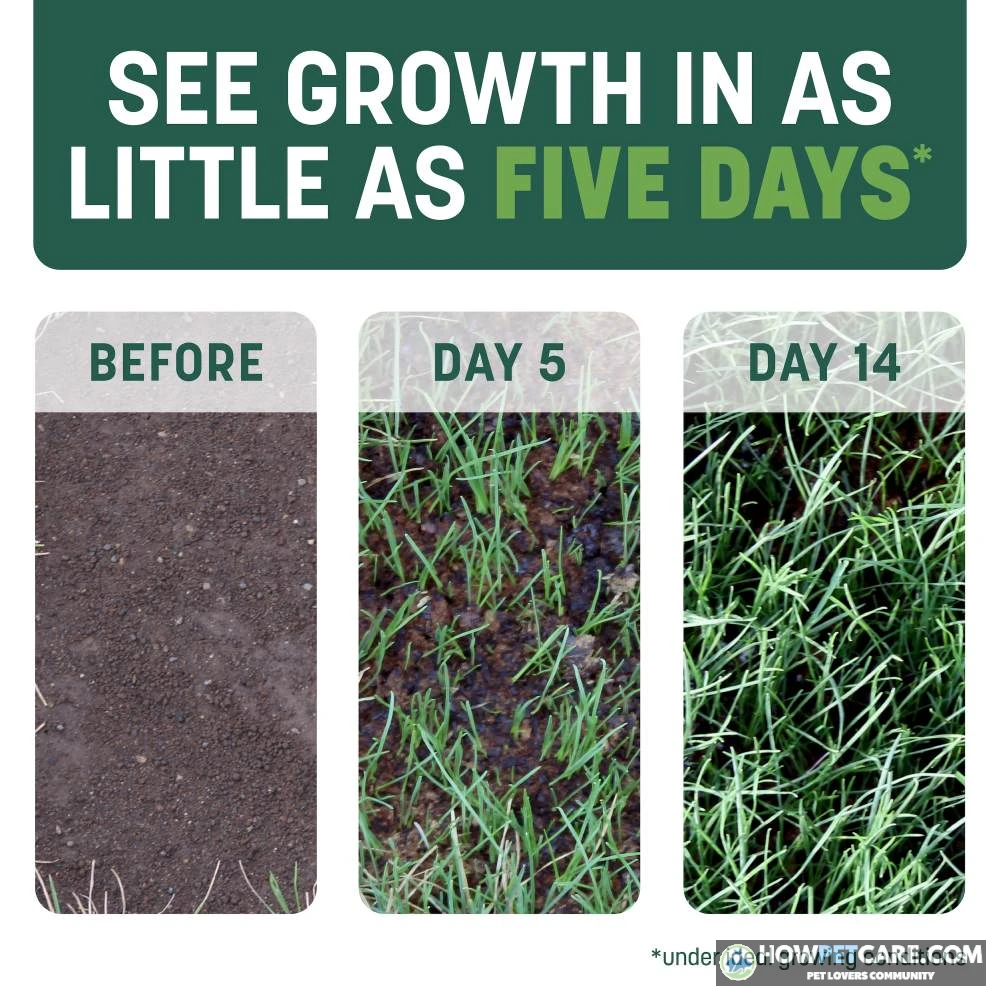
Day-by-day regrowth timeline
These are planning ranges, not promises. Temperature, planting season, seed freshness and watering all affect results.
- Day 0: Flush the damaged area and allow it to drain.
- Days 1–3: Once the soil is workable, prepare and seed it. Start light watering.
- Days 5–10: Perennial ryegrass may begin to germinate under favorable conditions.
- Days 7–14: Tall fescue may emerge. Kentucky bluegrass can take considerably longer.
- Days 14–21: Fast-germinating seed may show visible young cover. Some patches may be ready for a first mow if the grass has reached the appropriate height; others will need more time.
- Weeks 4–6 and beyond: Gradually return the patch to normal use when it’s rooted and tolerates light traffic.
Reseeding and keeping the area moist for 14–21 days is a standard repair approach. That period is a realistic goal for visible cover, not a guarantee of a fully established lawn. If nothing emerges, check the species’ expected germination time, seed date, moisture and temperature before starting again.
Why sod patches and overseeding the whole lawn are sometimes better
Sod can provide immediate surface cover when the season is unsuitable for seed or a faster visual repair matters, but it still needs watering and protection while it roots. For numerous thin spots, overseeding the affected zone may be more practical than treating each circle separately. Address repeated urine exposure first, or new seedlings may burn too.
Keeping Your Dog Off a Reseeded Patch for 14–21 Days
Temporary barriers that actually work
Use temporary fencing or a stable exercise pen around the repair, leaving enough room that your dog can’t easily reach the seedbed. Avoid sharp wire ends and loose material that could snag a collar or be swallowed. Stakes and string alone may mark a boundary, but they aren’t a reliable barrier for every dog.
Keep the barrier in place for at least the initial 14–21 days, and longer if the grass is still delicate. A thin straw covering can protect seed from drying and disturbance, but it’s not a substitute for keeping paws off the patch.
Redirecting the dog’s routine for three weeks
Walk your dog on a leash to the designated toilet area and reward it there. Move a pee post to that area if your dog uses one. In a multi-dog household, plan separate supervised outings or fence the entire repair zone until seedlings are established.
If an accident happens on the patch, gently dilute it promptly with water, taking care not to wash away seed or flatten seedlings. One gallon is a reasonable starting point for a moderate deposit; adjust to the deposit and the soil’s absorption.
A patch may look green before it’s sturdy. Extend the barrier period if seedlings pull out easily, the ground is muddy or repeated traffic would damage them.
Do Lawn Saver Chews, Gypsum and Neutralizing Sprays Work? Evidence-Based Verdicts
Lawn saver chews and supplements: what the evidence says and the vet-safety question
Evidence that dietary supplements reliably prevent lawn spots is limited, and formulations differ. Some aim to alter urine chemistry. Because changing urine pH can create urinary risks, discuss any chew or supplement with your veterinarian before use, particularly if your dog has a history of urinary or kidney problems.
Gypsum and lime: when they help and when they don’t
Gypsum can help with certain soil problems involving excess sodium, but it isn’t a general cure for nitrogen burn. Lime can correct soil that’s too acidic; adding it without a soil test can create a different problem. Neither is routinely needed for dog urine grass repair.
Neutralizers, sprays and home remedies
| Product or remedy | What it claims | What the evidence shows | Safety or cost concern | Verdict |
|---|---|---|---|---|
| Lawn saver chews or dietary supplements | Change urine to protect grass | Reliable independent evidence of consistent benefit is limited; formulas vary | Urinary effects depend on ingredients and the dog | Ask a vet first; do not assume they are safe or effective |
| Gypsum | Corrects or neutralizes urine damage | May address a documented sodium-related soil issue, not the main nitrogen load | Unnecessary expense when the soil does not need it | Skip for routine urine spots |
| Lime | Corrects supposedly acidic urine damage | Treats a soil pH problem, not the usual cause of urine burn | Can raise soil pH unnecessarily | Skip unless a soil test recommends it |
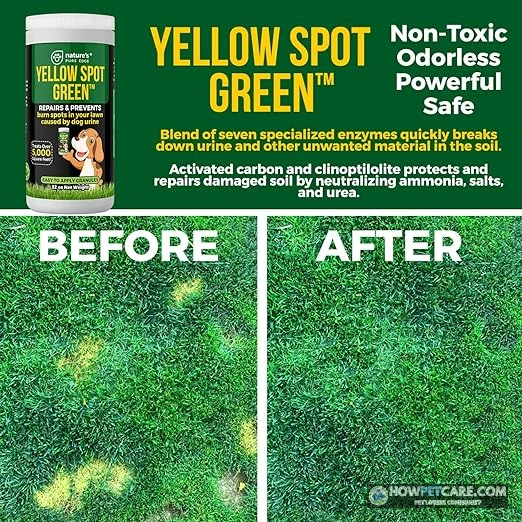
| Neutralizing or pH-balancing sprays | Prevent burn by changing the treated spot | pH is not the primary problem; convincing independent evidence for these claims is limited | Added cost; formulations vary | Skip the pH claim; use water promptly |
| Dog rocks, tomato juice, vinegar or baking soda | Prevent or neutralize burn | No reliable evidence establishes these as dependable fixes | Some can upset a dog or stress grass and soil | Skip |
| Seed-and-soil repair kits | Simplify patch repair | Can provide useful materials but do not remove the need for preparation and watering | Check seed suitability and any added fertilizer | Optional convenience, not a shortcut |
Your Dog Urine Lawn Repair Plan: A Prevention-Plus-Reseeding Checklist
A 3-week schedule you can print
Before planting
- Check the spot’s location, shape and surrounding blades; rule out obvious spreader, curbside or pest patterns.
- Choose a designated toilet area and start rewarding its use.
- Keep water by the door and rinse new lawn deposits promptly.
- Select seed suited to your region and matched to the existing turf.
Week 1
- Flush each confirmed dead patch, let it drain, remove dead material and loosen the soil.
- Apply seed at the label’s bare-patch rate, press it in and water gently.
- Install a barrier and redirect your dog to the toilet area.
Weeks 2–3
- Keep the seedbed moist and check for germination without disturbing it.
- Mow only when the new grass reaches the appropriate height.
- Maintain the barrier if seedlings aren’t yet rooted enough for traffic.
Afterward: Continue hydration, prompt dilution and appropriate mowing. Aerate when compaction calls for it and the grass is actively growing; use fertilizer and soil amendments according to lawn needs rather than the presence of a urine spot alone.
Decision guide: spot repair, overseed or change the lawn
Repair a few isolated dead centers individually. For widespread thinness, consider overseeding the dog zone after addressing the cause. For a heavily used toilet area, a durable non-grass surface may require less recurring repair. If damage spreads beyond your dog’s routes, ask your extension office for a diagnosis. If your dog’s drinking or urination changes, call your veterinarian.
Expect occasional touch-ups rather than a permanently spot-free lawn. Aim for a healthy yard and a safe, workable routine for your dog.
1What is the primary underlying cause of lawn burn resulting from dog urine?
Dog urine acts similarly to a heavy fertilizer application, where excessive nitrogen and salts stress root structures and burn foliage.
2Why do female dogs frequently get blamed for causing more lawn burn spots than male dogs?
Squatting deposits a large volume of urine into one concentrated patch, whereas marking behavior distributes smaller amounts across wide areas.
3Which observation during a visual turf inspection indicates that lawn damage is likely caused by grubs rather than dog urine?
Grubs feed directly on plant roots beneath the soil surface, causing the sod layer to detach completely.
4What is the recommended starting volume of water to flush a fresh urine deposit made by a dog weighing over 50 pounds?
Larger dogs deposit greater volumes of urine at once, requiring a minimum of two gallons to properly dilute nitrogen and salts.
5Why should lawn fertilizer be omitted when preparing a fresh urine burn spot for reseeding?
Adding fertilizer to a urine-damaged spot introduces even more nitrogen to soil that is already overwhelmed by nitrogen burn.
6Based on standard germination timelines, which cool-season grass species typically exhibits the fastest seedling emergence?
Perennial ryegrass establishes rapidly, often germinating within 5 to 10 days under favorable conditions.
7What primary health concern makes consulting a veterinarian essential before giving a dog dietary chews intended to protect grass?
Dietary supplements that alter urinary pH can disturb physiological balance, increasing the risk of urinary tract stones.
8Why is the application of lime ineffective for routine dog urine grass repair?
Lime raises low soil pH, whereas urine damage is driven by a heavy nitrogen and salt load.
9What is the recommended general mowing height range for tall fescue to maintain a healthy lawn?
Maintaining tall fescue at a height of 3 to 4 inches fosters stronger root systems and improves general stress tolerance.
10How long should a physical barrier remain around a reseeded lawn patch during initial repair?
Keeping pets off the repair site for 14 to 21 days protects tender seedlings while they germinate and establish basic roots.
| Grass or alternative | Climate and region | Urine tolerance and recovery | Approximate germination | Mowing height | Trade-offs |
|---|---|---|---|---|---|
| Tall fescue | Cool-season; North and transition zone | High tolerance; useful first choice, but most types do not spread much to fill damaged spots | 7–14 days | 3–4 inches | Coarser texture can look different from an existing lawn |
| Perennial ryegrass | Cool-season; North and transition zone | Moderate tolerance; useful for quick cover, though damaged areas may still need reseeding | 5–10 days | 2.5–3.5 inches | Can struggle in sustained heat; does not spread much |
| Kentucky bluegrass | Cool-season; North | Low-to-moderate tolerance (can show burn), but spreads sideways to recover and fill small gaps | 14–30 days | 2.5–3.5 inches | Slow establishment; water needs vary by variety and conditions |
| Bermuda or zoysia | Warm-season; South | Spreading growth helps recovery; Bermuda can be sensitive to urine | 10–30 days for Bermuda; zoysia varies (often installed as sod or plugs) | 1–2 inches | Winter dormancy; spreading growth may invade garden beds |
| Clover or a clover mix | Varies by species and region | Moderate tolerance; can withstand some conditions, but concentrated urine can still cause damage | 7–14 days | Unmowed or ~3 inches | Different appearance from traditional grass; flowers attract pollinators; wear tolerance varies |
| Mulch or gravel run | Any region | Complete immunity (no grass to burn) | Not applicable | Not applicable | Needs regular cleaning, edging, and comfortable footing |
FAQ
Will grass grow back on its own after dog urine?
Sometimes. If the roots are still alive, the grass can recover on its own, and the dark green ring around a spot is often healthy. A fully dead center usually needs flushing, loosening the soil and reseeding.
Can I add fertilizer to help a urine spot recover?
No. Urine burn is already too much nitrogen, so more fertilizer makes it worse. Flush the spot with water first, and fertilize only after the new grass is established.
Do dog rocks stop urine from killing grass?
There is no reliable evidence that they work. Diluting urine with water and directing the dog to one spot are better-supported fixes.
Does tomato juice or vinegar neutralize dog urine on grass?
No. Urine burn comes from nitrogen and salts, not acidity, so acidic or alkaline home remedies target the wrong cause and can add stress to the soil.
Do puppies and small dogs cause the same damage as large dogs?
Damage scales with the volume and concentration of urine in one spot, so large dogs usually do more harm per visit. Small dogs that use the same spot repeatedly can still kill grass.