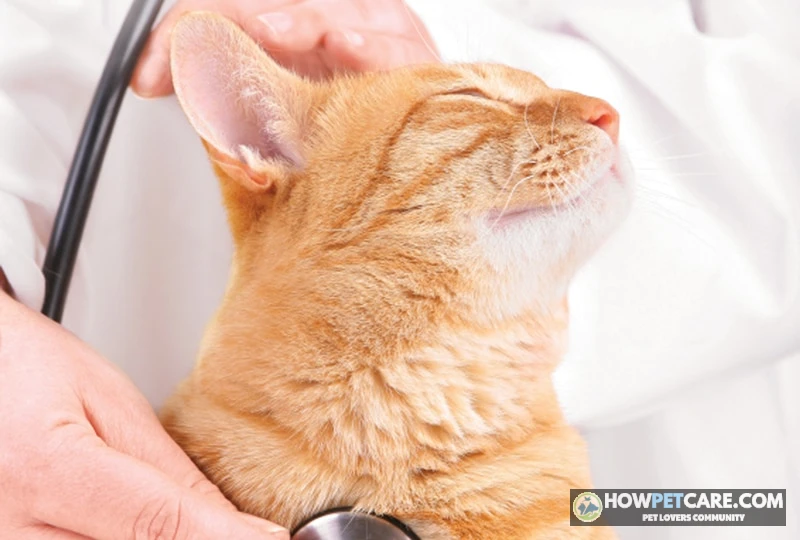

Heart disease in cats is most often hypertrophic cardiomyopathy (HCM), a thickening of the heart muscle. Many cats show no signs until the disease is advanced, so the earliest clues are subtle: faster sleeping breathing, less activity, or a murmur found at a routine exam.
Does a Heart Murmur Mean Your Cat Has Heart Disease?
A heart murmur doesn’t automatically mean your cat has heart disease or heart failure. It’s an extra sound caused by blood flowing through the heart. A murmur is a finding, not a diagnosis. Stress or a fast heart rate can cause one, but so can structural heart disease. Some cats with heart disease have no murmur at all.
If your cat is breathing comfortably and the murmur came up during a routine exam, ask your veterinarian what to do next. Depending on the exam and your cat’s history, they may recommend a recheck, a blood screening test, or an echocardiogram. If your cat is struggling to breathe, seek emergency care rather than waiting for a routine appointment.
Heart disease vs. heart failure: the difference in plain terms
Heart disease means the heart has a structural or functional problem. A cat may have heart disease for years without obvious signs. Congestive heart failure occurs when the heart can no longer manage circulation adequately, allowing fluid to build up in or around the lungs or elsewhere. A murmur alone diagnoses neither condition.
A murmur doesn’t mean a cat is in heart failure. Your veterinarian will consider the sound alongside your cat’s breathing, exam and test results.

Why some cats with severe disease have no murmur
A murmur reflects audible blood turbulence; it doesn’t directly measure heart damage. Vets grade murmurs from I to VI by loudness, but a louder murmur doesn’t reliably show how serious the disease is. And no murmur doesn’t rule out cardiomyopathy.
An echocardiogram is the most informative test for identifying cardiomyopathy and assessing its severity. An NT-proBNP blood test can help screen for heart strain, but it can’t prove a murmur is harmless or replace an ultrasound when one is needed.
Symptoms of Heart Disease in Cats and the Early Signs Owners Miss
Early signs of heart disease in cats
Many cats with early heart disease seem entirely well. When changes do appear, they can be subtle and may have many causes:
- Less interest in play or activity
- More time sleeping or hiding
- Reduced appetite
- Breathing faster than usual while asleep
- Weakness or occasional collapse, sometimes linked to an abnormal heart rhythm called an arrhythmia
Changes in breathing are especially useful to report because you can measure them at home. A cat that eats less or seems unusually quiet also needs veterinary attention, even if its breathing looks normal.
Signs of congestive heart failure
Fluid in the lungs or the space around them can make breathing faster or more difficult. Your cat may breathe with visible abdominal effort, hold its elbows away from its body, seem restless, or become too tired to eat. Open-mouth breathing at rest is an emergency.
Weakness and poor appetite can occur with heart failure, but they’re not specific to it. Don’t wait for a heart diagnosis before seeking help for difficult breathing.
Is coughing a heart symptom in cats?
Cats with heart disease cough less often than dogs. In cats, coughing can be associated with airway conditions such as asthma or bronchitis. Owners sometimes mistake retching or attempts to bring up a hairball for coughing. Tell your vet about a persistent cough rather than assuming it’s a heart problem or a hairball.
 You might be wonderingAnemia in catsAnemia in Cats: Symptoms, Causes, Costs & When It’s an EmergencyRead the answer
Emergency Vet Now or Schedule a Visit? A Symptom Triage Guide
This guide can help you decide what to do, but it can’t diagnose your cat or replace a veterinary or feline cardiology consultation. If breathing looks difficult, act on the effort you see. Don’t wait to get a precise count.
| Urgency | Signs | What to do |
|---|---|---|
| Emergency vet now | Open-mouth breathing or panting at rest; labored breathing; blue, gray or very pale gums; collapse; sudden hind-leg weakness or paralysis; a cold, painful limb; a sleeping breathing rate persistently above 40 breaths per minute | Leave for an emergency clinic. Handle your cat as little as possible and call ahead, or call while someone else drives. |
| Call your vet today | Sleeping breathing rate repeatedly above 30 breaths per minute; new lethargy or hiding; not eating for more than a day; a persistent cough | Describe what’s changed and share your breathing-rate record. If your vet is unavailable and signs worsen, call an emergency clinic. |
| Book a routine appointment | A murmur found at a checkup in an otherwise comfortable cat; an at-risk breed that hasn’t been screened; mild, stable reduction in activity | Ask when your cat should be examined and whether a heart screen or echocardiogram makes sense. |
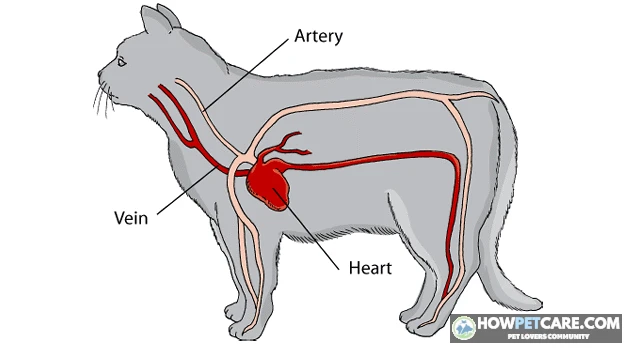
A persistent sleeping respiratory rate above 30 breaths per minute warrants veterinary attention. If your cat is distressed, don’t delay the trip to repeat the measurement.
Go to the emergency vet right now
Open-mouth breathing at rest, collapse and sudden painful limb weakness can worsen quickly. Place your cat in a carrier without squeezing its chest, keep the surroundings quiet, and let the clinic know you’re on your way. Don’t give an extra dose of medication unless a veterinarian who knows your cat has told you to.
Call your vet today
A rising breathing rate, reduced appetite or new hiding can have causes other than heart disease. What matters is that something has changed. A same-day call lets the clinic decide whether your cat needs an examination sooner.
Book a routine appointment
A comfortable cat with a newly discovered murmur doesn’t necessarily need emergency care. Ask your vet when to follow up rather than ignoring the finding. If reduced activity is new or getting worse, call sooner instead of assuming the appointment can wait.
What to do in the first minutes if you suspect a saddle thrombus
An aortic thromboembolism, sometimes called a saddle thrombus, is a blood clot that can suddenly block blood flow to the hind legs. Severe pain, cold legs and sudden paralysis are warning signs. One limb may be affected, and other conditions can look similar.
-
Keep your cat still
Keep the room quiet and your cat comfortably warm. Do not massage, stretch or pull the affected legs.
-
Prepare for transport
Gently place your cat in a towel-lined carrier without pressing on the chest. Avoid unnecessary handling.
-
Call the emergency clinic
Say that your cat has sudden painful limb weakness and that you are concerned about a blood clot. Call on the way if another person can drive.
-
Go now
Note when the signs began and bring your cat’s medication list if it is readily available. Do not delay departure to gather paperwork.
This is a serious emergency, but don’t make decisions without an examination. Some cats recover limb function with treatment. The vet can discuss pain relief, complications, costs and realistic options.
Sudden death can occur in cats with heart disease, including cats whose illness wasn’t previously recognized. It isn’t inevitable. A normal breathing log or screening can’t guarantee it will be prevented.
What Causes Heart Disease in Cats? Types, Genetics, and Breed Risk
Hypertrophic cardiomyopathy and the other cardiomyopathies
Cardiomyopathy is a disease of the heart muscle. Hypertrophic cardiomyopathy, or HCM, is the most common form of feline heart disease. It involves abnormal thickening of the left ventricular muscle. Thickening can make it harder for the heart to fill normally and may contribute to enlargement of the left atrium, the chamber that receives blood from the lungs.
Other types include:
- Restrictive cardiomyopathy: The heart muscle becomes unusually stiff, making it harder for the heart to fill.
- Dilated cardiomyopathy: The heart’s pumping chambers become enlarged and contract poorly. Taurine deficiency can cause this form.
- Arrhythmogenic cardiomyopathy: Changes in the heart muscle are associated with abnormal heart rhythms.
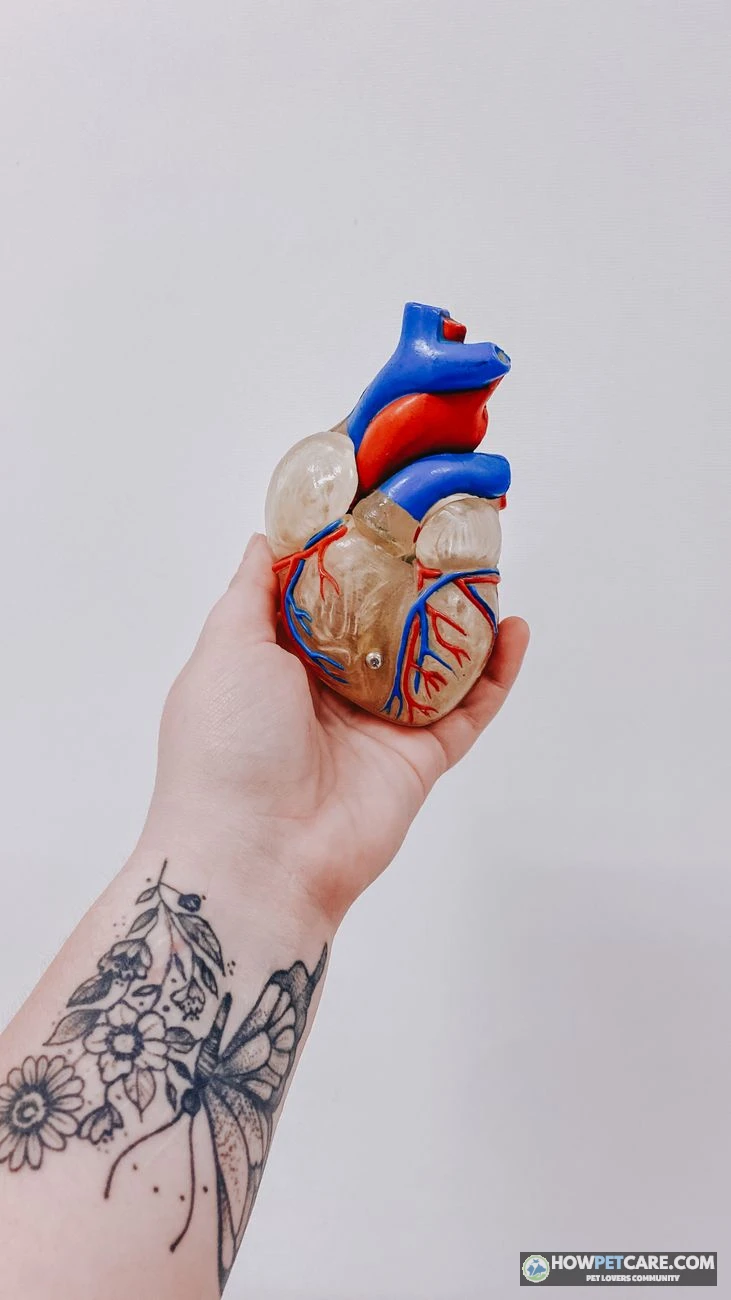
A report may also mention cardiomegaly, meaning an enlarged heart silhouette. That describes a finding; it doesn’t identify its cause.
Conditions outside the heart can also cause or contribute to heart changes. Your veterinarian may check for high blood pressure and hyperthyroidism. Kidney disease may also be relevant because it can be associated with high blood pressure. Treating an underlying condition can change the heart findings and treatment plan.
Taurine is an essential nutrient for cats. Commercial complete cat foods are formulated to provide it, but an unbalanced homemade or unusual diet can pose nutritional risks. Tell your vet exactly what your cat eats before adding supplements or changing its food.
Is feline heart disease genetic?
Genetics can contribute. Known MYBPC3 variants are associated with HCM in Maine Coons and Ragdolls, but the disease is more complex than a single gene test. A negative result doesn’t rule out heart disease. A positive result indicates genetic risk; it doesn’t guarantee that a cat has HCM now or will develop a particular degree of disease.
Cats without a known pedigree can develop cardiomyopathy, too. Kittens and young cats can have murmurs. Some are temporary, while others need investigation for congenital or inherited disease. Ask your vet when a young cat’s murmur should be checked again.
Should a Maine Coon, Ragdoll, or Sphynx be screened without symptoms?
If your cat belongs to a breed with increased cardiomyopathy risk, discuss screening even if it seems healthy. An echocardiogram performed by a veterinarian with appropriate cardiac imaging expertise—ideally a veterinary cardiologist—can identify structural disease that a gene test can’t. A normal scan describes the heart at that time; it doesn’t guarantee that changes won’t develop later.
Ask your vet when to begin imaging and how often to repeat it, based on breed, family history, age and previous results. If you’re speaking with a breeder, ask about cardiac screening of the parents and relatives, the dates and results of their echocardiograms, and any relevant genetic testing. Sphynx owners shouldn’t assume that a Maine Coon or Ragdoll MYBPC3 test provides a comprehensive screen for their cat.
How Vets Diagnose Cat Heart Disease and What Each Test Costs
The diagnostic steps in order
Testing is tailored to the cat, not a fixed series of steps. The vet usually starts with a history and physical exam, listening for a murmur, abnormal rhythm or other changes. What comes next depends on whether the cat is stable and what the exam suggests.
- Blood pressure and thyroid testing help identify conditions that can affect the heart.
- Chest X-rays help assess the lungs, fluid and the heart’s silhouette. An enlarged silhouette alone doesn’t identify the type of cardiomyopathy.
- An electrocardiogram, or ECG, records electrical activity and helps evaluate an arrhythmia.
- NT-proBNP testing looks for a marker associated with cardiac muscle stress.
- An echocardiogram uses ultrasound to assess heart structure and function. It’s the key test for diagnosing cardiomyopathy.
A cat struggling to breathe may need oxygen and stabilization before a full workup. The team may use whichever tests can be performed safely at the time rather than follow the order above.
NT-proBNP test: what a normal and abnormal result mean
NT-proBNP is a screening tool, not a diagnosis on its own. An elevated result can raise concern about significant heart disease, but vets interpret it alongside the exam and other health problems. A normal result can be reassuring in context, but it doesn’t rule out every case of heart disease. Ask how the result would affect the plan before choosing the test.
Echocardiogram: what it shows and who should perform it
An echocardiogram can measure wall thickness and chamber size, assess contraction and blood flow, and identify features associated with clot or heart-failure risk. A veterinary cardiologist can distinguish among forms of heart disease and help plan follow-up. The scan may clarify whether medication is appropriate, but it can’t promise that a cat will never have complications.
Cost ranges and how to prioritize on a budget
Prices for an NT-proBNP test, echocardiogram, emergency hospitalization and monthly medication vary substantially by location, provider, complexity and what the bill includes. Reliable US price ranges weren’t available in the supplied evidence, so a numeric estimate here would be speculative. Ask clinics for current written estimates instead of treating an internet figure as a quote.
| Service | What it tells you or provides | Approximate US range | When to ask about it |
|---|---|---|---|
| Exam | Assesses breathing, heart sounds and overall condition | Obtain a local quote | First step for a stable cat with a new concern |
| NT-proBNP blood test | Screens for evidence of cardiac strain | Obtain a local quote, including lab fees | When the result could help determine the next step |
| Chest X-rays | Assess lungs, fluid and heart silhouette | Obtain a local quote | Particularly relevant when breathing changes suggest chest disease |
| Echocardiogram | Defines heart structure and function | Obtain a cardiology quote | When diagnosis, risk assessment or treatment decisions depend on imaging |
| Emergency hospitalization | May include oxygen, medication and monitoring | Request an itemized emergency estimate | Urgent breathing trouble, suspected clot or other crisis |
| Monthly medication | Ongoing treatment when prescribed | Ask for a monthly pharmacy estimate | Before discharge or when starting a long-term prescription |
If money is tight, ask: “Which test is most likely to change what we do today?” An exam plus NT-proBNP may be a reasonable starting point for some stable cats, but it isn’t always the cheapest or most useful option. If an echocardiogram is clearly indicated, paying for a screening test first may add expense without changing the plan. An emergency patient, on the other hand, may need stabilization before either test.
Request separate estimates for the consultation, imaging, laboratory fees, hospitalization and rechecks. Ask about staged testing, generic medication, payment arrangements and insurance coverage. Preexisting-condition exclusions may apply.
ACVIM Stages A, B1, B2, C, and D: What Your Cat’s Stage Means for Care and Survival
The five stages in plain language
The American College of Veterinary Internal Medicine staging framework describes risk and complications, not a countdown. Your vet may use echocardiogram findings and your cat’s clinical history to assign a stage. This is a simplified guide for owners; management varies by cat.
| Stage | What it means | Typical management | Survival data and source |
|---|---|---|---|
| A | At risk of cardiomyopathy, but no detectable disease | Discuss screening and its timing; medication is not automatically needed | A cat may never develop detectable disease. A stage-specific median is not established in the supplied evidence. |
| B1 | Cardiomyopathy is present, with relatively low risk of heart failure or clot based on the assessment | Recheck as recommended and monitor for changes | Many apparently healthy cats live for years, but a reliable stage-specific median is not available in the supplied evidence. |
| B2 | More advanced structural disease, typically with important left atrial enlargement, and higher risk of complications | Discuss rechecks and whether antiplatelet treatment is appropriate | Outlook varies with the degree of enlargement and other findings; no reliable stage-specific median is available here. |
| C | Current or previous congestive heart failure or arterial thromboembolism | Treat the complication and individual risks; heart failure may require diuretics, while clot management requires its own plan | Prognosis is generally more guarded after a complication. A verified median for this stage is not available in the supplied evidence. |
| D | Heart failure that persists or recurs despite standard treatment | Specialist-directed adjustments, monitoring and a focused discussion of comfort and goals | The outlook is often guarded; no dependable stage-specific median is available here. |

The left atrium matters because enlargement can signal greater risk of fluid buildup or clot formation. A stage doesn’t tell the whole story, though: age, other illnesses, heart function, the specific complication and response to treatment all matter. Ask your cardiologist which findings place your cat in its stage and what changes might alter the plan.
How long can a cat live with heart disease, by stage?
Some cats with asymptomatic HCM live for years, and some never develop heart failure. After congestive heart failure or a thromboembolism, the outlook is generally more guarded. A meaningful estimate depends on the individual cat and the study population in question.
Published survival medians aren’t predictions. A median is the midpoint for a particular group, not a deadline for one cat. The evidence supplied for this article doesn’t support numerical medians for asymptomatic HCM, heart failure or survival after a clot, so specific figures aren’t presented as facts. Ask your vet for an estimate based on your cat’s scan, complications and response to care.
Can feline heart disease be cured?
Most primary cardiomyopathies are managed rather than cured. Treatment can ease complications and reduce some risks, and early disease may never progress to heart failure. Some heart changes caused by a treatable underlying problem, such as hyperthyroidism or a nutritional deficiency, may improve when that cause is addressed. The degree of recovery varies.
Treatment for Heart Disease in Cats: Medications, Side Effects, and What to Watch For
Treatment depends on the diagnosis and stage. A cat with early disease may need monitoring, not medication. The drugs below are prescribed in selected circumstances; your veterinarian decides whether any is appropriate for your cat.
Medication comparison: mechanism, side effects, and home monitoring
| Drug | What it does | Used for | Possible side effects | What to watch for at home |
|---|---|---|---|---|
| Furosemide | A diuretic that helps remove excess fluid | Congestive heart failure | Increased thirst and urination, dehydration, electrolyte changes or kidney stress | Record breathing and appetite; report marked lethargy or changes in drinking and urination. Keep scheduled blood tests. |
| Clopidogrel | Reduces platelet activity and clot formation | Clot-risk reduction in selected cats, including some with prior thromboembolism | Bleeding or digestive upset; bitter taste can cause drooling | Report unusual bruising, bleeding, black stool or difficulty giving the medication. |
| Atenolol | A beta blocker that slows the heart and affects its workload | Selected rhythm problems or obstructive HCM | Weakness, lethargy or an excessively slow heart rate | Report unusual tiredness, weakness or poor appetite. Do not stop it abruptly without veterinary advice. |
| Enalapril or benazepril | ACE inhibitors that affect blood vessels and hormonal pathways | Sometimes added for selected cats with heart failure; evidence of benefit in cats is limited | Low blood pressure, kidney-value changes or appetite loss | Attend blood pressure and bloodwork checks; report reduced appetite, weakness or changes in drinking. |
| Pimobendan | Supports contraction and dilates blood vessels | Selected cats with heart failure under veterinary direction | Digestive upset or other adverse effects | Report vomiting, appetite changes or worsening breathing; ask why it is appropriate for your cat’s heart findings. |

Pimobendan use in cats is off-label in the United States. It isn’t right for every form of heart disease, and a cardiologist may avoid it in certain cats with outflow obstruction. Don’t start, stop or adjust any drug in this table based on the table alone.
Call your vet promptly about new vomiting, marked lethargy, appetite loss or other concerning changes. Collapse or difficult breathing needs emergency care, not a routine medication question.
What hospital treatment of heart failure involves
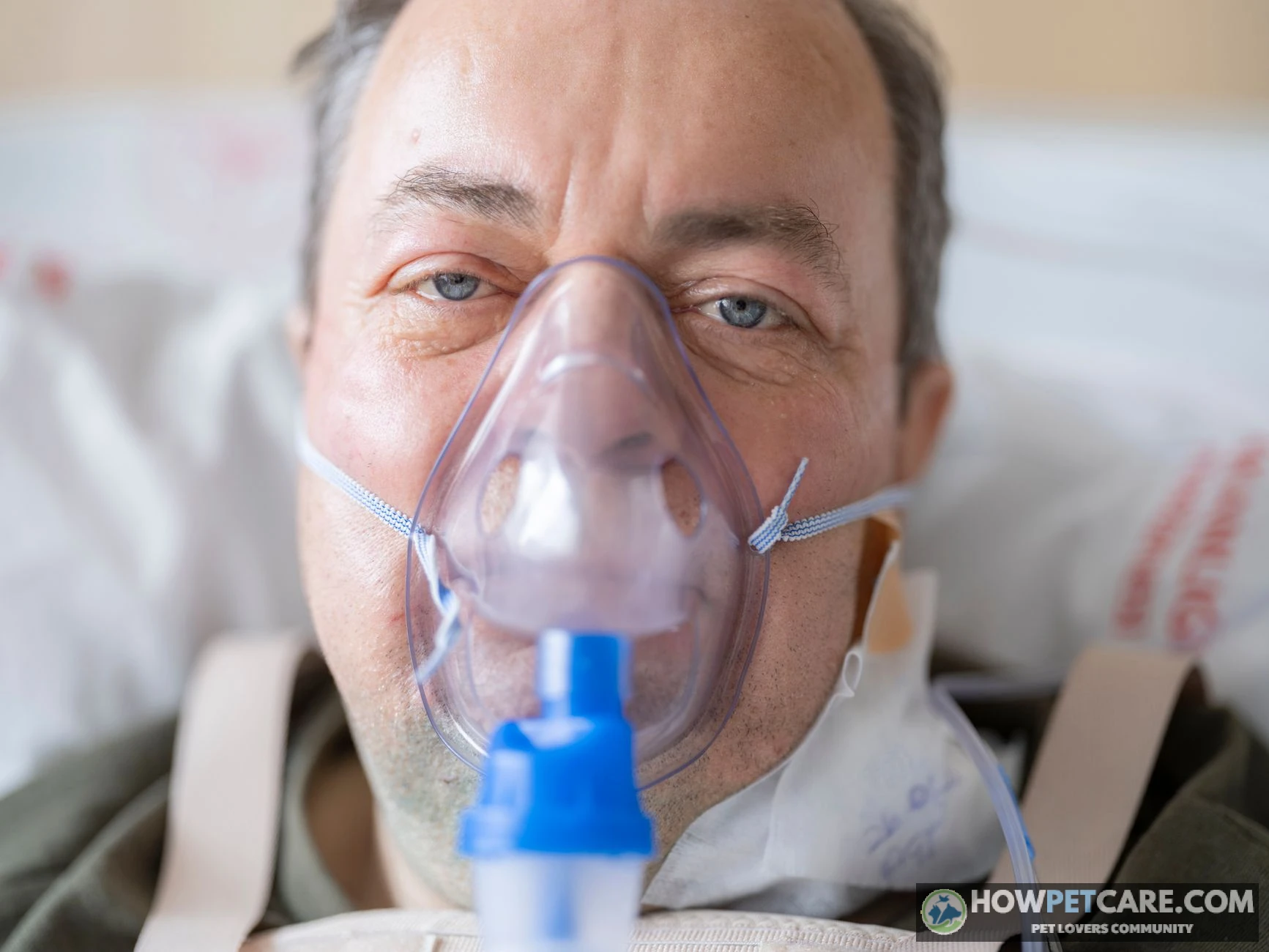
A cat with congestive heart failure may need oxygen, injectable diuretics and close monitoring. If fluid surrounds the lungs, a vet may remove it with a needle or catheter to make breathing easier. The team will also assess kidney function, blood pressure and other conditions as needed.
Before discharge, ask for written instructions covering each medication’s purpose, when follow-up tests are due, which breathing changes require a call, and what to do if a dose is missed or vomited. Don’t assume that every cat discharged after a clot needs the same medications as a cat treated for fluid-related heart failure.
Can you treat feline heart disease at home?
Home care supports veterinary treatment; it doesn’t replace emergency stabilization or testing. Give prescribed medication consistently, feed a complete and balanced diet suitable for your cat, keep fresh water available and maintain a calm routine. Don’t restrict water for a cat taking a diuretic unless the treating vet specifically instructs you to.
If giving pills is difficult, ask the clinic to show you a safe technique or discuss another suitable formulation. Before hiding bitter medication in a favorite food, check with your vet: if your cat refuses the food, that can create another problem. Supplements can’t replace a prescribed plan.
Stress can raise heart rate and make a sick cat harder to assess. For travel or procedures, ask your vet about low-stress handling and whether an anti-anxiety plan is suitable. If anesthesia is proposed, tell the team about the heart diagnosis and medications. That lets them assess risk, stabilize any heart failure and plan monitoring.
Managing a Cat with Heart Disease at Home: Breathing Rate Checks and Quality of Life
How to count your cat’s resting breathing rate, step by step
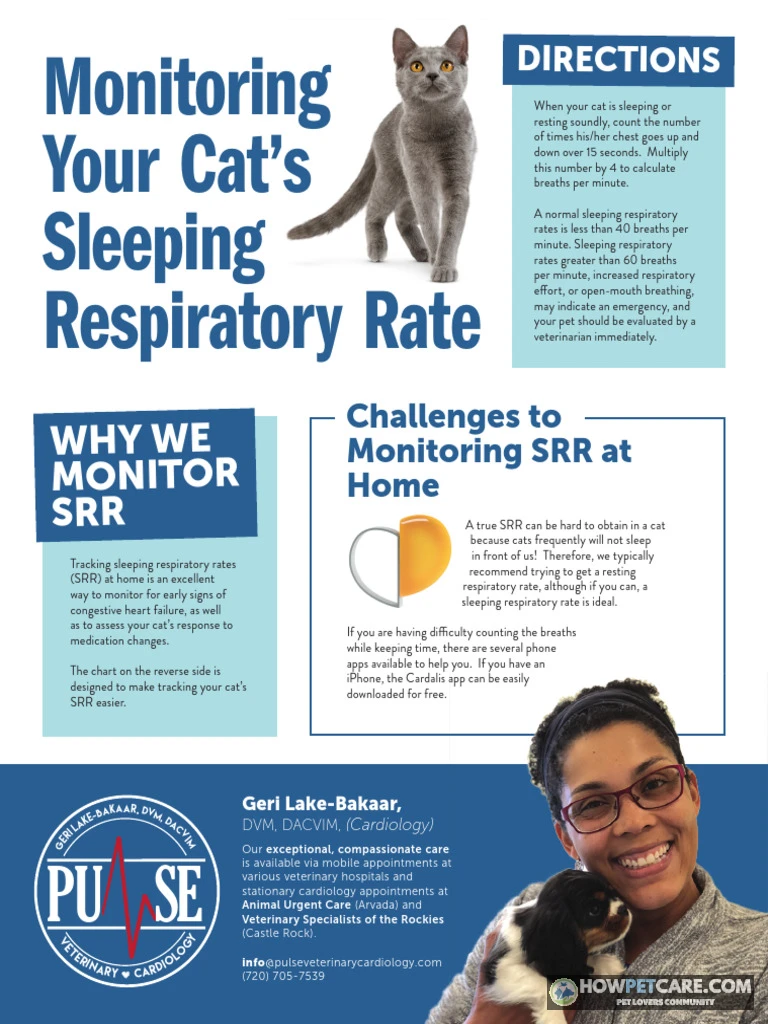
The sleeping respiratory rate is the number of breaths your cat takes per minute while asleep. It isn’t the same as heart rate. A breathing log gives your veterinary team a useful comparison if your cat’s condition changes.
-
Choose a quiet moment
Wait until your cat is asleep or fully relaxed, not purring, grooming or dreaming vigorously.
-
Watch the chest or flank
One rise and fall counts as one breath.
-
Time the count
Count for 30 seconds and multiply by two, or count for a full 60 seconds.
-
Record the result
Write down the date, time, rate and anything unusual about breathing effort. Repeat on several different days to learn your cat’s baseline.
For example, 14 breaths in 30 seconds equals 28 breaths per minute. If a later count is 17 breaths in 30 seconds, the rate is 34. If your cat is comfortable, repeat the count after a quiet interval. If it remains above 30, call your vet that day. Don’t wait for another day of elevated readings to call.
When a number should trigger a call or a trip to the clinic
For many cats, a sleeping rate below about 30 breaths per minute is expected. A repeated rate above 30 warrants a veterinary call. A persistently elevated rate above 40 is an emergency concern. Any visible breathing effort, open-mouth breathing or blue-gray gums warrants emergency care, regardless of the count.
Your vet may set an individual action threshold, especially after heart failure. A meaningful rise from your cat’s usual rate is also worth reporting, even if it’s still below 30. Don’t delay an emergency visit to finish a log.
Along with breathing, track appetite, water intake, activity, litter-box output and medications given. Note trends and any bleeding, vomiting or unusual weakness. Check gum color only if your cat tolerates it calmly. Don’t struggle with a breathless cat to inspect its mouth.
Scoring quality of life and knowing when it is time
A quality-of-life scale can turn a difficult impression into observations to discuss with your vet. The HHHHHMM framework covers hurt, hunger, hydration, hygiene, happiness, mobility, and more good days than bad. Use a consistent scoring sheet with your veterinary team and review it regularly, such as weekly, and after a major change.
Write down concrete examples. Is your cat breathing comfortably at rest? Eating willingly? Reaching the litter box? Grooming or accepting gentle help? Seeking familiar people or activities? Mark good and difficult days on a calendar. A score helps guide a conversation; it isn’t a diagnosis or an automatic instruction to choose euthanasia.
Ask for an urgent veterinary discussion if you can’t maintain your cat’s comfort, it repeatedly struggles to breathe, stops eating, experiences uncontrolled pain, or faces repeated crises despite treatment. The vet can explain whether another treatment is likely to restore comfort, what it would involve, and whether euthanasia may be the kinder option. Planning before a crisis can include choosing a clinic, discussing costs and deciding whom to call after hours.
Your Next Steps After a Murmur or Heart Disease Diagnosis
A checklist by situation: new murmur, confirmed diagnosis, on treatment
- New murmur: Ask how soon your cat needs follow-up and whether NT-proBNP, an echocardiogram or another assessment would be most useful. Start a sleeping breathing-rate log if your cat is comfortable.
- Confirmed disease: Request the diagnosis and stage in writing, along with the recommended recheck schedule and signs that should prompt a call.
- On medication: Keep a current medication list, arrange refills before supplies run out, and record side effects and scheduled bloodwork.
- Any emergency concern: Know the location and phone number of an emergency clinic before you need one. Difficult breathing or sudden painful limb weakness takes priority over completing a checklist.
Questions to ask your vet or cardiologist
- What did the exam or echocardiogram show, and is my cat’s left atrium enlarged?
- Which ACVIM stage applies, and what does it mean for my cat’s risk and recheck schedule?
- Would an NT-proBNP test change the plan, or is an echocardiogram the more useful next step?
- Does my cat need medication now? What benefits and side effects should I expect, and what monitoring is needed?
- What sleeping breathing rate or other change should prompt a same-day call or an emergency visit?
- Can I have an itemized estimate covering testing, medication and follow-up, and which costs are essential today?
 You might be wonderingHeat stroke in catsHeat Stroke in Cats: Emergency Signs, Cooling Steps & Vet TriageRead the answer
FAQ
Can heart disease in cats cause sudden death?
It can, but it is uncommon compared with how many cats have heart disease. Most deaths follow heart failure or a blood clot rather than occurring without warning. Screening, monitoring breathing rate, and treating higher-risk stages lower the chance.
Can a taurine deficiency cause heart disease in cats?
Yes, it can cause dilated cardiomyopathy. It is now rare because commercial cat foods are supplemented with taurine. Homemade, vegetarian, or poorly balanced diets are the main risk.
Do kittens and young cats get heart murmurs?
Yes, and many are harmless and disappear as the kitten grows. A murmur that persists or comes with symptoms should still be checked, because some young cats have congenital or inherited heart disease.
Is anesthesia safe for a cat with heart disease?
It carries more risk, so your vet should know the stage and treat heart failure first. A cat with well-controlled, early-stage disease can often have procedures such as dental cleaning with extra monitoring.
Can stress make heart disease worse in cats?
Stress can raise heart rate and blood pressure and may trigger breathing trouble in a cat with heart disease. Keep routines calm, make vet visits low-stress, and ask about anti-anxiety options for travel.